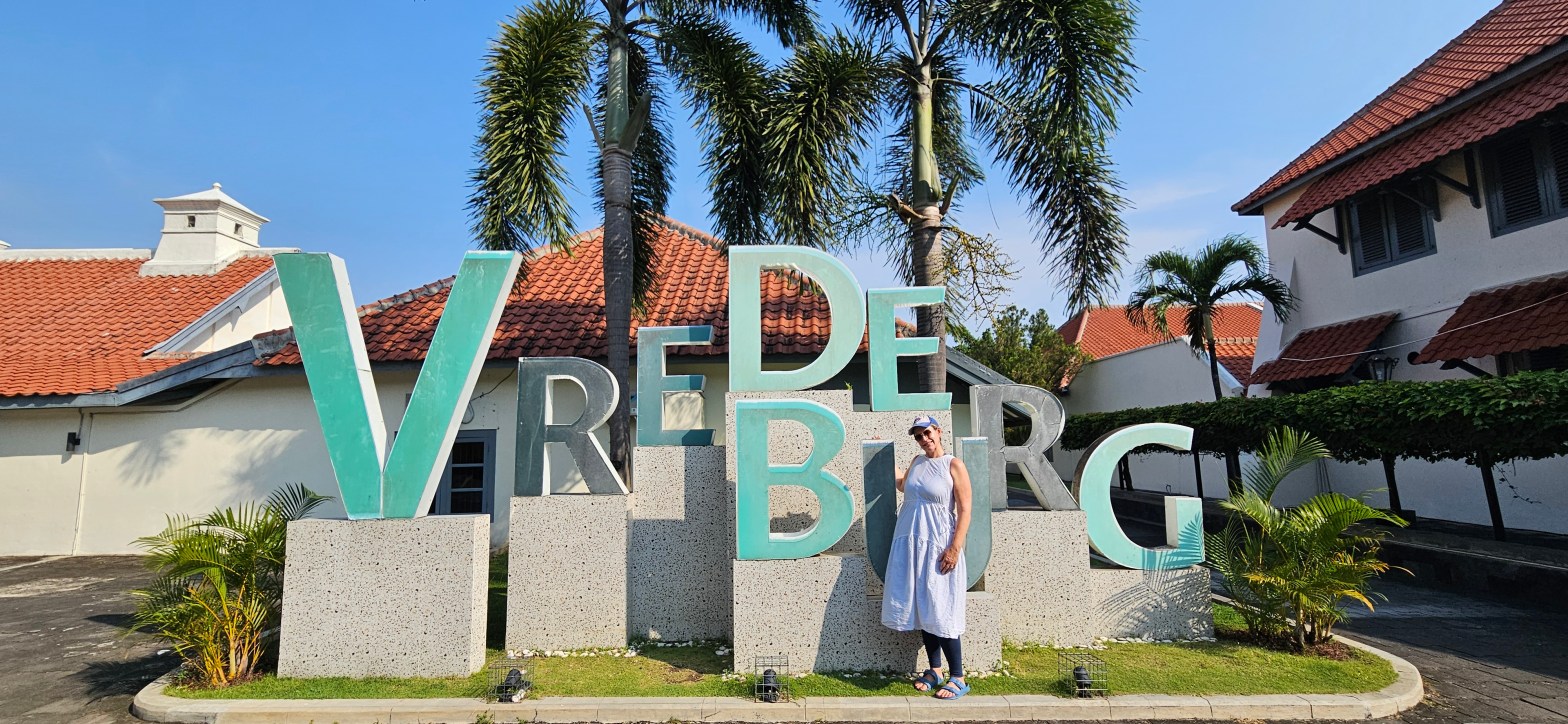
We arrived in Jogjakarta (or Yogyakarta), the second biggest city on Java, after four nights in Surabaya. The train trip was only a few hours and uneventful. Train travel on Java is nice, clean, and low-key. I decided I wanted to try one of the pre-made meals that are offered on the train by the carts that pass through every so often. It was late morning and we had already eaten breakfast, so I passed the first time and on the second pass through they had already sold out. We had one more train trip from Jogja (as it is called by locals), so, while disappointed, I knew I would get one on the next trip.
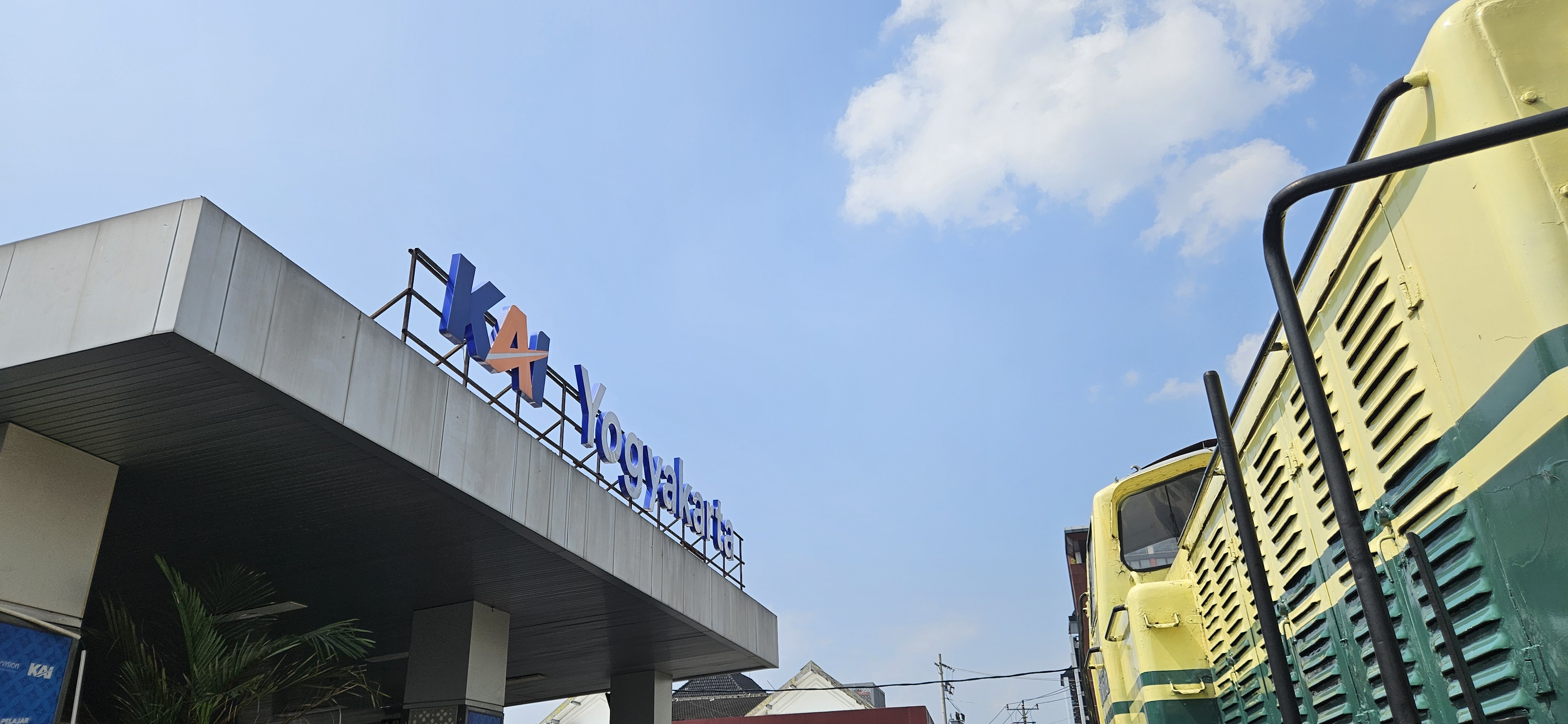
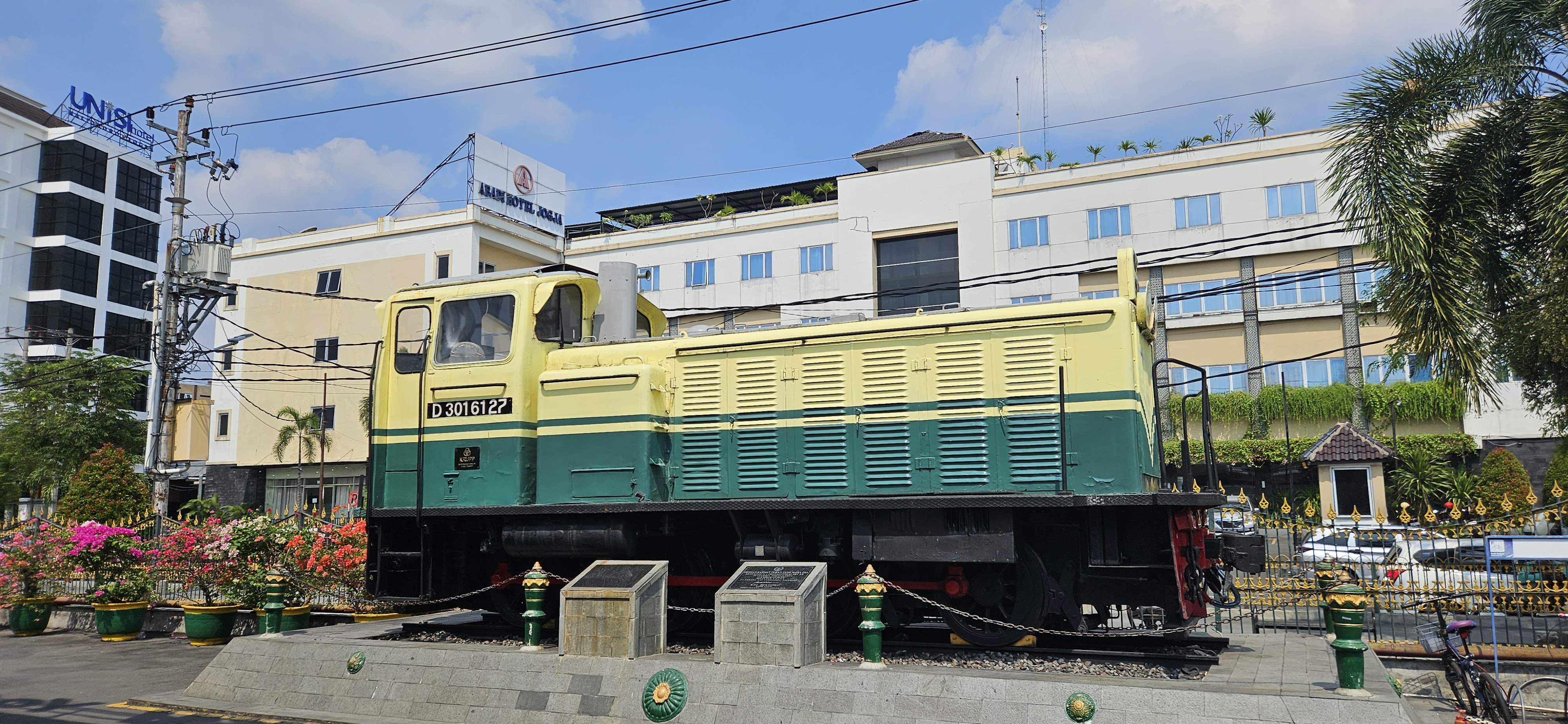
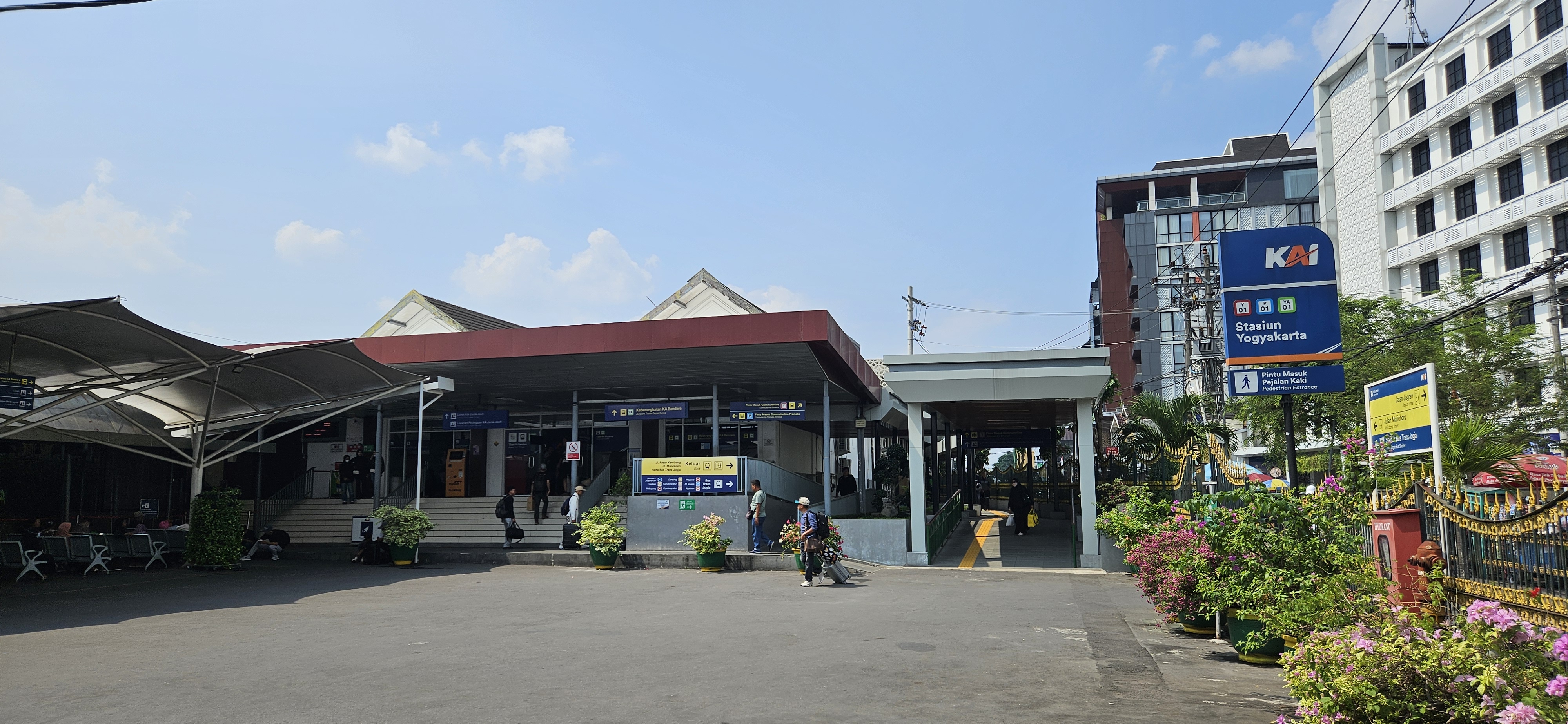
The train station was very busy (the pictures below were from our return, when it was much less so). We actually had to pass through another, parked train to exit the station. Another train had arrived at the same time as ours, so we took little steps among the throngs of fellow train goers until we arrived outside, sweaty and already tired. It was sunny when we stepped out of the station, and after a bit of confusion finding our taxi, we did and were on the way to our hotel.
Our hotel was in the popular tourist neighborhood known as Prawirotaman. There are western restaurants, bars ,and coffee shops. Bars are not common amongst the majority Muslim island. However, as opposed to Surabaya, Jogja is a popular tourist city even amongst Indonesians, and has a vibe much more similar to Bali (which was told to us by the young barber who cut my hair while we were in Ubud, who was from Jogja).
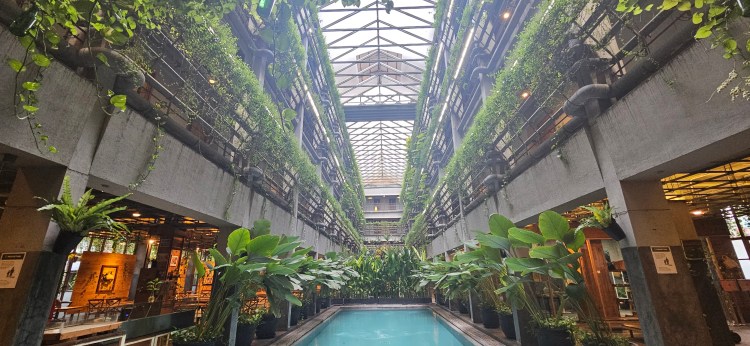
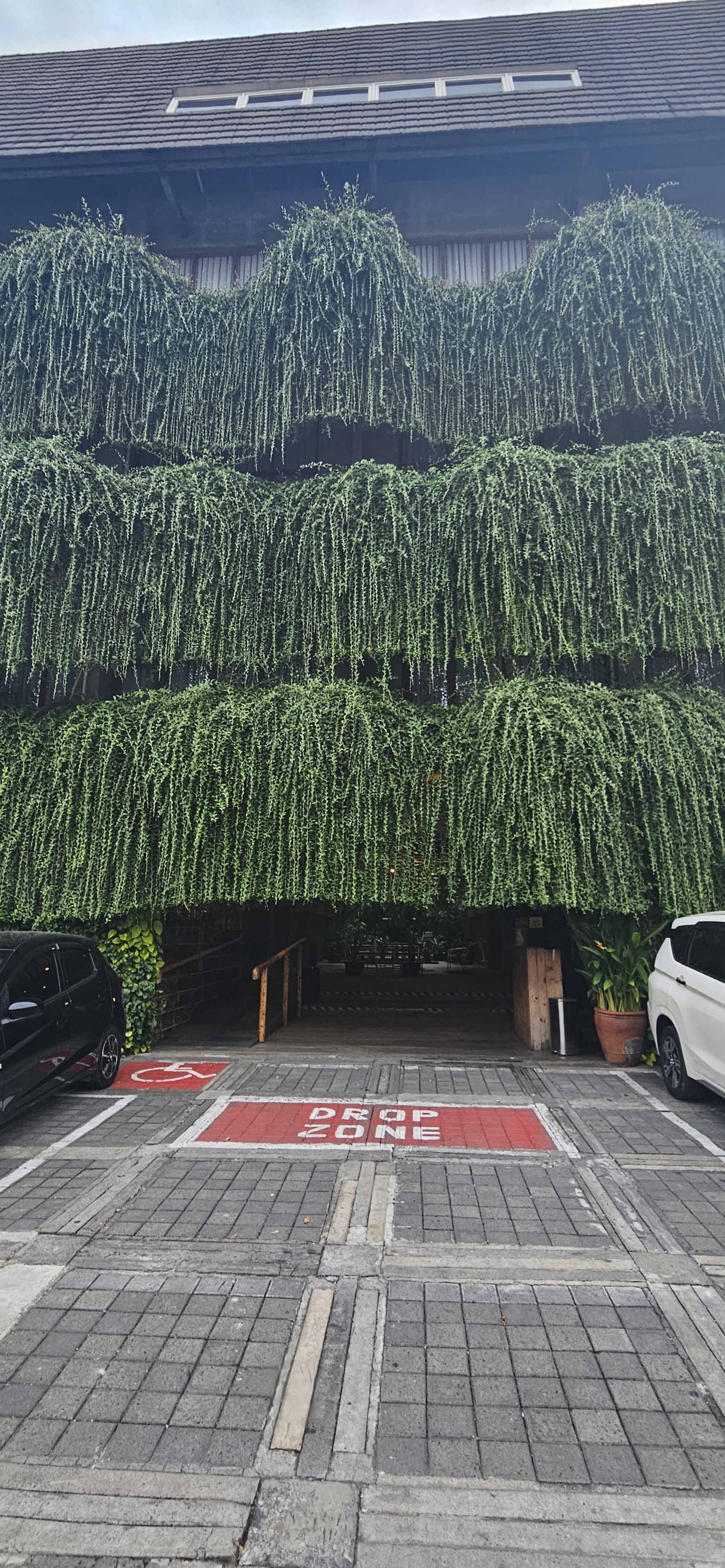
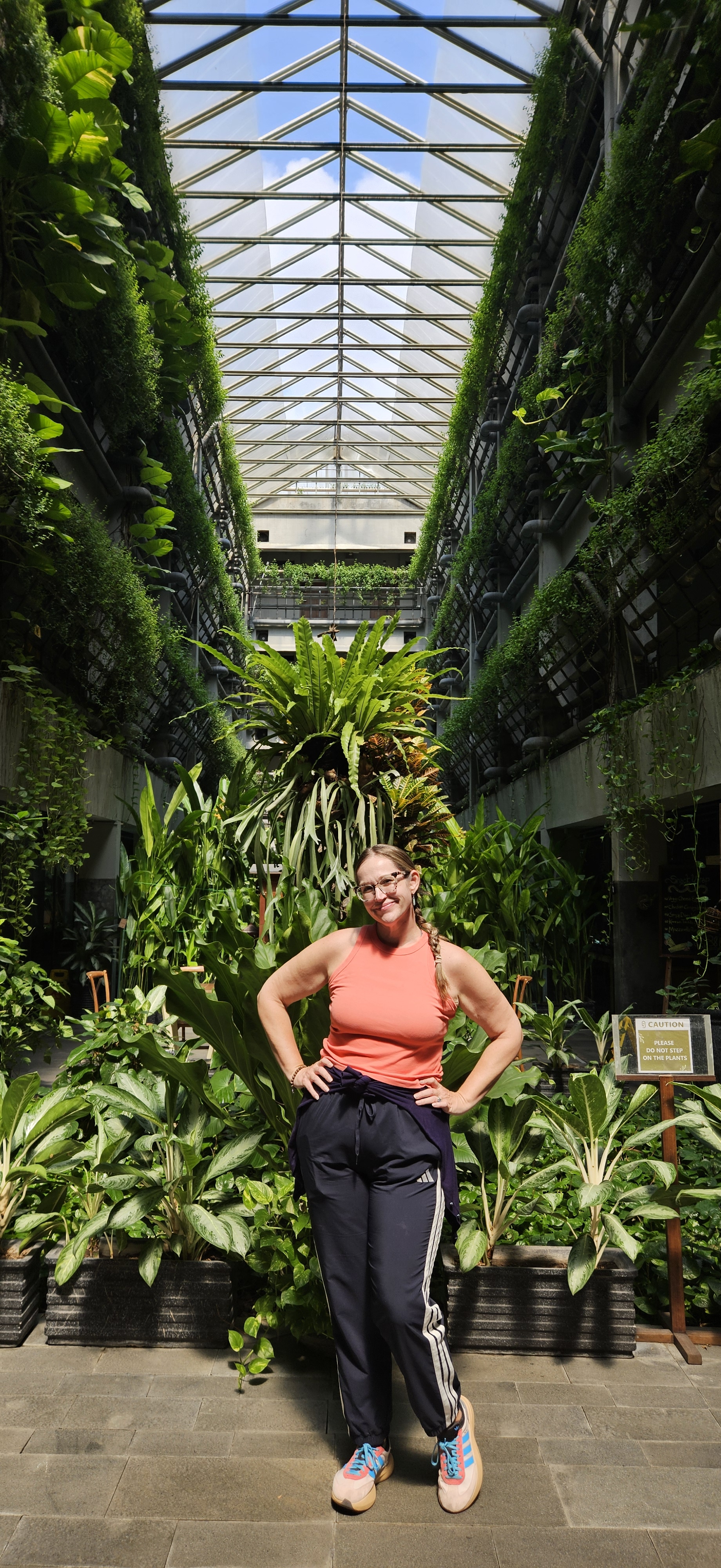
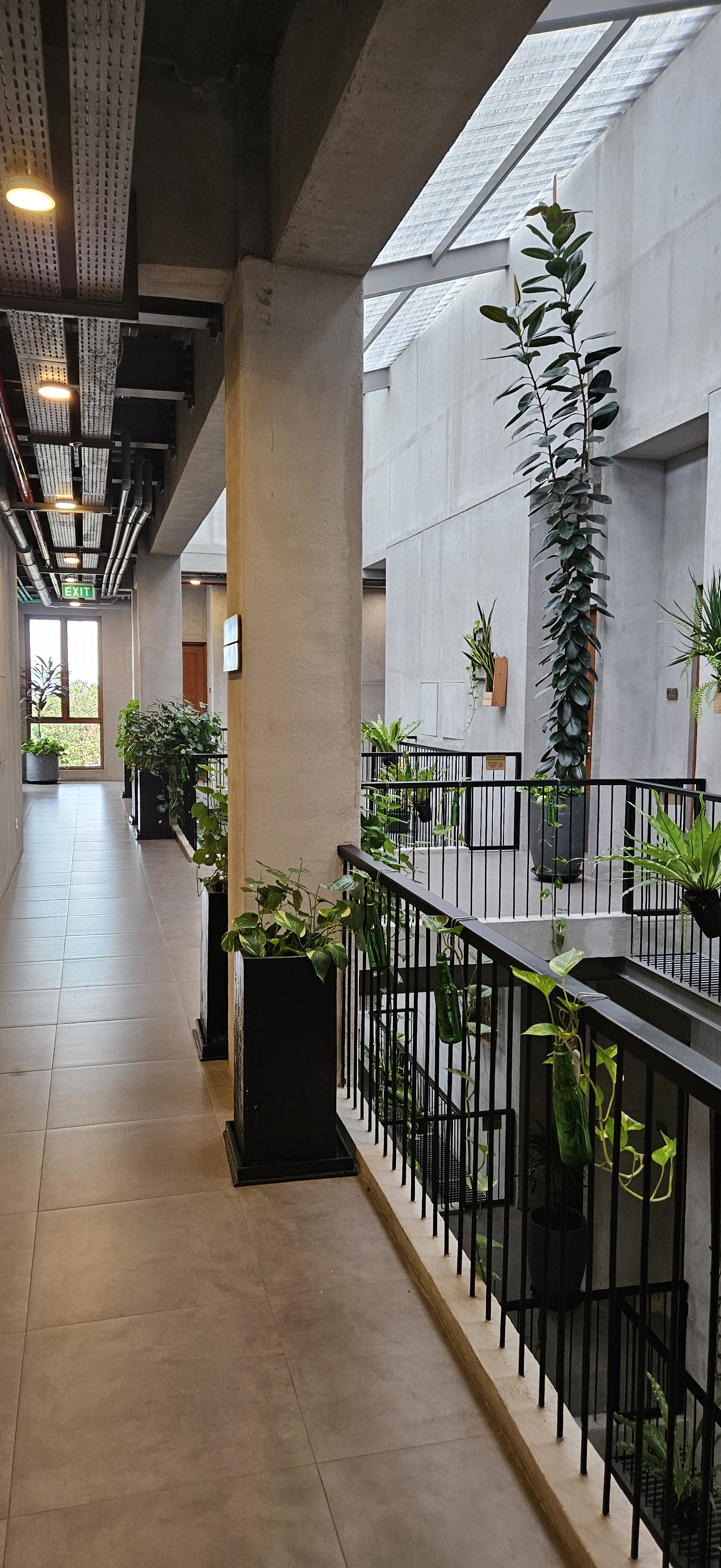
Our hotel was called the Greenhost Boutique hotel. It has become so popular it is no longer really “boutique” and we stayed in the newer, 3-story, add-on building. The original hotel is in the picture below, and was where we checked in and ate breakfast. It was very green and quite a nice stay.
We relaxed and enjoyed the hotel room as we tend to do on arrival in a new city, and set out the next day to the Maliboro neighborhood. Maliboro is the most popular area of Jogja, and the first stop of most tourists. It is full of white, colonial era buildings and wide streets, and was quite busy when we arrived.
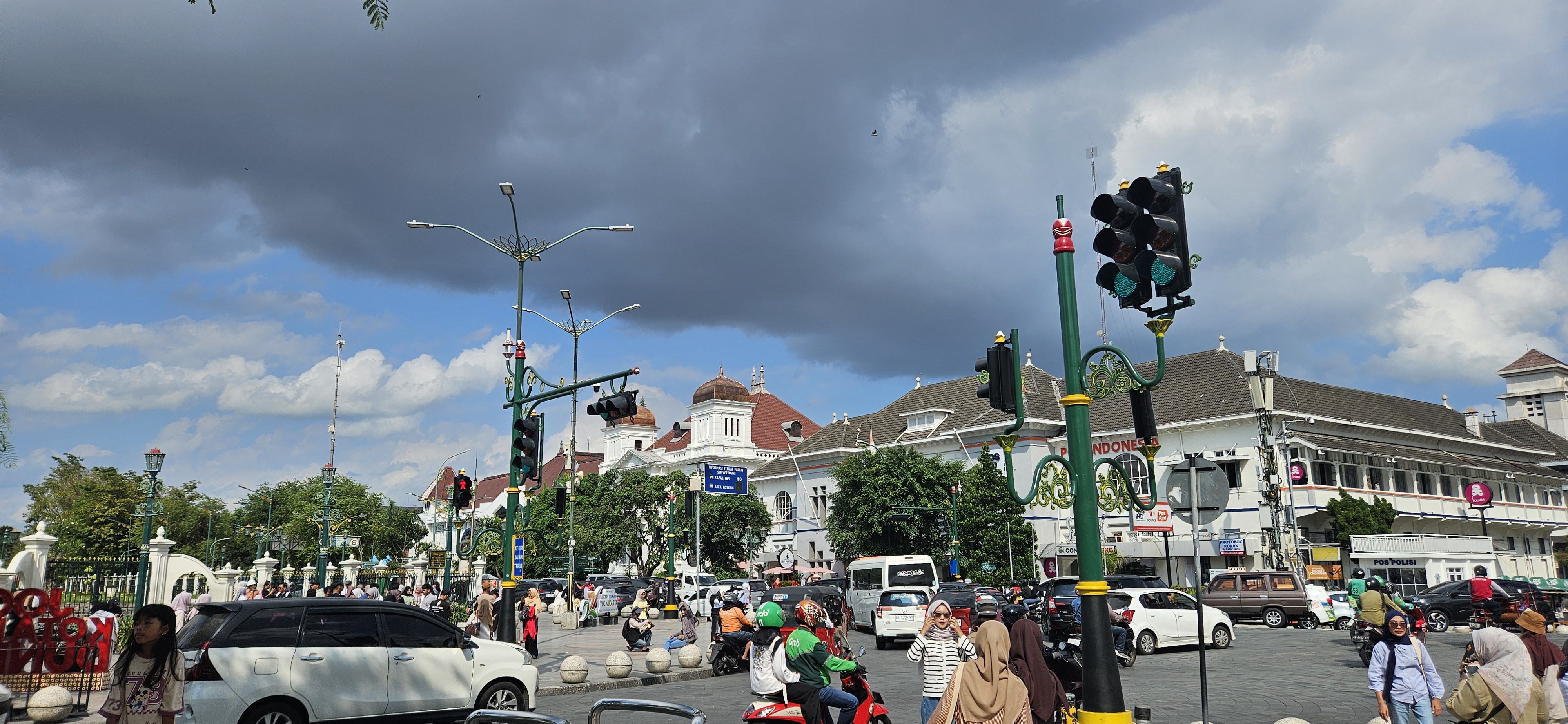
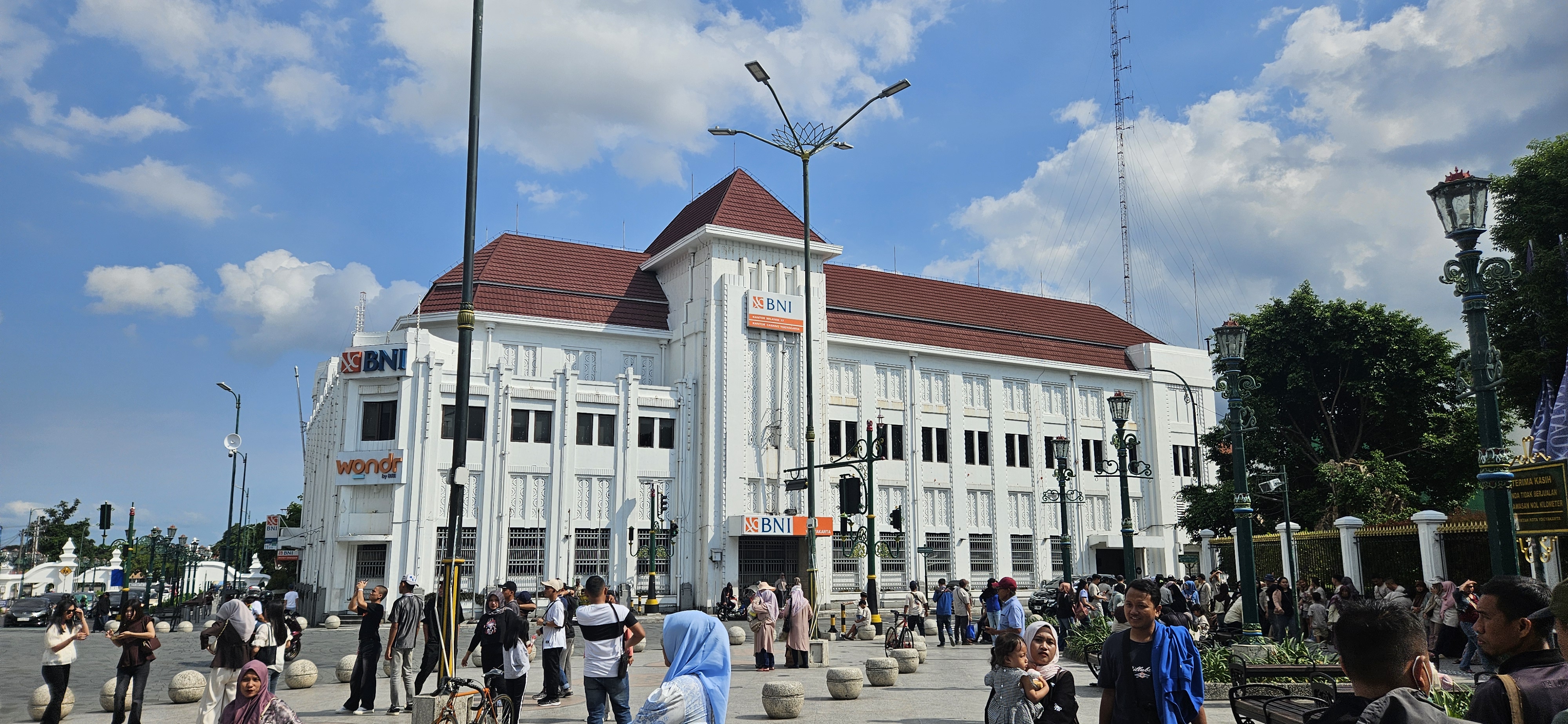
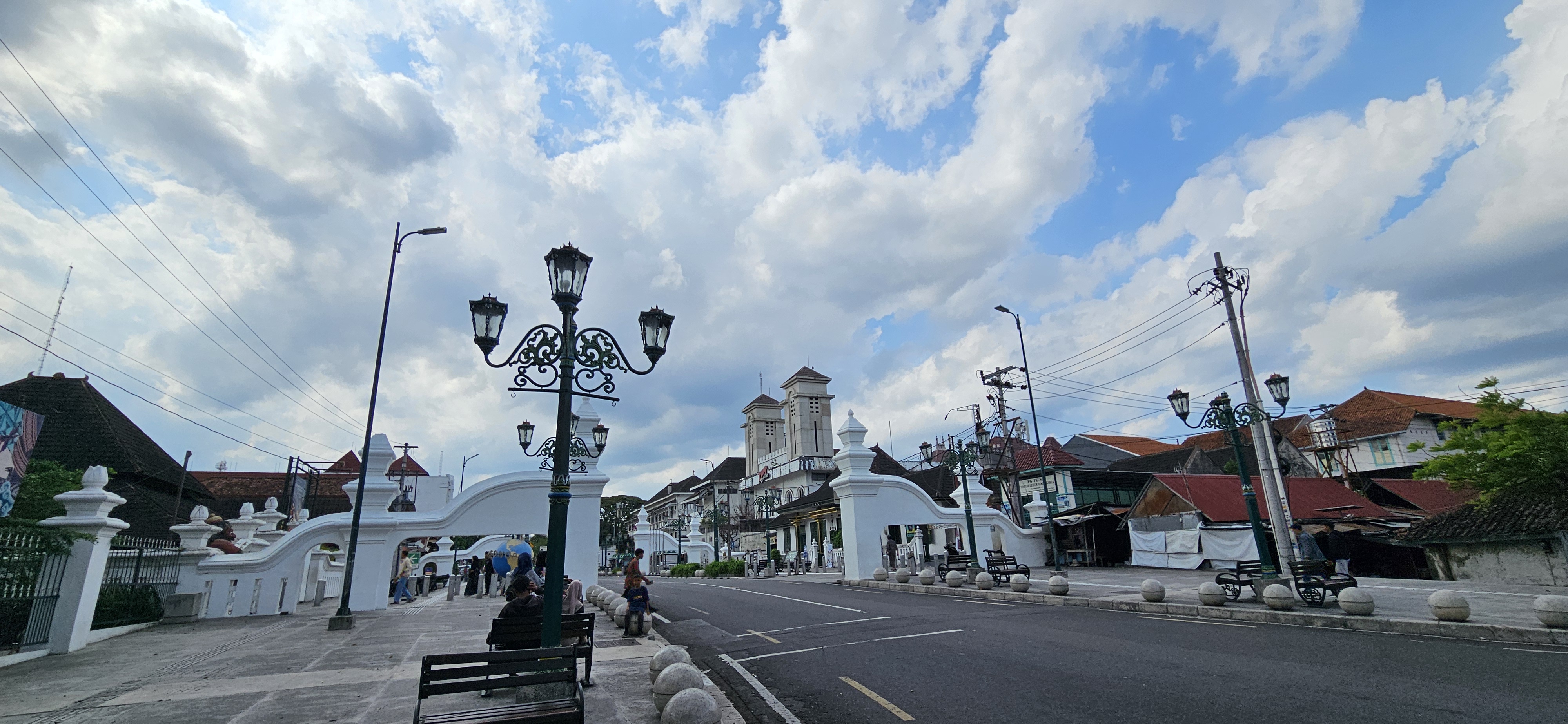
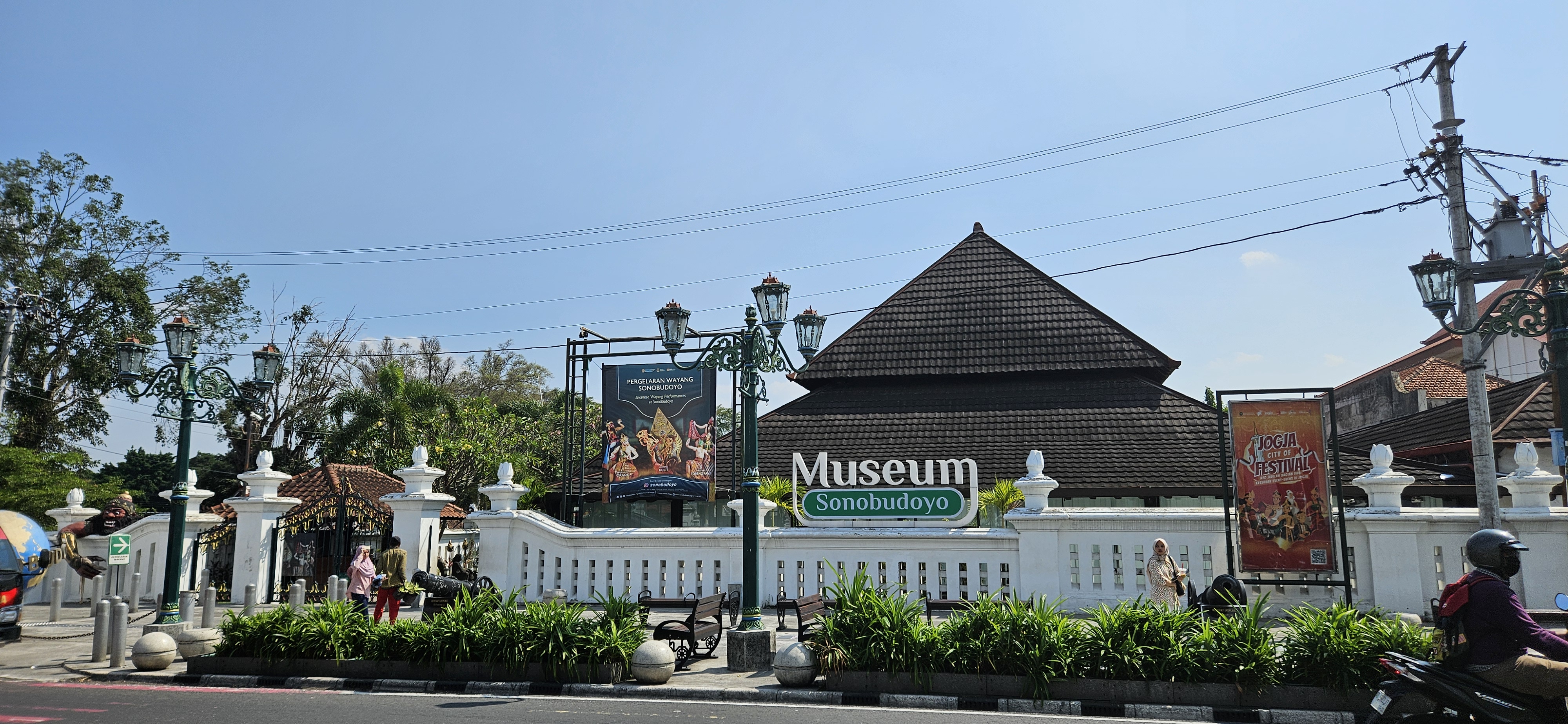
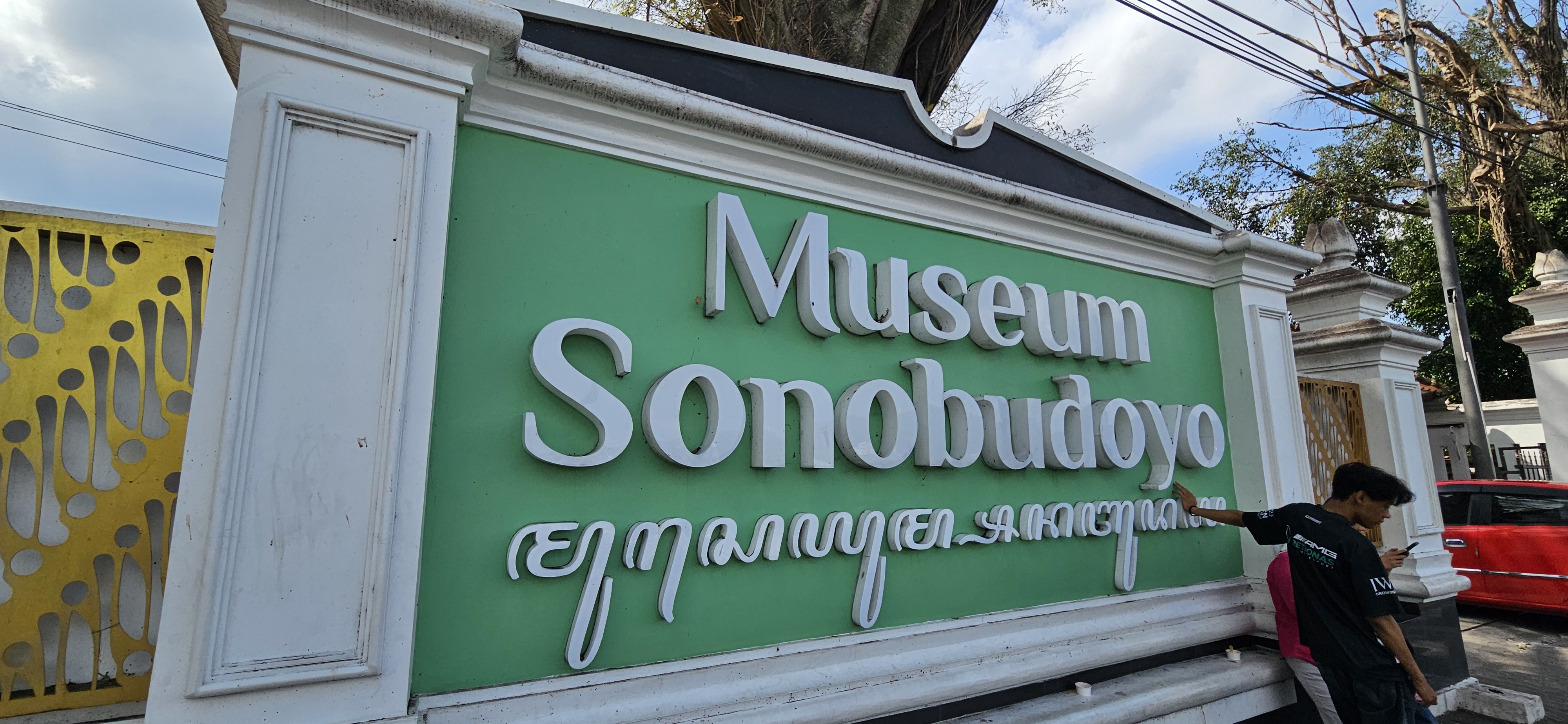
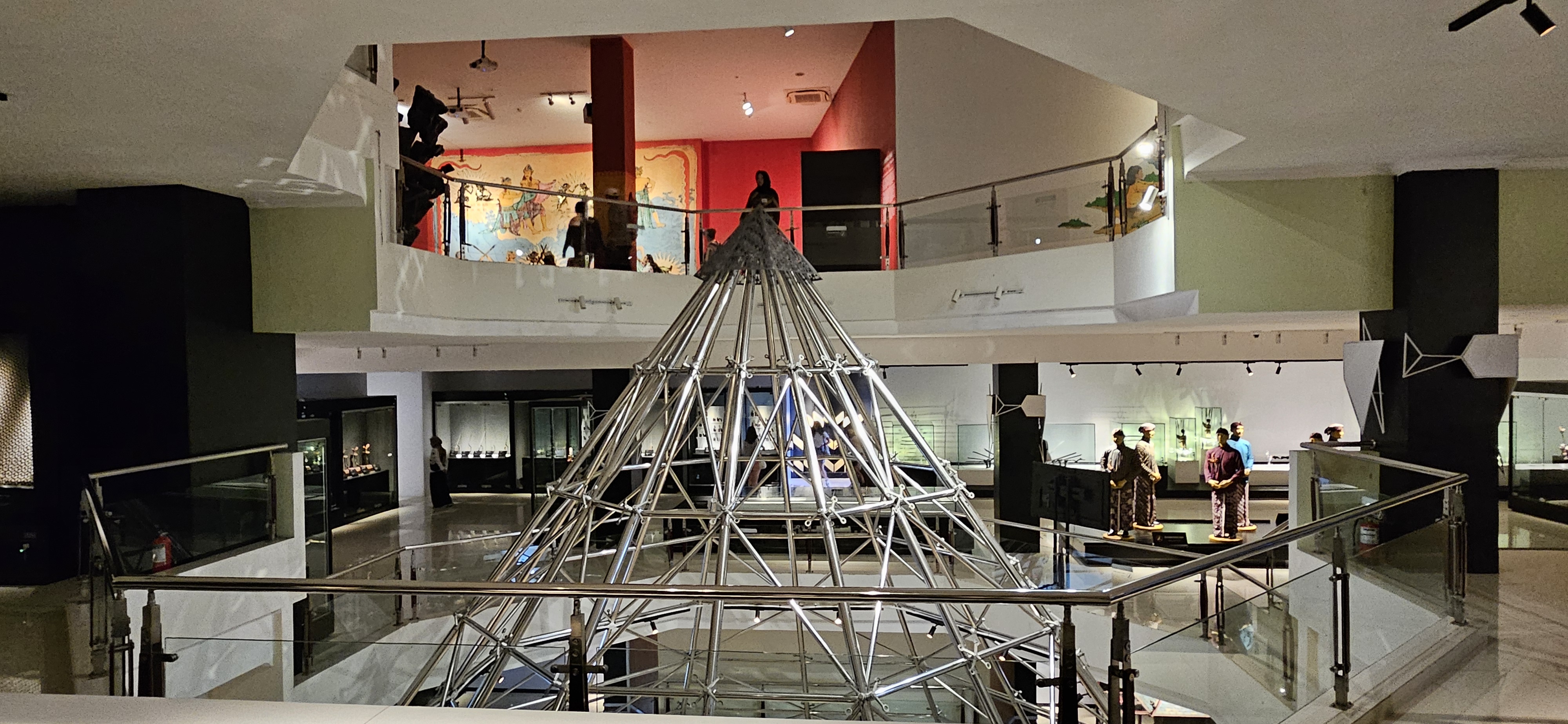
Our first stop was the Sonobudoyo Museum. The Museum celebrates and highlights Javanese history, and we paid the nominal entry fee and went inside to explore.
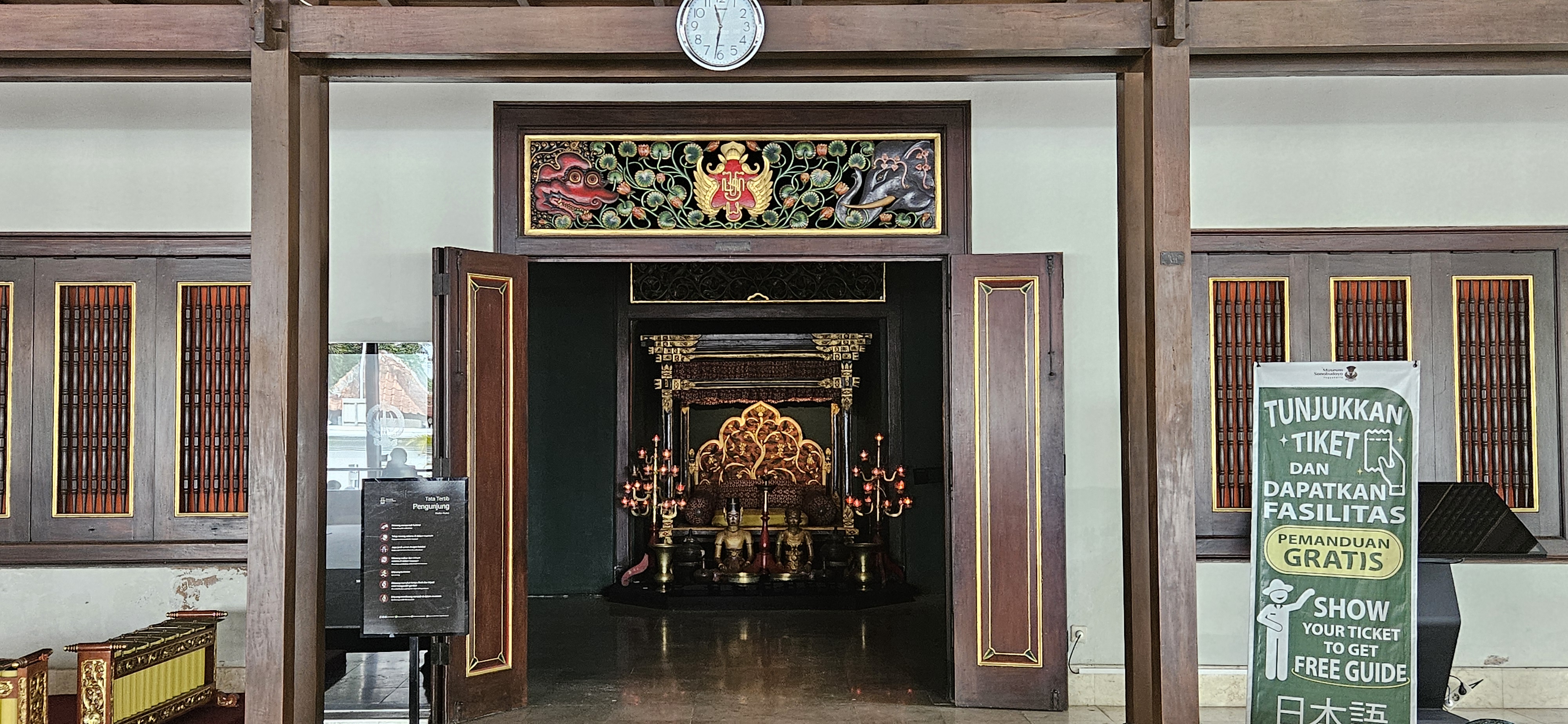
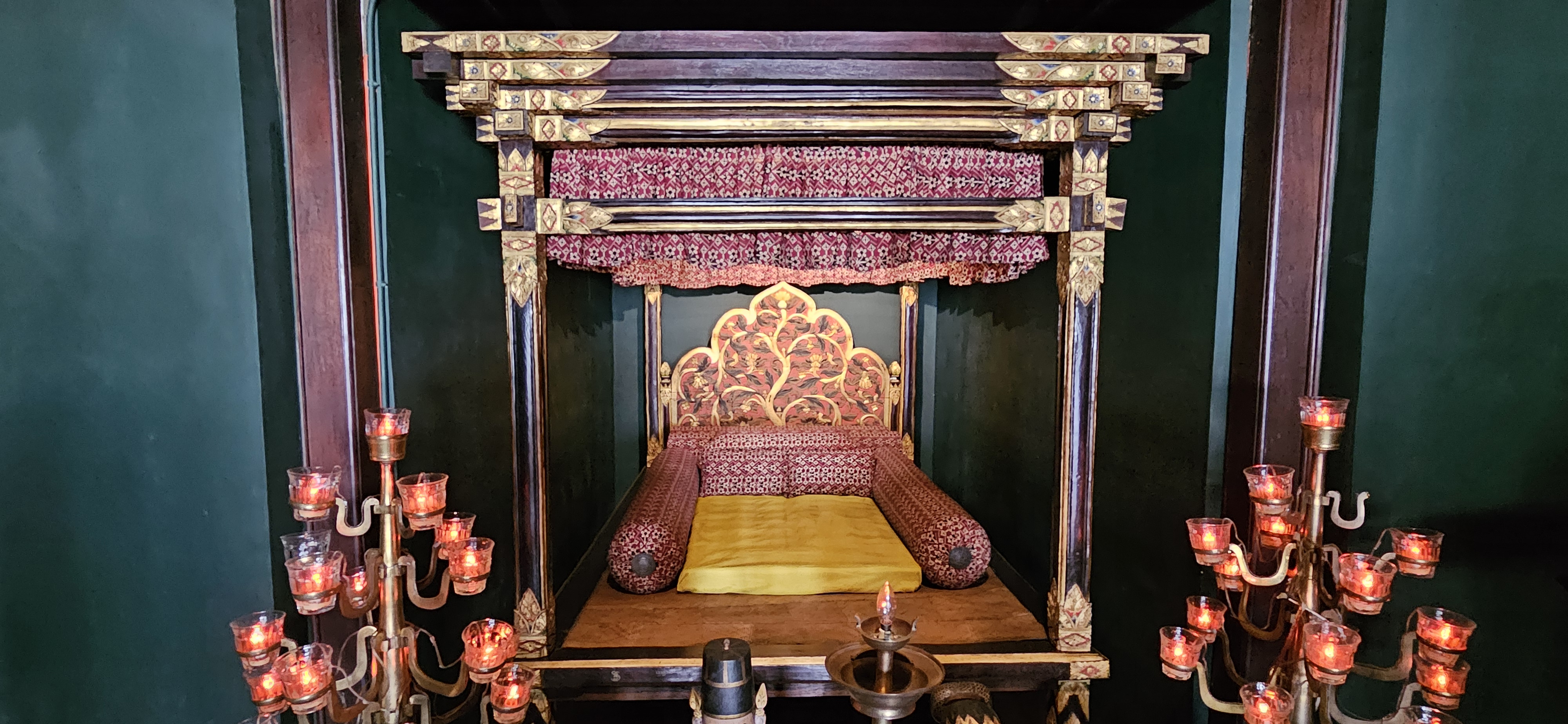
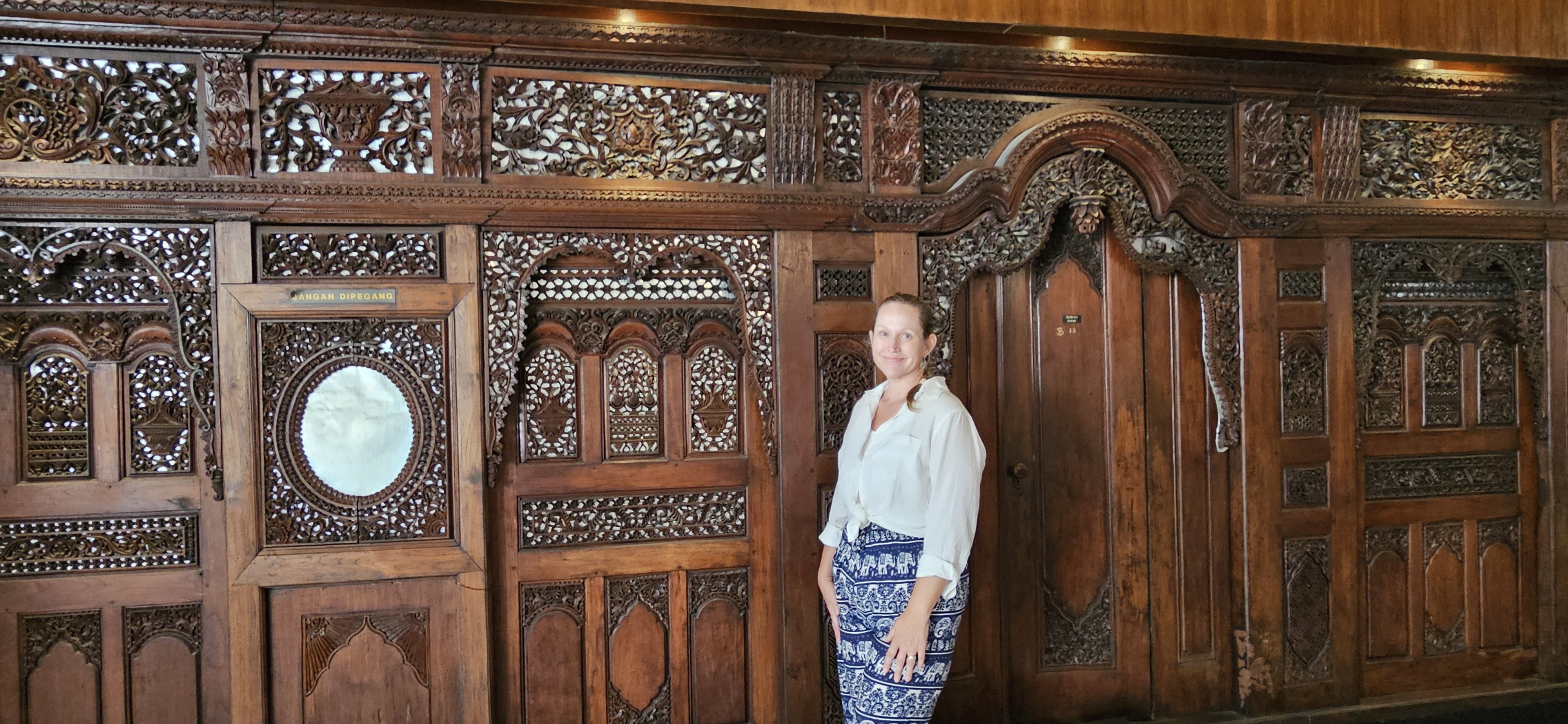
Immediately inside the first thing one sees is the traditional Javanese house entrance, called a Rumah Jawa. It is split into inner and outer sections, and in the inner section is the Sentong tengah, a sacred room for the owner to store family heirlooms and connect with God.
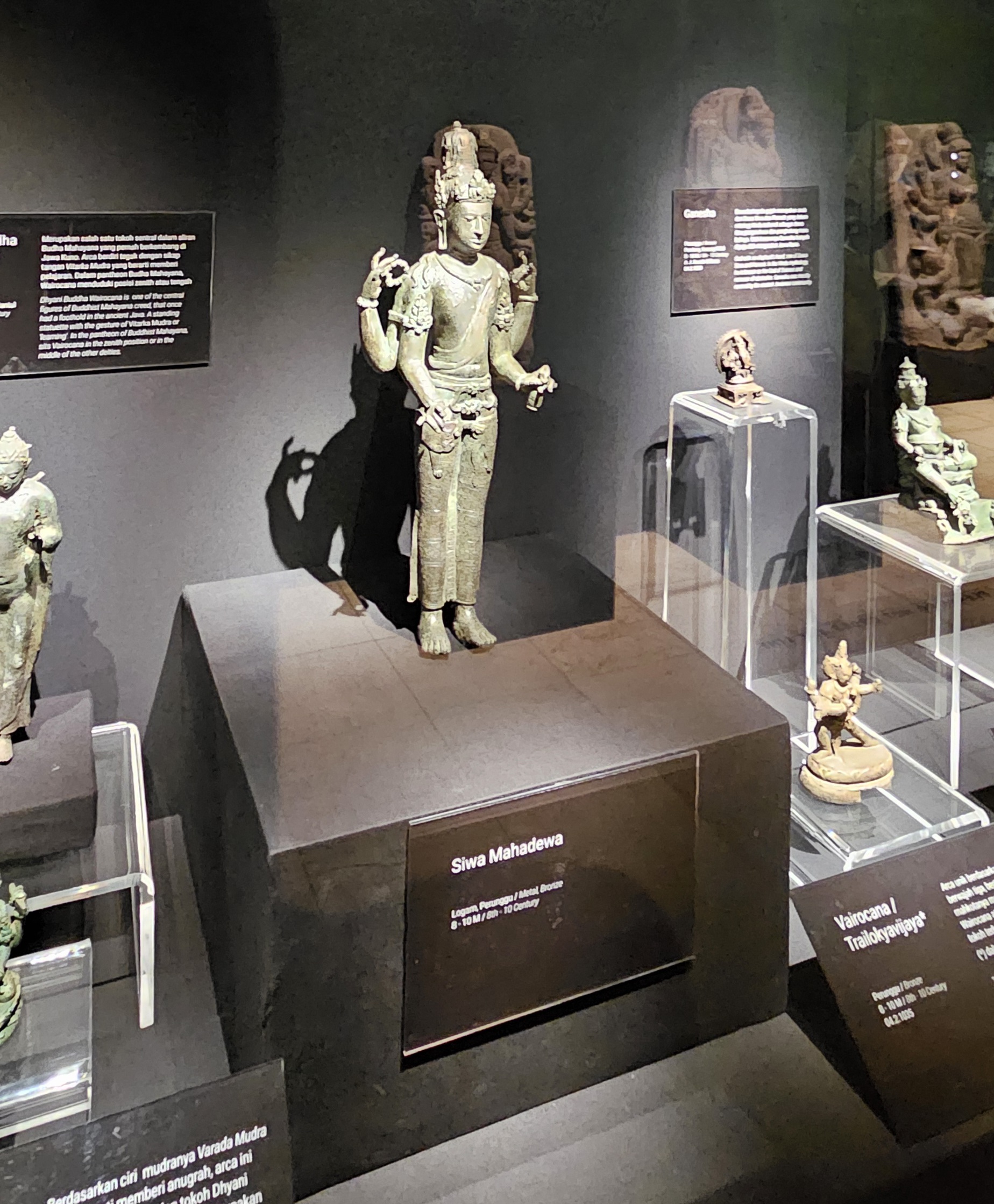
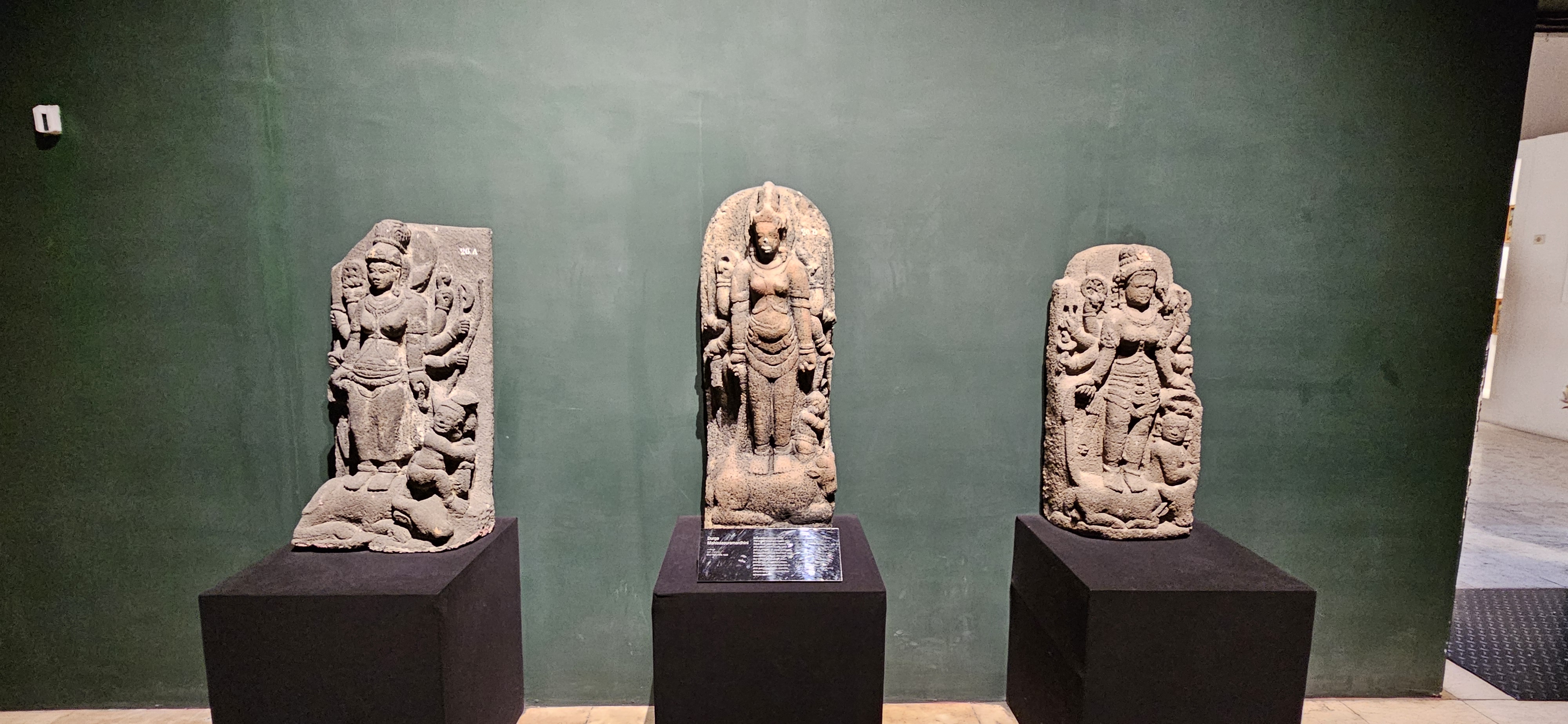
Next are some Buddhist statues, some dating back 1,000+ years.
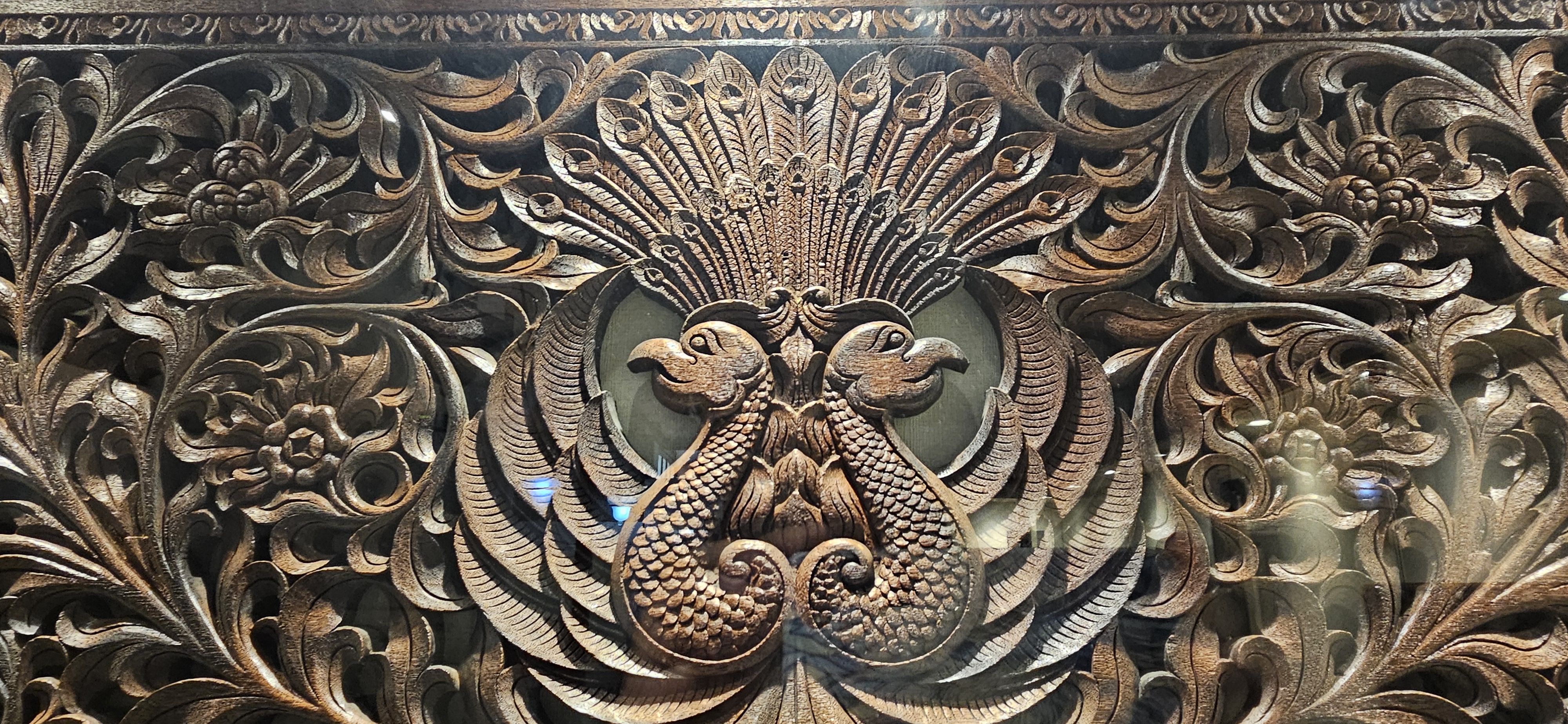
Wood carving is a specialized art form on Java, and the northern city of Jepara is known as the place where the best carvings were and are made. The detail is truly stunning, and we spent a long time inspecting the intricacies of the patterns.
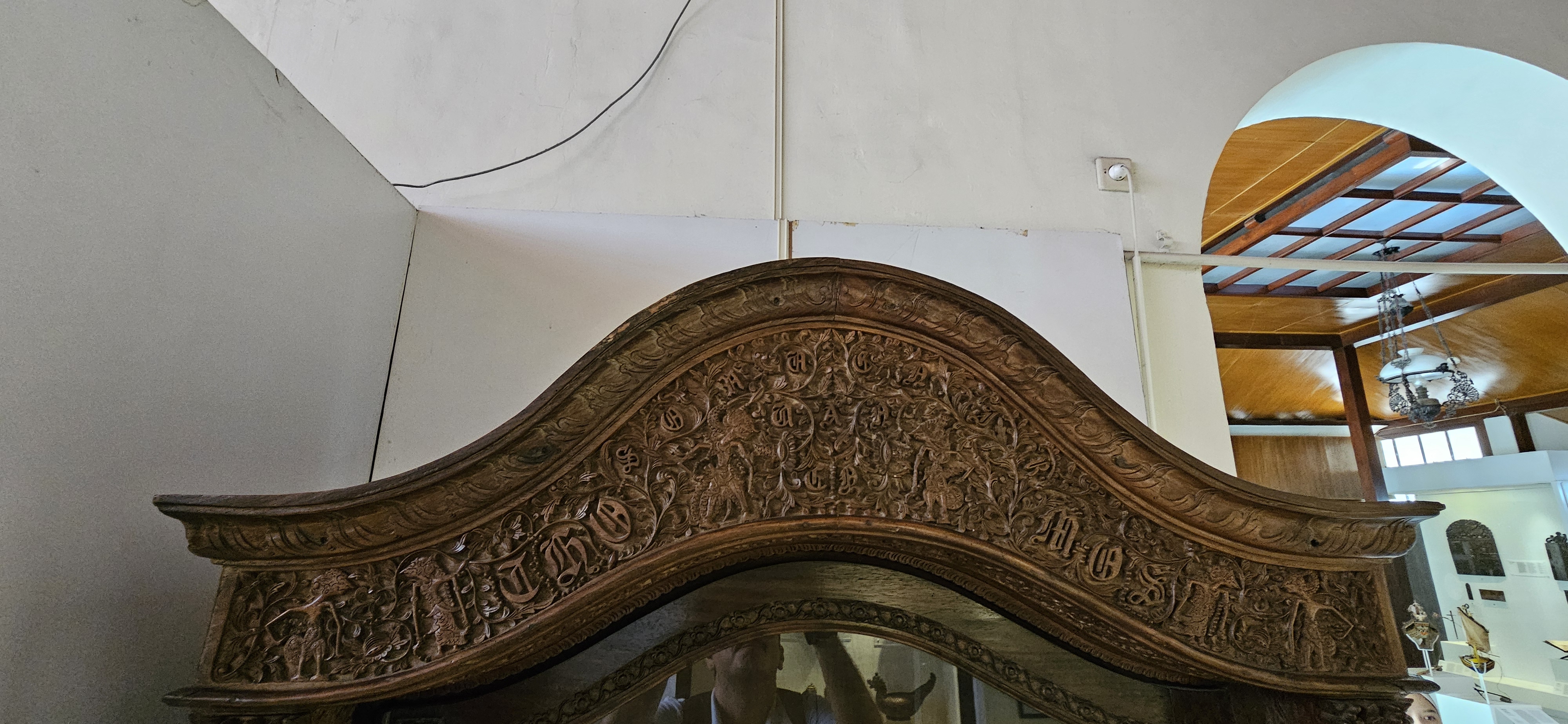
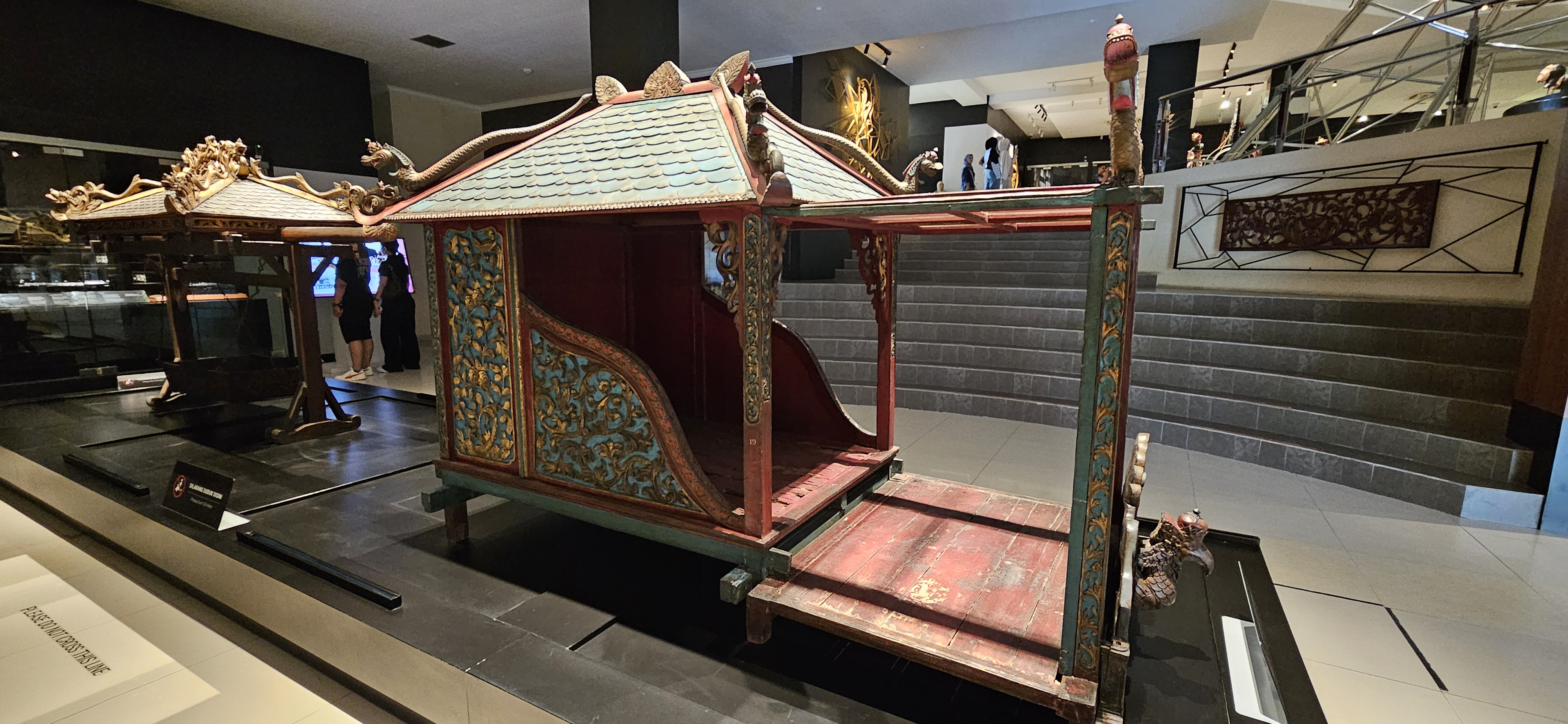
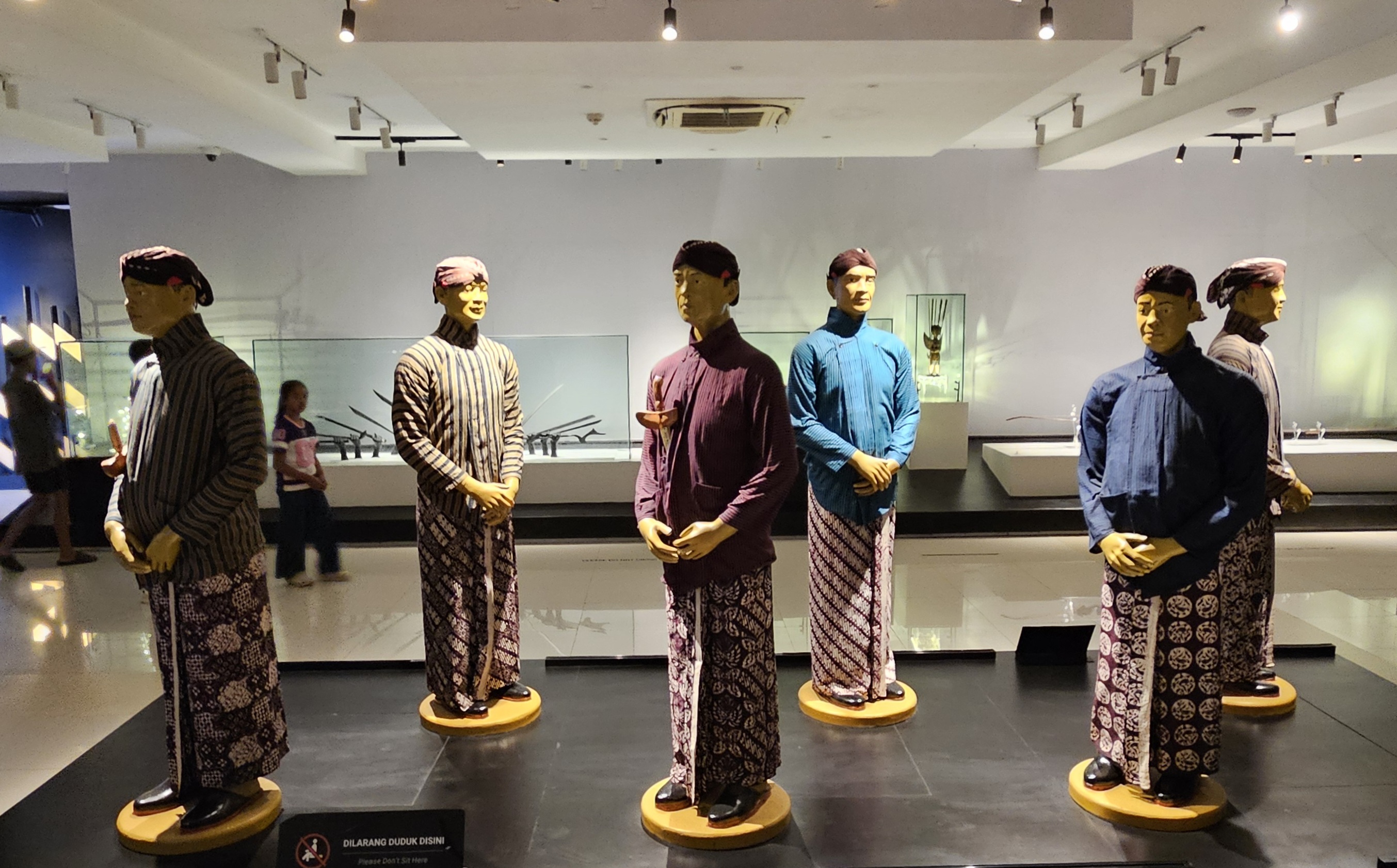
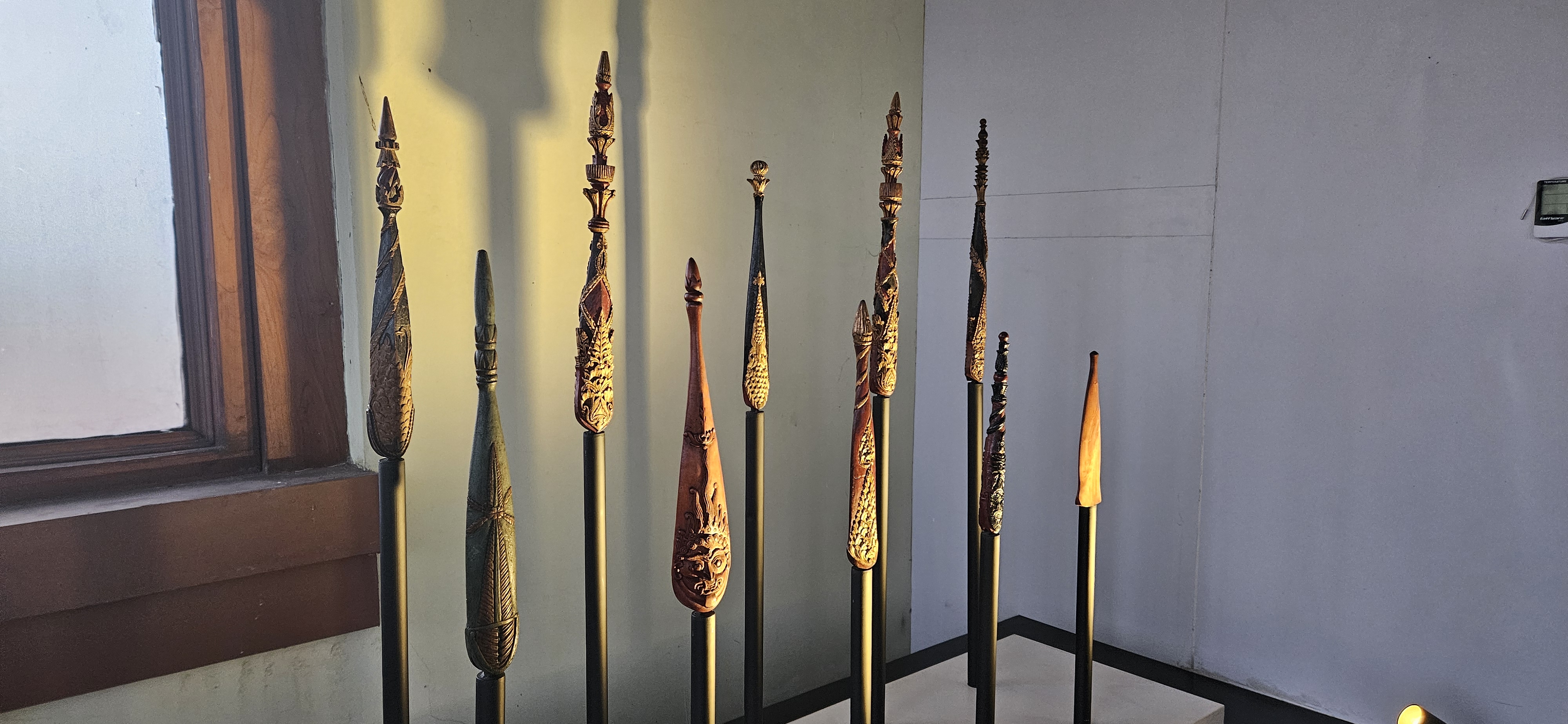
Inside the main museum building, we saw traditional dress of different tribes of Java, spearheads,
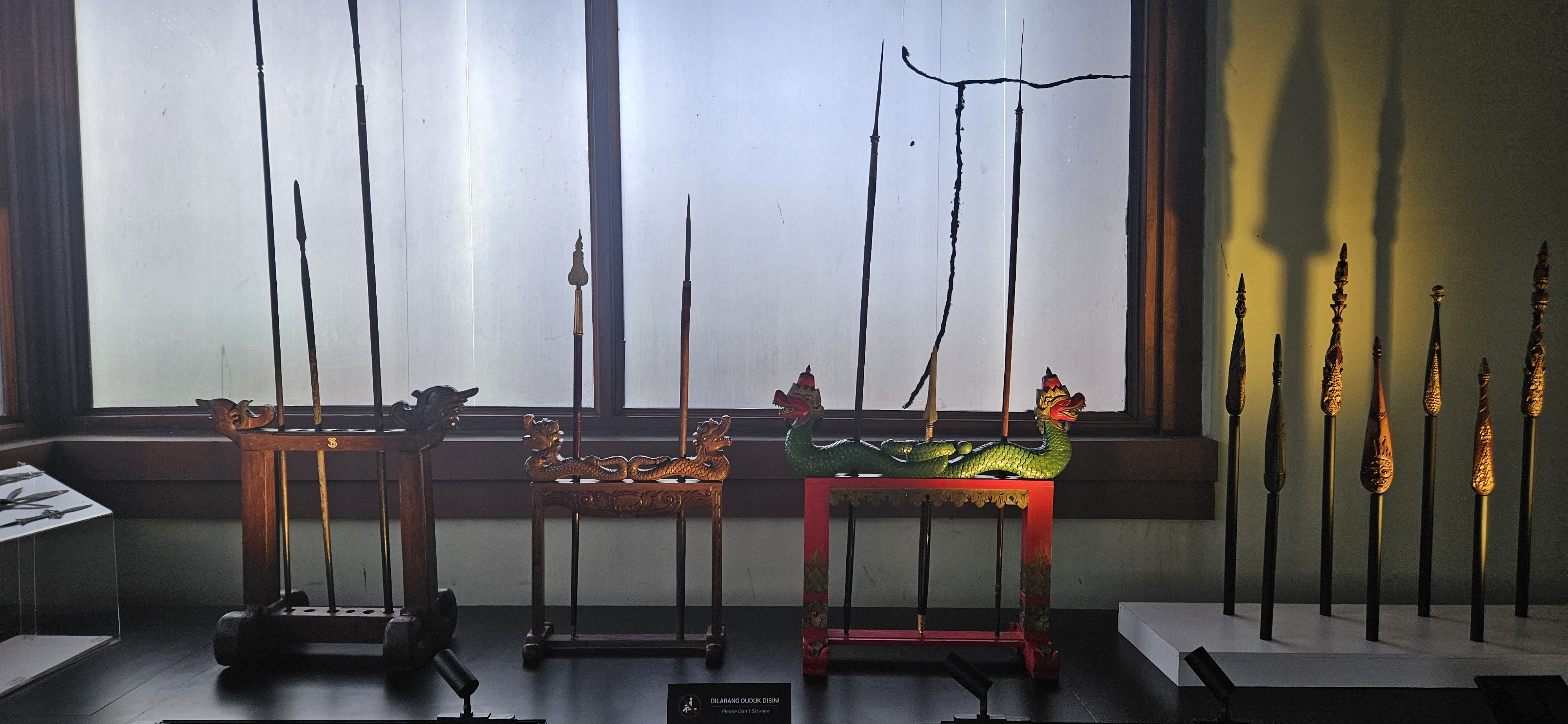
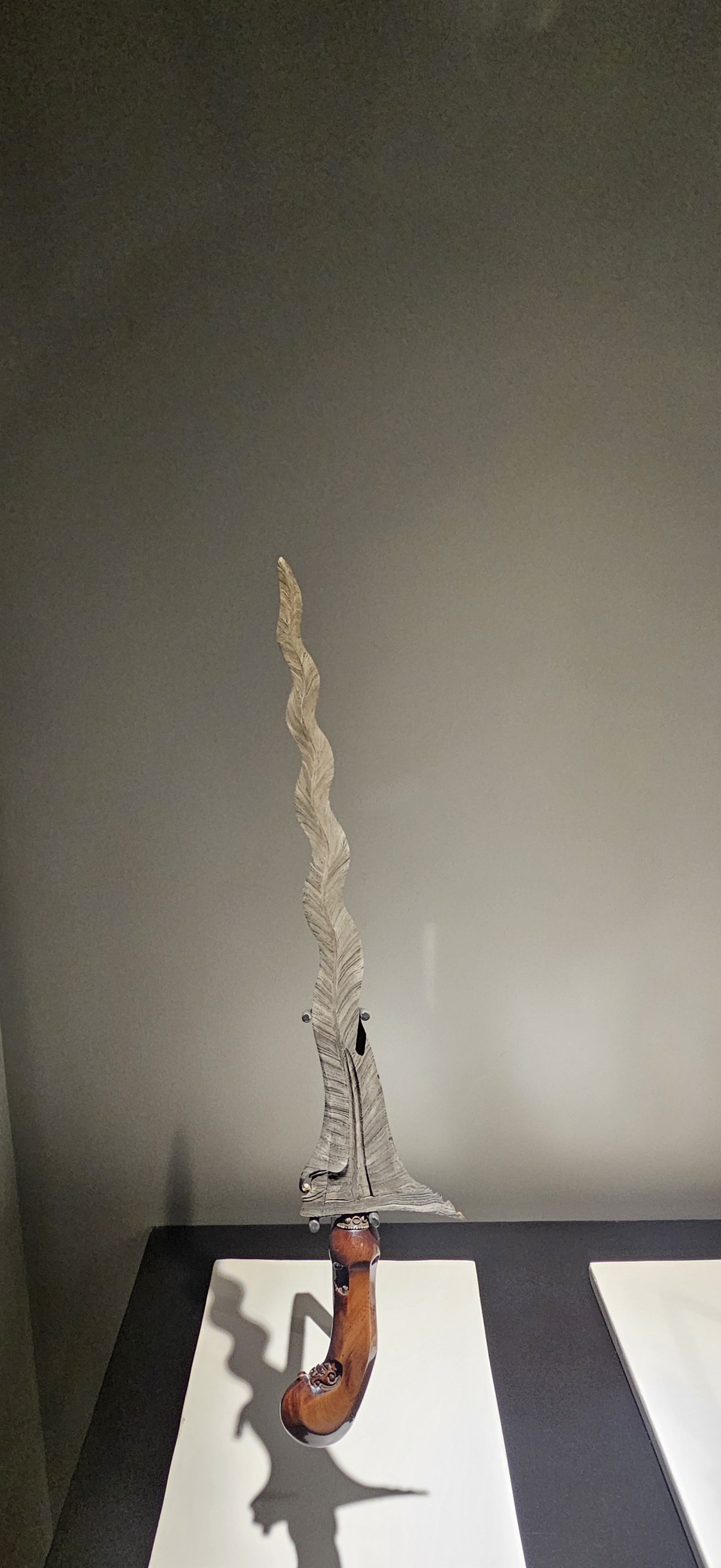
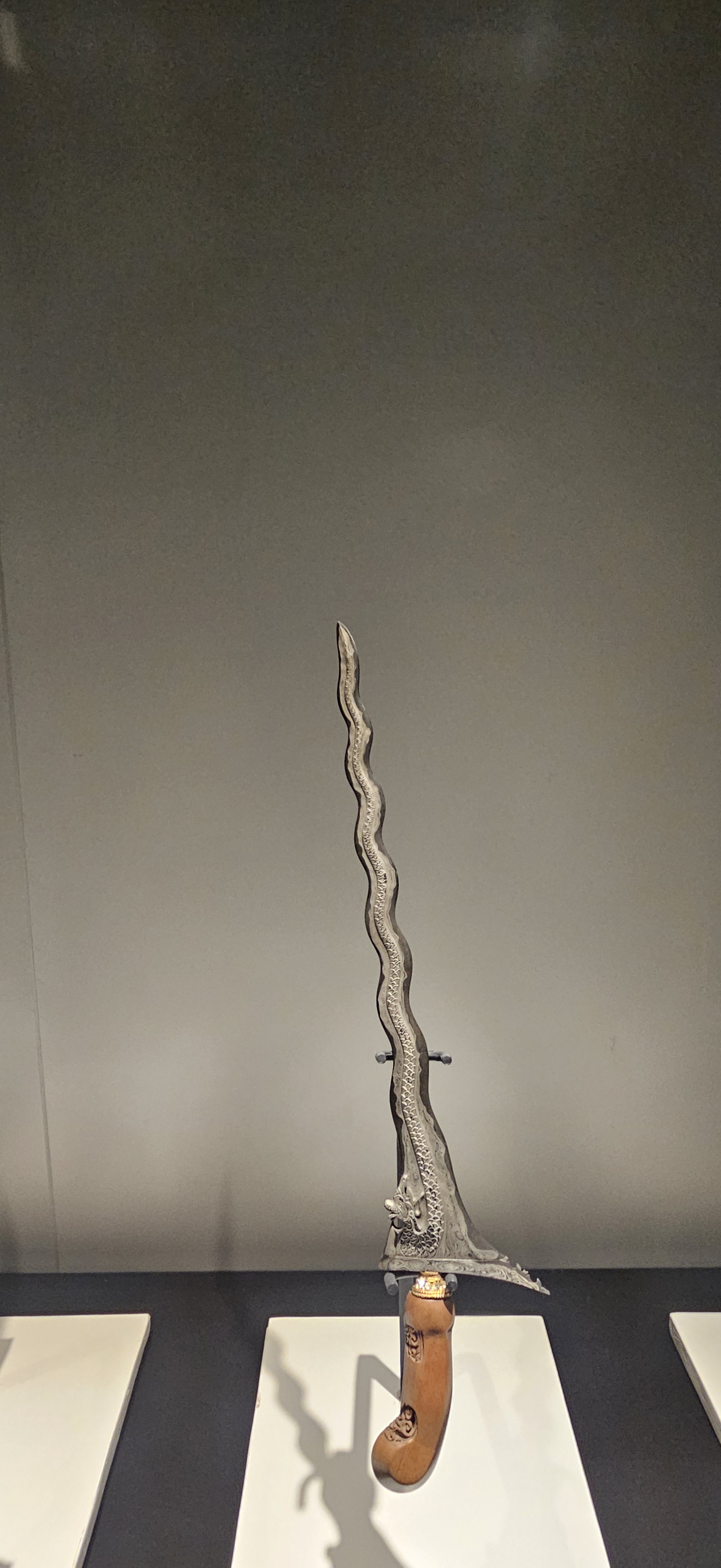
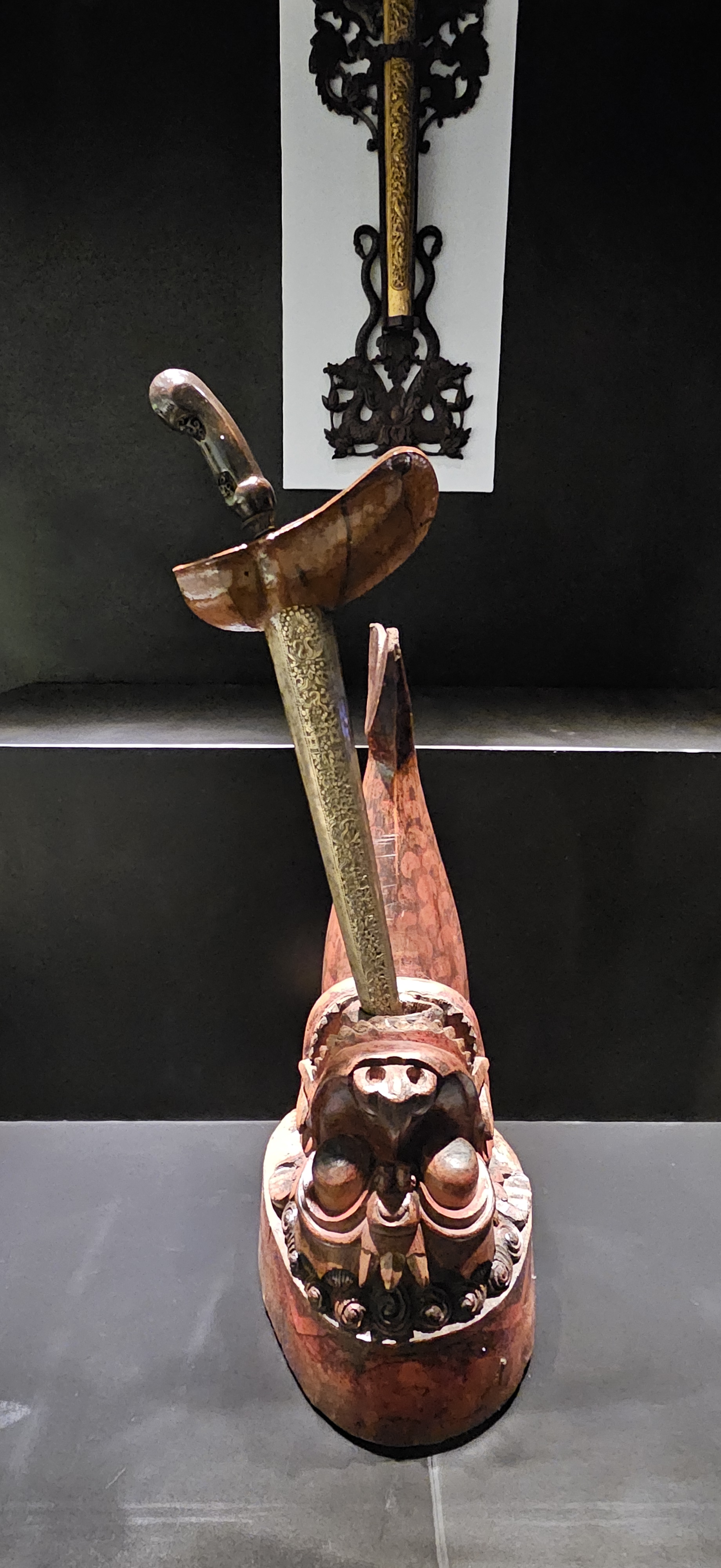
and my favorite, the daggers and their scabbards.
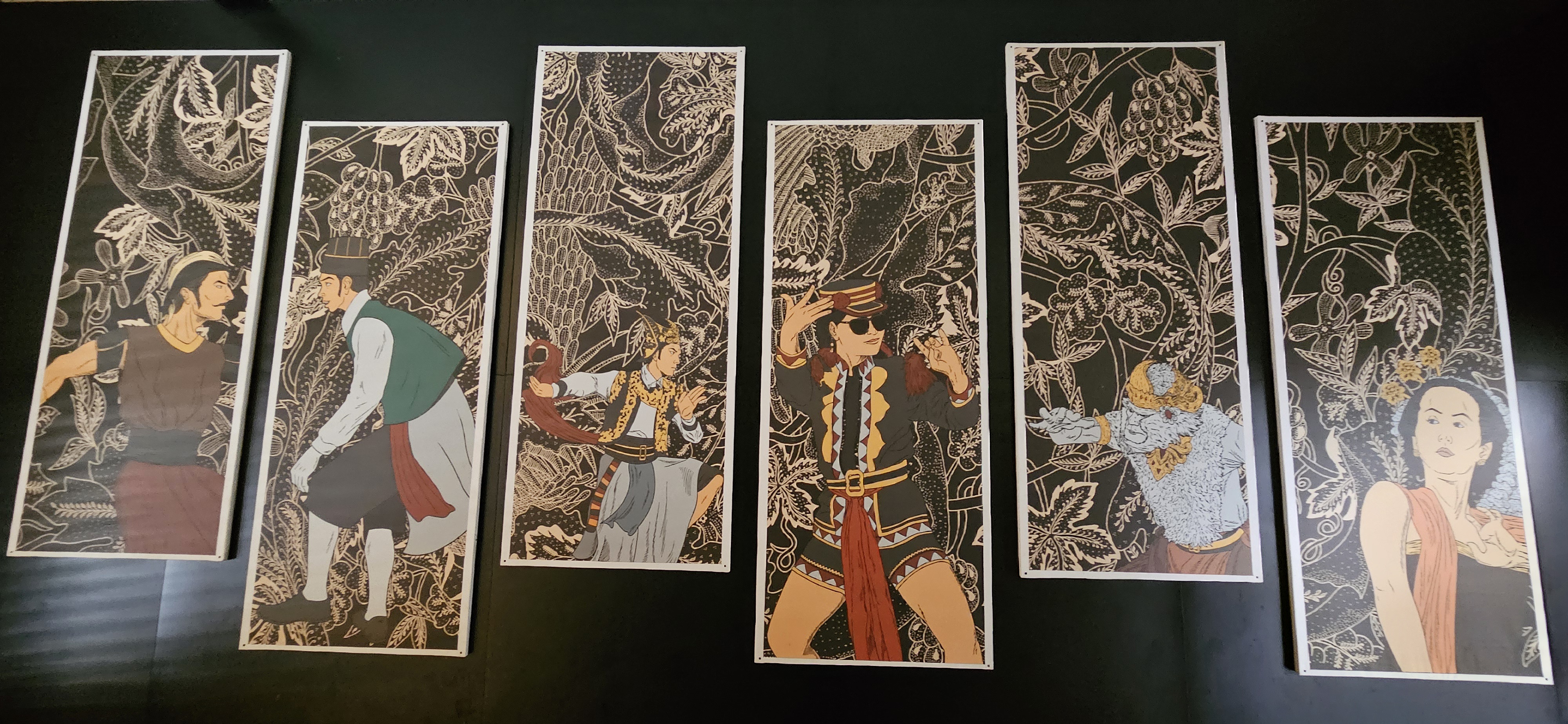
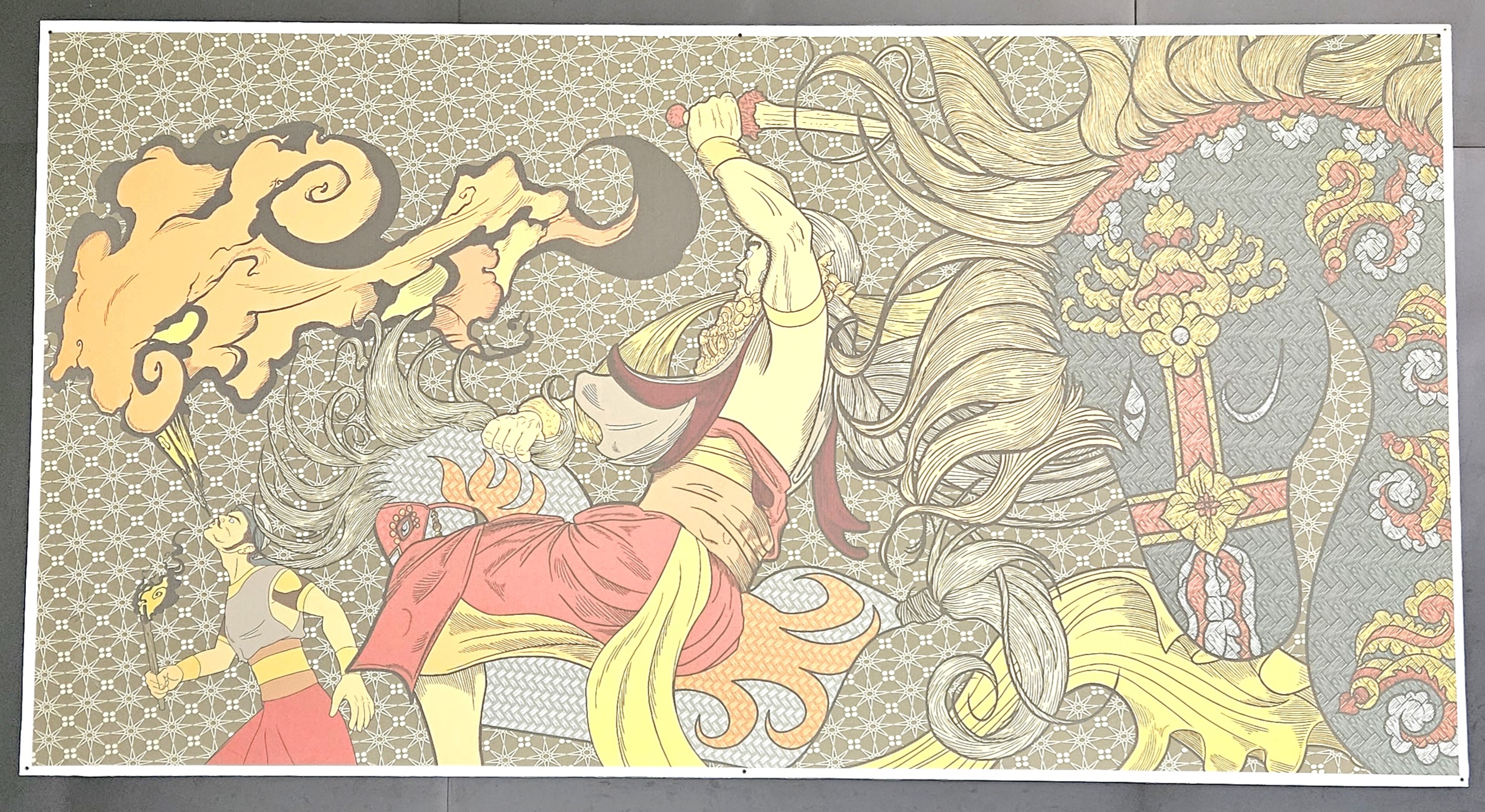
There was even some more modern art:
There was a section on Balinese art and statues, but we had seen so much on Bali I didn’t photograph it; and the highlight was a big group of school children in uniforms that passed us. Many of the boys stared but many of the girls said hello, and we could see them asking their teacher if they could take a picture with us. So the teacher did, and she told us they were visiting from a more remote area of Java; once the girls all joined the boys soon followed, and it was a big group picture! Of course, we forgot to ask them to take one for us using our phone.
We left the museum and were approached by a friendly gentleman who asked where we were from (that question has been asked nearly 100 times to us, at least), and we talked a little bit. He said he was a musician and they sometimes put on shows at the Museum; he also asked us if we were planning to visit the shopping district of Maliboro. We said we weren’t sure, and he told us that after 6pm, they close off the street to cars and its much more enjoyable, but not to buy any Batik from the stores there; it was inauthentic and cheaply made.
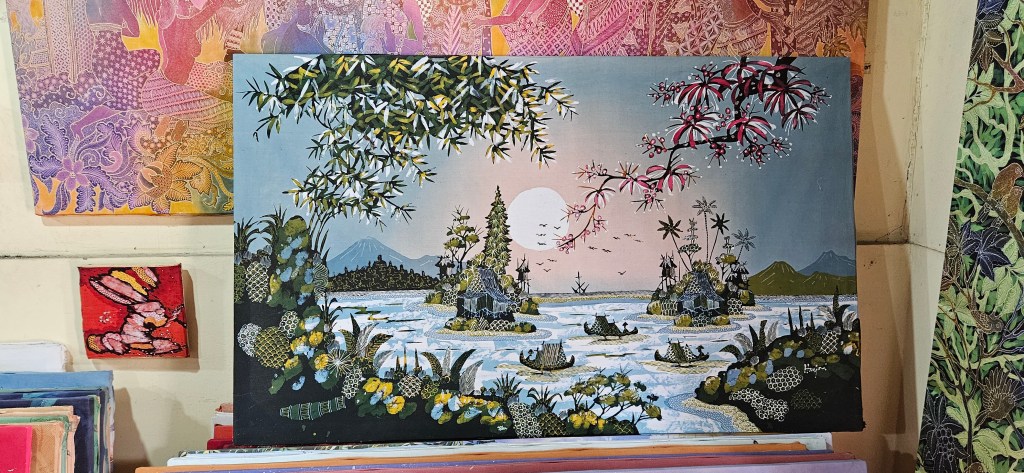
Batik is a dyeing technique using wax, and is used to describe patterned textiles created with that technique. It originated from Java. Batik is made by drawing or stamping wax on a cloth to prevent color absorption during the dyeing process. He told us that a true Batik is see-through, and to avoid any that are not. He gave us the name of the Batik village where they make it, and we thanked him and planned to go another day.
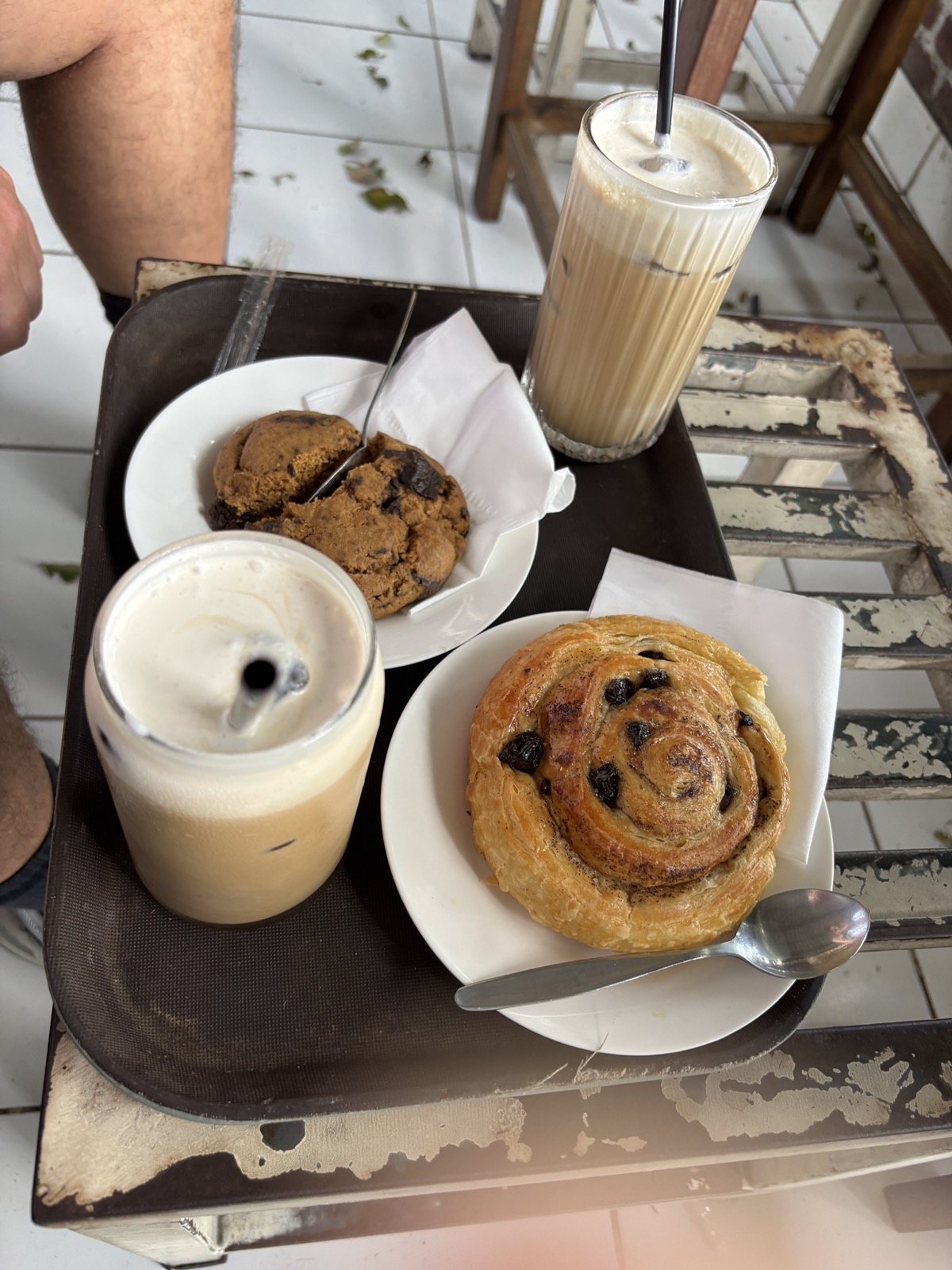
We then stopped for some iced coffee and treats at the appropriately named “Had Some Coffee” located right next door to the museum.

We had wanted to visit Fort Vredeburg, but it was closed due to it being the Pancasila holiday (we did eventually return to the Fort); all we could do was look through the locked gates. We saw the monument to Indonesian Independence, though it was also closed.
Pancasila is the official state philosophy of Indonesia, consisting of five principles: belief in God, a just and humane society, national unity, democracy, and social justice for all citizens. Panca, meaning five, and Sila, meaning principles.
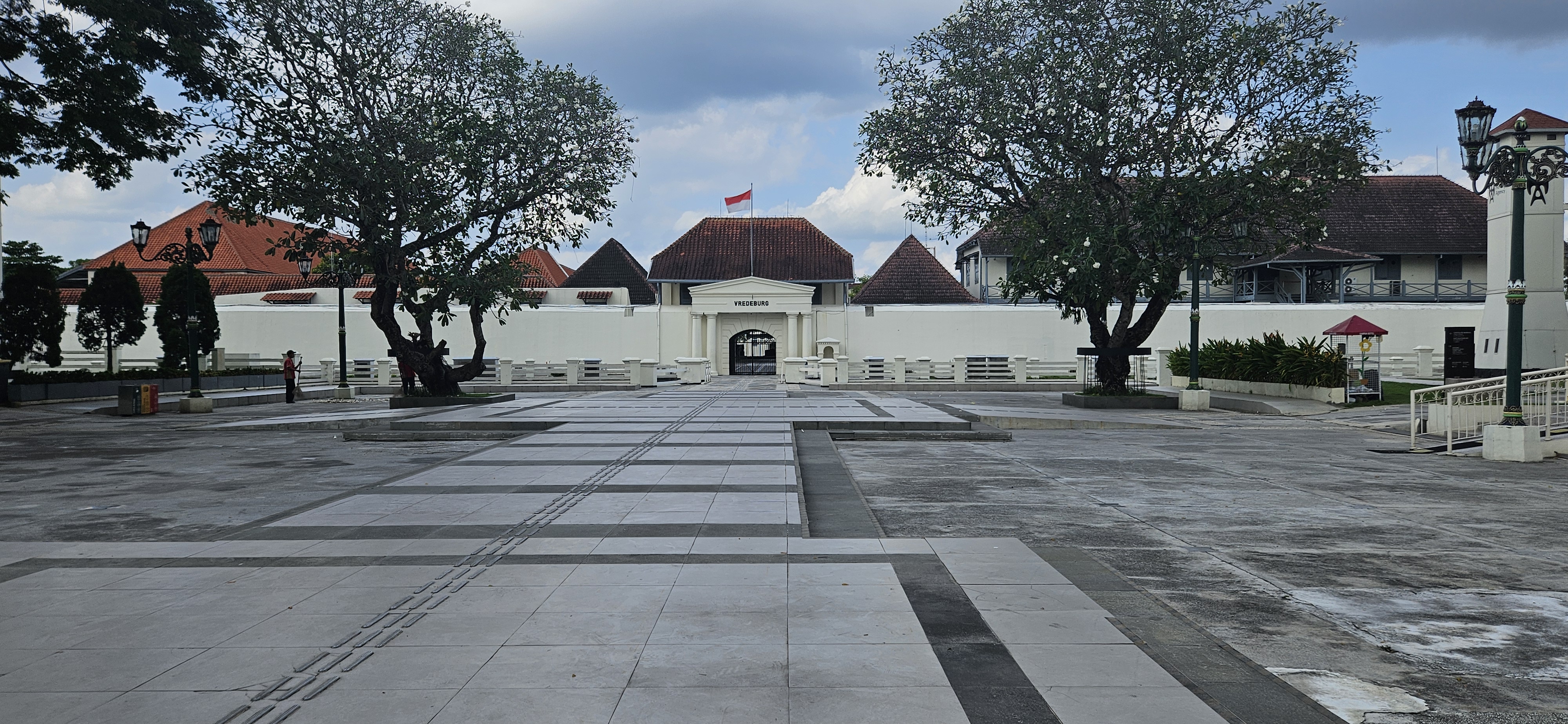
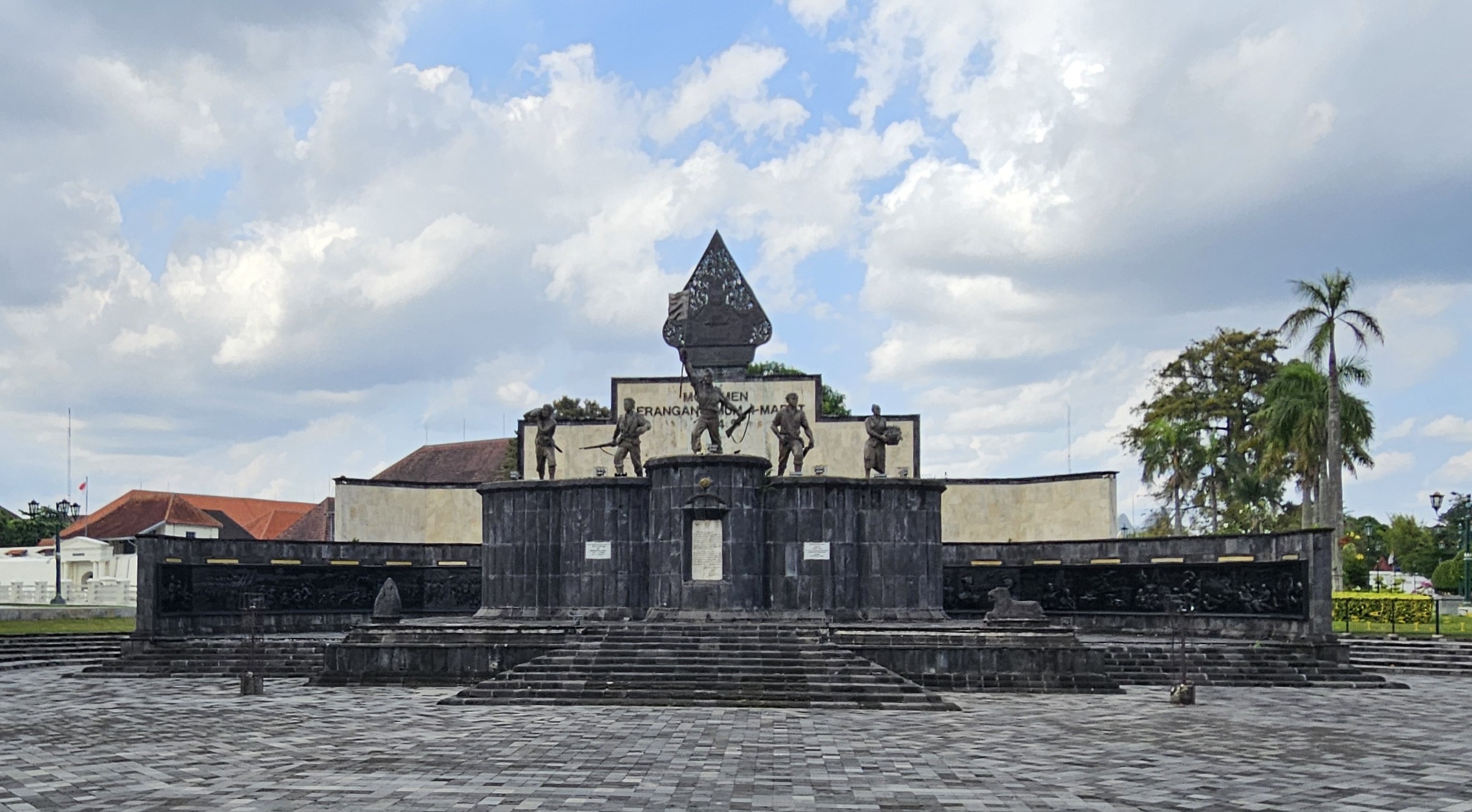
As we stood outside the gates, not sure of what to do, another gentleman approached us, and introduced himself as Mr. Alif, the head gardener for Fort Vredeburg. He also asked us where we were from, told us not to buy Batik in Maliboro, and come back after dark. He said he was a guide in his off time, and if we need one, he would be happy to take us to Borobudur Temple (which is the most popular tourist site in Java) or any number of other sites. He had a business card, and said if we were interested, to message him on WhatsApp; we liked his not-pushy attitude, and planned to contact him later for a day trip.
We did return to Maliboro after 6pm, and it was a happening place. So many people, lights, sounds, and smells; we were a bit overwhelmed. We were asked by people in the street to check out their Batik shops at least half a dozen times; they always asked “where are you from?” The answer never mattered, as it was a sales question, and we were not interested.
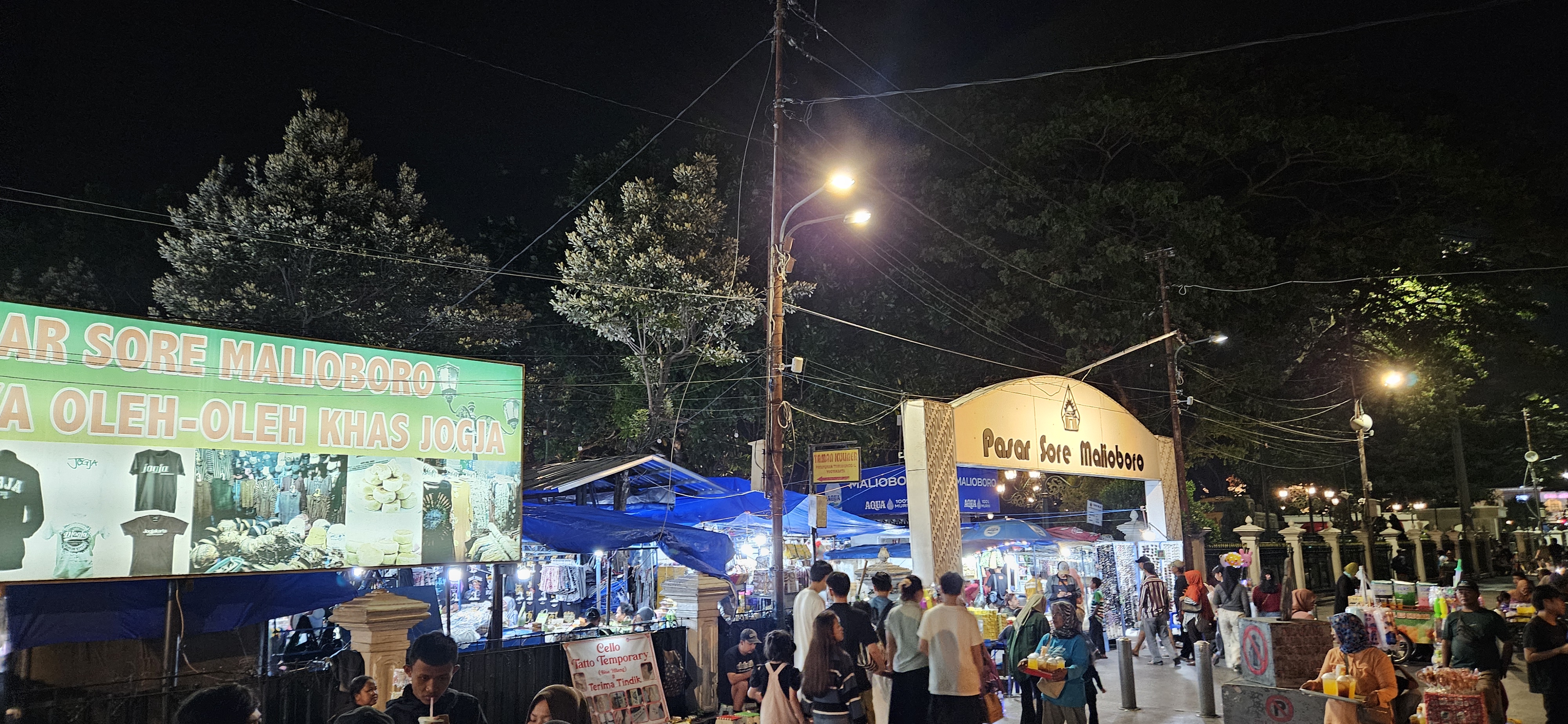
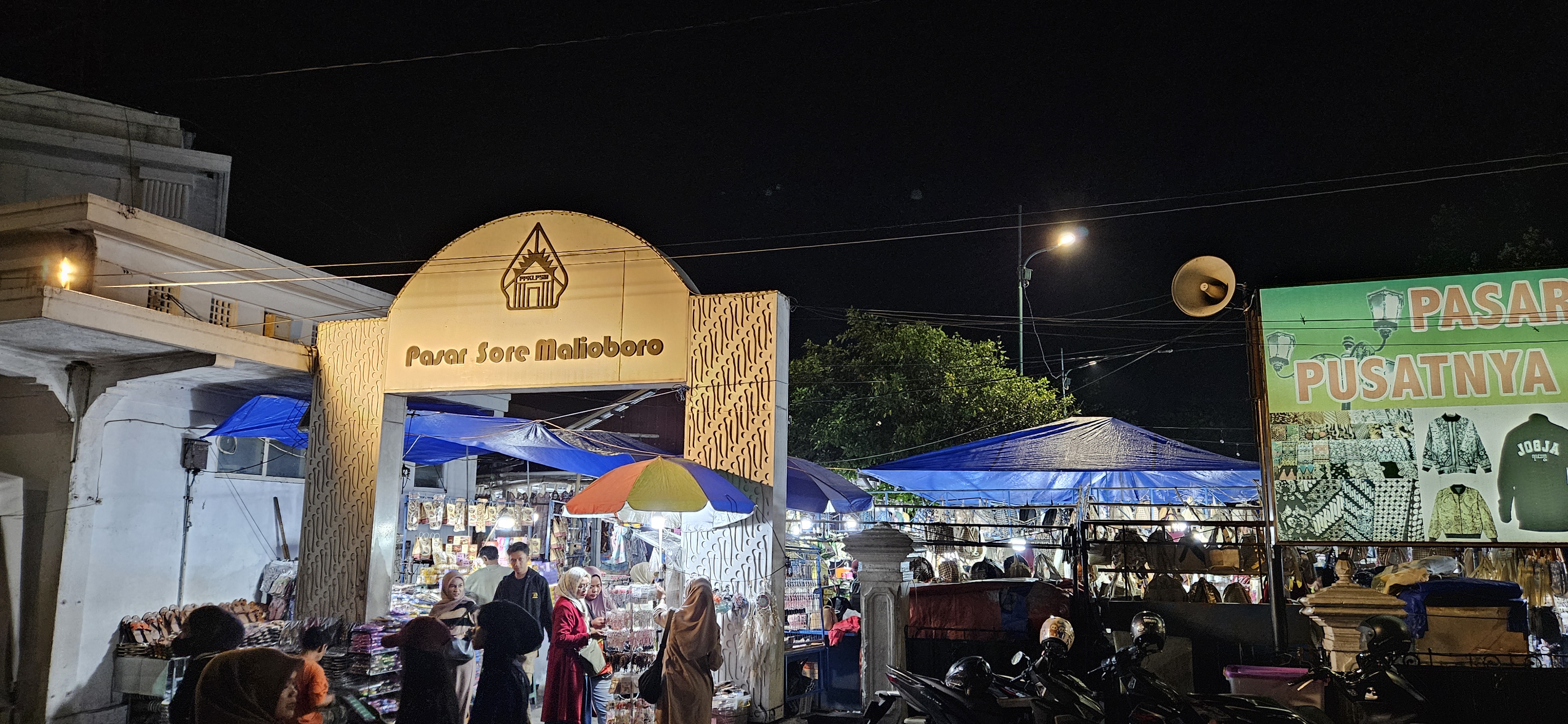
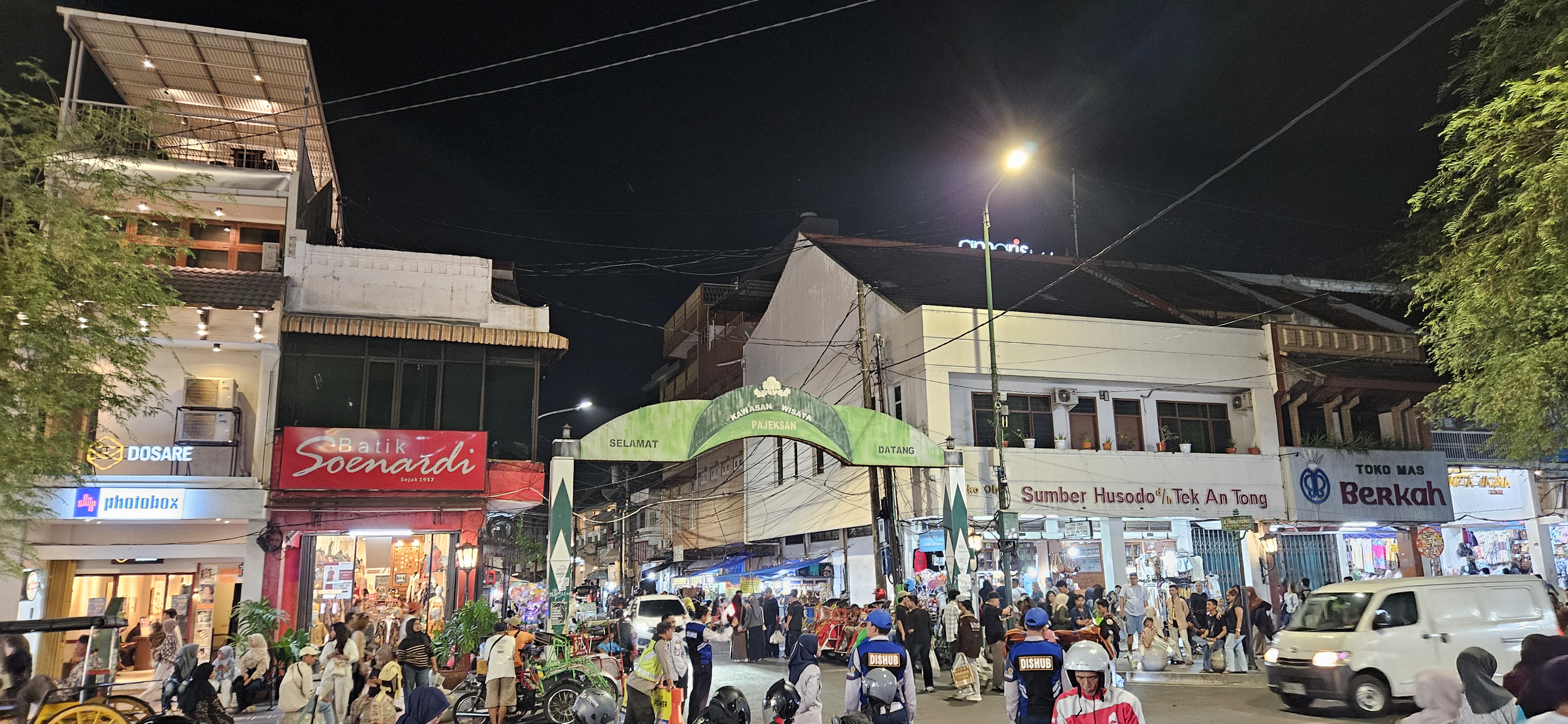
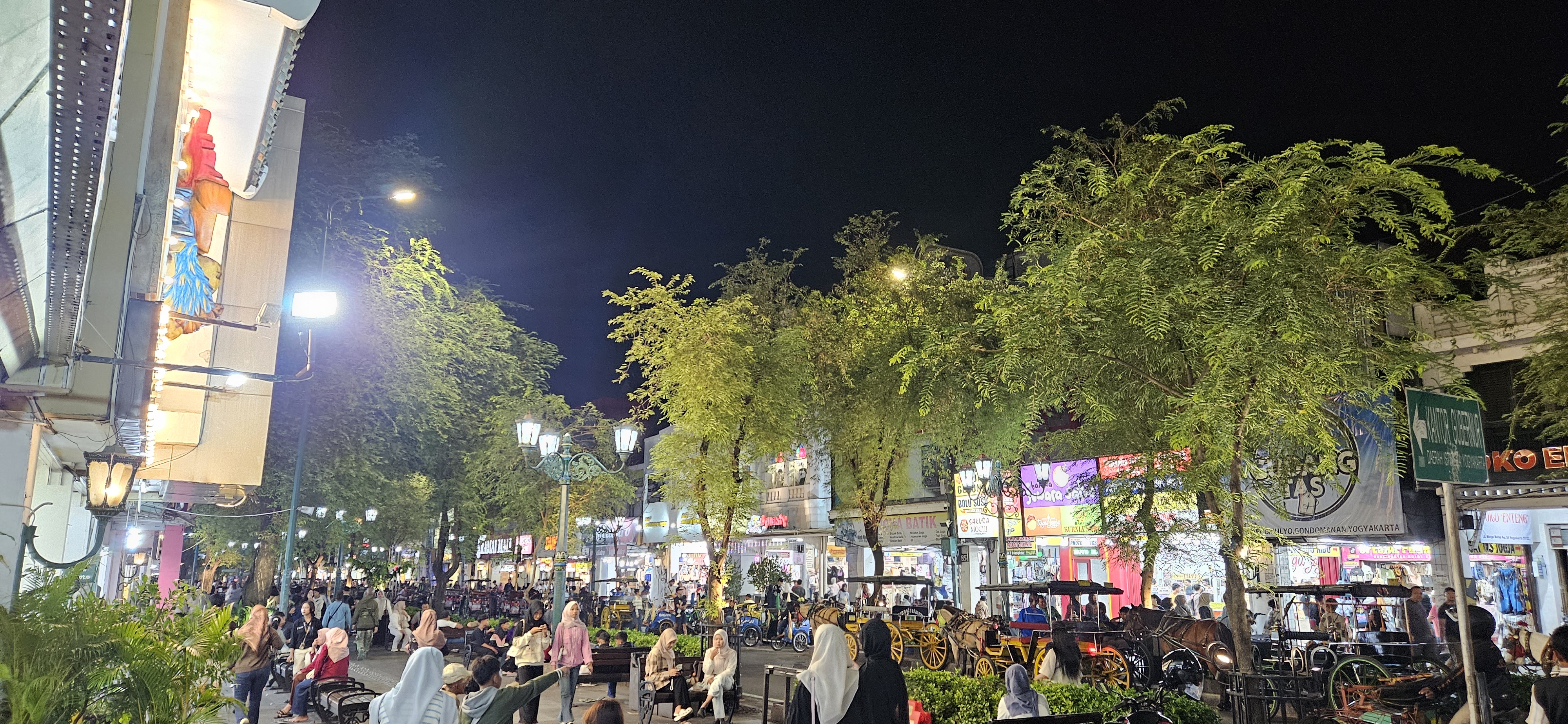
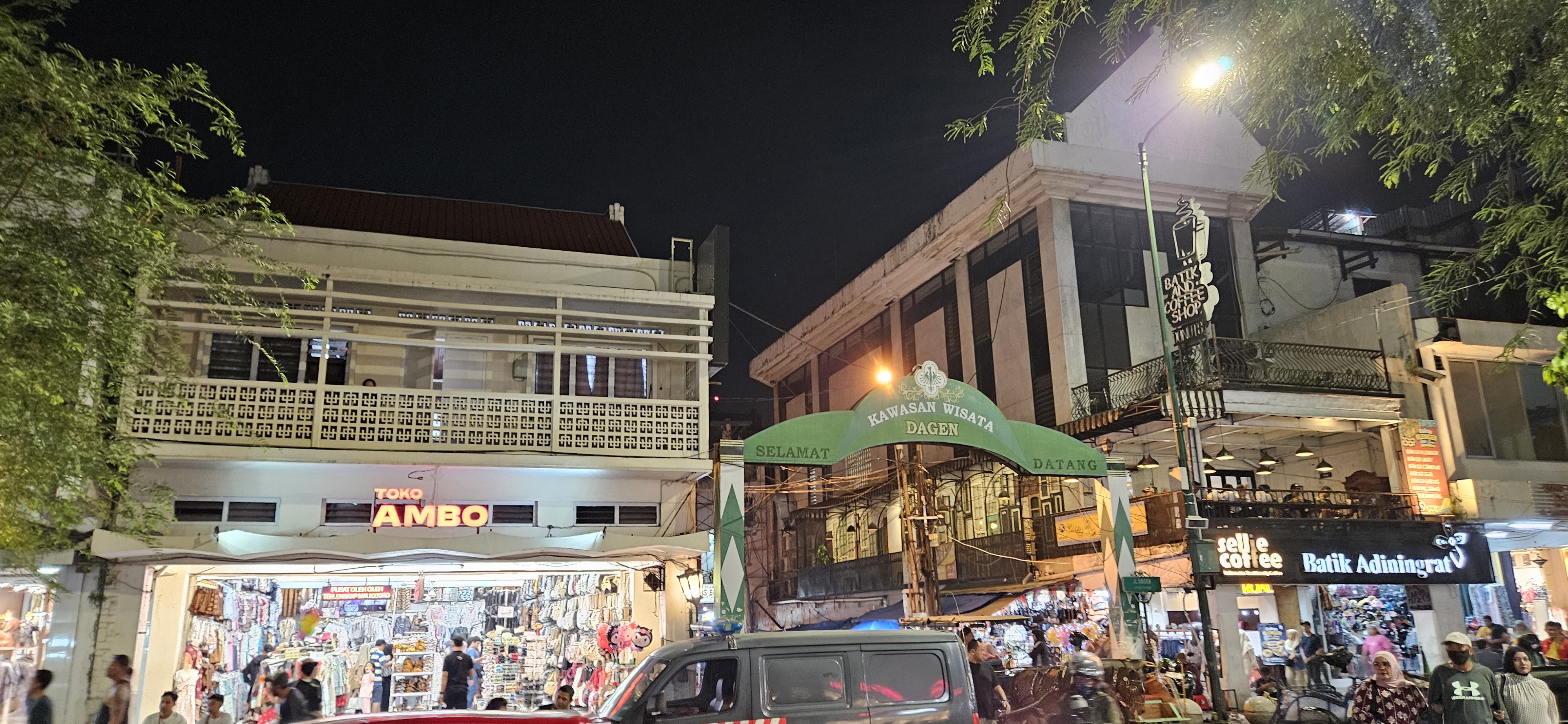
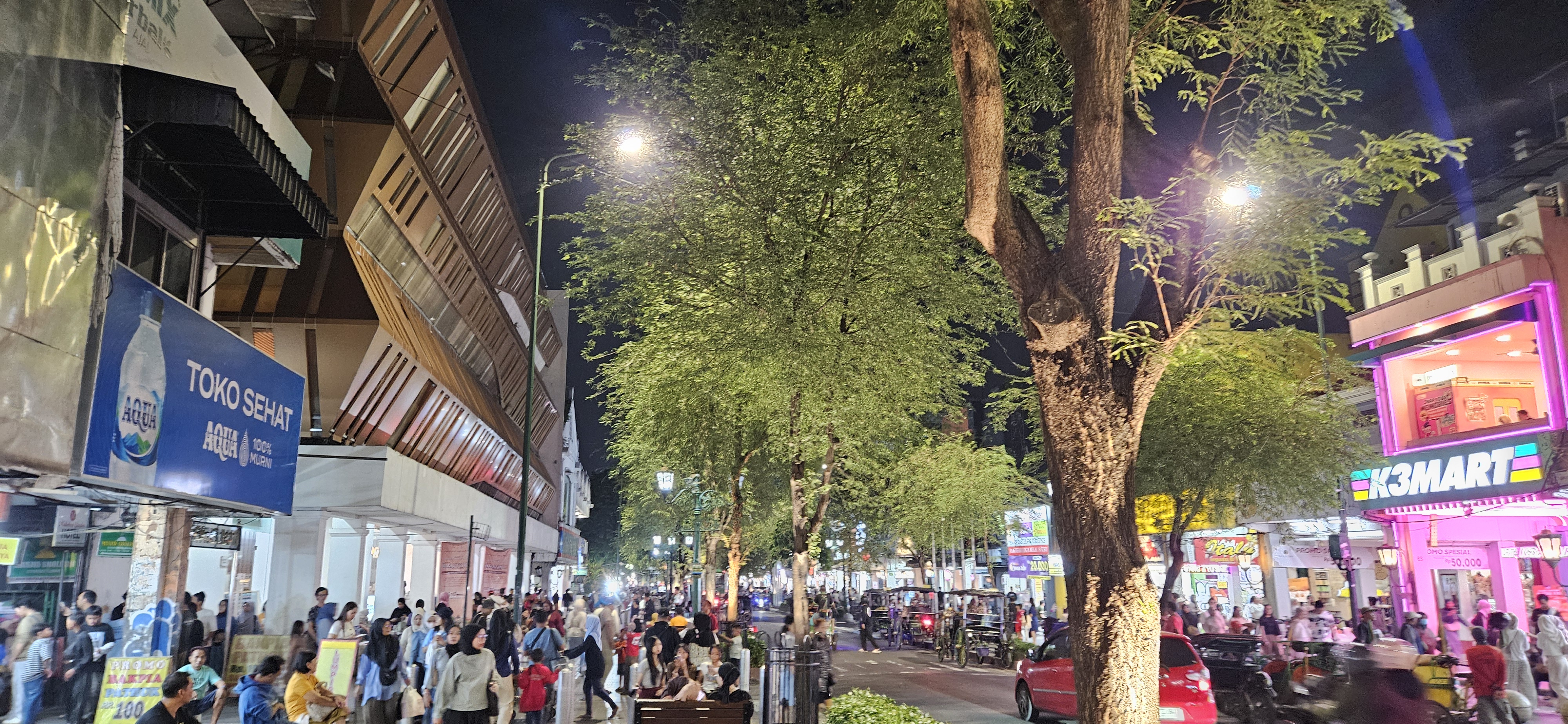
There were some transport options, namely horse carts and motorbikes, and cars were allowed after the first few blocks.
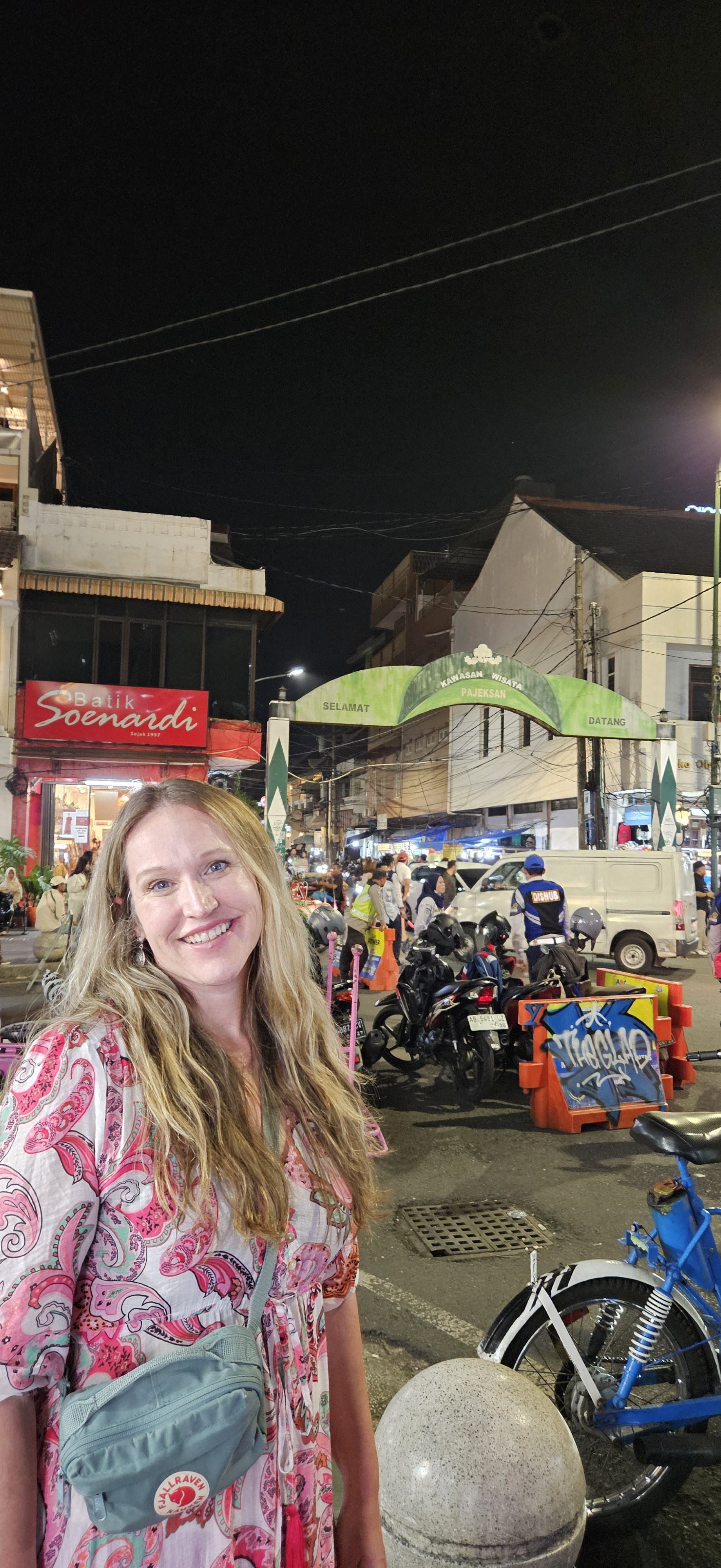
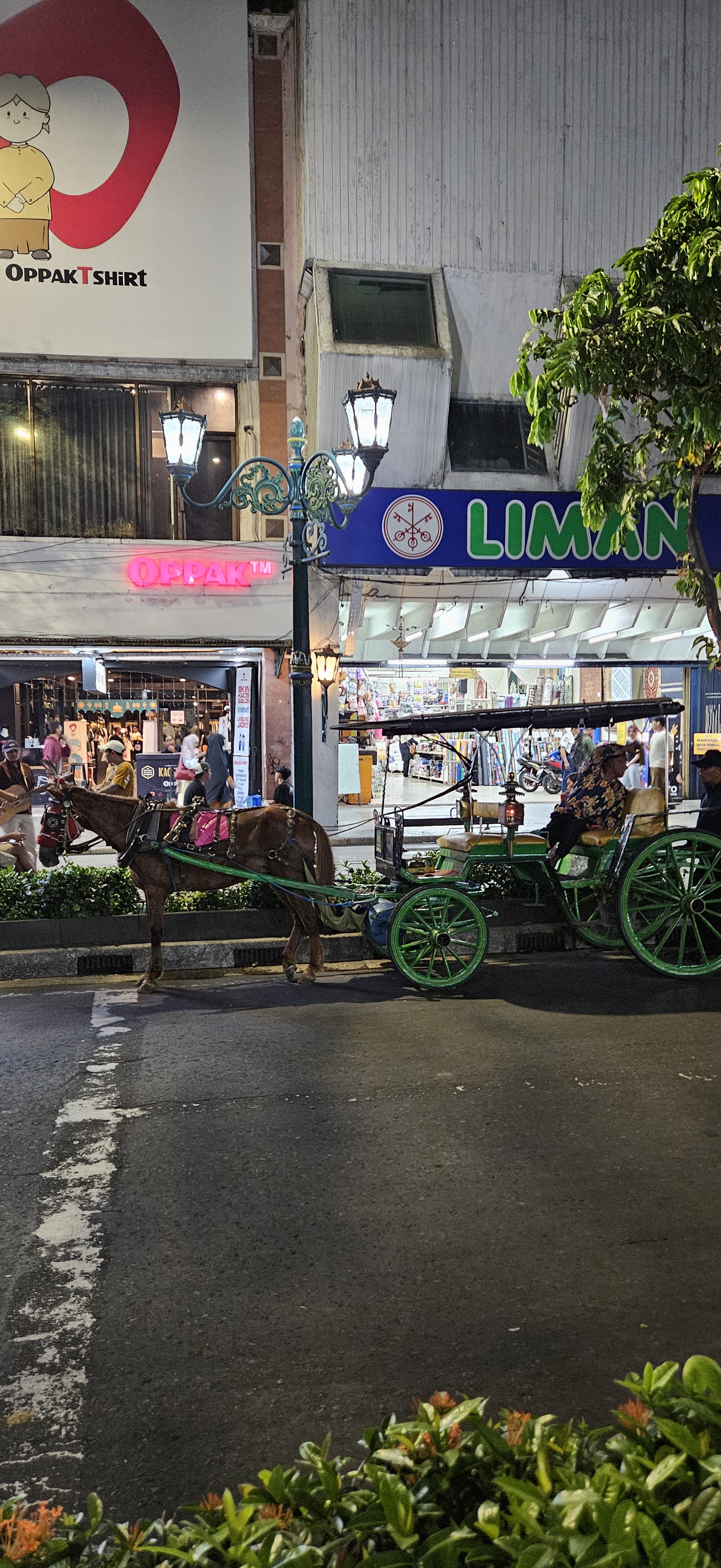
We had planned to eat street food for dinner, but it did not look very appetizing or was hot soup (and it was too hot outside for hot soup), and combined with the smells and temperature we headed into the air conditioned mall. There were restaurants in there, and we decided on one, but it was full and we left, figuring we would find somewhere to eat, away from the big crowds. That was easier said than done, and we walked for blocks, not seeing any places to eat. Finally one appeared, and we checked the reviews; they were solid and we went inside.
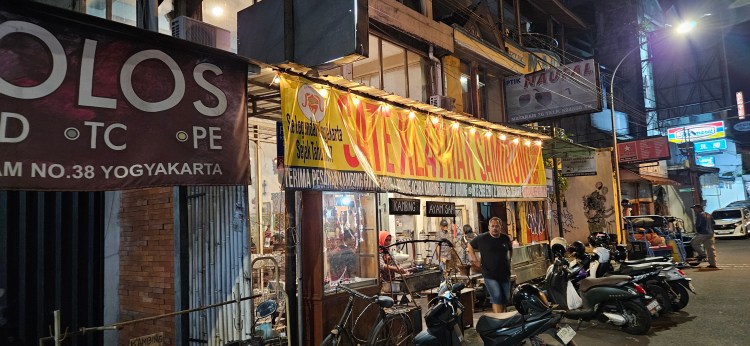
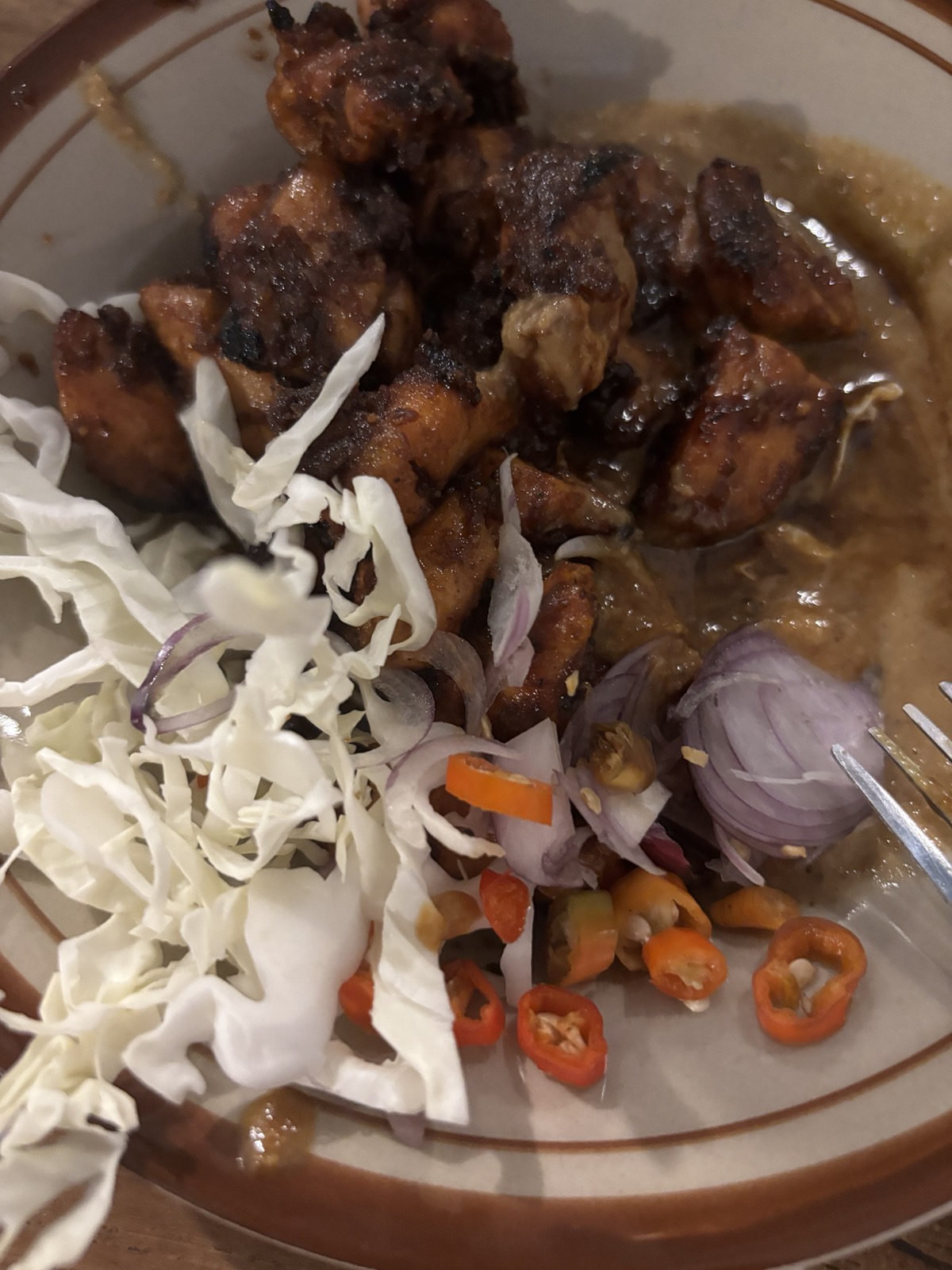
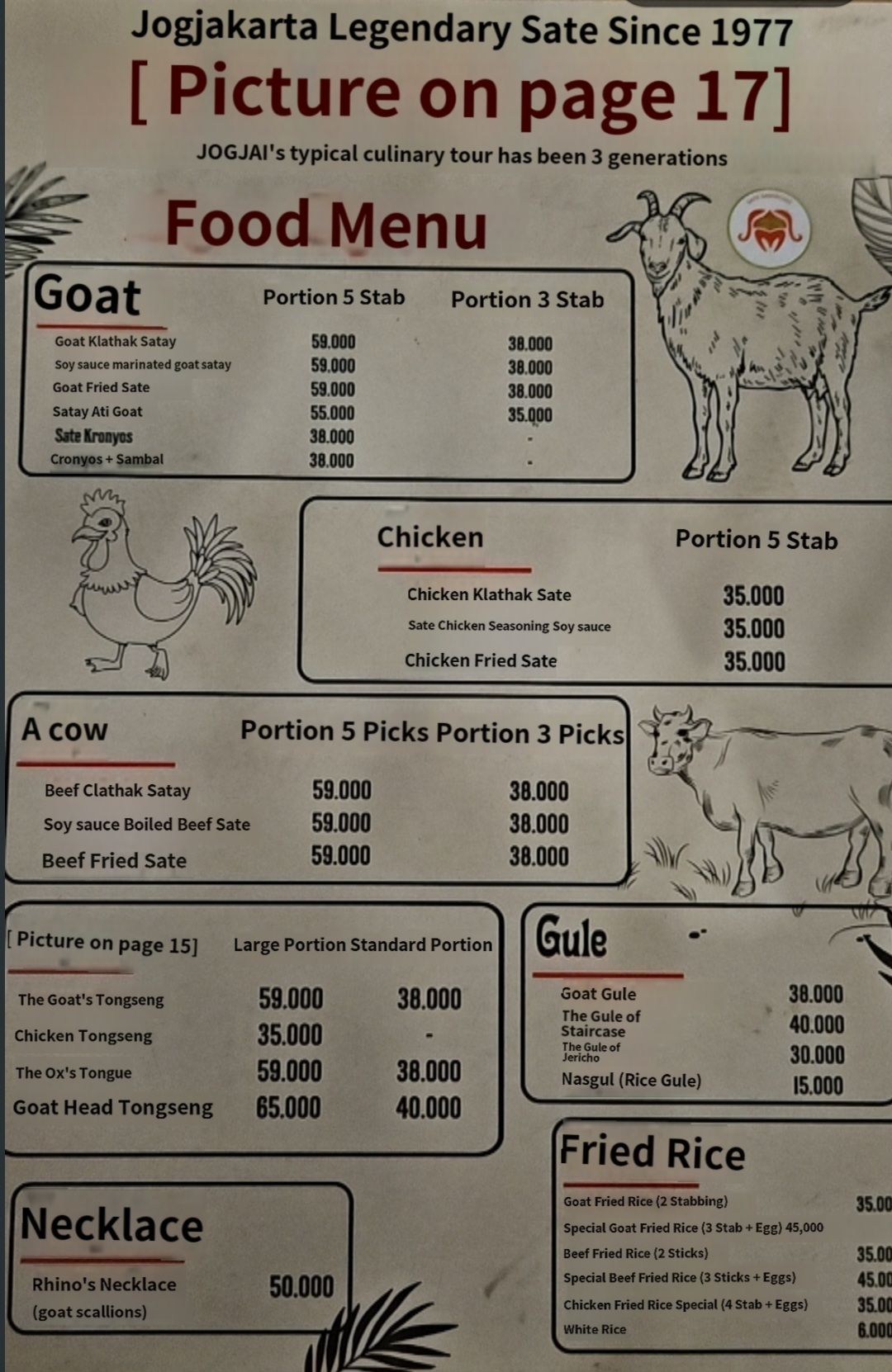
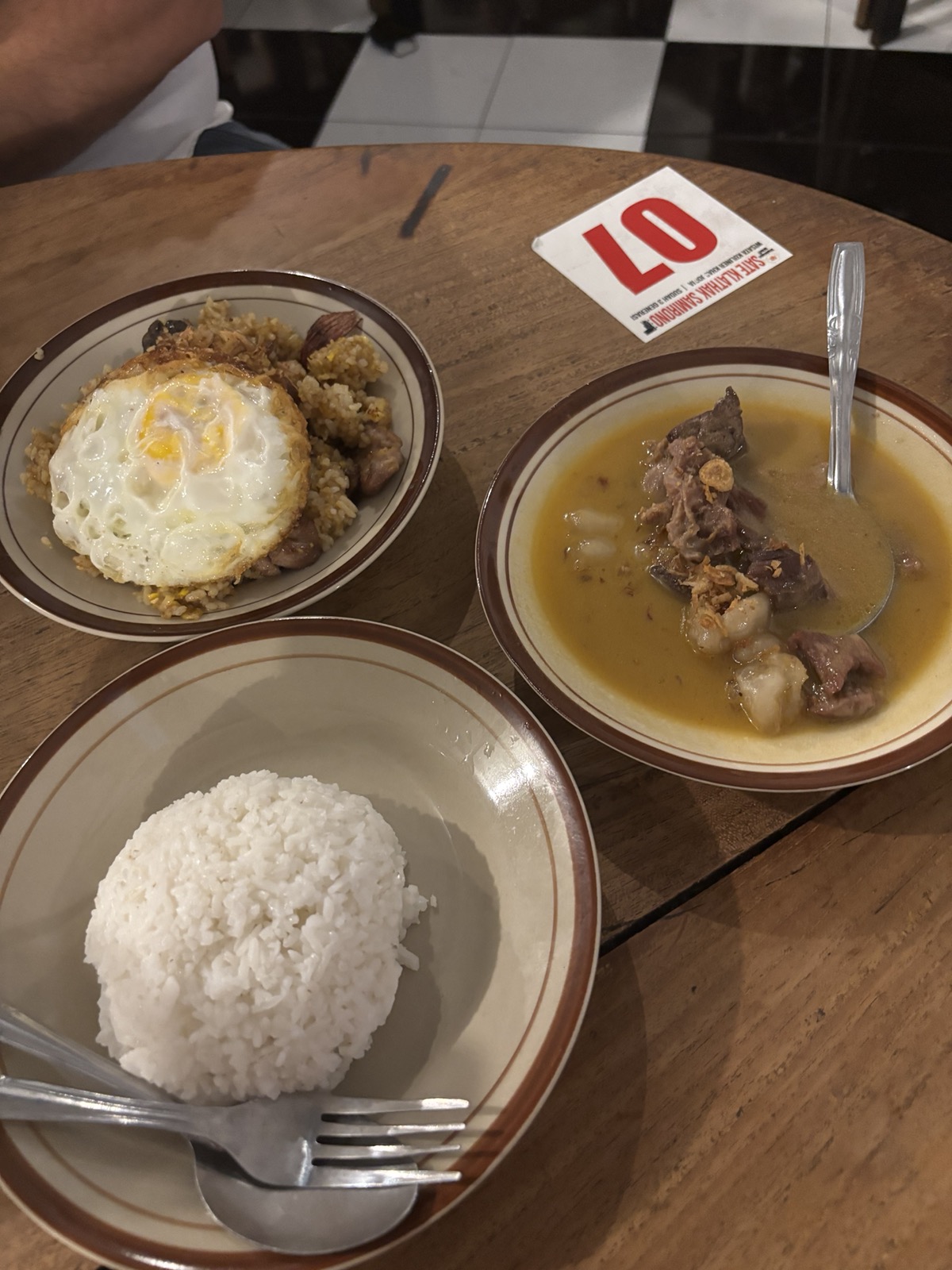
Sate Klathak Samirono specialized in Sate, or Satay, and that is one of our favorite dishes in Indonesia (and back home, usually found on Thai menus). Satay is small pieces of meat, put on skewers, and cooked over a charcoal grill. The grill was in front of the restaurant, making us feel better that we could see the food being cooked. It was also busy with fellow diners, another good sign. We ate goat and chicken satay as well as goat curry and it was wonderful.
We left the restaurant and took a taxi back to the hotel. Next up, we contact Mr. Alif to take us to Borobudur Temple and a few other sites around Jogja!


That hotel looks lovely! I always love the art museums you all post, as well!
LikeLike
Thanks! We love a good art museum, and I love seeing how the rest of the world makes art too, and there is definitely more to come
LikeLike