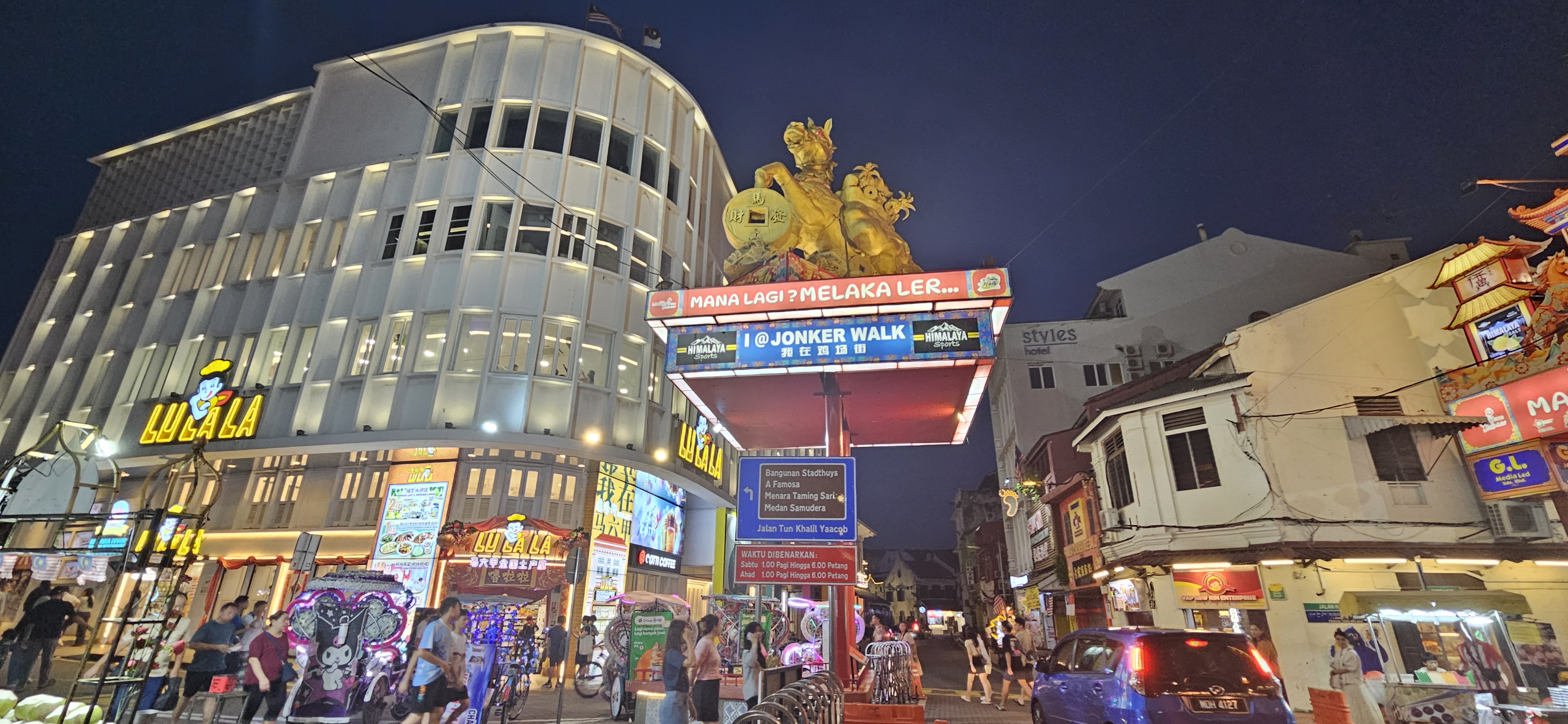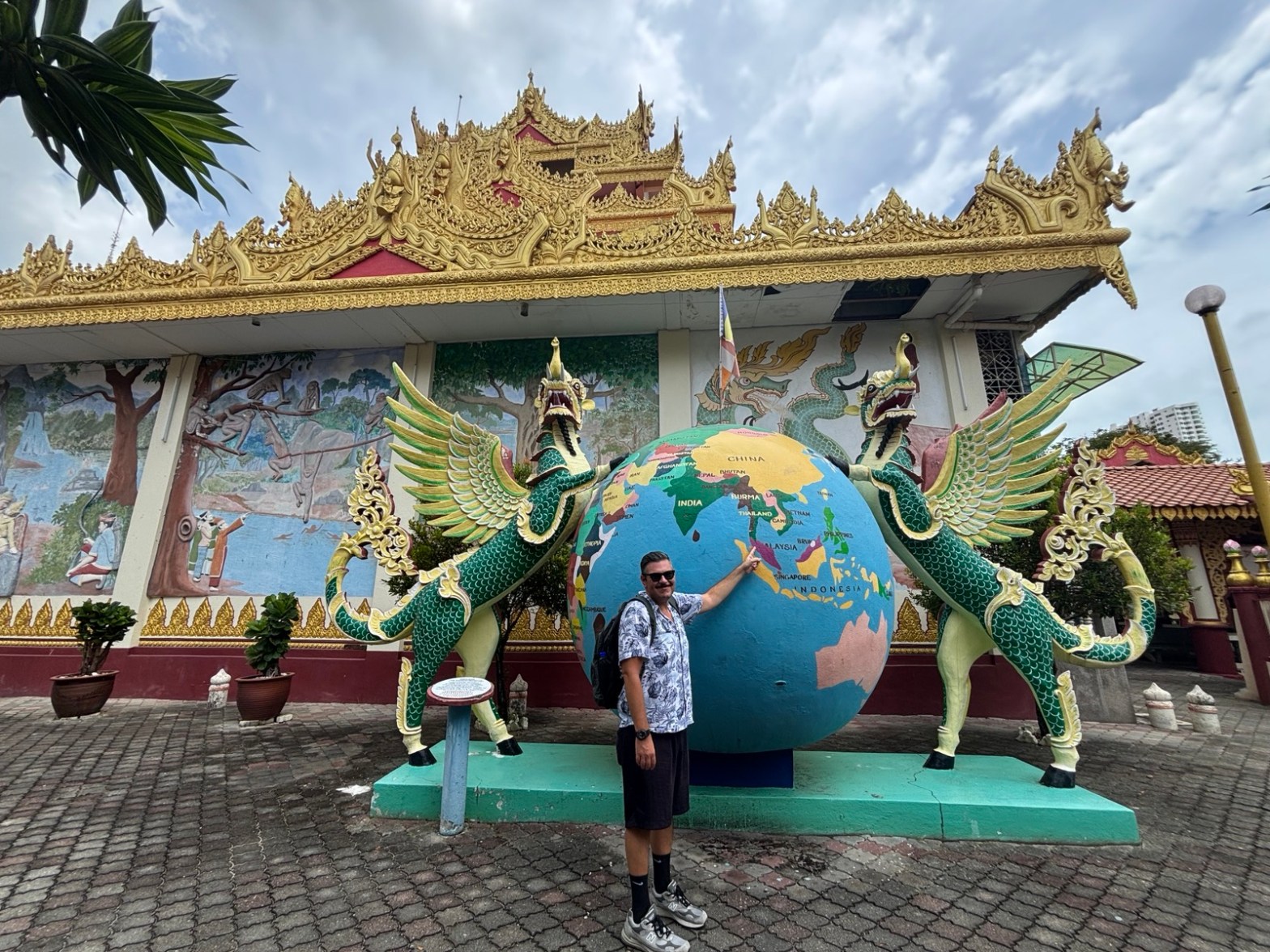
Malaysia is not a place many Americans visit when touring southeast Asia but as we are on this trip for a while, we wanted to visit. Malaysia is north of Singapore, on the same peninsula, and it was quite hot in Singapore. We had heard it was going to always be hot in Malaysia, as its near the equator, so we fit it in when we could. Besides that, I did not really know a lot about Malaysia. I had never met a Malaysian person in the US and it was the first place we were visiting that we didn’t spend a lot of time planning before we left the US. Note that it is quite easy to travel to Malaysia as an American; we are allotted 90 days, visa-free, to visit.
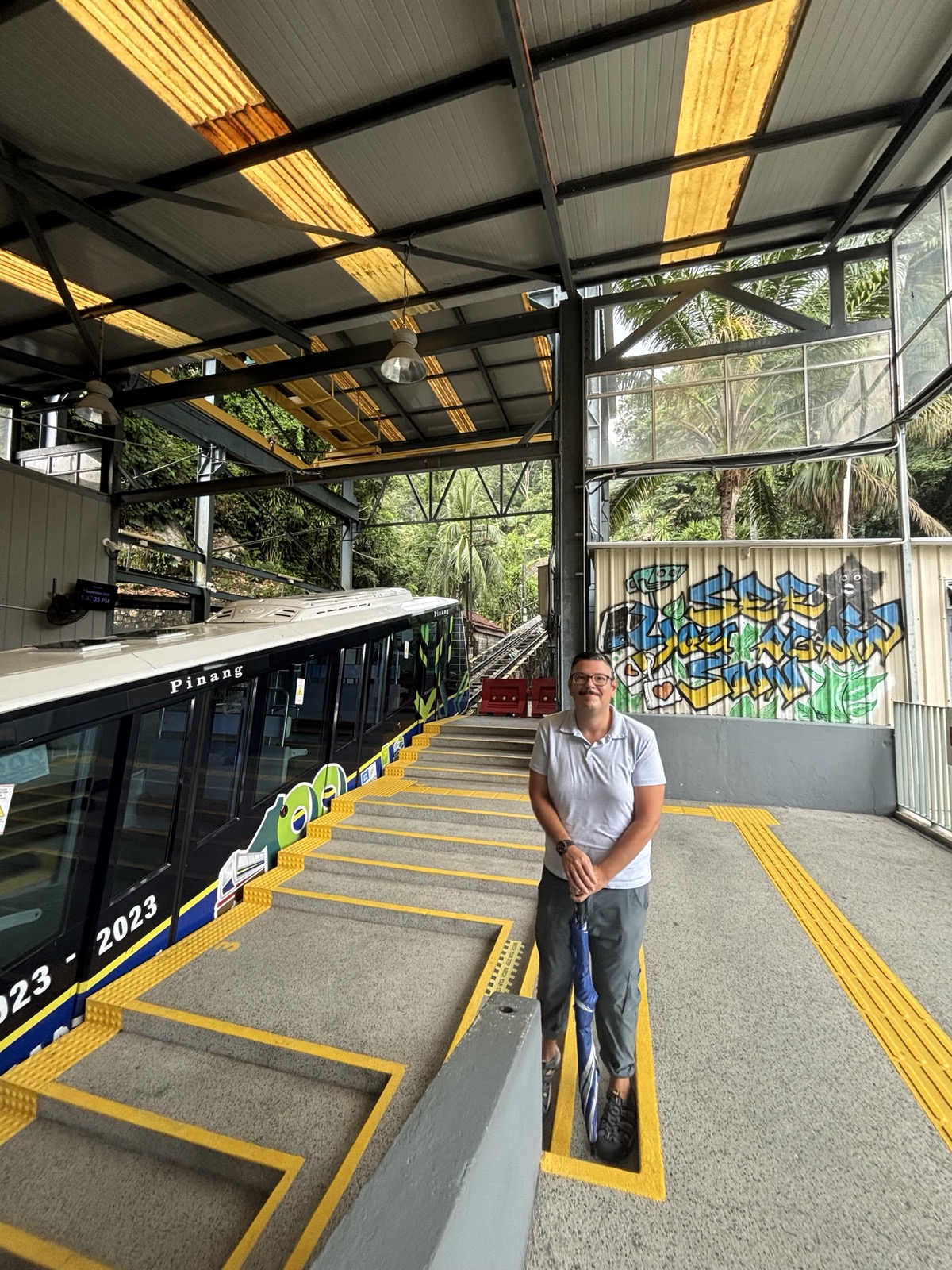
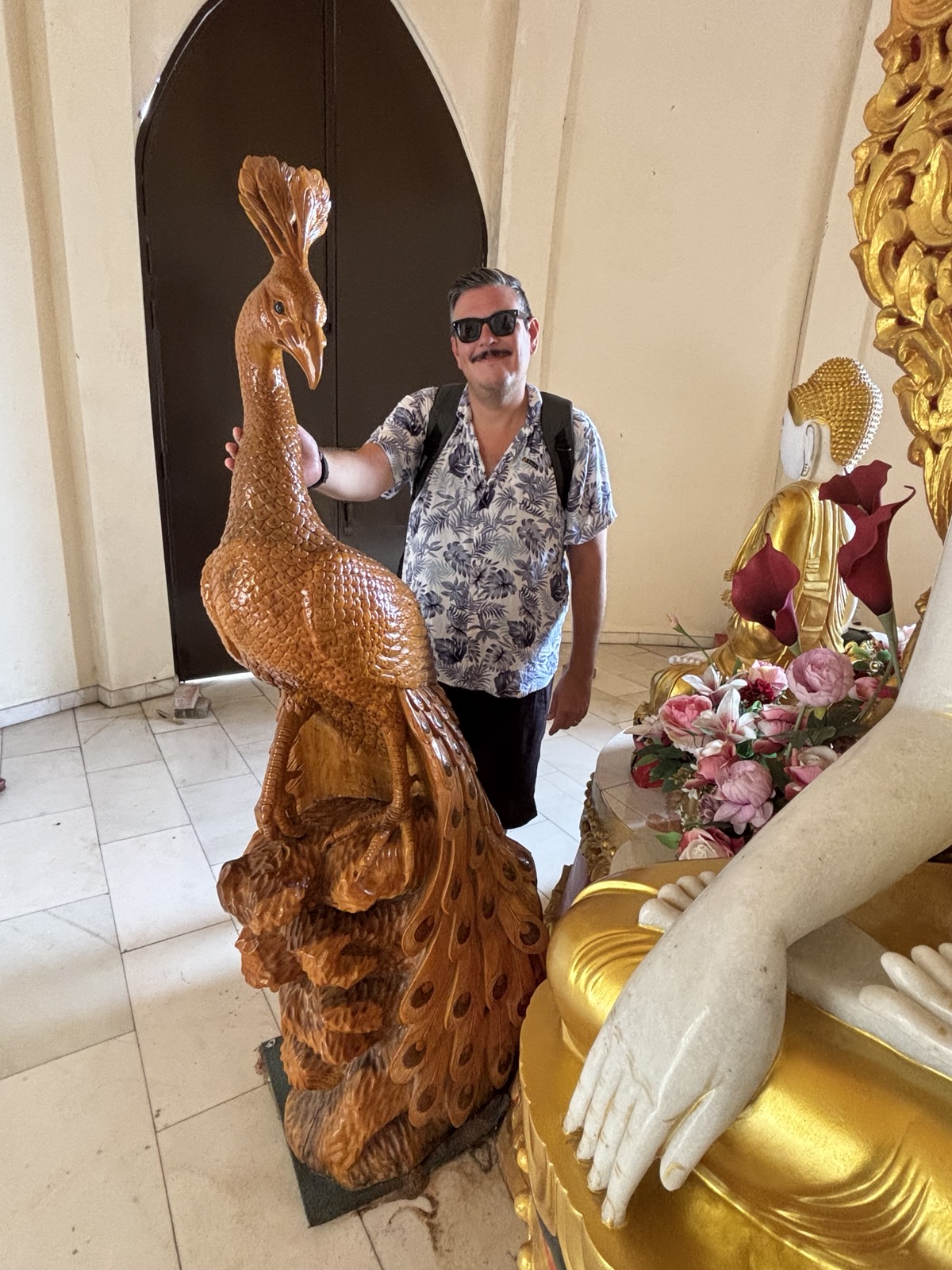
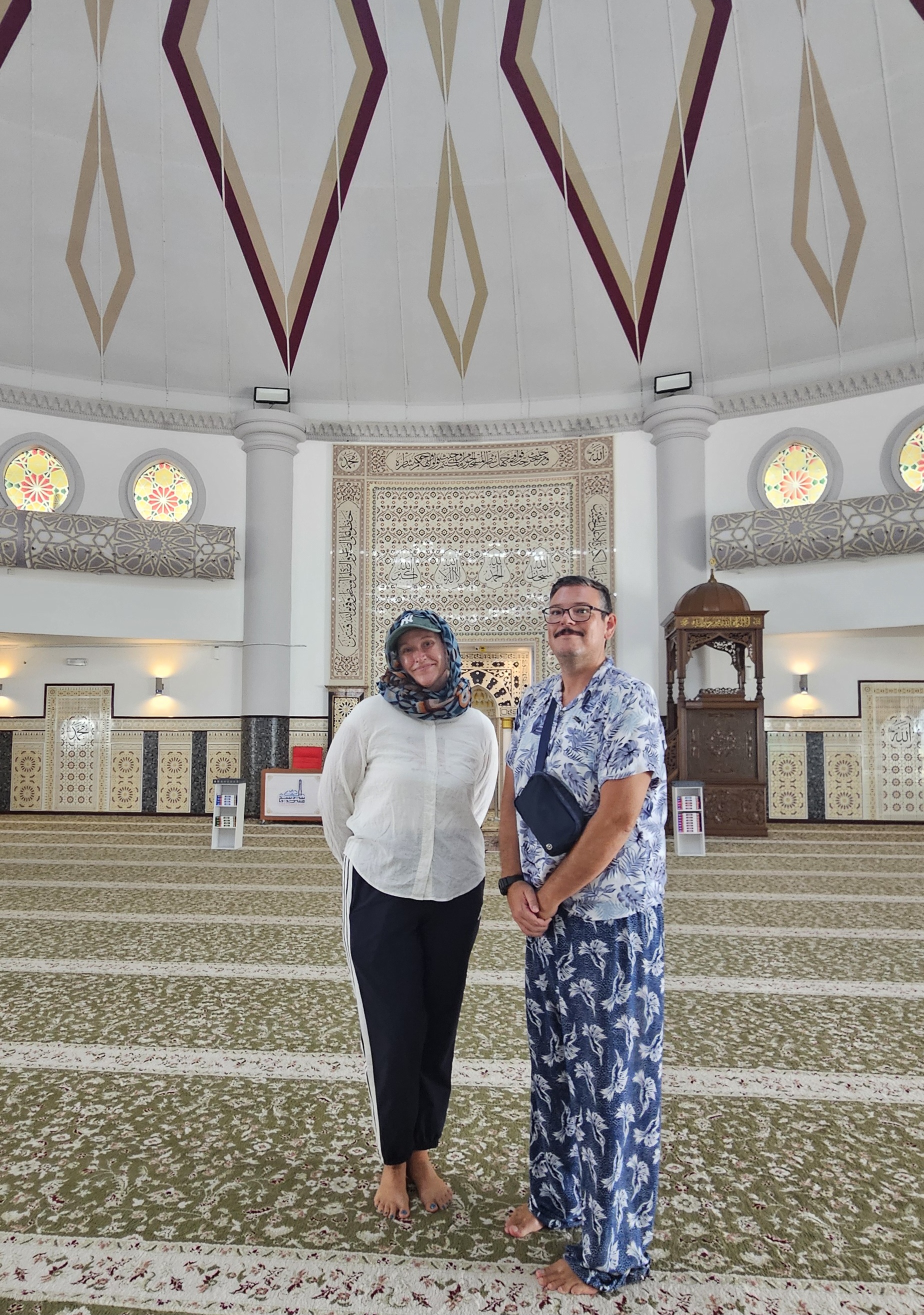
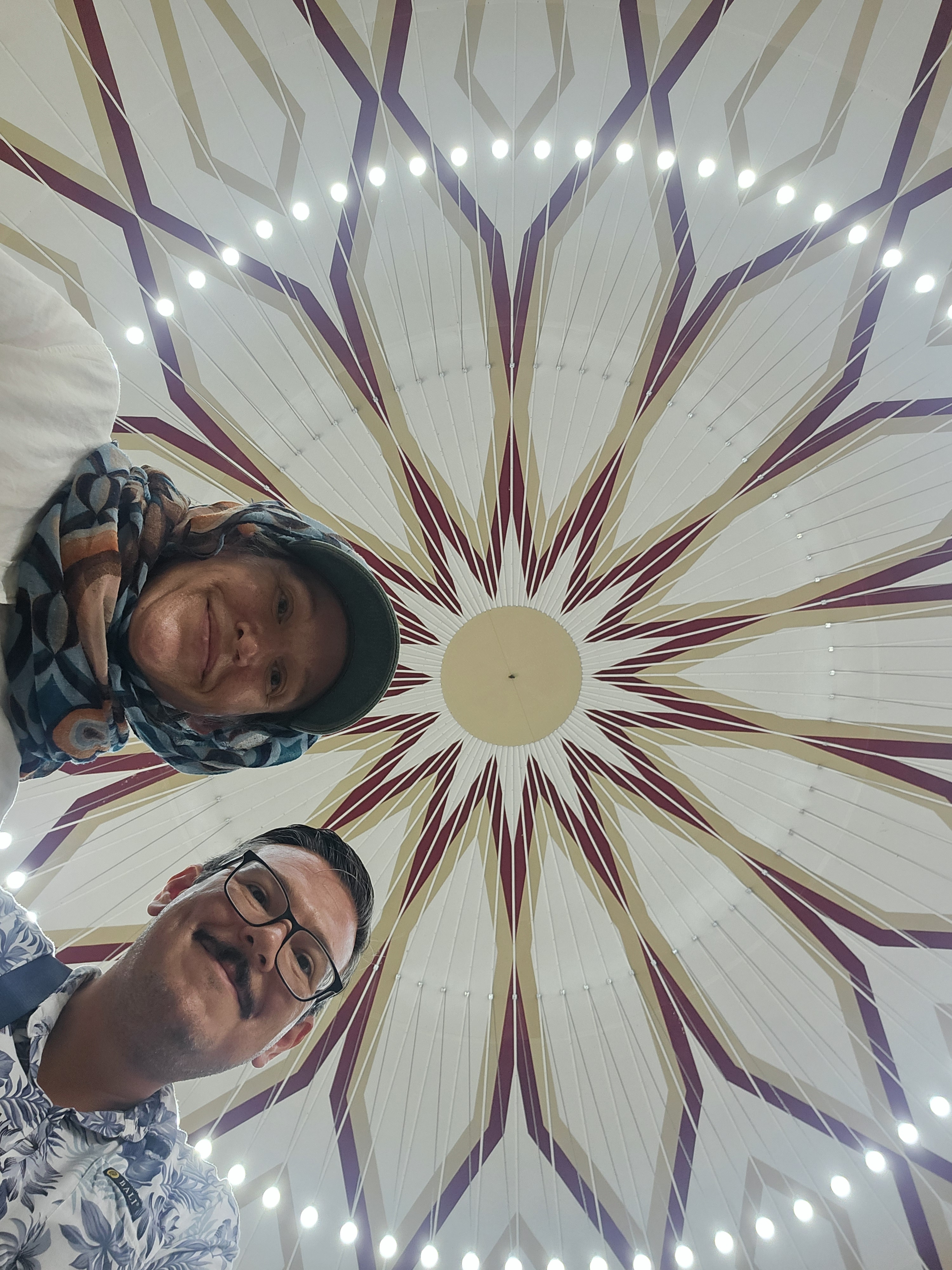
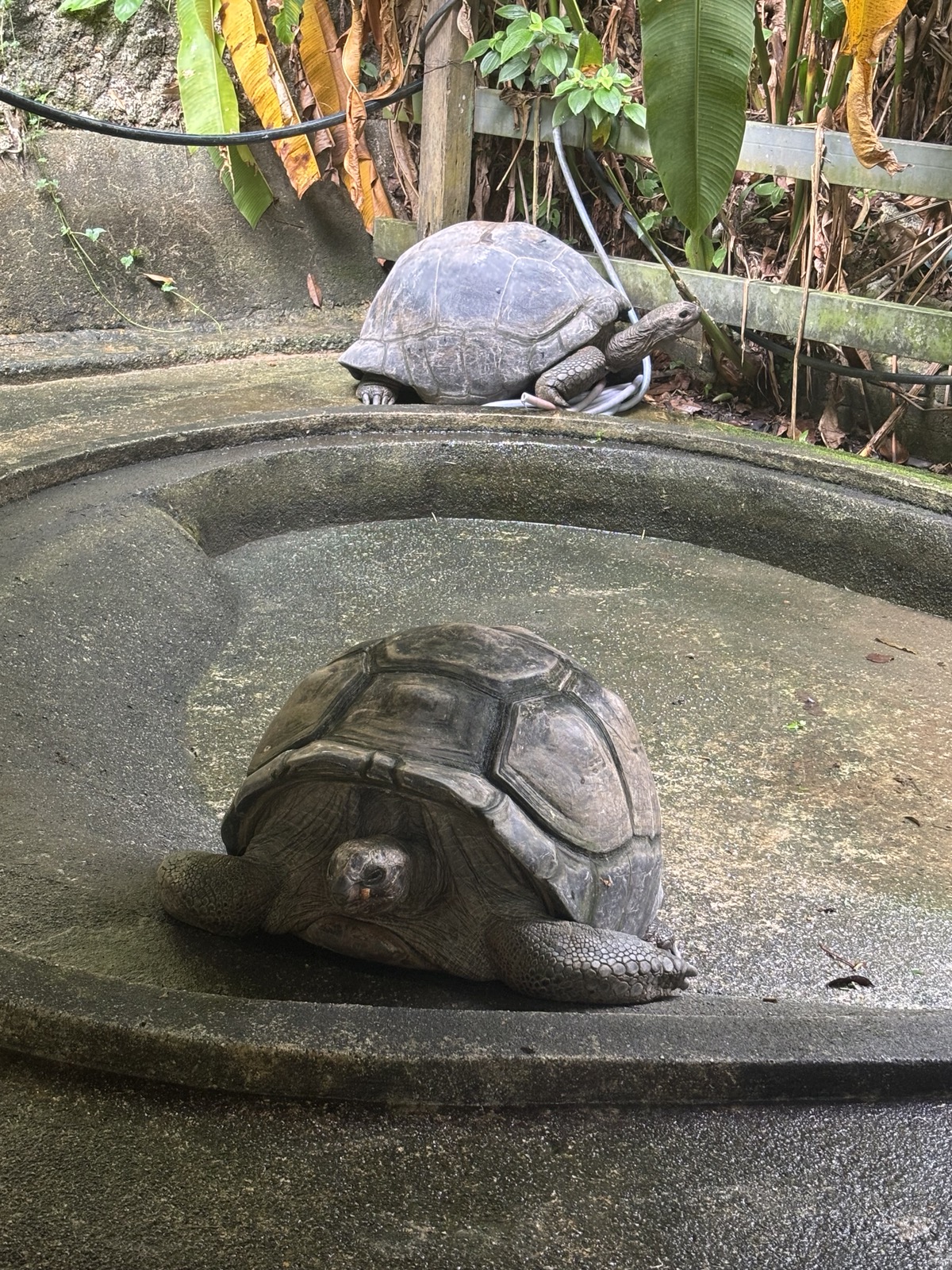
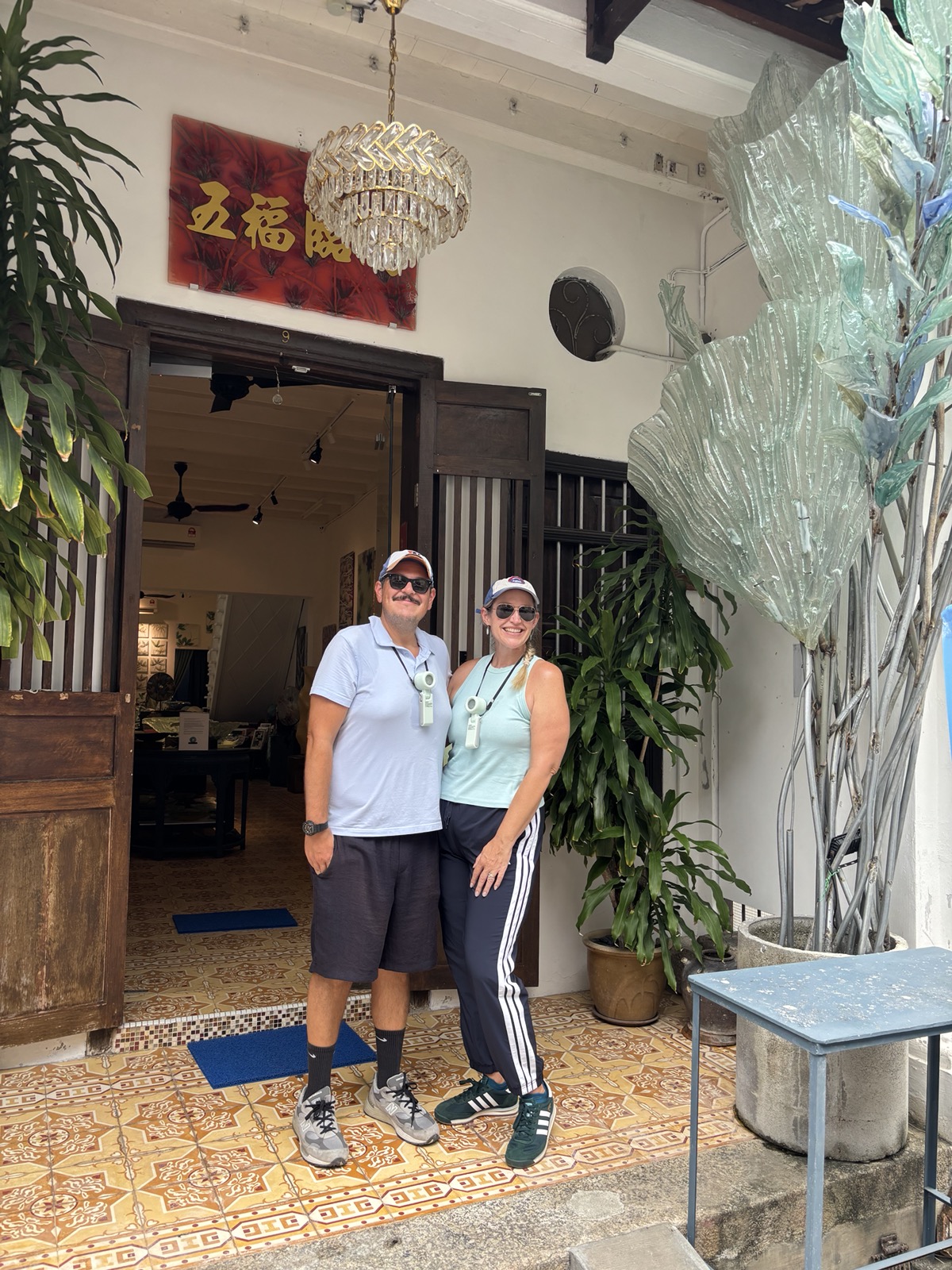
So, when we landed on Penang Island, we really did not know what to expect. My expectations were low, which is always a good way to visit a new place I’ve found. I came away from our five weeks with a completely new perspective and was so glad we visited. We learned a whole bunch about the culture, the food was absolutely amazing, and the people and places we visited were unforgettable.
Our Route: Penang/Georgetown -> Ipoh (taxi) -> Kuala Lumpur, or KL (taxi) -> KL -> Melaka City (bus) -> KL (bus)
Language: English is spoken widely in Malaysia, the first country we have visited in our eight months so far that was the case, and wow, was it great. We were able to get a lot of information immediately from our taxi driver at the airport in perfect, clear English. Malay is the national language, but English is taught in school as well and almost everyone we encountered spoke it. We learned that there are a few words that are the same in Malay and Indonesian (like terima kasih, or thank you). It really was so nice to get to speak and be understood in our native language. Chinese is also widely spoken and written as well, and we saw many Chinese tourists, which may be a reason they visit in such large numbers.
Transportation/Getting around: Same as in all places we visit; we book a taxi from the airport to our hotel through booking.com or trip.com; and that driver would often offer their services to take us around whichever city we were in. Our airport driver was able to schedule a fellow driver to take us on a day trip as well as drive us to Ipoh after our stay in Georgetown.
Grab is the app we used most often to book a taxi around the cities, and they were very reasonable. Some of the cars were not in the greatest shape, but that was not an issue. There are also many less motorbikes overall, and many more cars. Roads are just like in the US, and traffic lights abound.
We could have used the train to travel between Penang, Ipoh and Kuala Lumpur, and we heard they were just like many European trains when we inquired with some fellow travelers. We chose private cars because we were traveling with more things this time (we shipped some of it back to the US when we were in KL). We took the bus between Melaka City, which was much cheaper than a car and still nice, with big seats for $6 per person, each way. We also learned that the train does not run from KL to Melaka City, only after we booked train tickets to Melaka station (Melaka is also the name of the state the city is in, and the station is quite far from the city).
Overall, it was very easy to get around, and we felt we could’ve even rented a car and driven ourselves. We did not because it is expensive and they drive on the opposite side of the road as we do in the US. There was also very little horn honking, which was more similar to Indonesia and much less like Vietnam.
We used the app 12GO and Daytrip.com to book our bus and car from Ipoh to KL; there is a Malaysian Train app (KTMB Mobile) to use for train bookings (that I still have a credit on, if anyone needs it). We flew into to Penang on AirAsia and flew out of KL on AirAsia as well; when using them, we always paid for the seat upgrade to the front row to get the most leg room, which also included a checked bag too.
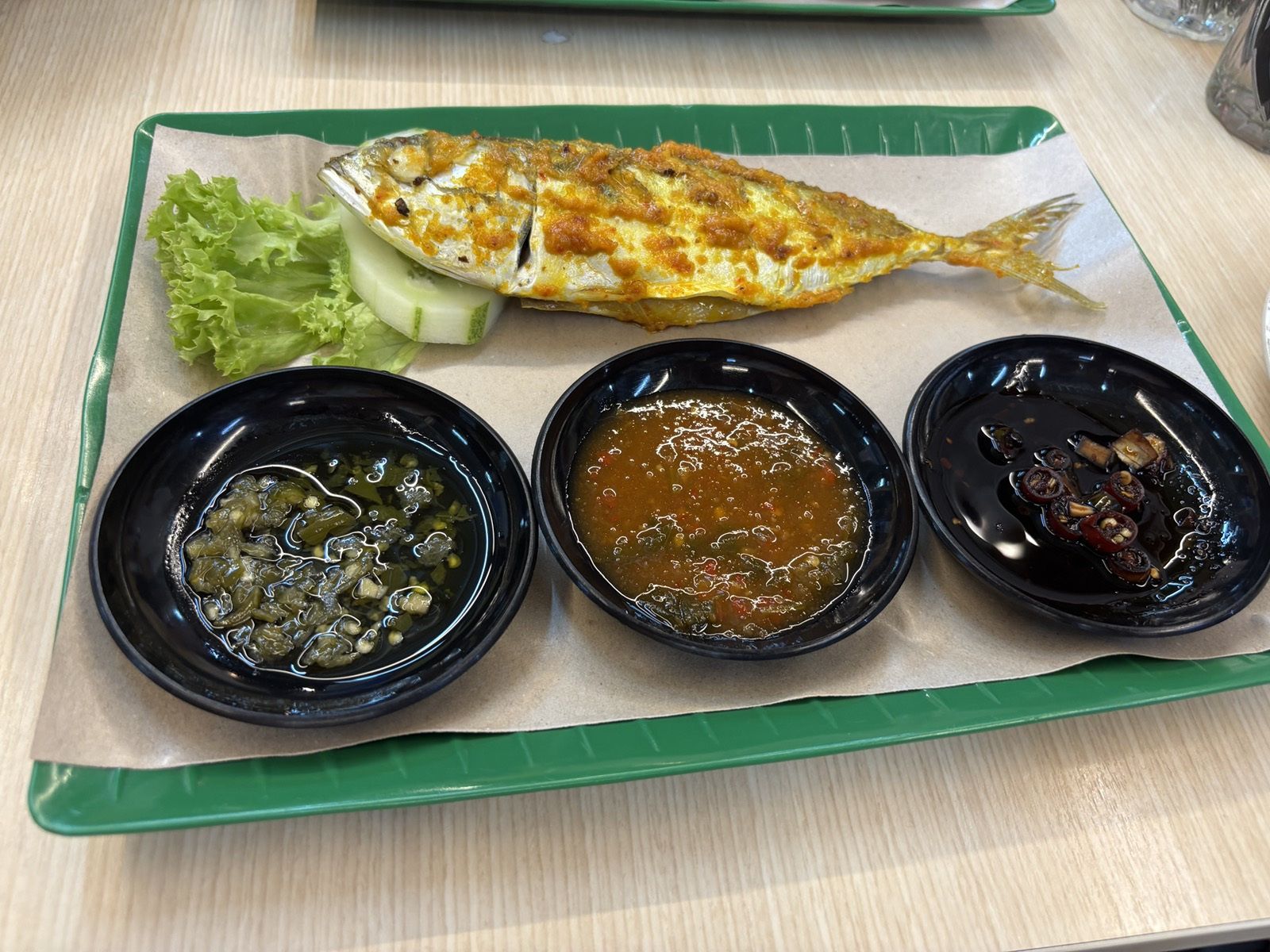
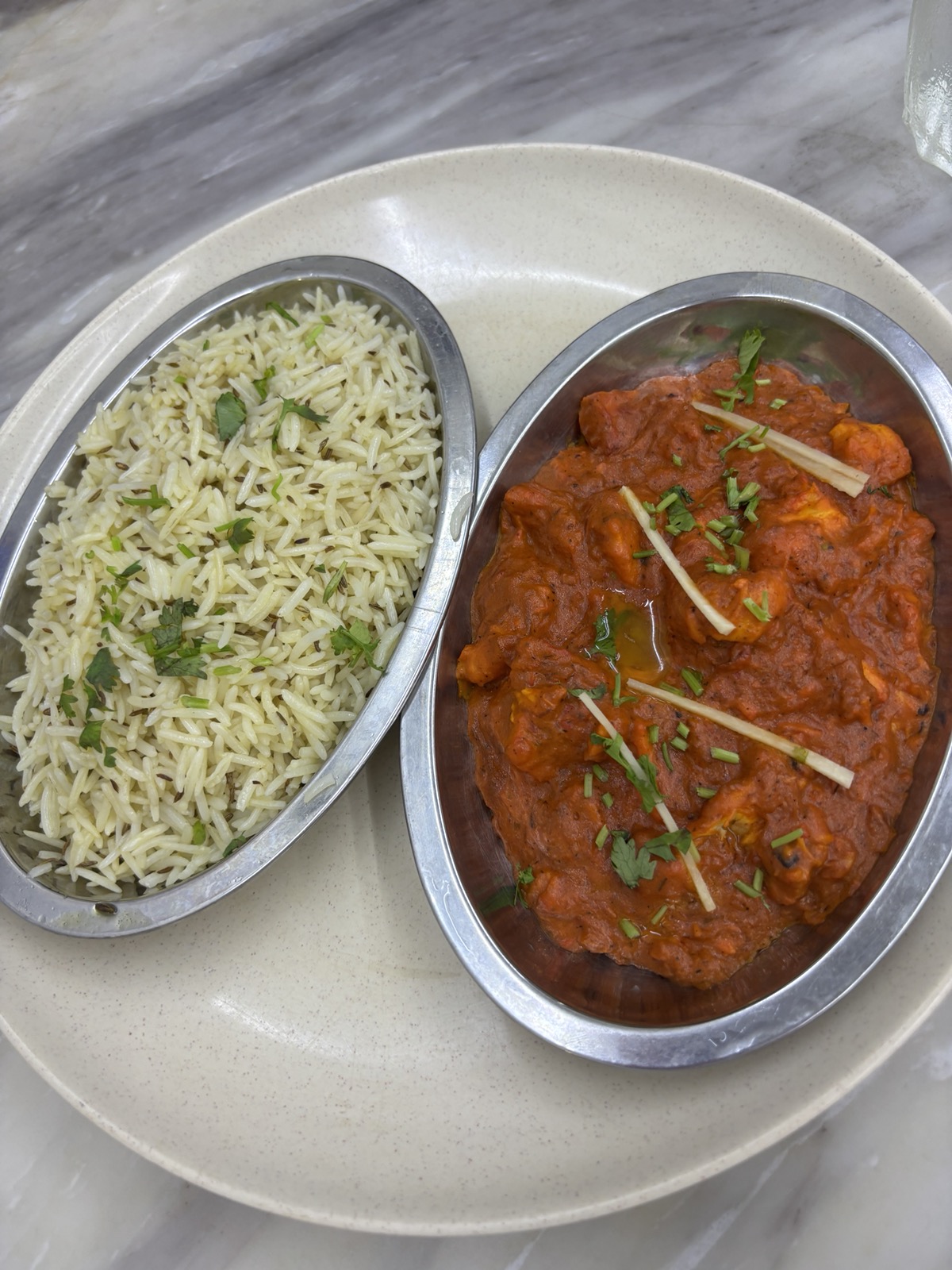
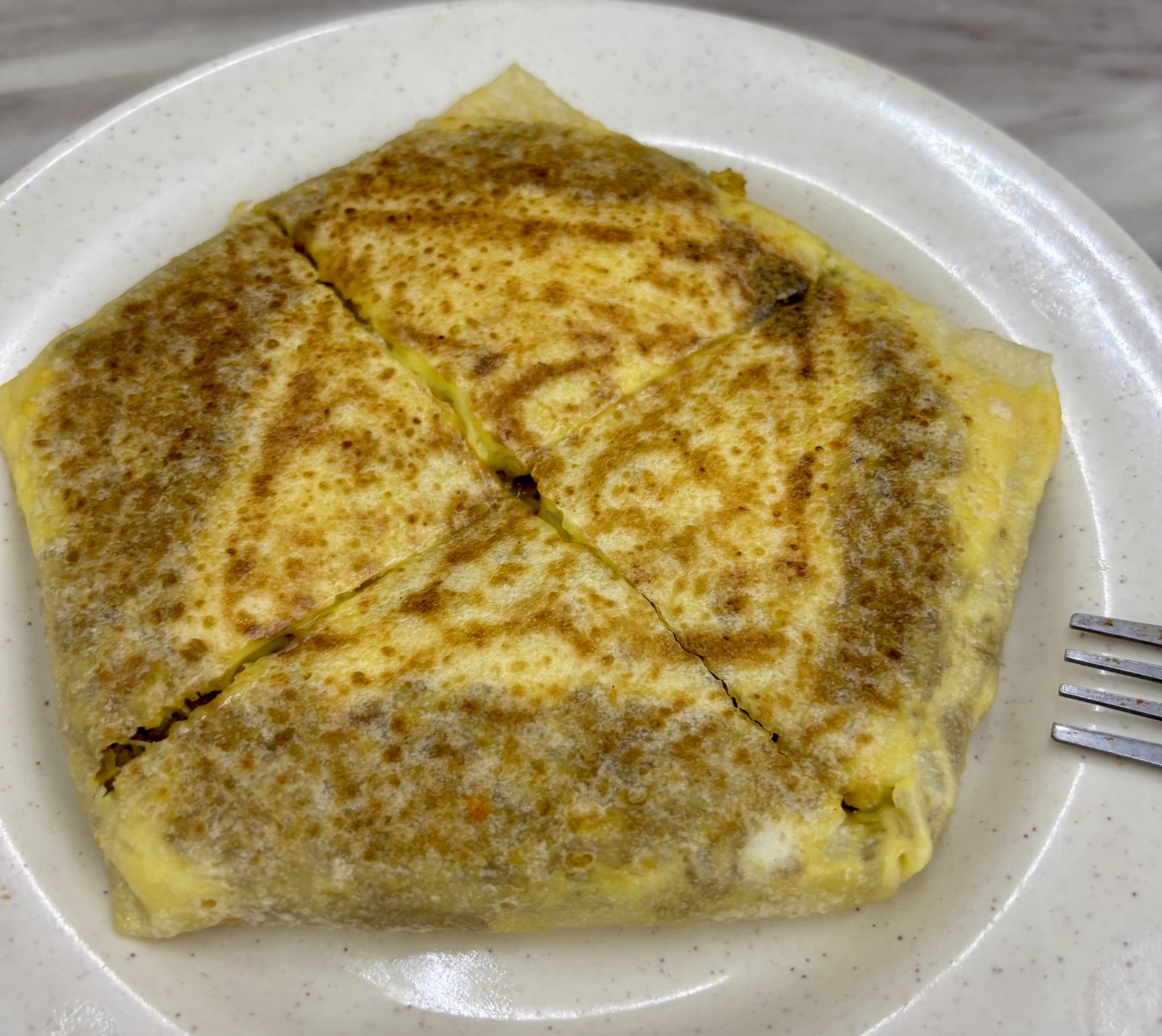
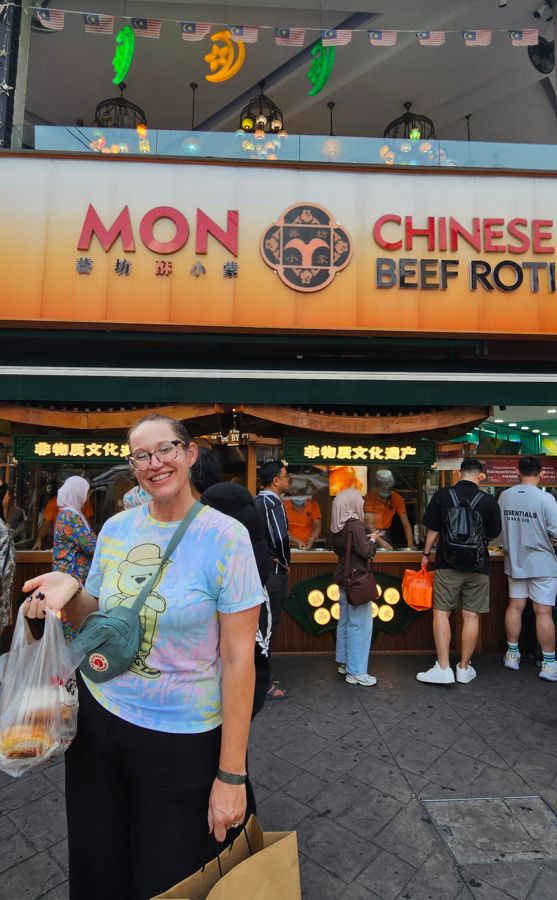
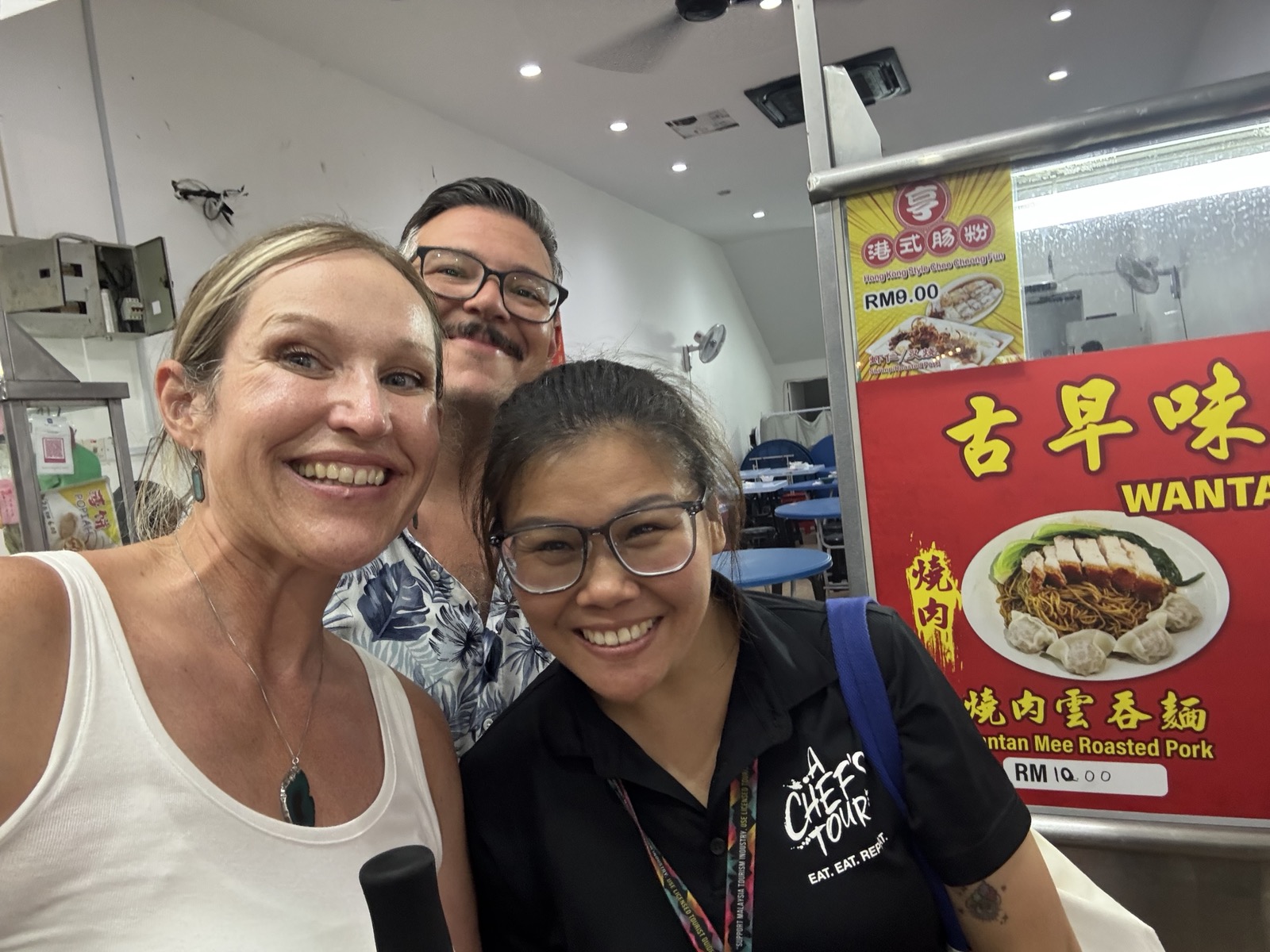
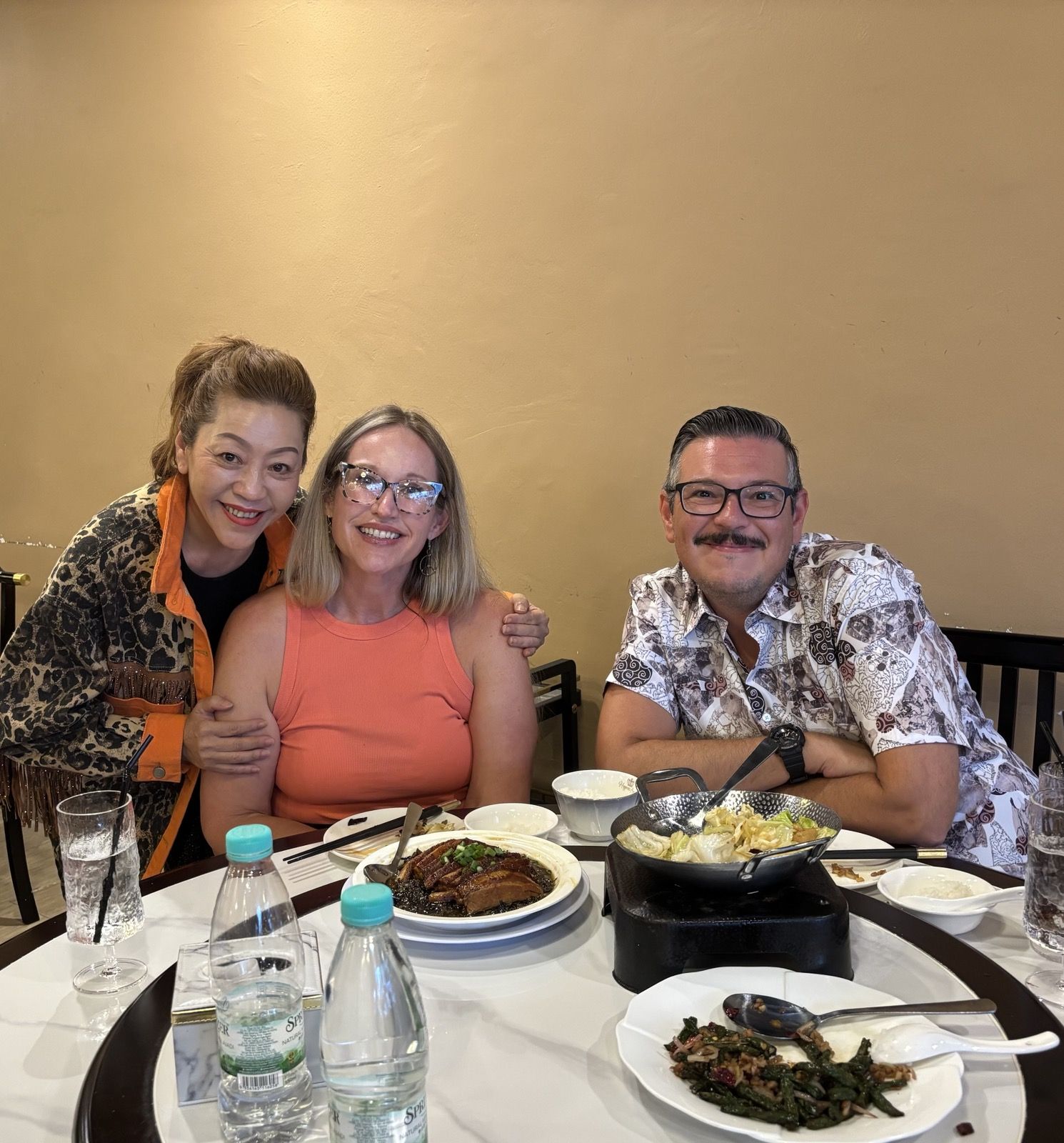
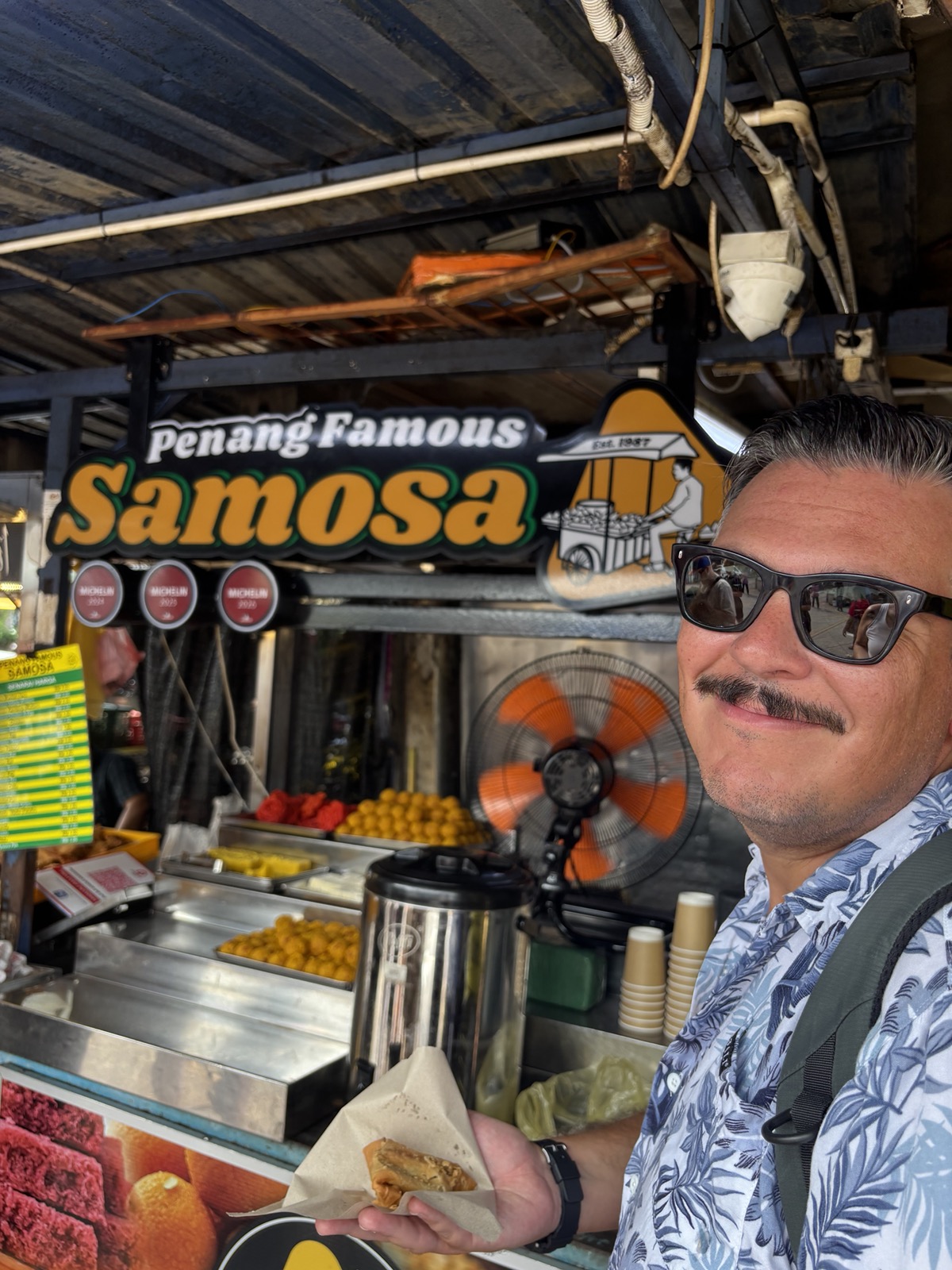
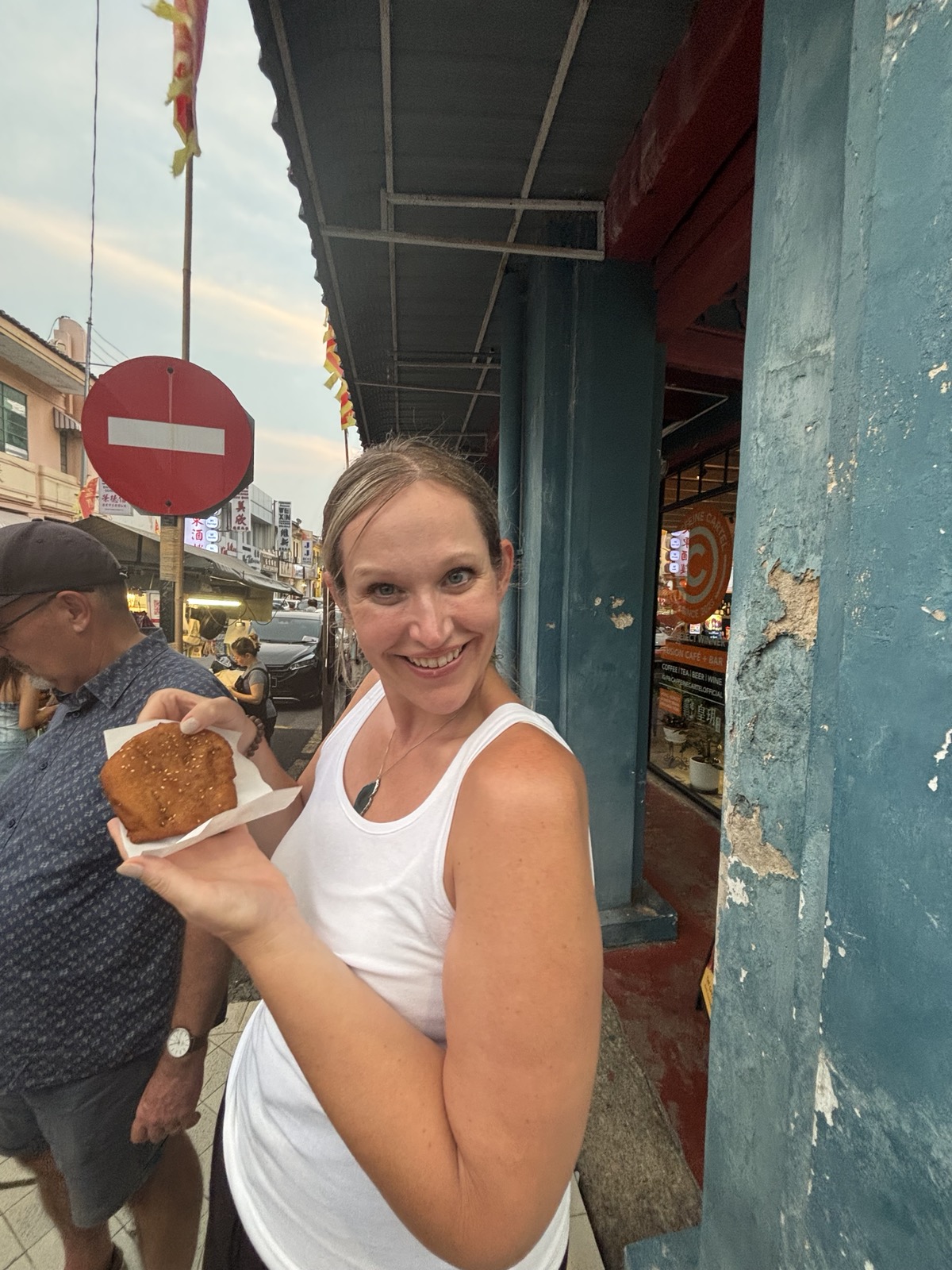
The food: This is where Malaysia really shined. There was so much good food: Chinese, Indian, Malay and their combinations; we never had a bad meal. We did multiple food tours (one in Penang and one in KL) and tried so many good dishes. Our hotel in Penang also had so many local favorites to try for breakfast. We were spoiled for choice every morning, plus they had a donut wall for desert! We ate Chinese food as good as we had in China, Indian food as good as any we’ve ever eaten (and the best Samosas ever), and the Malaysian, Indian-Muslim Nasi Kandar restaurants were always excellent.
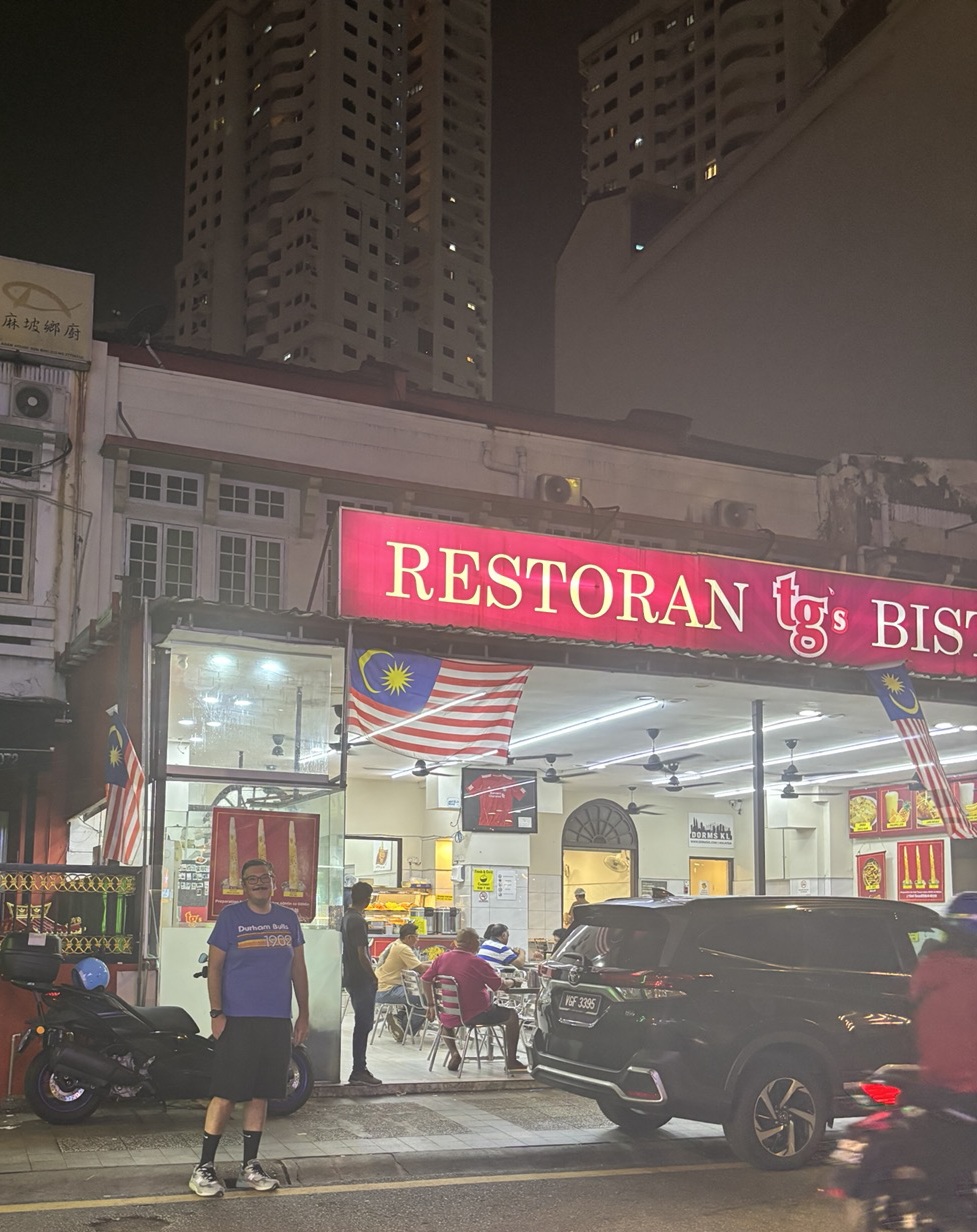
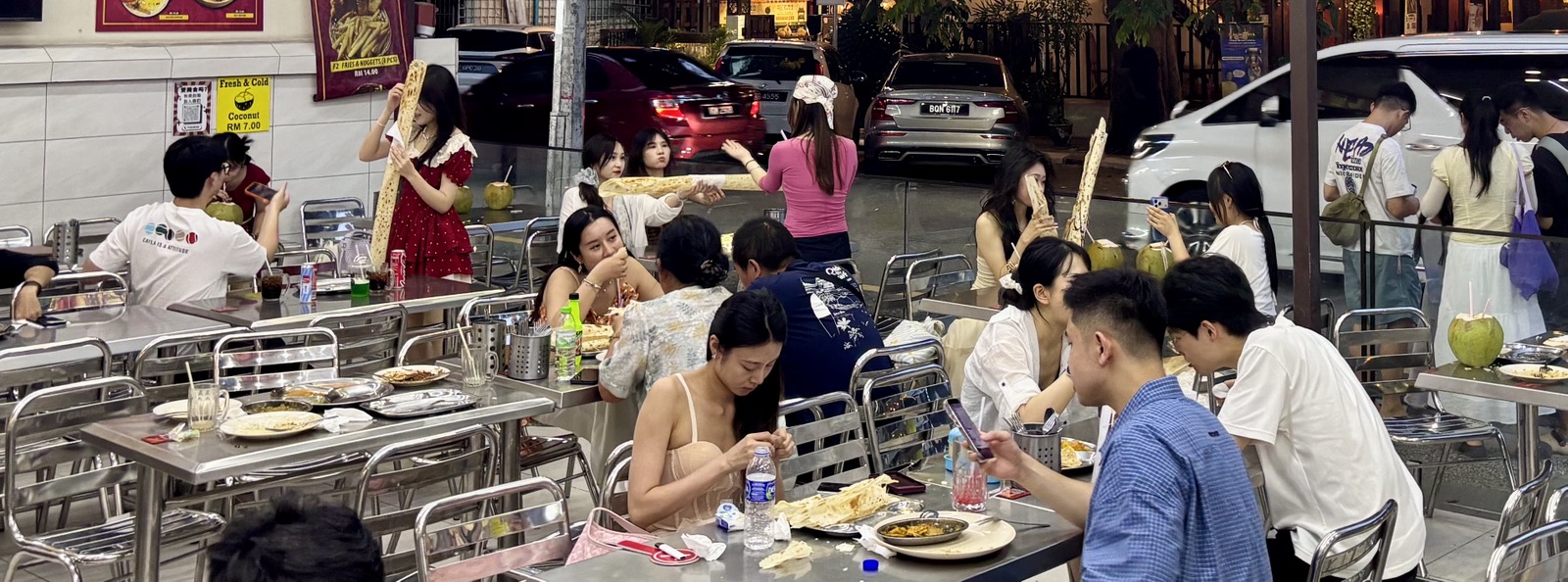
Food is always available in Malaysia as restaurants stay open late (often times 24 hours). Eating late, to avoid the daytime heat, is common. Restaurants often had a service charge and tax not included in the price, so always watch out for that. Street vendors did not.
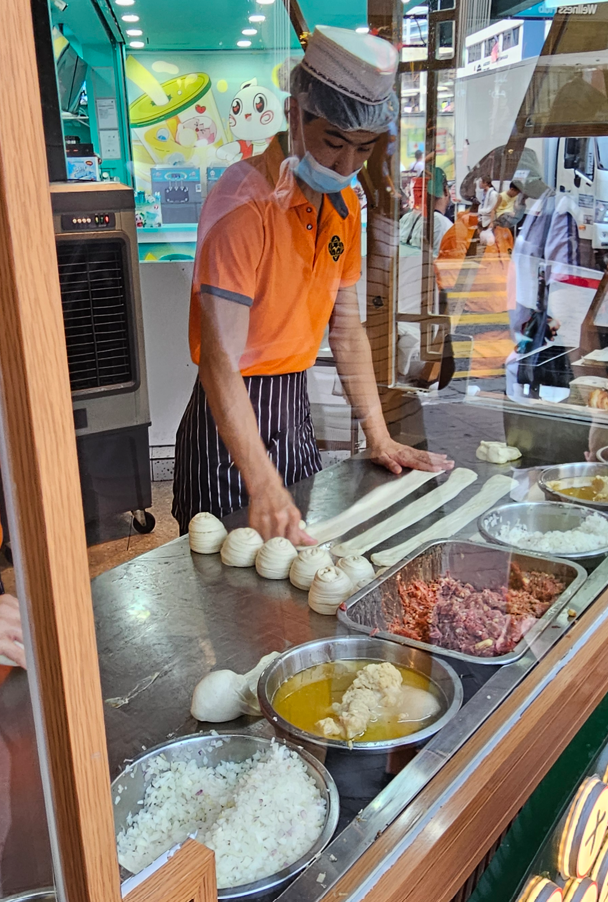
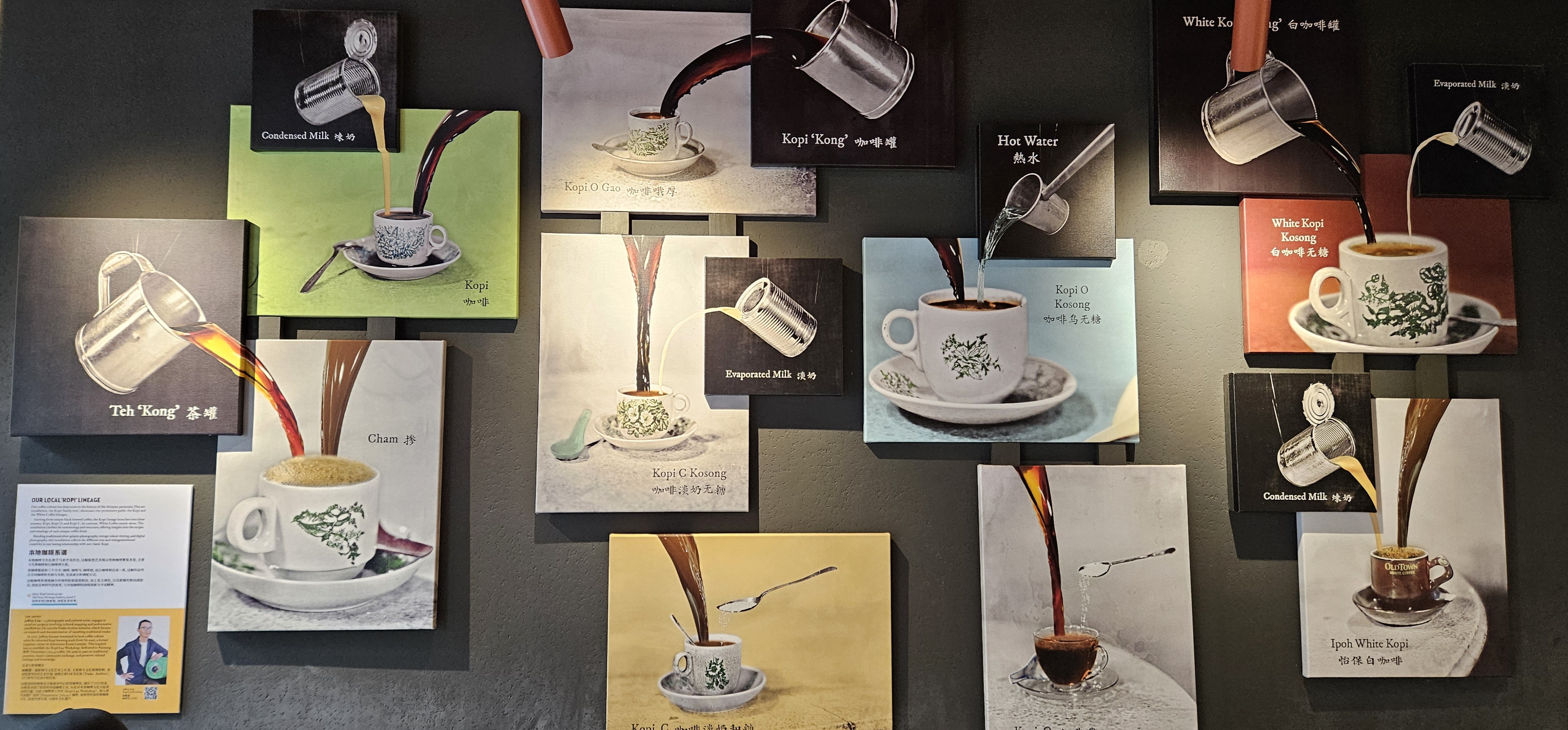
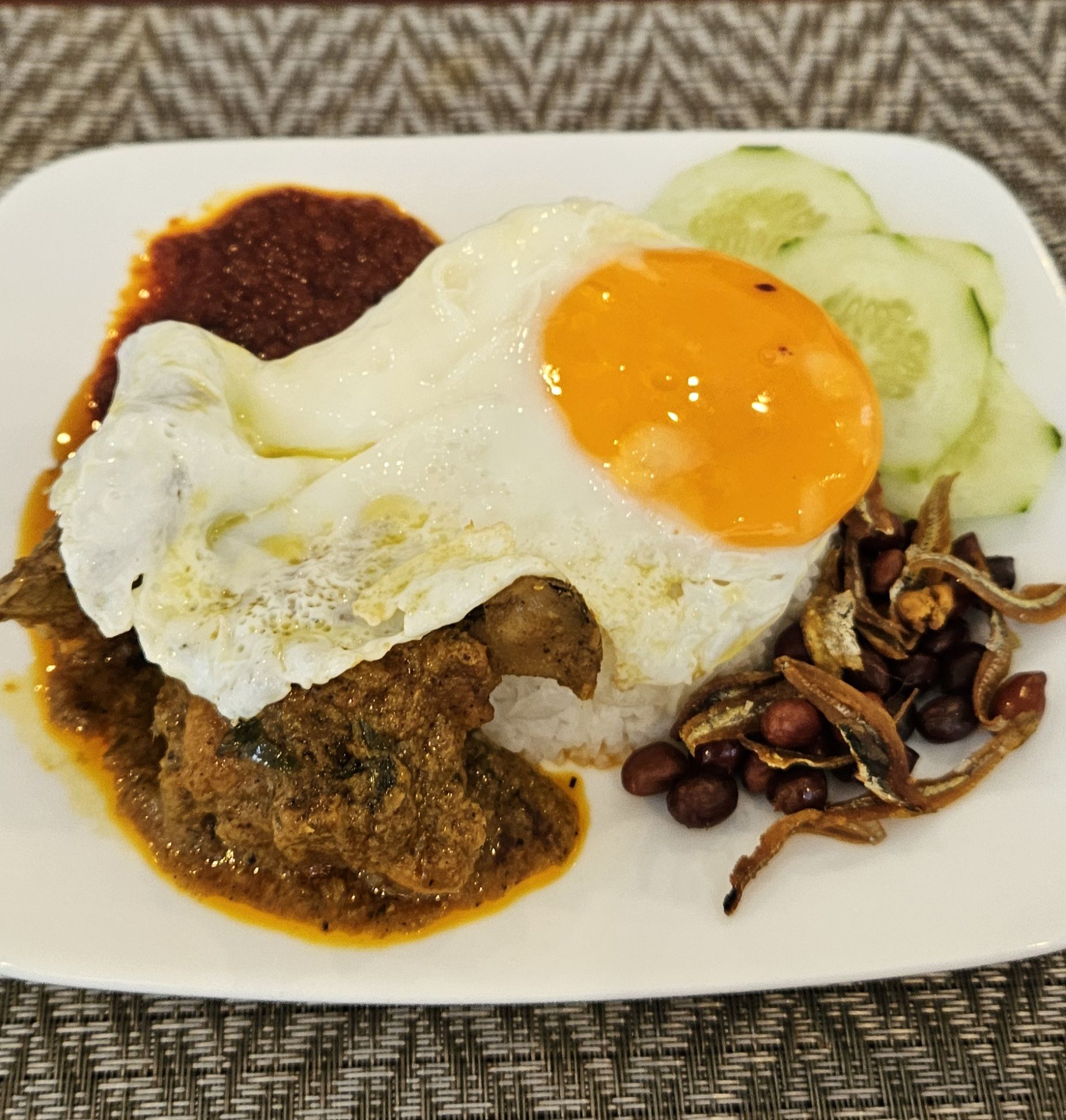
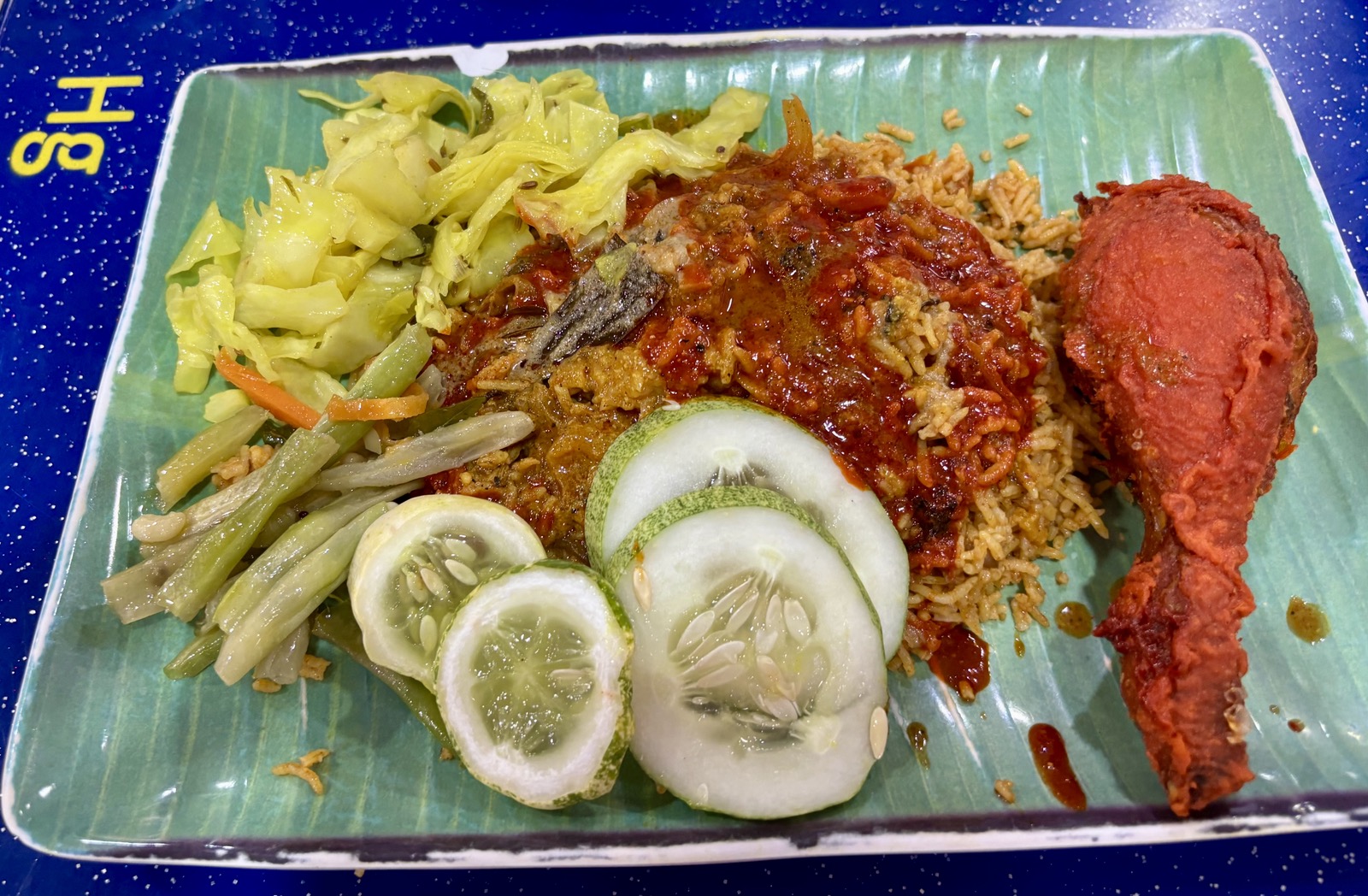
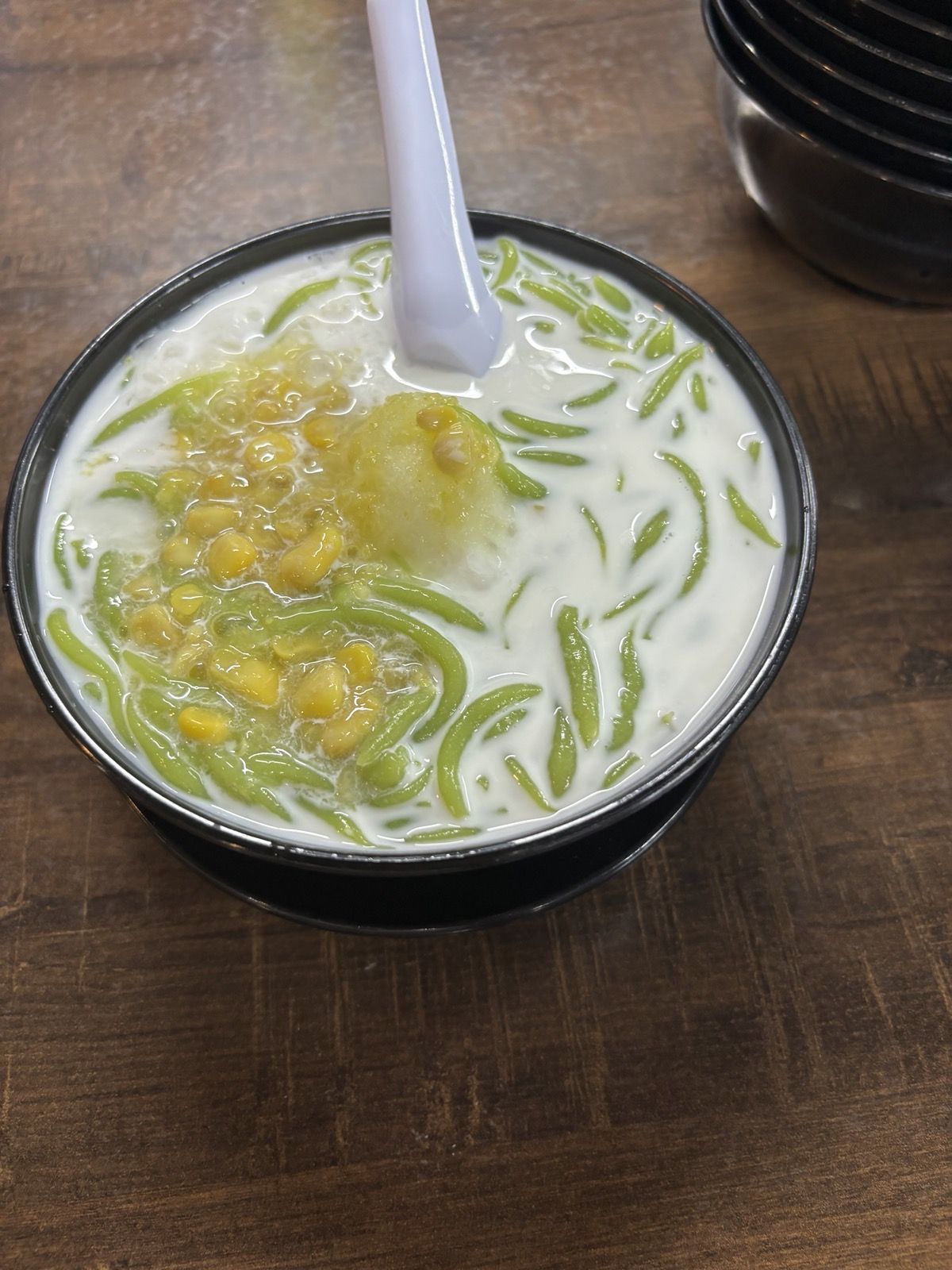
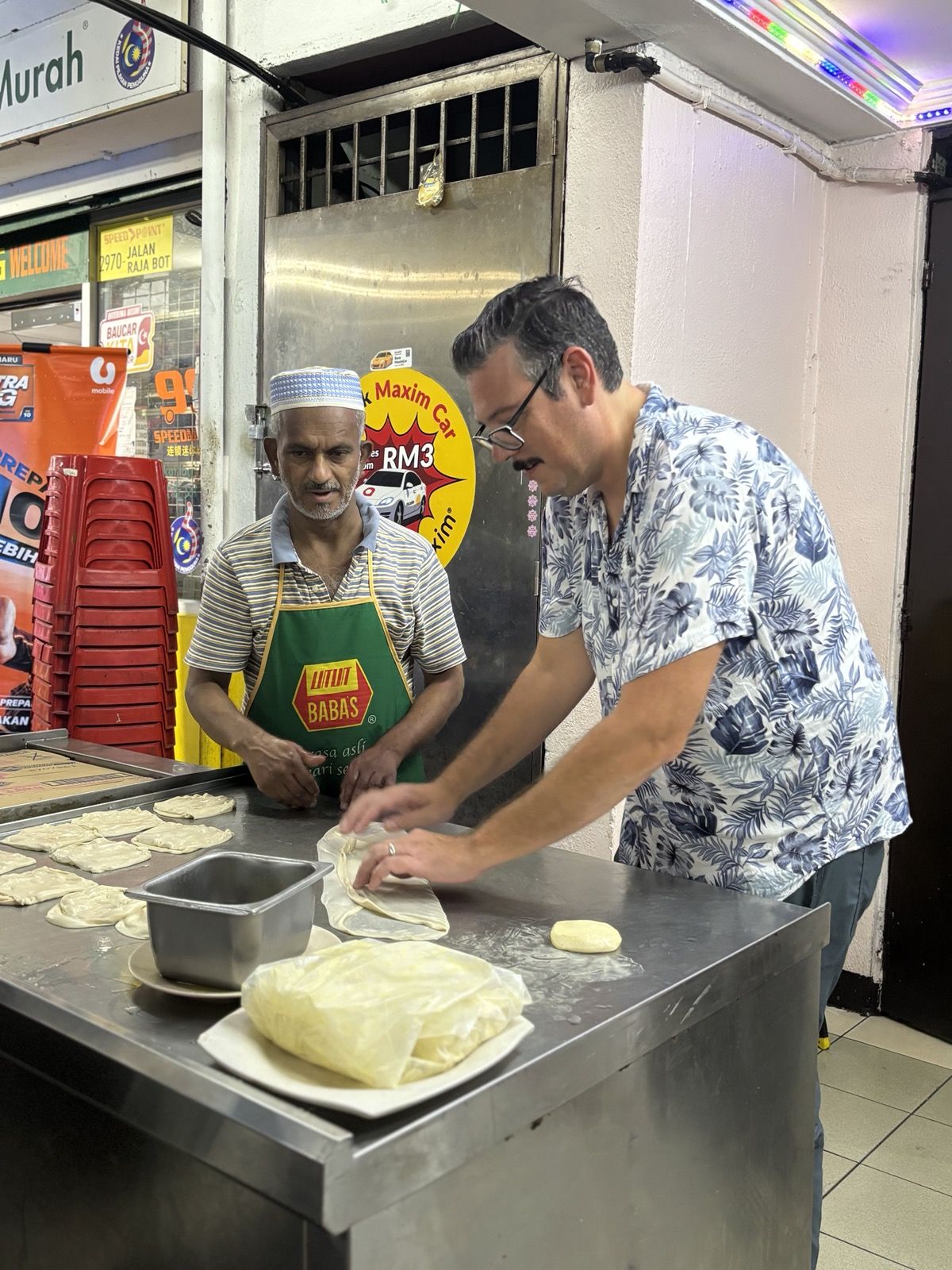
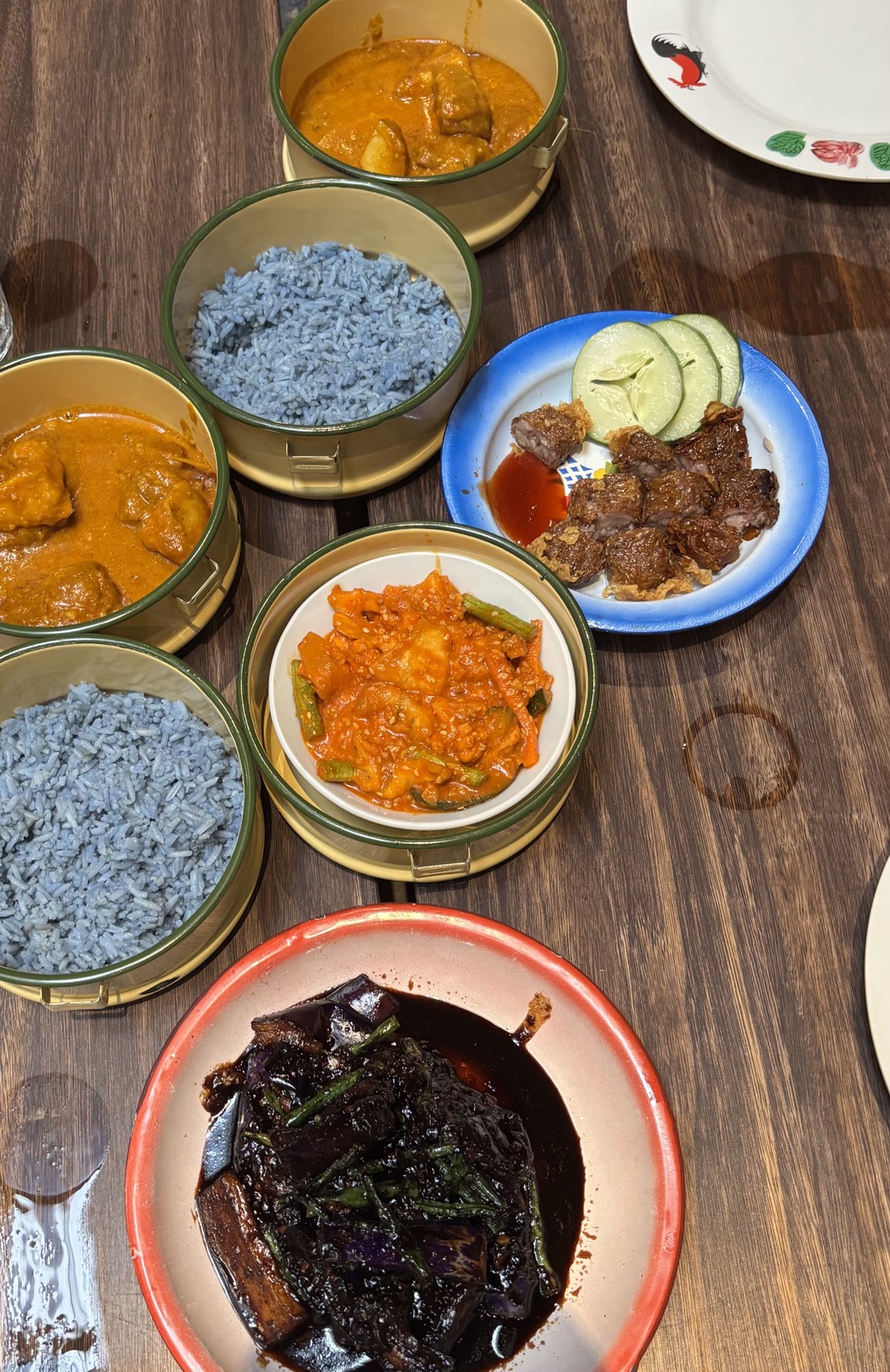
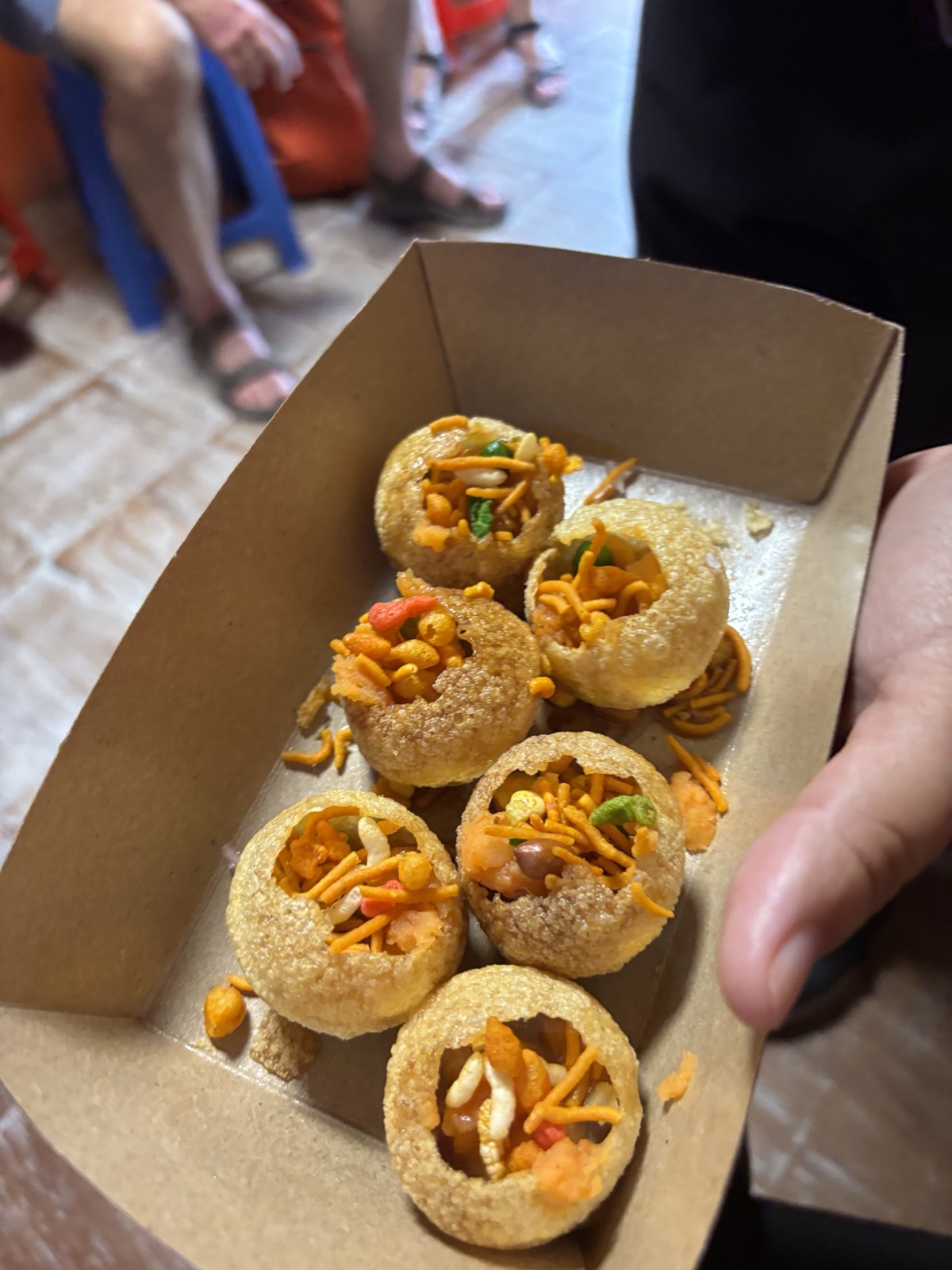
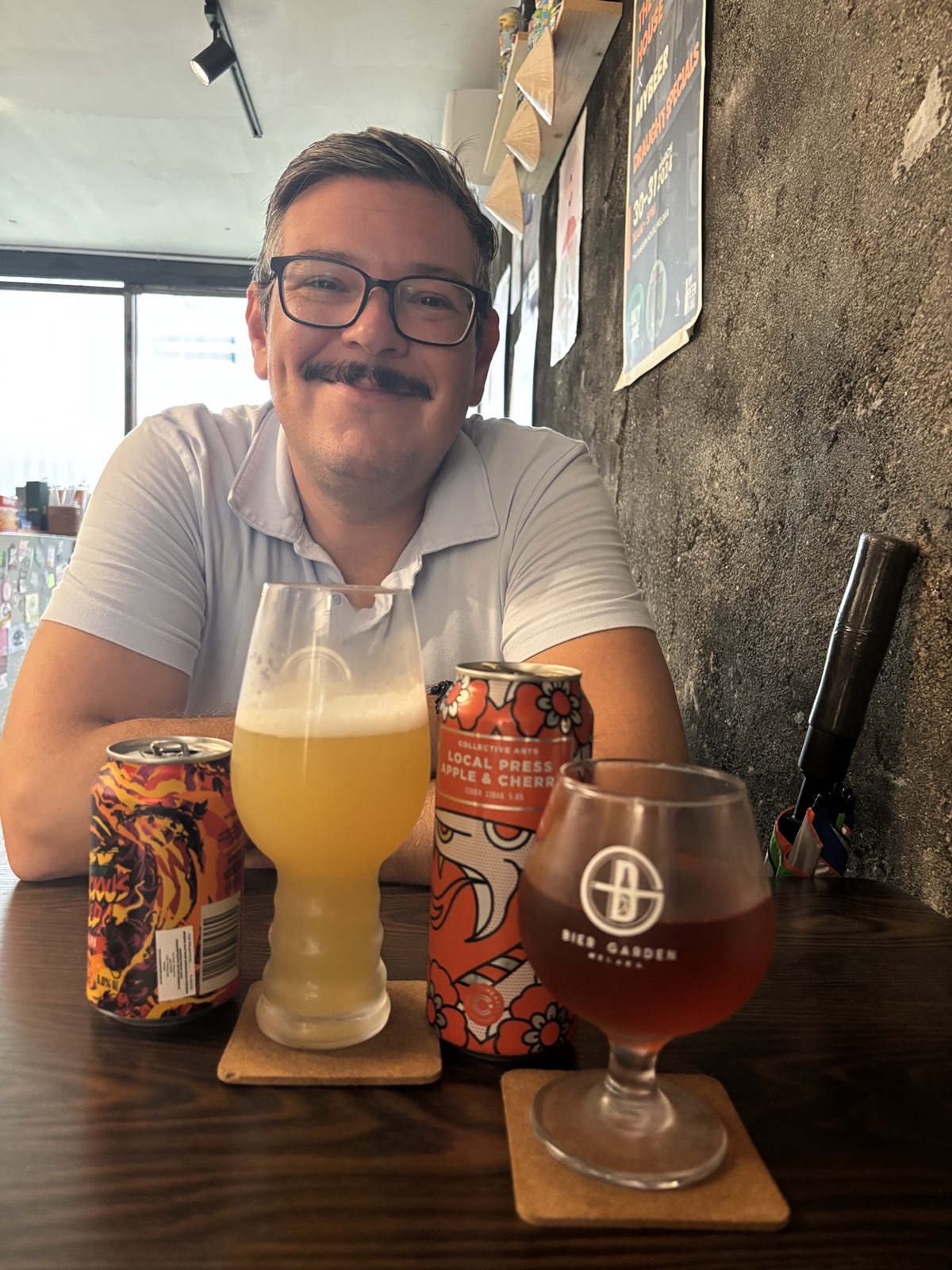
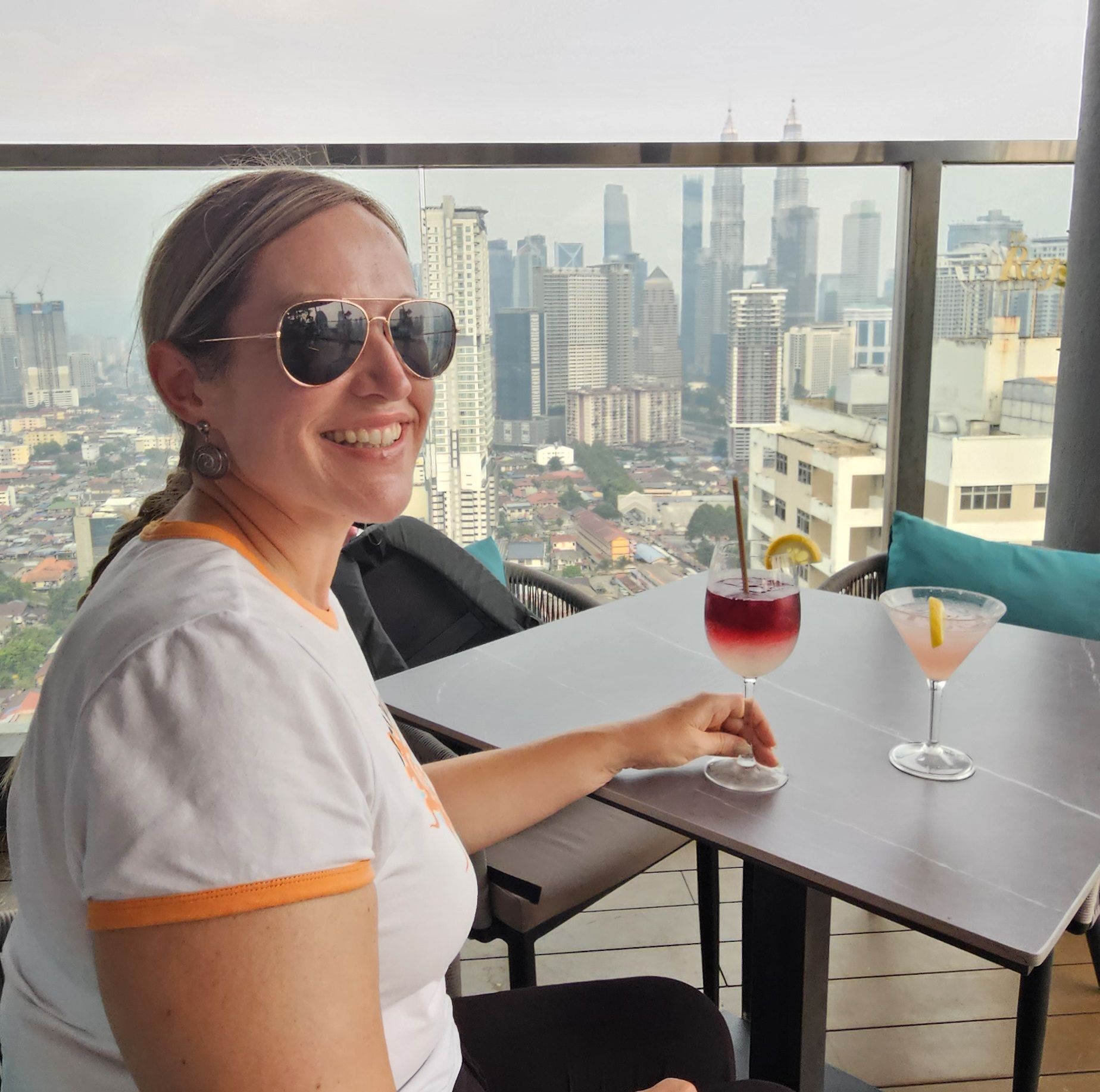
Alcohol: As a Muslim country, alcohol is quite expensive compared to many of the countries we had previously visited. For example, a Tiger beer (a basic lager) that normally cost $1 in Vietnam, cost $4 in Malaysia. Cocktails were $8 at minimum; and there are 15-20% taxes on those amounts as well. So, we did not consume much alcohol while in Malaysia. The best deal is buying a bottle of booze at Duty Free while at the airport. We did find a small pub while in Melaka where we had two (craft) beers each and the bill was $40.
Paying/Money: The Malaysian Ringgit was about 4 to $1 USD, so the math was easy on how much things cost (100 Ringgit was $25 USD, for example). ATMs are plentiful; many had caps on taking out a maximum 1,500 Ringgit (about $375 USD). Also, some had high fees, and others were a percentage of the amount withdrawn. We used Charles Schwab for checking, and they refund our ATM fees, so it is highly recommended to find a bank that will do that as well. We didn’t need cash that often, as almost all places accepted credit cards, from malls to grocery stores to restaurants and small shops. While on credit cards, always, always use a credit card that has no foreign transaction fees.
Any local market or street food would be cash only, as would any laundry services. Taxis booked through Grab, 12GO, or Daytrip would be card payment; but a day trip booked directly with the driver would be cash. Jessica also had her hair and nails done separately and they both requested cash payments. I always had 200 Ringgit or so in cash, just in case, which was more than enough for a day out for two people.
Hotels: We booked our hotels through booking.com or trip.com, whichever was cheaper. We would look for the hotel that had the amenities we needed (air conditioning and a private bathroom and a pool, as it was summer) and then compare our options. Of course, there are other hotel booking websites/apps out there (including hotels.com, that I used this time as well). I booked hotels that had free cancellation (usually up to one week before check-in), in case we changed our minds, and would try to compare the rates as we approached the cancellation deadline, because sometimes the rates would drop.
This trip, we actually stayed at two airbnbs, which were our first non-hotel stays in eight months. It was really nice to spread out, and the rates on the airbnbs were cheaper than hotels, and we got a lot more. Both places had big swimming pools, gyms and security. Lots of restaurants and convenience stores were a stones throw away; and we had laundry in the apartments!
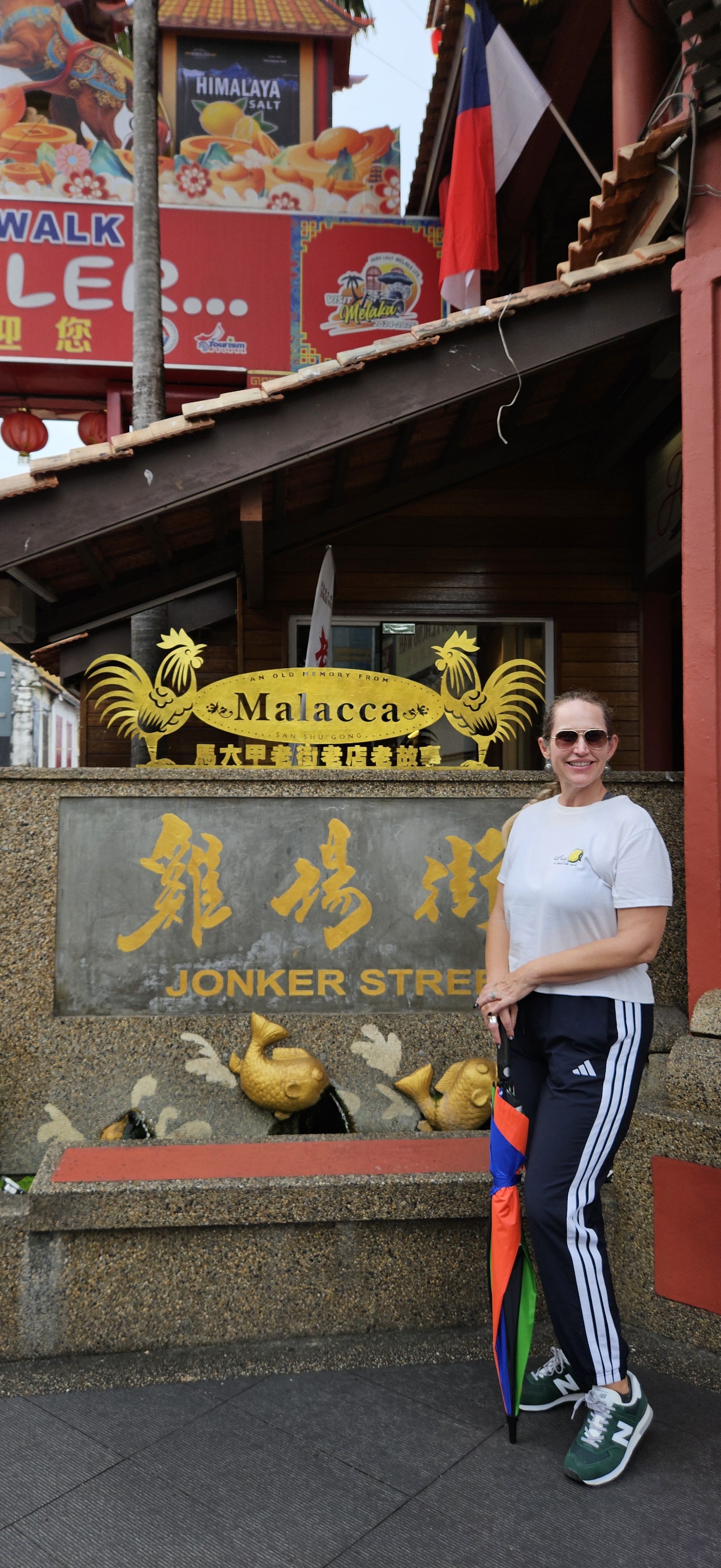
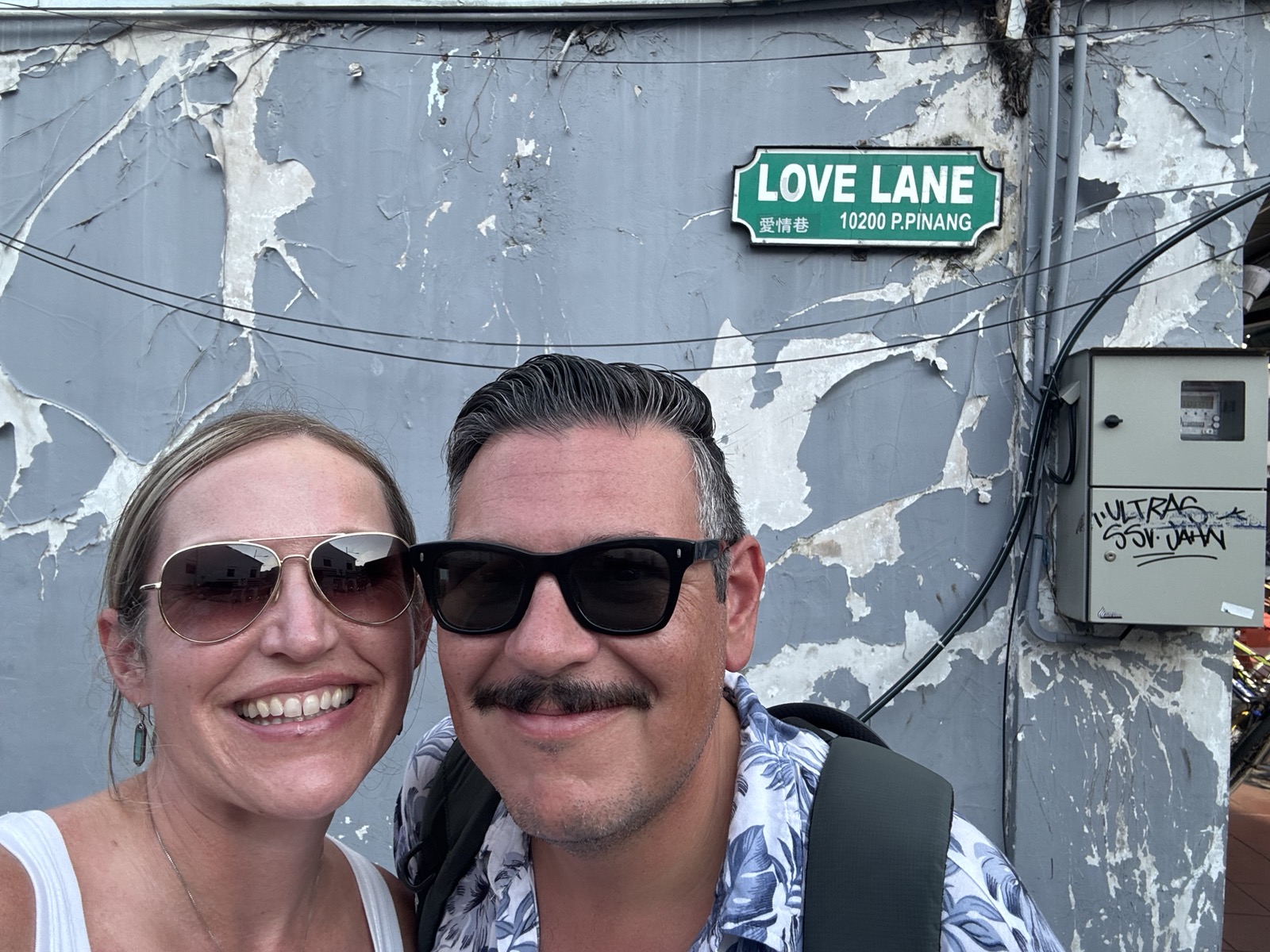
In Penang, staying in Georgetown is recommended, and in Melaka staying near Jonker street is as well. Traffic is very bad all over Malaysia in the cities, almost all day and especially at rush hour, so staying near the places we wanted to visit was a must. In KL there is a good train system, so staying near a train stop is a good idea.
It is also so hot during the day that even short walks yield a lot of sweating. Where we stayed was very influential on what we did and how we traveled around, and that should always be factored in to any booking. It is easy to search for “best areas to stay in XXX city” and read which areas suits you best.
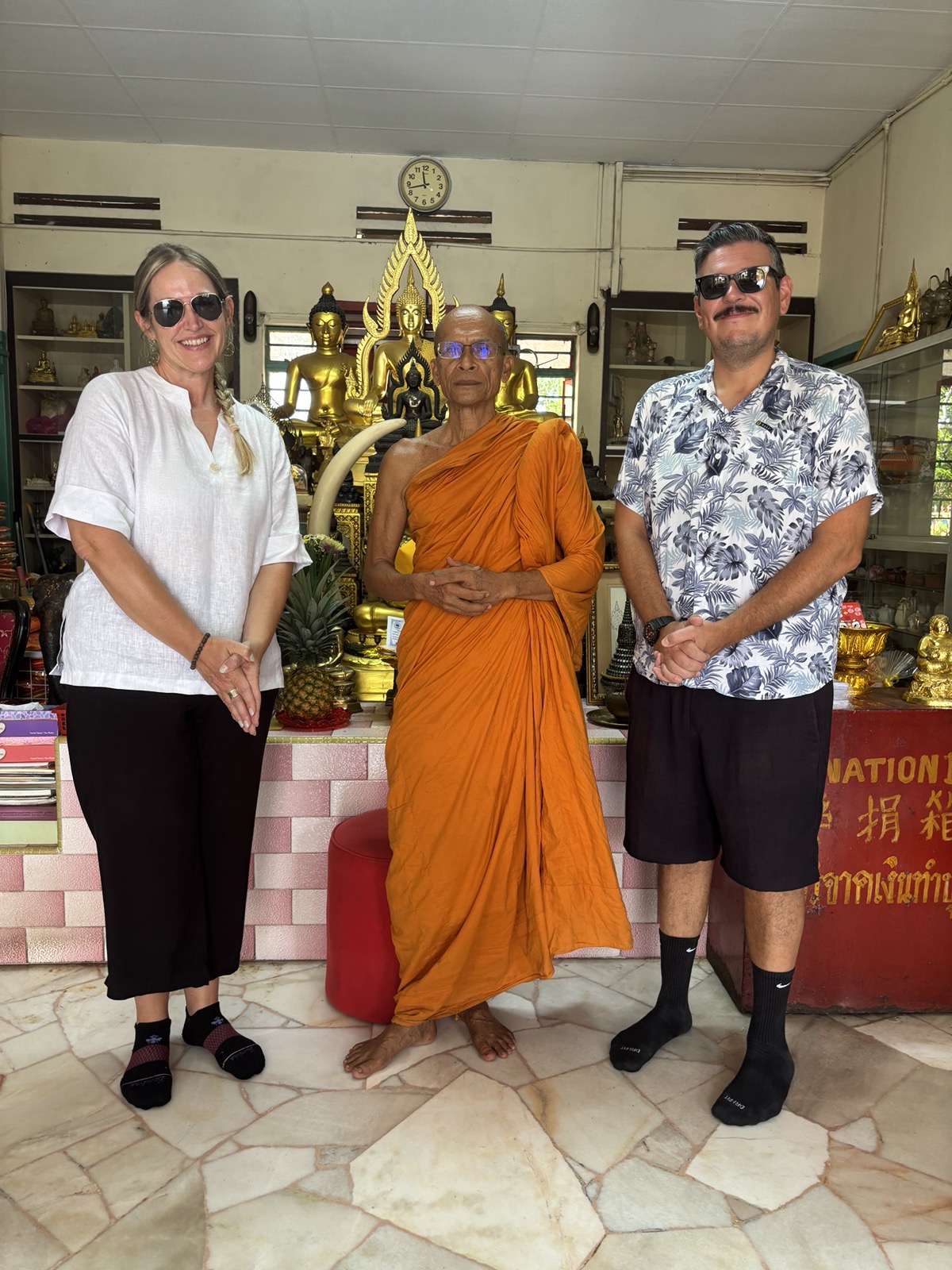
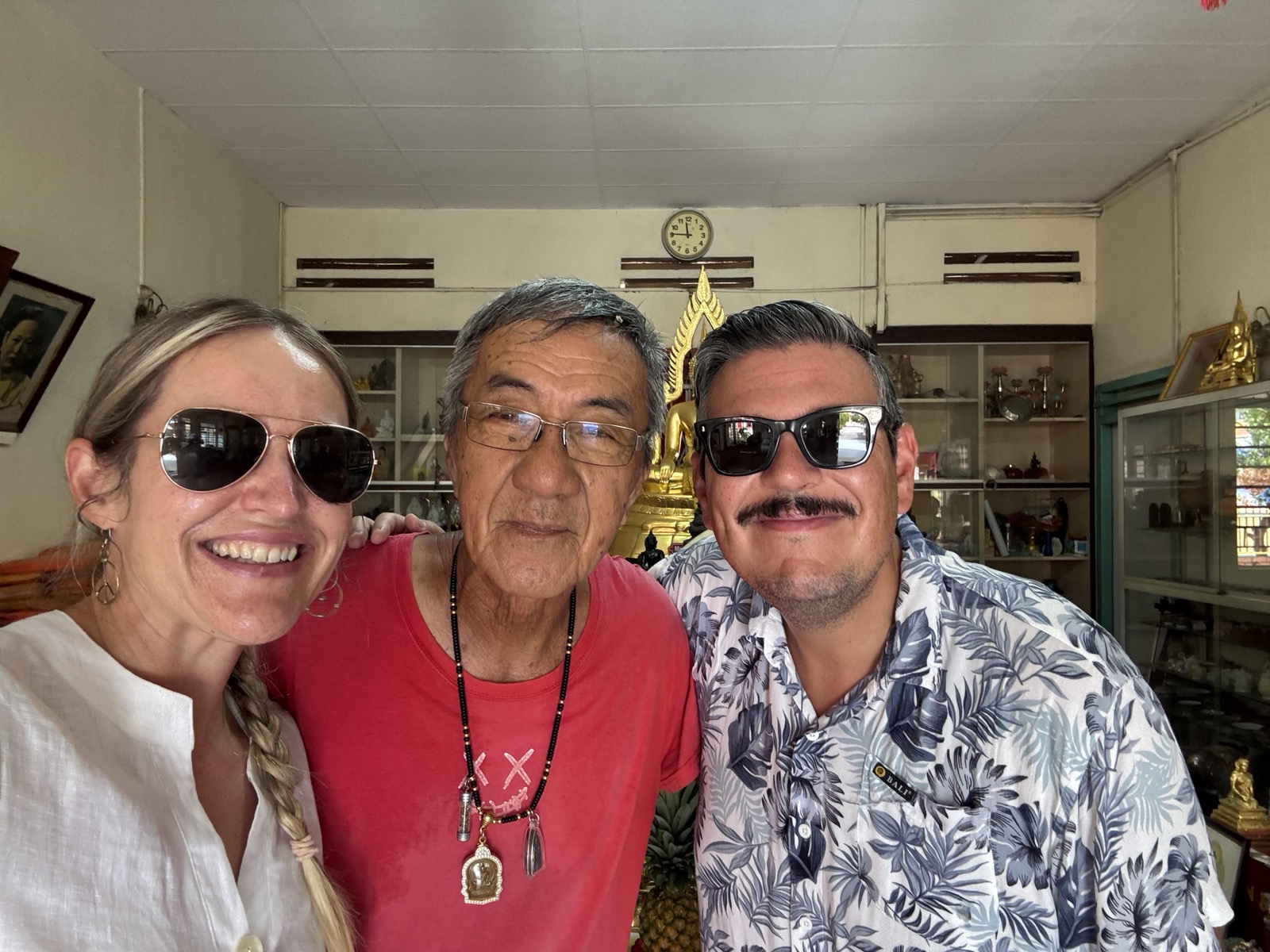
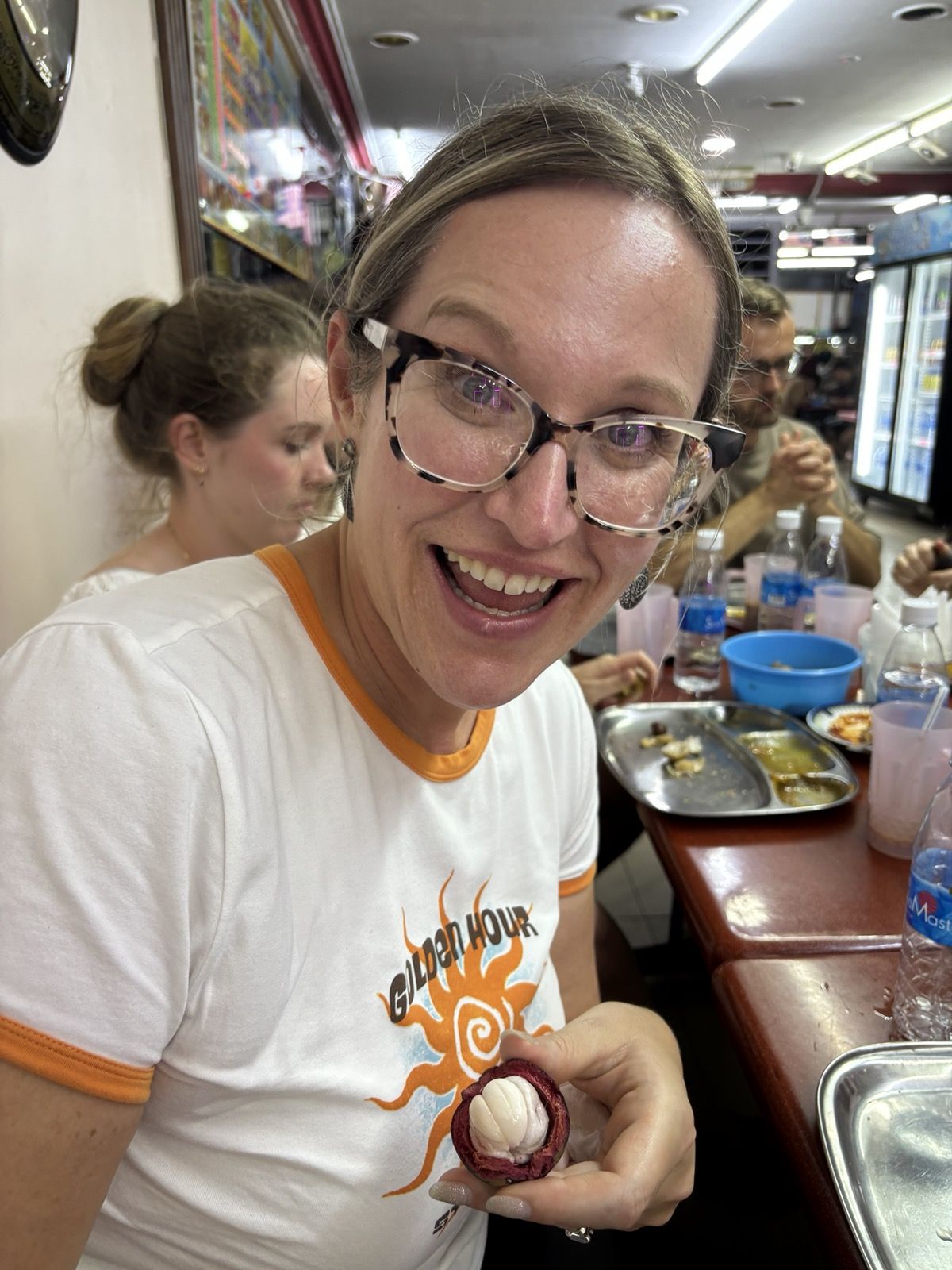
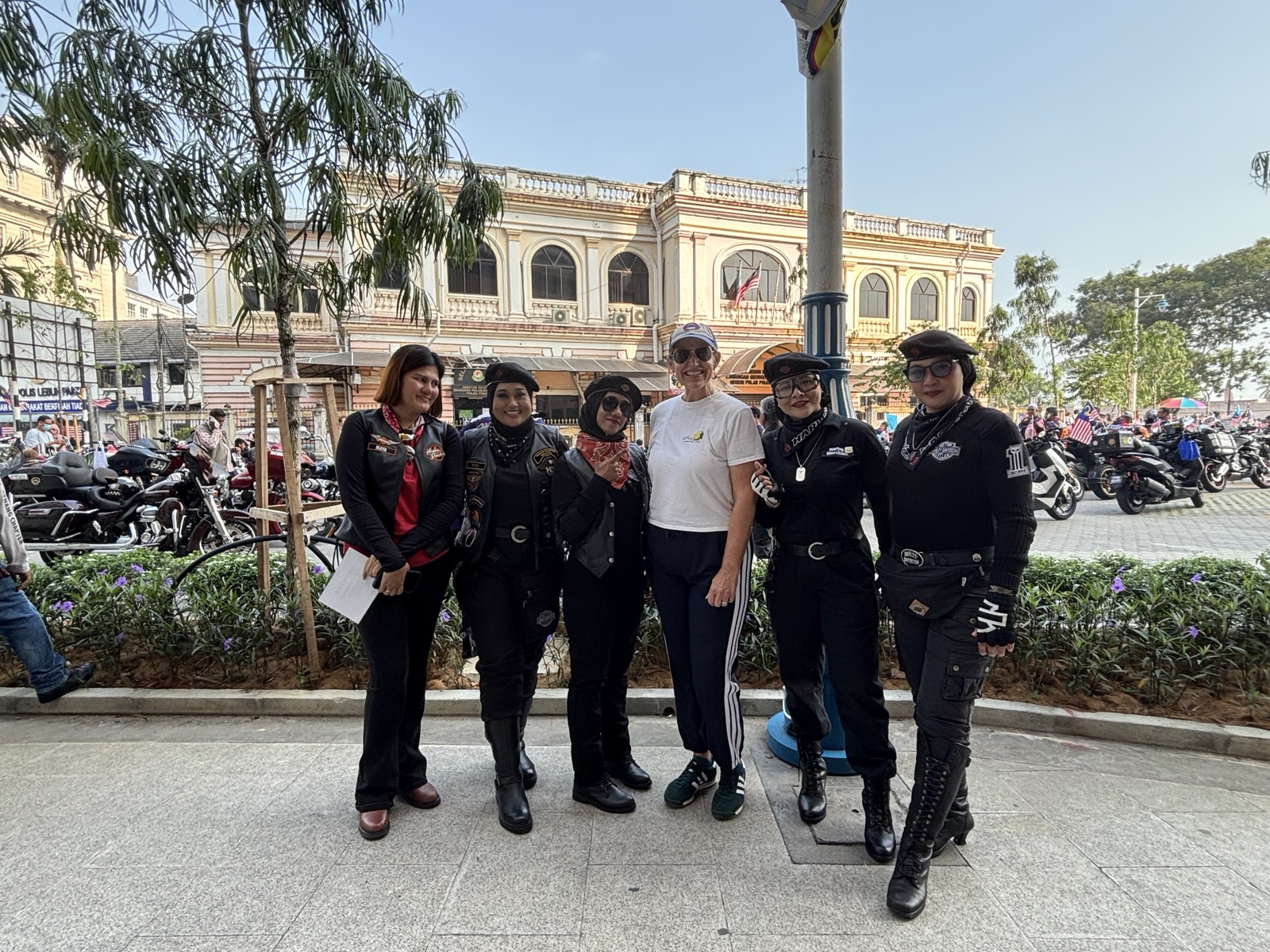
The people of Malaysia (in my experience): Most everyone we met was friendly and welcoming, whether they were Malay, Chinese or Indian. We had a fun, long conversation with an antique dealer from Kashmir in Melaka; the Indian restaurateur in Ipoh told us about all about his dishes and what we should get; our super friendly, smiling driver around Penang took us to Ipoh; the Chinese woman restaurateur told us all about her sister in the US and son in the UK; to the cute old couple who told us, while in Melaka square, that free drinks were to be had once the coffee shop on the square closed; we didn’t get there in time and she offered us hers. We met some great people on our tours; two couples from the UK on their honeymoon who had both been to Borneo before KL (we determined that the young Brits wanted to see the jungle); Ian, who was a former investment banker turned tour guide, who had infectious energy and even got us to try durian again (it wasn’t much better the second time). We had such fun interacting with the people, especially in English.
As I said in the opening, I had no expectations of Malaysia, and I learned so, so much and really enjoyed our time there. It is not the cheapest of countries, and we definitely exceeded our monthly budget, but it was all worth it, as we had an unforgettable trip. We only visited the west side of the peninsula, but the east is also recommended (and was the first place we looked at), and there is also the island of Borneo, where the Orangutans live. For not knowing much initially, I have become a full-fledged Malaysia fan.
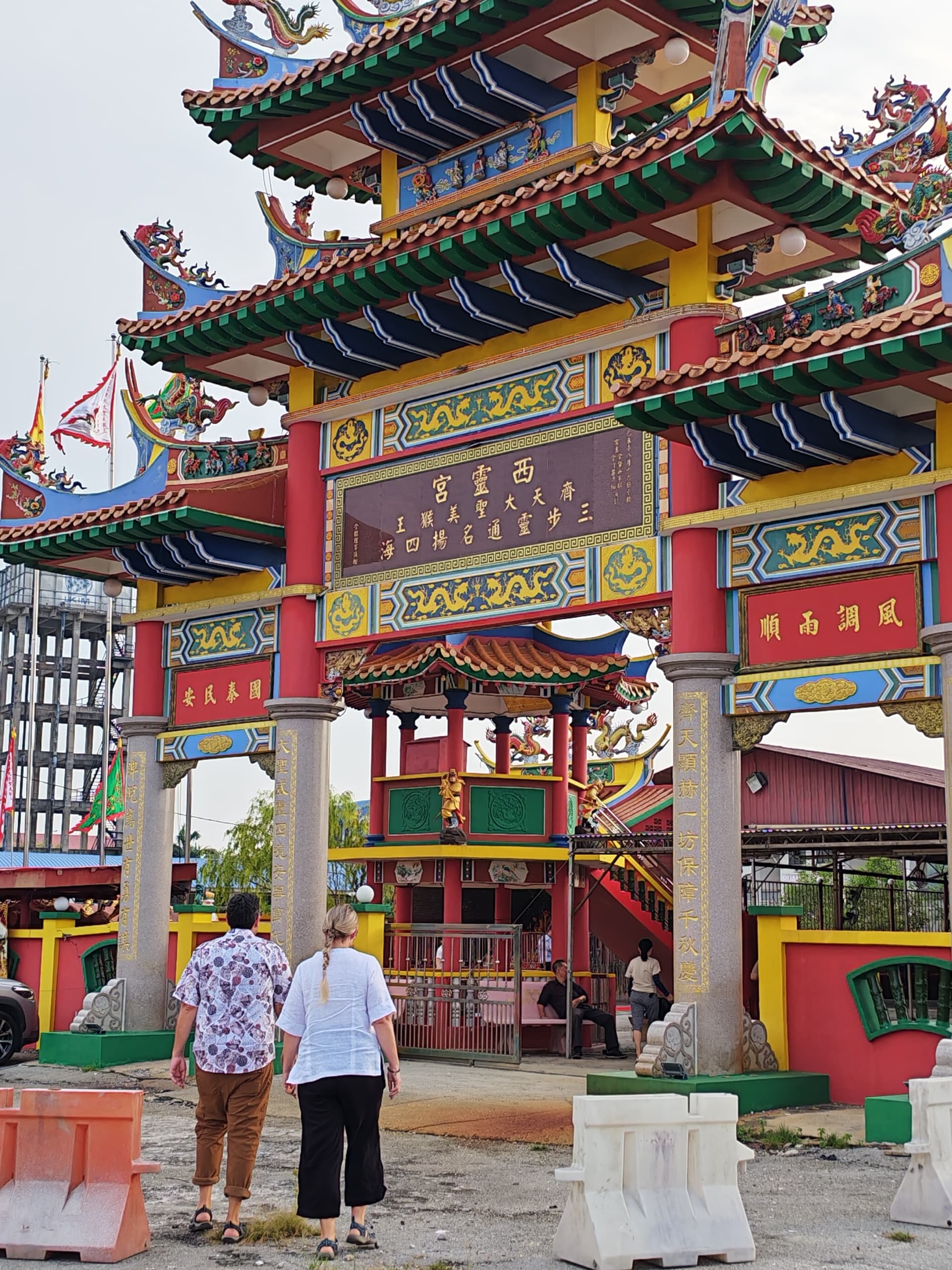
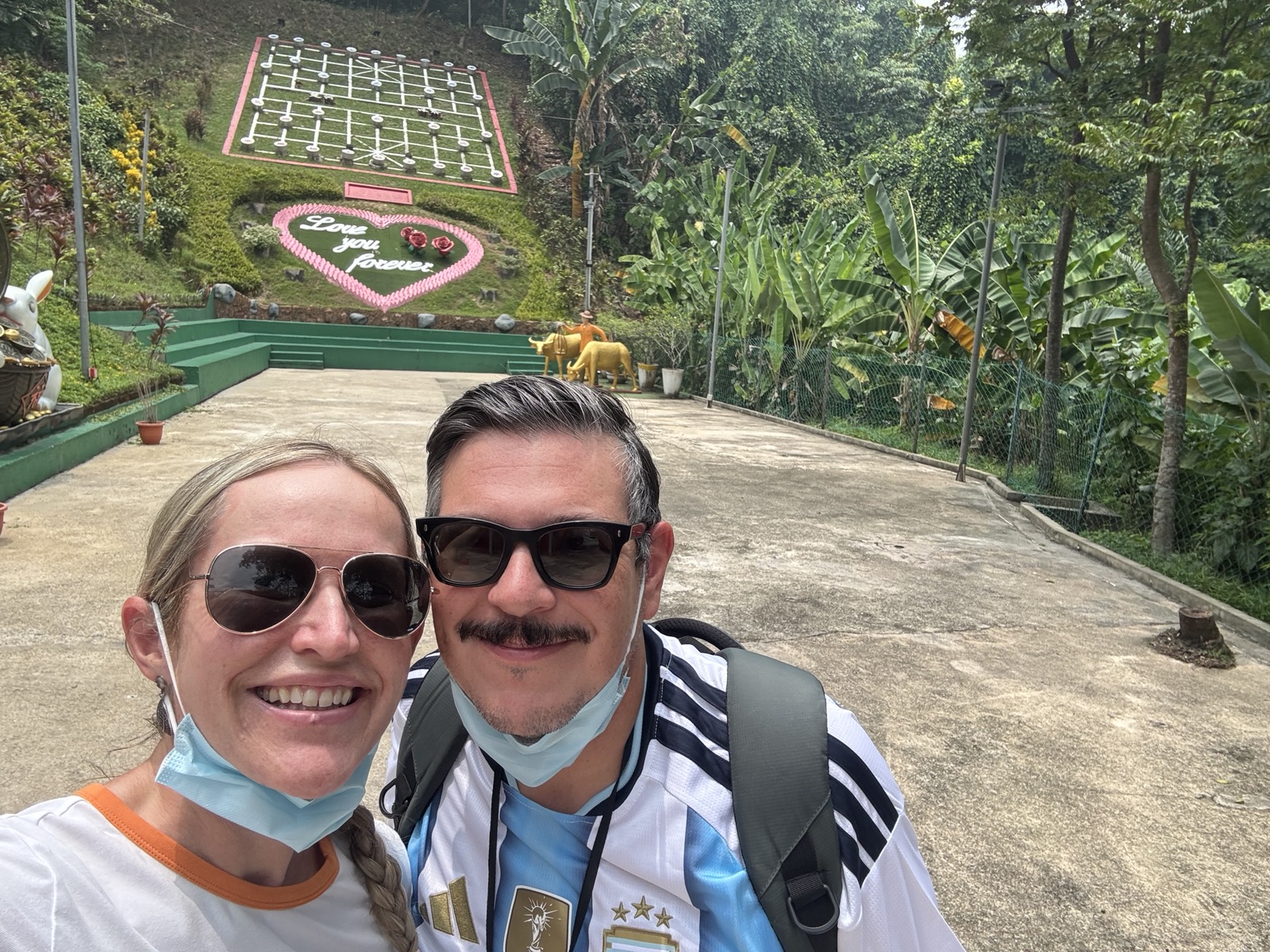
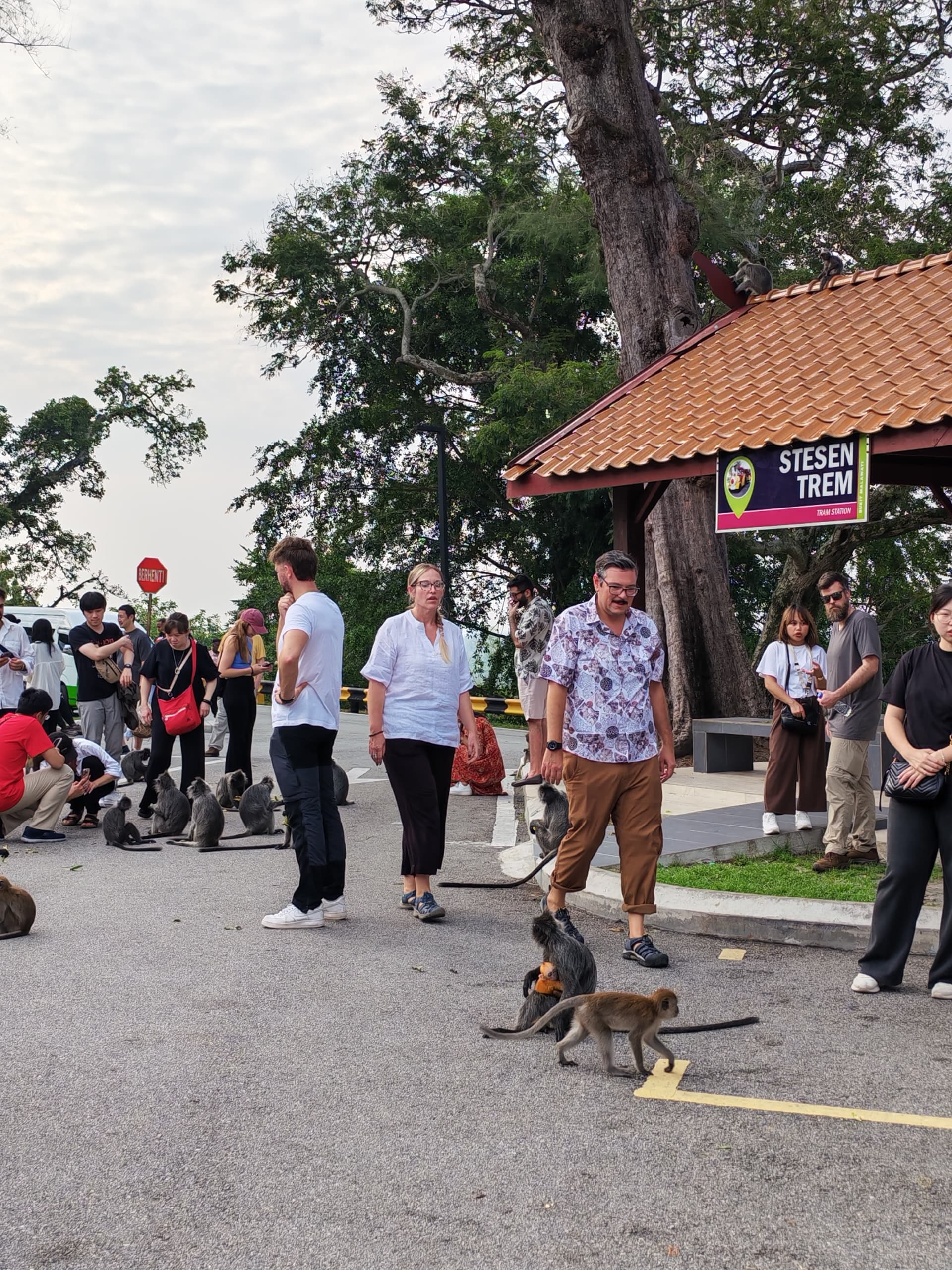
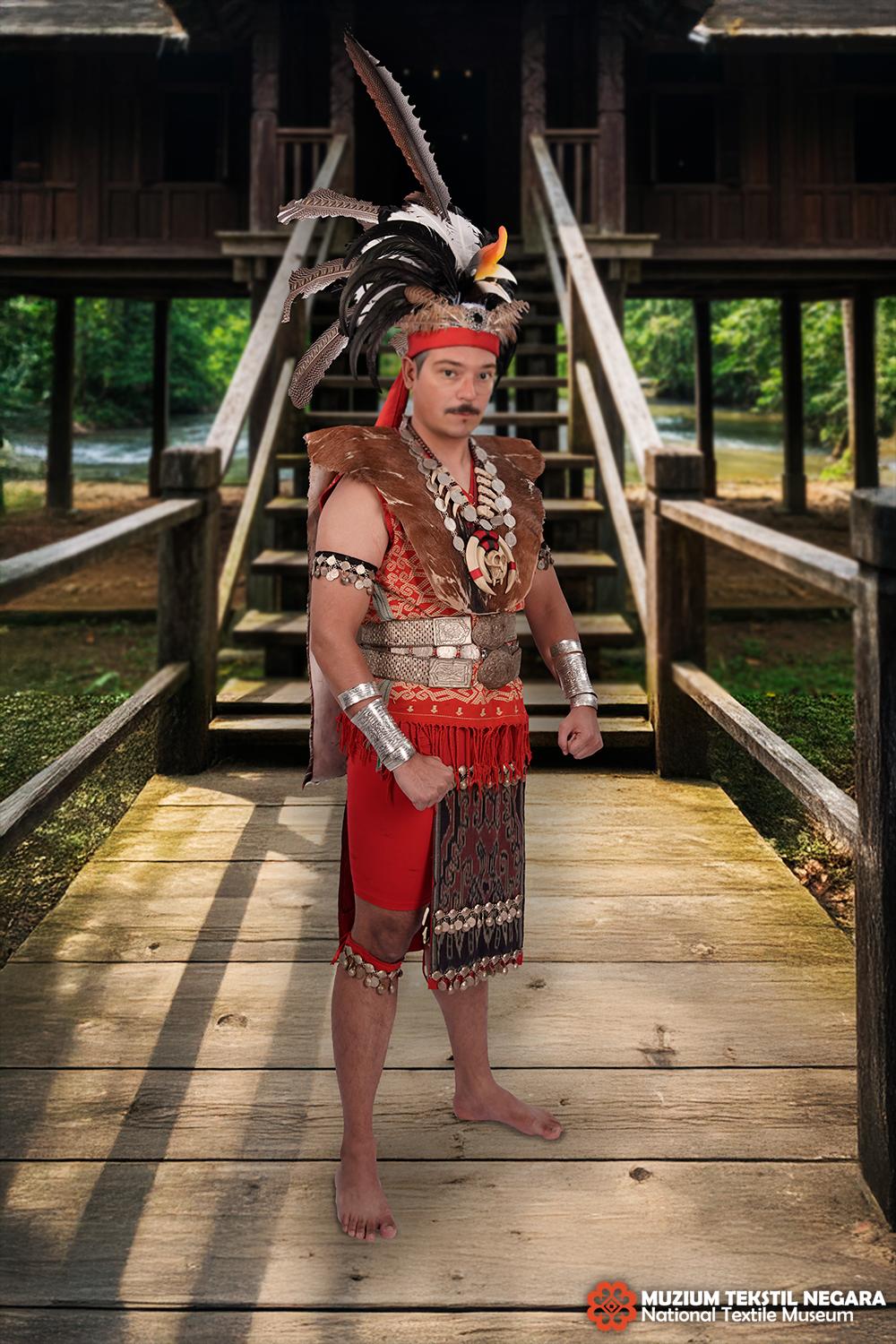
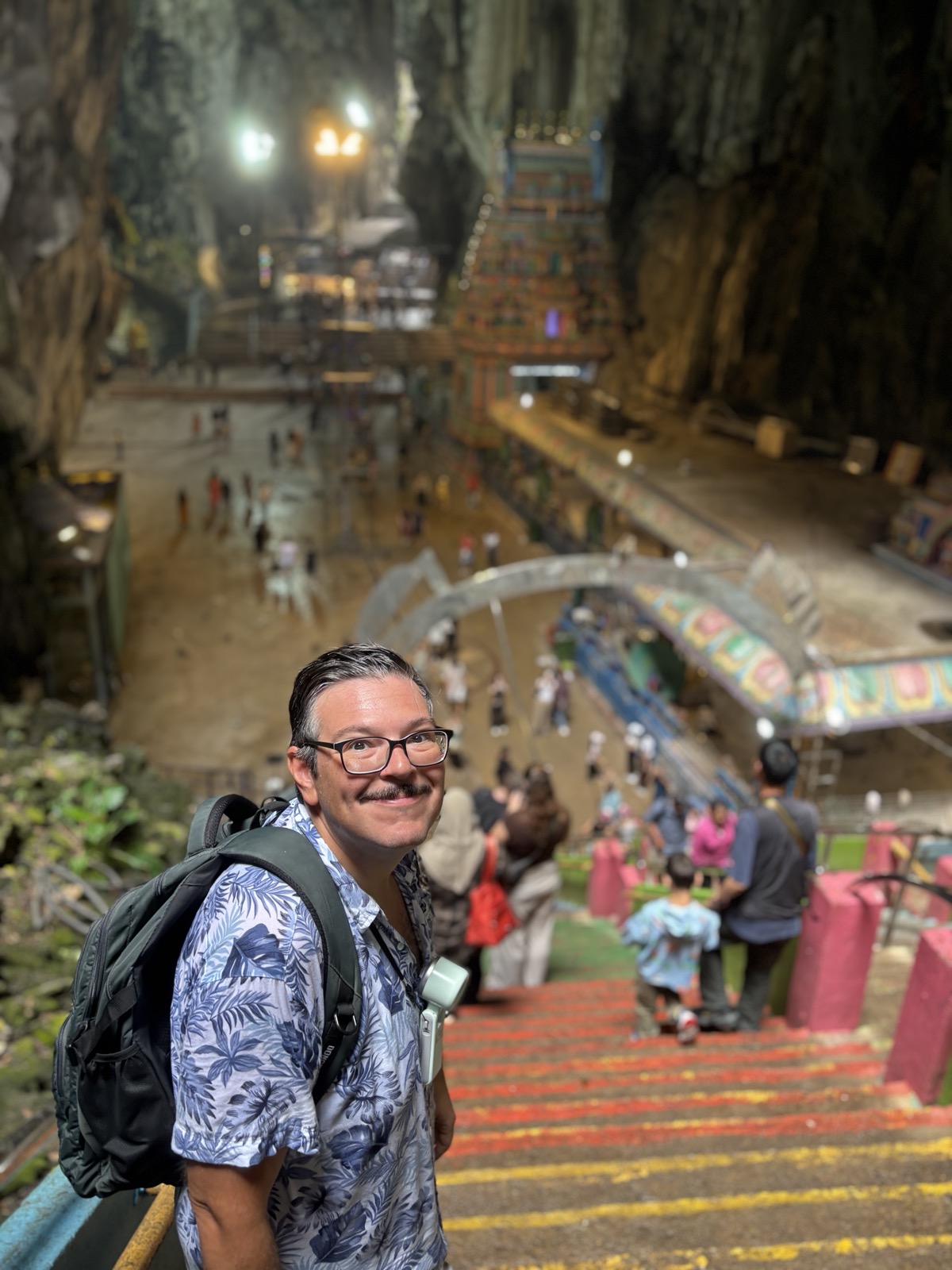
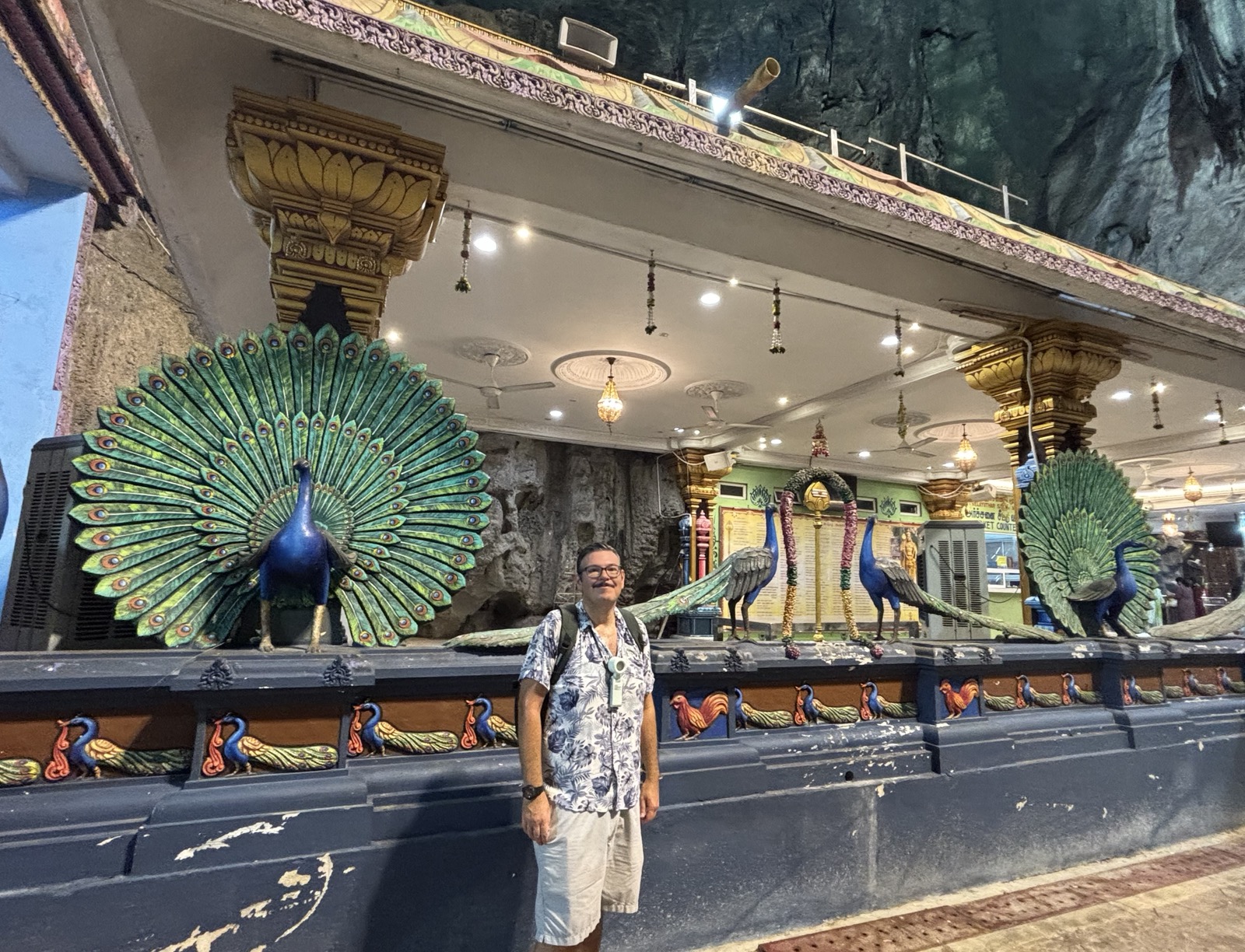
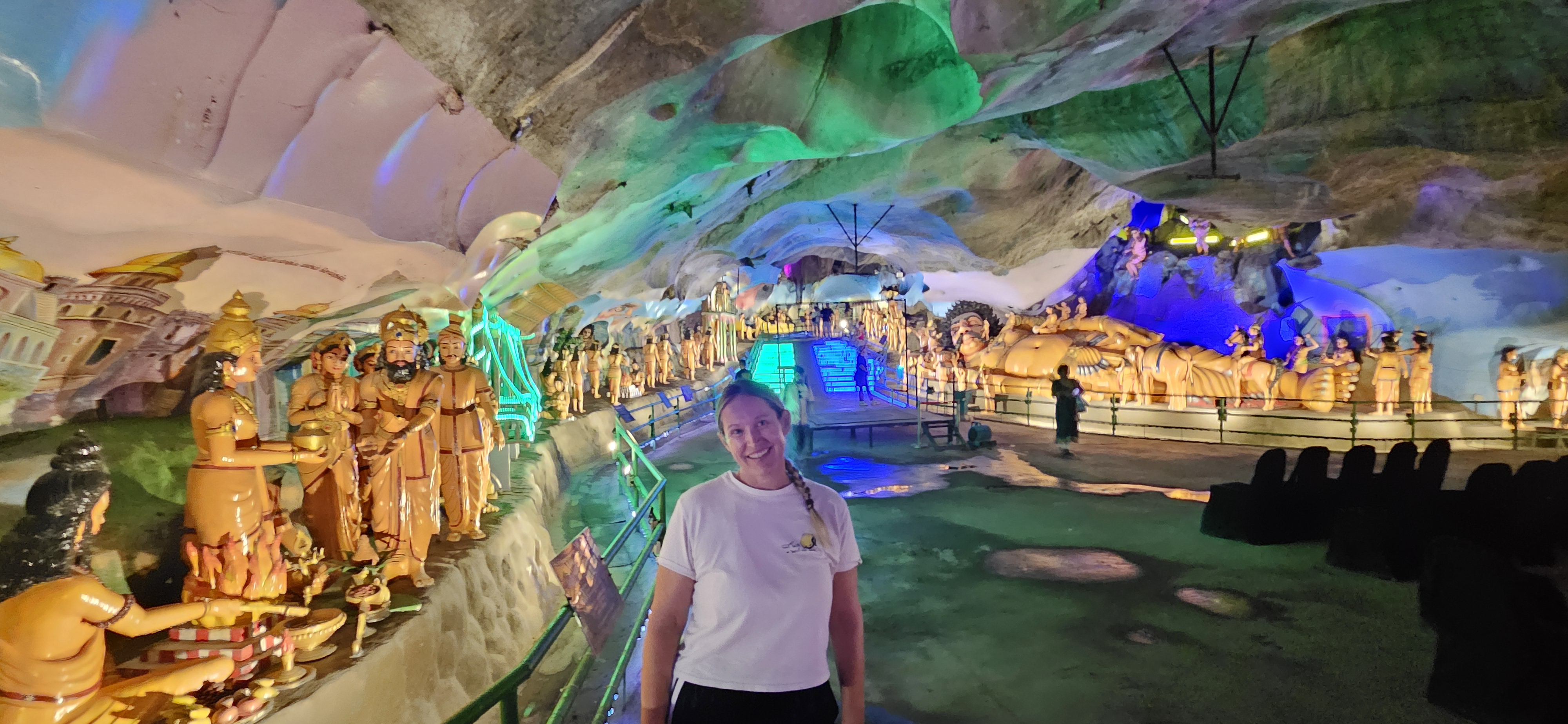
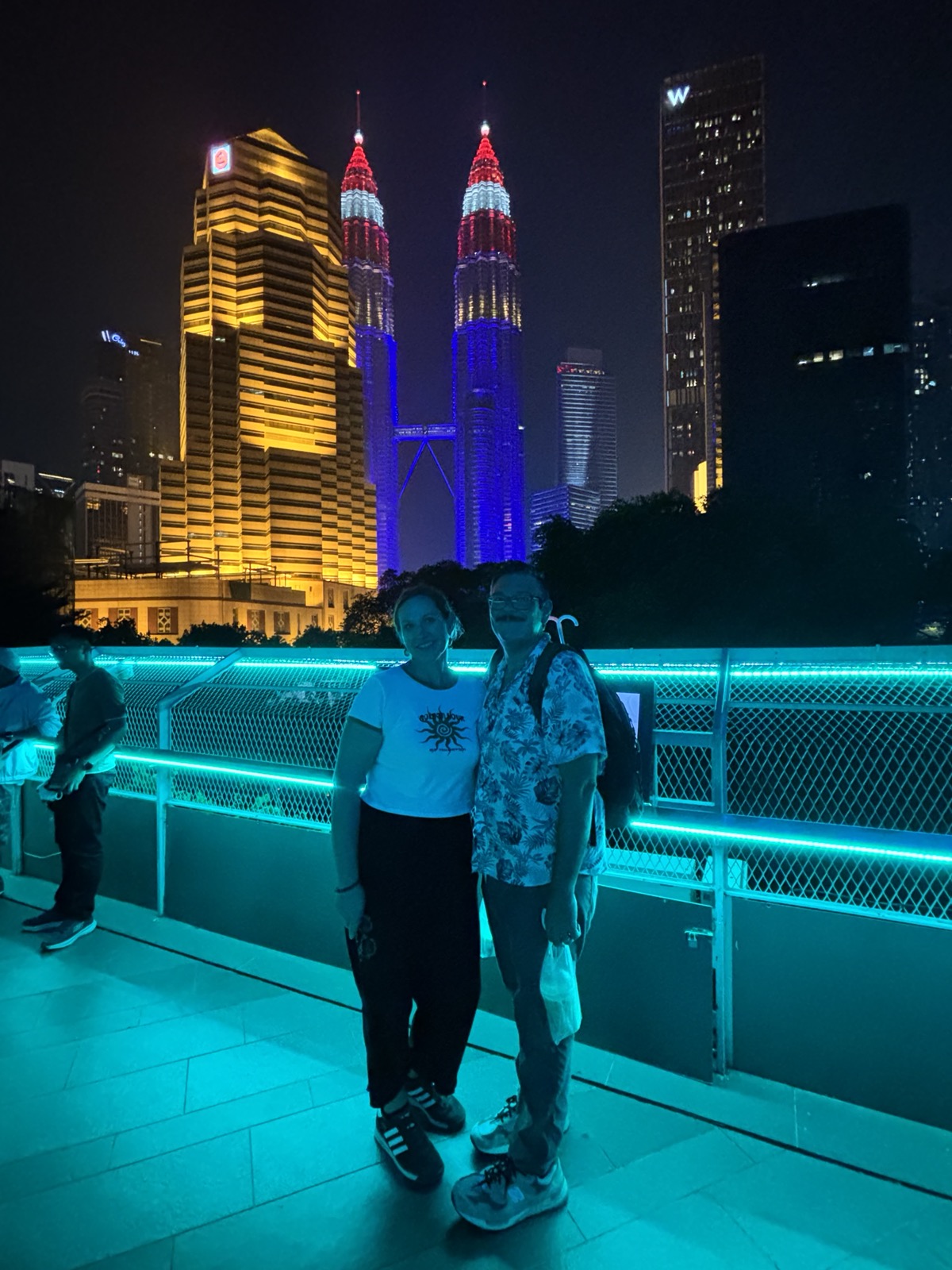
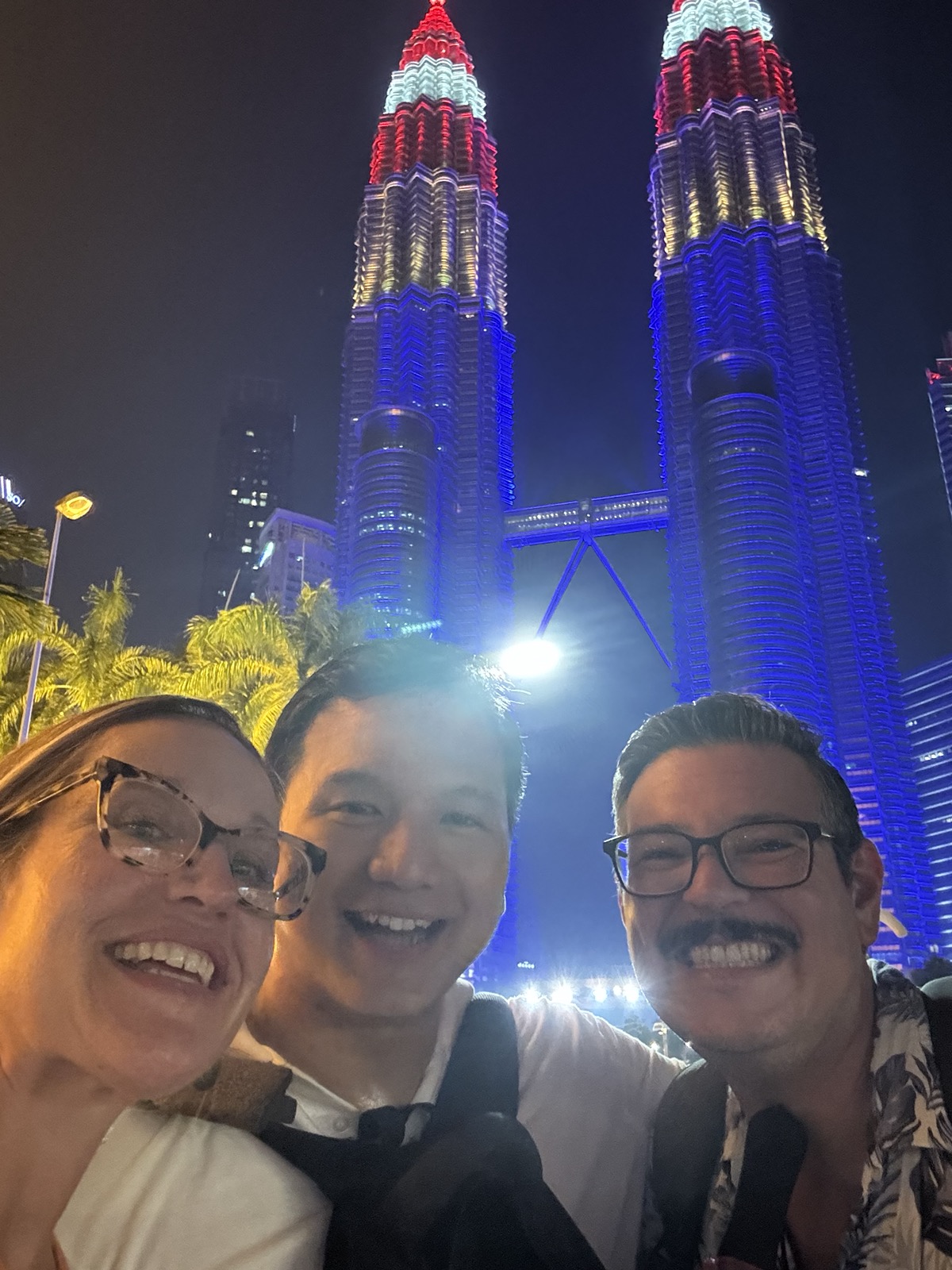
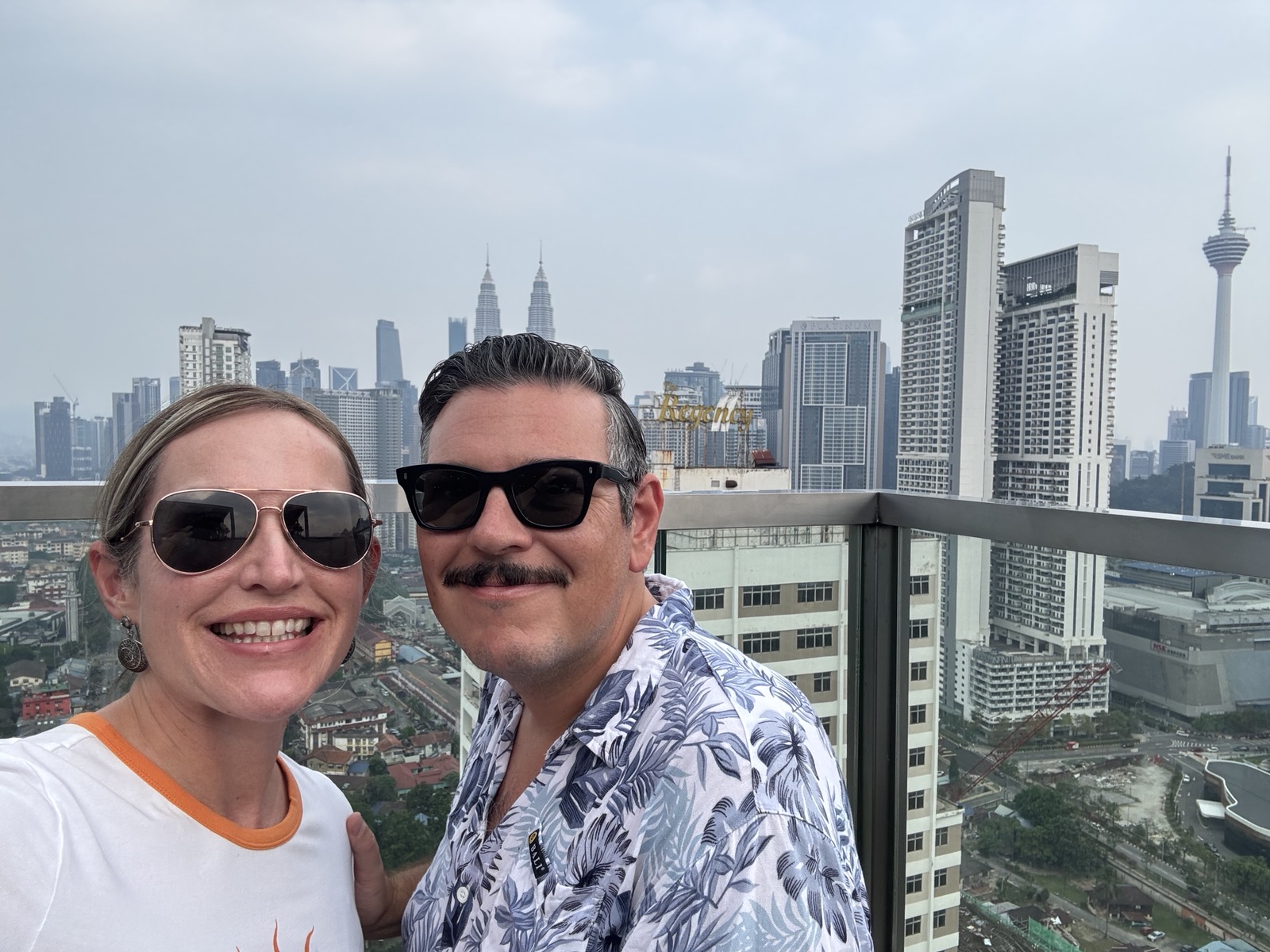
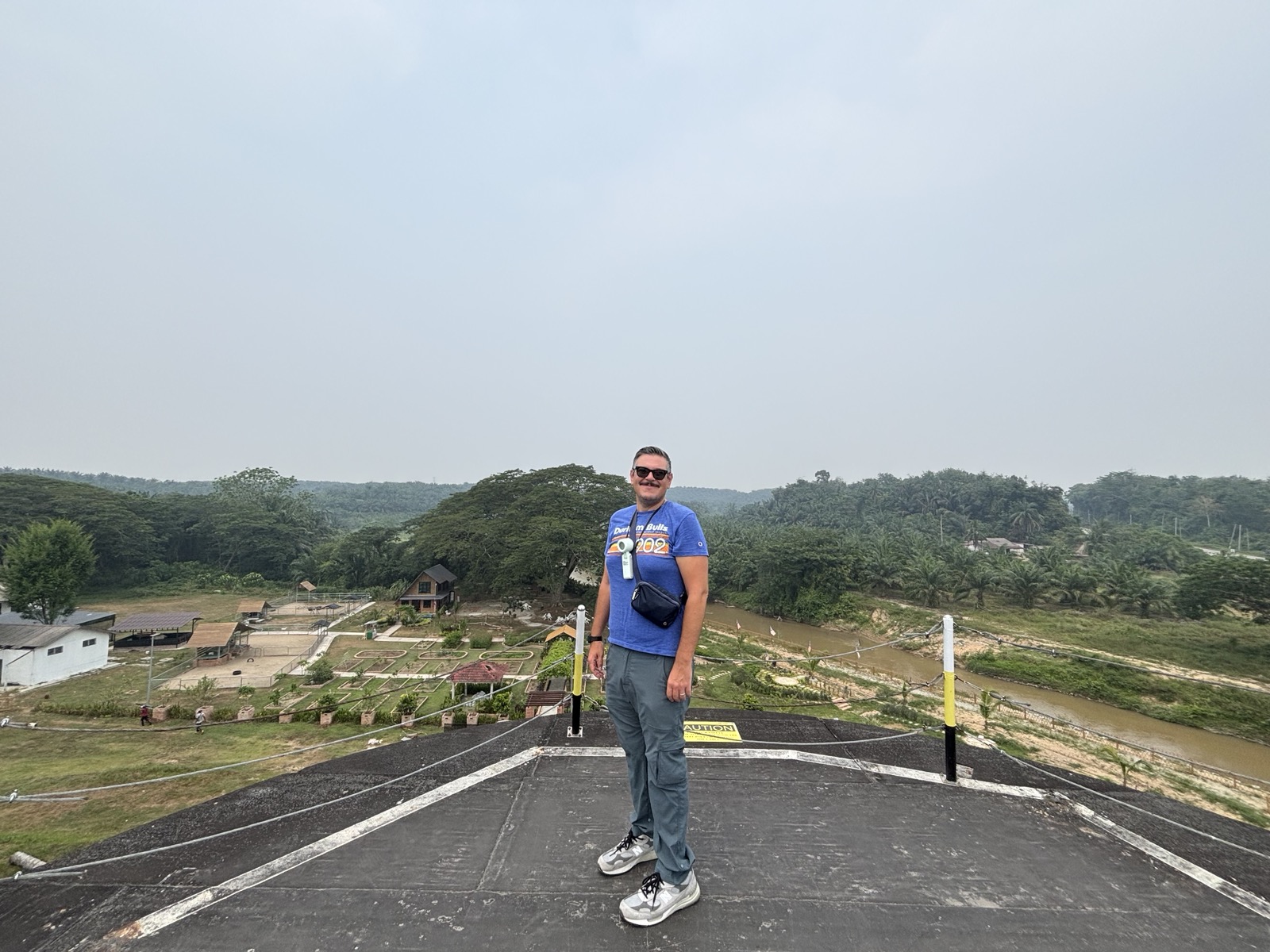
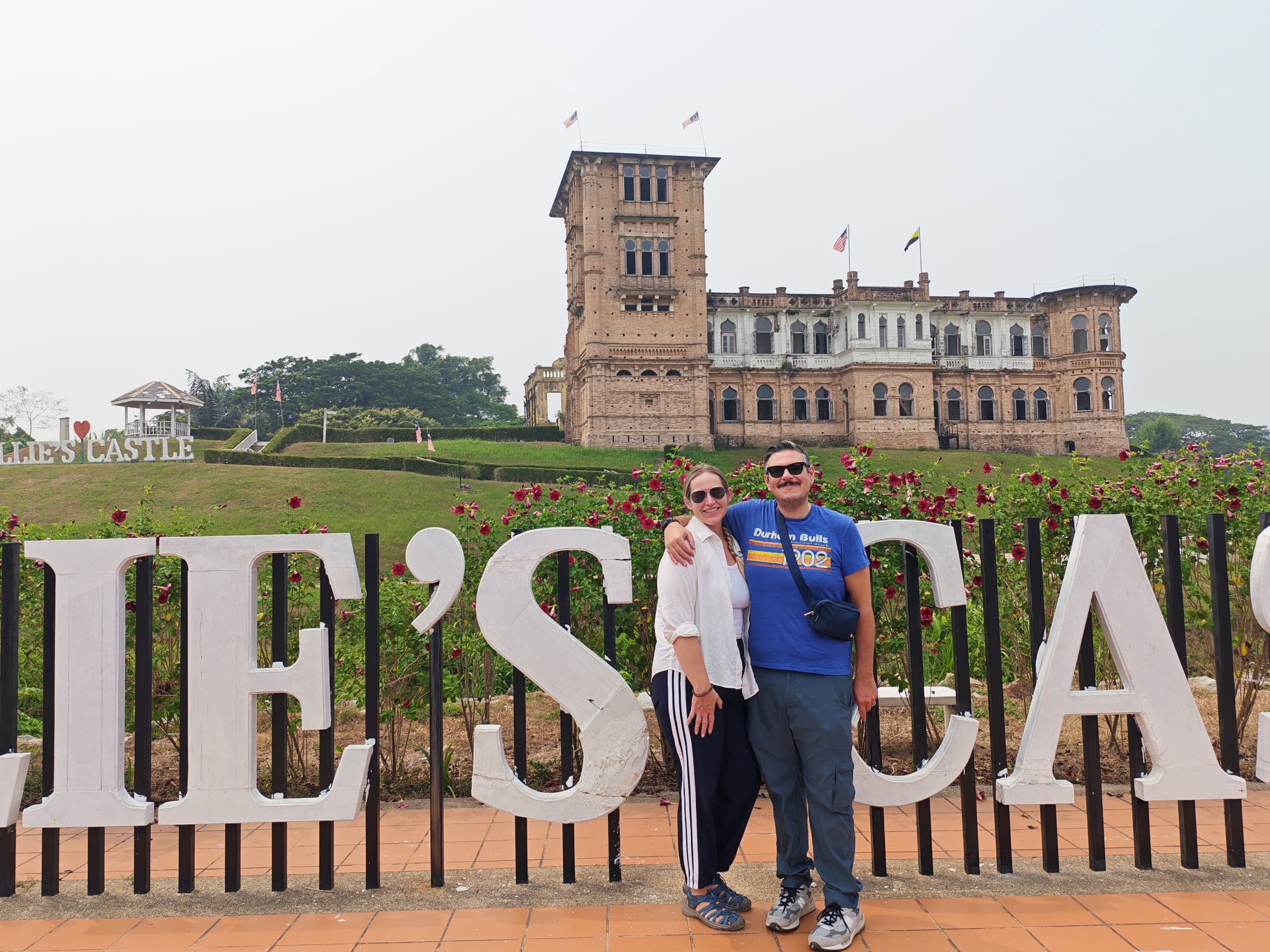
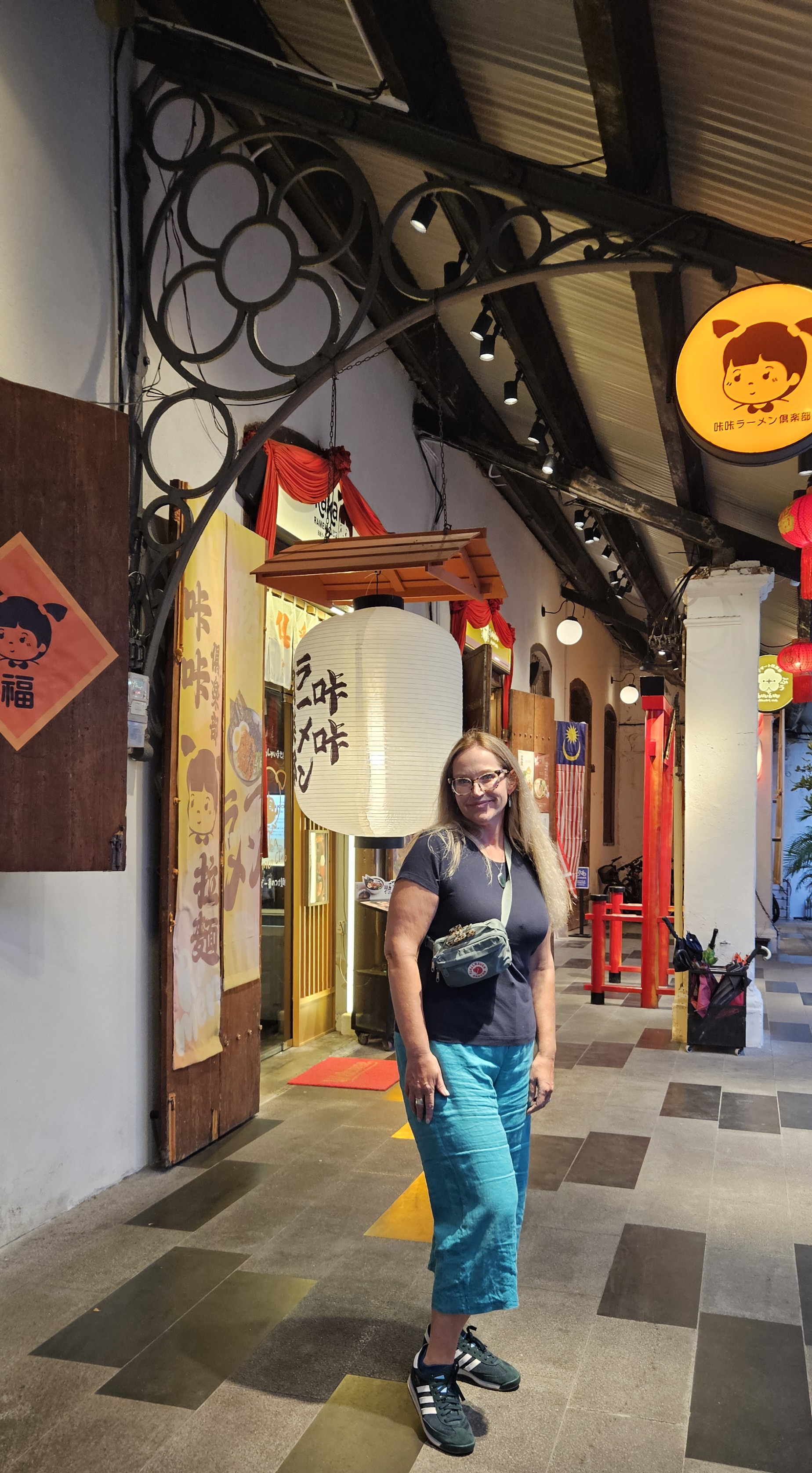
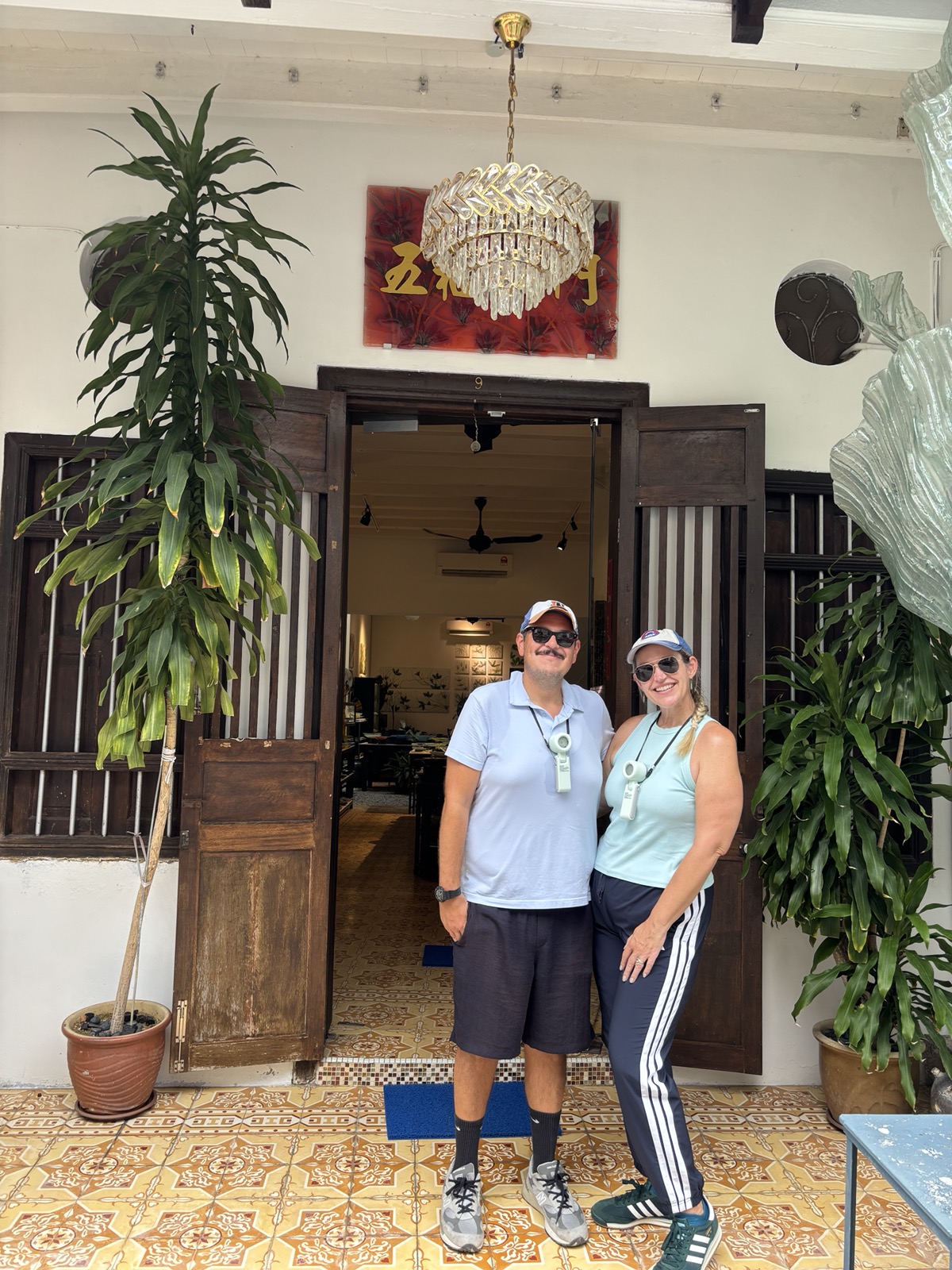
Posts (click on the picture below to read the posts):
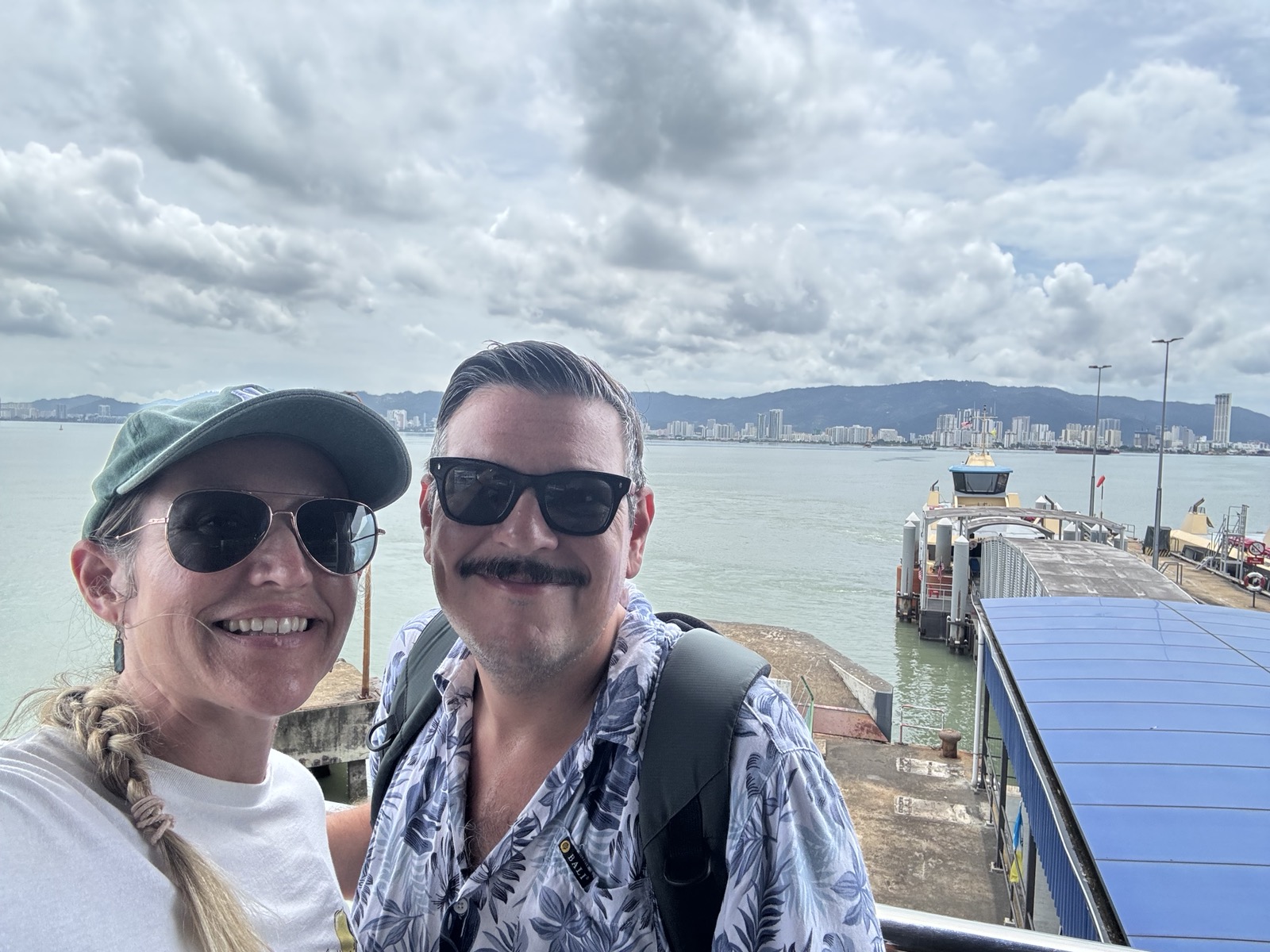
Penang/George Town
August/September 2026
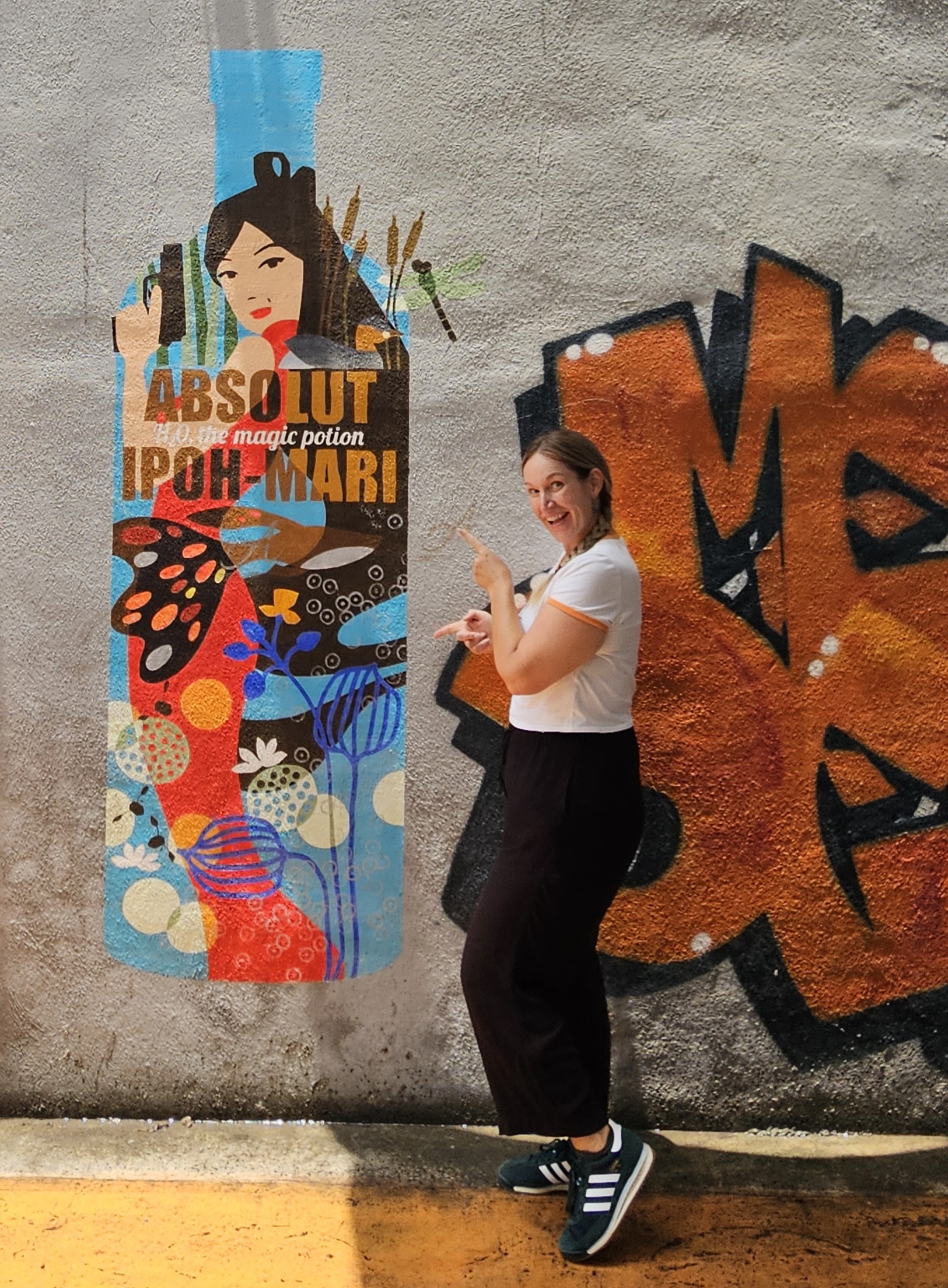
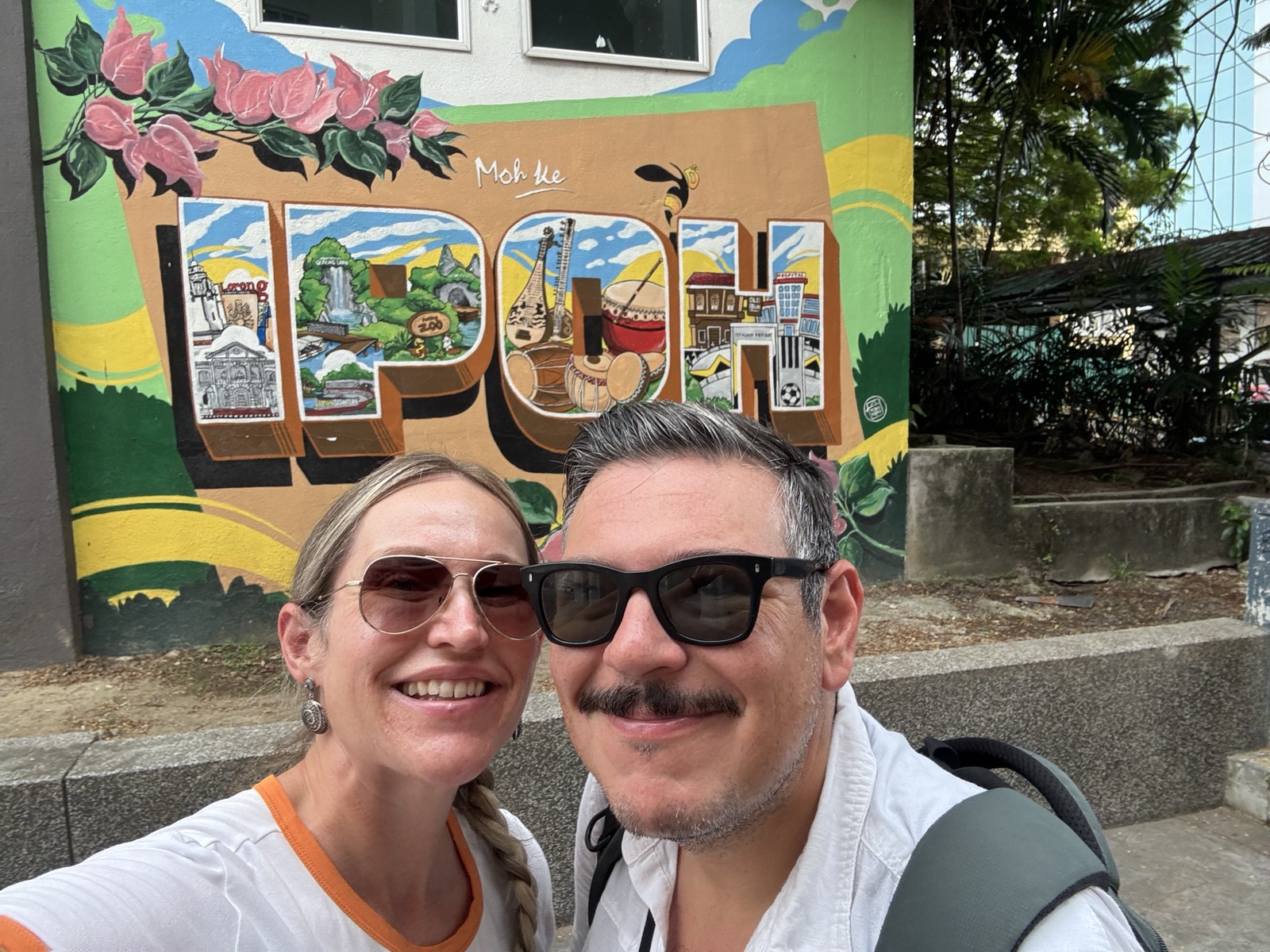
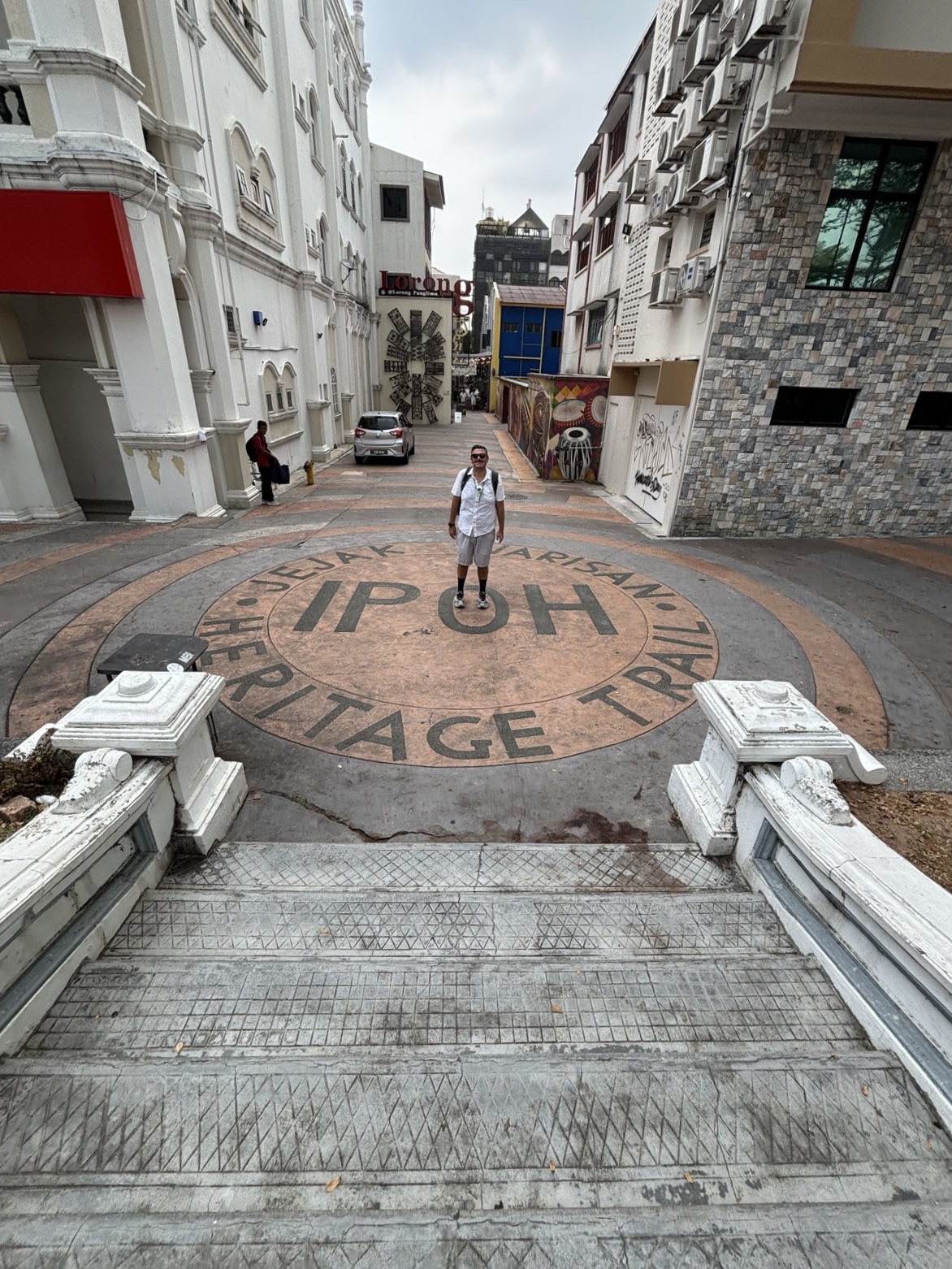
Ipoh
September 2026
Kuala Lumpur
September 2026
Melaka(Malacca)
September 2026