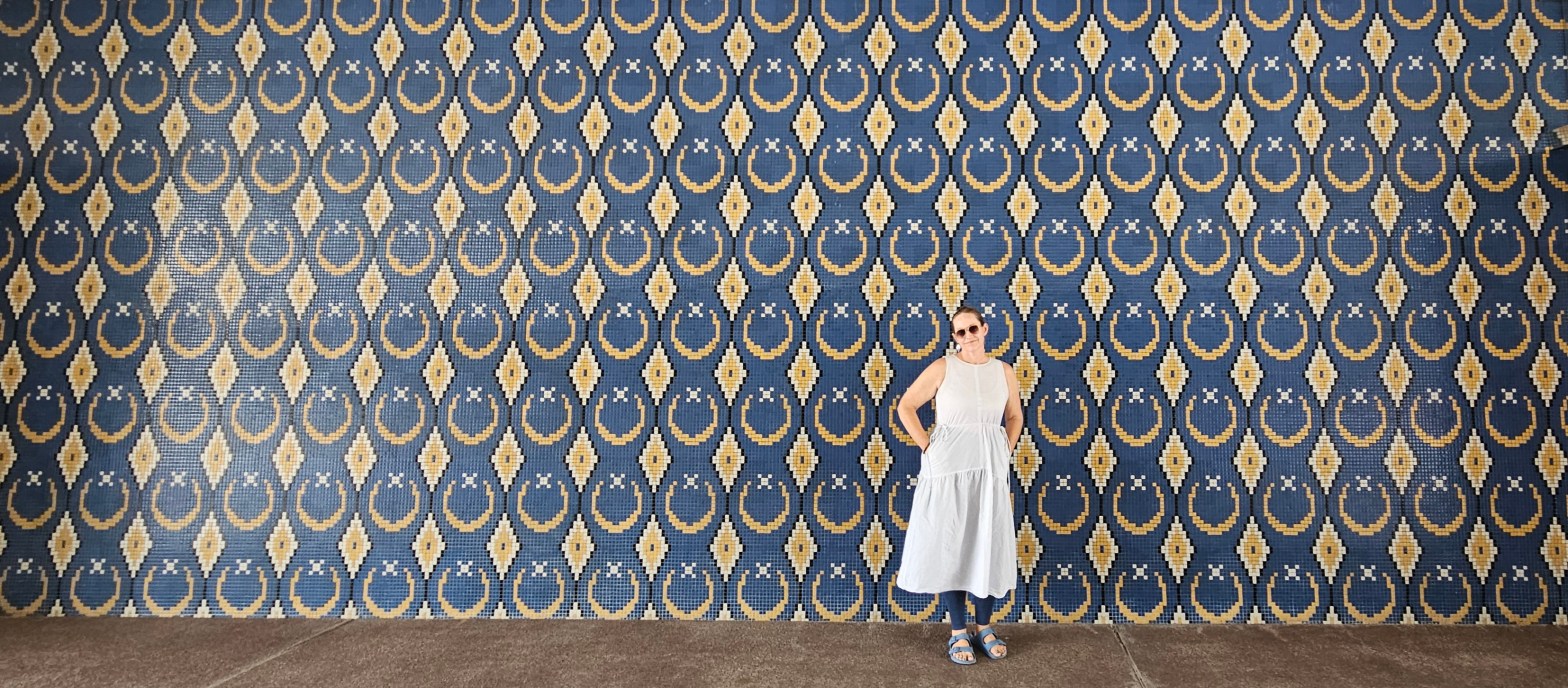
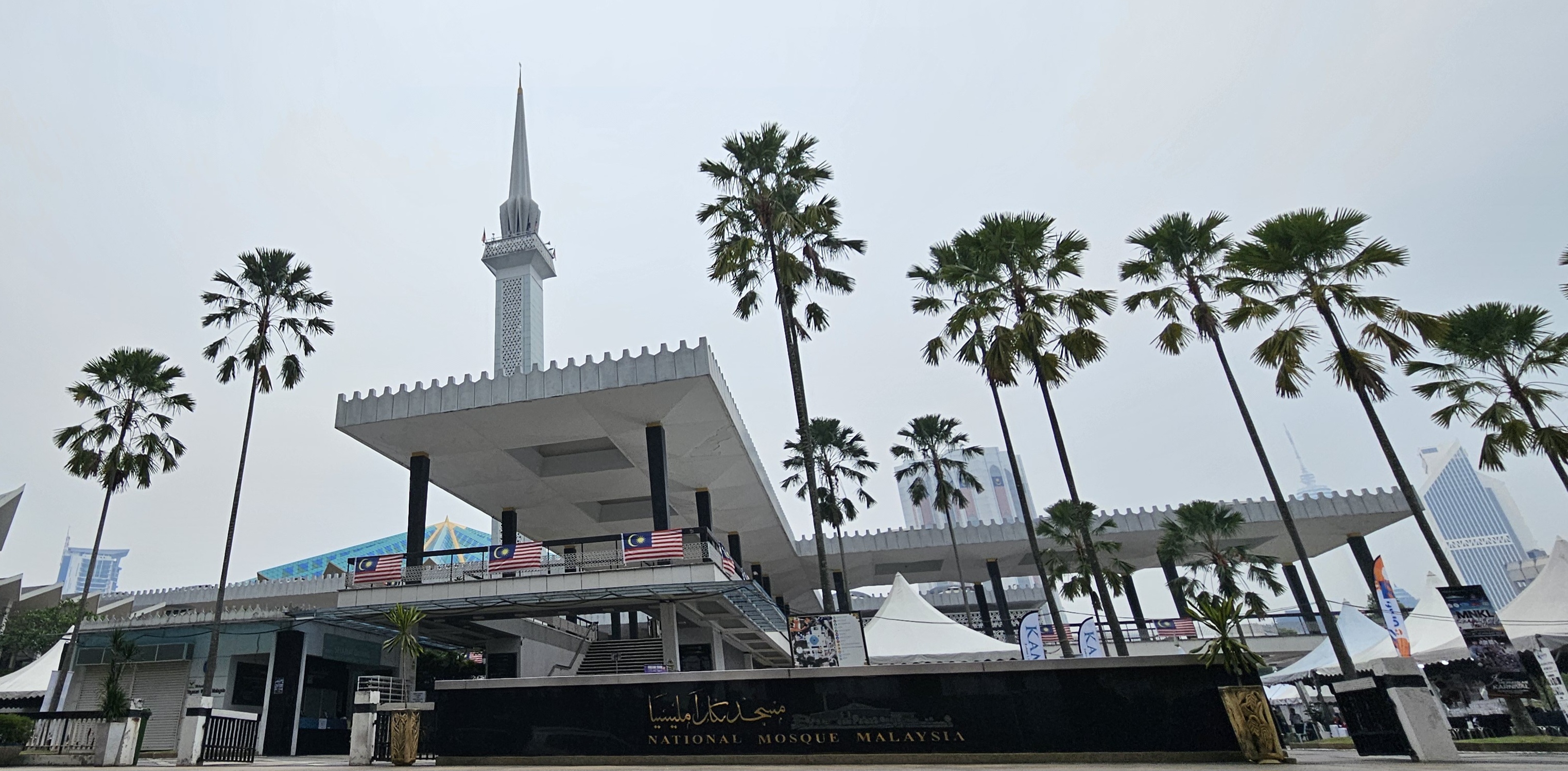
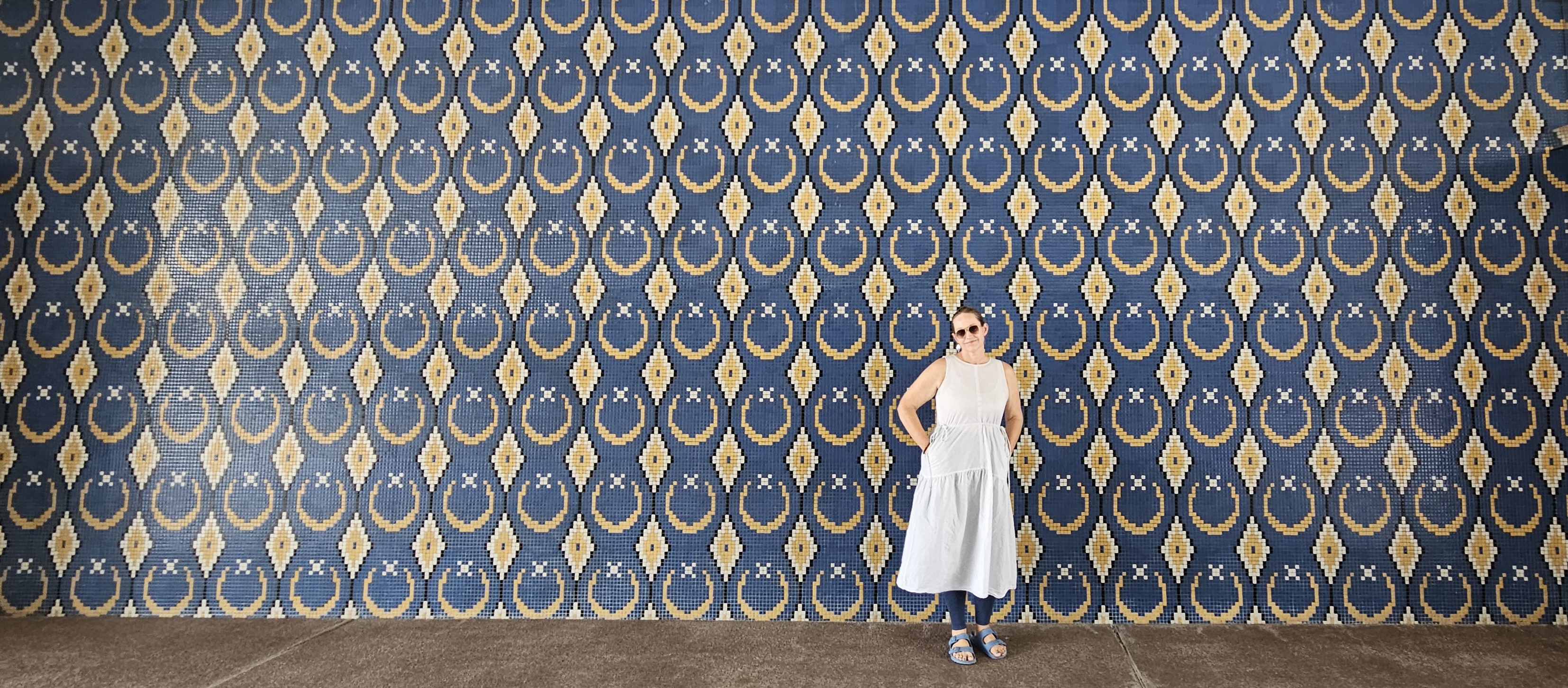
On yet another smoggy/cloudy day, which were most of our days in KL (as I mentioned in the first post), we still made the most of them. This day we started at the National Mosque of Malaysia, but we arrived during afternoon prayers and it was closed to visitors for a couple hours. Still, we were able to take pictures outside and it was quite impressive.
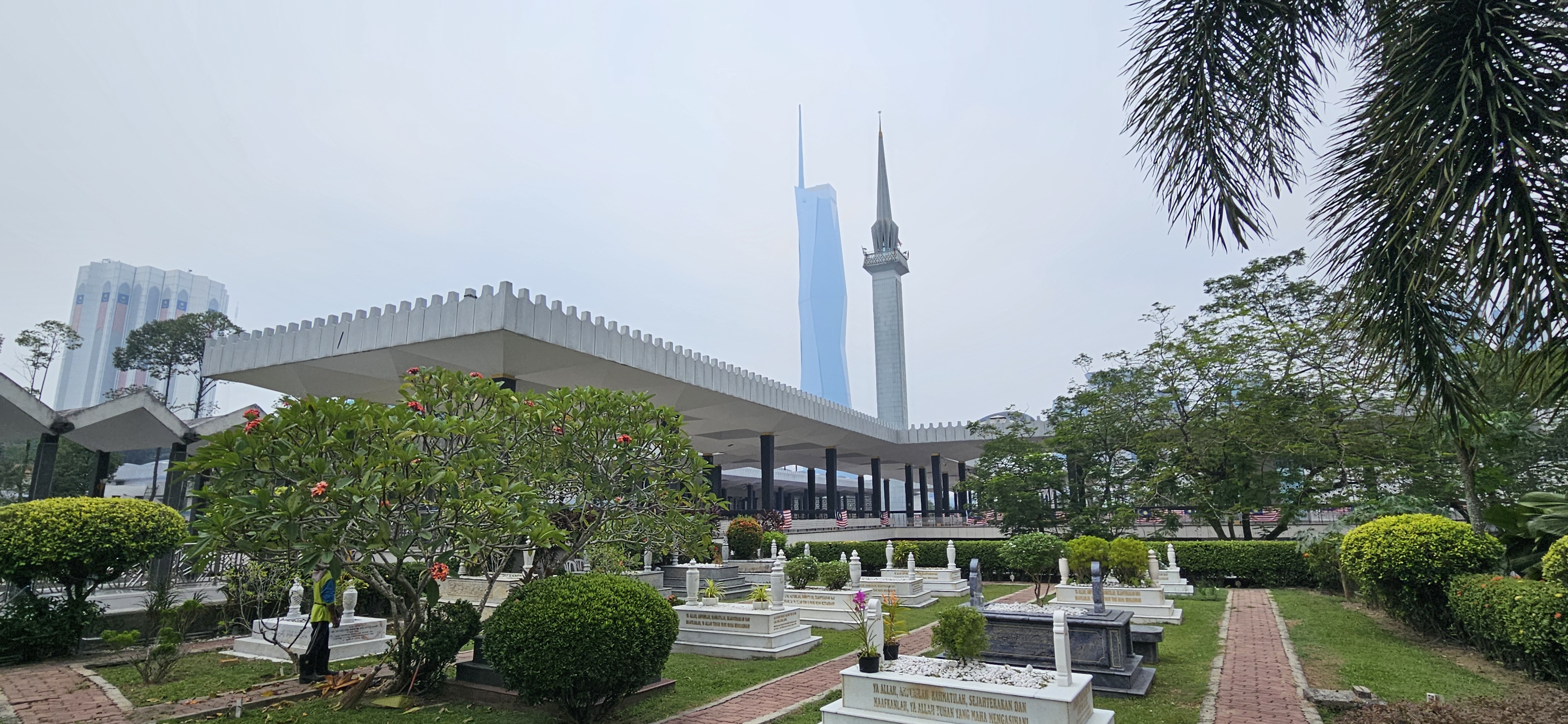
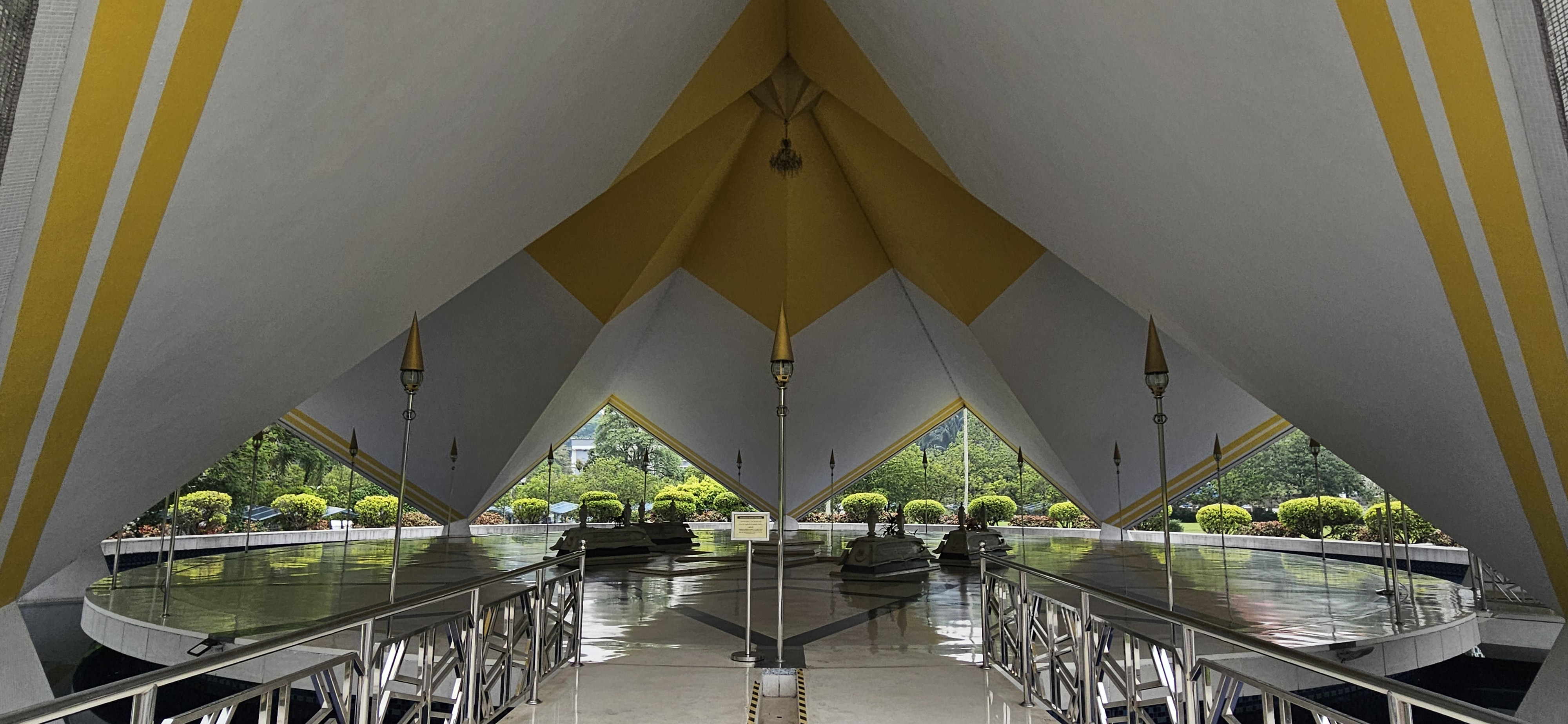
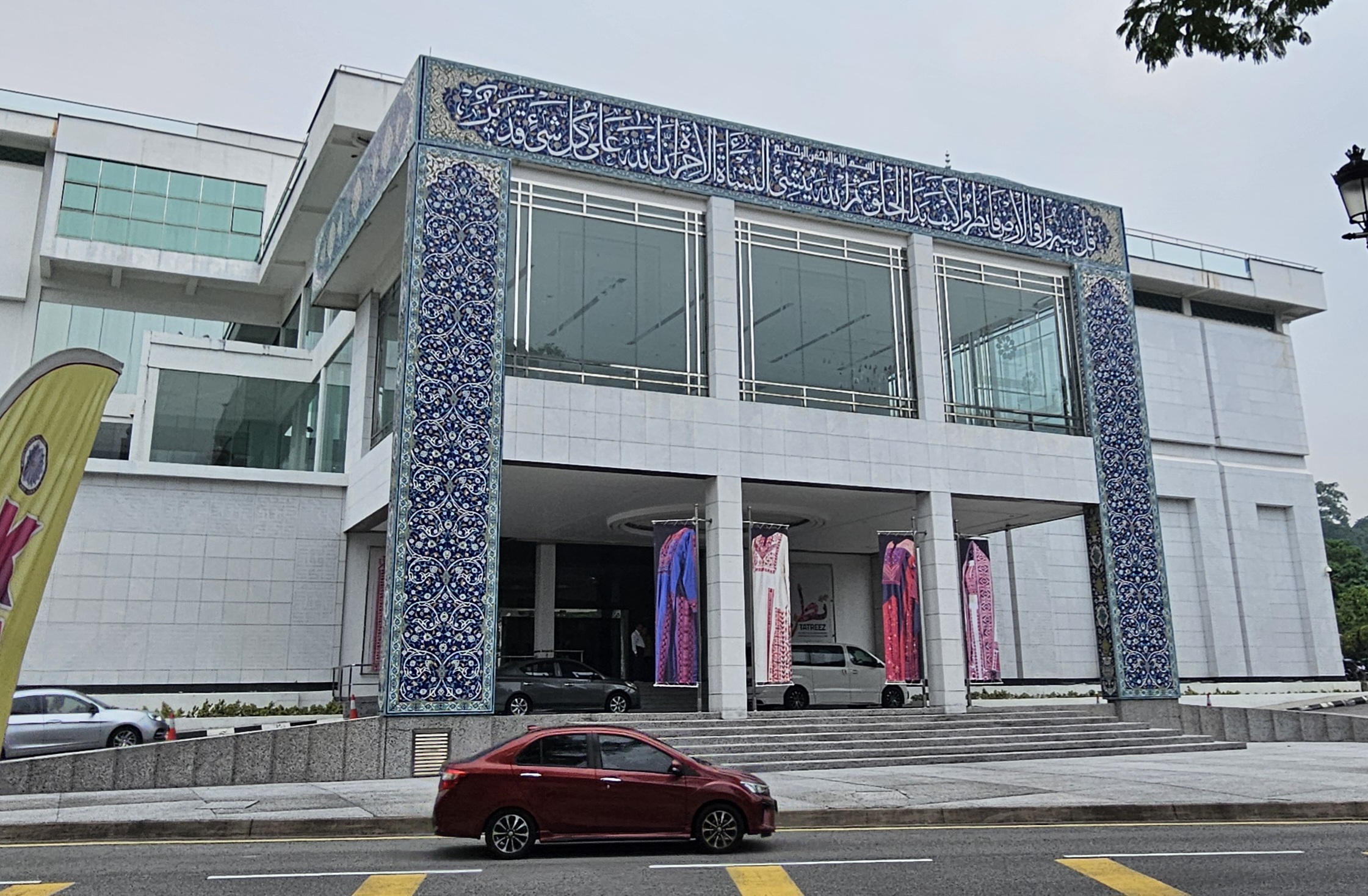
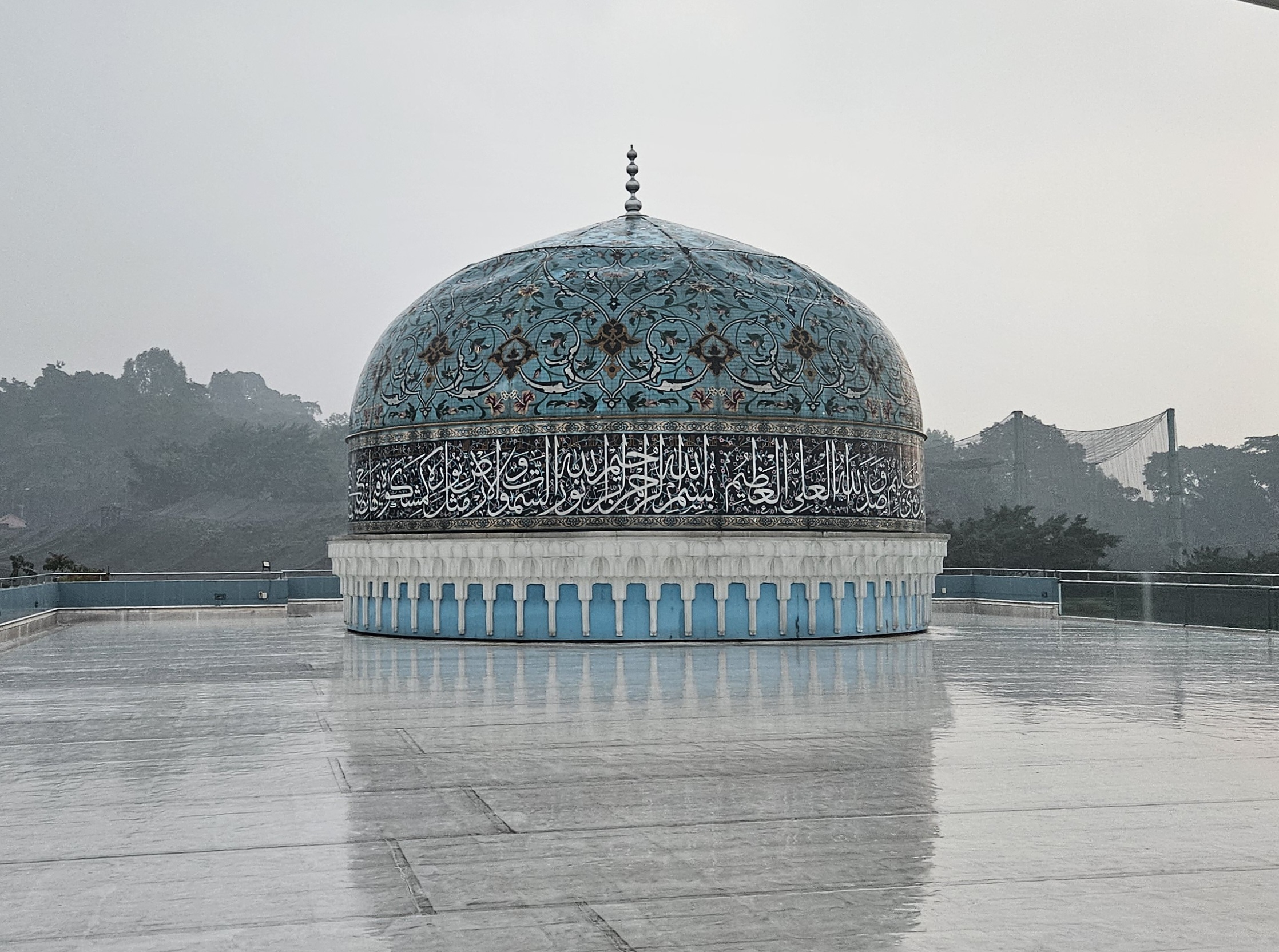
We saw a couple small cemeteries on the site, one outside and the other under a large dome. Across the street was the Islamic Arts Museum, our next stop.
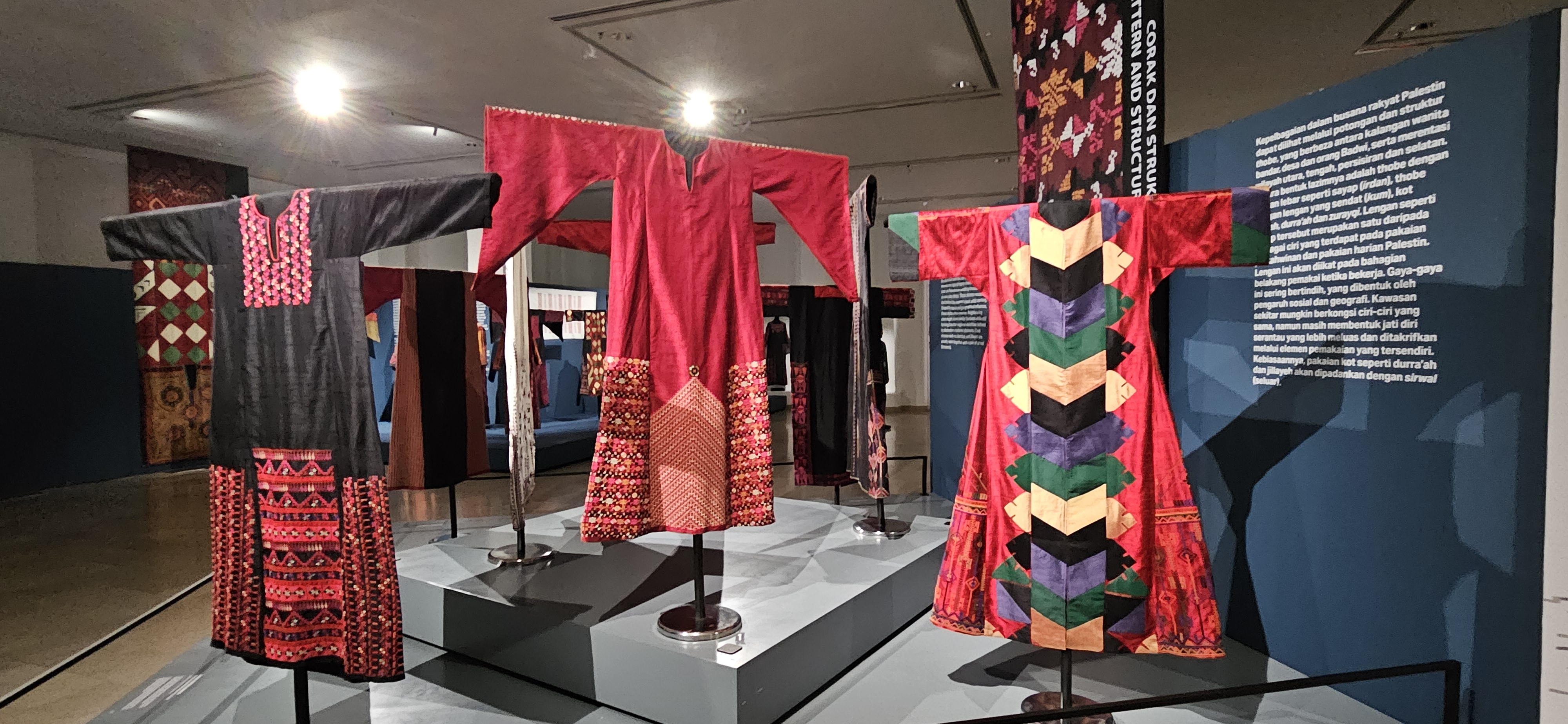
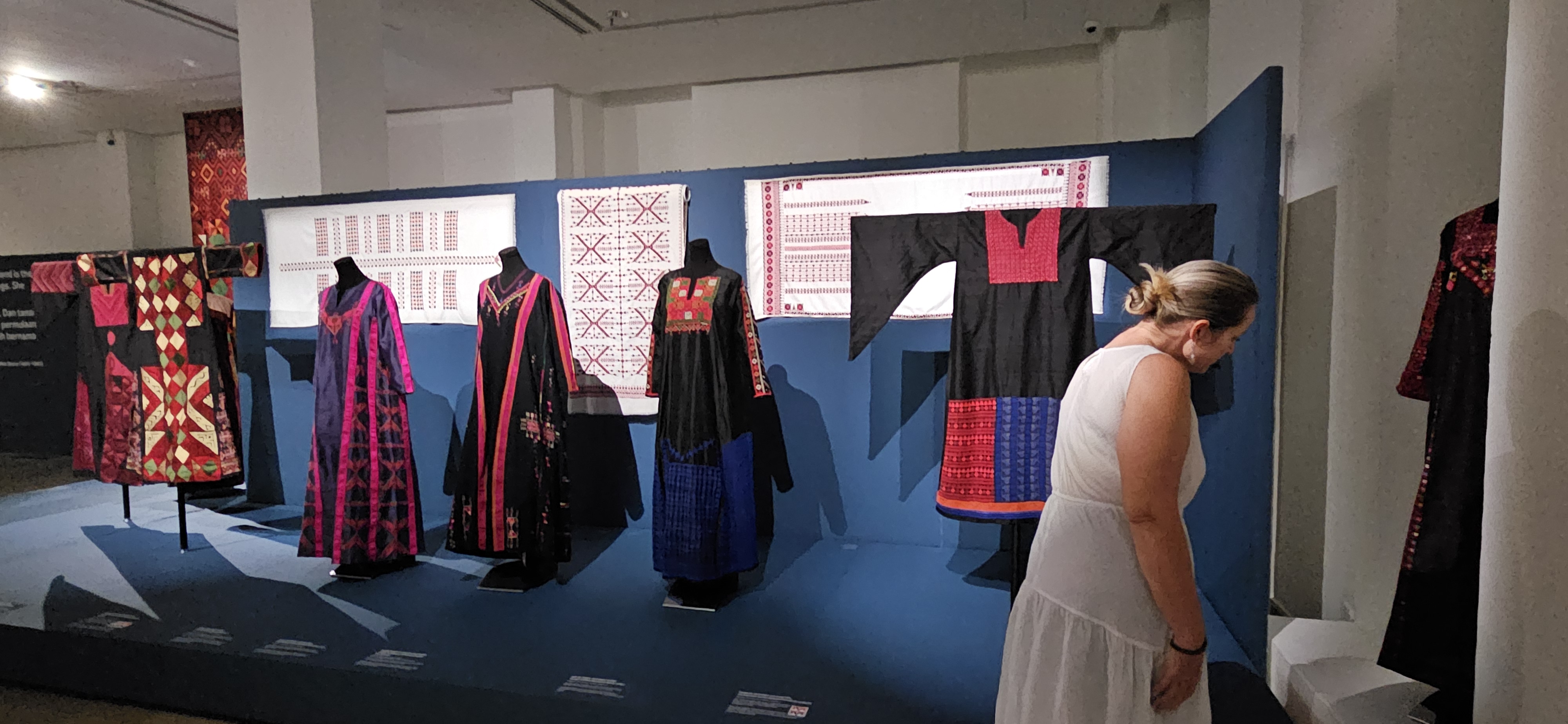
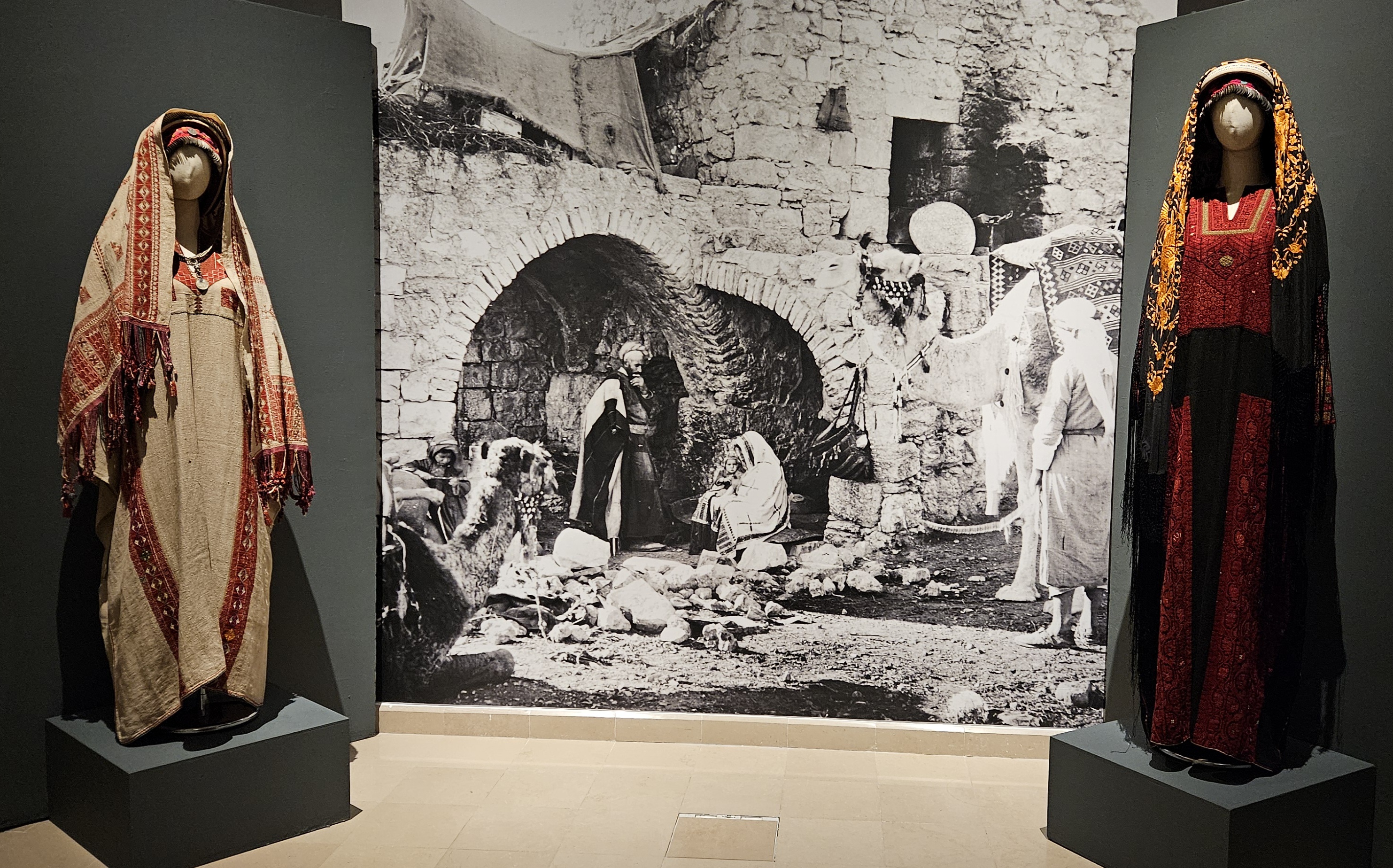
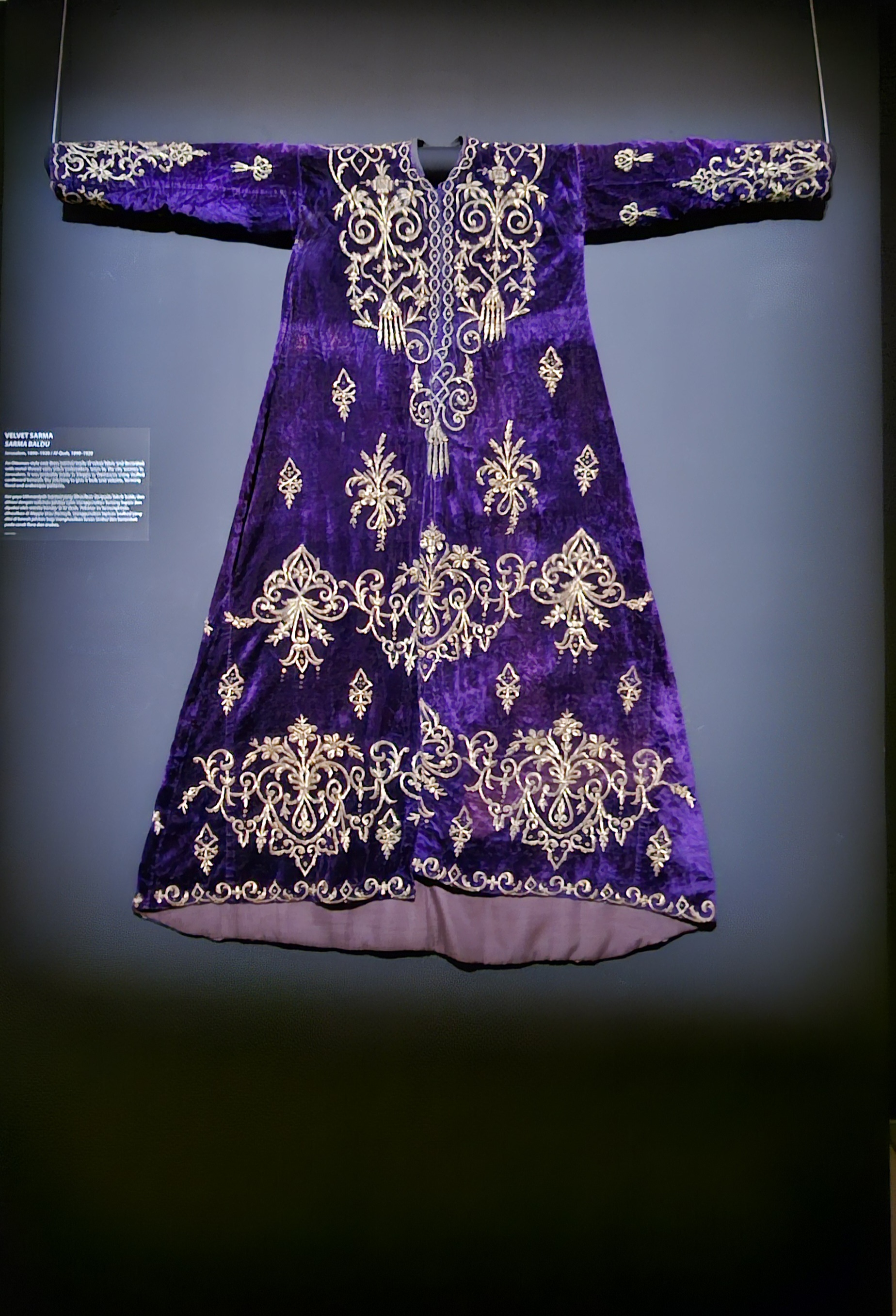
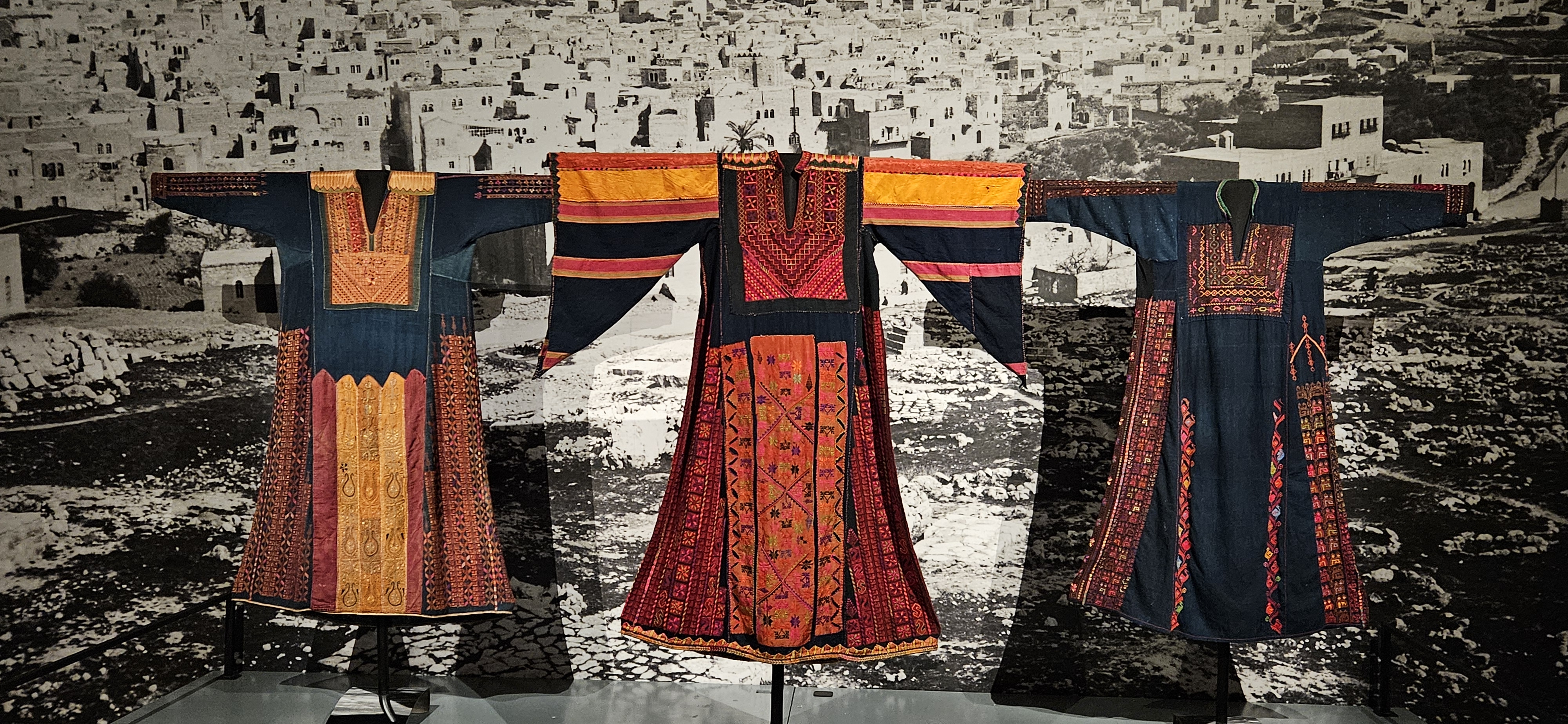
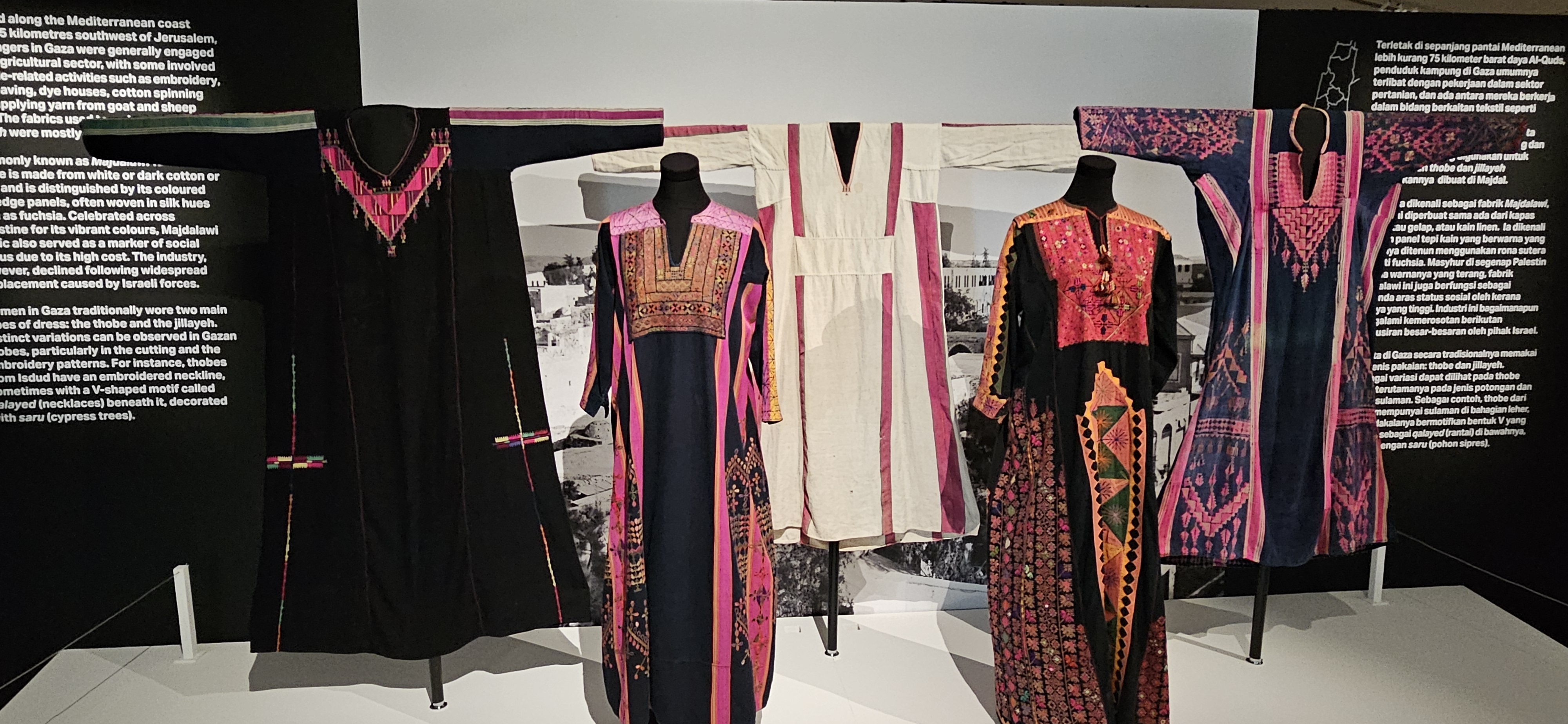
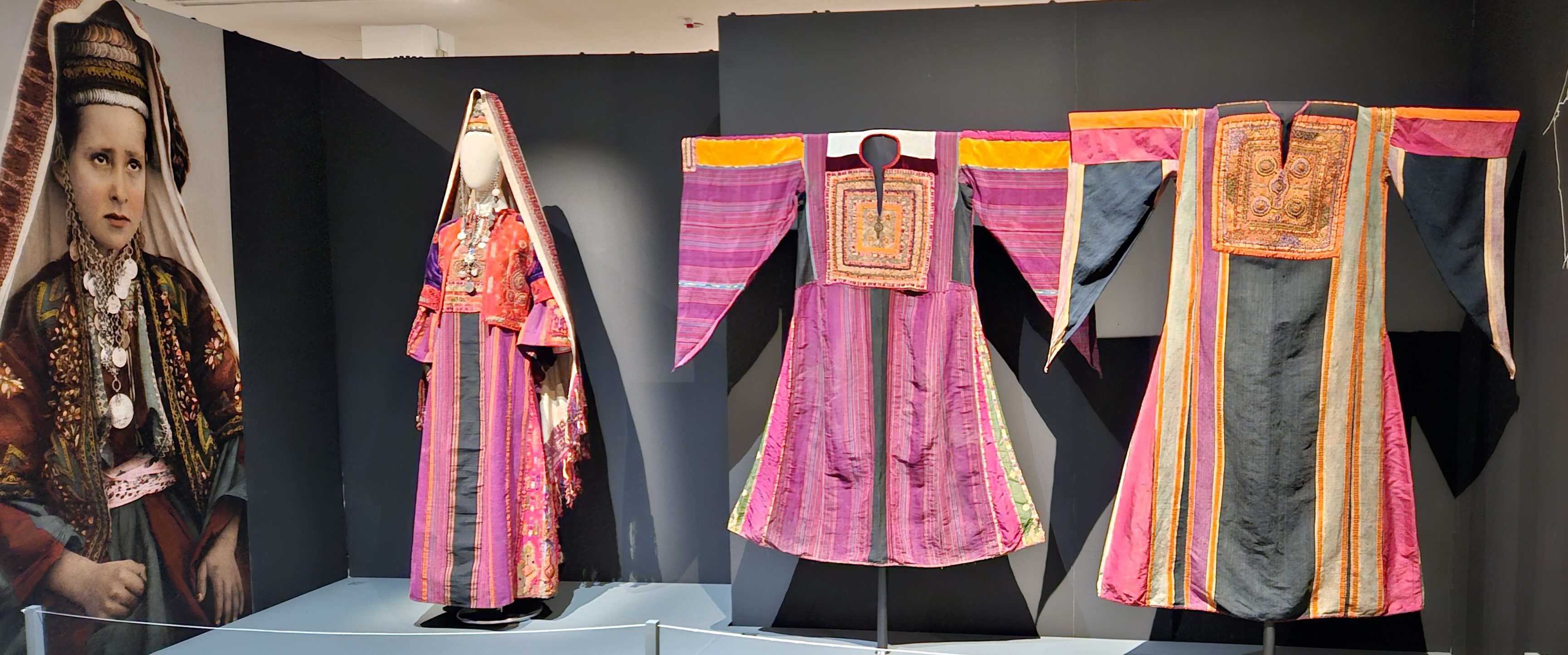
We visited the current temporary exhibit first, Tatreez, which runs through April 2027. Tatreez is a form of traditional Palestinian embroidery, and is the translation of “embroidery” in Arabic, and dates back to the 19th century. It incorporates many bright colors, and we really enjoyed seeing all the different patterns and dress.
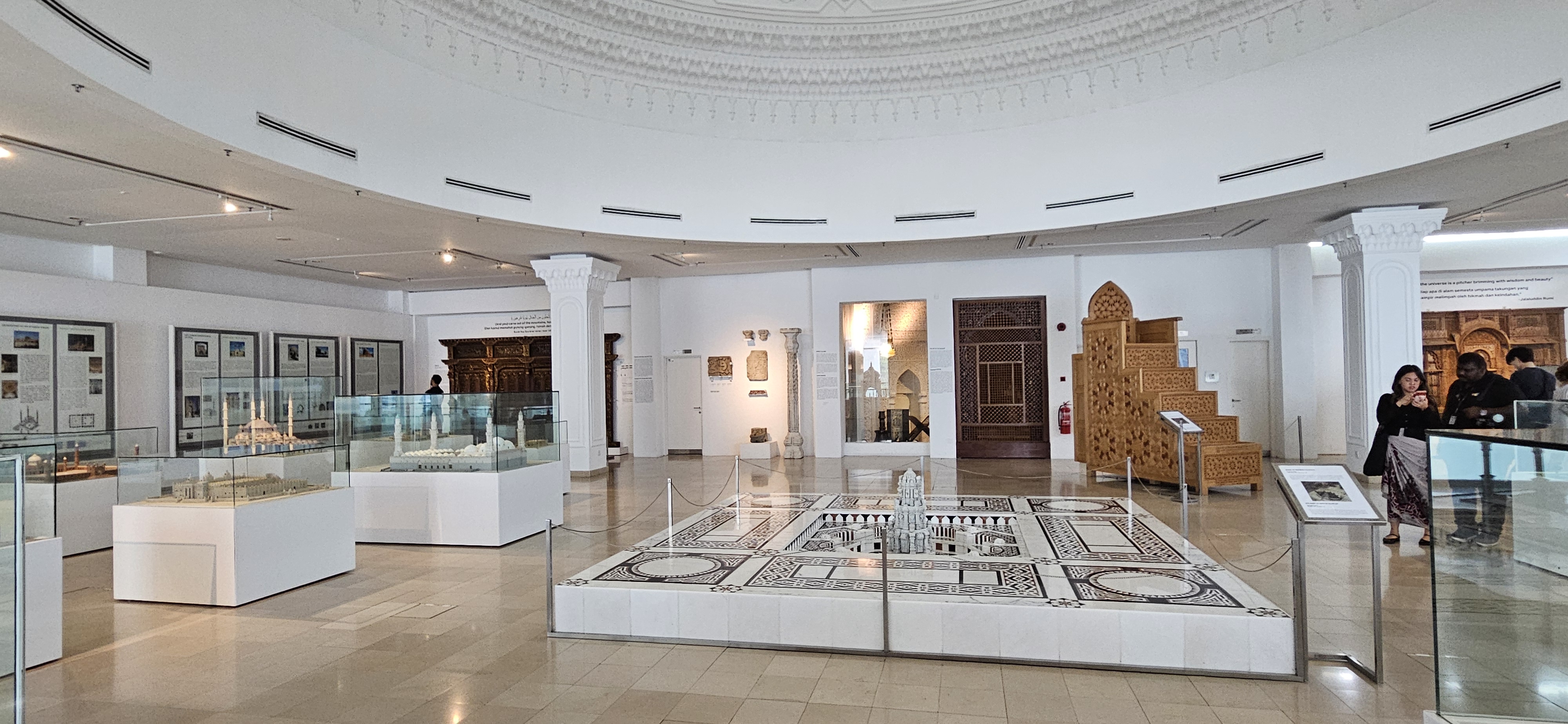
Inside the main museum the first room has has model replicas of all the most famous mosques in the world, which are really fun to look at, including the Taj Mahal, and even one for the Albuquerque Islamic Center in Albuquerque, New Mexico.
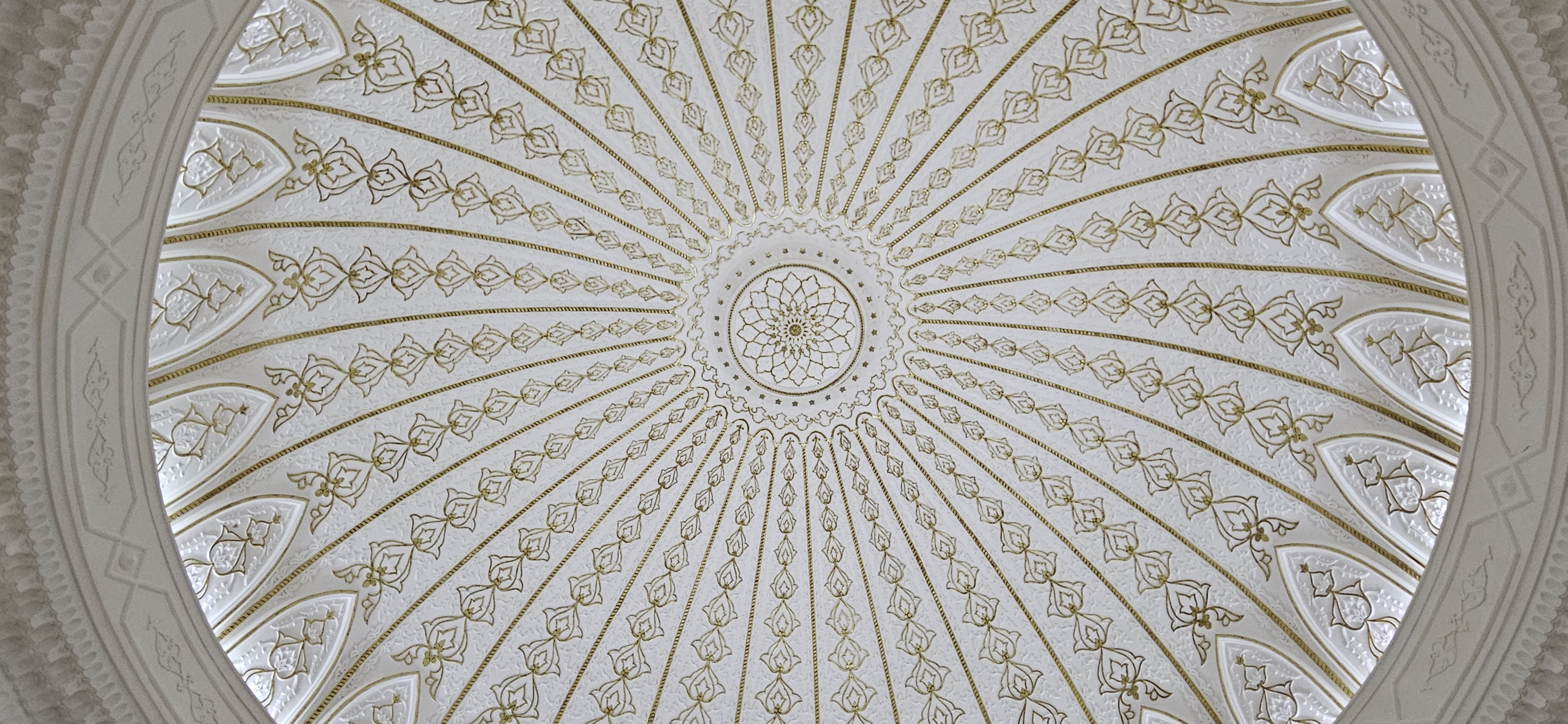
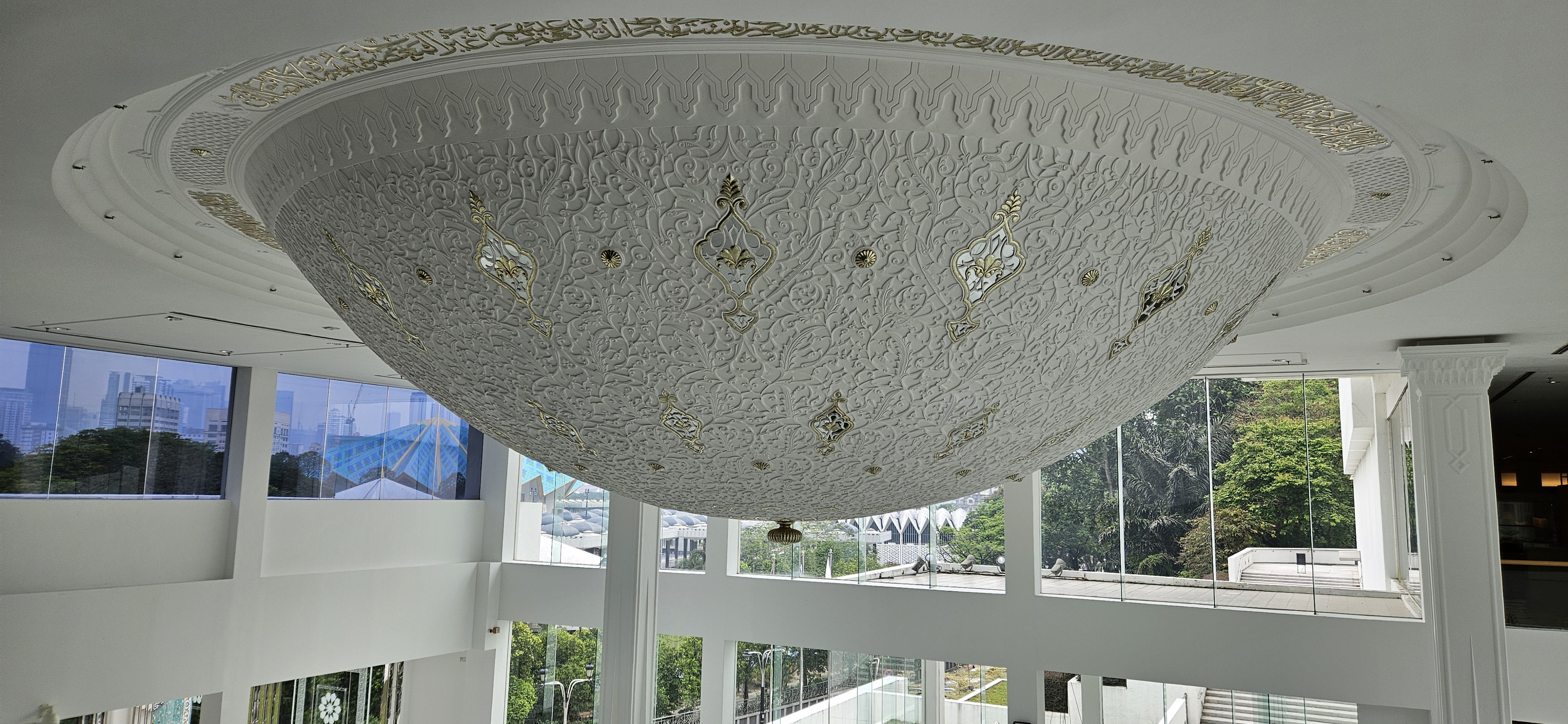
There are multiple domes throughout the museum building, all with designs that are similar to those found in mosques, and even one reverse dome.
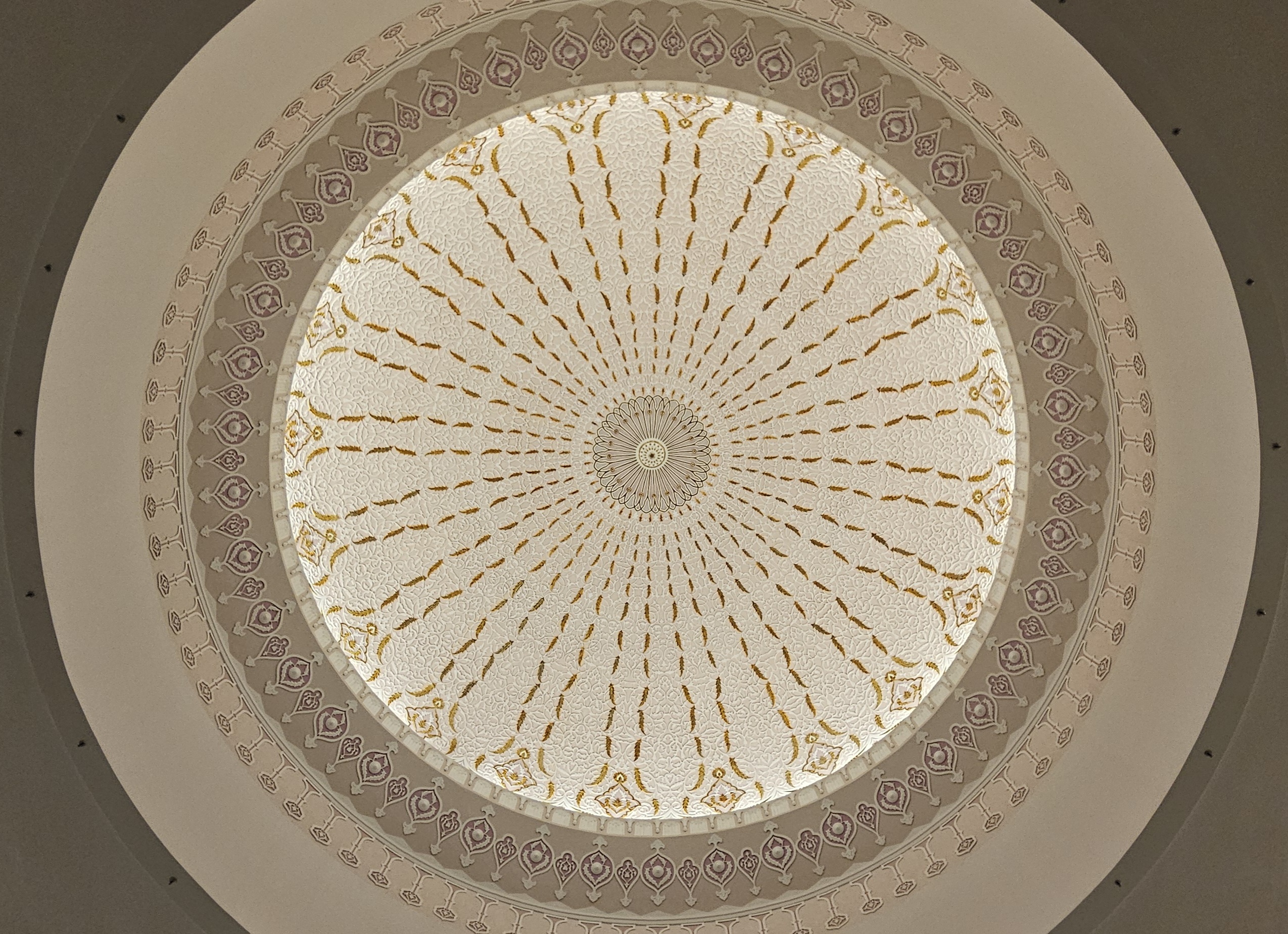
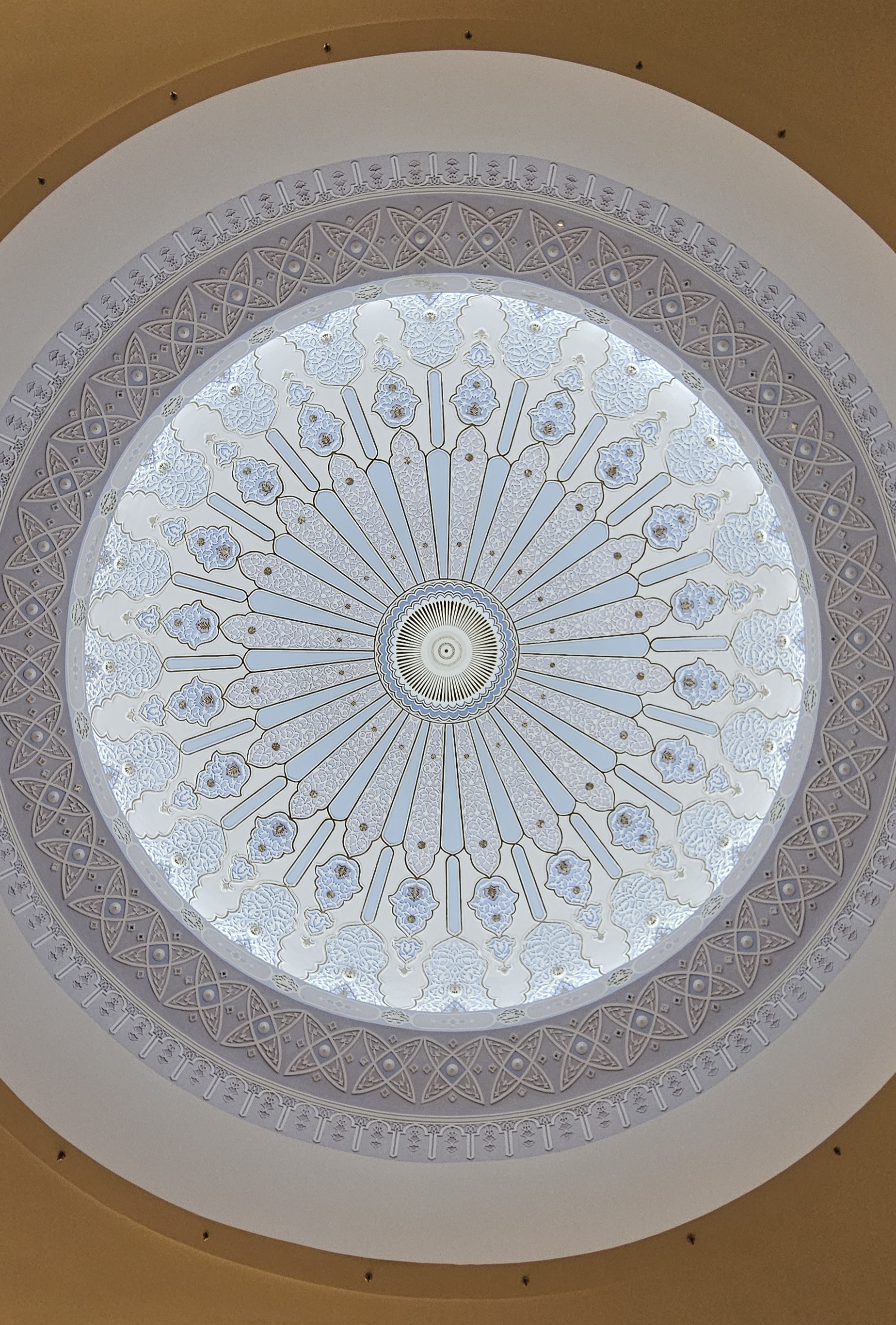
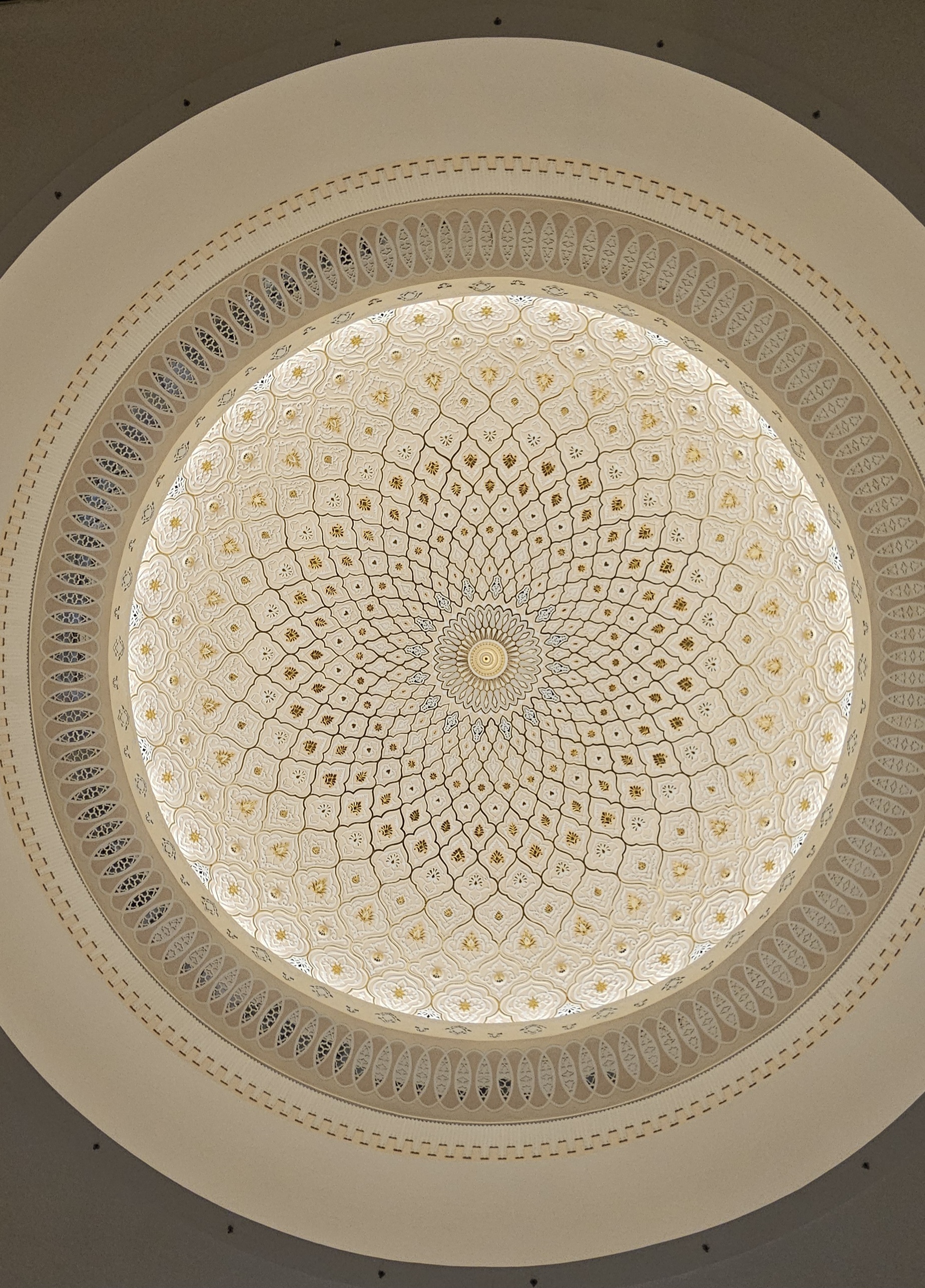
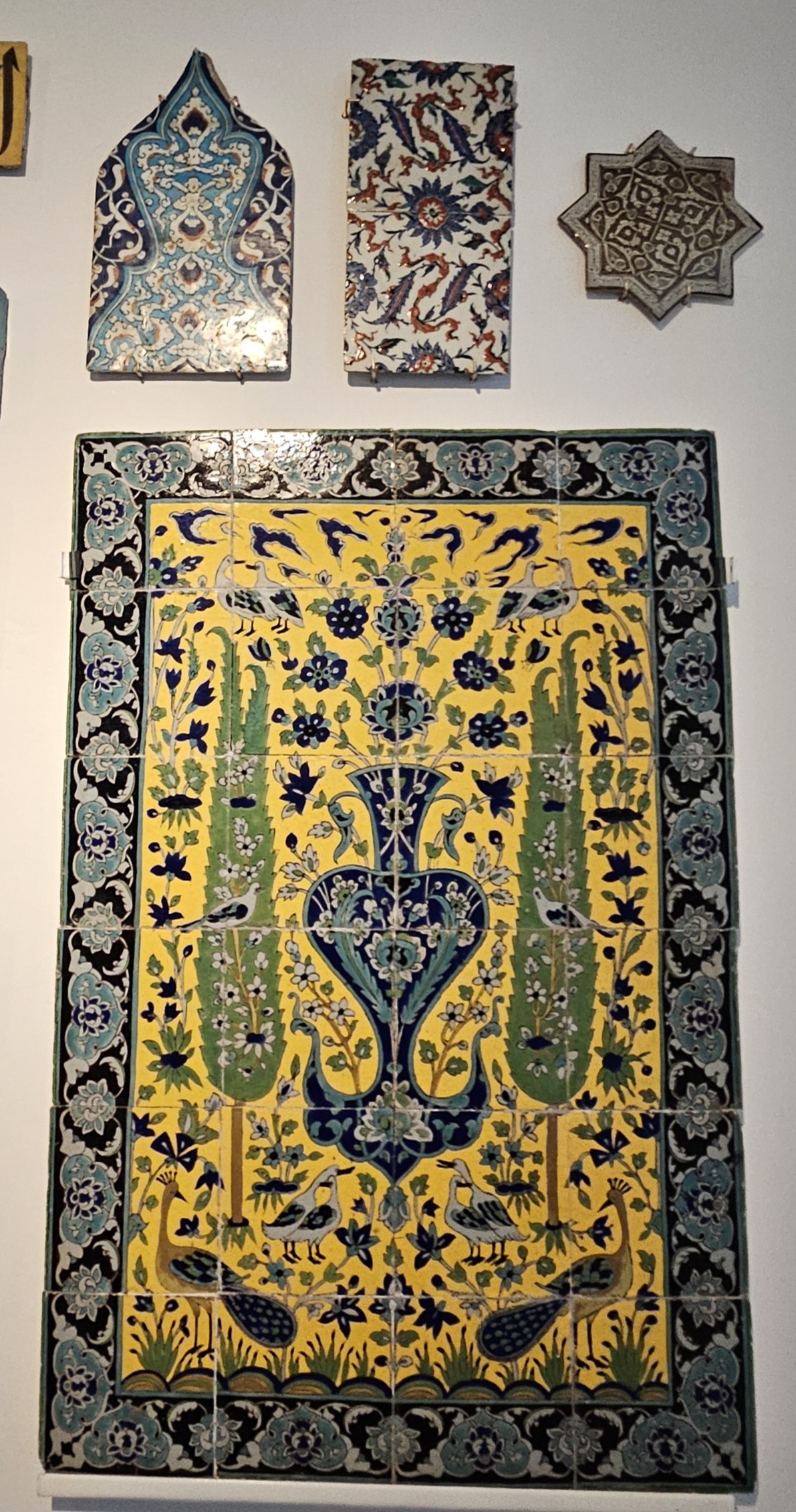
The ceramic tiles were intricate and colorful, with many shades of blue and sometimes yellow or red.
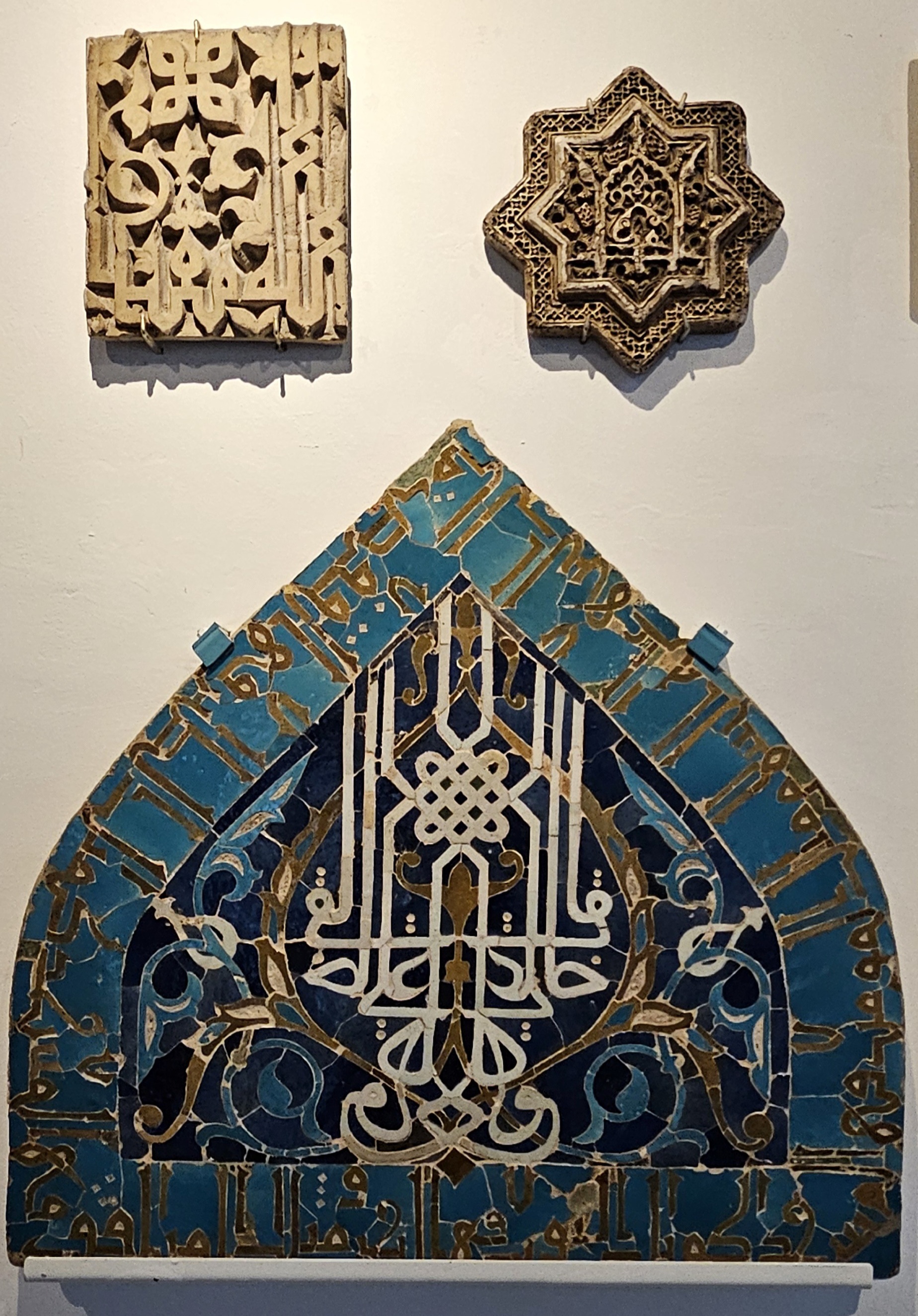
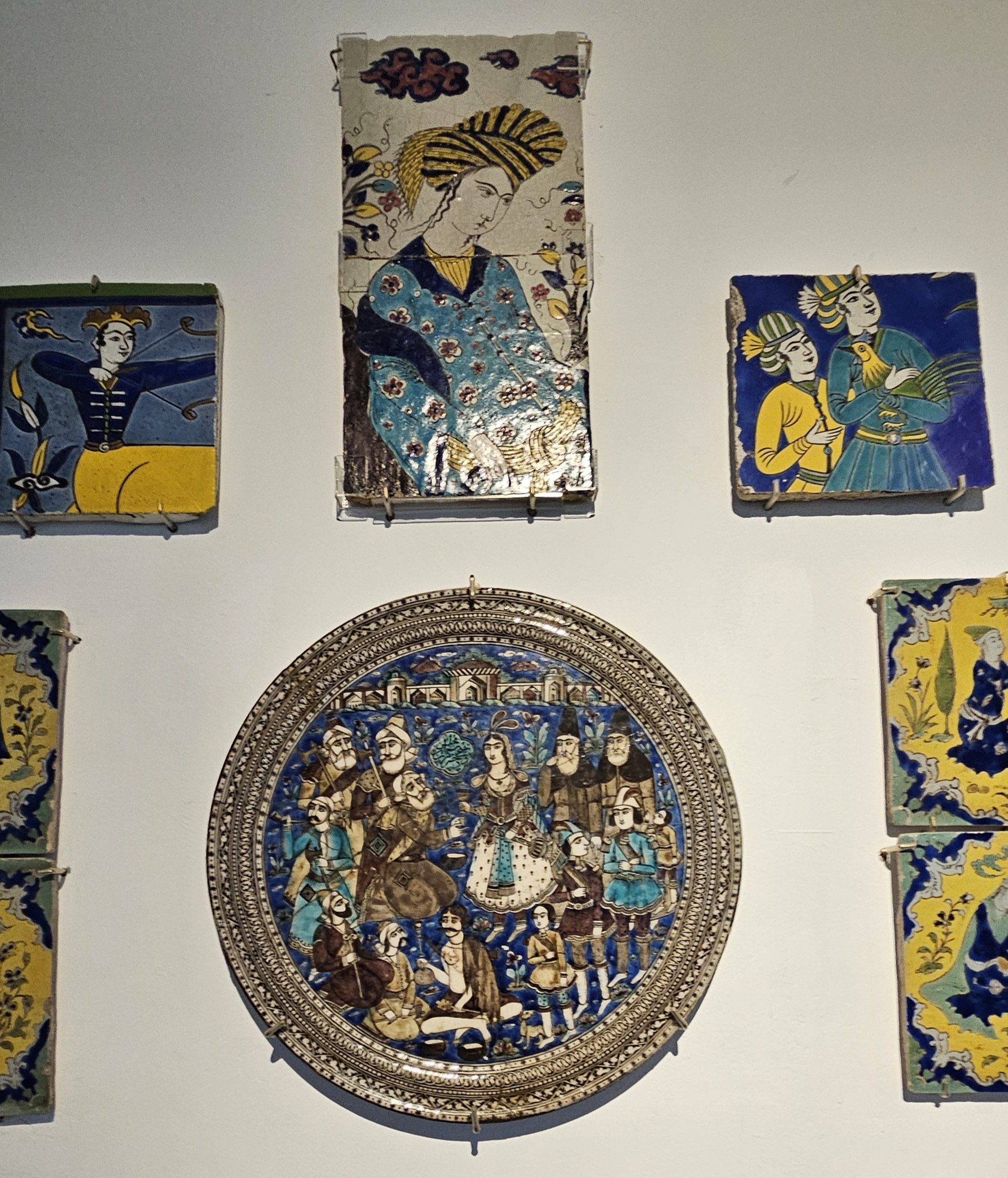
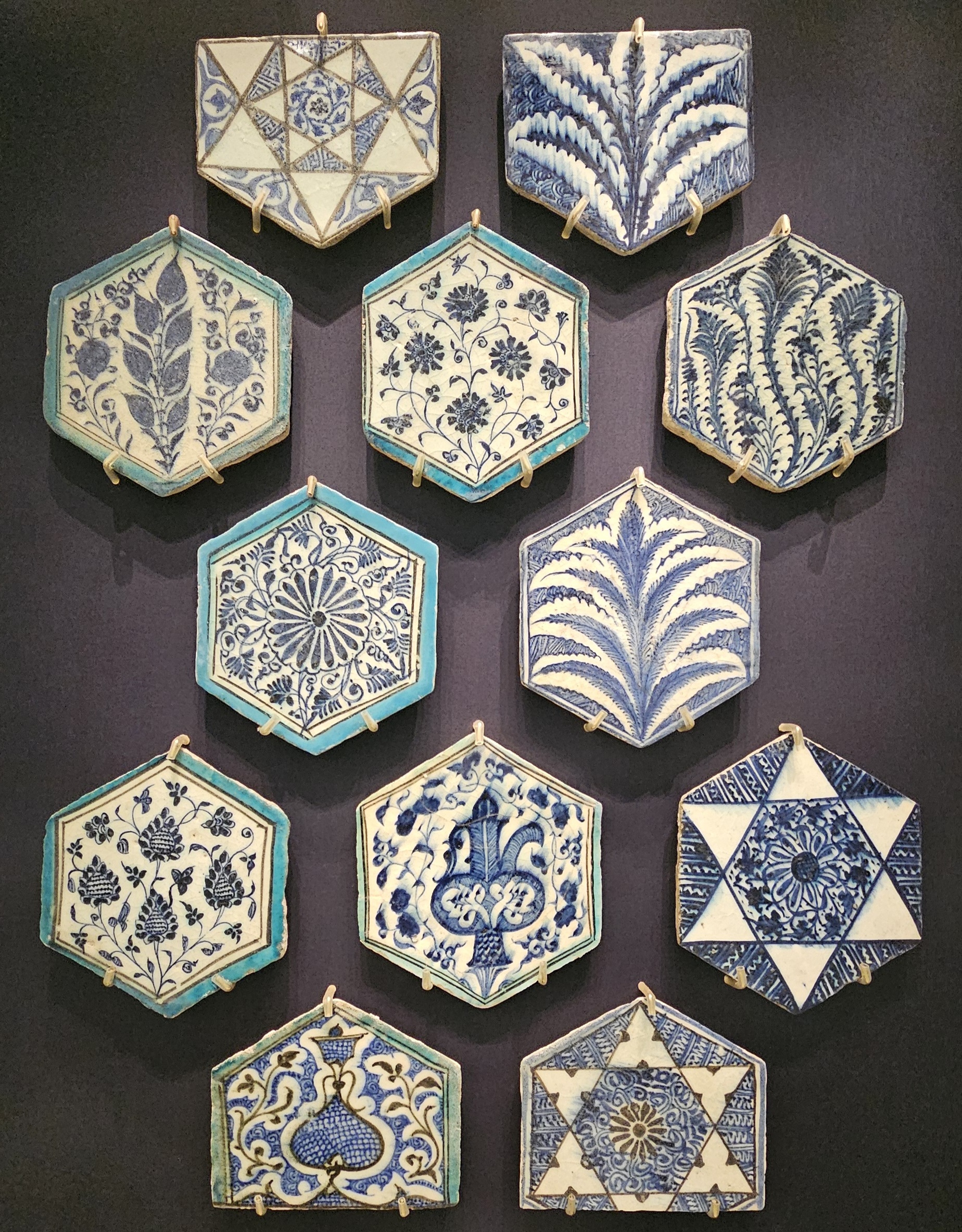
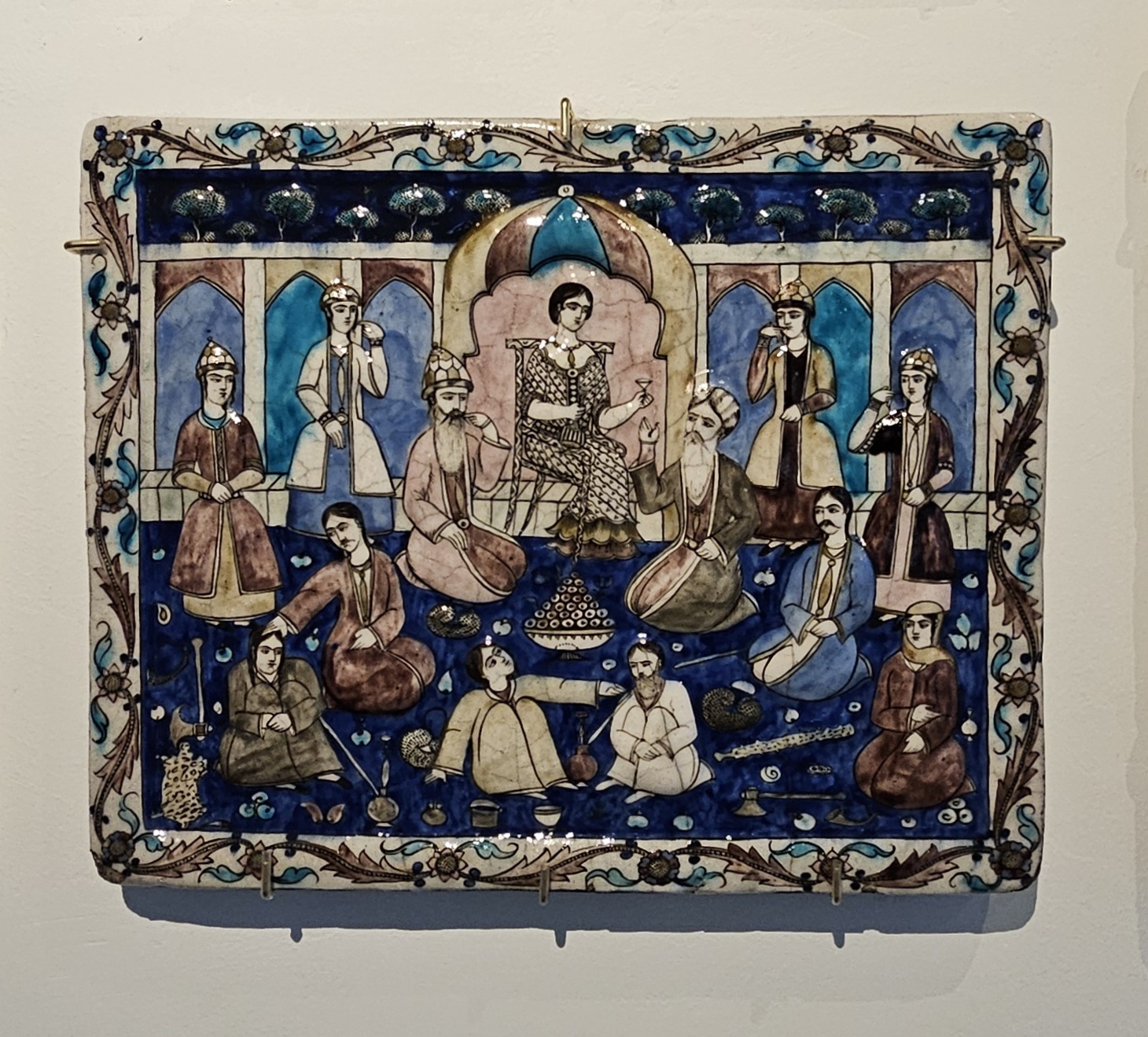
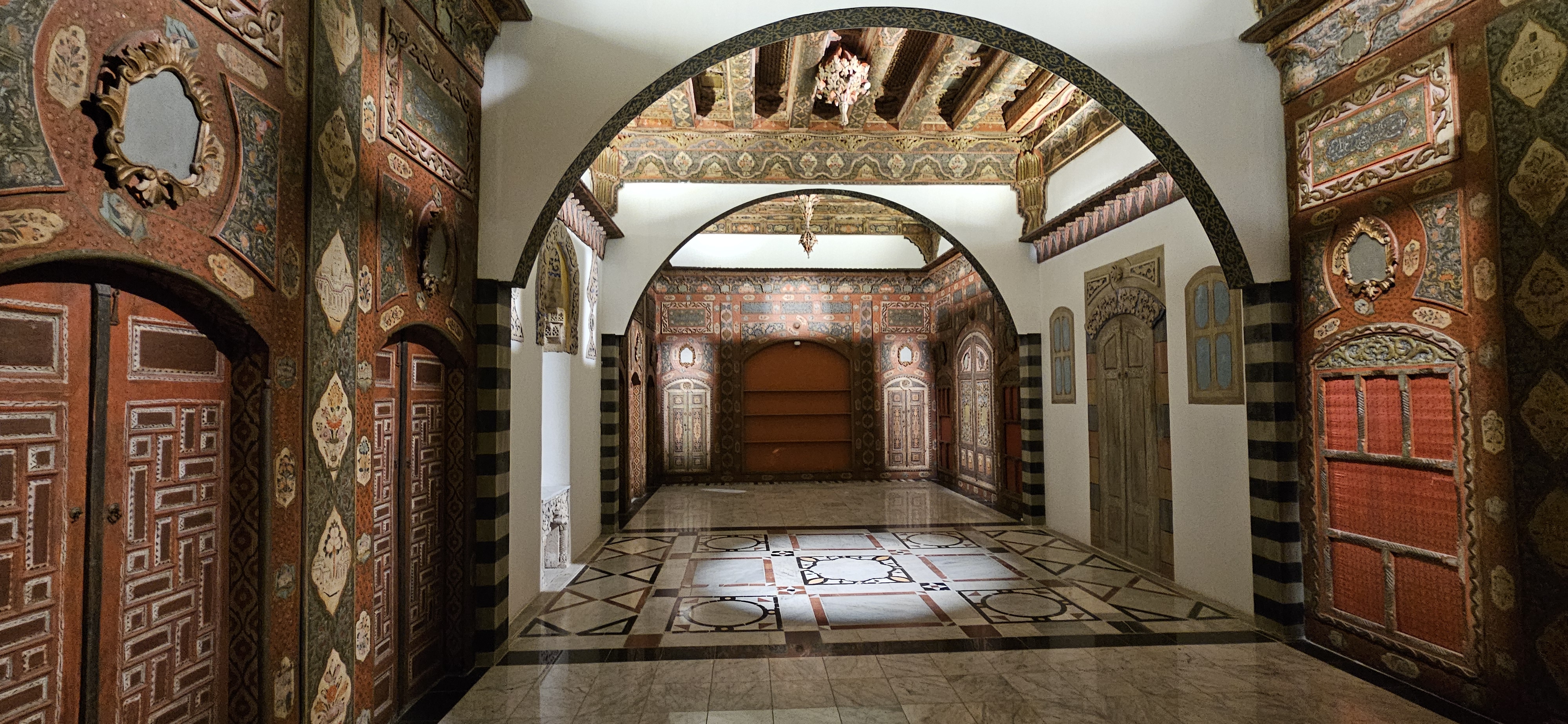
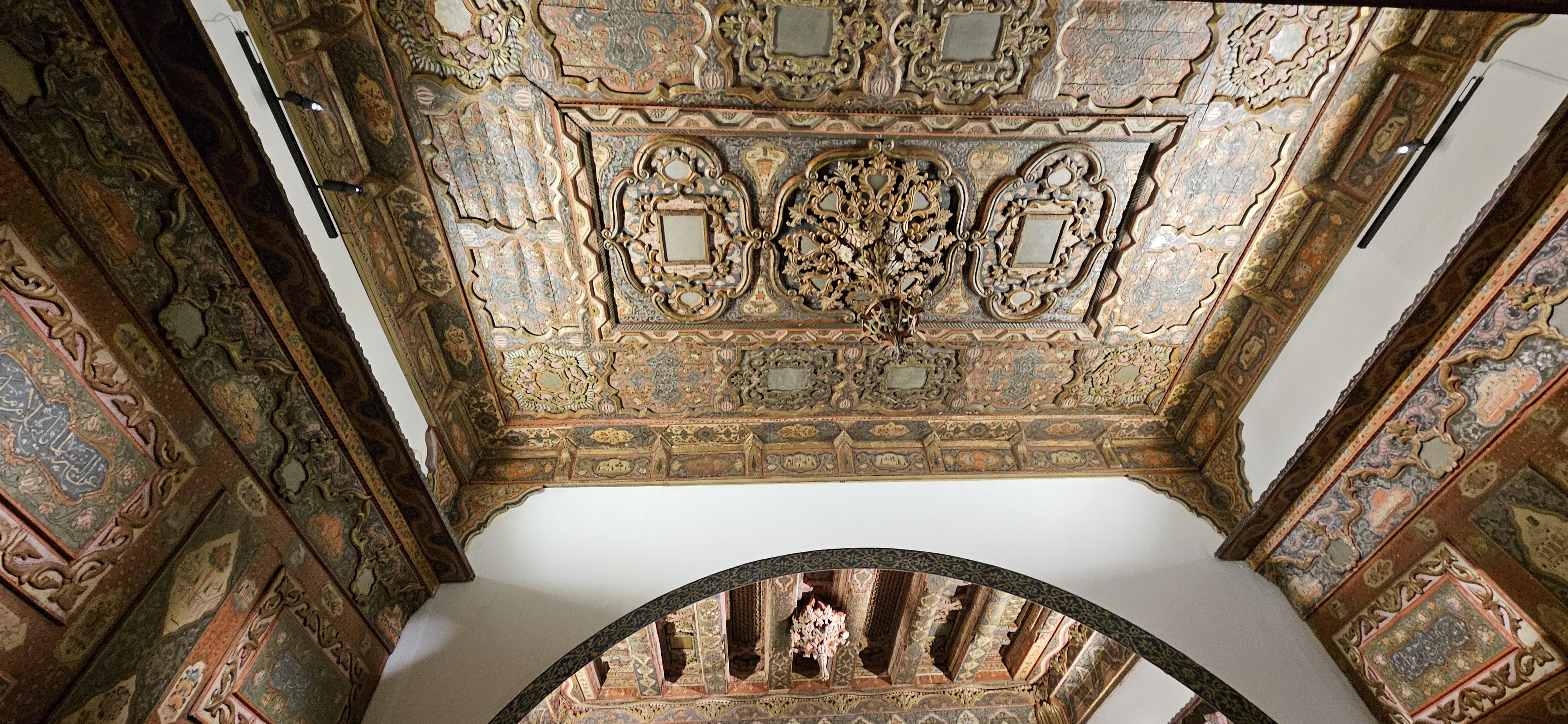
The Damascus Room is another highlight, as it is a preserved Qa’a, which is actually three rooms, separated by vaulted arches. It dates back to 1820 and is the only one of its kind that remains intact. It was like stepping into the past, although we couldn’t actually step into the room, as there is a barrier.
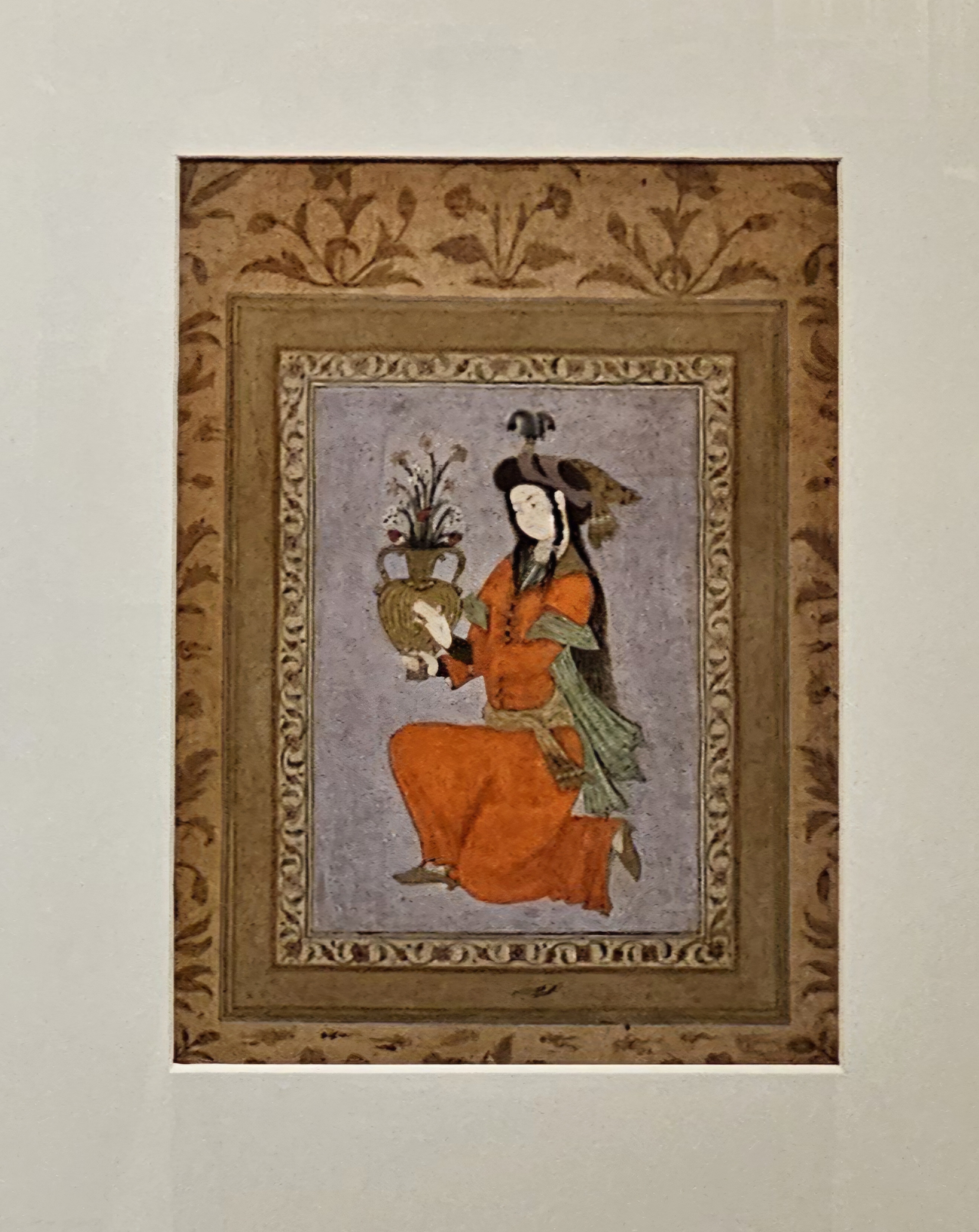
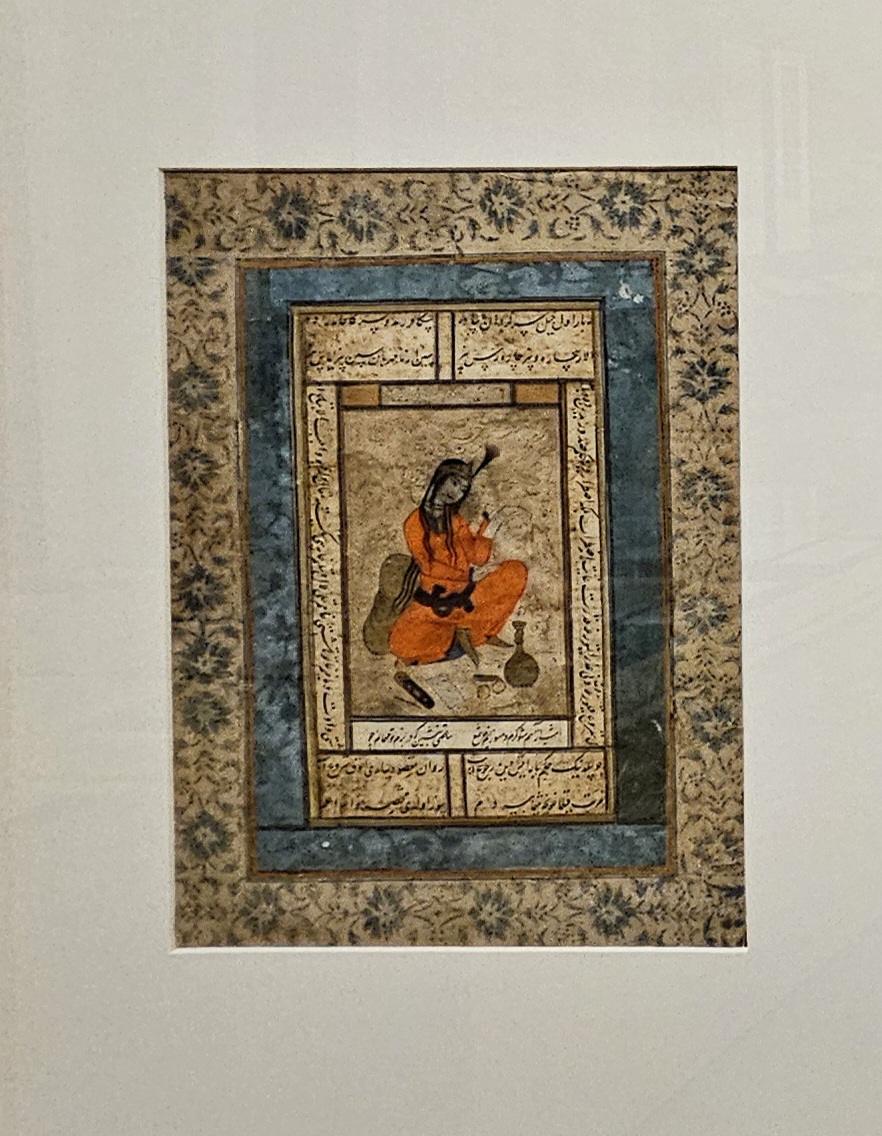
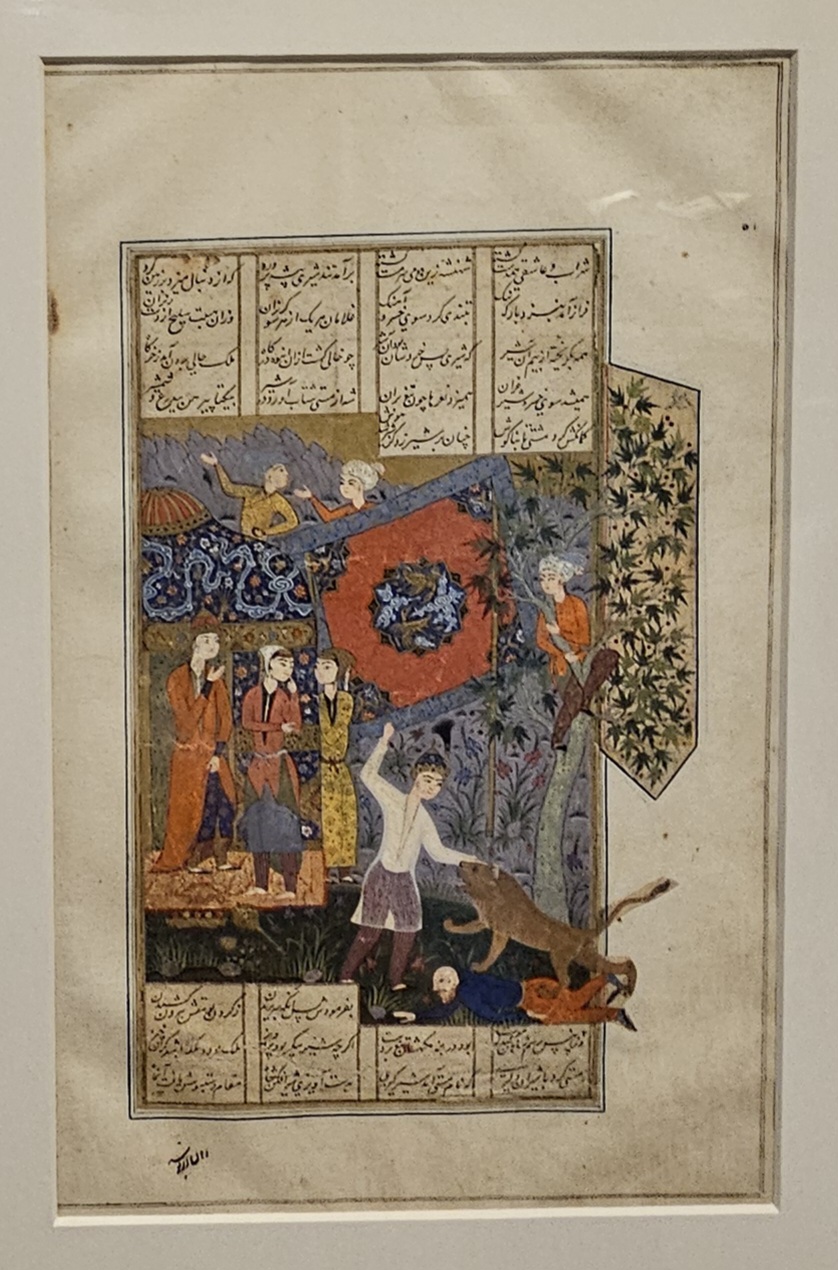
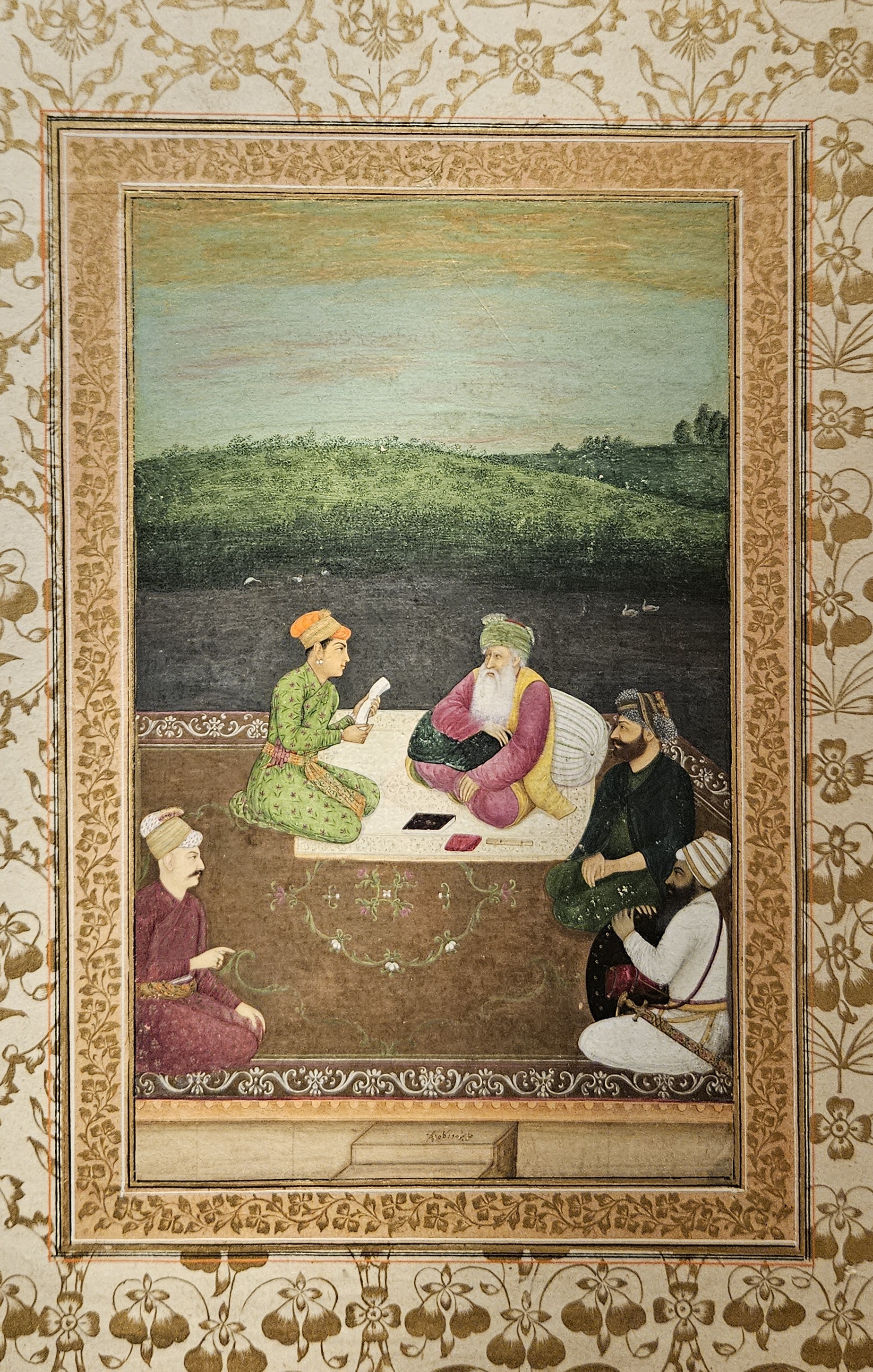
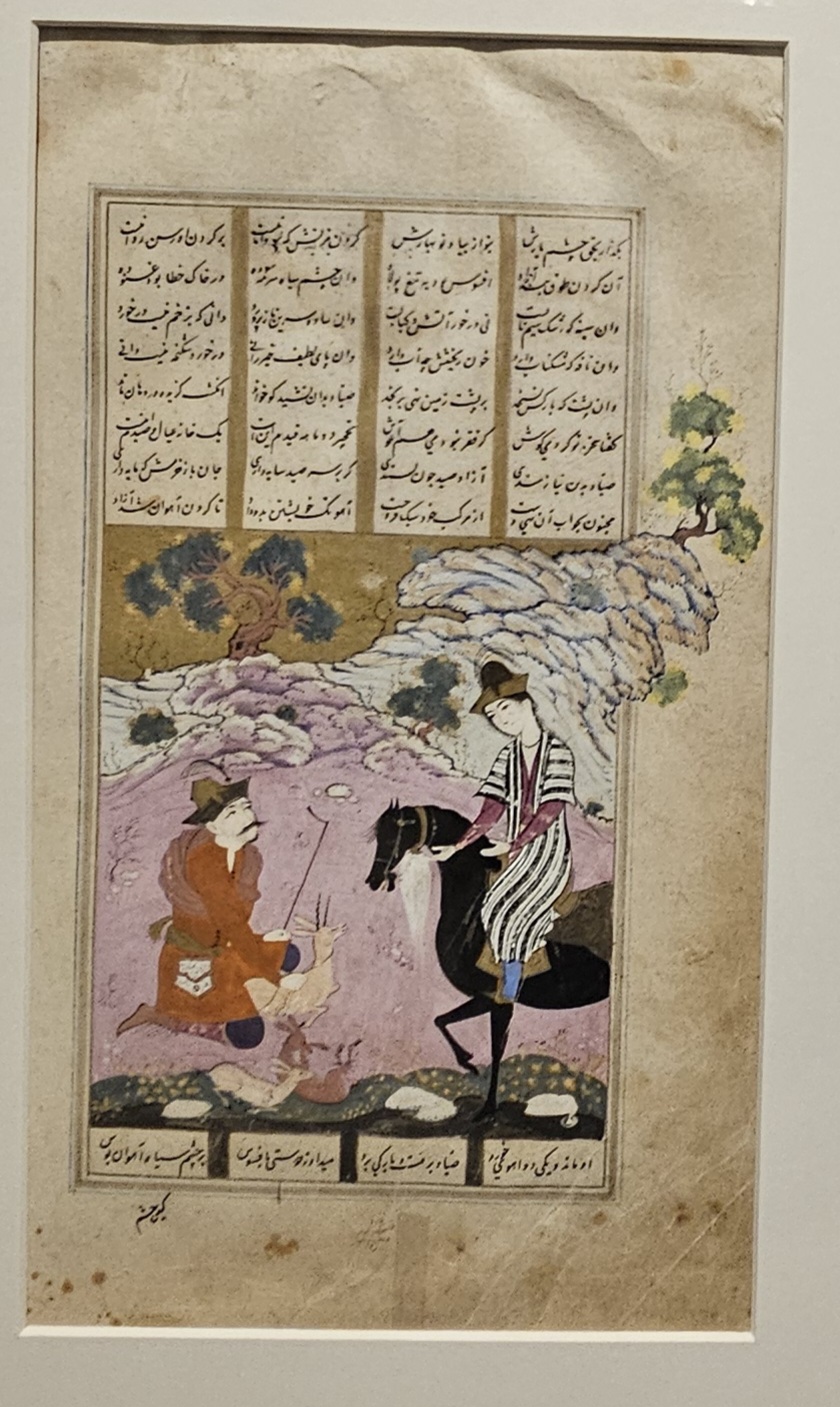
There were many miniature paintings from Persia, Turkey, and Uzbekistan. I particularly like the ones that go outside the lines.
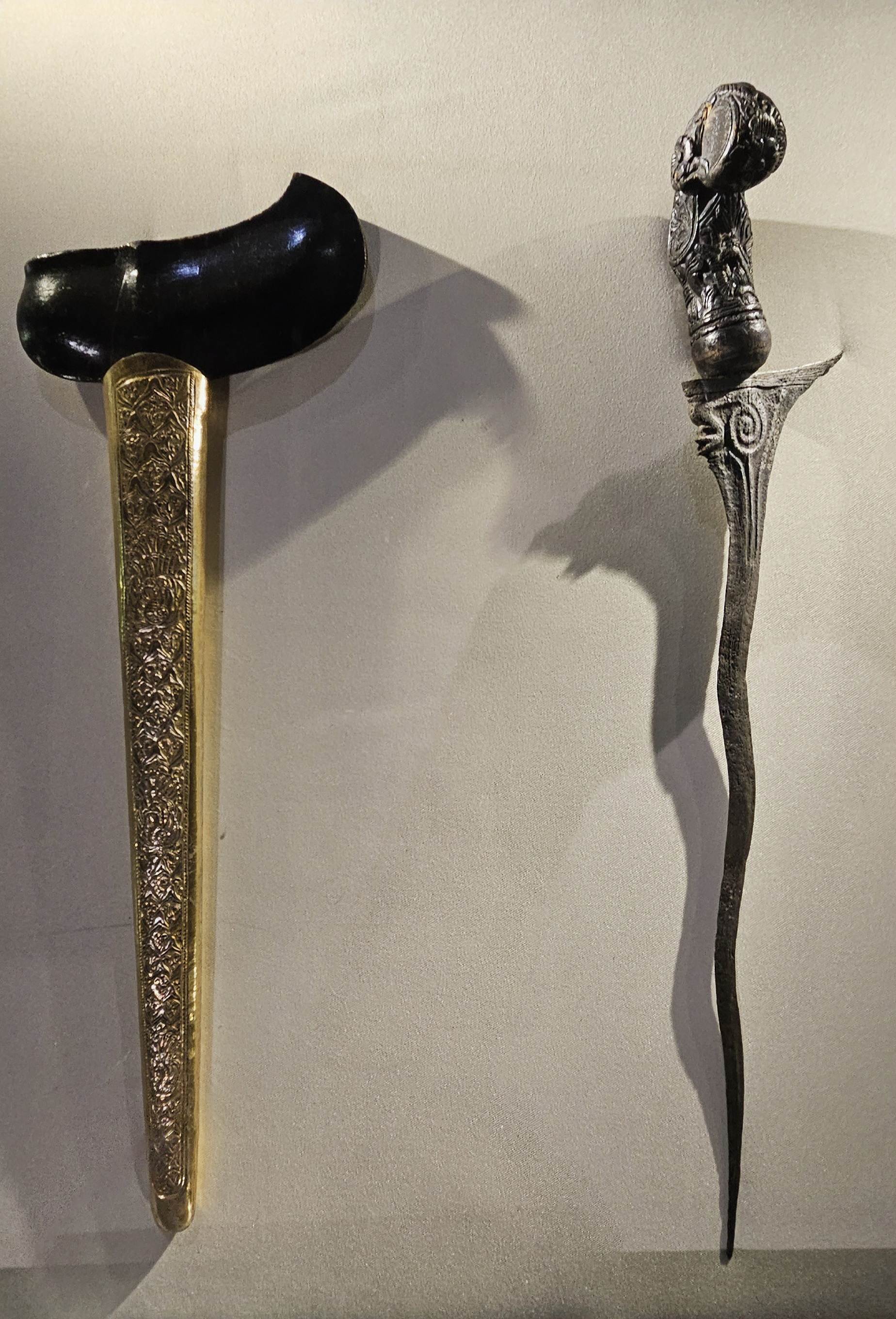
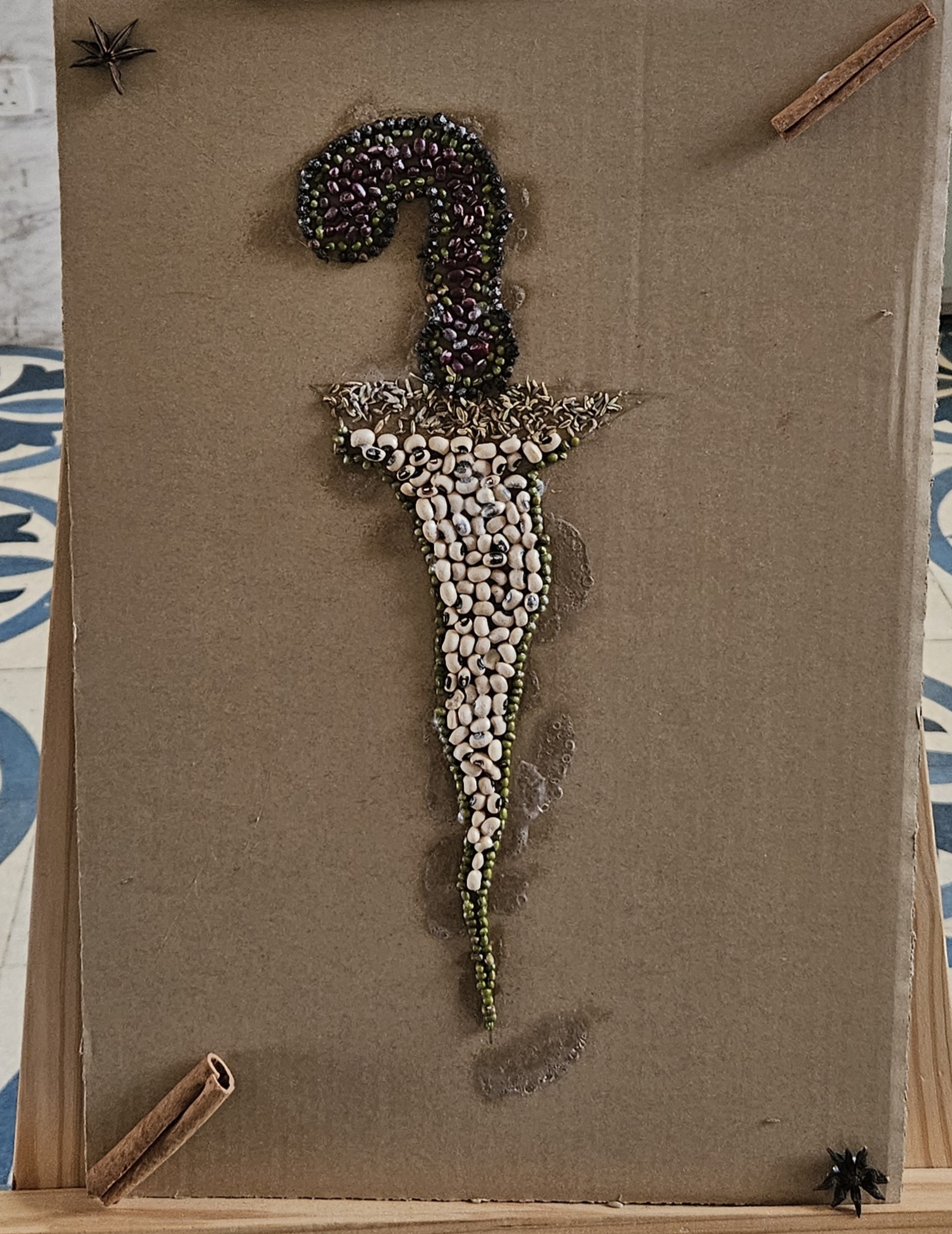
The daggers (also called a Kris or Keris) were beautiful pieces of art. Kris are the blade, hilt, and shaft all together, famously from Indonesia.
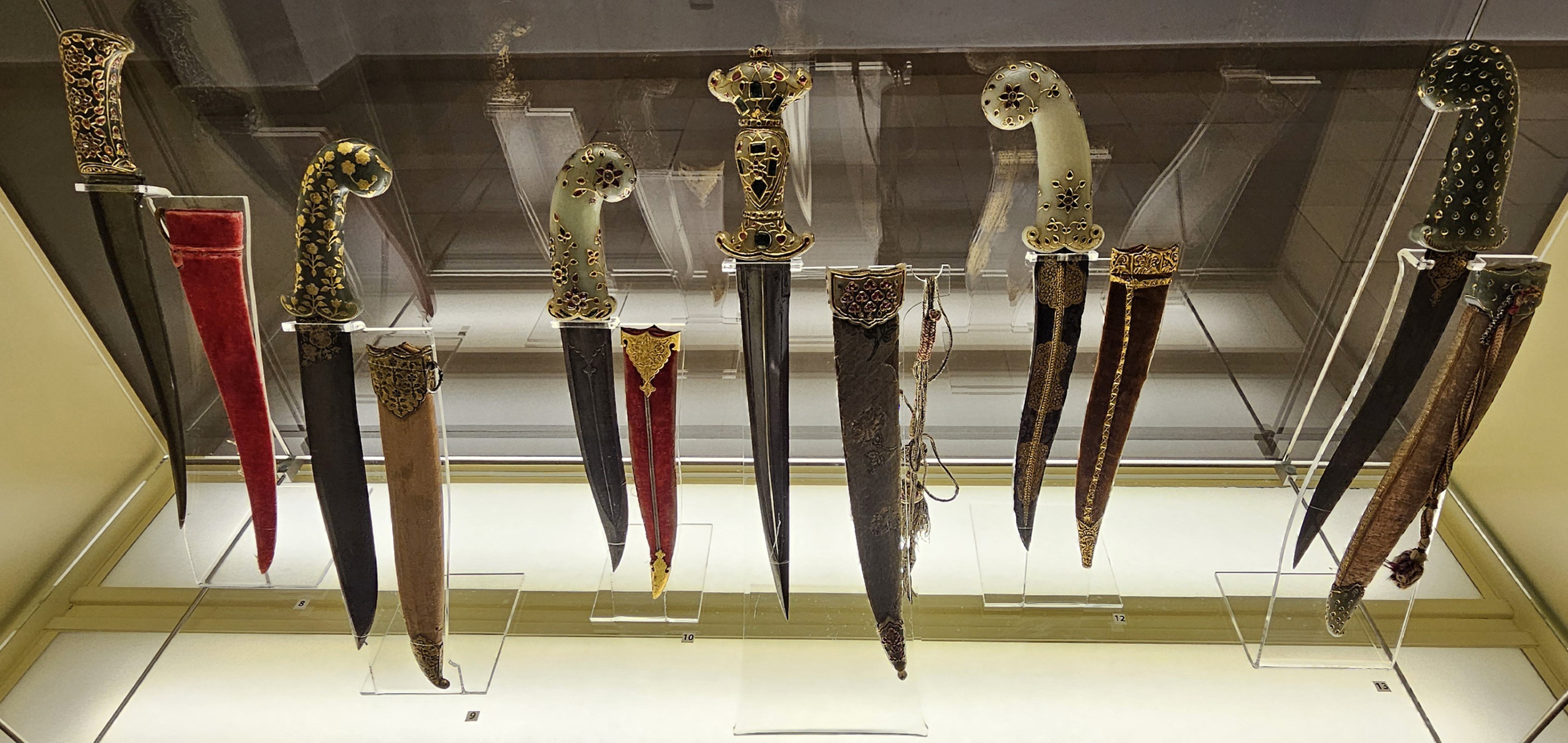
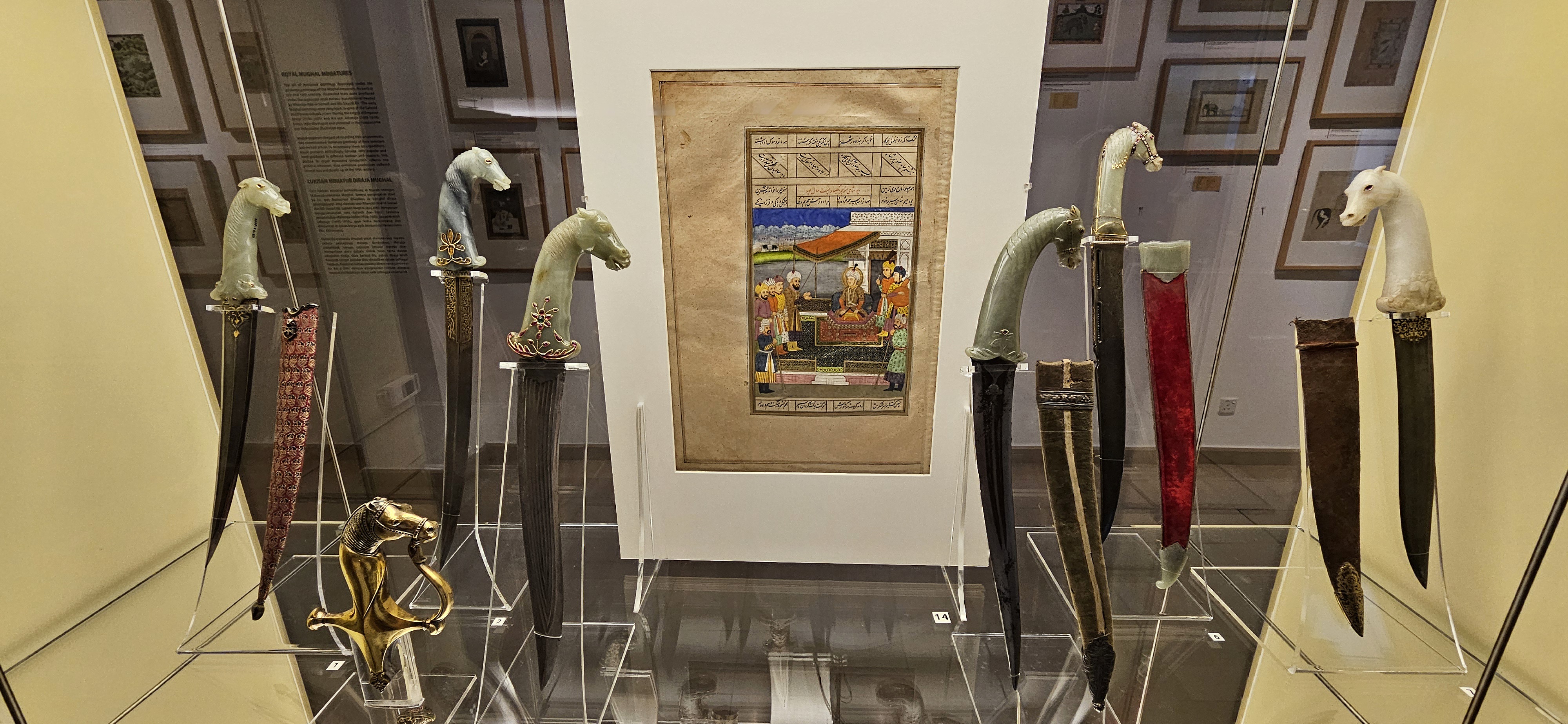
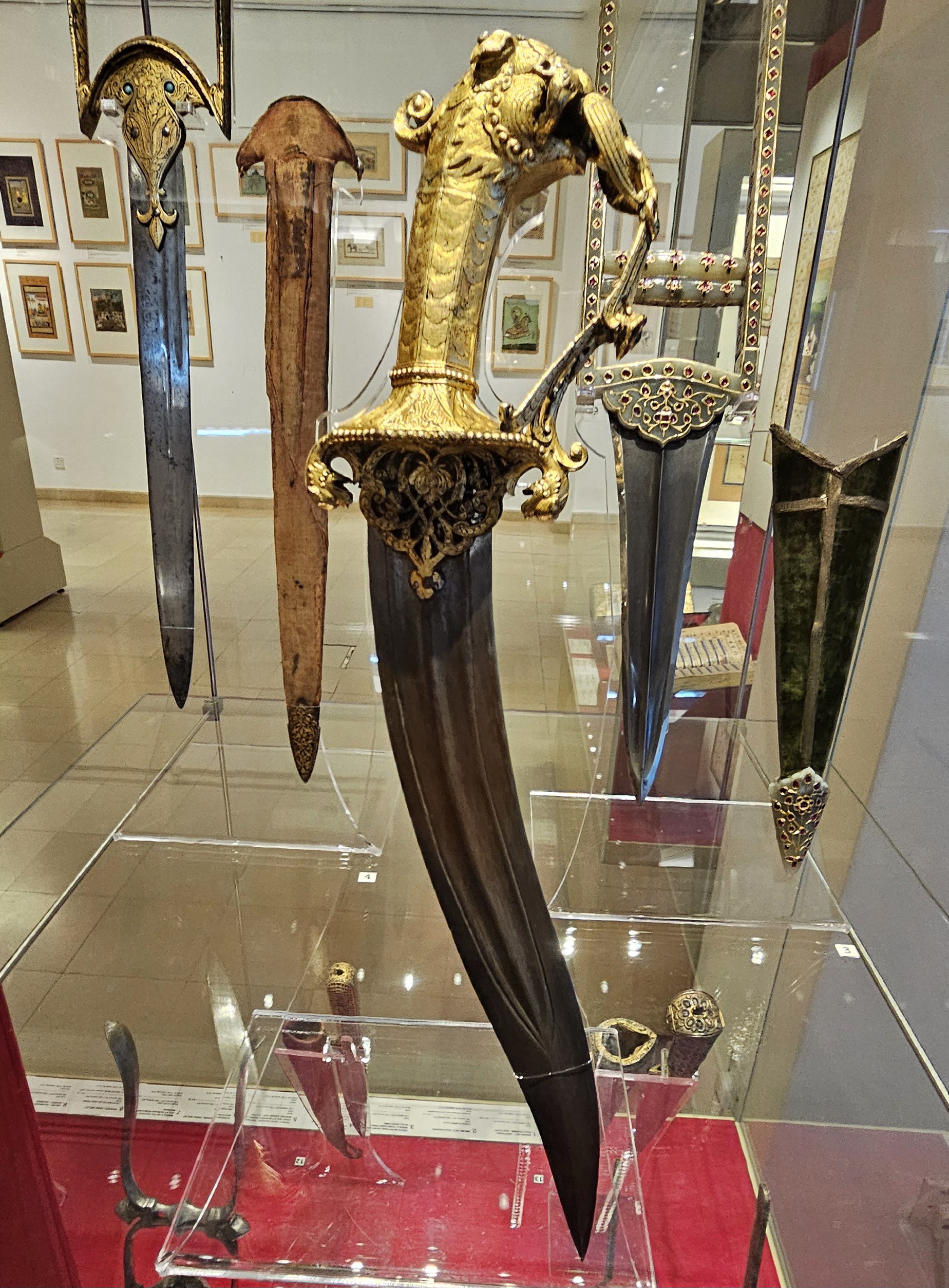
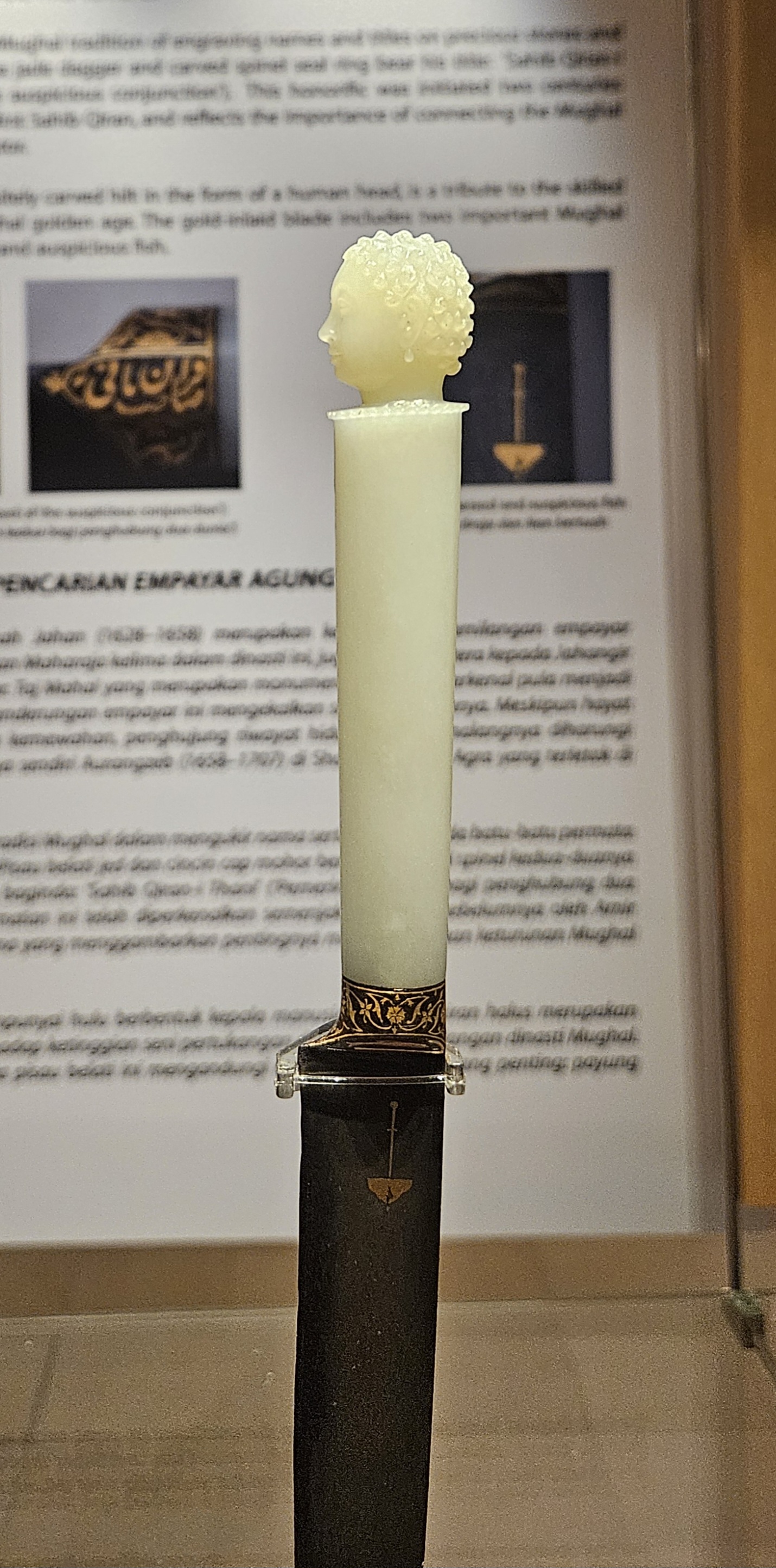
Headdresses and crowns:
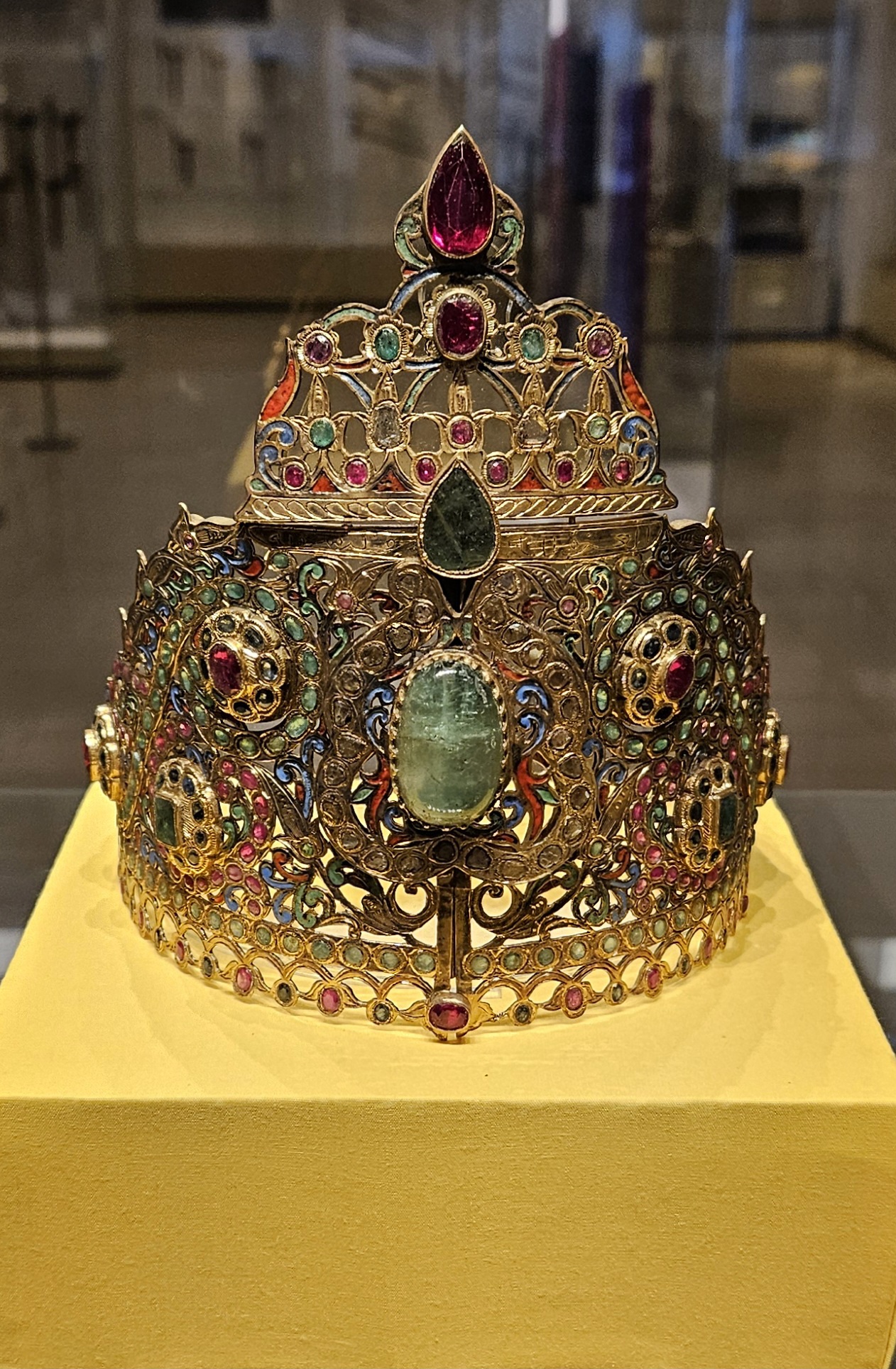
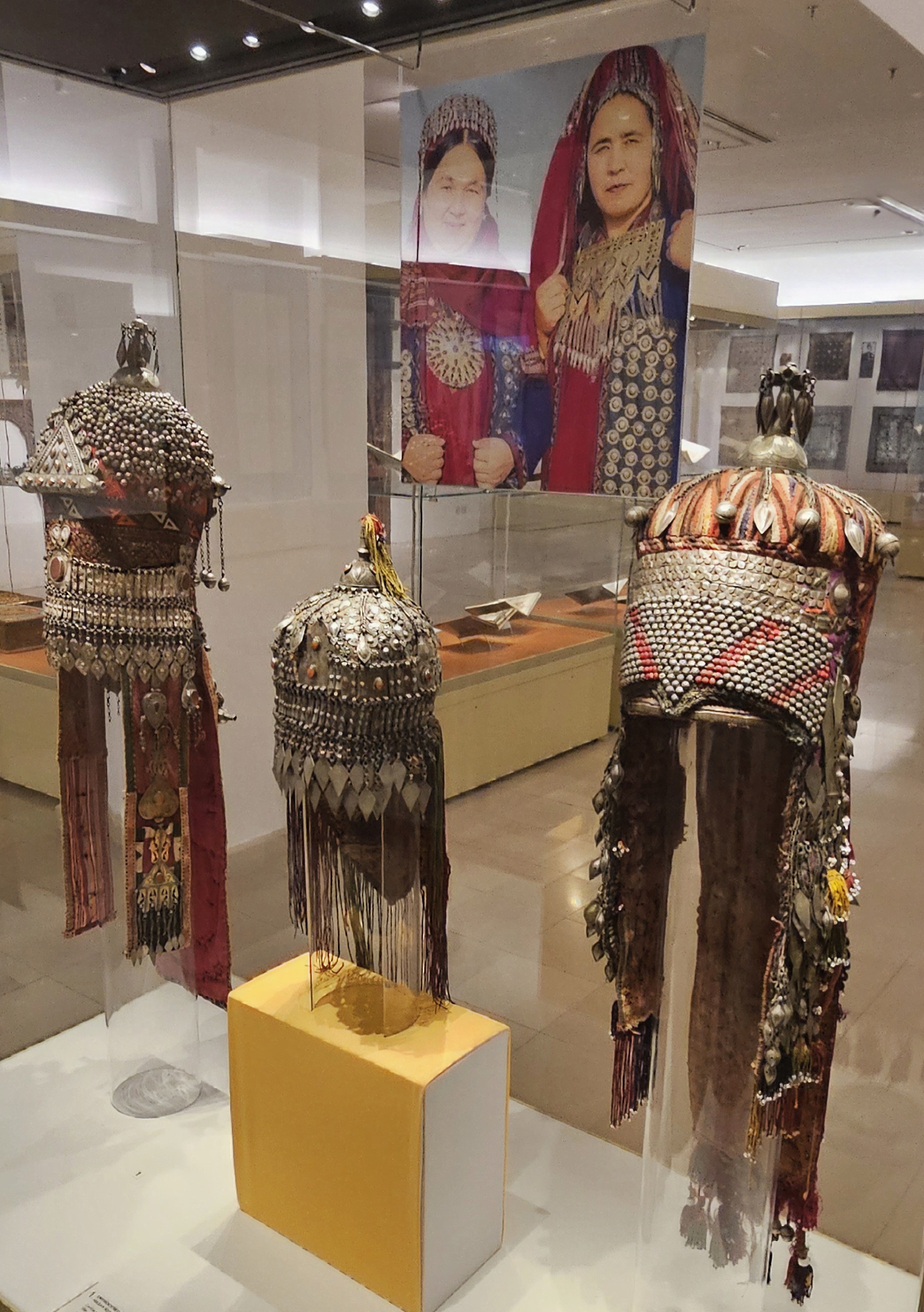
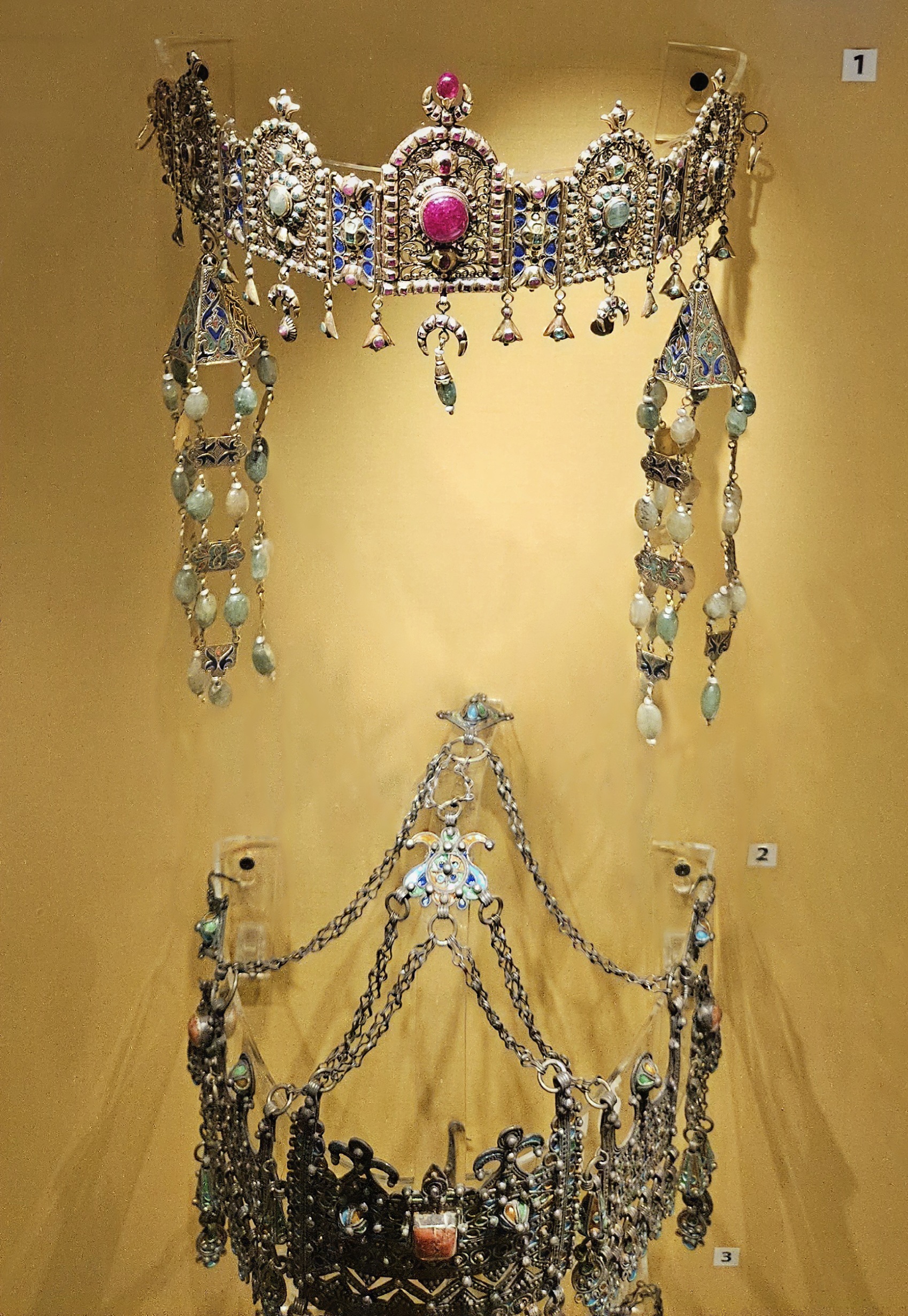
These are just some of the amazing pieces we saw on display at the museum; there were so many items we had to take a break because they were all so beautiful and it was hard to appreciate all of them in one visit. There was furniture, jewelry, pottery, and many copies of the Quran, including ones that were barely 2 inches by 1 inch, hand written, that soldiers would carry into battle.
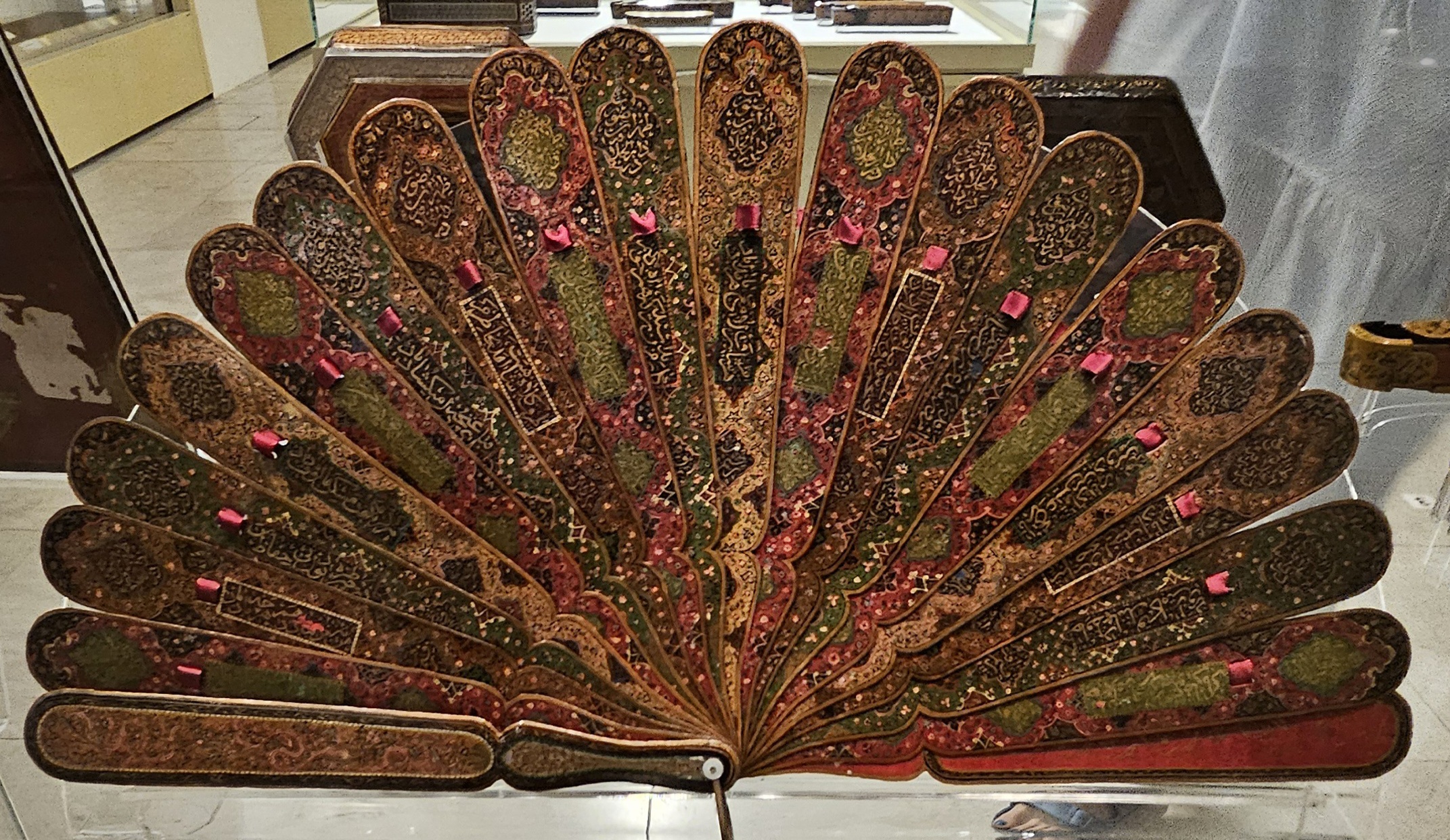
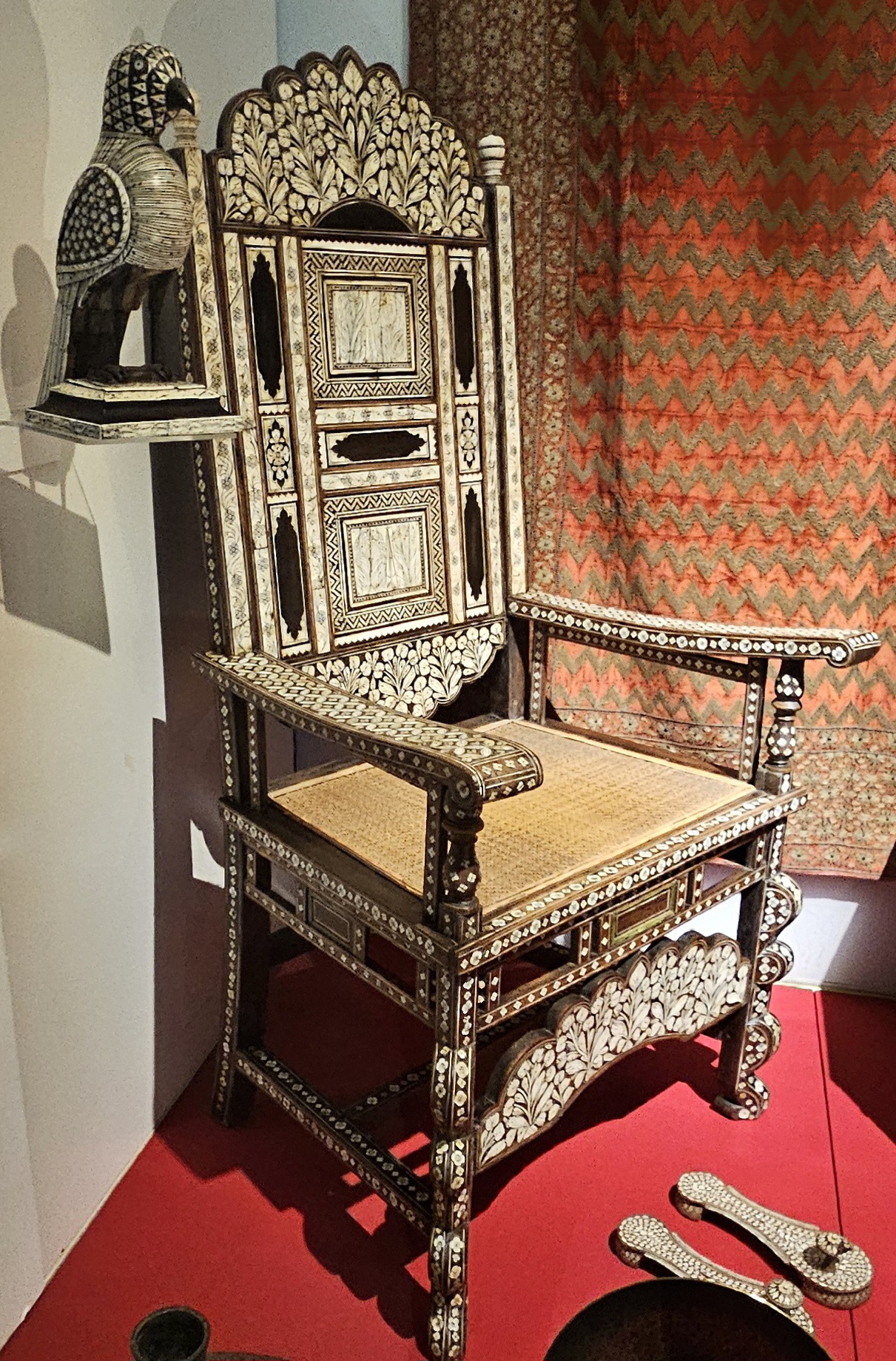
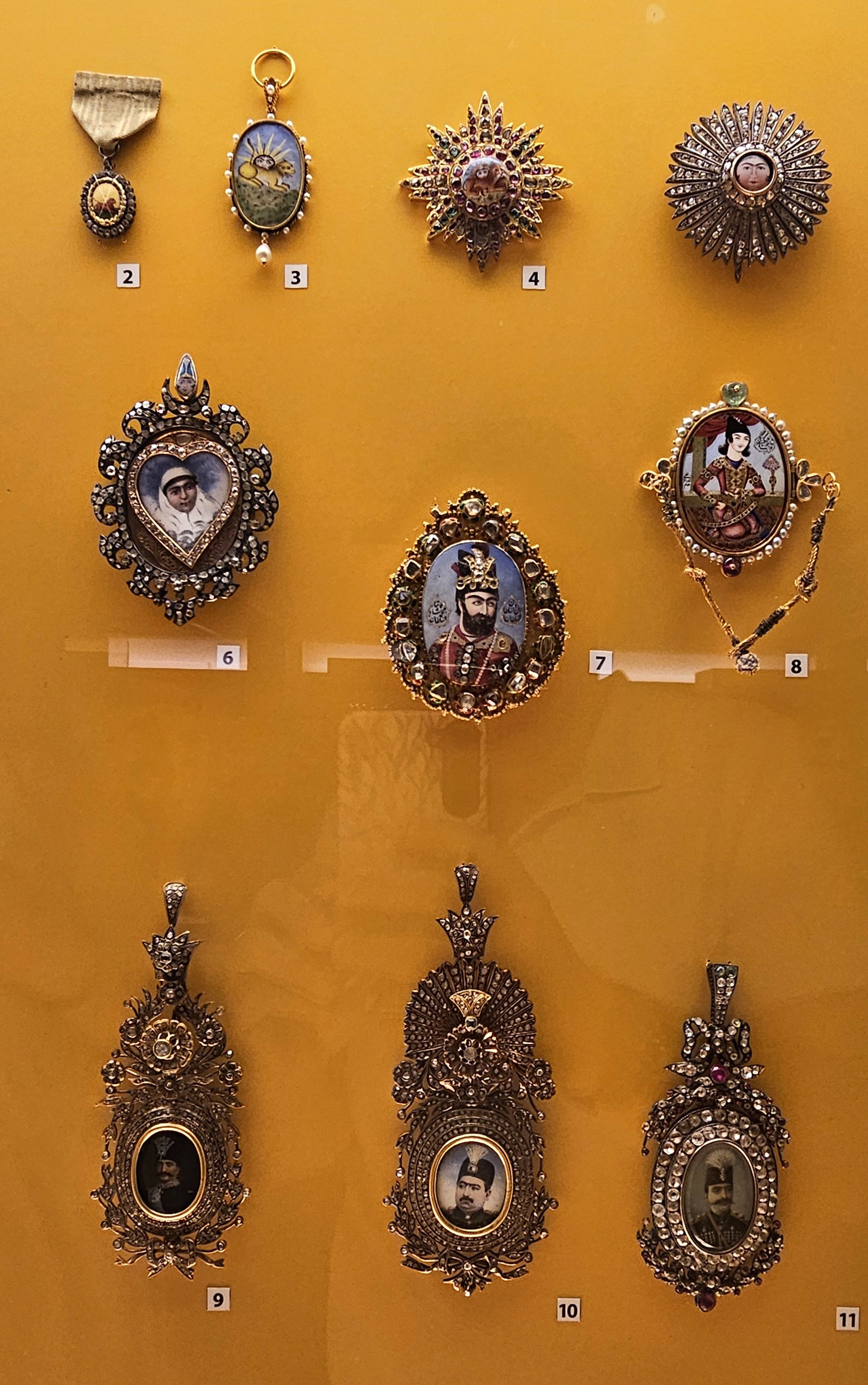
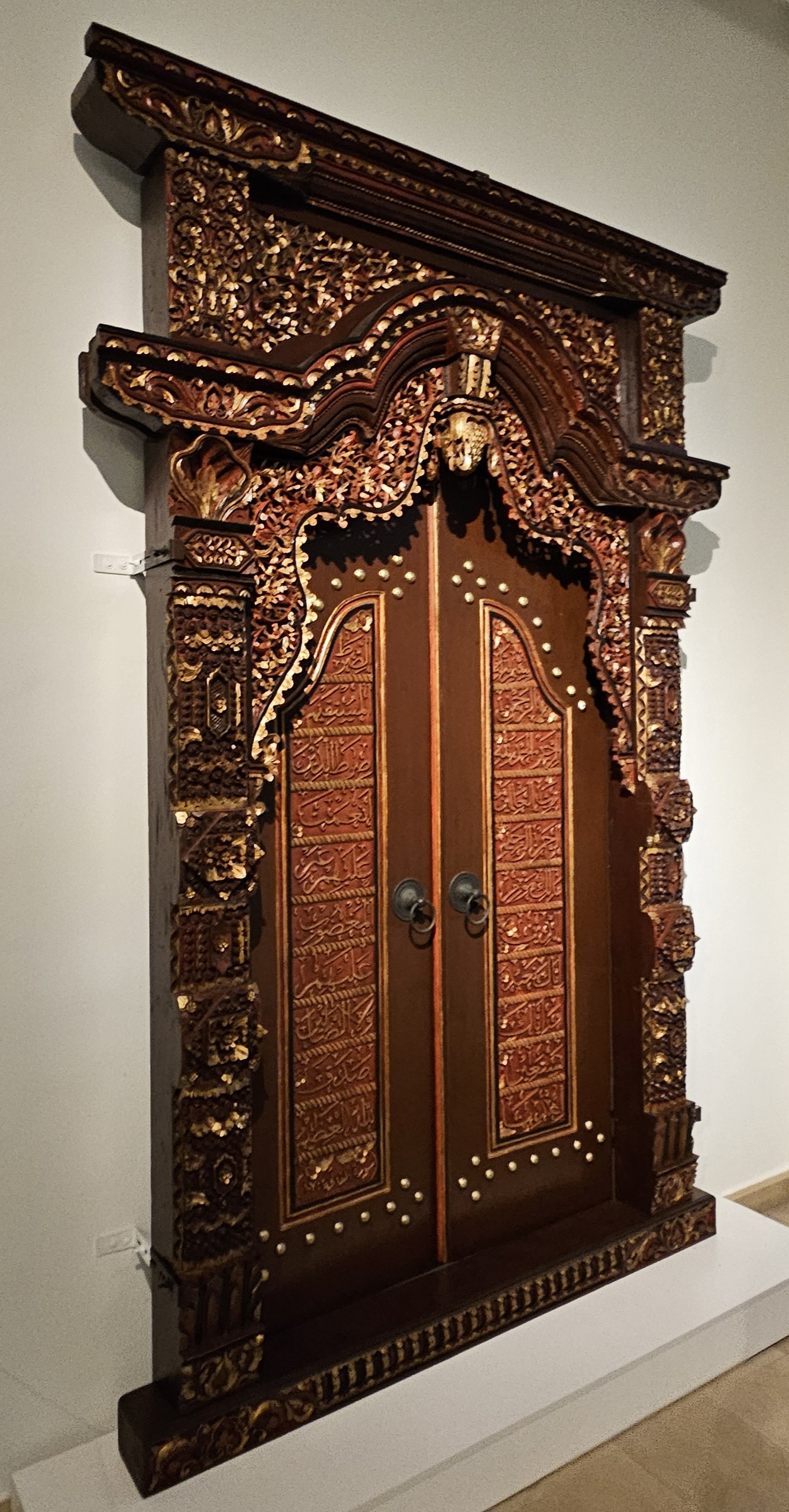
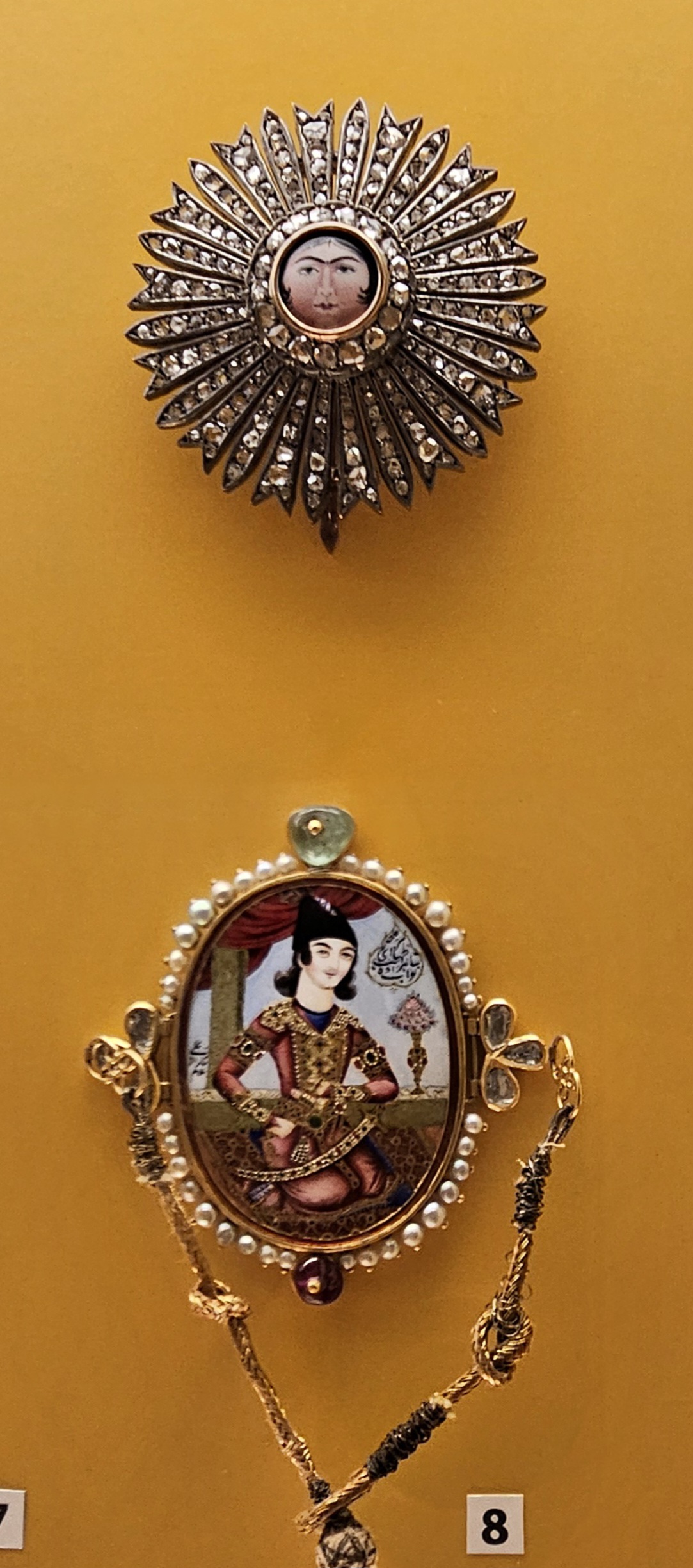
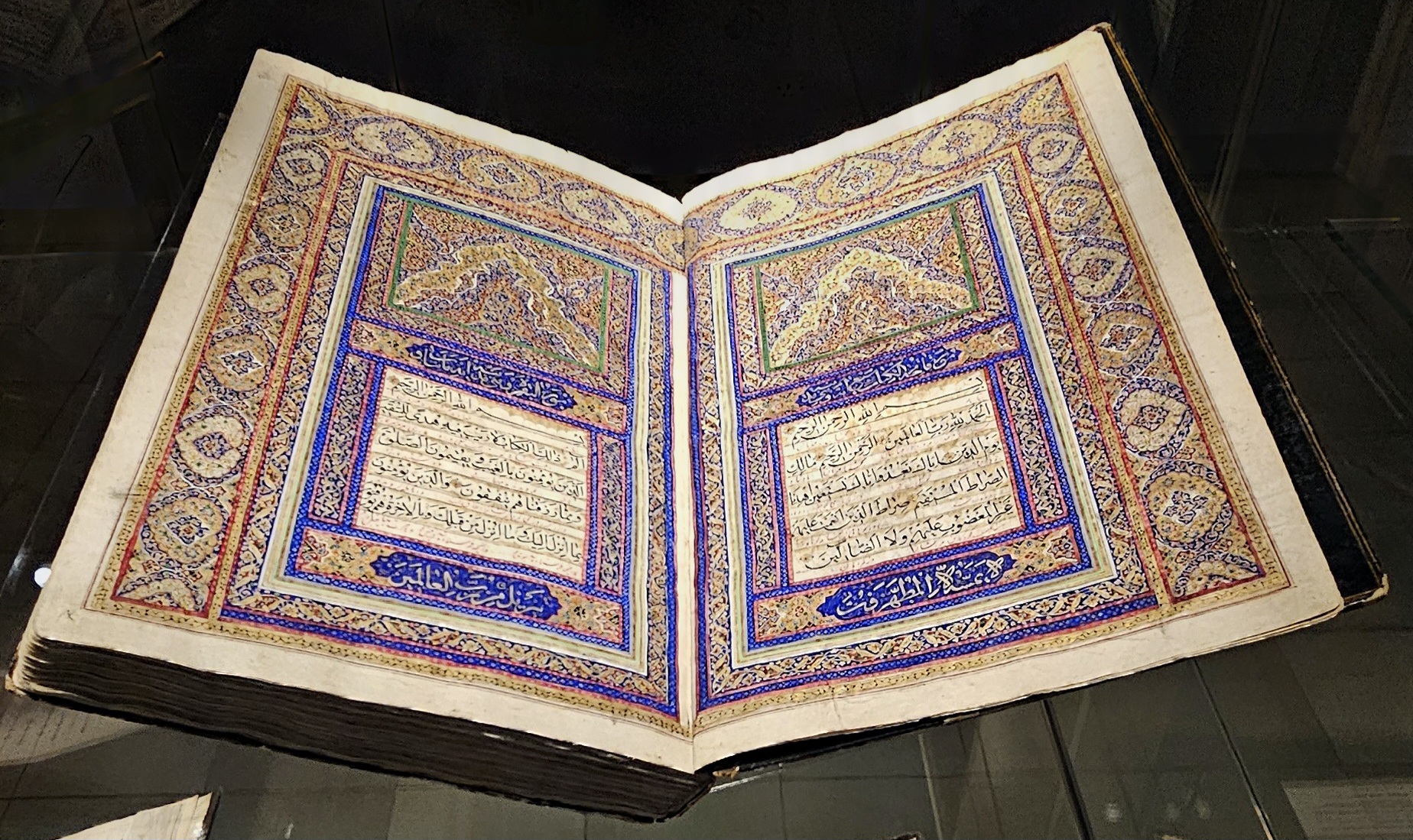
All the art was arranged so beautifully in such a nice museum, that it was one of my favorites of all that we have visited so far in our eight months in SE Asia. Not to be missed when visiting KL for sure!
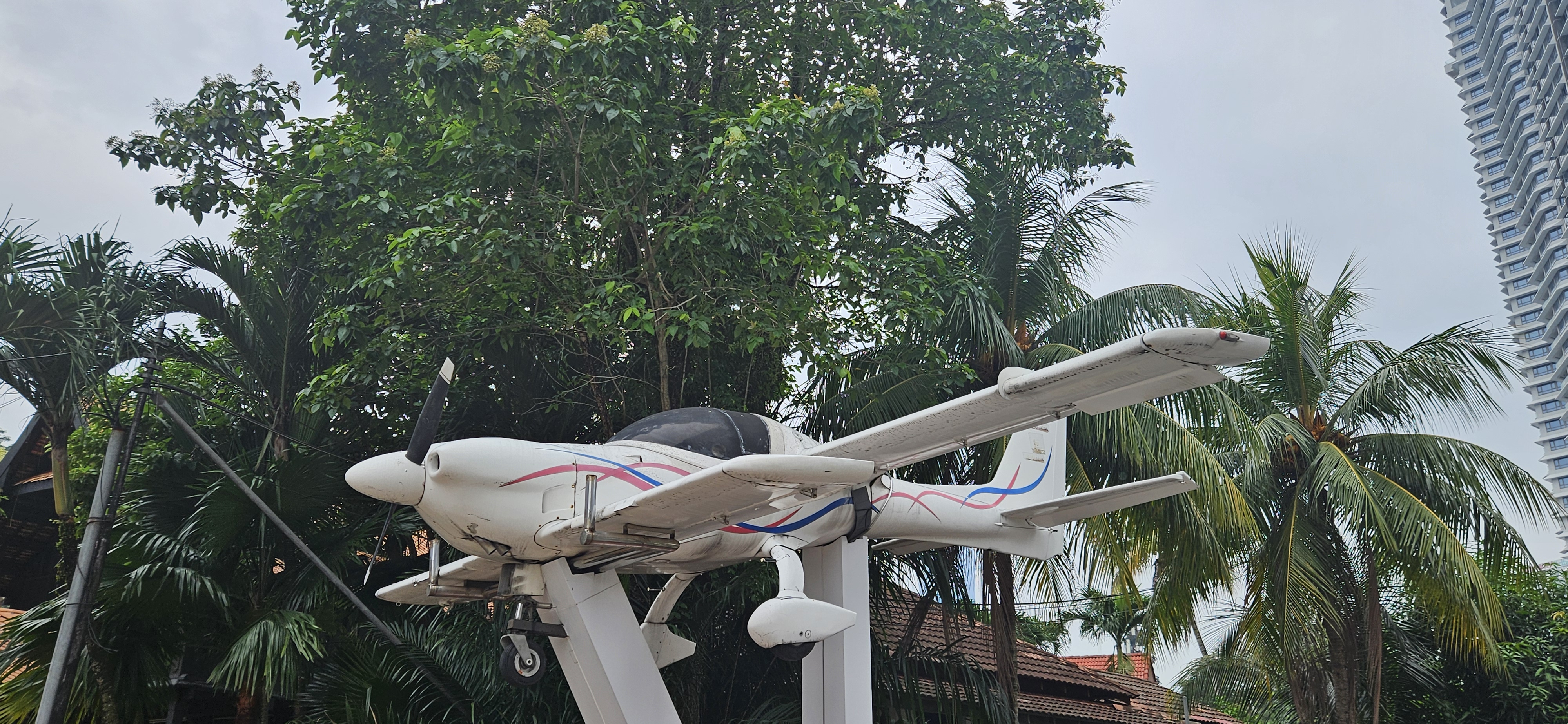
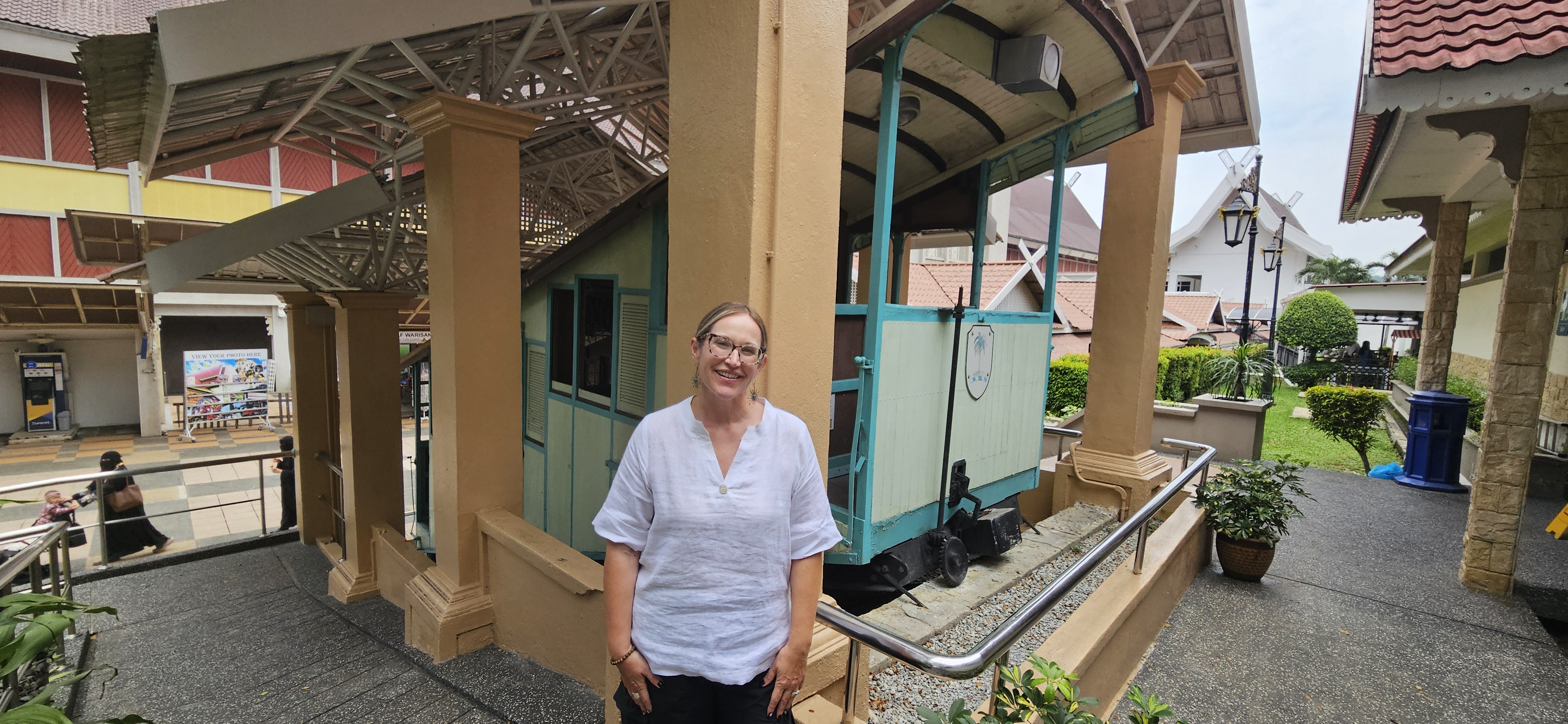
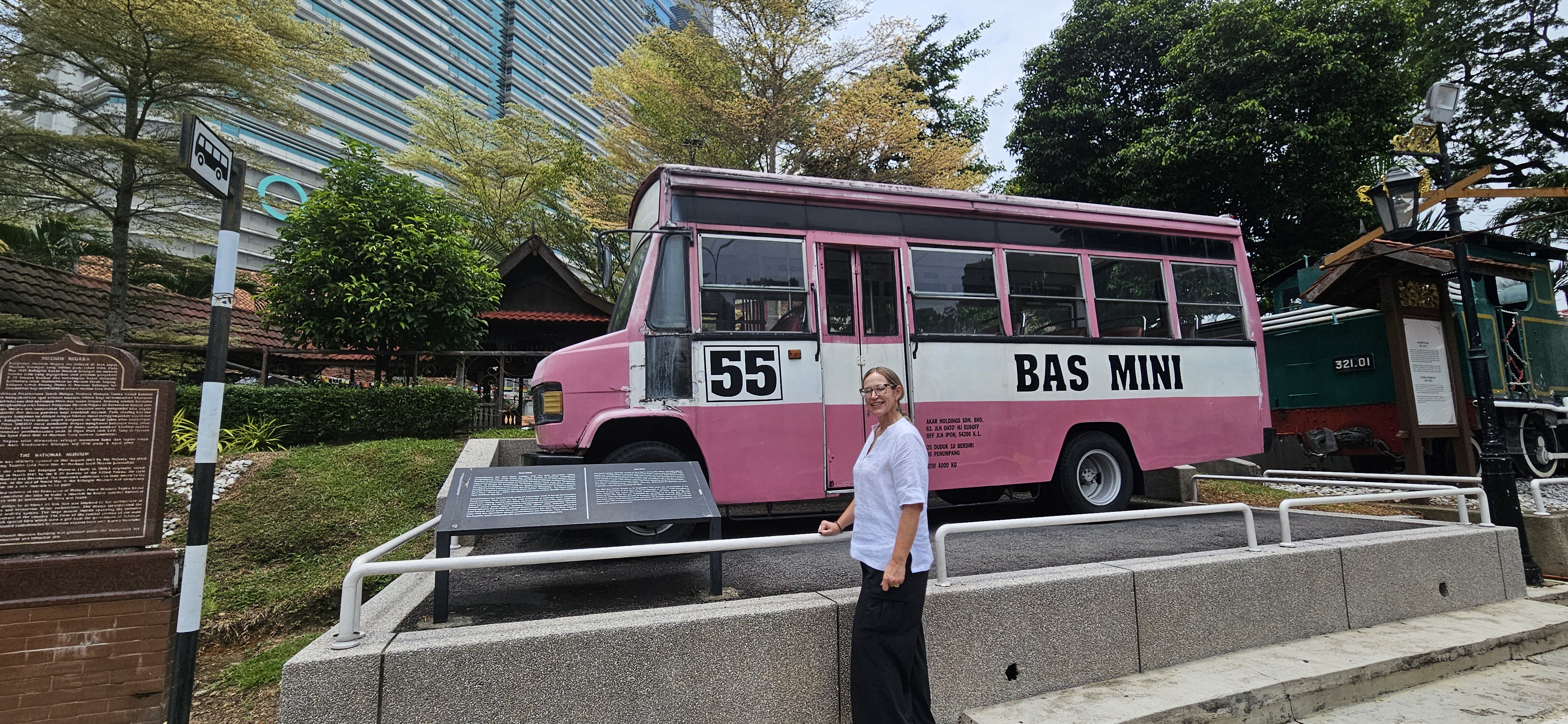
Another day we visited the National Museum of Malaysia, which started with a lot of exterior exhibits, including a mini-plane, pink bus, and even an old funicular (sadly though we could not ride this one).
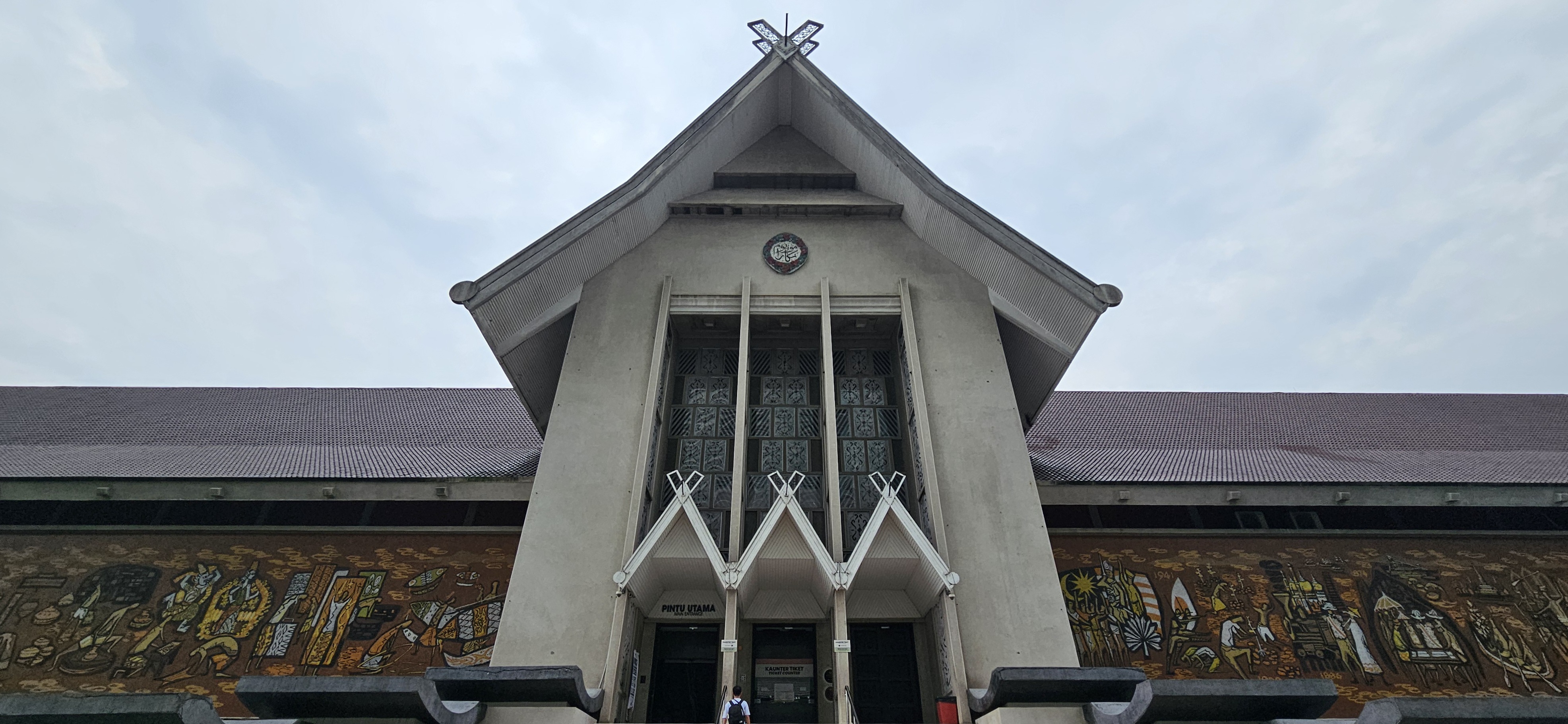
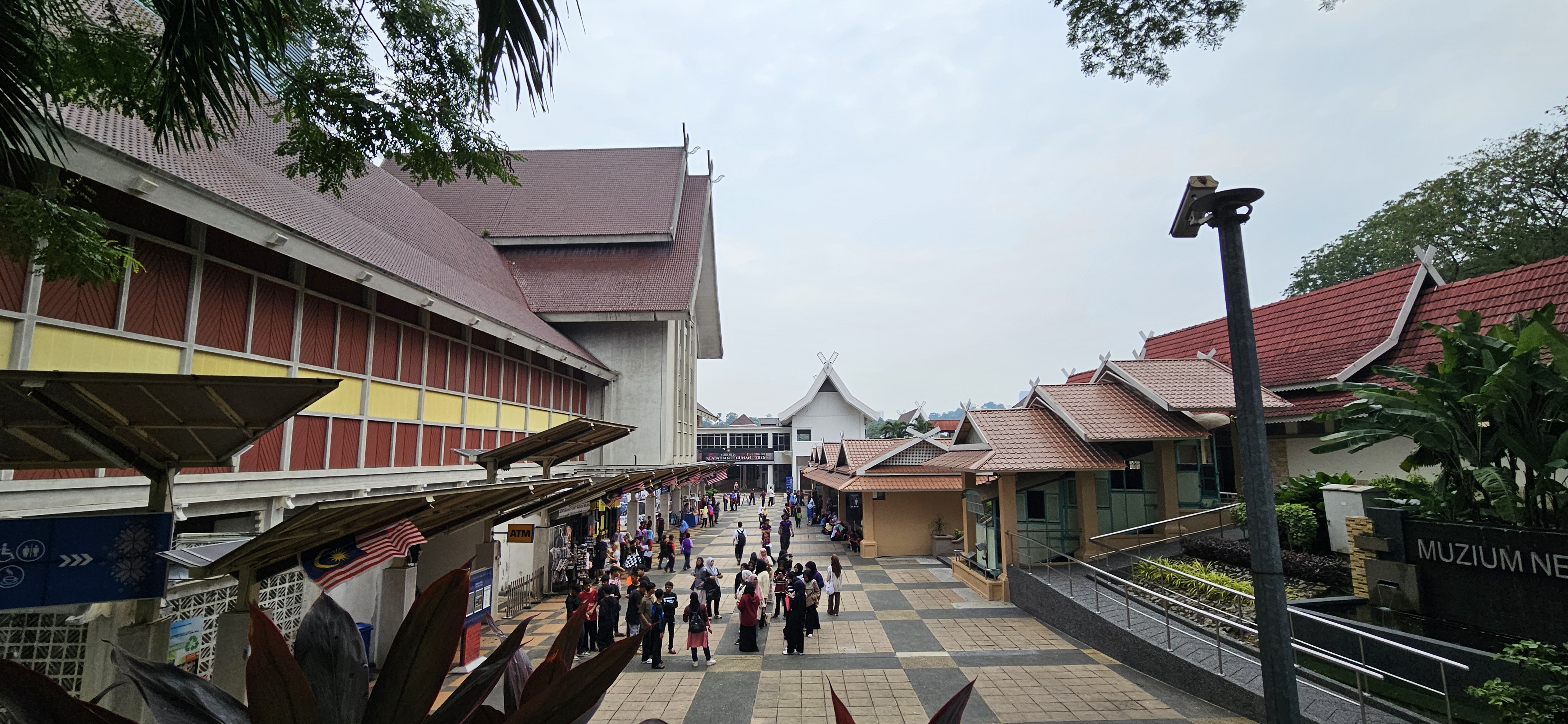
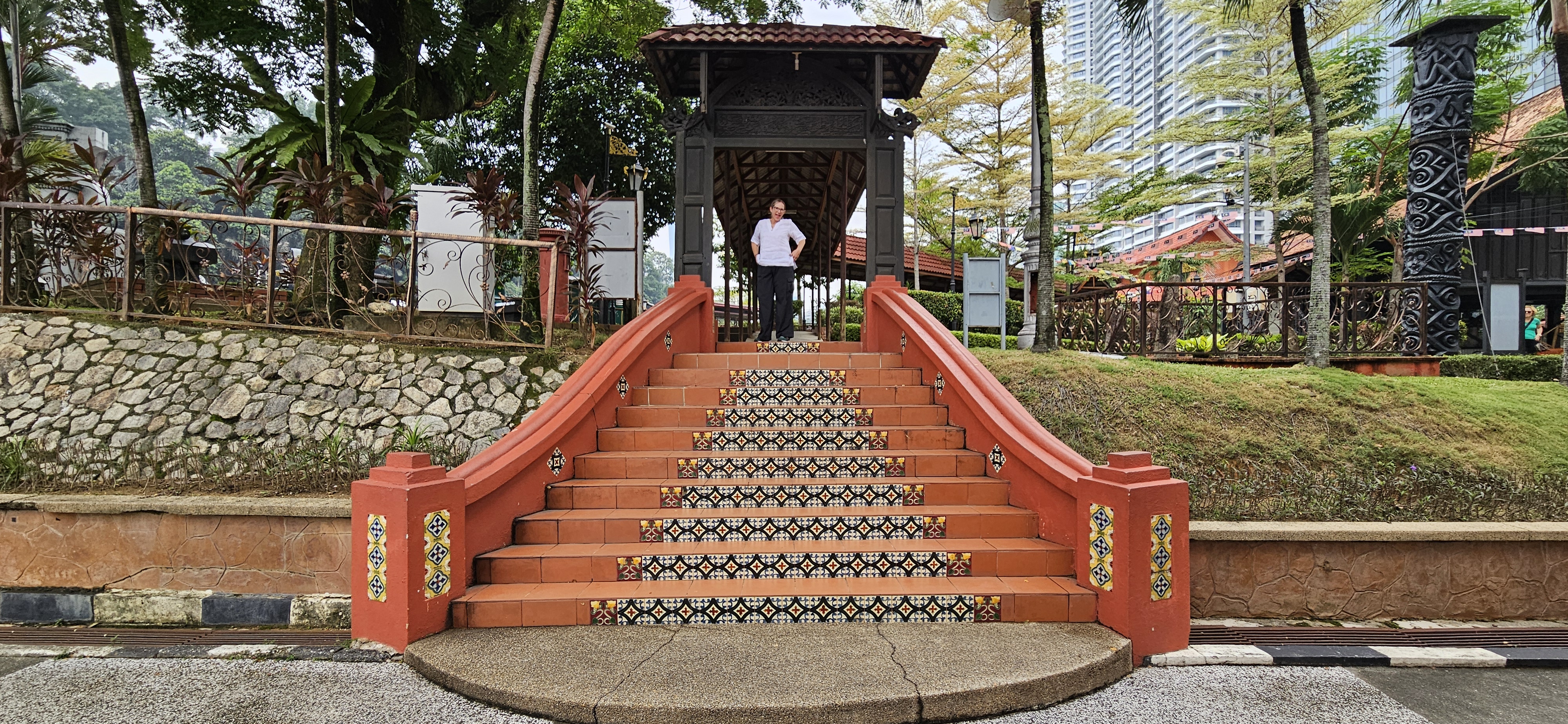
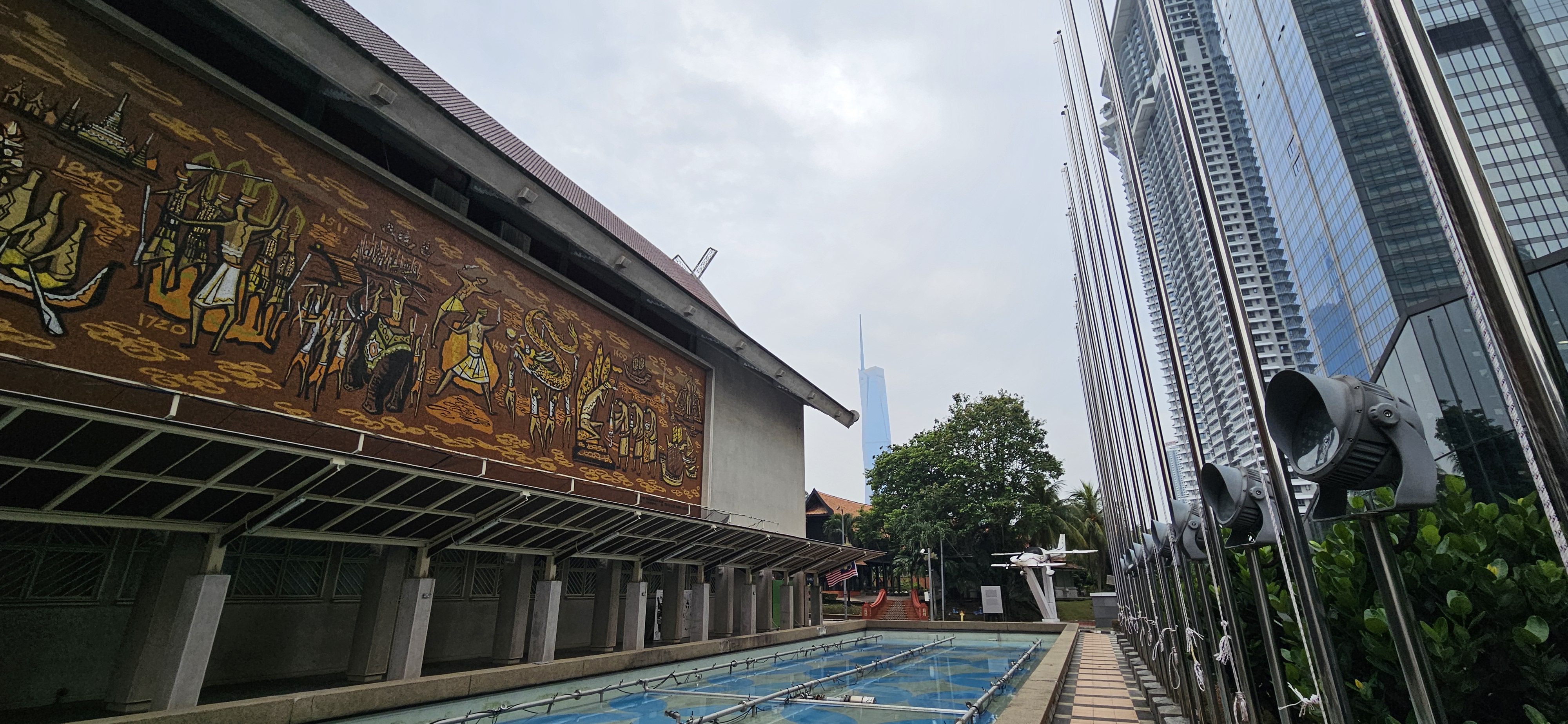
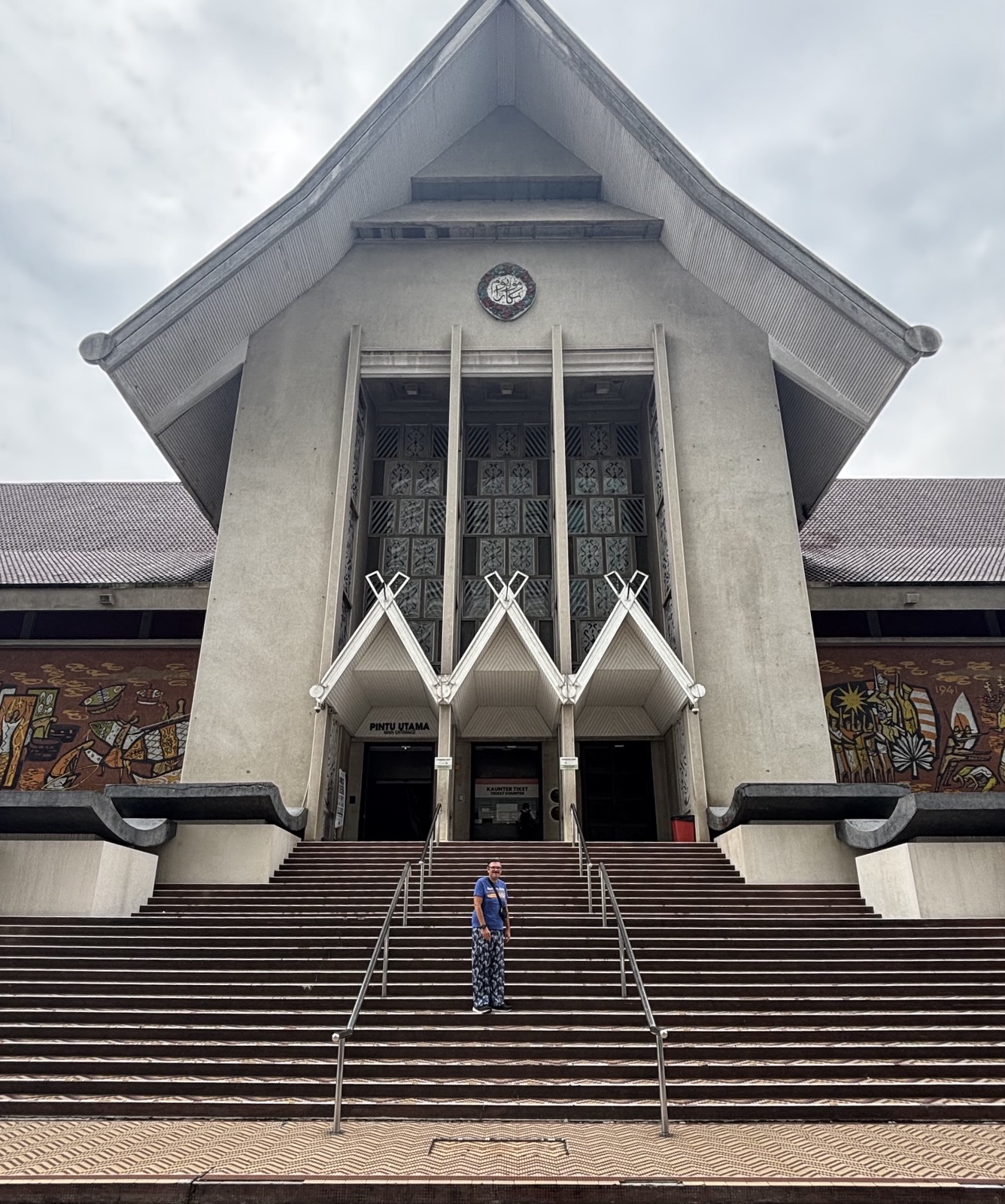
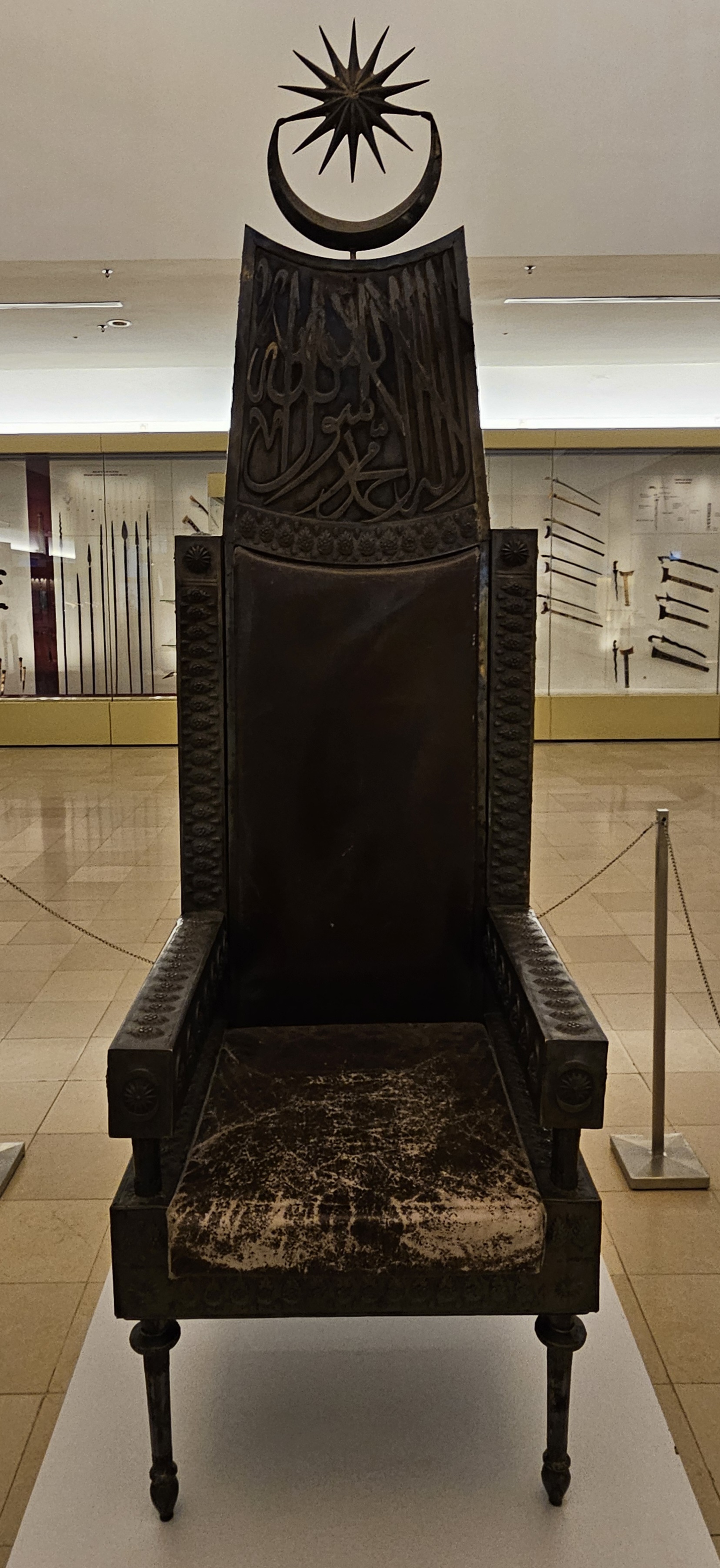
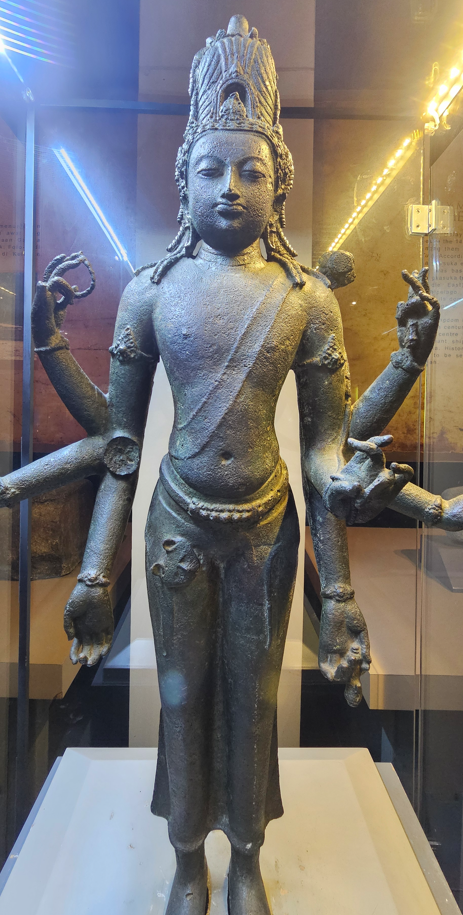
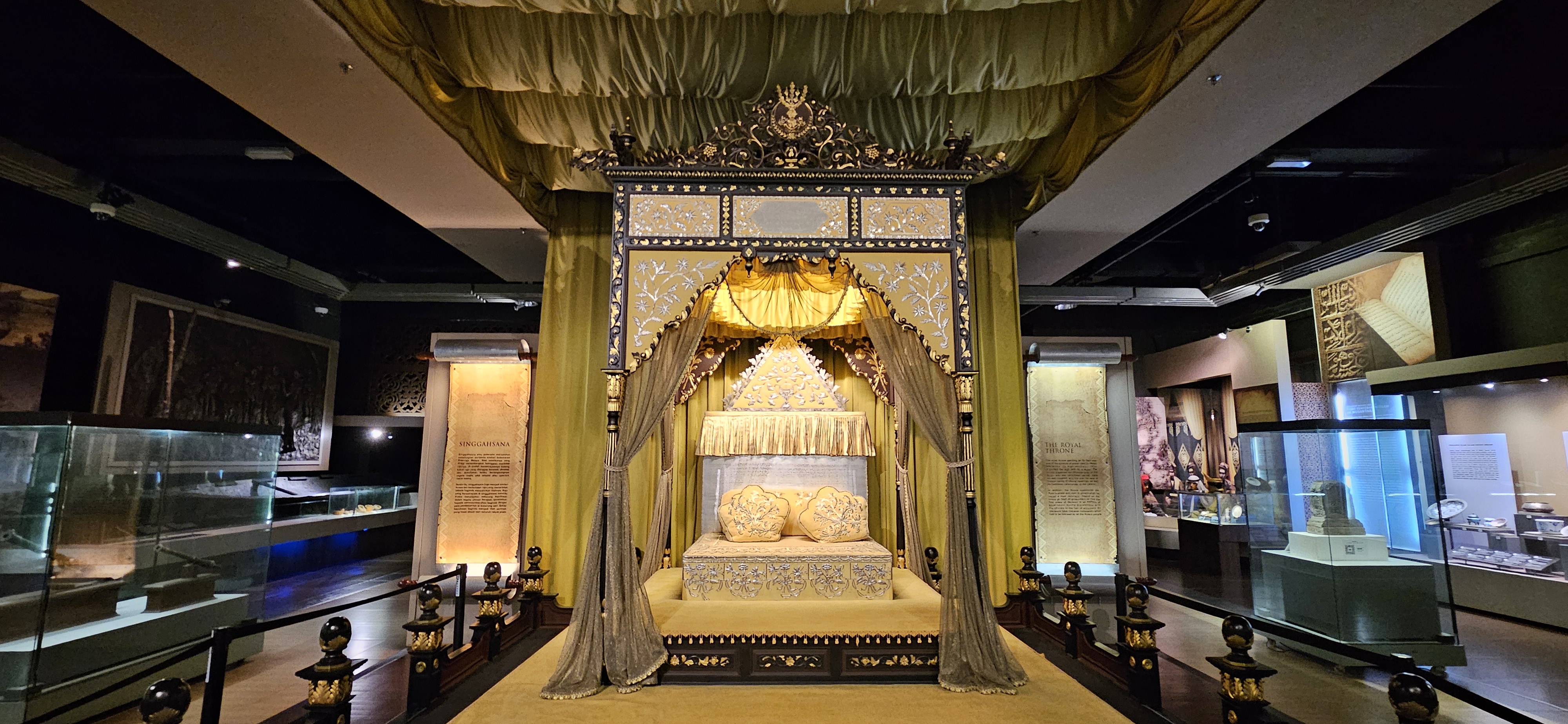
Inside there was a lot of history on Malaysia from ancient to modern times. I liked the Kris daggers, some of the statues, and a replica of the Royal throne of Perak as it looked back in 1918.
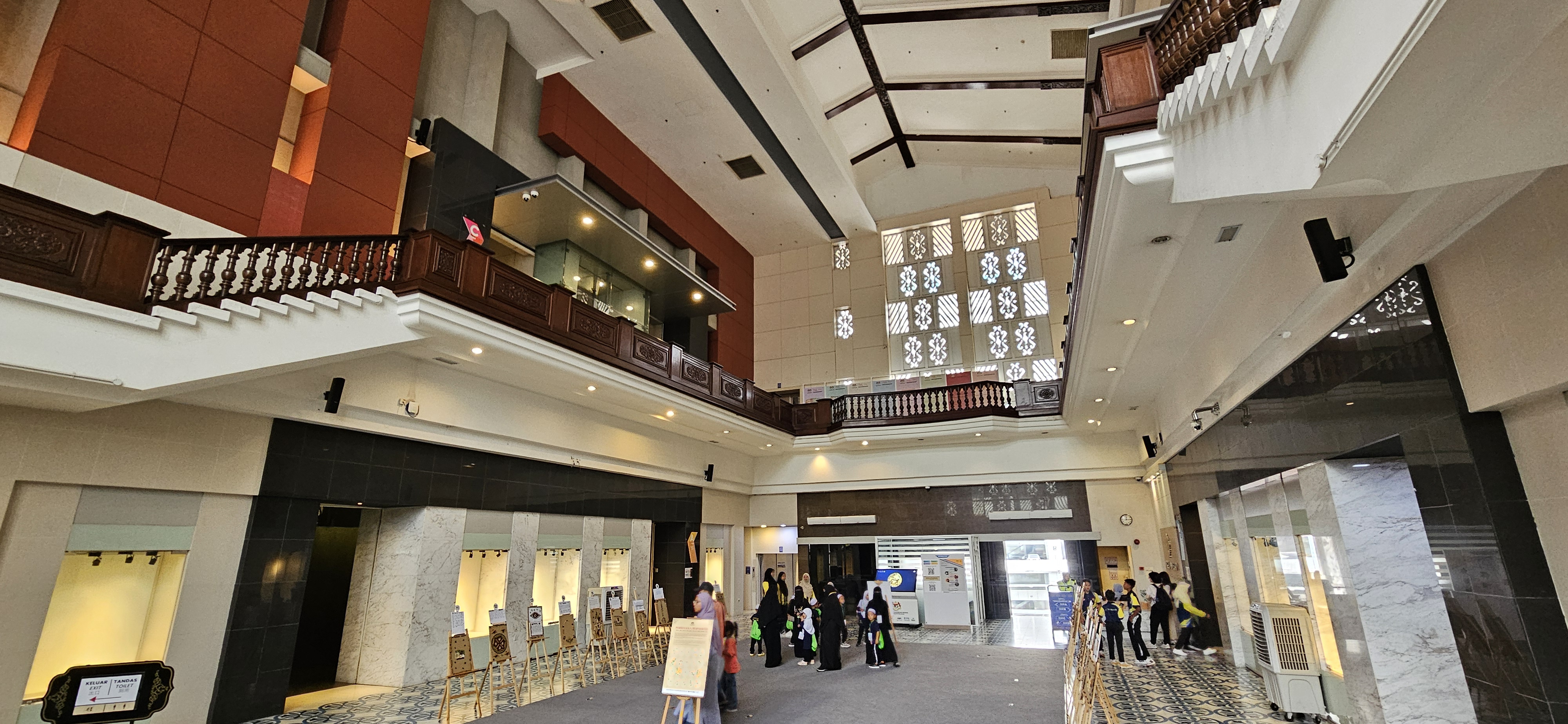
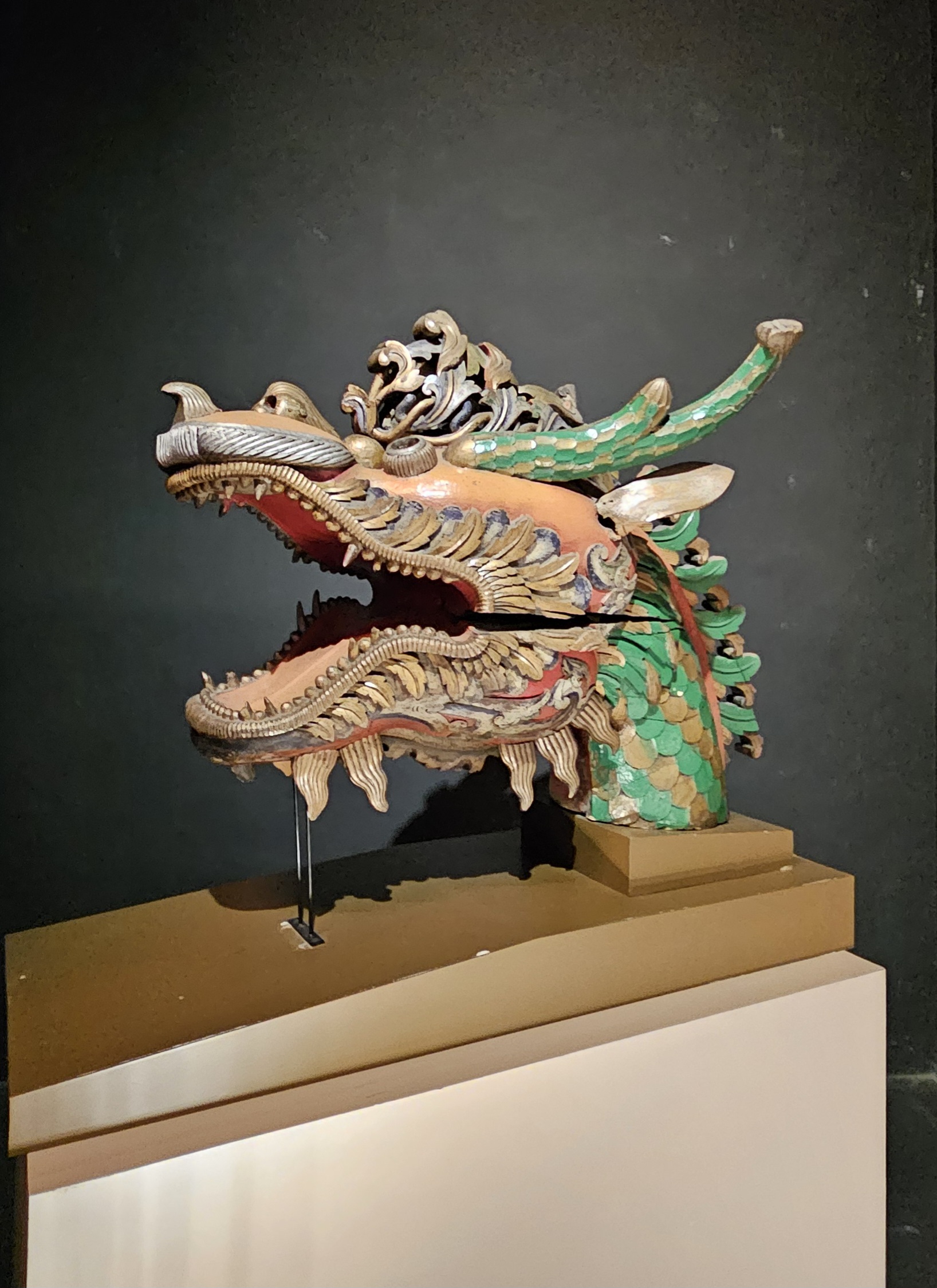
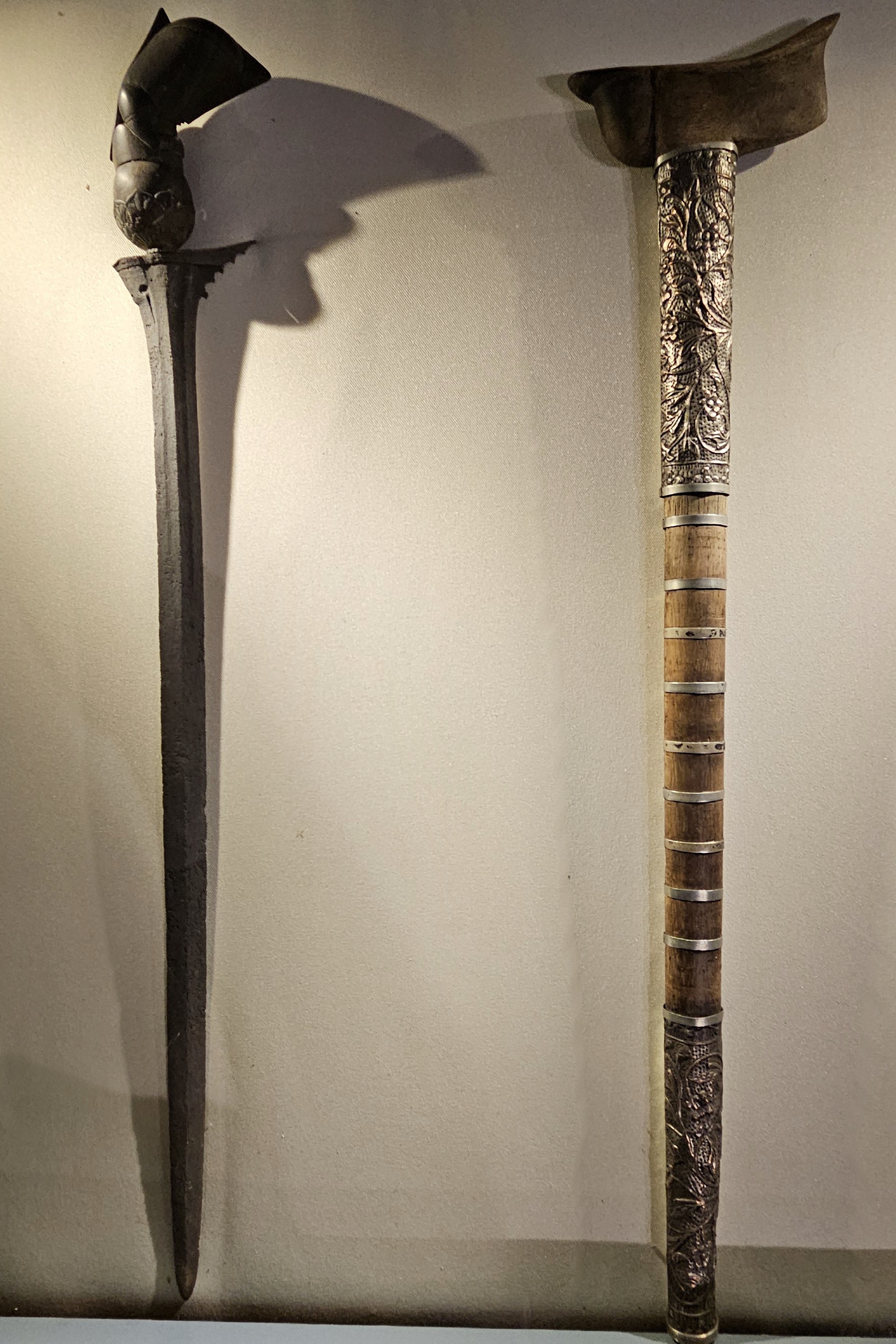
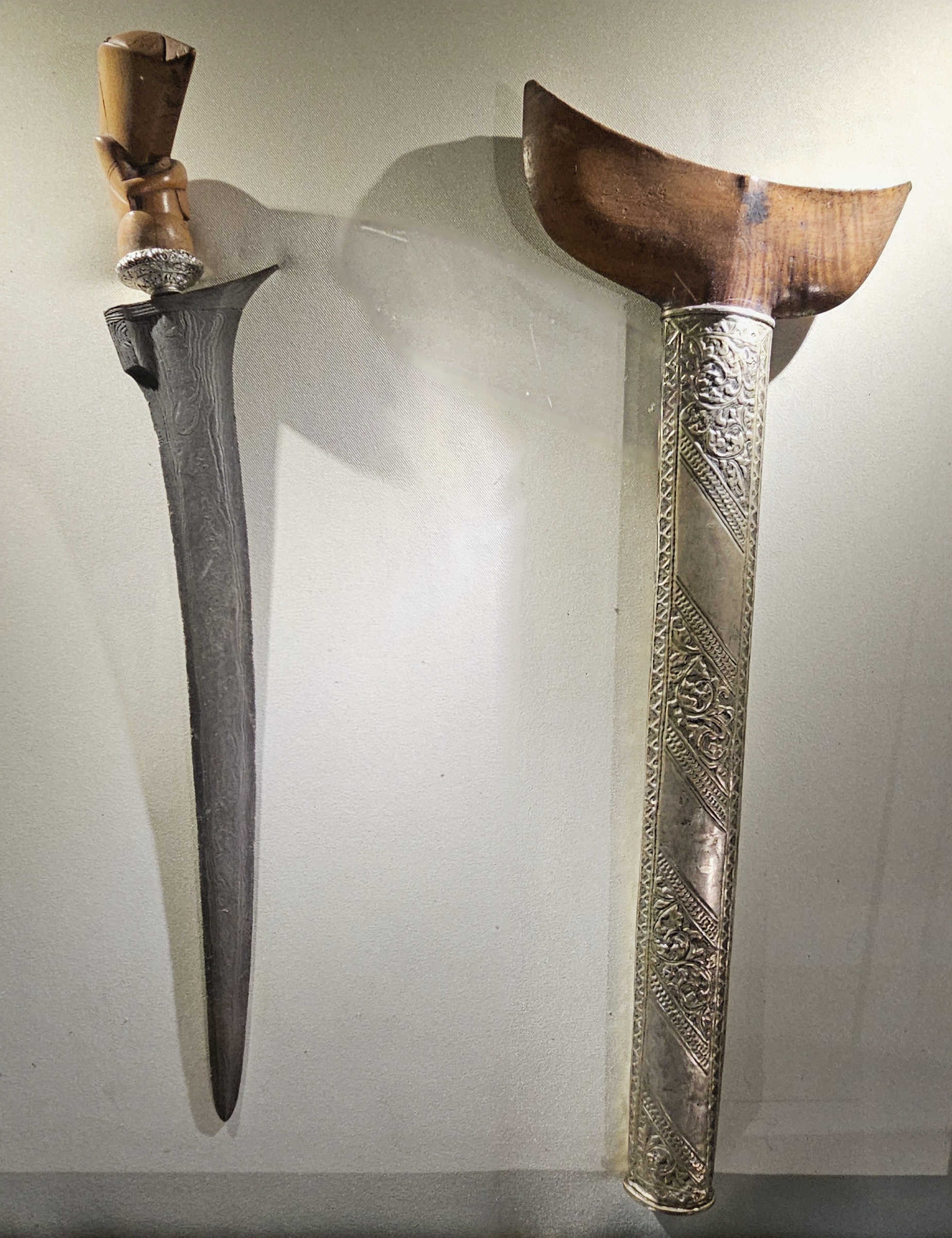
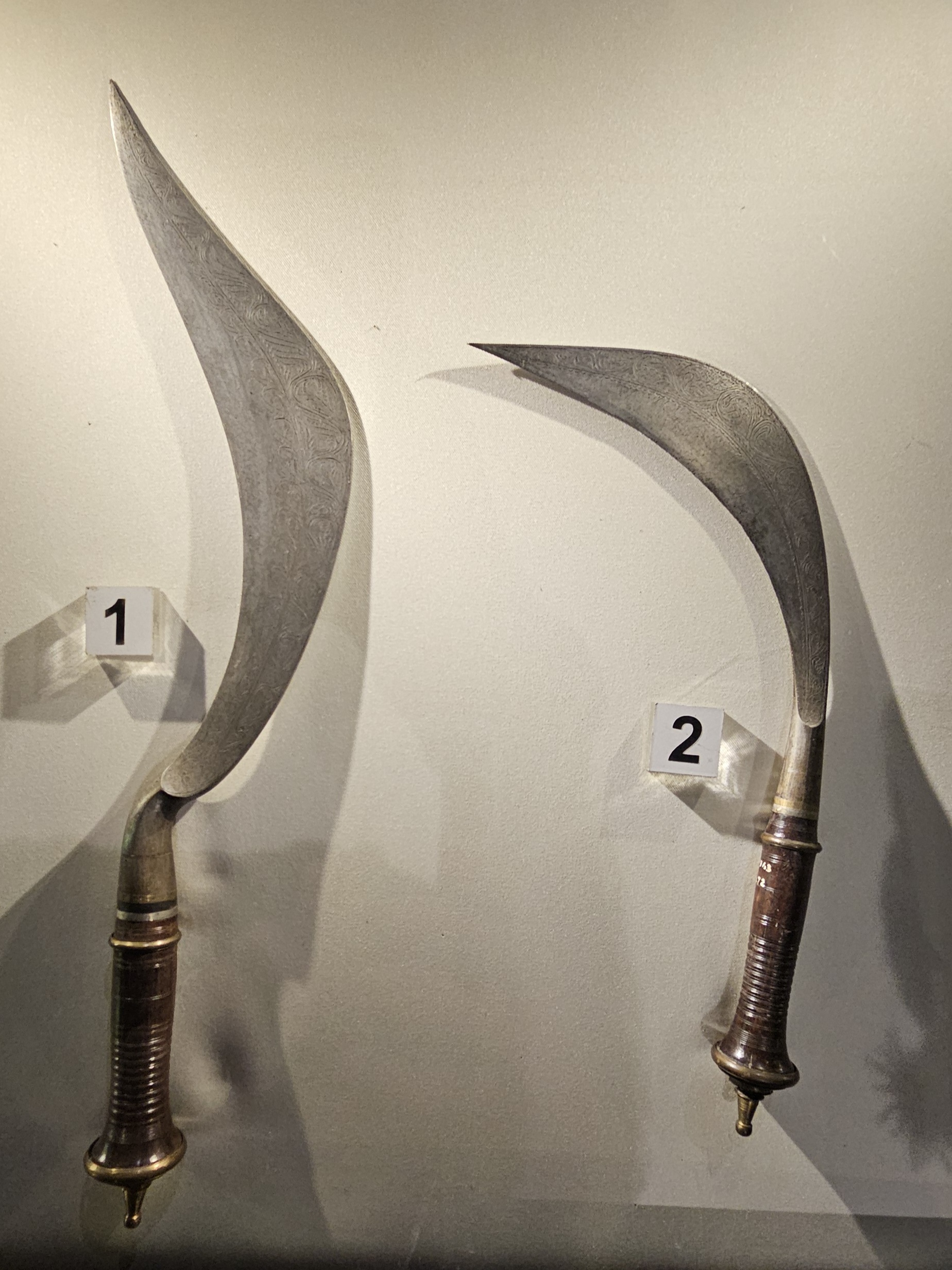
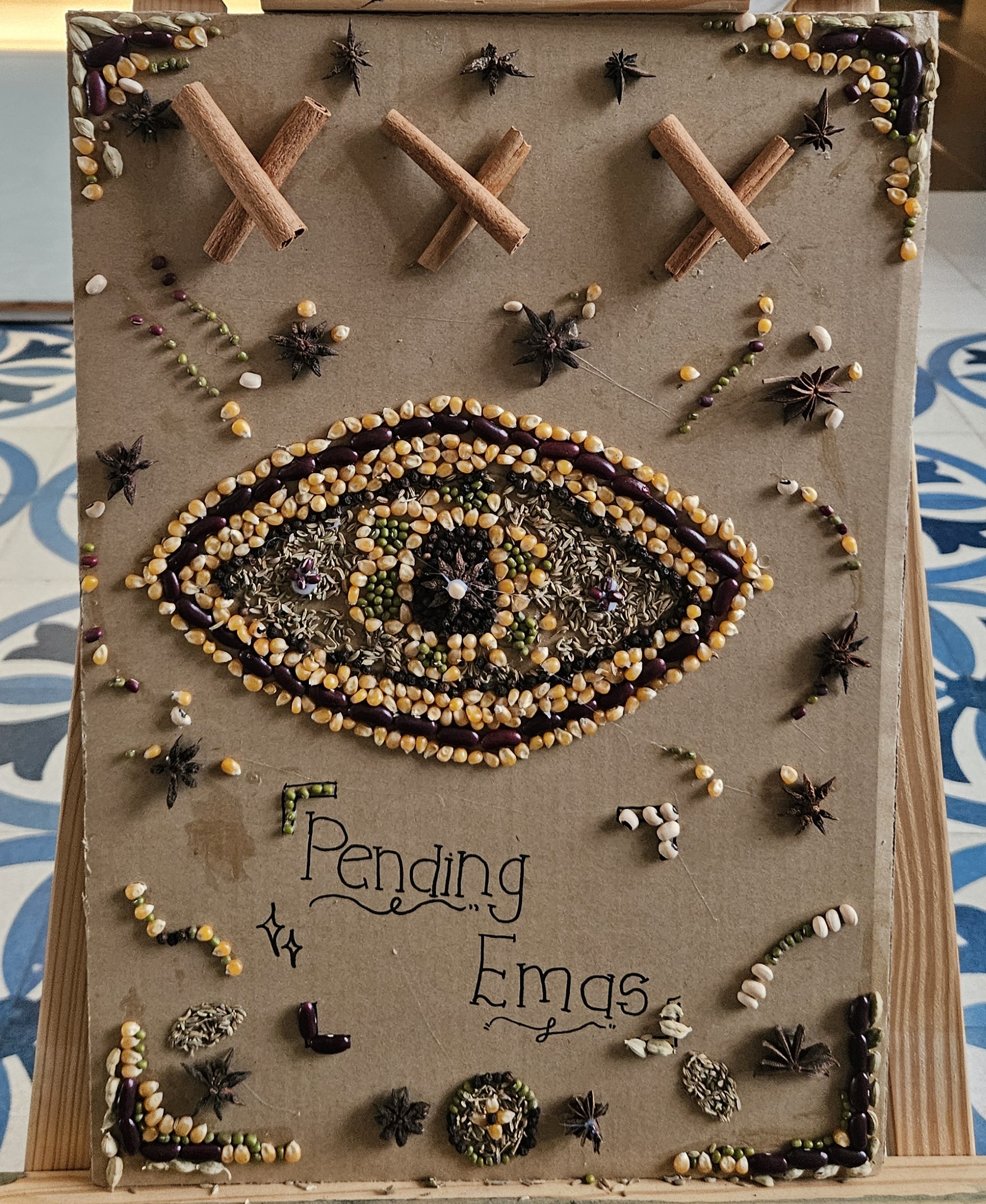
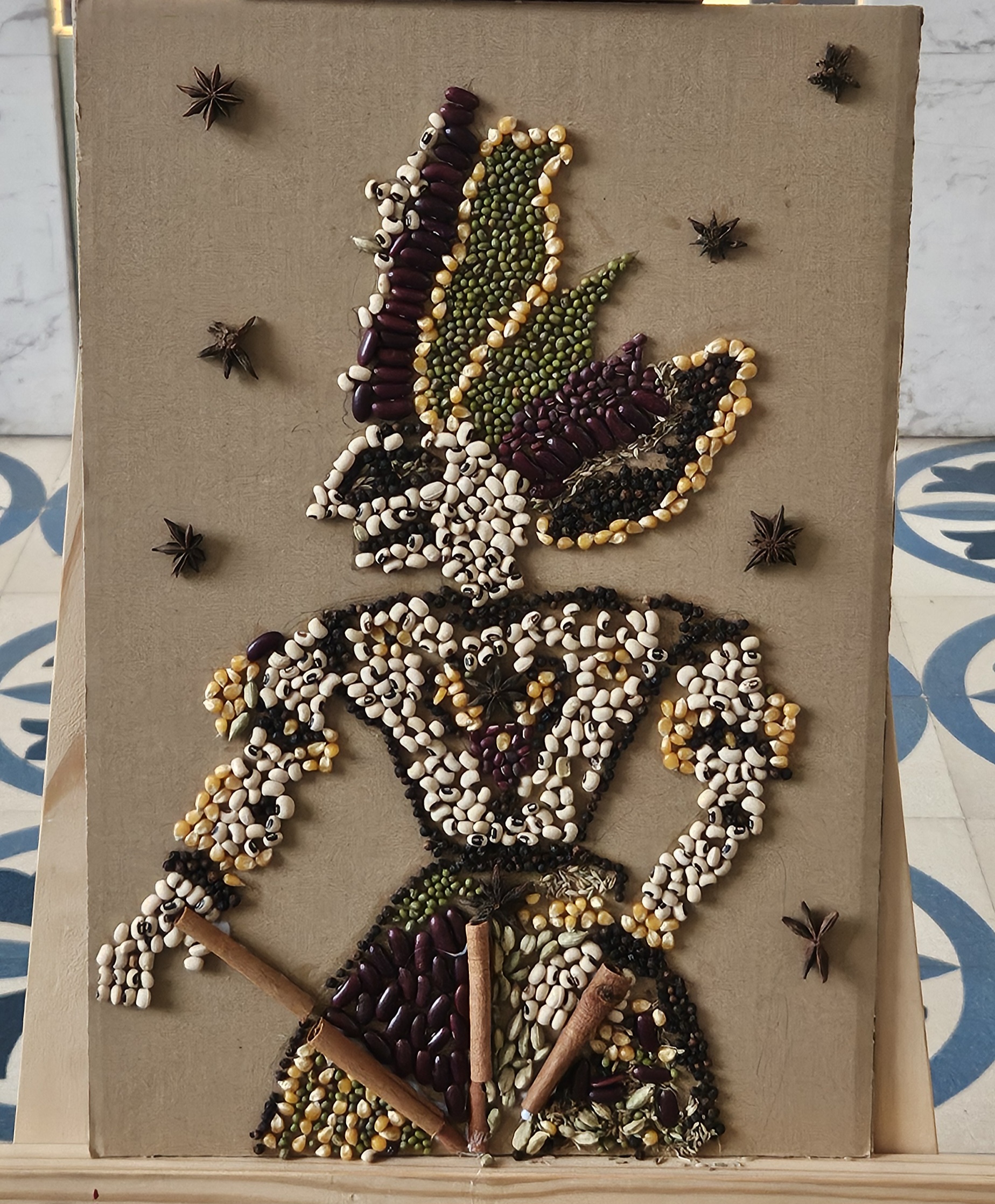
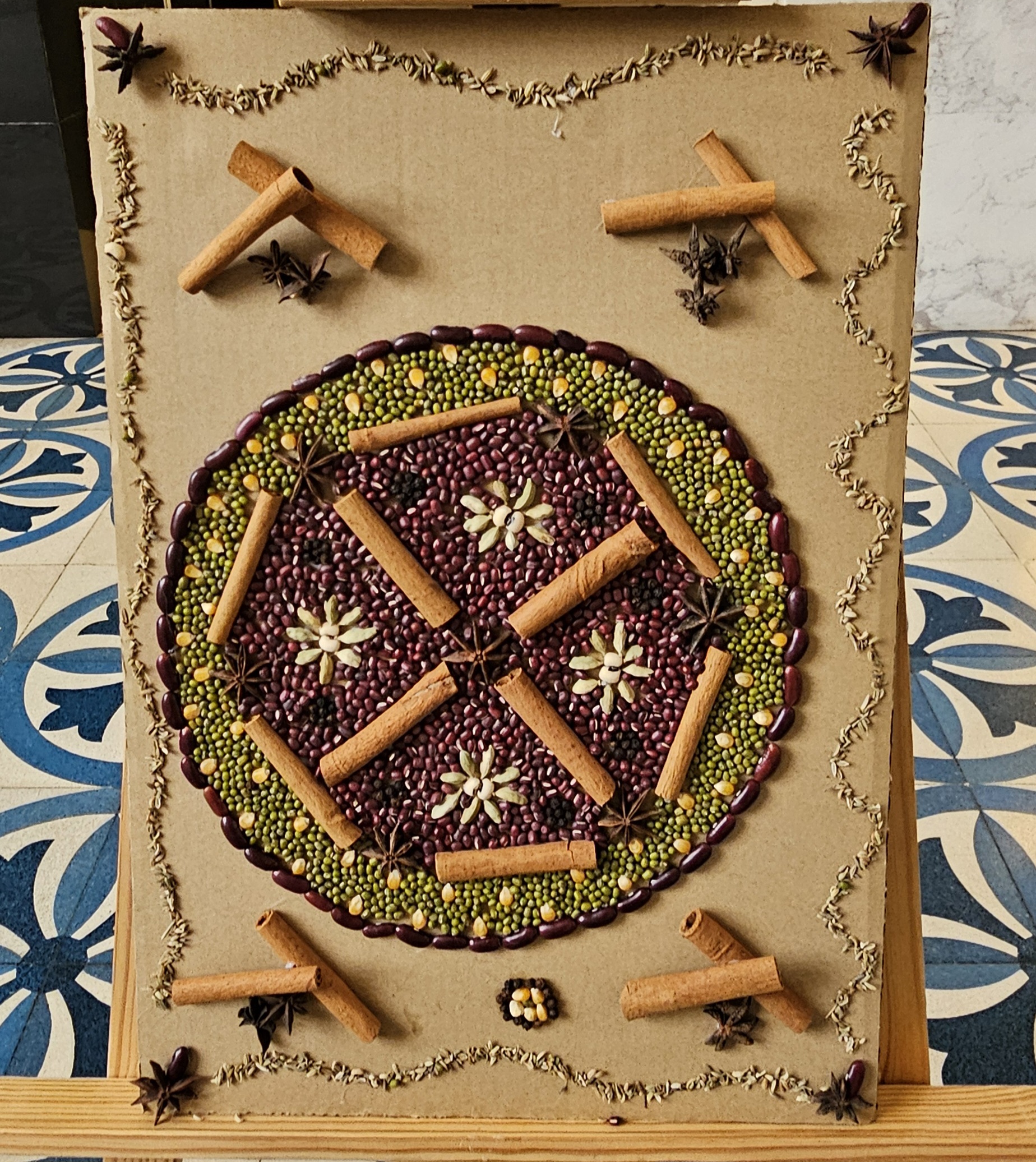
We were visiting along with a few groups of school children, and they are usually excited to say hi to us, and these were no different. We learned the school groups are usually from more rural places in the country, so don’t see Westerners as often, and are thus more friendly to us. In the entrance hall was a temporary exhibit of famous Malaysian items, made of different colored beans, seeds and cinnamon sticks. Visitors could vote on their favorite.
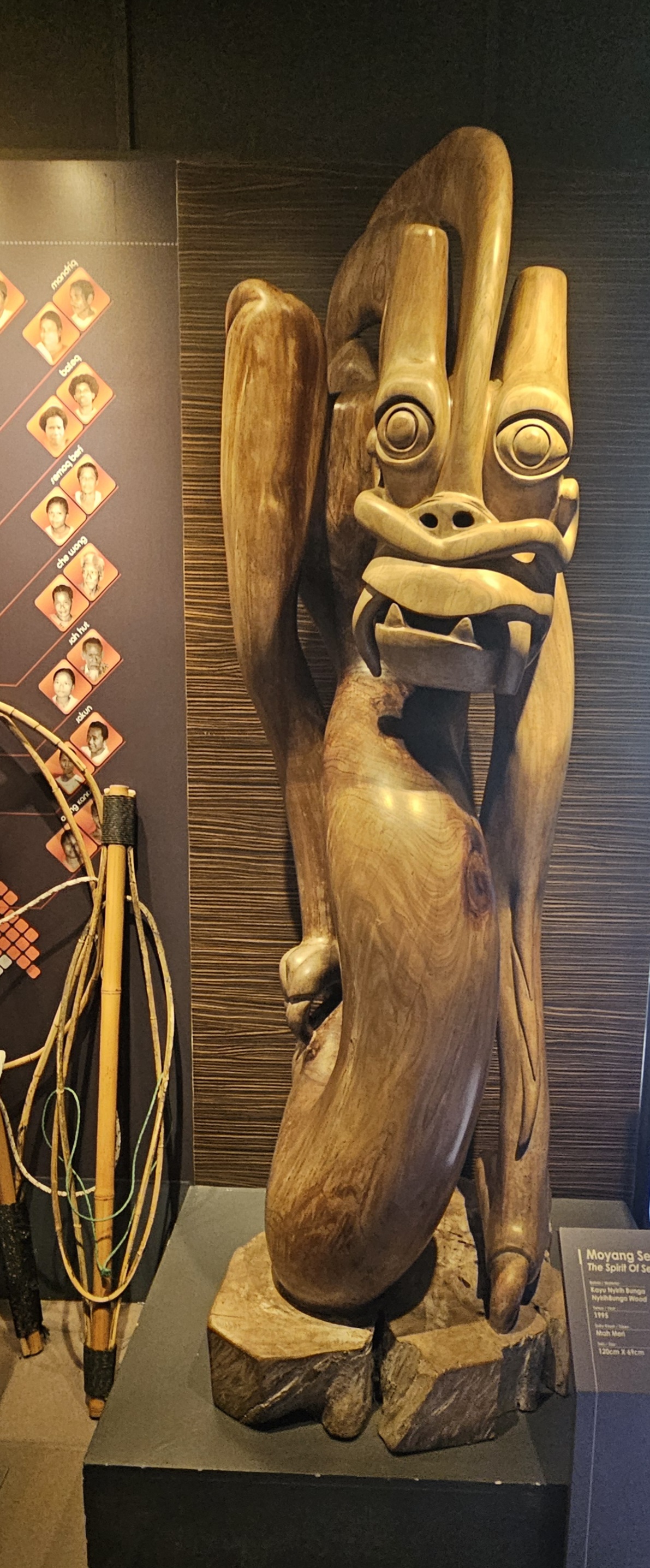
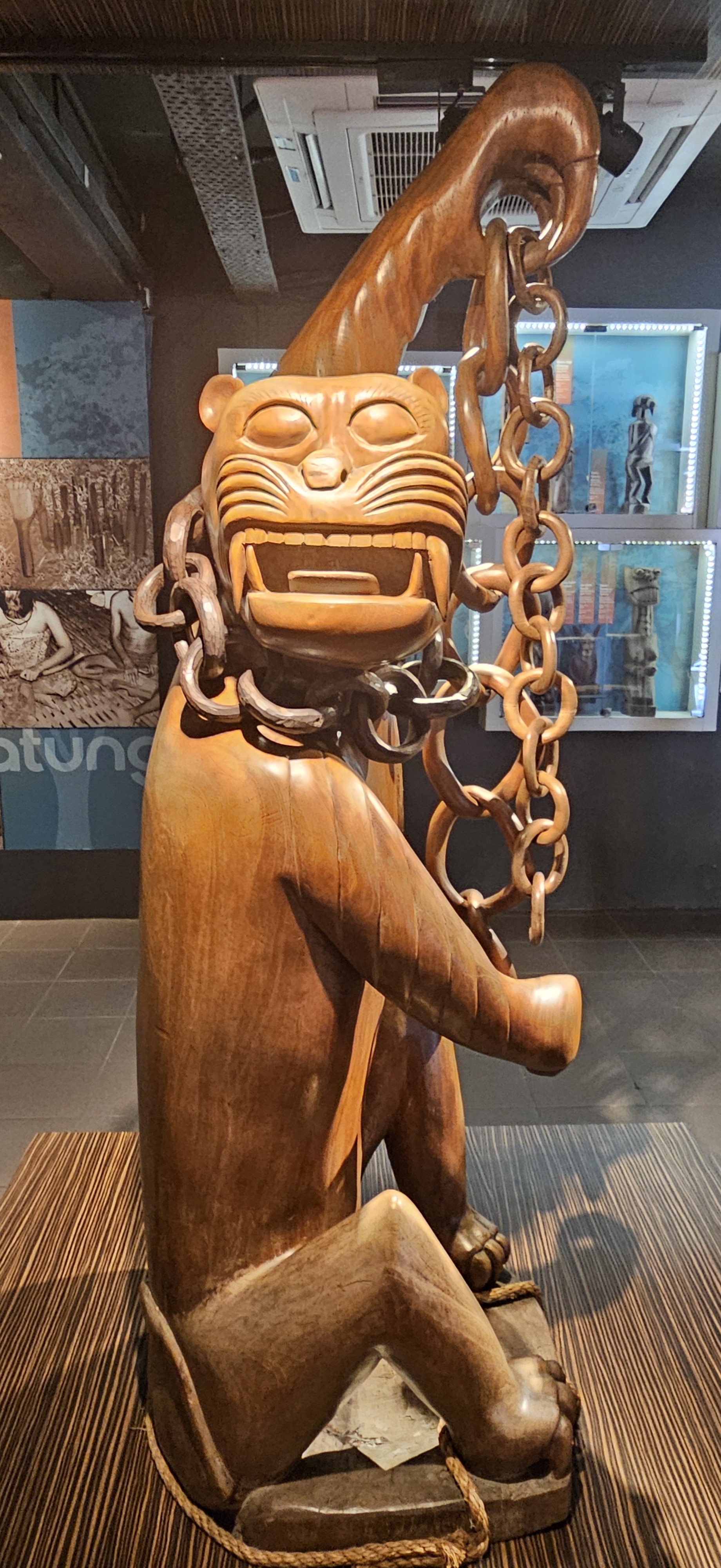
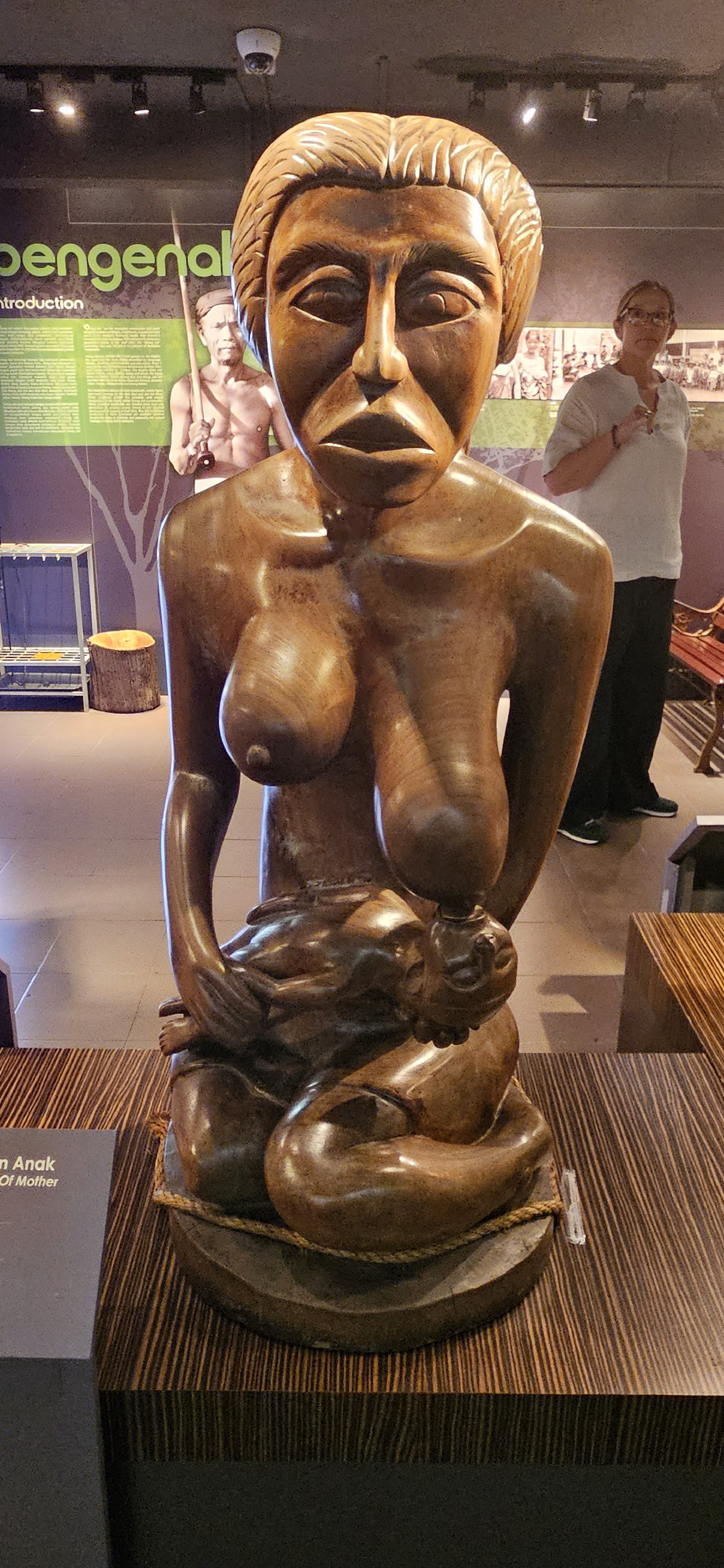
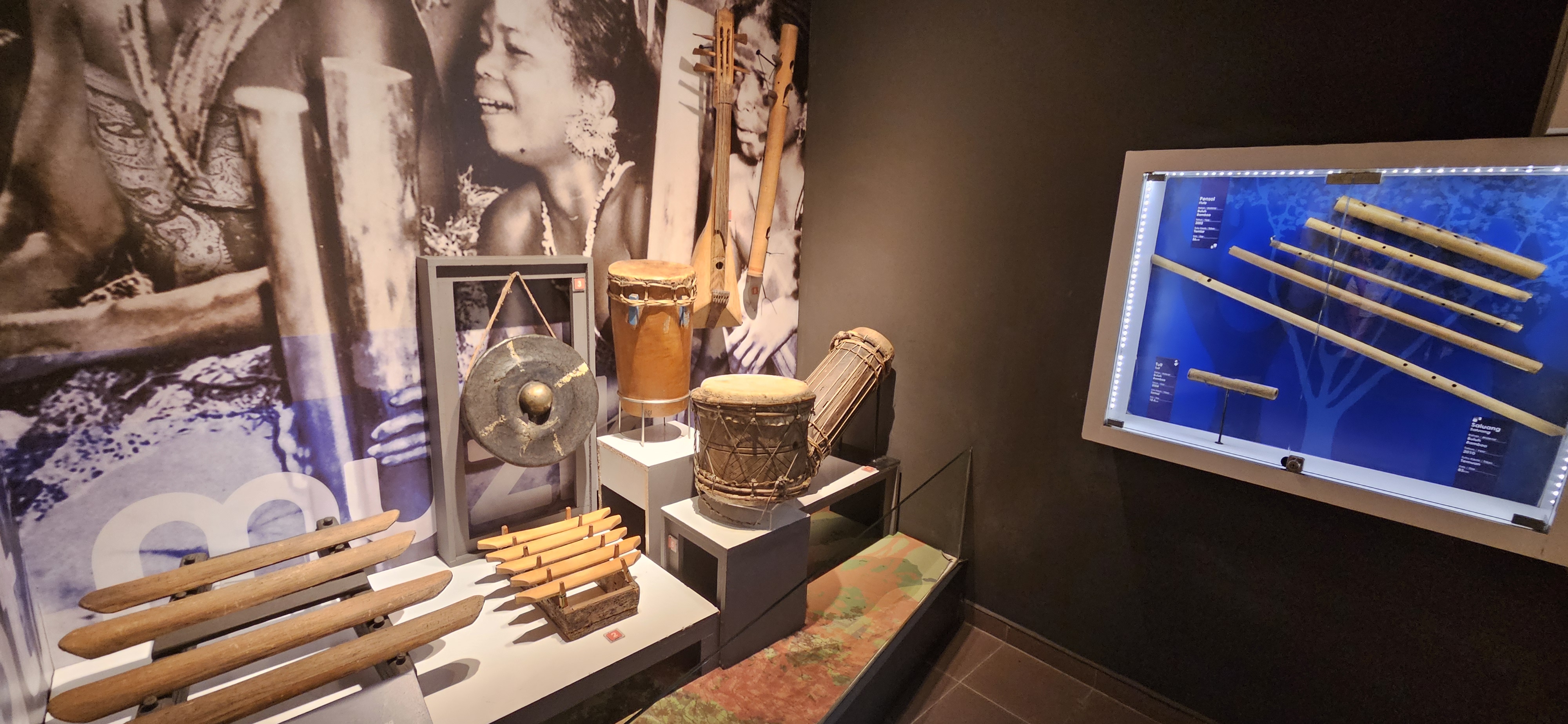
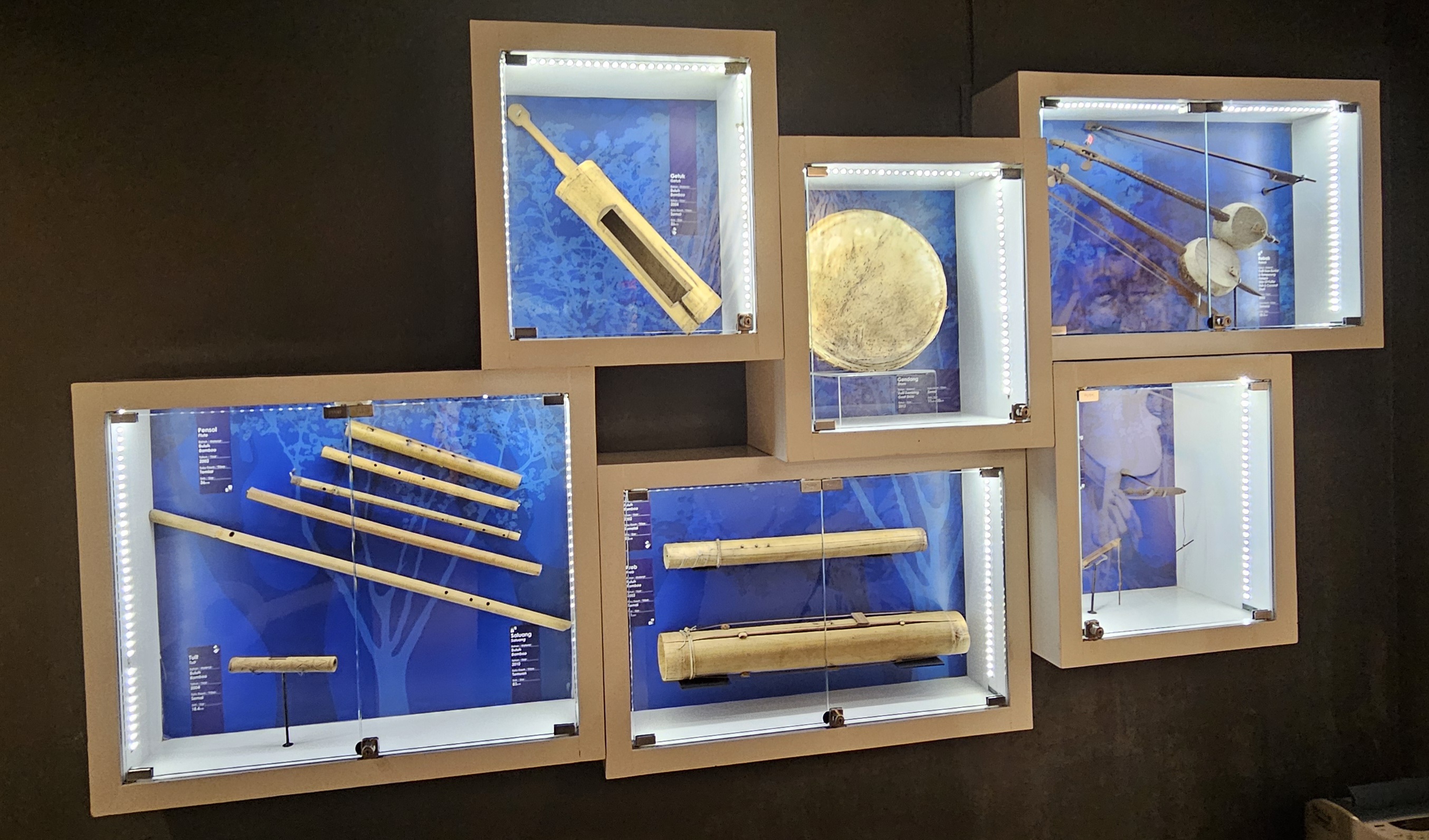
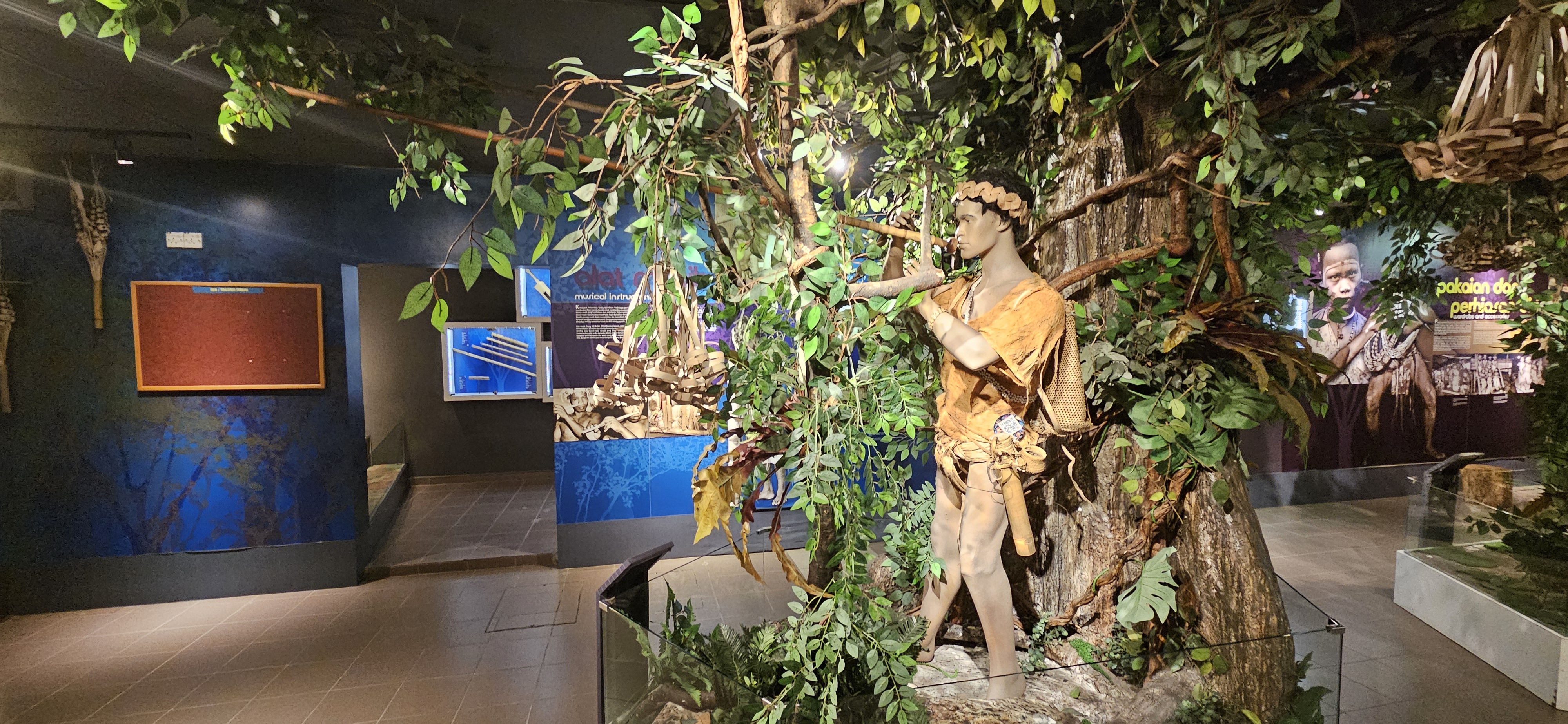
Our Museum ticket also bought us entry into the Orang Asil Crafts Museum, located next door to the National Museum. It is not large, but details the lives of the ingenious tribes of Malaysia that make up the Orang Asal, spread across Malaysia, including East Malaysia. On the peninsula of Malaysia, they are known as the Orang Asil. There were wood statues of some of their gods, musical instruments, and some dioramas on their lives in more ancient times. I appreciated, maybe because of a love of Raiders of the Lost Ark, that they often hunted with blow darts, as you can see in the diorama.
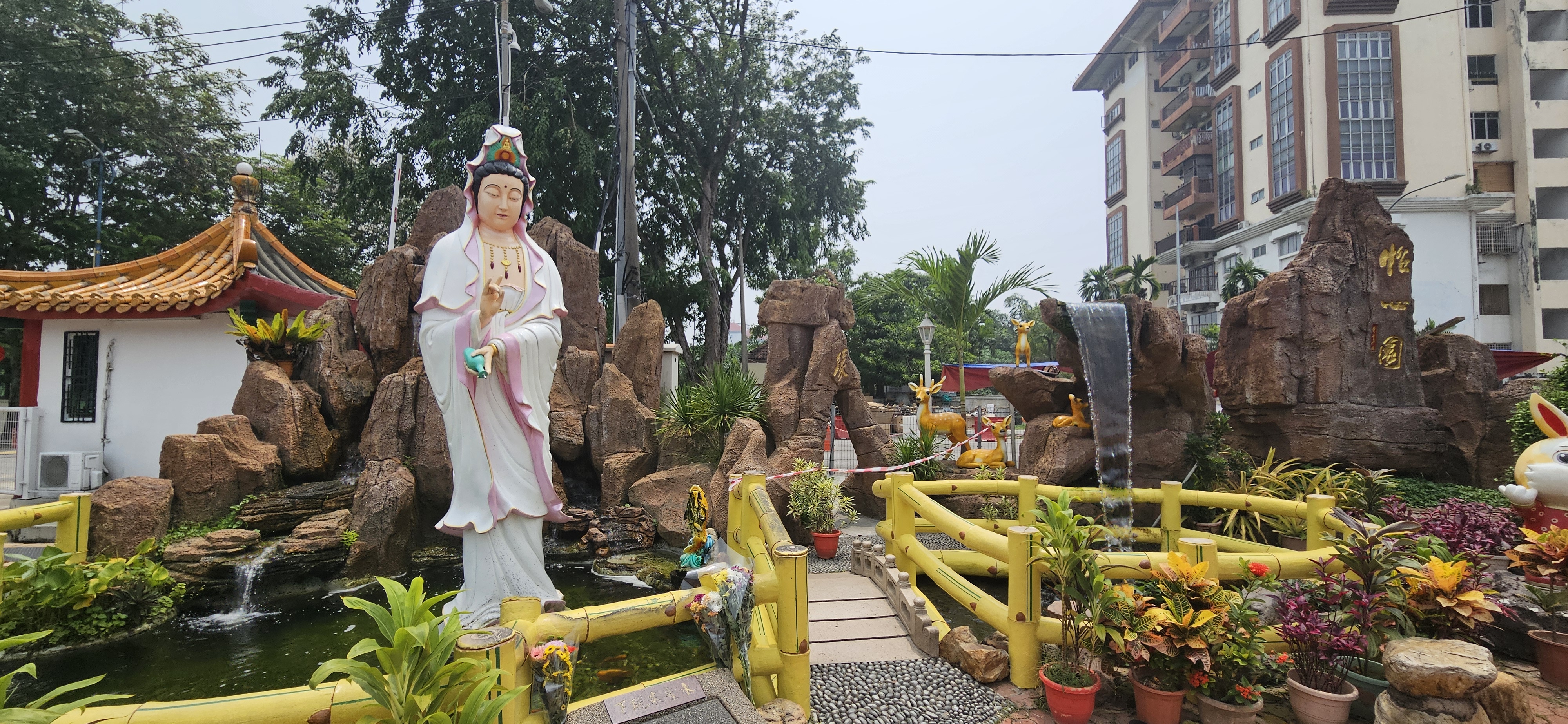
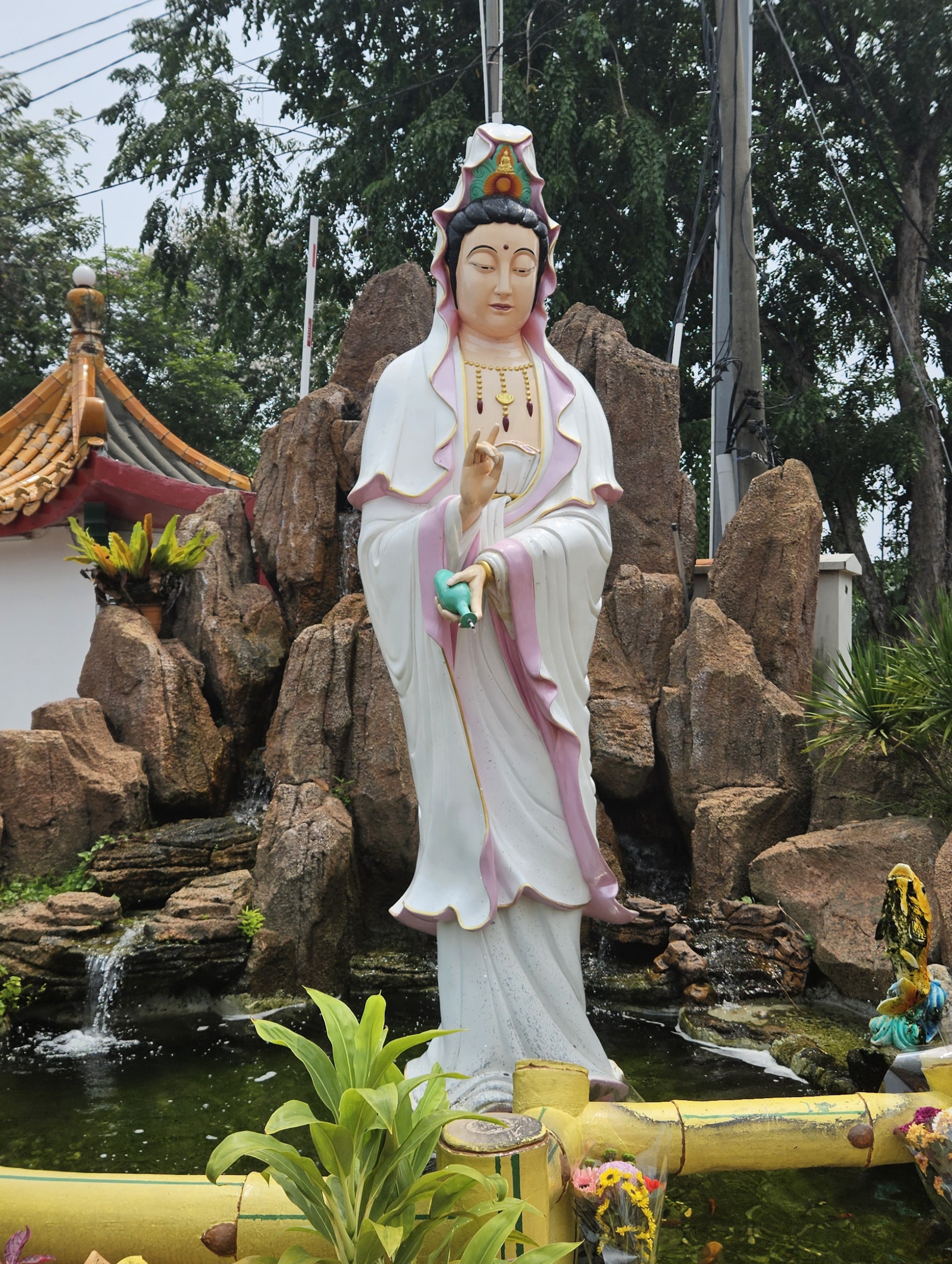
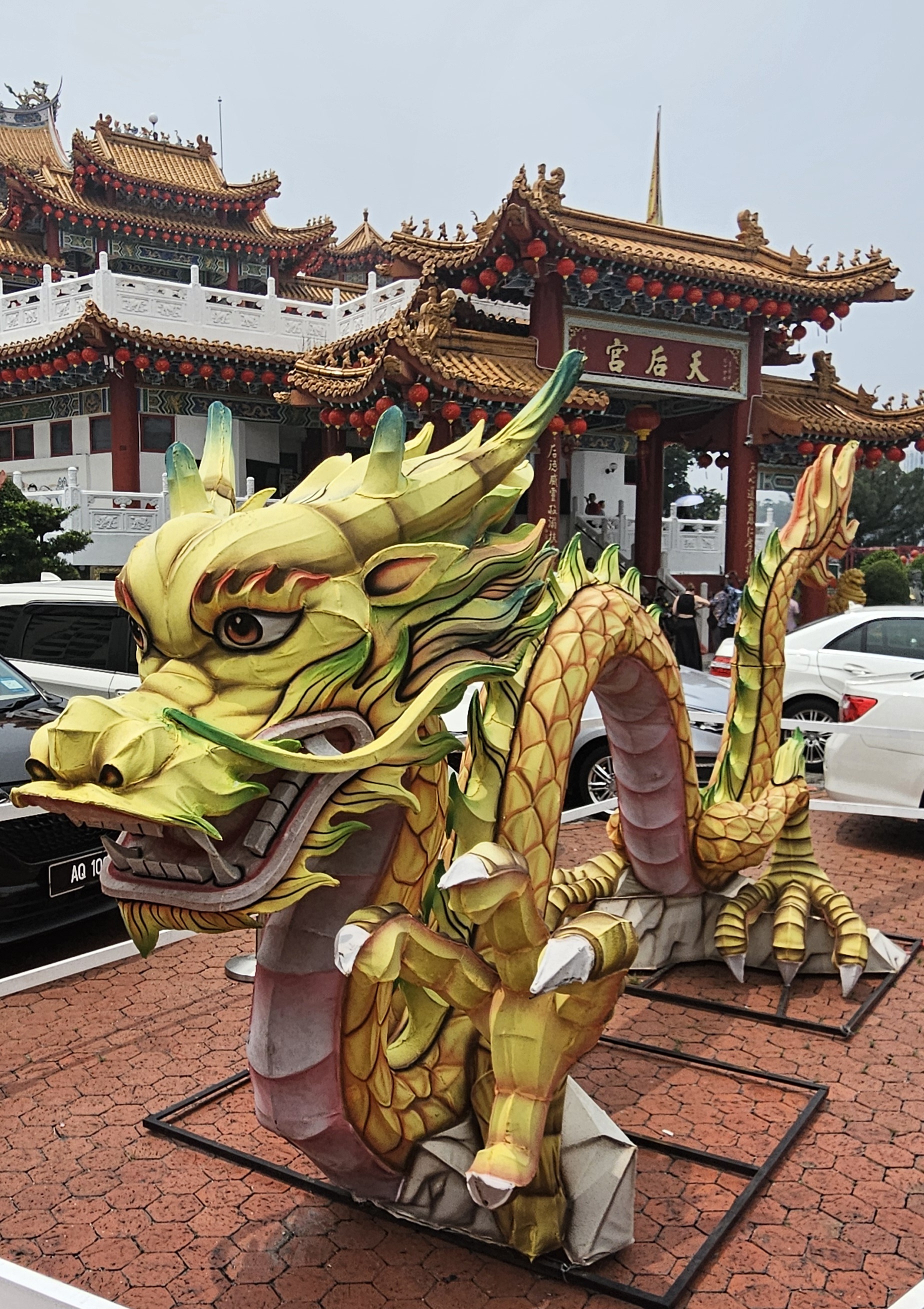
On our last day in Kuala Lumpur we had a packed day, first visiting the Thean Hou Temple. The huge complex, built in 1989, is easy to reach in the city. There is a (now familiar to us) Guanyin Bodhisattva, the Goddess of Mercy, or Lady Buddha in some places, at the entrance.
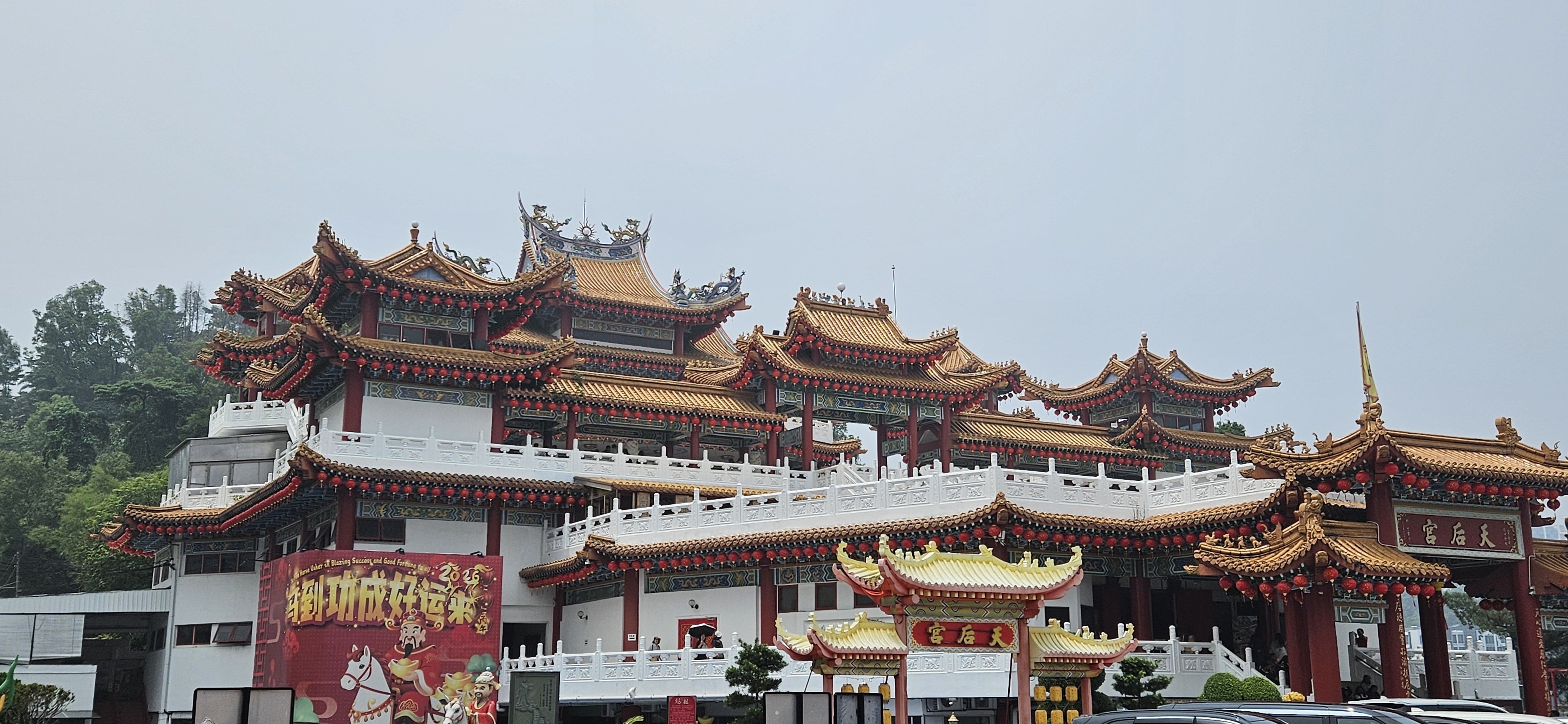
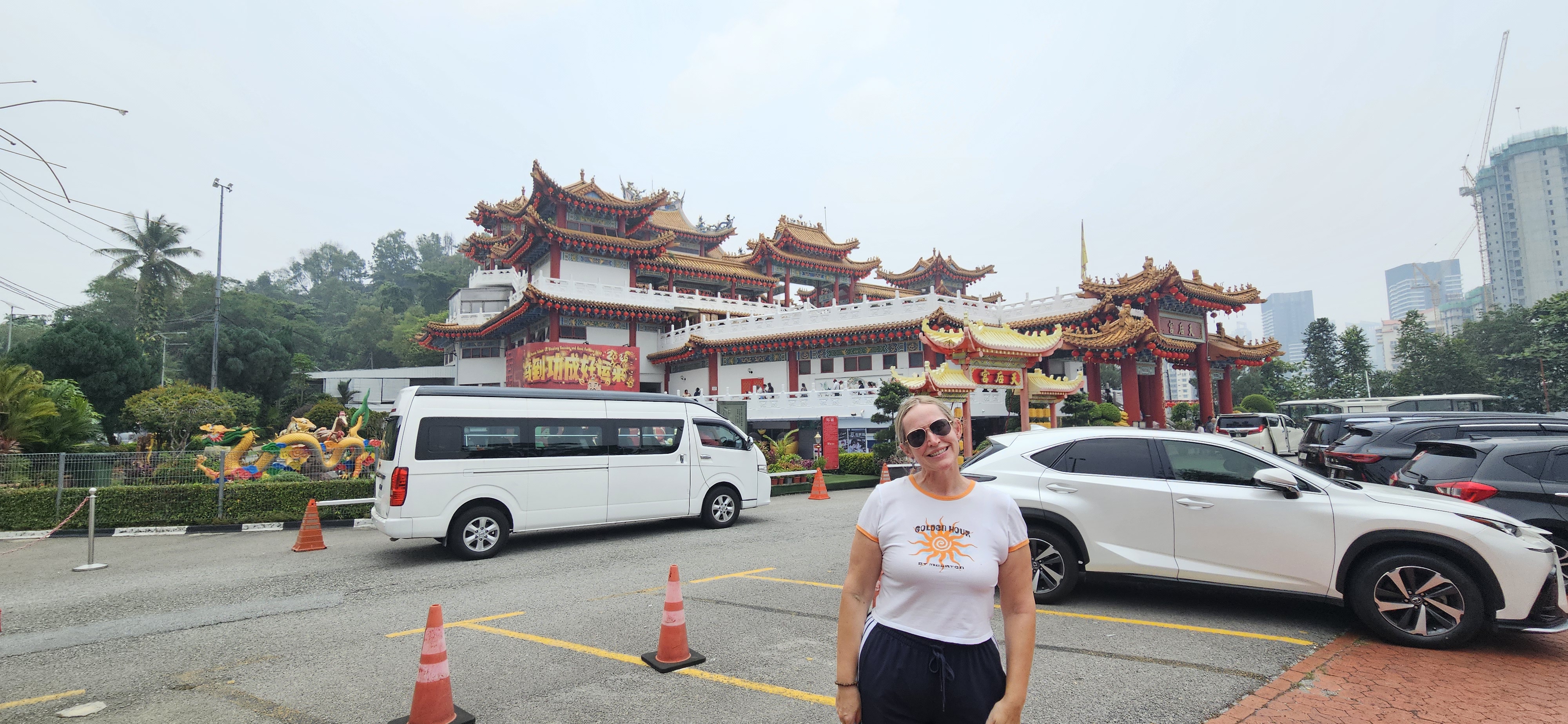
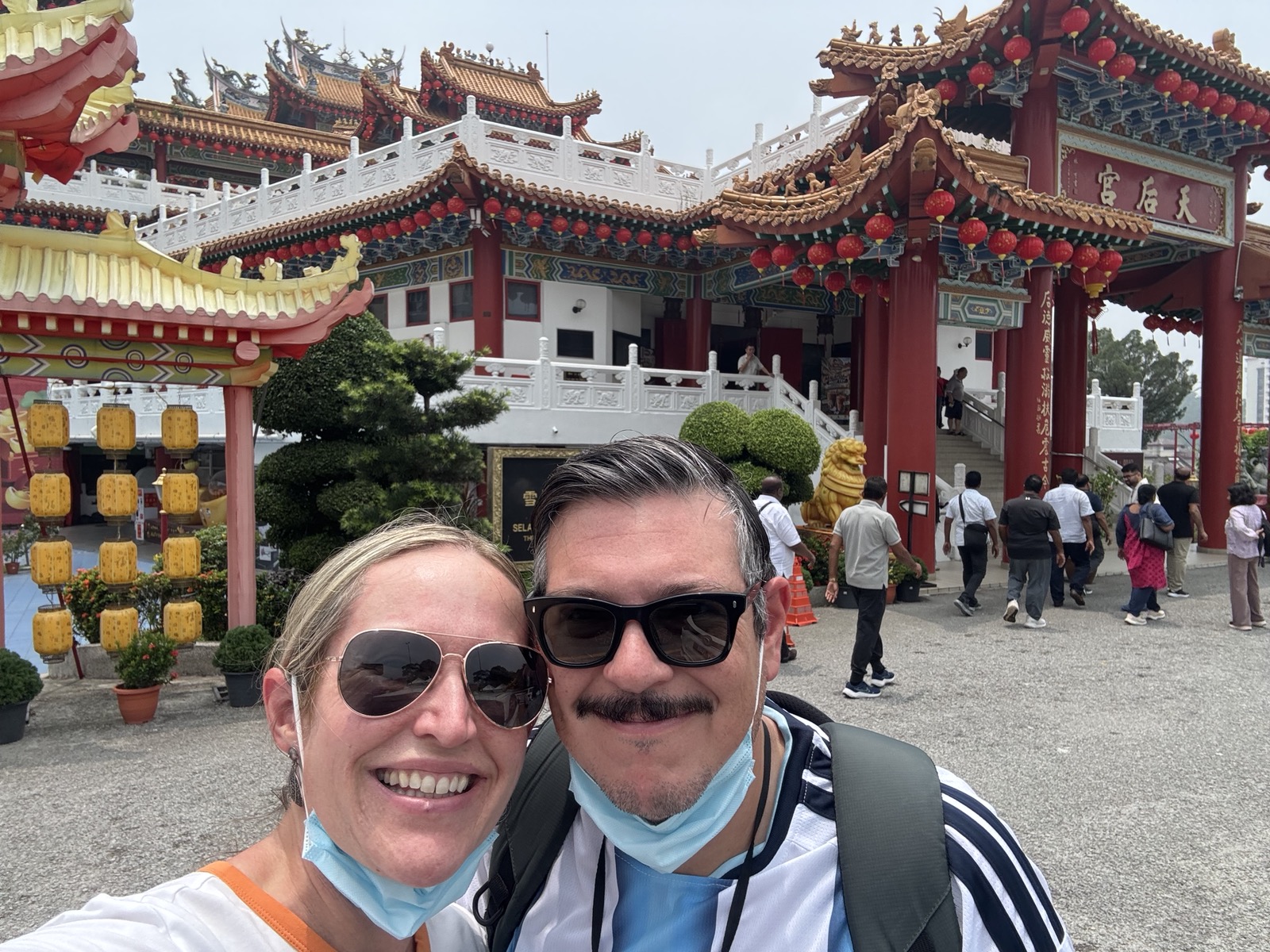
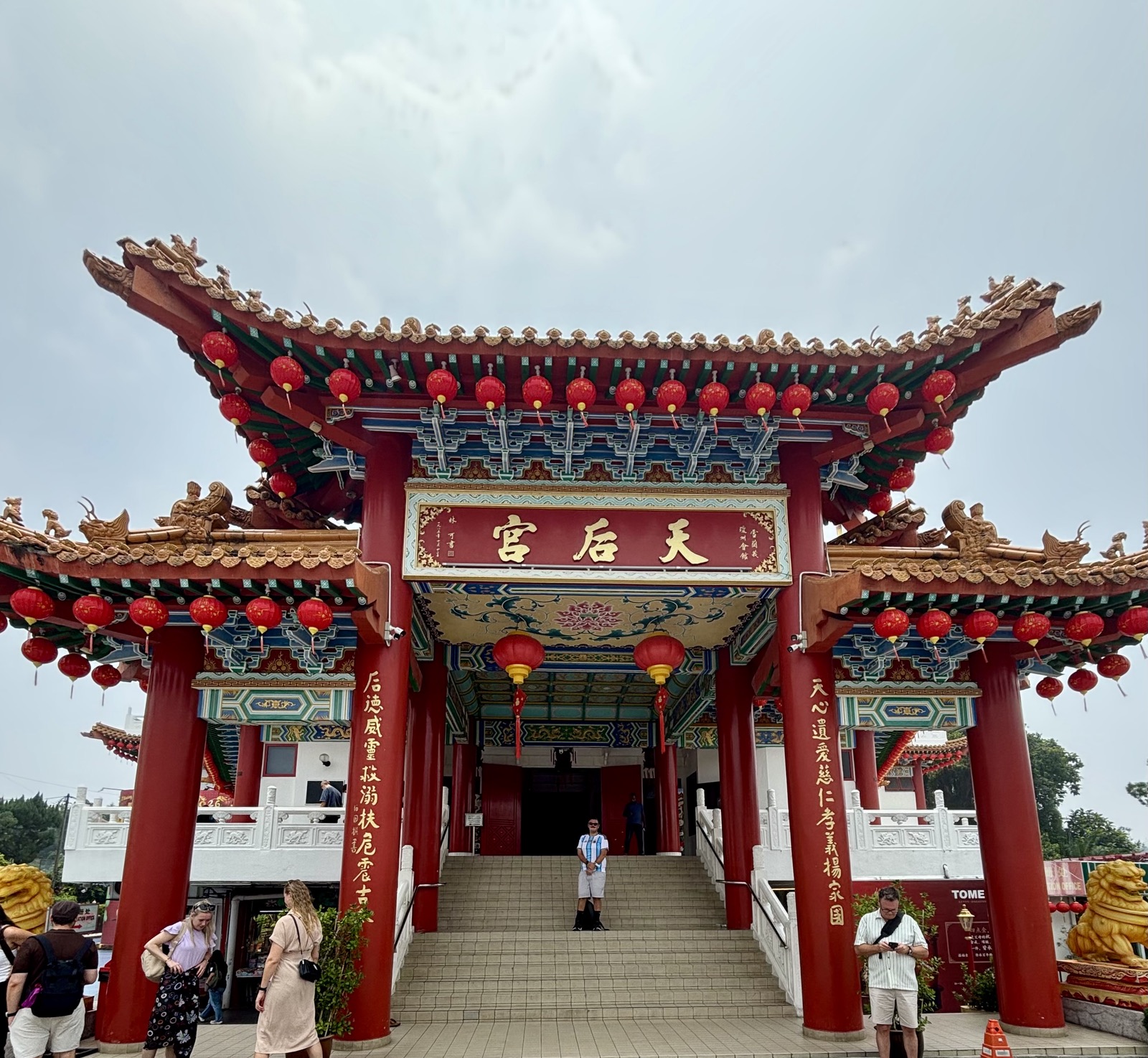
We headed up the stairs until we reached the main temple courtyard.
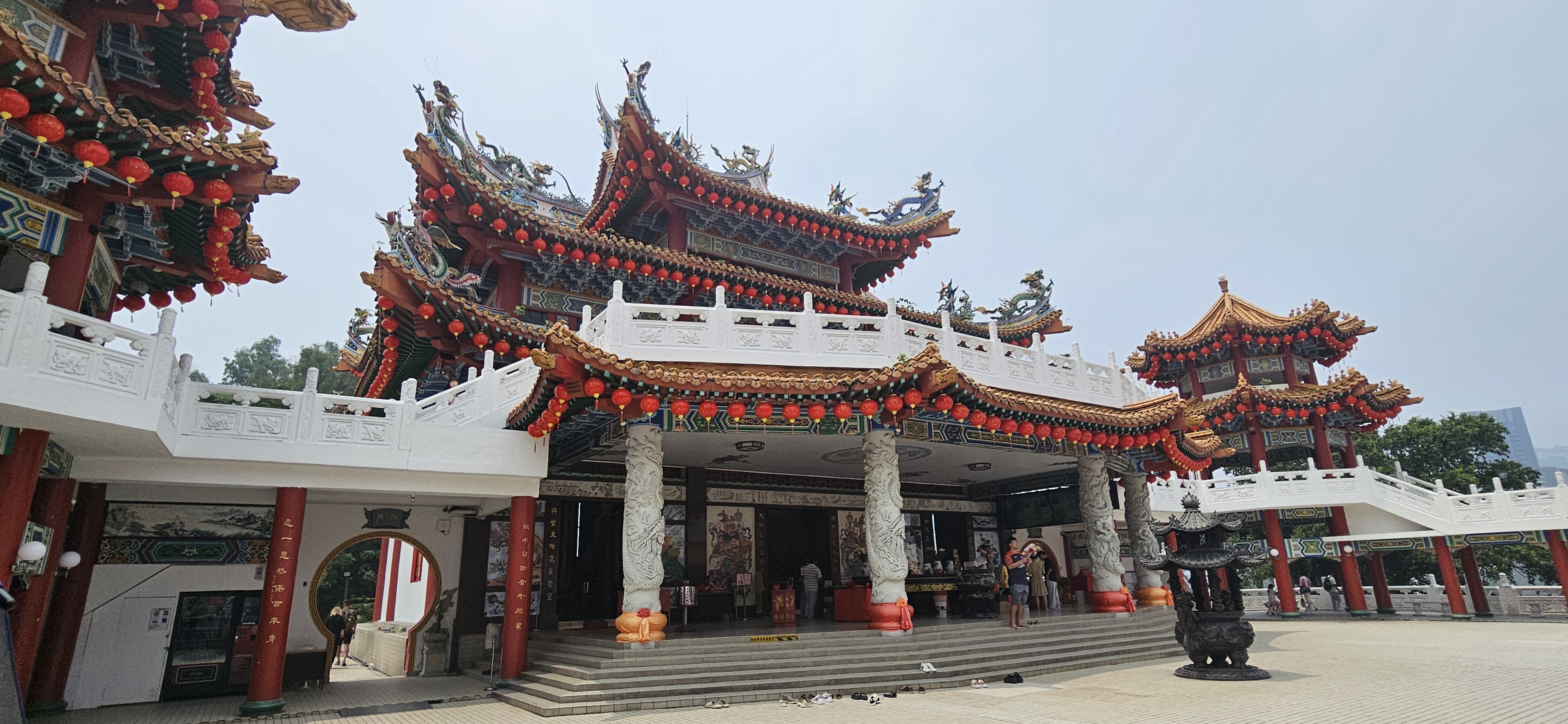
We were allowed to take pictures inside the temple (which is not often the case). There were impressive altars,
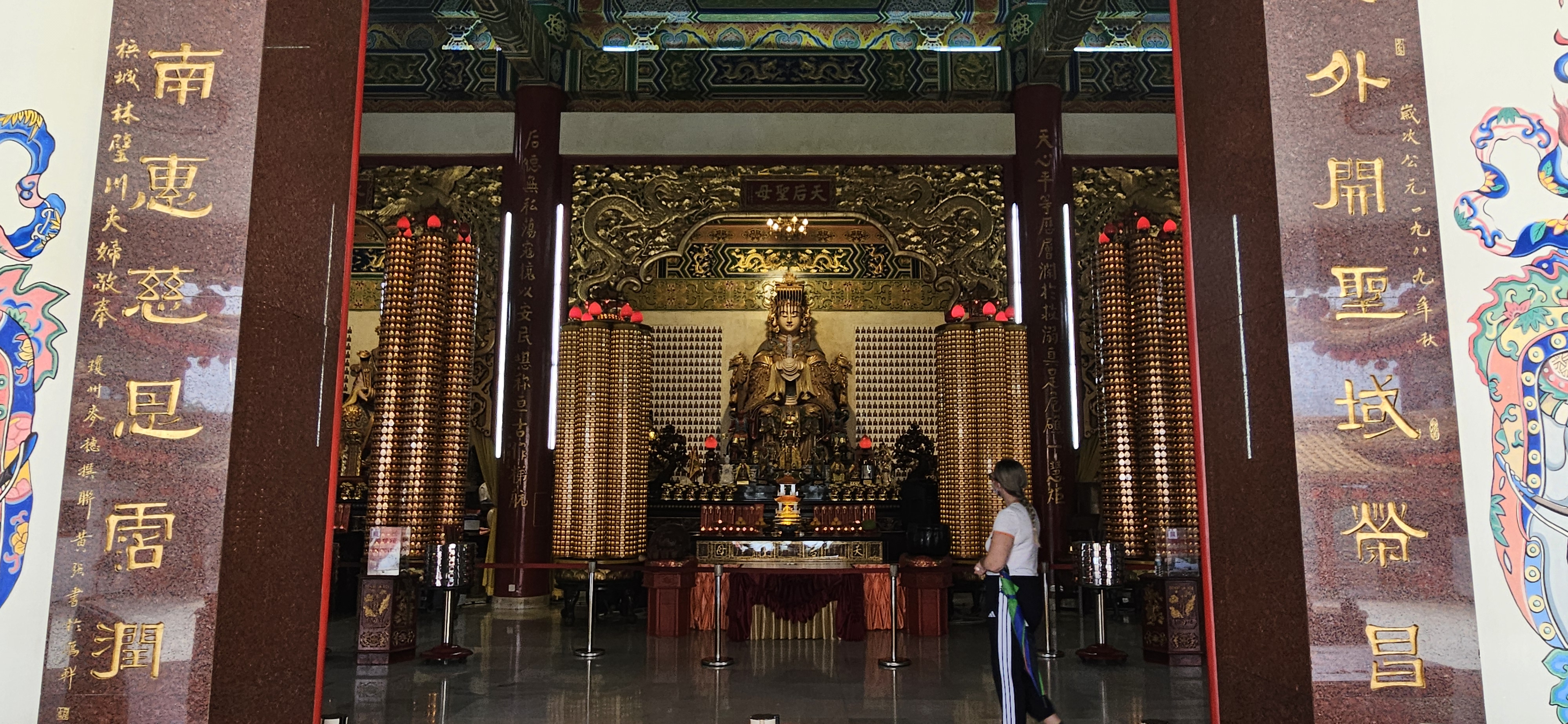
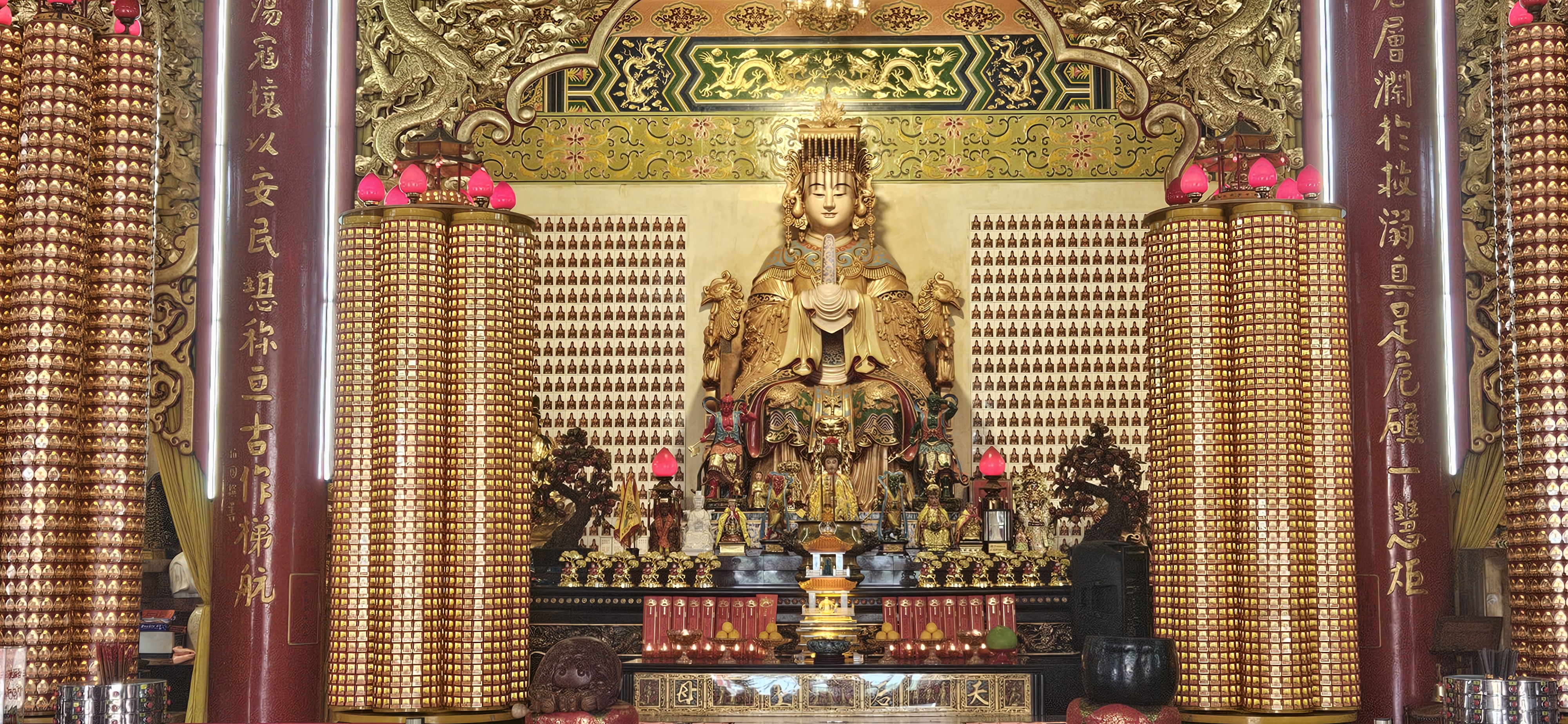
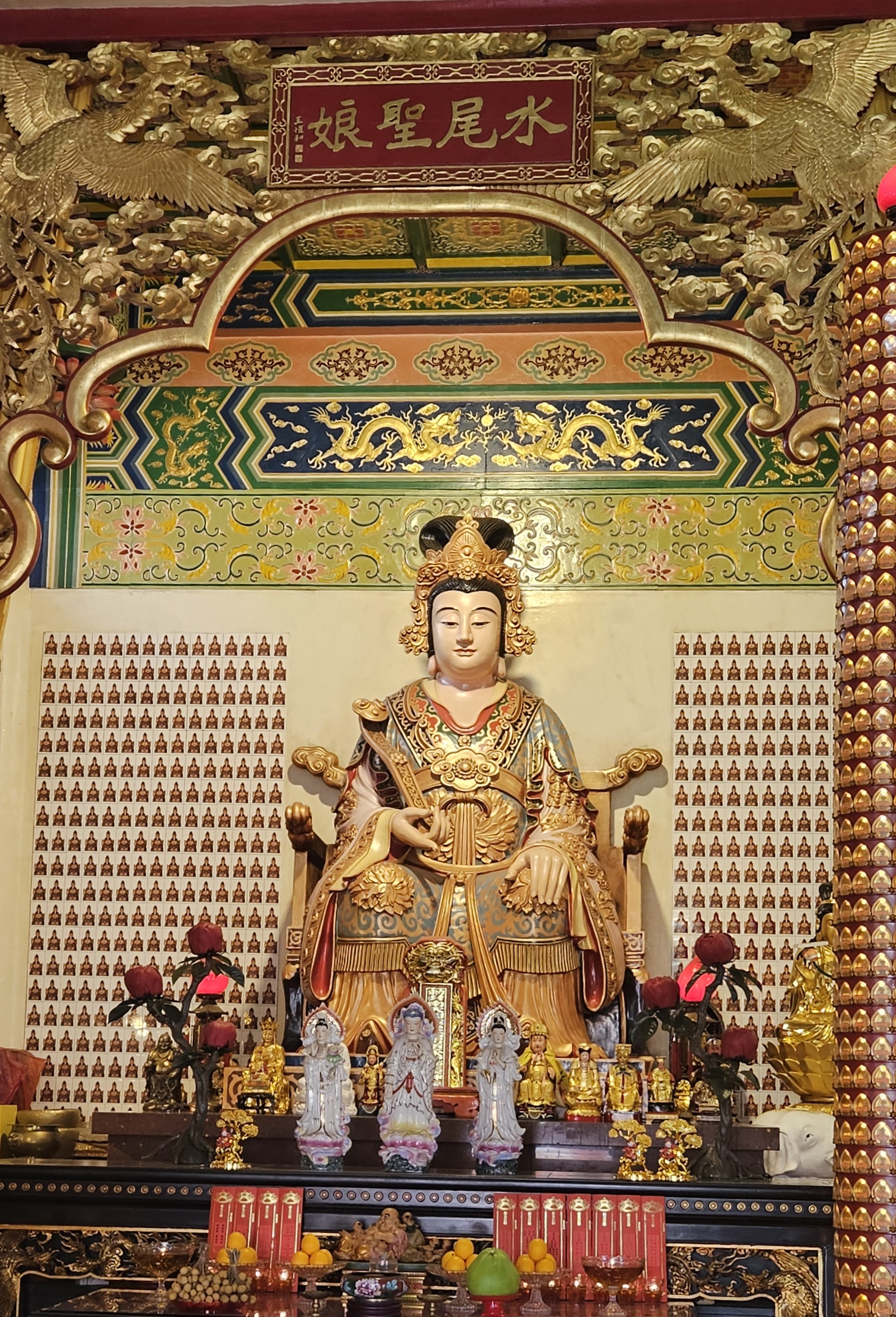
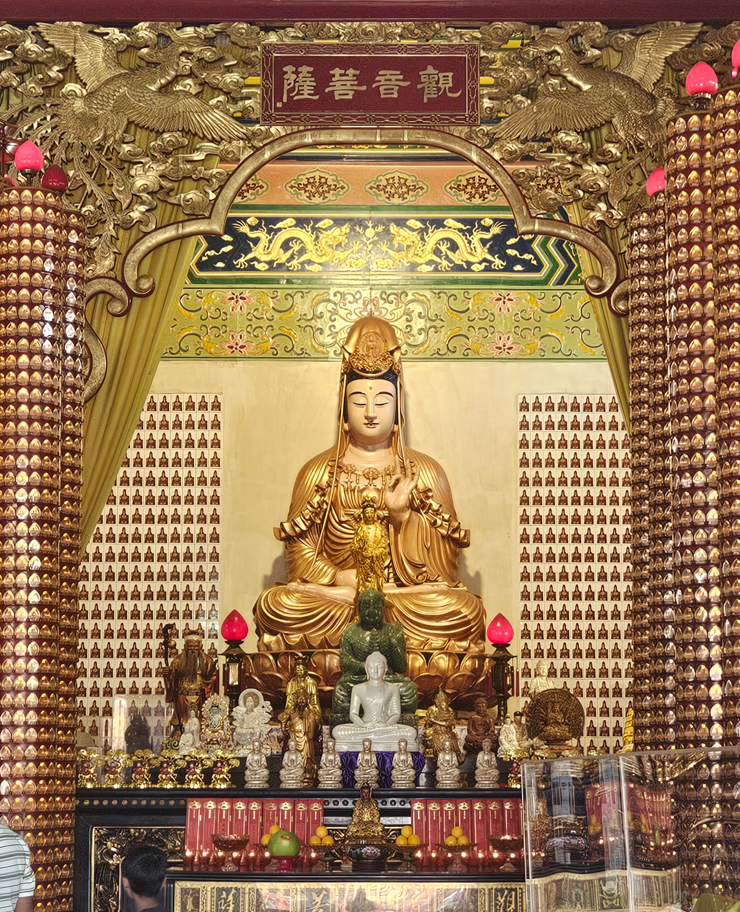
…as well as looking back out from inside,
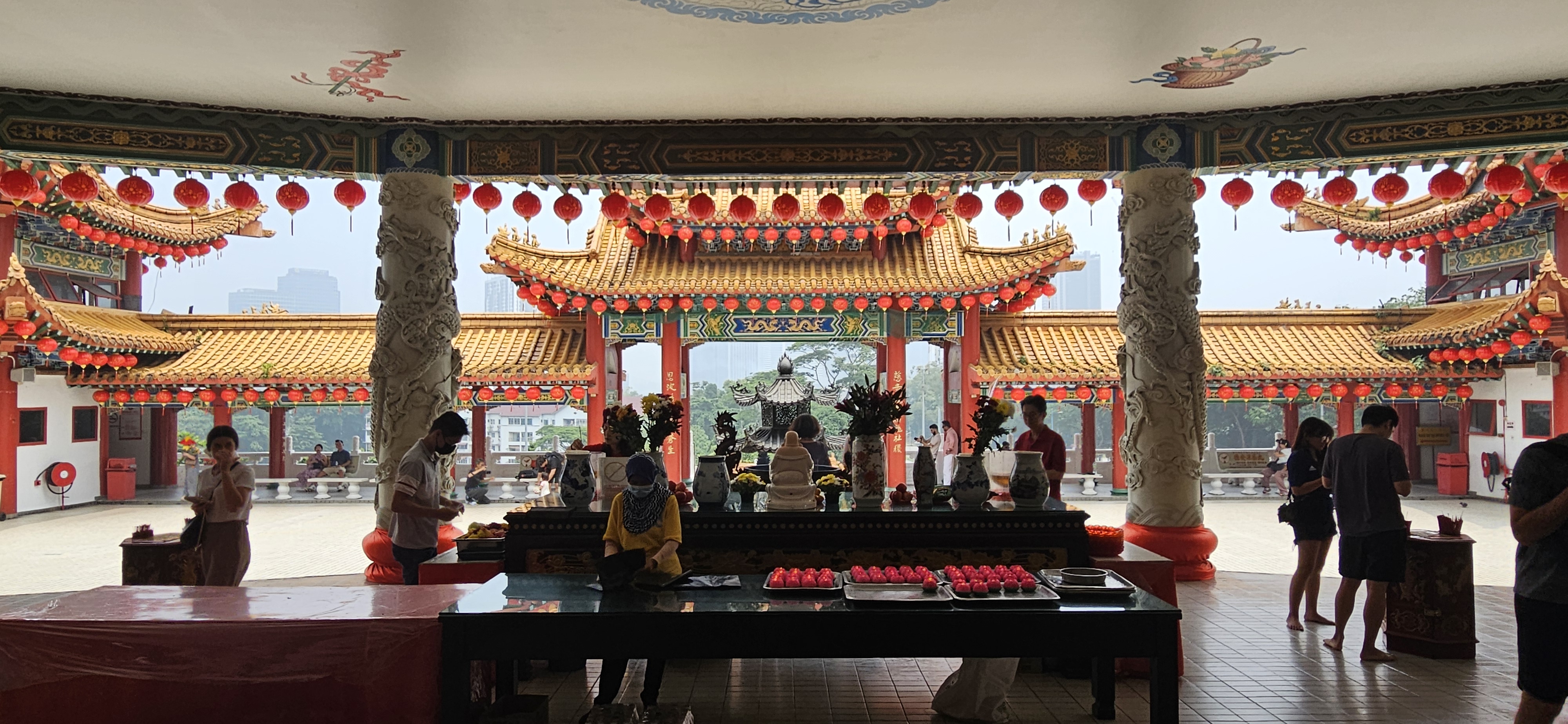
…and ceiling designs.
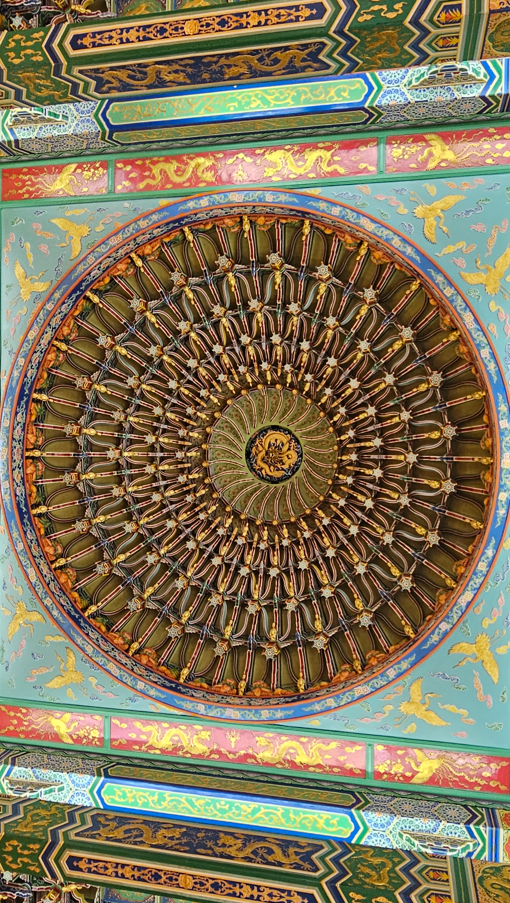
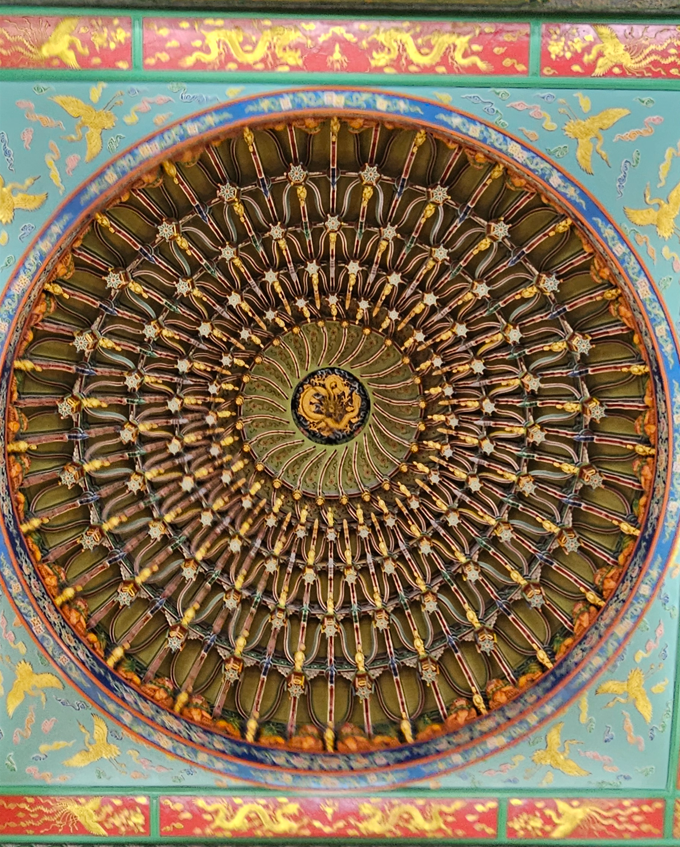
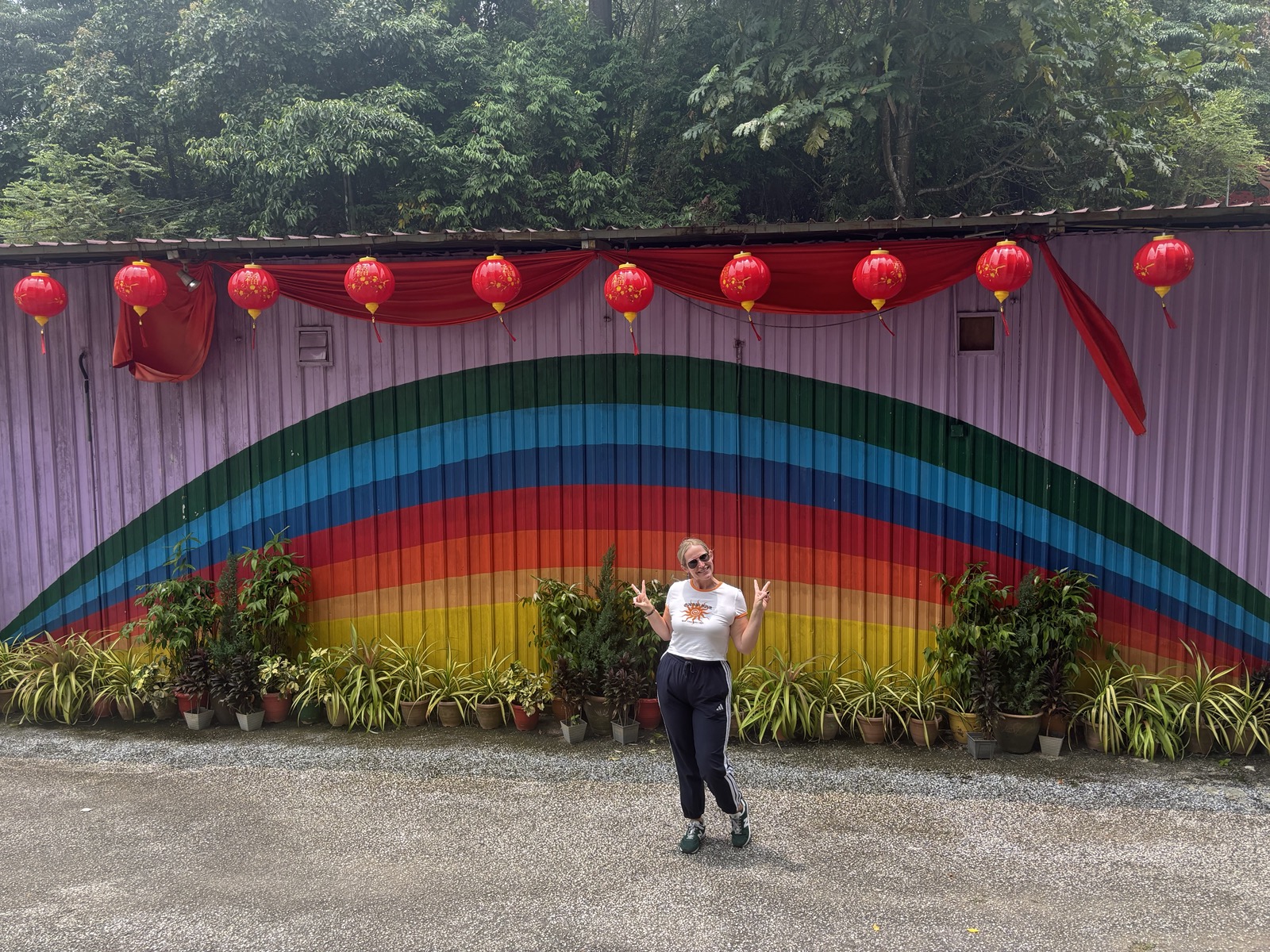
There is a lot more to explore outside the main temple, including the opportunity for plenty of good photoshoots, though we were some of the only ones who visited the rear of the temple.
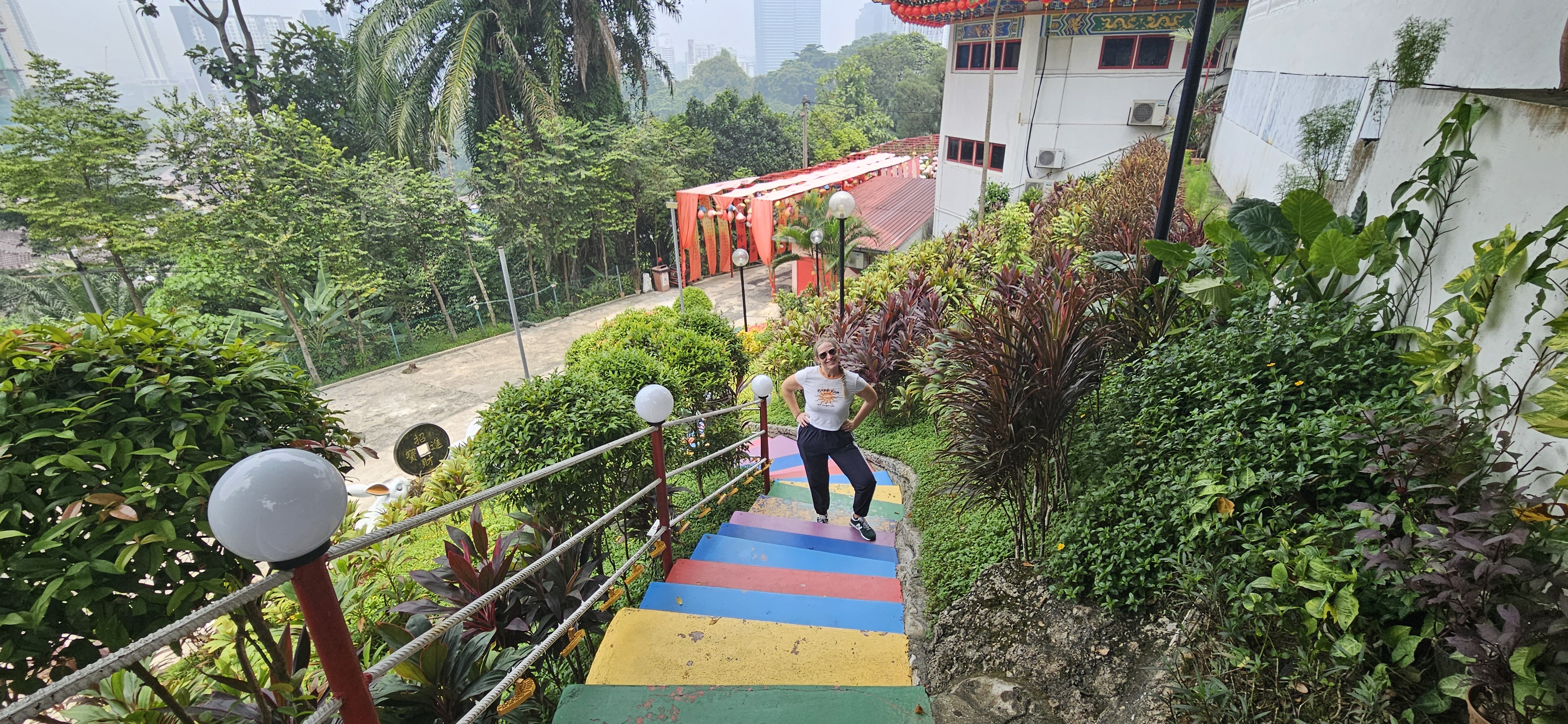
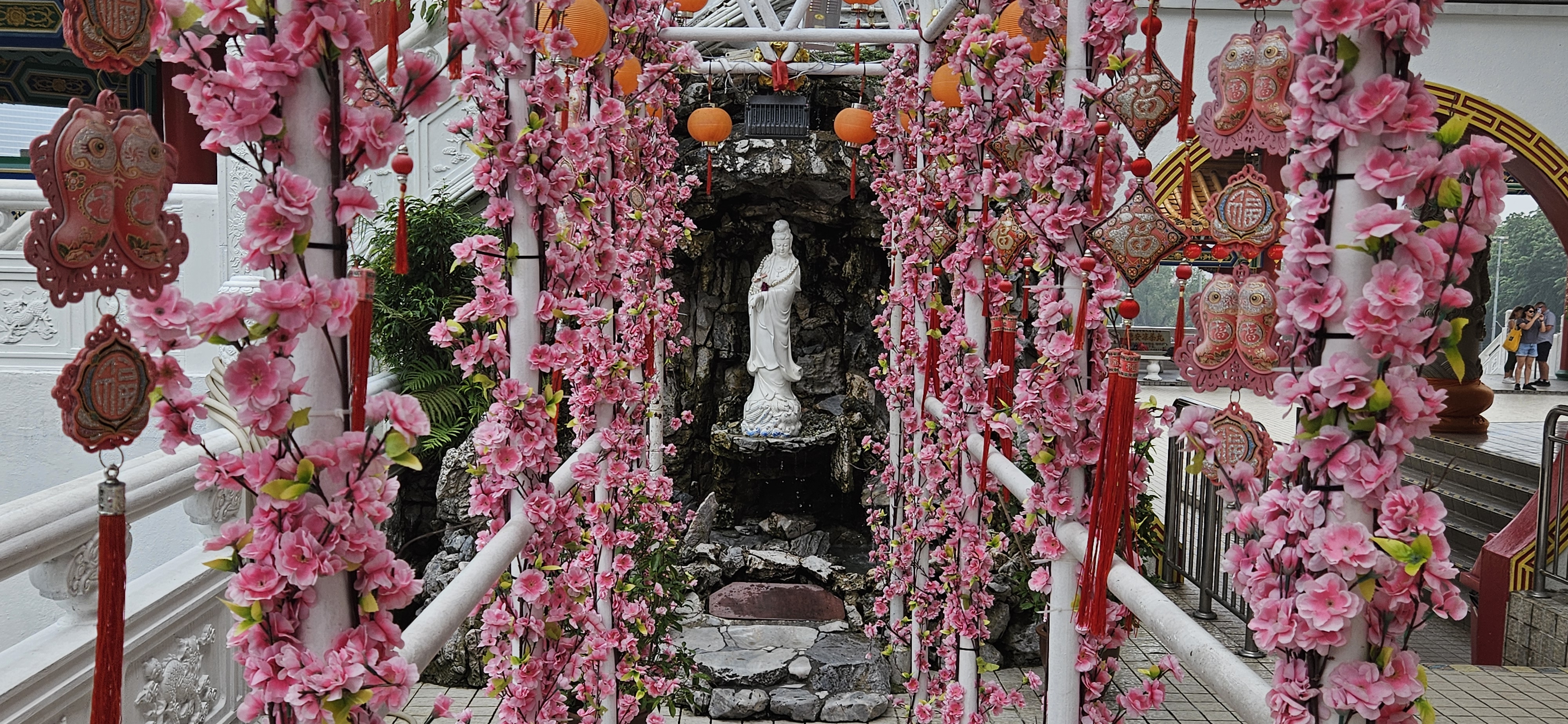
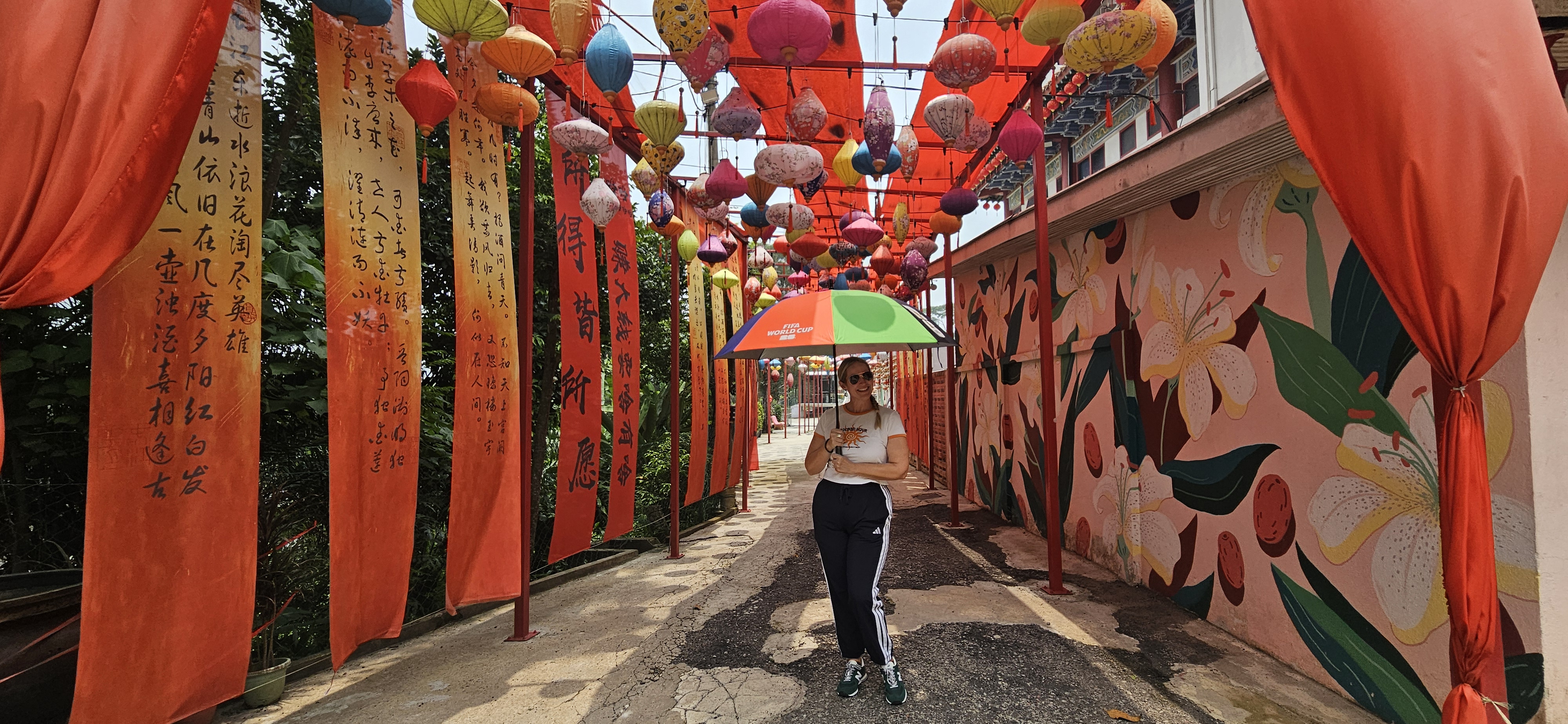
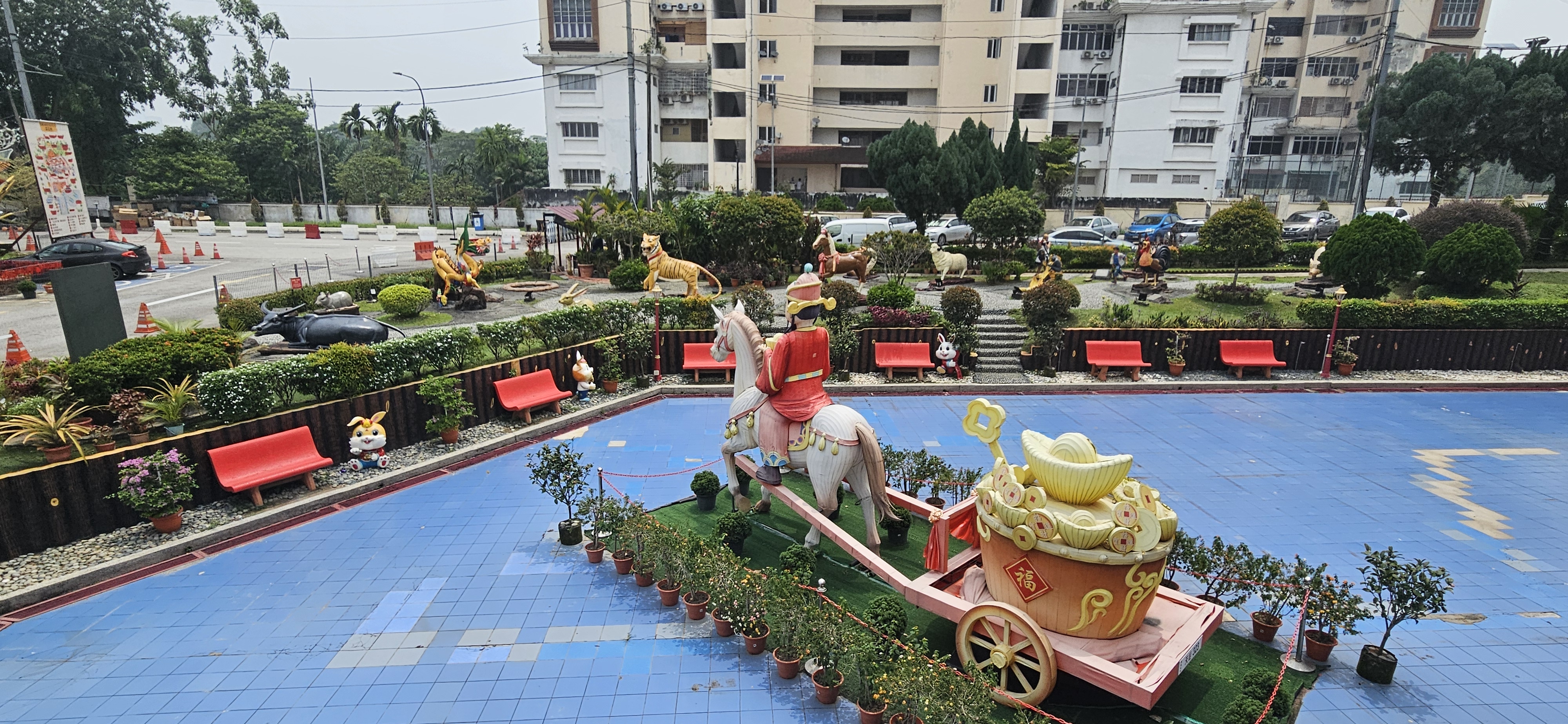
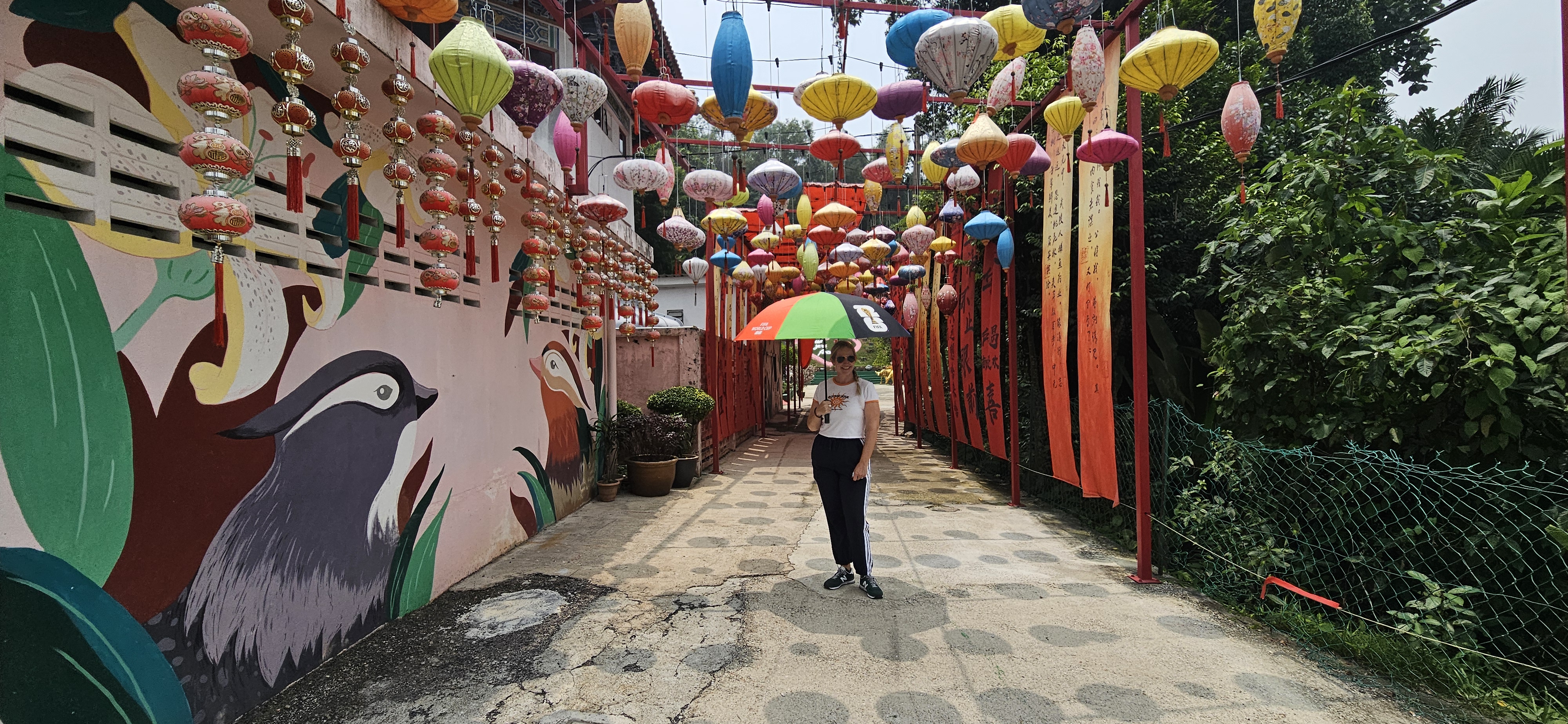
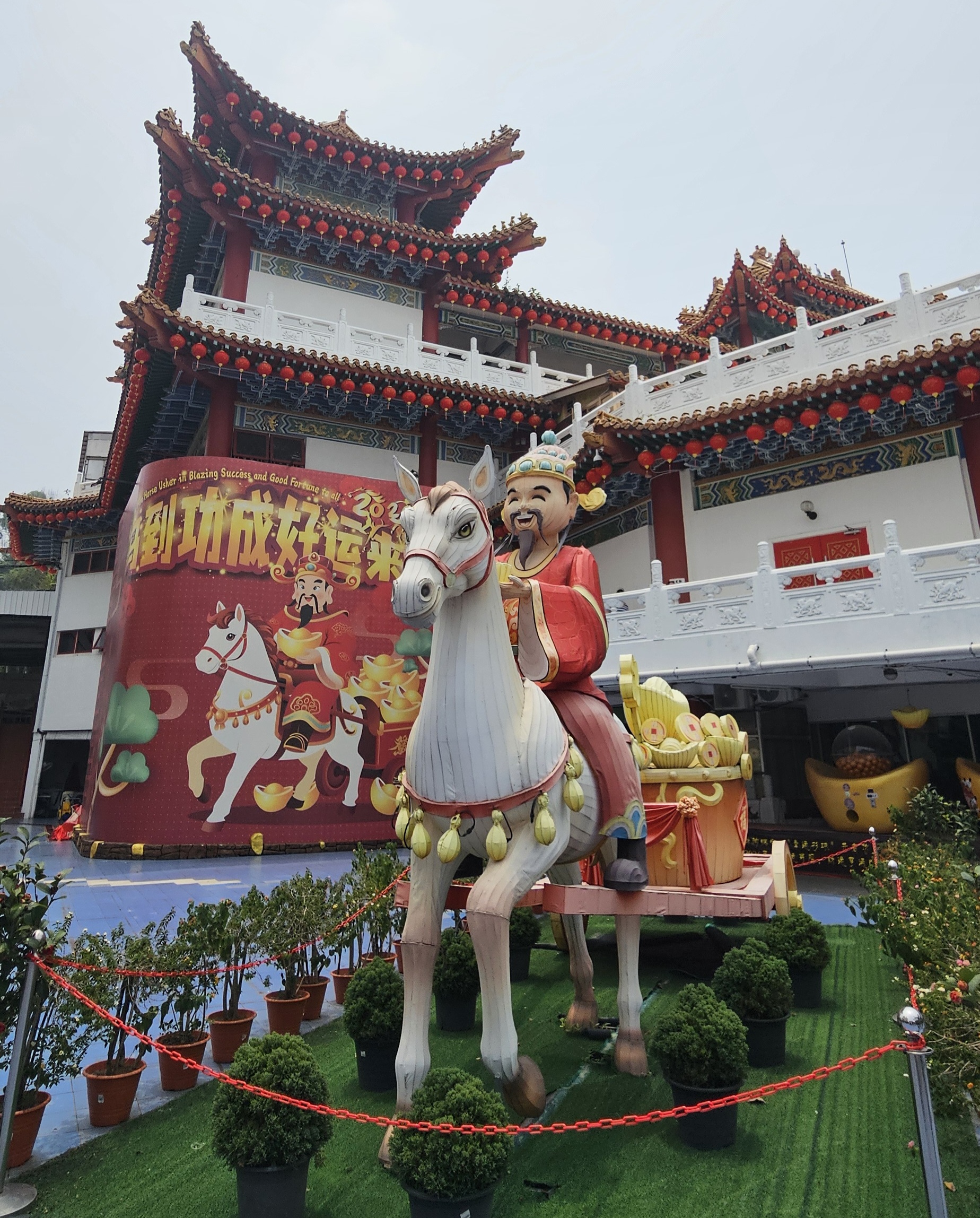
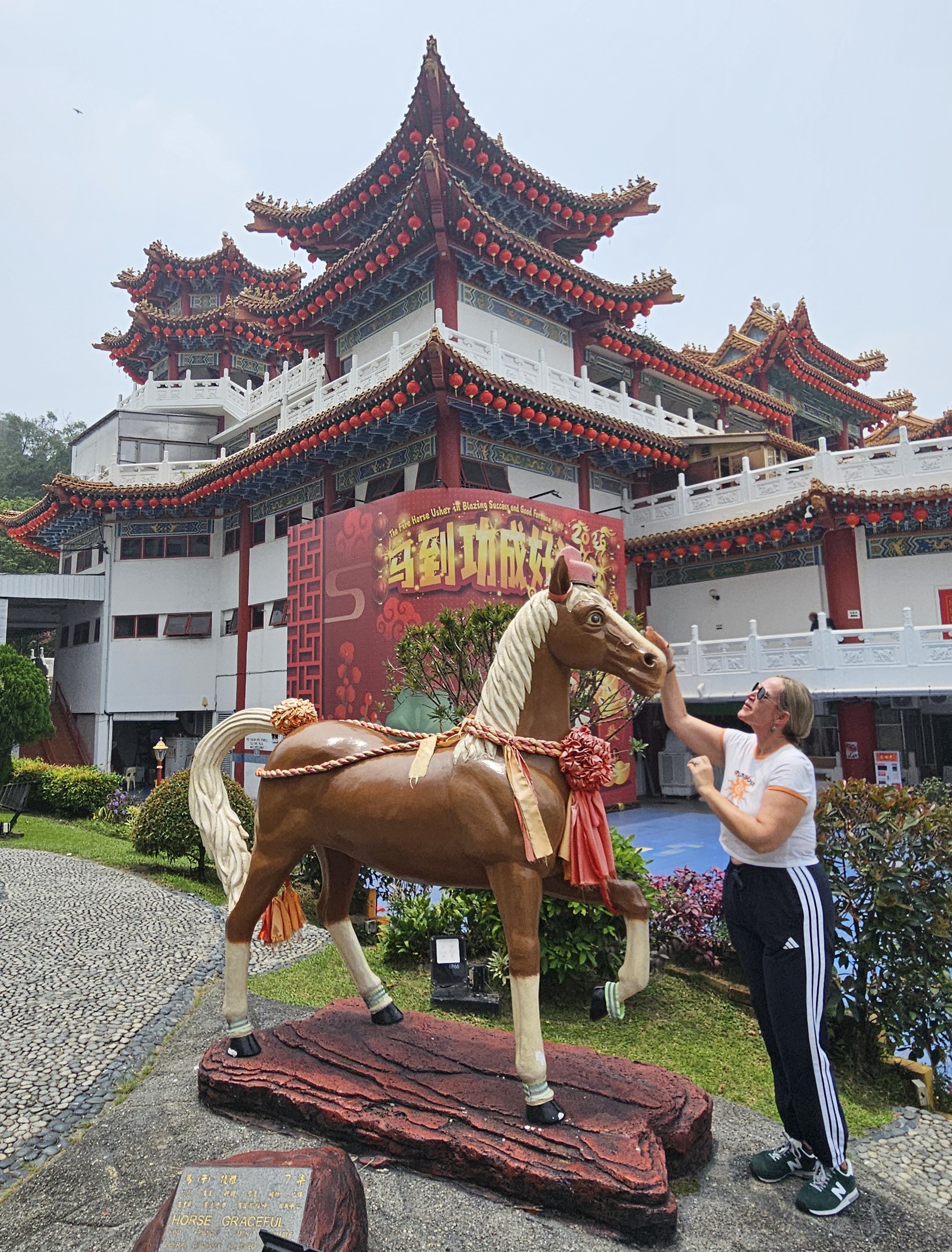
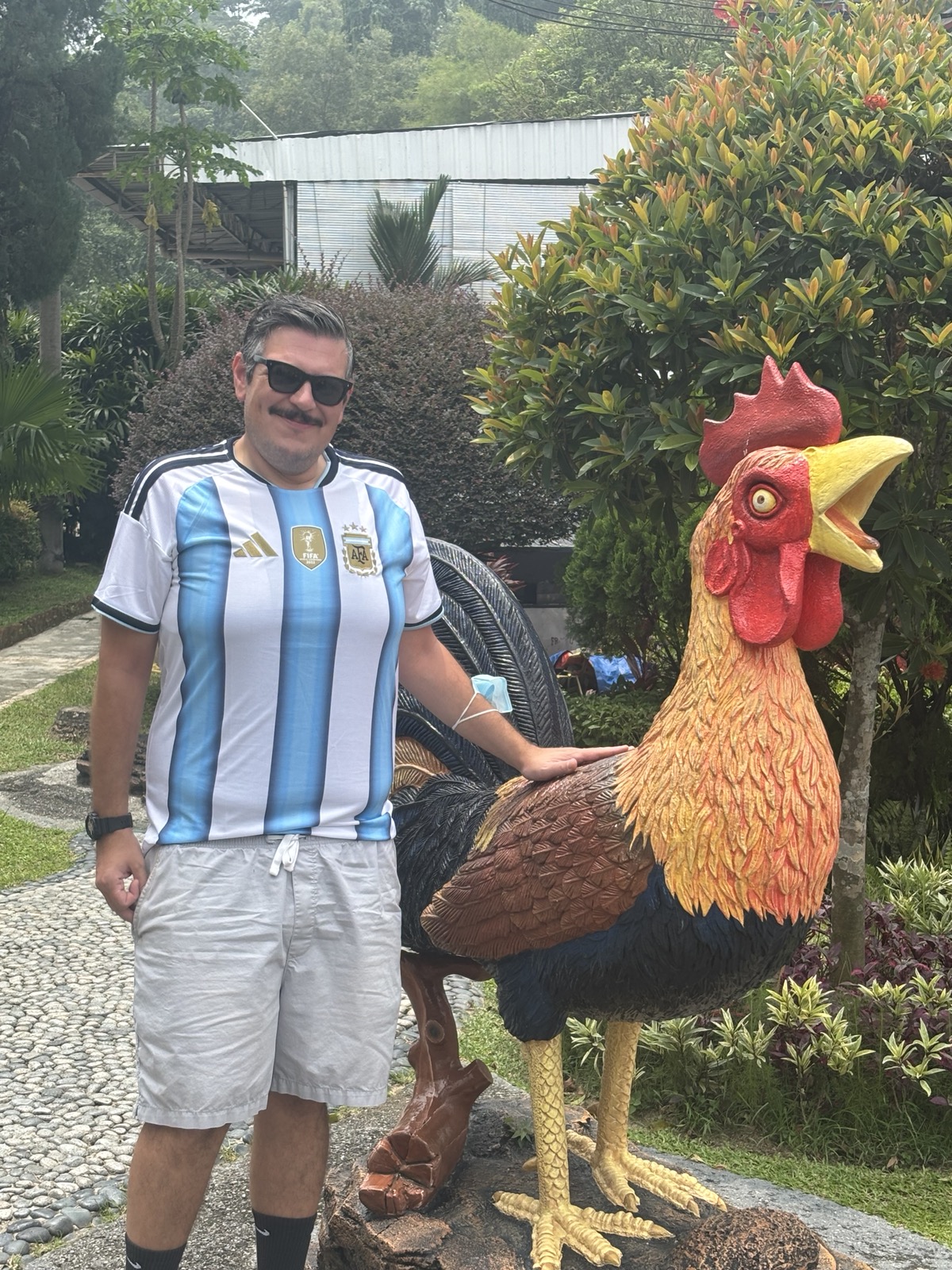
We found our zodiac signs in the front.
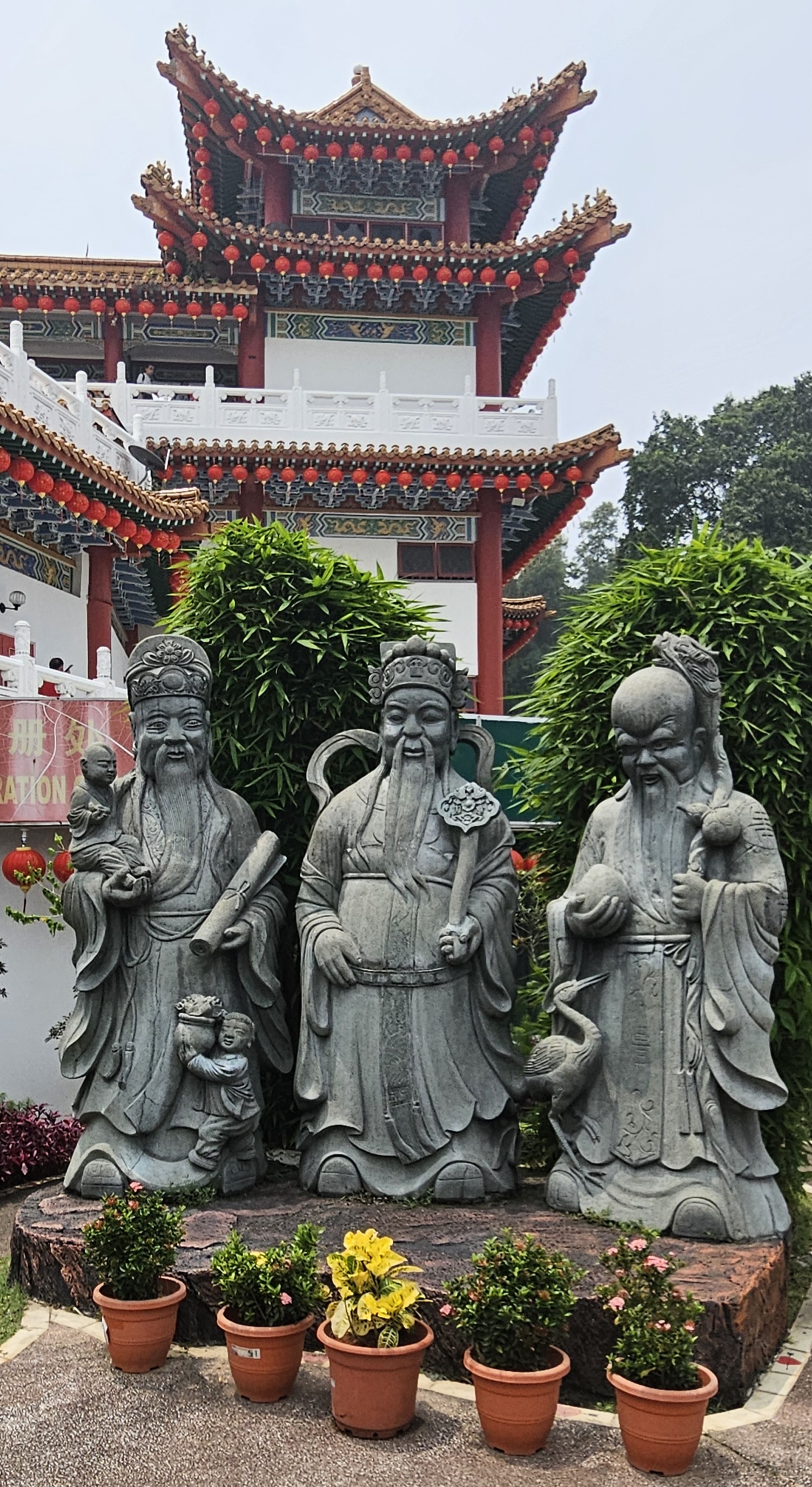
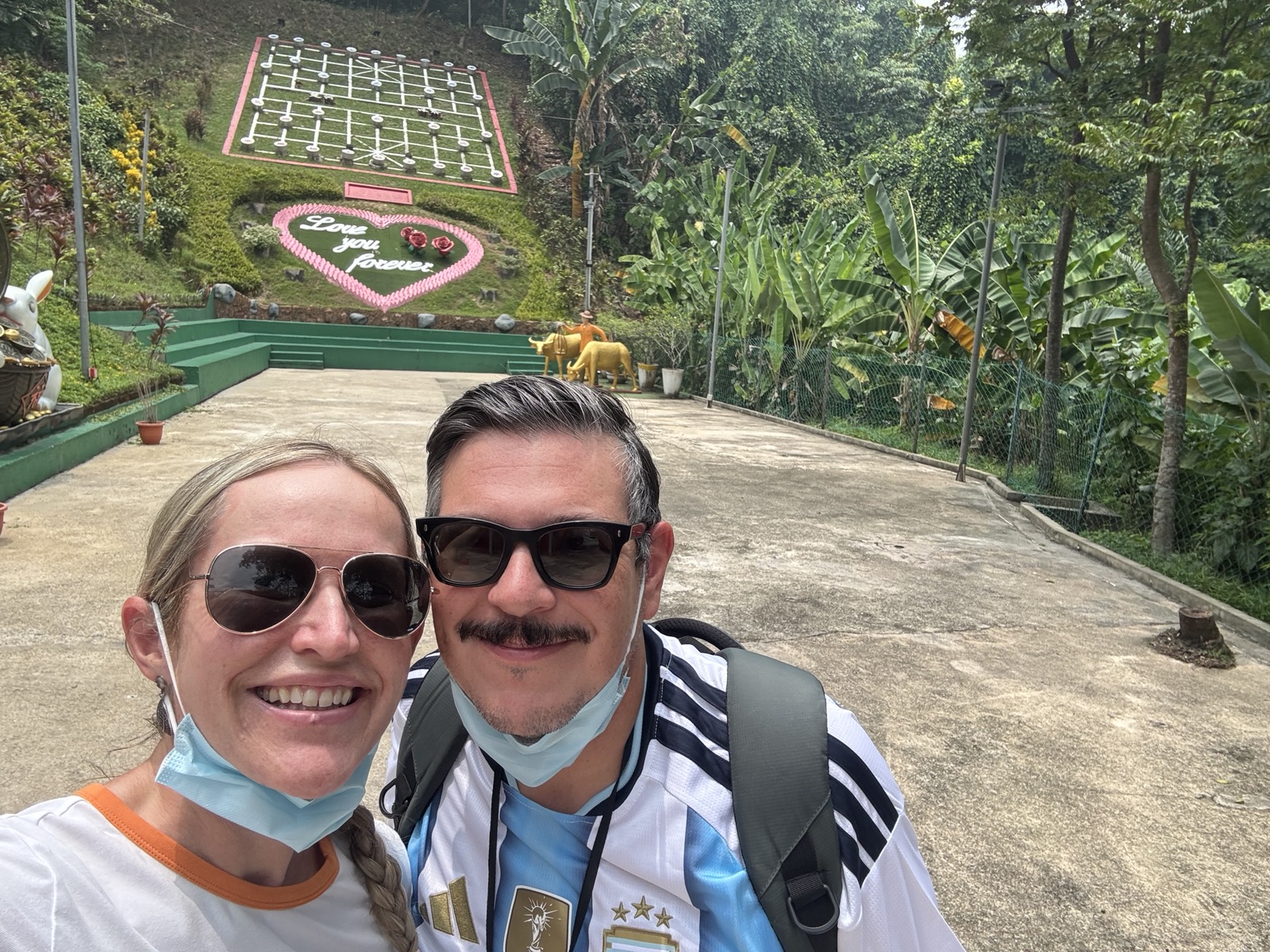
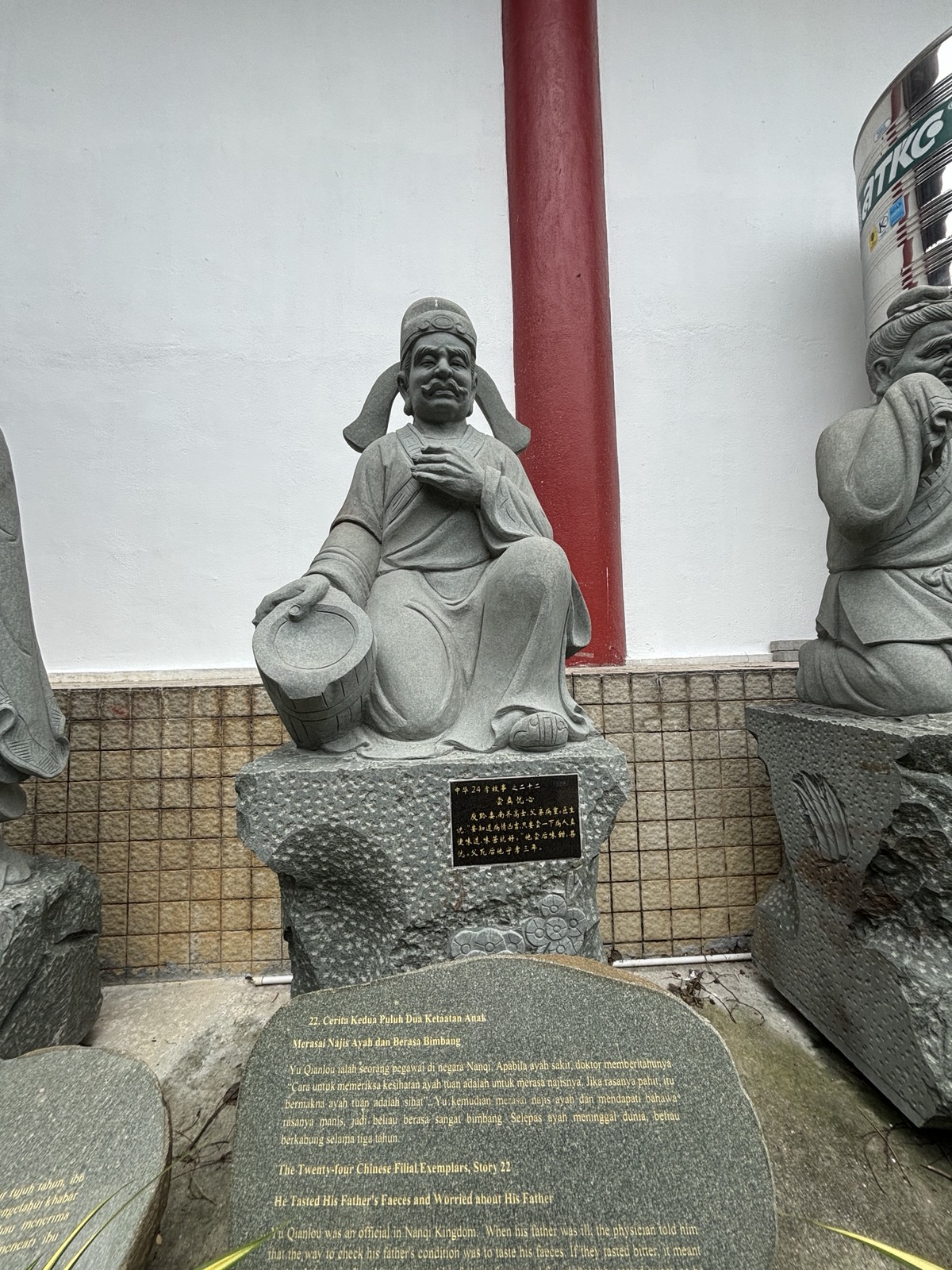
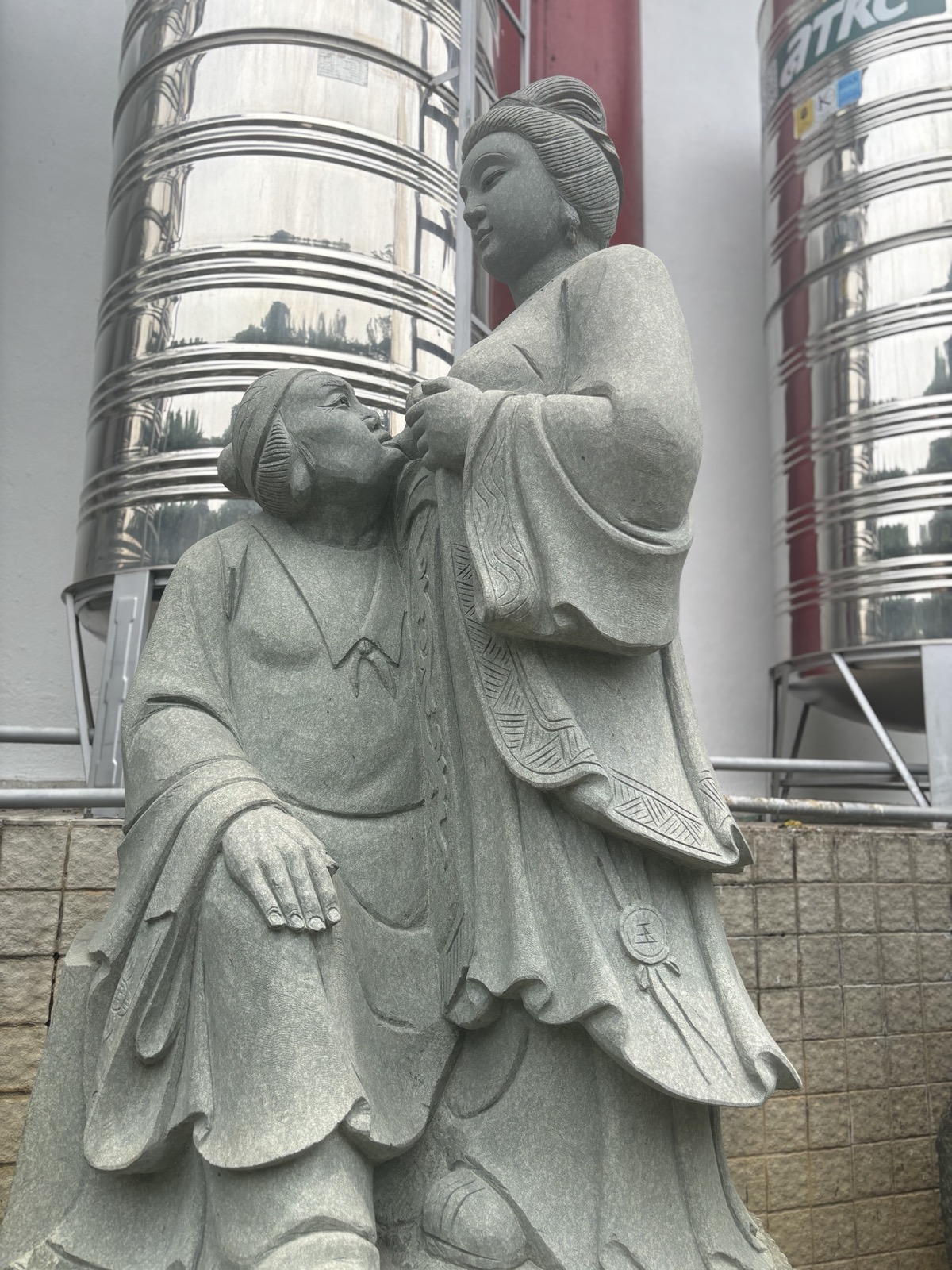
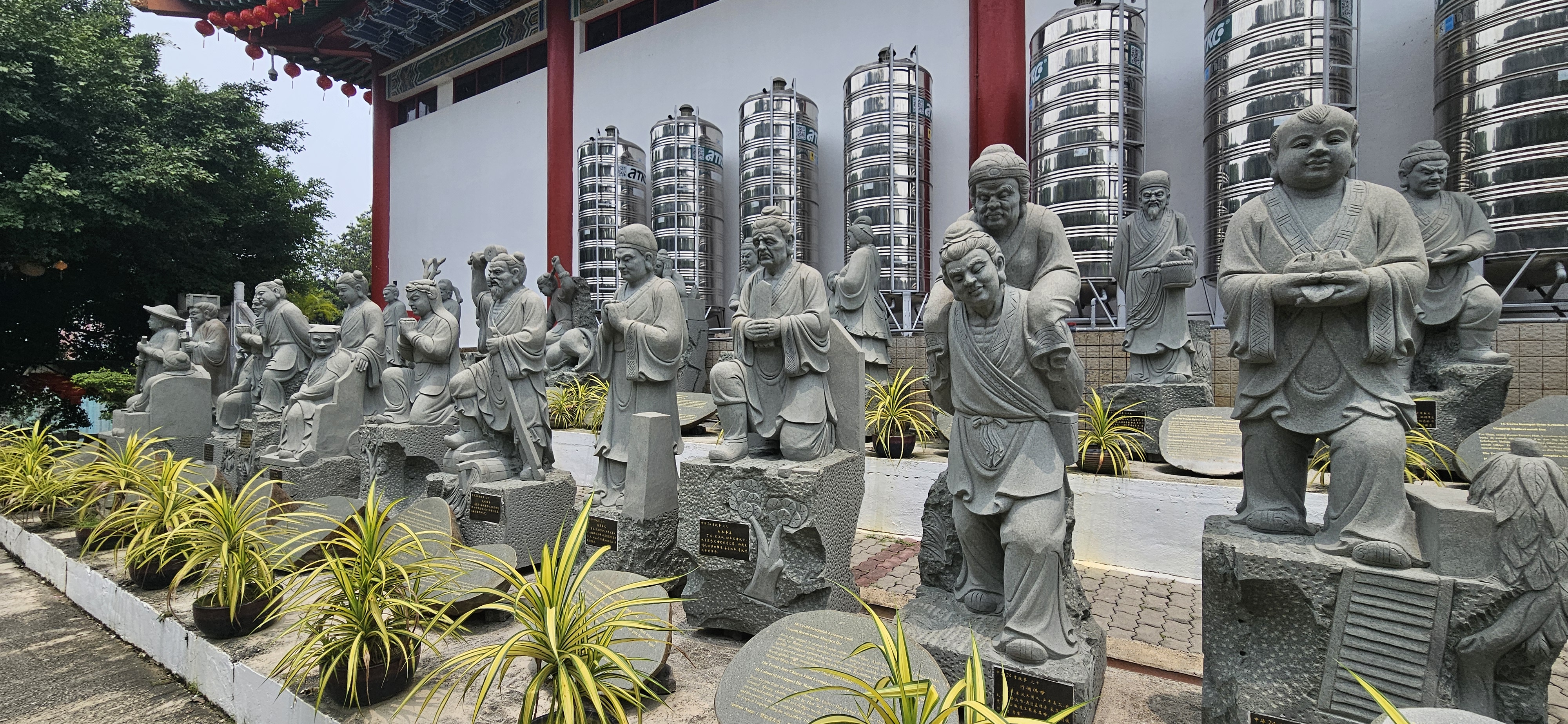
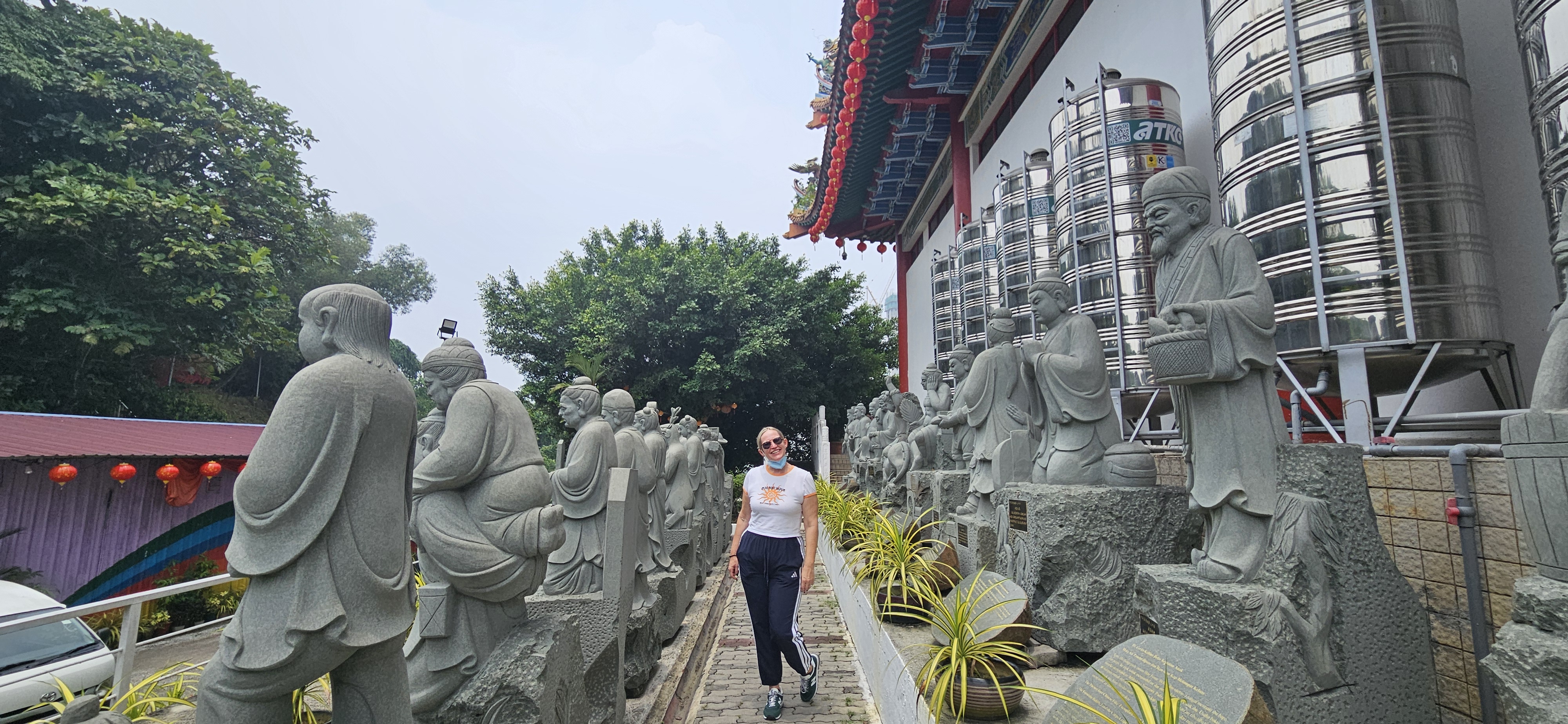
The oddest parts of the complex were directly behind the temple, which were grey stone statues of the “24 Chinese Filal Exemplars.” There was a story next to each statue, and some were wild. From a son tasting his father’s feces to detect illness (and thus saved his life), to a woman who breast-fed her mother-in-law (and saved her life). These stories really pushed the boundaries of the extent of filial piety.
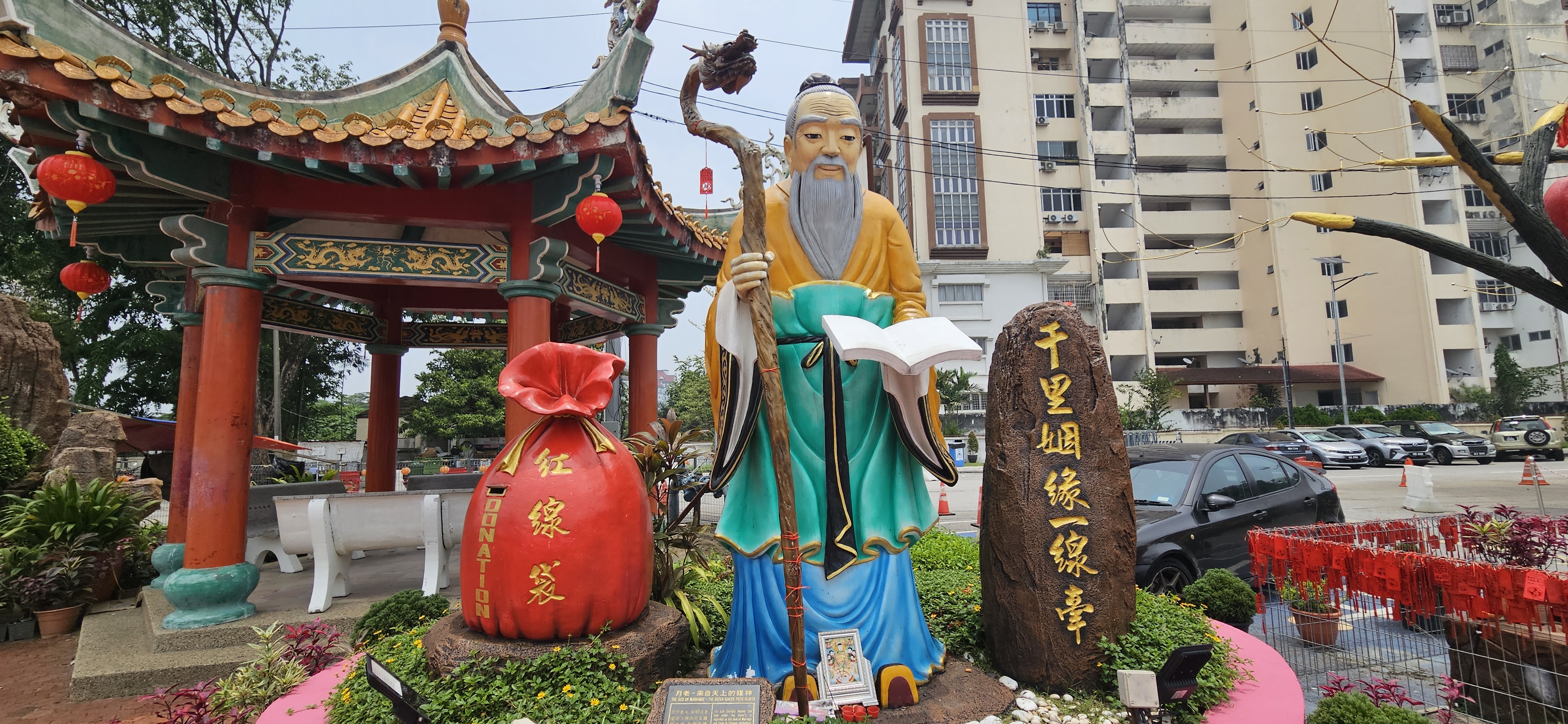
On the way out, opposite of the Guanyin Bodhisattva, we gave thanks to Yue Lao, the God of Marriage and Love.
We then headed off to the National Textiles Museum, which was an underrated gem. Originally the home of the National Railway Offices, built in 1905, it opened as the Textiles Museum in 2010.
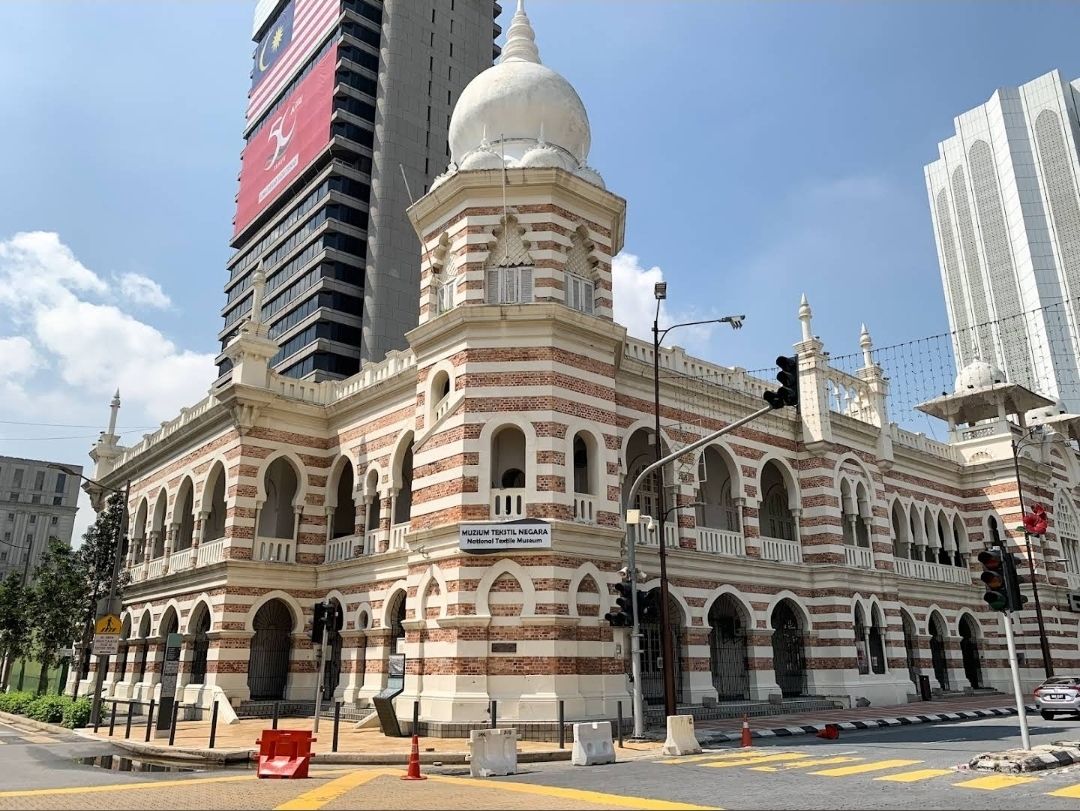
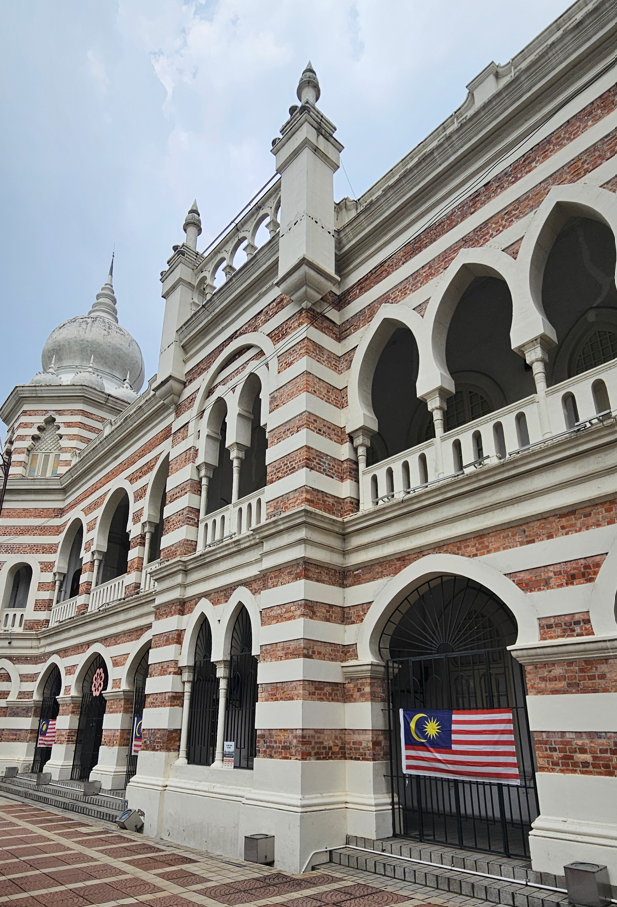
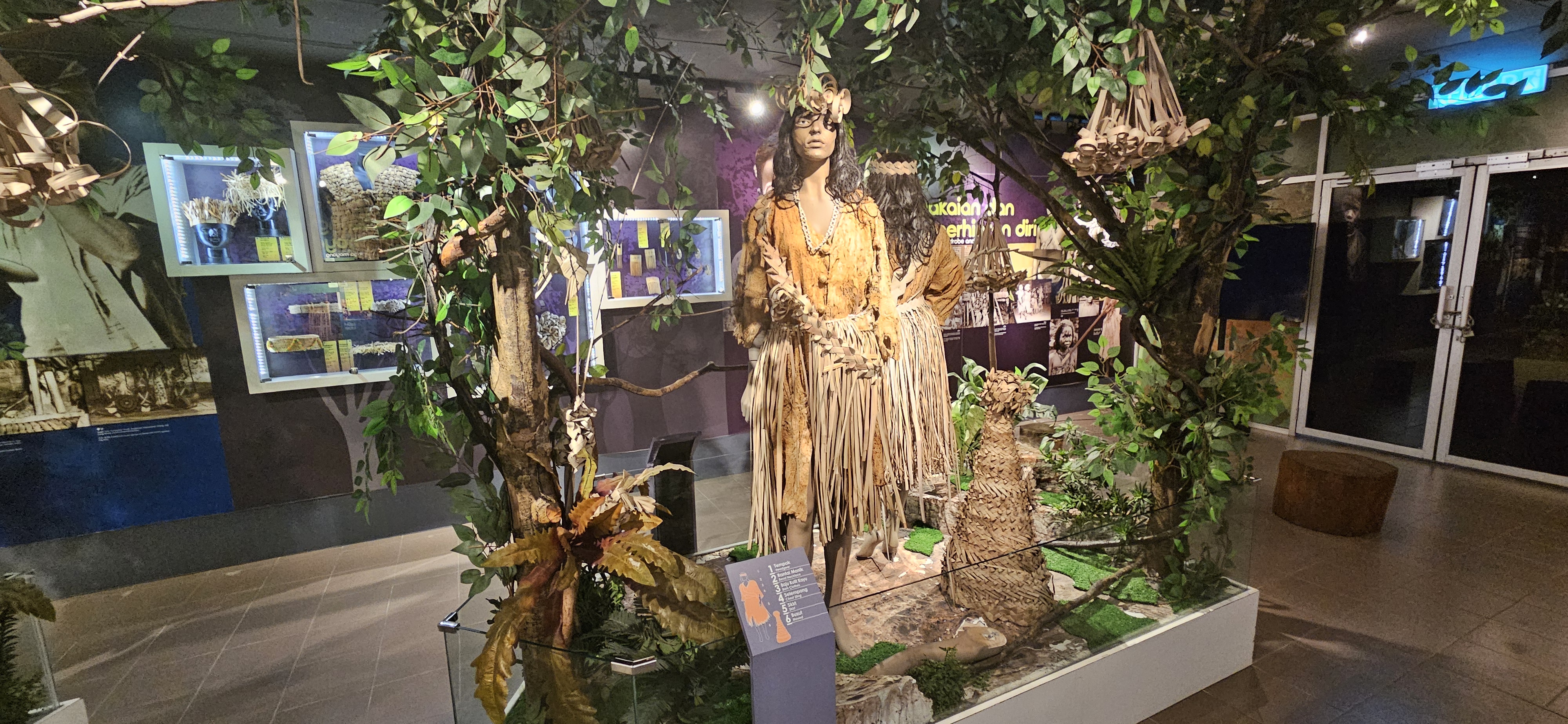
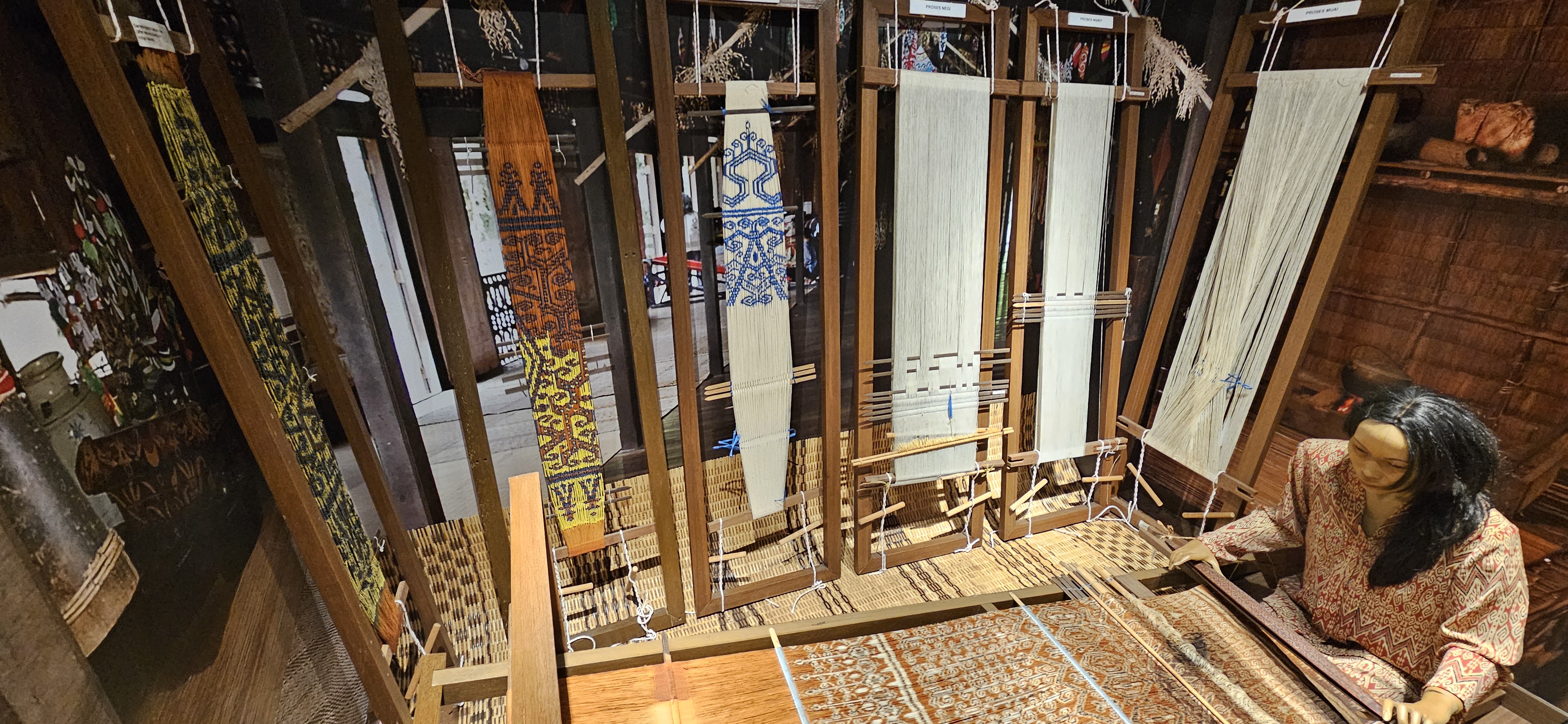
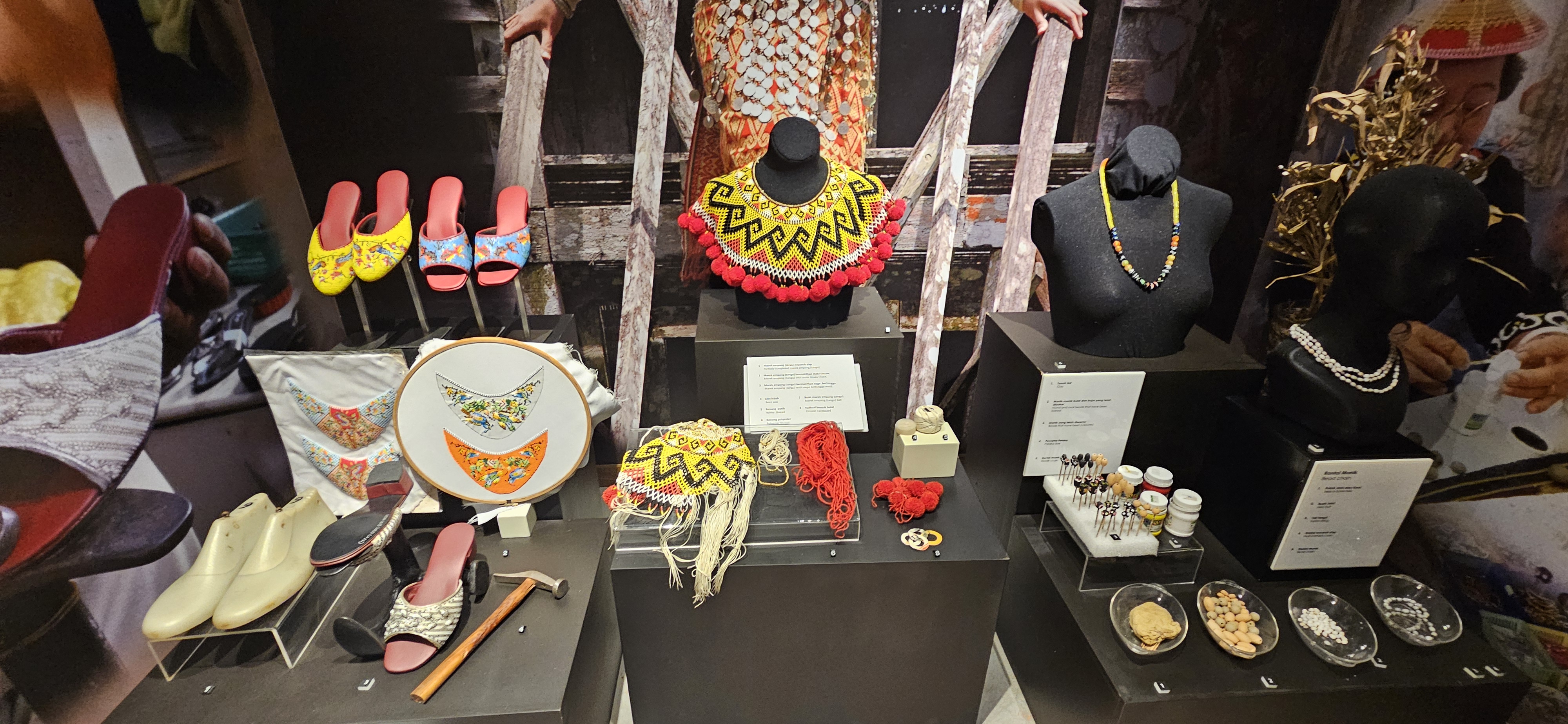
We learned about so many different types of textiles from around the country, from silk and gold thread embroidery, to tie dye, beaded shoes, and bark clothing, many unique to Malaysia. The displays and dioramas were so detailed.
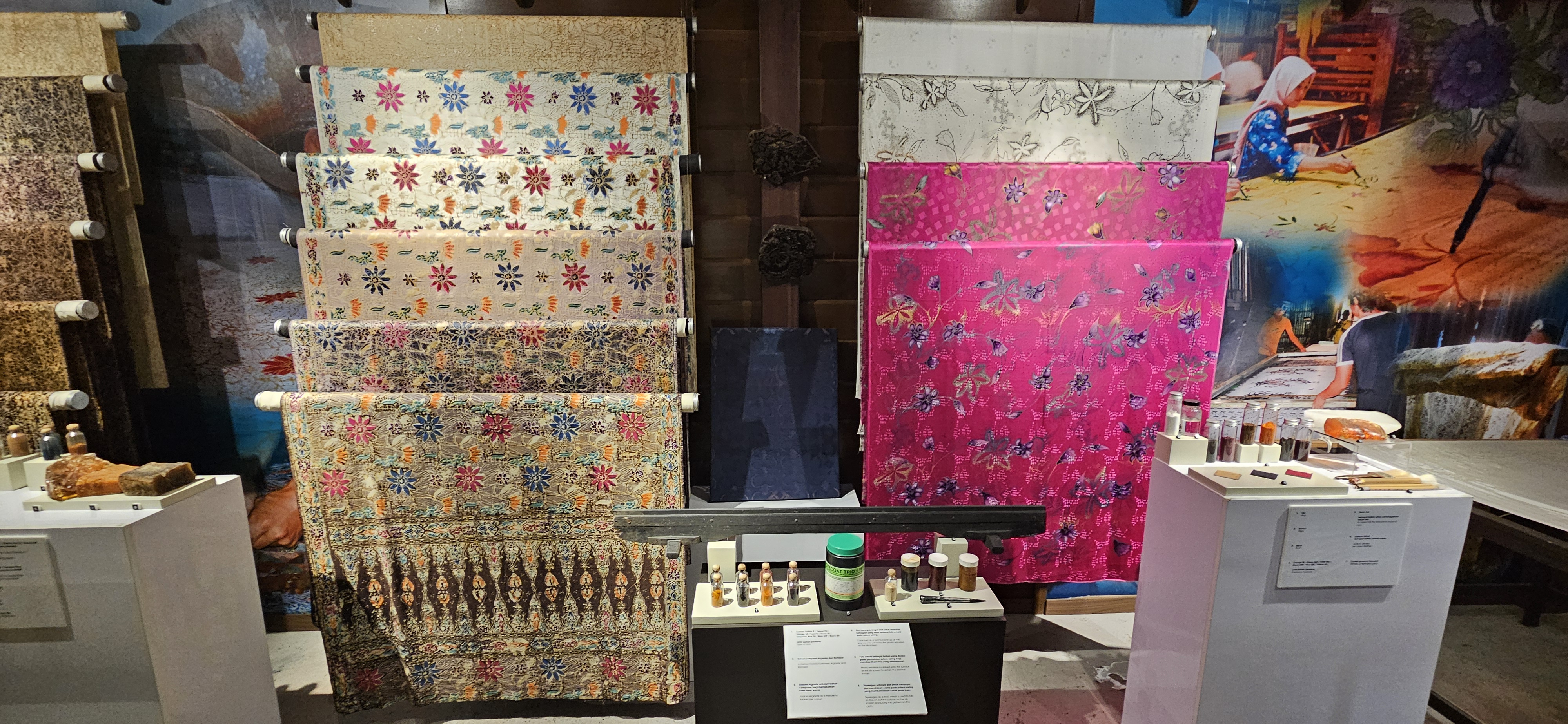
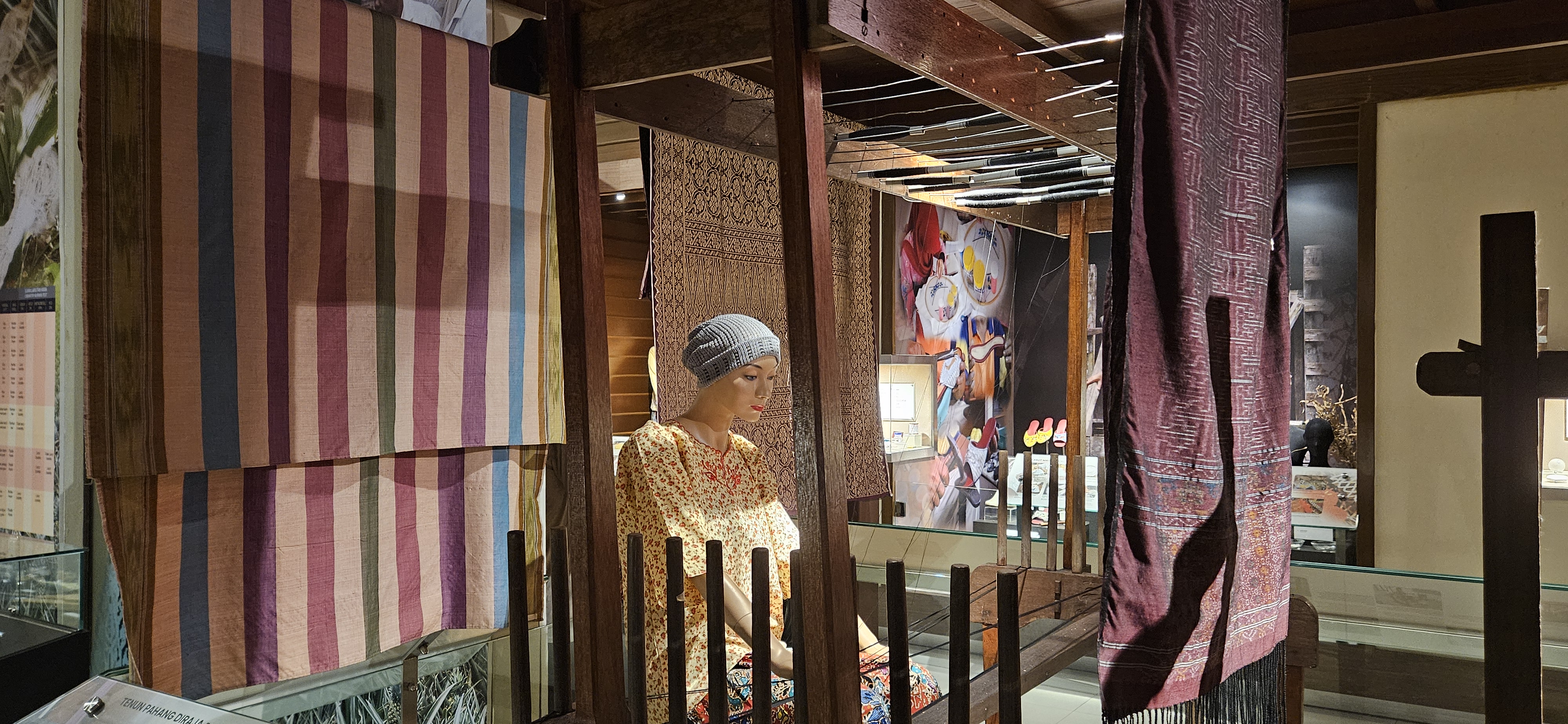
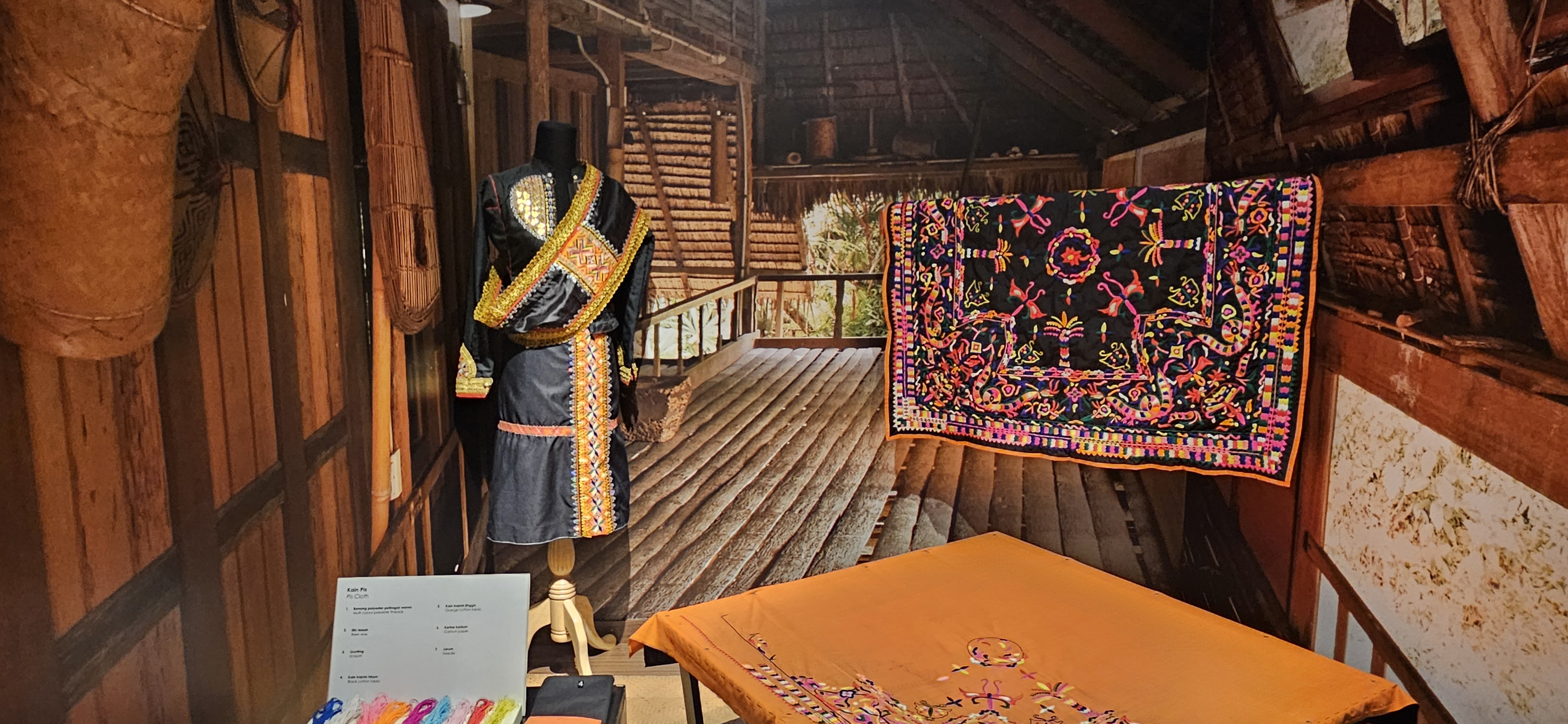
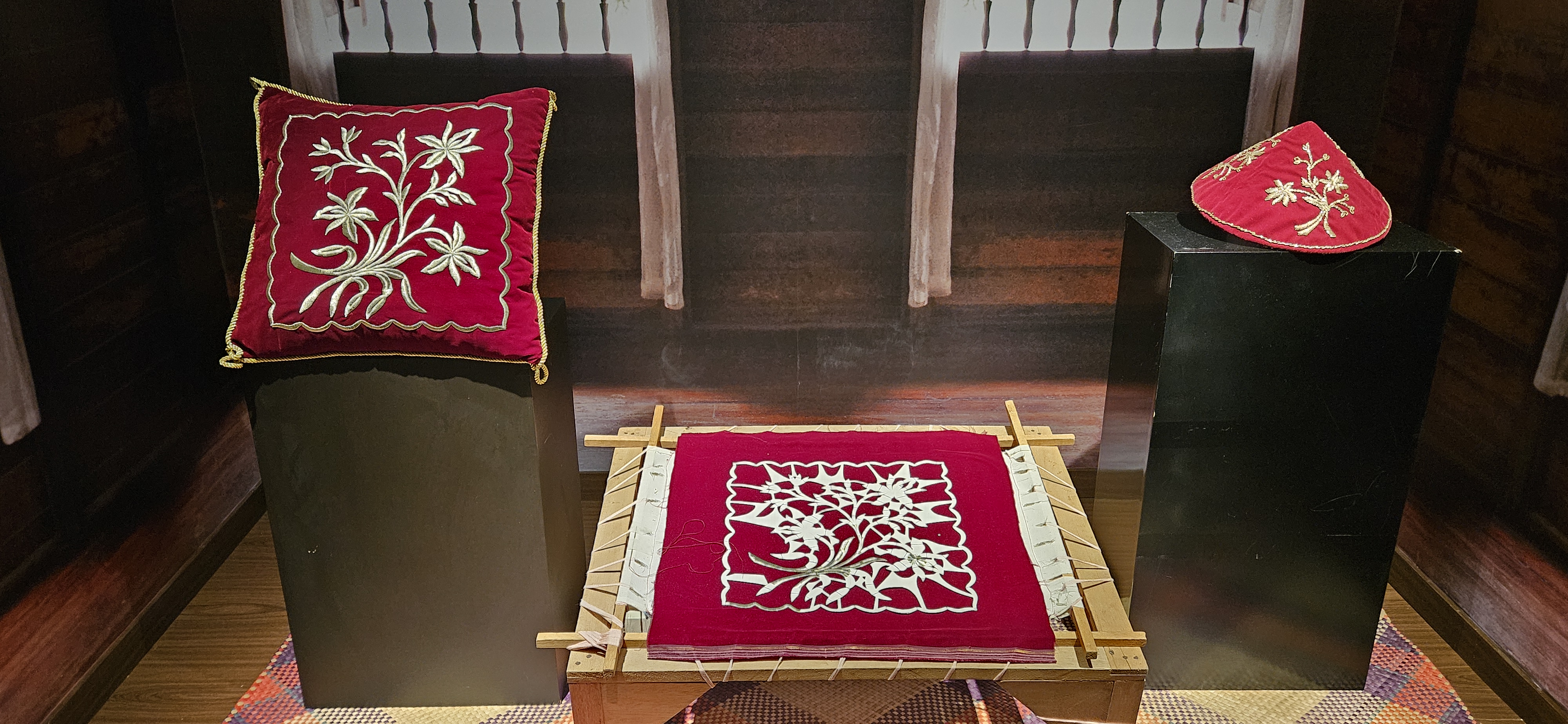
There was a room full of indigenous dress, in which the lighting created some creepy looking mannequin shadows.
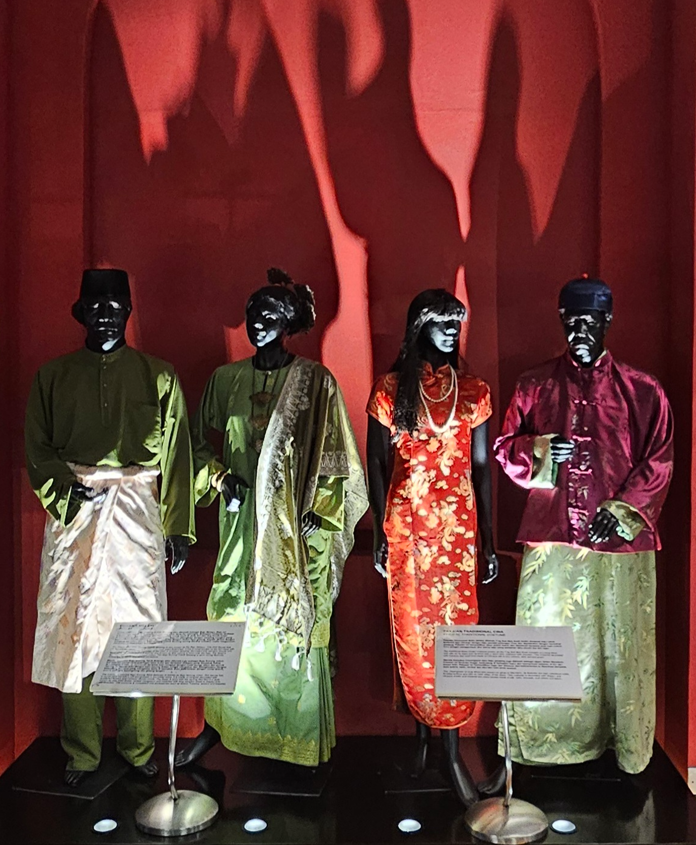
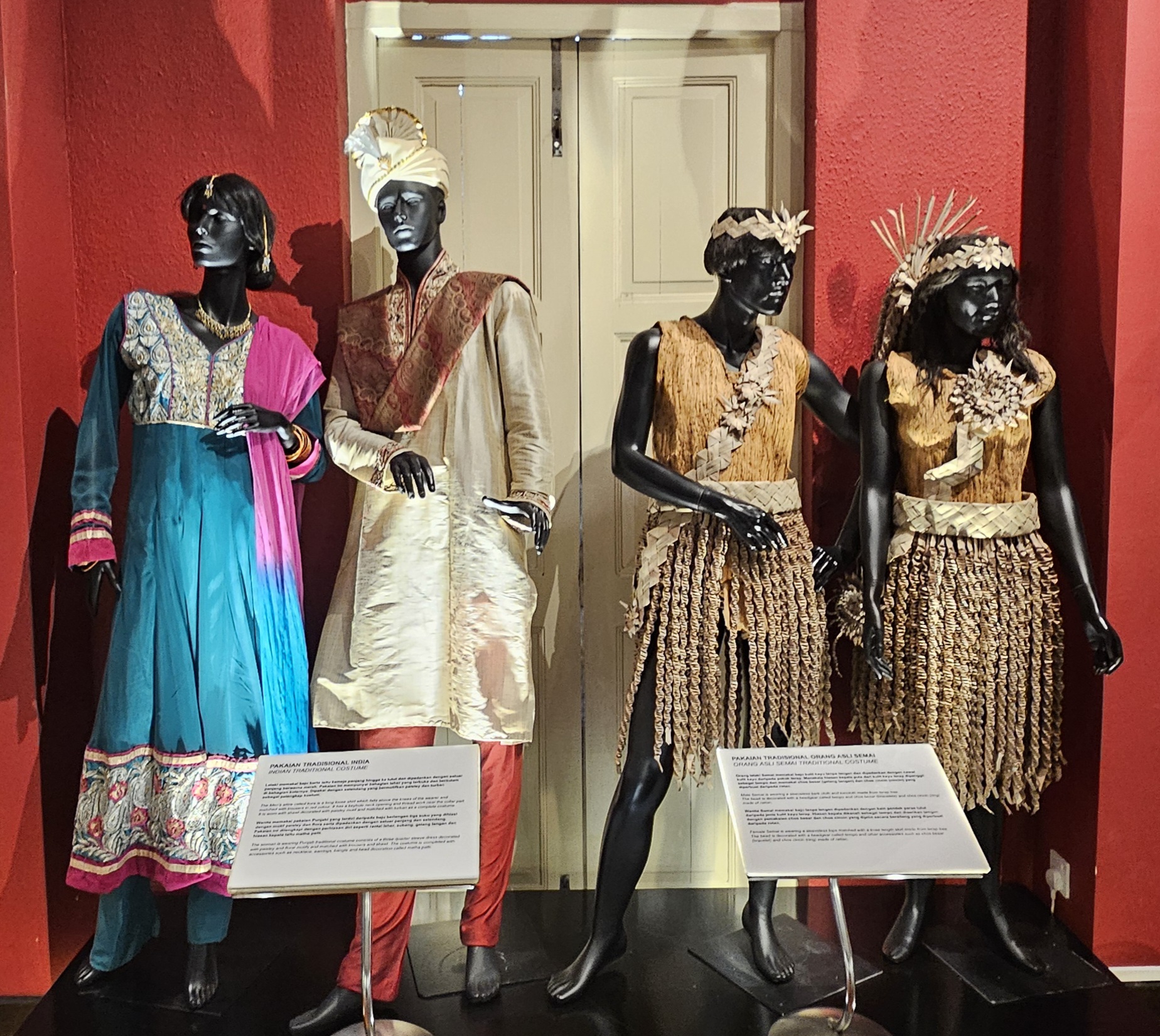
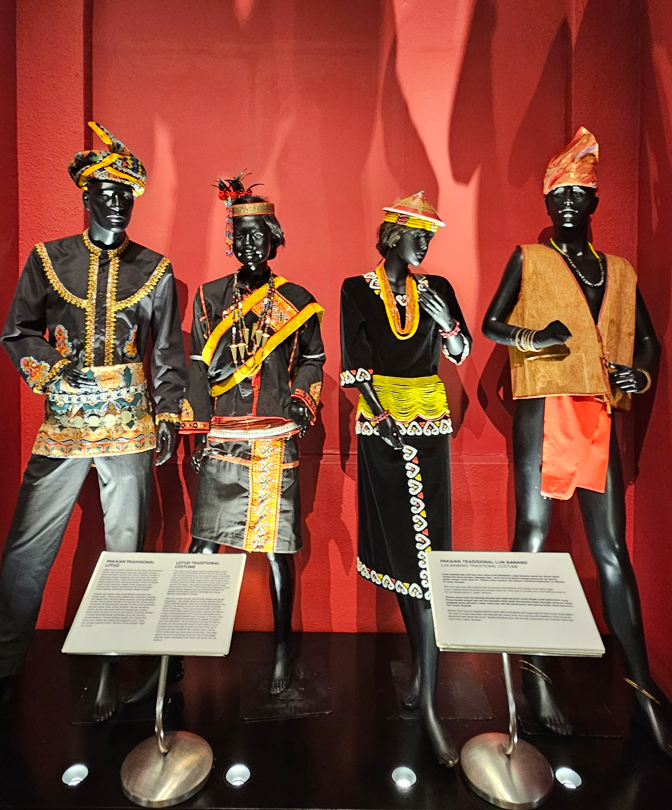
Our favorite part may have been the interactive photobooth, that could imprint our faces and make us look like one of the Orang Asil.
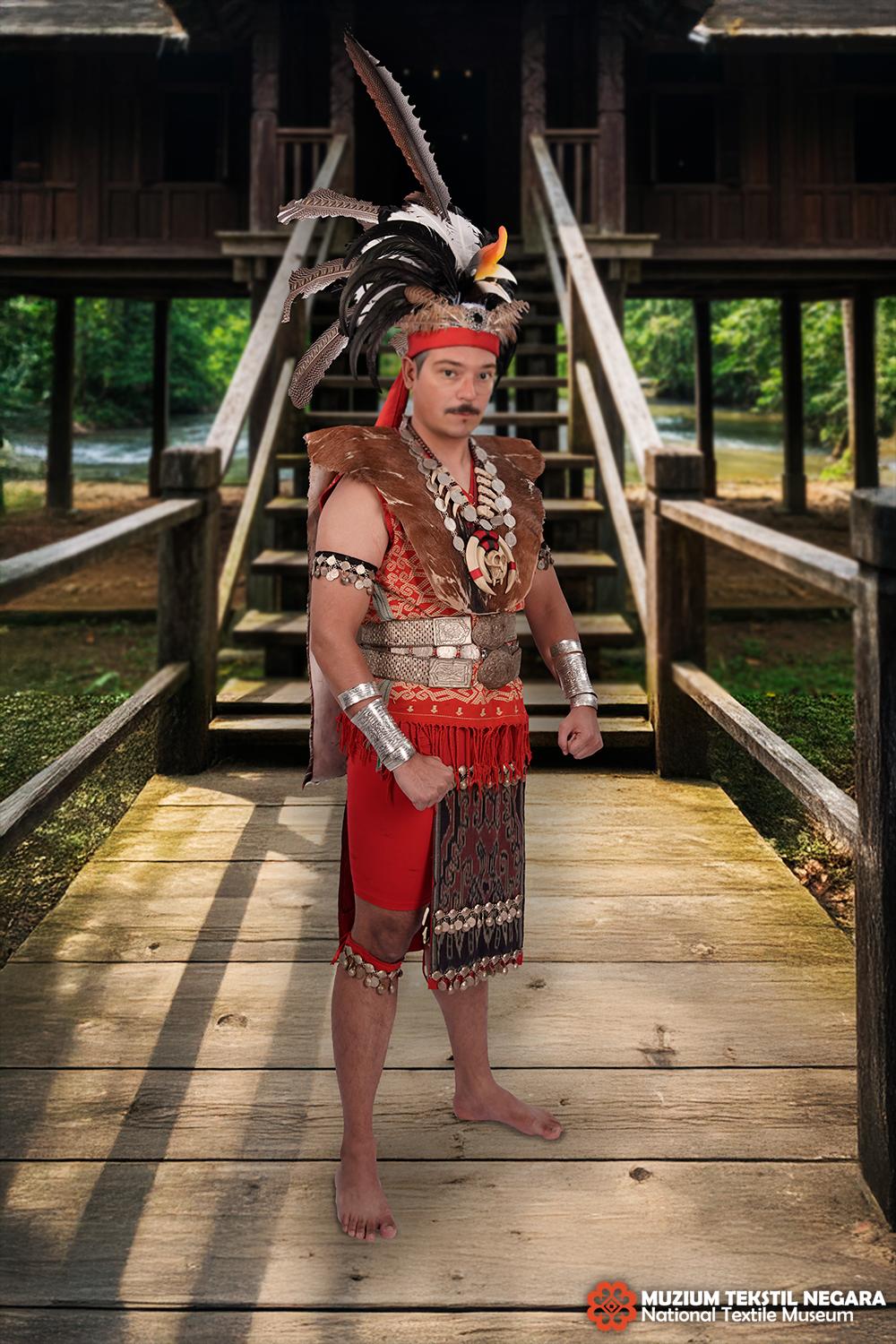
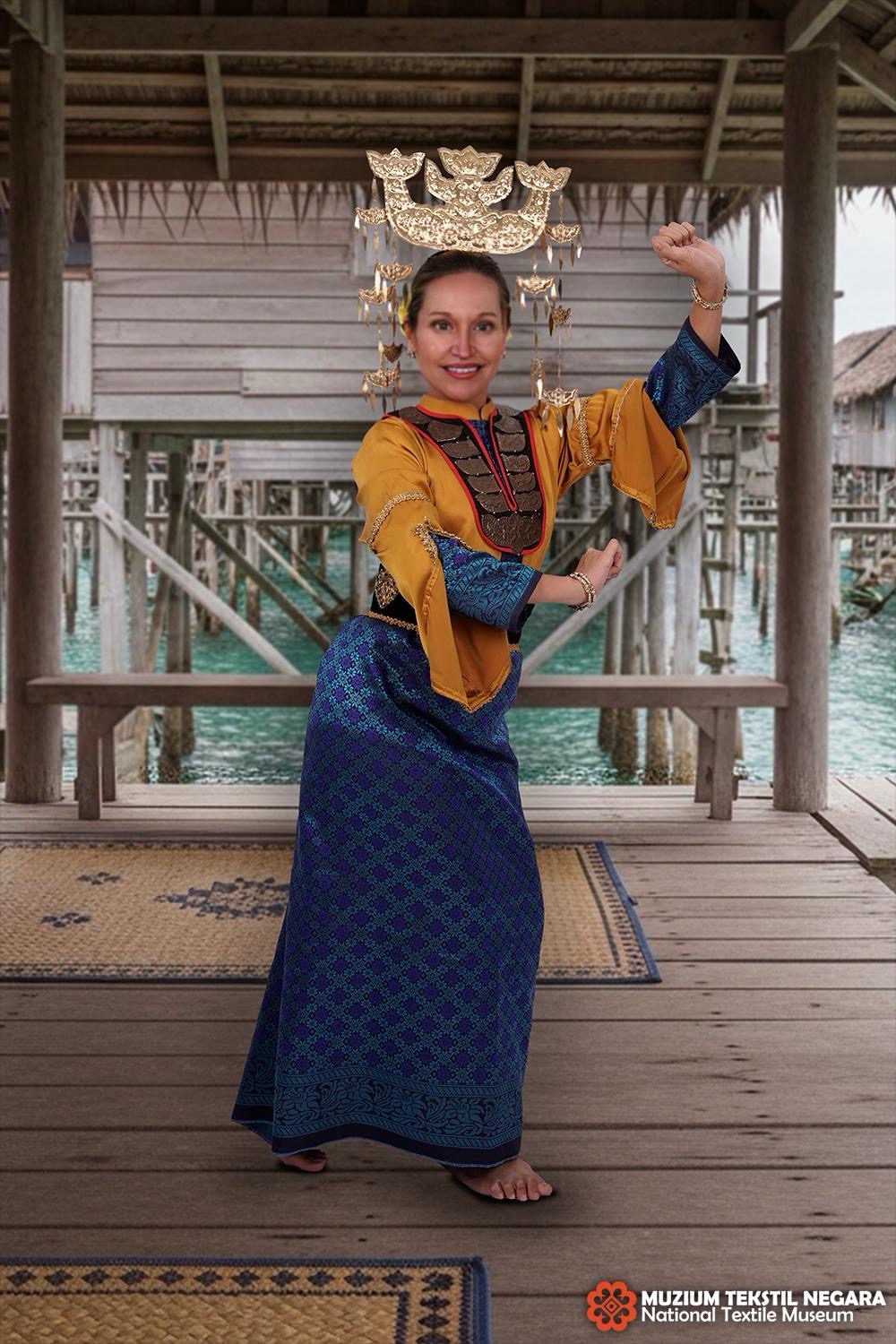
Of course, to end on an even sillier note…
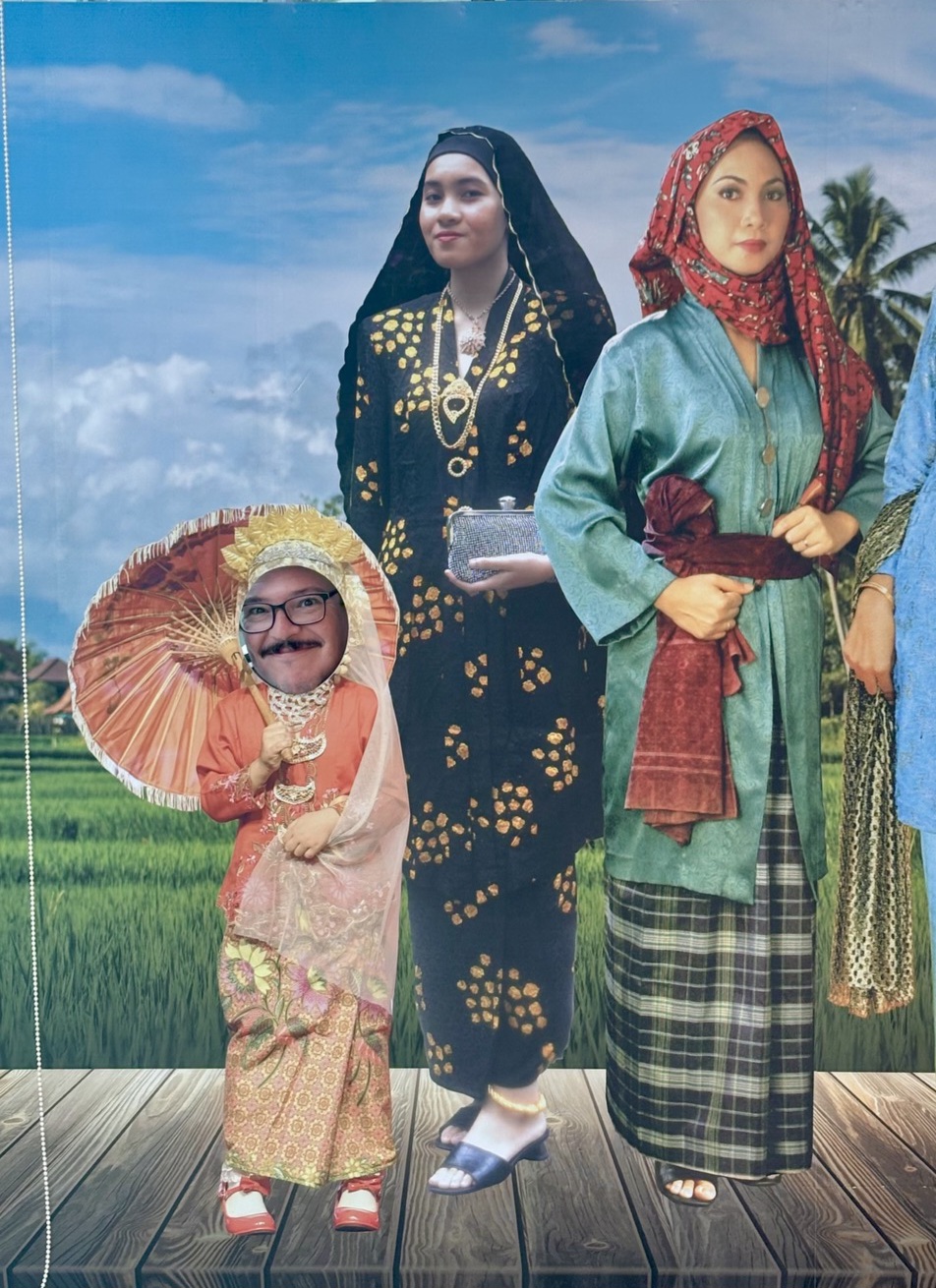
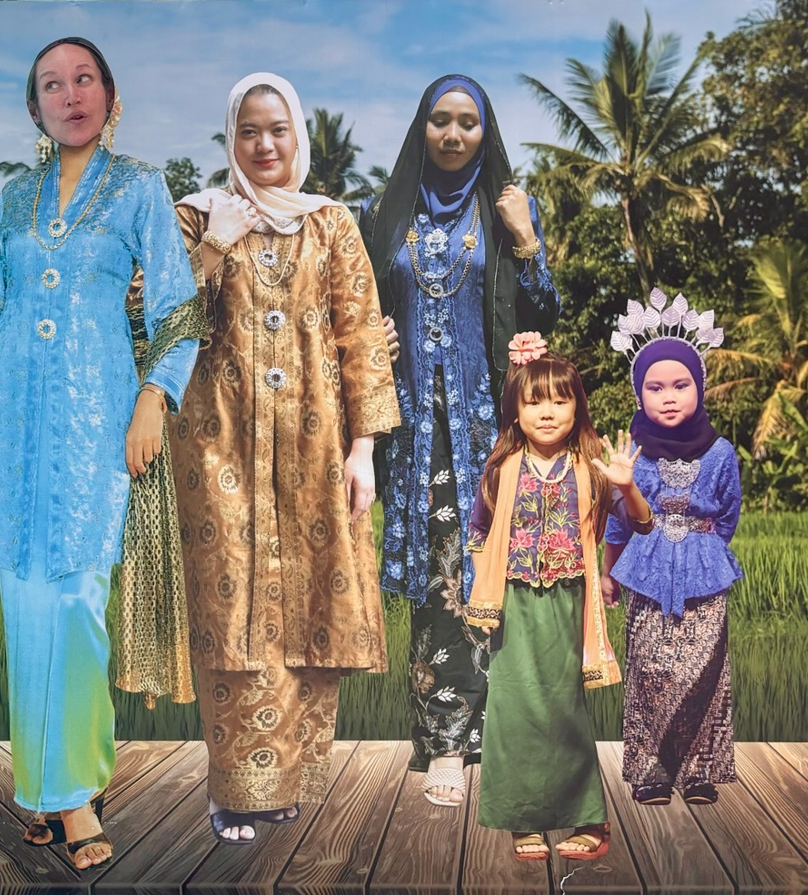
There are so many places to visit all around KL, that its hard to go wrong when exploring the city. There are even more places we wanted to visit in KL that we didn’t get to see. Even though we had two weeks, we could’ve stayed longer, and already want to go back!

