We landed at Penang airport located in the southeast corner of Pulau Penang (Pulau is island in Malaysian). We were picked up by Abdul, a taxi driver native to Penang, who greeted us in perfect English. It was really nice to speak to a native English speaker again after months of not being fully understood in our native tongue. Of course, that is part of the fun of international travel, and we are grateful for all the people who spoke a little English to make things easier for us, but to speak to a native English speaker was comforting.
Abdul was very talkative over our hour drive to George Town, the capital of Pulau Penang. He told us about all the factories located near the airport and that they manufactured many technology devices and components in Malaysia; in fact, Malaysia welcomed many of the big tech and computer companies back in the 1970s and thus are one of the most successful and prosperous countries of Southeast Asia.
George Town itself was the first British settlement in southeast Asia, as it is located on the Straight of Melaka (or Malacca), and was important for trade for hundreds of years, dating back to the late 1700s. George Town, along with the cities of Malacca and Singapore formed the Straits Settlements and they became part of the British Empire in 1867. George Town became a “free port” where anyone could come and earn a living. This lead to many Chinese and Indian traders and laborers to come to George Town, and, when Chinese men married Malay women, they created the Peranakan ethnic group, also known as Baba-Nyonya, who I mentioned in the last post. Now, George Town is the capital of the state of Pulau Penang.
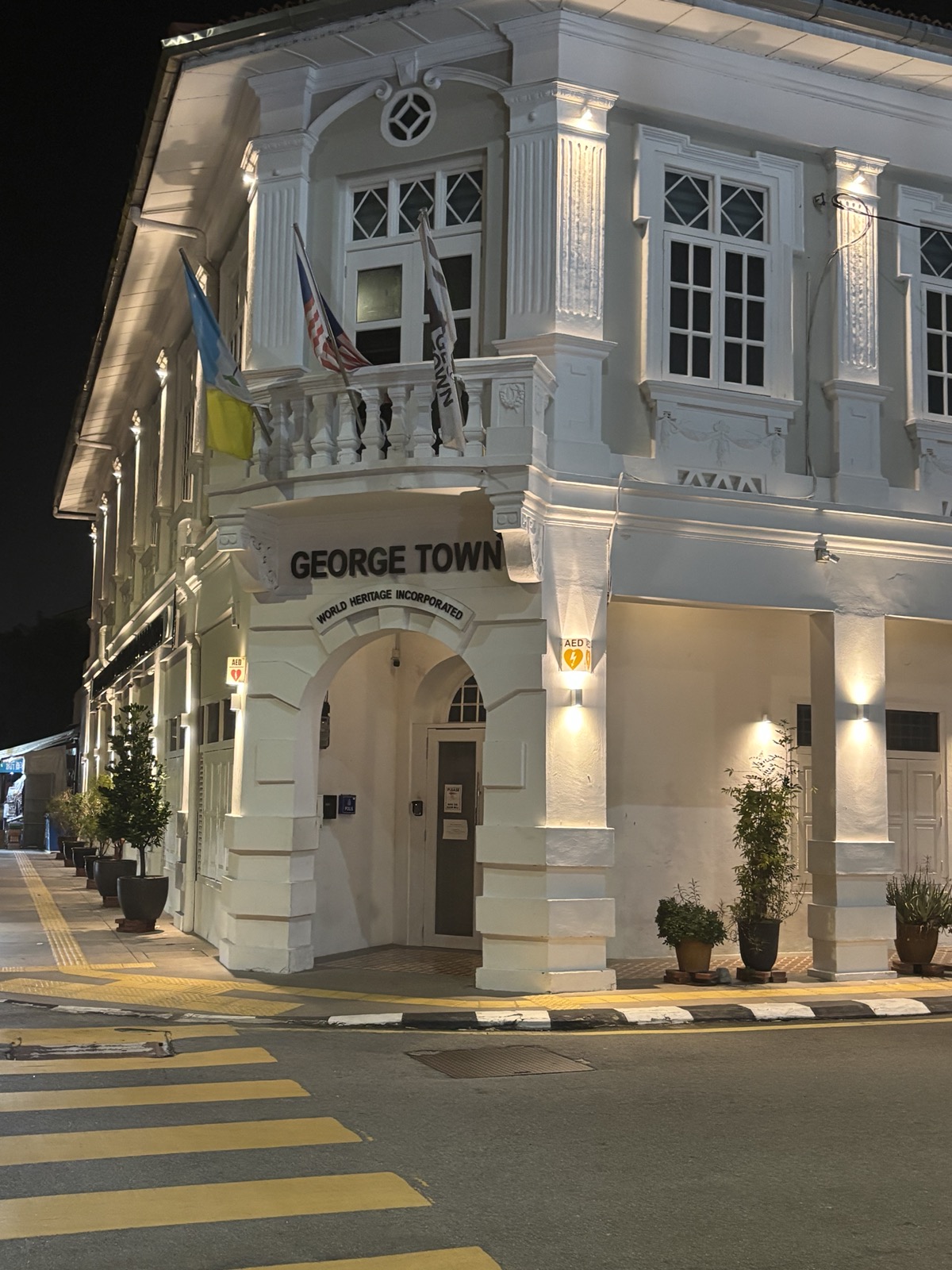
Central George Town is recognized as a UNESCO world heritage site. We really enjoyed getting lost on the small streets, as there is a ton of street art, the buildings are historical, though some a bit run down, but that just adds to the charm. We stayed at the Royale Chulan hotel, right in the heart of George Town, so we were able to explore the whole area over our two weeks in George Town.
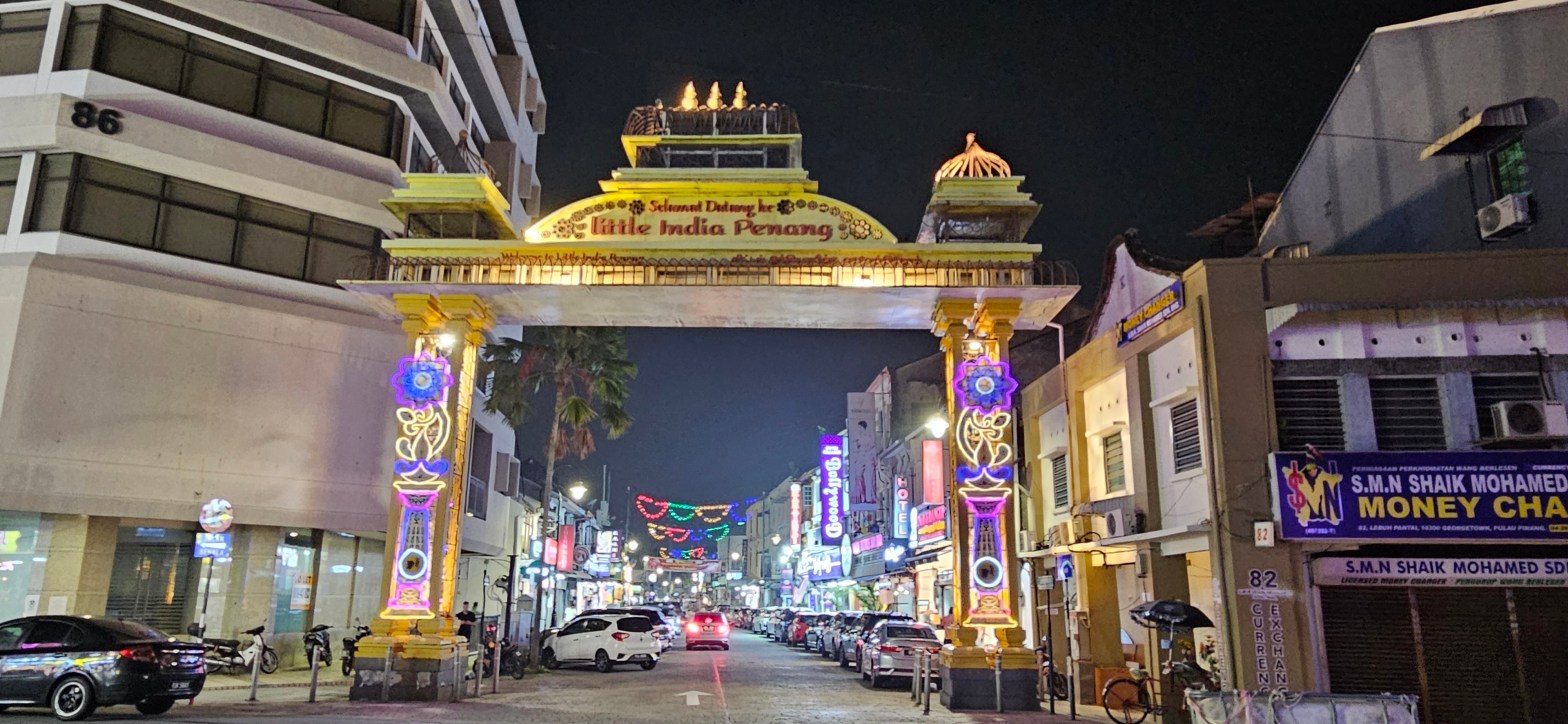
Our first day we joined a food tour, and started in the later afternoon, as it was so, so hot. We tried Malay, Indian, Chinese, and Peranakan food with two couples from Australia and our tour guide, Grace. Malaysians usually speak at least Malay and English, and Grace also spoke Mandarin, Hokkien (a southern Chinese dialect), and Tamil (southern Indian dialect). Grace took us all over on foot, through Little India, down the one unnamed street (known to locals as boat street) in Georgetown, and even a short stop on Love Lane.
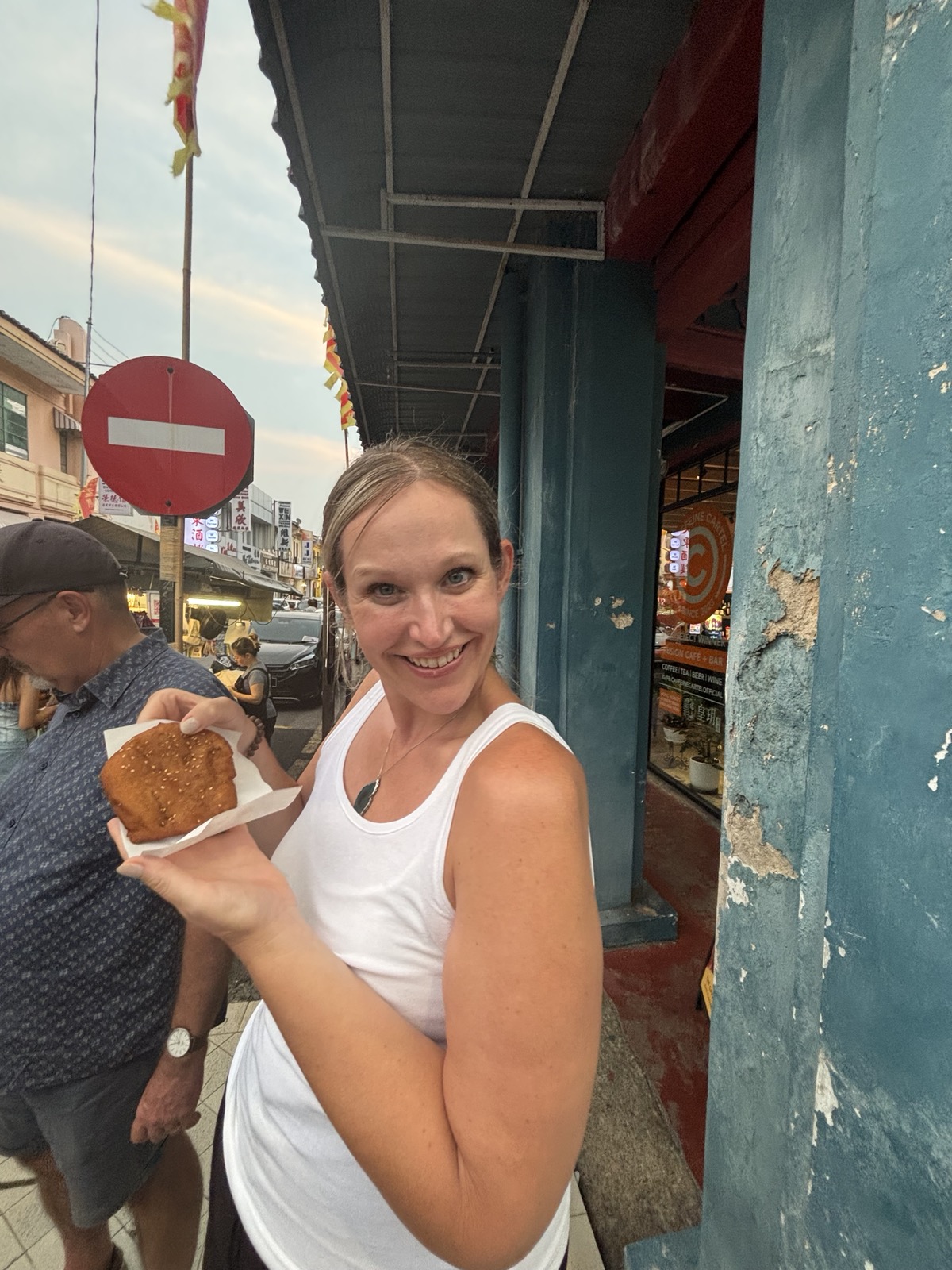
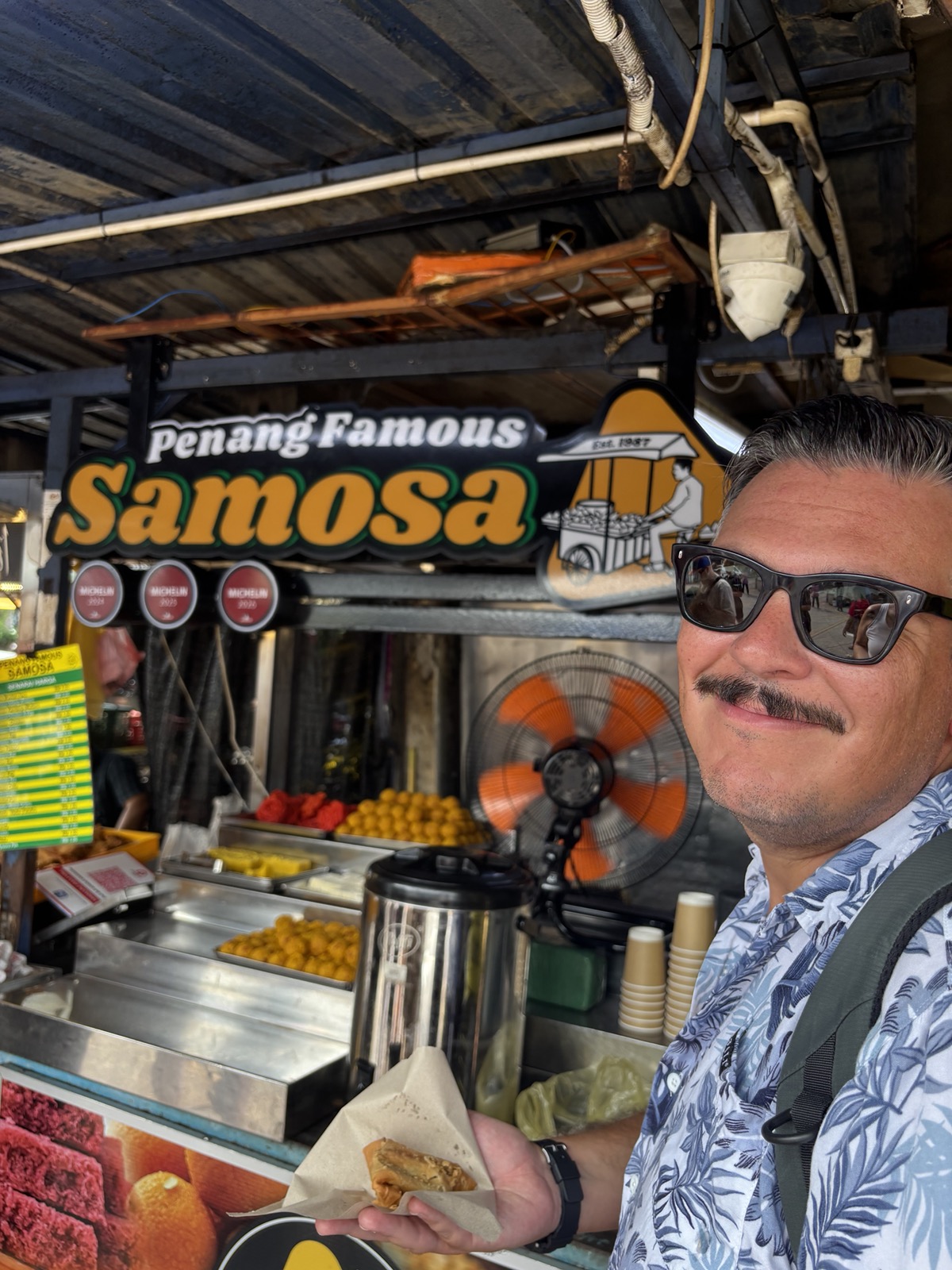
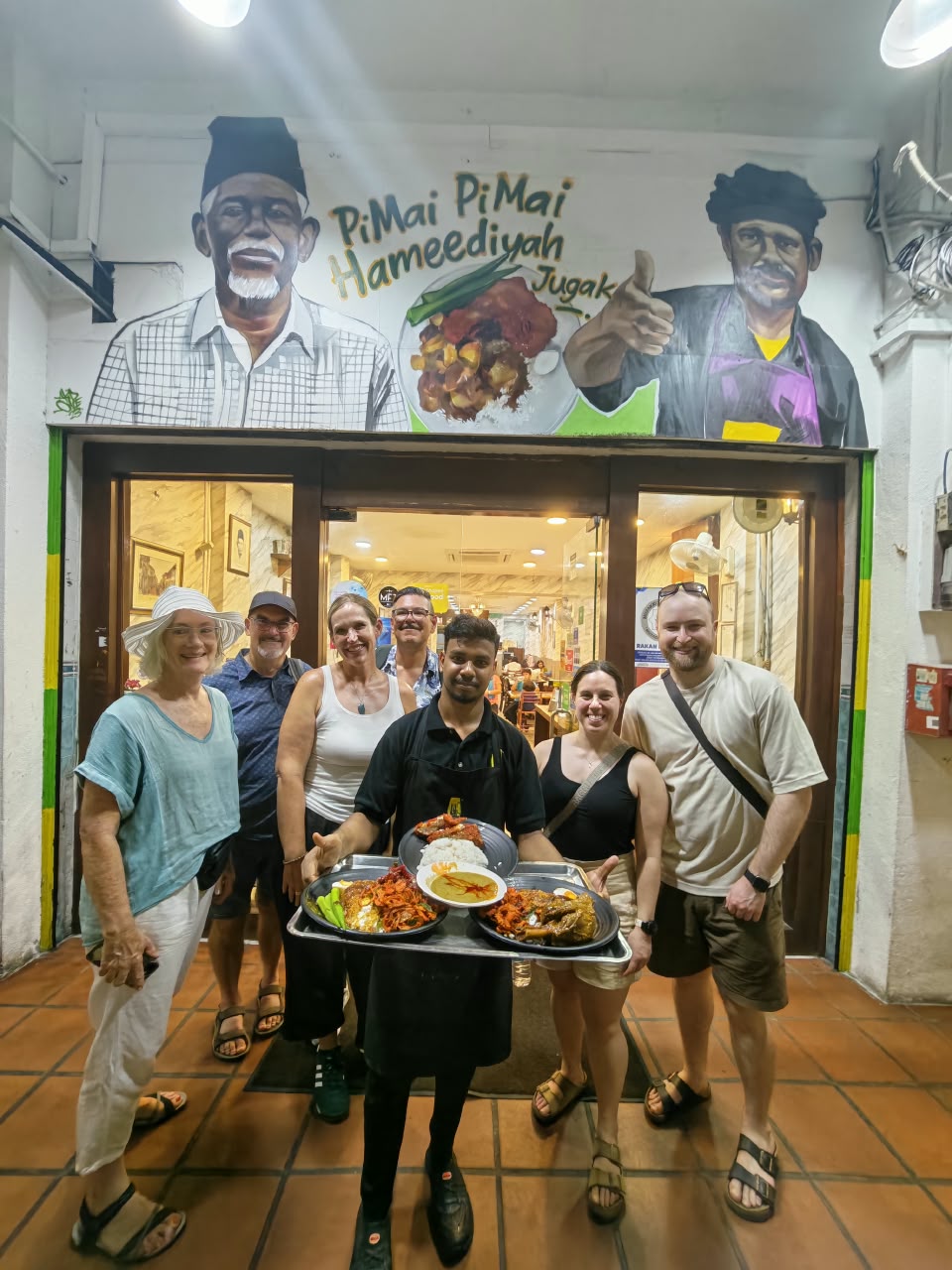
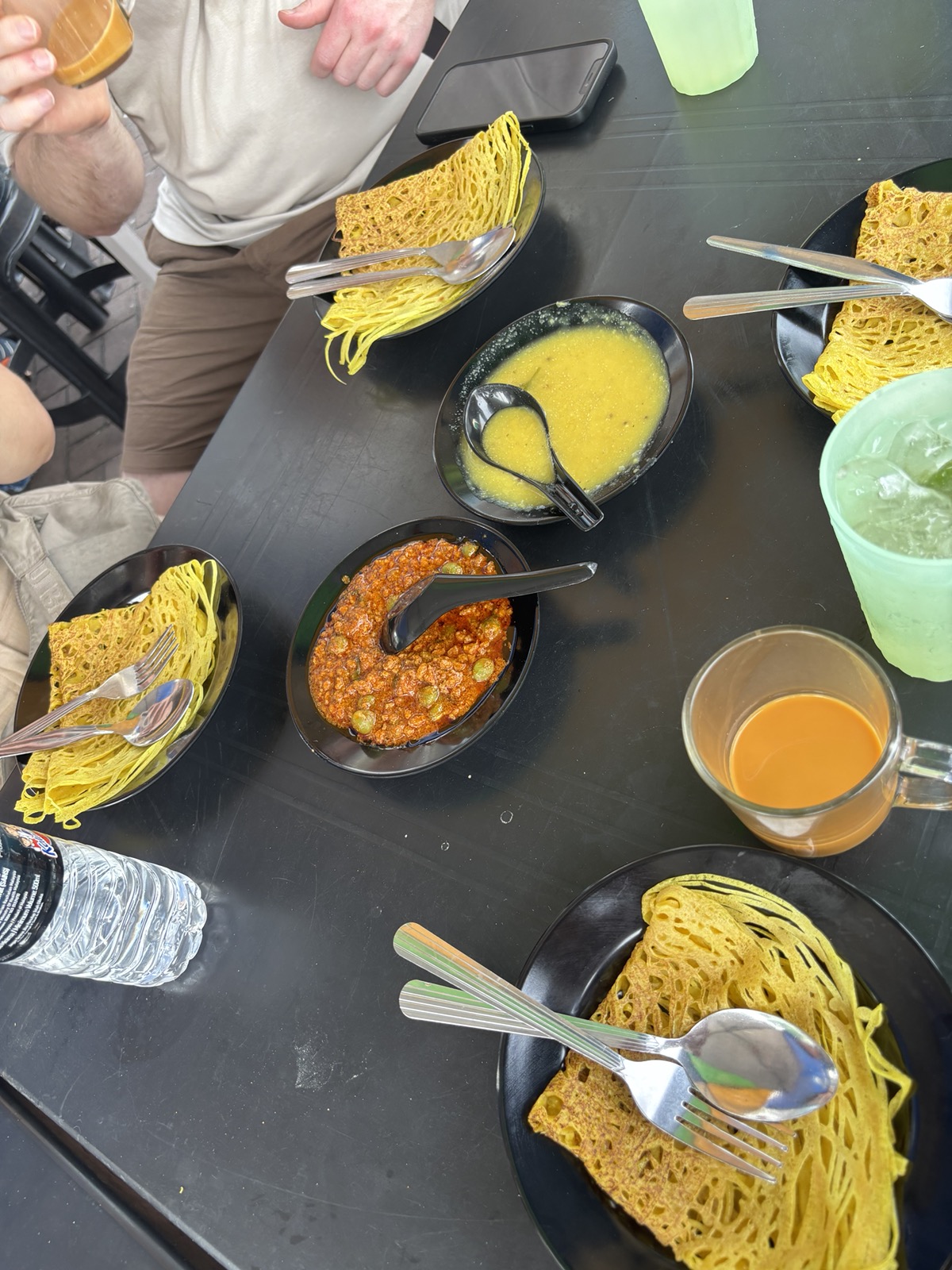
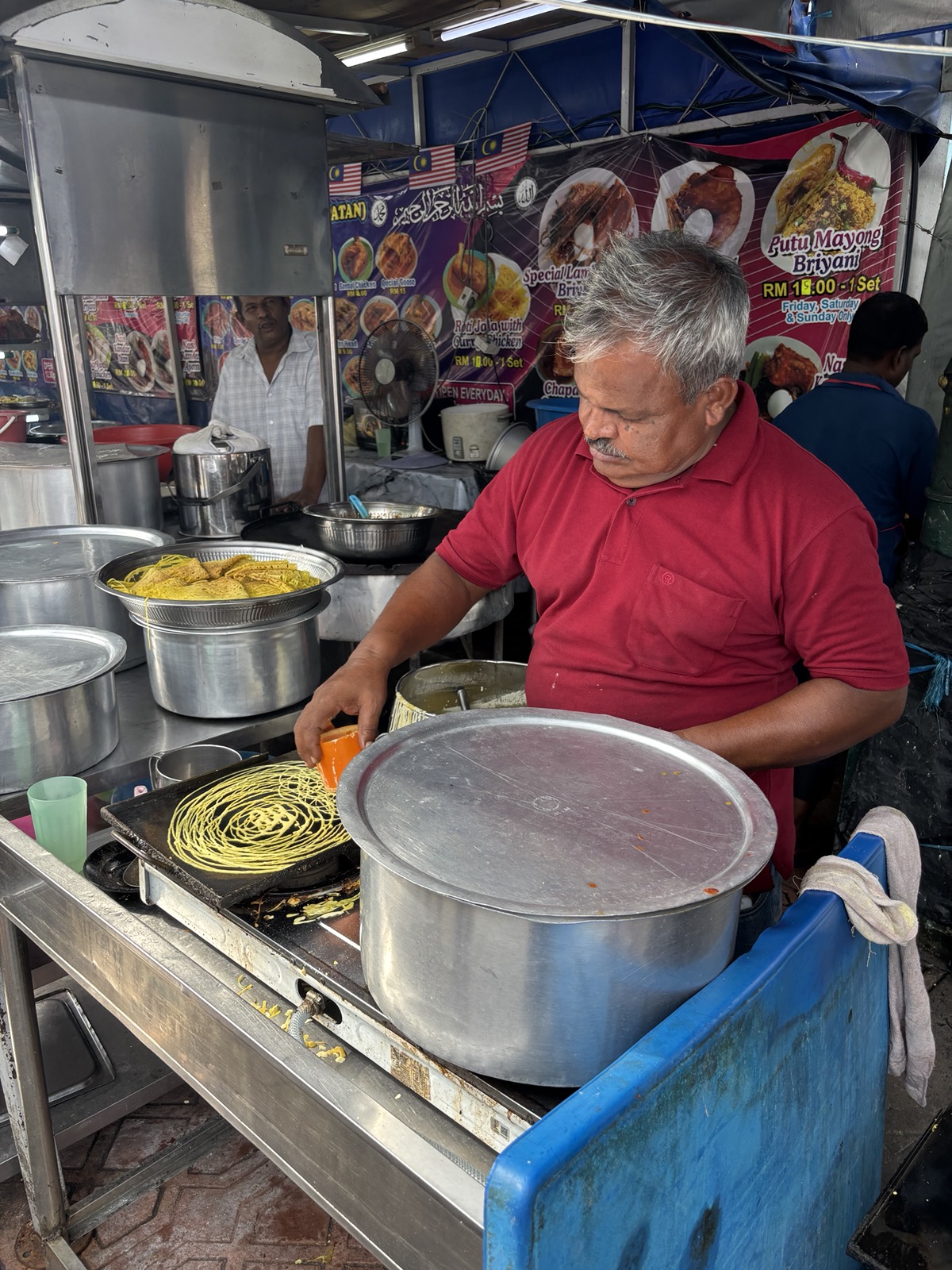
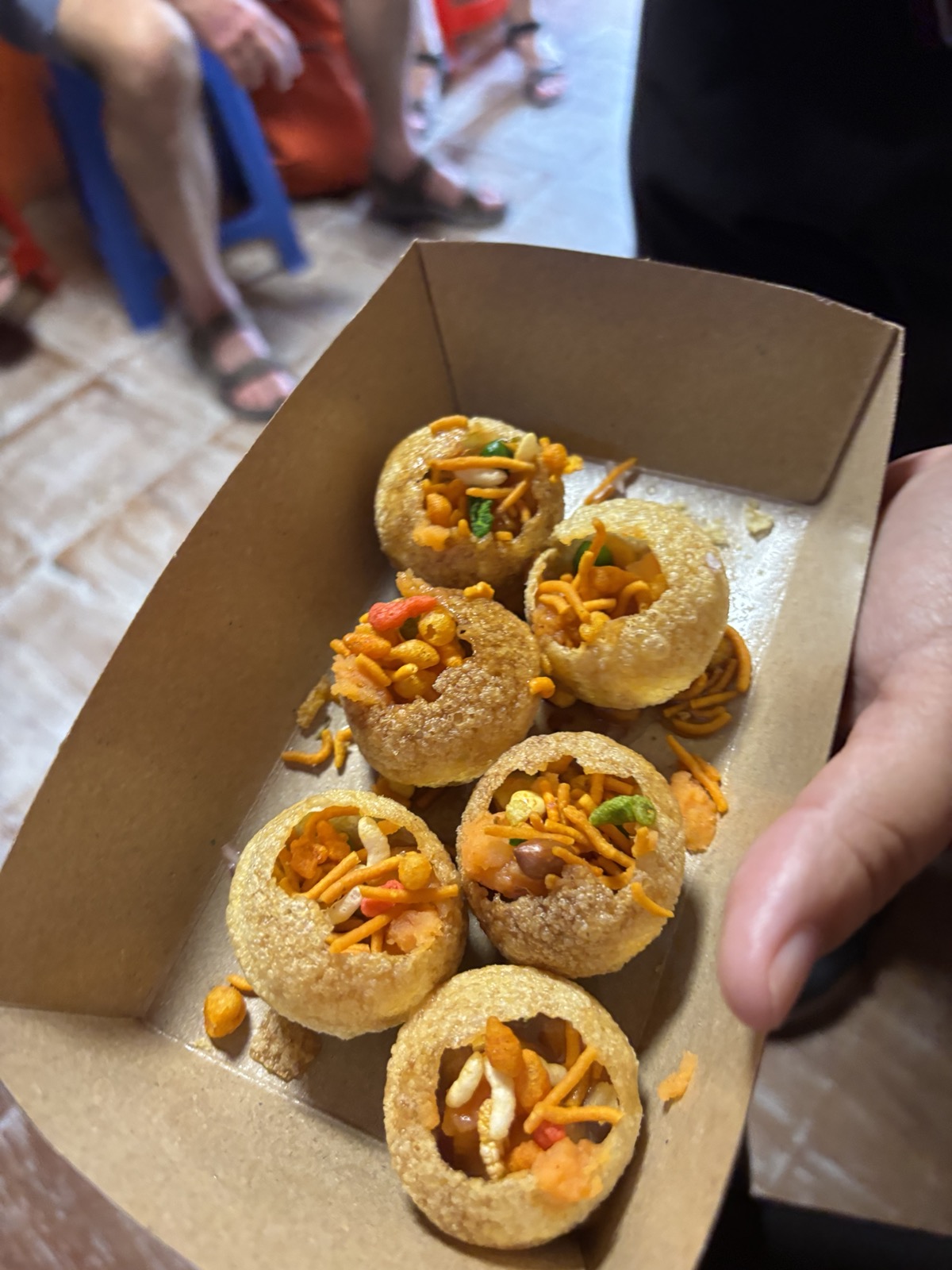
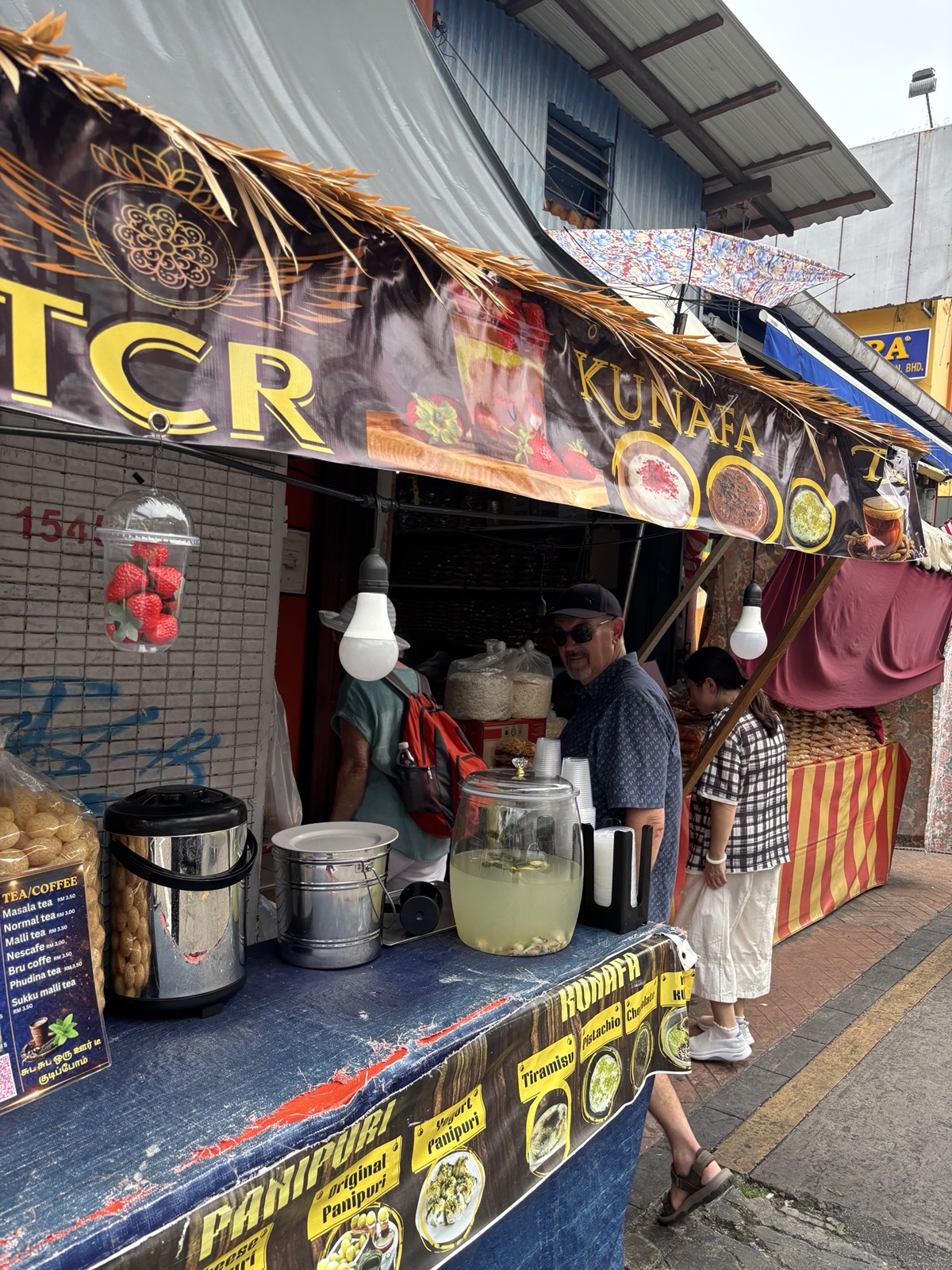
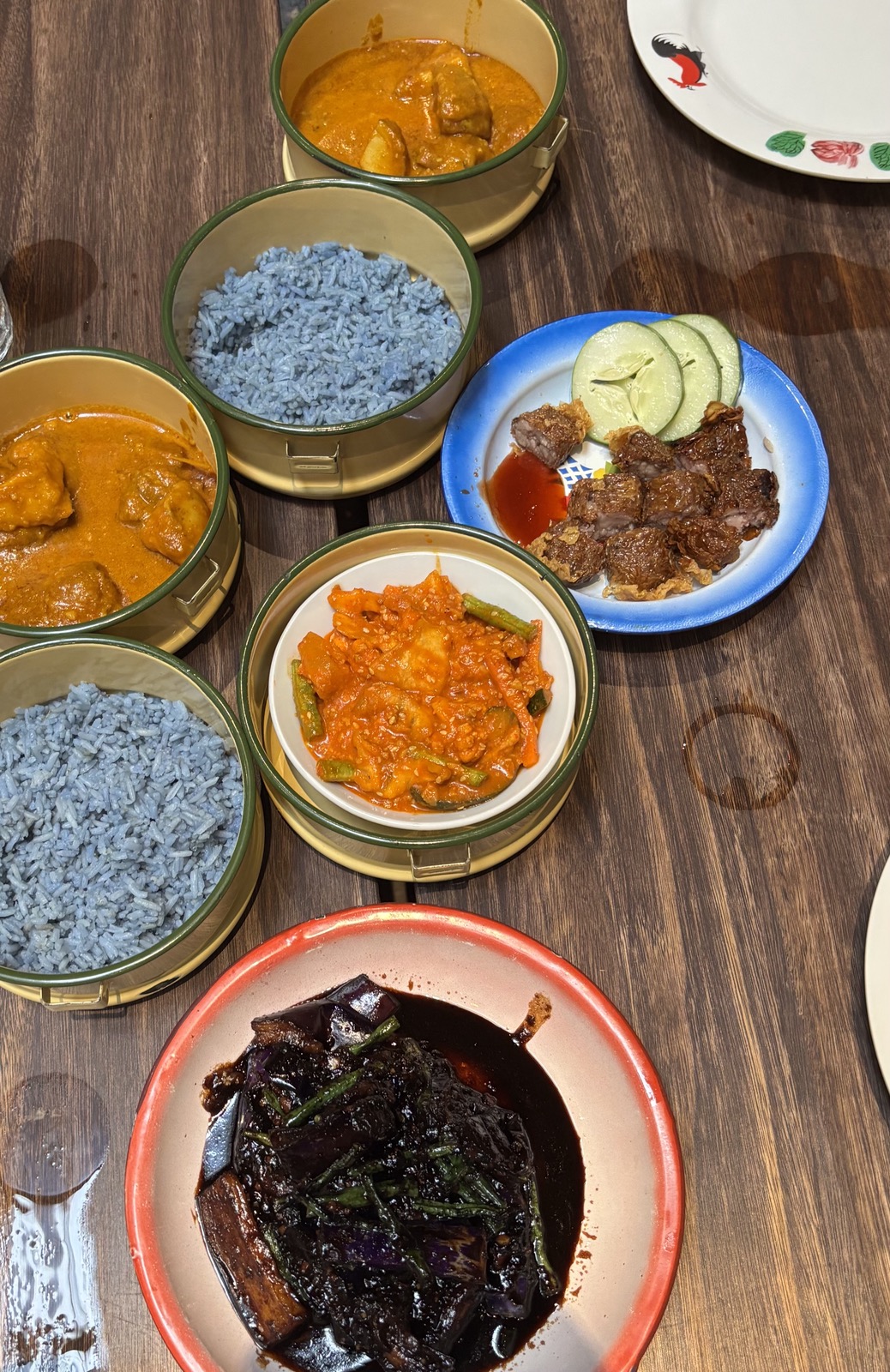
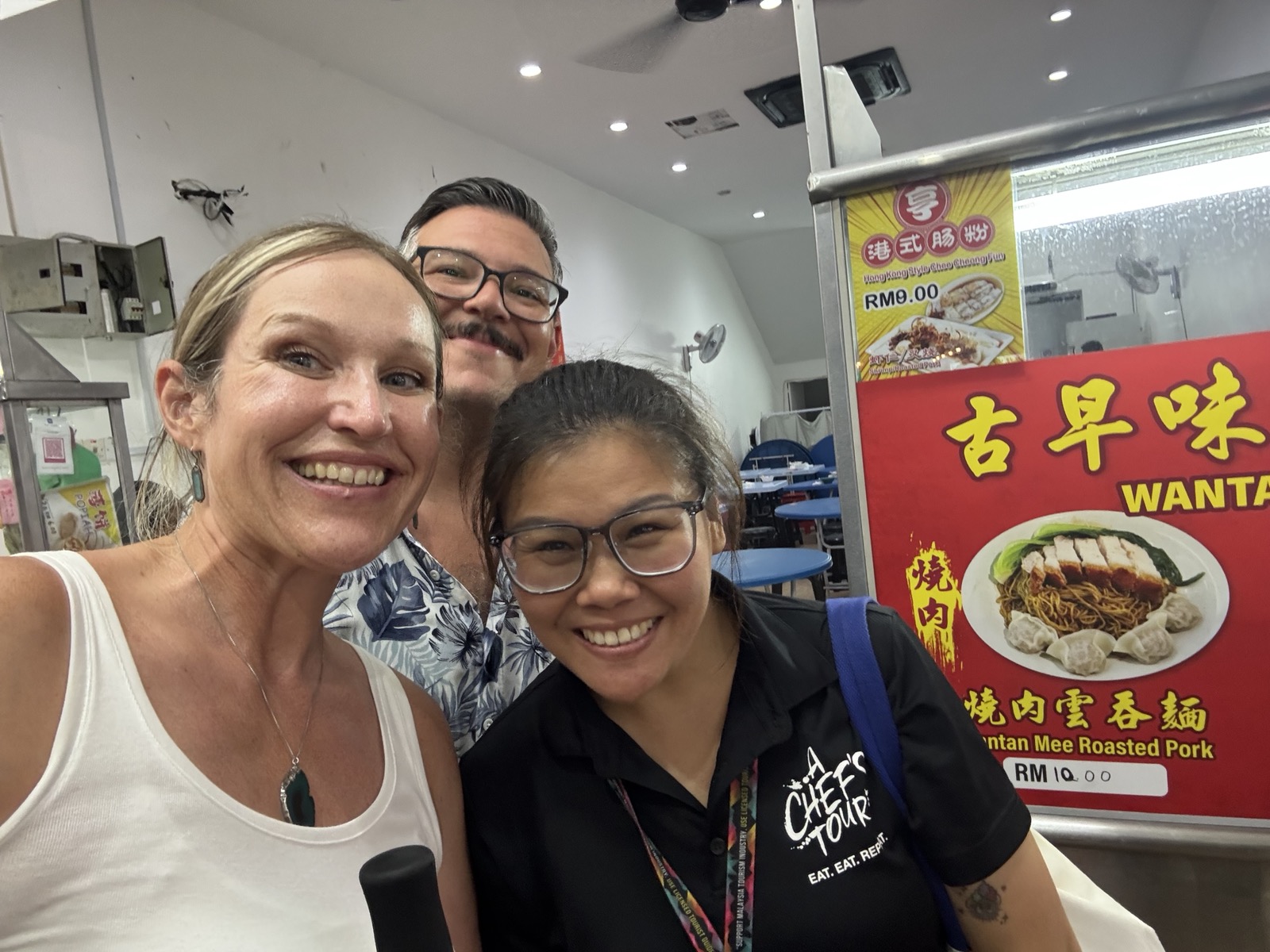
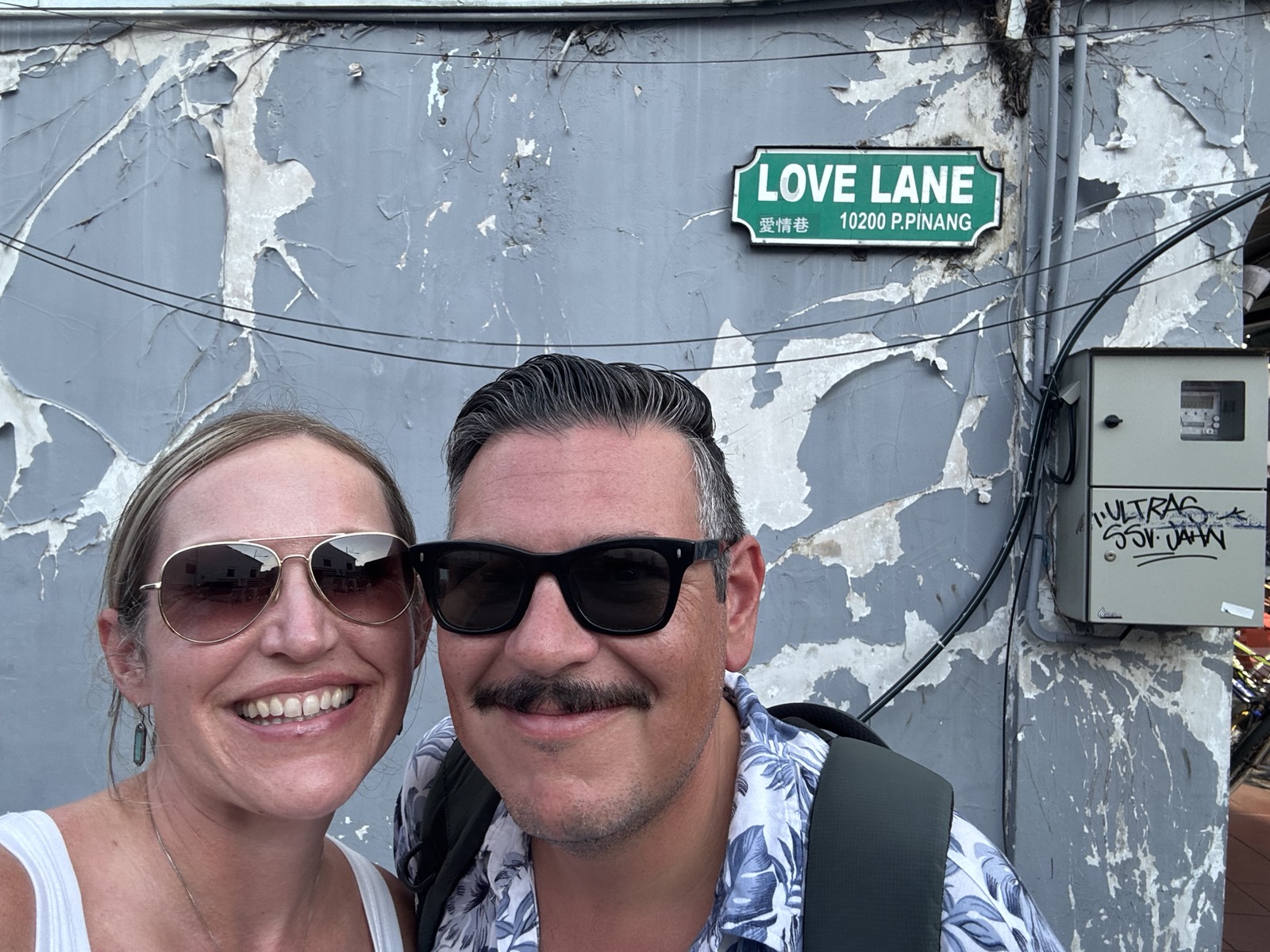
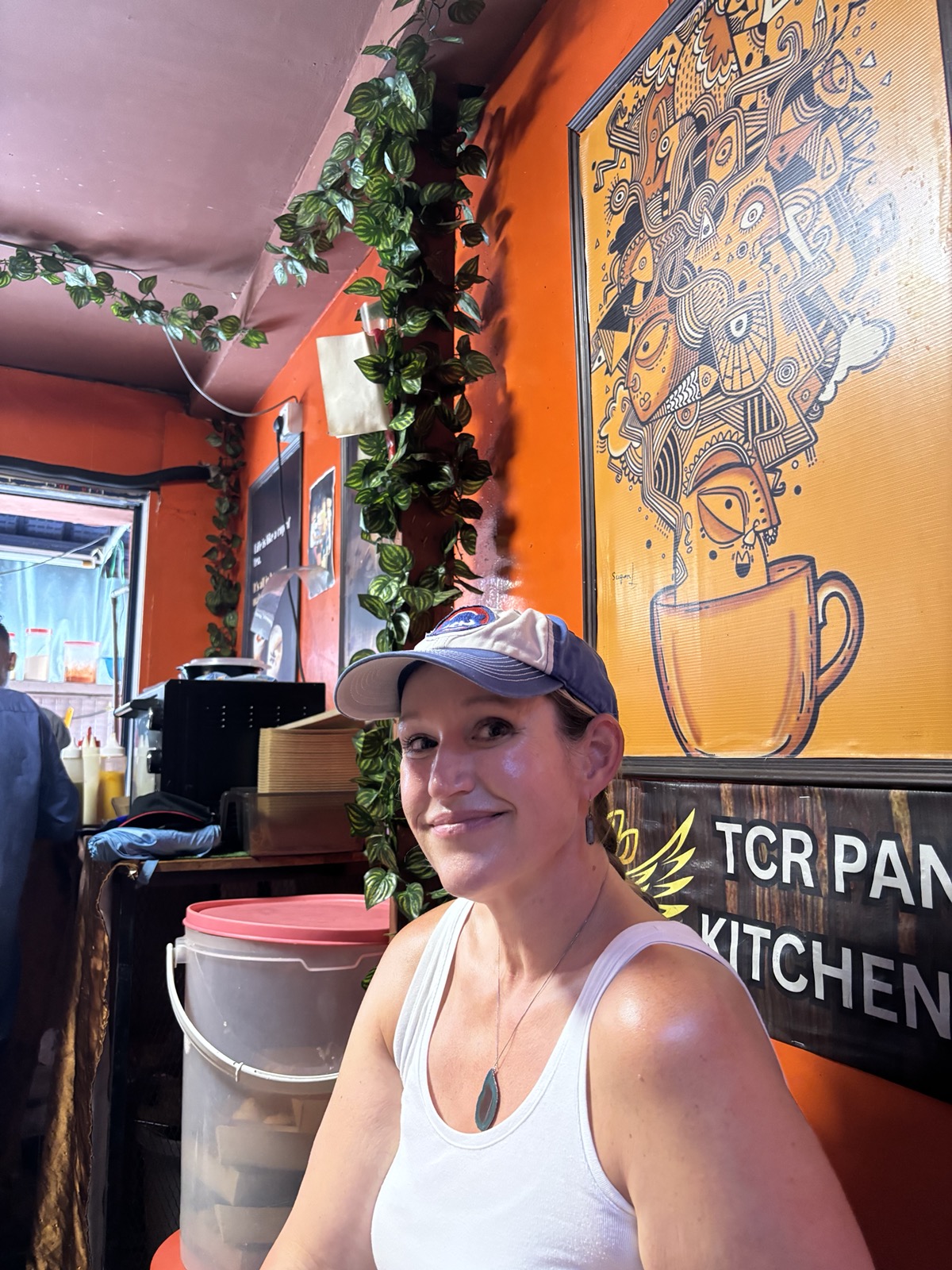
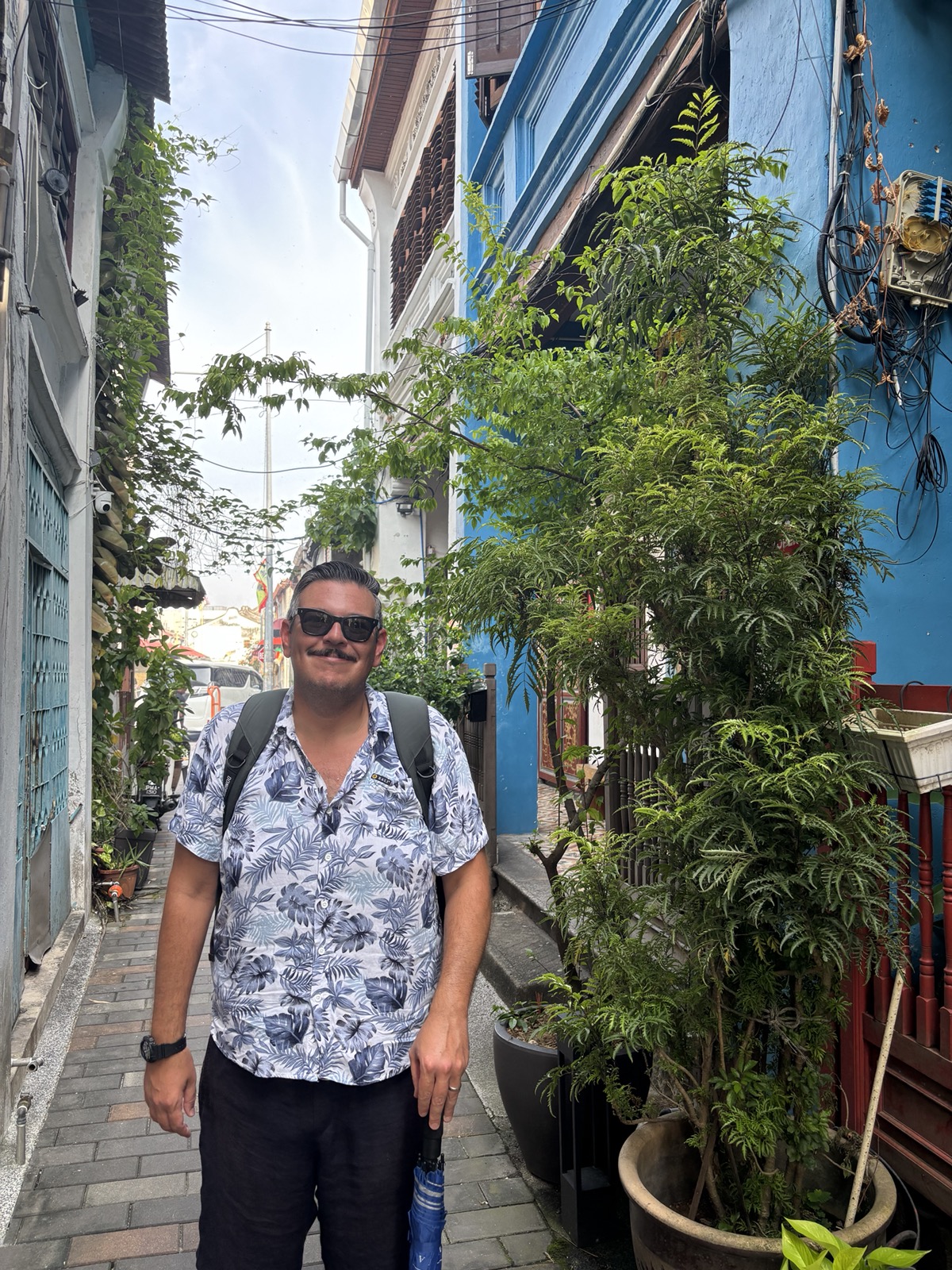
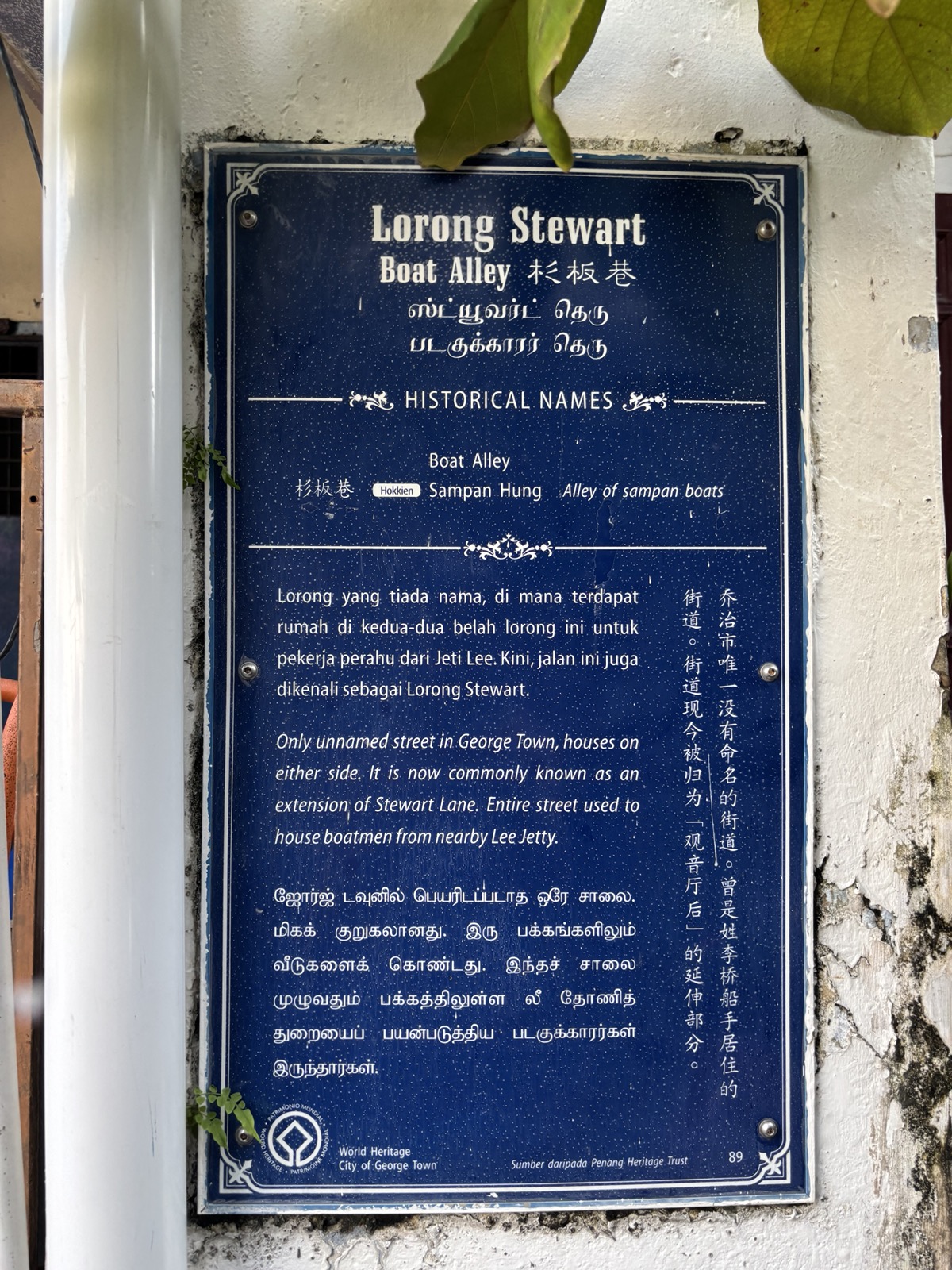
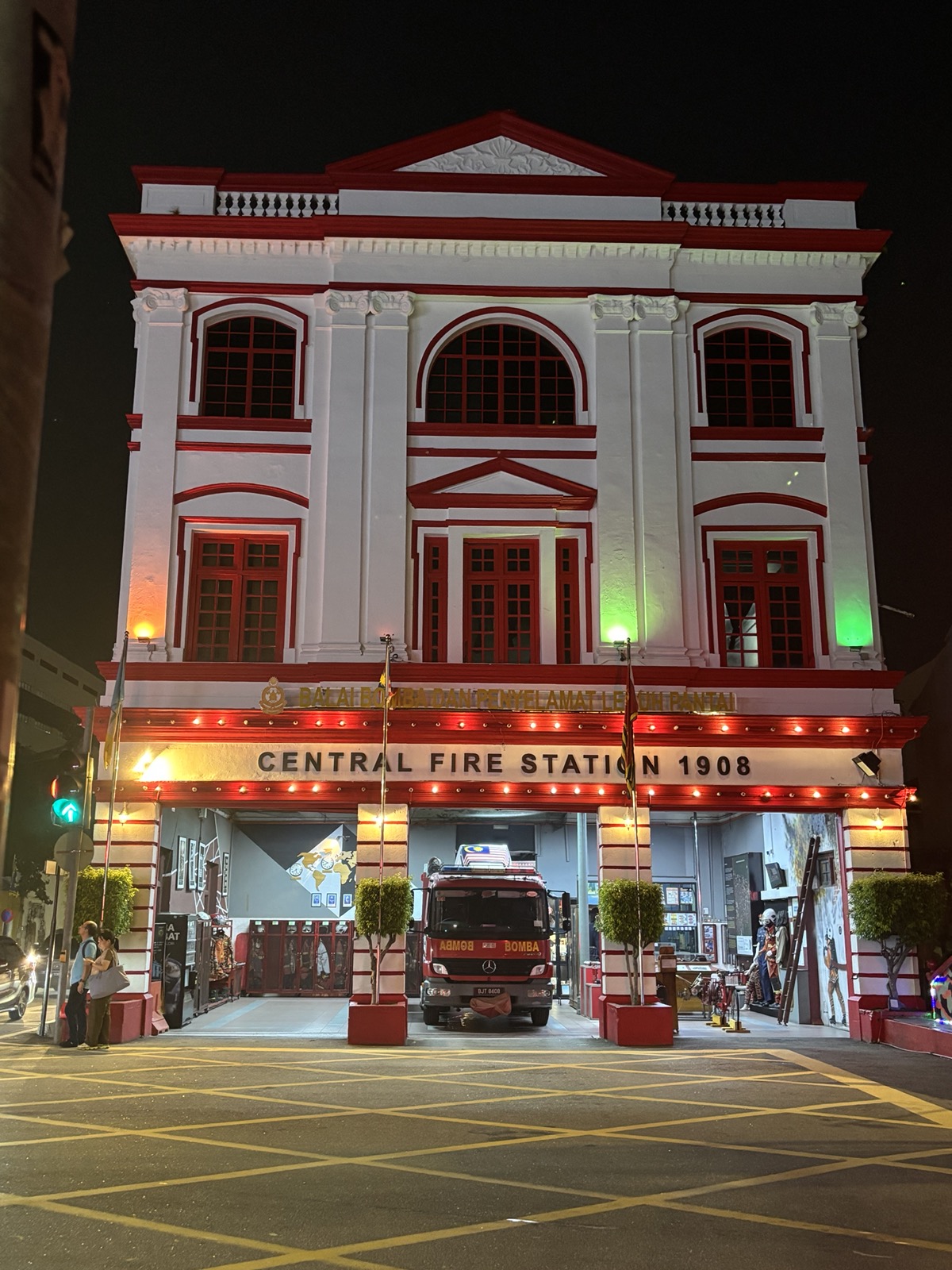
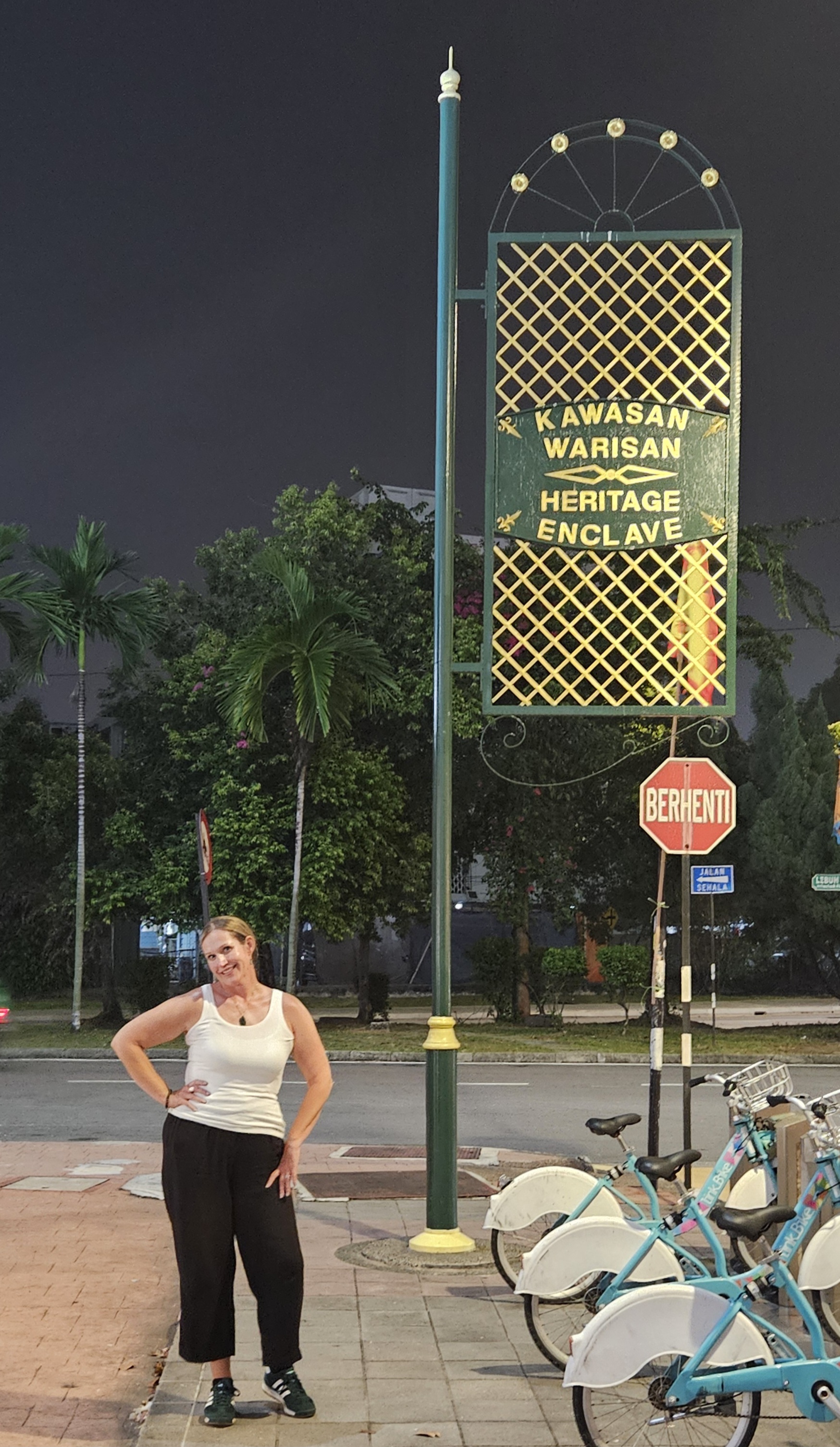
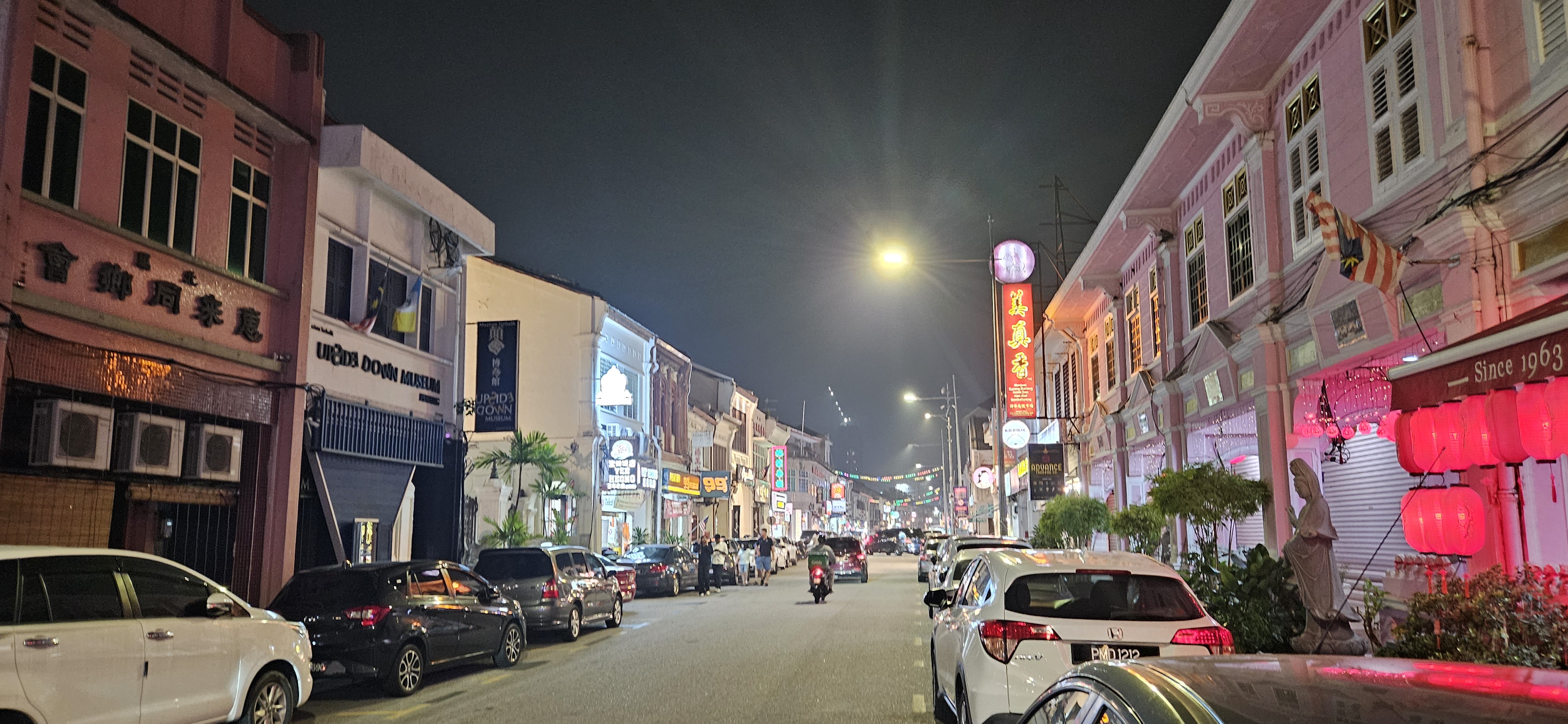
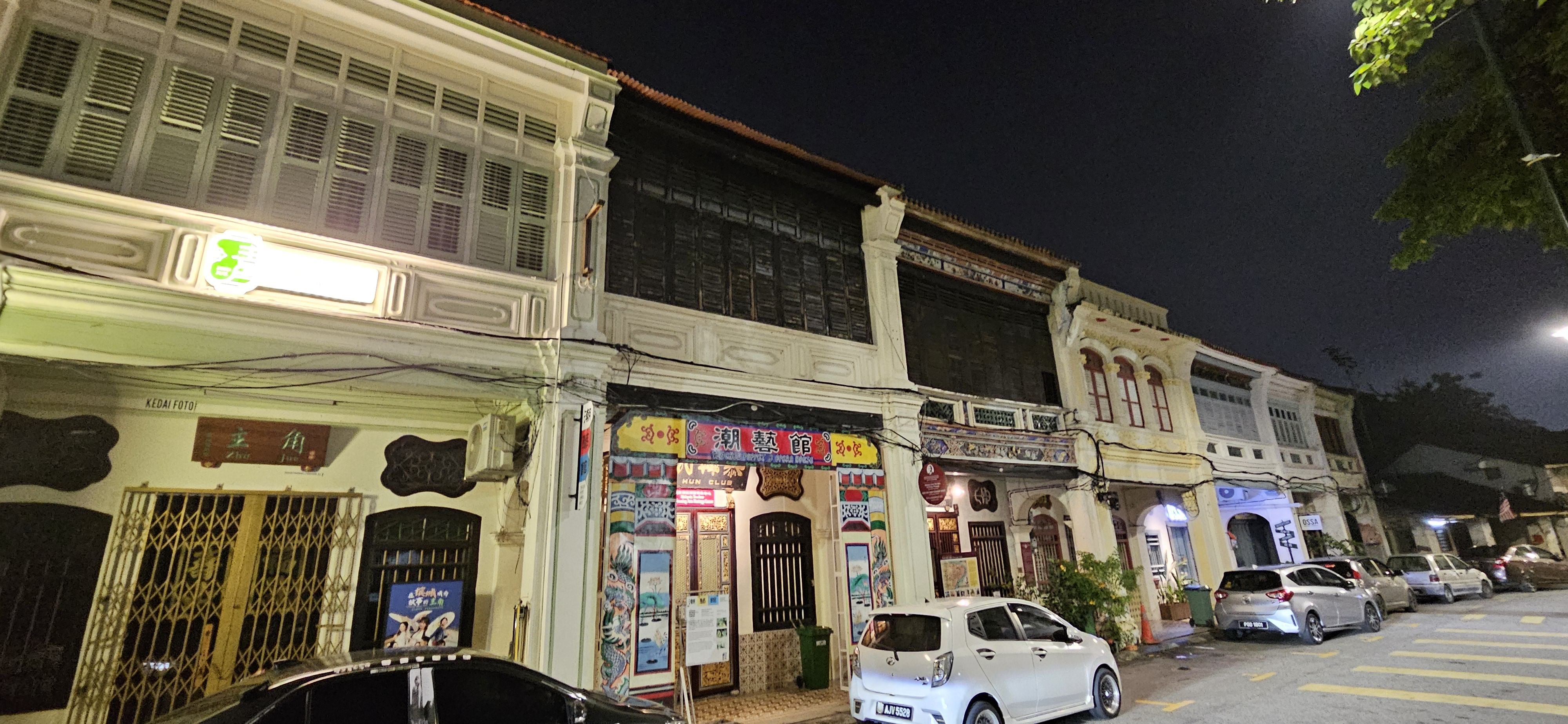
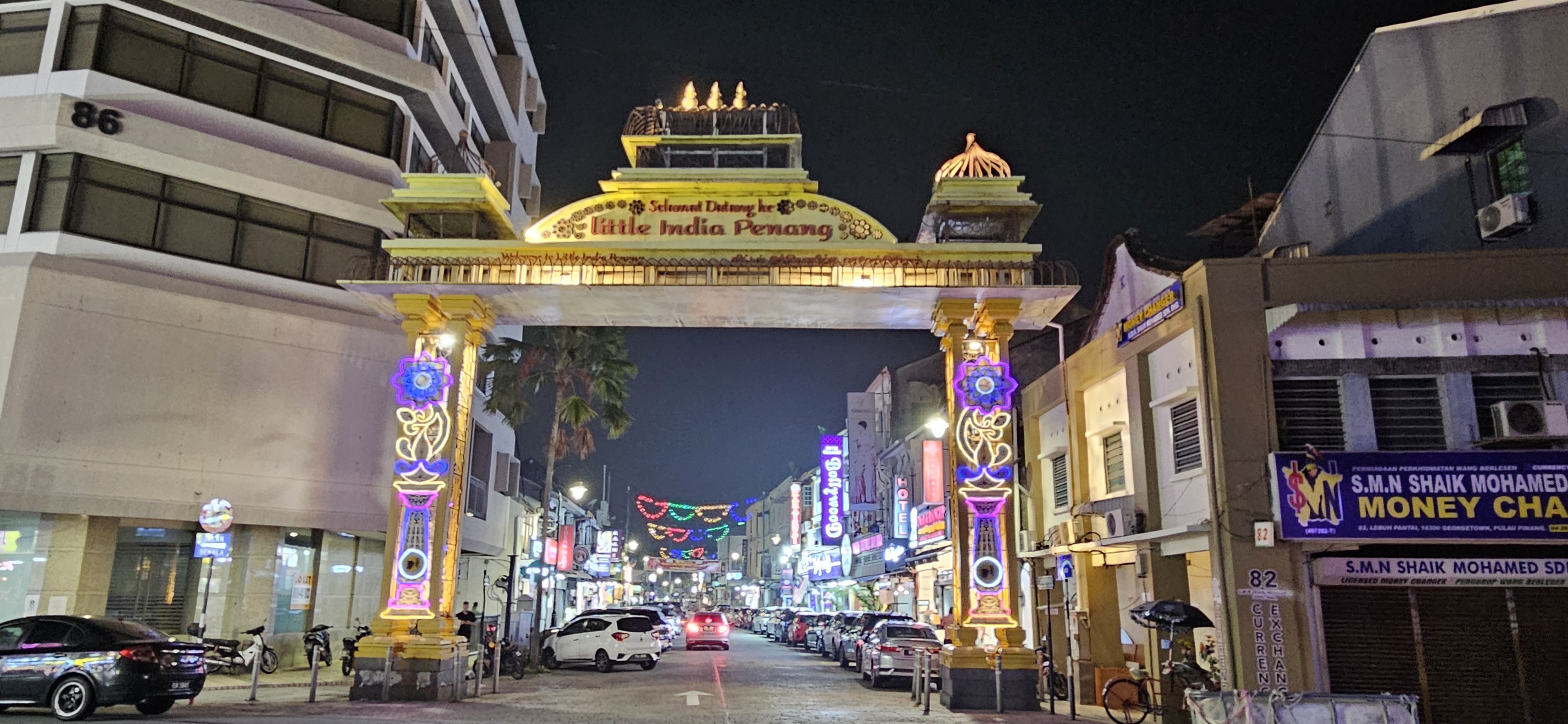
We had a great time and were so full that we were glad we had a mile or so walk back to the hotel, and were treated to some nighttime bright lights too.
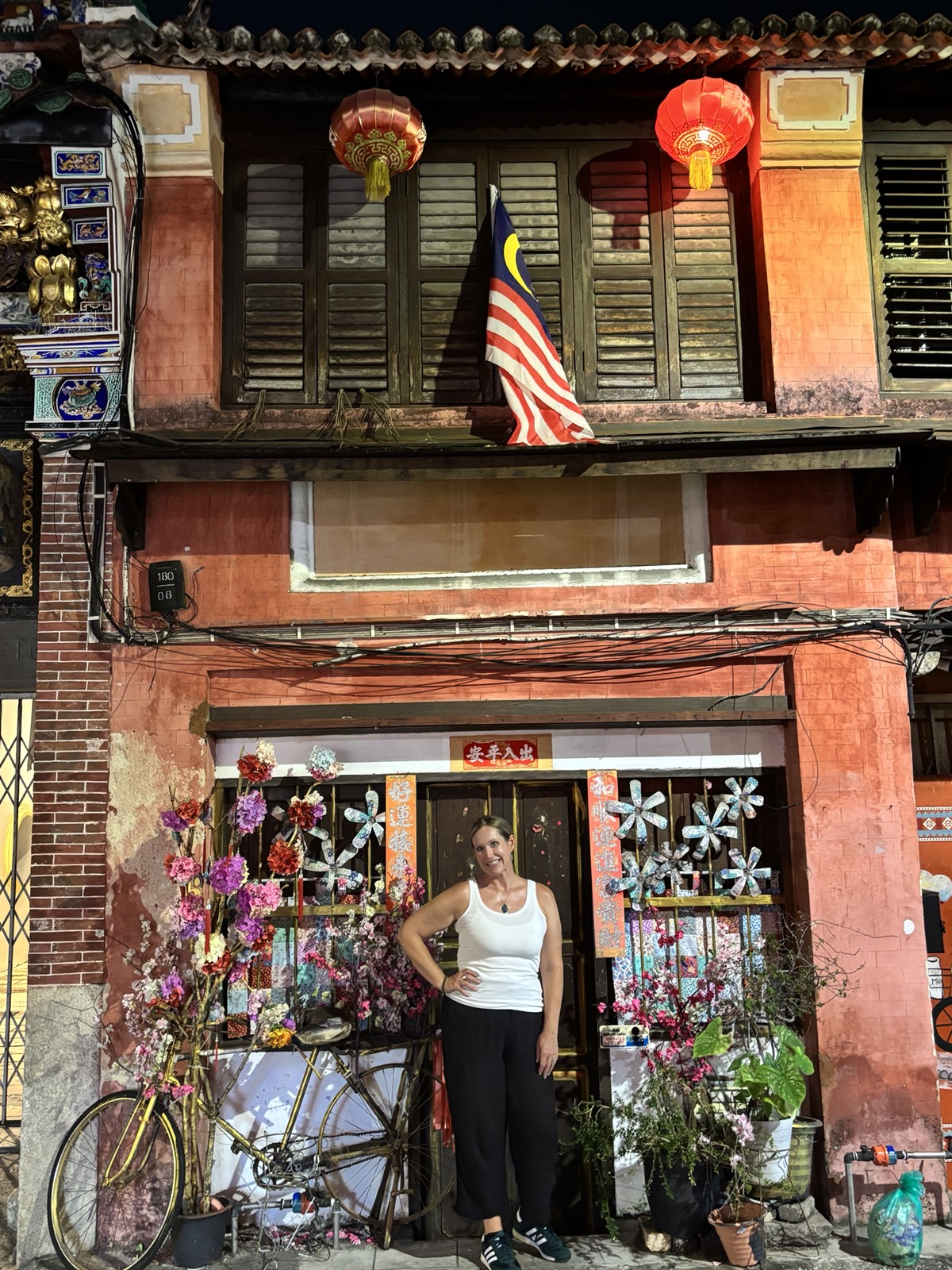
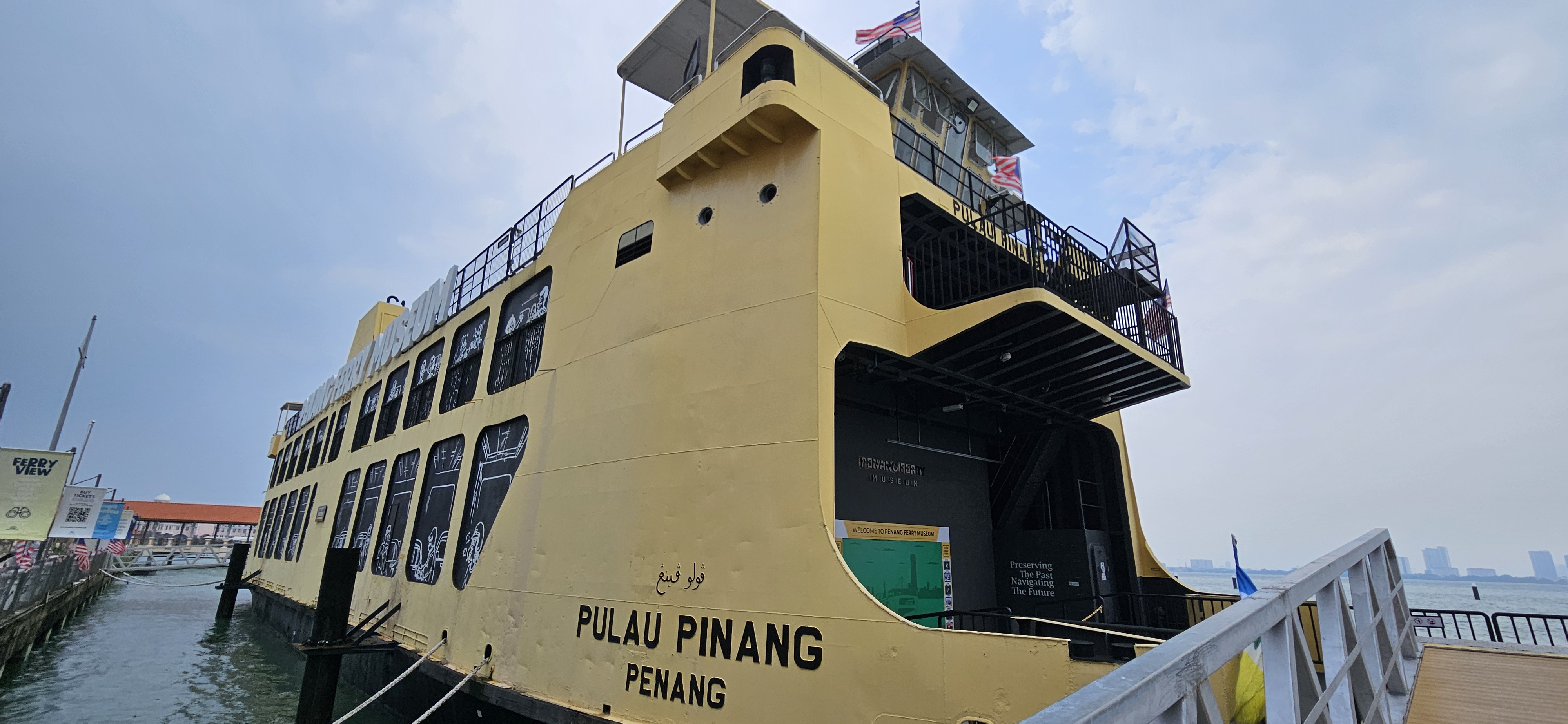
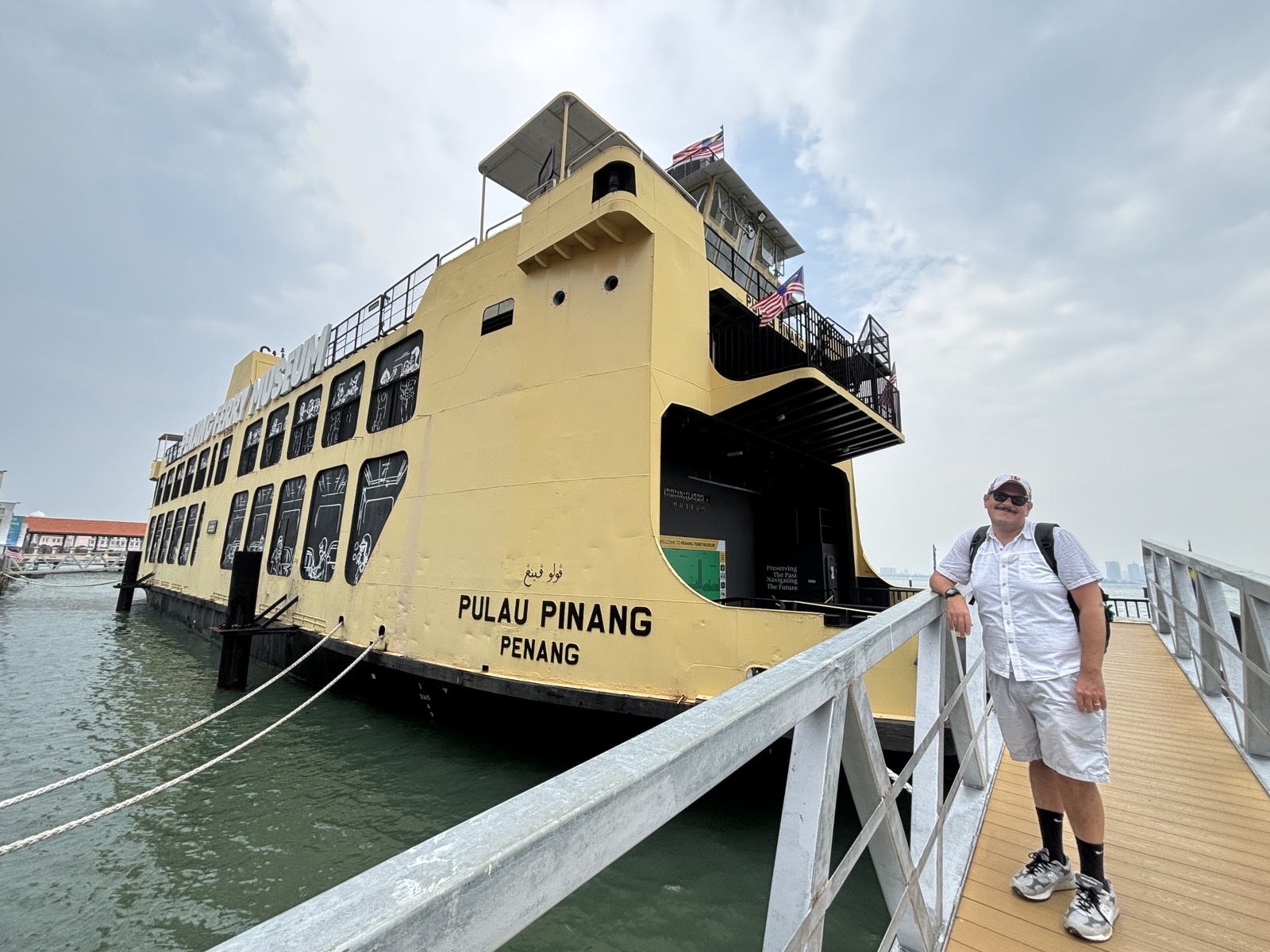
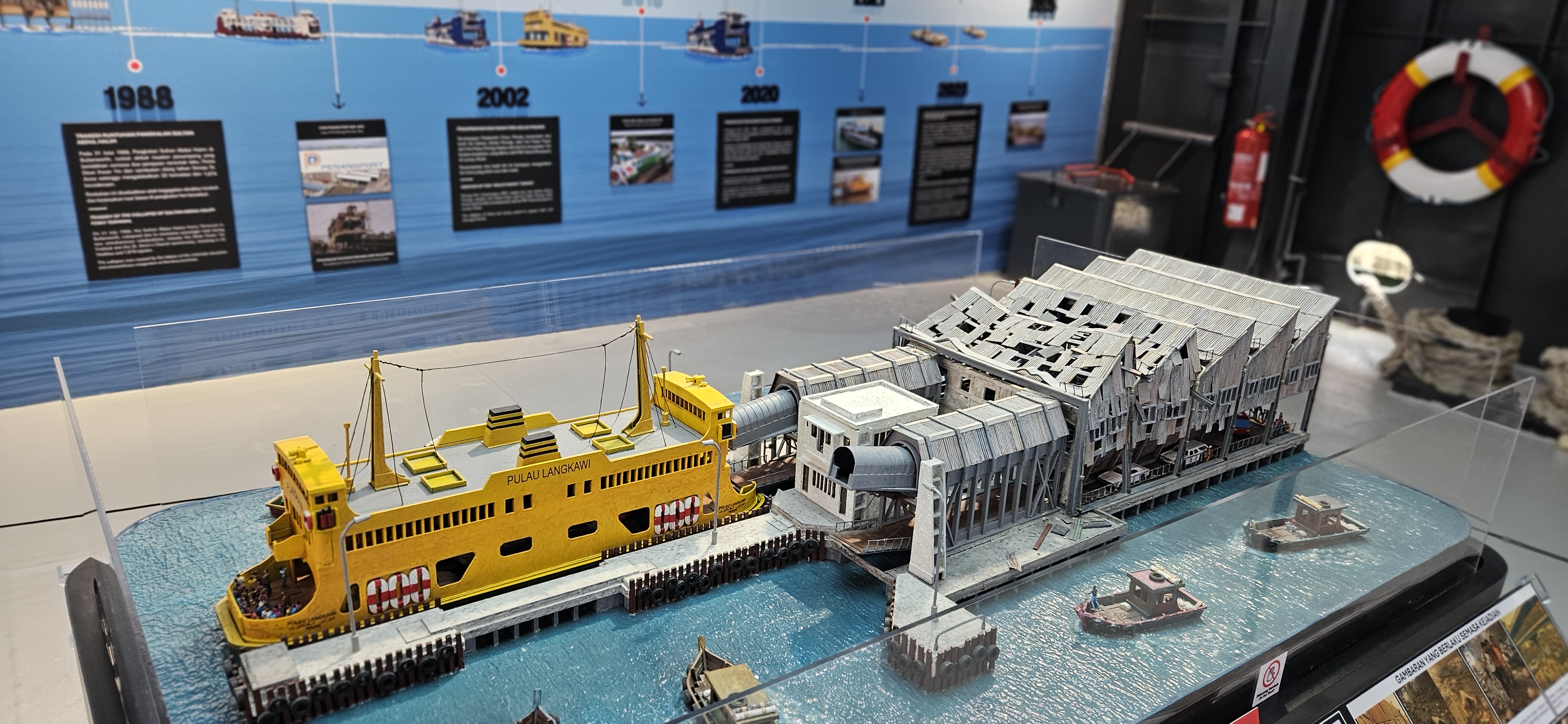
The next day we walked to the nearby marina (which was under construction) and visited the Penang Ferry Museum, which is on a huge boat that formerly was used to transport cars and people across the Strait.
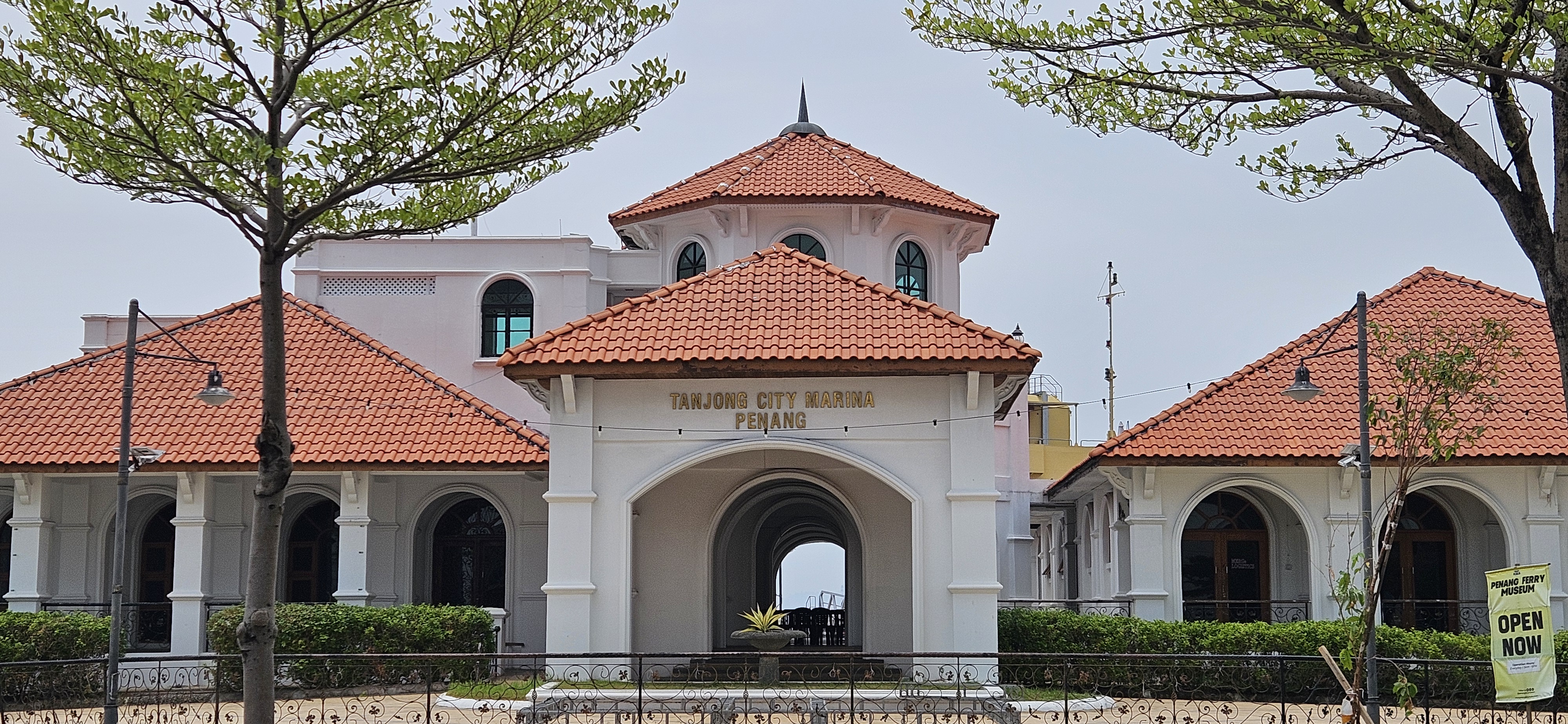
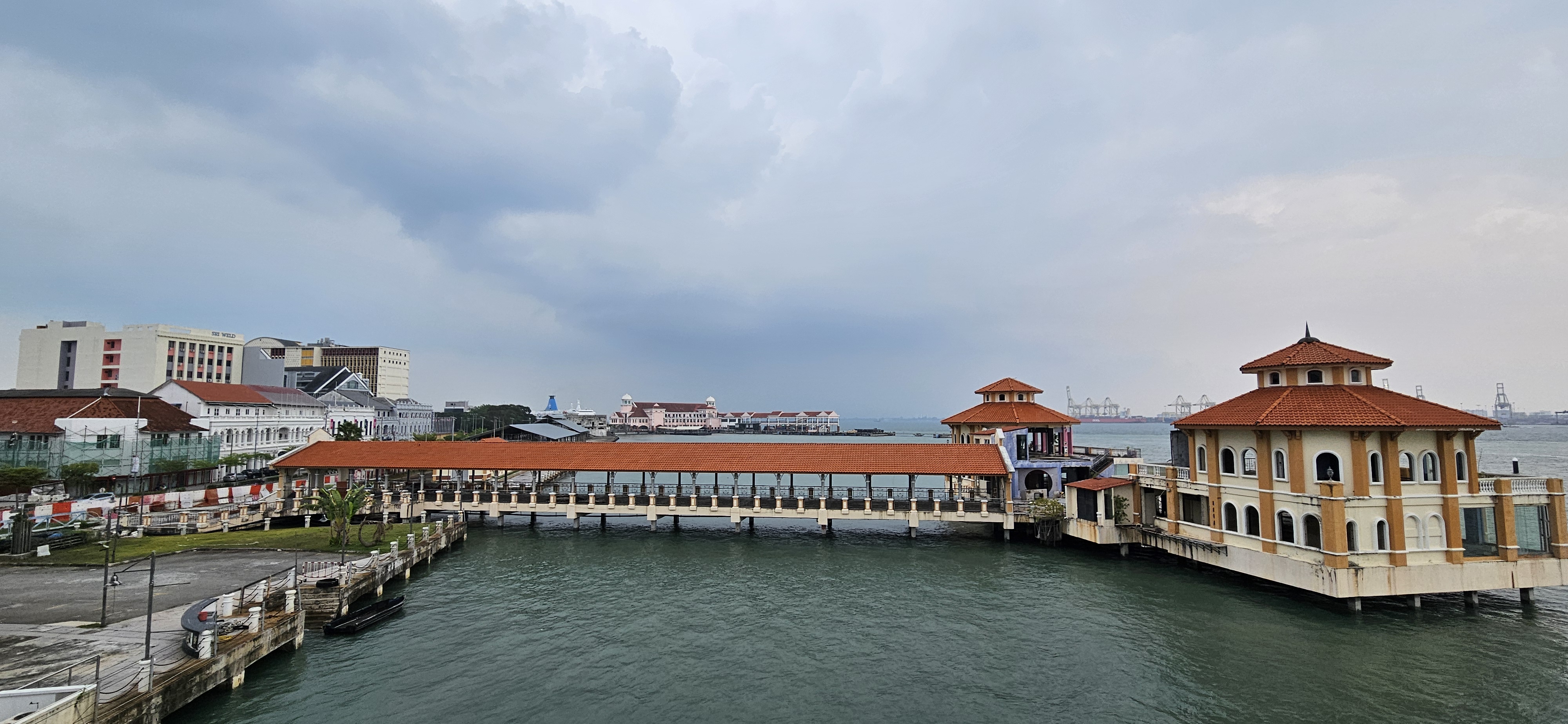
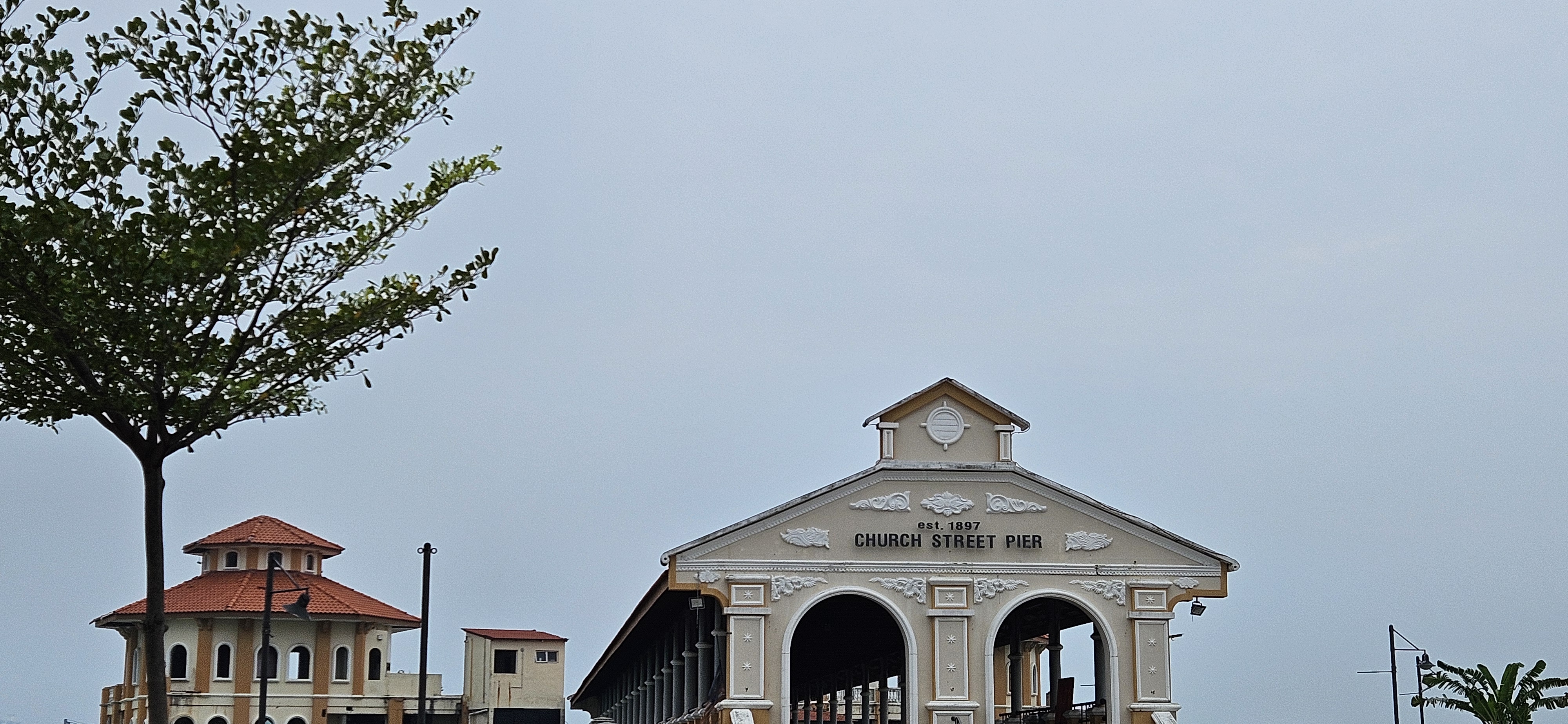
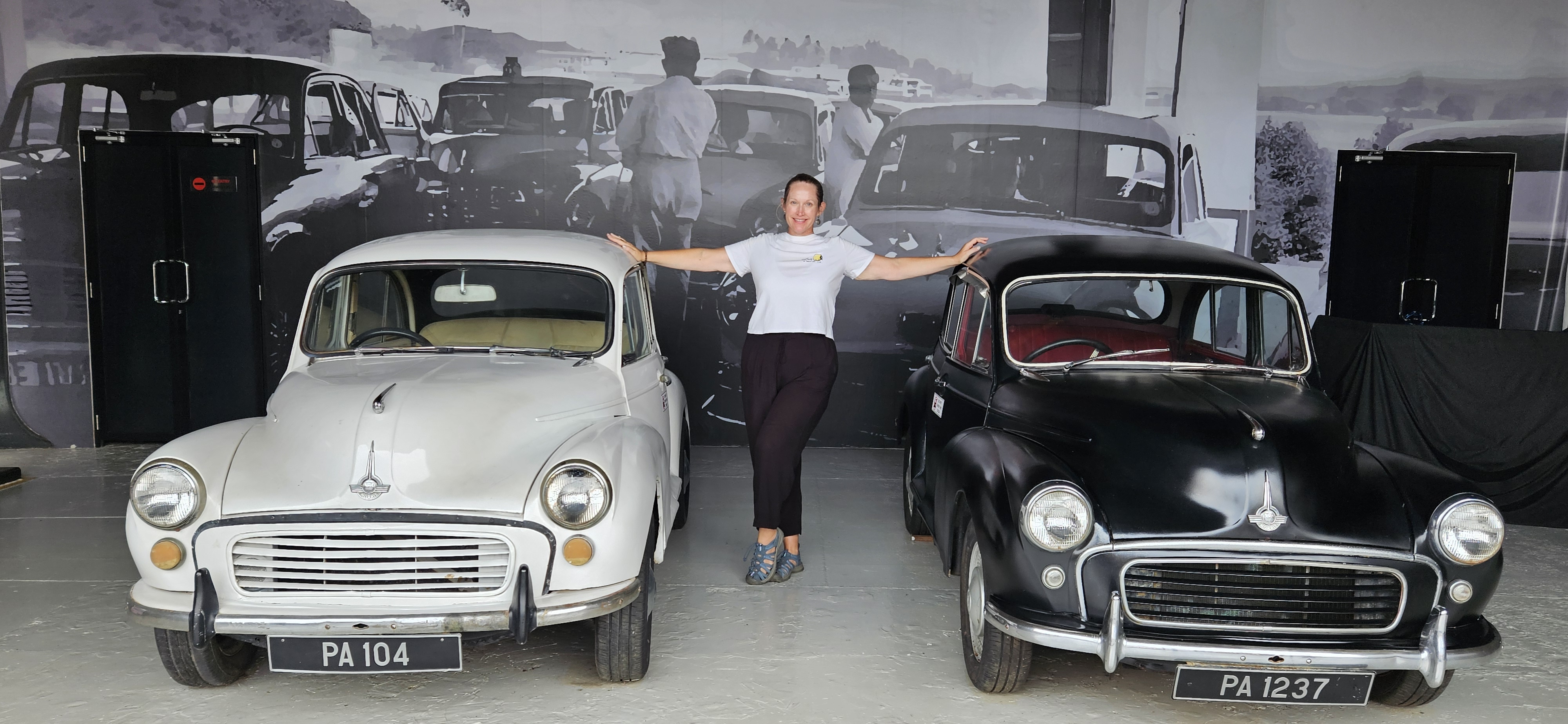
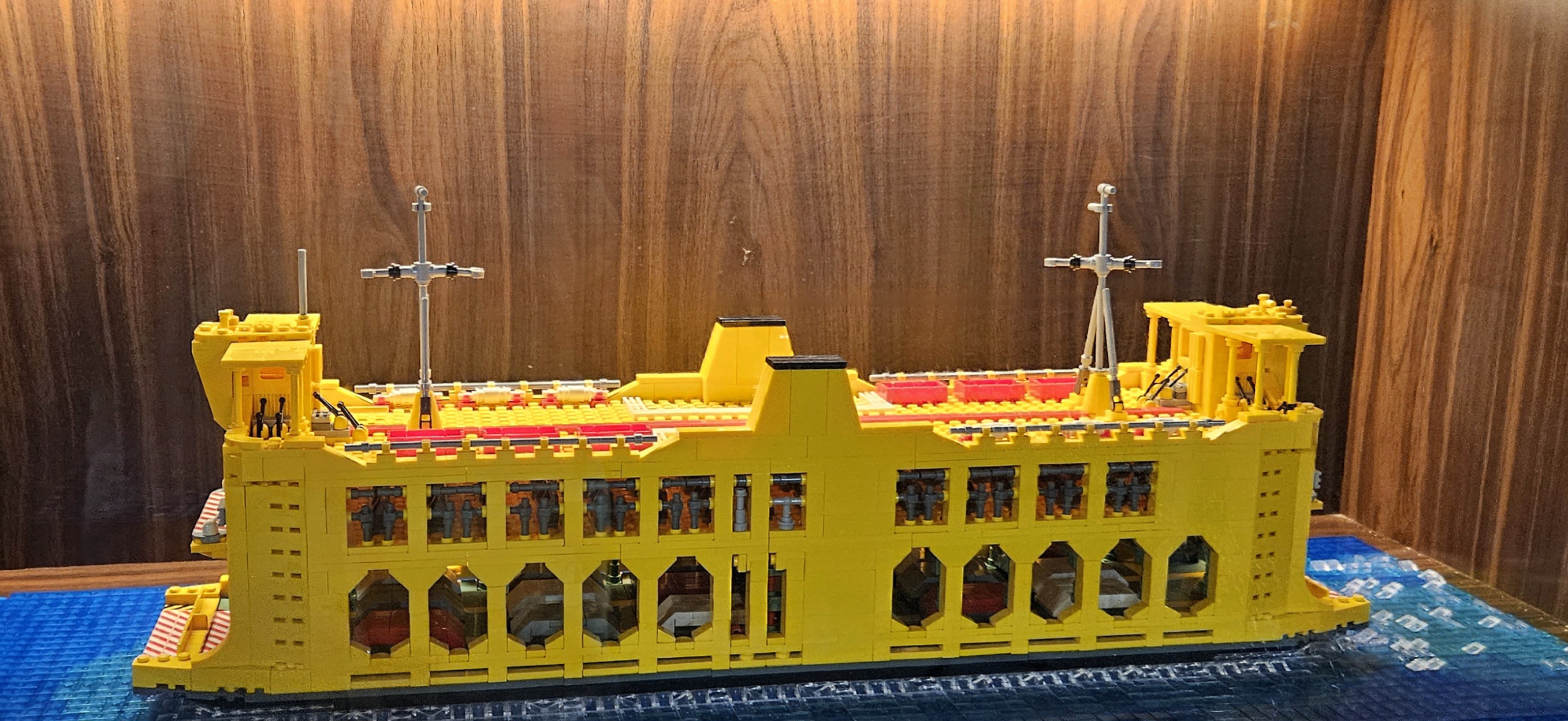
The museum was less interesting than one would expect, and the boat rocked way more than we figured, but there were still some cool things to see; the classic cars (which did seem out of place), the top deck and the control room, and the models were our highlights.
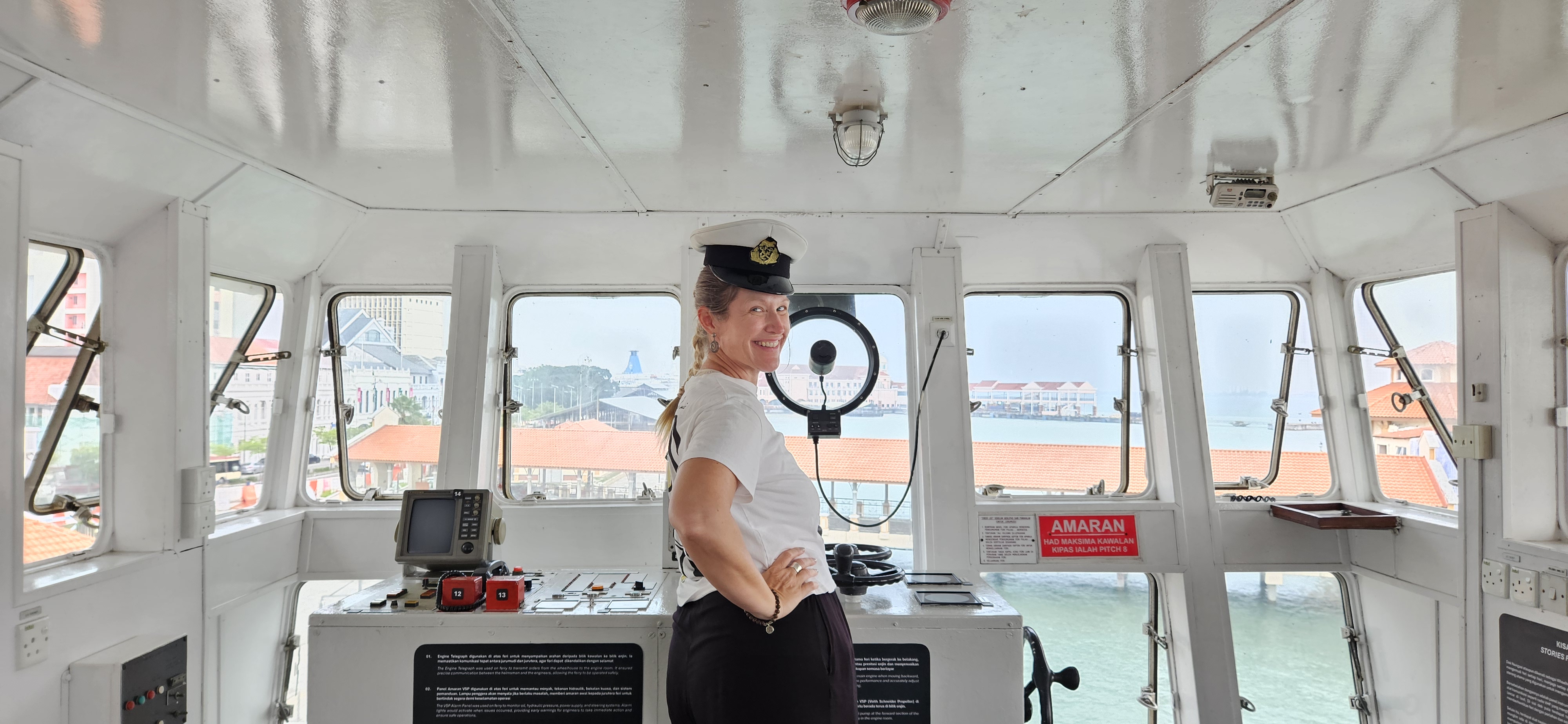
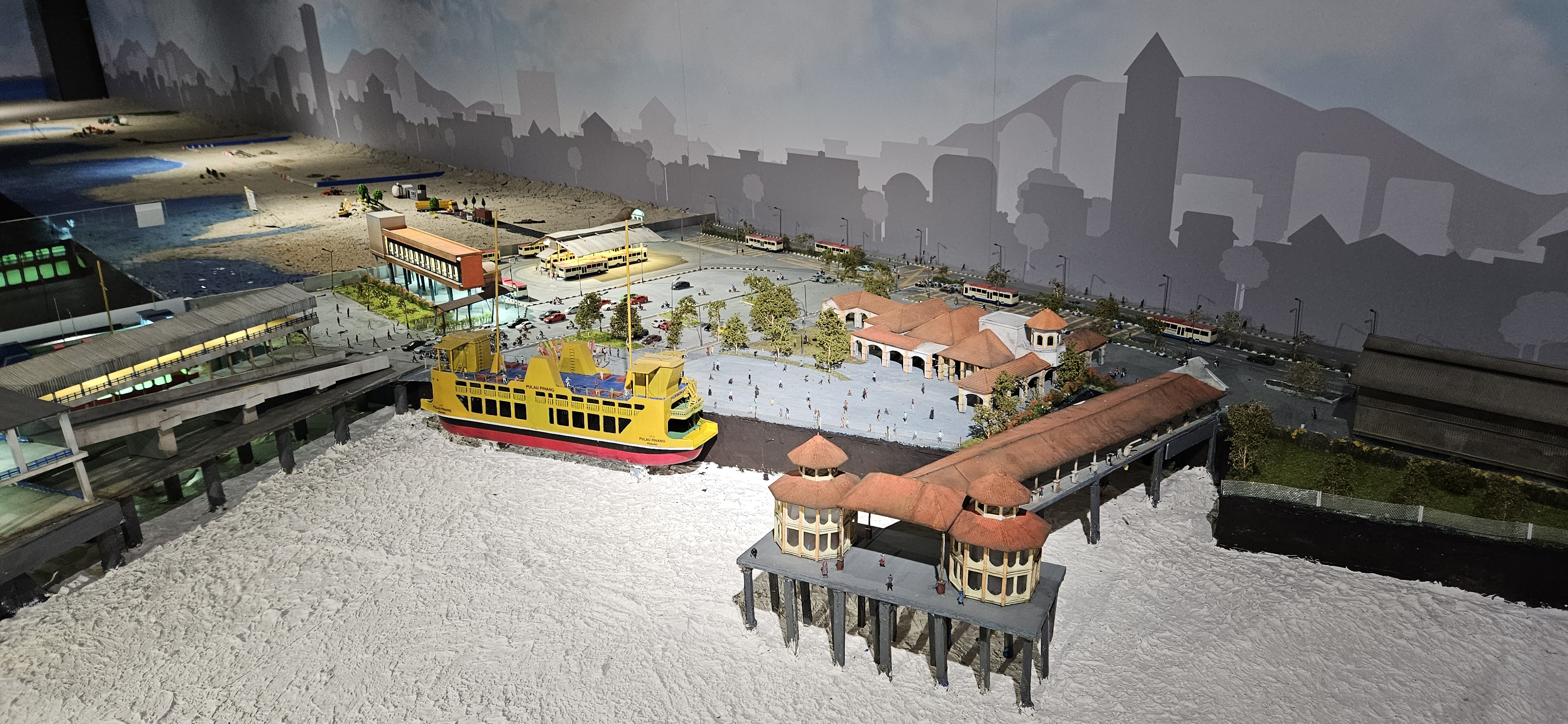
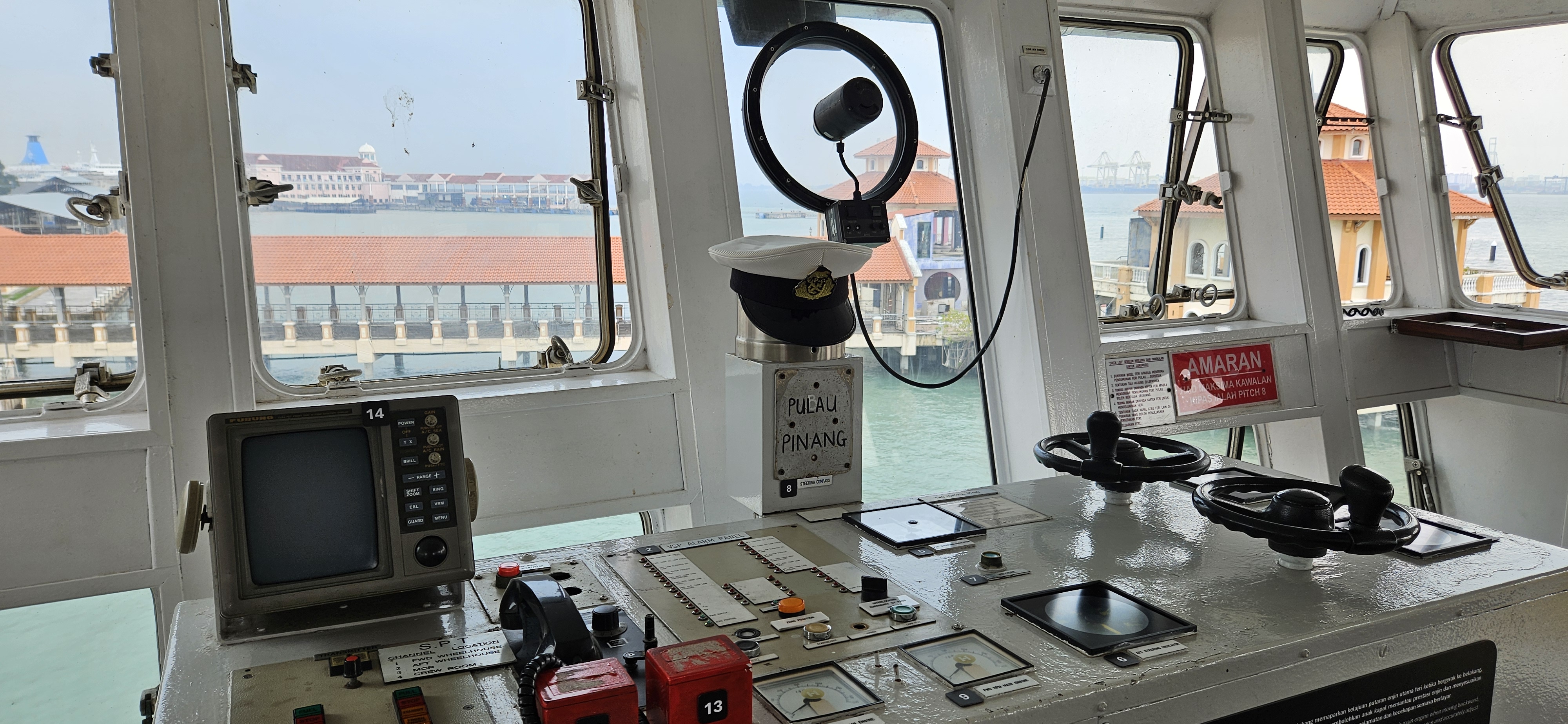
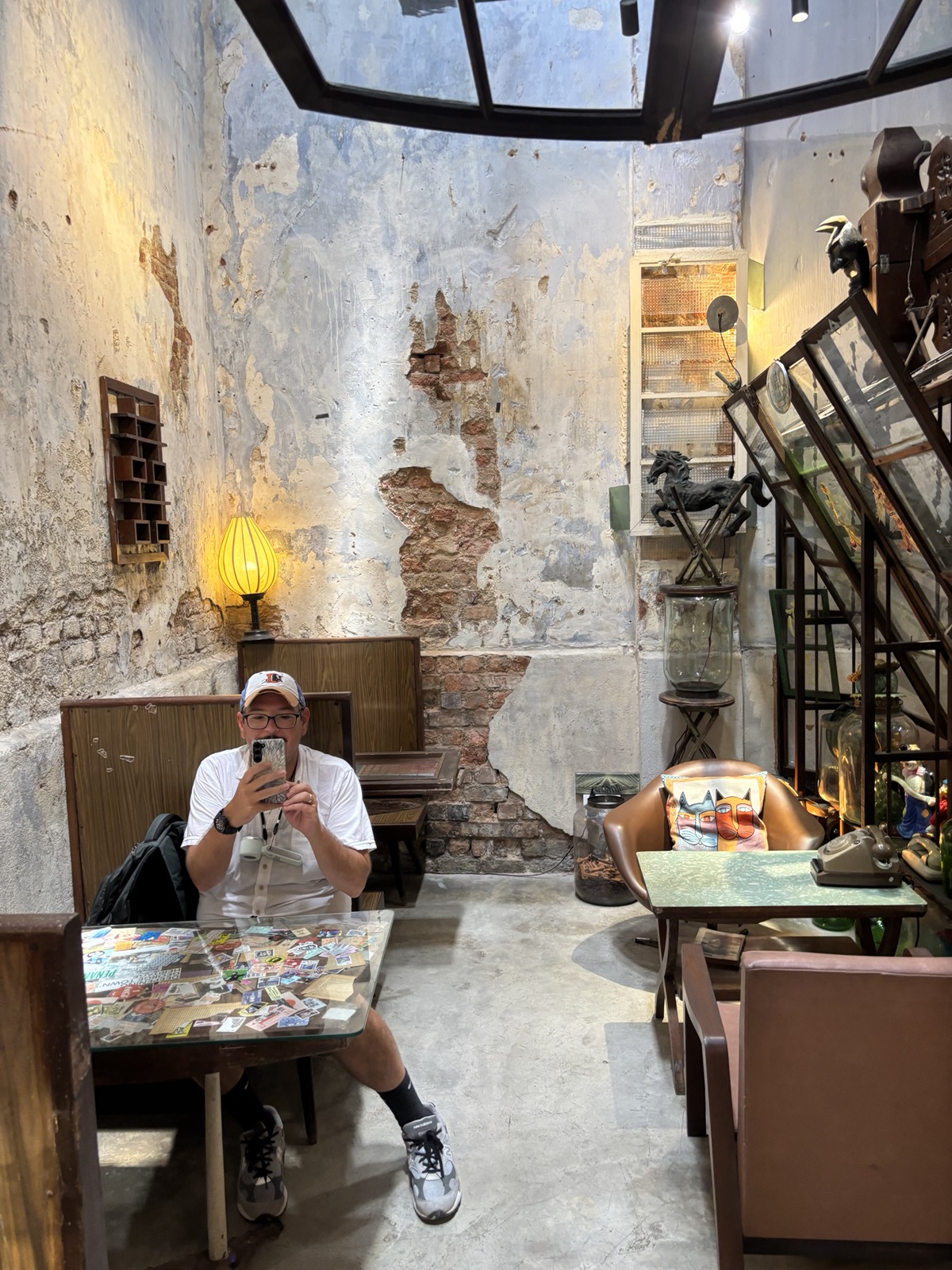
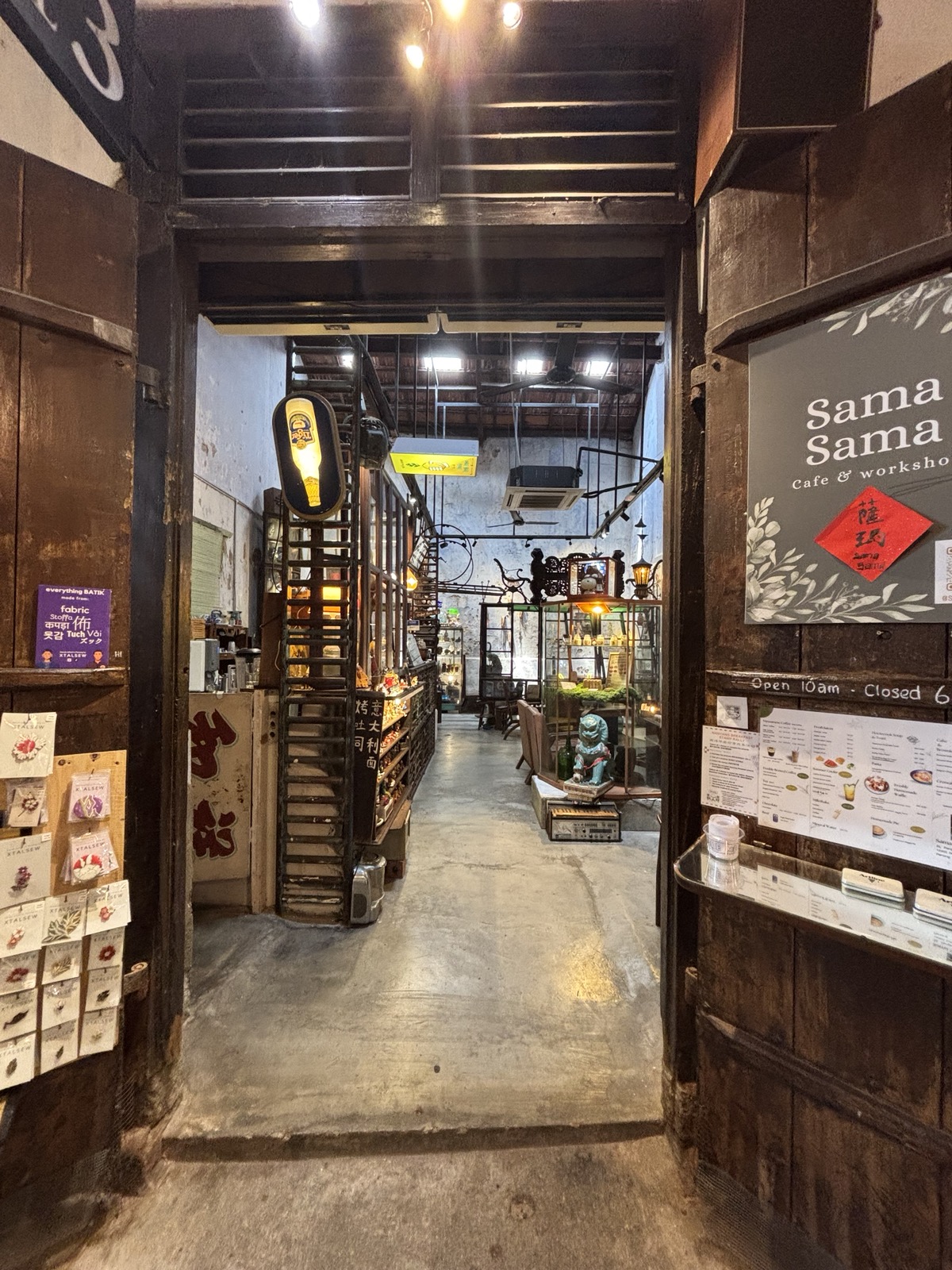
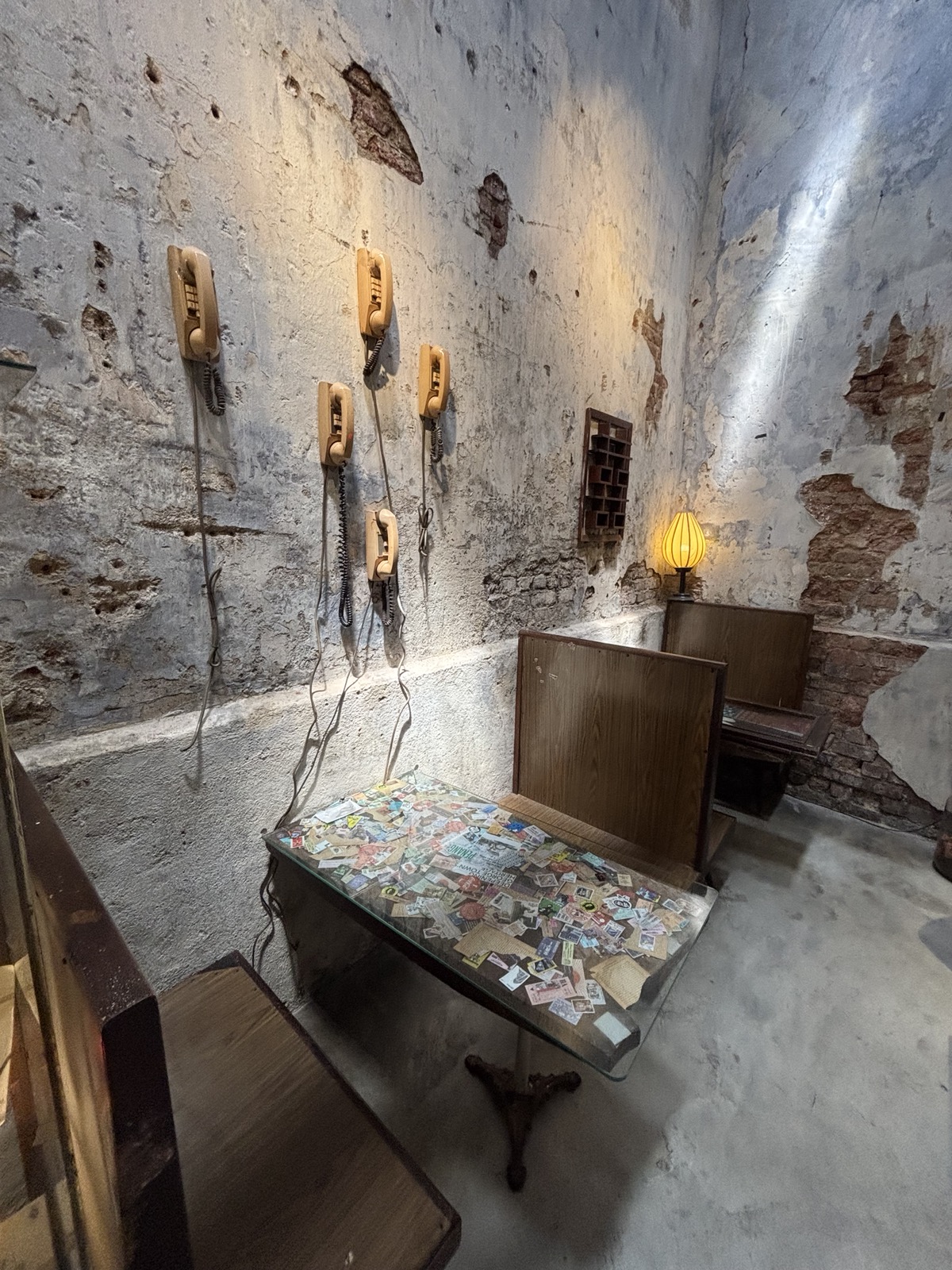
We stopped for Vietnamese iced coffees next at the SamaSama Cafe, which was located on a covered alley with all kinds of funky craft shops.
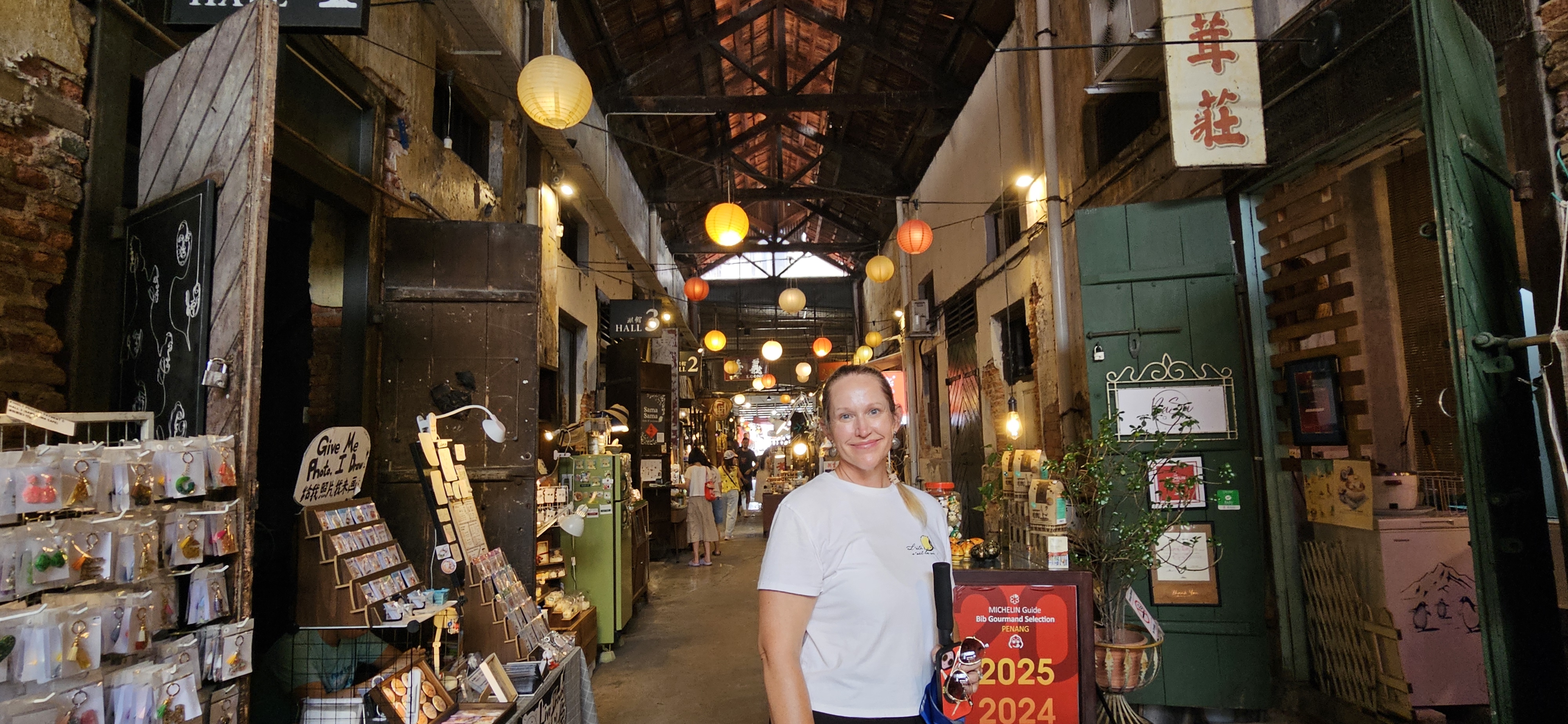
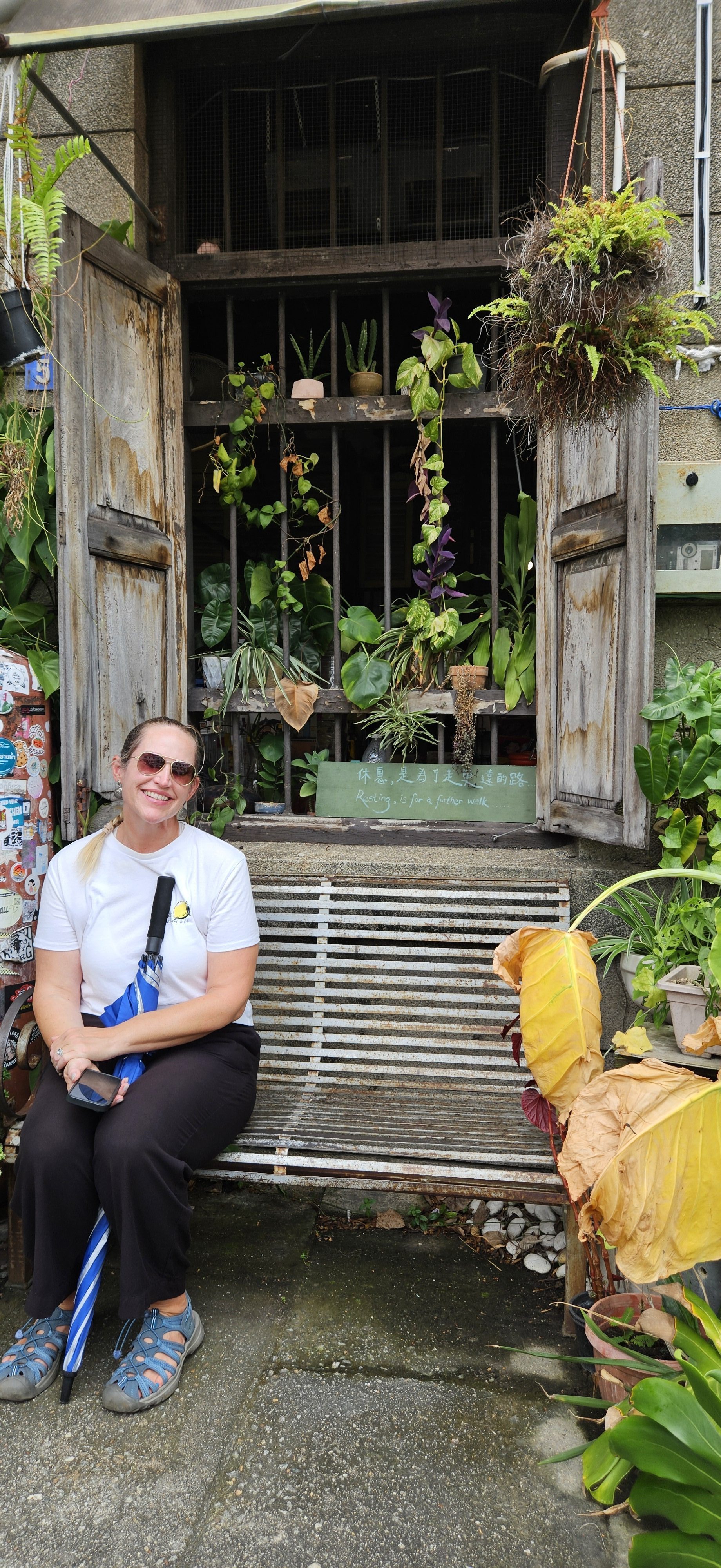
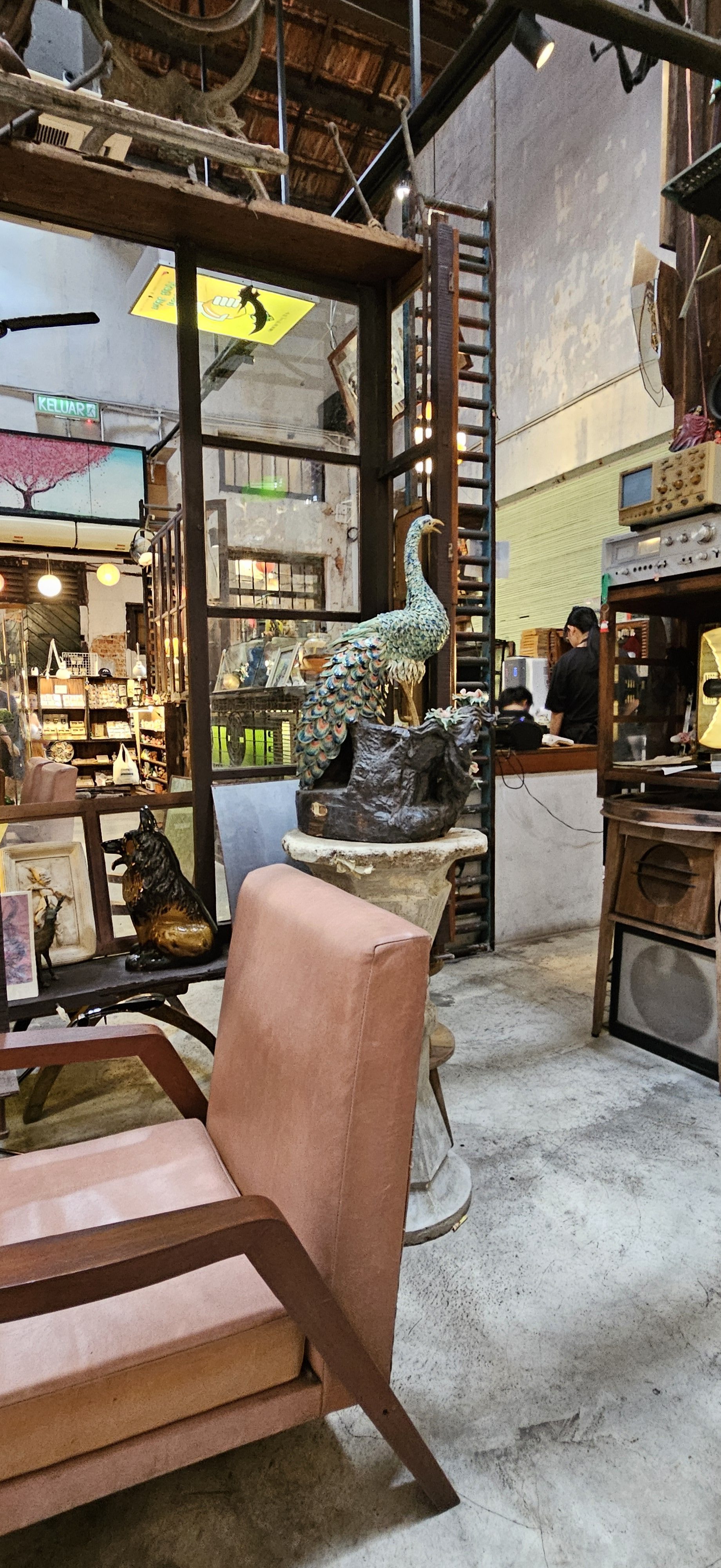
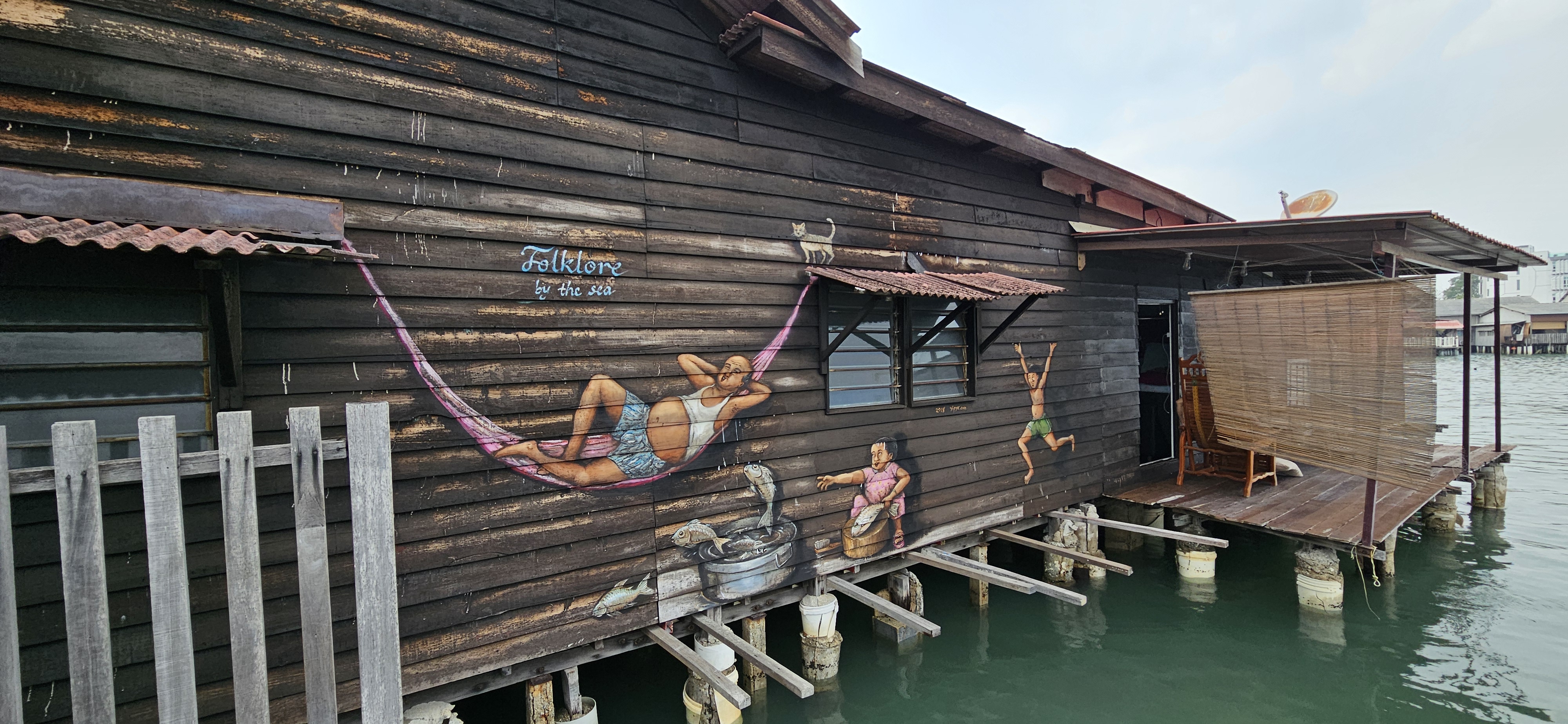
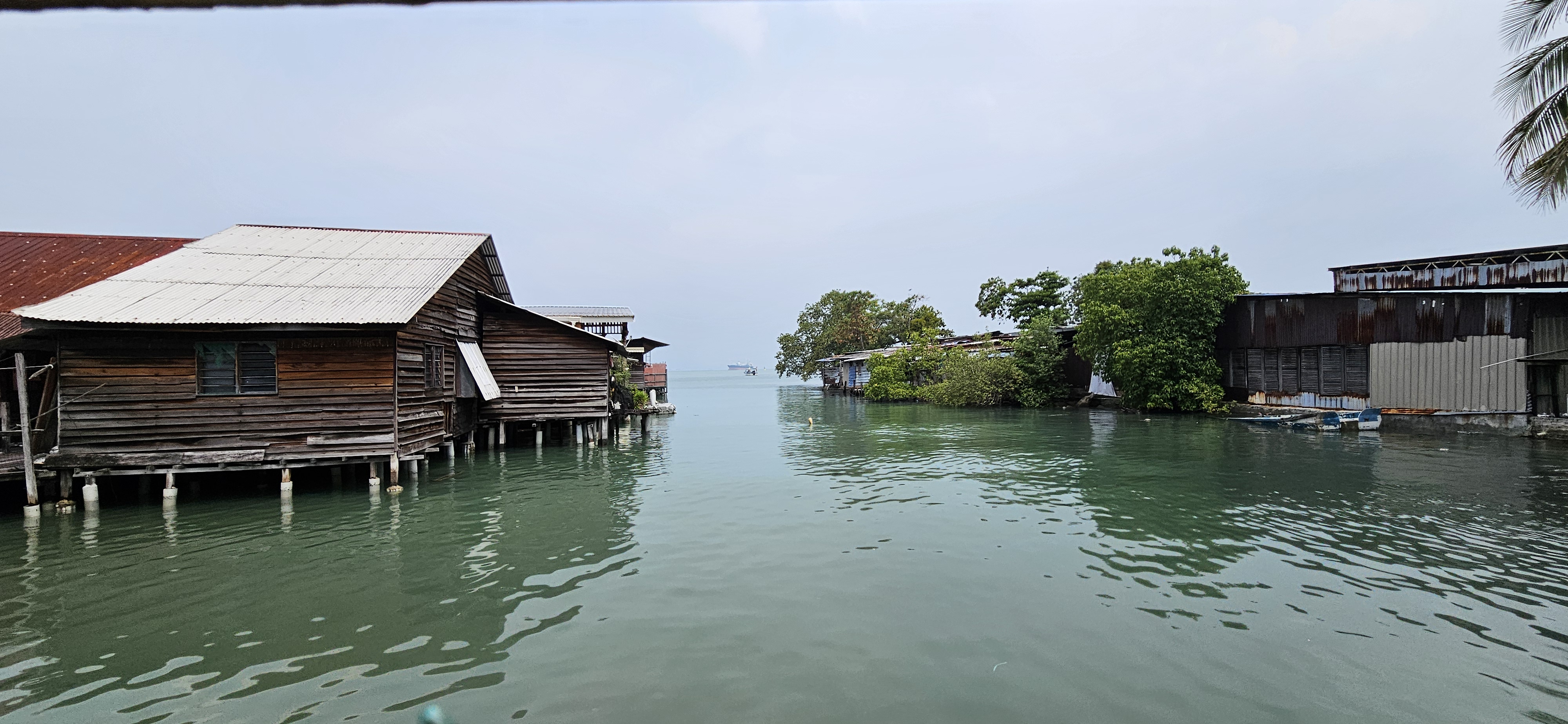
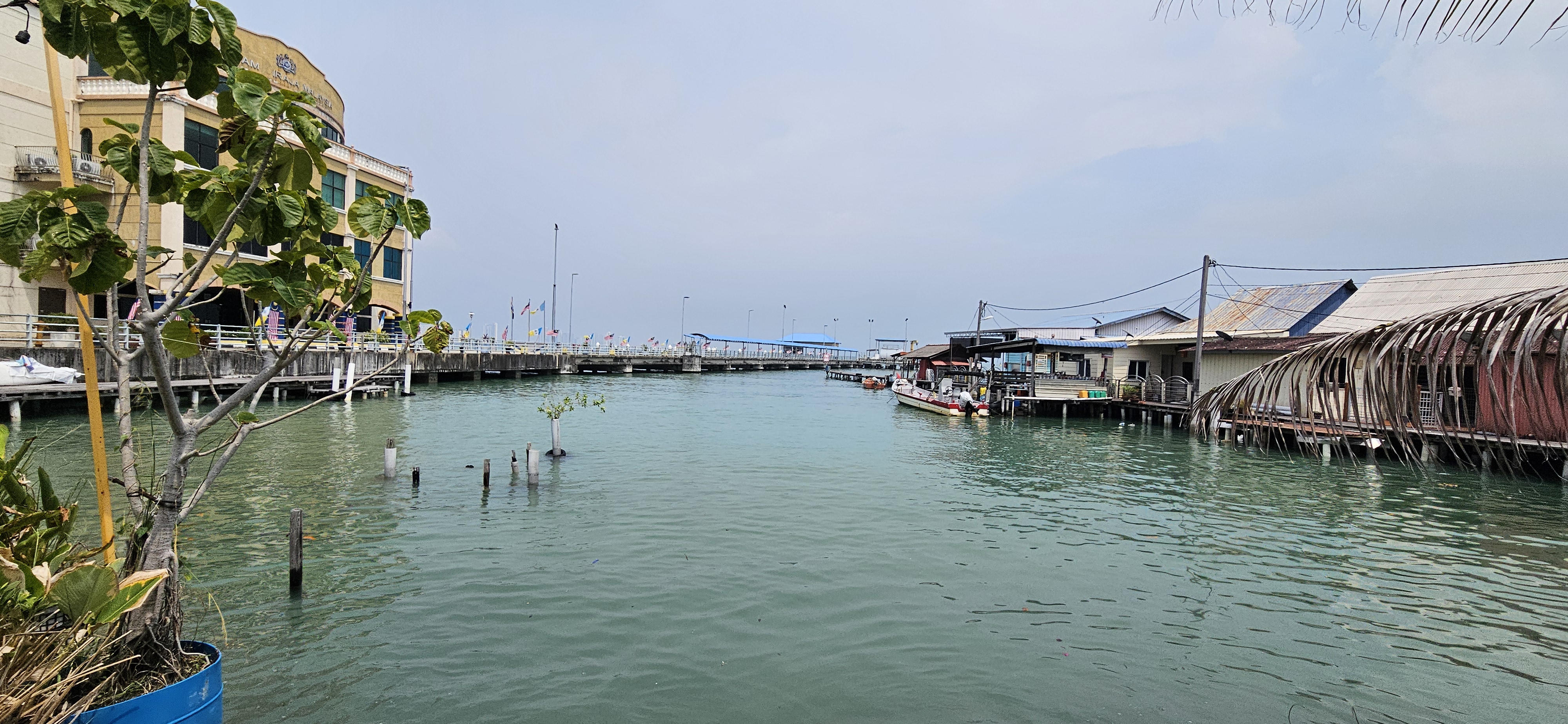
Now that we had caffeine, we headed on to the Clan Jetties, which is a village built on stilts that Clans (or families, mainly Chinese) lived and used for fishing, dating back to the late 1800s. Here is an overhead view, from Wikipedia.
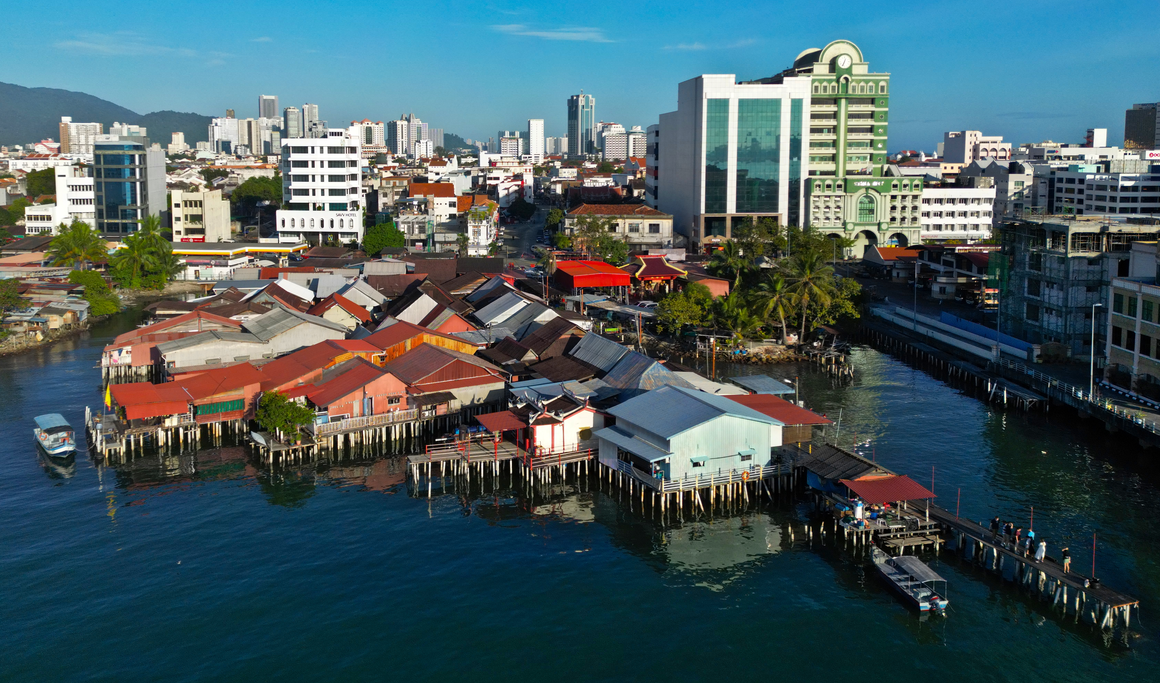
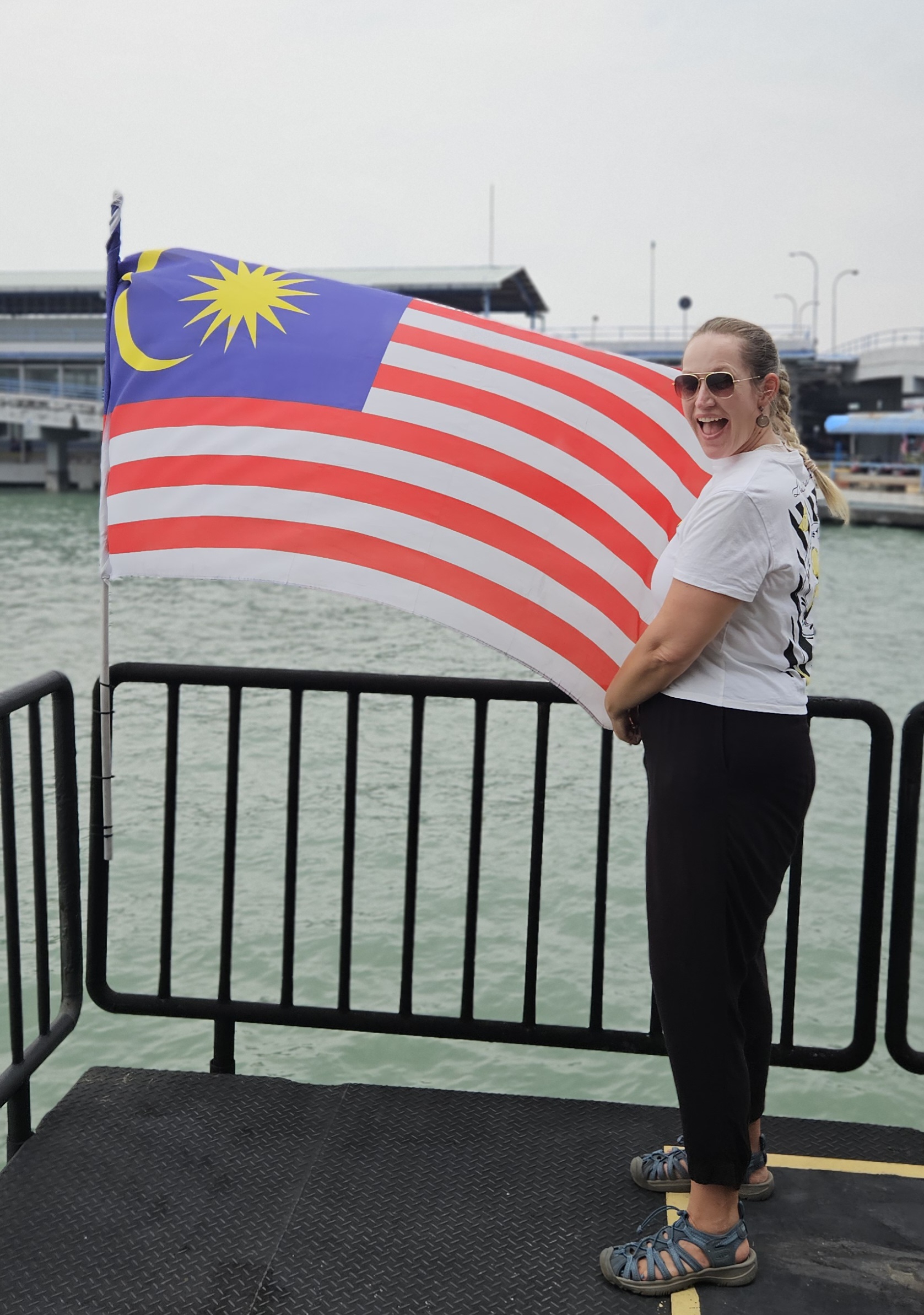
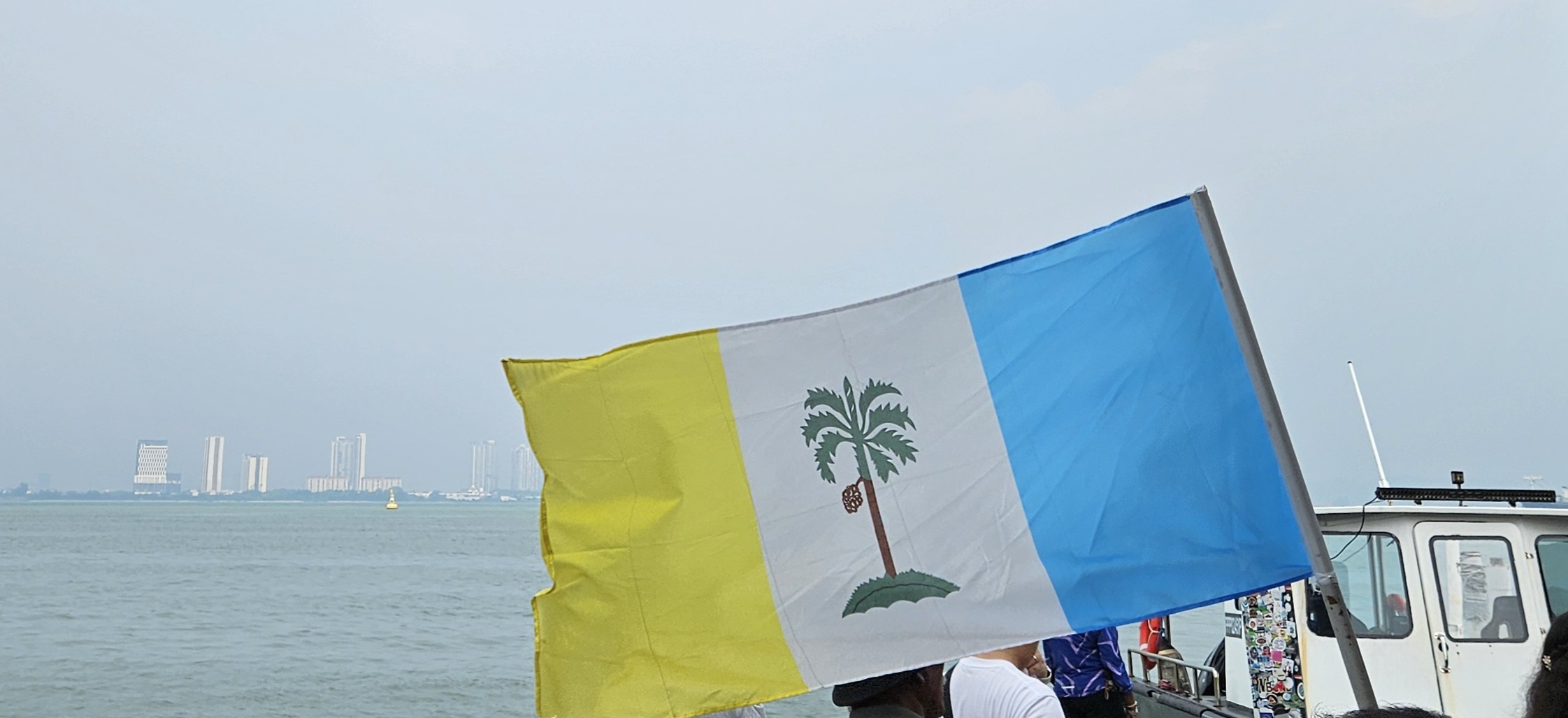
The main “street” is a dock with shops on both sides selling tourist items and food and drinks. There is a small temple near the entrance, and it was packed with our fellow tourists when we visited, but we still made it all the way to the end, to the flying flag of the state of Penang.
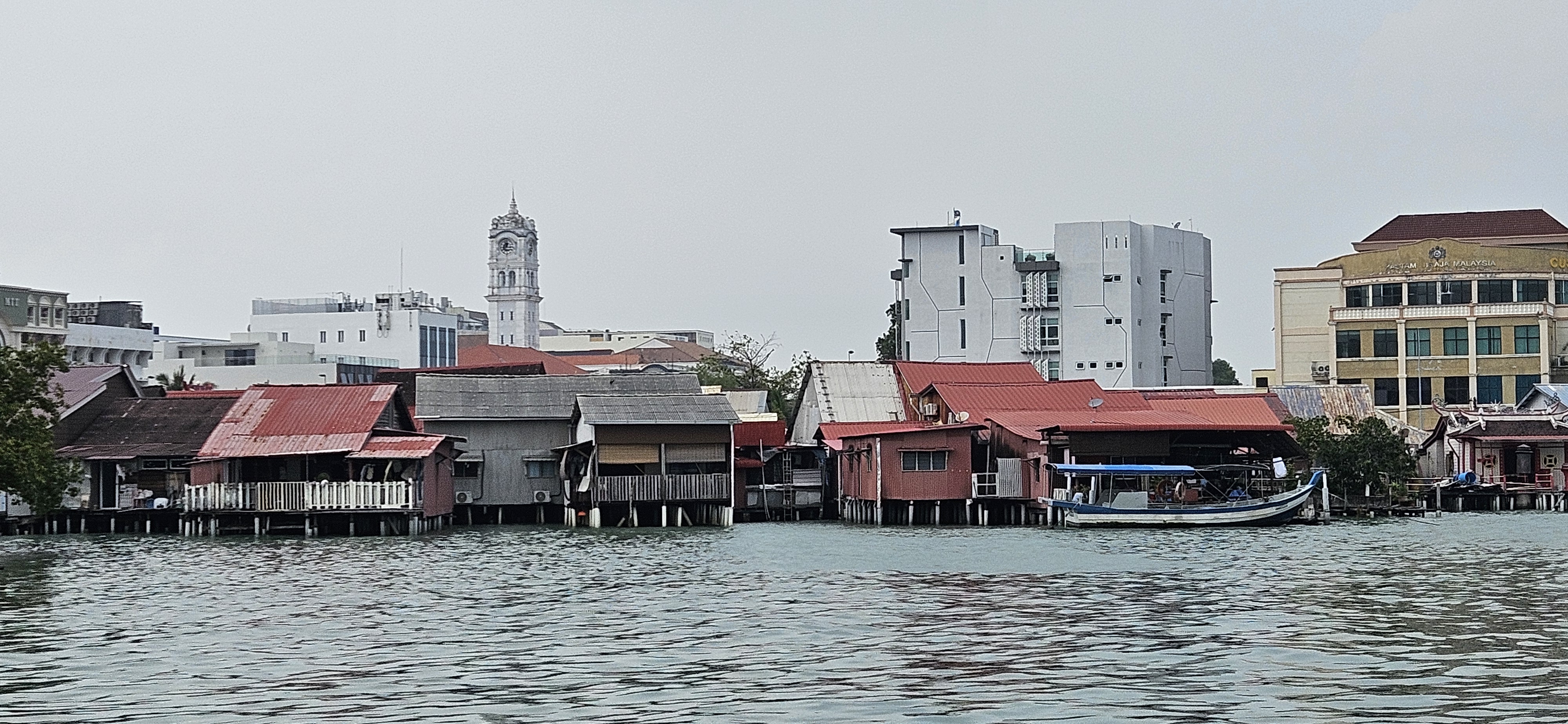
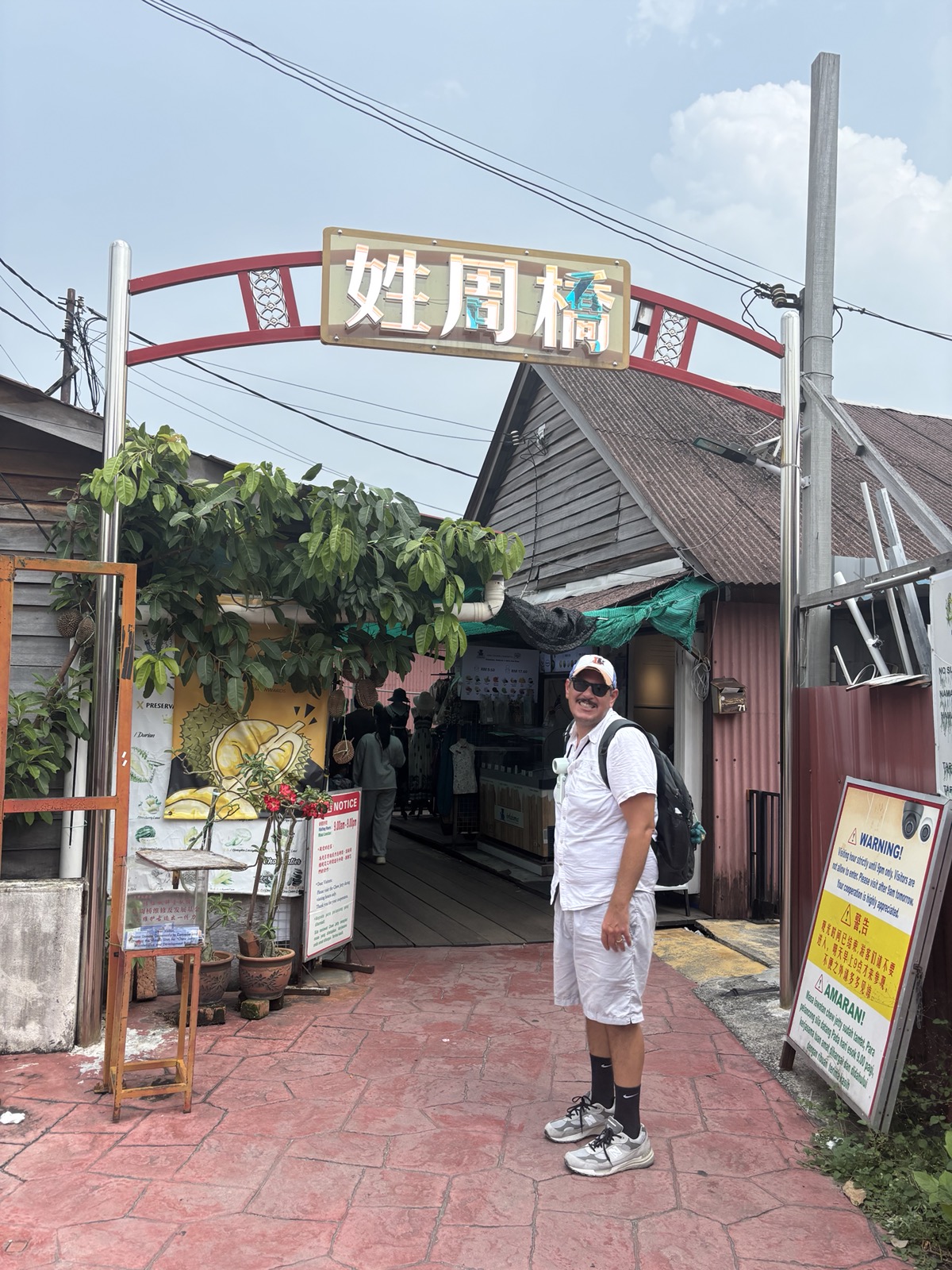
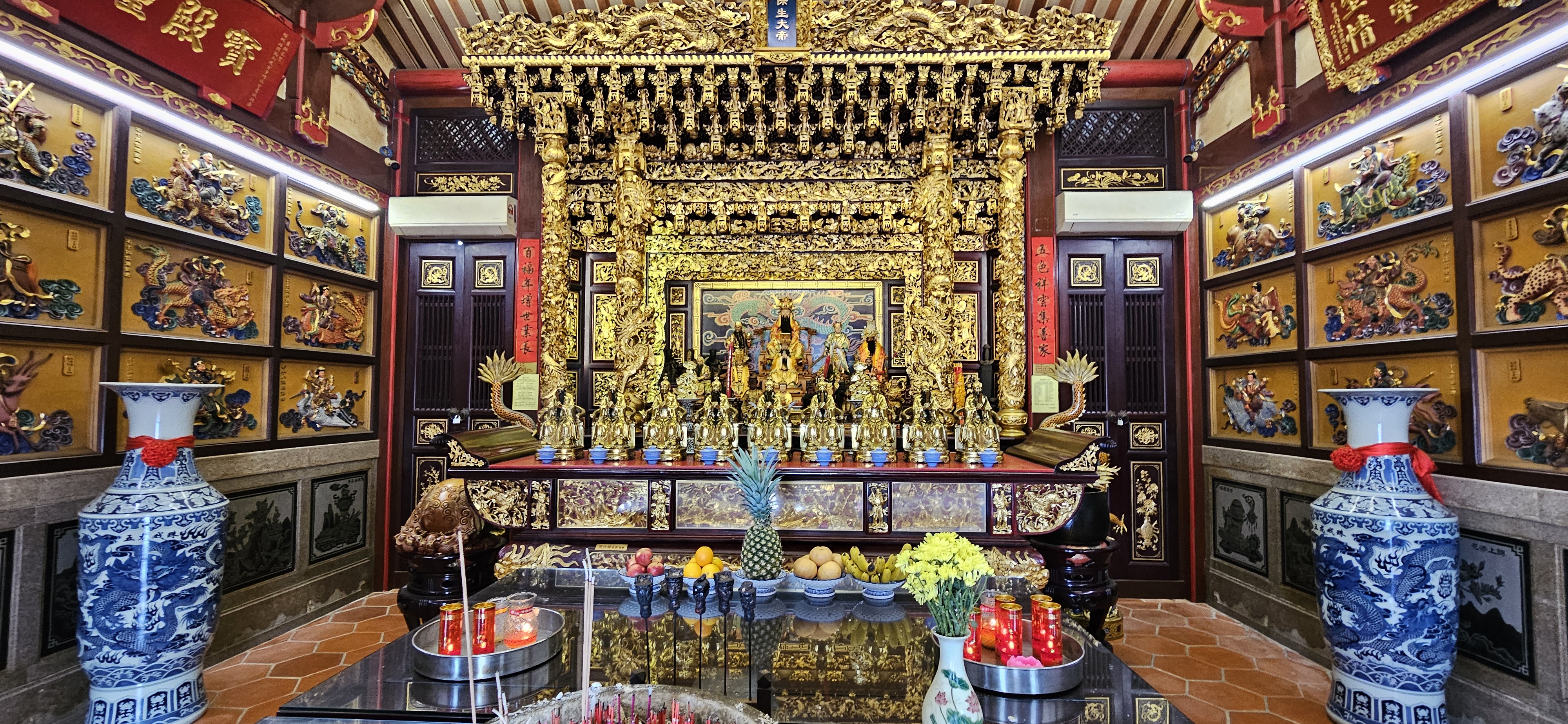
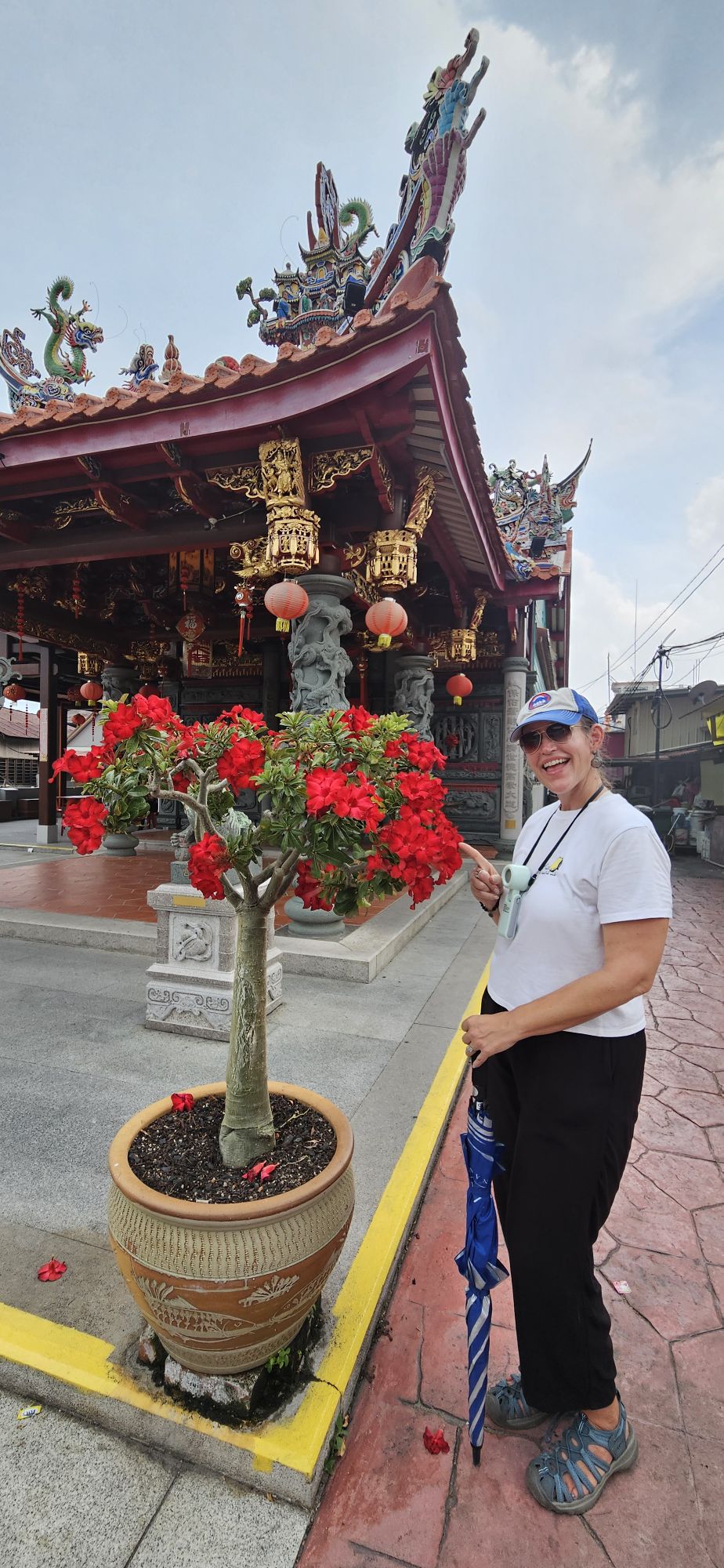
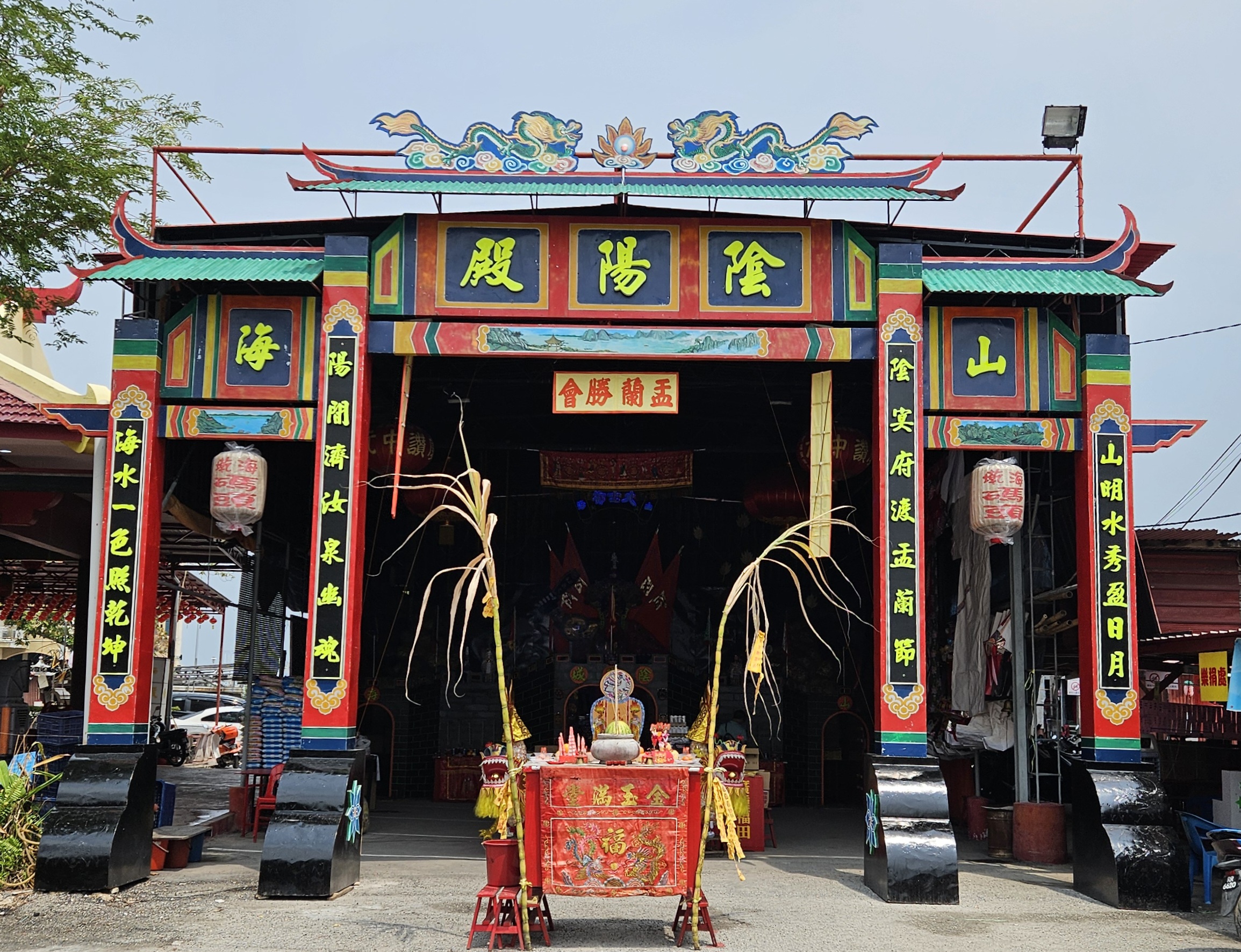
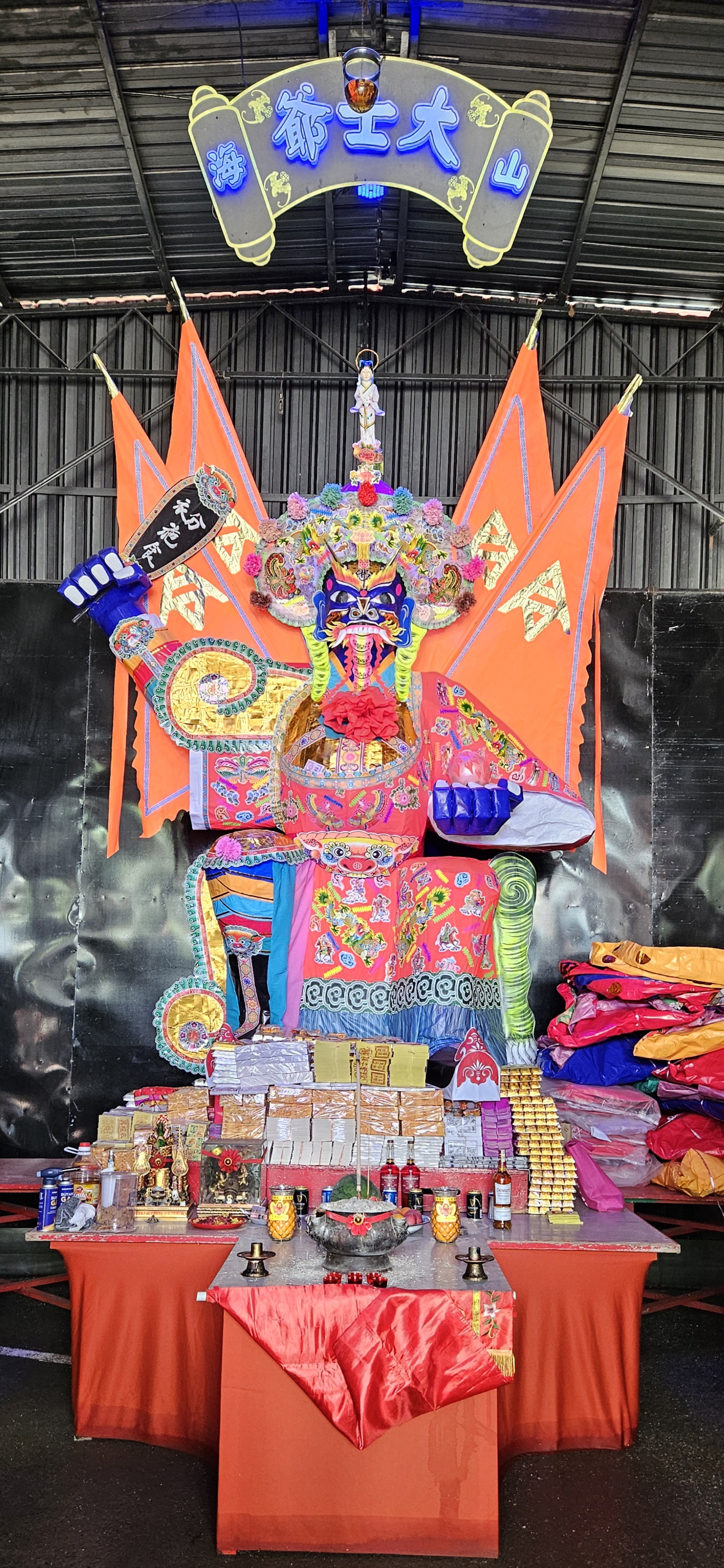
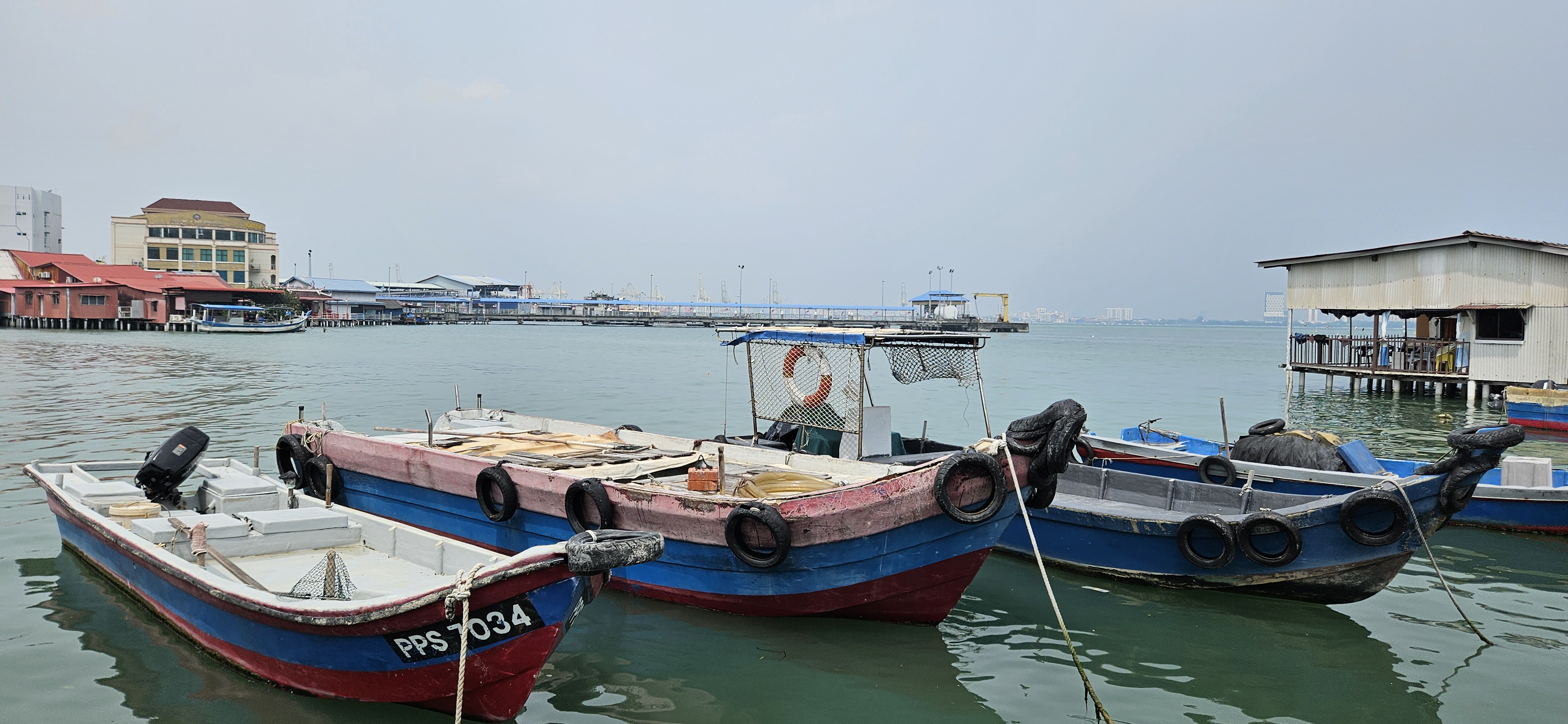
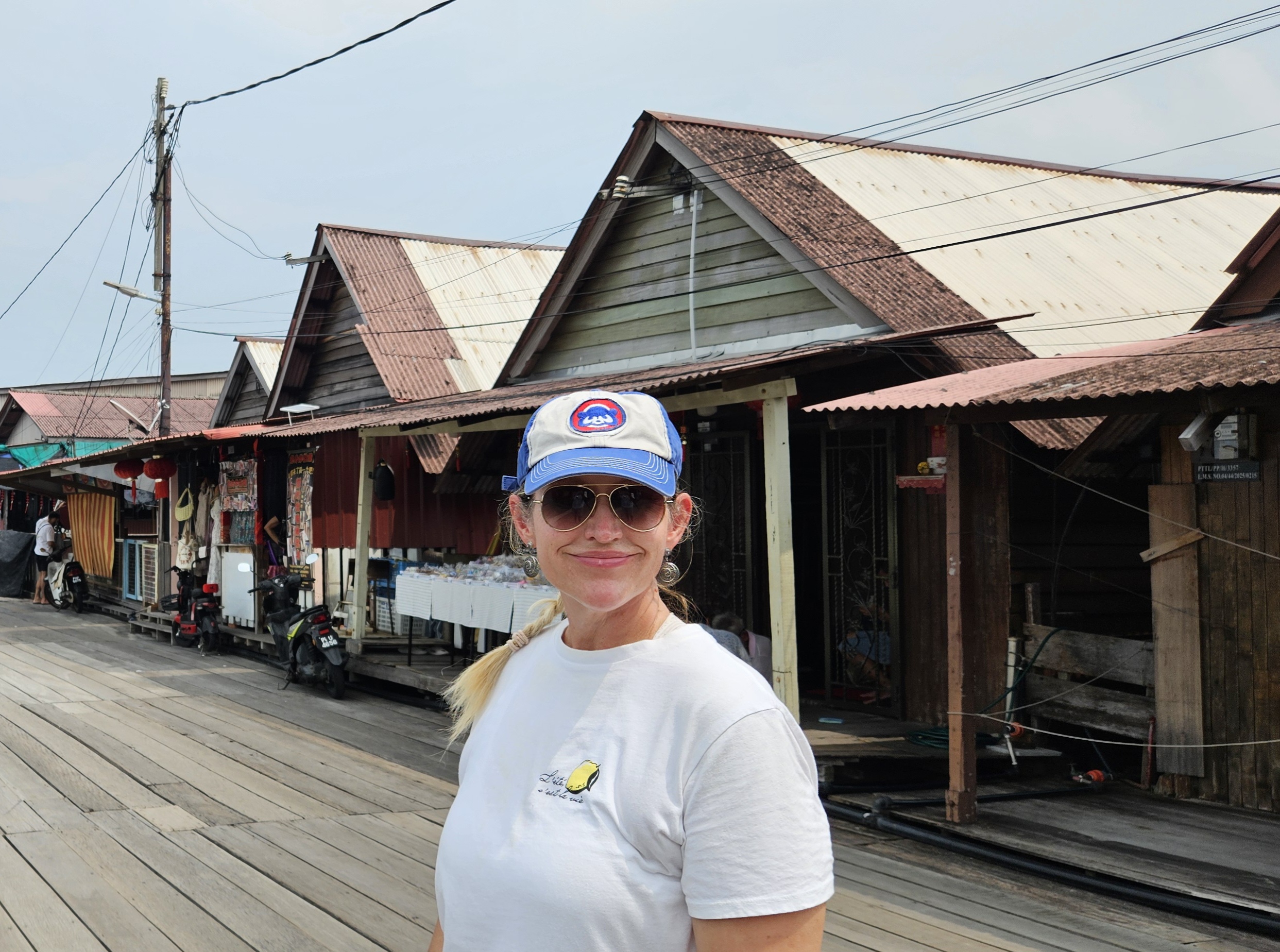
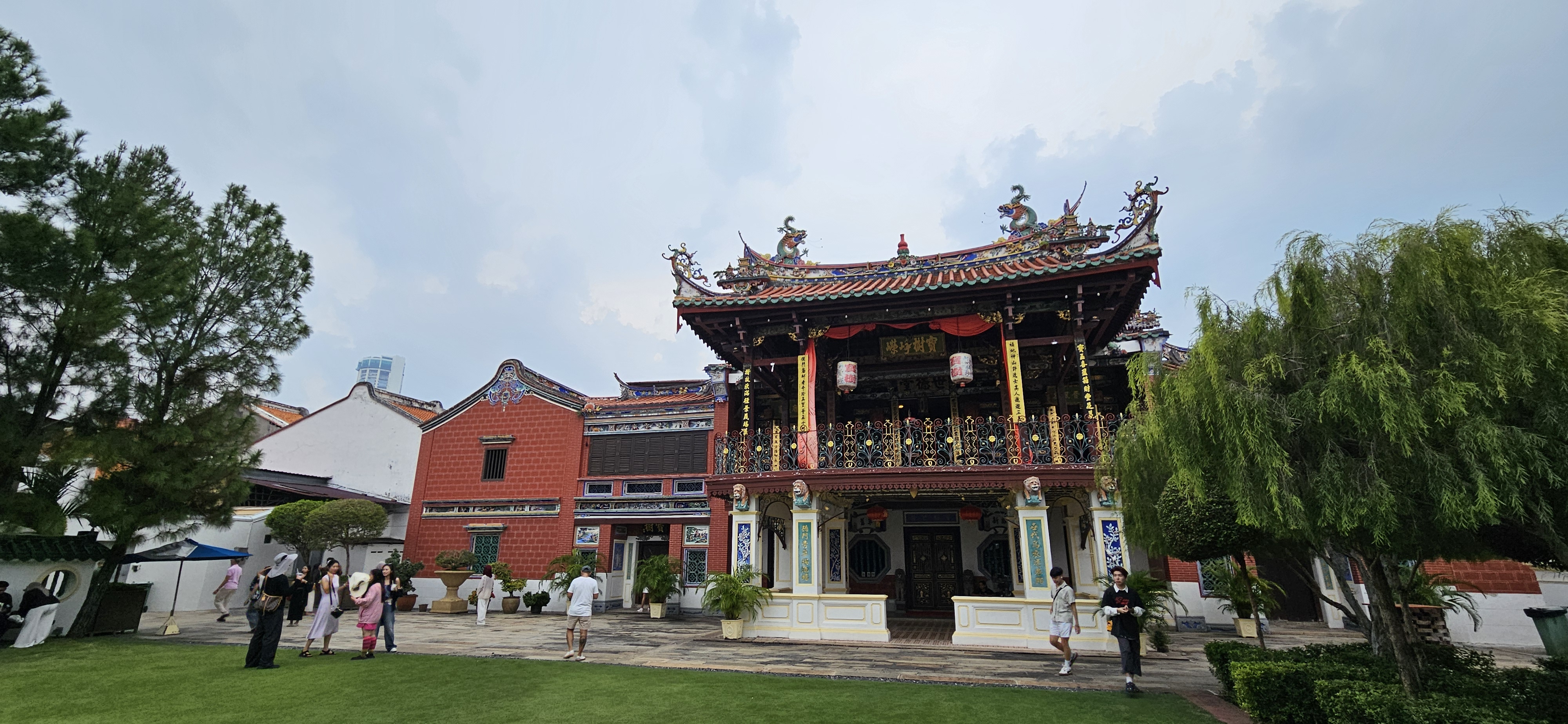
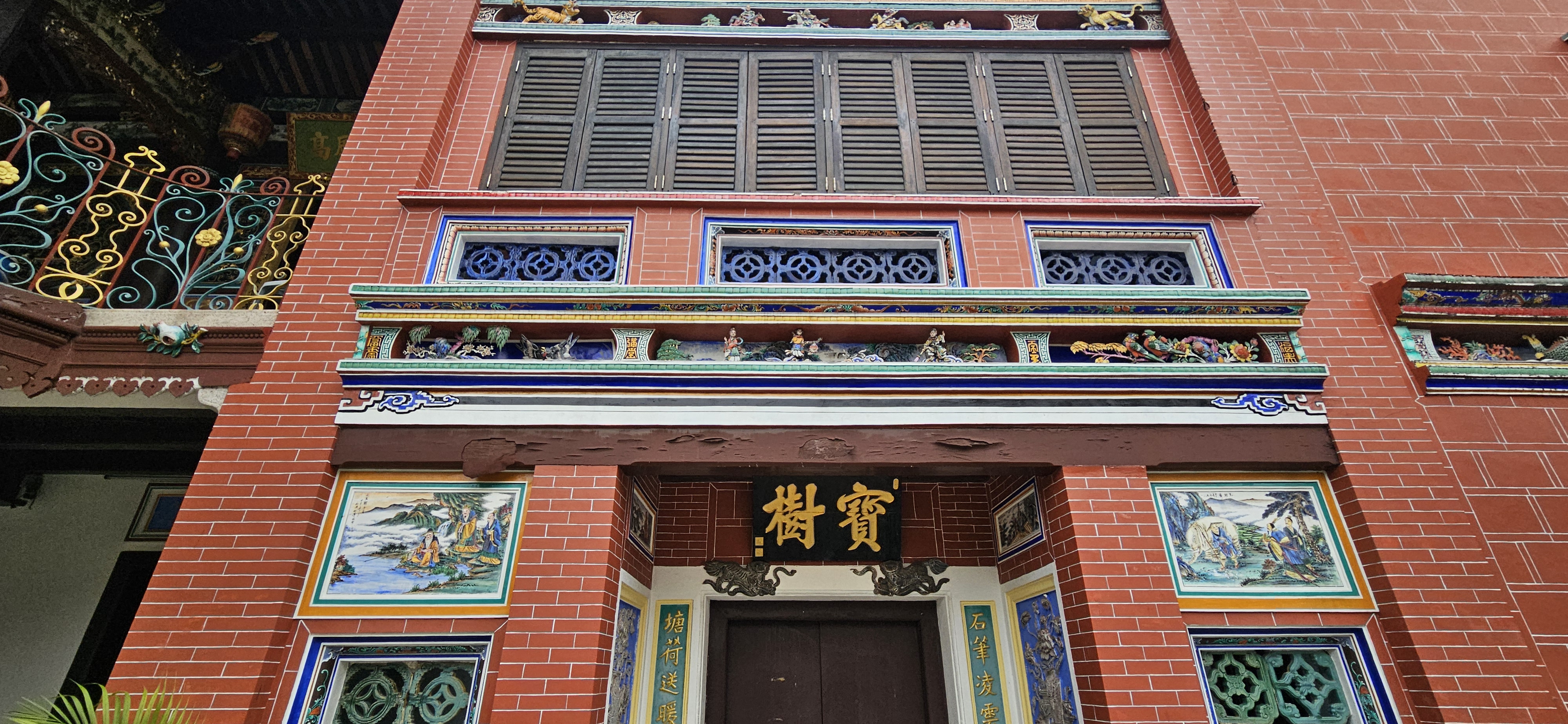
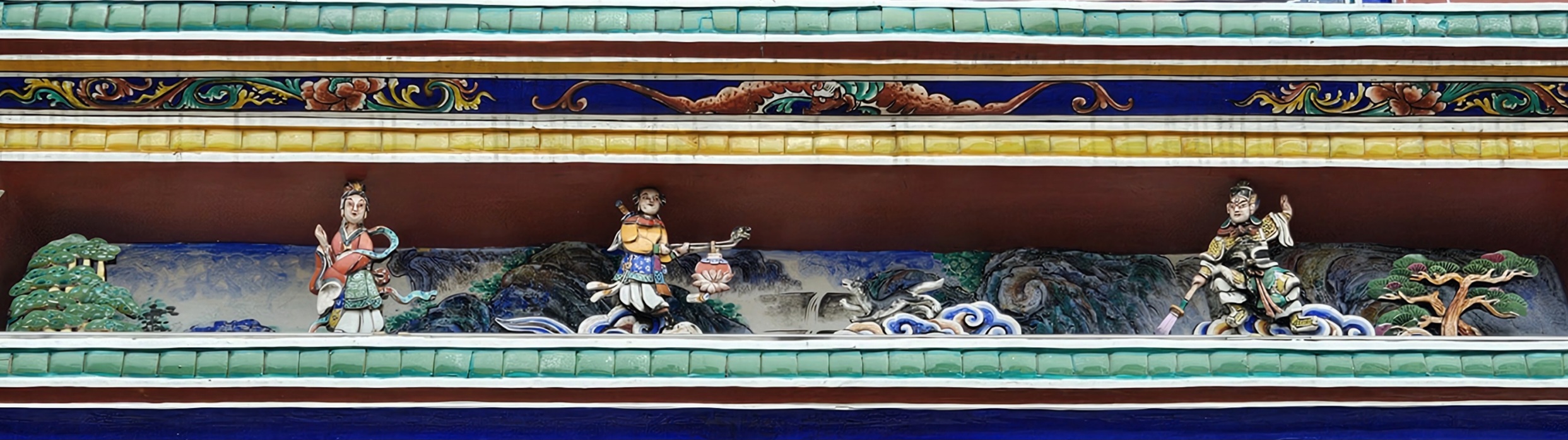
Our last stop that day was the Cheah Kognsi Temple, very popular for photoshoots, as it is a stunning building, with some very cool reliefs. It was closed, sadly, and we could not explore further.
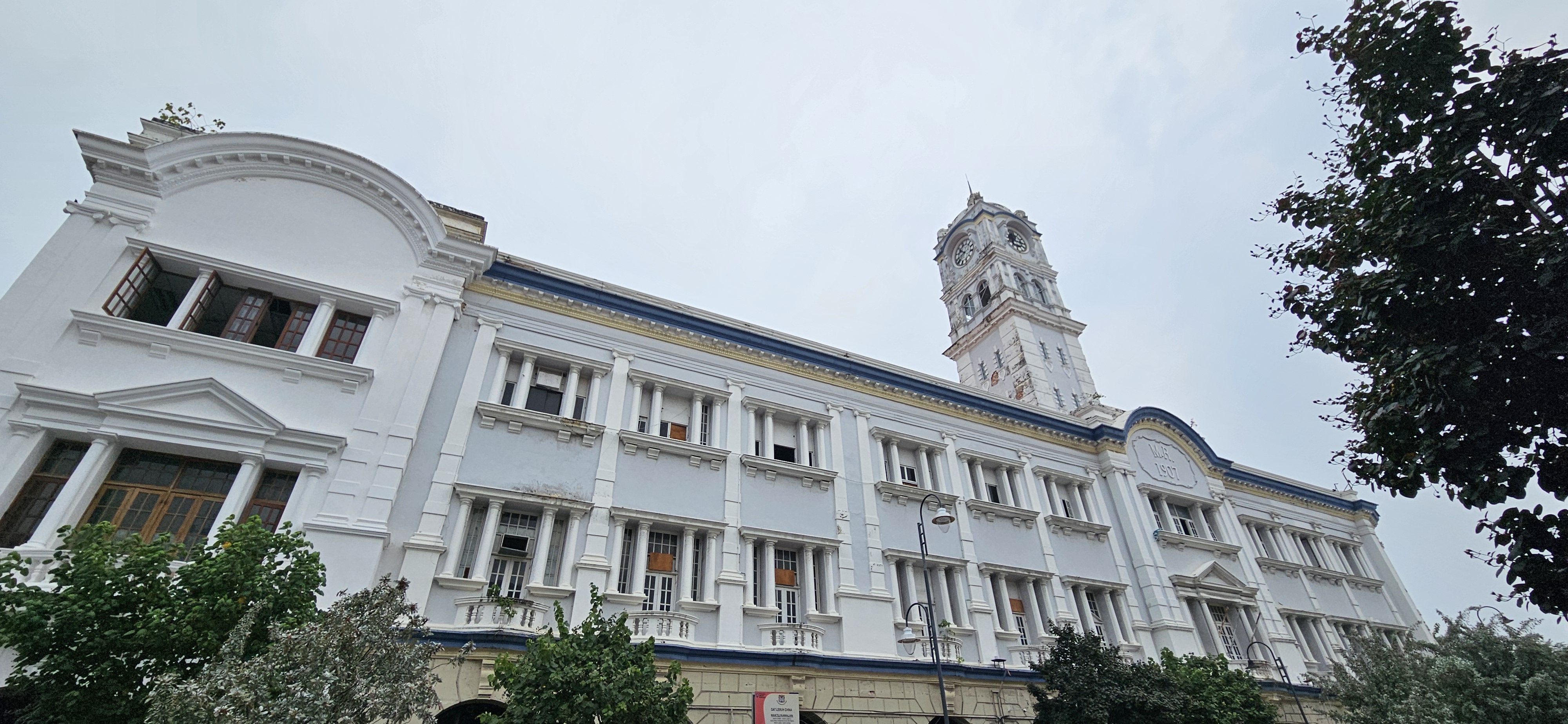
On the walk back to the hotel we would often pass the Malaysian Railway Building, built in 1909. Oddly, it was never used as such, and has not been occupied since 2022. As such the clocktower has fallen into disrepair. It does look good from the outside though, and is huge.
We later ate at a Japanese restaurant in the food court near our hotel, and called it a night. More to come from George Town!


The food looks delicious – can’t wait to hear more about y’all’s adventure!
LikeLike