
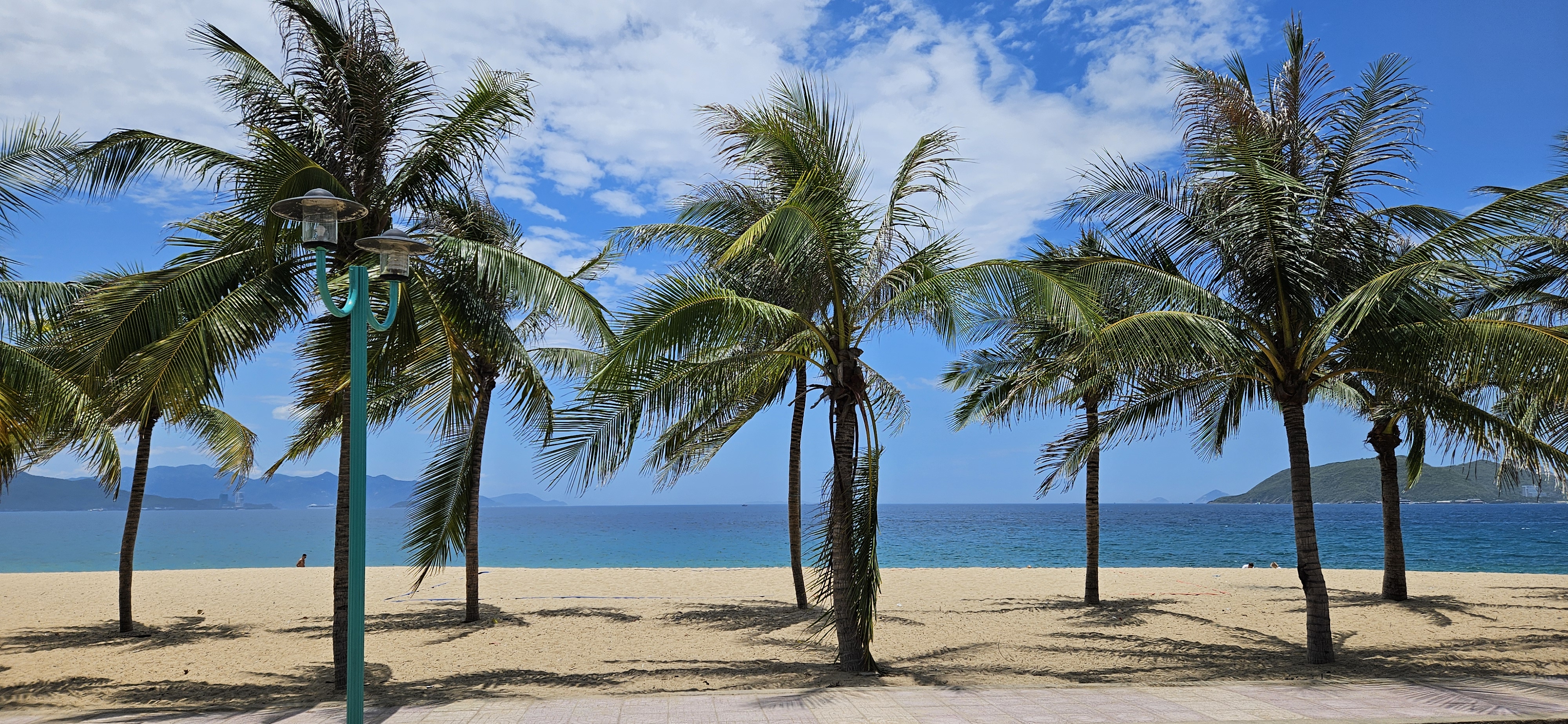
We decided to spend summer in Vietnam (from mid-June to the end of August), and that turned out to be a great decision. While it was a busy time, we were able to enjoy a lot of beaching in Da Nang and Nha Trang, while also getting to visit the biggest city, Saigon, and beat the heat in the mountain town of Dalat. This was a slower travel kind of visit and we did longer stays, which was kind of nice after go-go-going for the past 5 months throughout China and Indonesia, staying in places a week or less.
We arrived in Da Nang after a short stay in Singapore, and the places couldn’t be more different, which was a good thing. It was much easier arriving at Da Nang airport and clearing customs there, as opposed to the bigger Saigon and Hanoi airports, where we had heard horror stories of three-hour waiting lines.

The Route: Da Nang -> Hoi An (by car) -> Da Nang -> Ho Chi Minh City (formerly Saigon) by plane -> Dalat (car hire, as the airport was closed for renovations) -> Nha Trang (car hire)
Language: Vietnamese is a hard language for English speakers, as it is tonal, and the different tones used can make a word change, even if it would be written with the same letters. For example, pronouncing Pho incorrectly could also mean “prostitute,” also the word Dua, which could mean coconut or pineapple, depending on the tone. It was quite hard for me even to learn the basic words and say them correctly, but it is the effort that counts. Learning the basics of hello, please, and thank you in Vietnamese was a good idea, even if we didn’t pronounce them perfectly.
We were a bit surprised by the lack of English spoken by Vietnamese people we encountered, especially in the tourism sector. Our hotels usually had a designated English speaker, who was typically pretty good. Almost all the taxi drivers did not speak it at all, but, as in all places, the translator comes in quite handy. Most museums had English translations as did most restaurant menus. All our tours were lead by English speaking Vietnamese people, usually younger, who spoke great English.
Transportation/Getting around: Same as in all places we visit; we book a taxi from the airport to our hotel through booking.com or trip.com; and that driver would often offer their services to take us around whichever city we were in. Our airport driver, Tony, drove us all over Da Nang and even to the nearby city of Hoi An, very similarly to our airport driver in Bali. He even took us to his new coffee stand run by his wife (below).
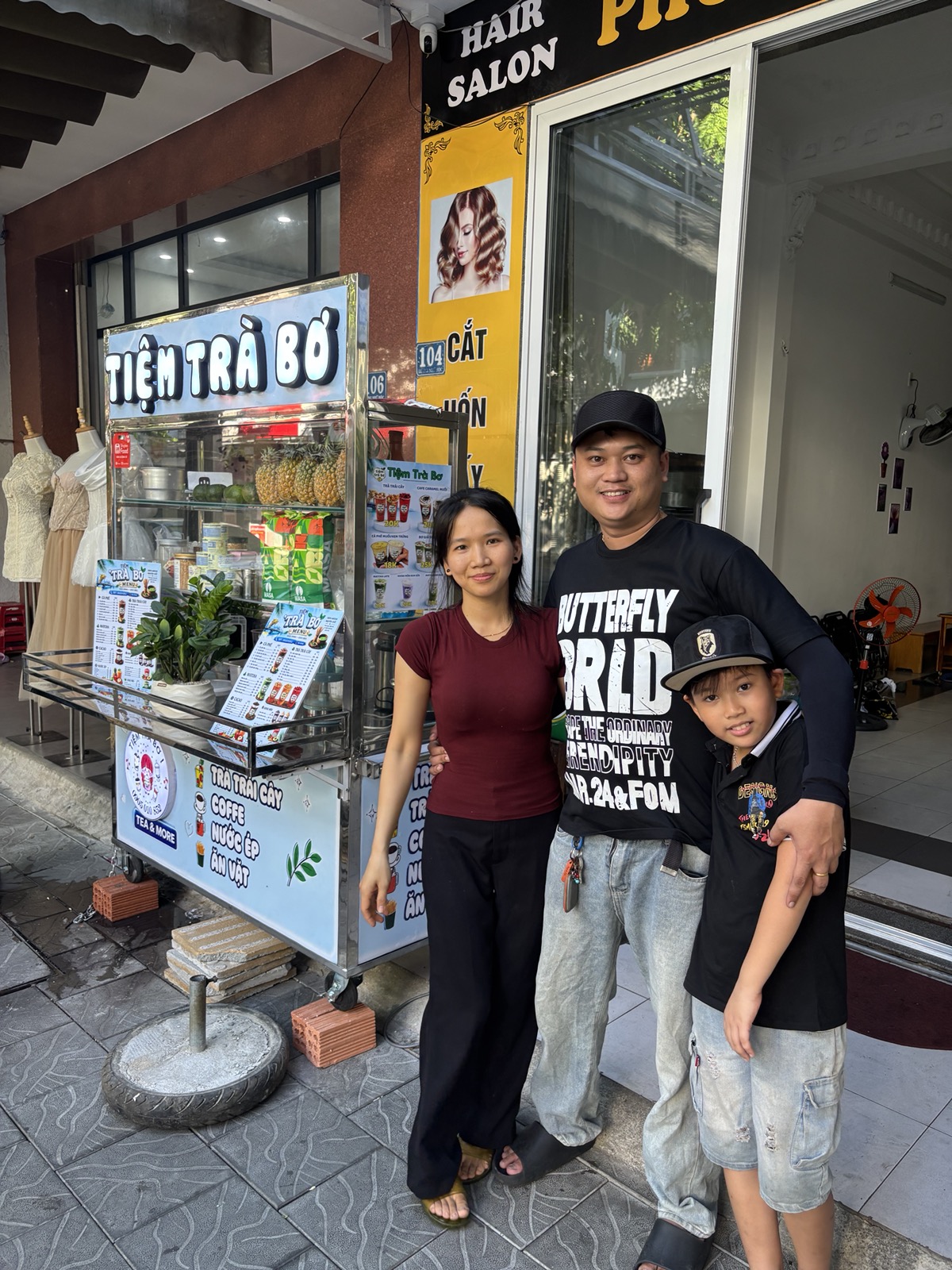
Many Grab(taxi) drivers in Da Nang offered to drive us on day trips, but in the other cities this was not the case. We did find a taxi driver to take us around Nha Trang for a day trip, but he was definitely the exception out of the Grabs we took there.
Grab is the app we used most often to book a taxi around town; Vietnam has another app that uses only electric cars, called Green SM, that was easy to use and sometimes cheaper than Grab. Taxi service was quick to arrive and plentiful in all the cities we visited. There are taxi drivers around the major tourist attractions, but they are more expensive than Grab or Green SM, and aren’t recommended. As Grab and Green SM allow one to pay by credit card upfront, it is also easier. Working out the price beforehand is a must with any taxi, as they want to be paid in cash.
To travel between the cities there are planes, buses, and car hires. We used the app 12GO to book the car hires we took from Saigon to Dalat and later Dalat to Nha Trang, which took us door-to-door; buses can also be booked through 12GO, though we didn’t take any buses. From Da Nang to Saigon we took a plane, and that was a quick, no hassle flight on Vietnam Airlines. We flew out of Nha Trang on Air Asia, which was also a fine, inexpensive flight.
Crossing the Street: I have mentioned this in a few posts, but crossing the street in Vietnam takes some getting used to. Traffic lights are a rarity, and zebra crossings/crosswalks are not respected by motorists. Motorbikes are everywhere in Vietnam, and adding cars and trucks, it can seem like a daunting task just crossing the street. Watching traffic move was similar to Indonesia, a delicate dance of merging, turning, and bikes zipping by; except the big difference was how much Vietnamese drivers like honking their horn. It is quite annoying, as the bikes may use it to make cars/pedestrians aware of their presence, but the cars use it to usually say, “get out of my way.”
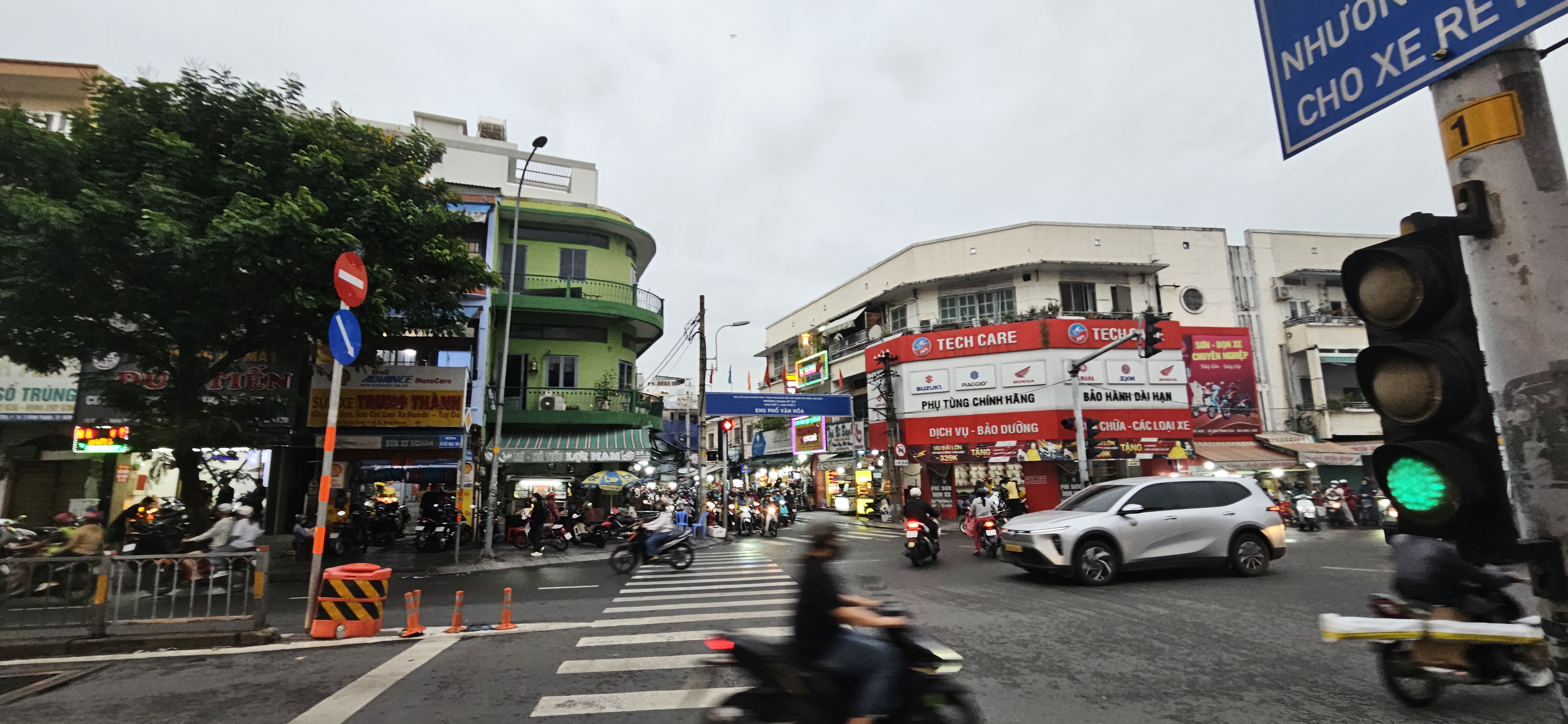
We learned, the best way to cross the street is to do so at a crosswalk and wait until traffic is clear, or at least has slowed. Put up your arm, never take your eye off oncoming traffic, and proceed. The cars will stop (or at least slow) and the bikes will zoom around you. Never hesitate once you’ve started to cross. With all of that being said, we only saw two minor accidents in our 75 days in Vietnam.
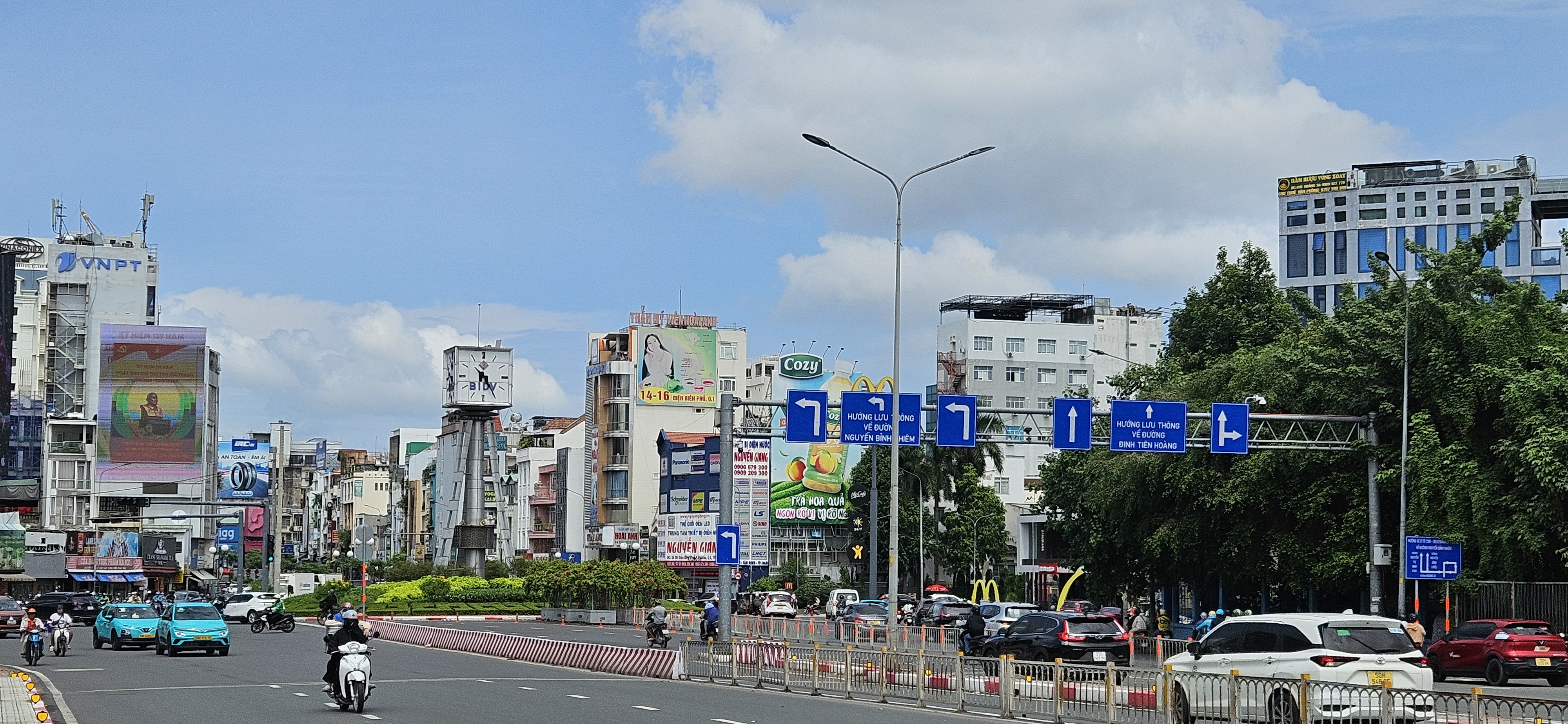
Note that sidewalks are usually just for motorbike parking in most places. We like to walk, and a lot of that was done in single-file fashion on the side of the road, or a narrow sidewalk, navigating around the parked bikes and food stalls that are found on most sidewalks. Only in the nicer neighborhoods of Saigon did we find sidewalks to walk on, and still had to occasionally walk around parked bikes. Walking is just not a thing done by most Vietnamese, as most everyone has a motorbike and uses that as their form of transportation. While we never felt like we would be hit by a car or motorbike, we would walk facing traffic if at all possible.
Laundry: Every hotel we stayed at offered laundry service, but it was usually more expensive compared to a local laundromat; only one hotel was reasonable enough that we used it. I would search for “laundry” on googlemaps, read some of the reviews, and contact them on WhatsApp, or we would walk by, if close enough. We would usually drop off our clothes (sometimes they would pick them up at the hotel, or deliver them back, or both), and they would wash, dry, and fold them, for a few dollars per kilogram. If I couldn’t find one on googlemaps we would often find one by walking around the neighborhood. The only issue we had was that they would dry clothes on super high heat, which would make them a bit tighter when we received them back. Besides that, the clothes were usually folded nicely and smelled good.
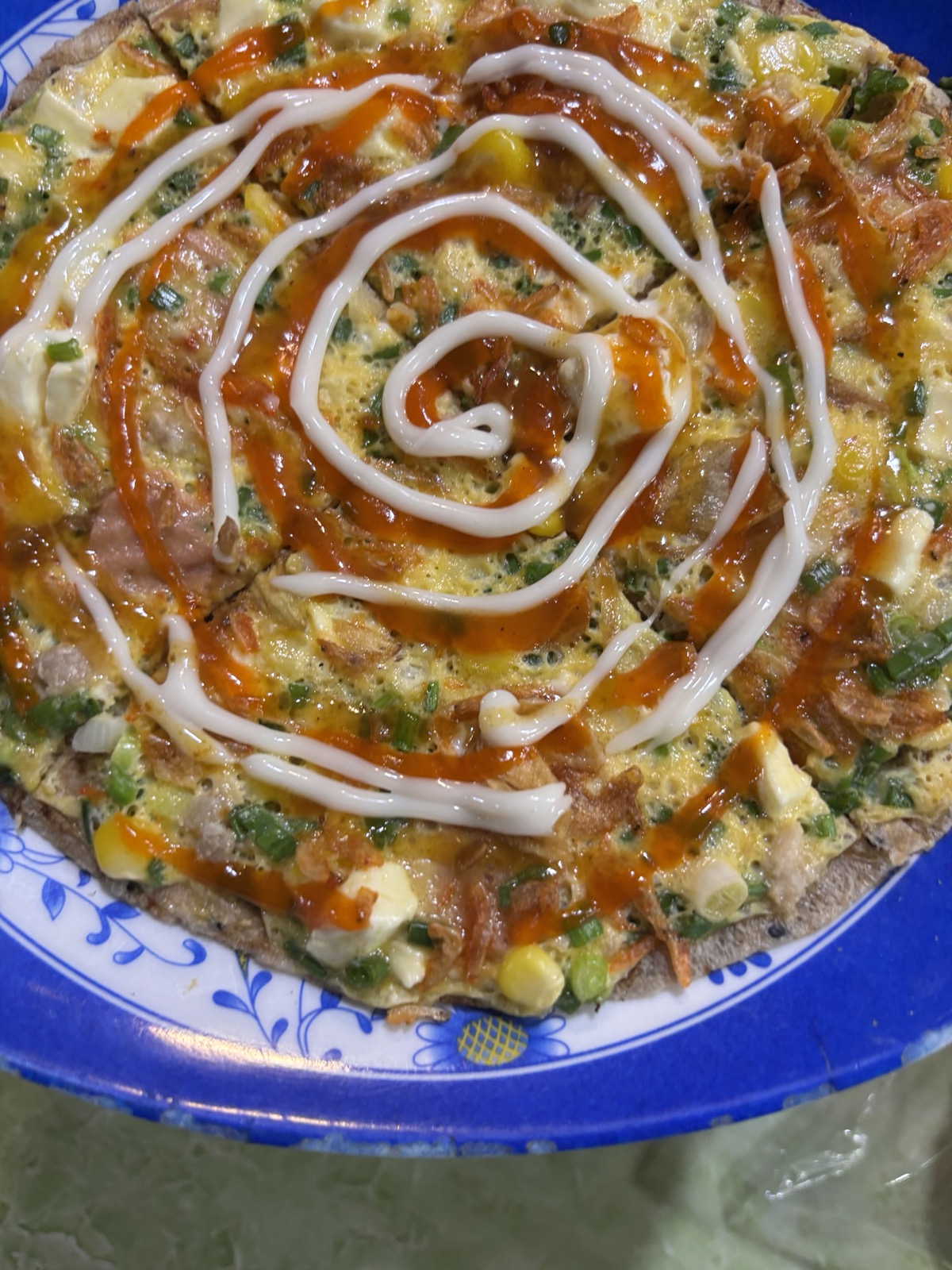
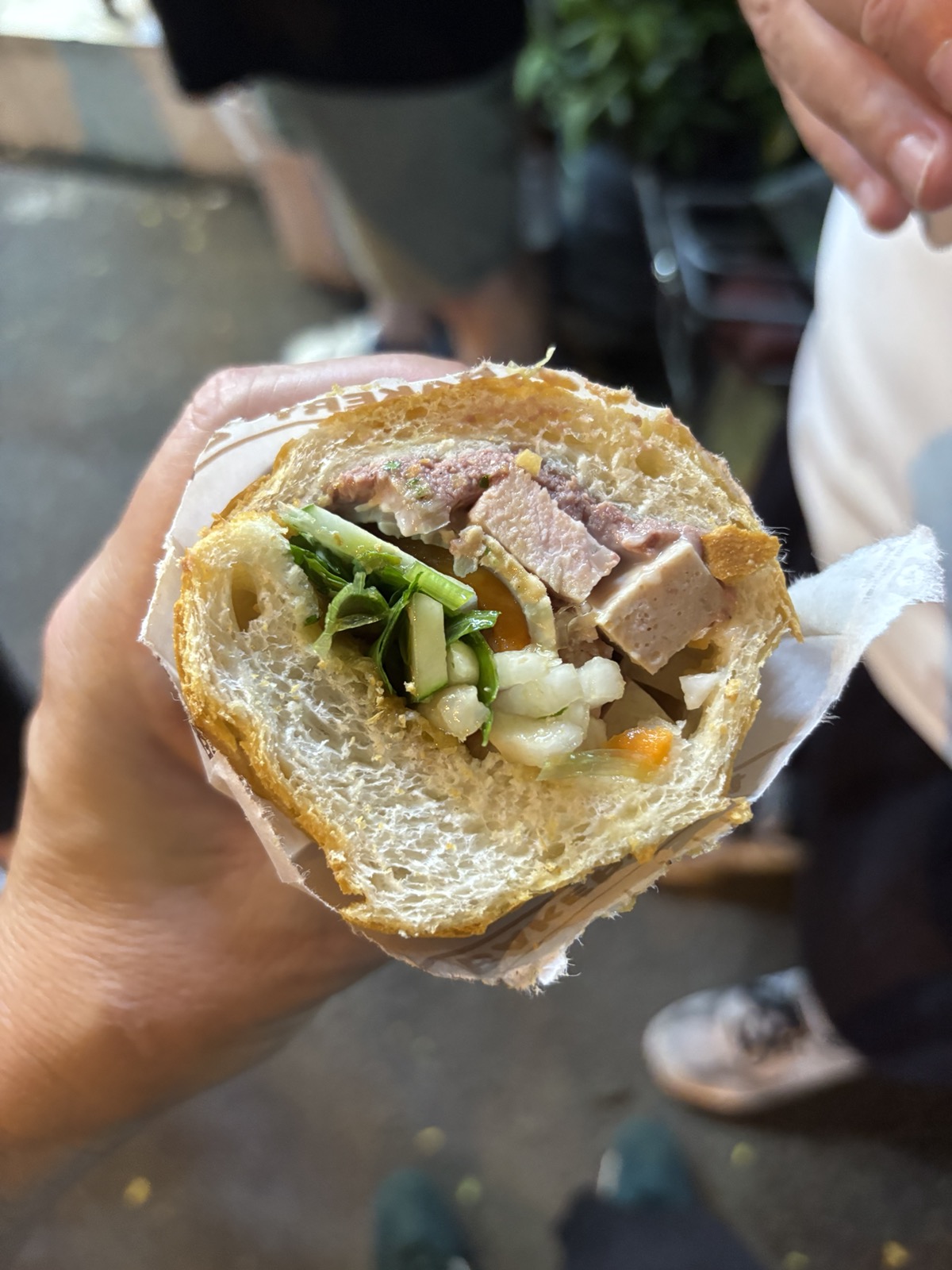
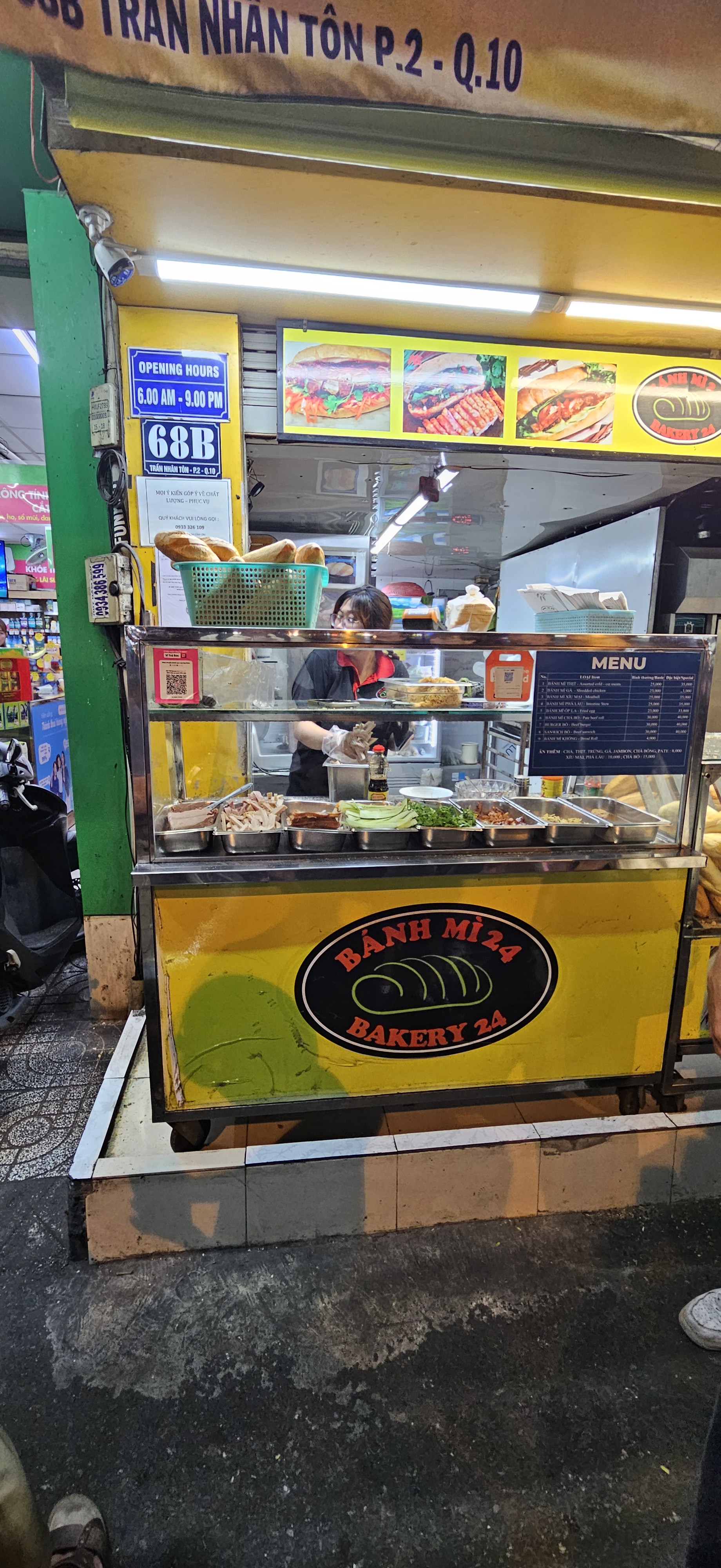
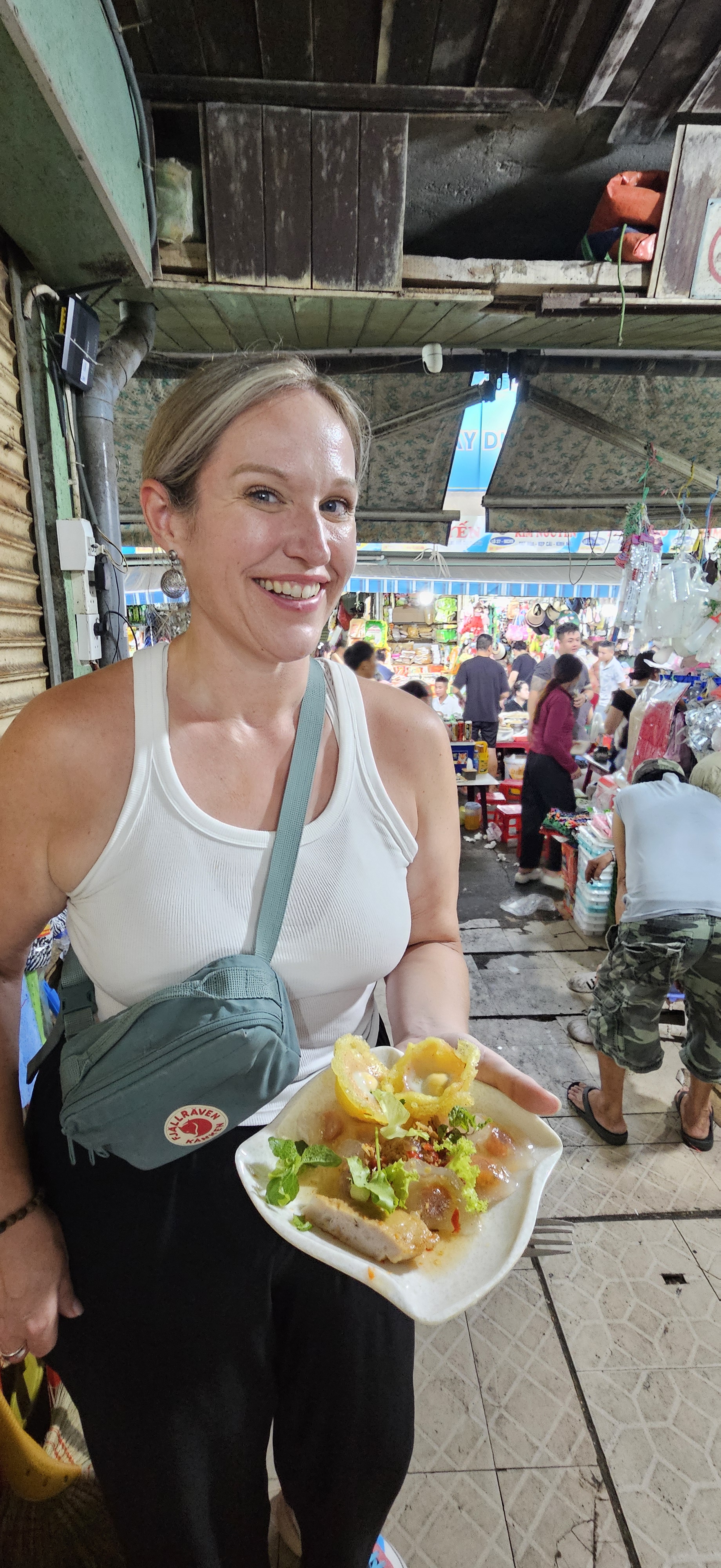
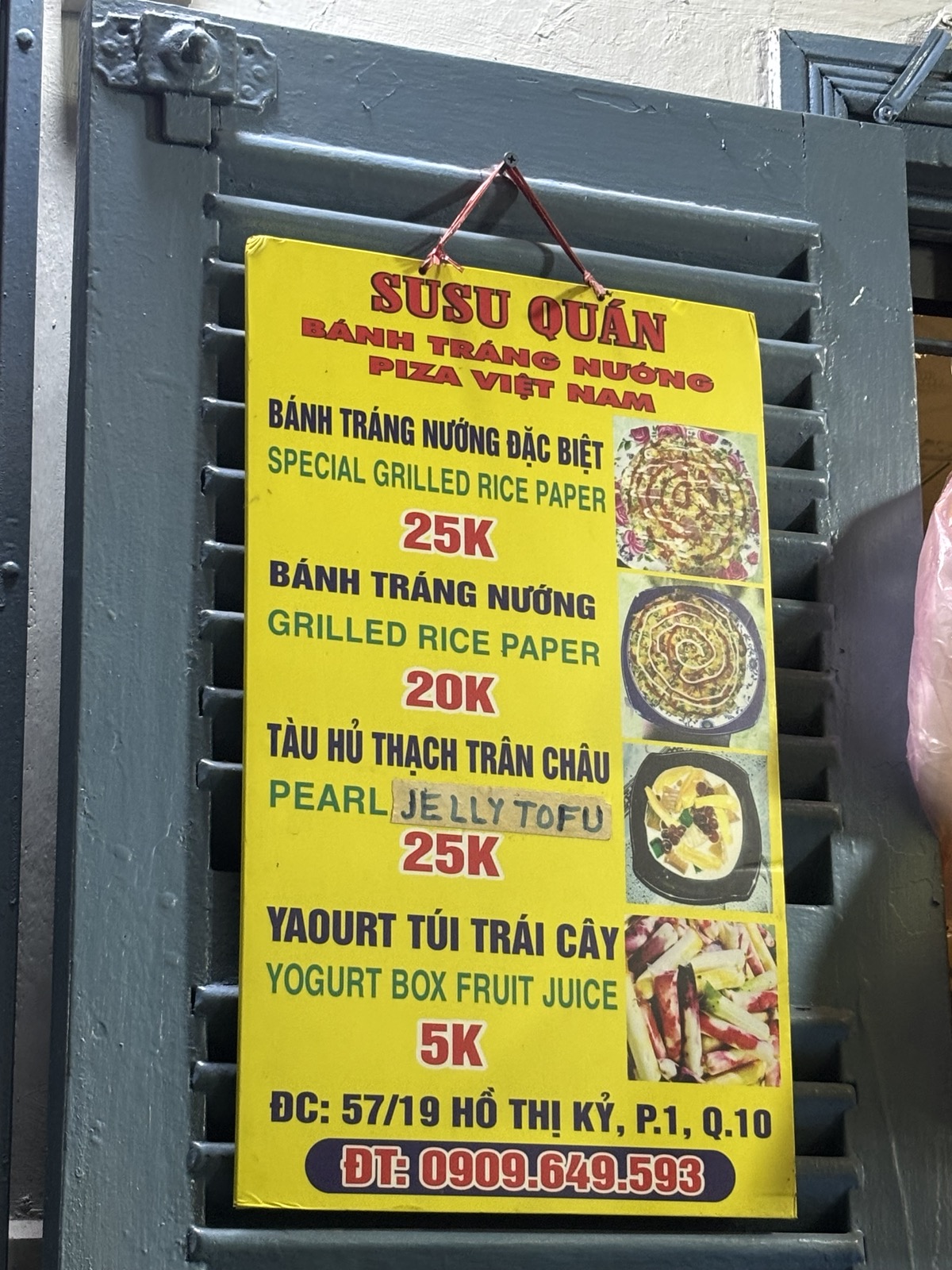
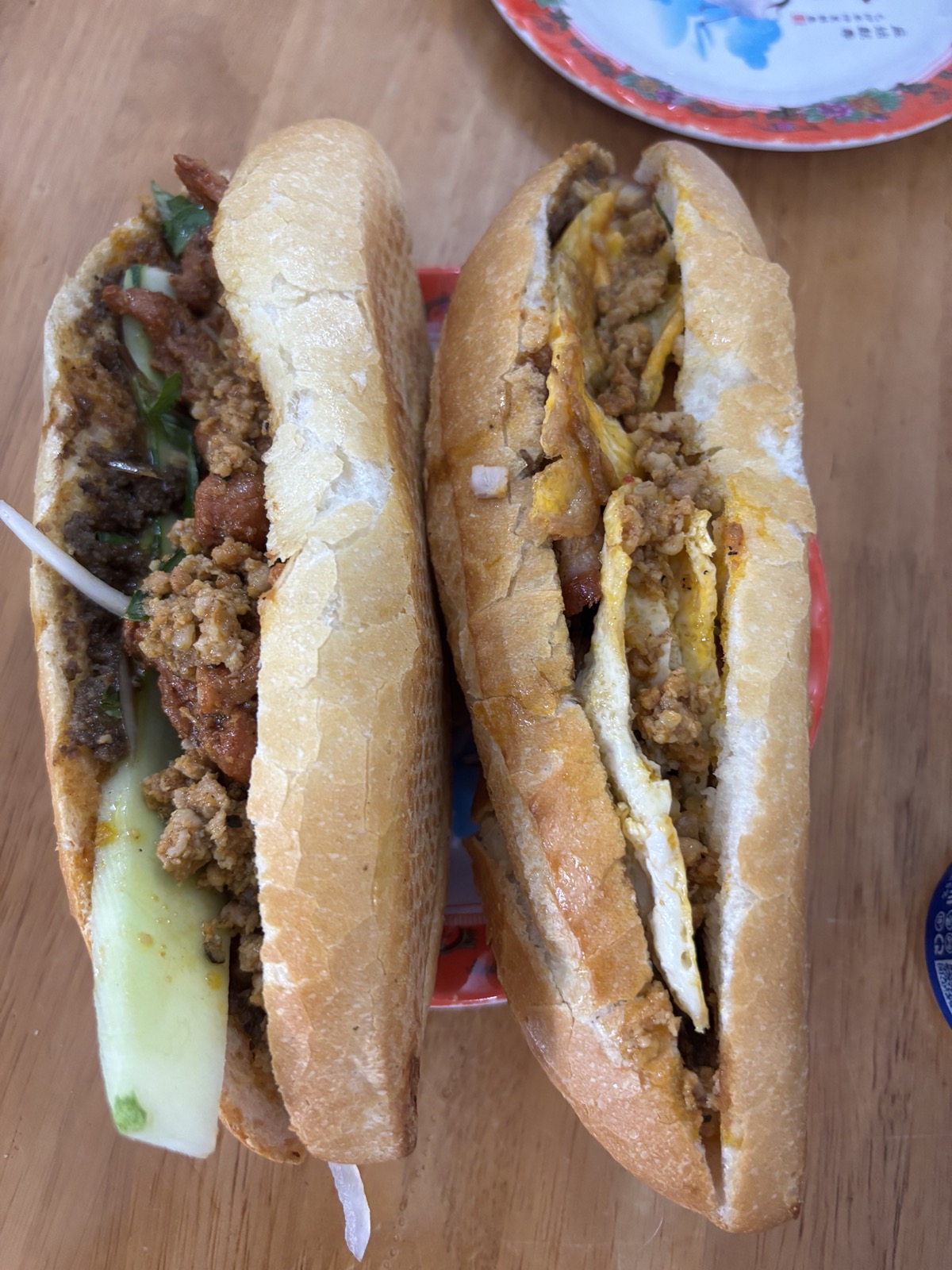
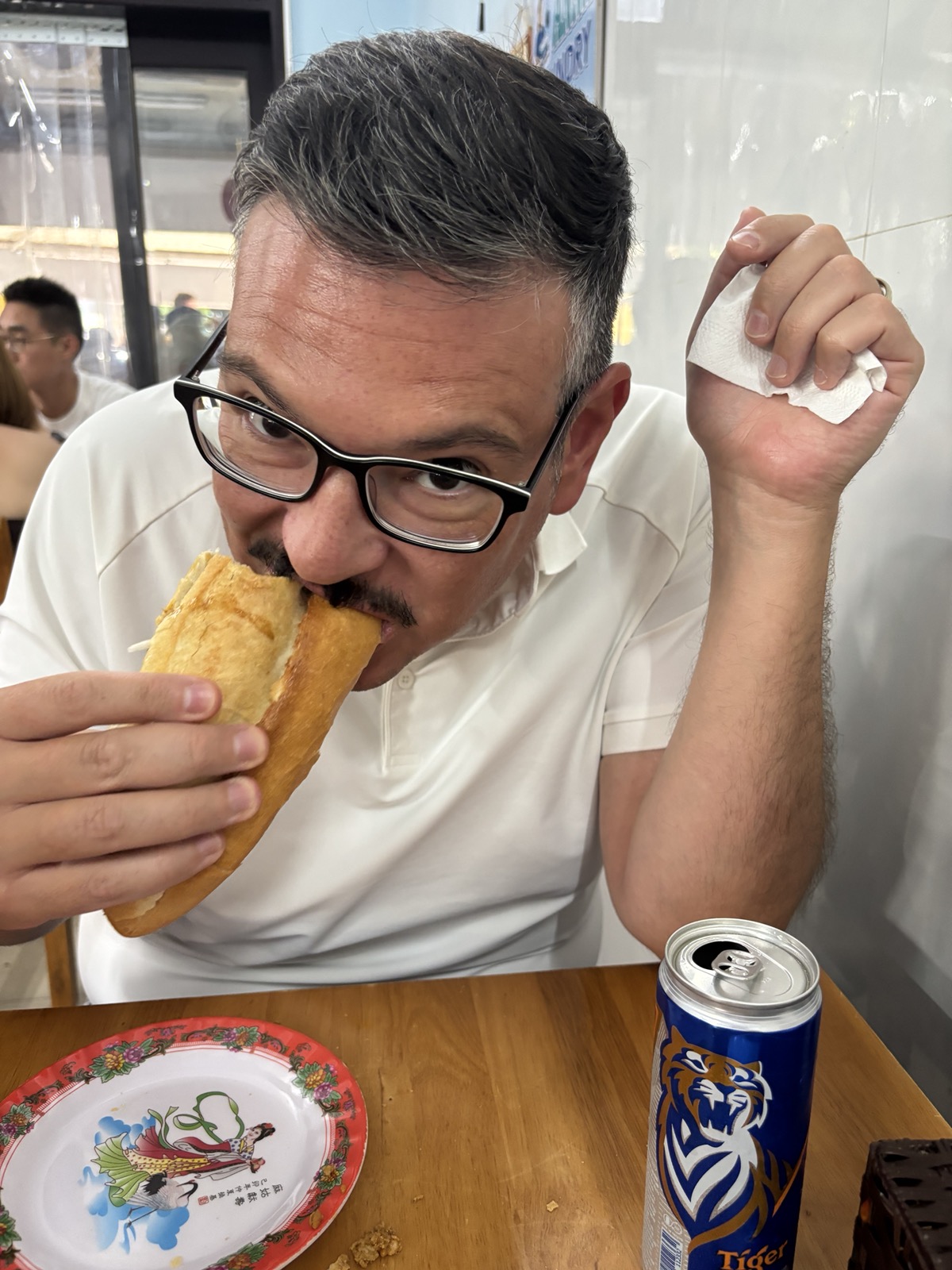
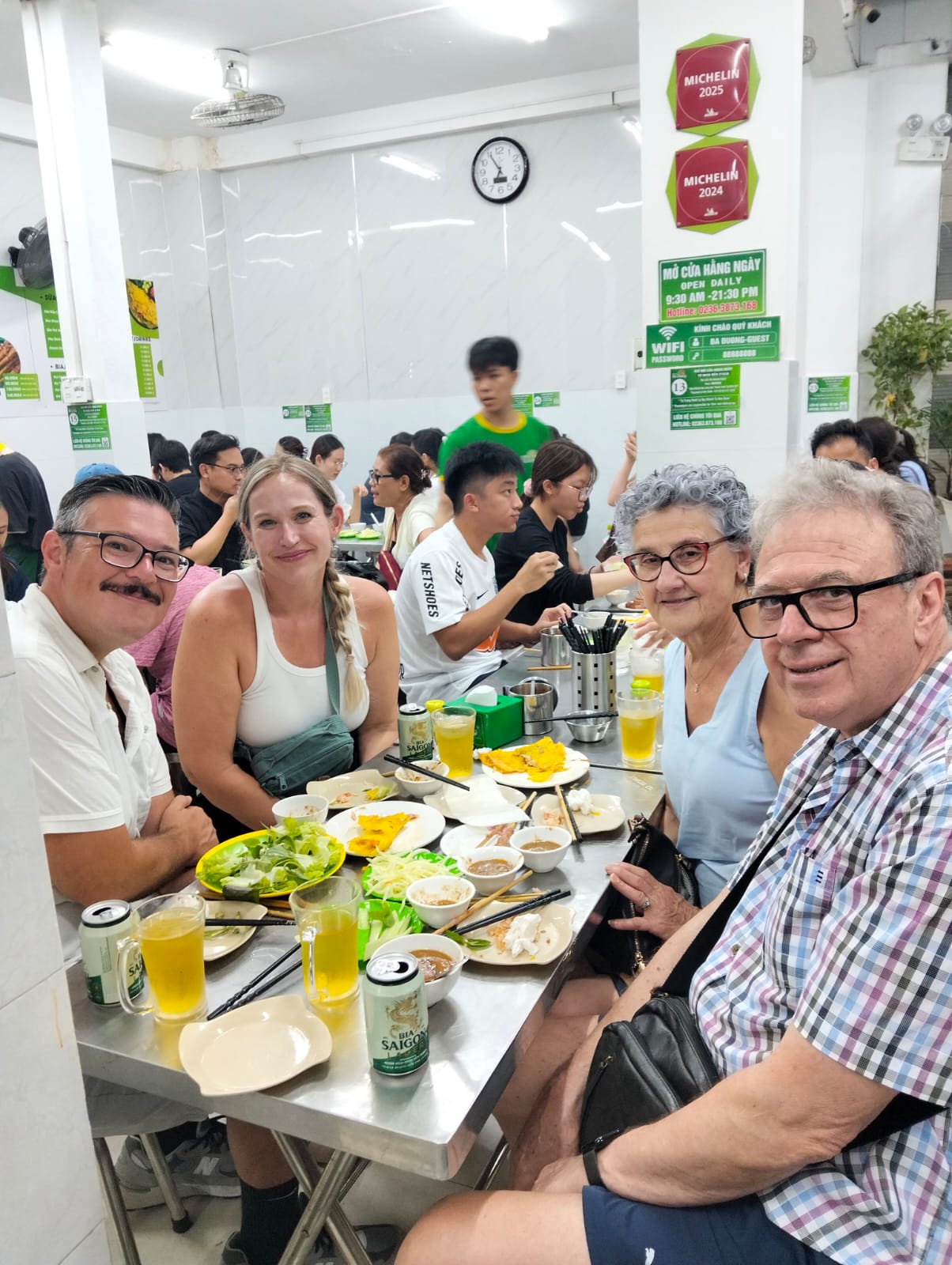
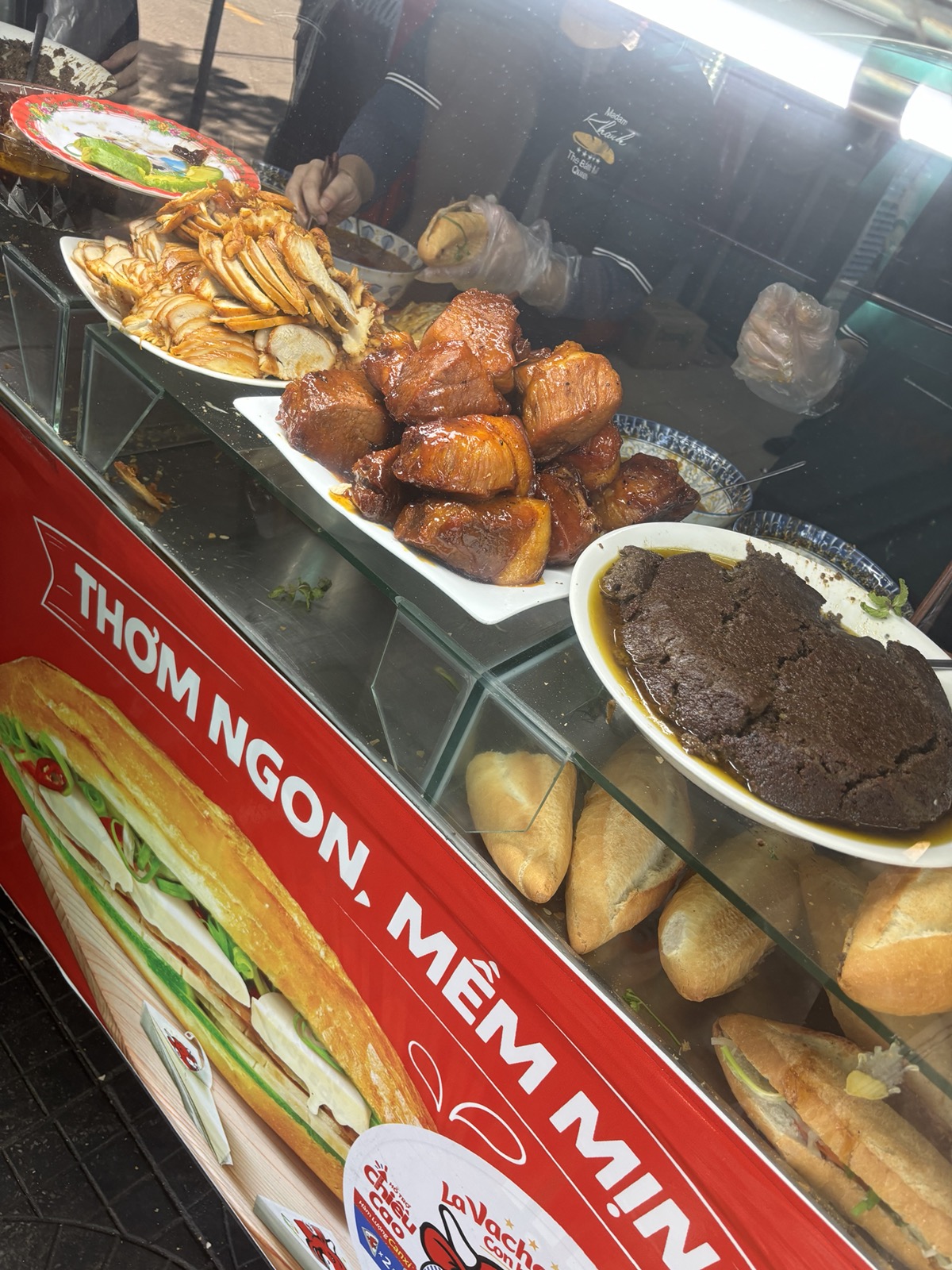
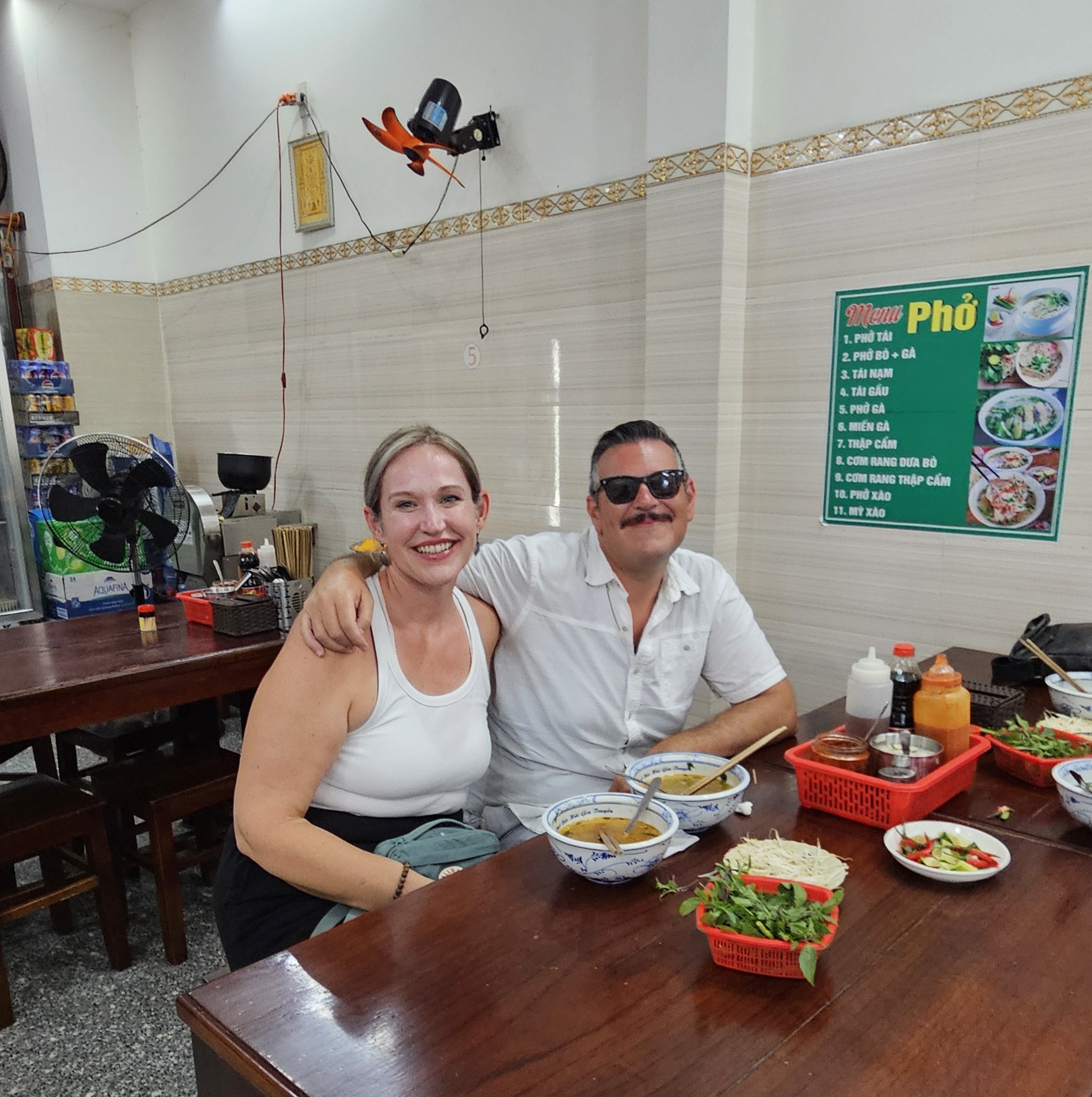
The food: Overall, the food in Vietnam is wonderful. We ate a lot of soup and noodle dishes (like Pho) and so many Banh Mi sandwiches and tried everything we could (including bugs, but those aren’t anything that we found on a menu). We did multiple food tours in order to try as much as we could, and there isn’t any dish we tried that I can recall being bad. Jessica writes more about our food eating in Da Nang here. There were also plenty of Western options like cheeseburgers and pizza, and lots of other ethnic foods like Indian, Thai, Korean, Russian, etc, that were all really good.





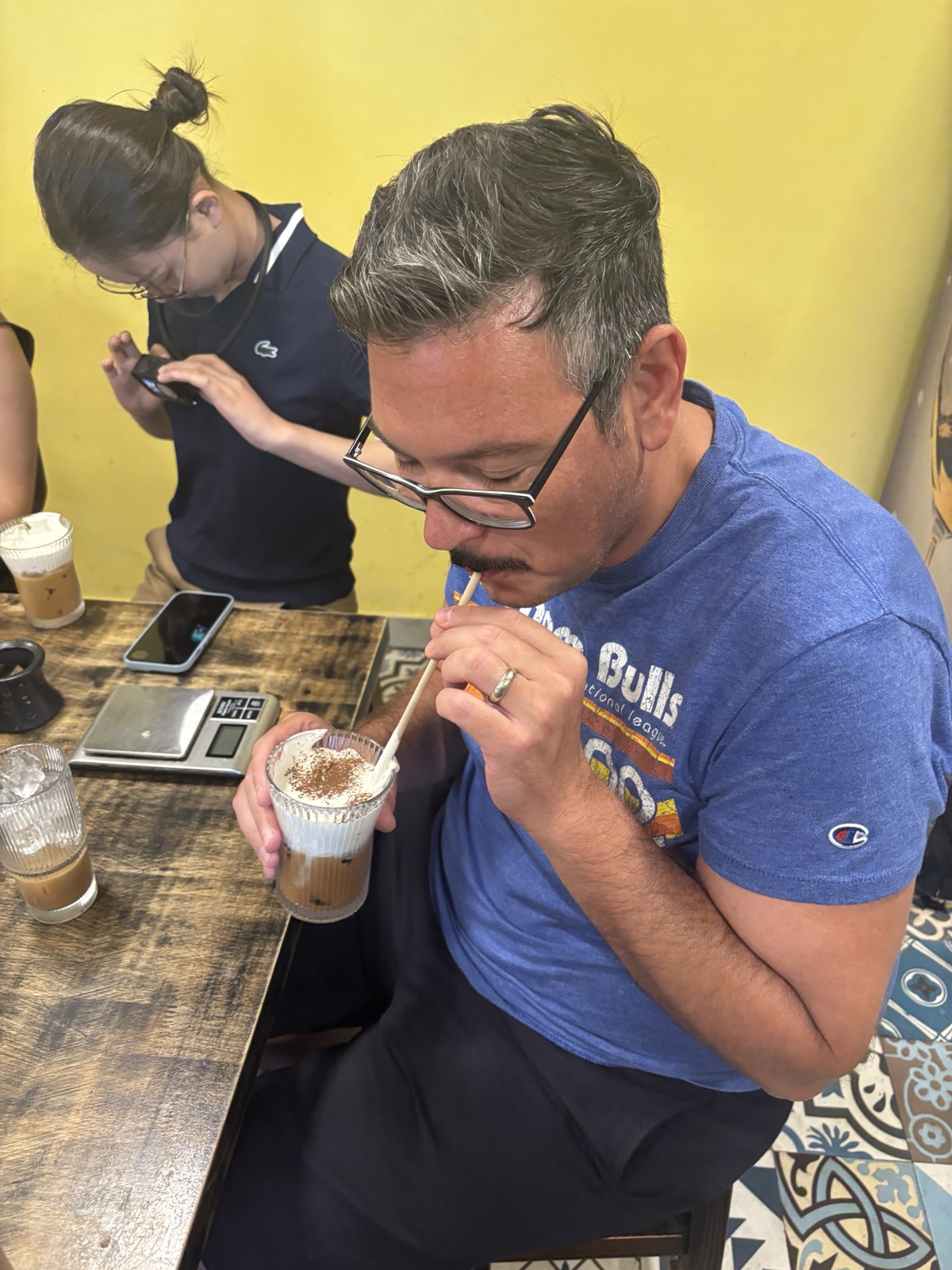
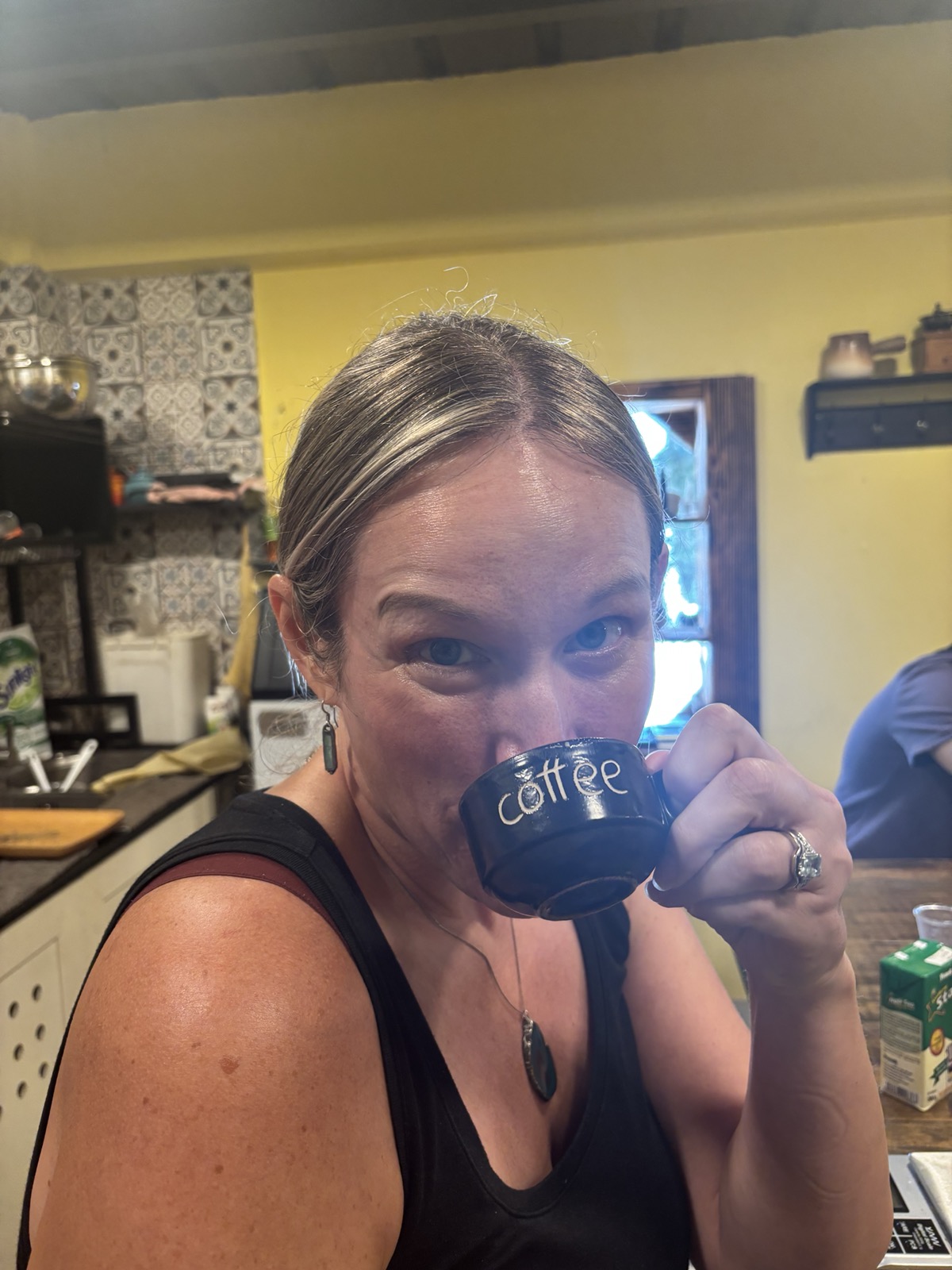
The Coffee: Yes, it needs its own section. The coffee is next level in Vietnam. If you are a lover of strong coffee, or sweet coffee, or both, Vietnam will be a heaven for you, as it was for us. There is butter coffee, coconut coffee, condensed milk coffee, and salt coffee (my favorite), and egg coffee, among others. Usually it is served cold, as it is so hot in Vietnam. There are coffee shops everywhere, they are hard to miss. There is a big chain, Highlands Coffee, which is good, but the neighborhood coffee shops are usually great. We would often check the reviews on Googlemaps if we saw one we wanted to stop at, just to be safe.

Here is a snippet from Jessica’s blog on salt coffee:

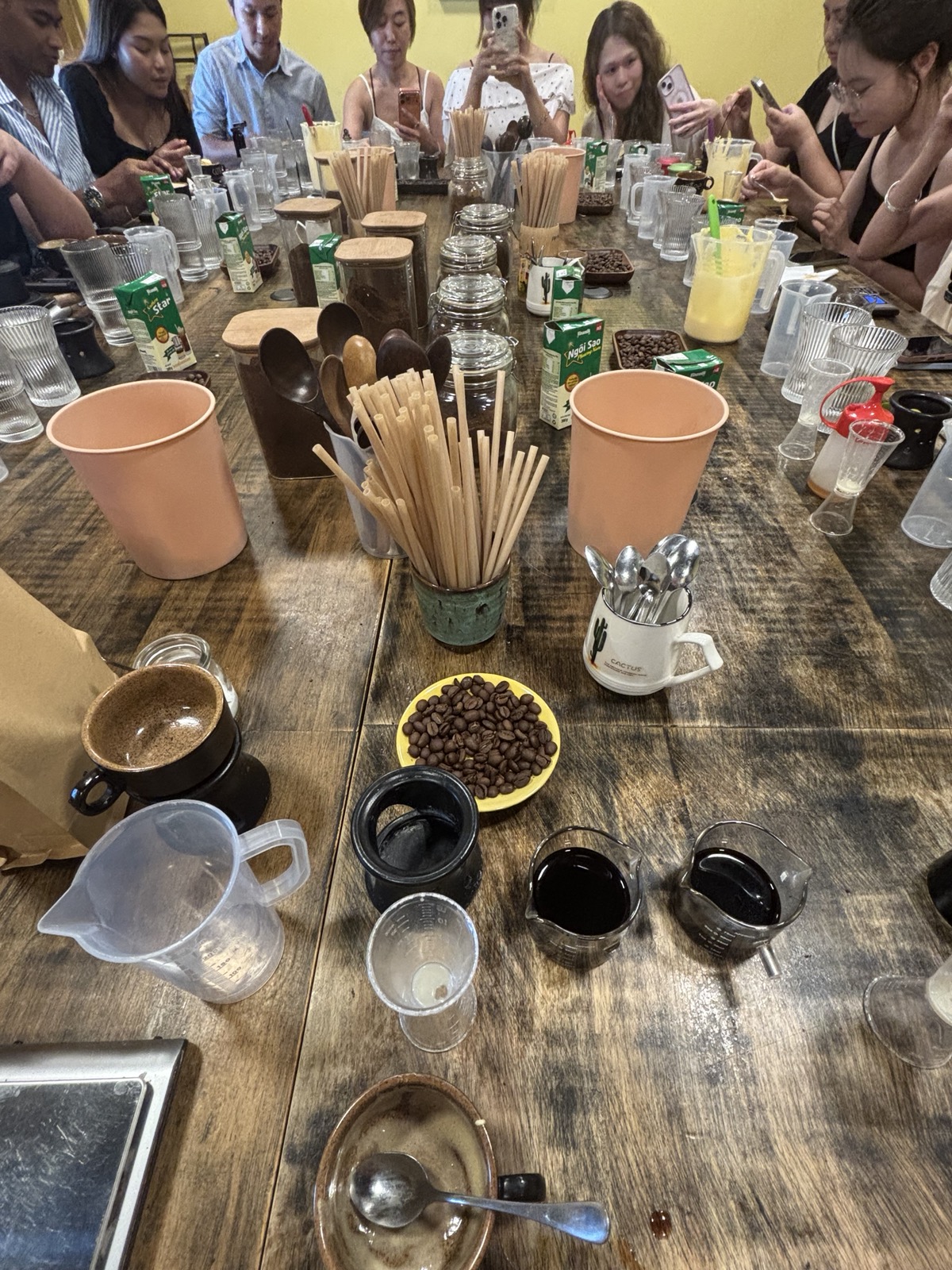
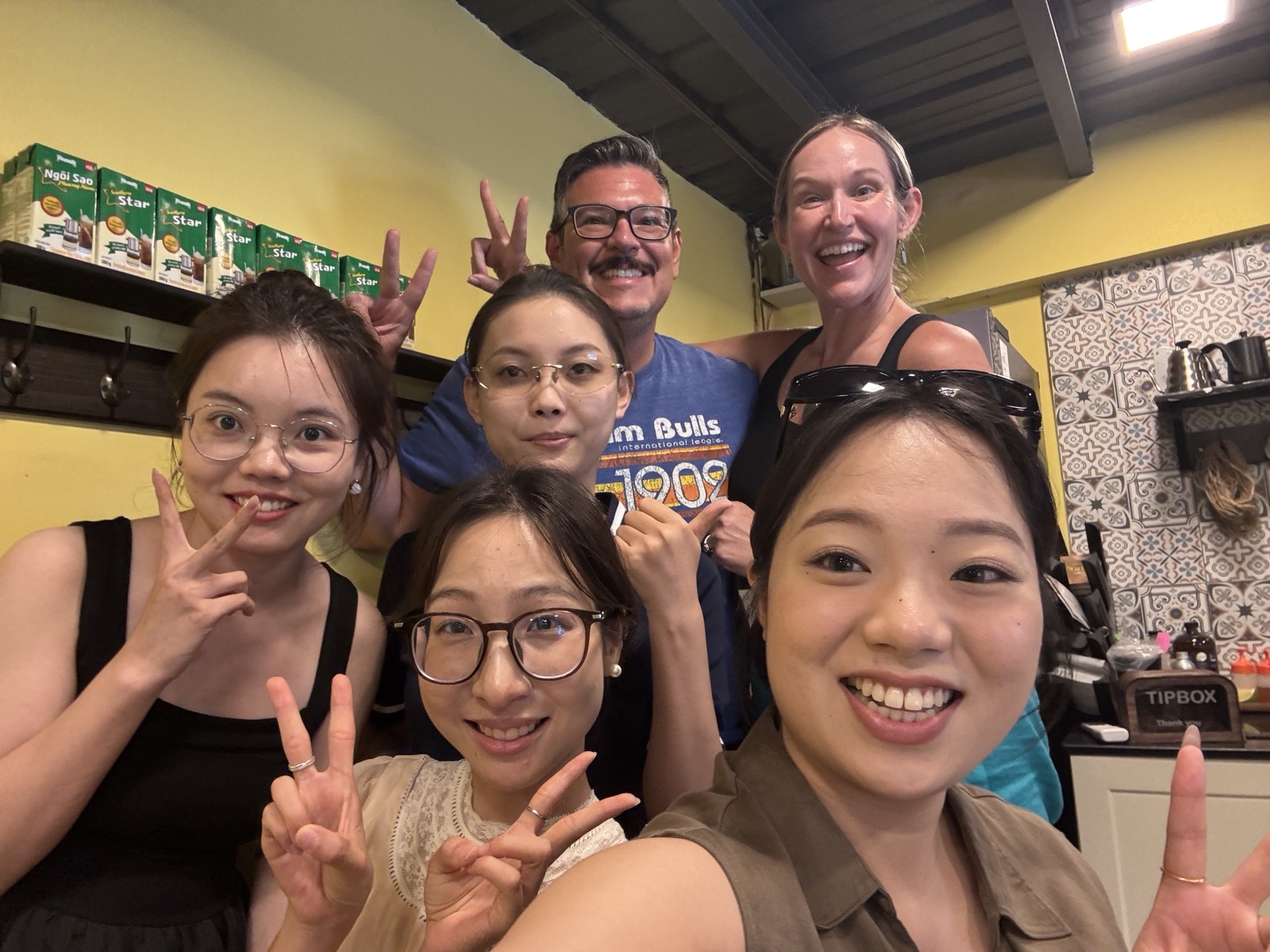
We even took a Vietnamese coffee making class and had a lot of fun tasting and trying, and left with so much energy! Here are just a sampling of our coffee pictures.




Paying/Money: Vietnamese Dong worked out to about 25,000 to $1 USD as their inflation is quite high (as of this post in August 2026). We used cash a majority of the time. ATMs are plentiful, however many had caps on taking out a maximum 3 million Dong (about $115 USD). Also, some had high fees, and others were a percentage of the amount withdrawn. We used Charles Schwab for checking, and they refund our ATM fees, so it is highly recommended to find a bank that will do that as well.
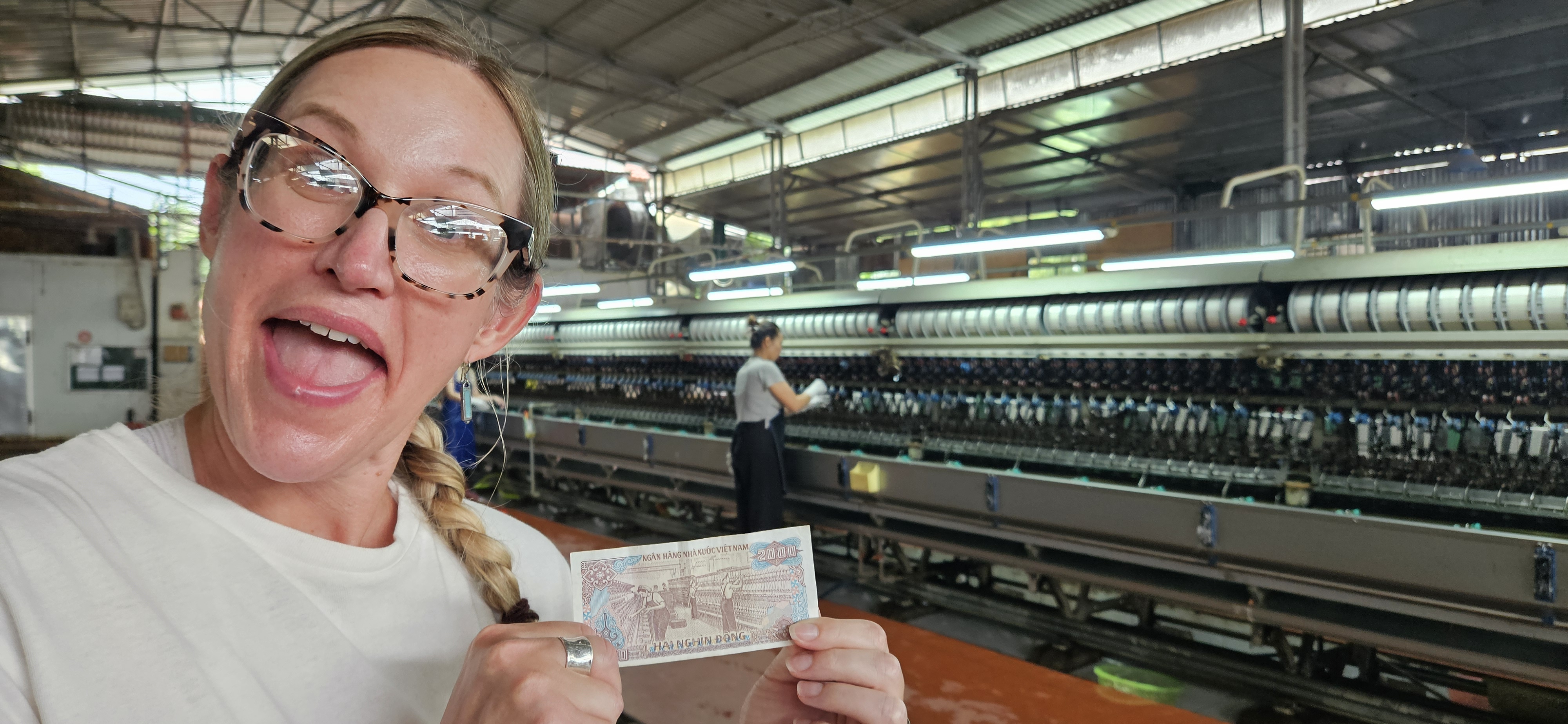
We would use credit cards when we could, but often times the vendor would pass along the 3% fee they pay to Visa/Mastercard to customers. It was never “hidden” as they would have a sign on the register or would tell us if we asked to pay by card. For us, we collect credit card points/miles so it was worth paying their fee. While on credit cards, always, always use a credit card that has no foreign transaction fees.
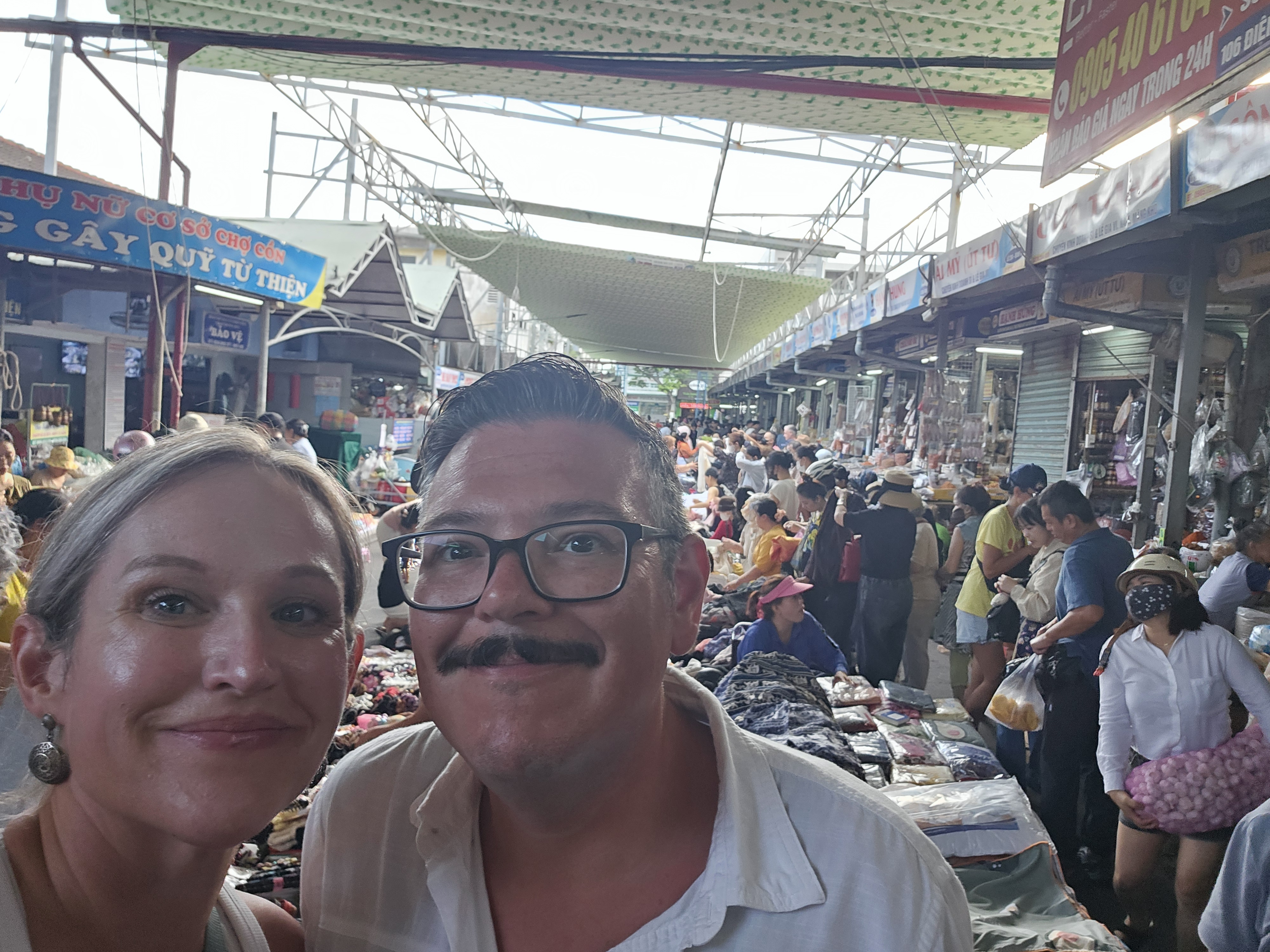
Any local market or street food would be cash only, as would any laundry services. Taxis booked through Grab or 12GO would be card payment; but a day trip booked directly with the driver would be cash. Big grocery stores and chain stores would accept credit cards, as would stores/shops/restaurants that were located in malls, or were expensive (items more than 100,000 Dong). Museums and tourist areas were hit or miss; some would take cards, others wouldn’t. I always had 1 million Dong in cash on me, just in case, but 500,000 Dong is usually more than enough for a day out for two people.
Hotels: We booked our hotels through booking.com or trip.com, whichever was cheaper. We would look for the hotel that had the amenities we needed (air conditioning and a private bathroom and a pool, as it was summer) and then compare our options. There are other hotel booking websites/apps out there; these two have always worked well for us. I booked many of the hotels that had free cancellation (usually up to one week before check-in), in case we changed our minds, and would try to compare the rates as we approached the cancellation deadline, because sometimes the rates would drop.
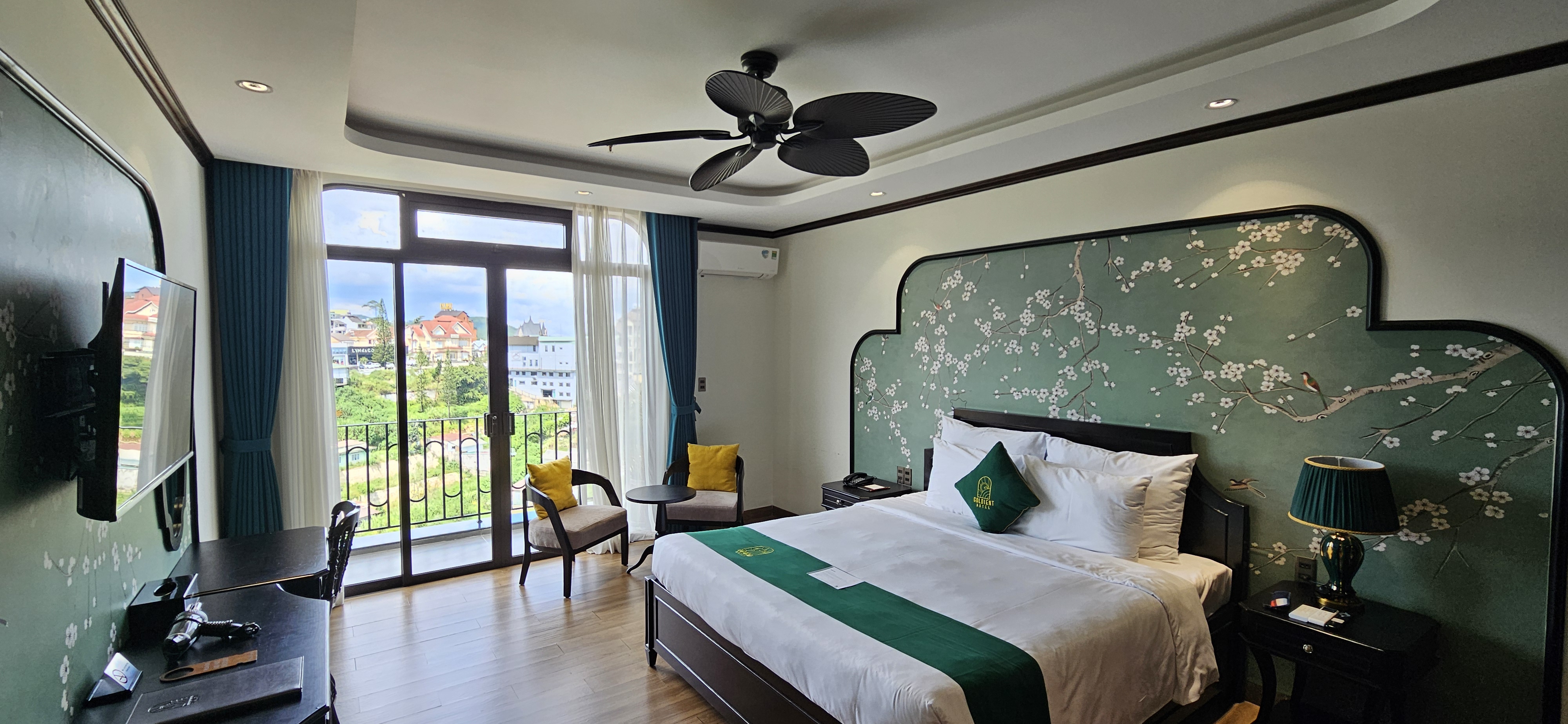
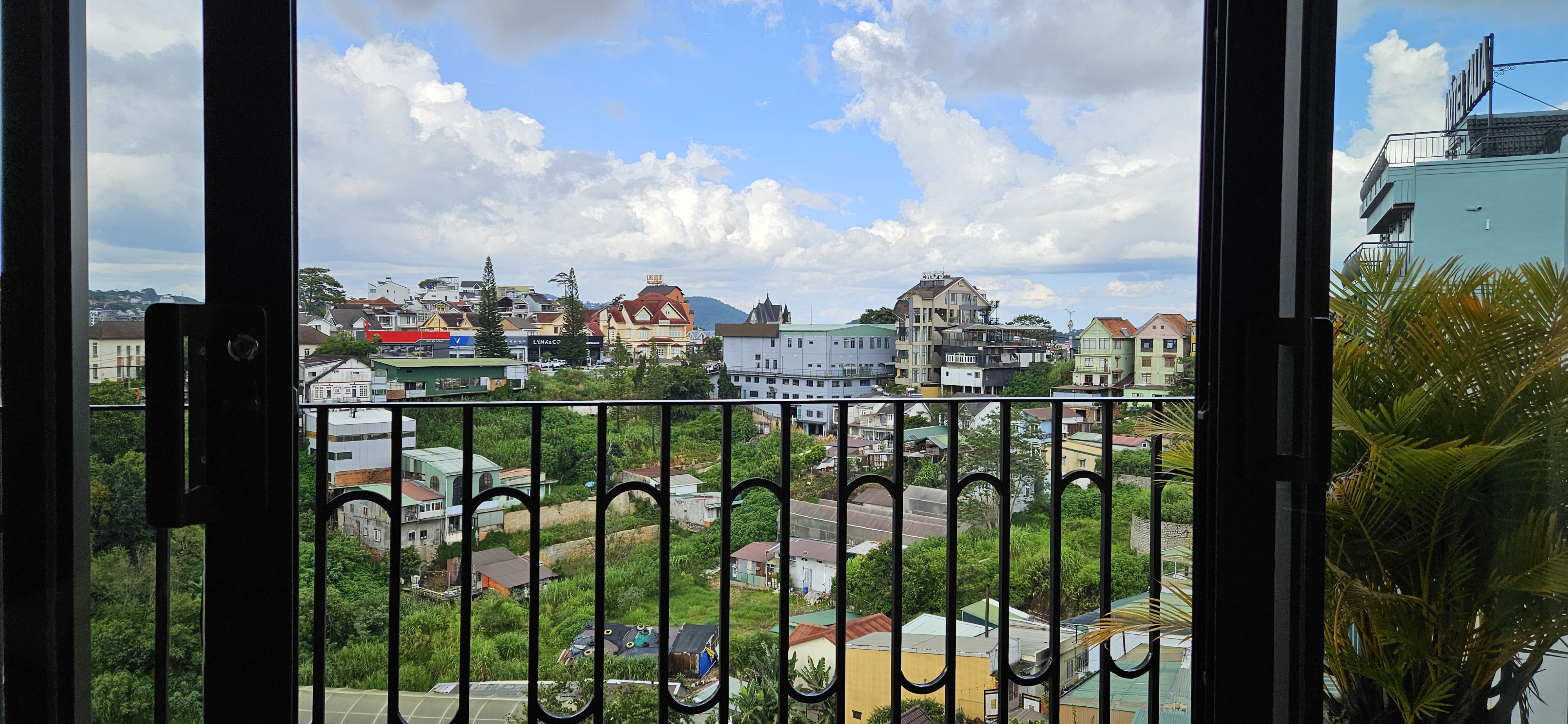
We researched the best areas to stay at in each place; in Da Nang, we knew we did not want to stay at the party beach, so we chose the family beach, which was less populated and more our speed. In Saigon, we did not stay in the famous District 1 and chose to stay in a more regular part of the city. In Dalat, we chose our first hotel poorly as it was not suited for us, and had to book another in the same day, eating the cost of the first night. Where we stayed was very influential on what we did and how we traveled around, and that should always be factored in to any booking. It is easy to search for “best areas to stay in XXX city” and read which areas suit you best.

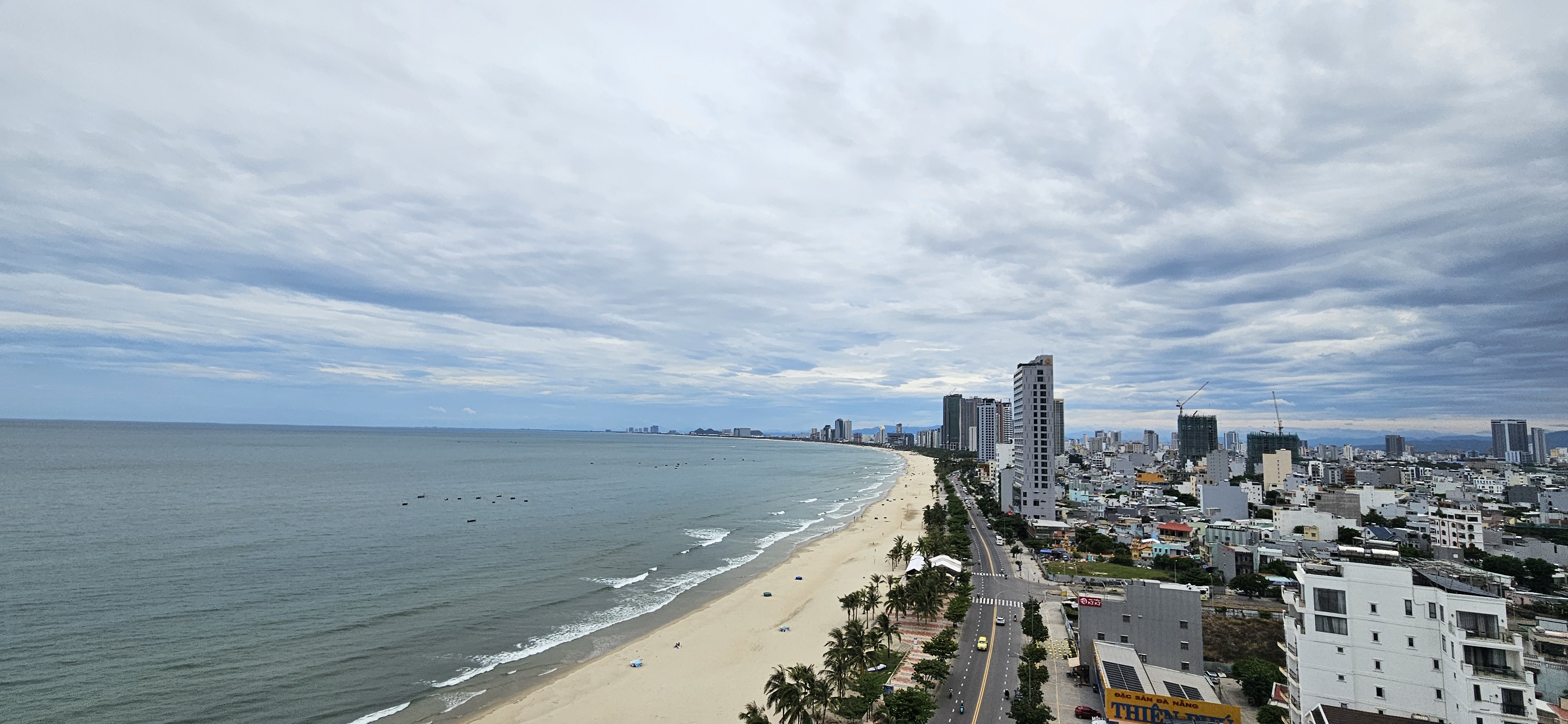
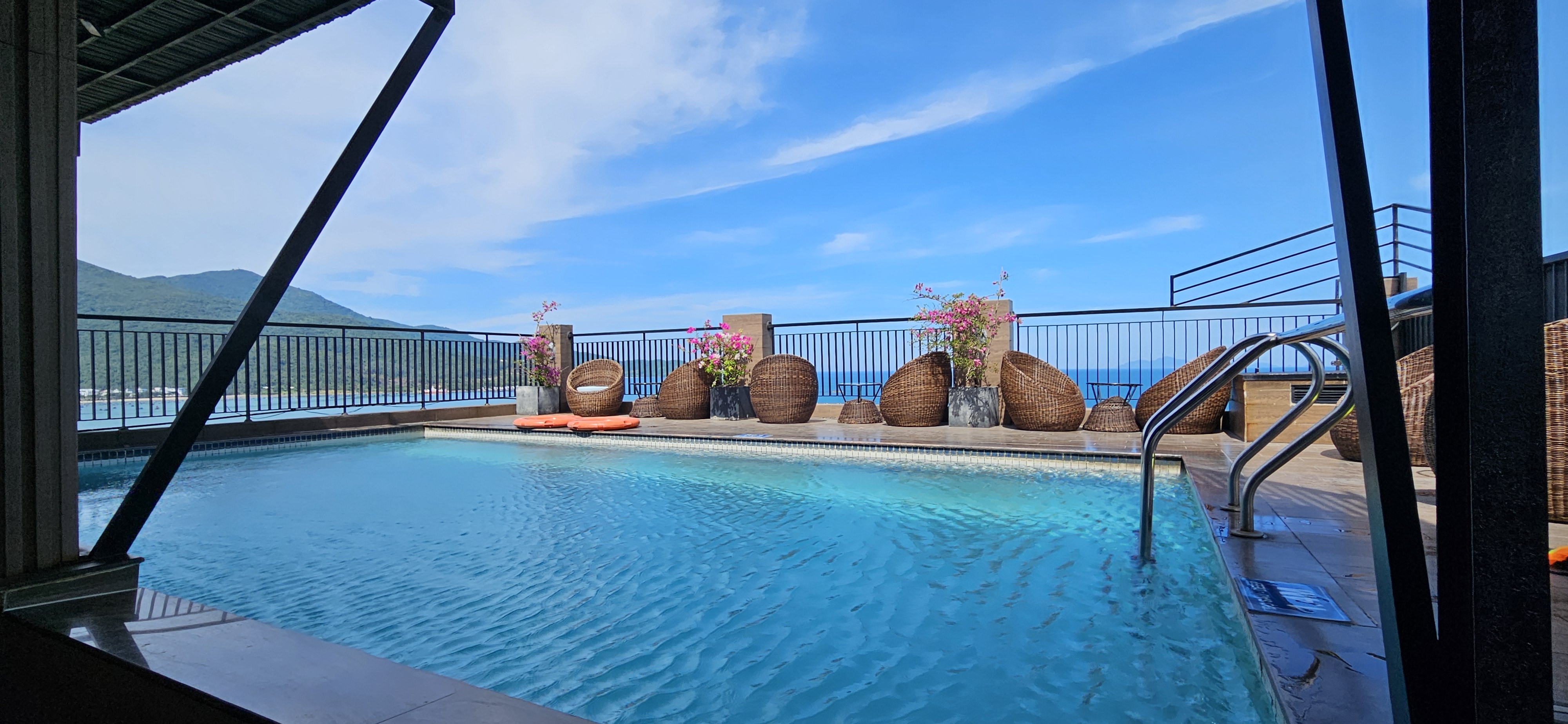
The people of Vietnam (in my experience): The Vietnam we saw felt different than China and Indonesia. As we were in exclusively vacation spots, and tropical ones at that, a “local” feel didn’t really come to pass. Even as we wandered through local neighborhoods, these were neighborhoods that were used to seeing Westerners and many tourists, so we were ignored, and even if we did say hello, we didn’t usually get a response back, just an odd look at best. This was different than our time in China, where we would get odd looks at the beginning, and then once we said “hello” (nihao) they would smile back. Compared to Indonesia, even though we were often in touristy places as well, felt a little more authentic (if that’s even the right word) in their friendliness.
Most of the Vietnamese we met were in the service industry, hotels or restaurants or massage parlors, and many were often friendly. The ones that spoke English, usually much more so. As I mentioned above about the language, maybe it was the English language barrier, and our very limited Vietnamese. Of course, our tour guides, who were in their twenties and spoke great English, made us feel welcome, as is their job. The Westerners we met along our travels, at our hotels, and on tours, made us realize that the people one meets won’t always be locals, and meeting other travelers to share time and space with is also part of the adventure. None of this to say the Vietnamese people we encountered were anything but lovely and welcoming, we just didn’t have those cultural experiences outside of the curated ones. Still, it may be our favorite country we’ve visited so far, all things considered.
All in all, we had a ton of fun in Vietnam, and we only saw the central and southern parts (and not even much of those). We can’t wait to get back and explore more. Until we return, Vietnam, you have our hearts!
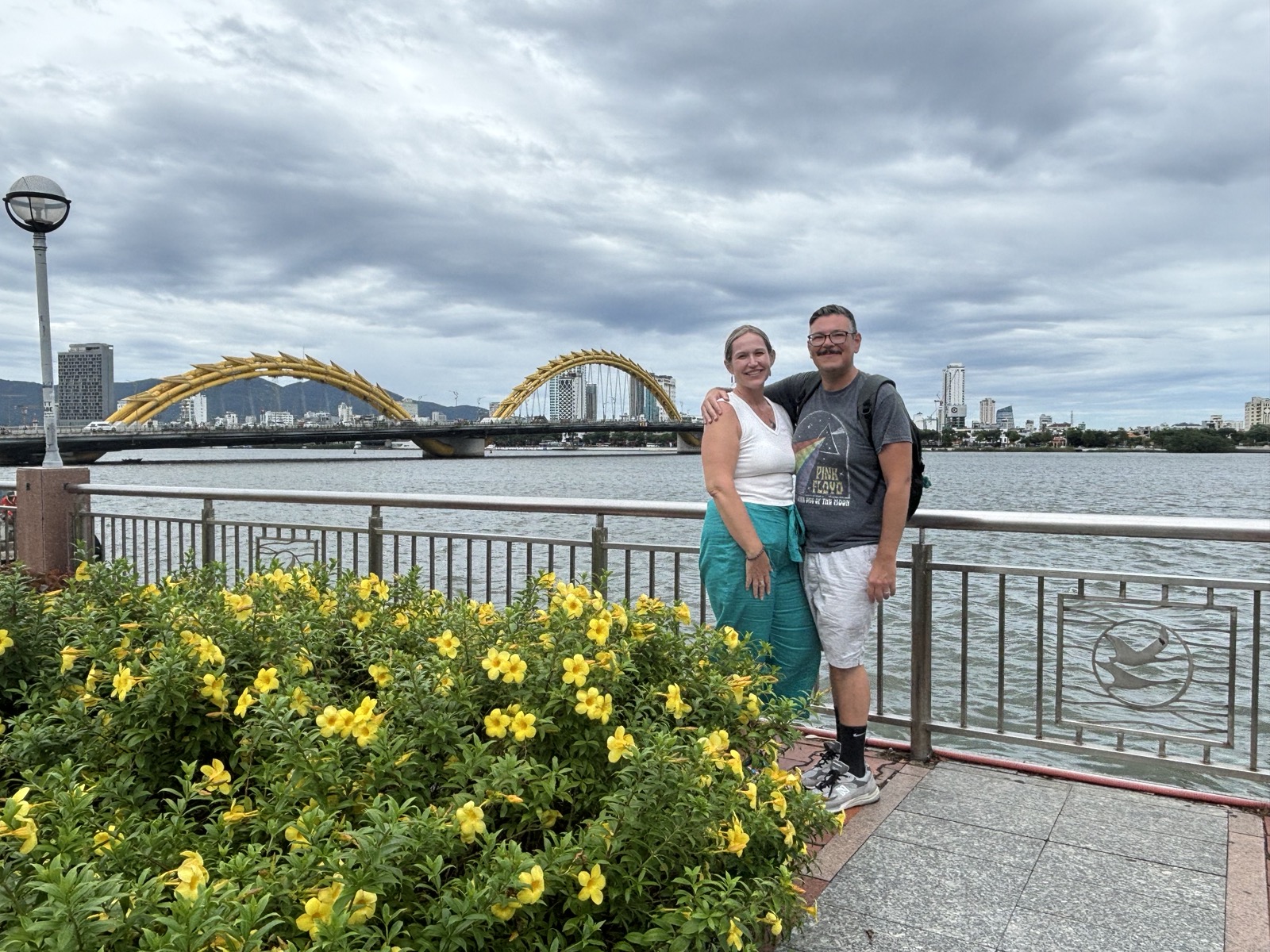
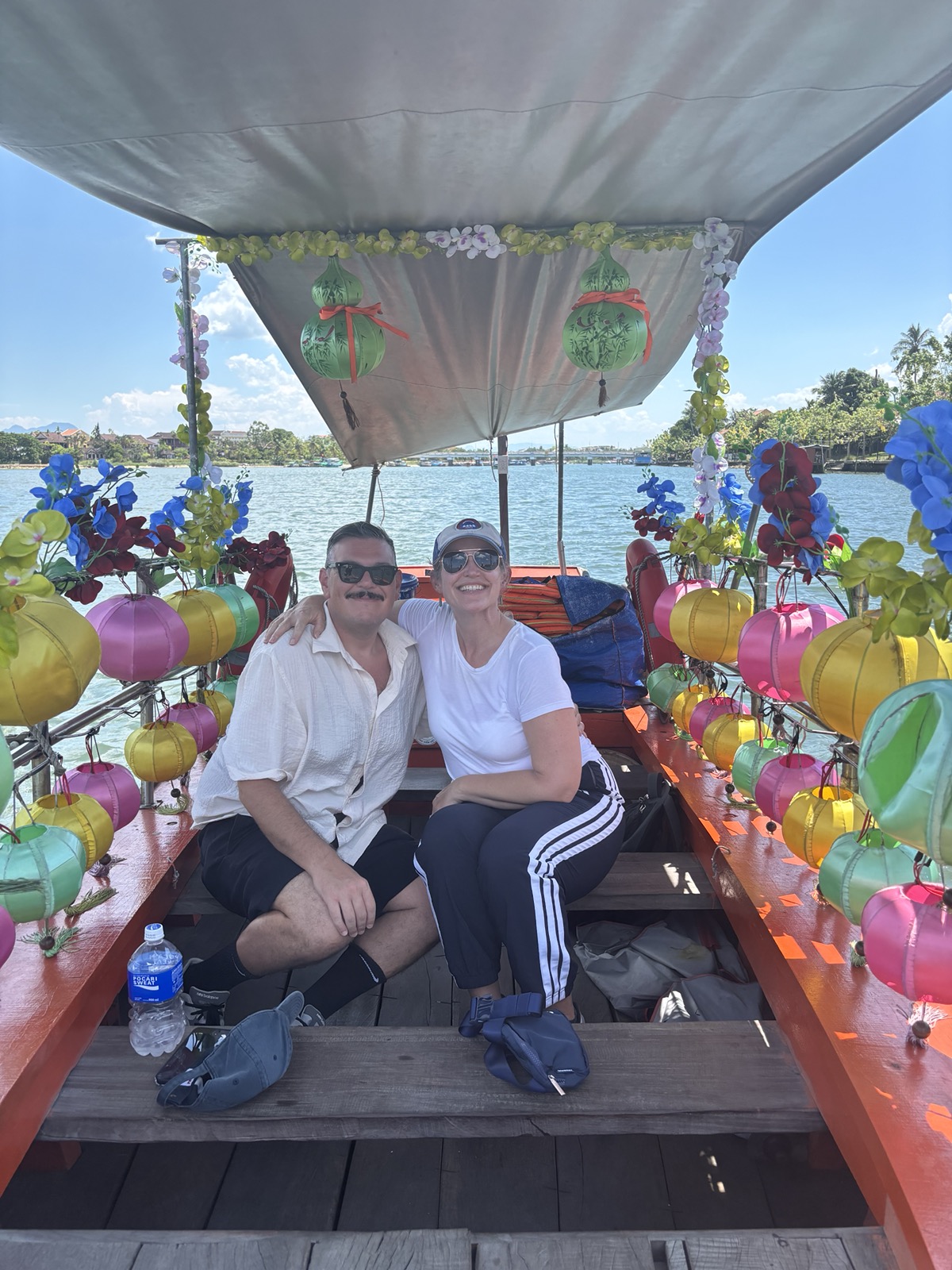
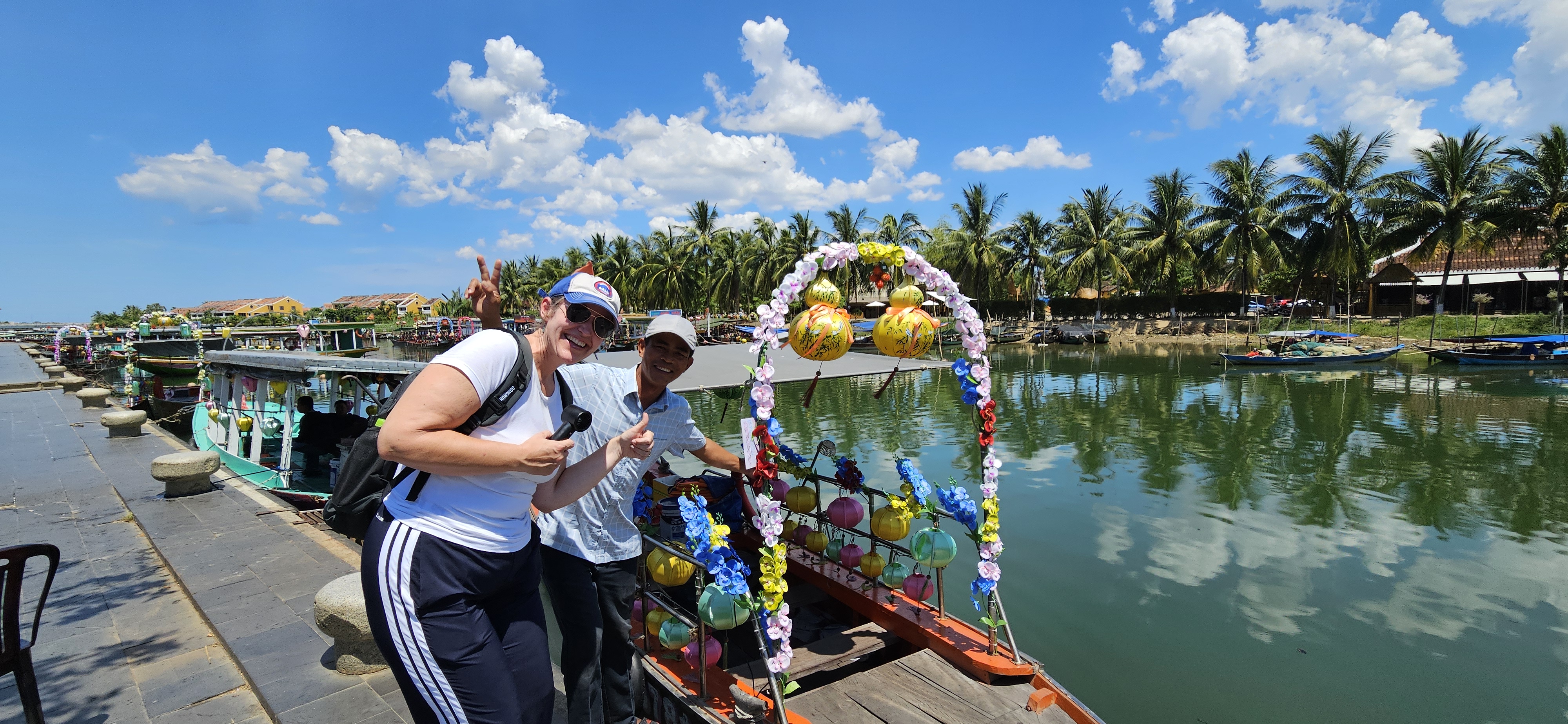
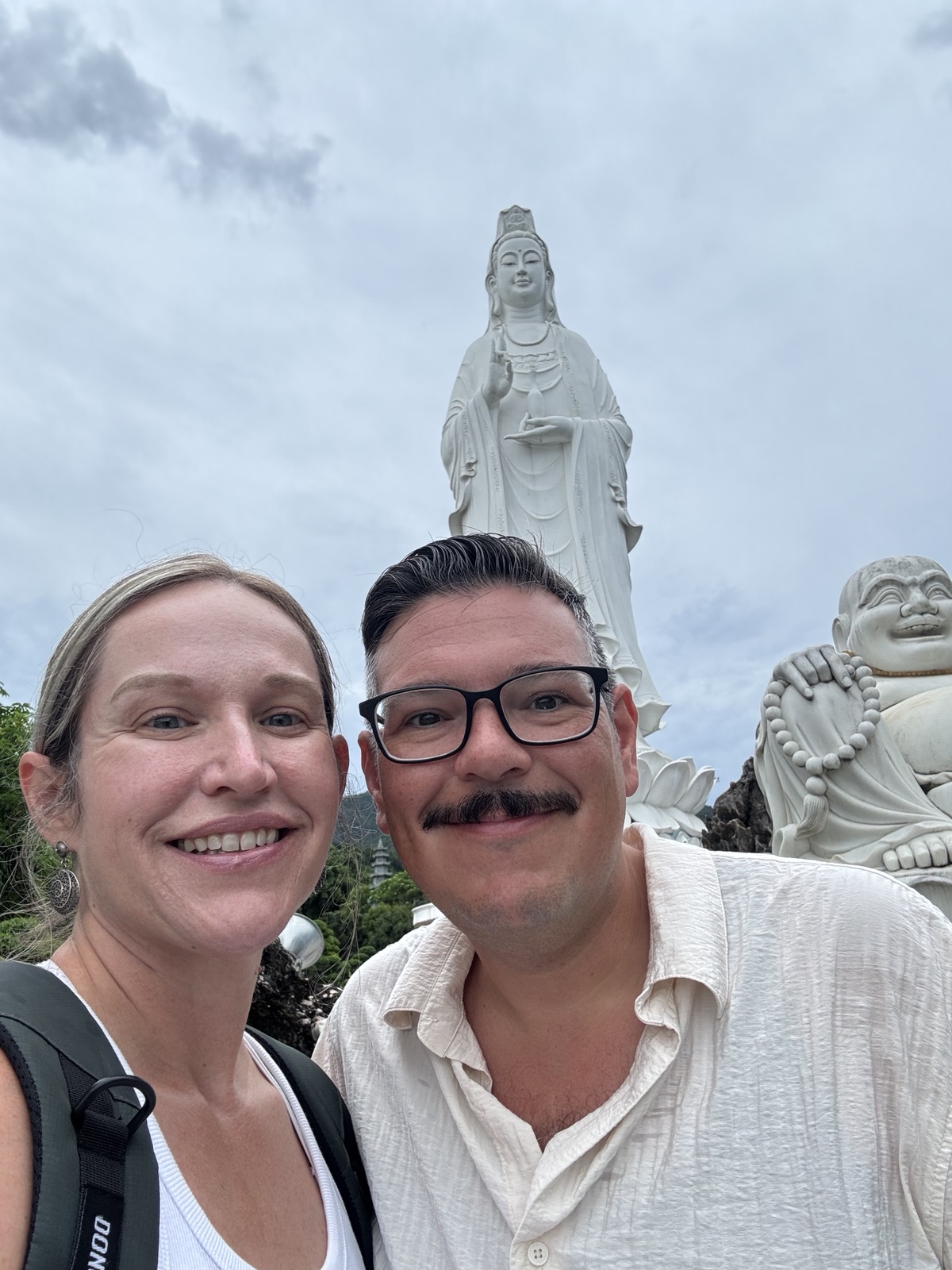


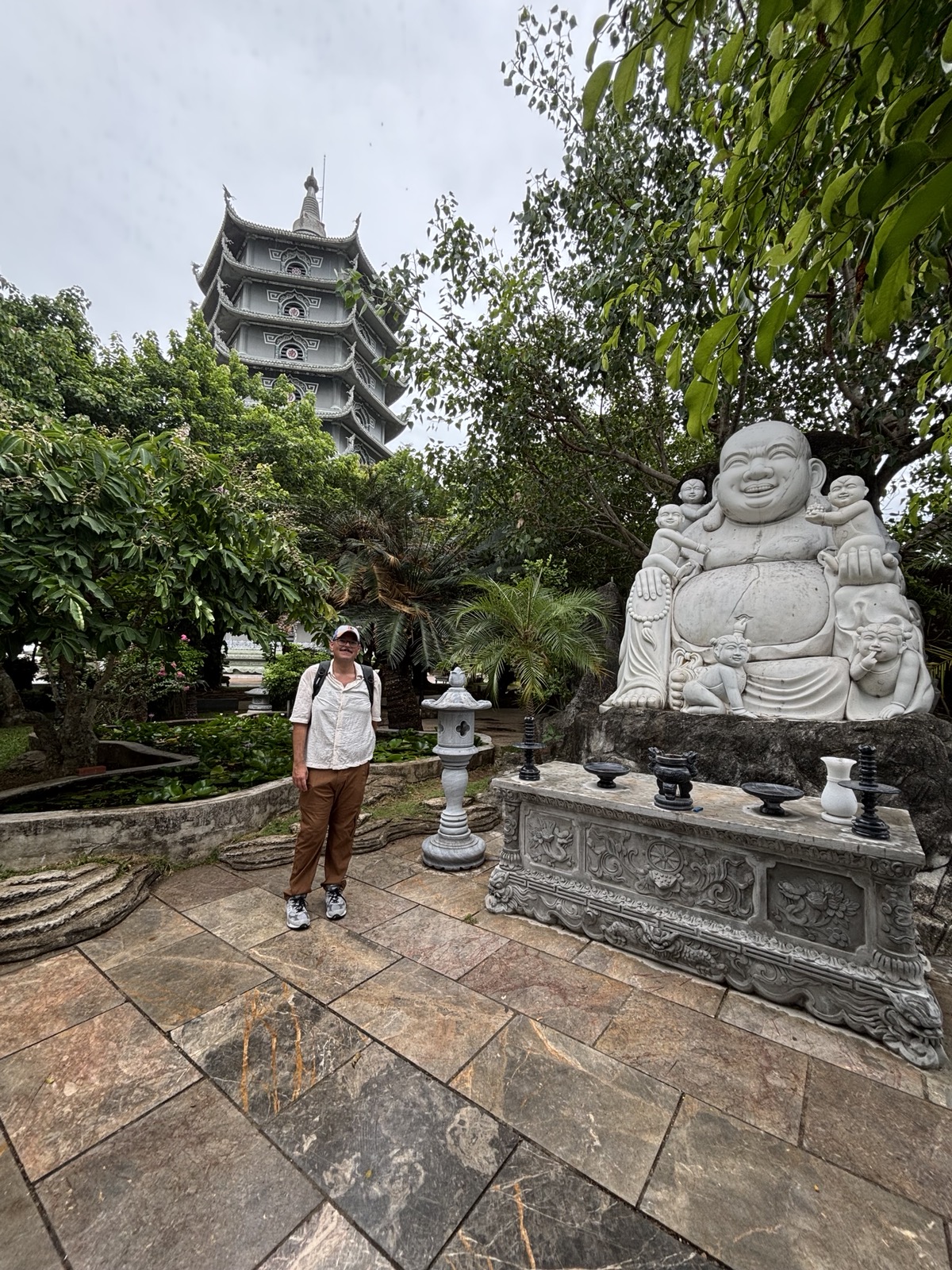
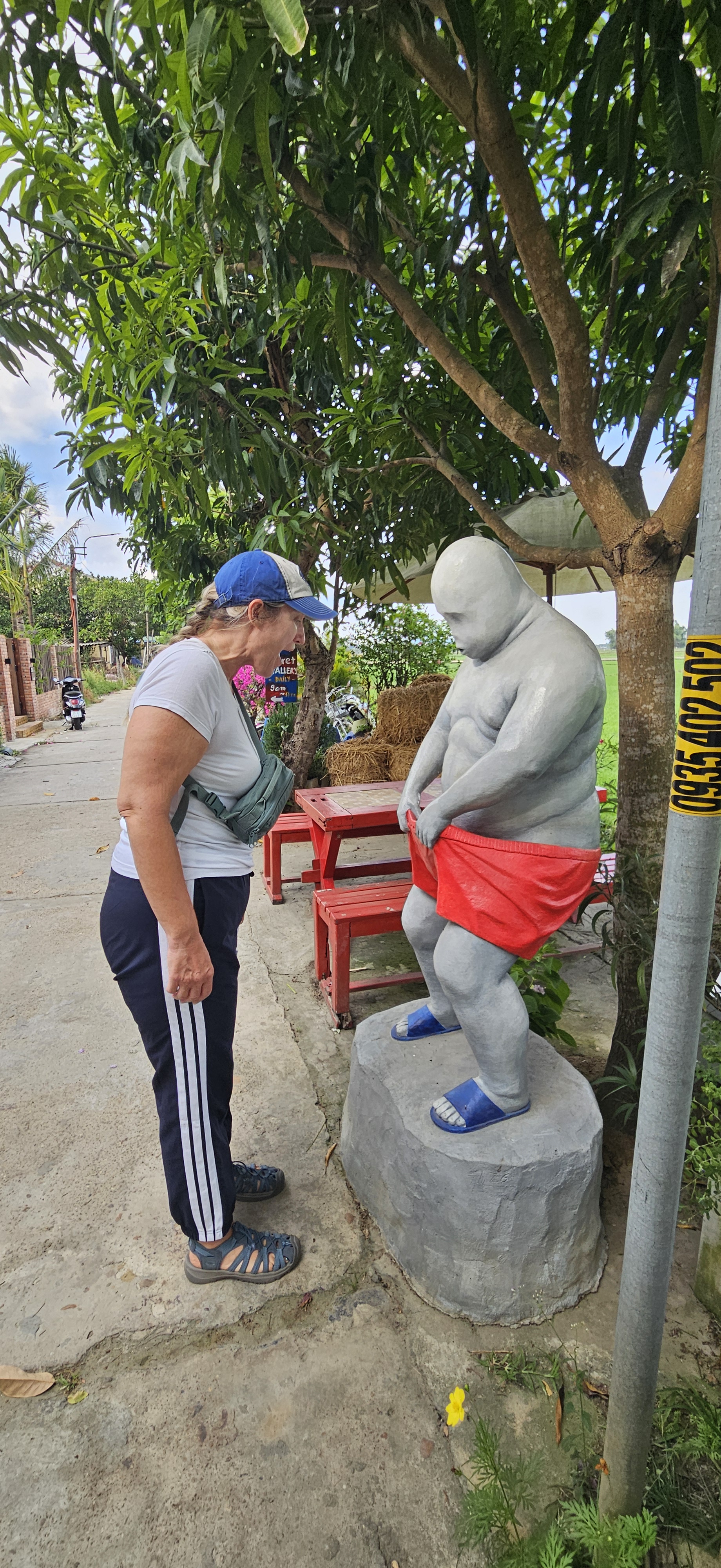

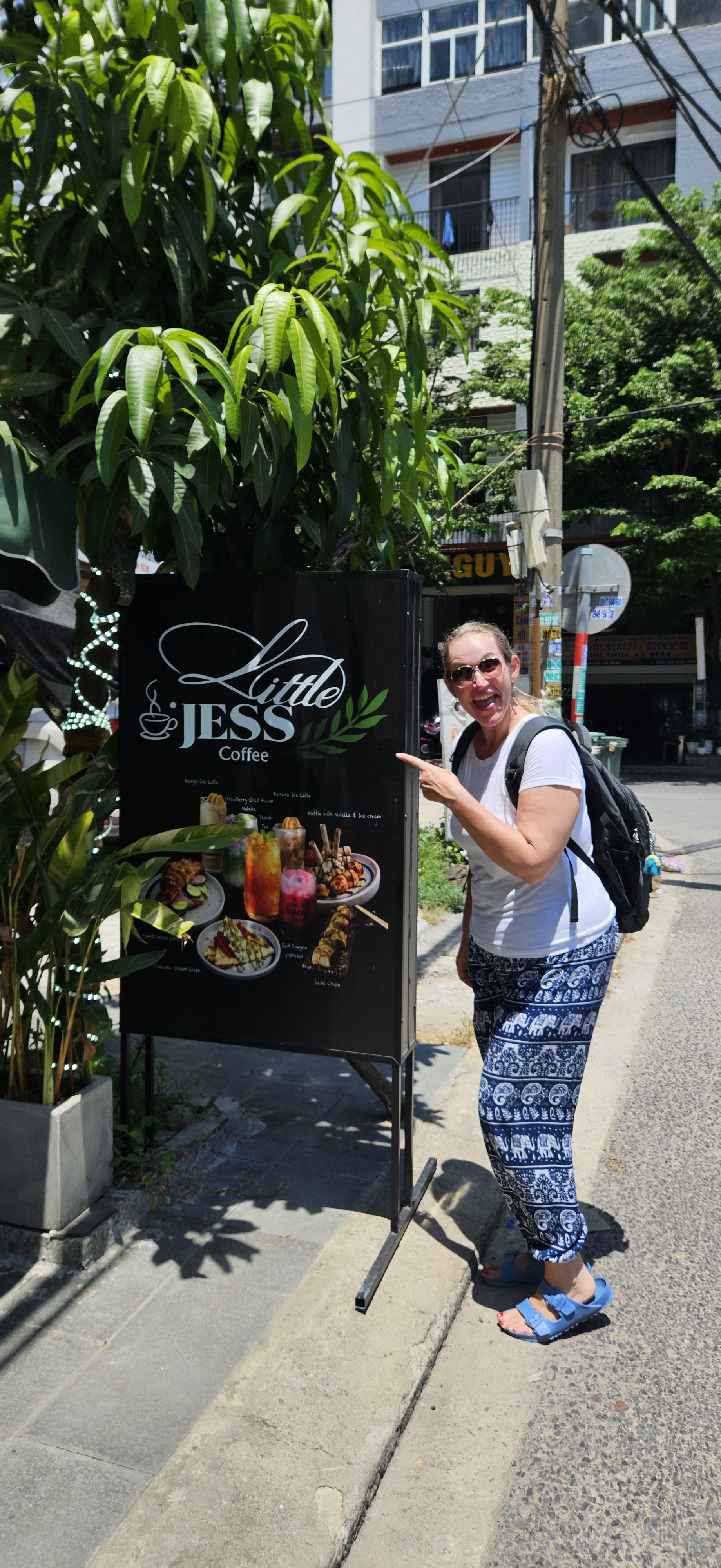



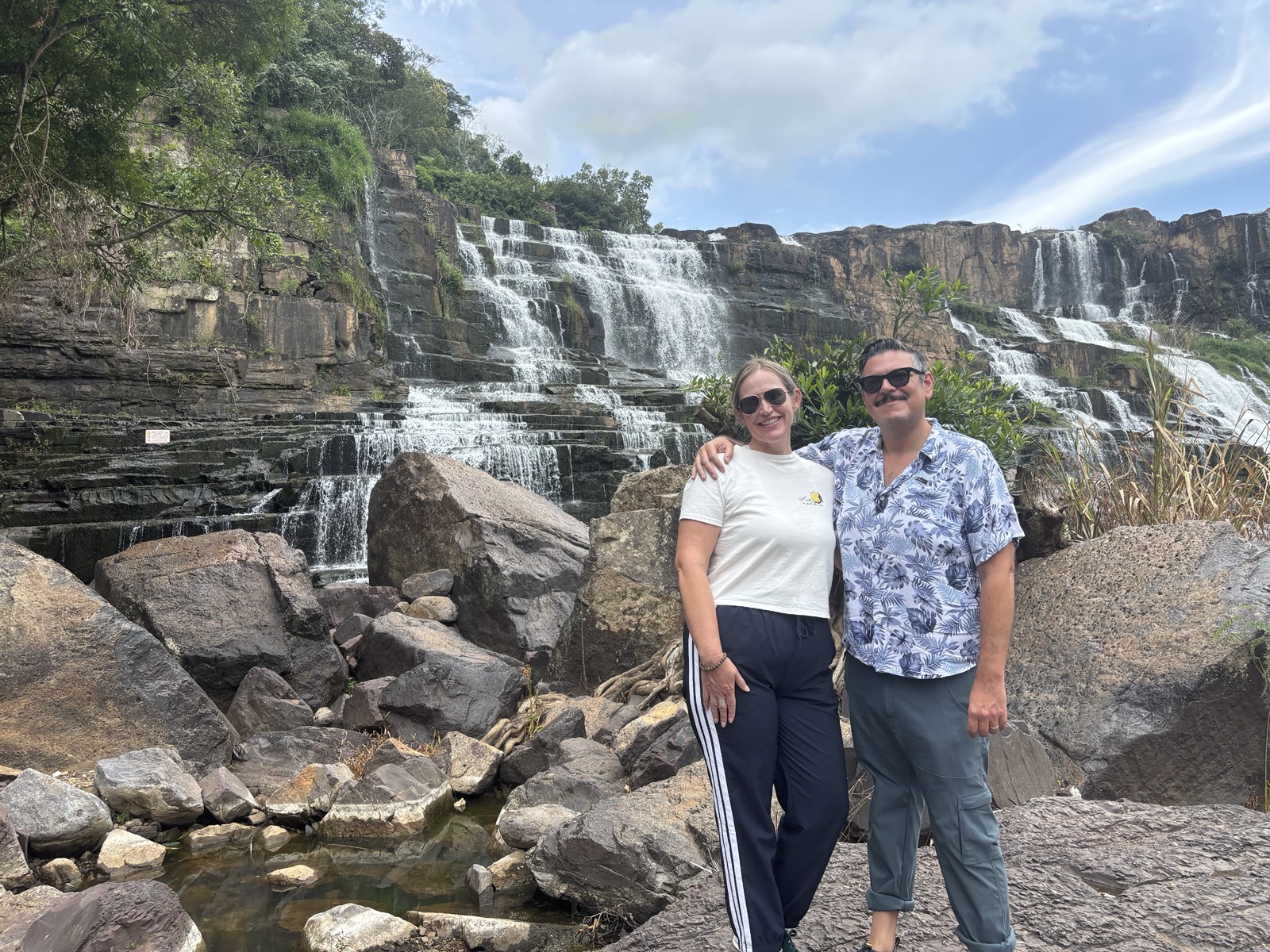
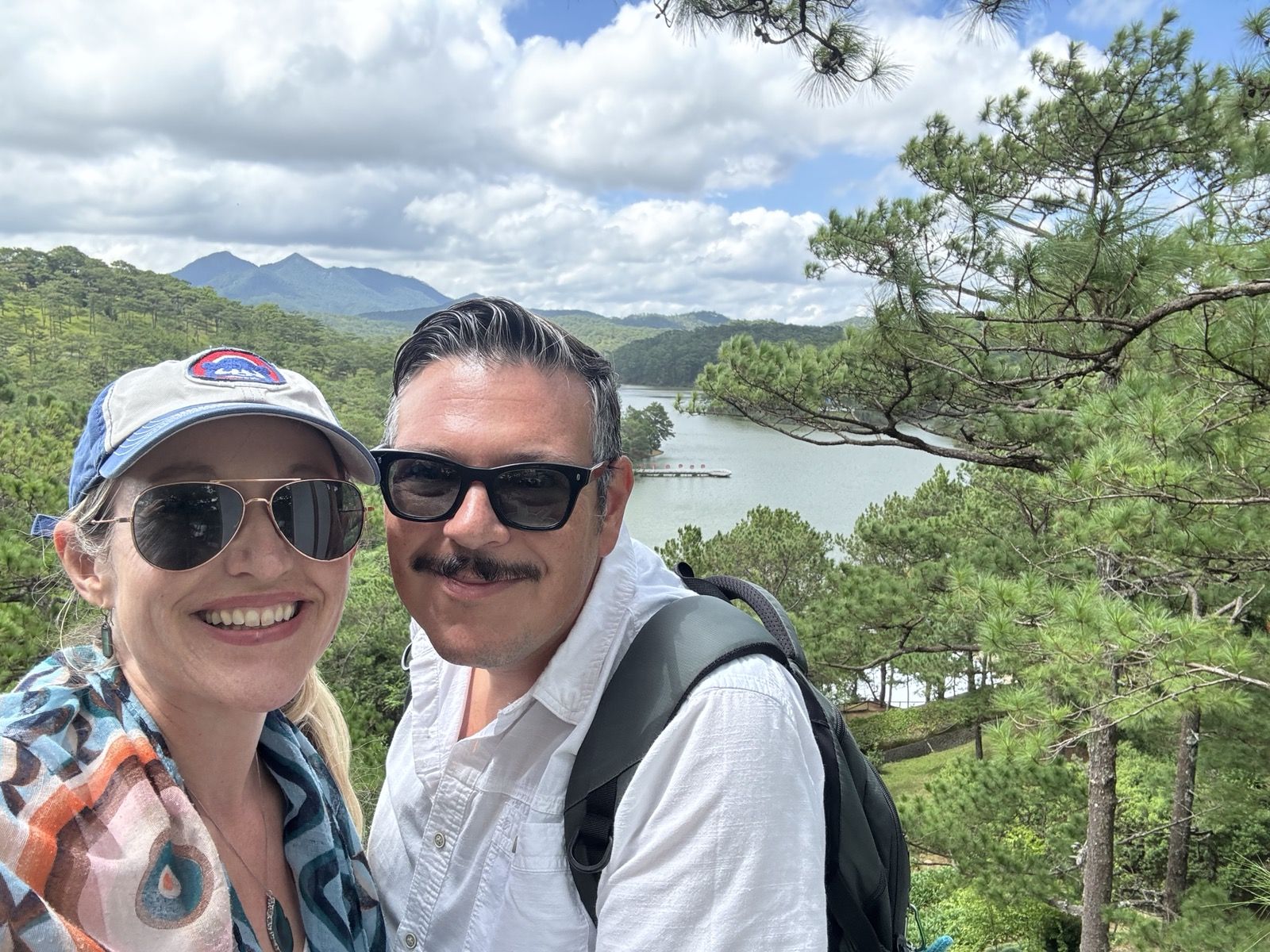
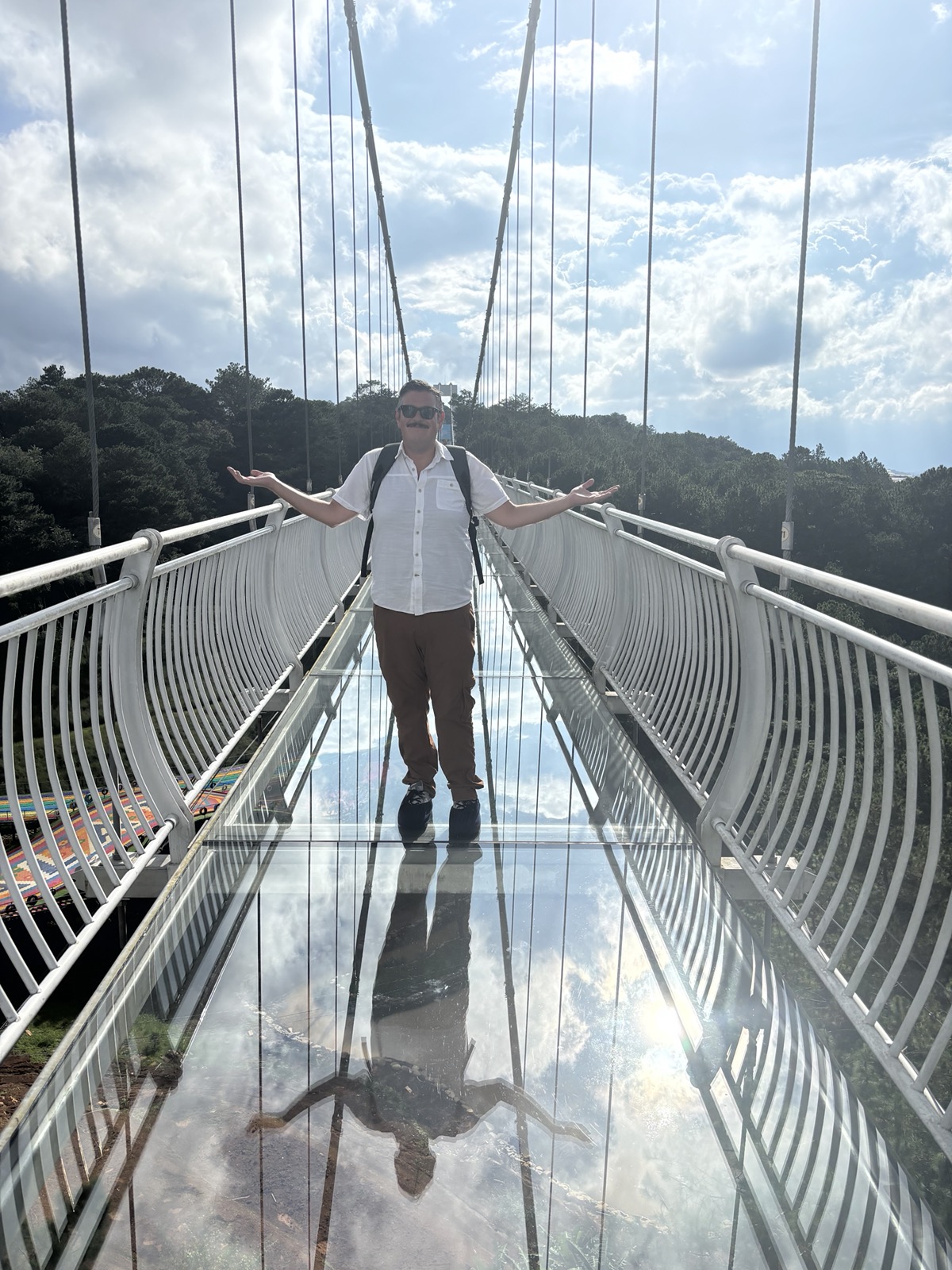
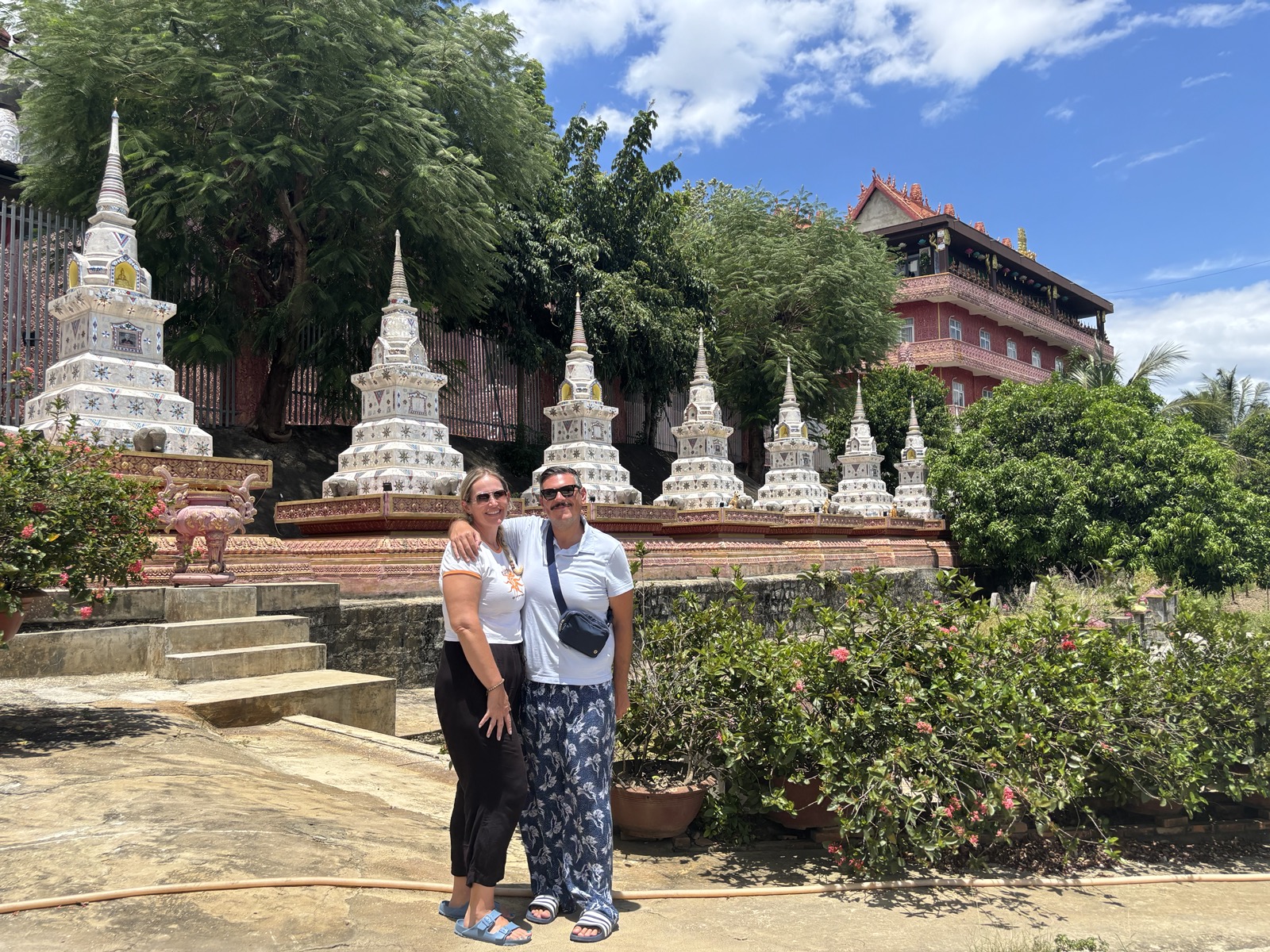
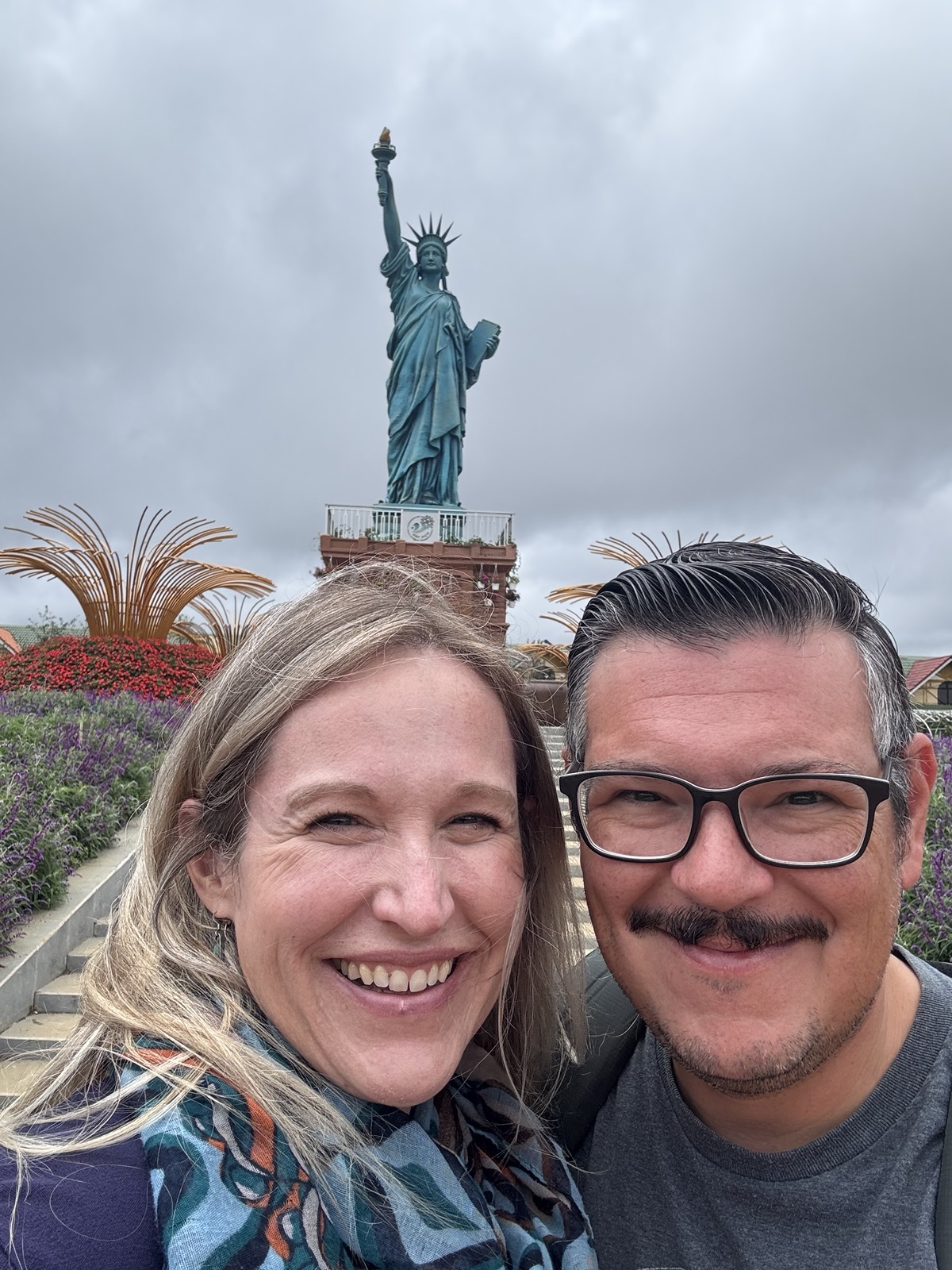
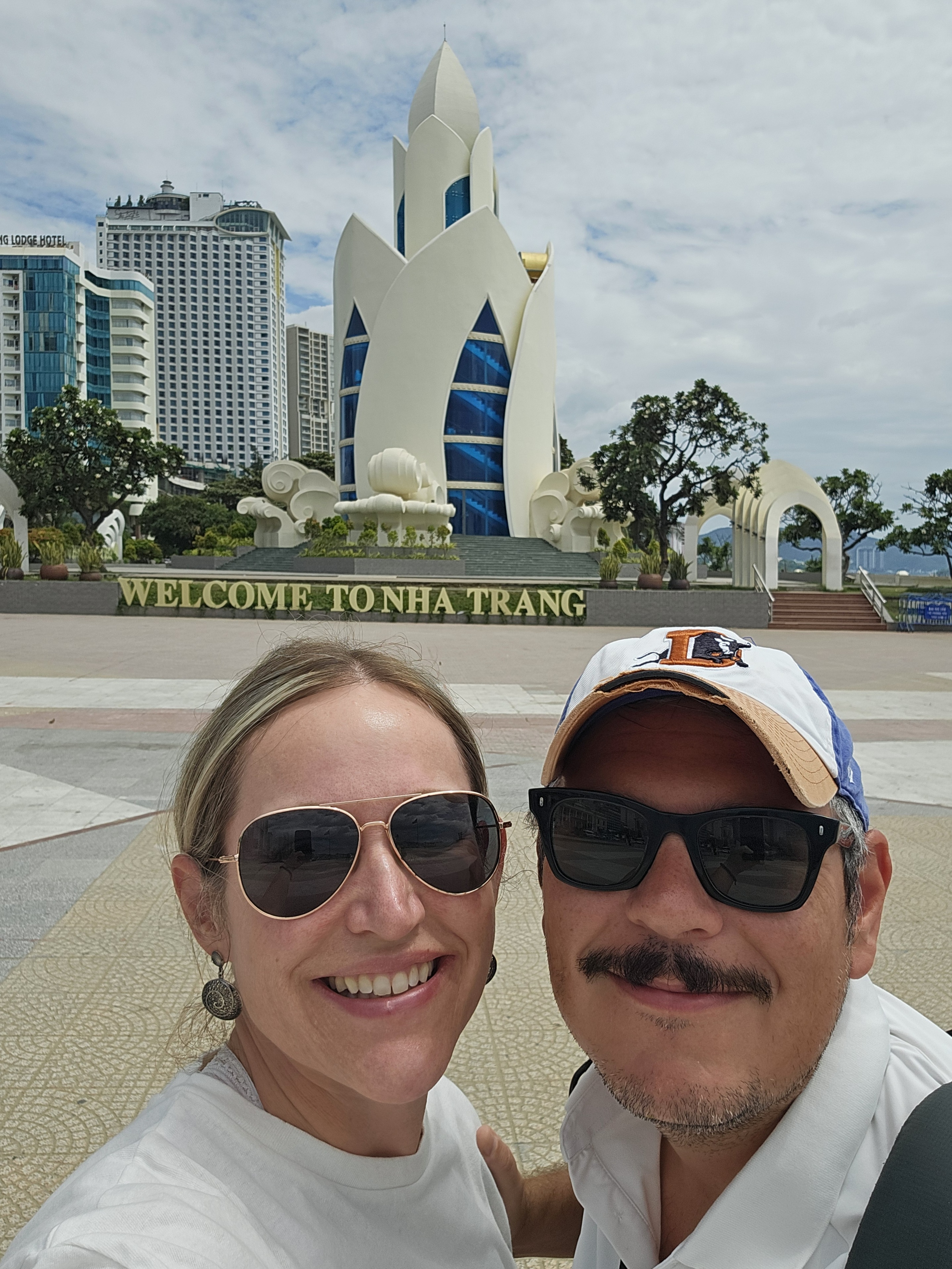
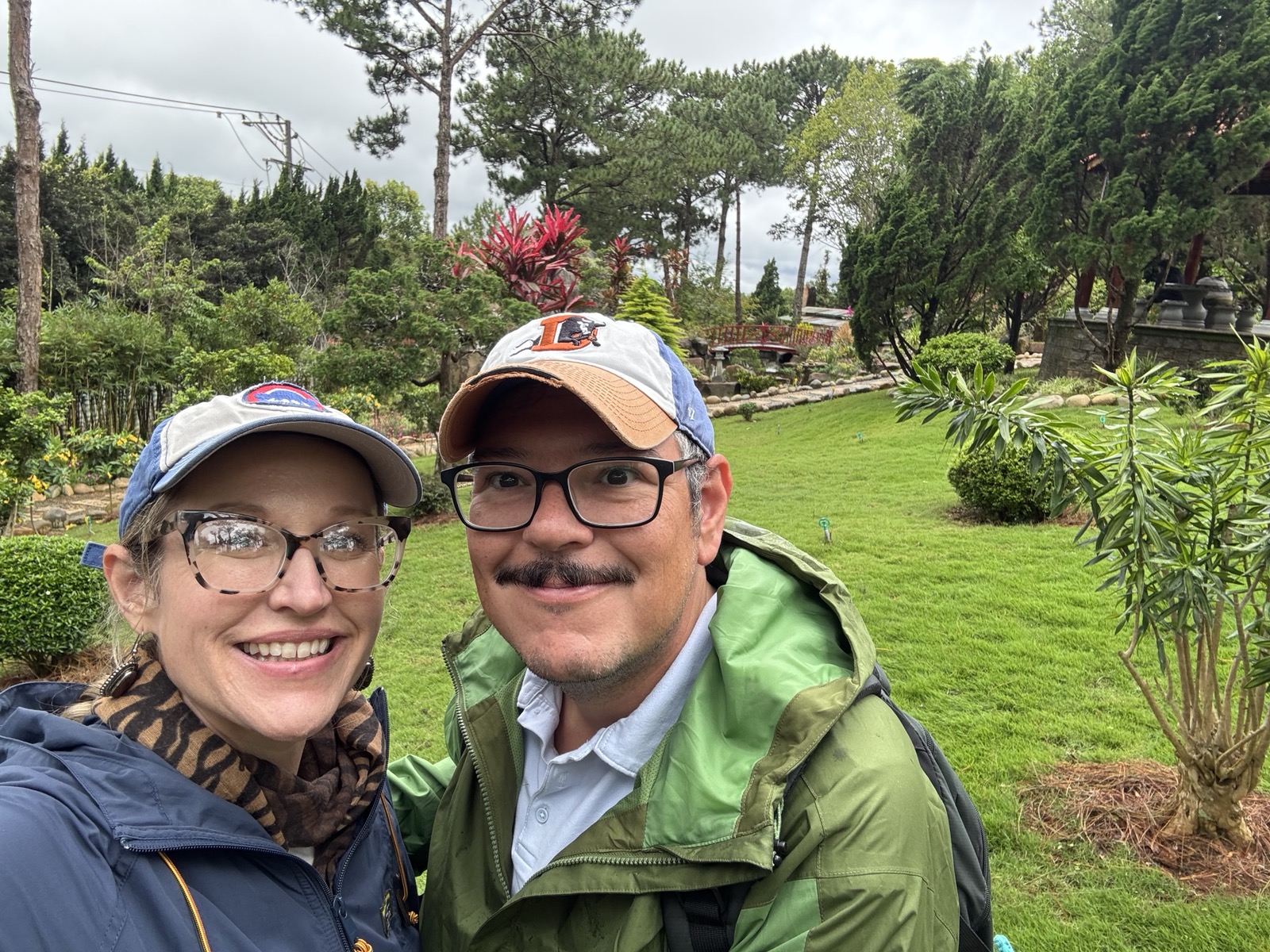
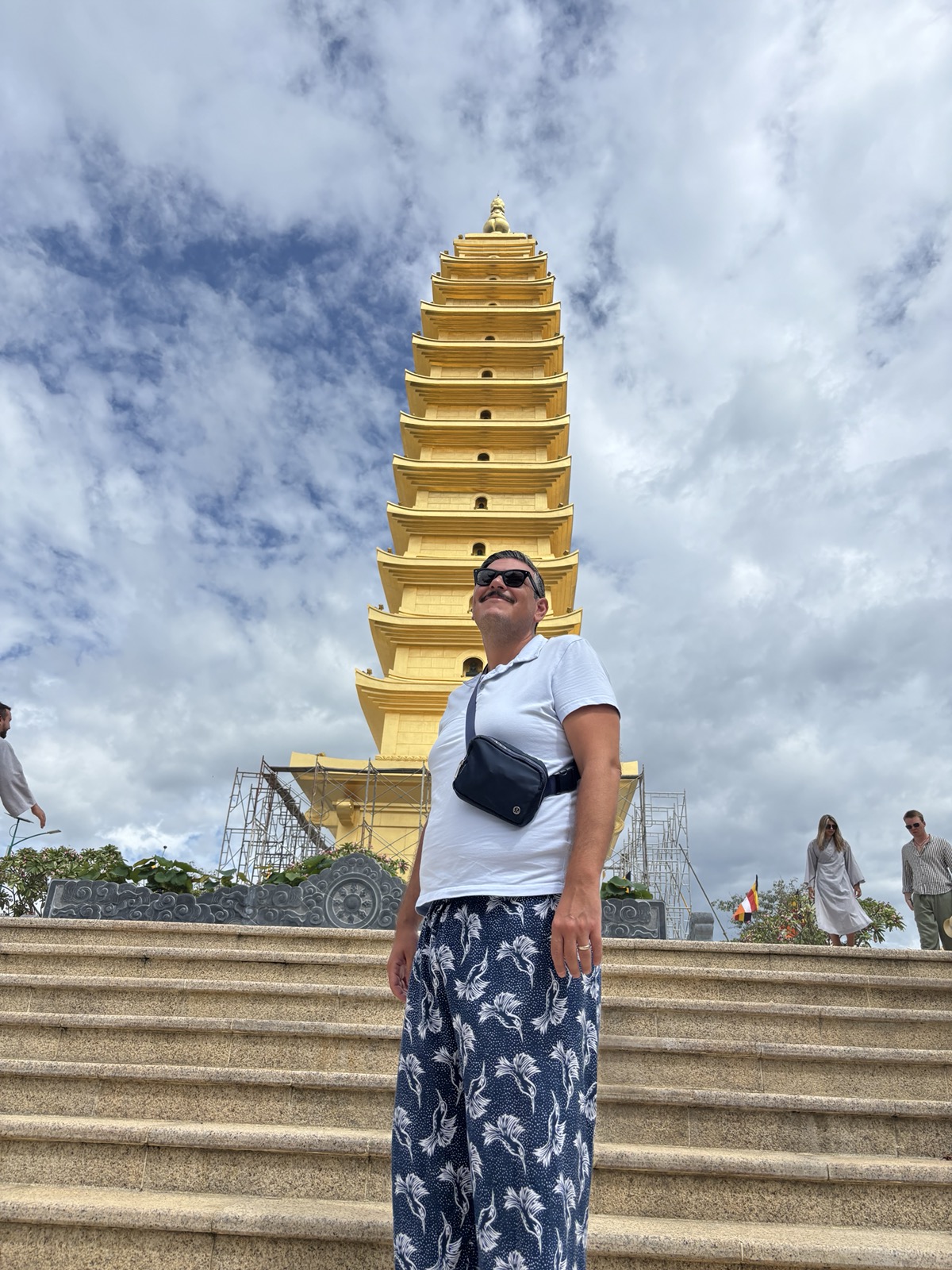
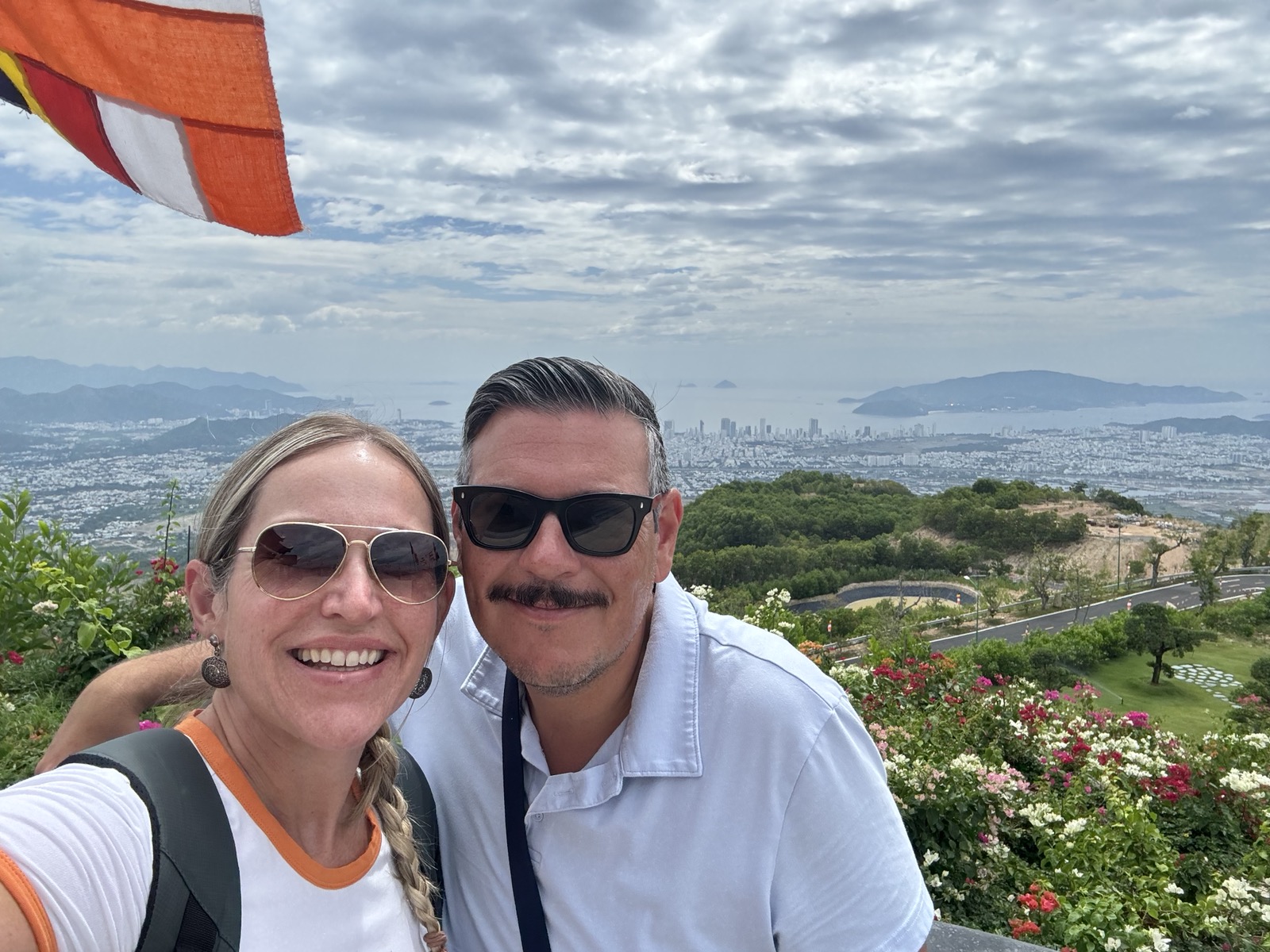
Posts (click on the picture below to read the posts):
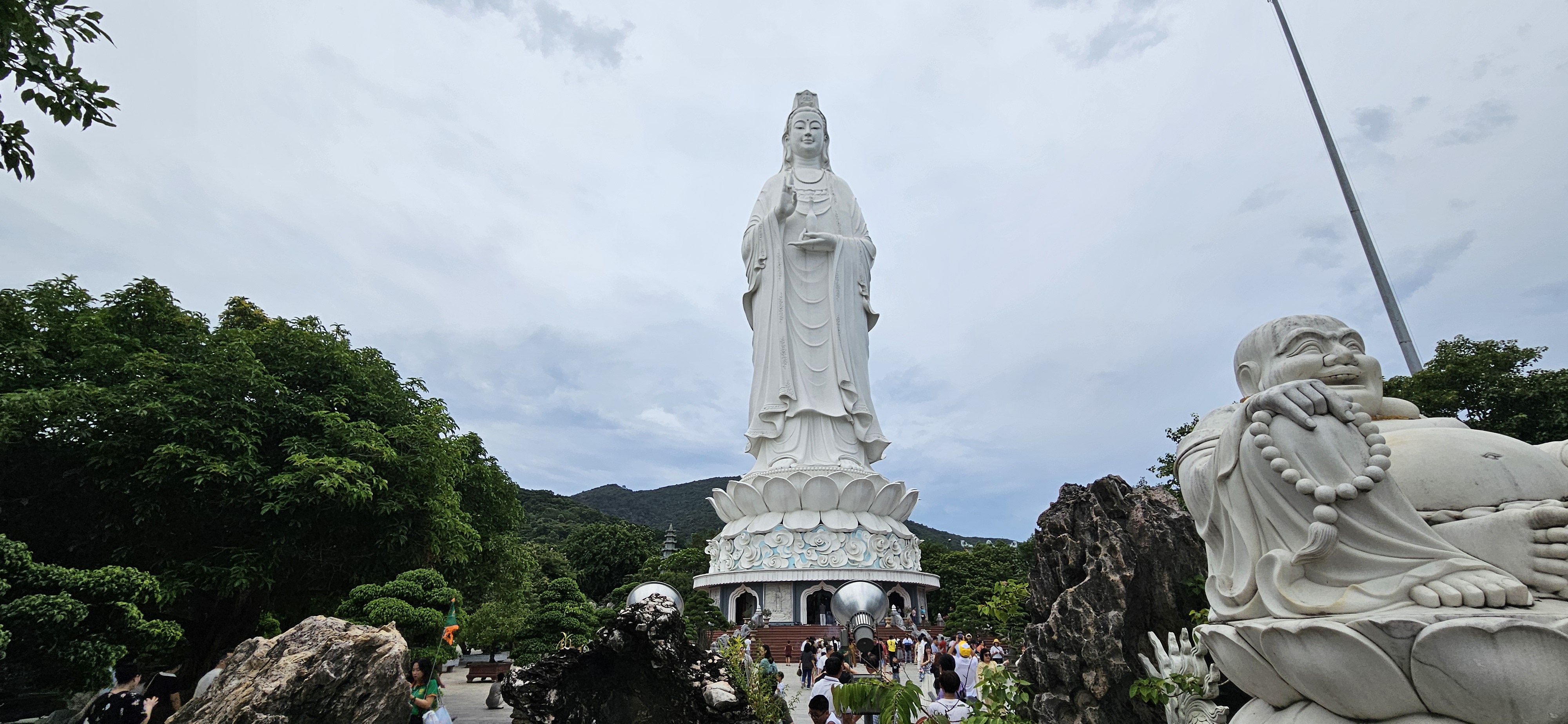
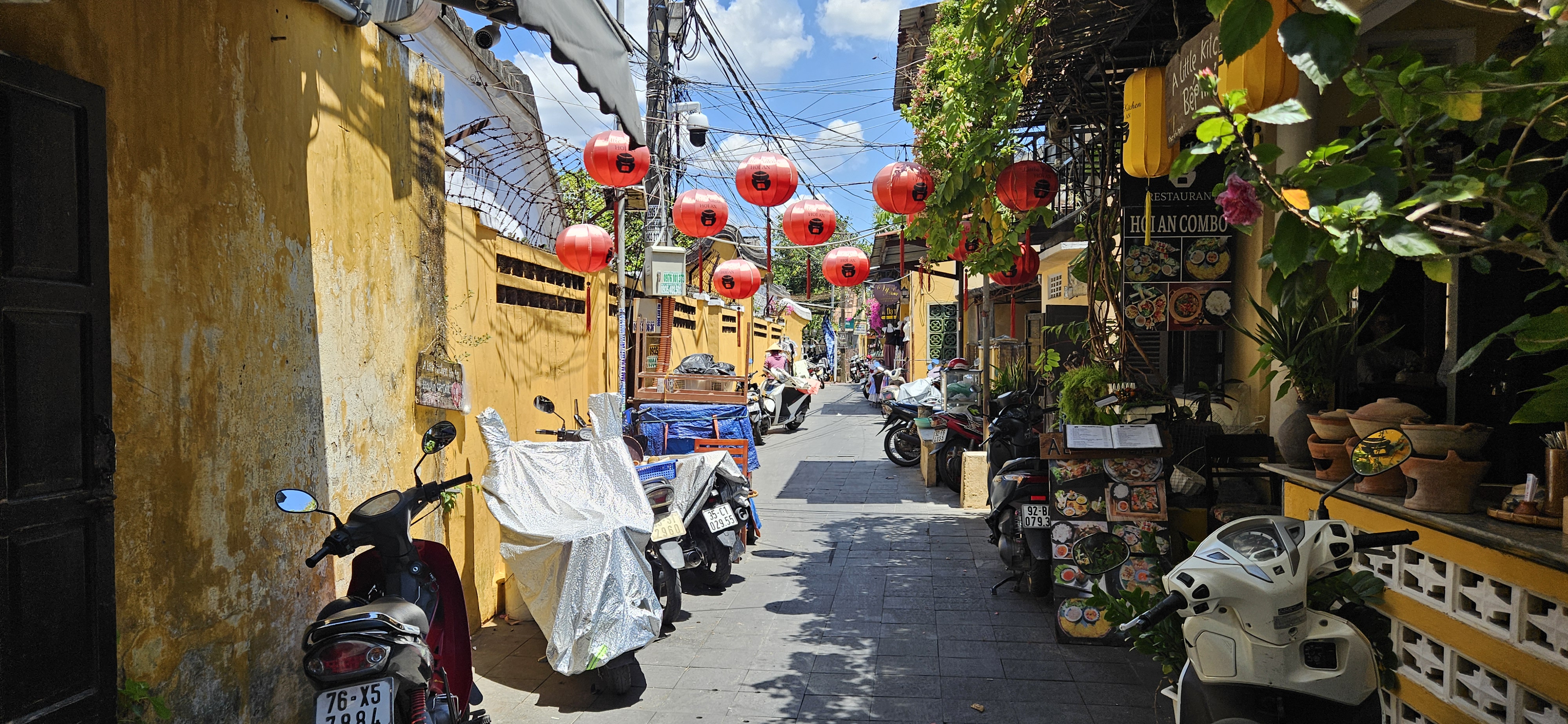

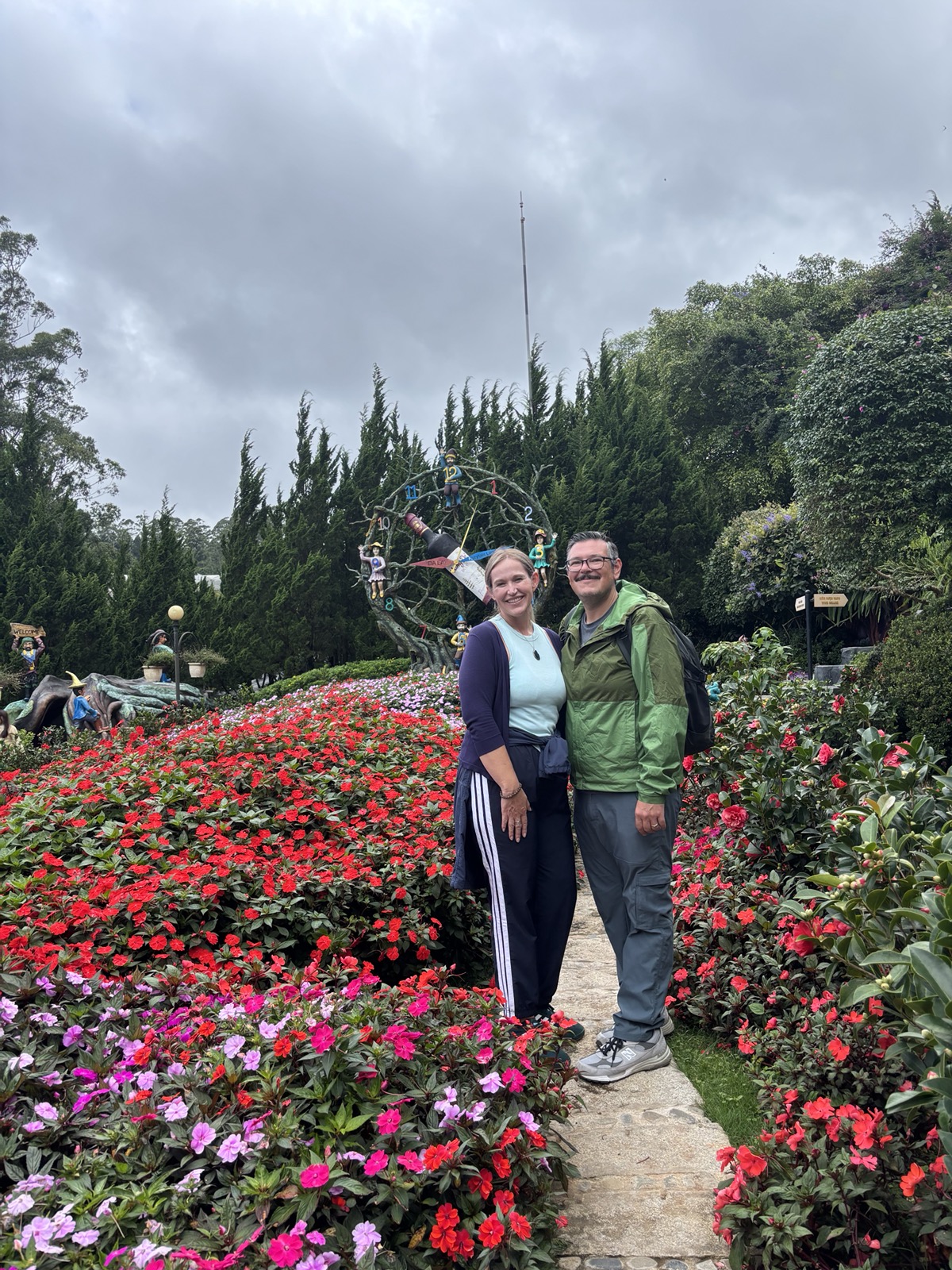


I have so enjoyed y’all’s posts about Vietnam. I have never wanted to visit until you and Jessica posted about it. It looks like such a beautiful country and I have absolutely loved the plant life photos!
LikeLike
I hadn’t ever thought about visiting, even my old coworkers who were Vietnamese never really mentioned going back. But it surprised me the most and we already want to go back. You definitely should go when you can, it is a great country
LikeLike