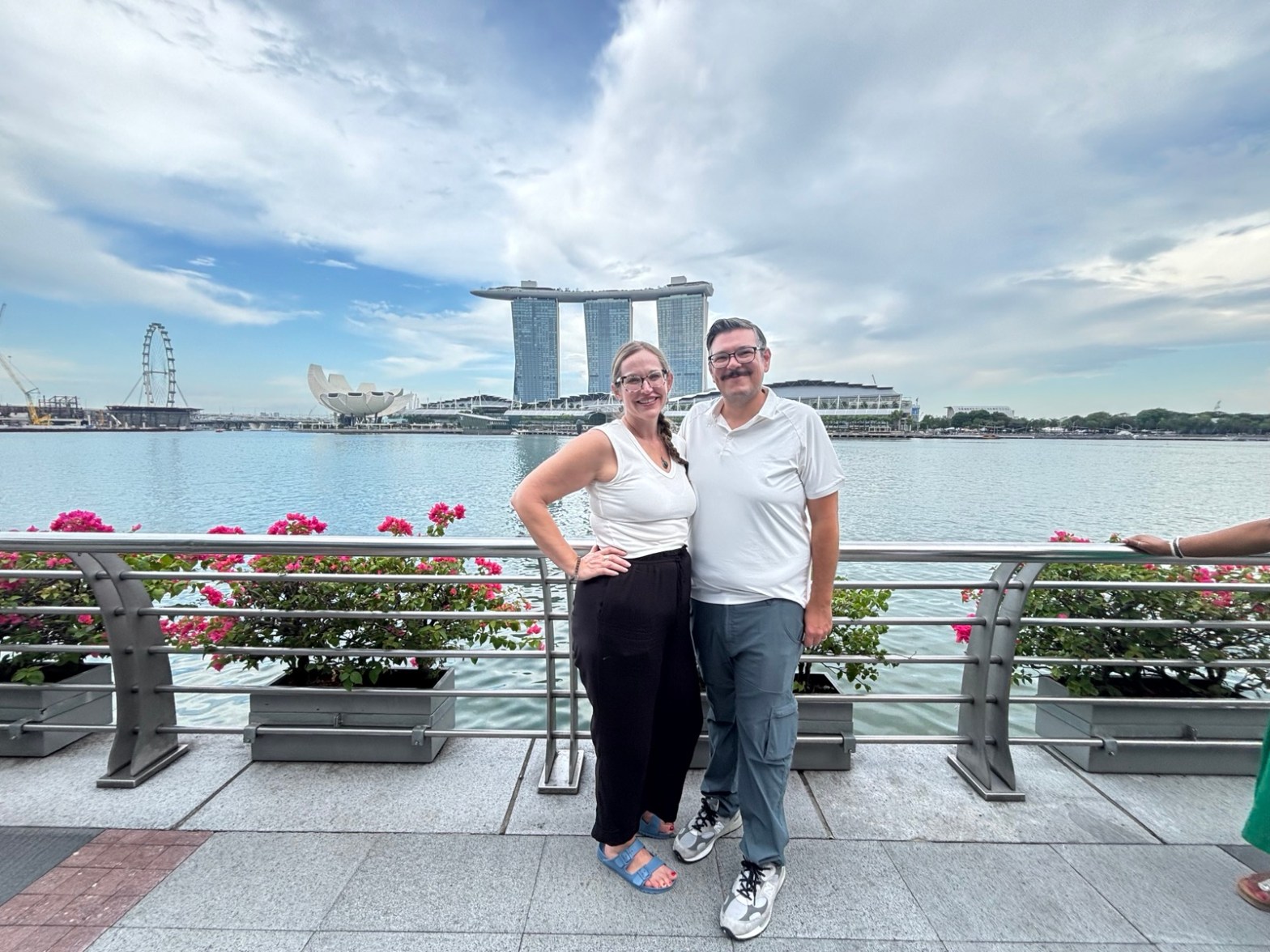
Singapore is a city-state island located directly south of Malaysia, on the Malay peninsula, and is a powerhouse economically, known worldwide. It was quite the change from Jakarta. The airport is world-renowned, customs was a breeze, and not long after landing we were in the taxi on our way to the hotel.
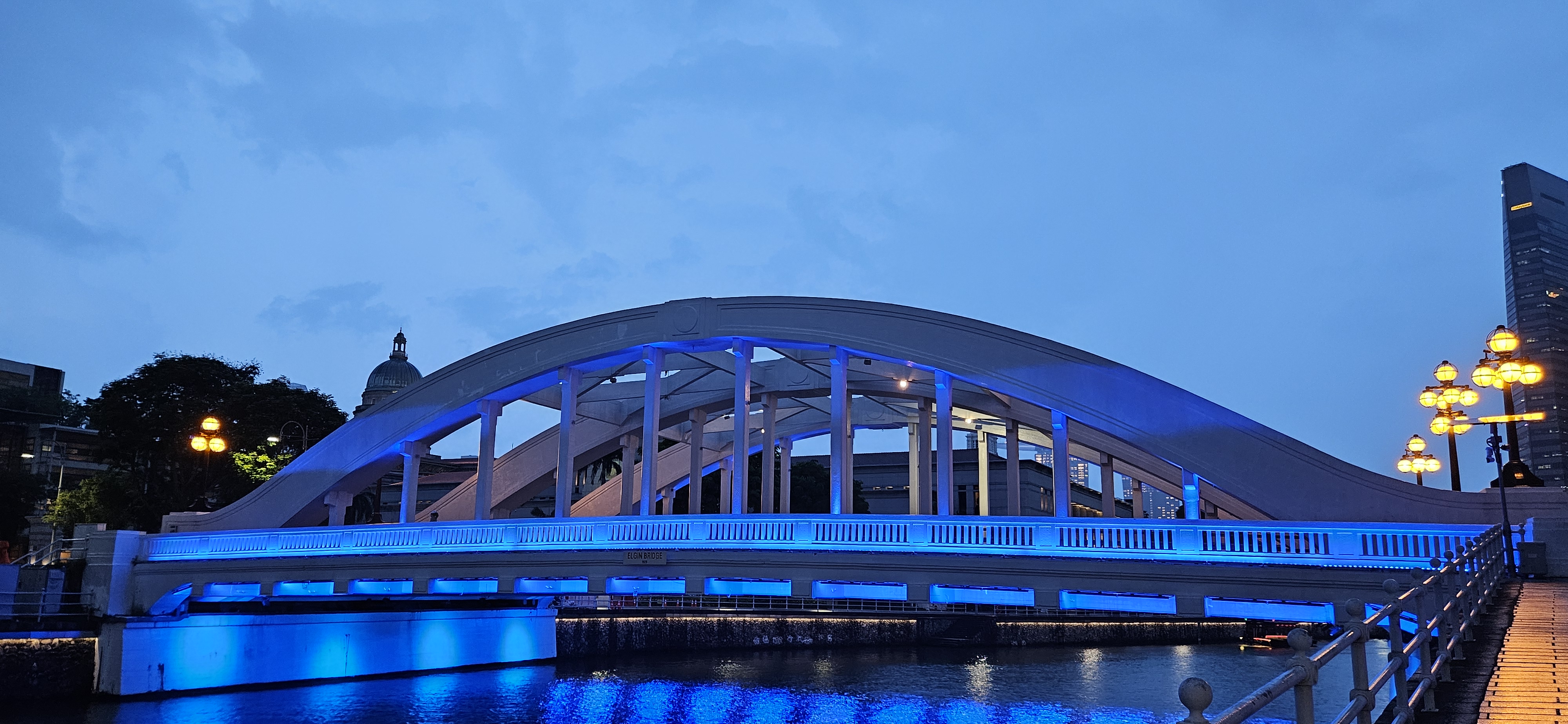
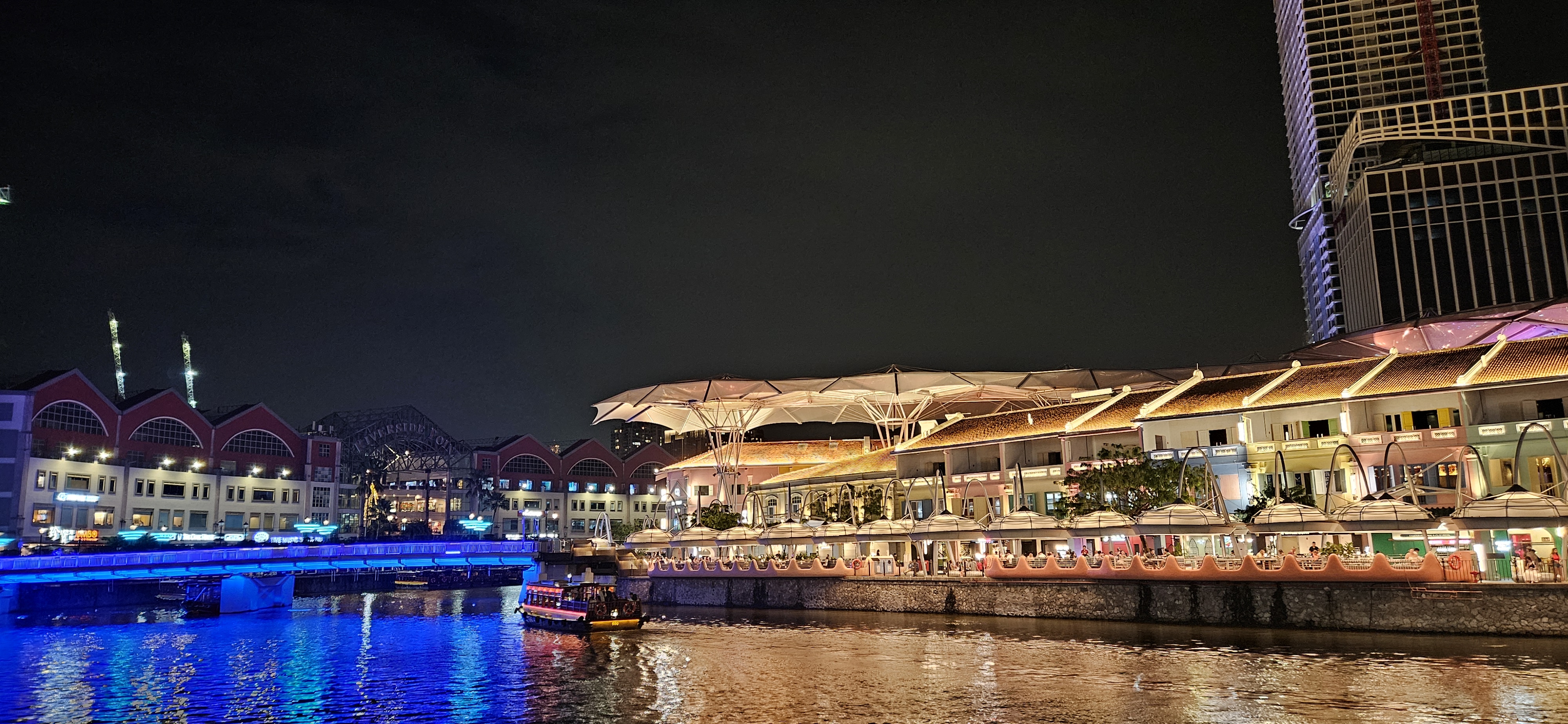
Singapore is super-safe, the roads are in immaculate condition, there is no trash on the ground, and they even outlaw chewing gum as it will make the sidewalks unsightly. As such, it is also very, very expensive. So, we only had four nights to enjoy the city, and that was almost enough time to see all the city we wanted to. We stayed in Robertson Quay, which is a wharf near the source of the Singapore River, and has lots of restaurants and bars, as well as separate indoor and outdoor malls. There is also a nice river walk that we took many times and some fun bridges to cross, that led us into Clarke Quay, another popular shopping district.
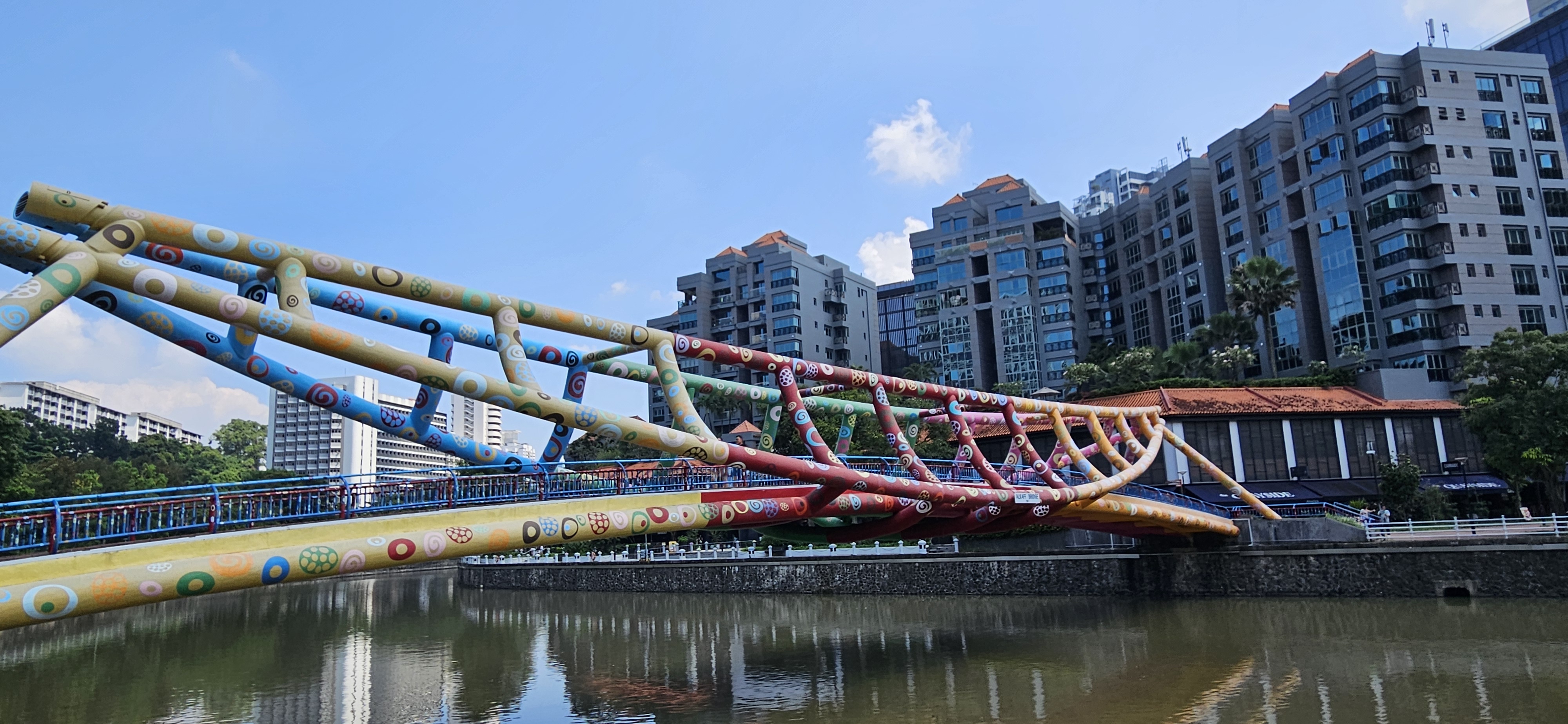
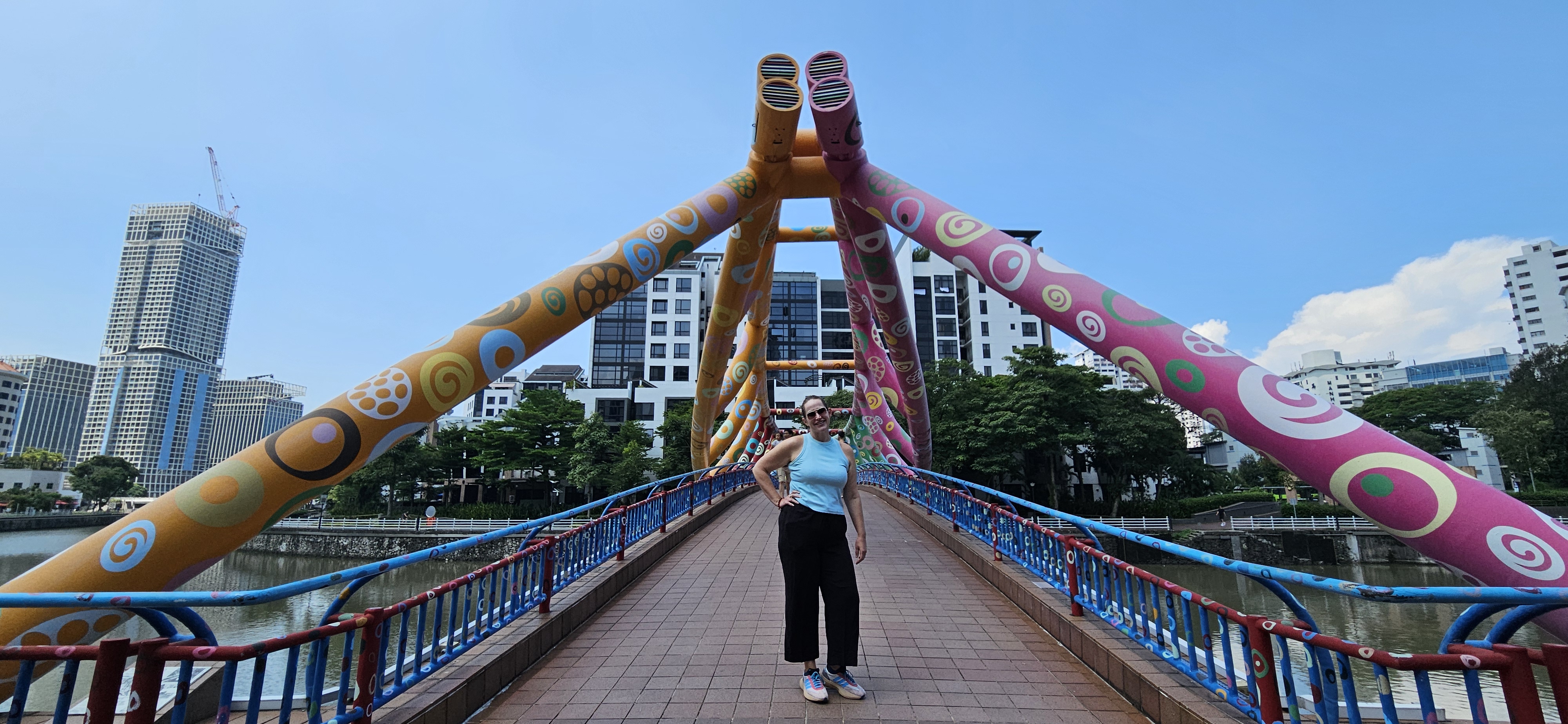
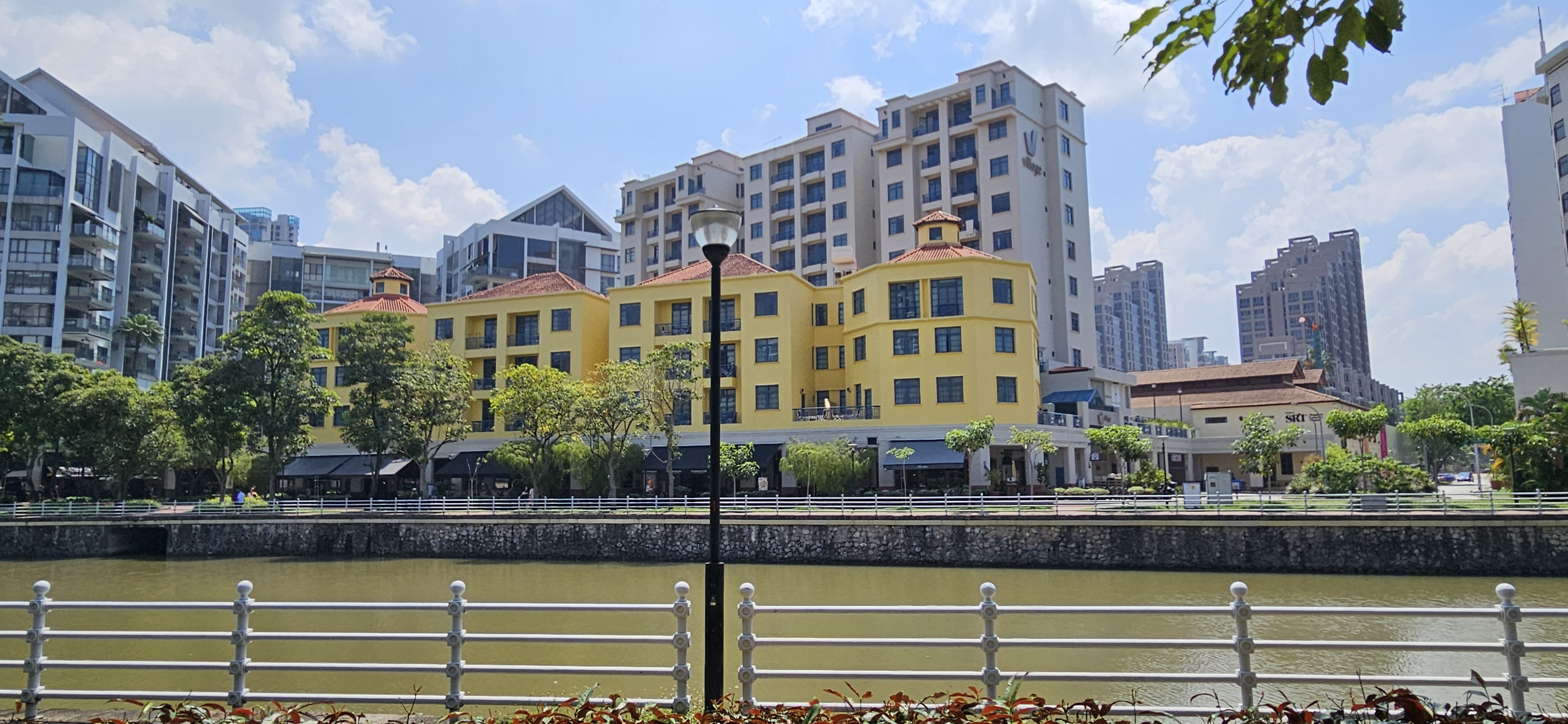
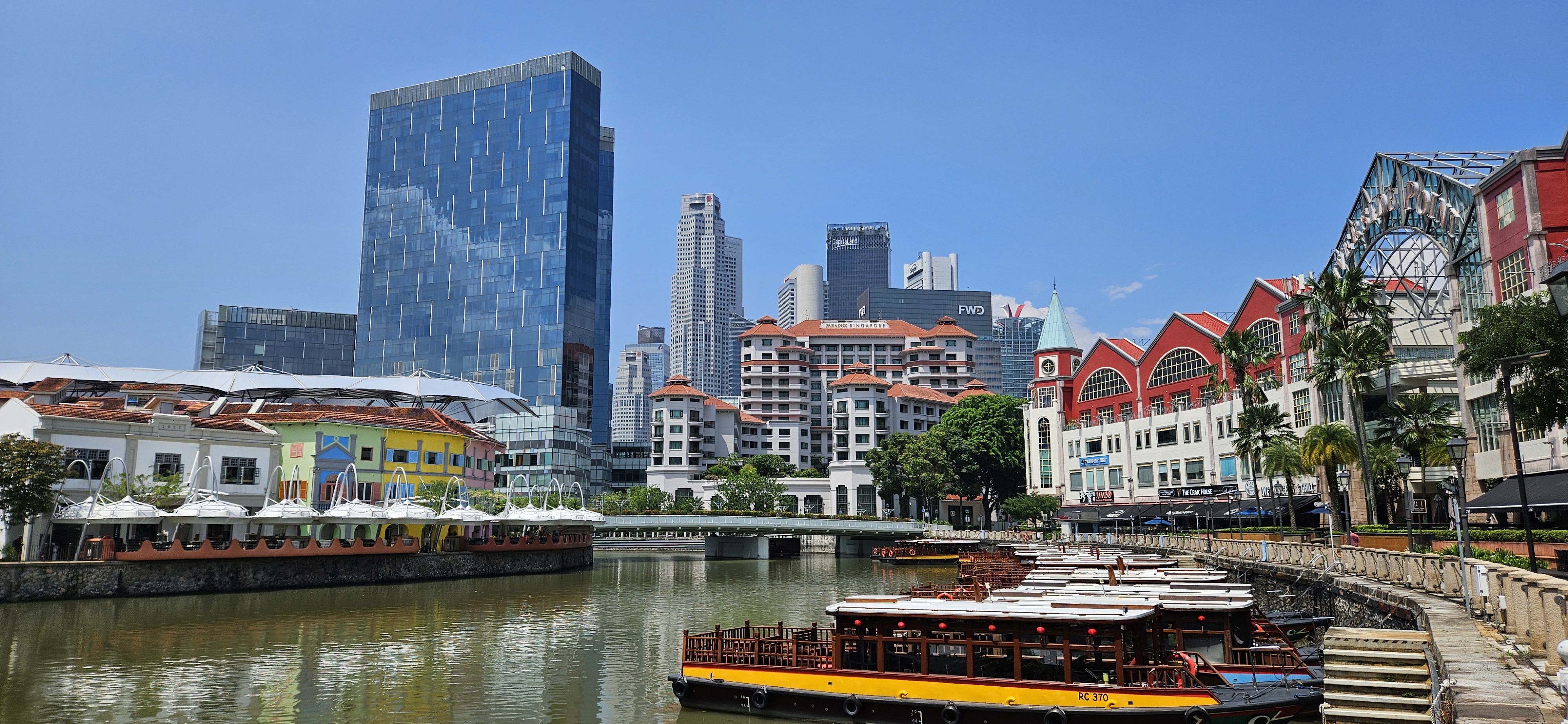
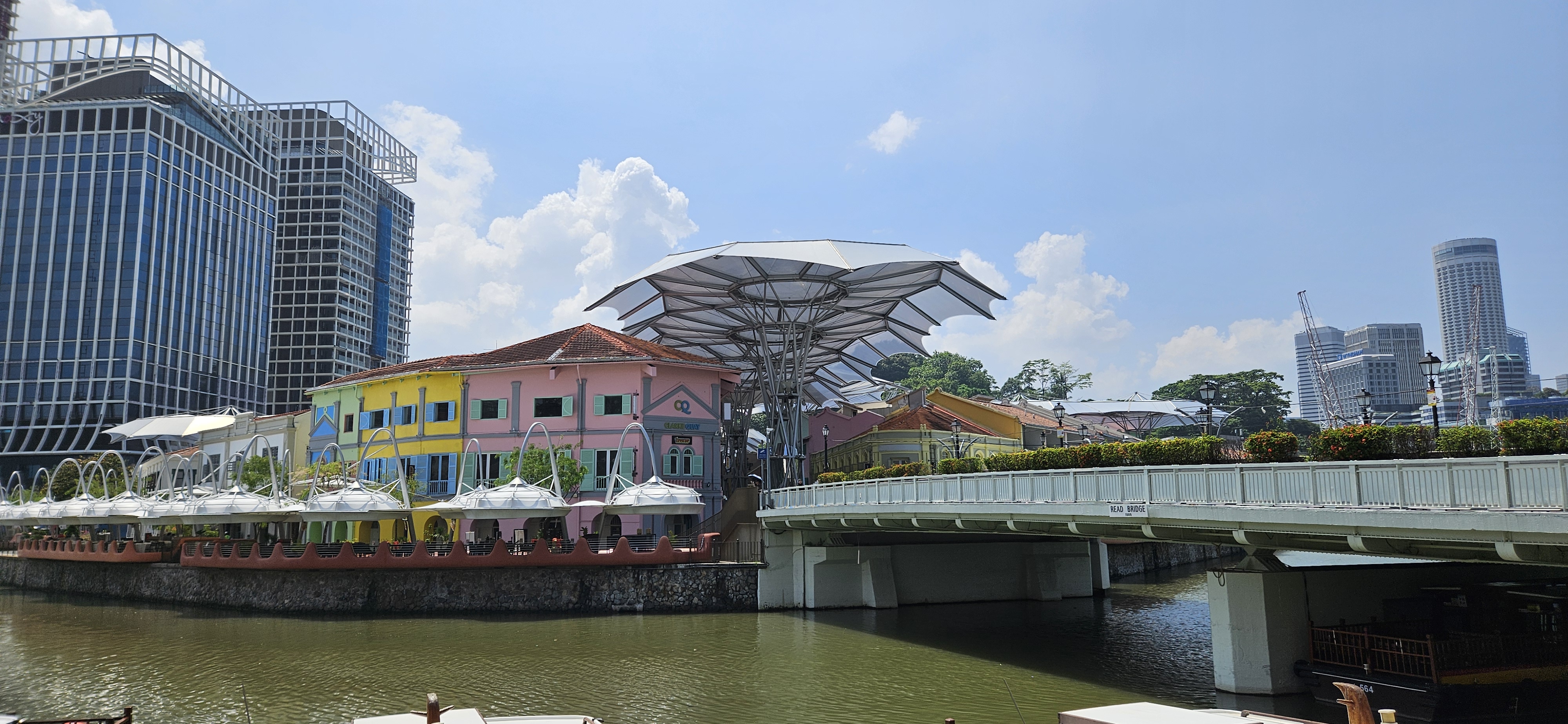
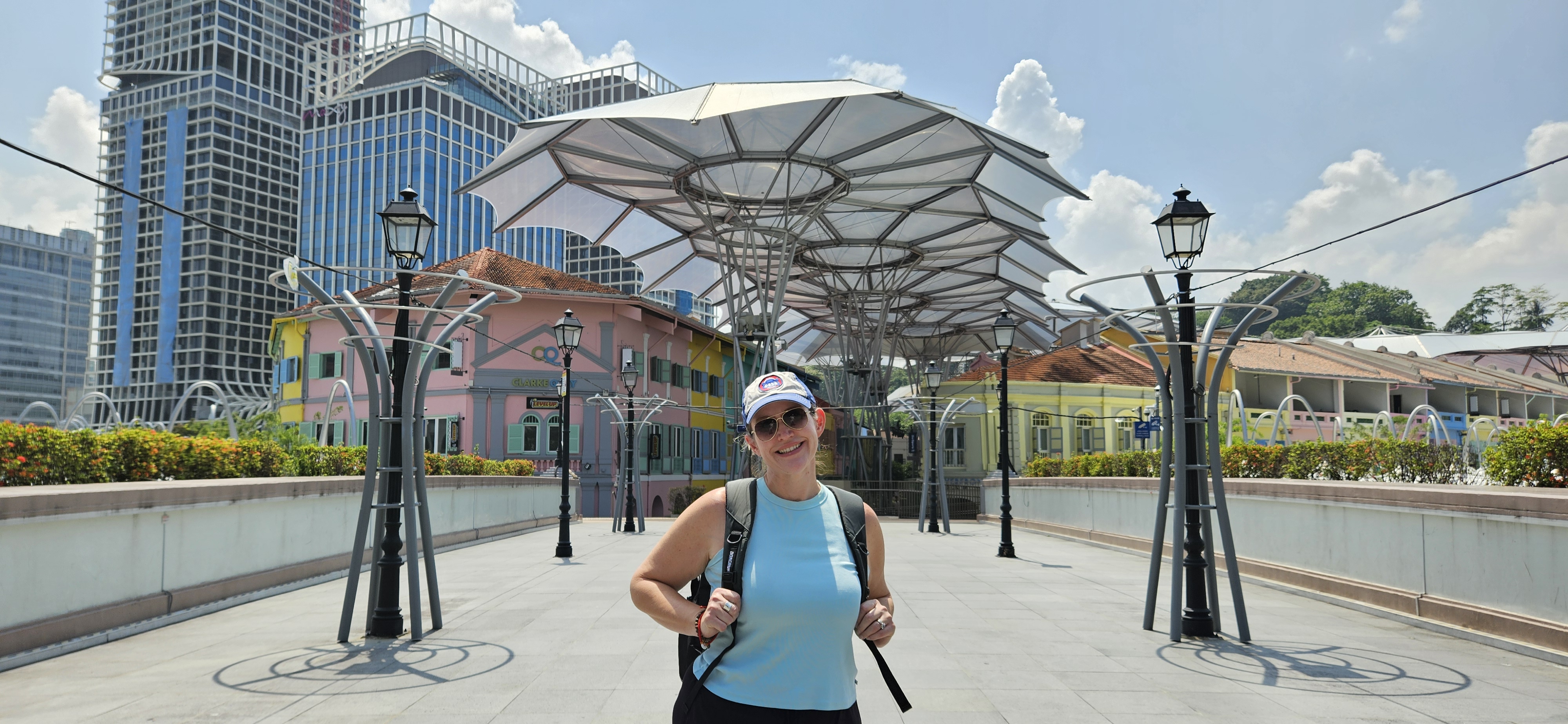
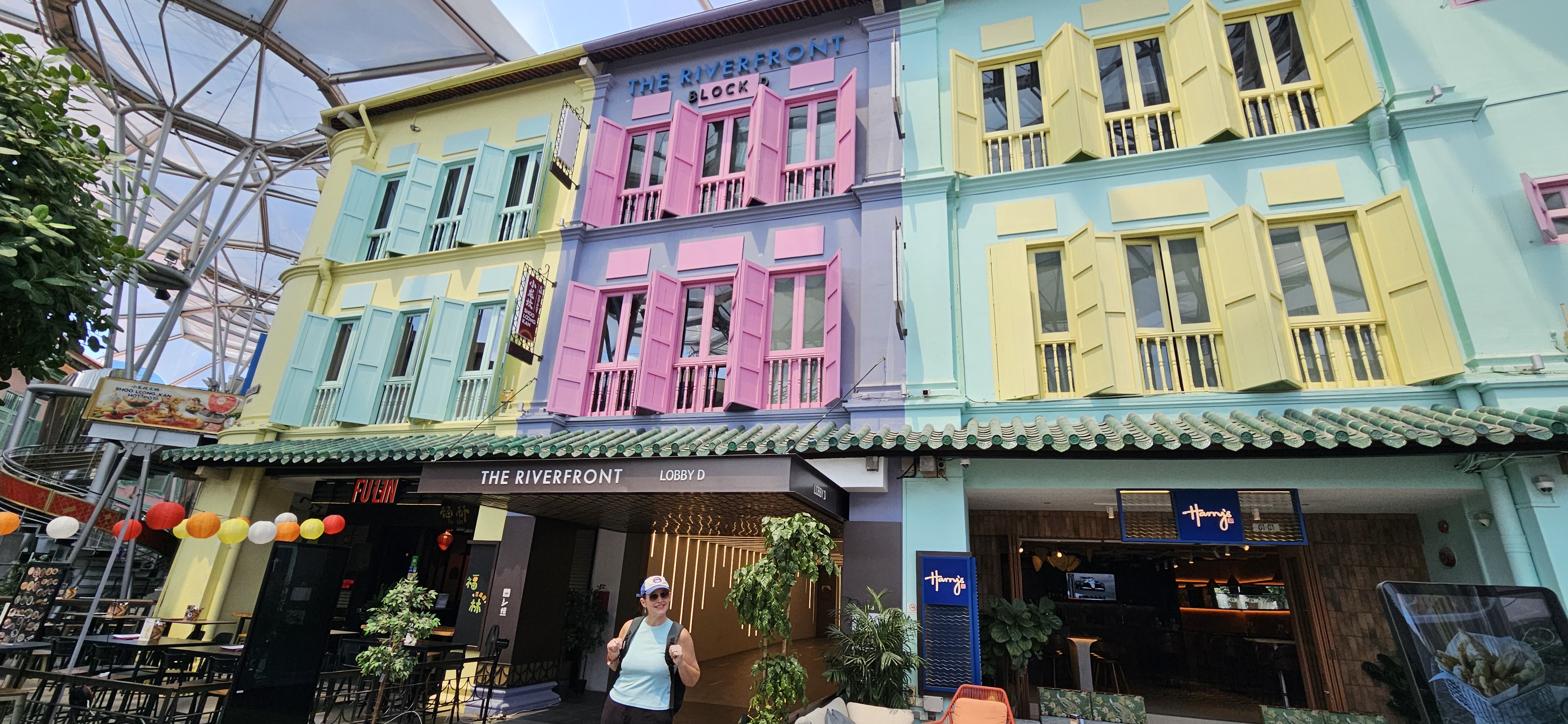
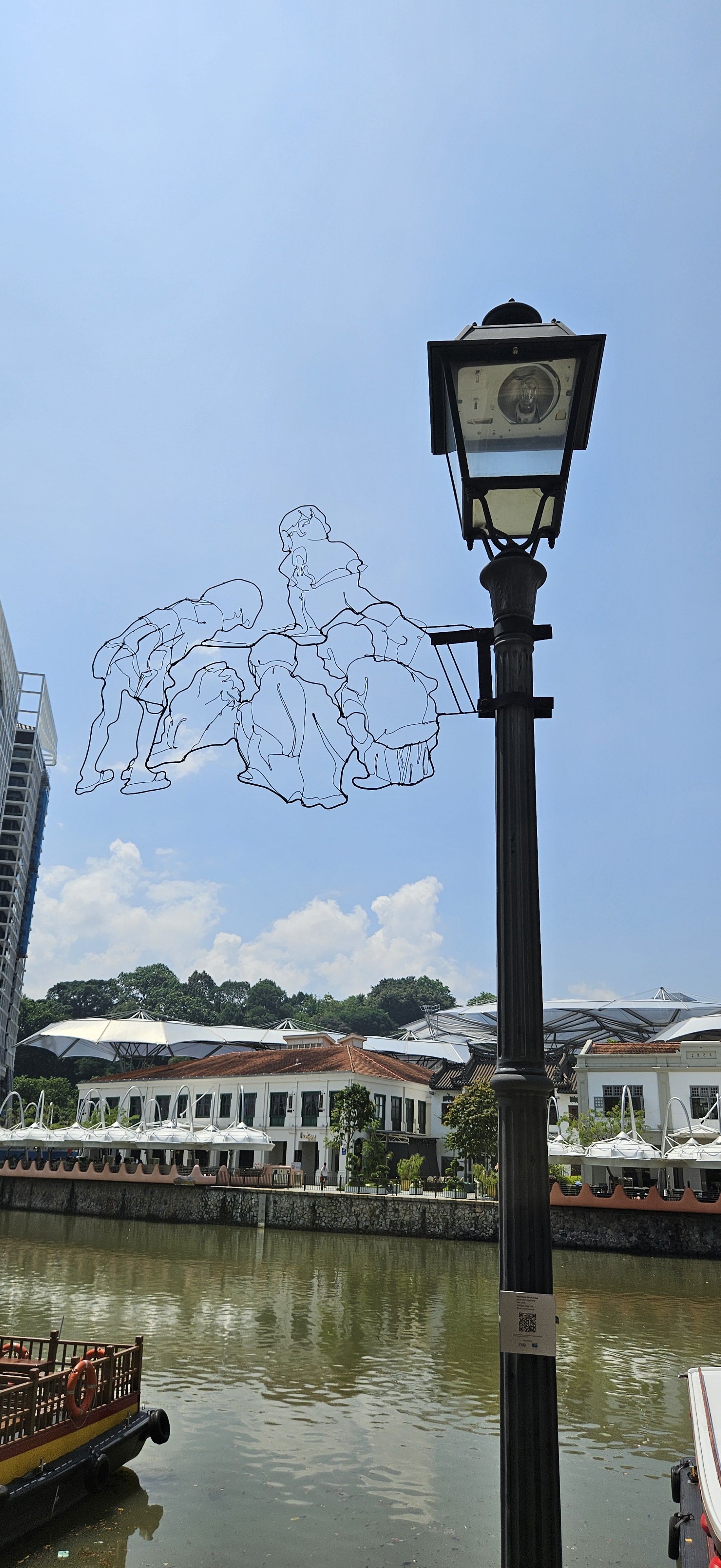
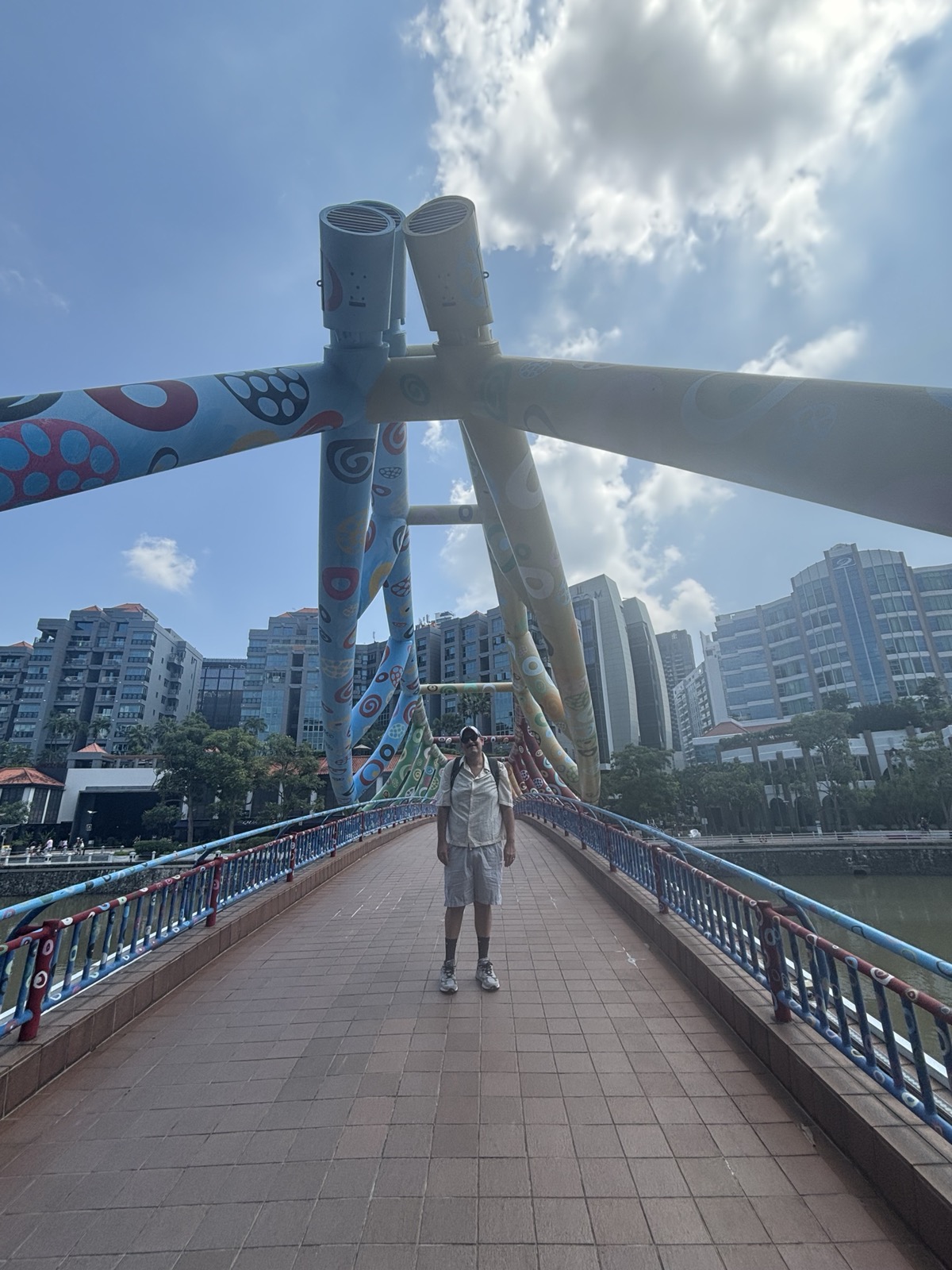
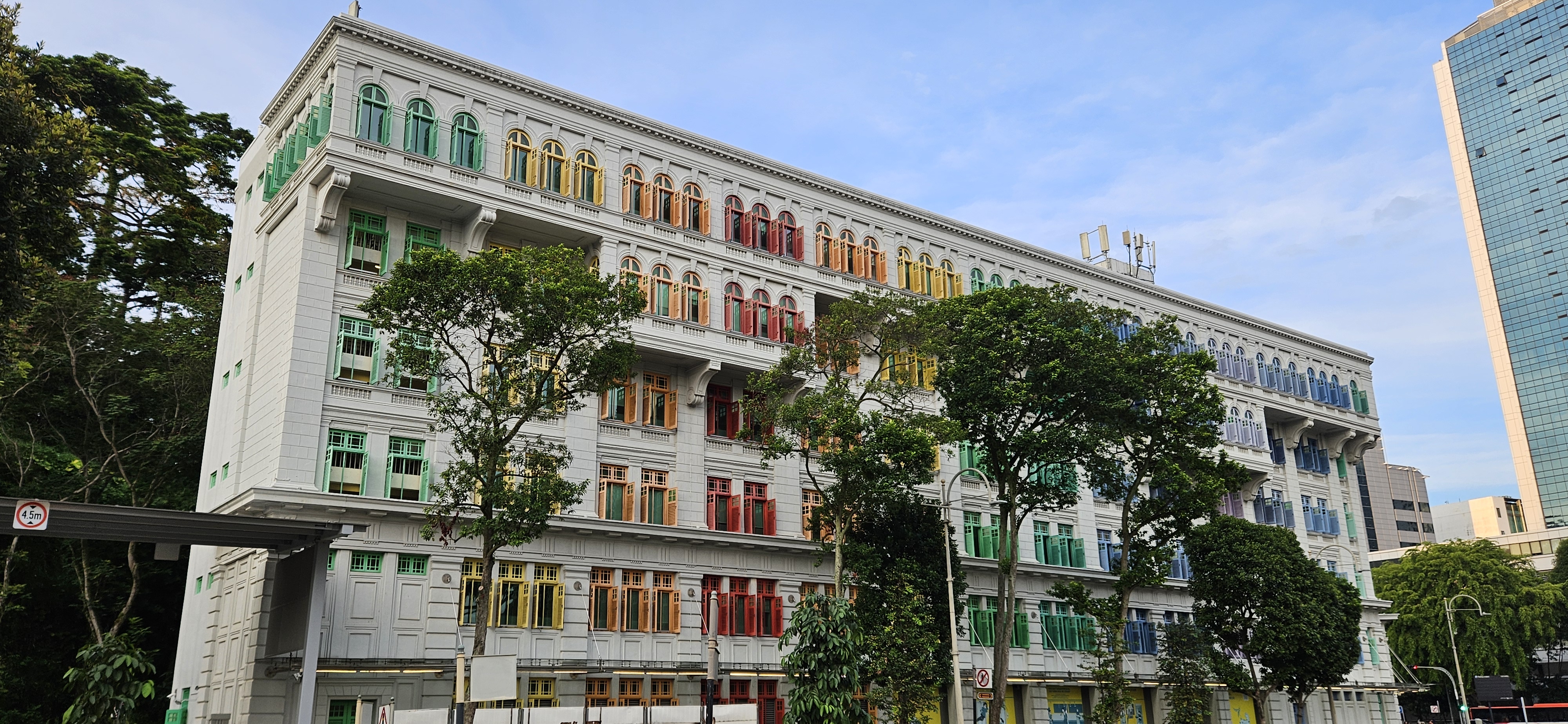
We eventually found ourselves at Fort Canning Park. It is a beautiful park, with perfect paths to walk on, lots of trees, green grass and pretty flowers.
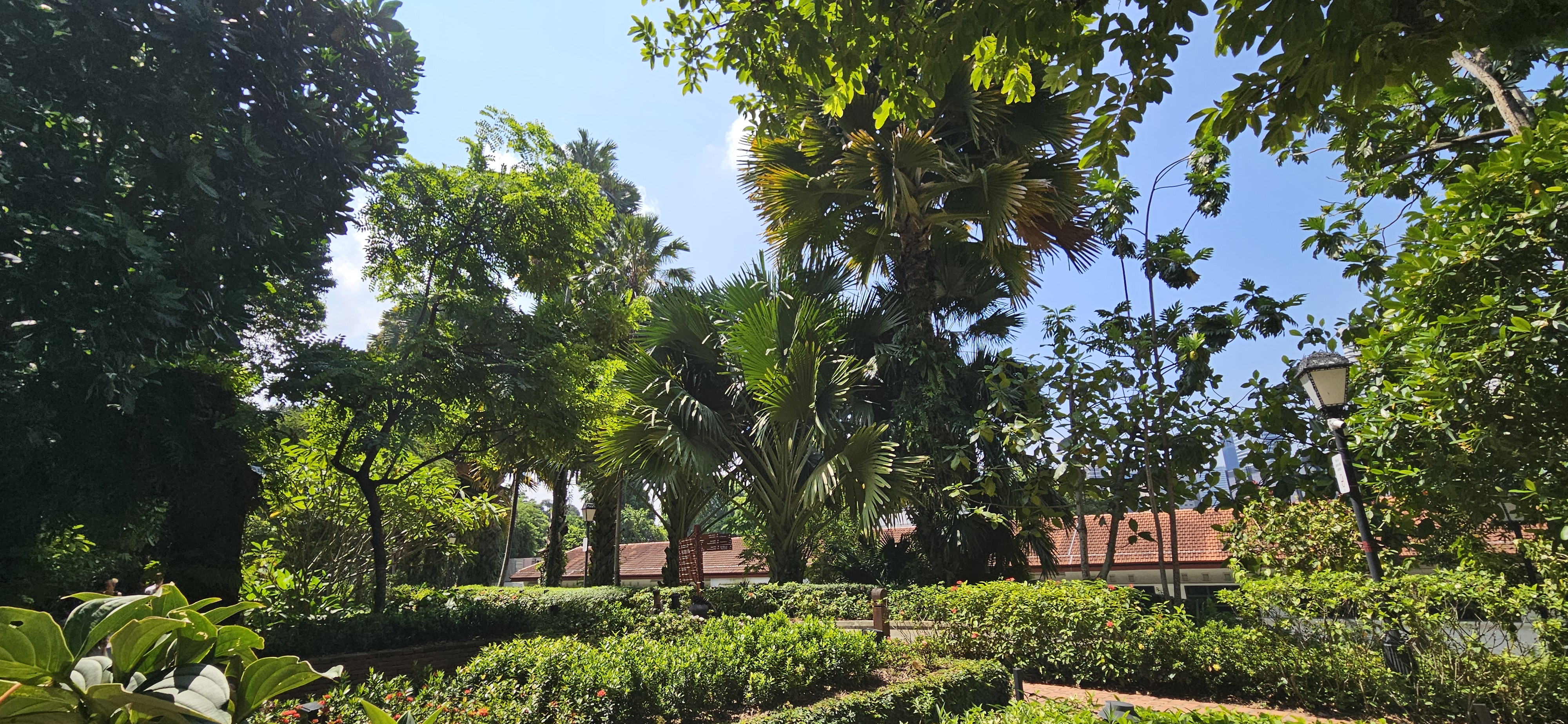
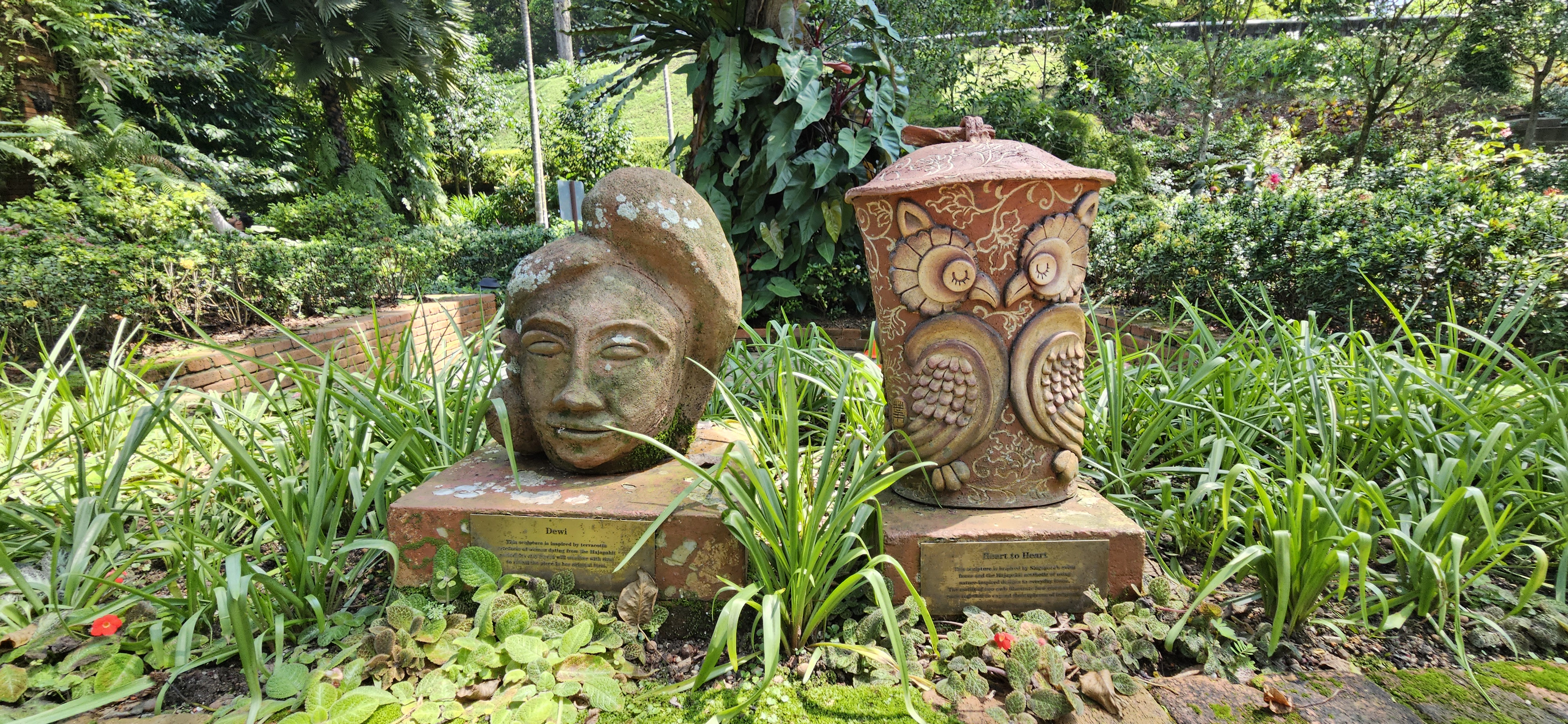
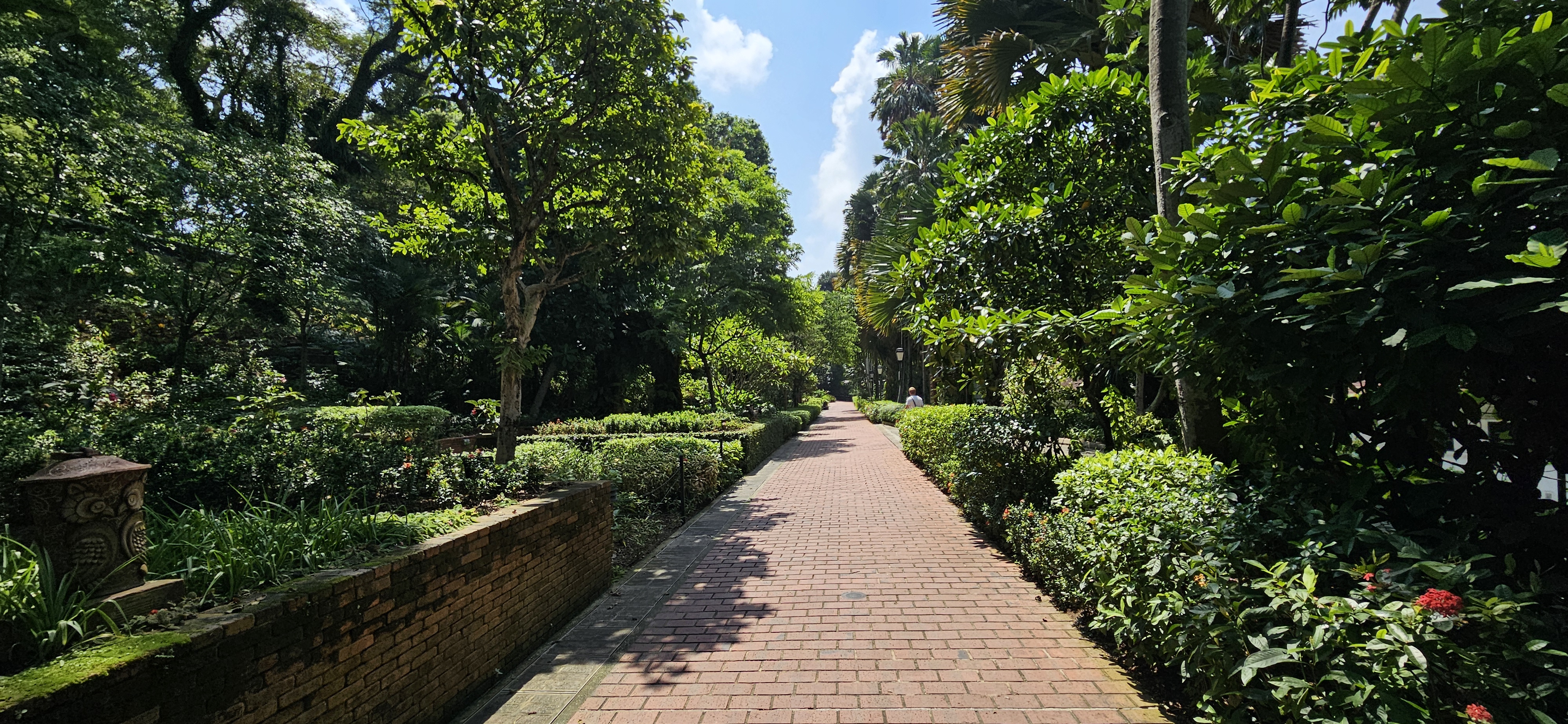
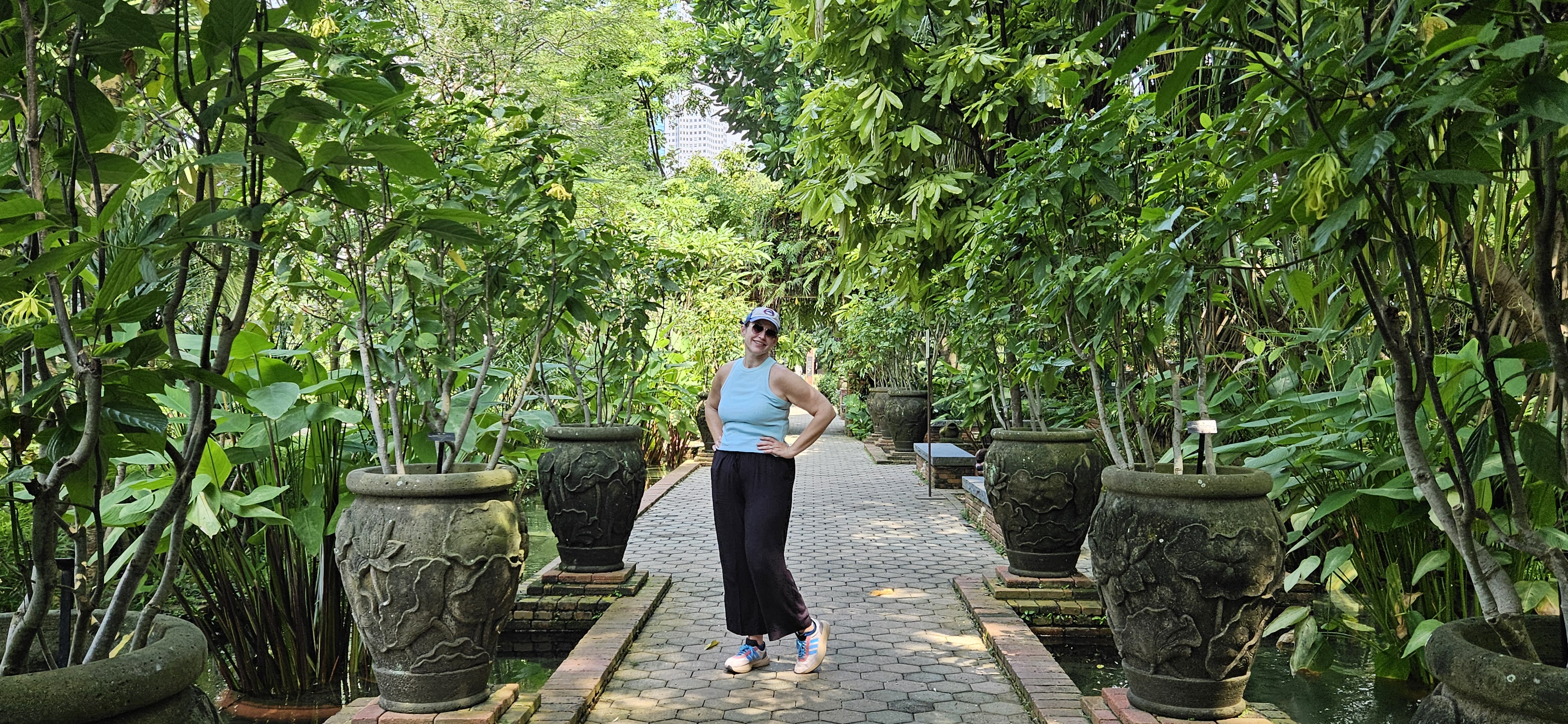
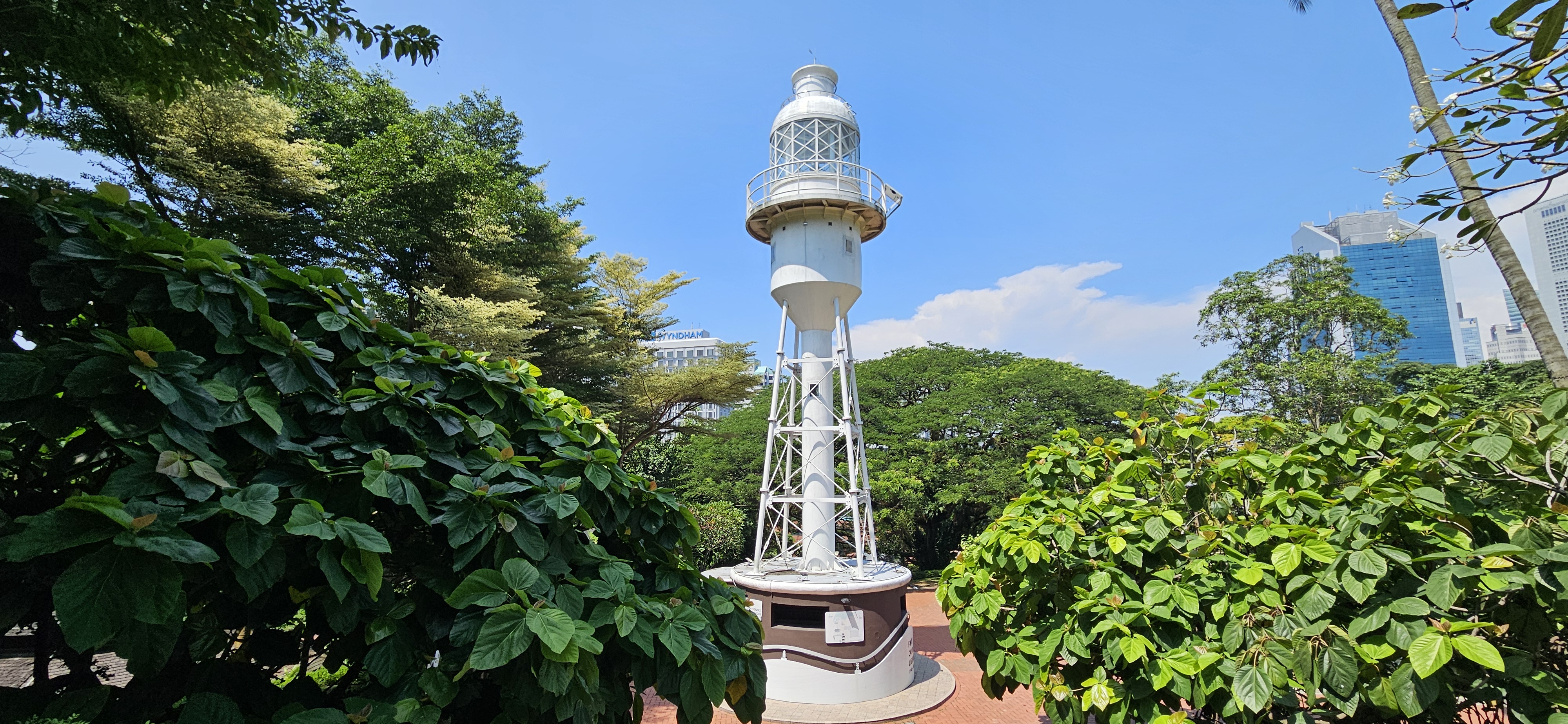
The lighthouse and flagstaff are remnants of Singapore’s past maritime history after the British established Singapore as a trading hub.
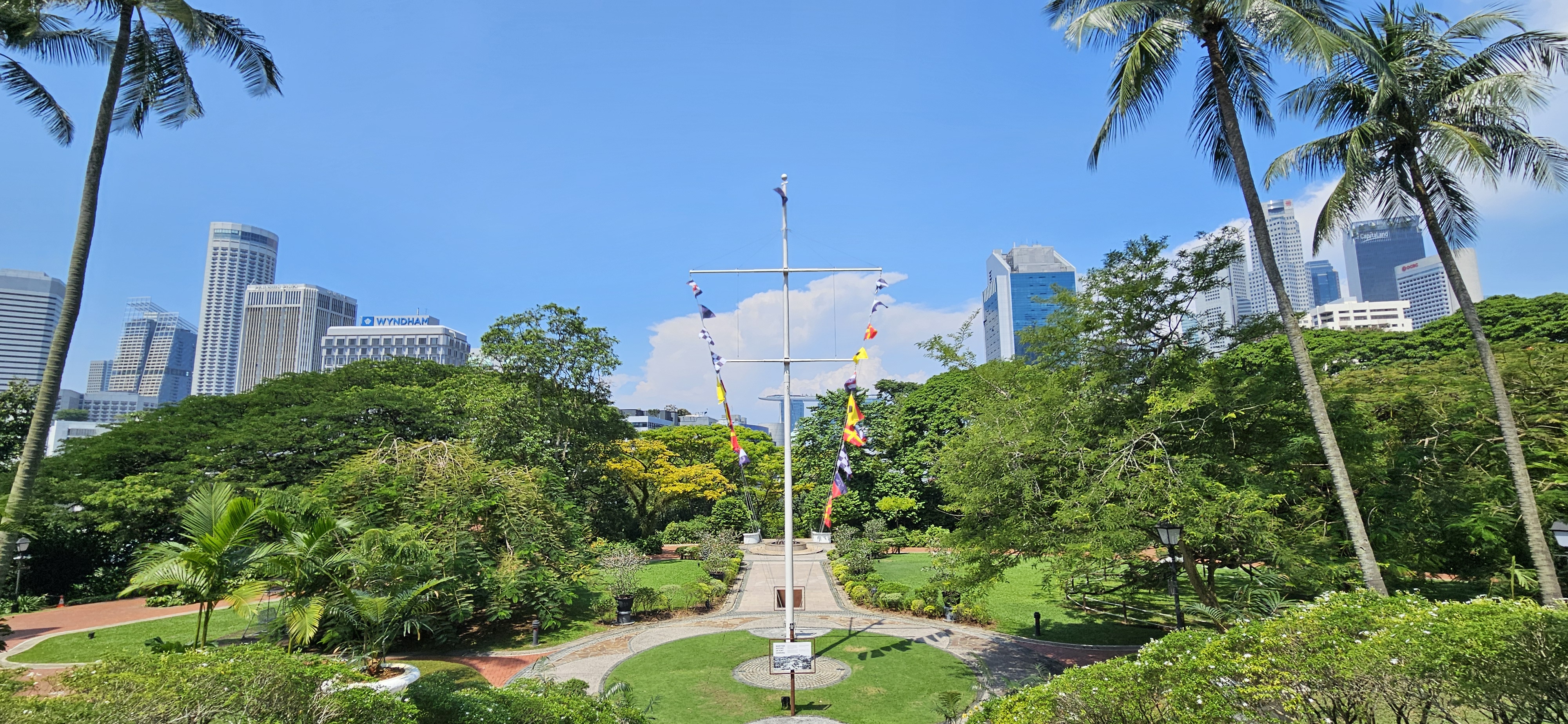
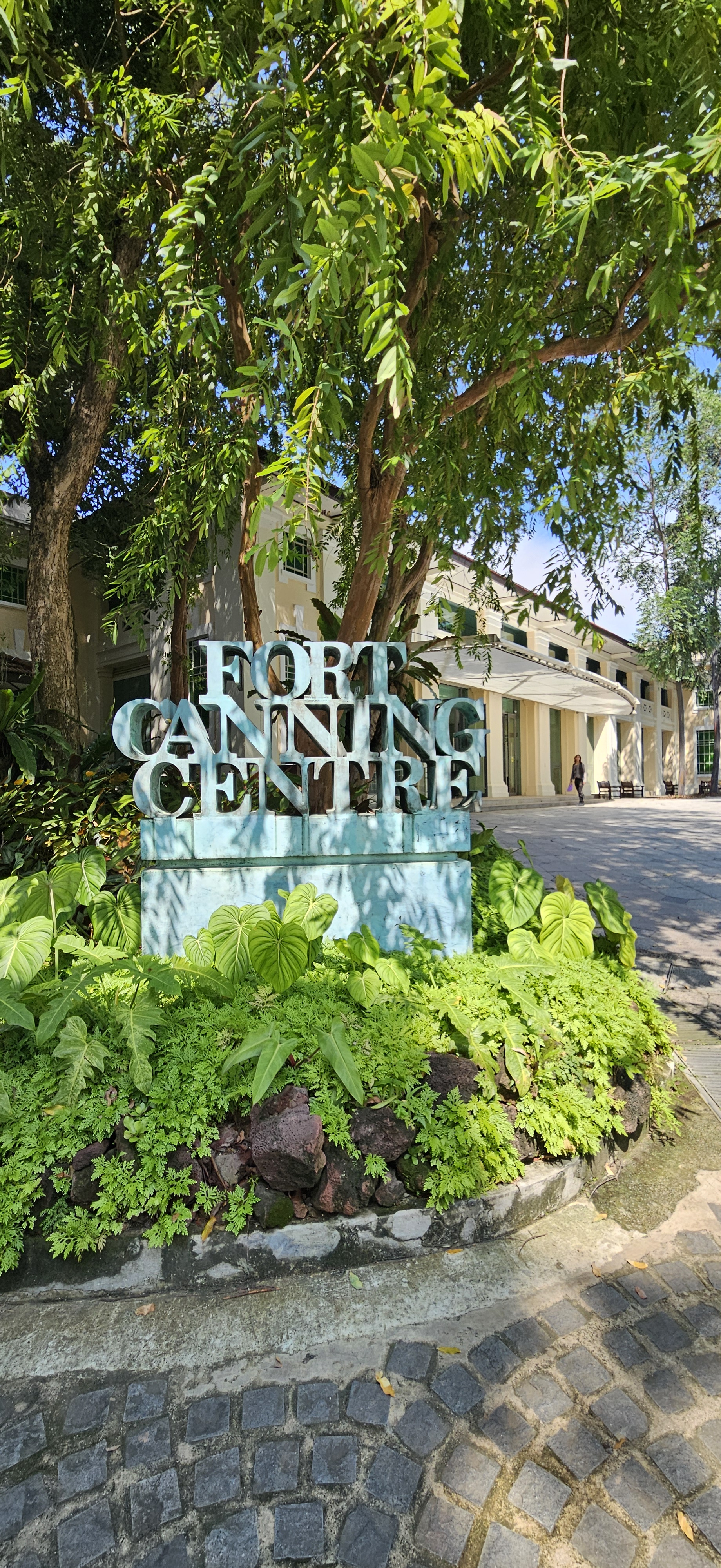
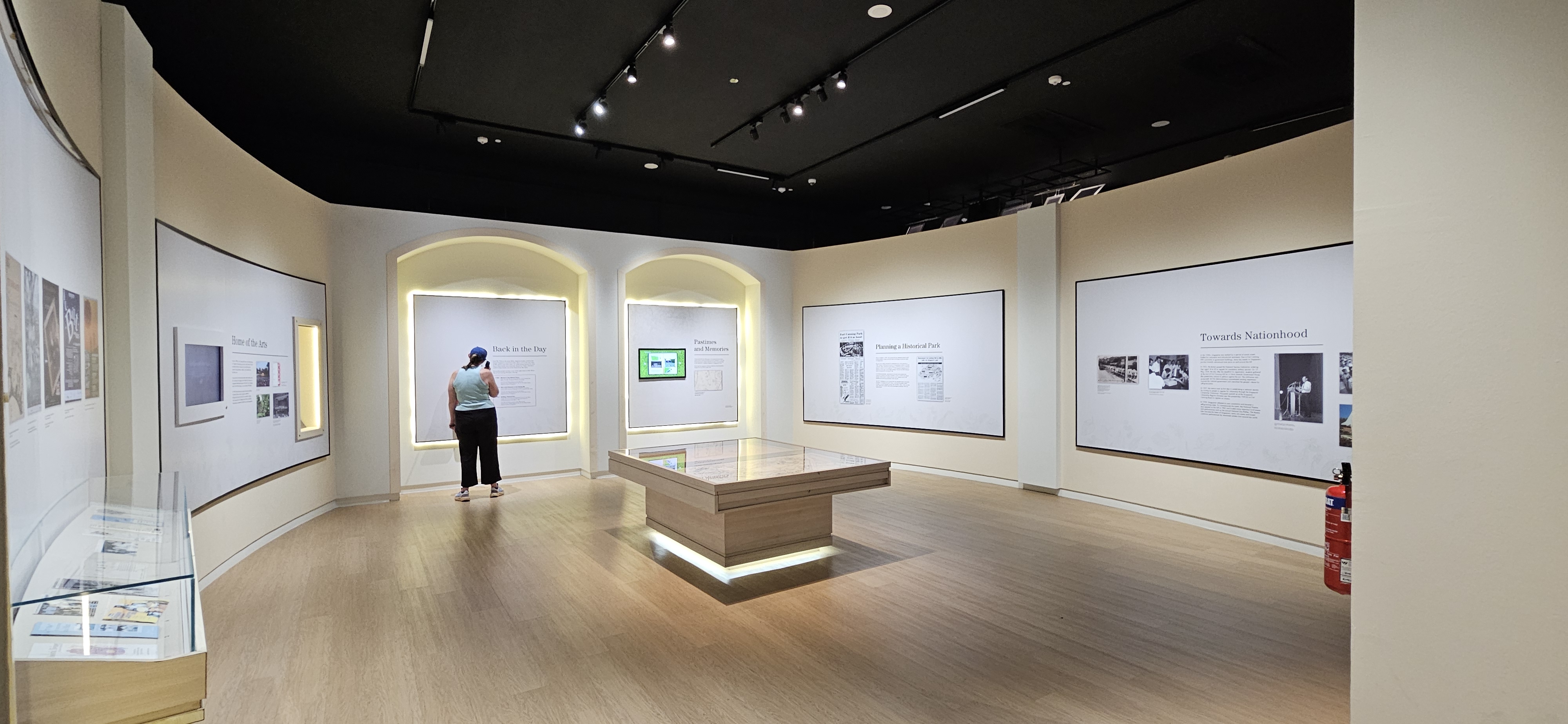
At the top of the hill there is a museum which details the history of Singapore, originally known as Singapura, which came from Sanskrit, and translates to the “Lion City.” Lions are extremely popular in Asia as symbols of power. It was an important trading city founded in the 1300s, but that was short-lived, for less than 100 years.
British seaman Sir Thomas Raffles arrived in Singapore in 1819 and established it as a base for the British East India Company. There were less than 1,000 inhabitants of Singapore at the time of Raffles arrival; in 40 years that number increased to 100,000, with more than half Chinese. Today, Singapore is 75% Chinese, many with ancestors from Southern China.
We enjoyed the museum (especially the Air Conditioning) and enjoyed learning about Singapore’s past.
Singapore is an economic and financial powerhouse, with many companies’ headquarters located here and every bank and multinational corporation in the world with a branch, or their own building. There are approximately 6 million residents of Singapore, with only 3.7 million of those as citizens, the other 2.3 million are foreign workers mainly, or students. We learned a lot of this on our evening tour around Singapore.
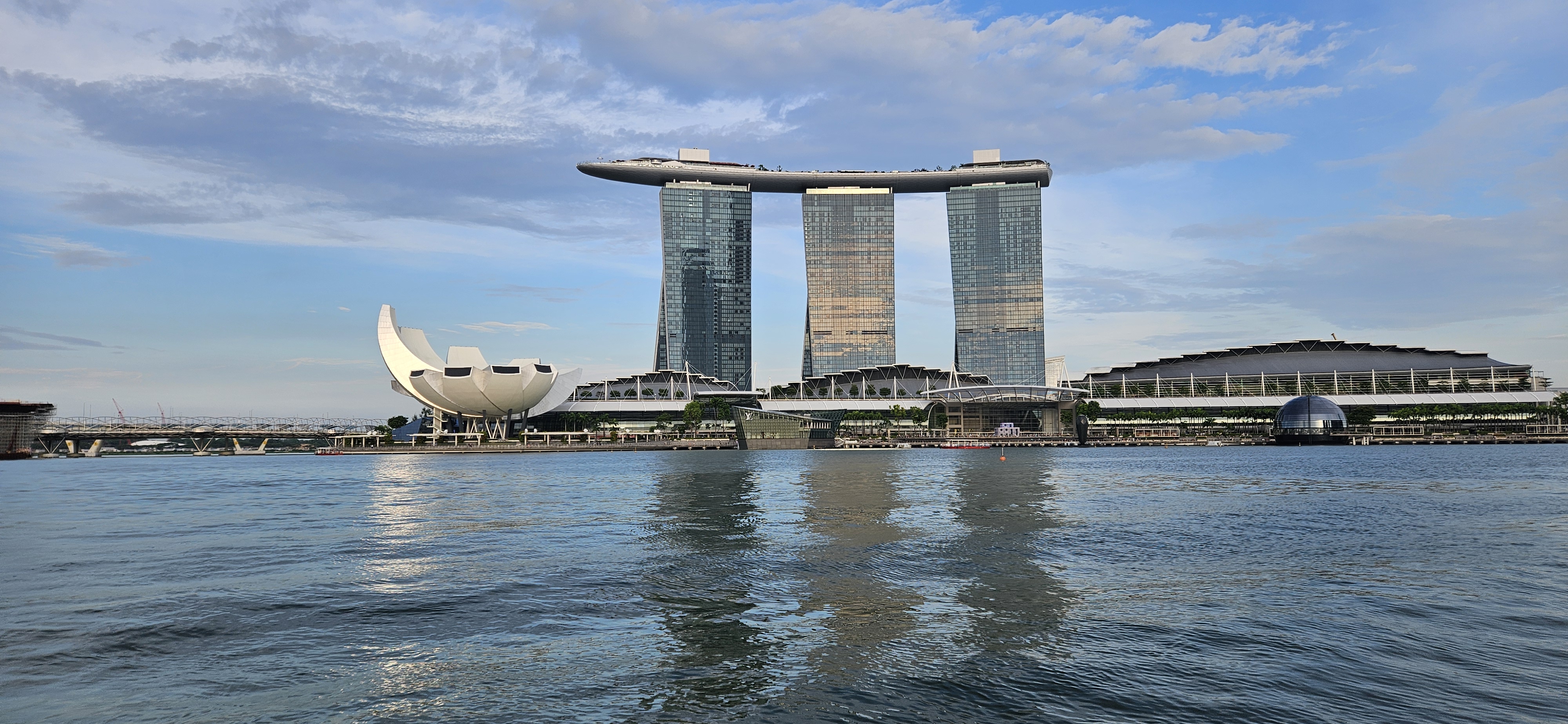
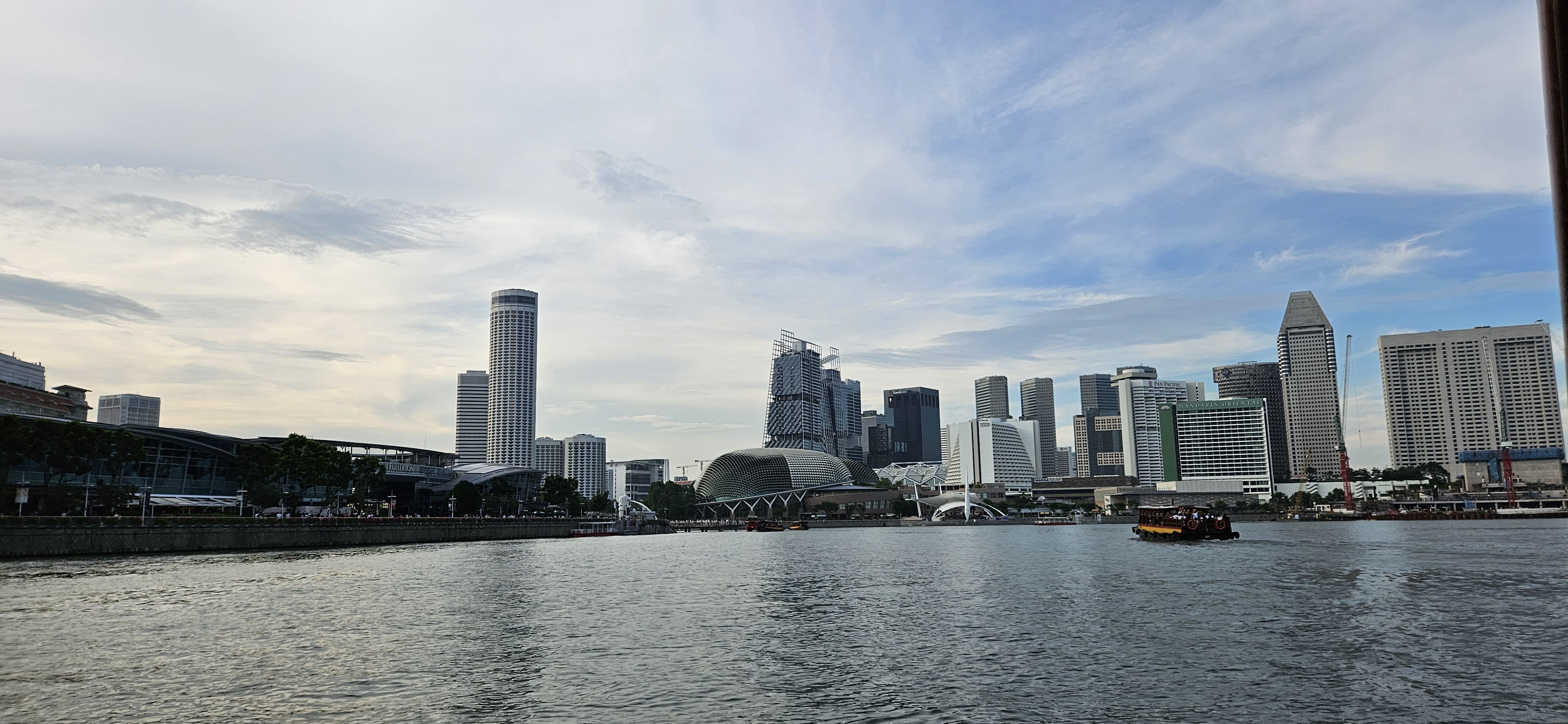
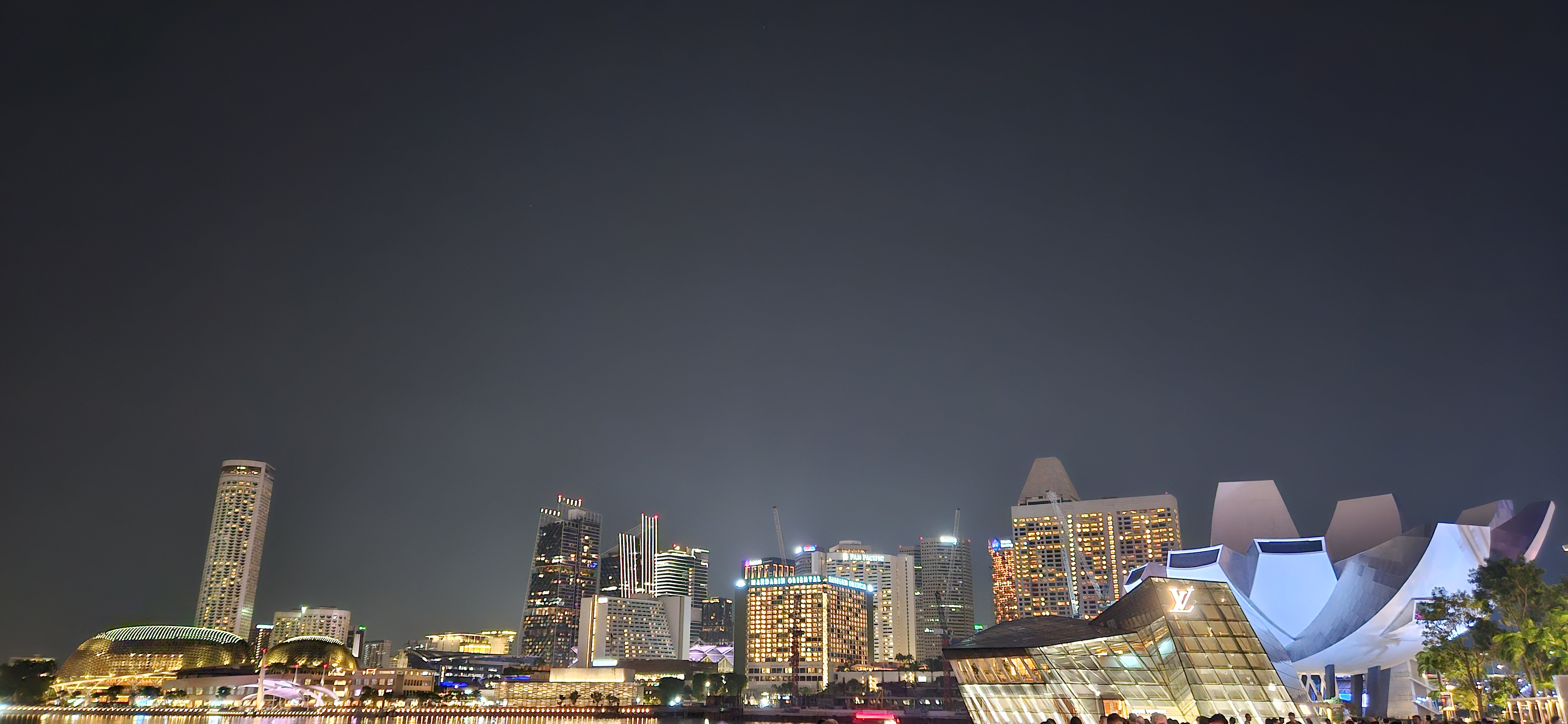
As you know, we like doing a tour if possible, and here we only did the one tour, as, with everything in Singapore, it was not cheap. It was worth it, however, as we had a friendly Singaporean guide named Francis, who led us around the hot spots of the city. We were picked up in this huge party bus with bright neon colors, and there were four other fellow tourists already on the bus. We said hello to two Spanish ladies and Jessica later spoke with them in Spanish, and we were off to our first location, Marina Bay. Across the bay is the Marina Bay Sands Hotel, which has a top level that looks like a ship connecting the three buildings.
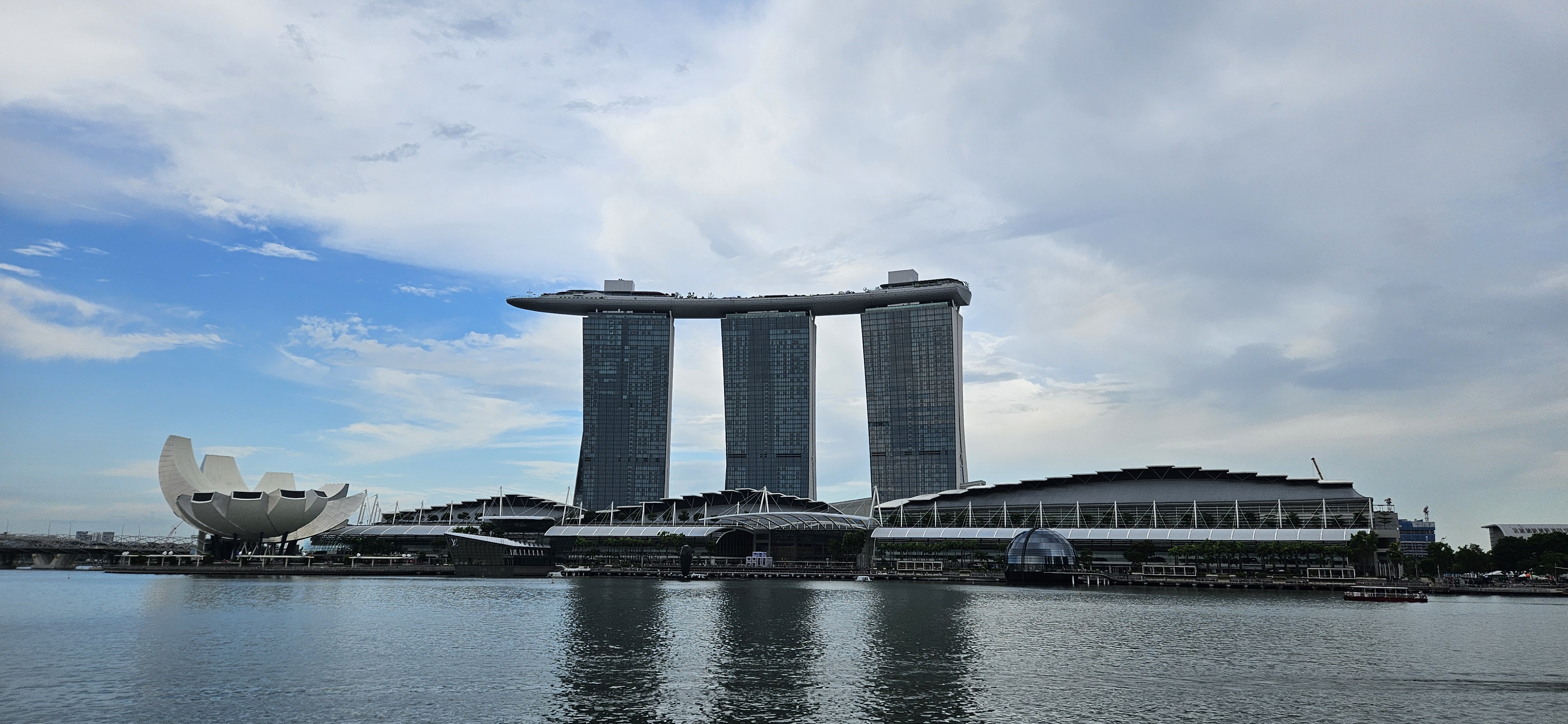
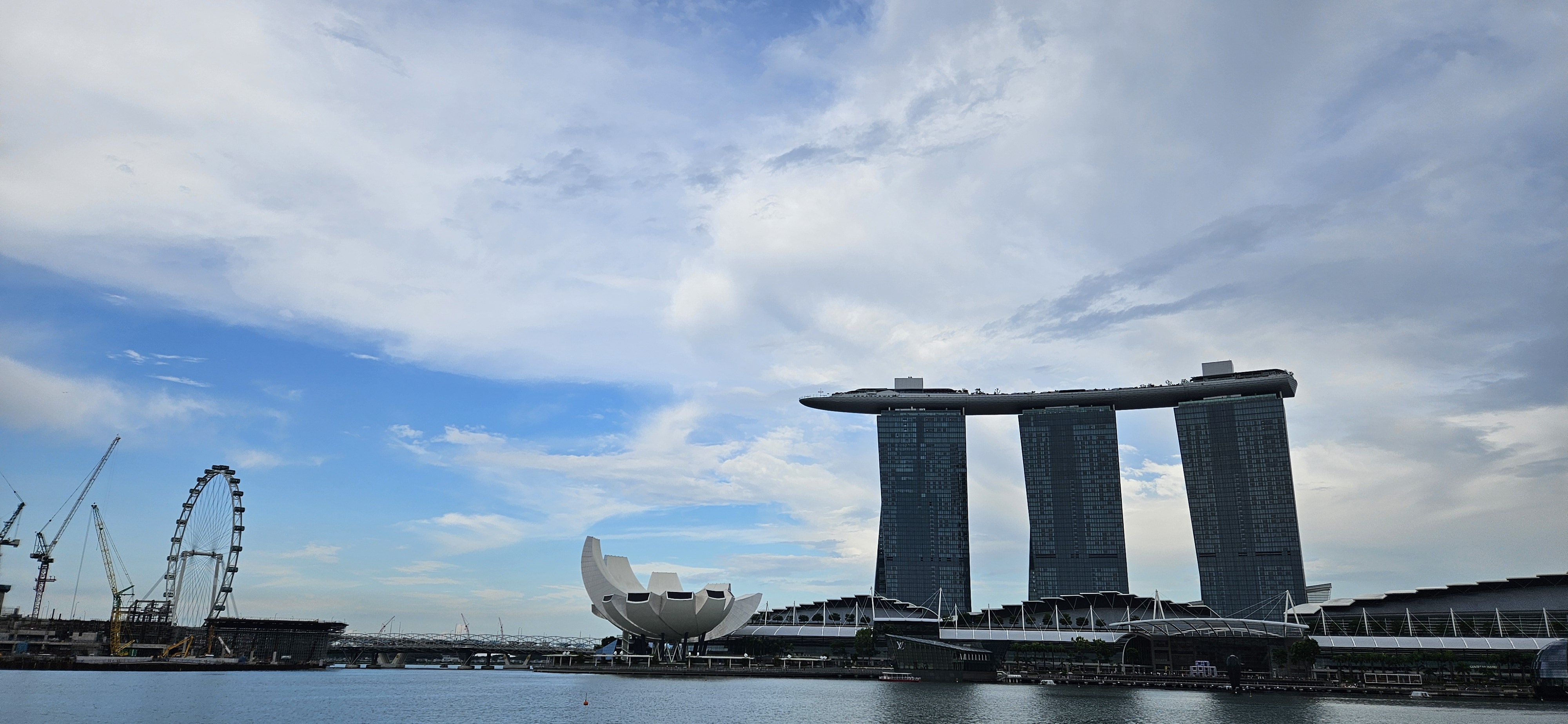
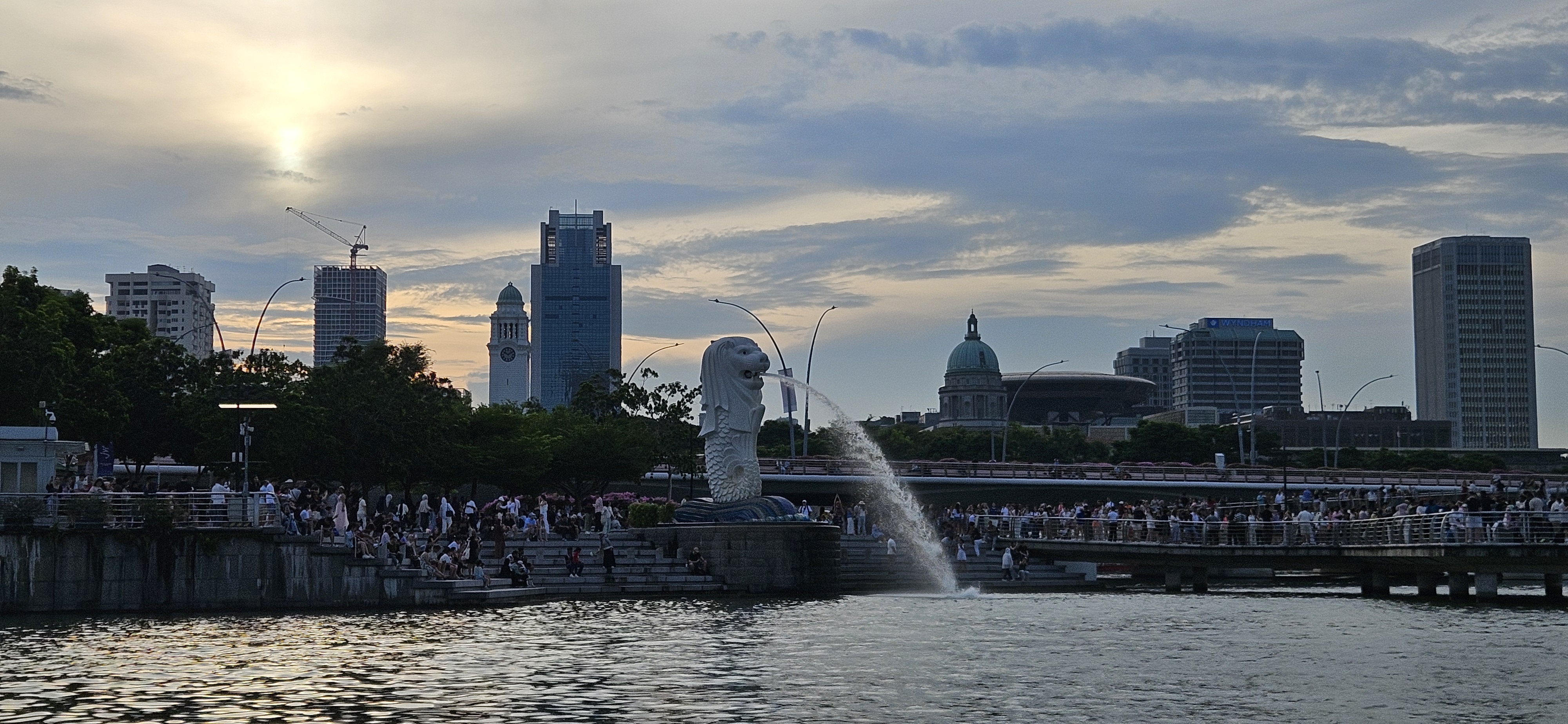
To the left, the building that looks like a lotus flower is the Art Science Museum, and then the Singapore Ferris Wheel, which we unfortunately did not get to ride. Francis led us to Merlion Park, and told us that the Merlion fountain statue has the head of a lion and the body of a fish.
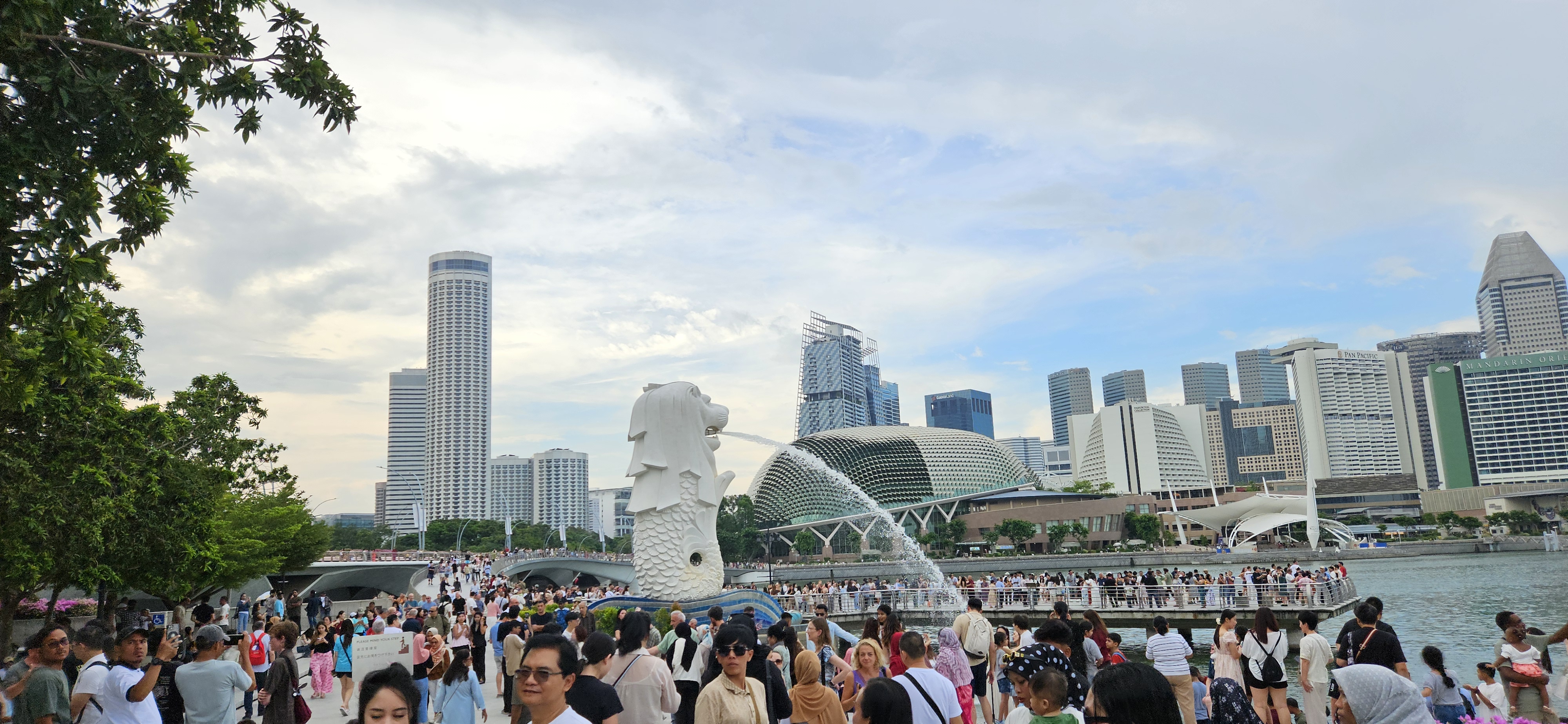
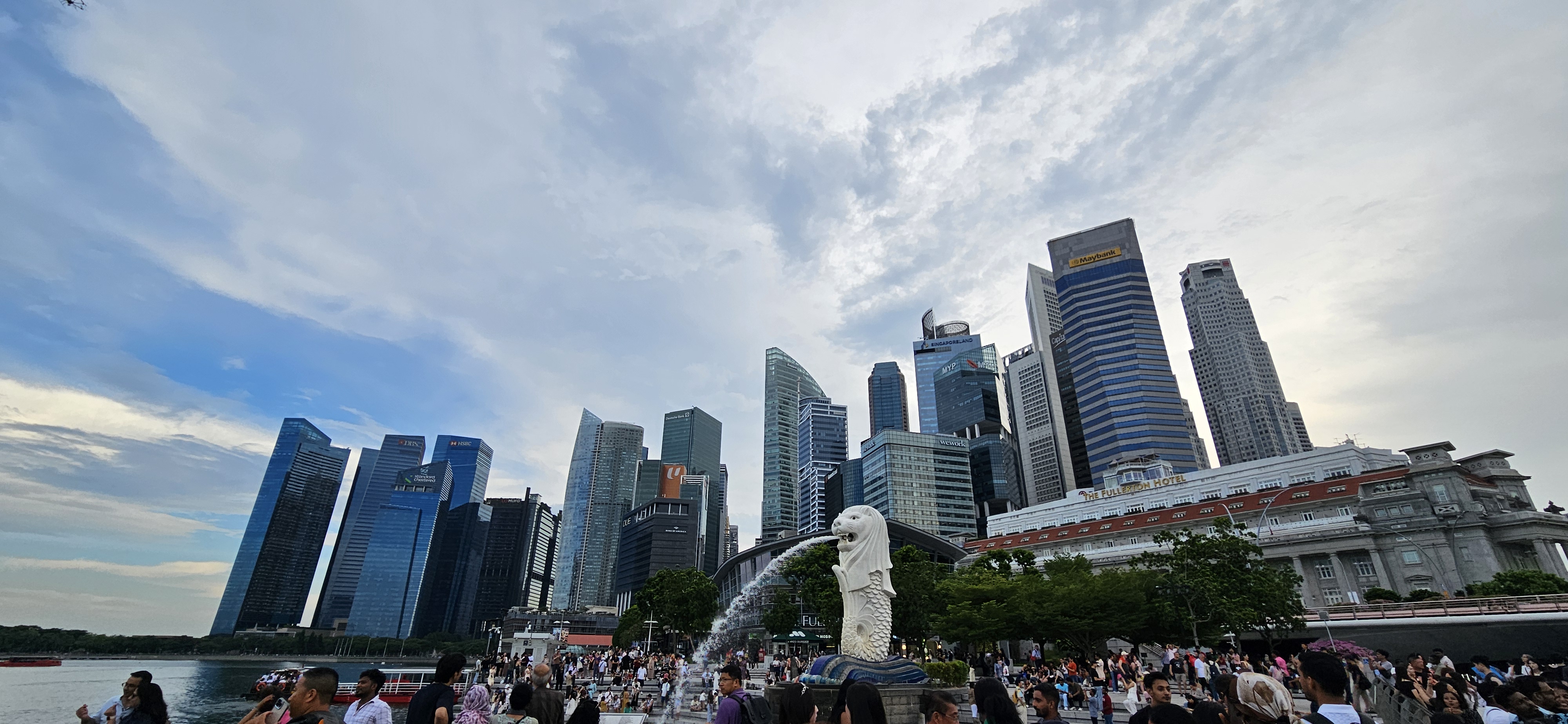
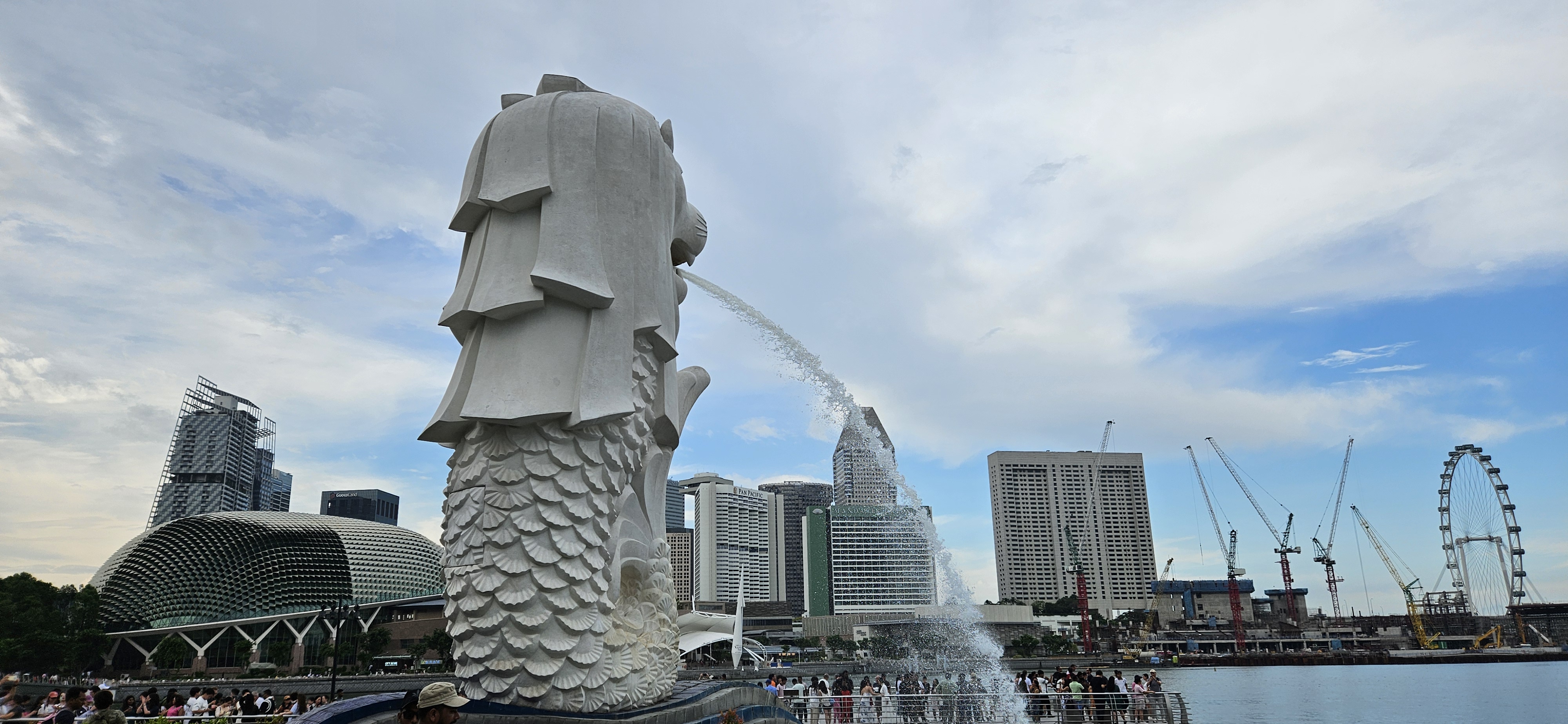
There were a lot of people at the Merlion statue, but Francis was an experienced tour guide, and made sure we got the right pictures at the statue.
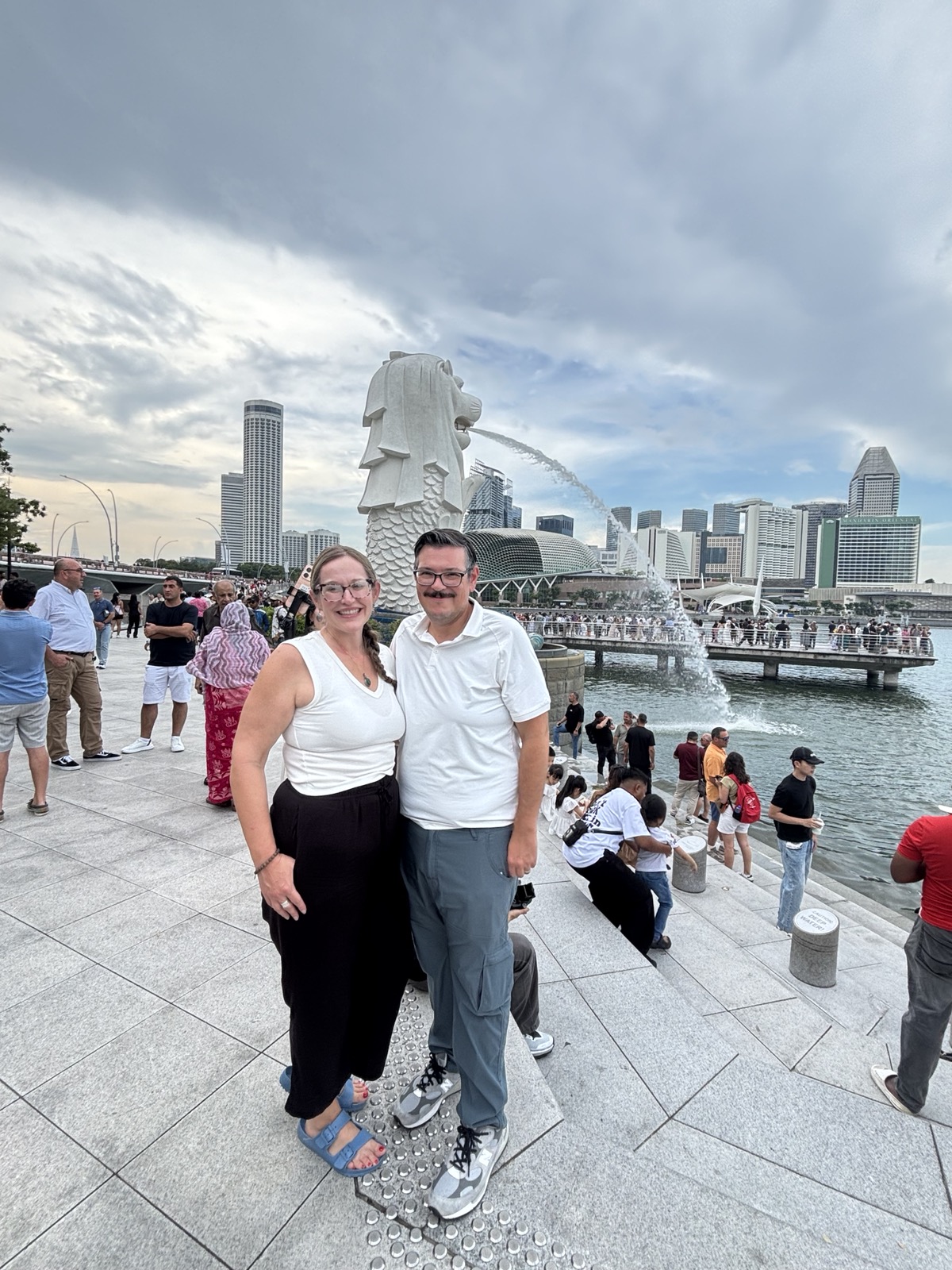
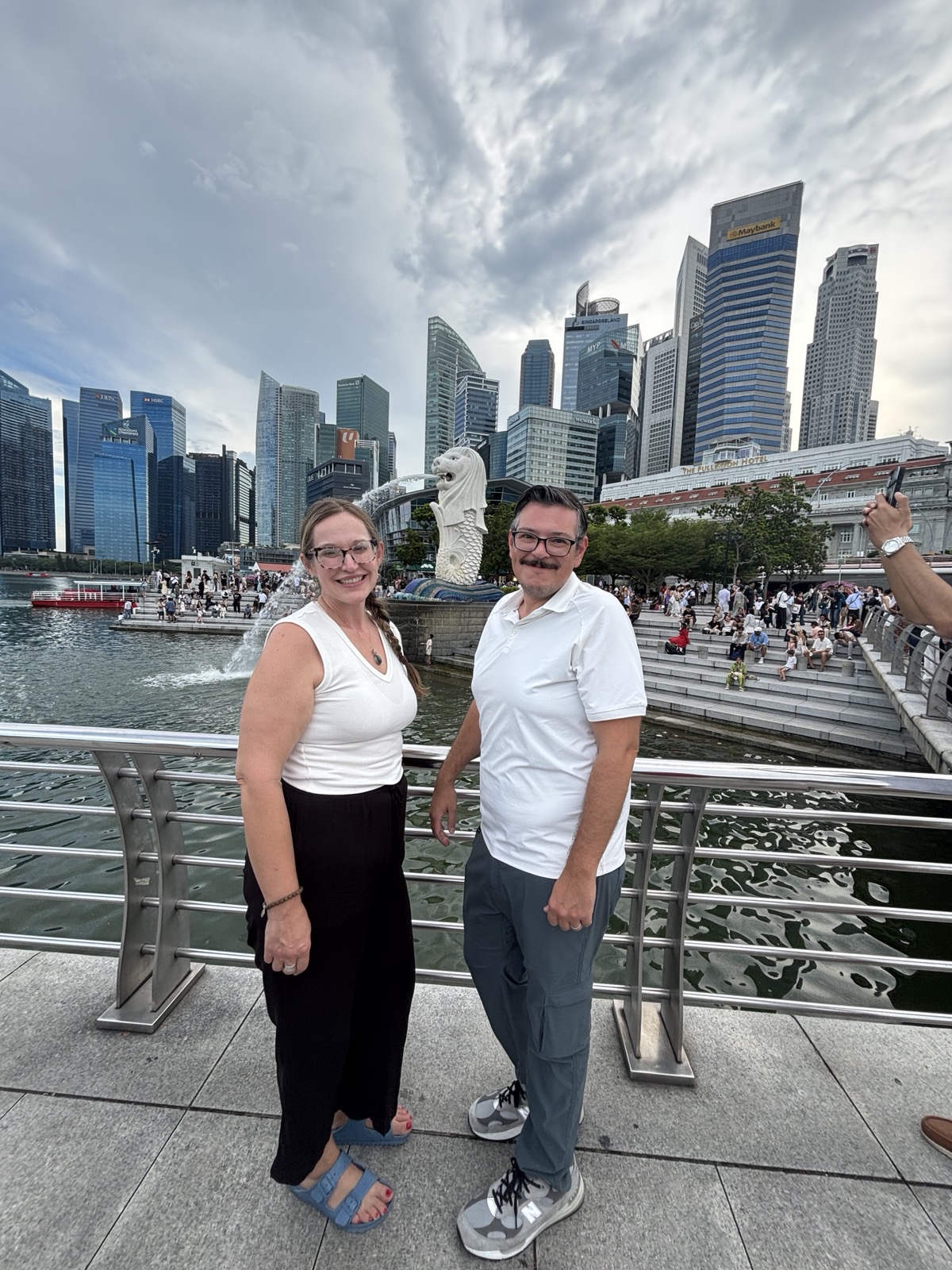
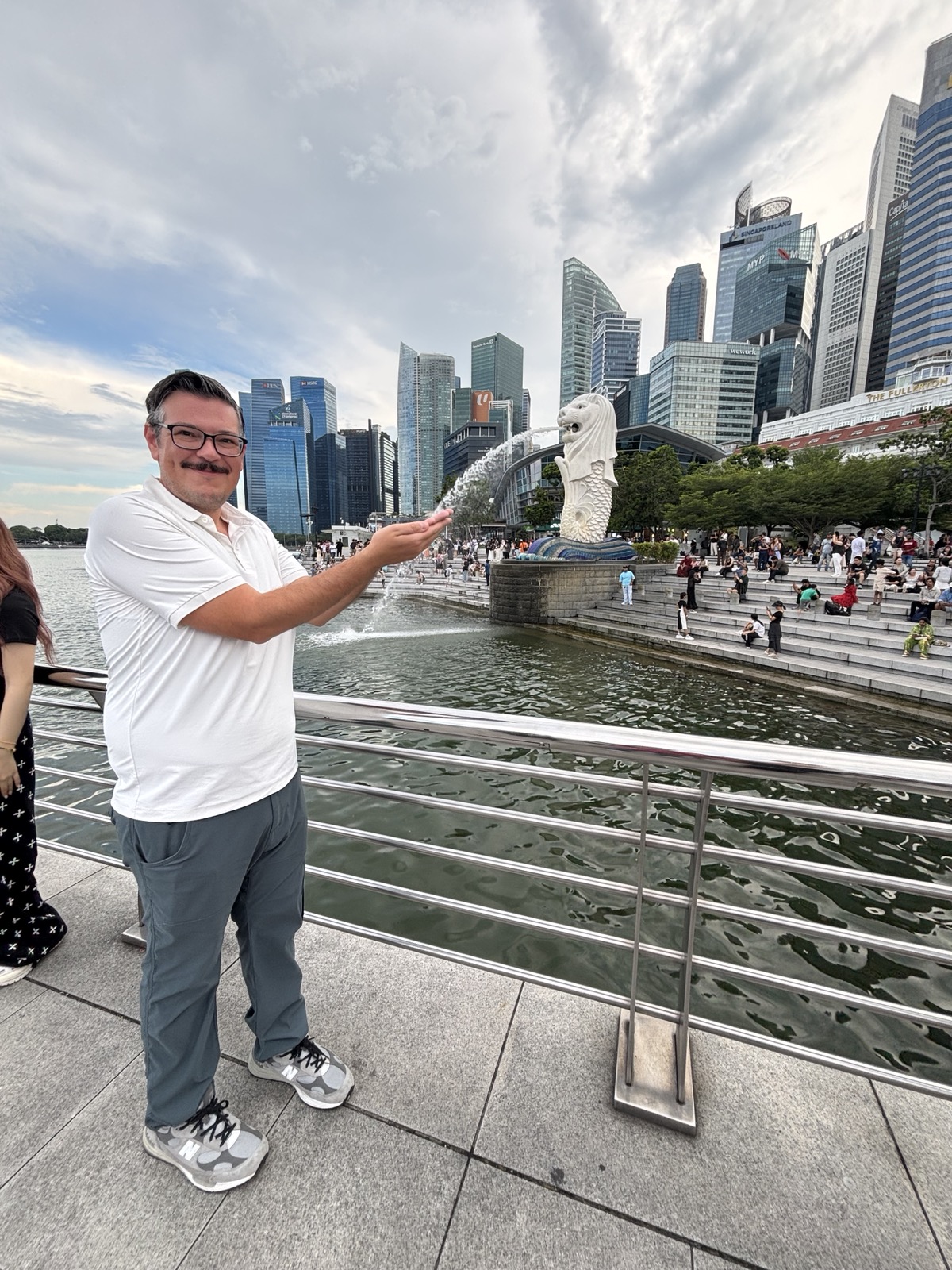
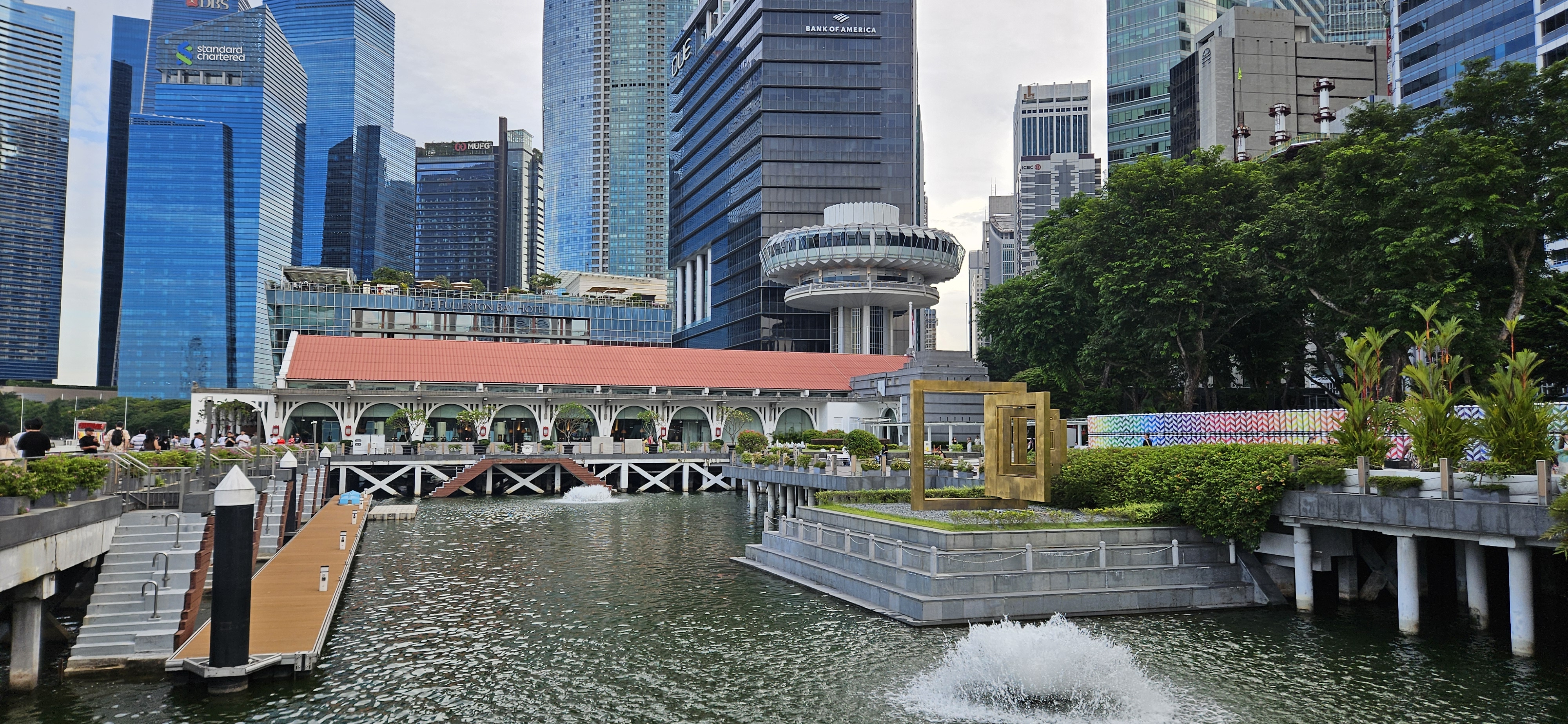
Our next stop was back in our neighborhood, where we took one of the boats out on a river boat ride. We went and saw the Marina Bay again, this time on the water. It was much more peaceful and gave a different view of the city.
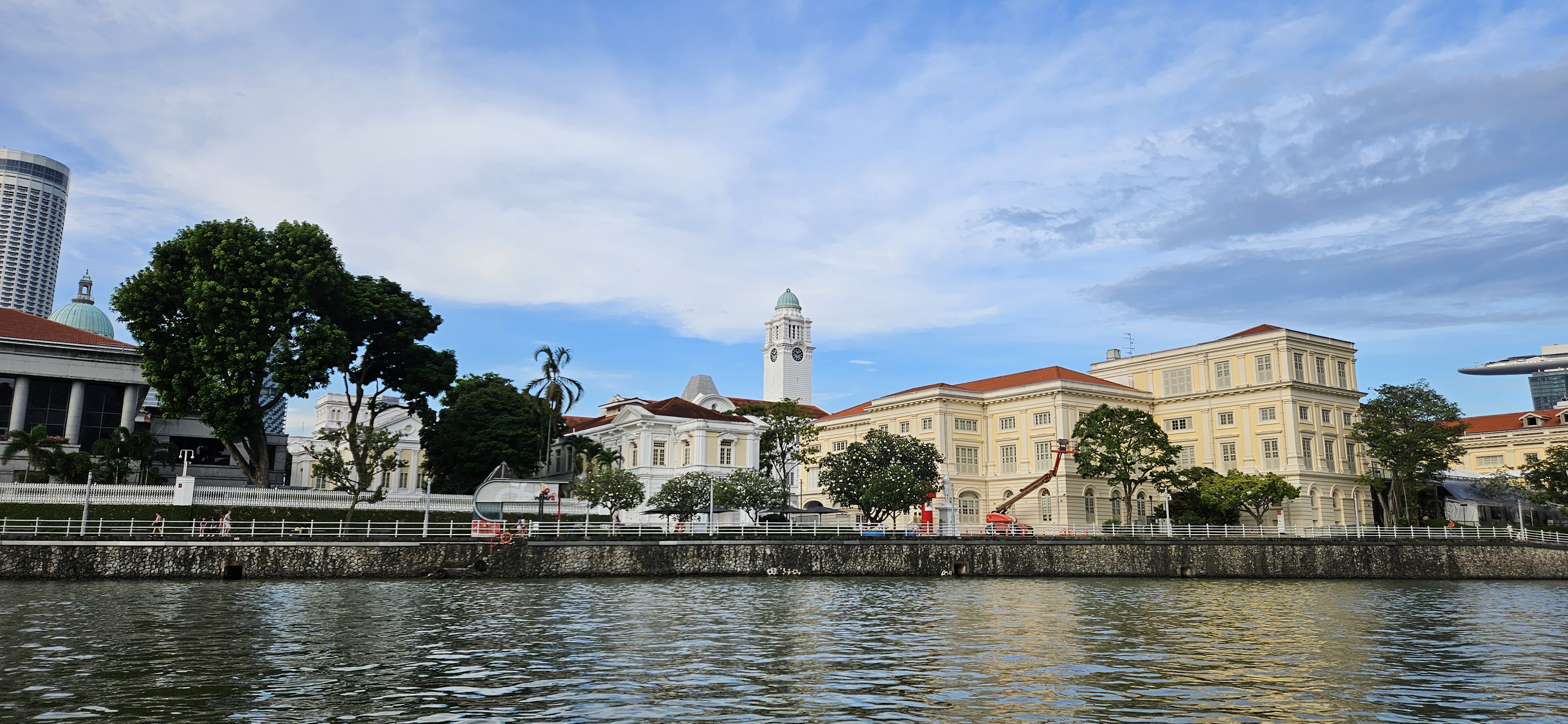
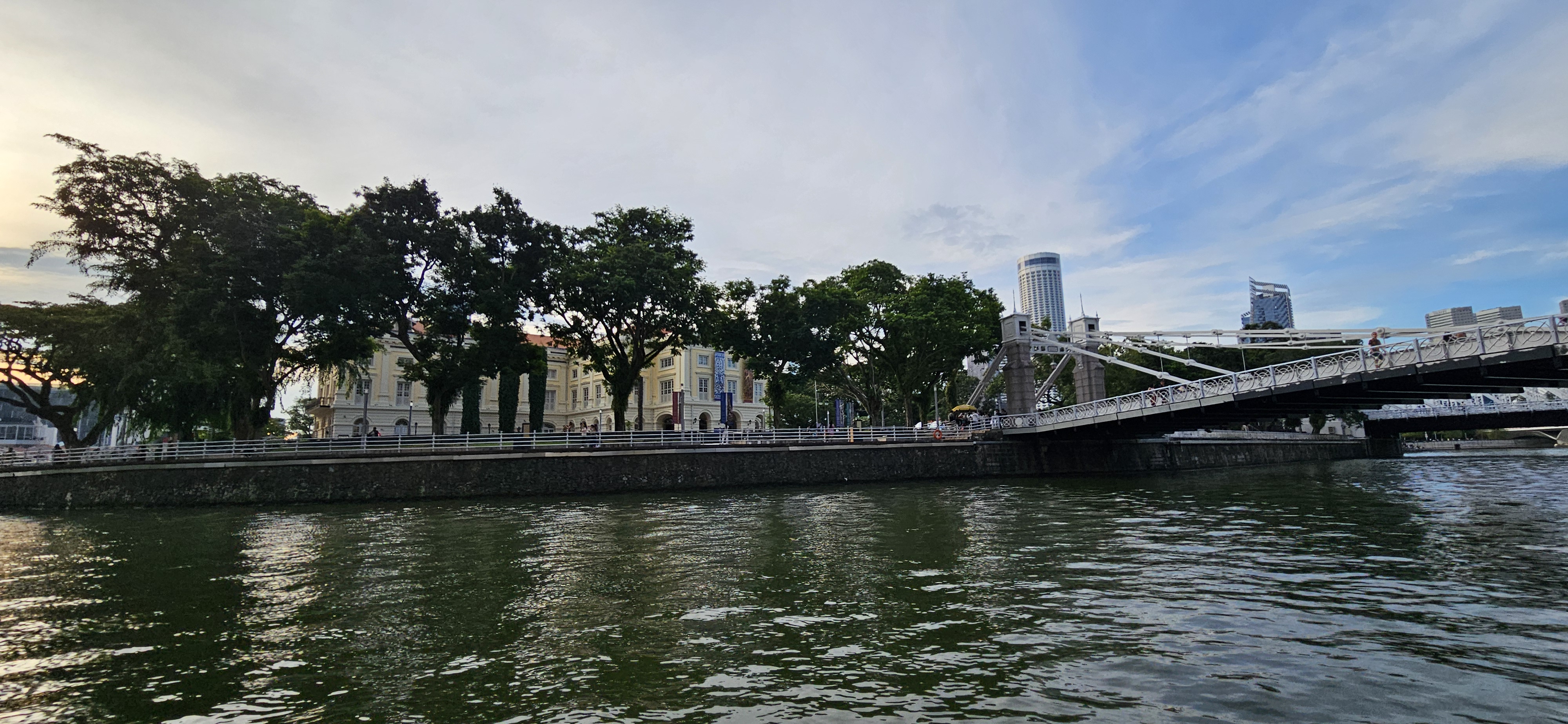
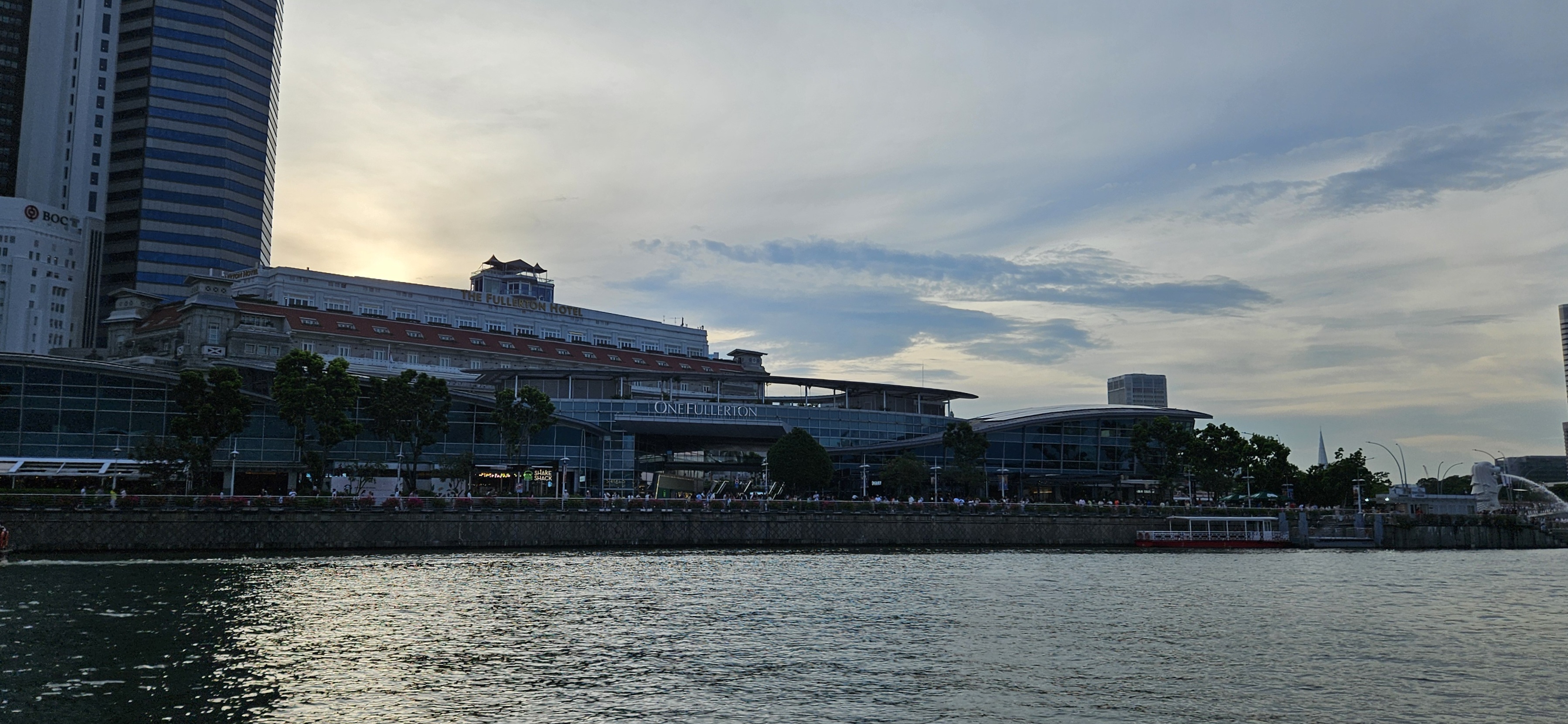
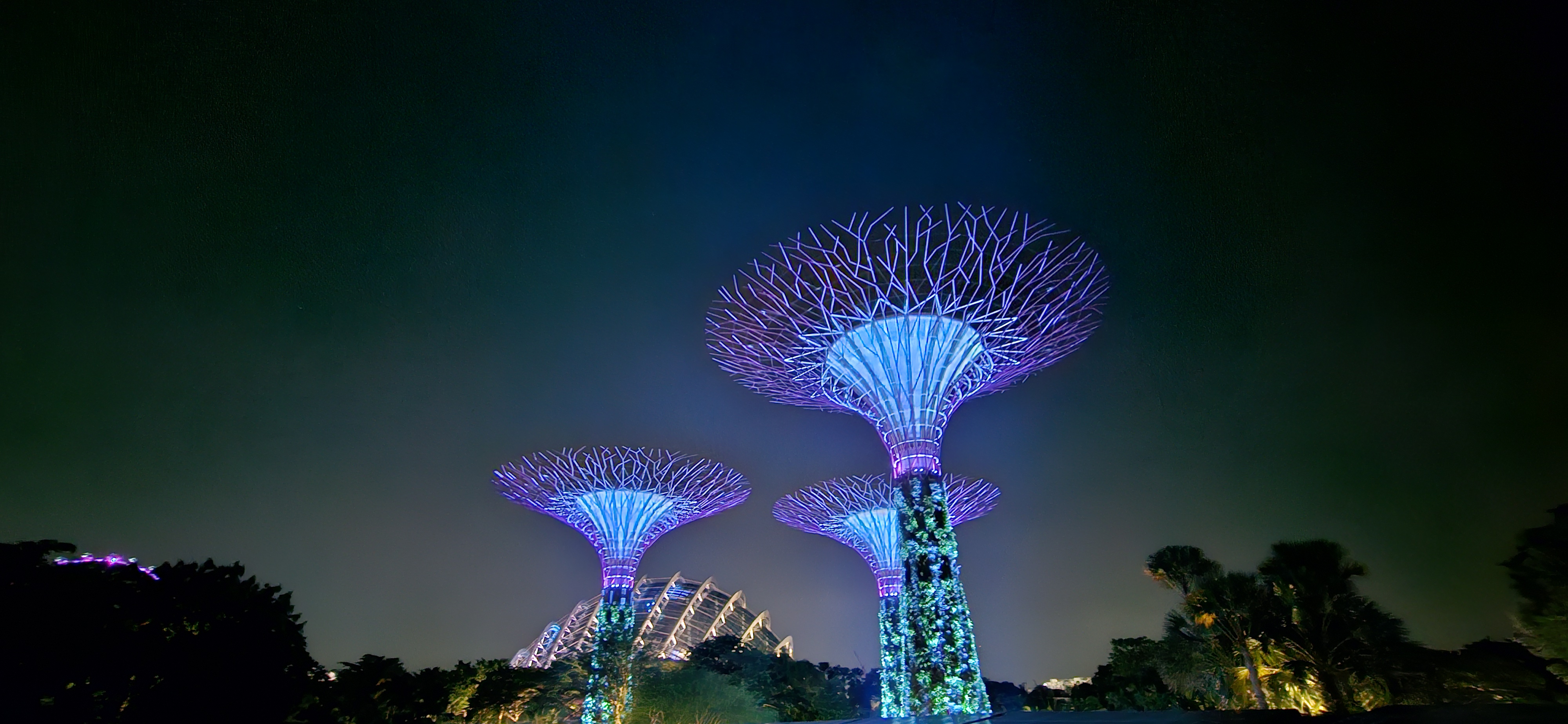
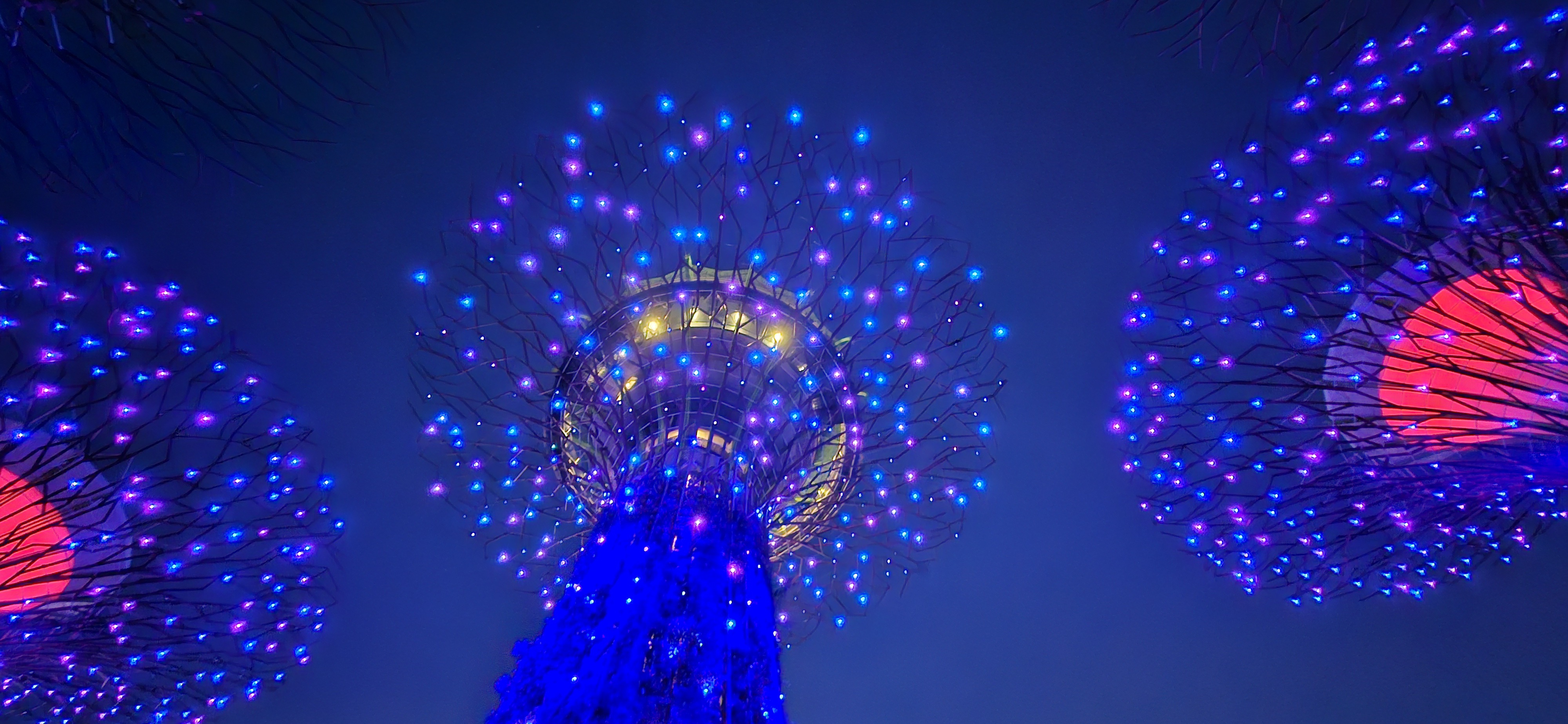
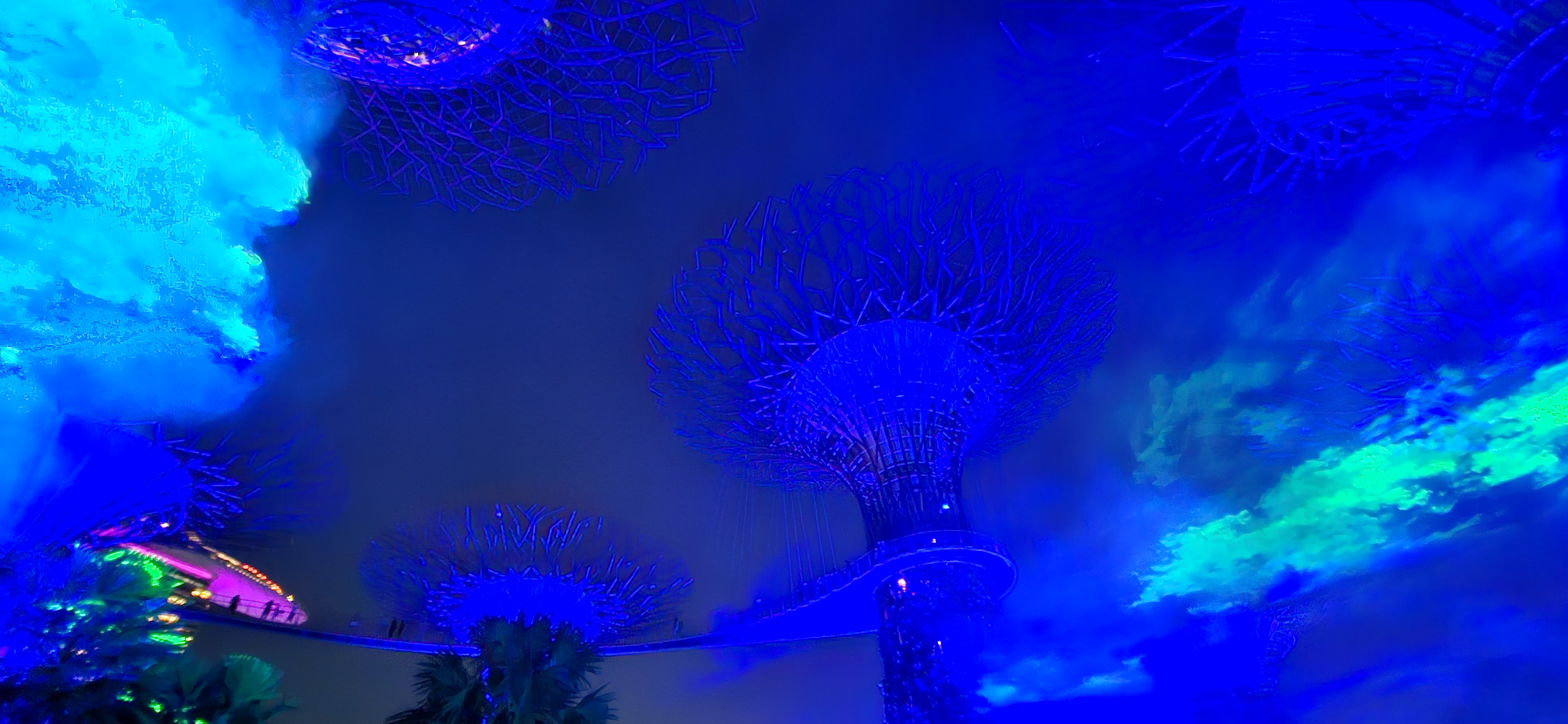
Our next stop was Gardens by the Bay, famous for their Cloud Forest and super trees, as well as humongous green house. It is an impressive place, and there are many gardens to explore as well as a lot of activities, including dinosaurs and an art garden. The super trees are man-made and used to harvest solar energy as well as serve as air exhaust receptacles.
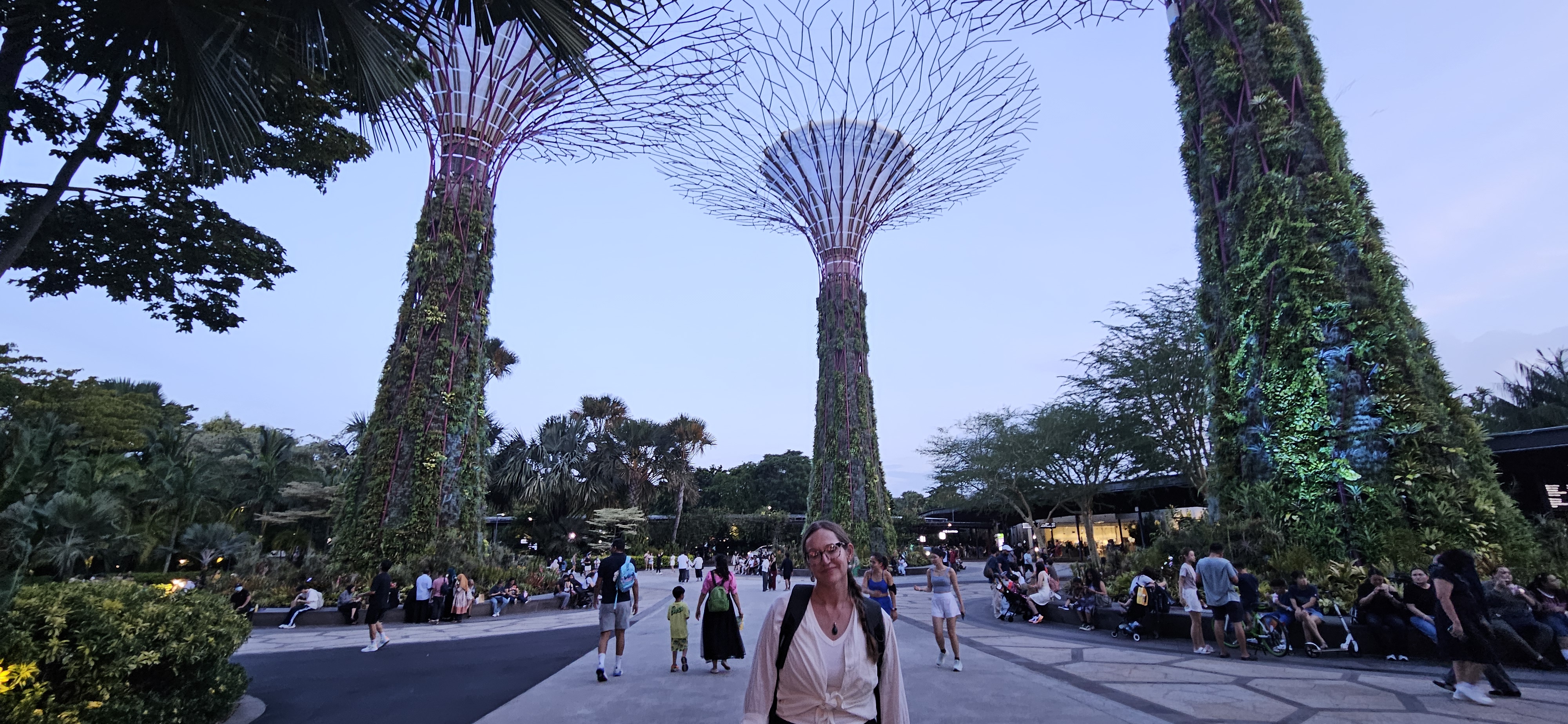
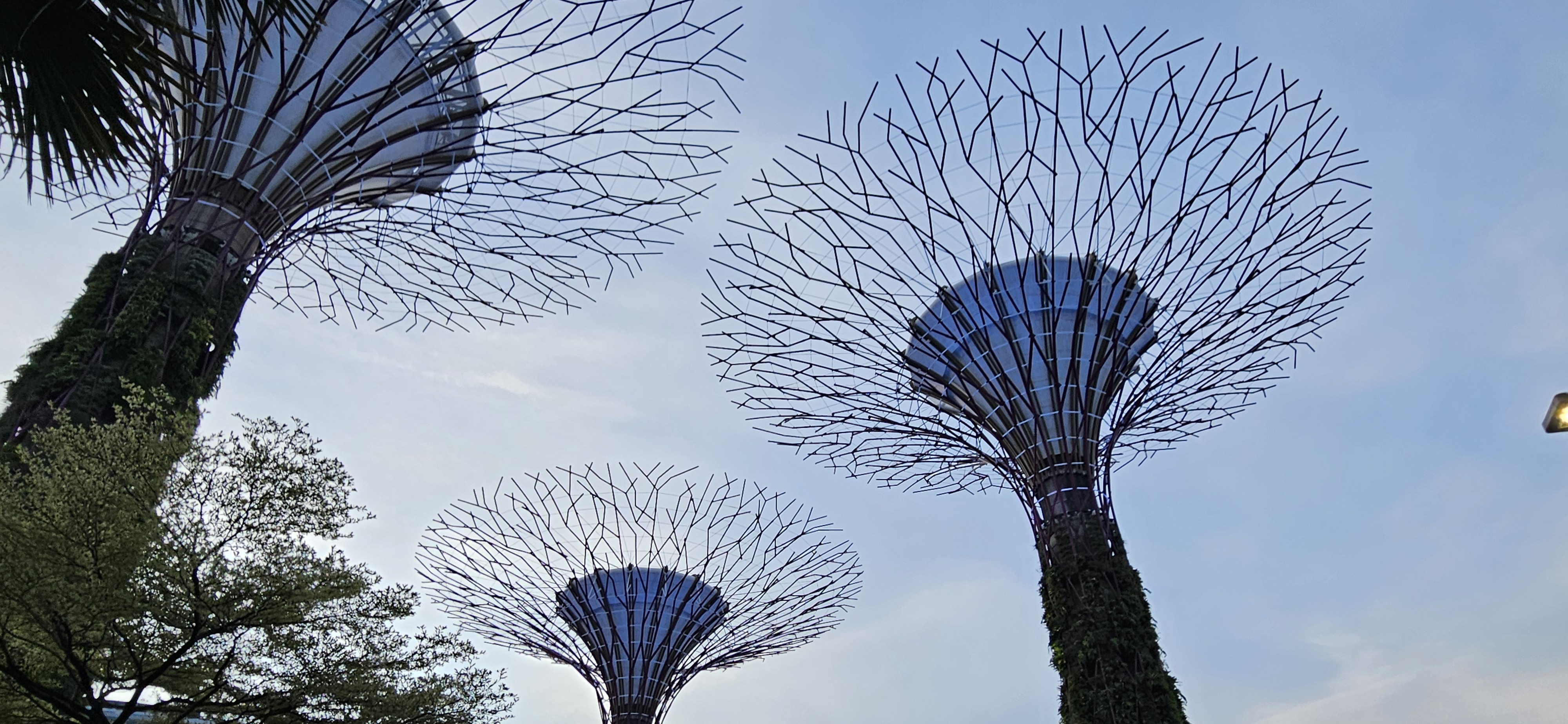
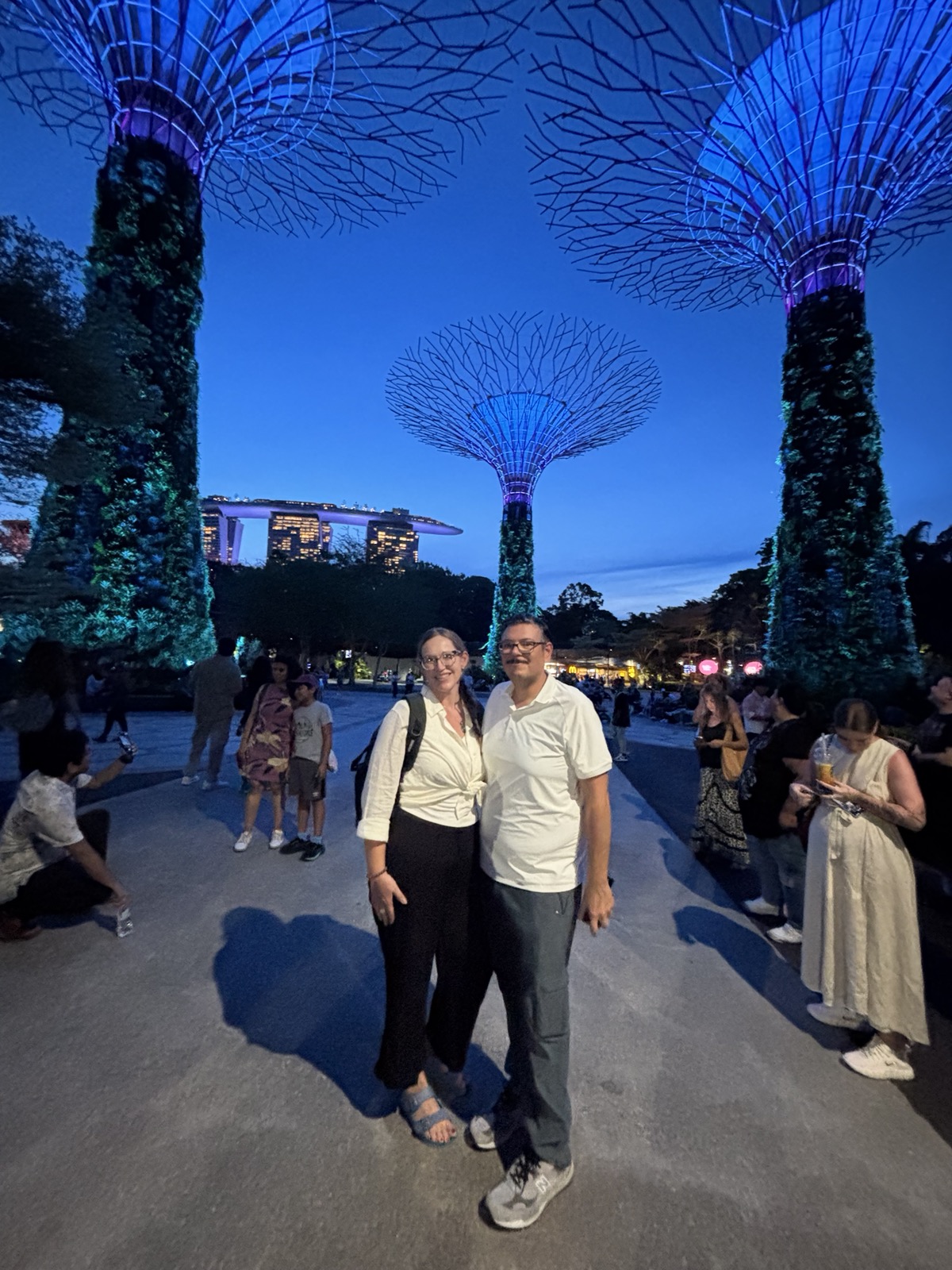
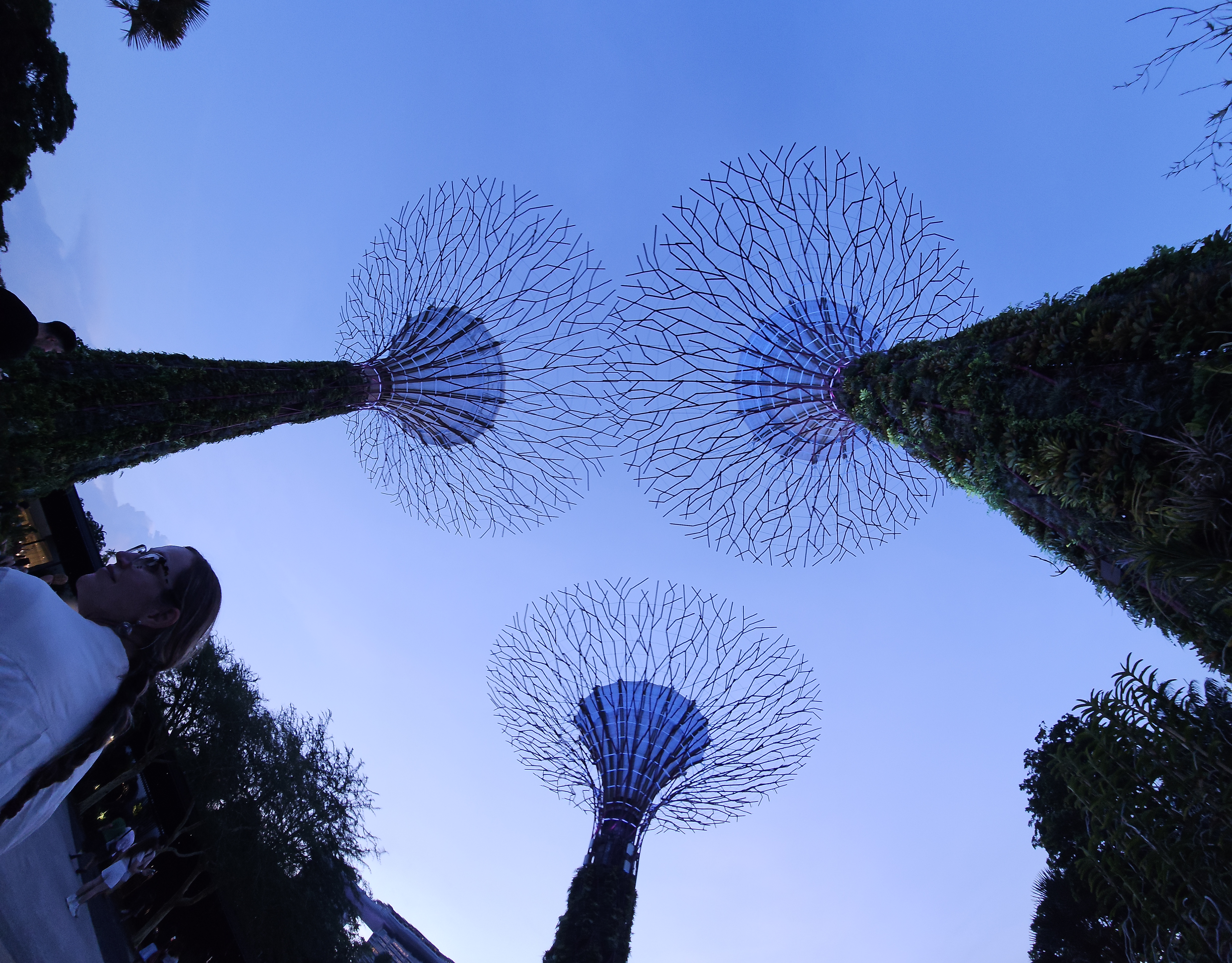
We didn’t get to explore more than the pictures above, because we were there for the light show; they light up the super trees and play orchestral music (from movies like Jurassic Park and Indiana Jones and Disney classics); it is like an outdoor laser light show. After the show they release fog that envelopes everything and, with the lights, make it appear like seeing the northern lights. It was an impressive showing and something fun to do.
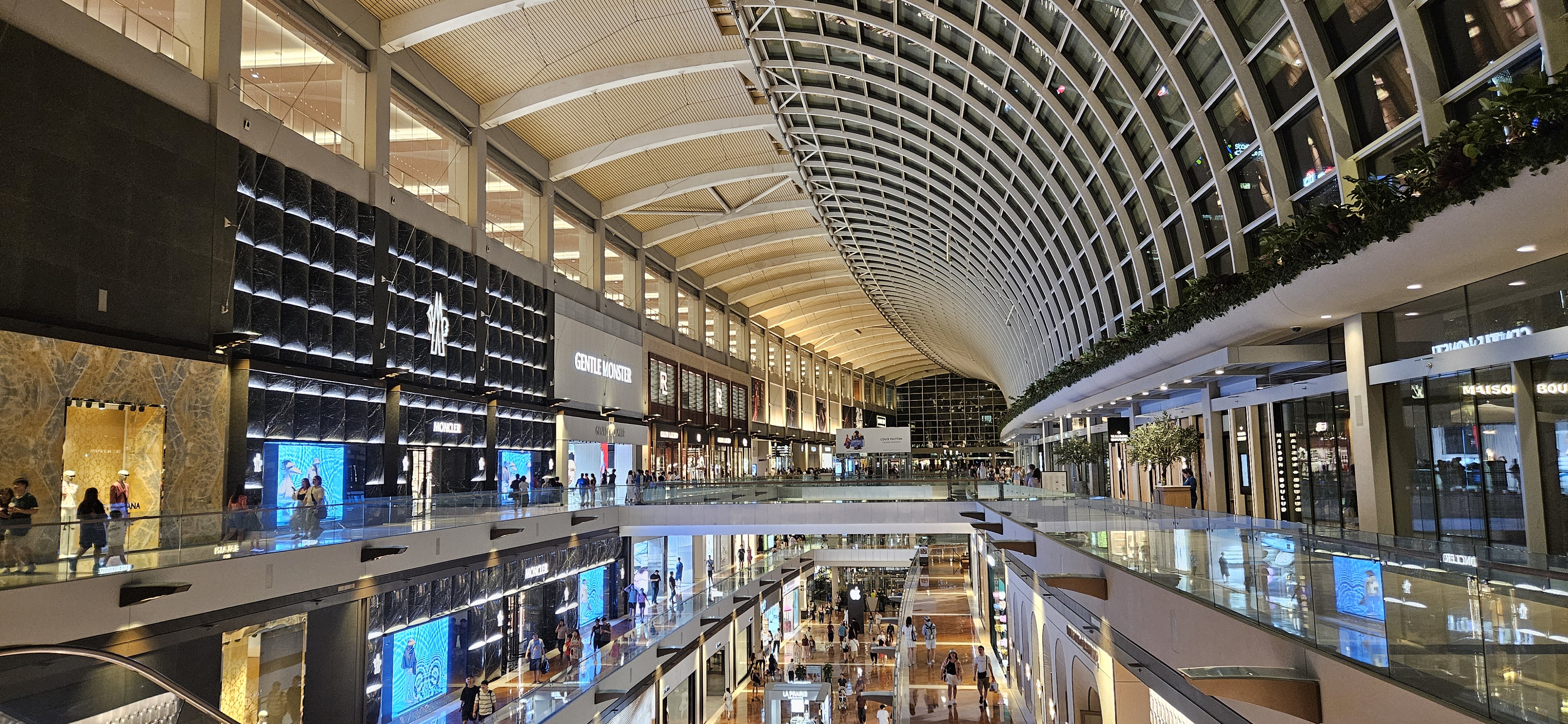
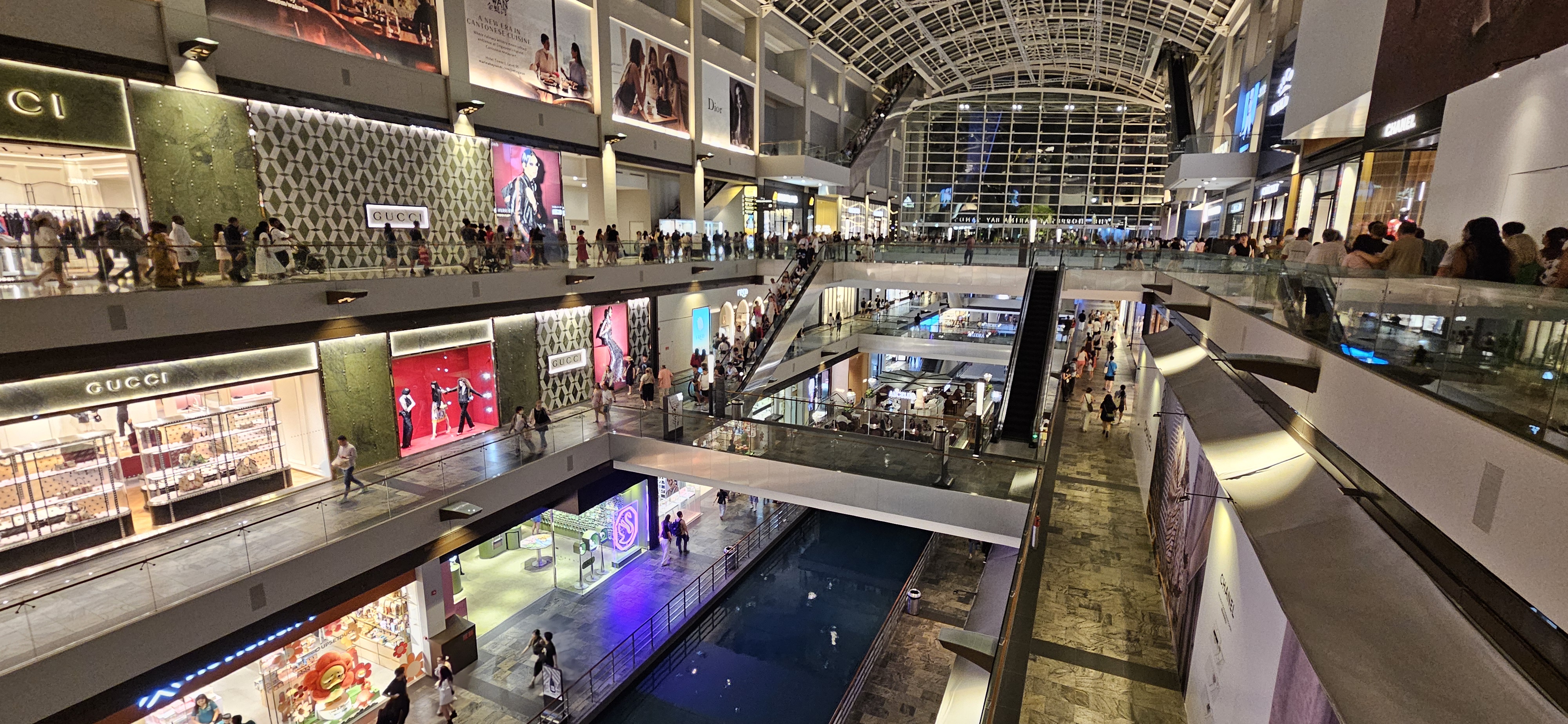
The last stop on the tour took us into the Marina Bay Sands Hotel and Convention Center; we walked around this very fancy and high-end mall as we waited for the next show.
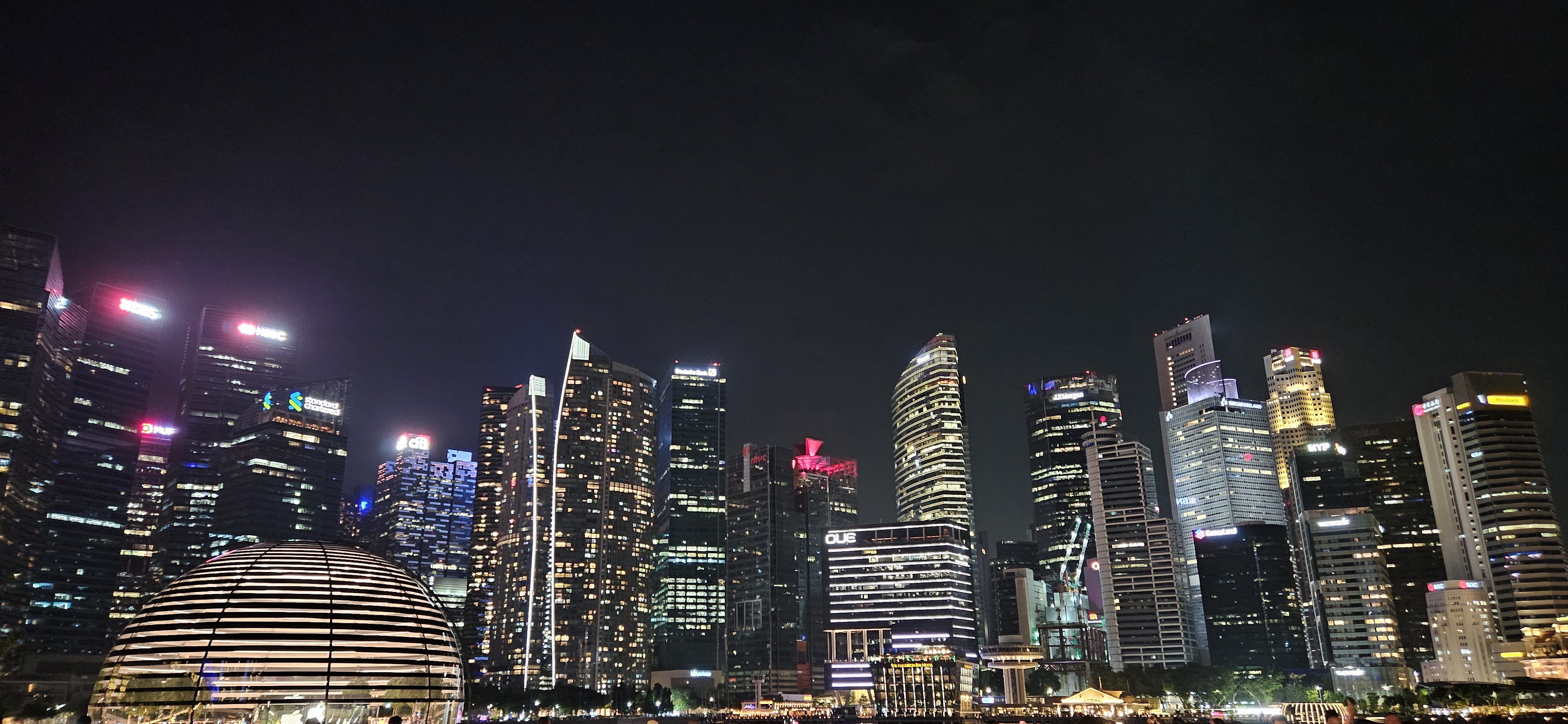
We headed back outside to see the water and light show, which was a bit underwhelming, compared to what we had just seen at Gardens by the Bay. We did get to see the big buildings all lit up across the bay from where we started our tour a few hours earlier.
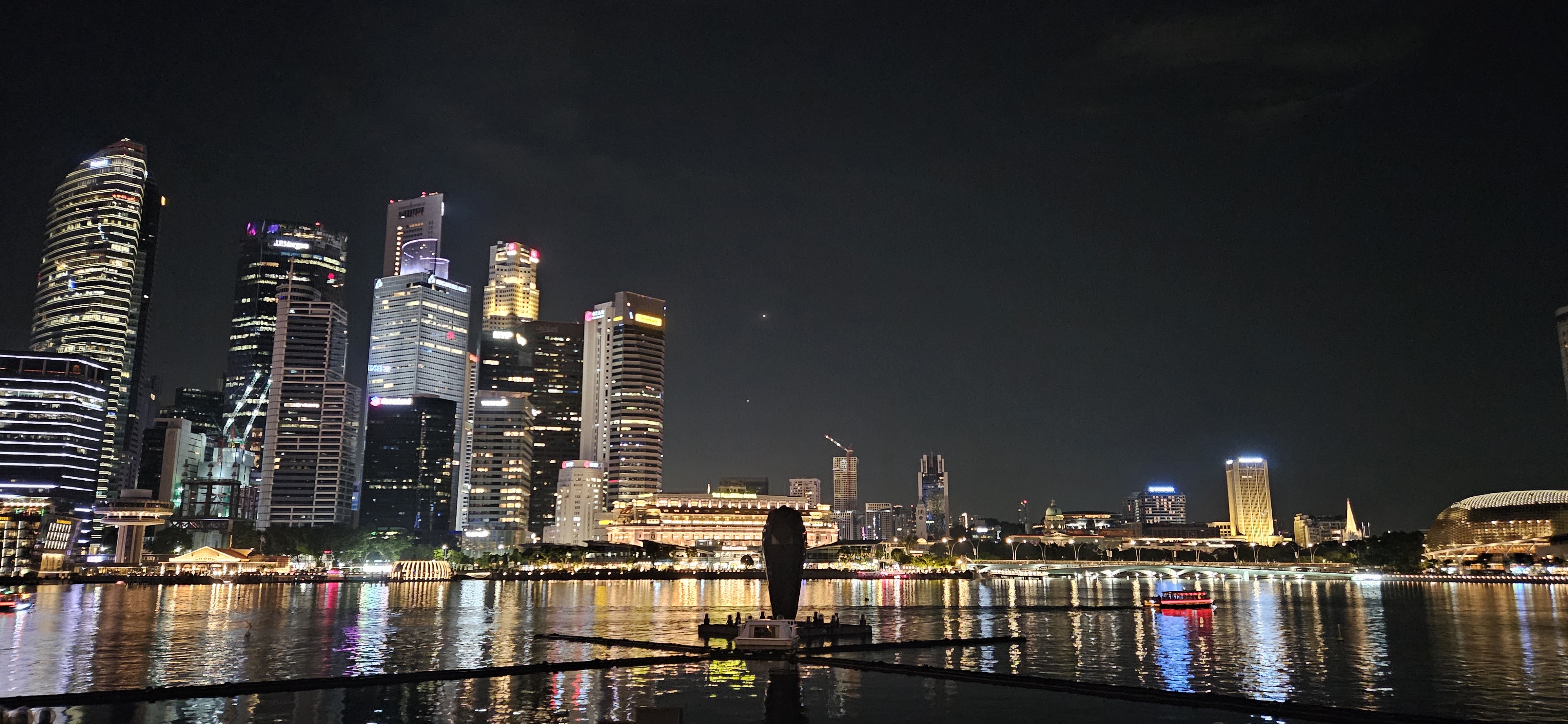
Walking back through Clarke and Robinson Quay in the evening made the area seem new again (to us, and to be fair, we had only been there a couple days).
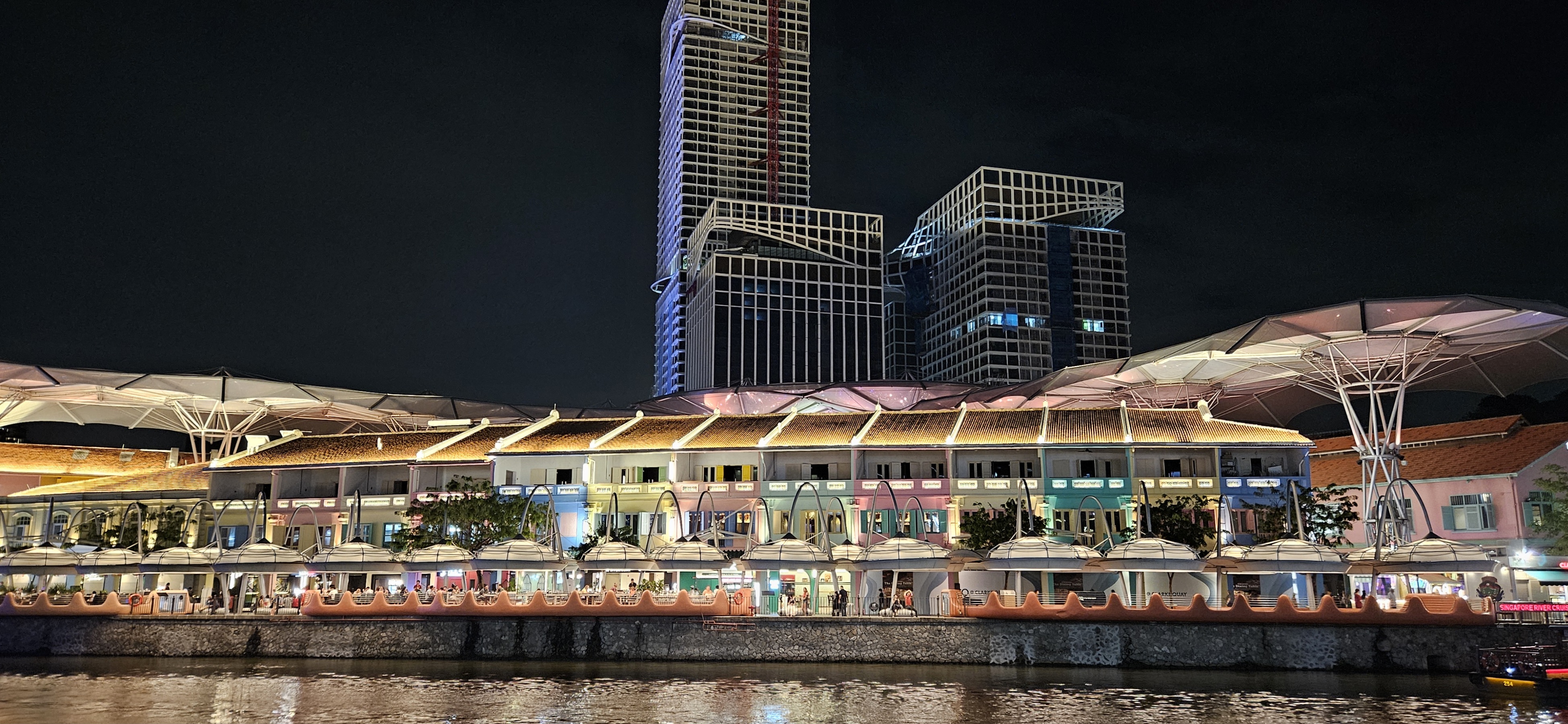
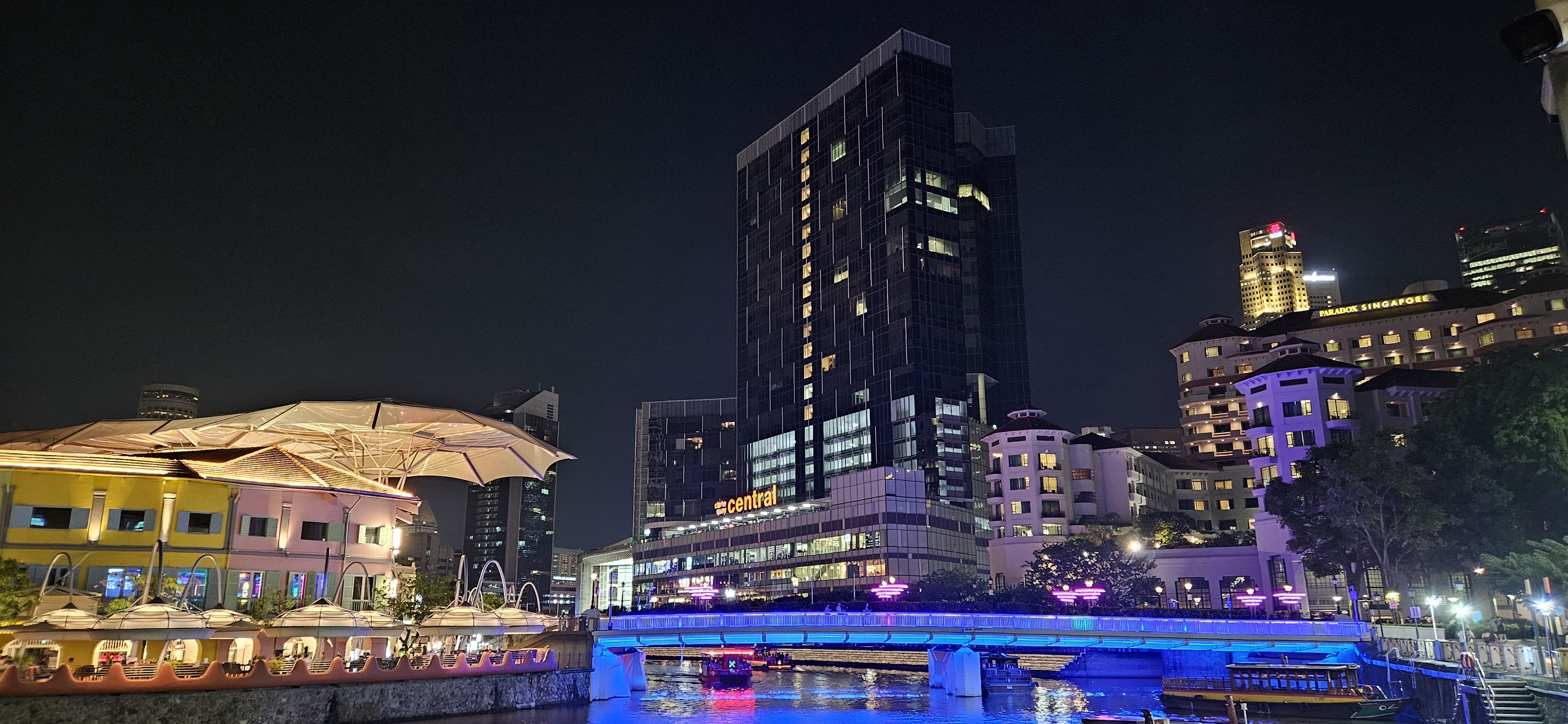
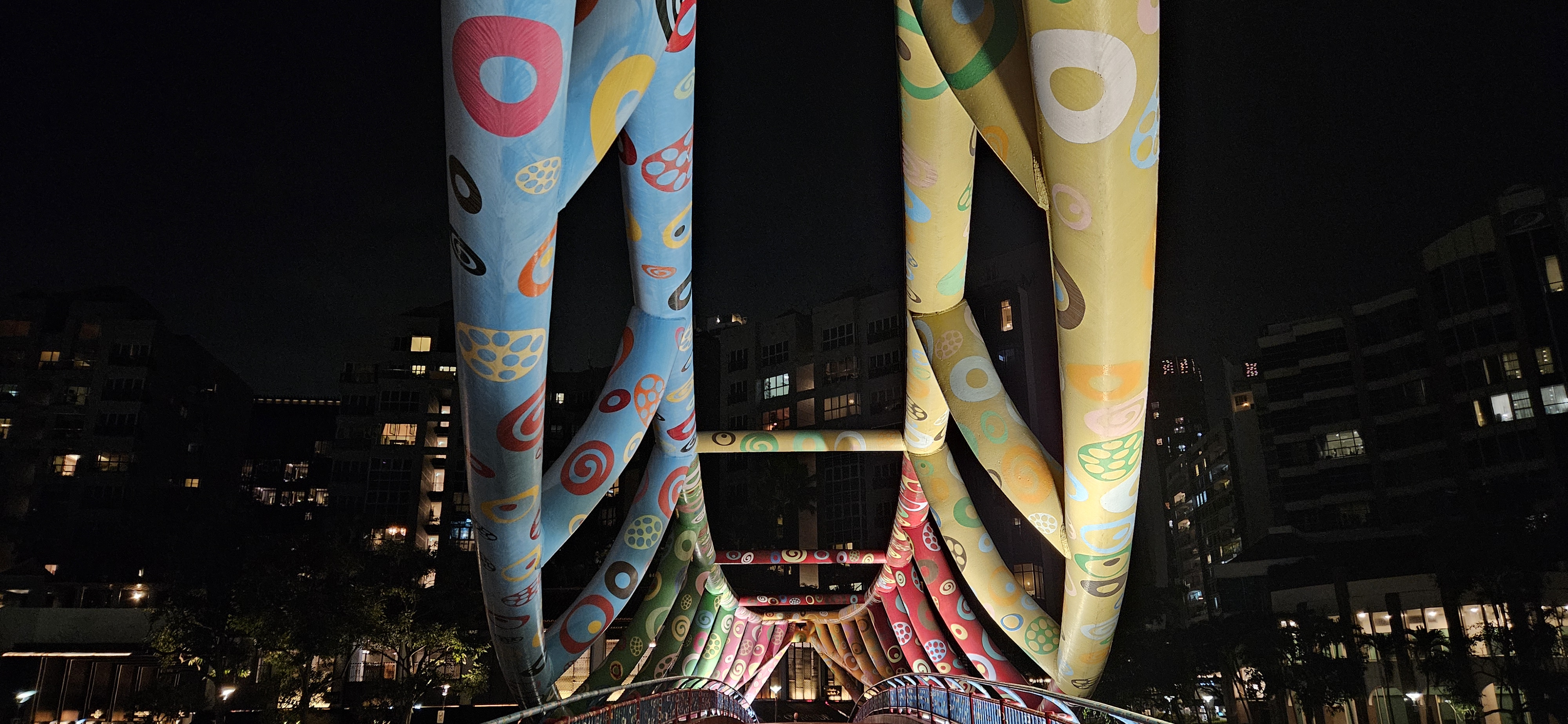
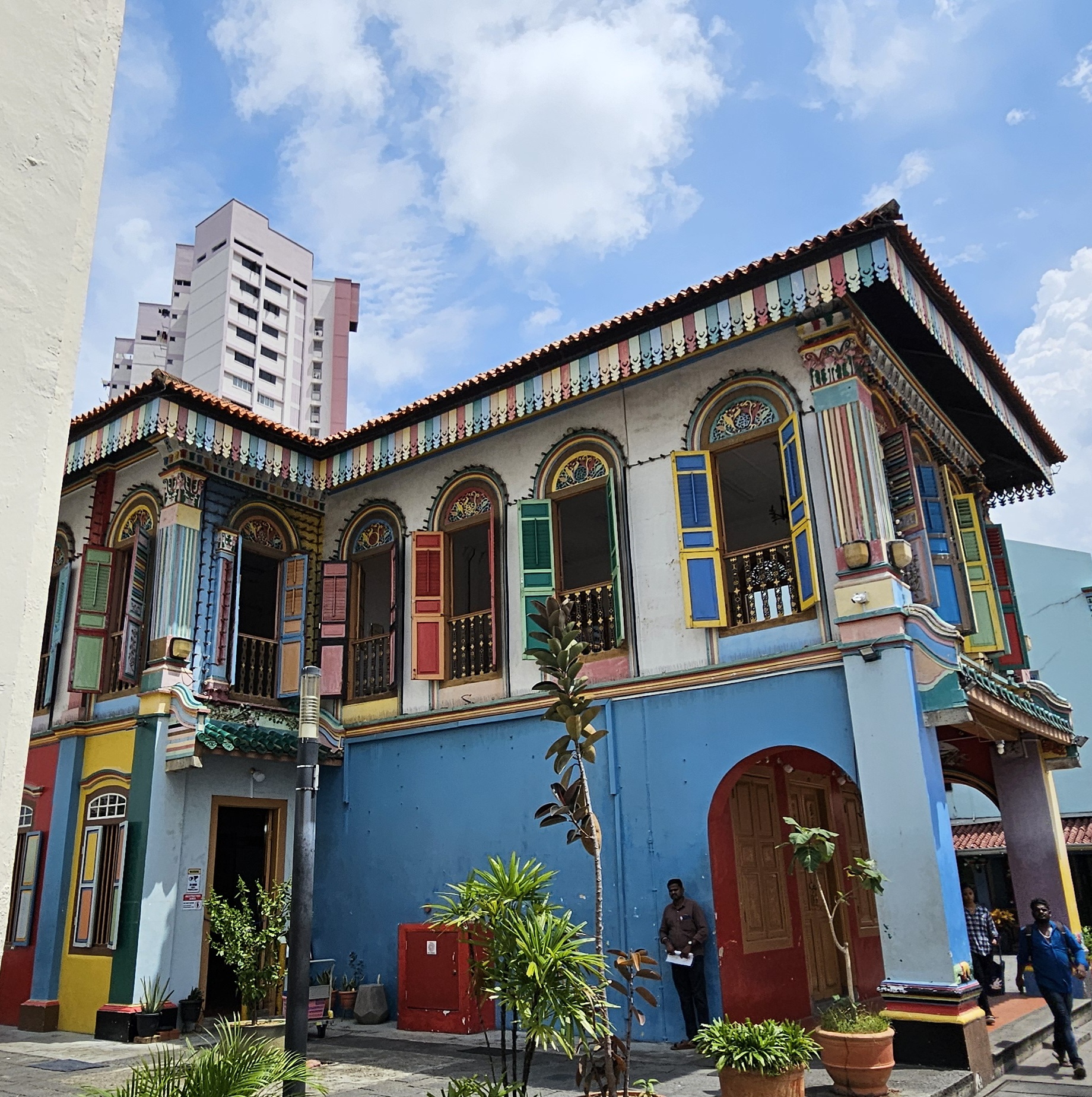
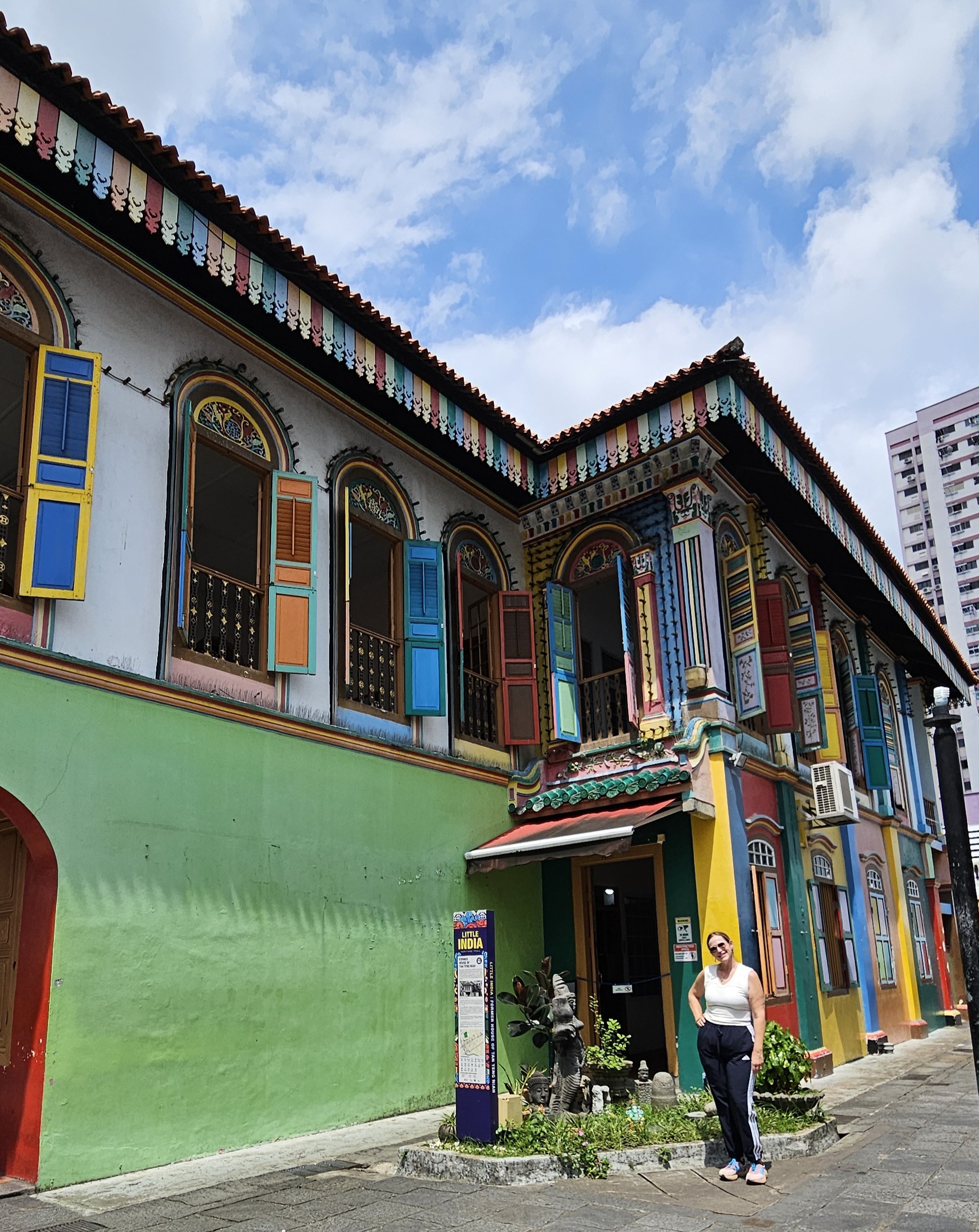
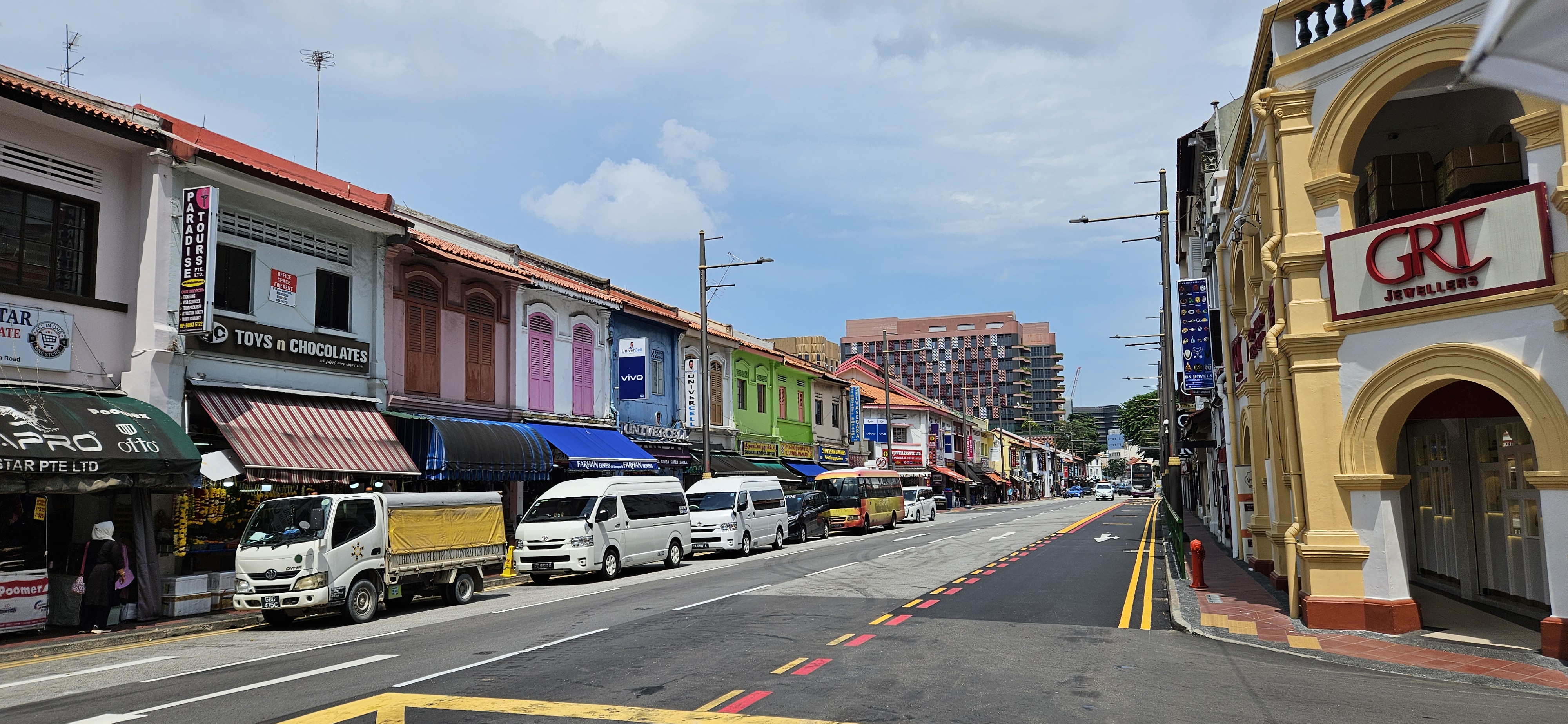
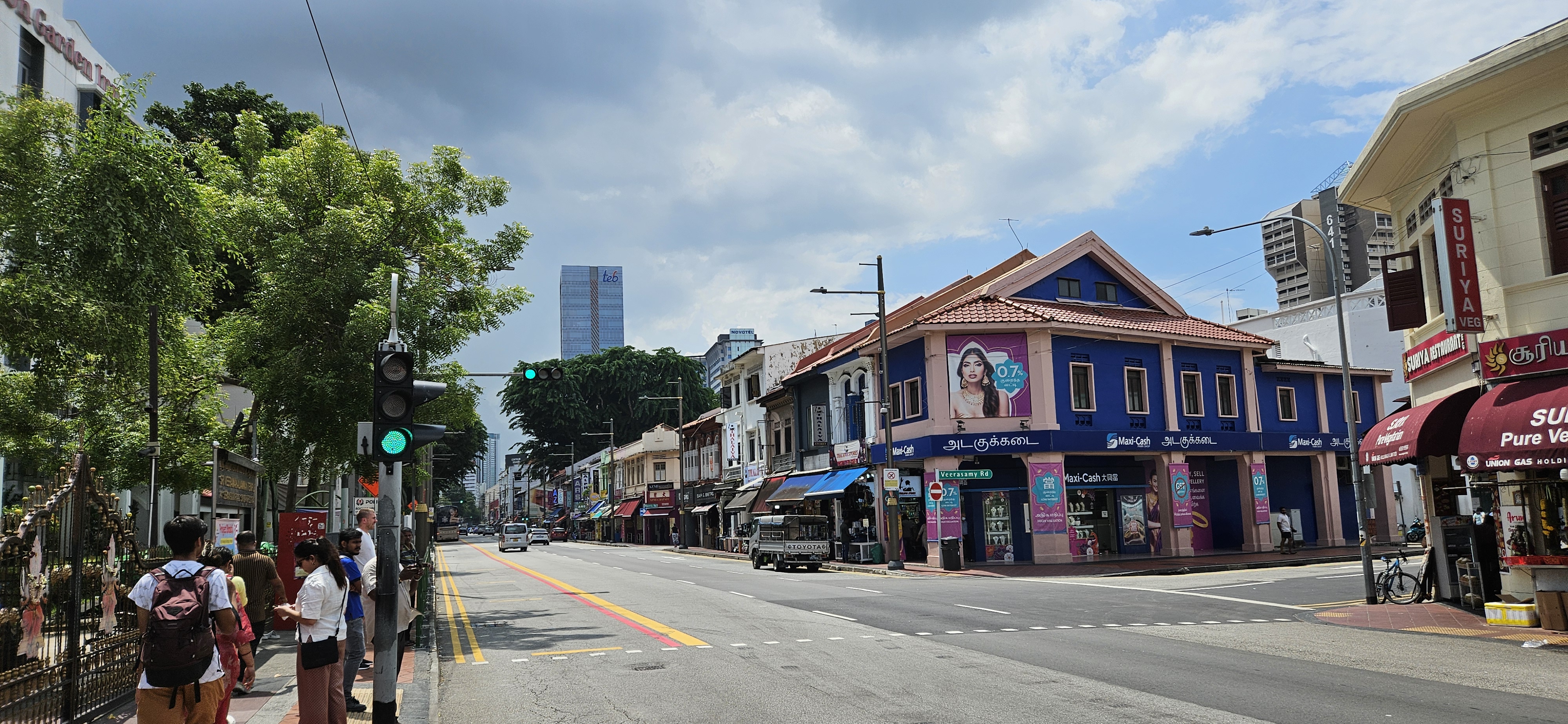
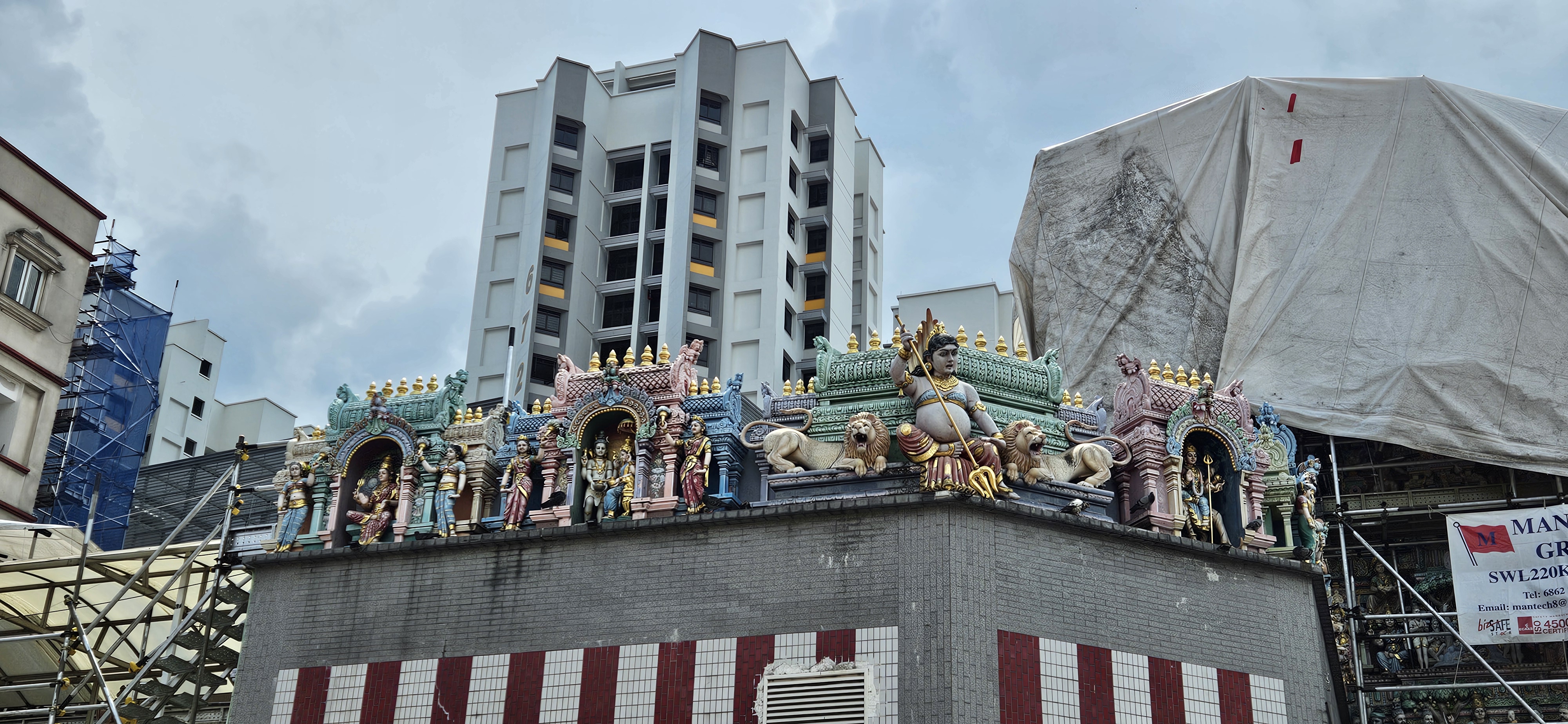
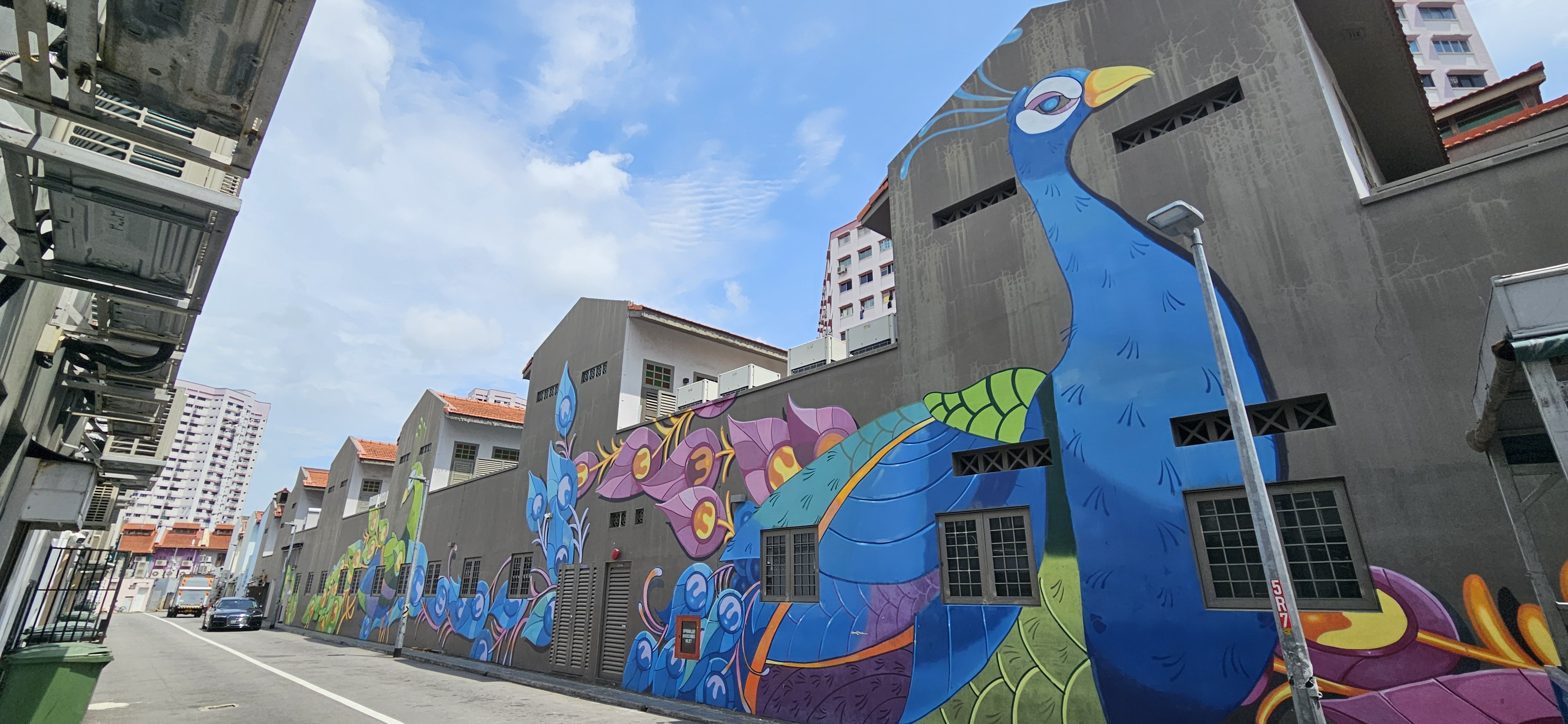
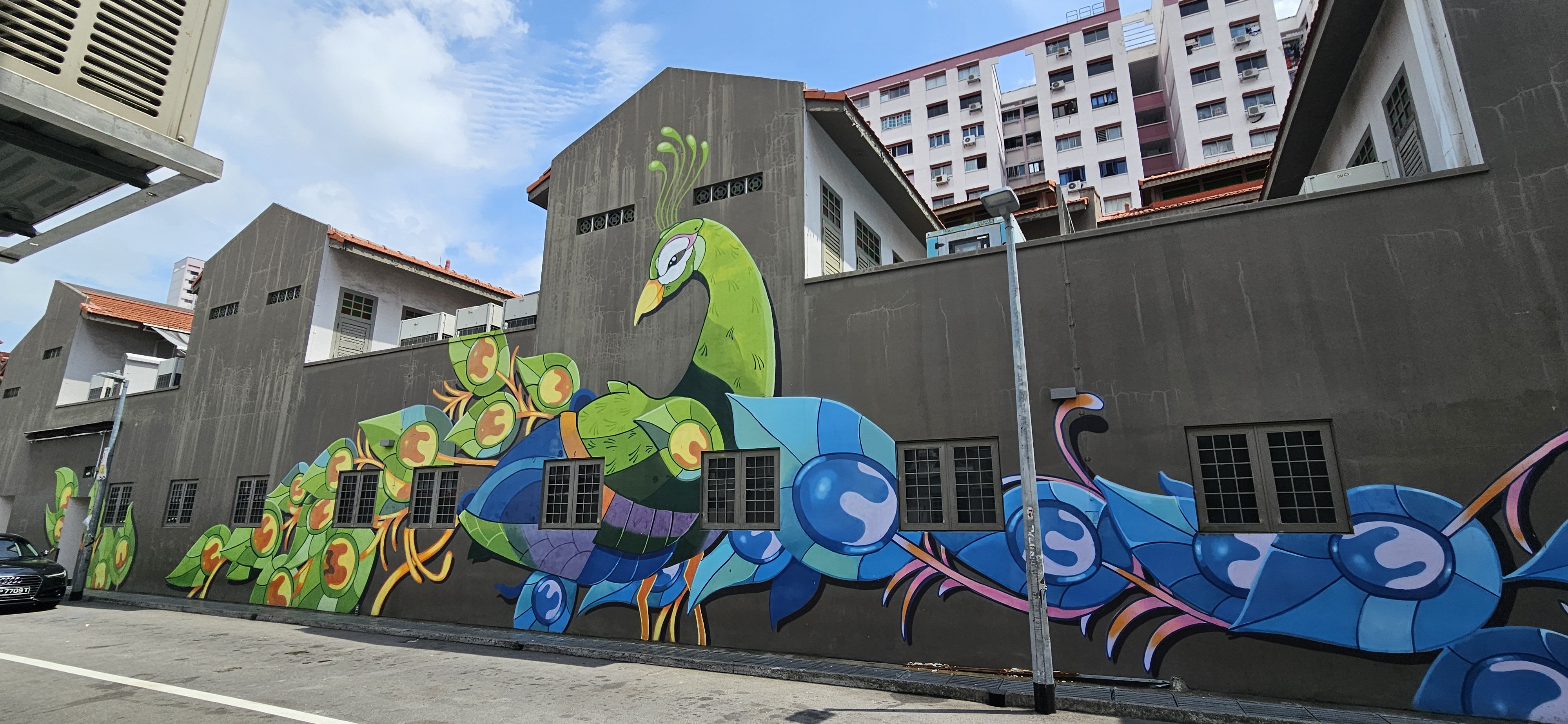
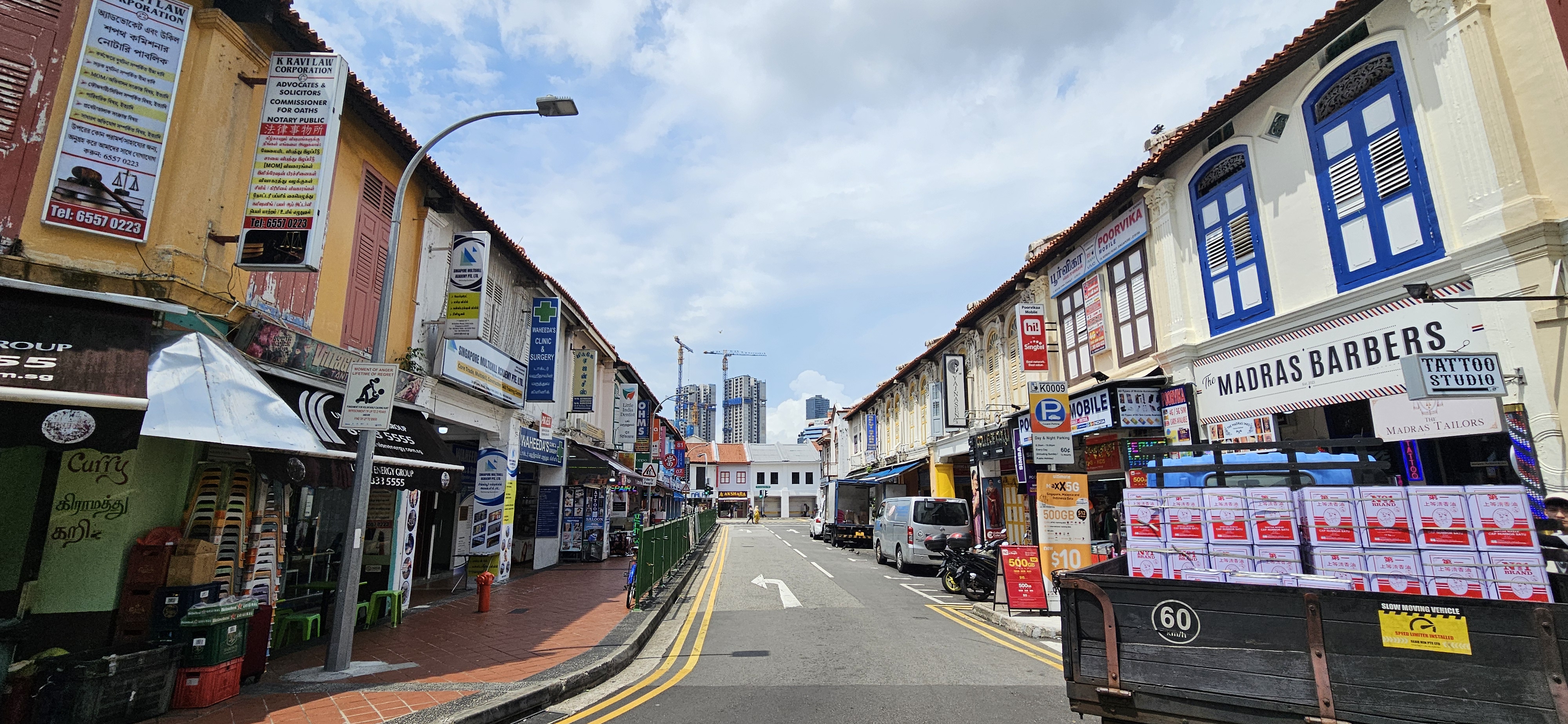
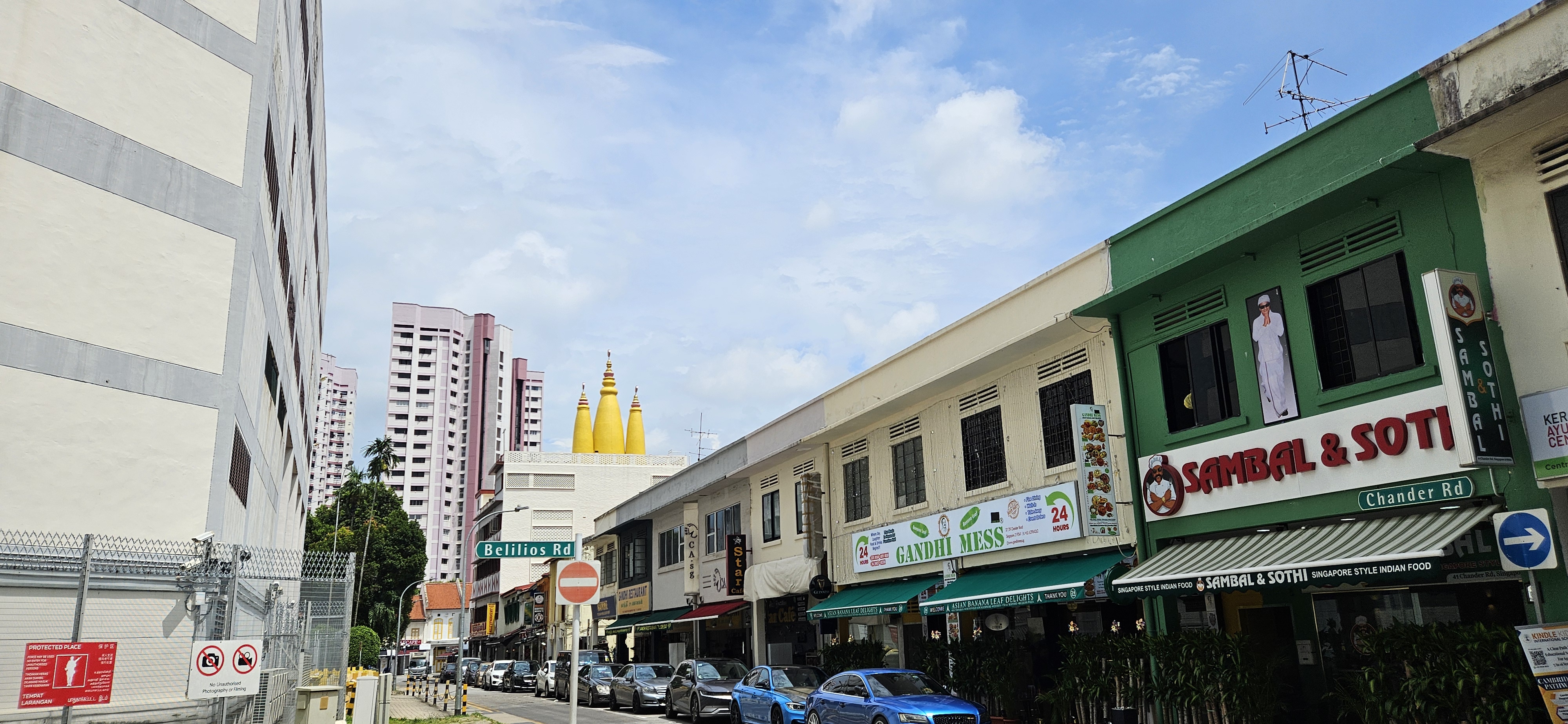
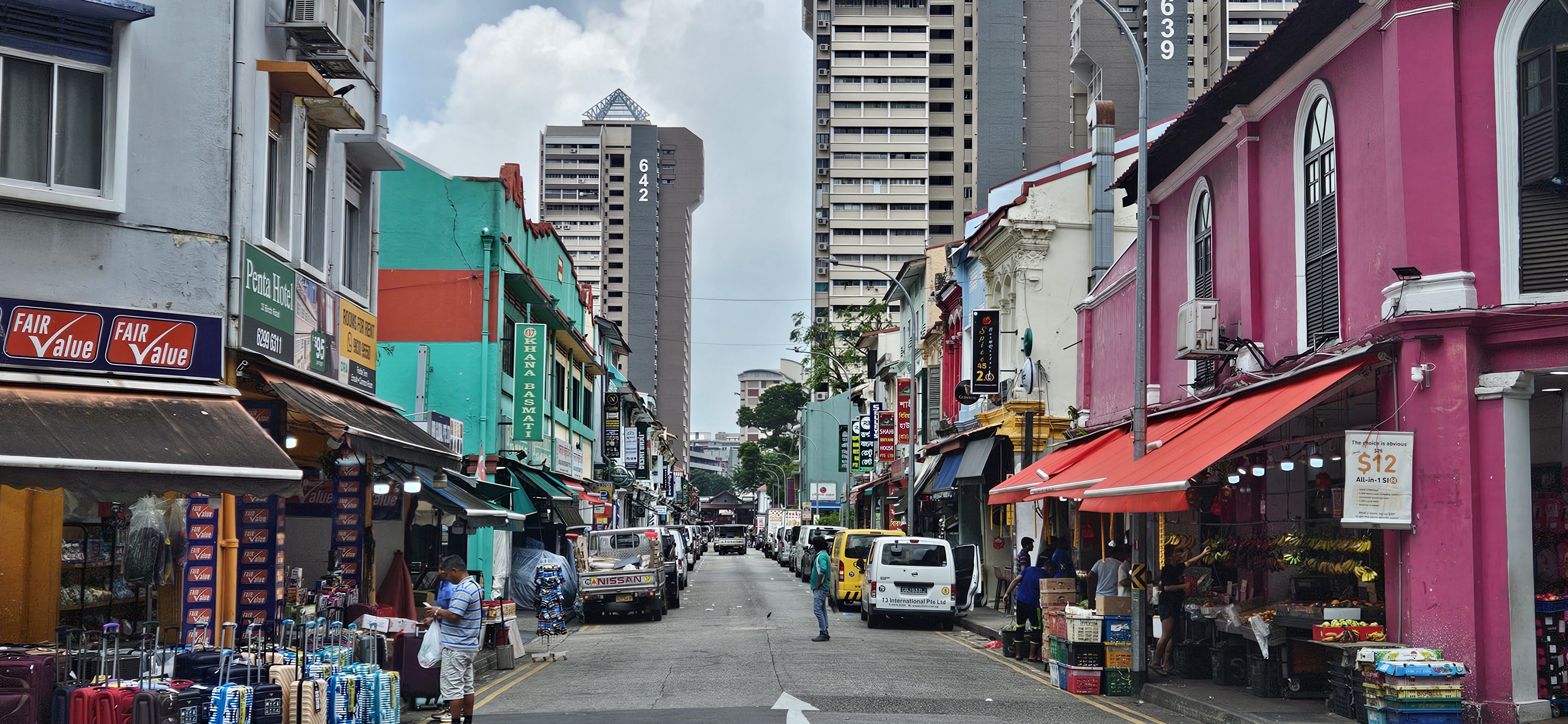
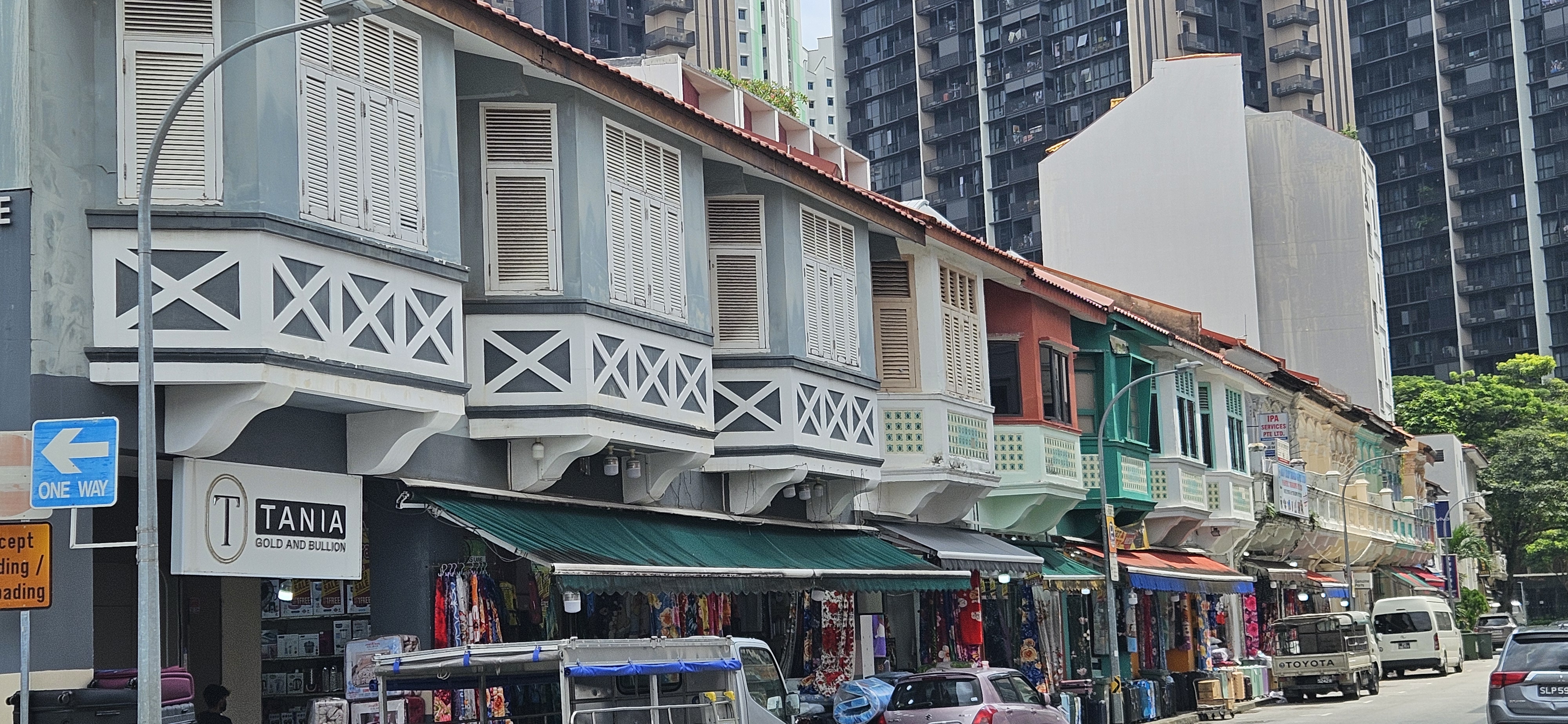
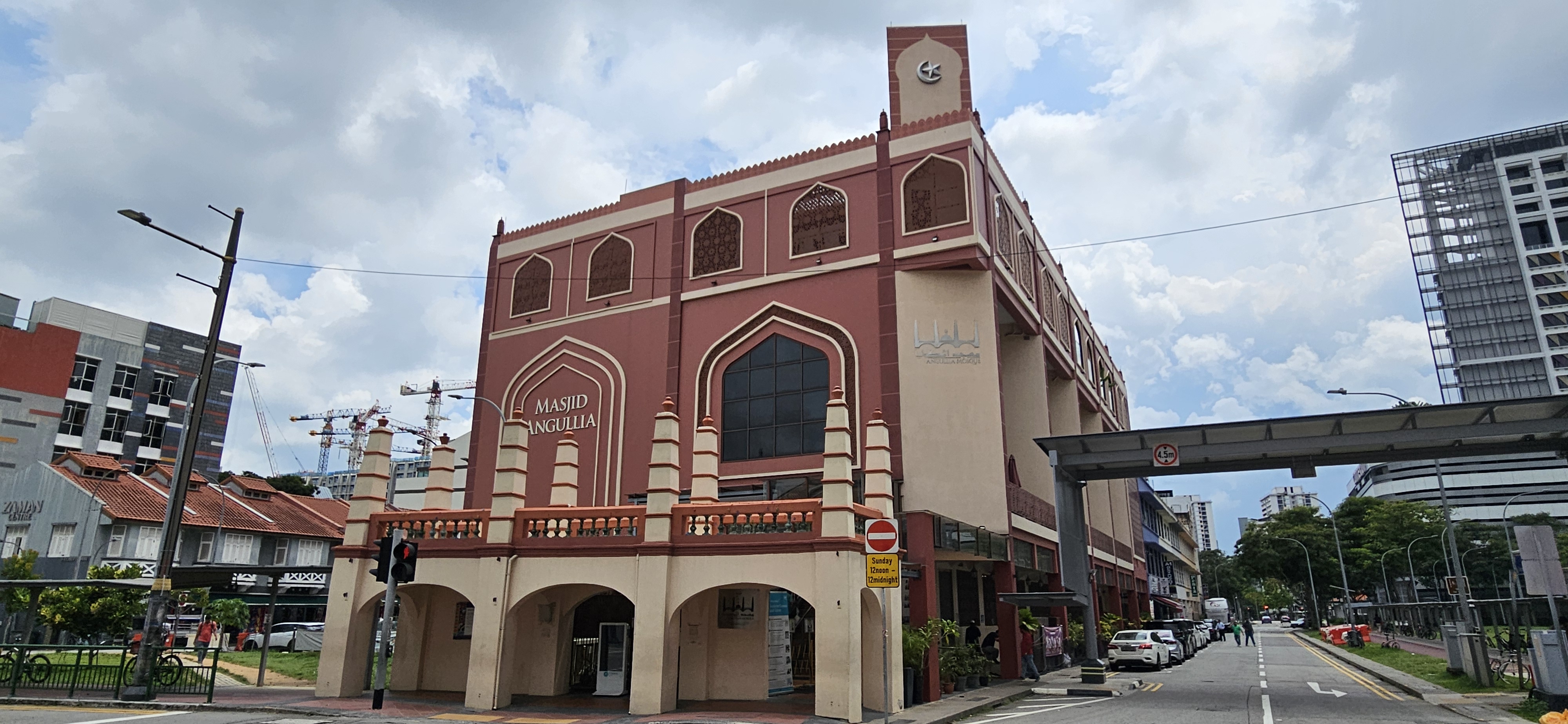
Singapore has a Chinatown, but we had just been to China recently, so we skipped it to check out Little India. While most of the city we saw was clean and sparkling, Little India had more of an urban city feel to it, while also feeling a little kitschy, too. We were there in the early afternoon, too late for lunch, but too early for dinner; which was disappointing to us as the food smelled really good.
Next up, visits the Singapore Art Gallery and the Botanical Gardens. Thanks for reading!


Singapore is beautiful! It looks so clean and welcoming. Also: the super trees! That’s very cool!
LikeLike