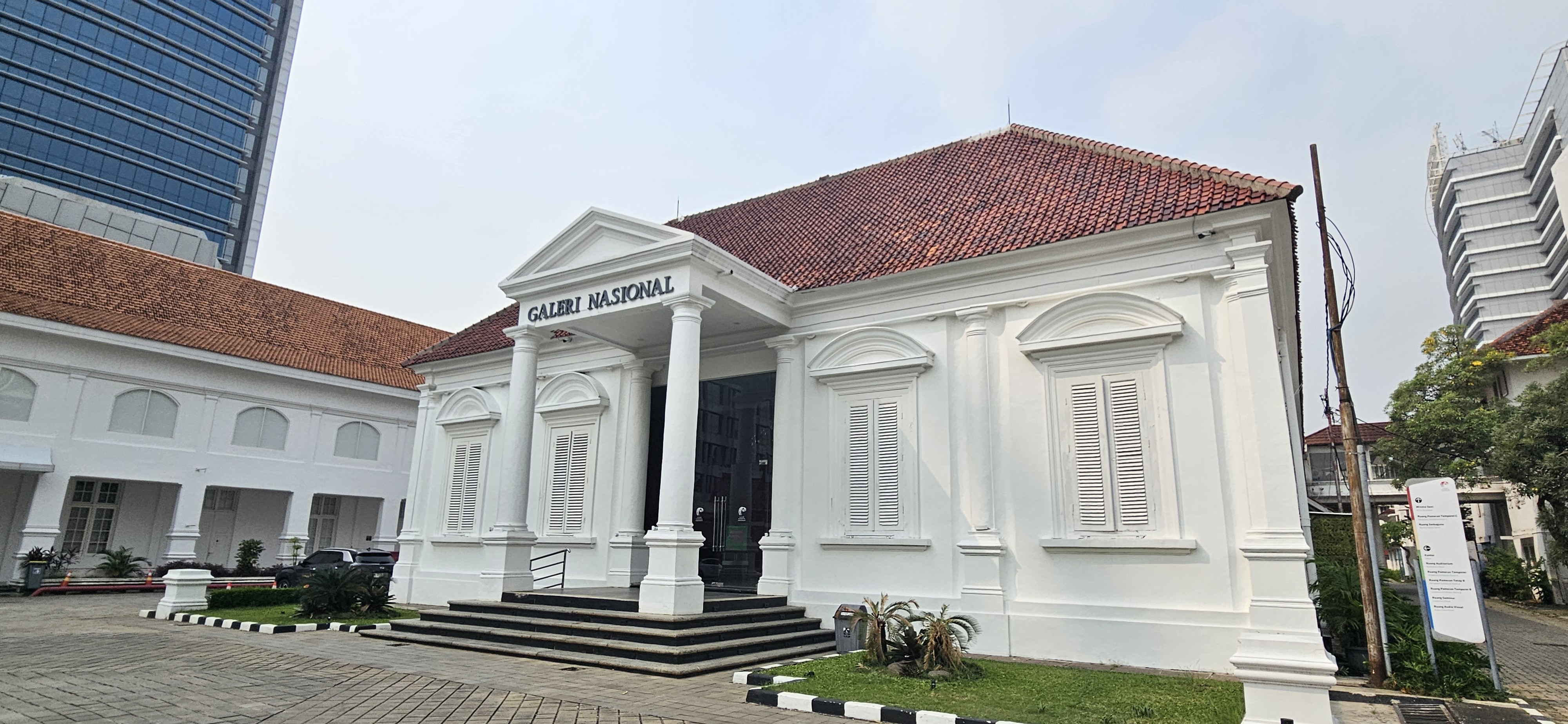
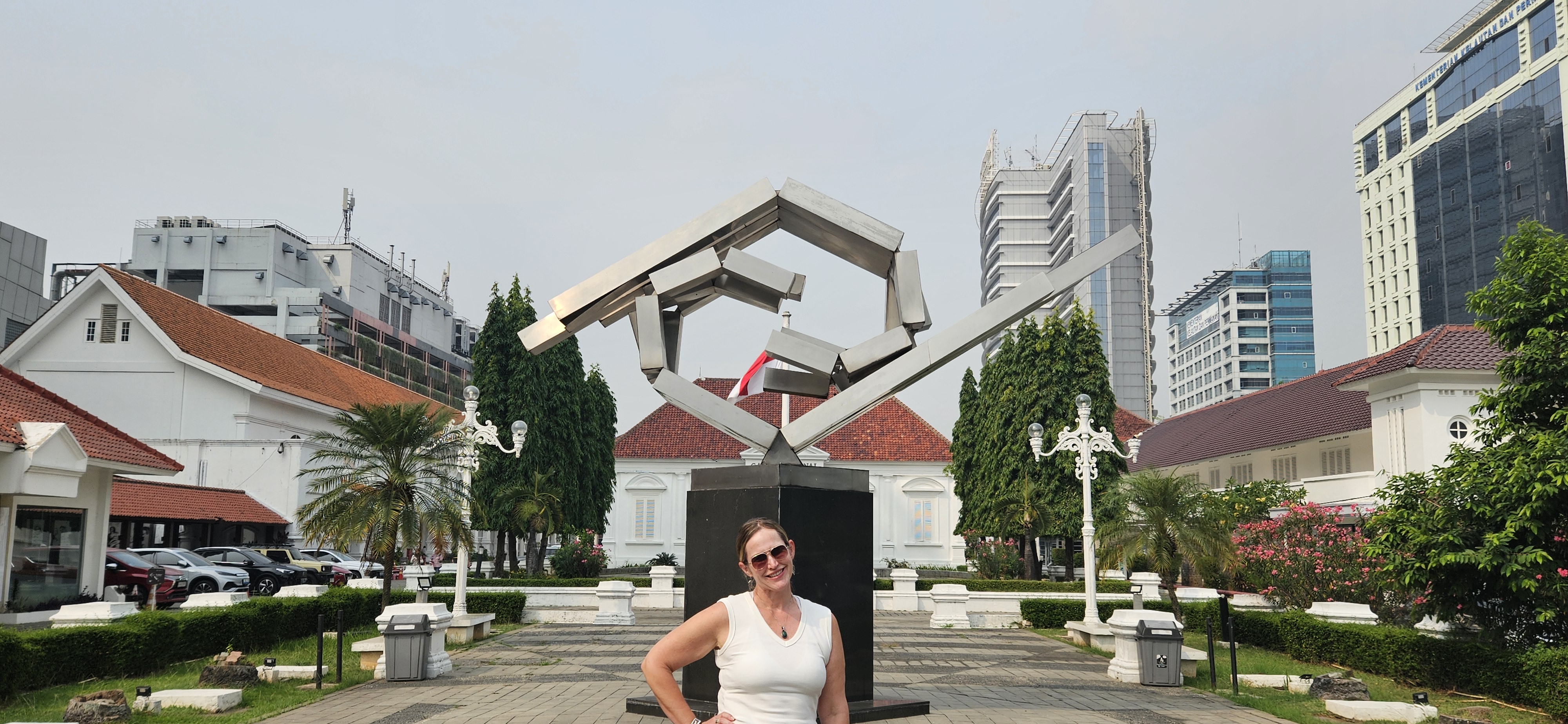
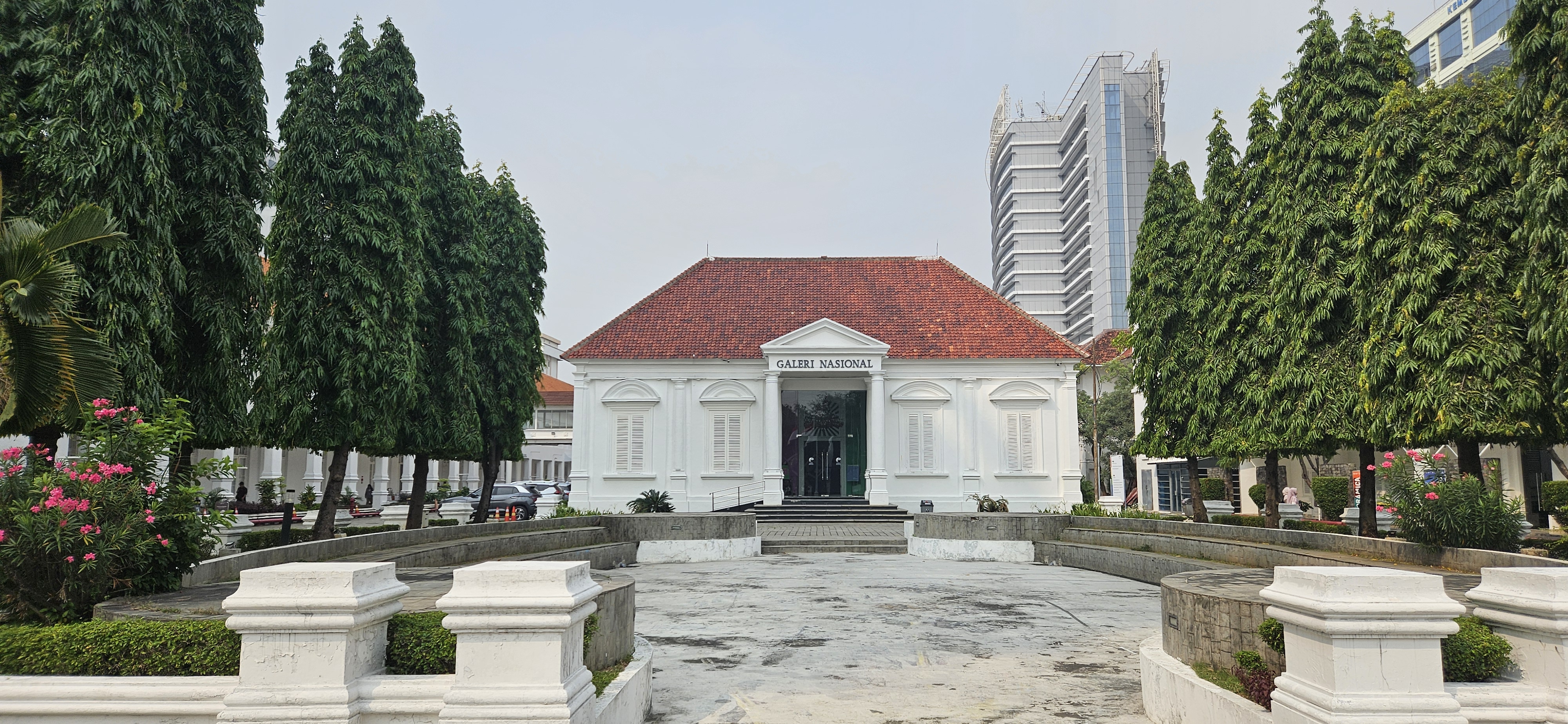
Today was our culture day out in the city; we started at the National Galleria of Indonesia. There are multiple Dutch colonial buildings (some dating back to the early 1800s) with modern and contemporary art created by Indonesians.
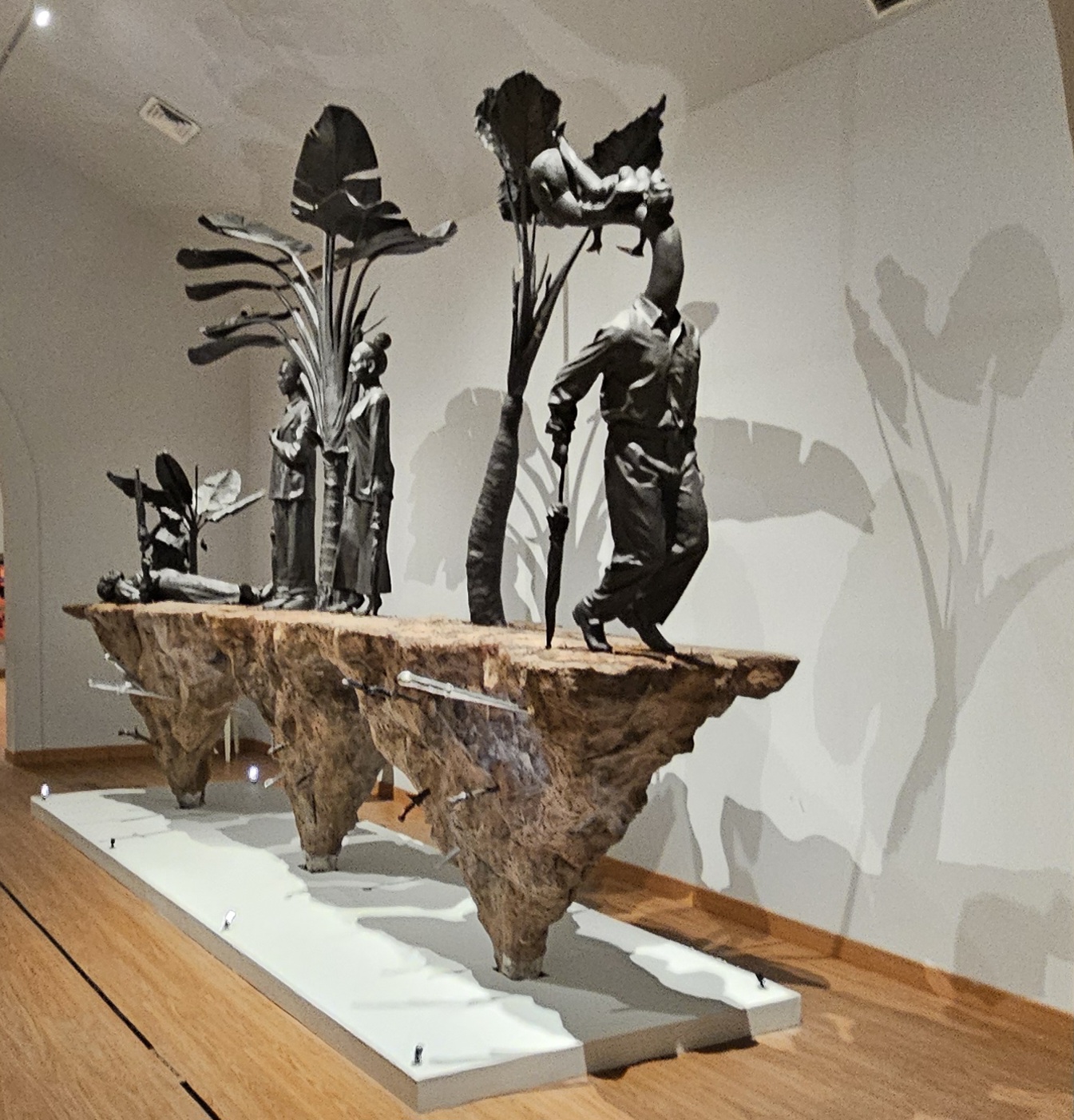
There were paintings and sculptures; the top picture below was located in a small room with storm sounds and flashing on the walls;
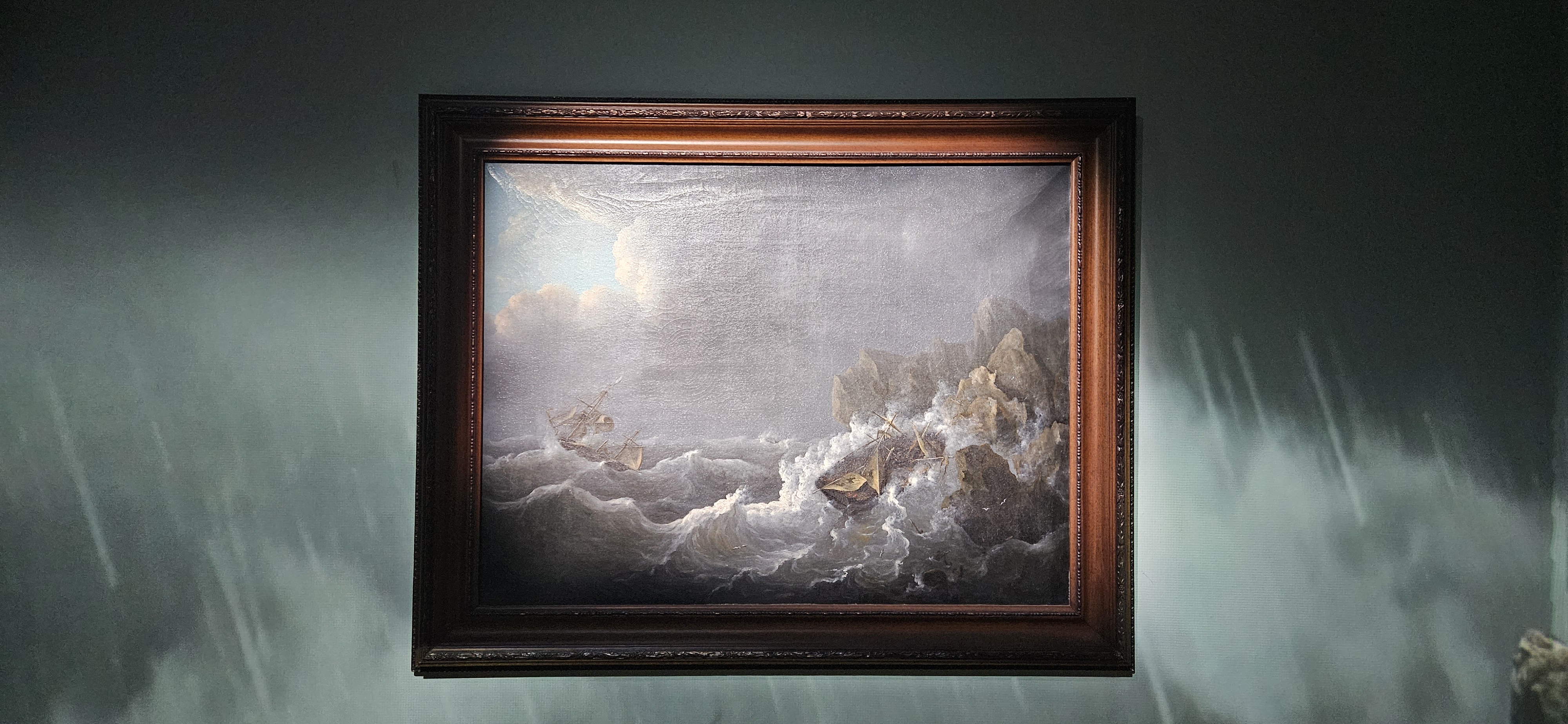
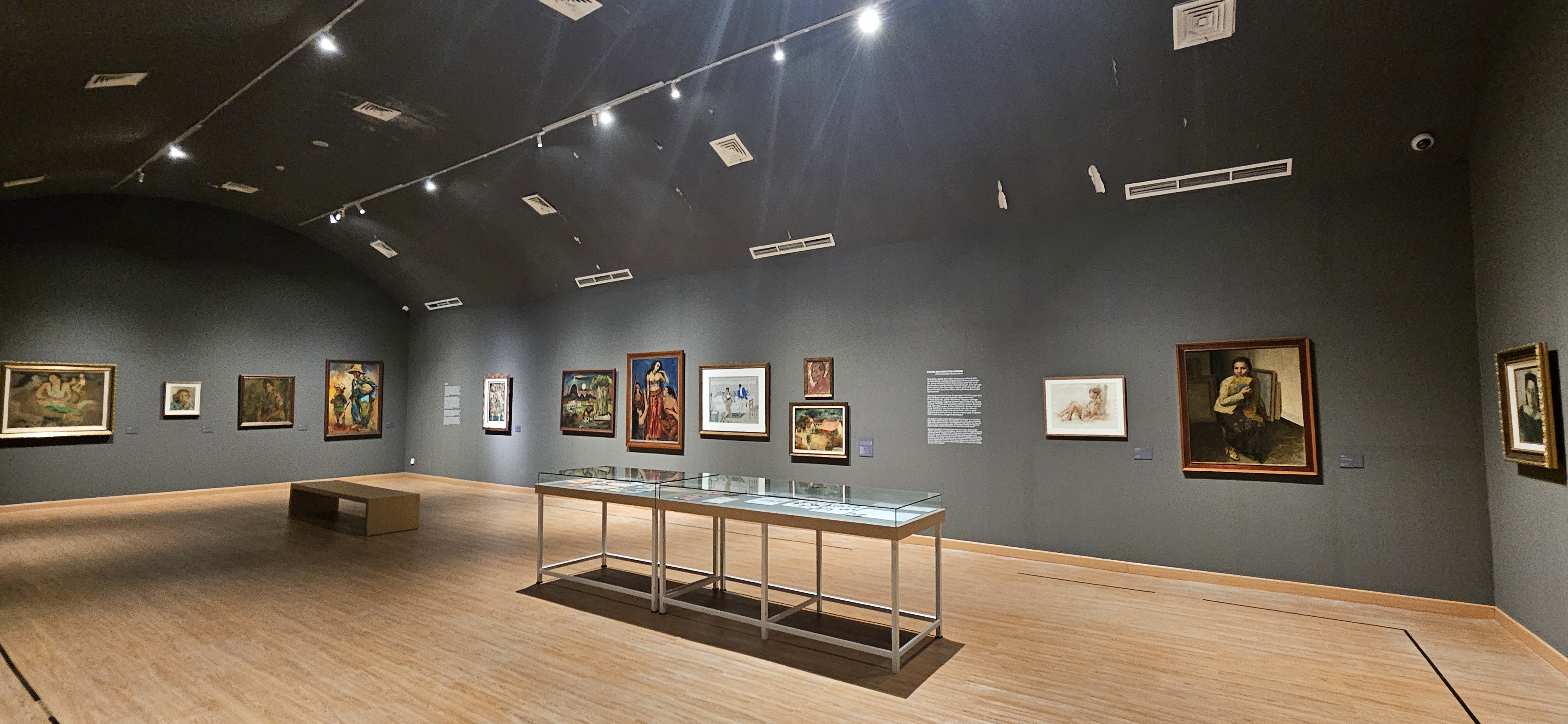
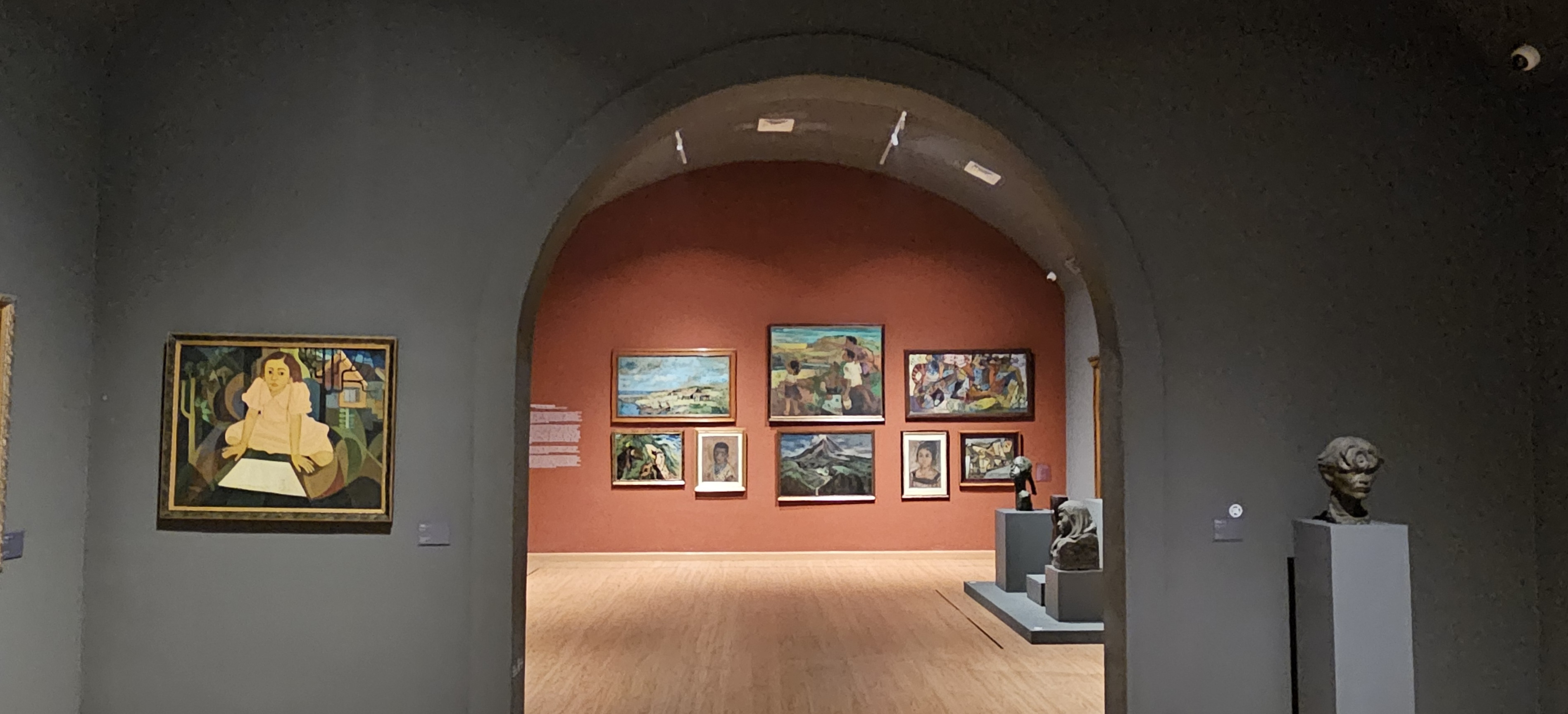
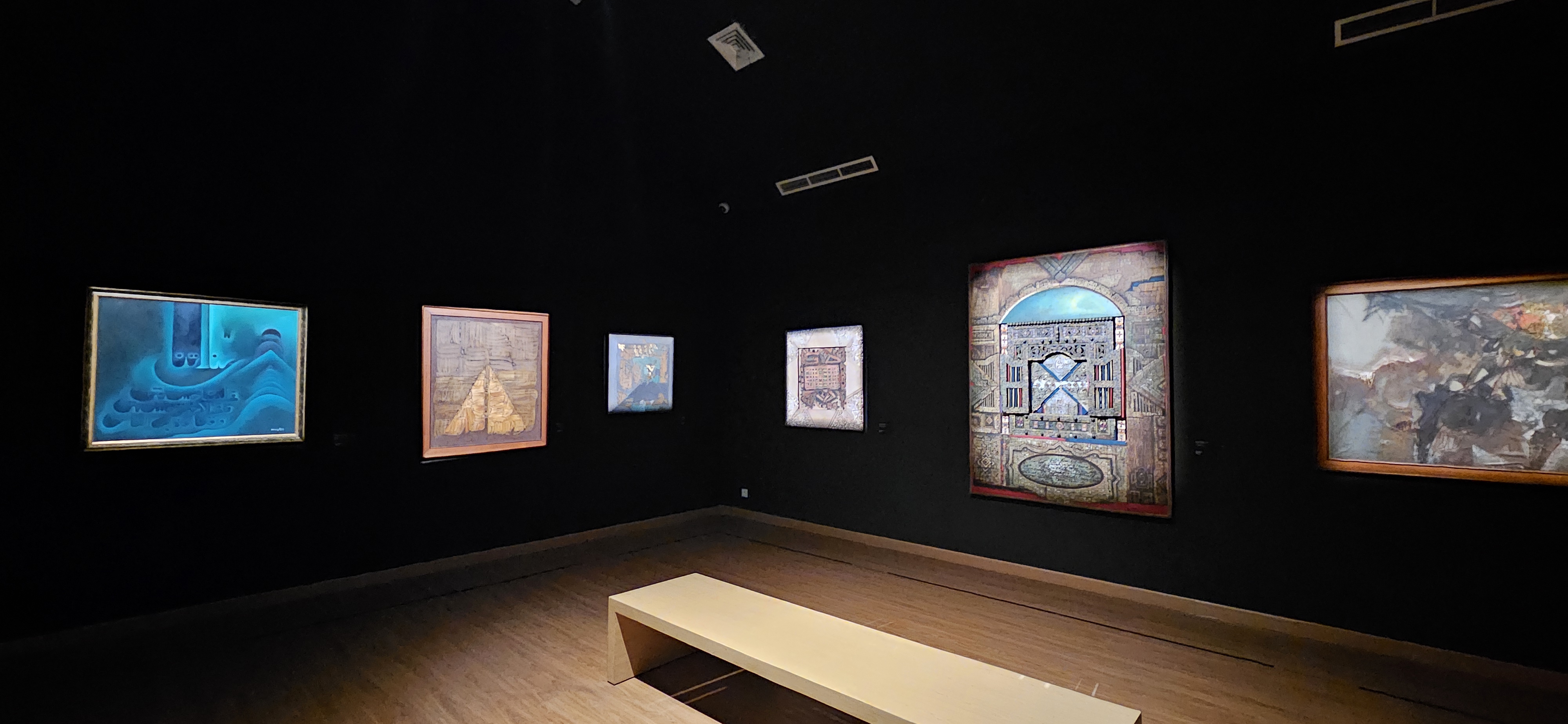
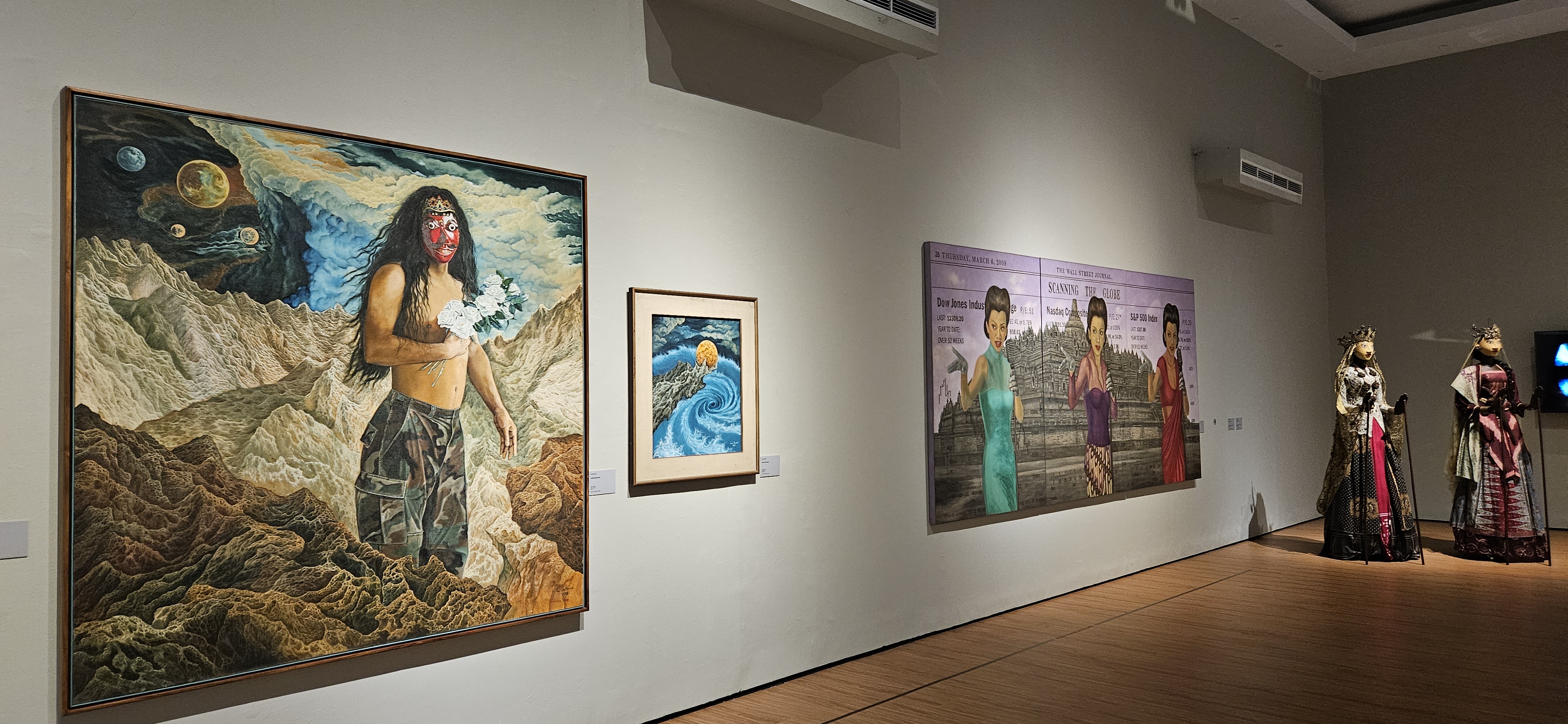
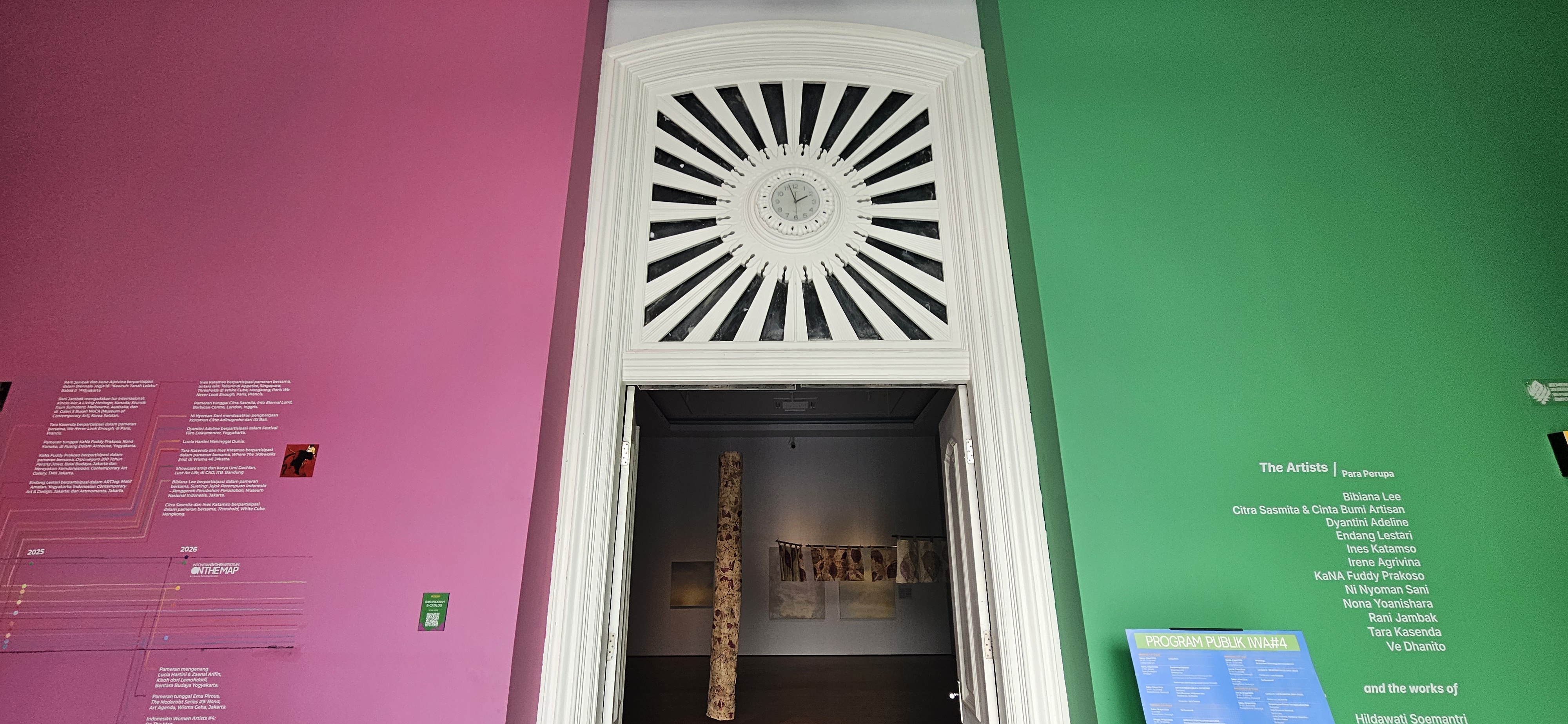
The contemporary art was very cool and had some interactive pieces as well.
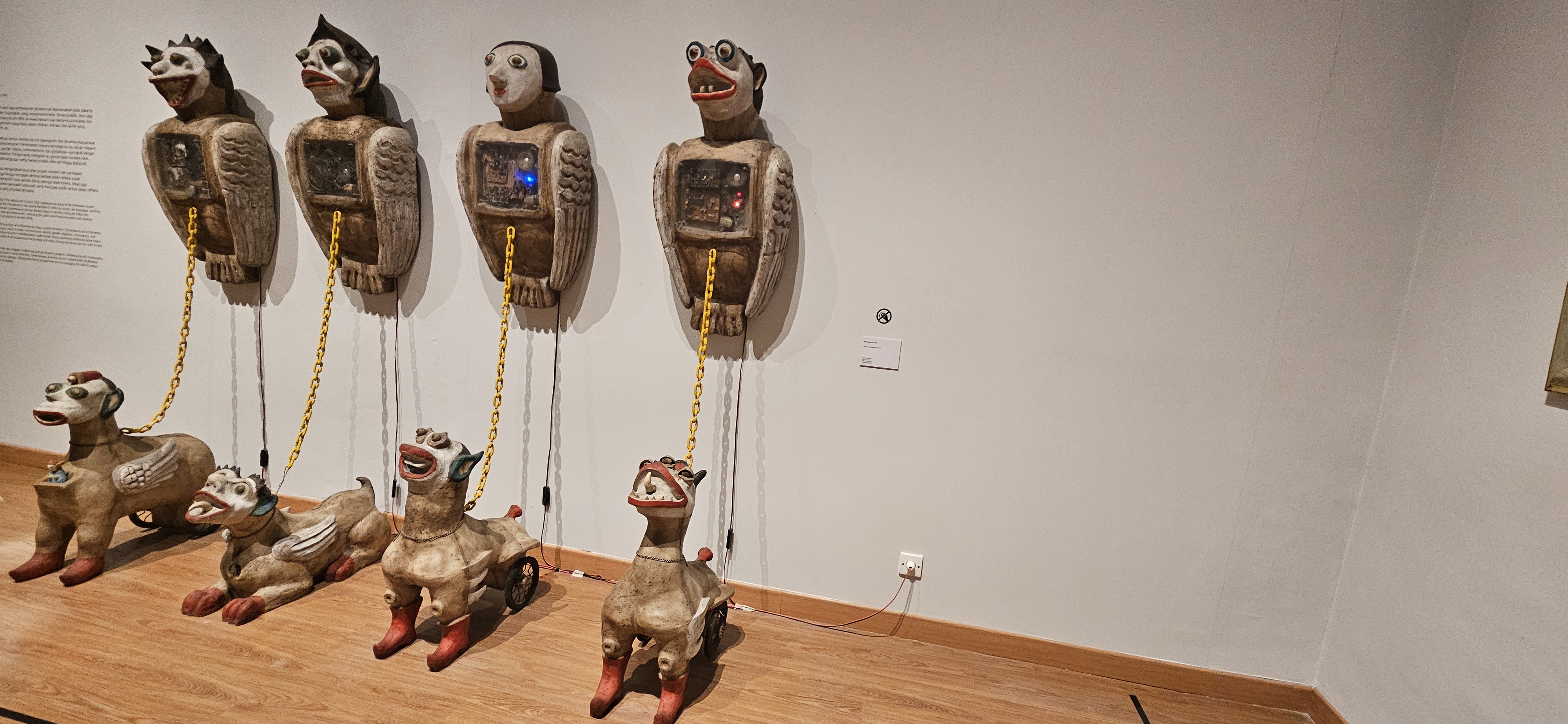
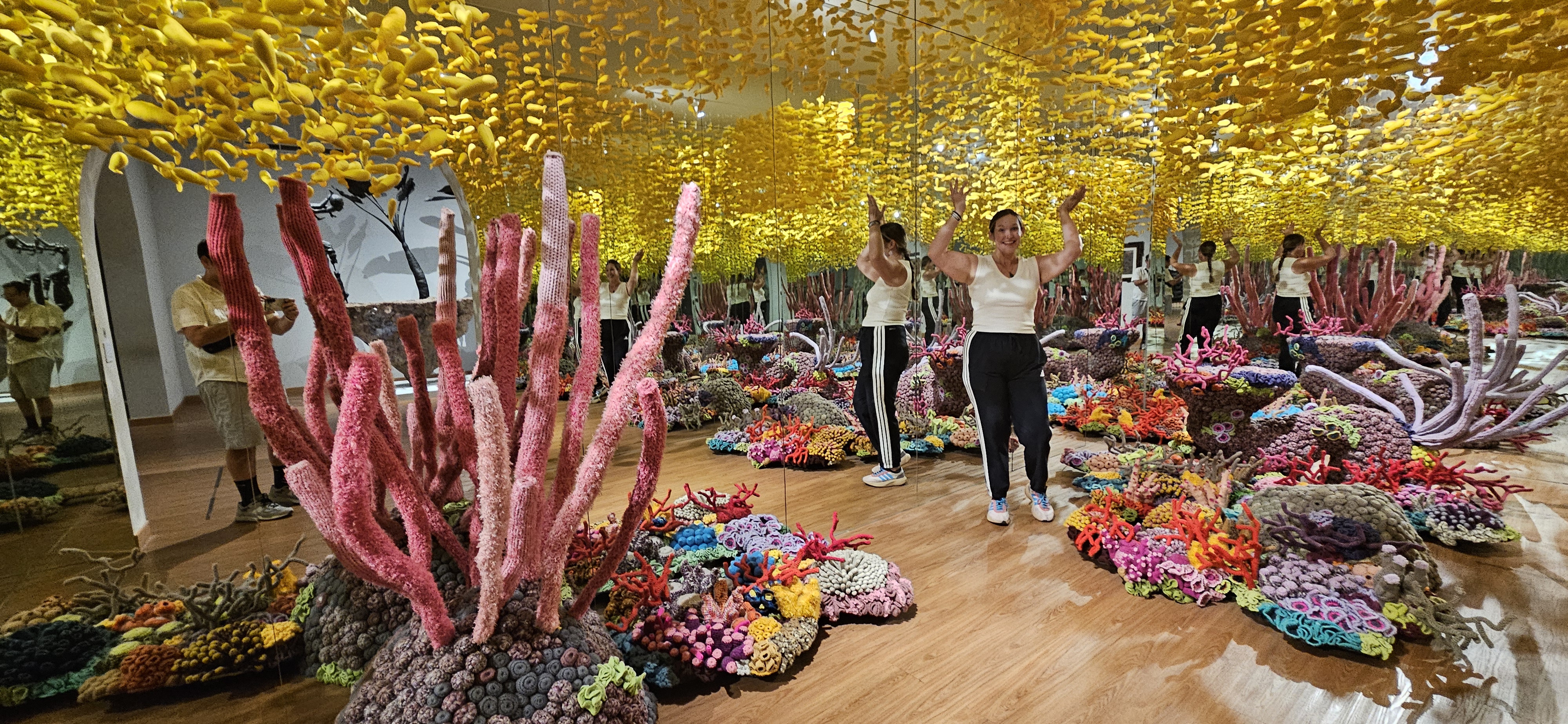
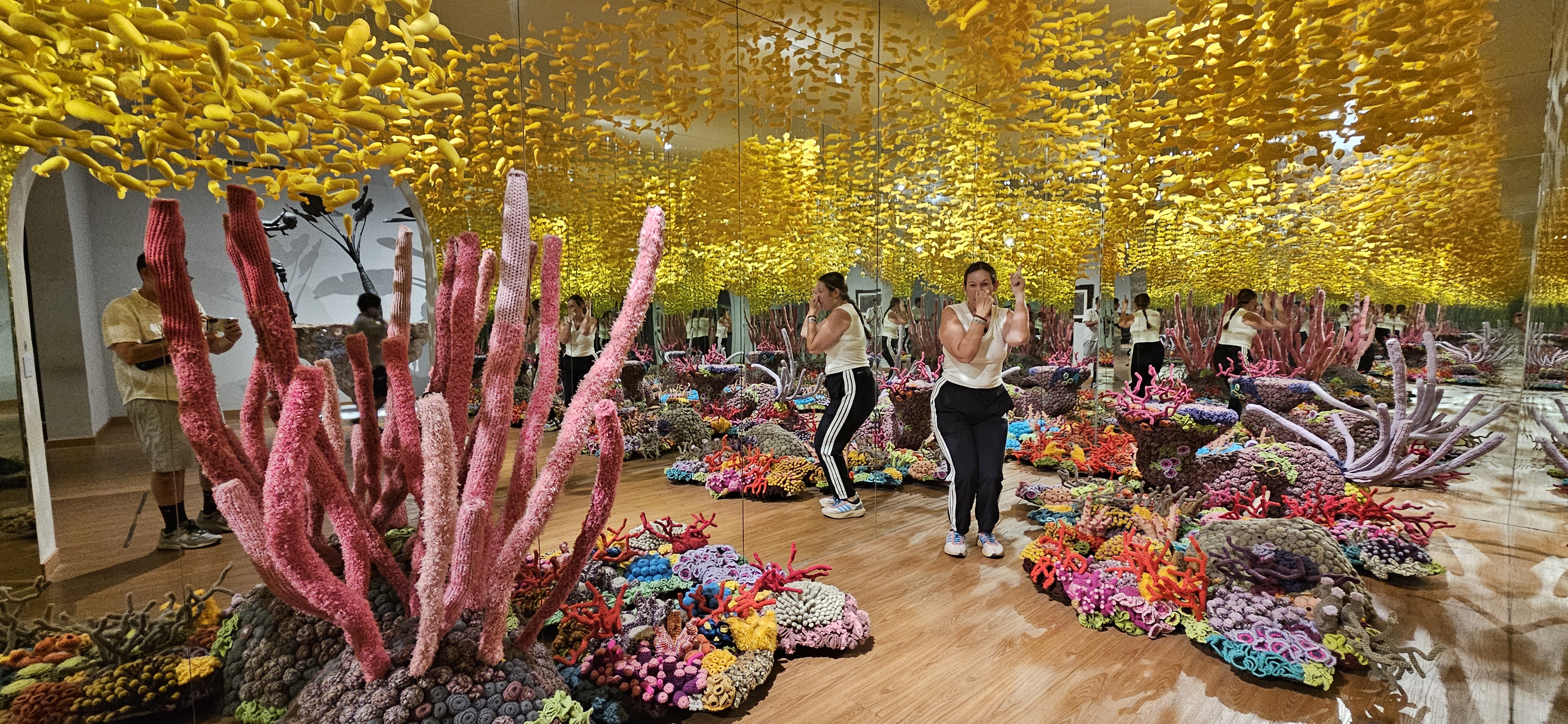
The underwater mirror room piece was especially creative and fun, called “Reverie” by Mulyana (made of yarn, wire, and felt), too cool!
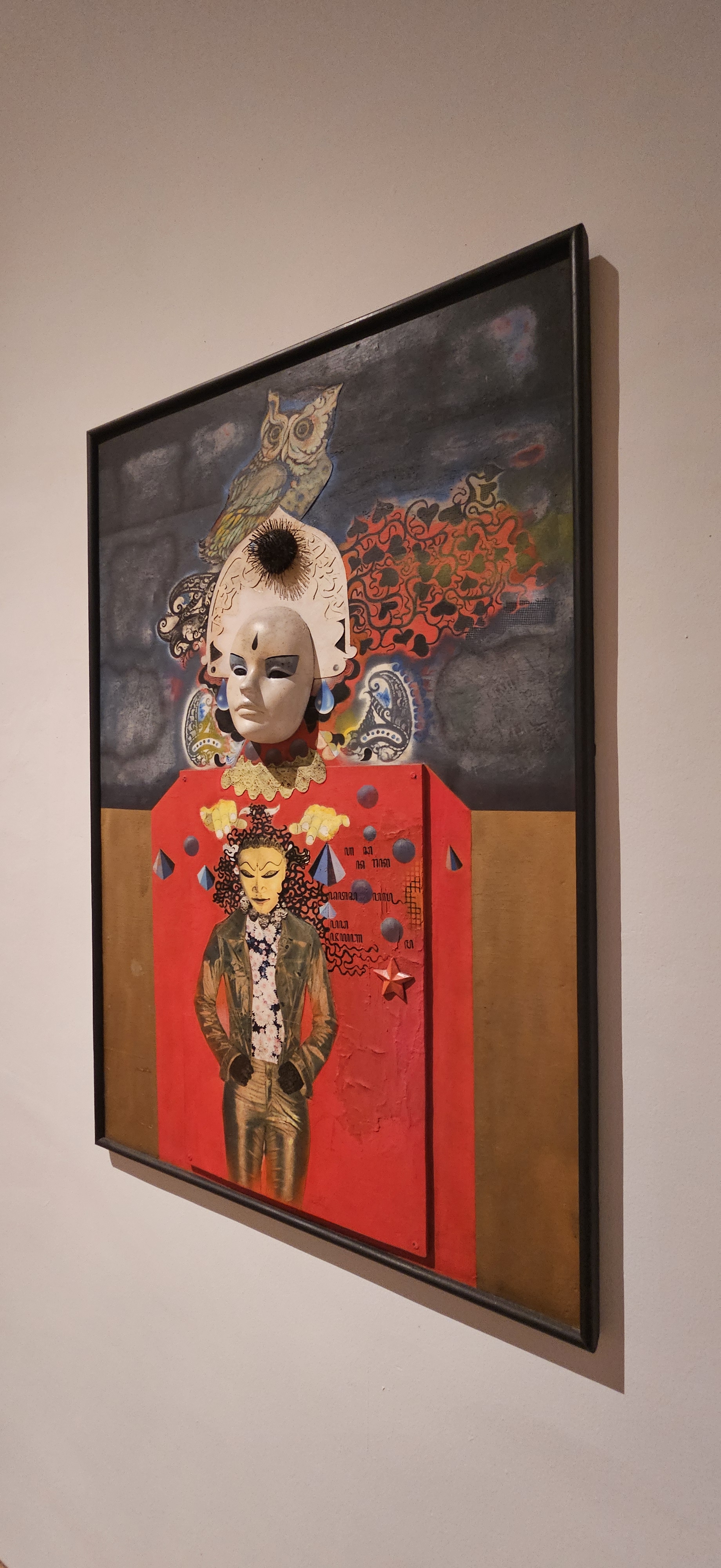
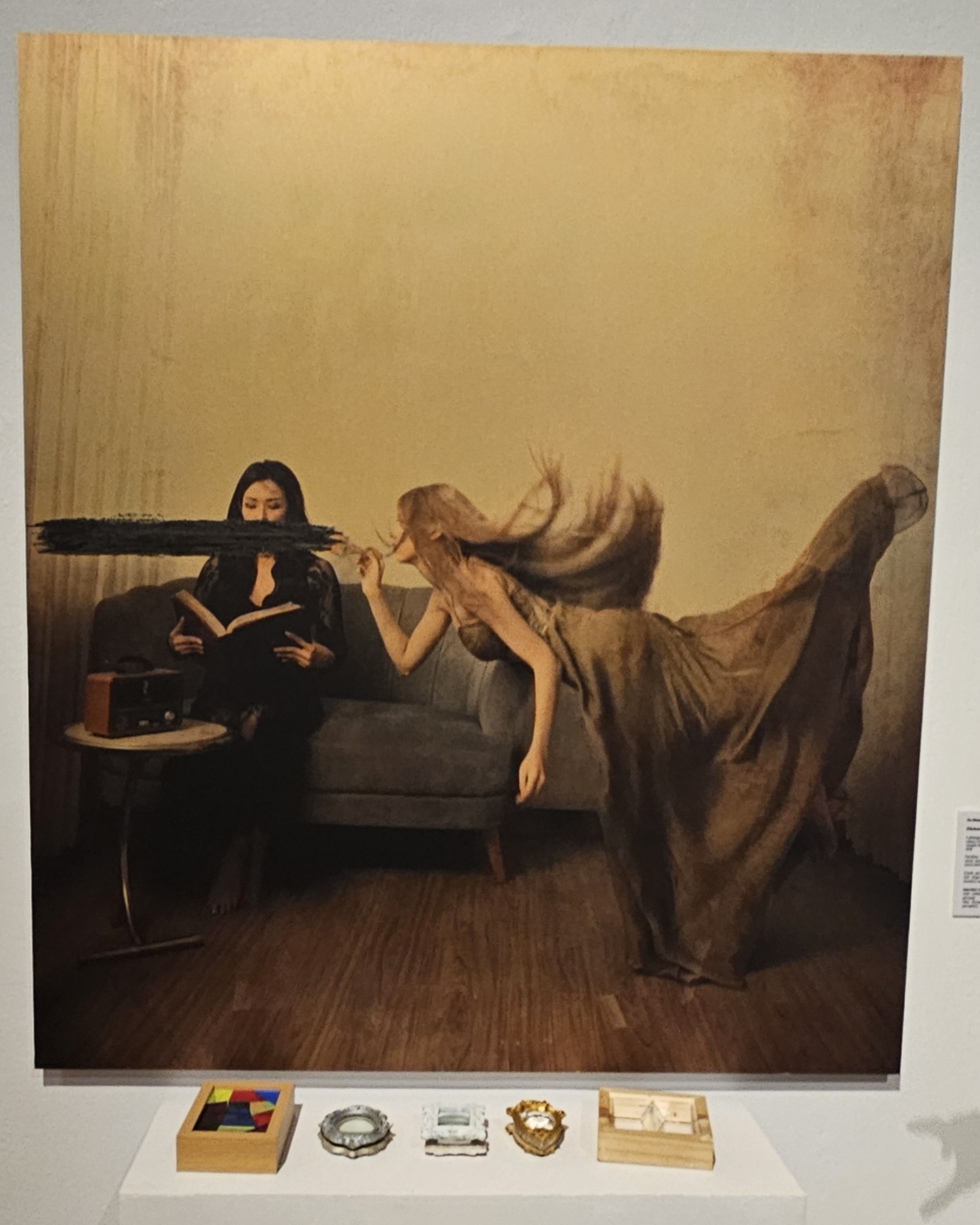
This piece entitled “Distortion” by artist Ve Dhanito, had us look through the different items under the painting and revealed and distorted the painting in interesting ways; the artist also had some other interactive pieces that had decoders and flashlights to see hidden messages.
Here are a few other paintings I liked (from left to right: “Siblings” (1978) by Basoeki Abdullah, “Balinese Girl” (1971) by Murdowo, “To the Market” (1975) by Ke Pasar, and “Planet Nyangkut” by Lucia Hartini).
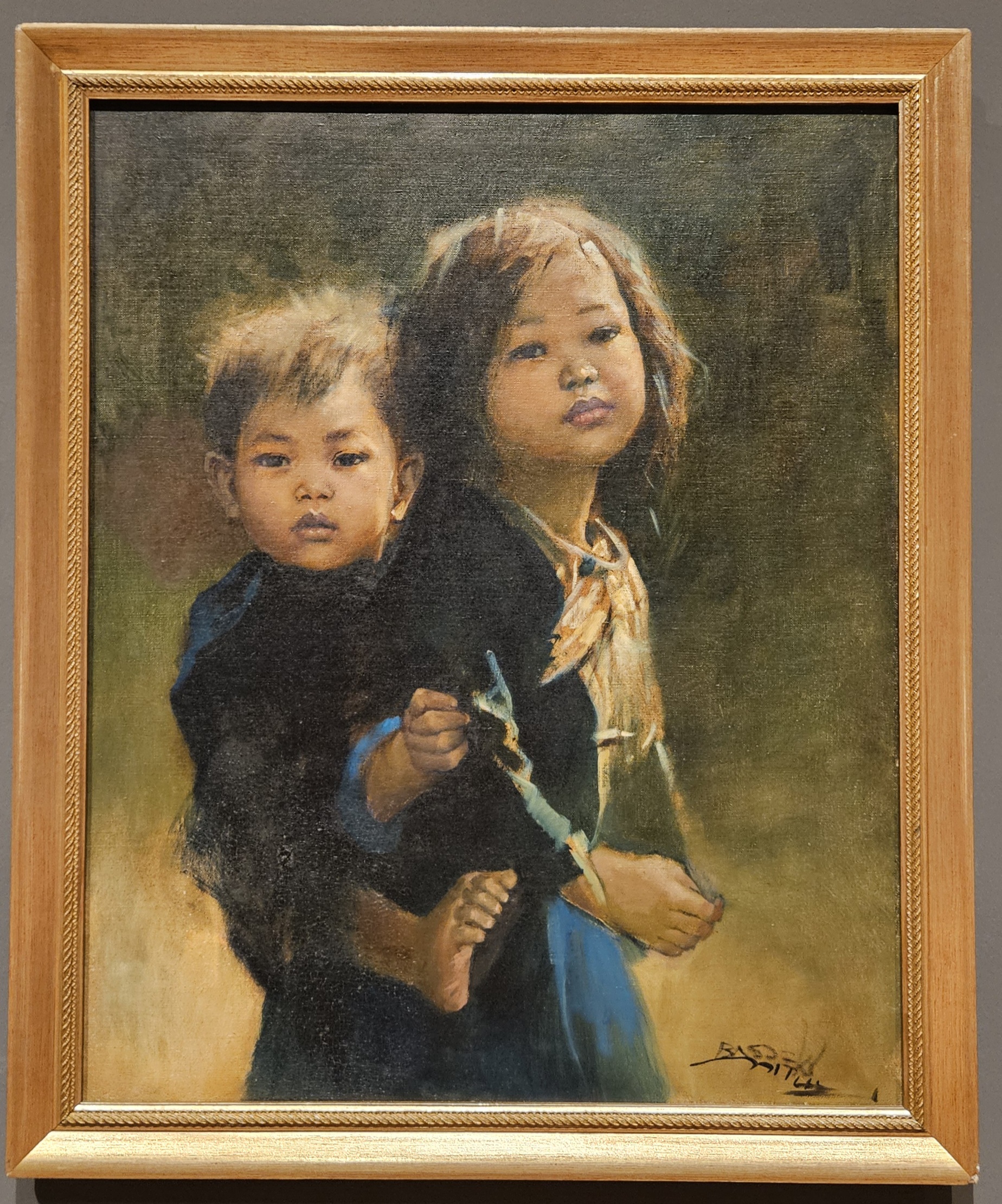
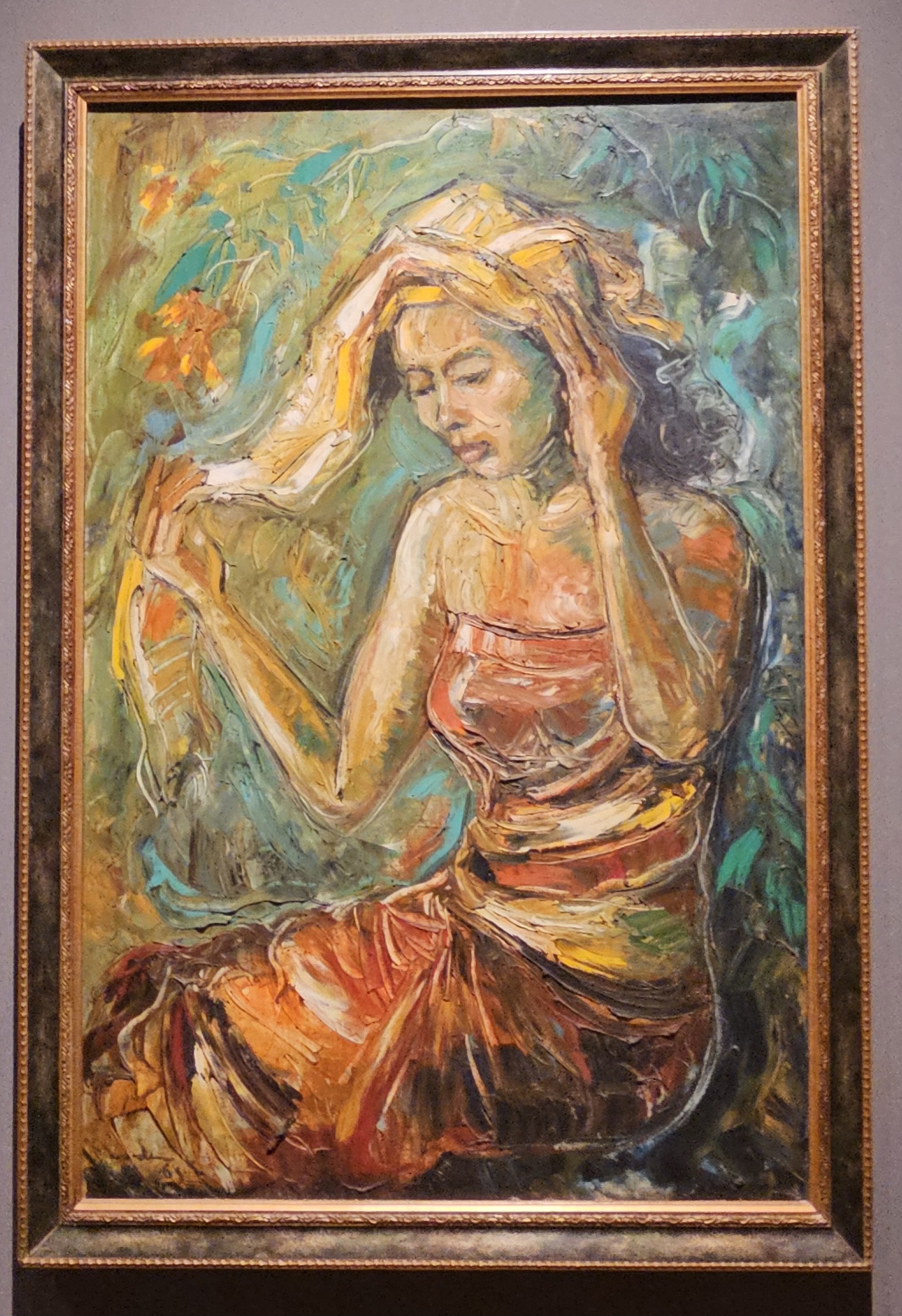
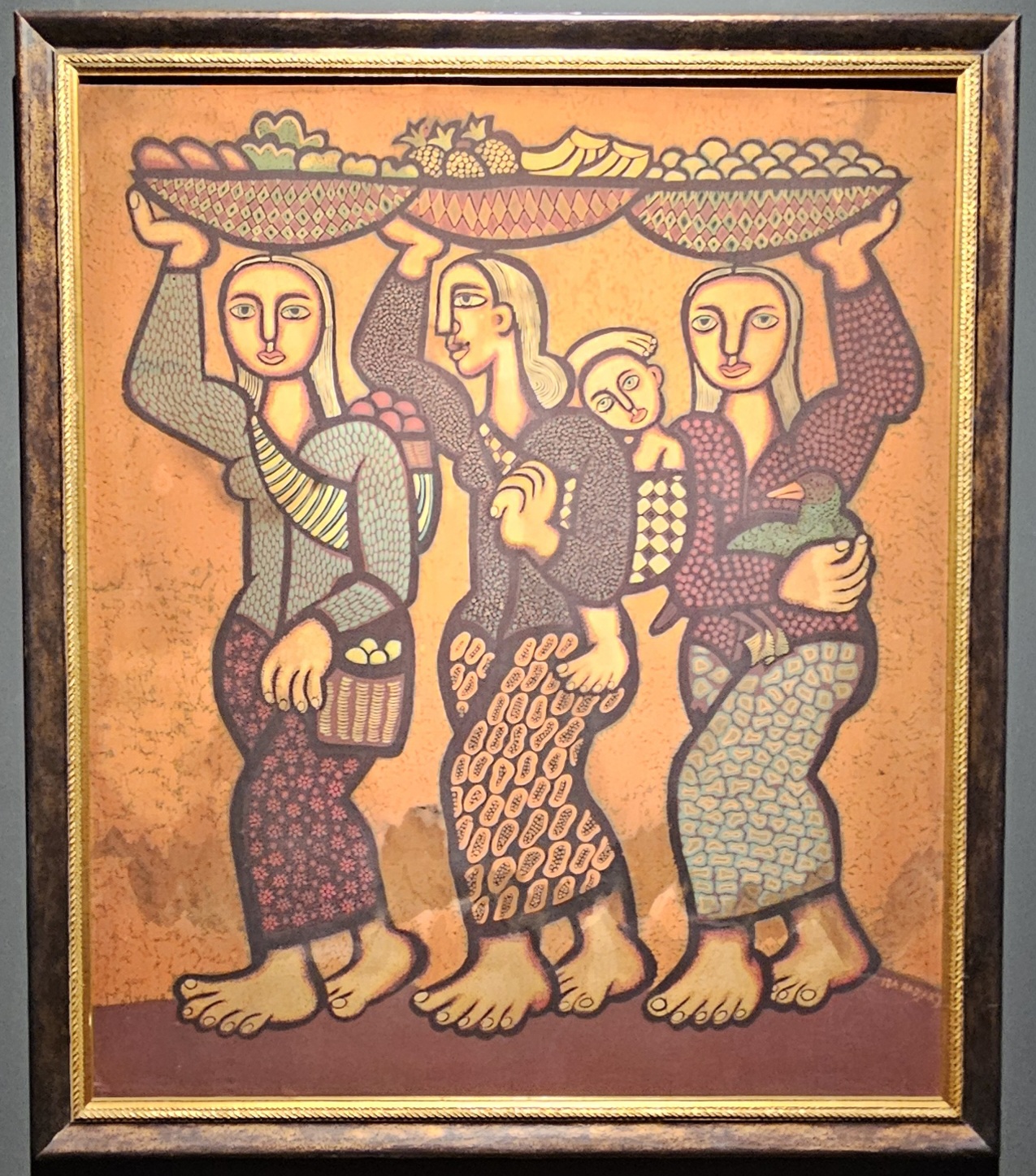
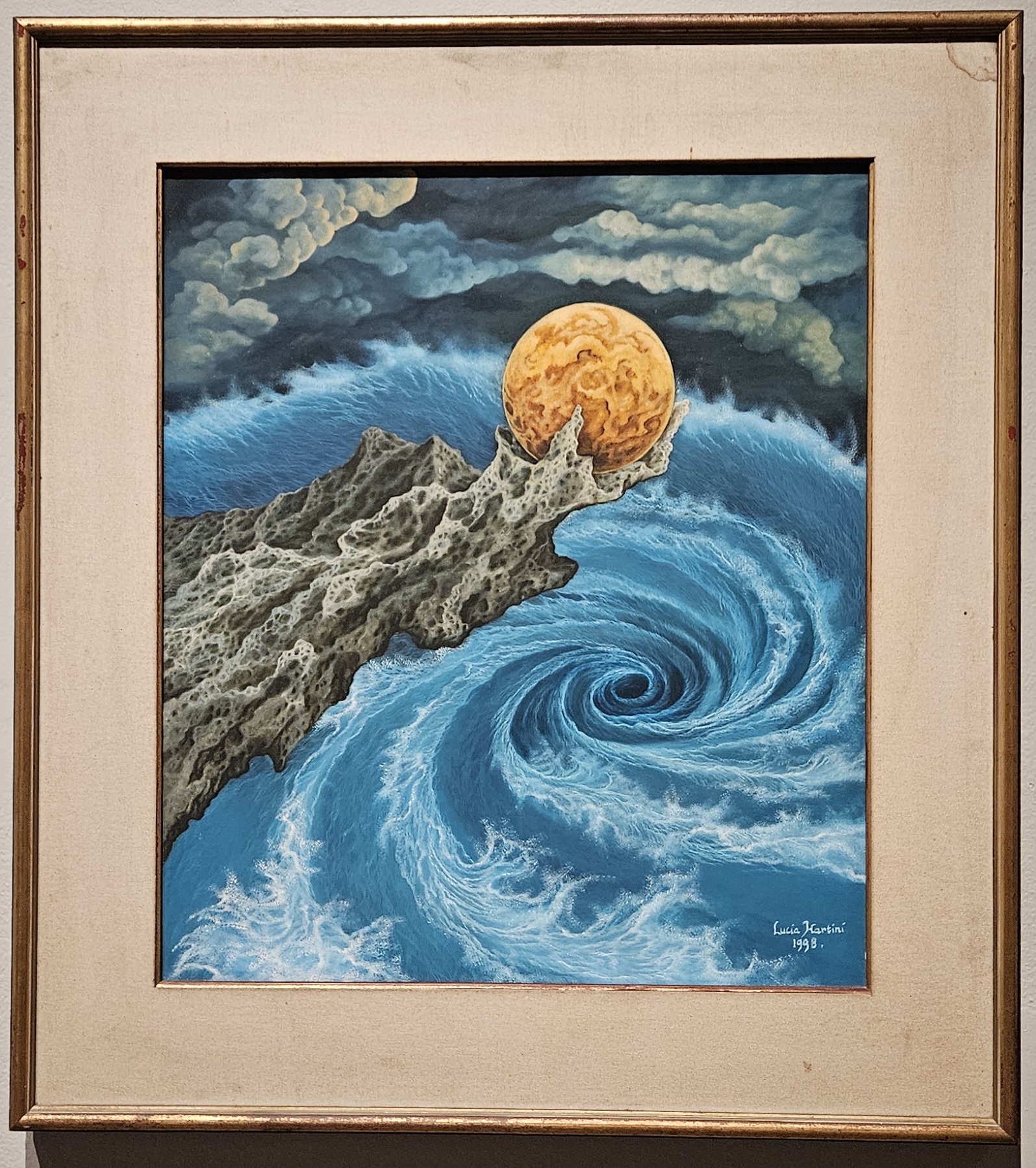
Definitely a world class museum and we were glad we visited. After that, we decided to walk to the nearby National Library of Indonesia. On the way, we did walk by our US Embassy; I wanted to take a picture but was yelled at by the few armed guards out front; I told them I was an American, but they didn’t understand English well (they were Indonesian guards) and they directed us to the main entrance. We smiled and waved and went on to the library.
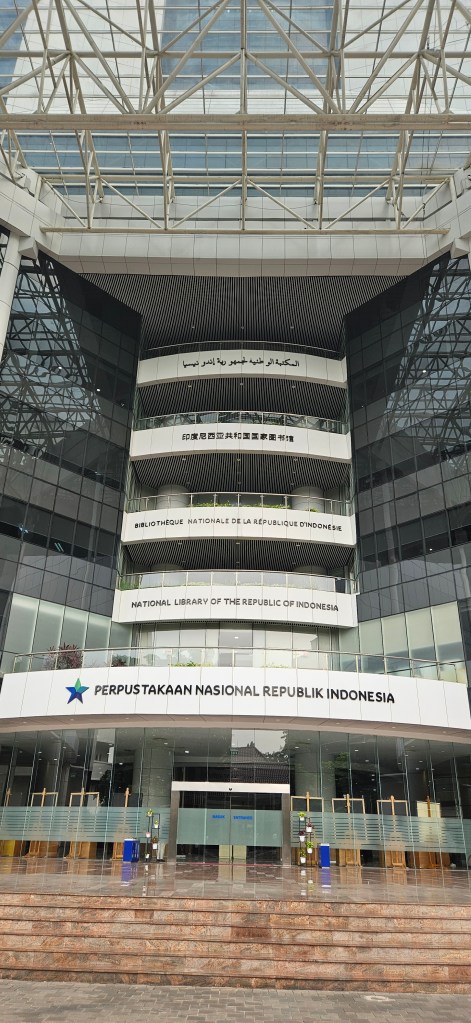
We overheard, when we joined the tour at the Mosque, that the best view of the city was not from the National Monument, but from the 24th floor of the Library, and it is also free (and they had multiple elevators, compared to only one at the National Monument). The library, having 24 floors, is huge.
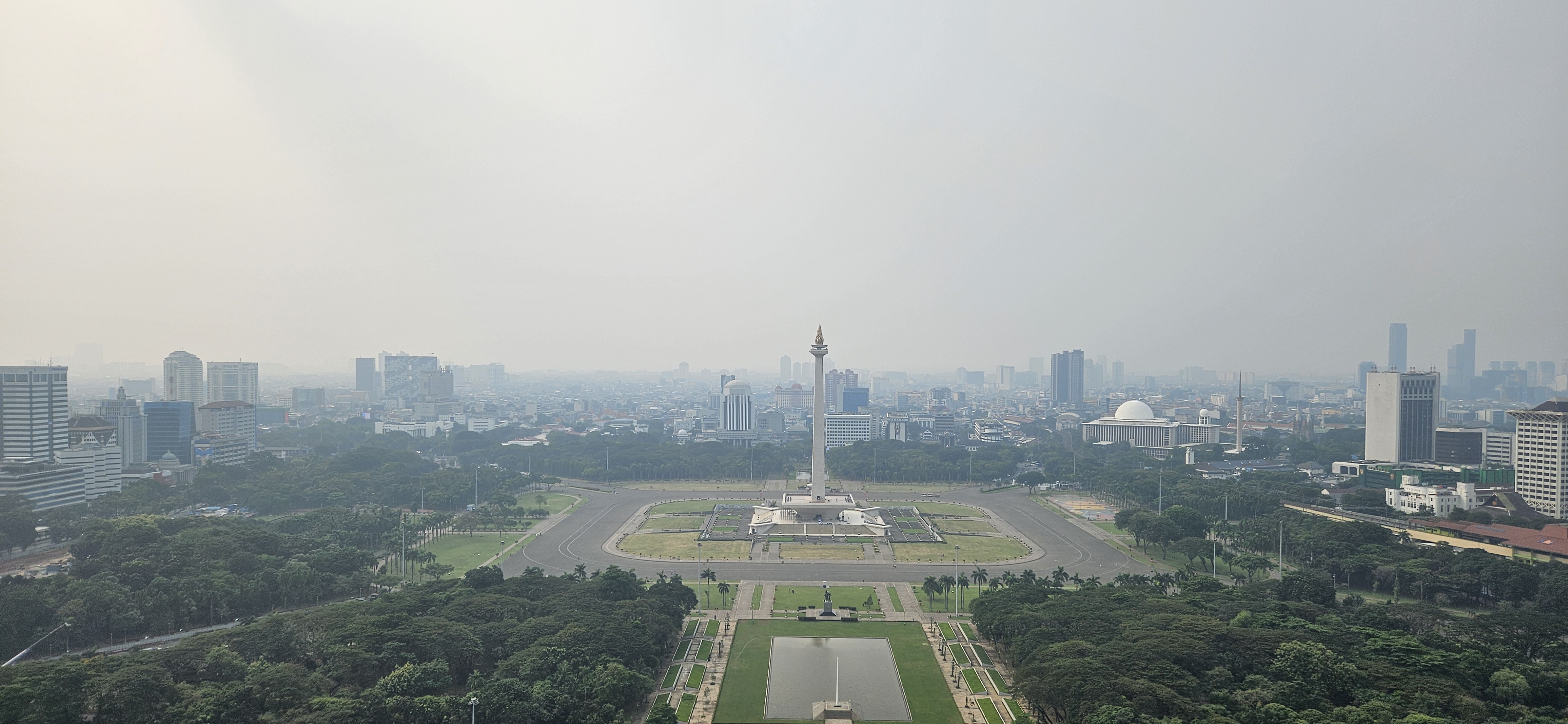
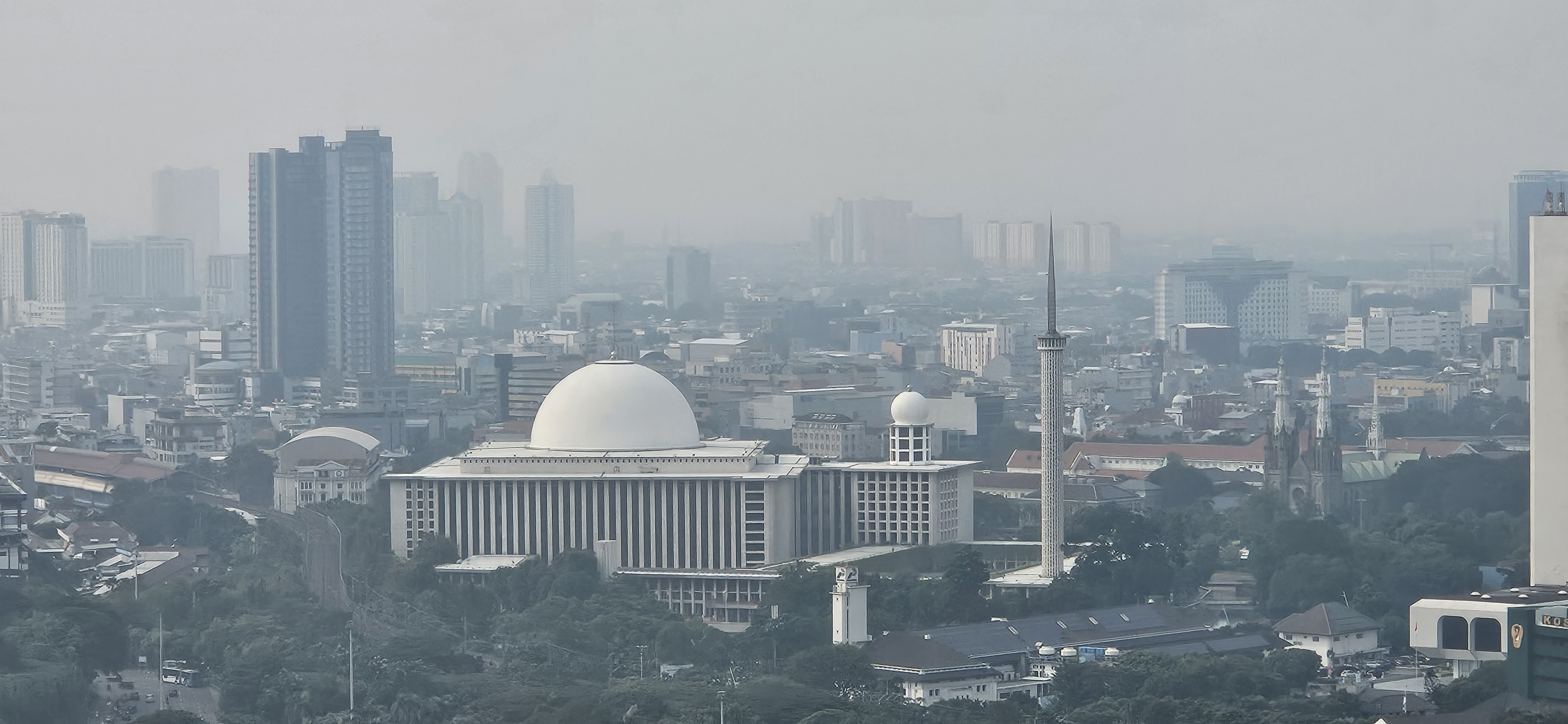
The 24th floor has some artifacts and clothing patterns from the different Islands in Indonesia, so is worth a look, but the main attraction is the view. Here is the view of the National Monument, which faces the museum; there was a good view of the church and mosque as well.
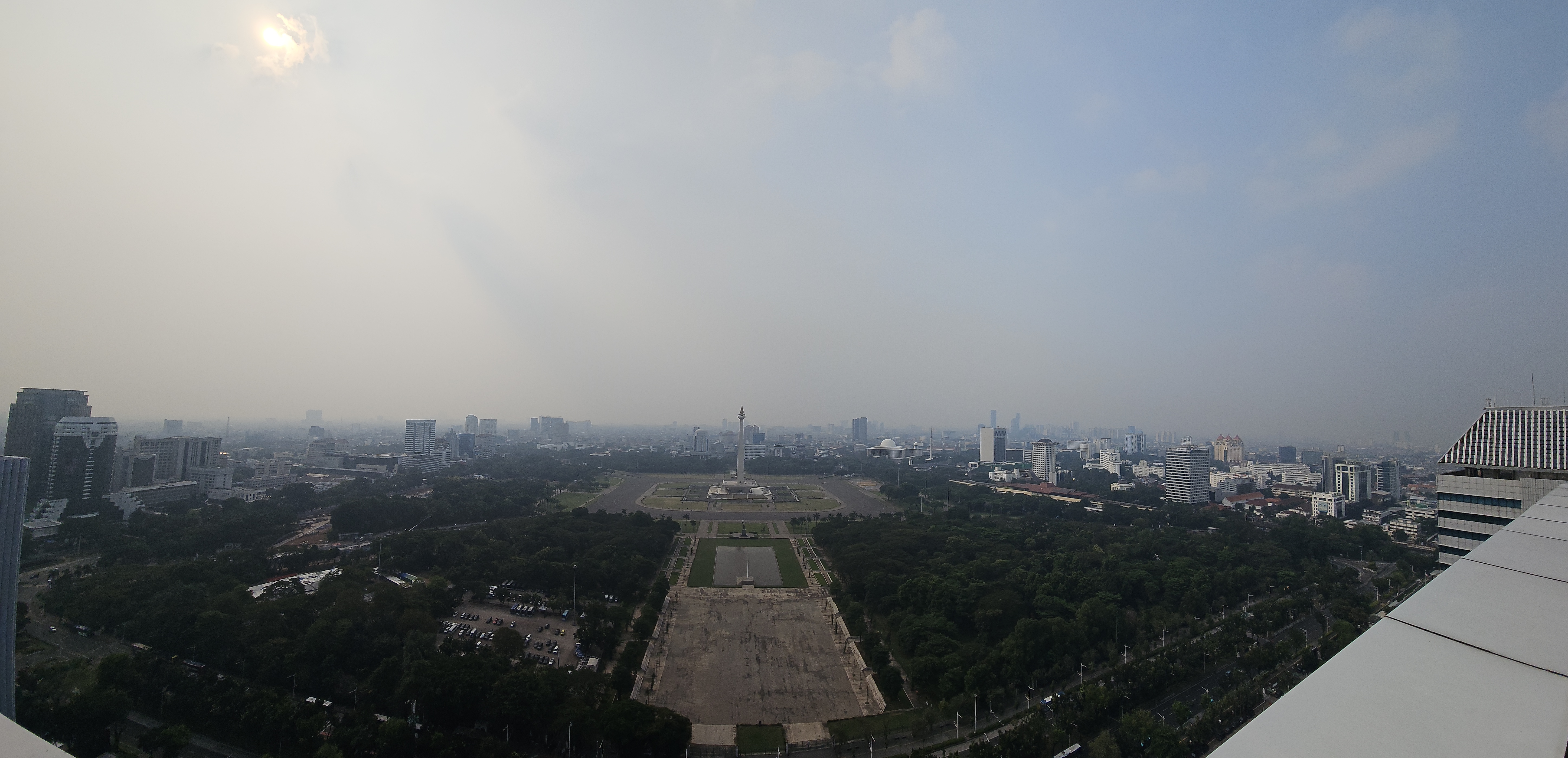
On the opposite side there is another observation deck, to give a glimpse as how far the city spreads.
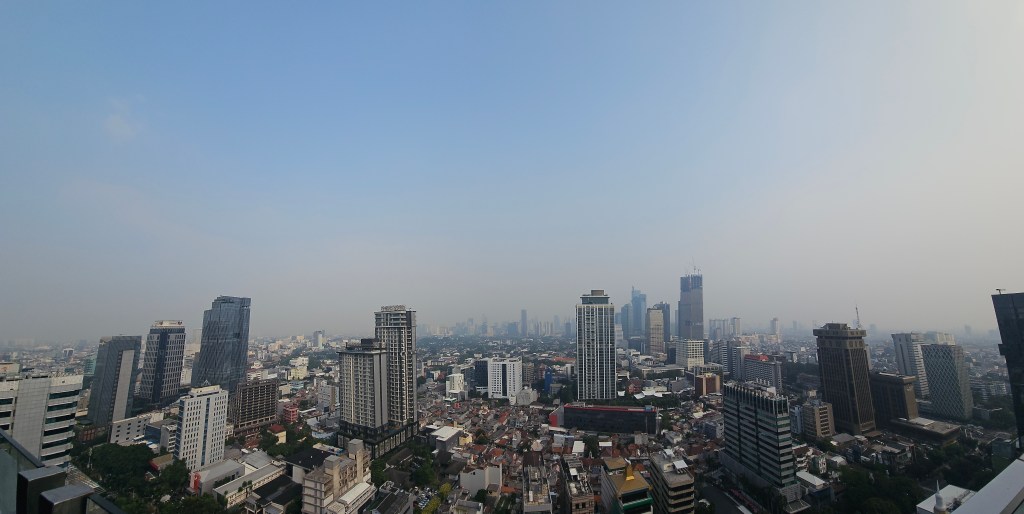
As you may have noticed, there is a haze that prevented us from seeing even farther out. That isn’t cloud cover, or fog; it is smog.
Jakarta city proper has 10 million or so people, but the surrounding area (Greater Jakarta) sprawls in all directions, and includes 30 million more people. That assists in creating really bad traffic, as i mentioned previously us getting stuck for an hour to go one kilometer. Most of the population gets around on gas powered motorbikes, and often these are older. We learned there is one motorbike for every two people in Indonesia; and Indonesia has almost 400 million people.
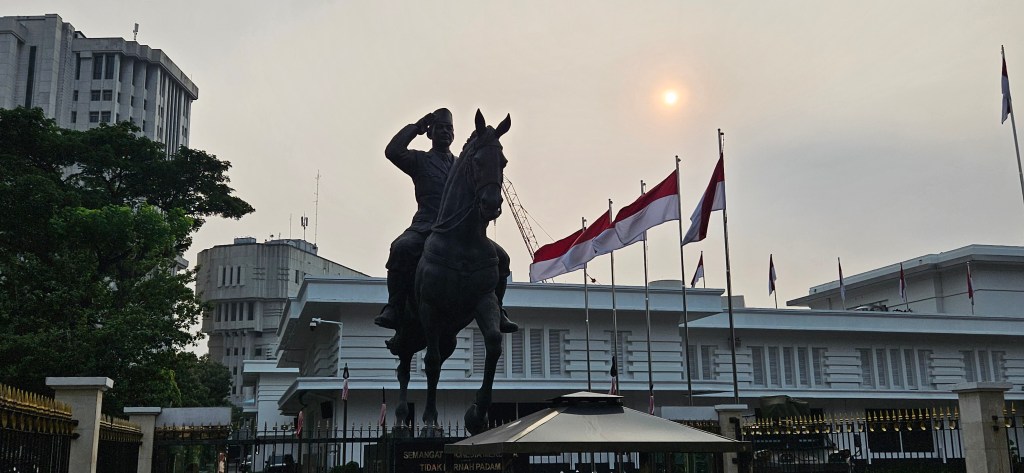
While we were visiting Jakarta, the city had the second most pollution of any city in the world. We didn’t realize this until after our time spent outside that day, however. Multiple days we could look at the sun, since the smog was so thick; you can see it a bit in the picture below of a statue of a man on a horse.
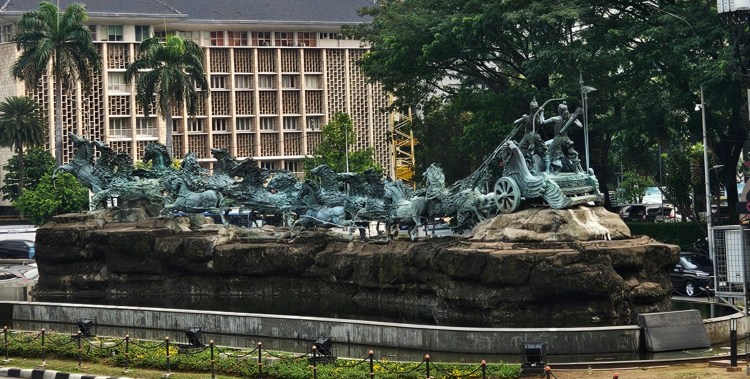
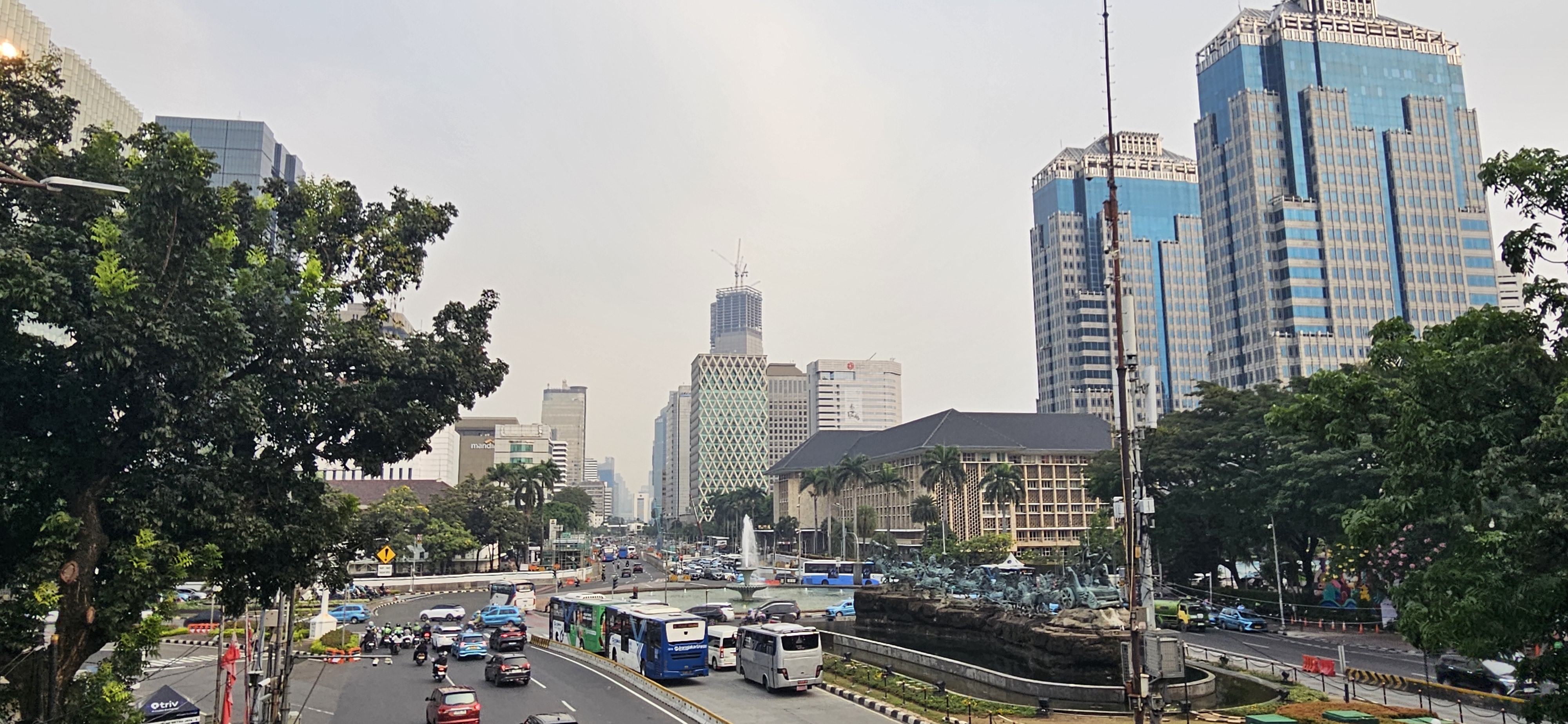
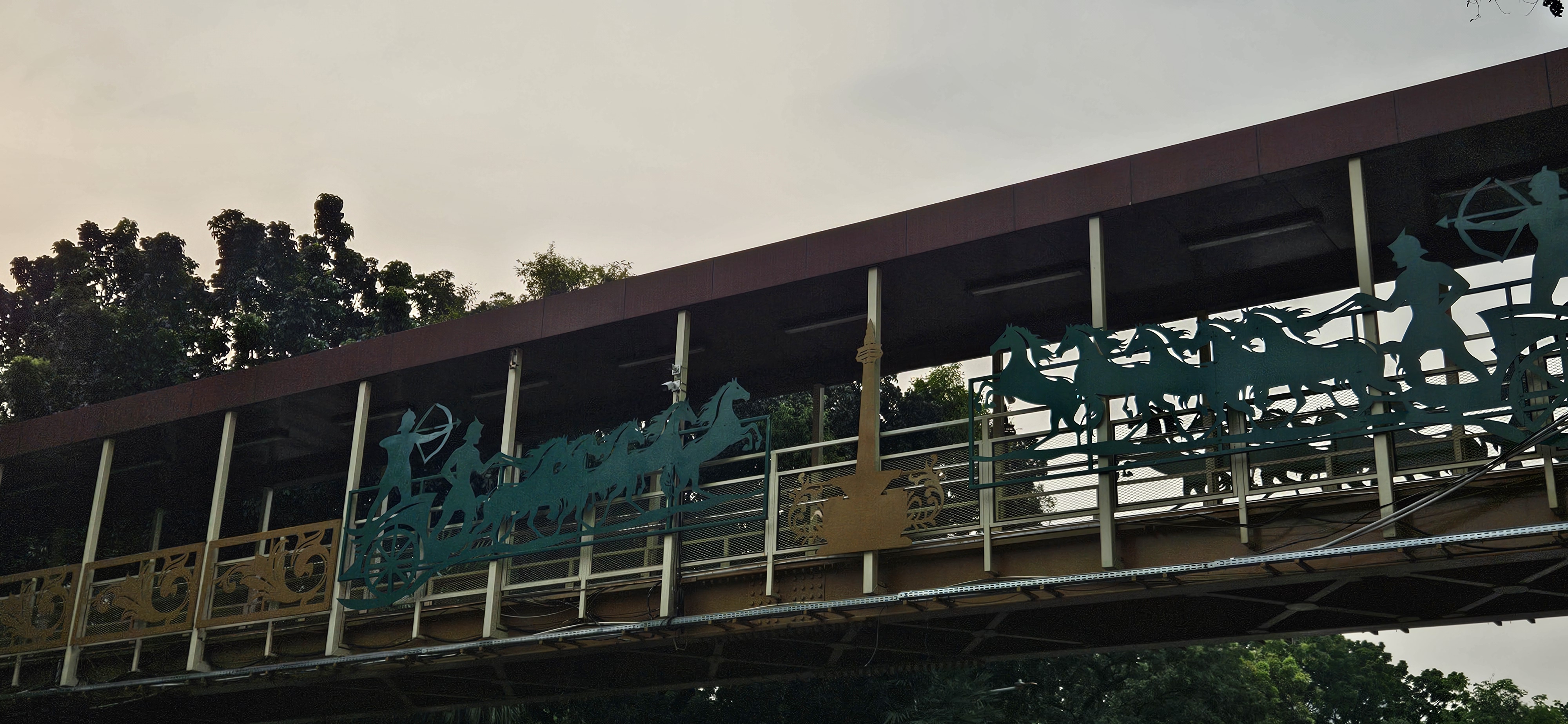
We kept walking to our next stop, the National Museum of Indonesia, which is on the other side of the National Monument Park from the Art Museum. On the way we passed the Arjuna Wijaya Statue, which is a scene from the epic poem “Mahabharata” and is of a chariot drawn by many horses. We also saw it on the overpass to reach the museum.
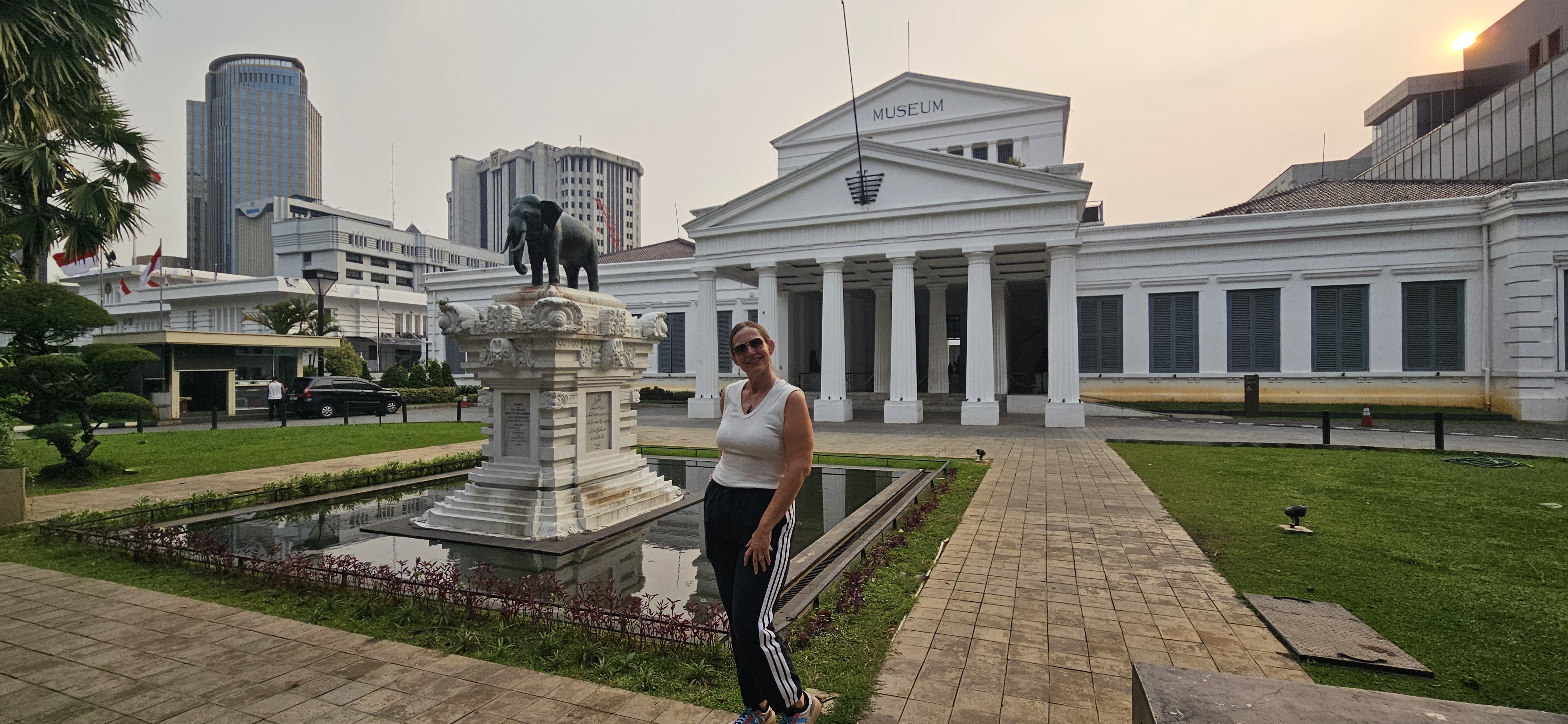
Outside the museum we could also see the sun, and there was an elephant statue, Jessica’s favorite animal, too.
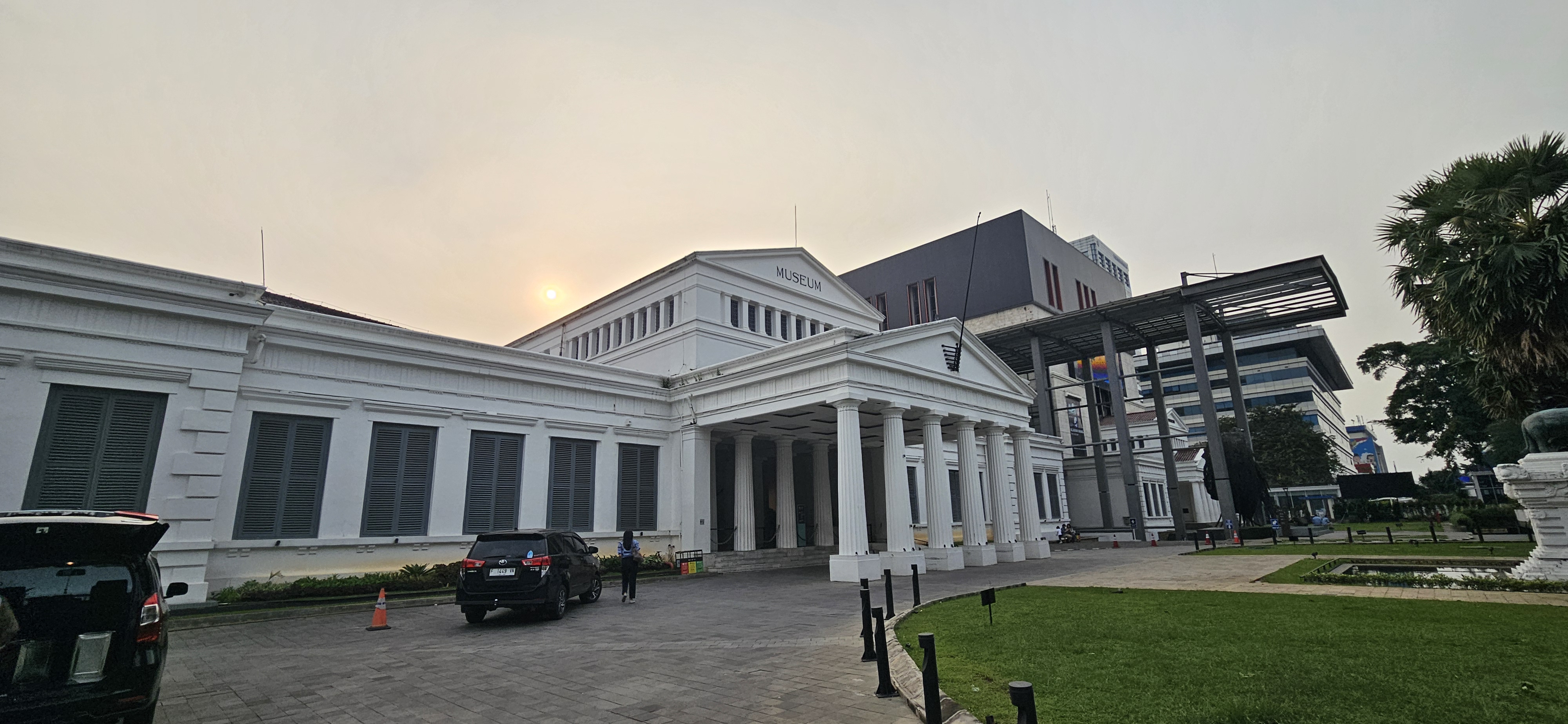
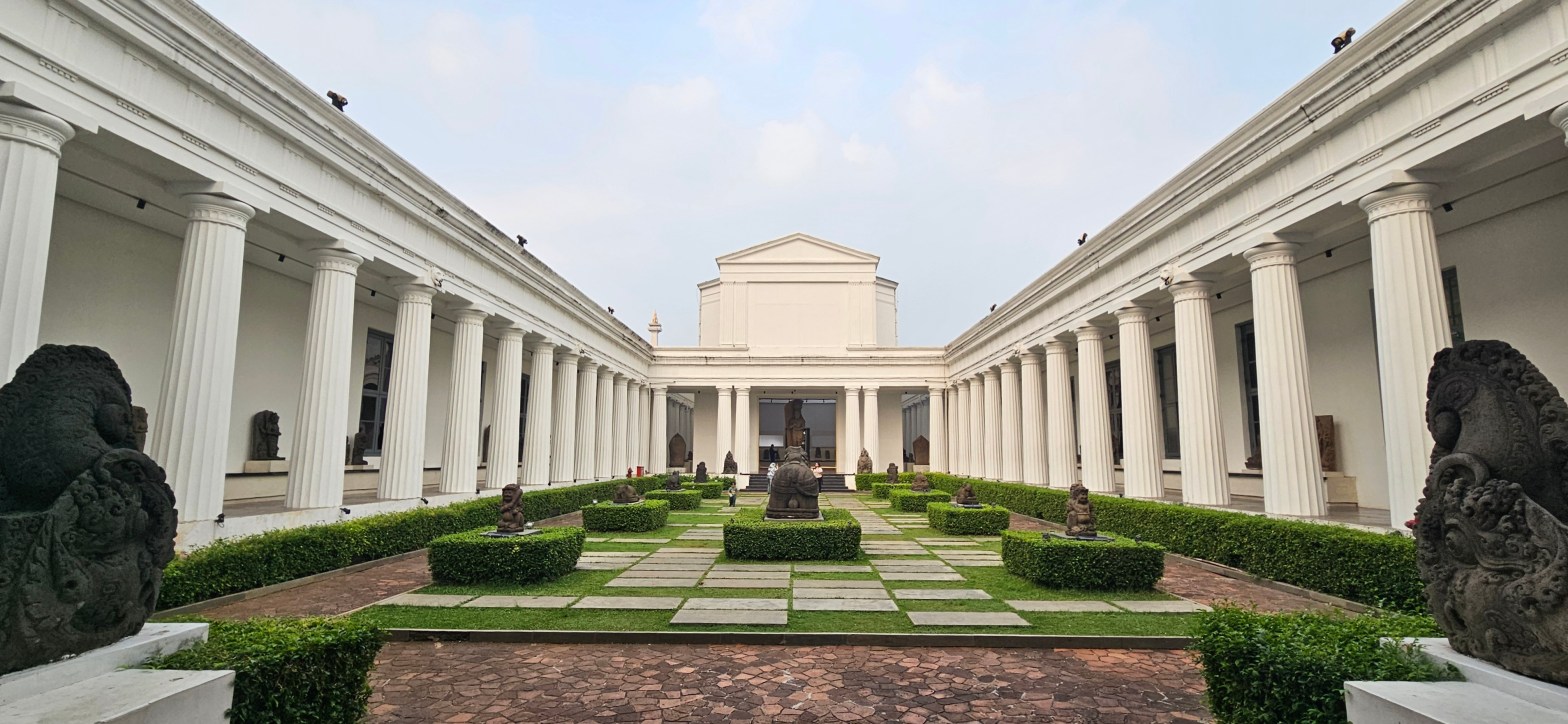
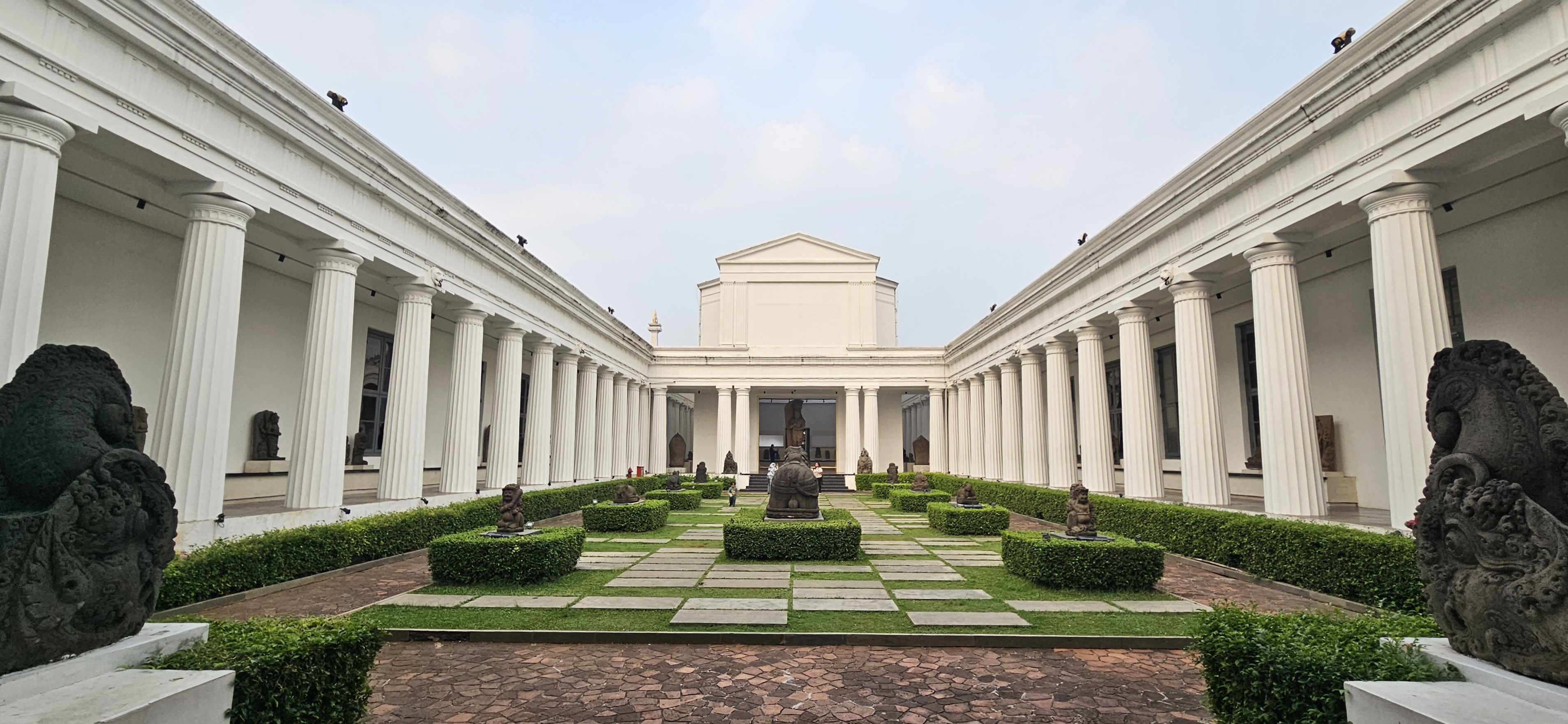
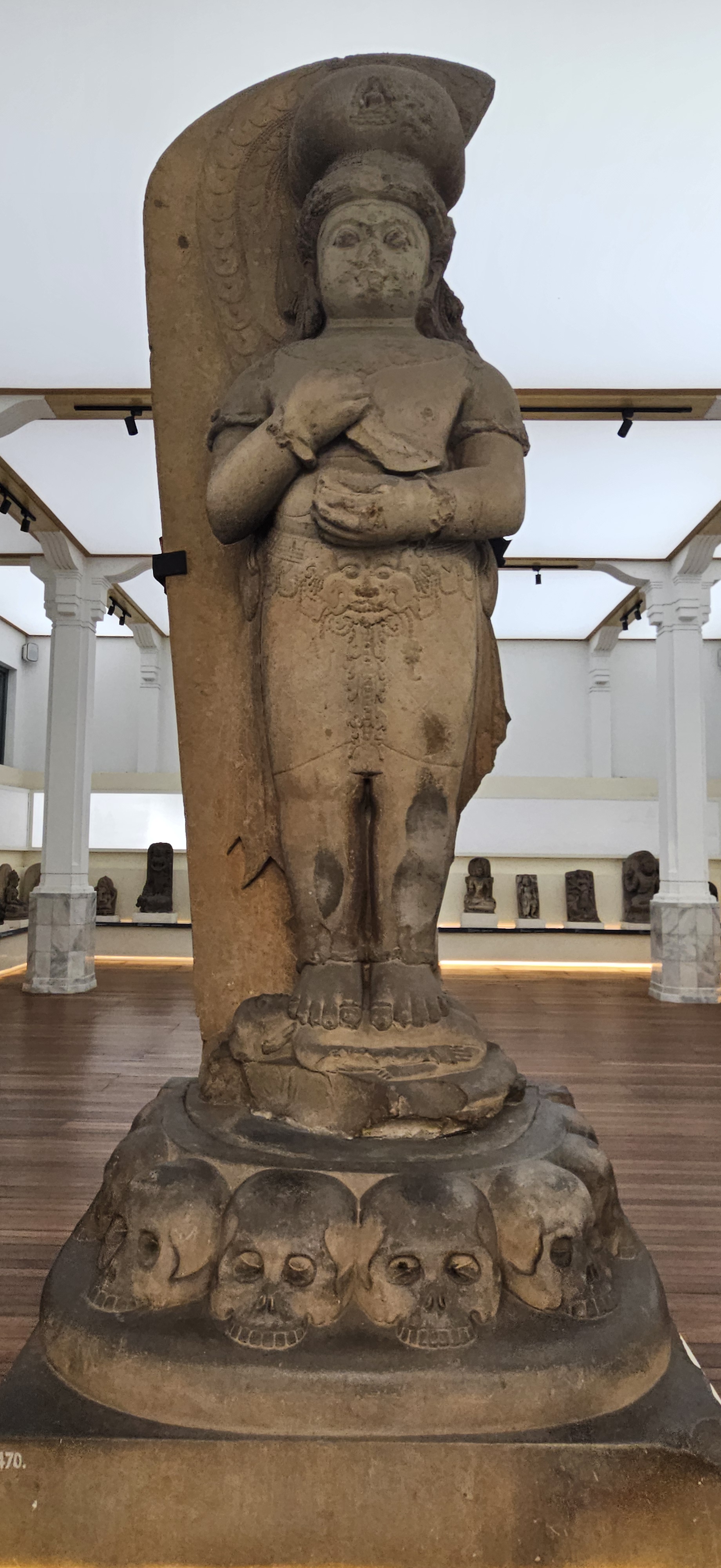
The museum is quite large; inside the white building with the columns is only half of the museum and there is a large courtyard with many, many Buddhist statues taken from around Indonesia and put on display.
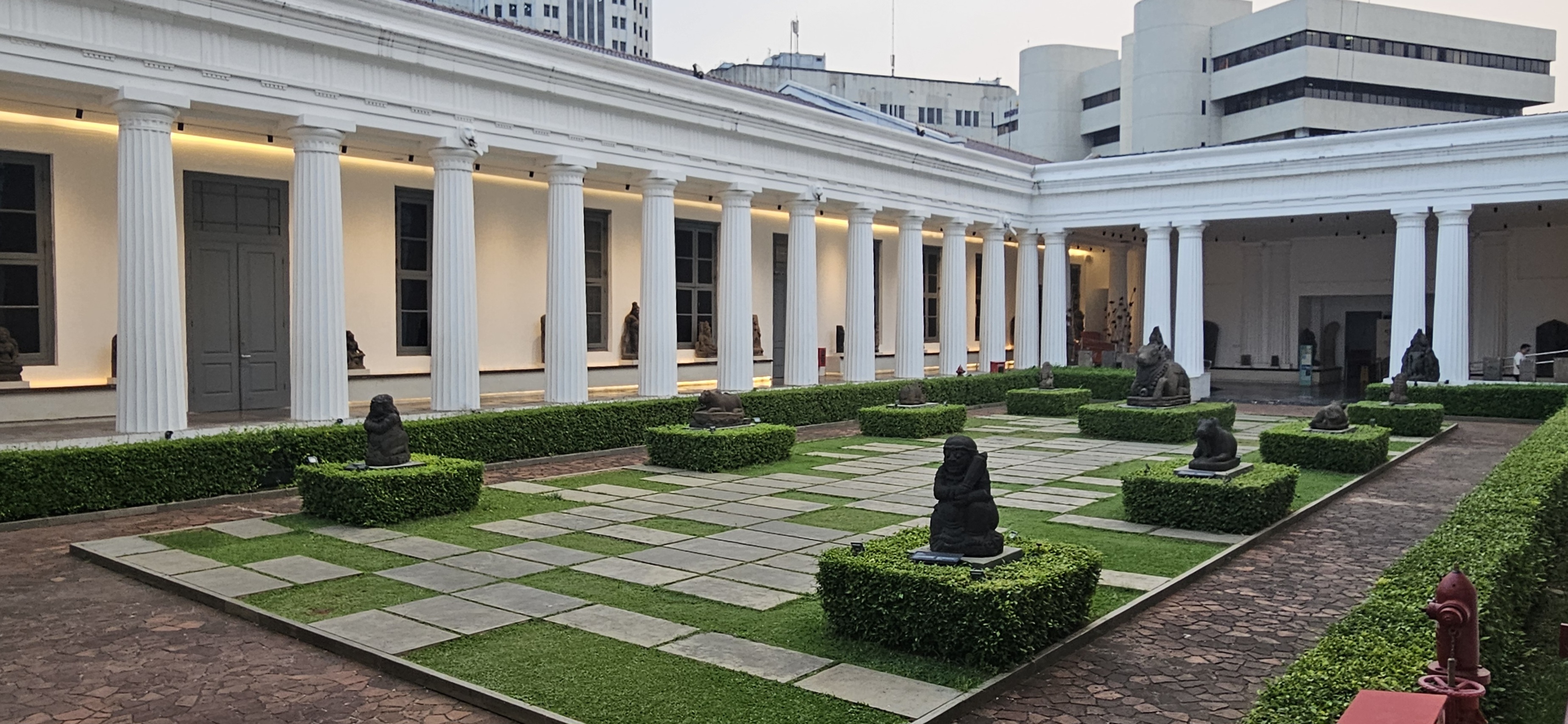
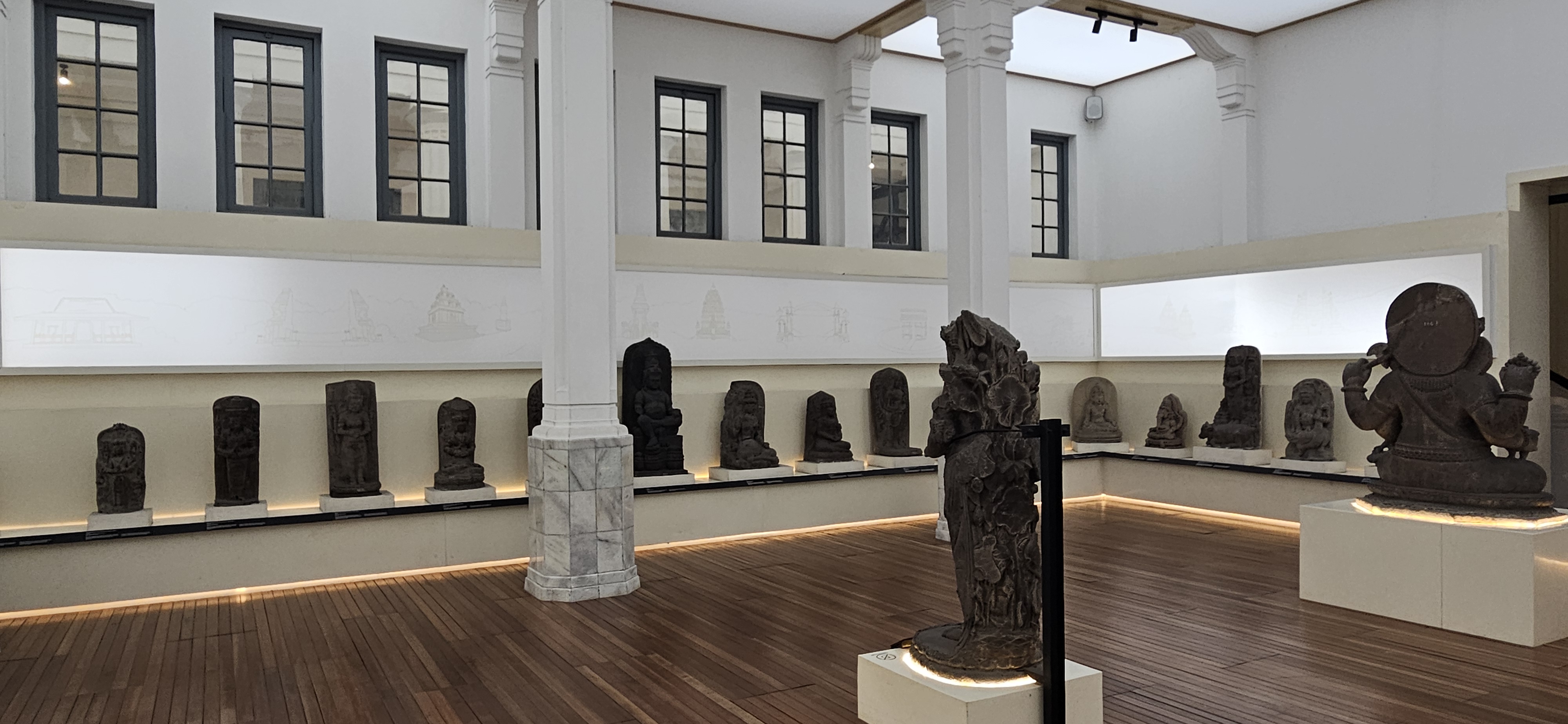
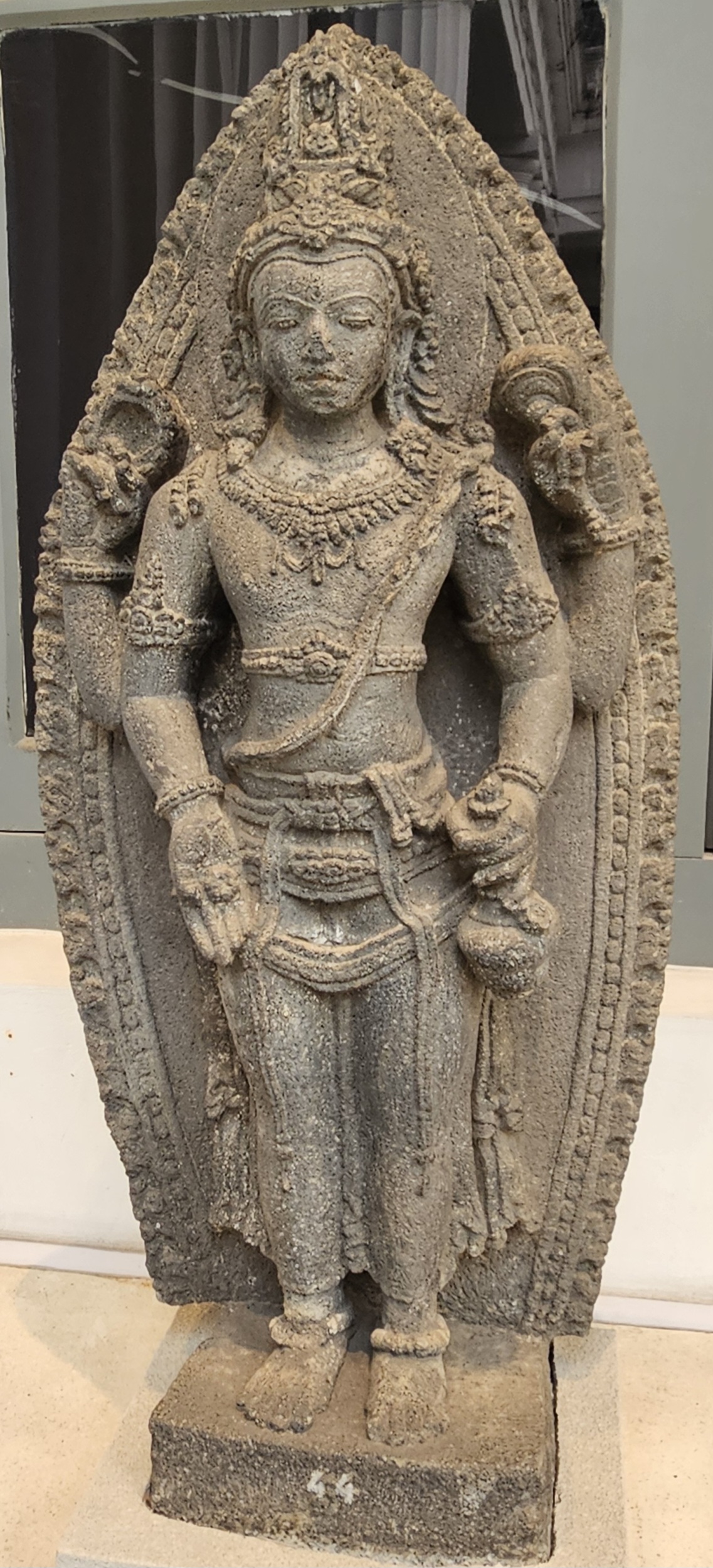
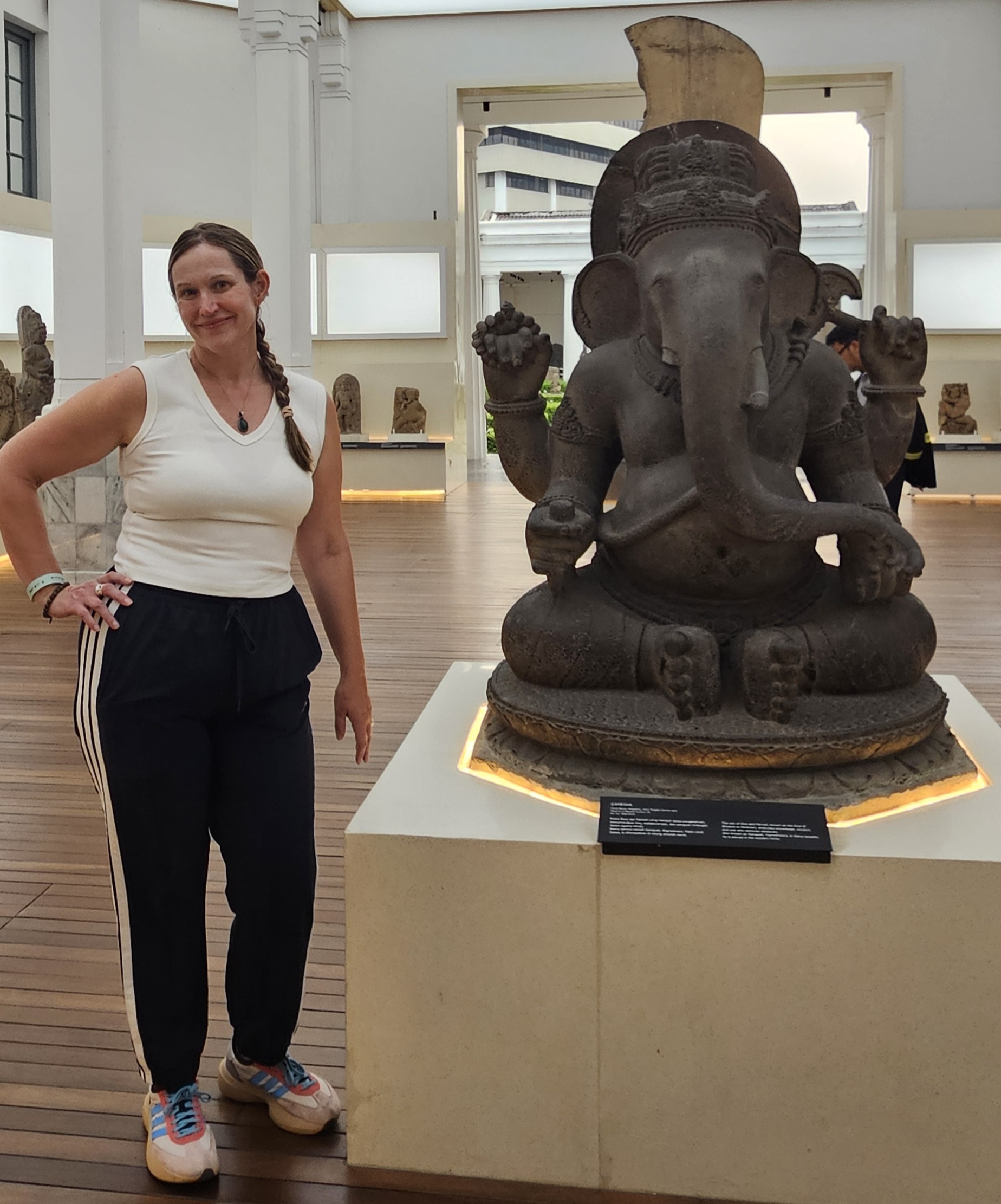
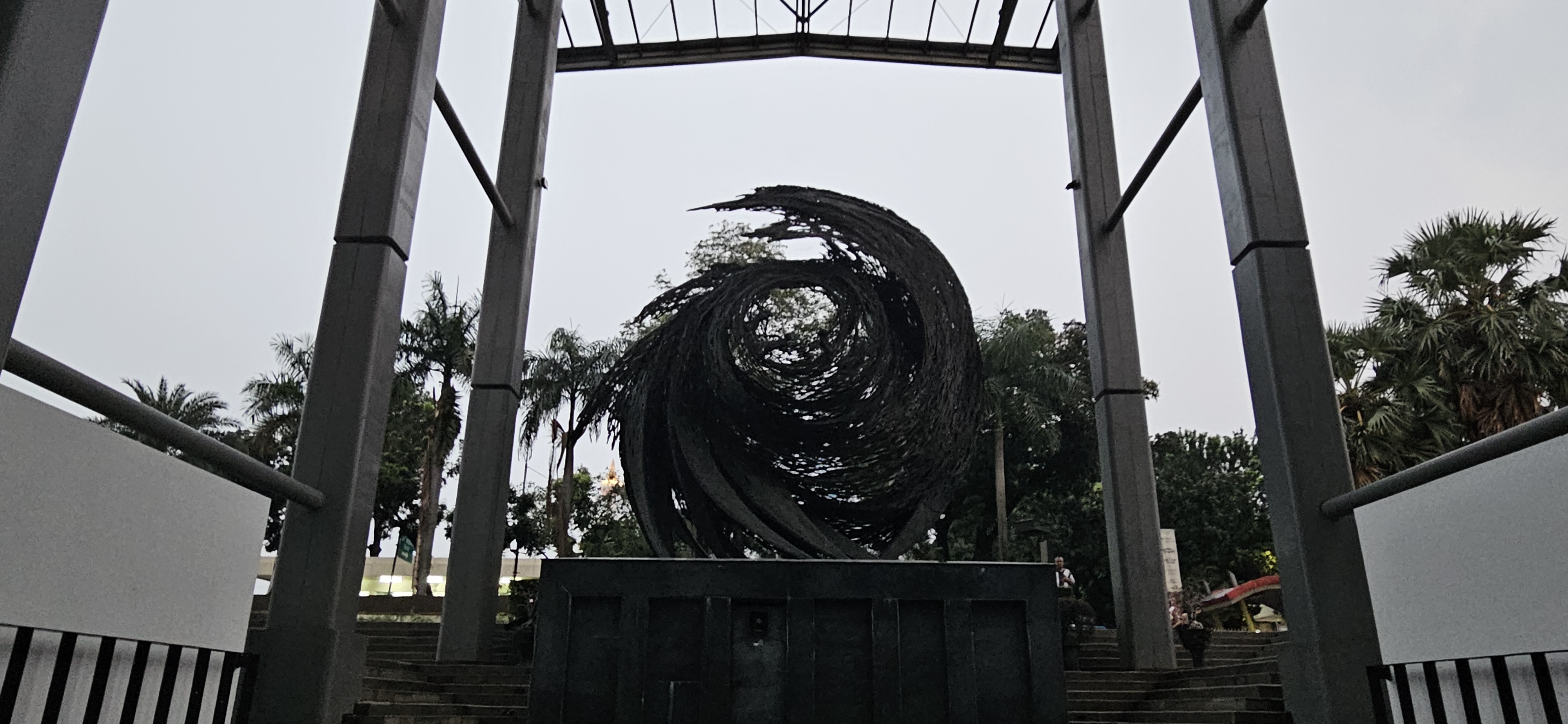
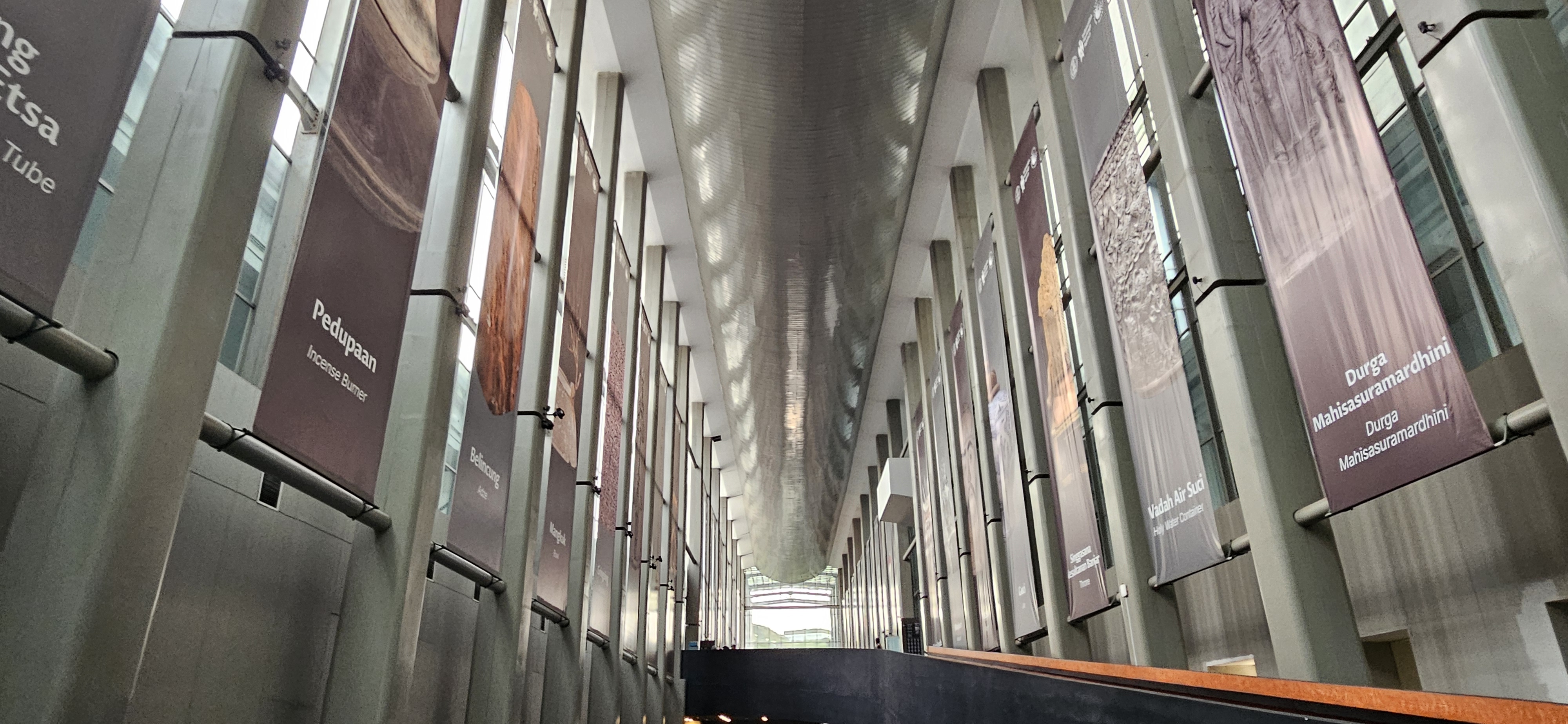
The new building is huge, with an circular sculpture in front of the entrance, and once inside, a massive entrance hall.
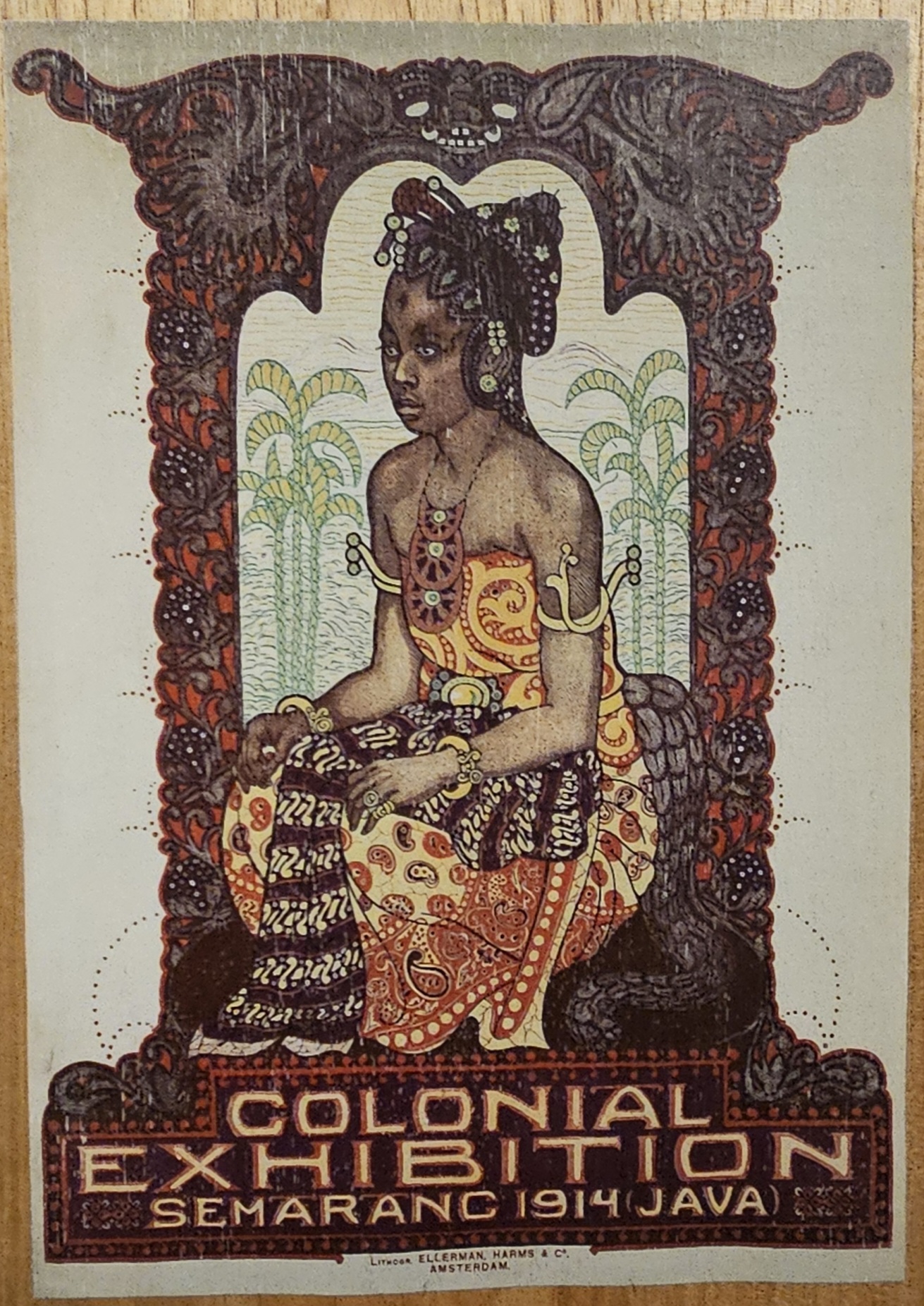
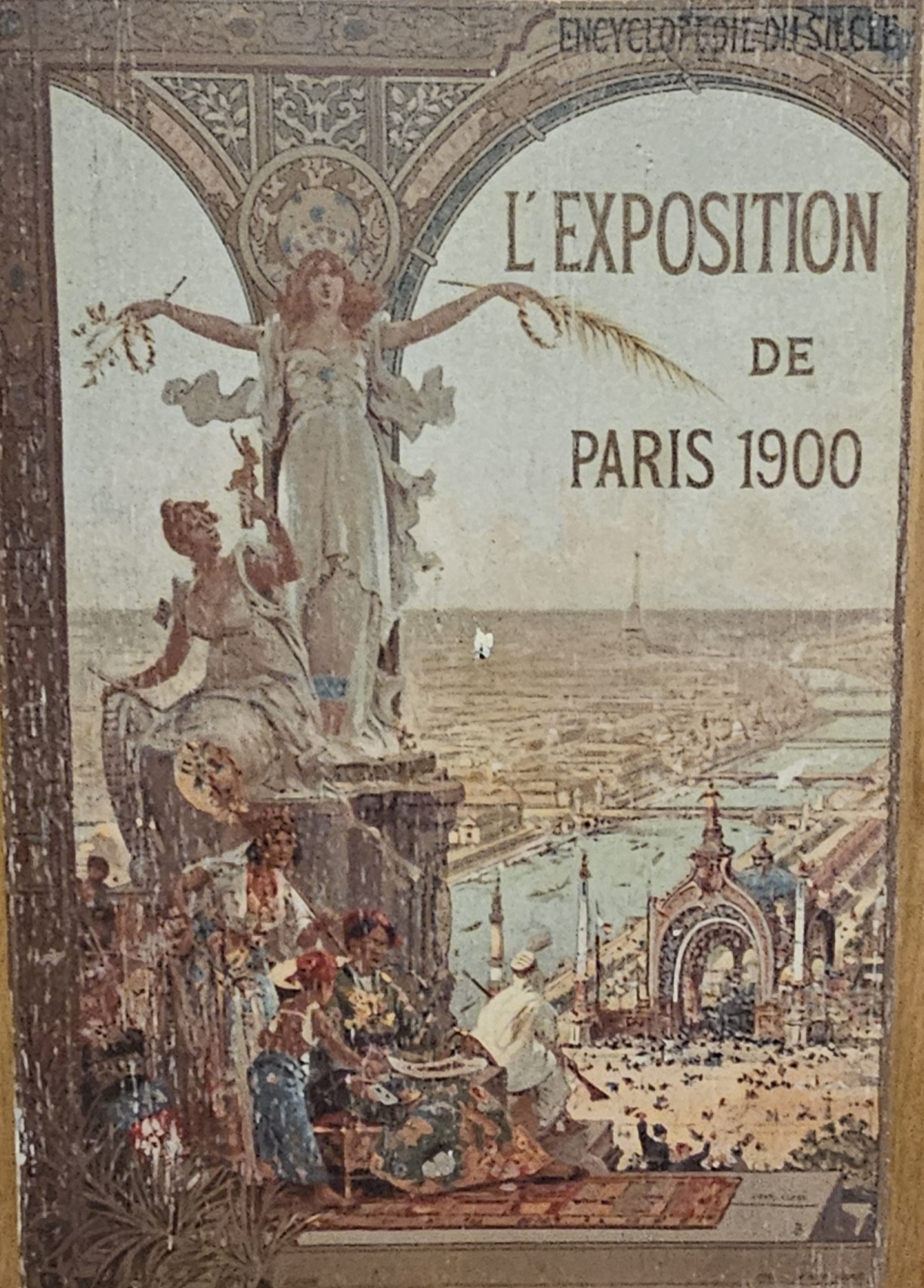
We started by looking at posters and maps made by the Dutch and others during colonial times:
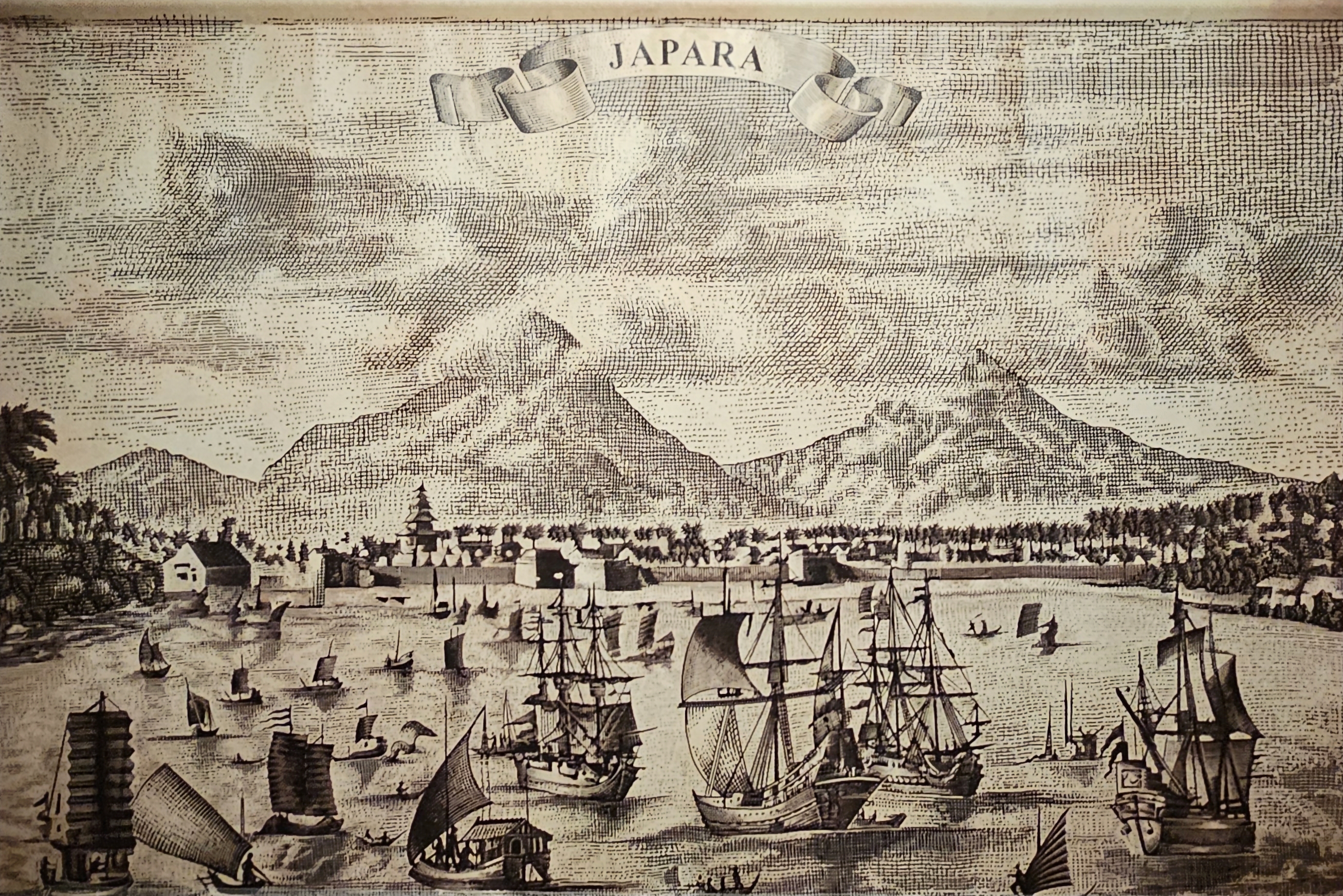
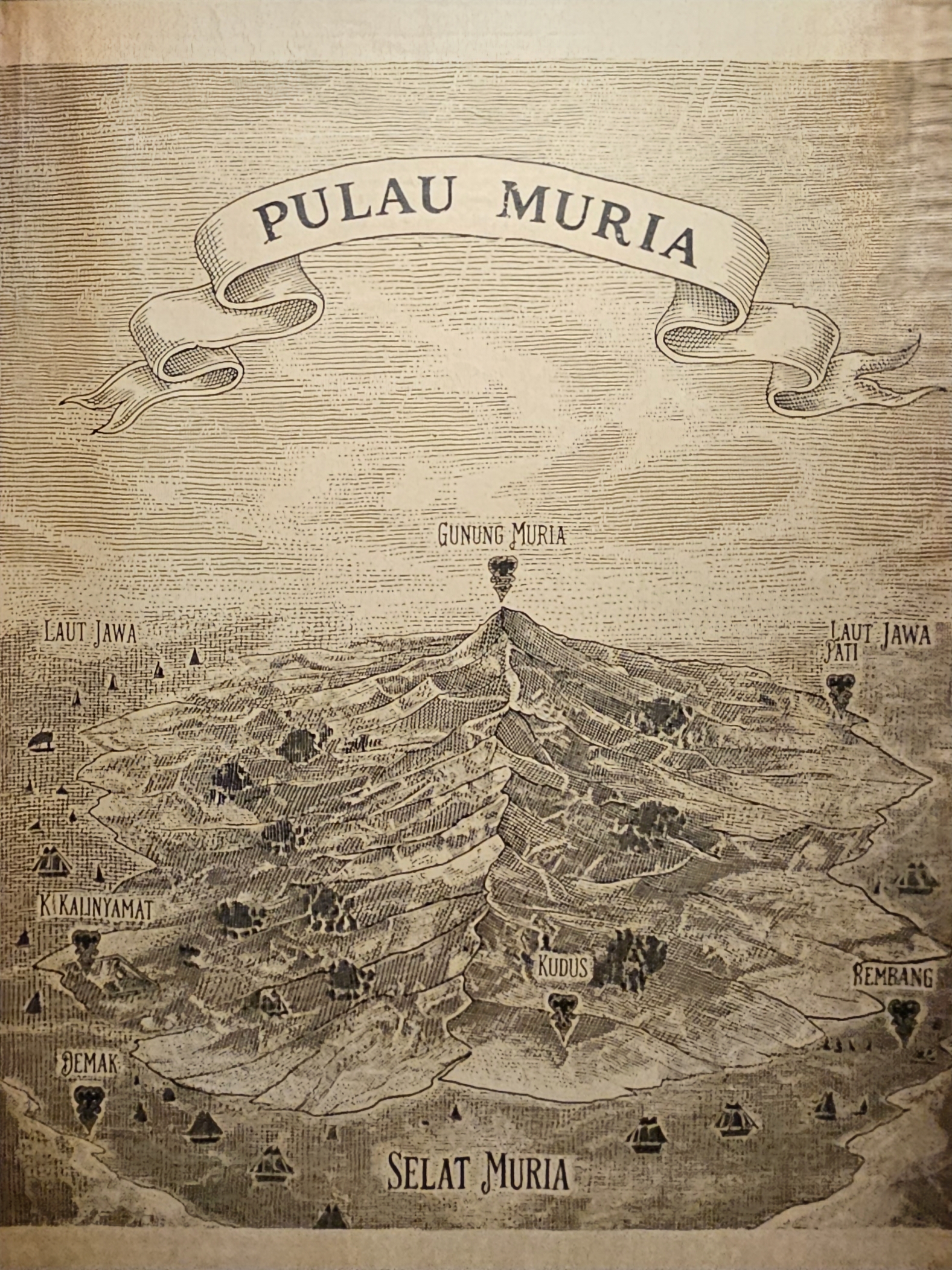
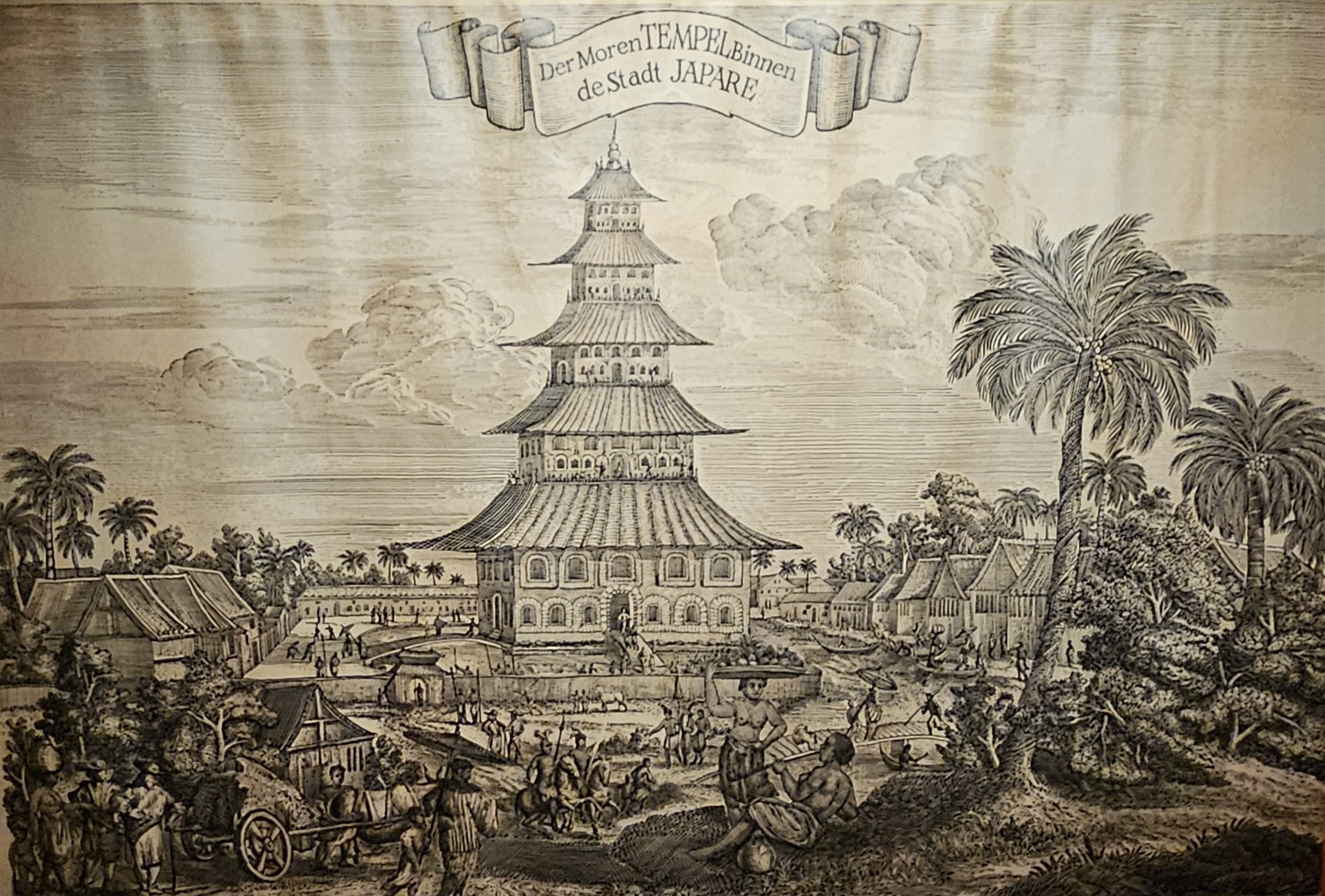
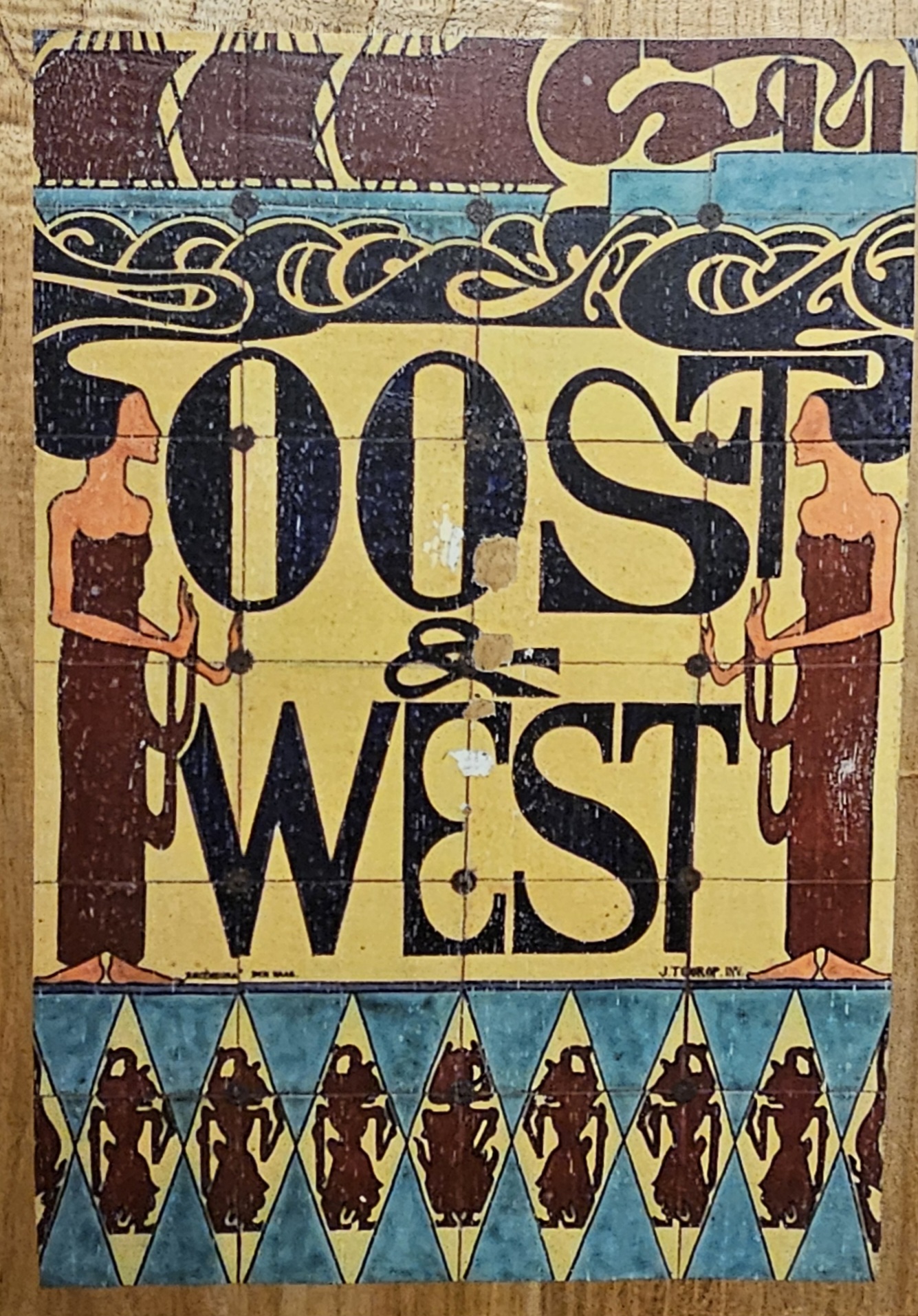
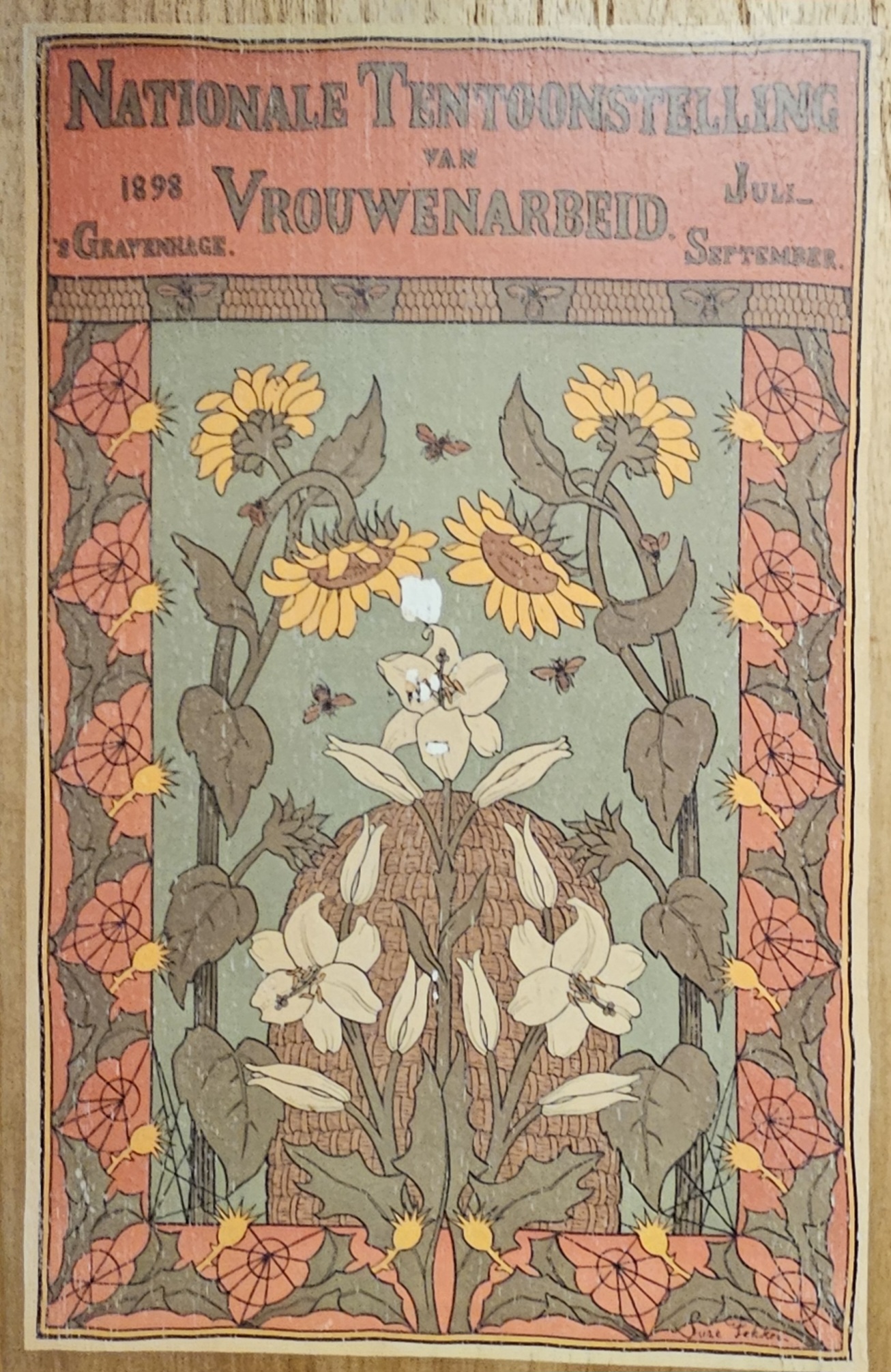
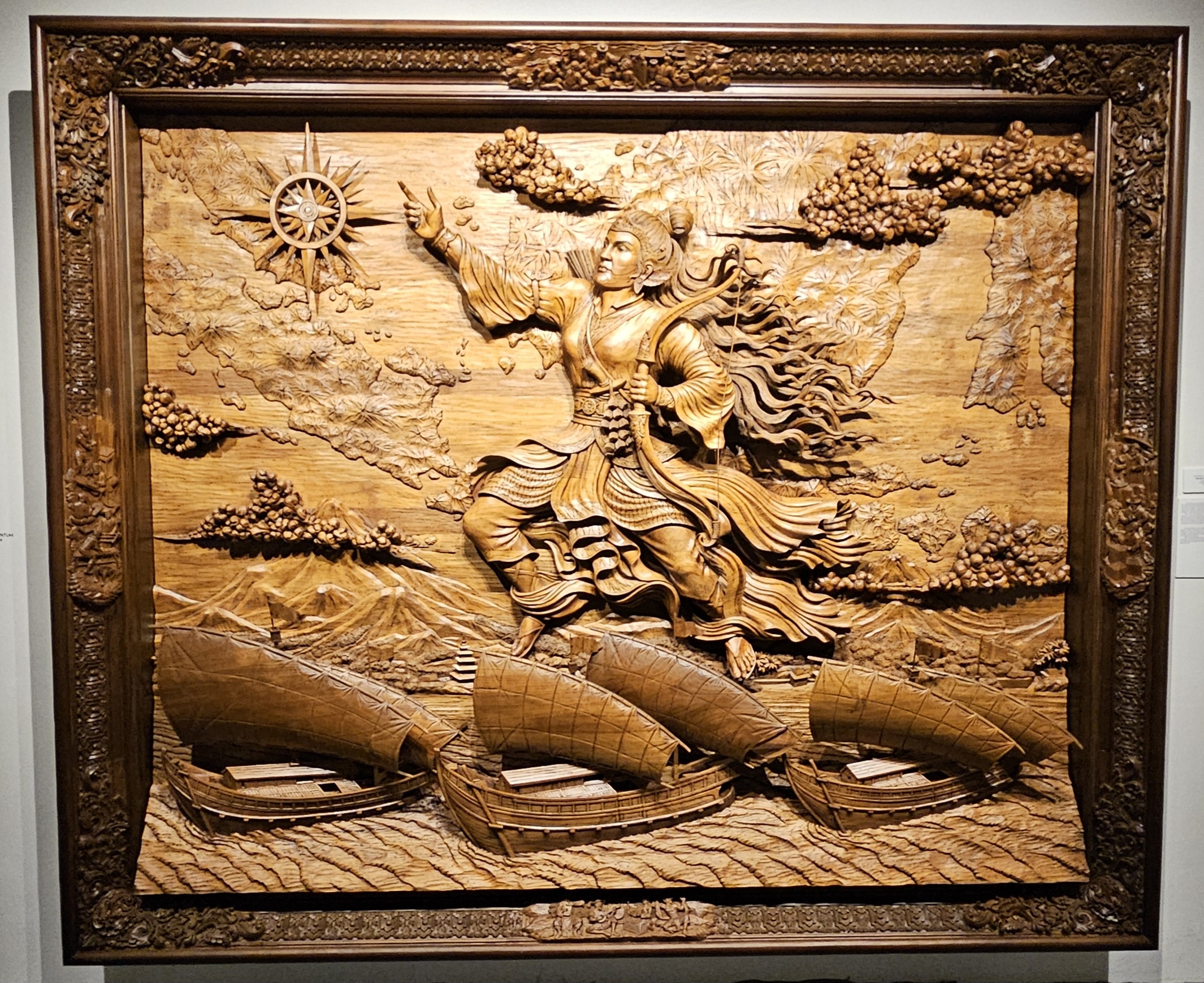
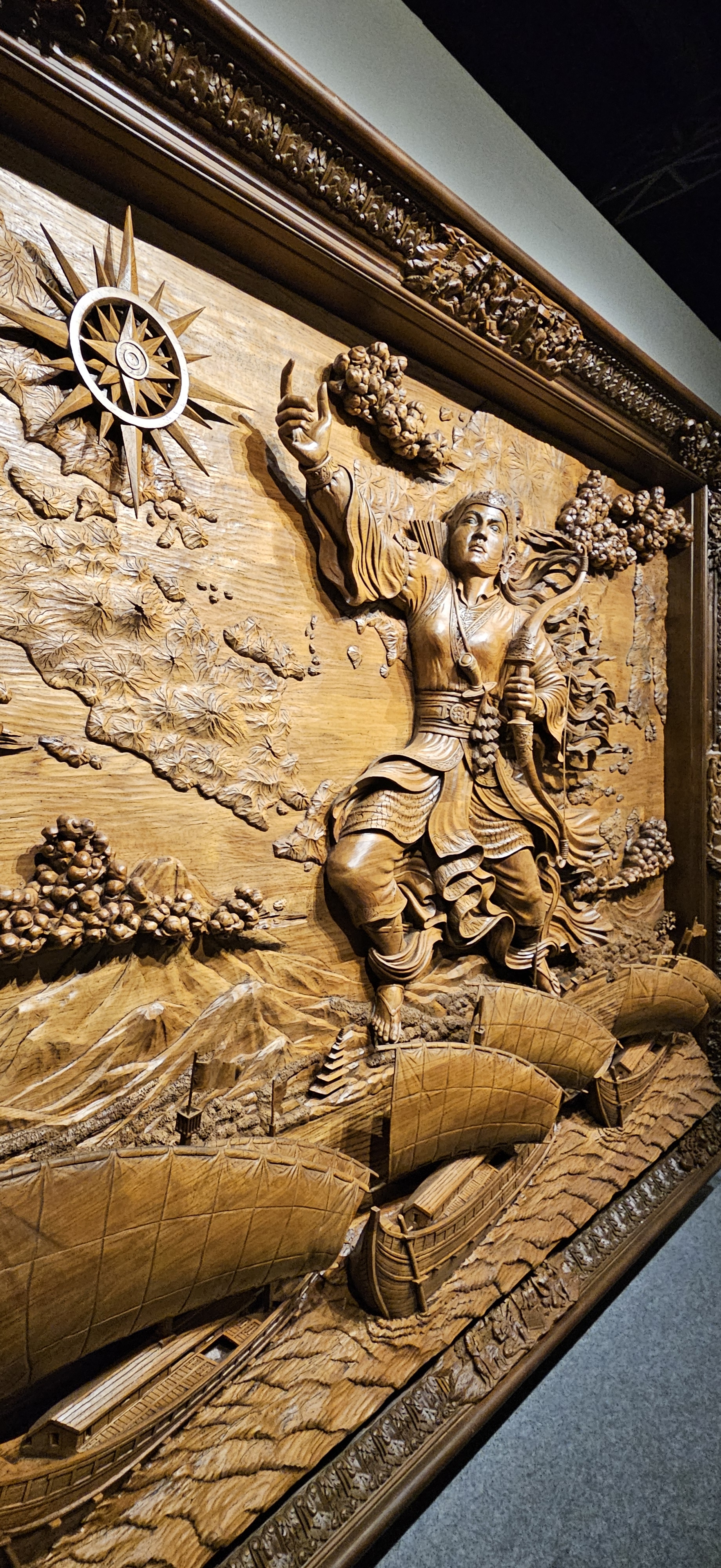
We continued on, to our favorite exhibition in the gallery, the wood carvings. These were insanely impressive with the amount of delicacy and precision needed to cut and shape the wood. The first one we saw, carved from teak wood, entitled, “Ratu Dari Pulau Muria” (or the Queen of Muria Island), and was finished in 2026, made by Roni, Sutrisno, Mugi and Jokowi. Queen Kalinyamat ruled the Jepara (or Japara) kingdom, and the city of Jepara was a strategic port city in the north of Java. We examined and stared at this work of art for many minutes.
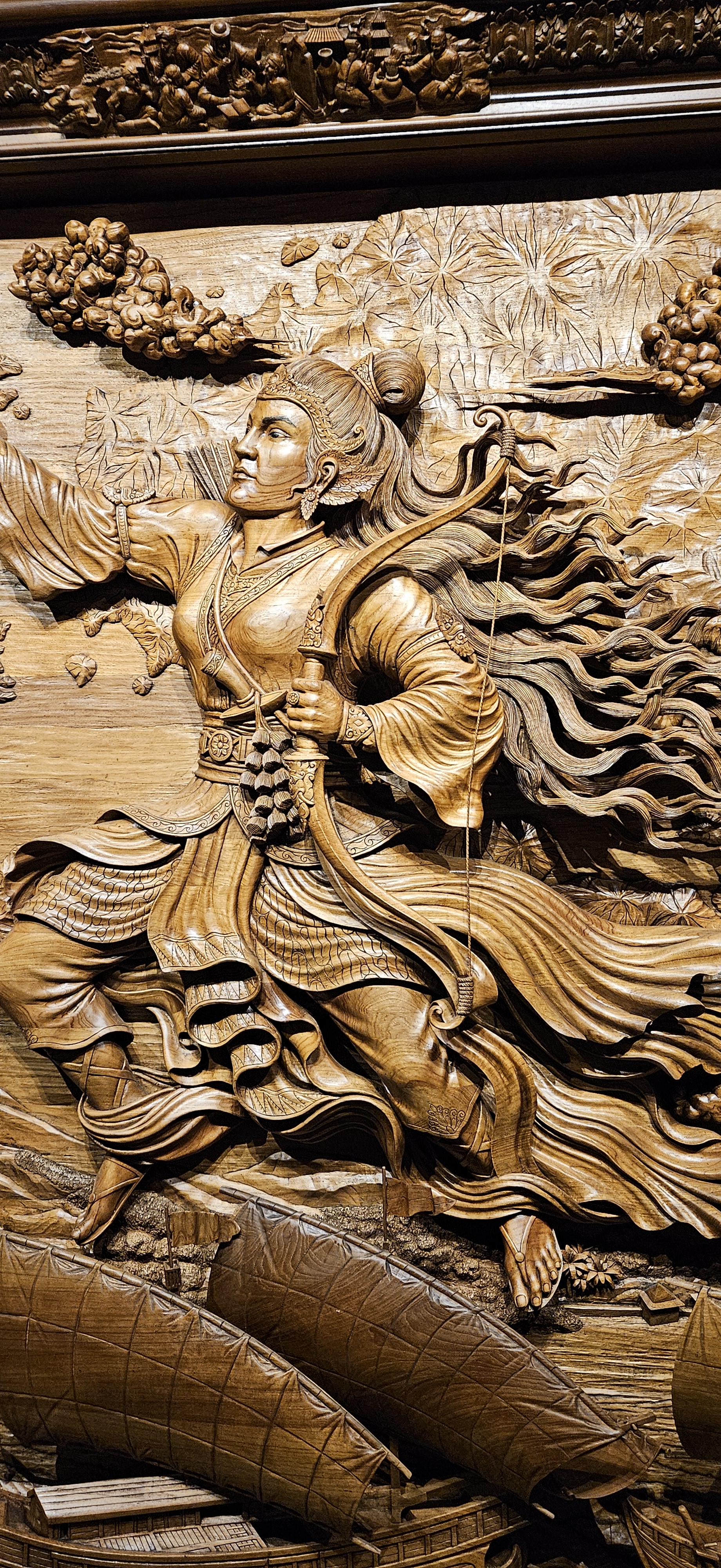
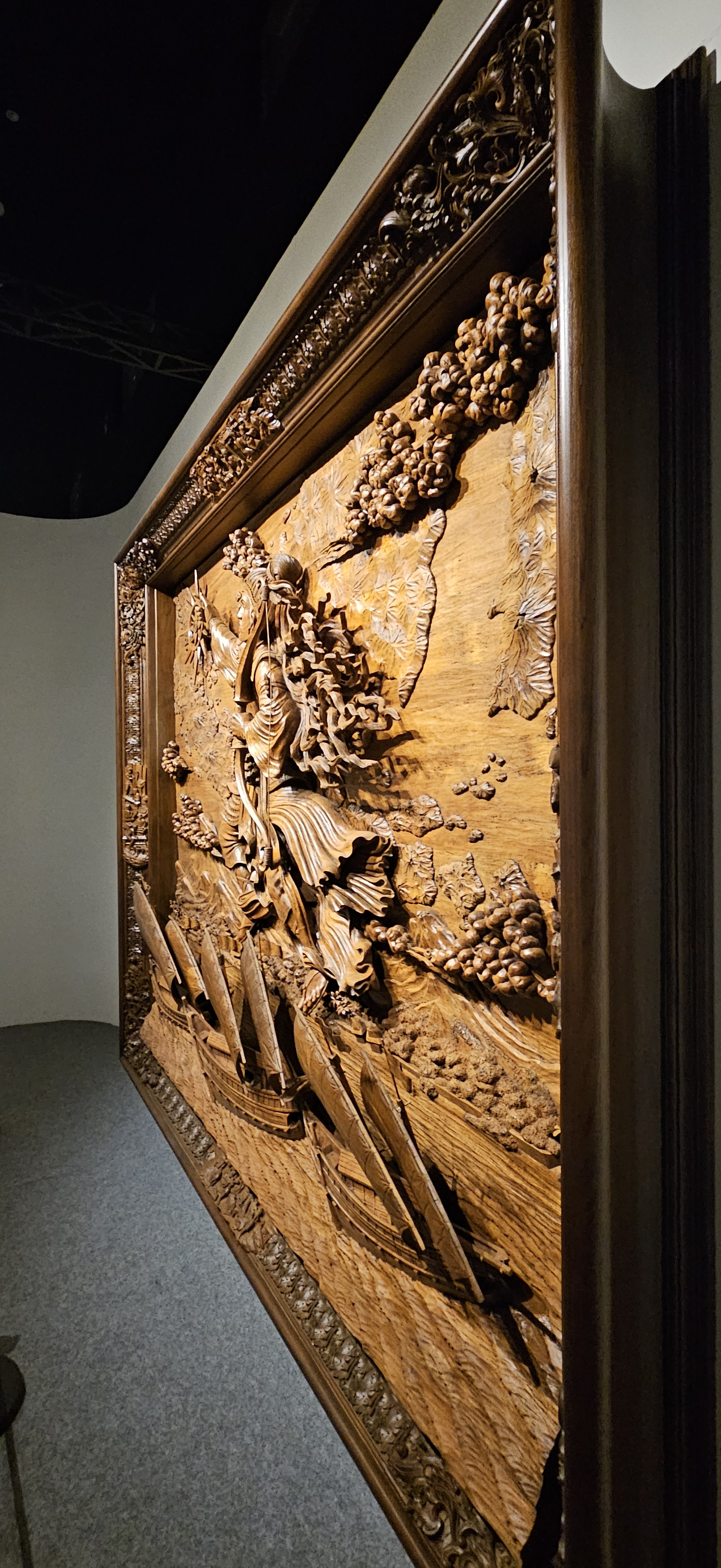
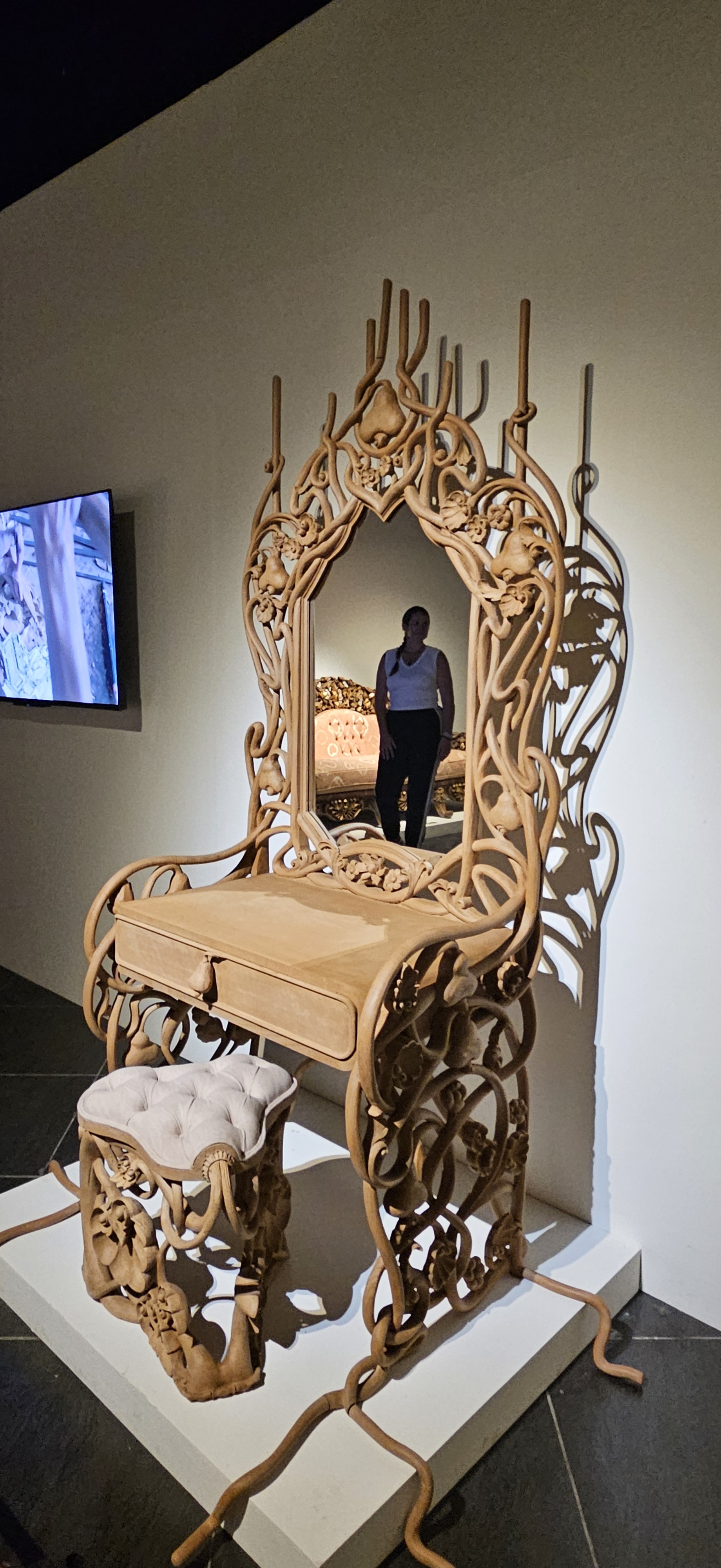
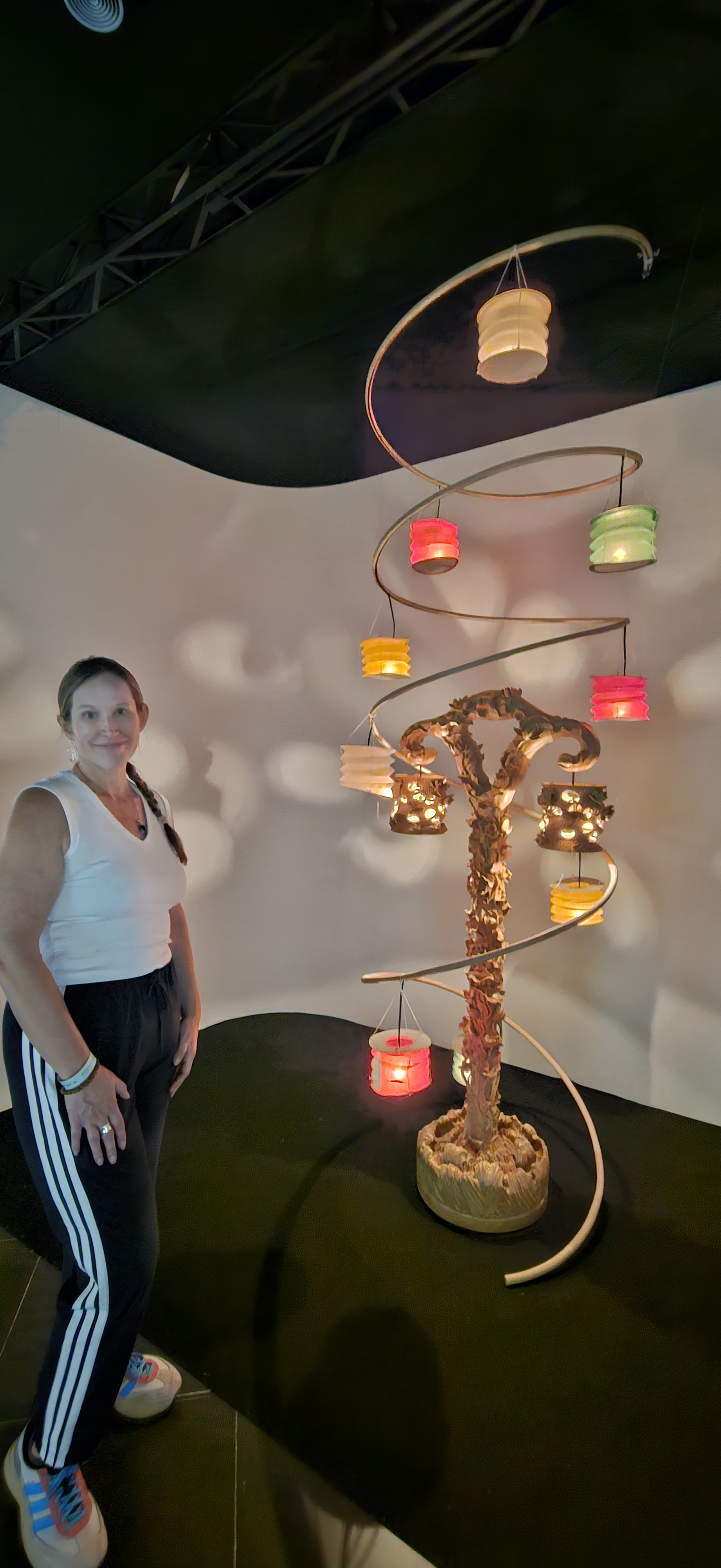
There were many other impressive wood carvings, including furniture and lighting installations.
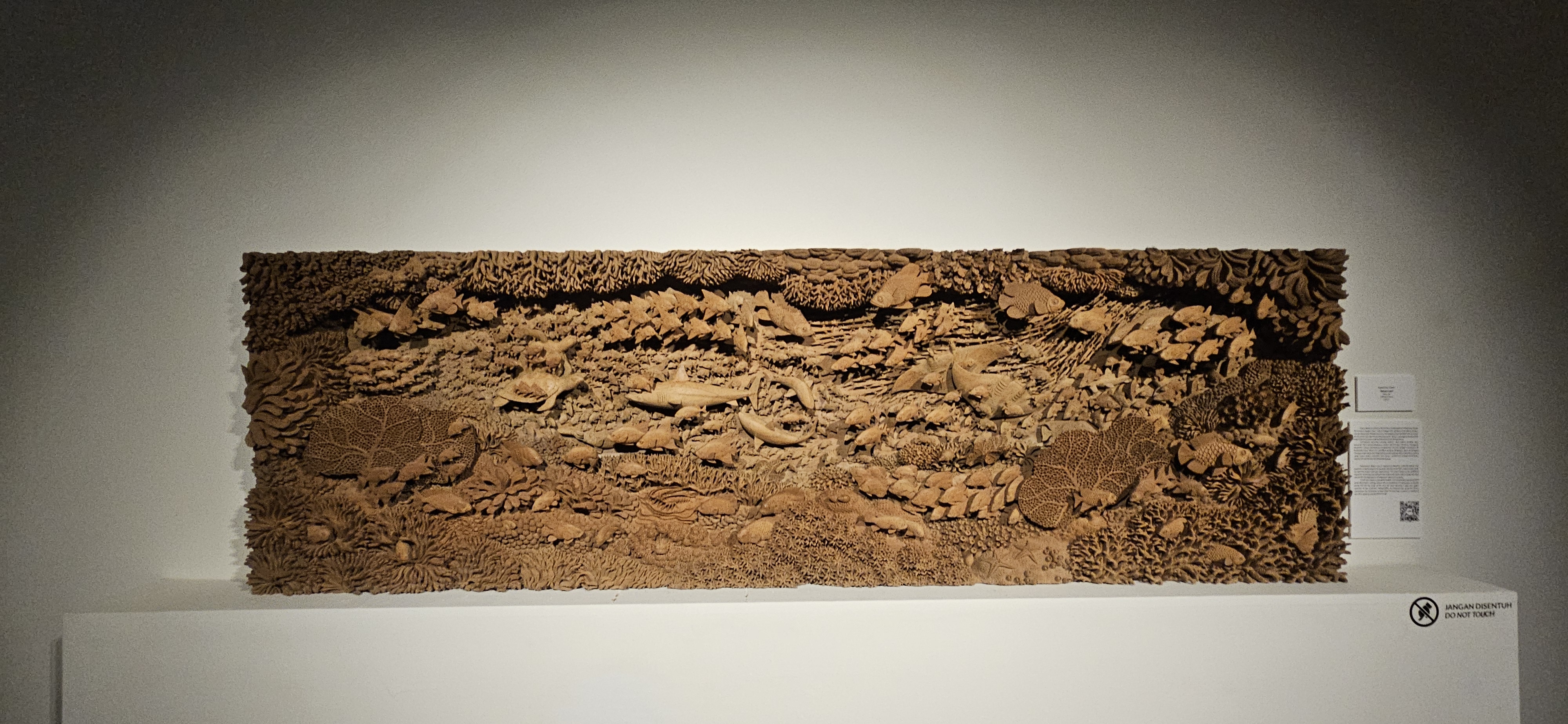
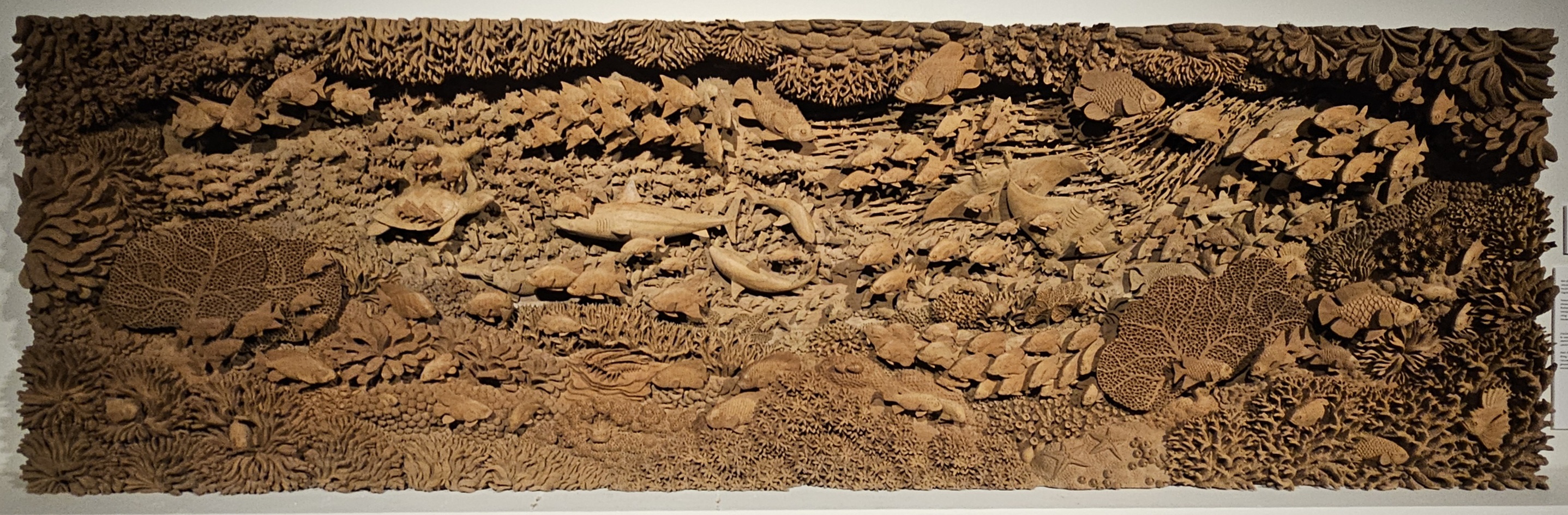
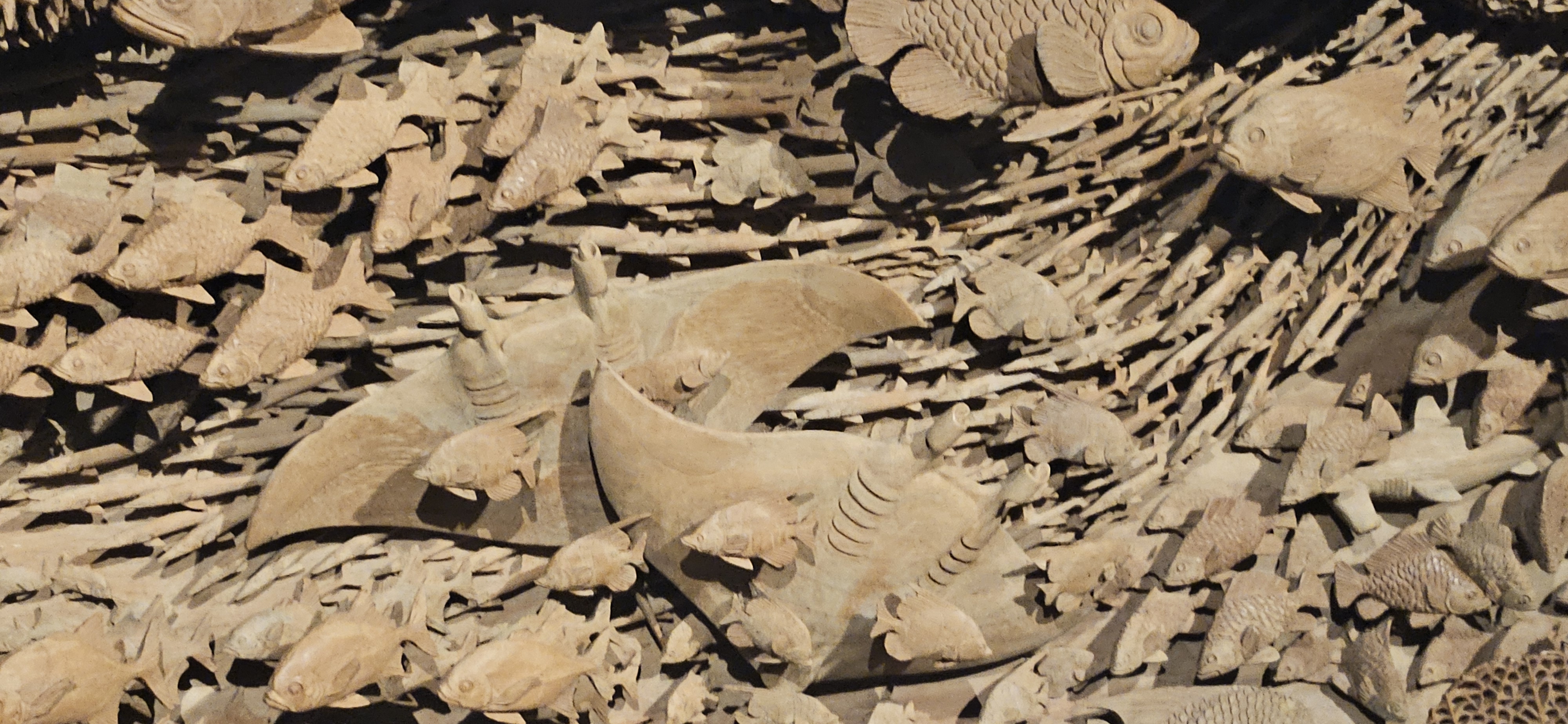
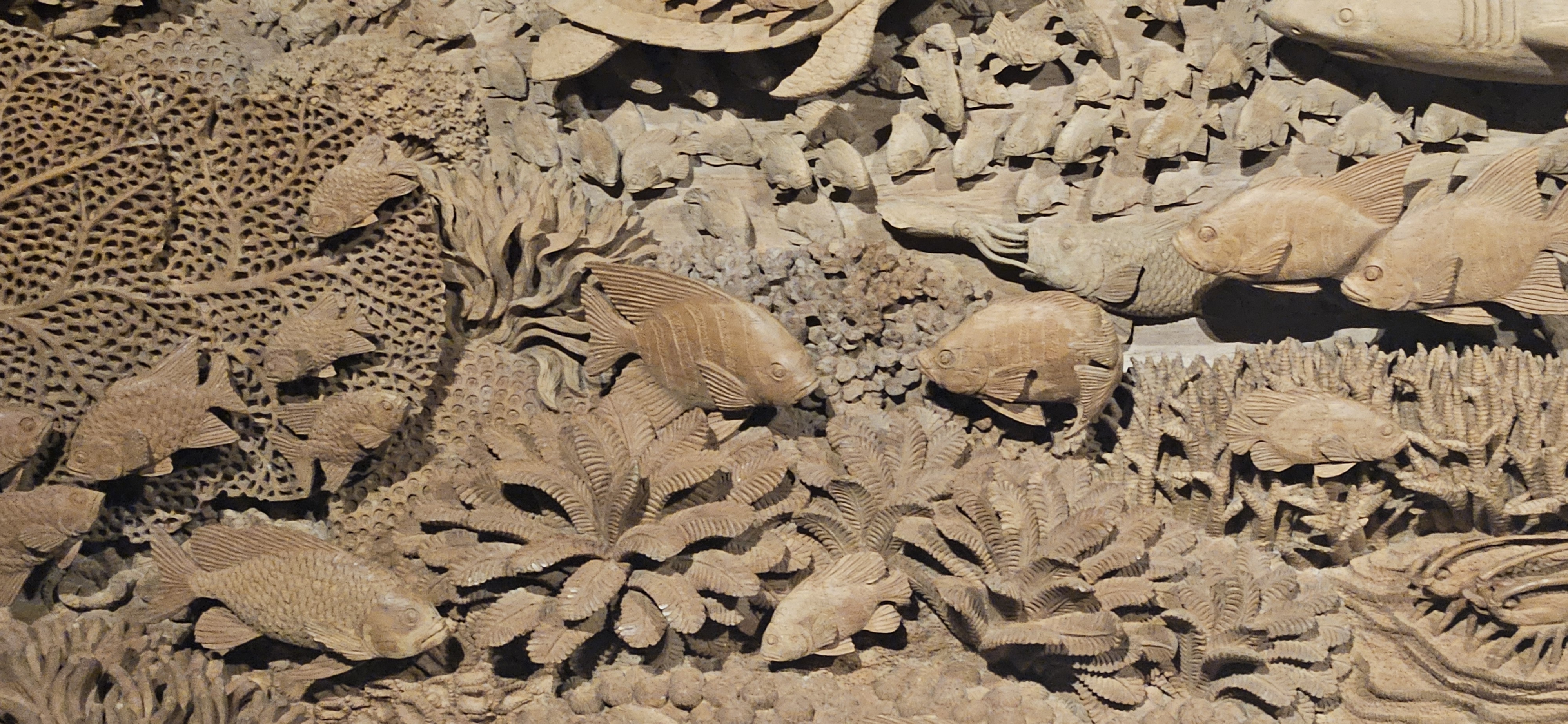
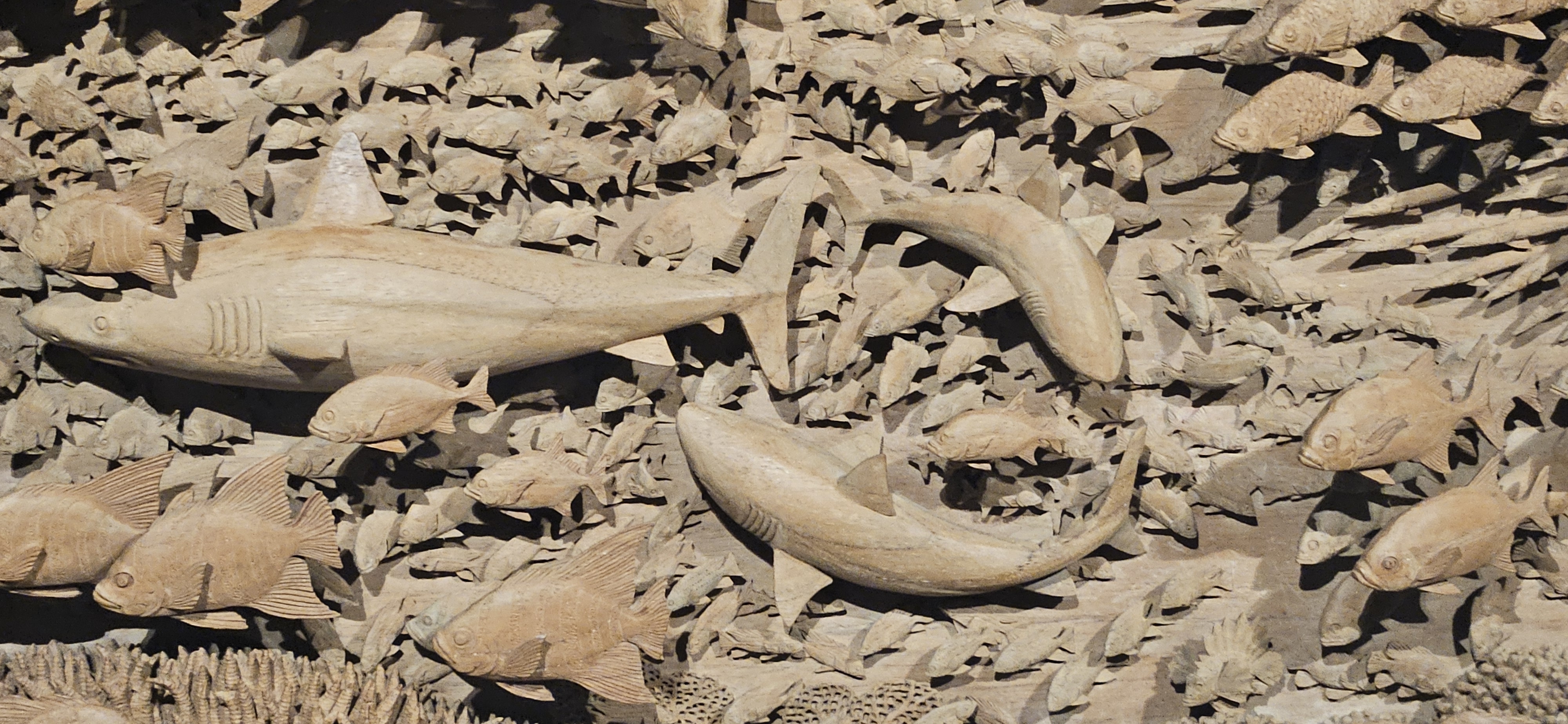
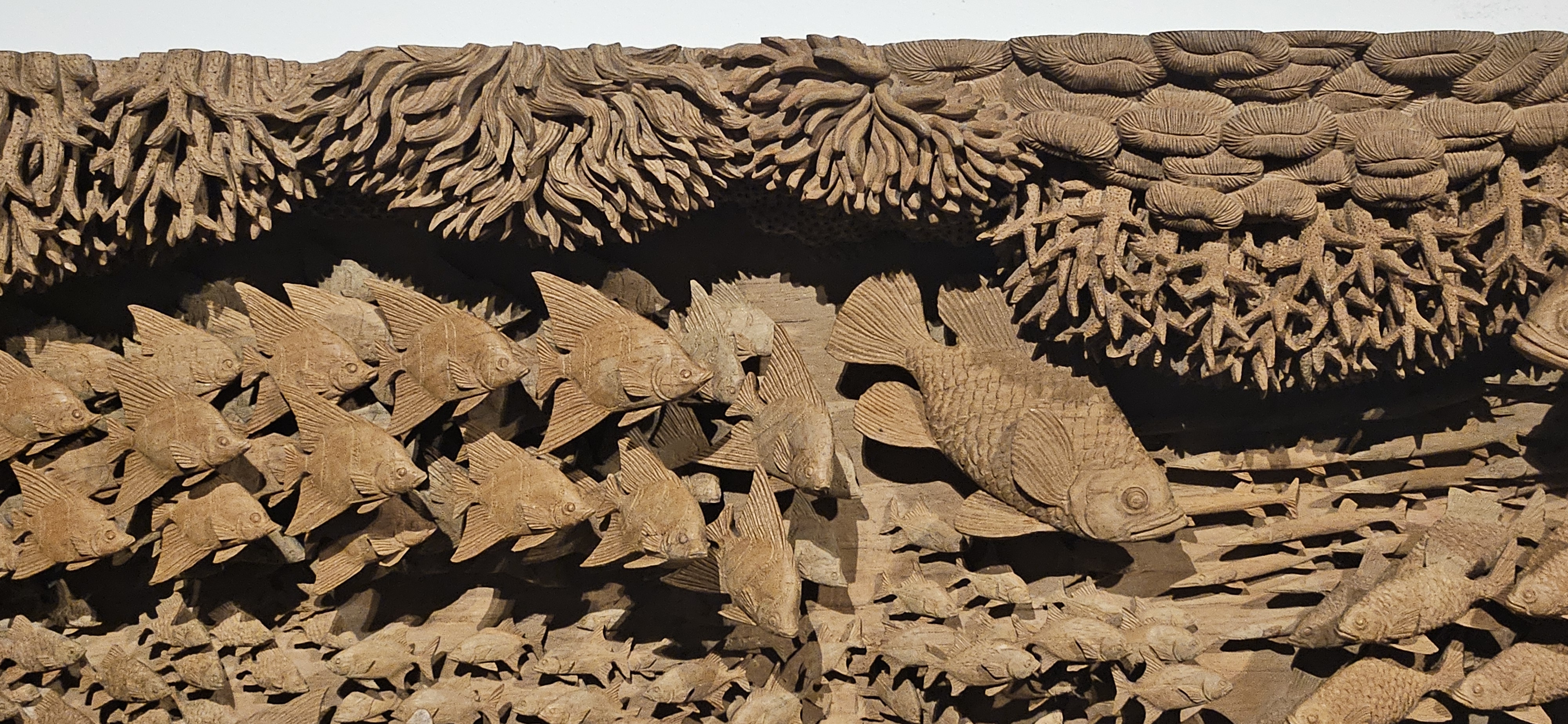
The pièce de résistance was “Taman Laut” (Marine World) by Suhartono Kasari. A museum staffwoman asked how long we thought it took him to complete, and we guessed a year; she told us, in fact, it took the artist 13 years! The artist is from Jepara and he carved this from one piece of wood, even creating tools that would allow him to create this underwater world. We spent even longer inspecting this stunning piece of art.
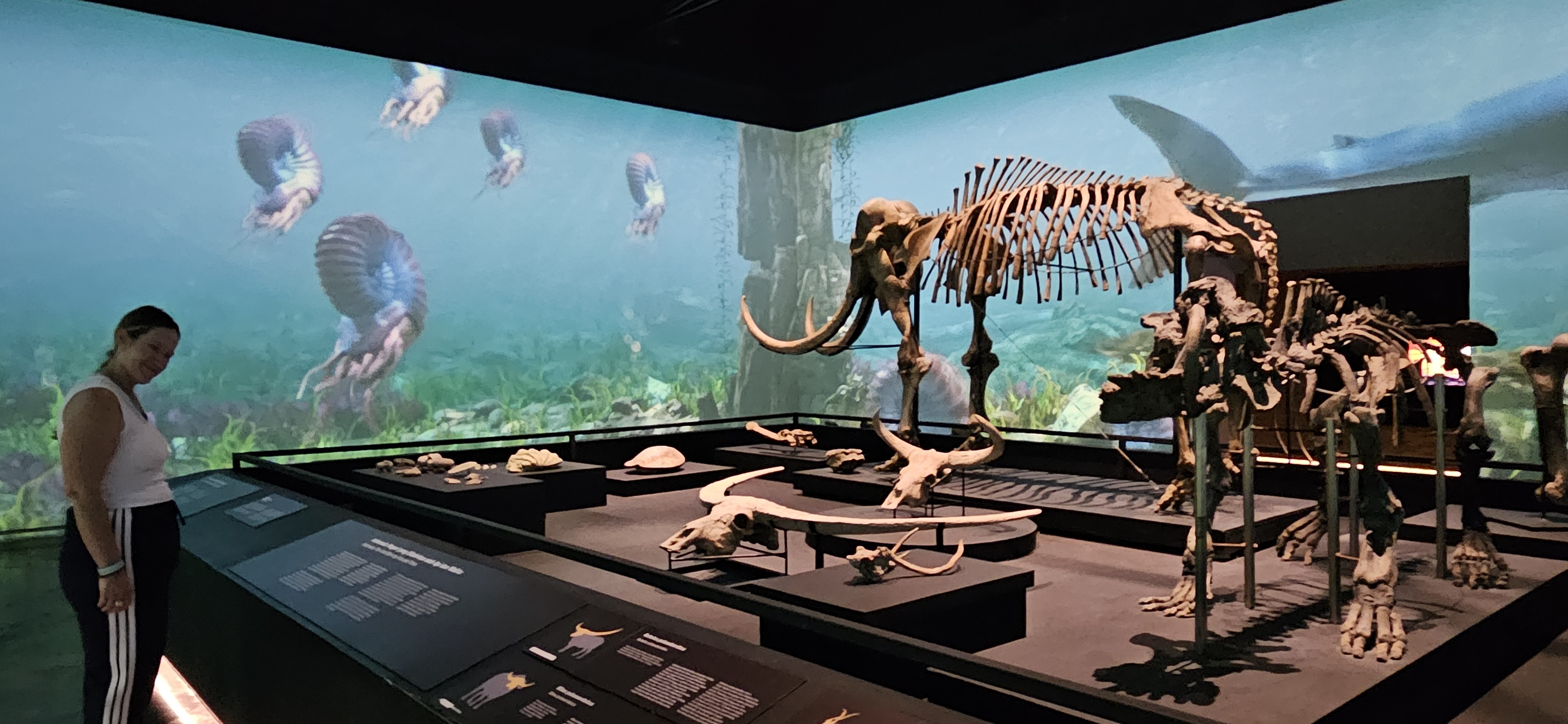
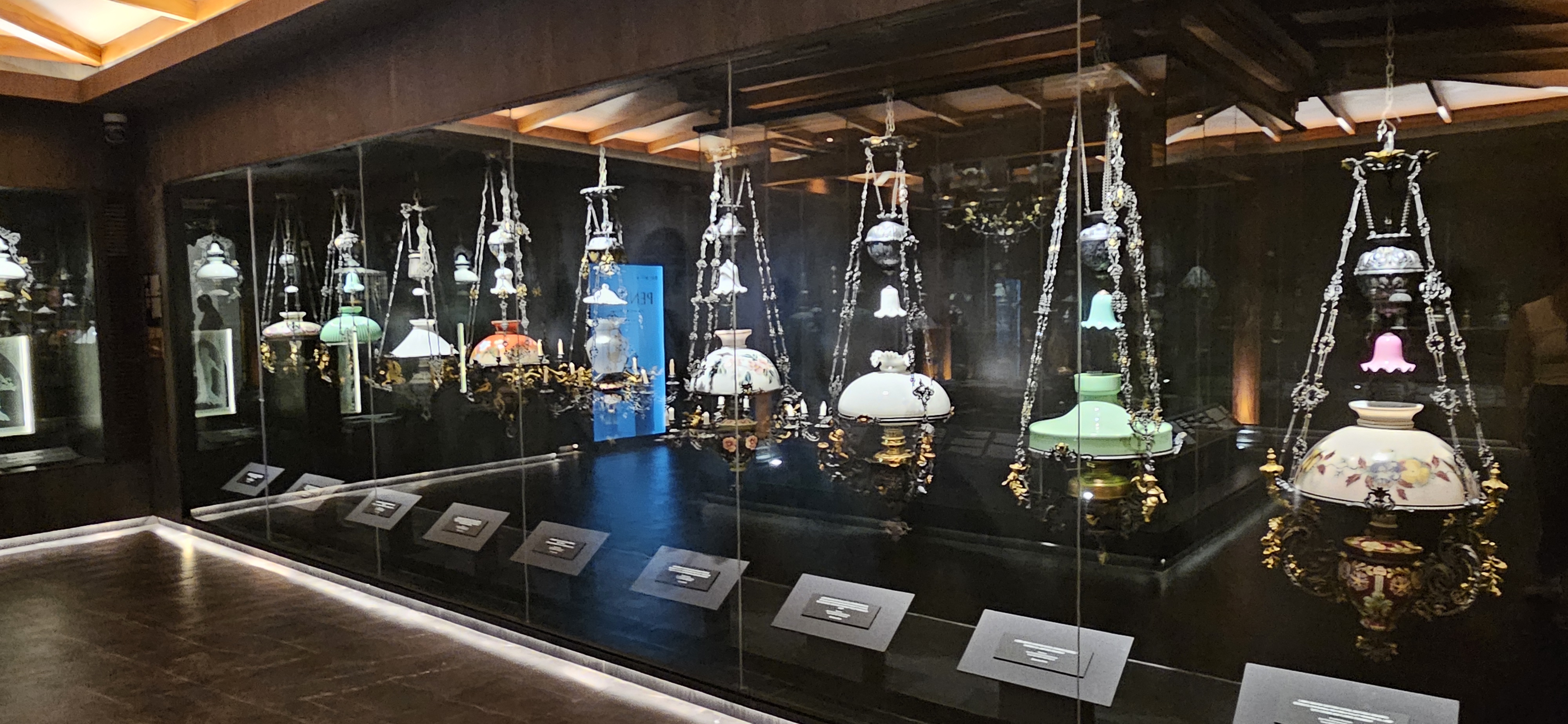
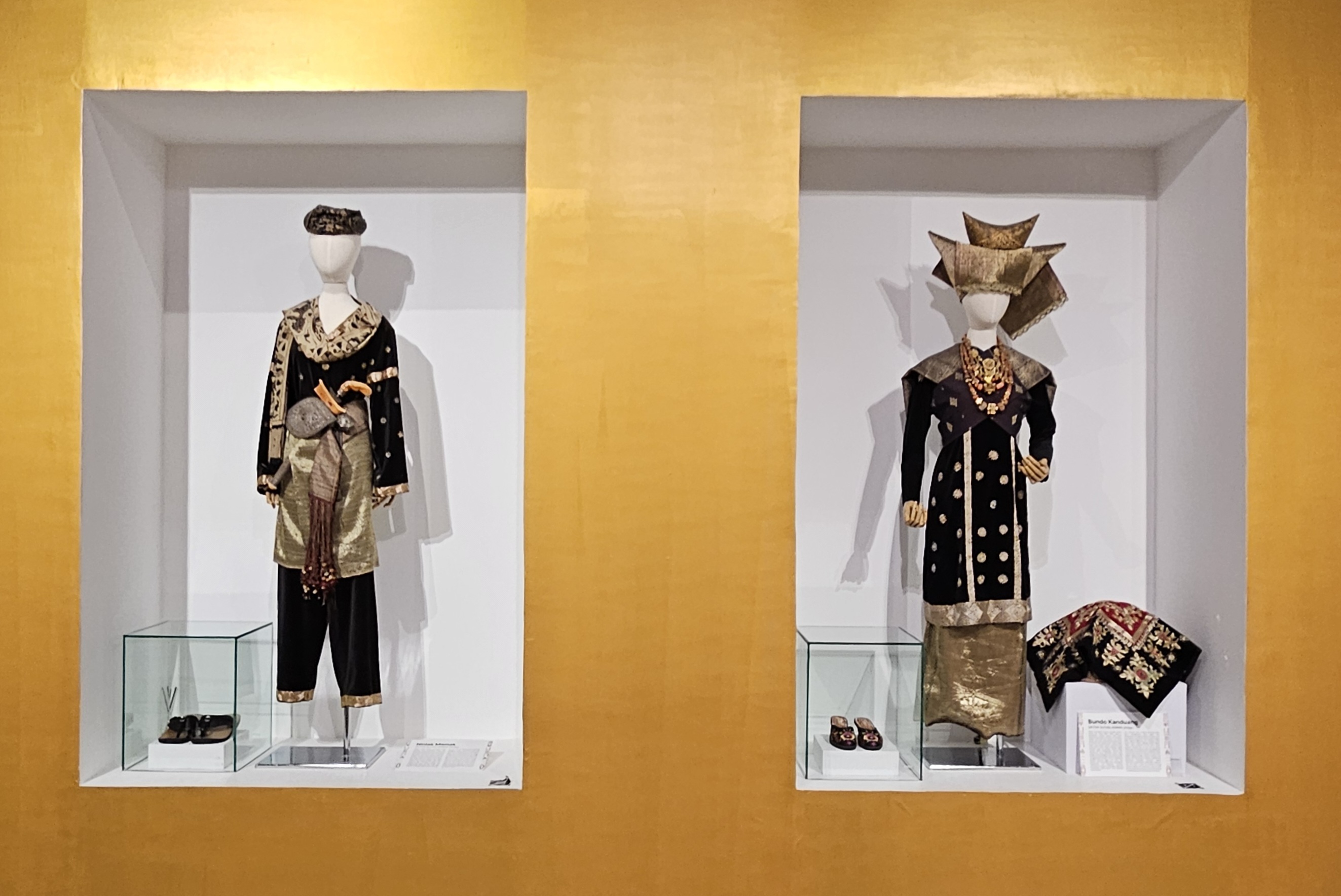
There was a lot more to explore in the museum, including a mammoth skeleton, traditional Indonesian outfits, a history of the money and coins from Indonesia, art deco lamps and glass carvings, and more. We were there near closing time, and couldn’t even see it all.
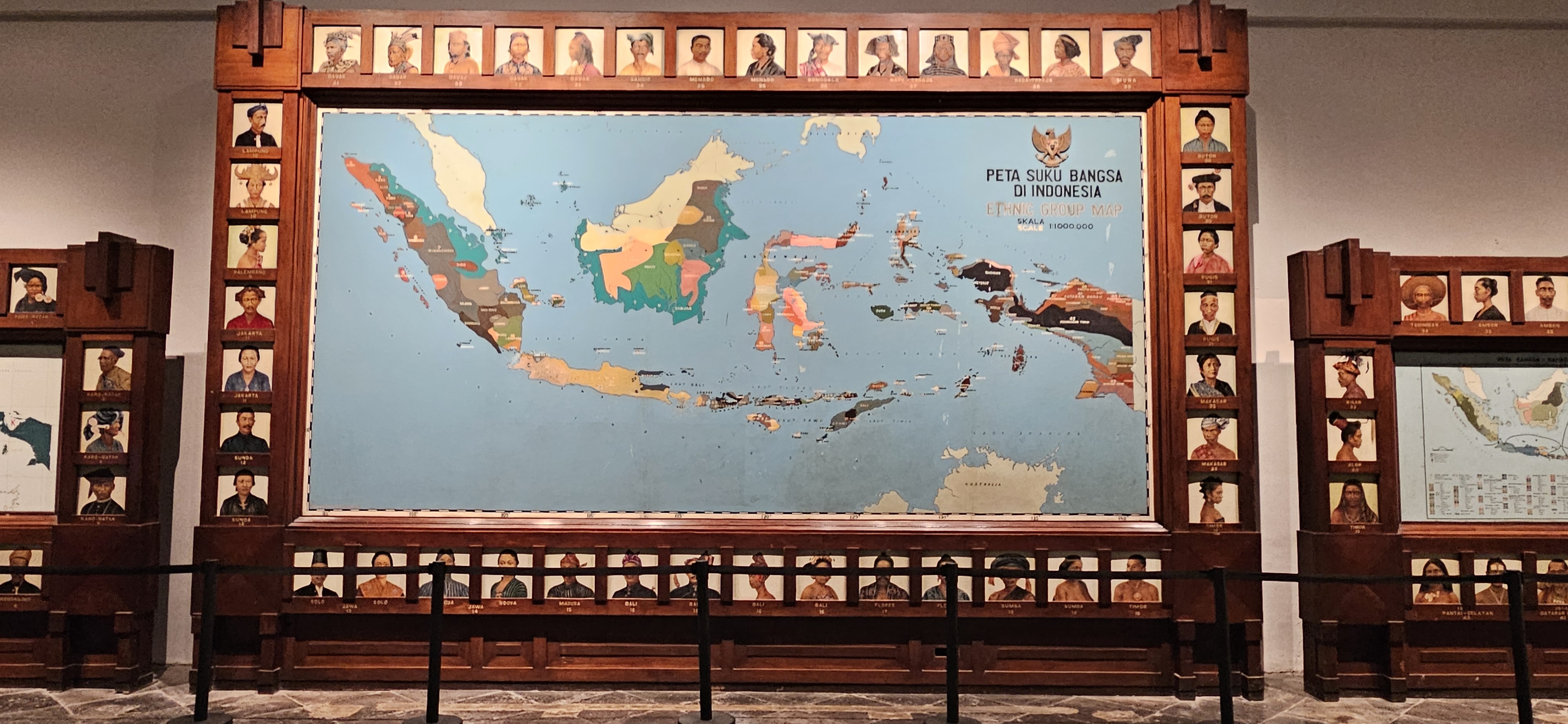
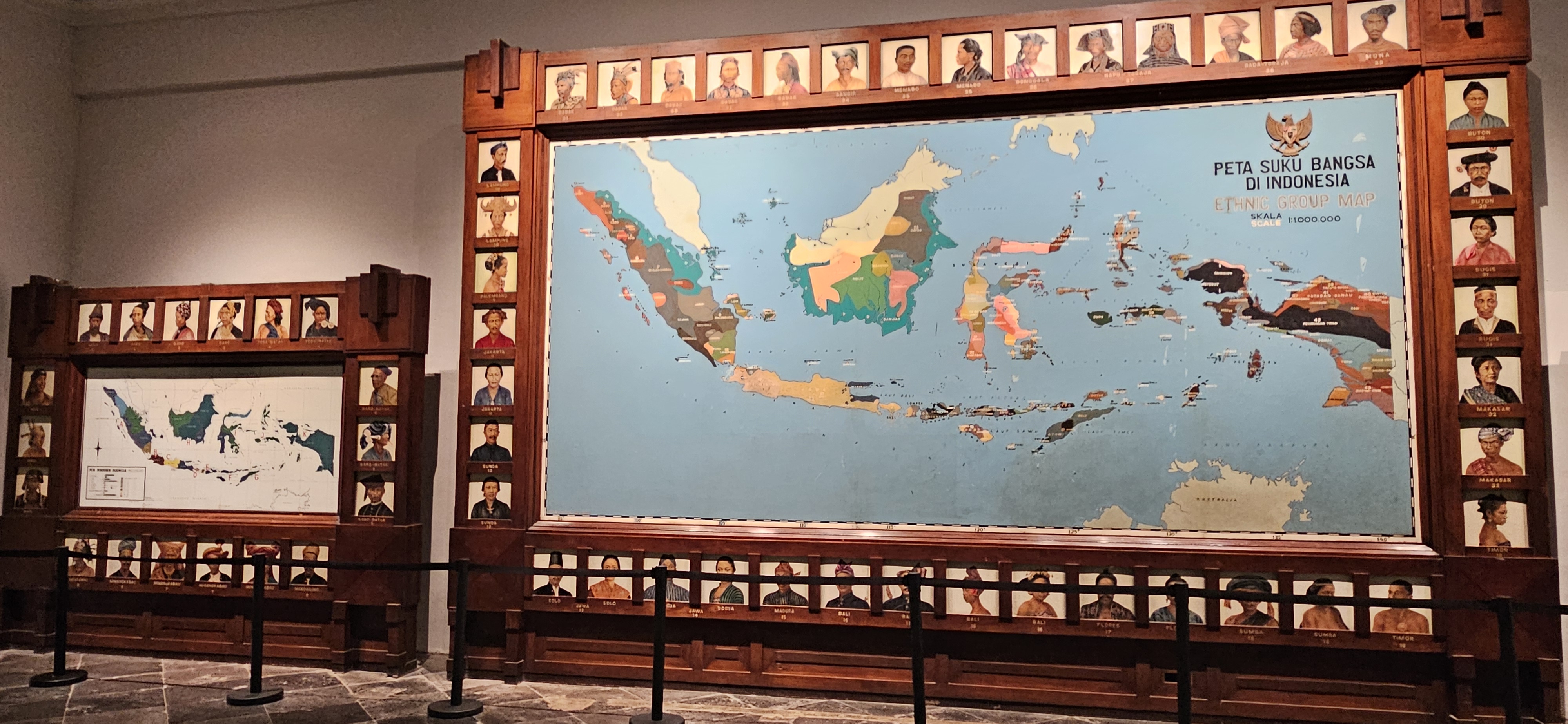
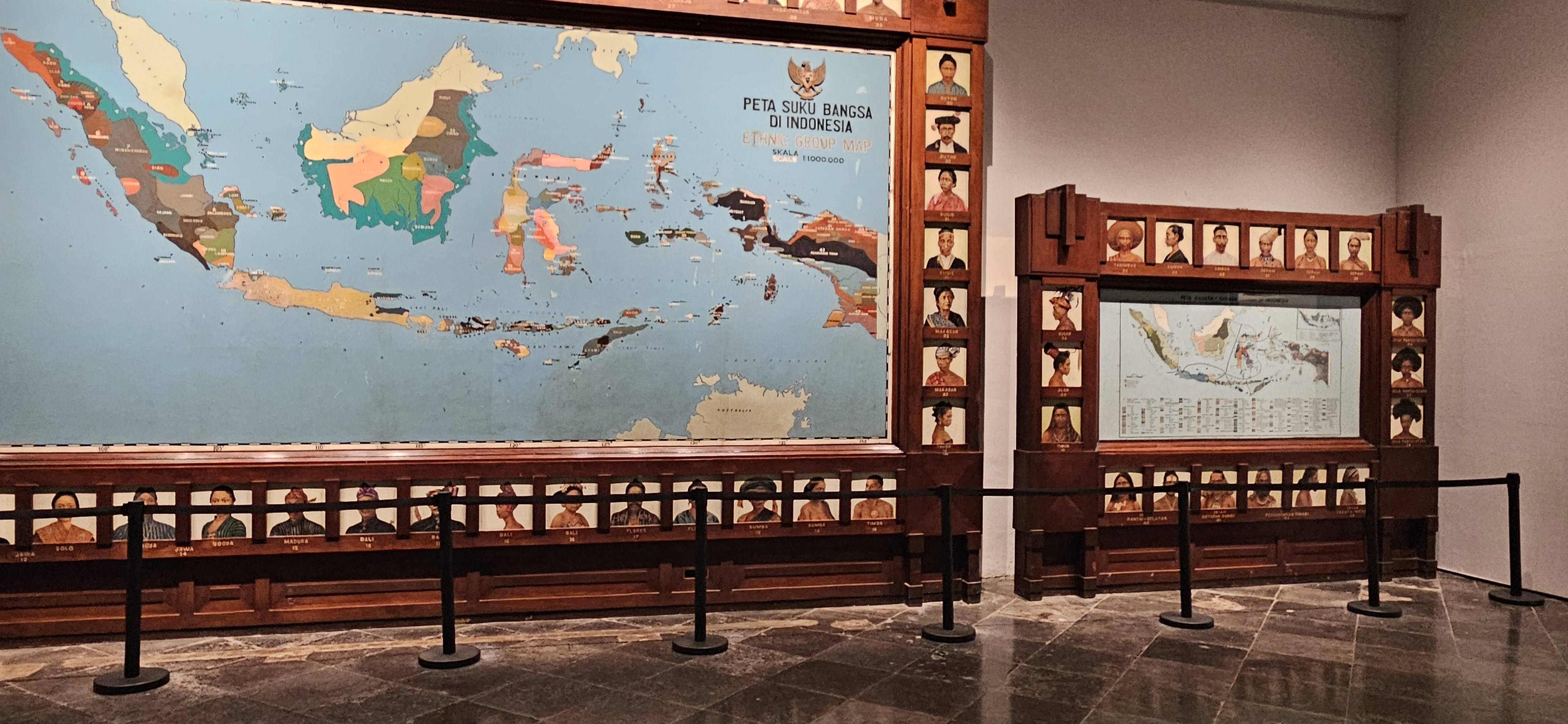
The last really worthwhile piece we saw was a huge, wall sized, map of Indonesia made by R.M. Pirngadie who was a cartographer, painter, and mathematician who lived in the late 1800s-early 1900s. On the edges were faces of a man and woman from each tribe he encountered while traveling and mapping Indonesia.
We made it out of the museum before they locked the doors (though it would have been a fun place to explore overnight I bet), and took a taxi back to the hotel. The next morning, my allergies were terrible, and I knew a had some pollution sickness, as we were outside for too much of the day, not wearing masks, in a busy area. For two days I was so congested and took all the allergy medicine and decongestants I had brought with. Lesson learned, wear masks (as we saw many people do) when outside for a while, the pollution was no joke.
We still had a night tour and the search for a park in our visit to Jakarta, so come on back!


Wow – Taman Laut is amazing…the detail is superb! This museum looks like a great one!
LikeLike
way underrated, we didn’t hear much, if anything, about any of Jakarta museums, but they were great
LikeLike