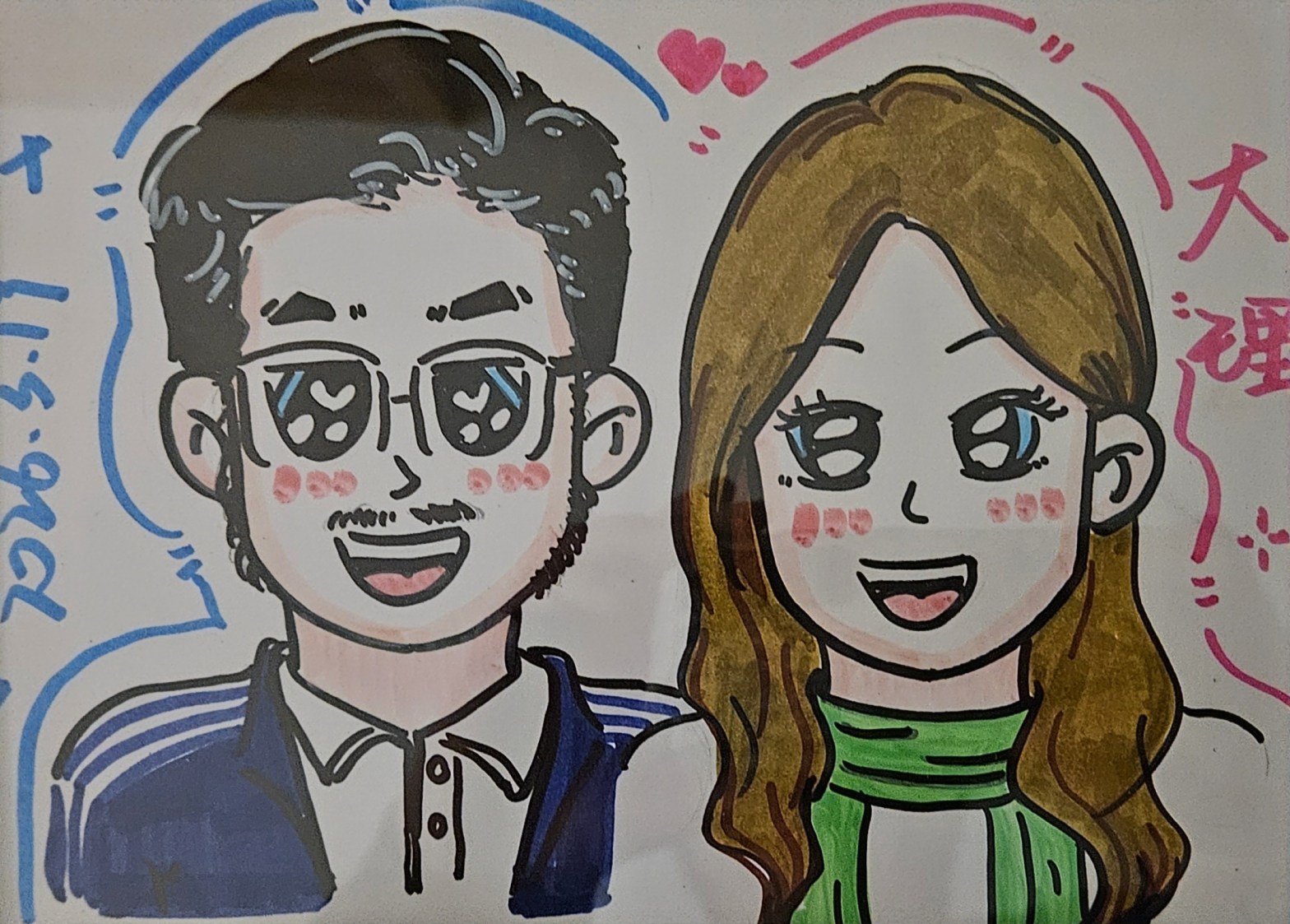
After 2 months, nine cities, trains, planes, and many, many Didis(taxis), our time in China came to a close. As you’ve been following, we did a ton of things, and there were many more we could’ve done, of course, but one can’t see and do everything. We were able to experience a totally new culture compared to our own back in US. Our exposure to China, going in, was a familiarity and like of Chinese Food (especially General Tso’s Chicken and egg rolls, of which we had none in China, oddly enough) and we’d visited San Fransisco’s China town once. Before we left, we also had genuine concern expressed by many family members and friends to “be safe” while there.
We were interested in going to China for a few reasons. One was to see if the way China is presented in our media is accurate. I can confidently say that many preconceived notions we had were dispelled, some almost immediately. China is the safest country, bar none, I have traveled to amongst the 30 or so countries I have visited.
We never felt any physical danger, and we explored many quiet streets at night, and even stayed above a pool hall at one stop. Also, no pickpockets or theft; we were able to leave our phones on tables with no worry someone would take off with them. I’ll also say, there are cameras everywhere, but after a while we didn’t really think about them; they seem more like preventative devices, anyway, which adds to the safety aspect.
There are definitely some uniquely different things about China compared to the US, and here are some Jessica and I both noticed:
Hotels: We stayed at hotels during our entire trip to China. While some were classified as “homestays,” they did daily cleaning and served breakfast, like any hotel. We stayed mostly at Chinese chains (Atour, Mehood Listie, and Echarm), and they were all excellent. It was nice to have the room cleaned daily, which has become a rarity in the US. My favorite part of our hotel stays was the room slippers, which were disposable but always stretched to fit my size 13 feet, and were nice to wear around the room. They would provide them daily, along with toothbrushes and tiny toothpaste, and even combs, too. Most even provided robes.
We averaged $50 USD a night, and these were nice hotels which included breakfast. For about double (only $100 USD), top hotel chains were available, but we were on a budget. We did stay at a couple Holiday Inn Express hotels, and they had more US breakfast options, while the Chinese chains would usually provide toast, small pastries, and chicken sausage as Western breakfast options. So, stay at a Western hotel chain if Chinese breakfast doesn’t appeal to you, as we treated it as a “when in Rome” situation and embraced the Chinese breakfast (lots of savory meat and vegetable dishes and noodles).
Toilets: Squat toilets are the norm, however there are many public toilets, which is nice, and something we were told that would be hard to find. There is not always toilet paper and soap in the public toilets, so we had a packet of napkins and hand sanitizer on us always. If there is a Western toilet, it is usually referred to as the “family” toilet or “barrier free (accessible)”, so if you would prefer a western toilet, look for those. They are usually in their own separate room. Jessica talks more about the toilet situation here (read her posts, they’re informative and funny, and then come back here).
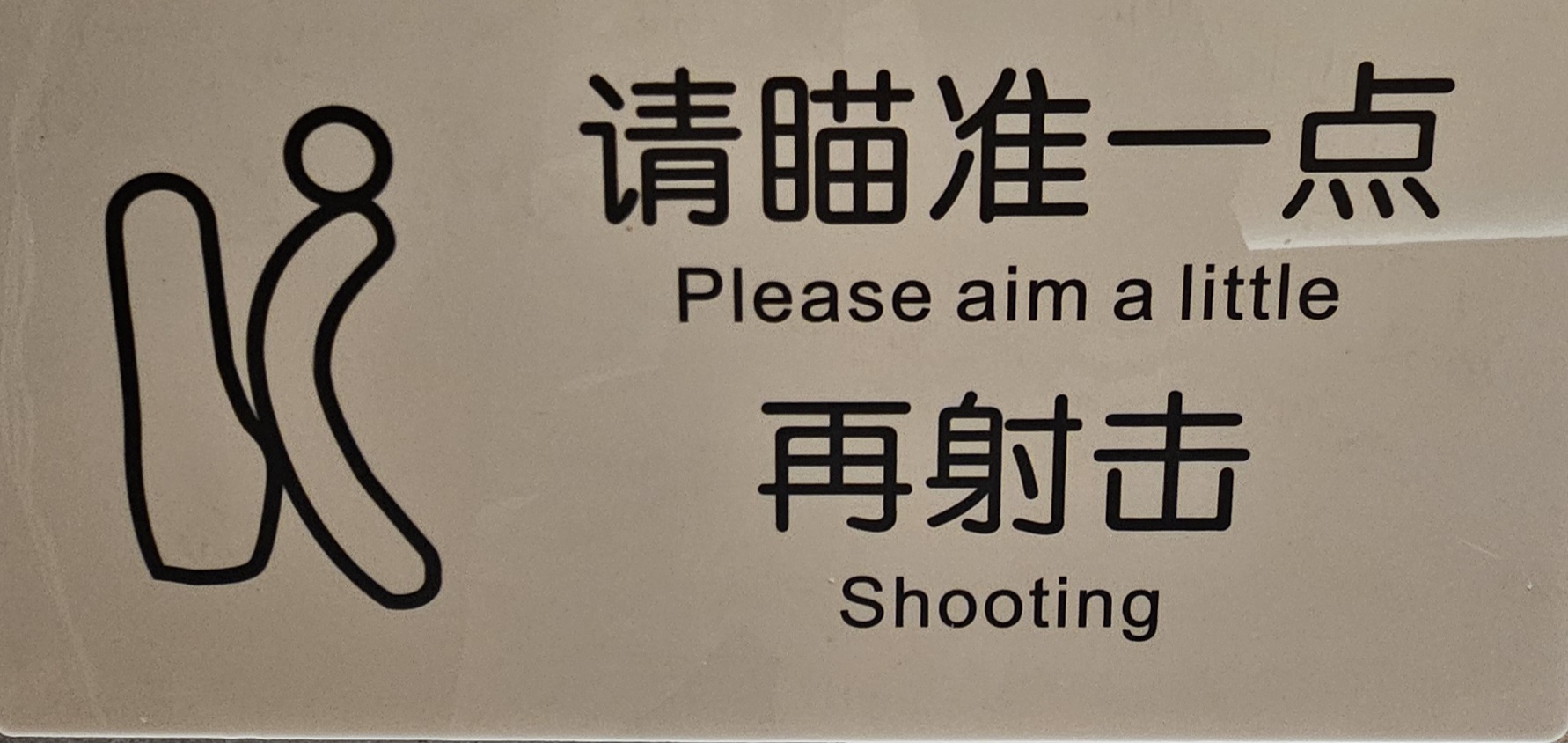
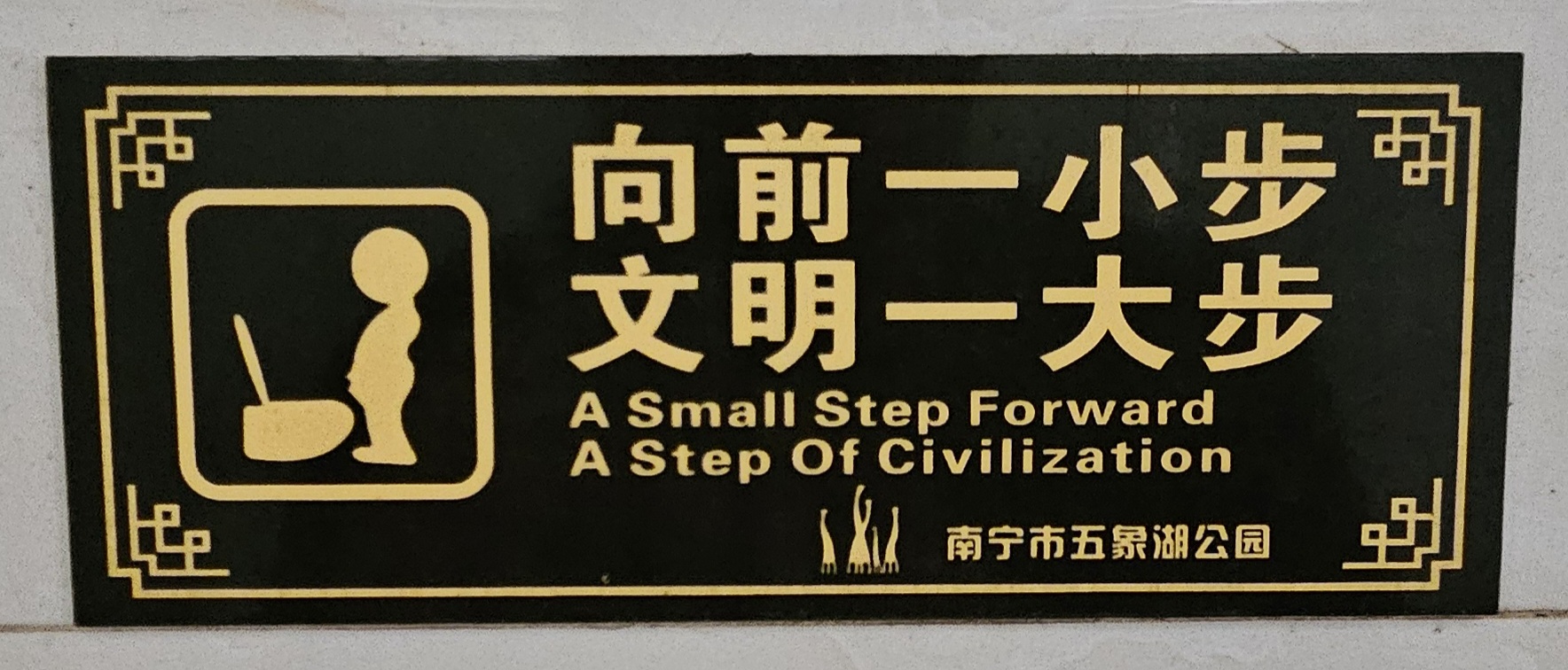
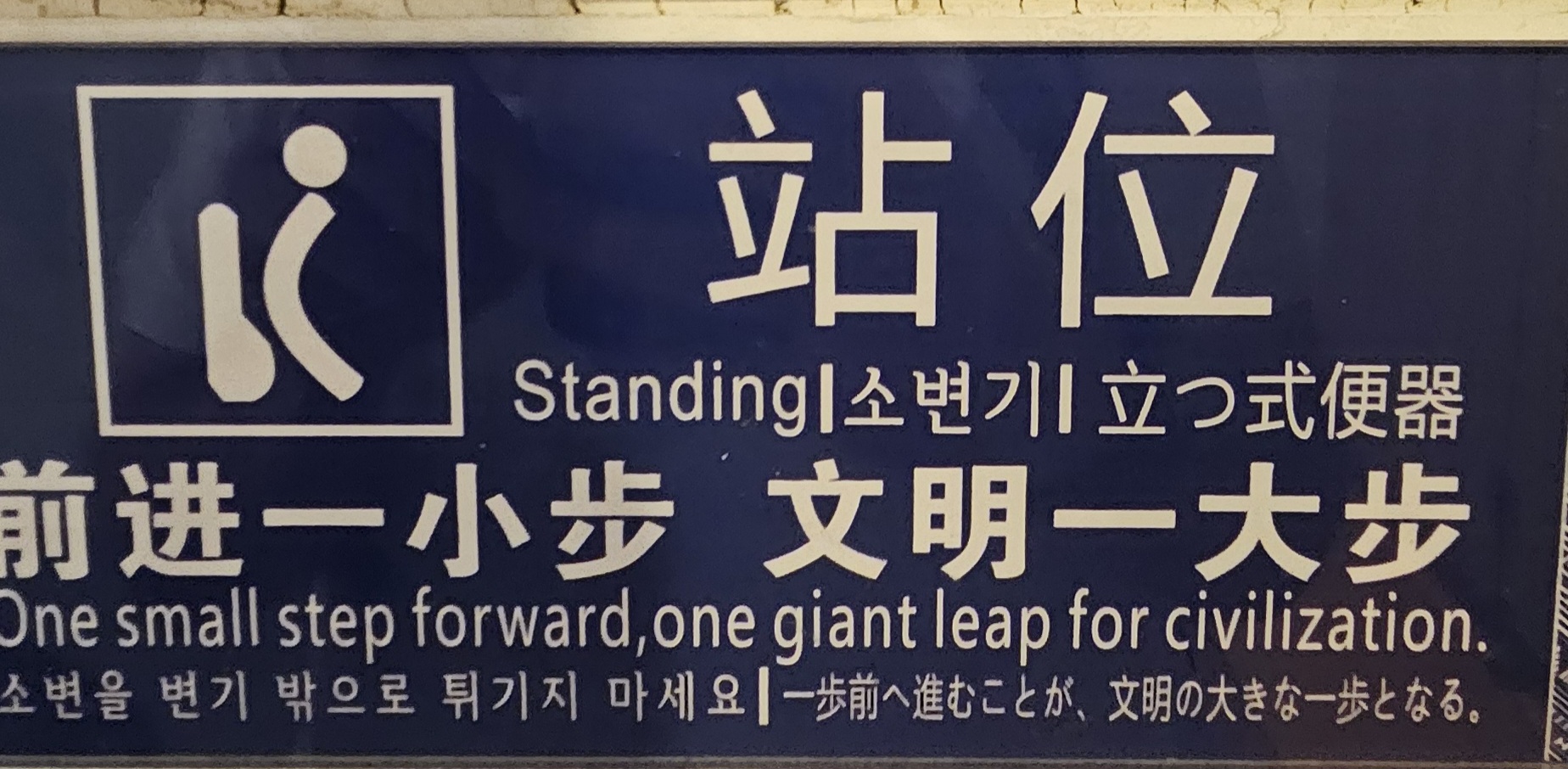
There were also signs on the urinals in the men’s rooms all over China, asking men to stand closer and not pee all over the floor; and it was odd how much urine there was around the urinal; I had read that no one wants to stand in it, so they keep moving farther and farther back; in any case, the signs were funny, even invoking the moon landing.
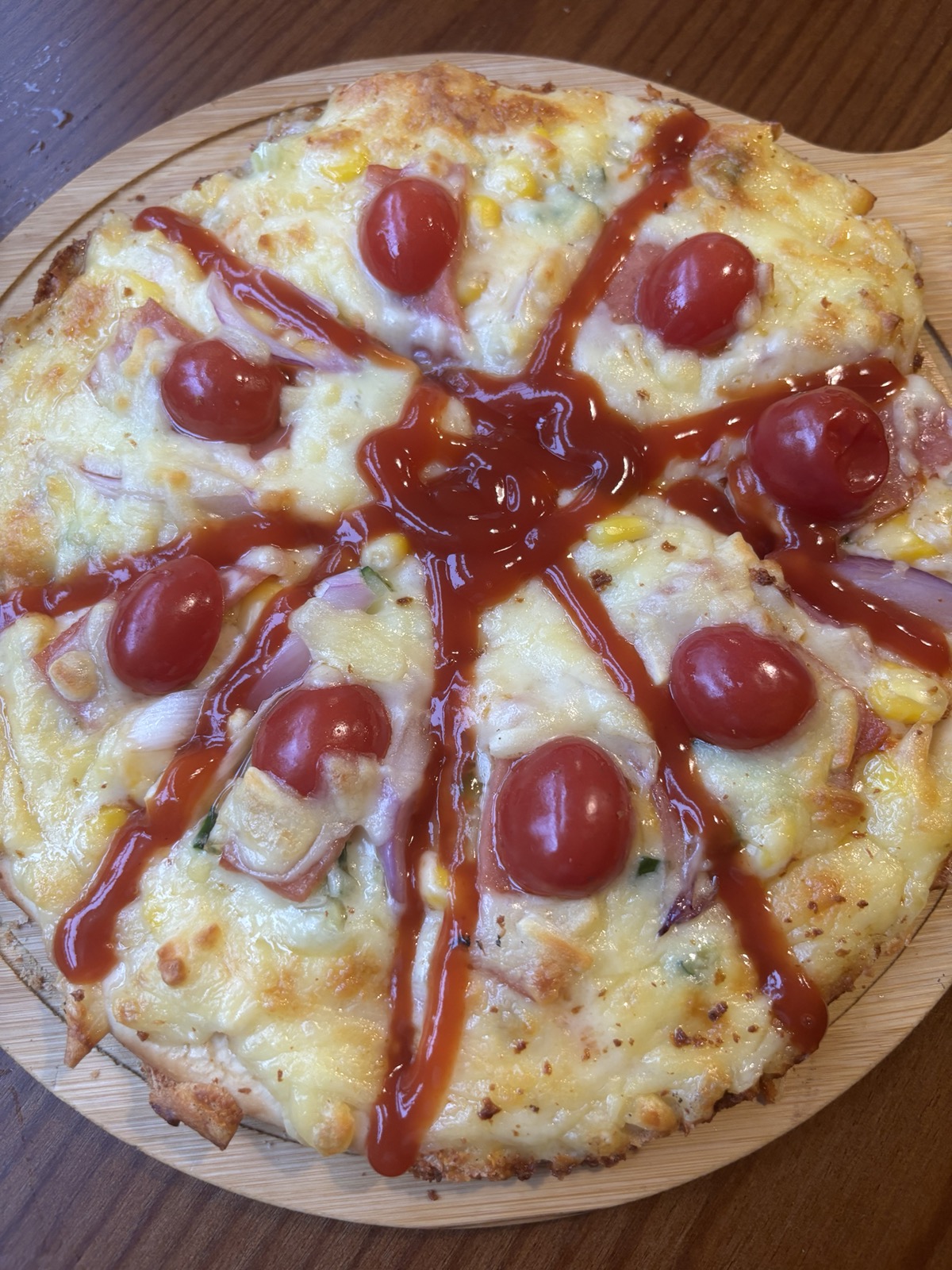
The Food: The food, while very tasty, became a bit repetitive after 2 months, and while there are many restaurants on every block, they all serve the same-ish Chinese food, getting variety was easier at malls and in Shanghai, and we did eat KFC, Tim Horton’s, McDonalds on occasion. The Chinese food was cooked with a lot of oil, salt and often, MSG. Jessica delves into Chinese dietary considerations here.
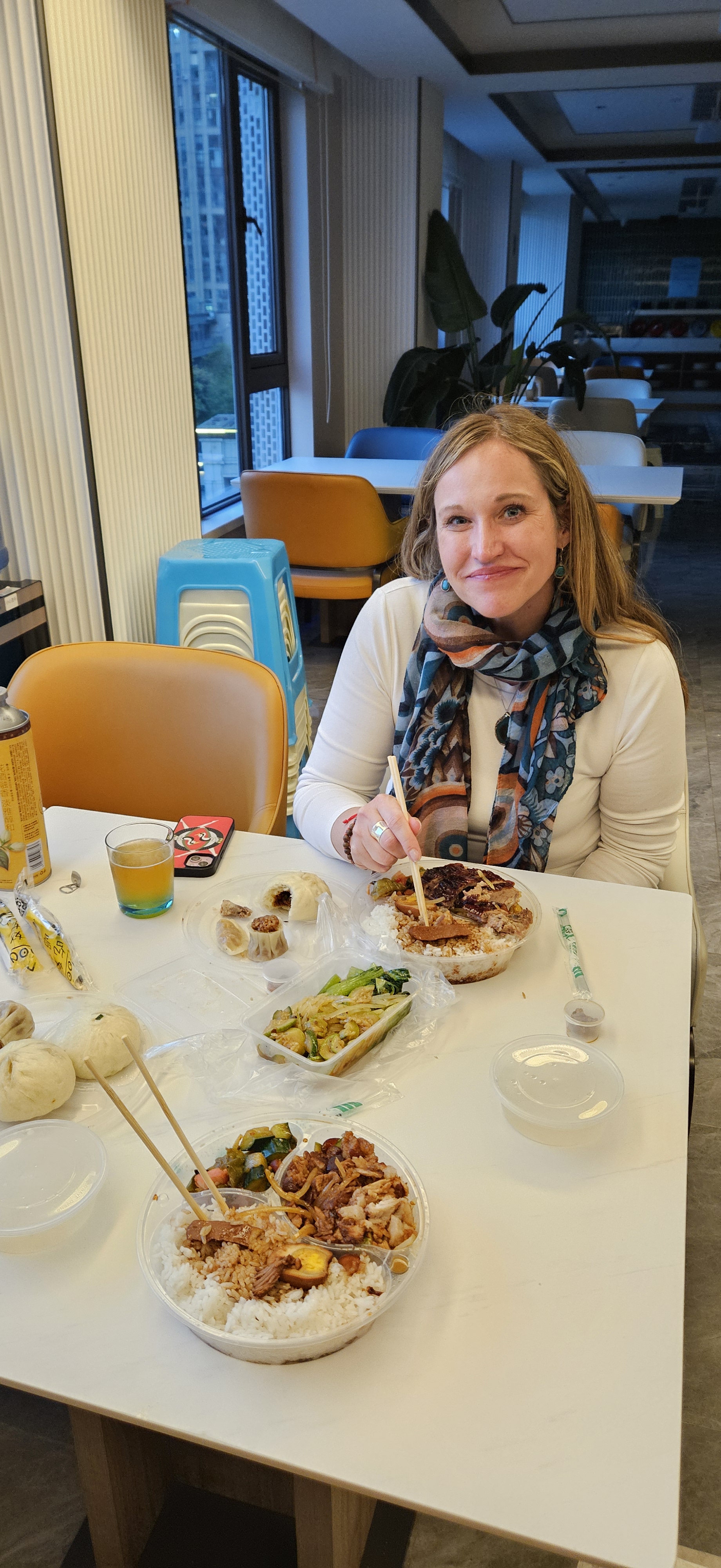
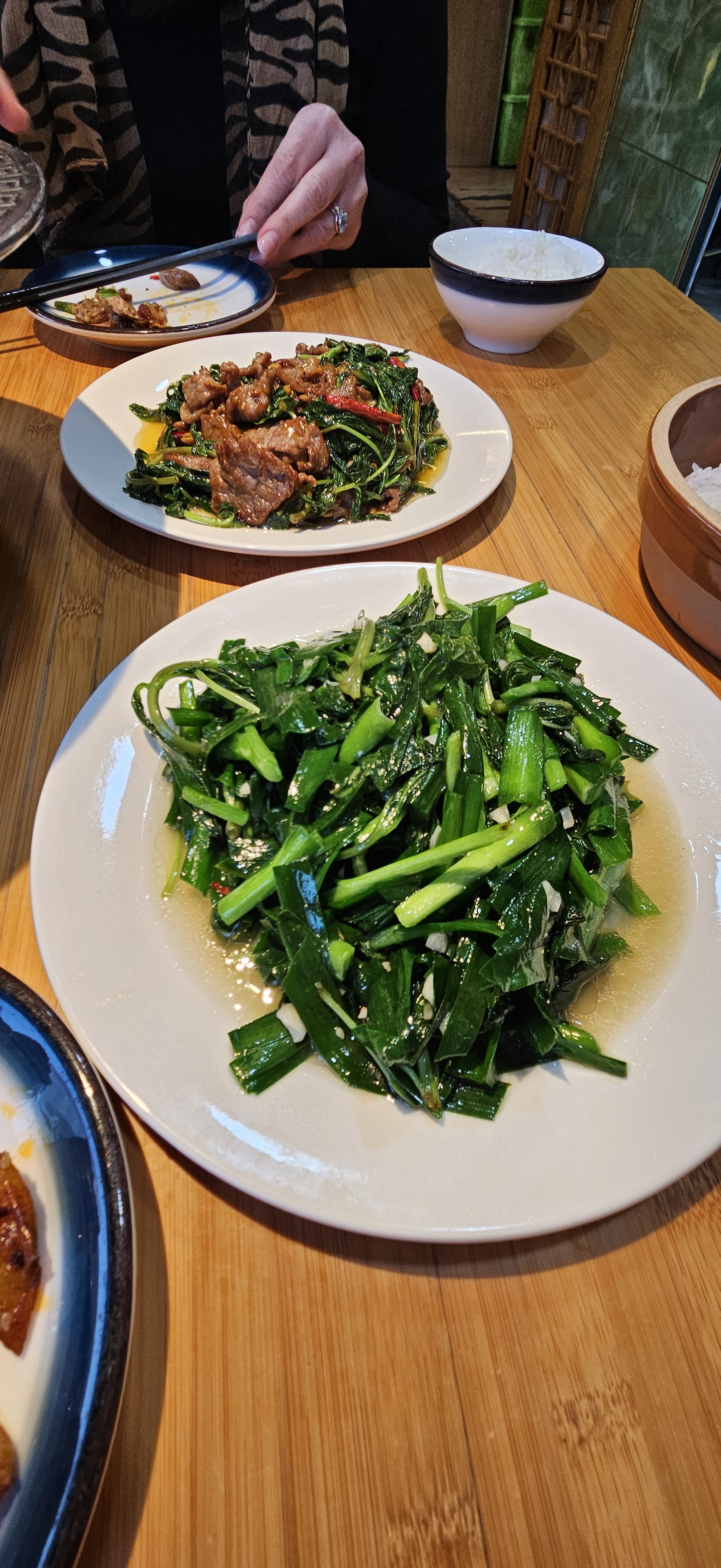
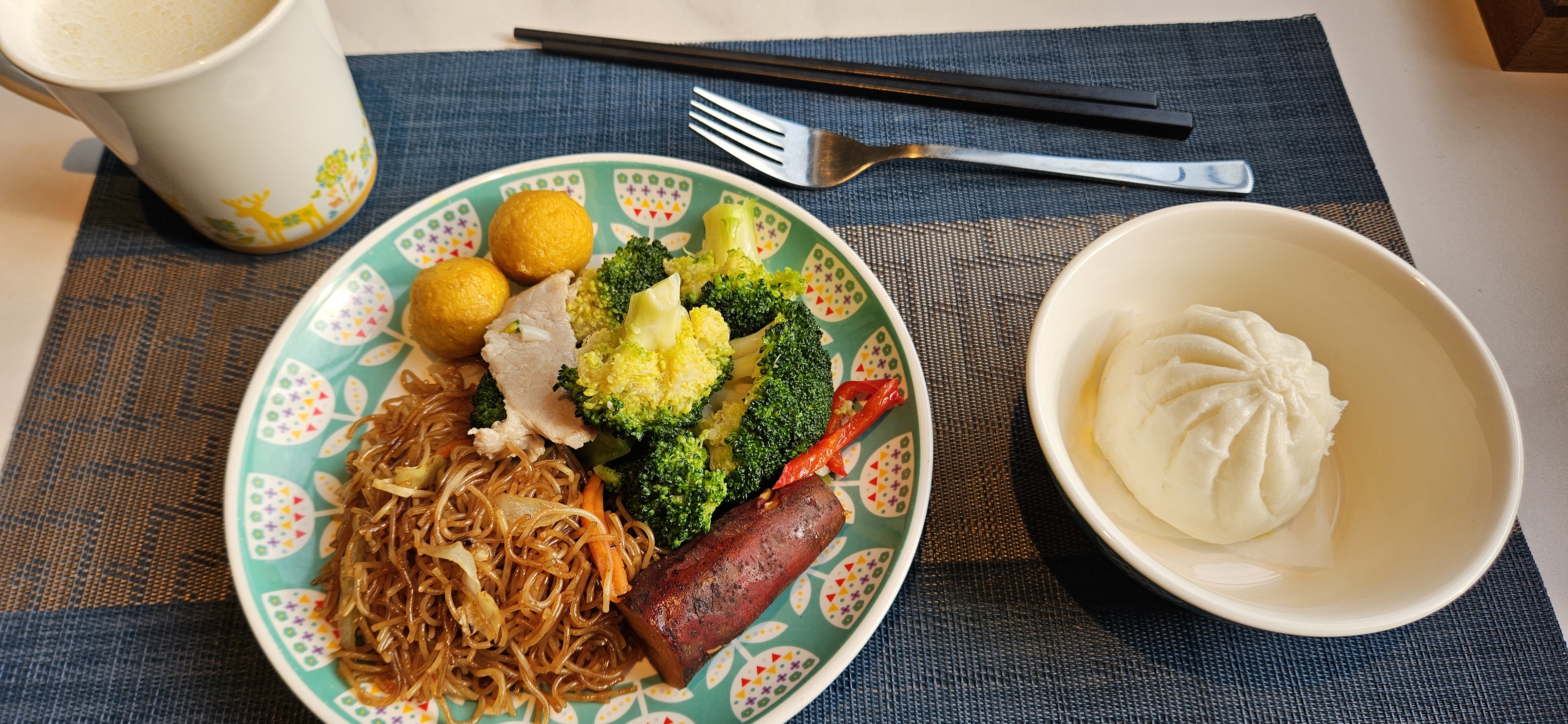
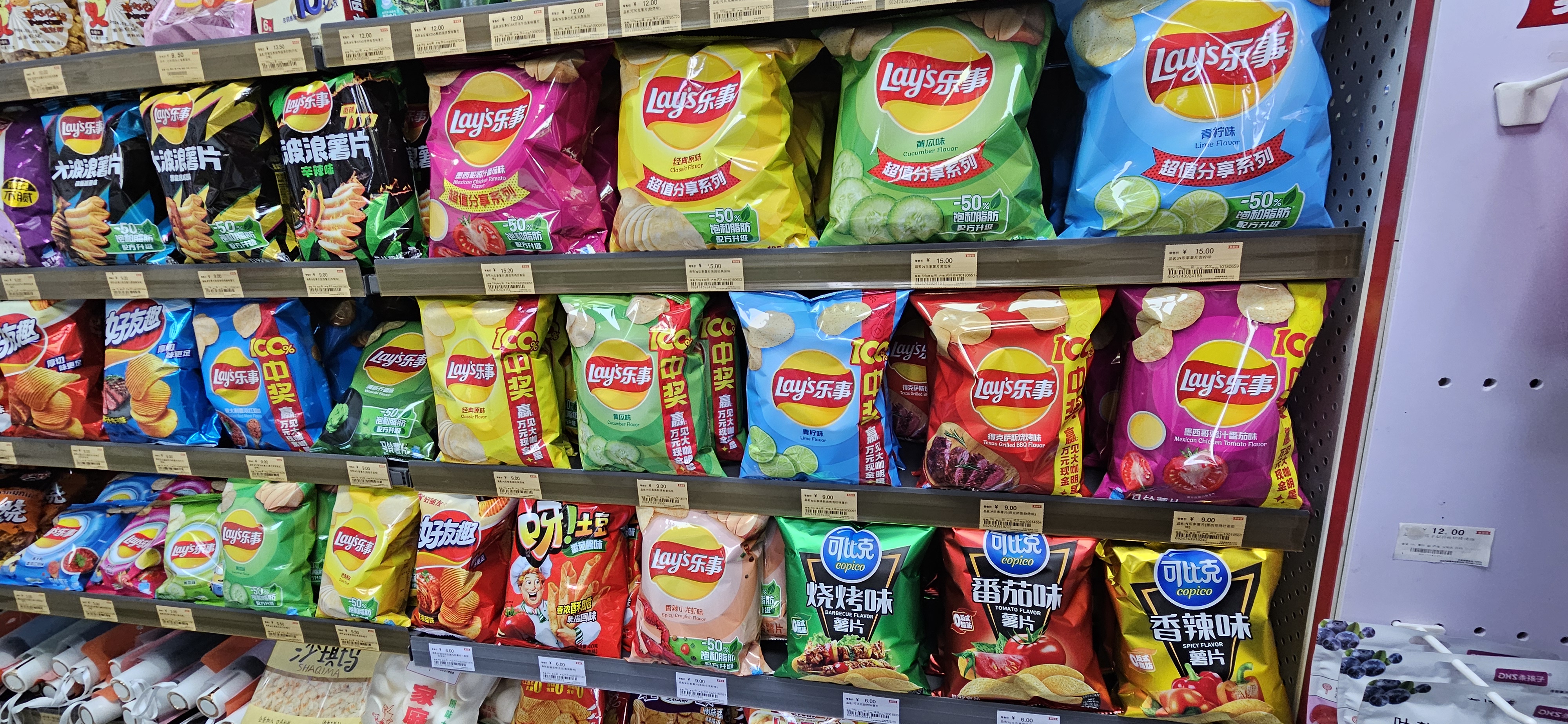
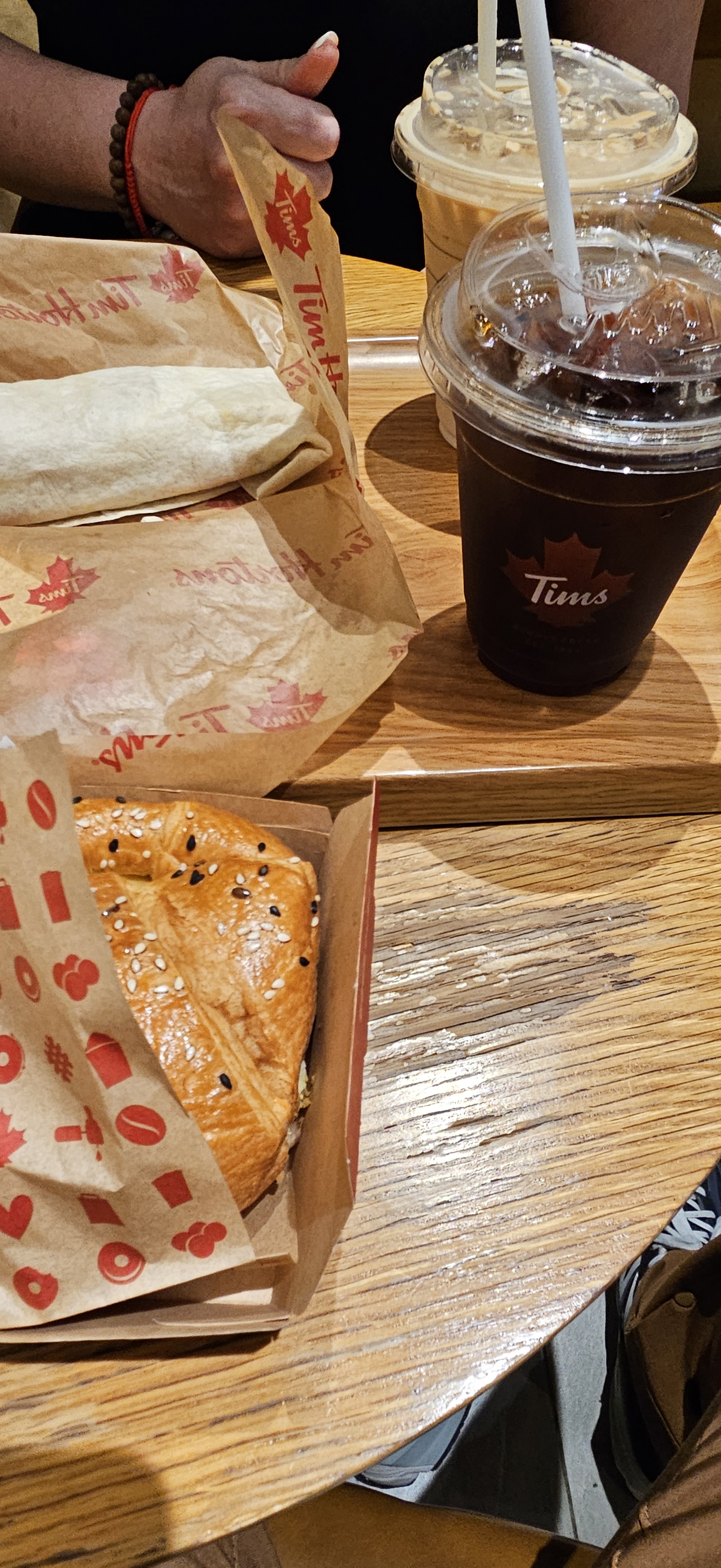
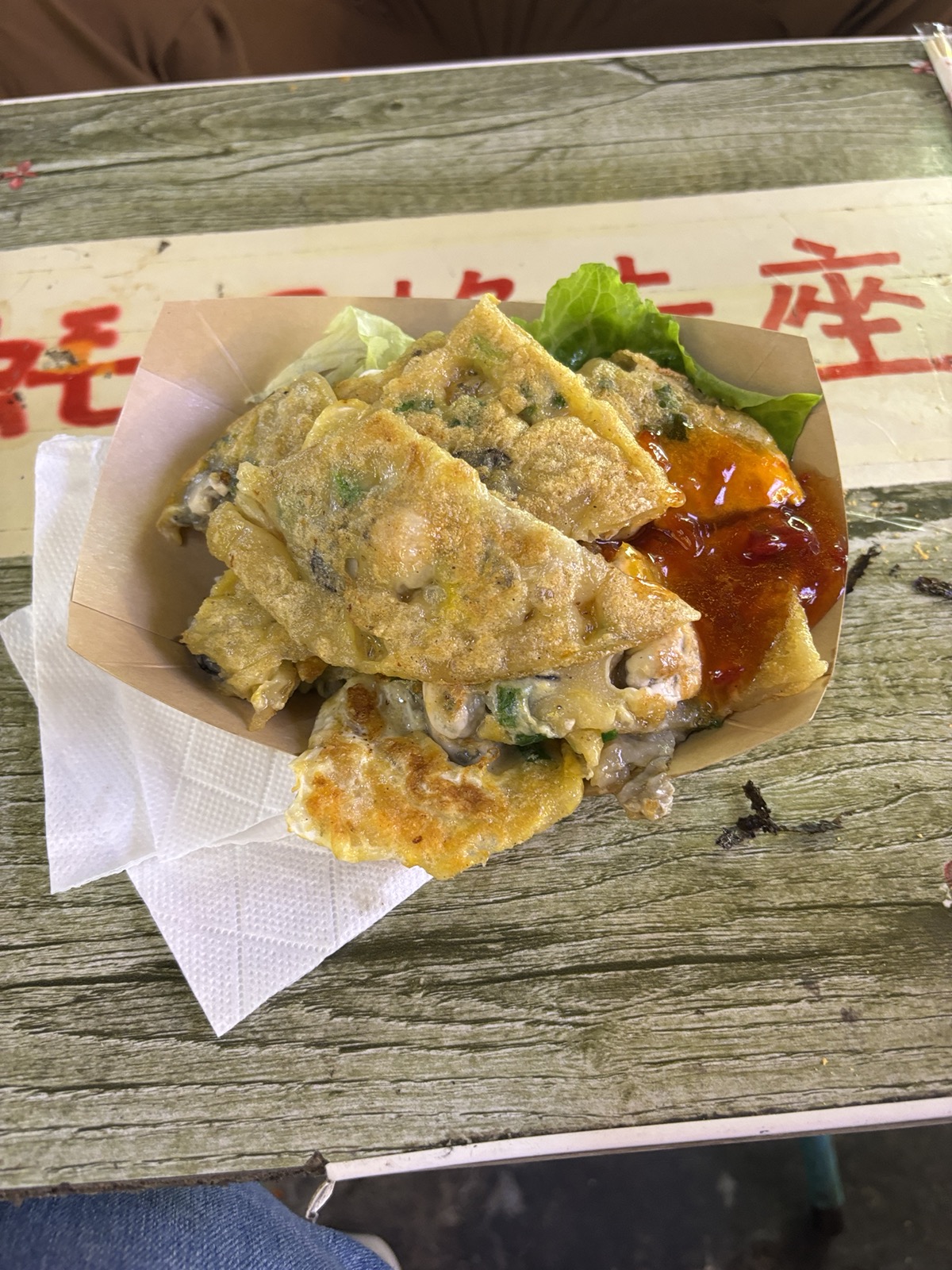
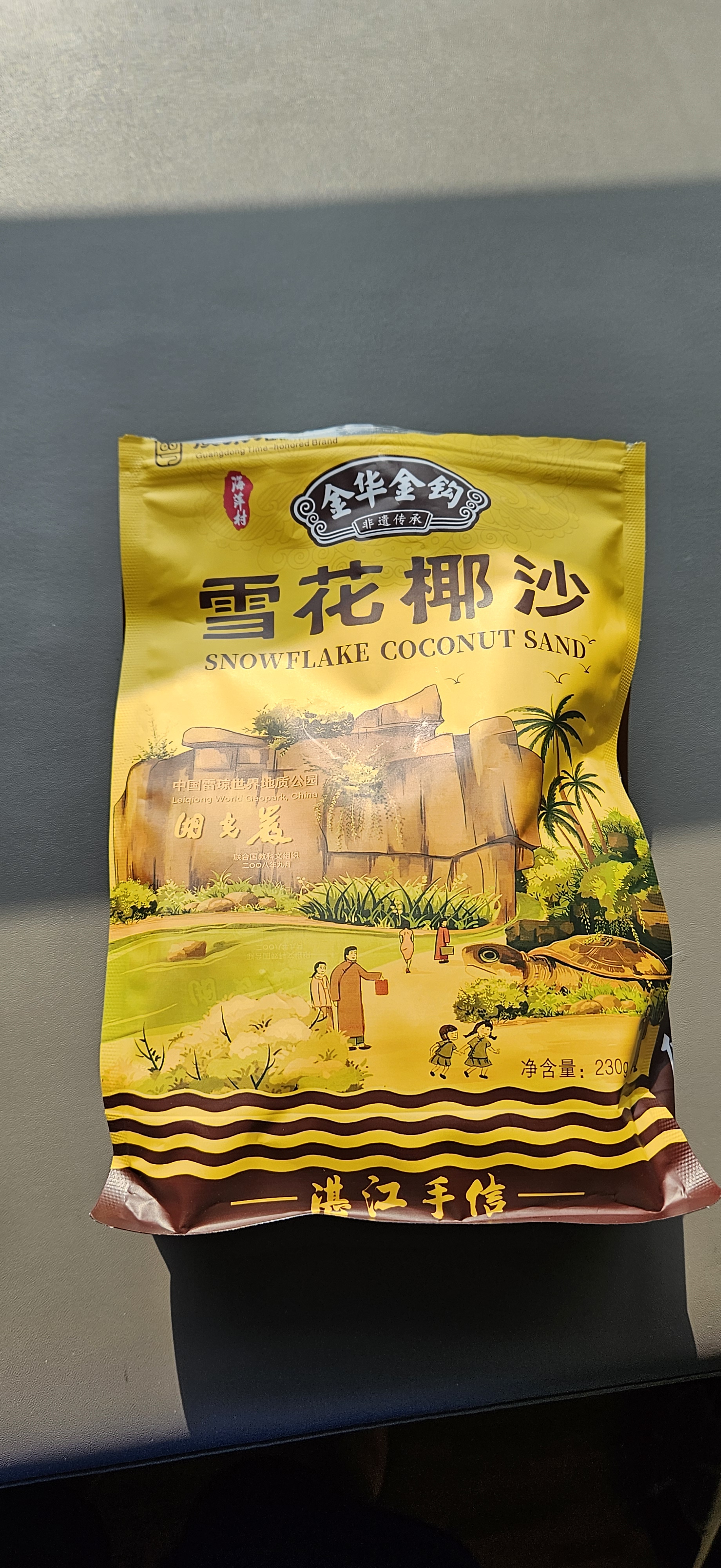
The food was not super spicy (but sometimes it was), and it was easy enough to pick out or avoid the hot peppers, or tell them we did not want it too spicy (except in Chongqing, even if we asked for not spicy, it would be spicy). That does not mean we did not enjoy it, there were so many good dishes, and my favorite part of many became the cooked to perfection small chunks of garlic and ginger that tasted so good, and we will add to future meals back in the US. Also, we ate at tiny restaurants, some fancy ones, many food stalls, and never had any sickness or stomach issues. Breakfast was often noodles or rice, which is ok, but it is usually rice or noodles for dinner as well, so it was a lot of rice and noodles. Duck, chicken and pork were the most common proteins, and almost always cooked very well.
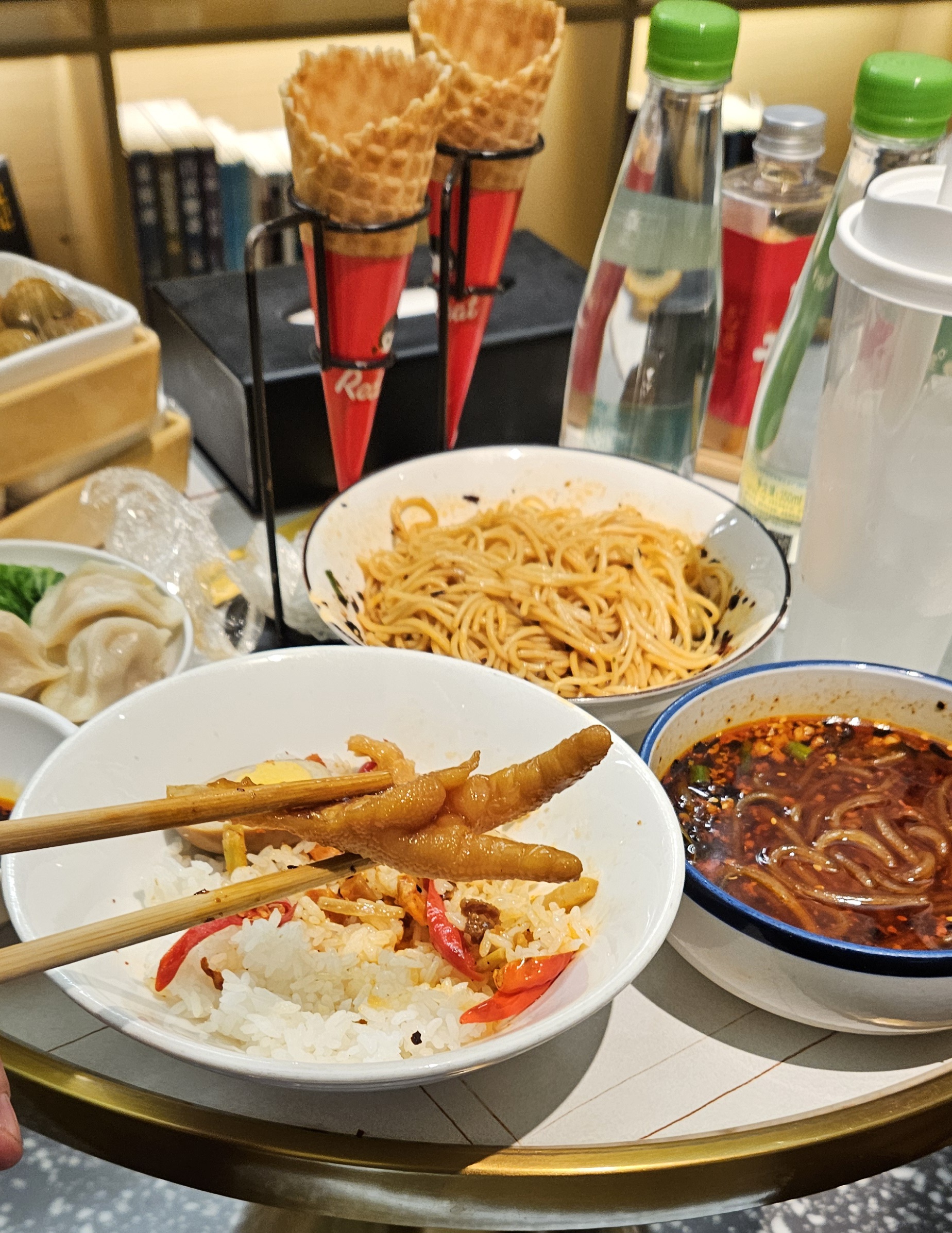
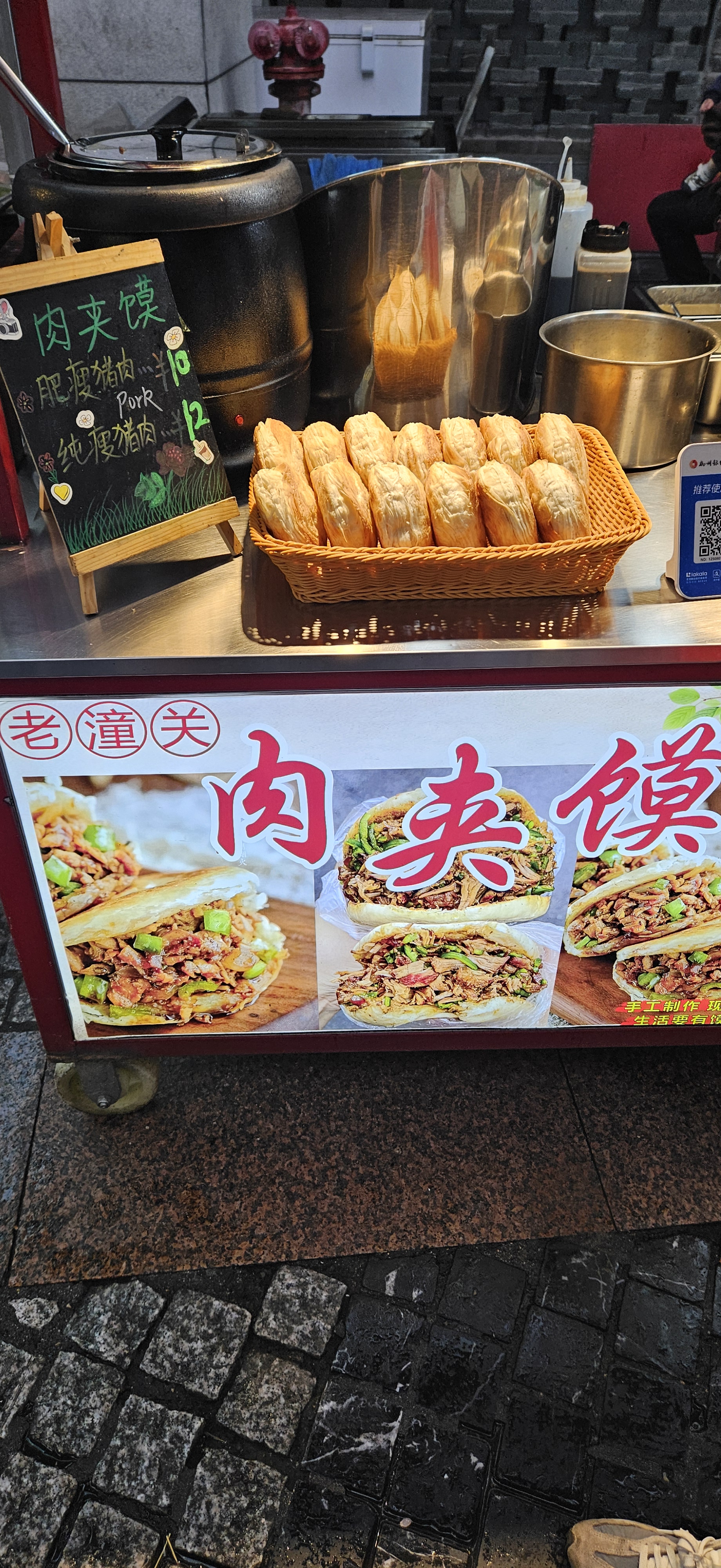
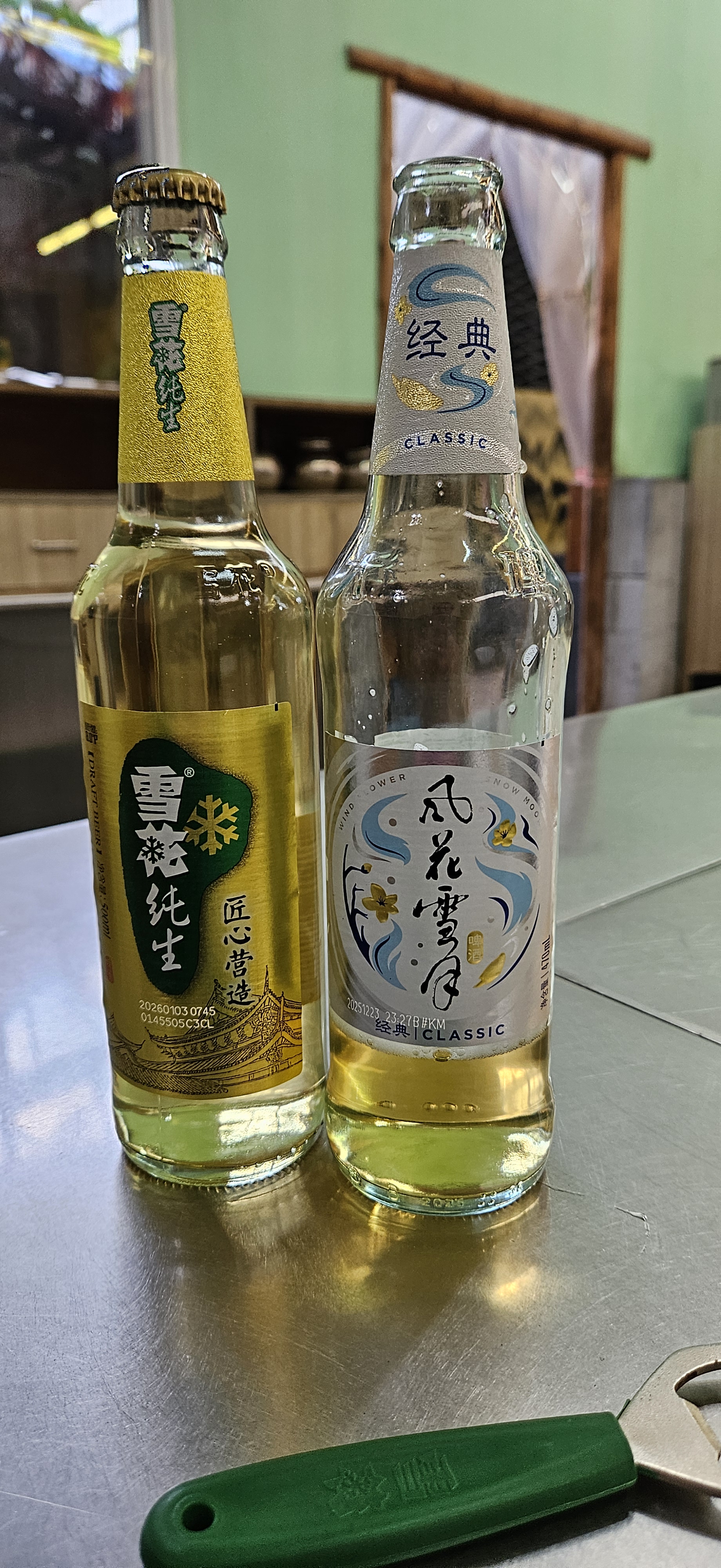
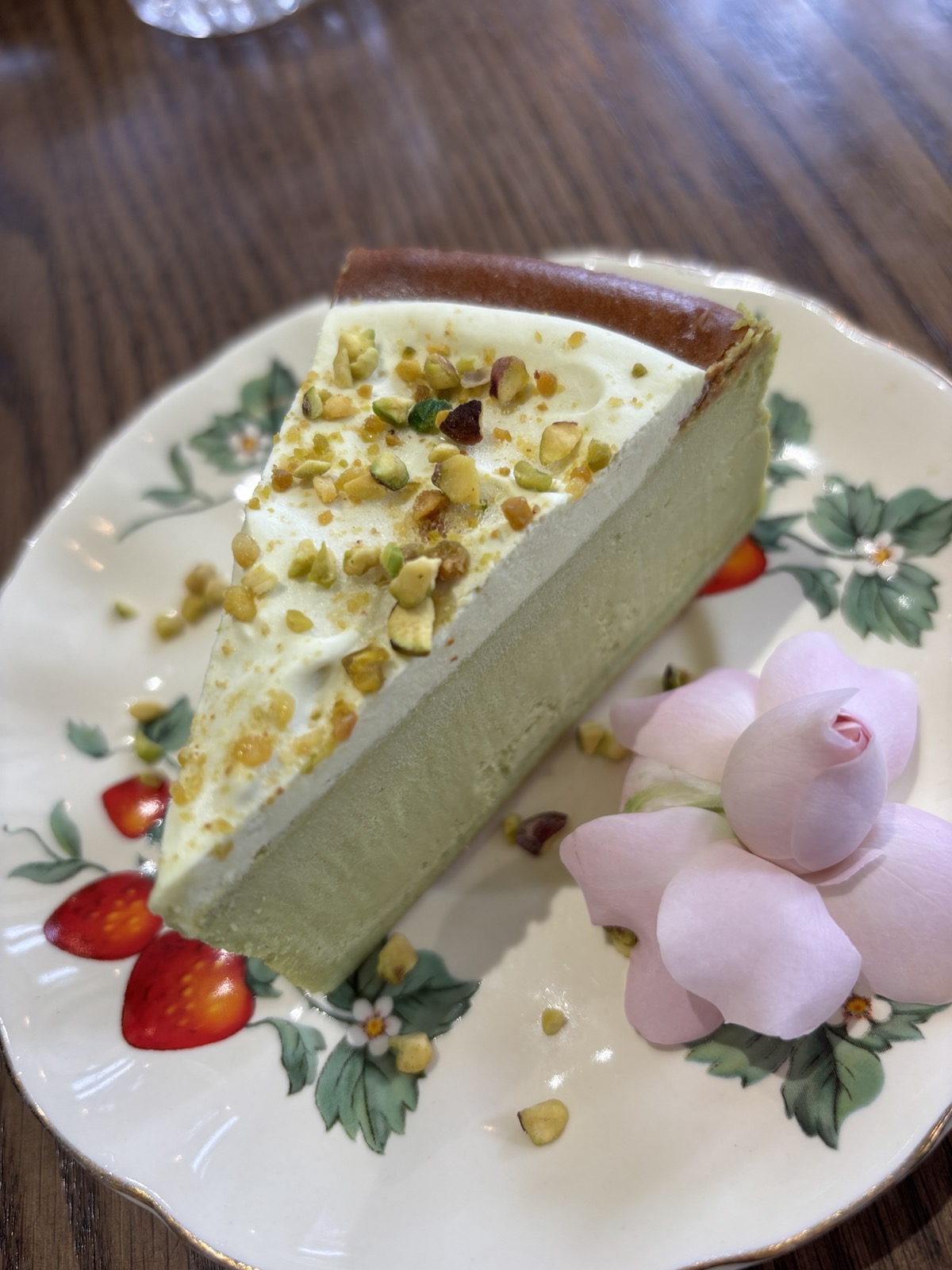
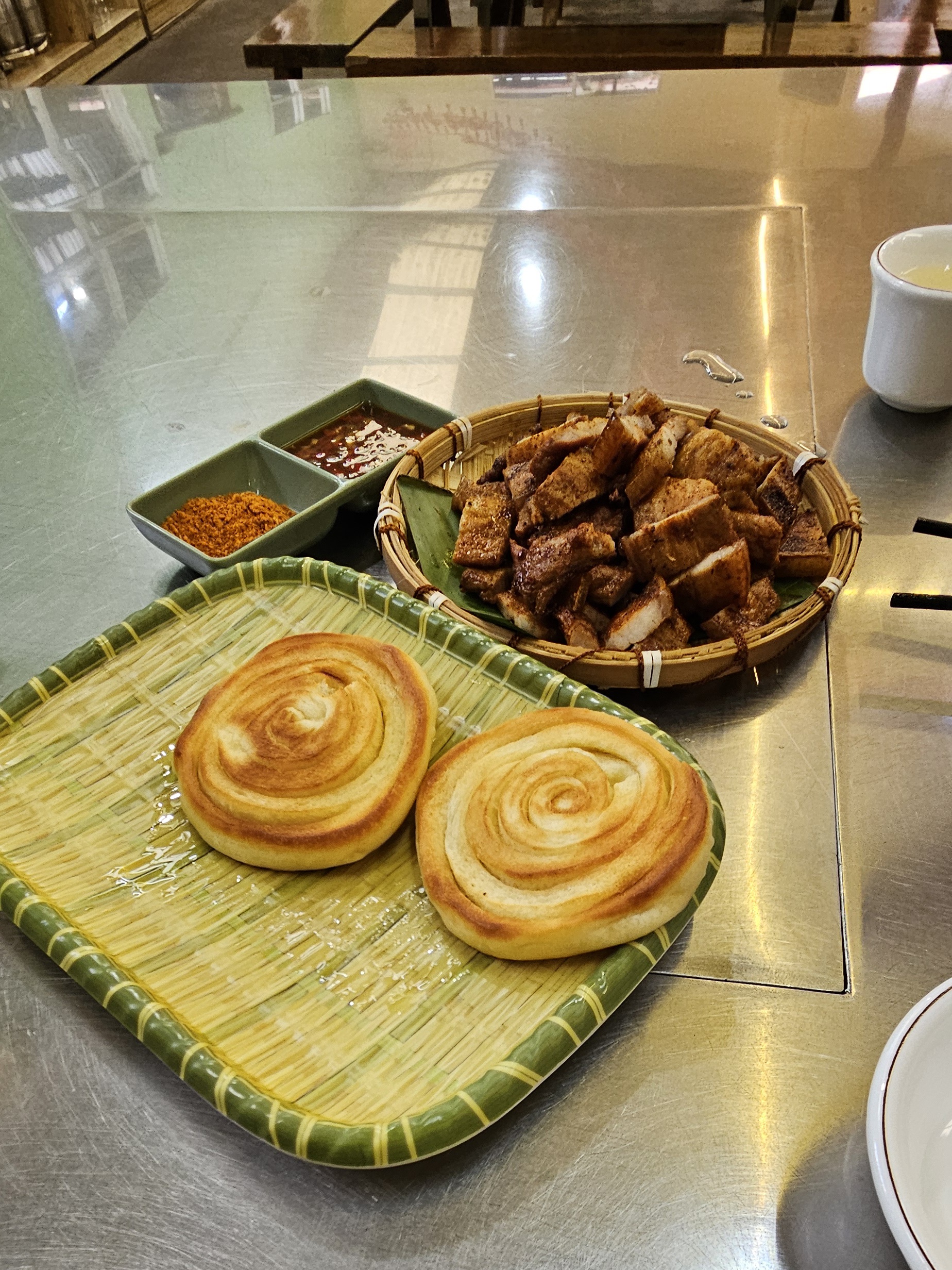
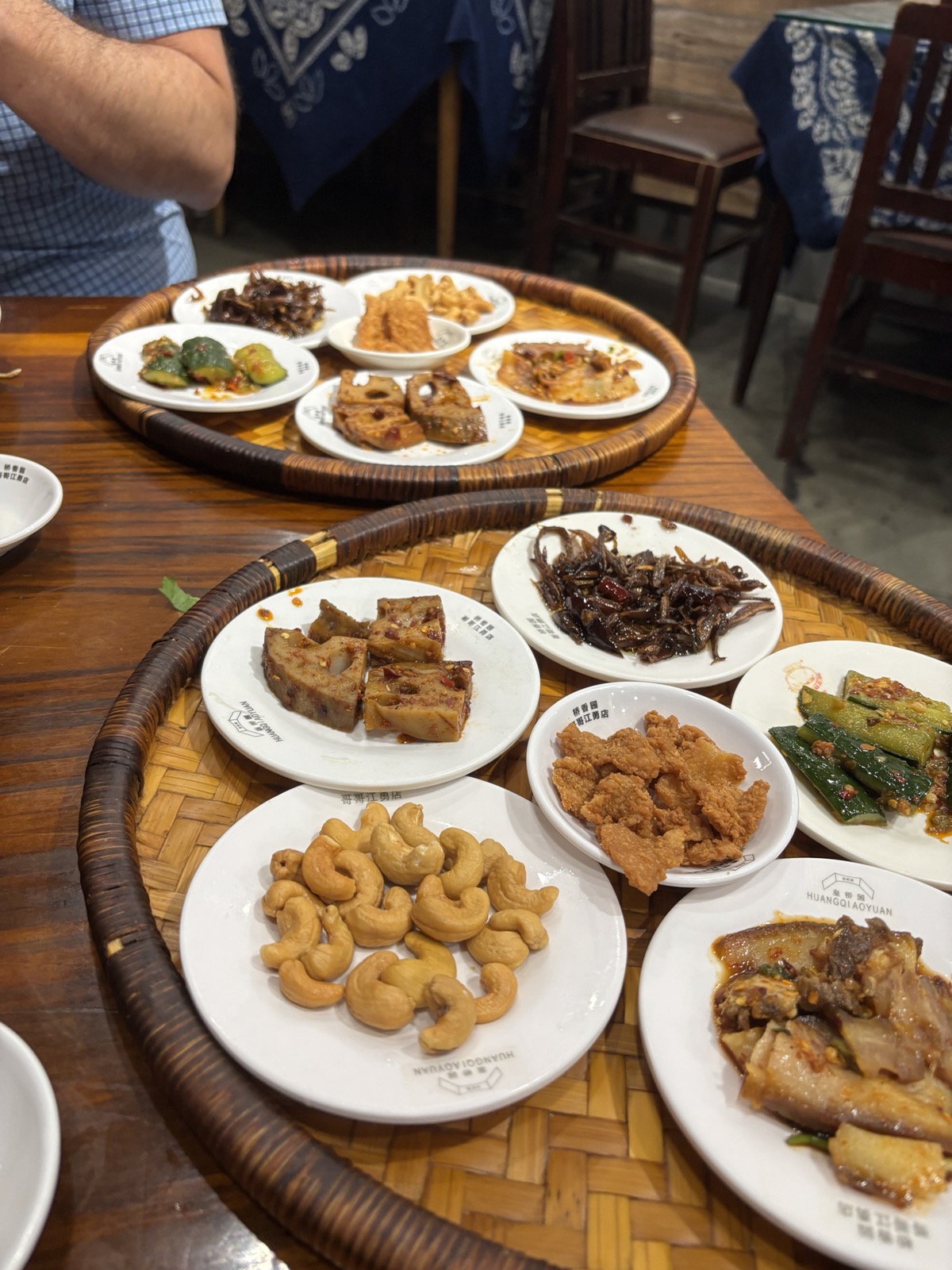
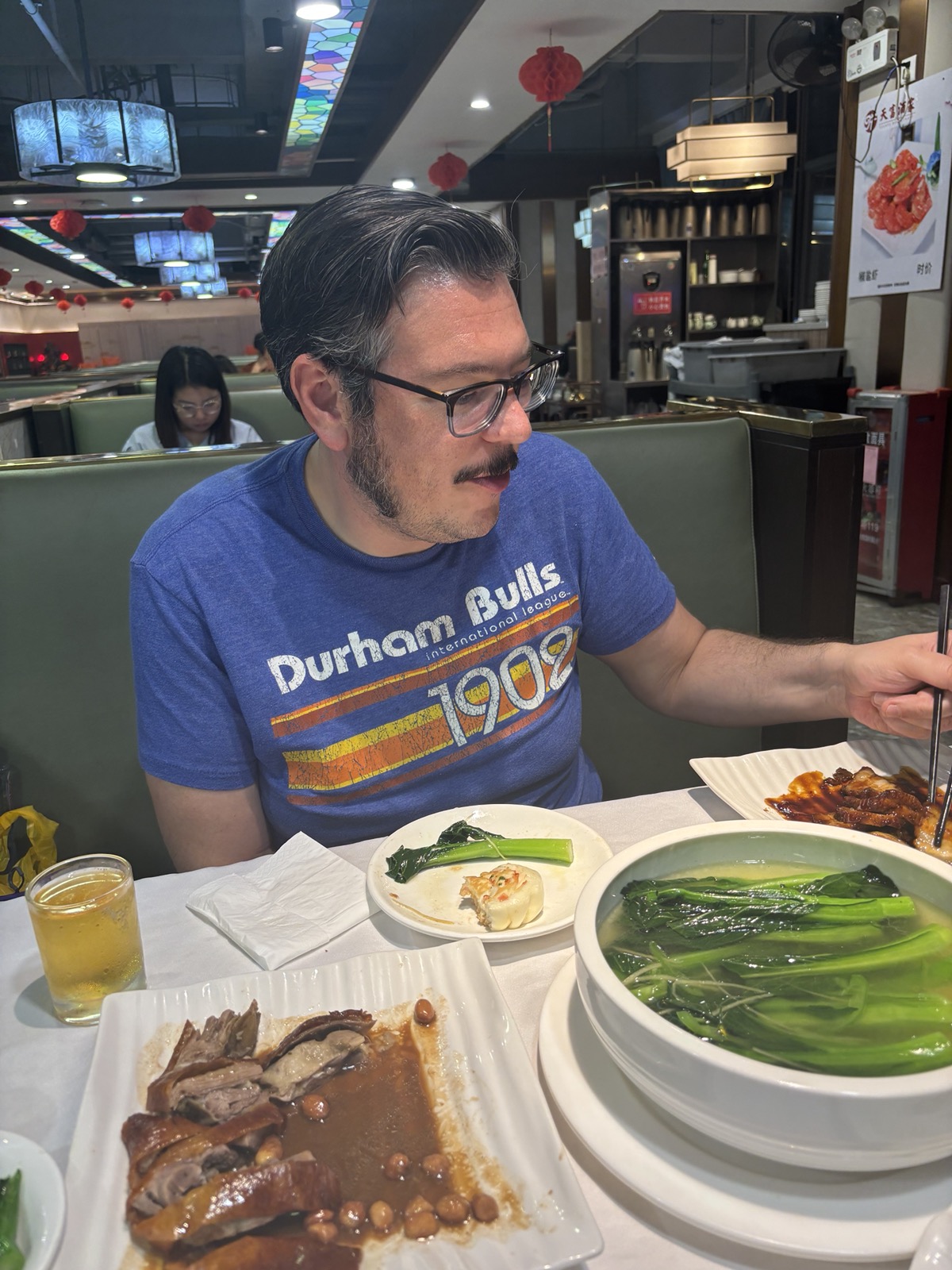
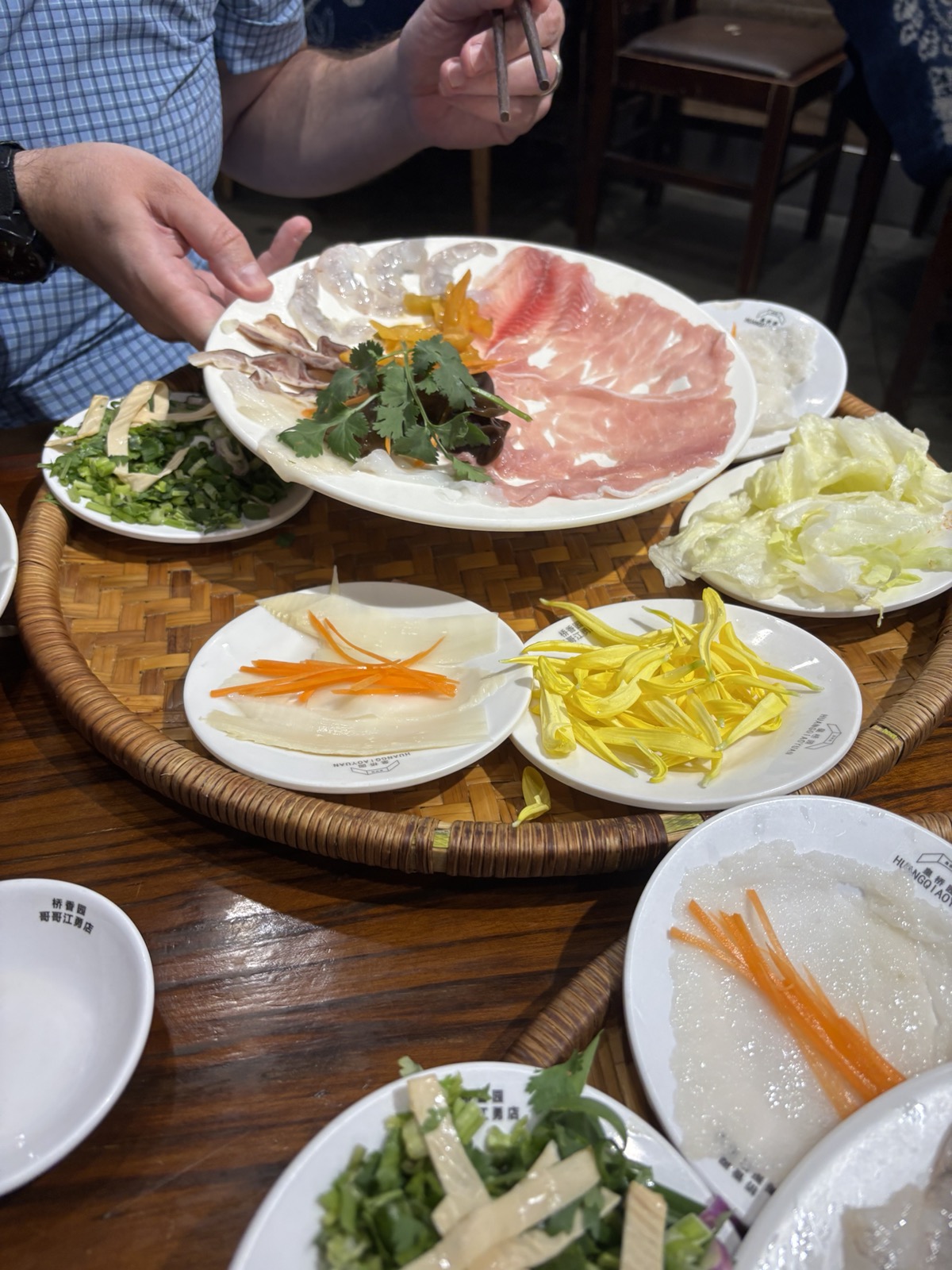
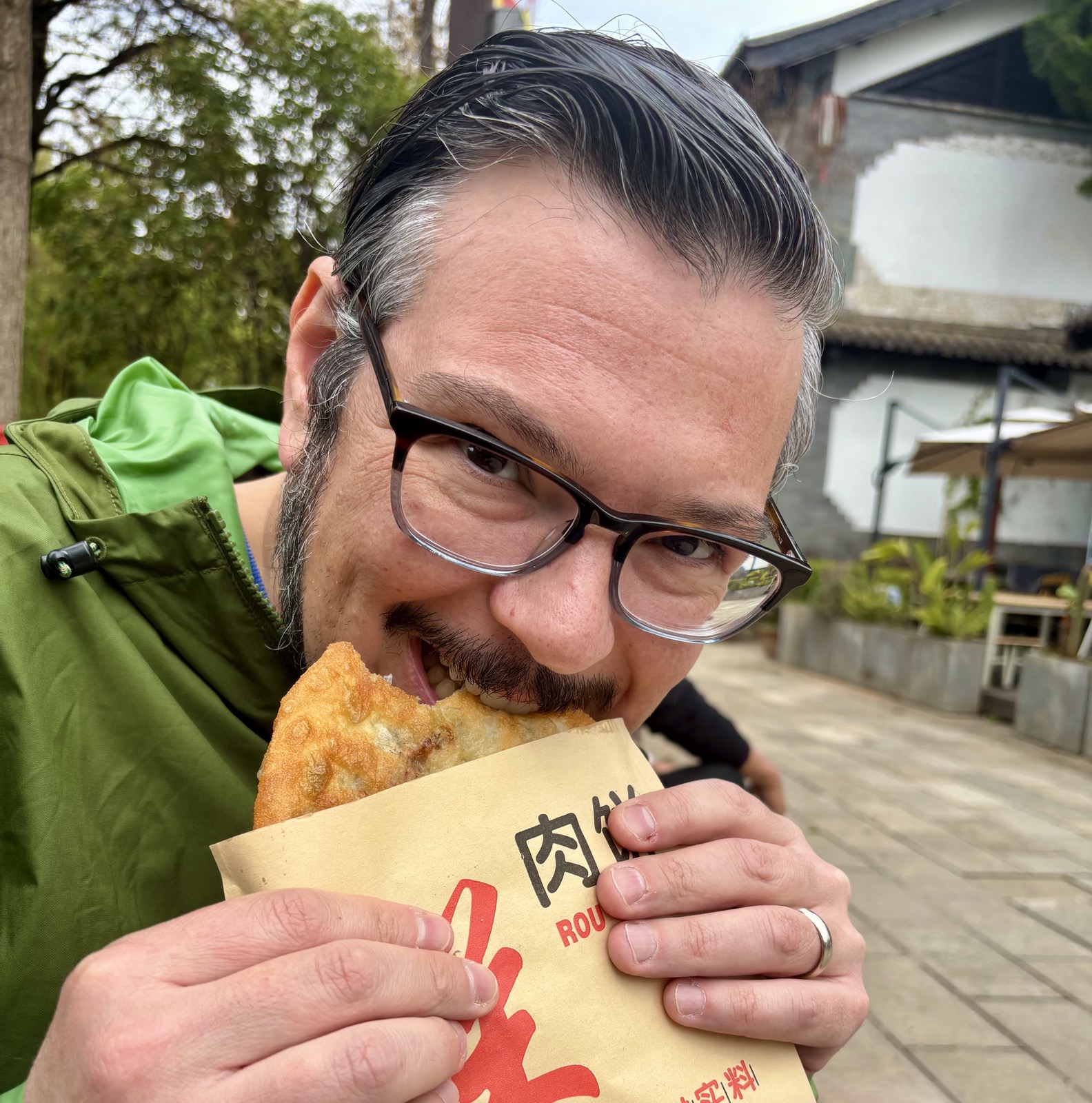
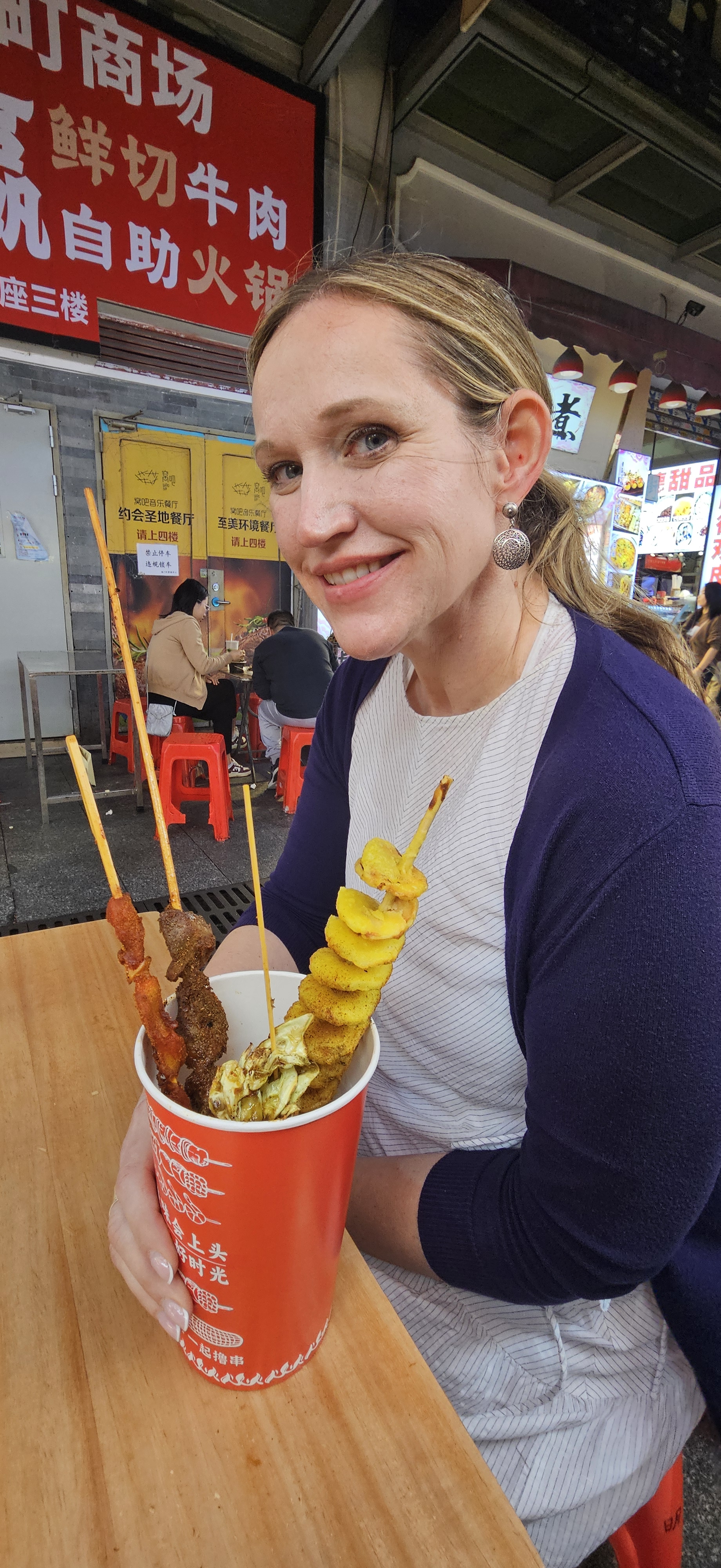
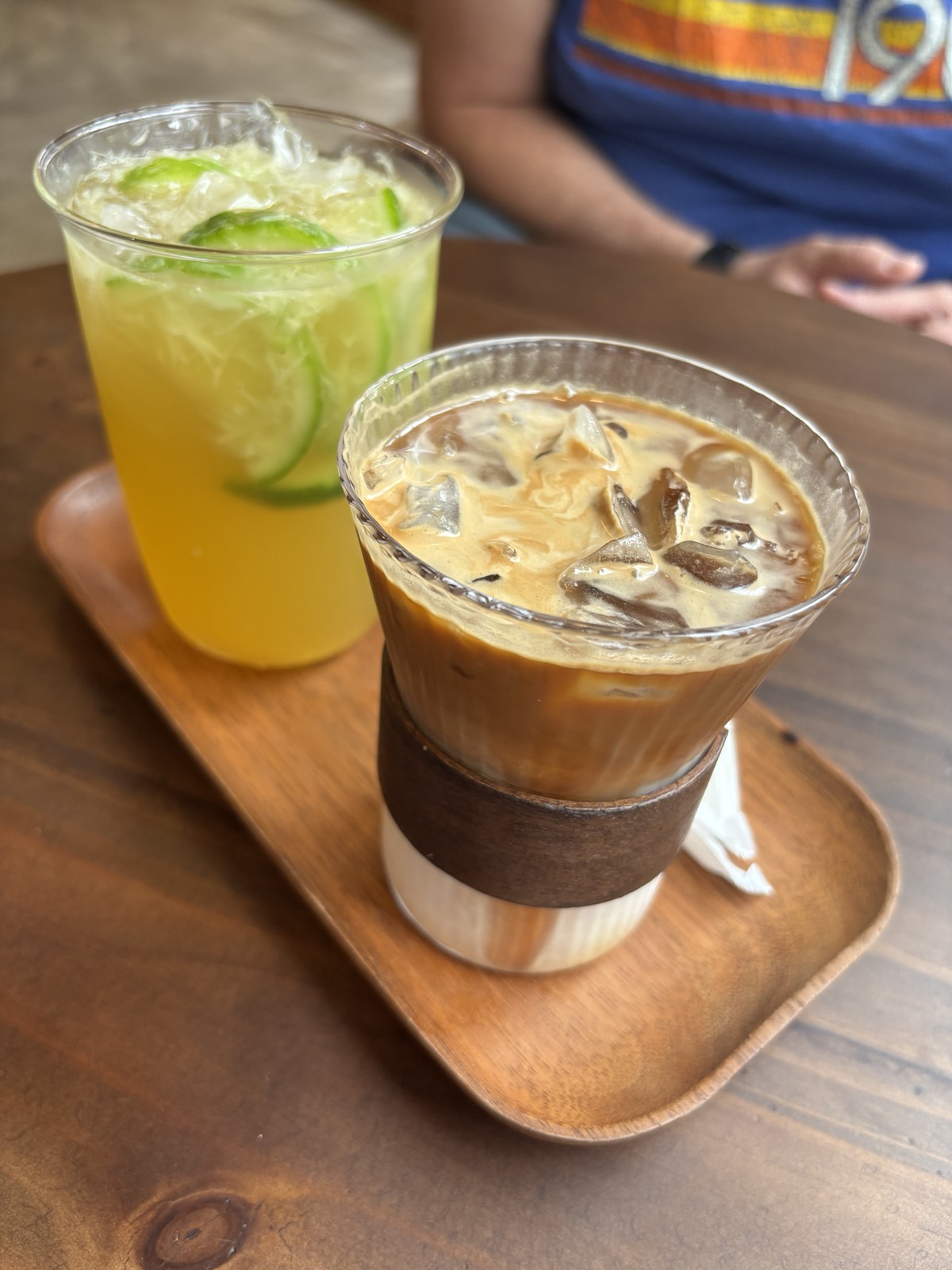
The night markets were one of favorite places to eat; so many food choices, and all so good, I wanted to try everything; we would get full for under $10 and have a great time; they are chaotic, and there are so many things to look at, and so many smells, it can be overwhelming, in a good way. Jessica devotes a whole post to them, here, with a lot of great pictures. She also mentions my and our favorite drink in China, the Lime Tea and all its iterations; if you visit, try one, or many.
Smoking, Coughing and spitting: There were frustrations of course, as in any new place, and Jessica talks about a few of them, such as: so much smoking, leading to so much spitting and open mouth coughing . The US has done a great job of socially engineering smoking out of most everyday life places, true. If it was 15 years ago, I would have a much greater appreciation for China’s lack of non-smoking spaces, also true (as a former smoker).
Paying for things: Every vendor, from mall stores to the tiniest night market stall, accepts their online payment methods, one called Alipay and the other Wechat. These two apps allowed us to pay for everything in China, and both even have apps within them. Alipay allowed us to use Didi, the ride-share app, without having to download a separate app. Wechat is also used as a messaging app (similar to WhatsApp), so we could chat with our hotel or tour operator easily, and we could also download menus and use it to order at restaurants. We set them up before we left the US, and they worked so well. If Google/Apple pay were accepted easily, everywhere, with no hiccups, it could work for us like this in the US too.
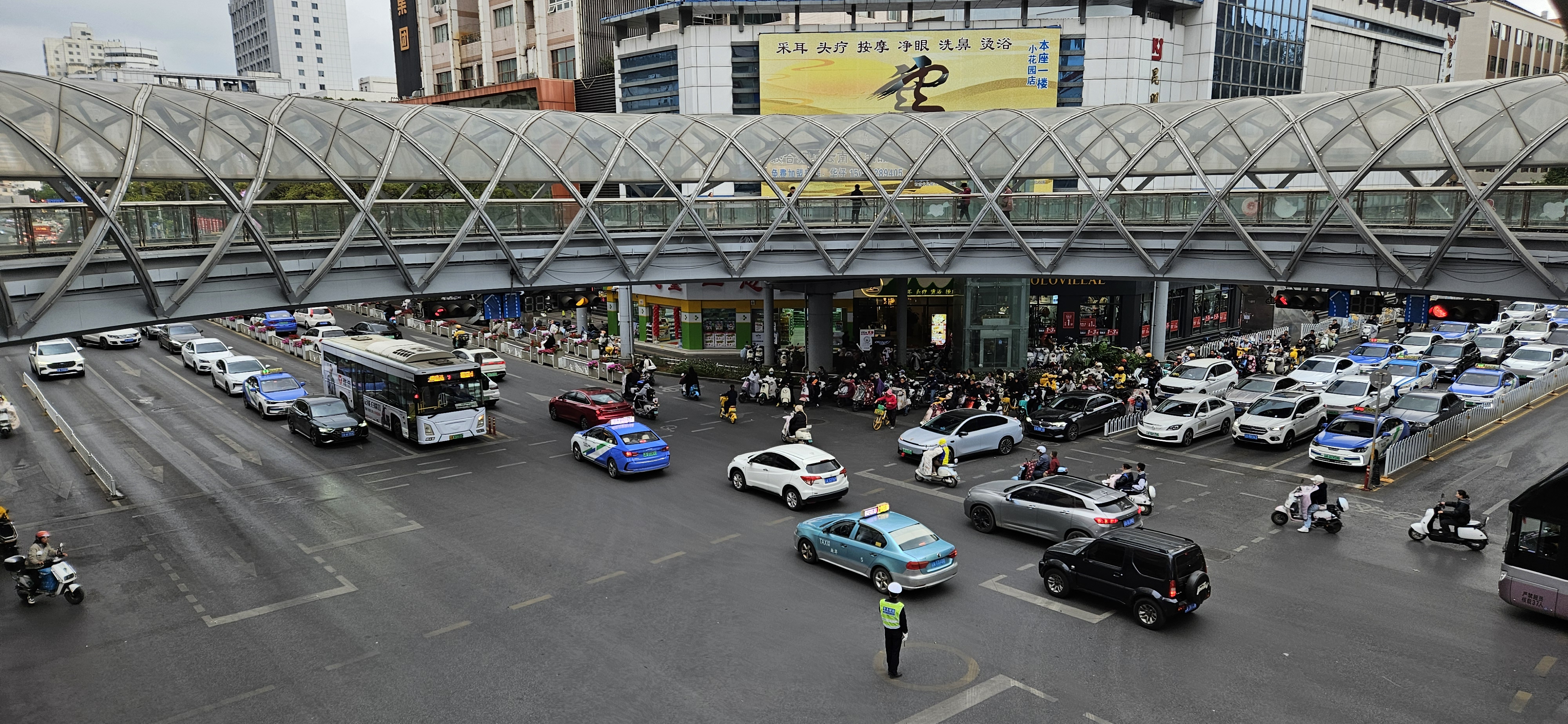
Getting Around (automobiles, trains, and planes): We took Didi, their ride-share app, to get most everywhere, in every city, easily. The only time we used public transport was in Shanghai, as its train system is very nice, clean, cheap, and efficient. Didis are very inexpensive, our average ride cost was usually $5 or so, and then we weren’t stuck waiting for, or trying to find, a bus to take us to where we wanted to go, taking up precious, limited time. The cars were clean and we never felt unsafe in the dozens of Didis we rode in. It was also fun to ask the driver to play music and listen to them (sometimes) sing along.
We took fast trains to and from every city, from our entry into the country from Hong Kong into Guangzhou; the only flight we took was our last, from Guilin to Shanghai, on Juneyao Airlines, and it was was a fine and normal flight experience (except they gave us a meal with our short flight, remember when US airlines used to do that?). The train bathrooms are usually not the cleanest, and second class seats, usually three on each side of the aisle can be a bit tight, but the first class tickets aren’t that much more, and worth it for the longer trips.
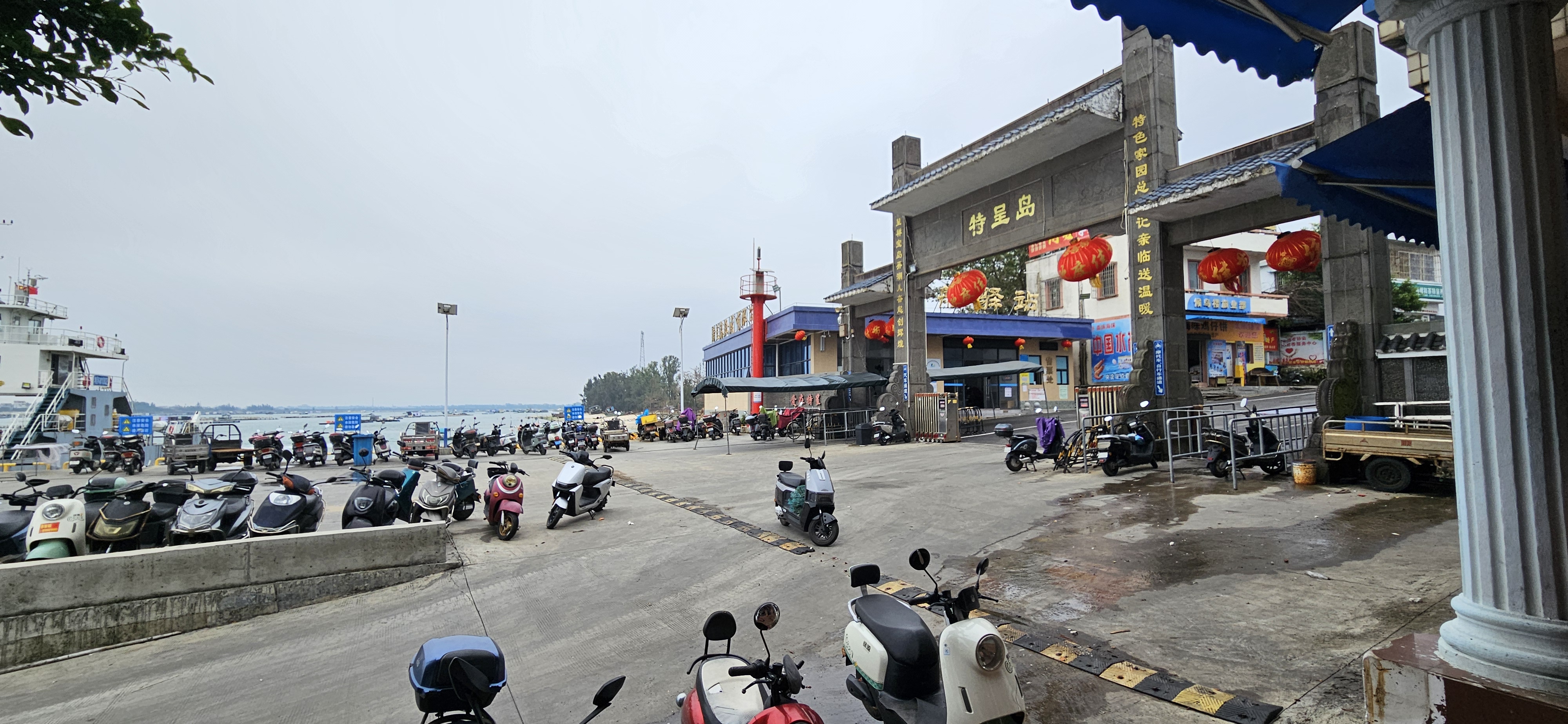
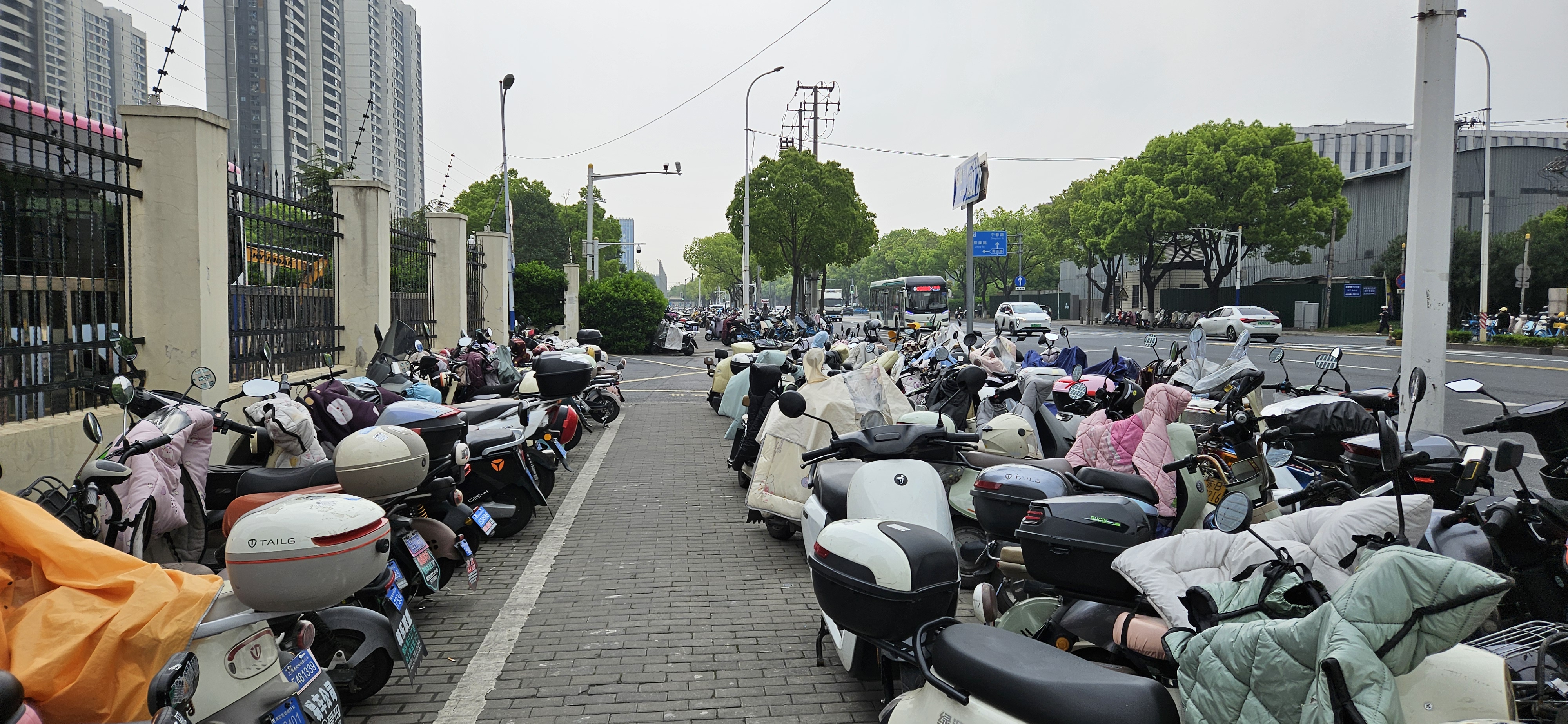
There are so many electric motorbikes throughout China, it is truly amazing. We learned they provide free electric charging stations, so that is why there are so many. It is very chaotic to drive one, or a car, in the cities, so I would not recommend it, however we only saw a minor fender-bender and one car accident during our whole trip, so it works for them.
The people of China (in my experience): These are my broad observations about the people of China that I experienced(and remember, there are 1.4 billion). I imagine what one would say about the US if they visited similar cities; people are people, but here are some things I noticed, for good and bad. Note we visited mainly the South of China, where there are 50+ different ethnic groups, different local languages that are not understood by their fellow countrymen, and don’t often see Americans in their day-to-day.
Let’s discuss the famous “China stare” which can seem unfriendly at first, but as soon as we said “Nihao” (Nee-how) or hello, they would often respond with “Hello” in English and a big smile. So if traveling to China, say hello. Jessica, especially, received many stares, as we were in regions seldom frequented by a tall, blond, blue-eyed, smiling, pretty lady, and even had men take pictures of her without her notice, which was weird, to be certain. Many of the people who wanted to take pictures with us (or her) were quite friendly and she tells more about her experience by clicking on this link.
From our time living in Asturias, in the north of Spain, we learned of the term “solidarios” meaning “all for one, one for all,” basically. We did not see that feeling prevail throughout China in general, which can be seen as somewhat odd, as a communist/socialist country. Every time we would exit a long distance train, or a plane, or an elevator, or a night cruise, there was always a race to get out first, even if there was no reason to, which was often the case; there was no fire, as it were. We always had to stand firmly in the doorway of the elevator when exiting or whomever was boarding the elevator would knock us over to get on.
If we were buying tickets, or checking into the hotel, often someone would come up and interrupt, as their need was more important than waiting their turn. This is most definitely a cultural difference, in that, for them, this is not seen as rude, but in our culture, it definitely is. When we would visit the many ancient towns and other picturesque sites, there would always be many, many photoshoots in progress; we would see friends taking pictures of friends, or people taking individual selfies, but we never saw two or more taking selfies together, or asking for someone to take a group photo. It seems like a very individualistic society.
We may think our phone culture is bad, in that most everyone is looking at their phones all the time. What we saw pales to the average Chinese, who are watching a video when walking on the street, waiting in an elevator, walking around the mall, using the toilet (because they listen on full volume), literally everywhere, everyone is looking down at their phones. We aren’t much better, to be honest, but it felt like another level of how into their phones people were in China.
Overall though, the people are friendly, we were never denied service, they would help us decipher menus, answer questions through the translator, and we received many more smiles than scowls, especially once they learned we were Americans. Mostly, we were met with indifference, which is how it usually is in the US, or really anywhere. It was nice to feel special for the moments we did.
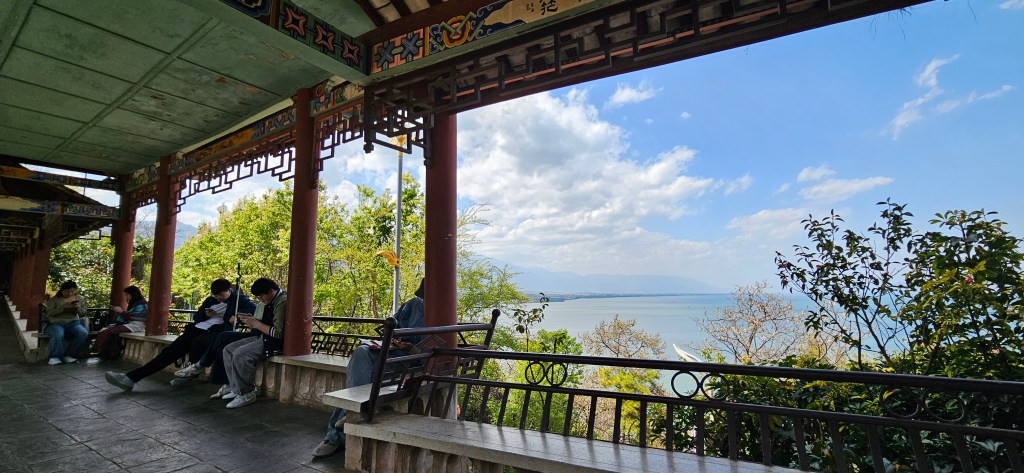
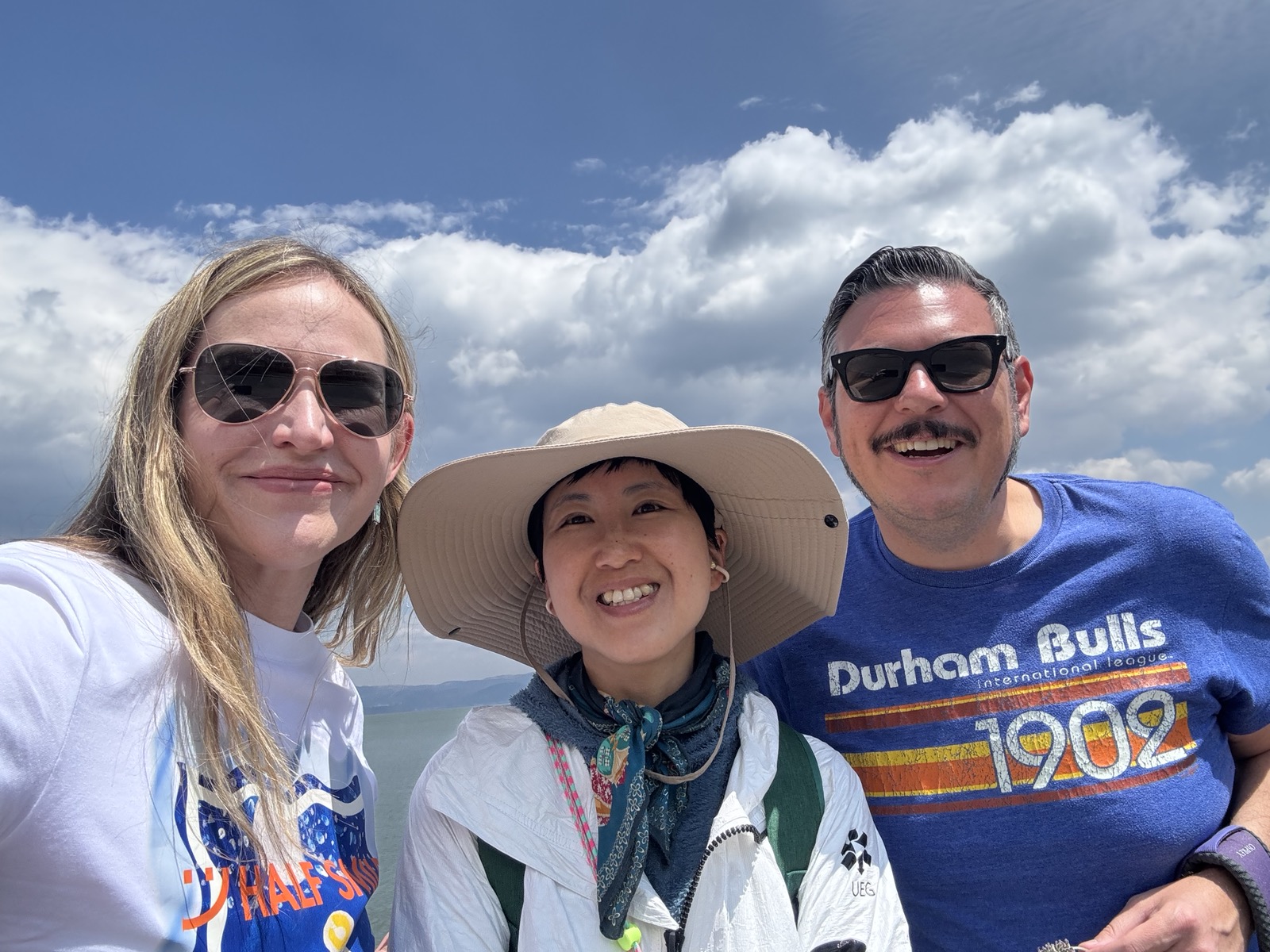
The people we met and were able to spend time with, from Liya in Dali, who took us on a mountain hike and made us dinner, to Lucas, a student who we met in Chongqing and spent an impromptu fun day with, to Belle and Craig, who we met at hotel breakfast and let us spend time with them and their kids in their favorite park in Nanning, made the trip so special.
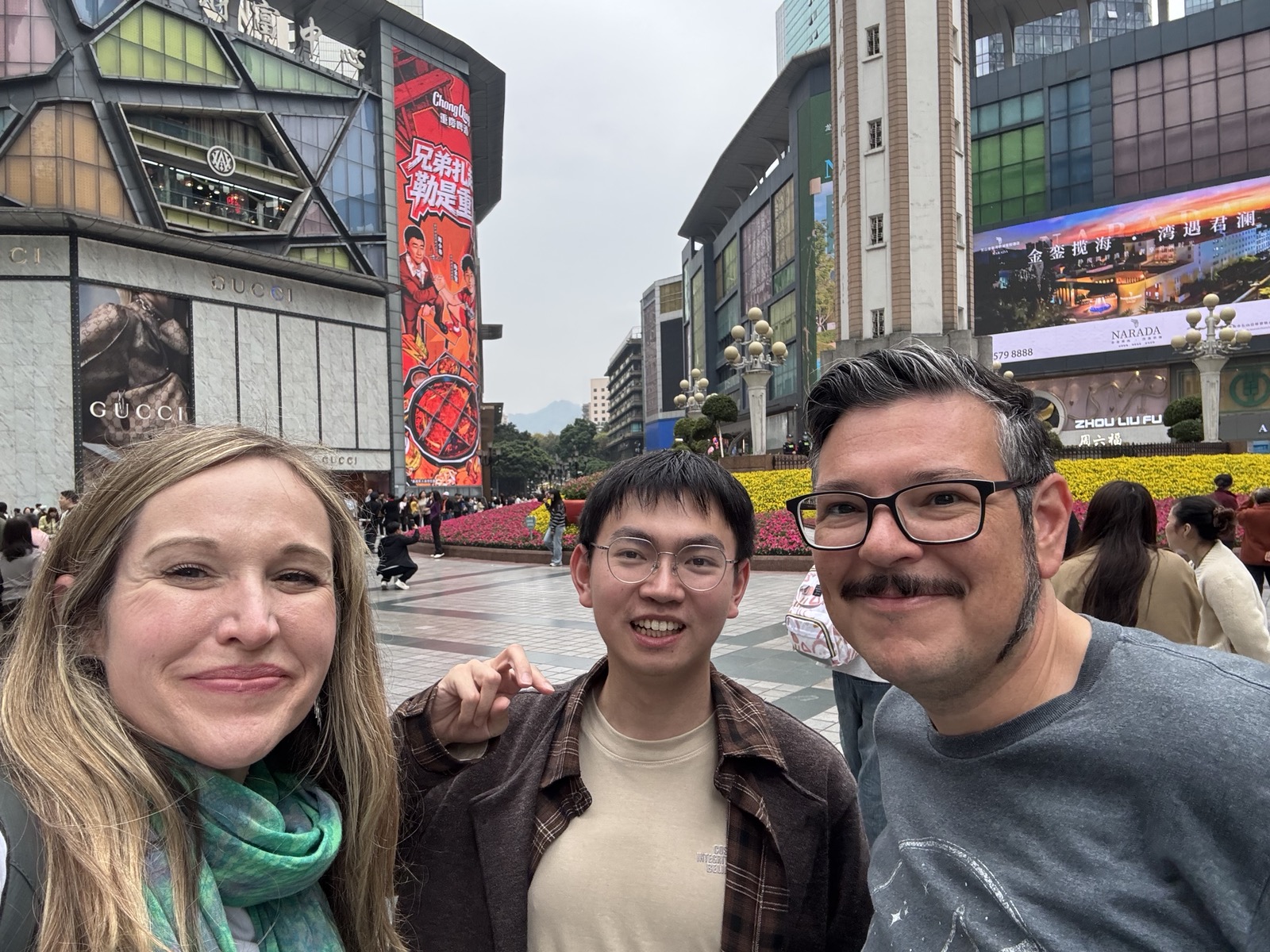
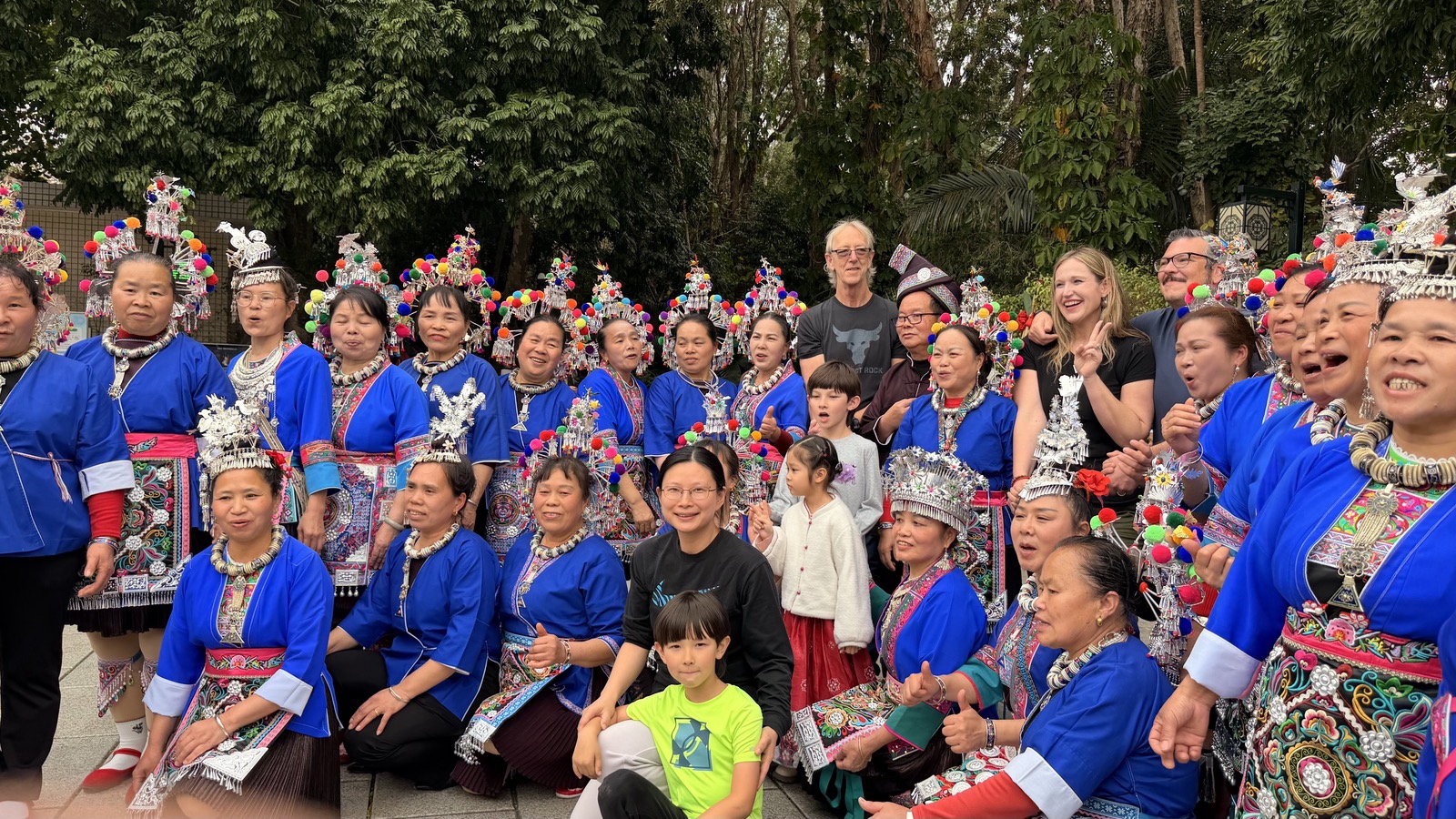
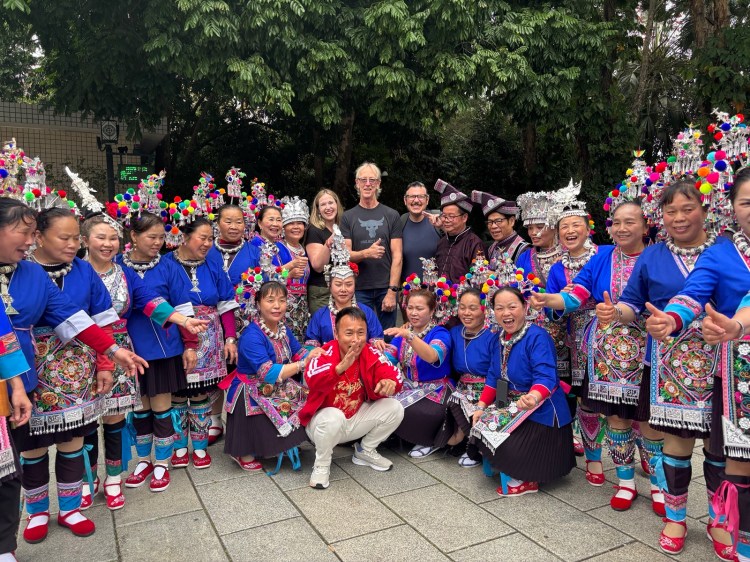
Not to forget our day tour guides who answered our cultural and historical questions, and provided us so much good information we didn’t know, to the group of Dong people who welcomed us into their circle for the afternoon, to the group of workers who fed us snacks in the rain; the cool barber we found to make me look good;
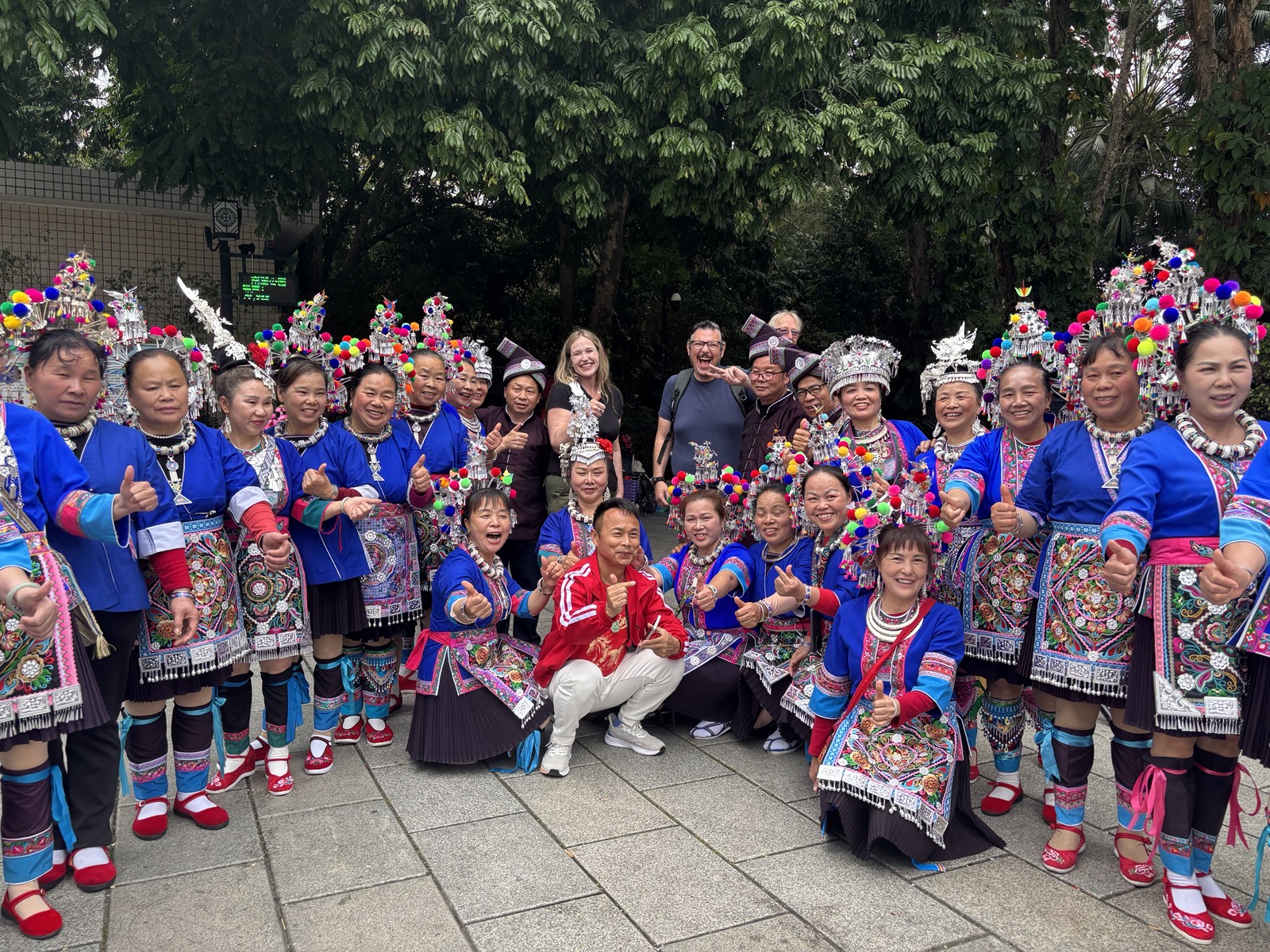
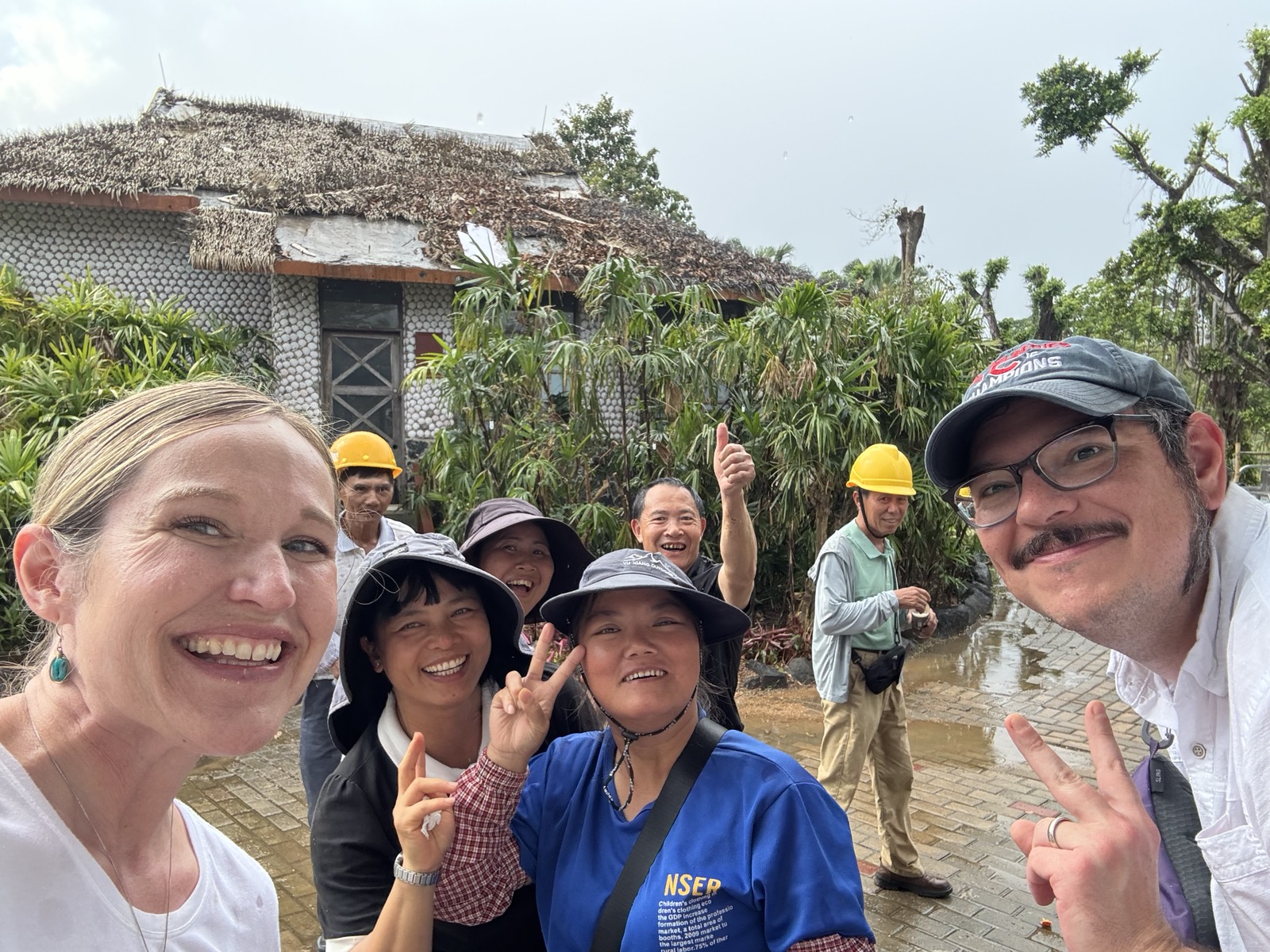
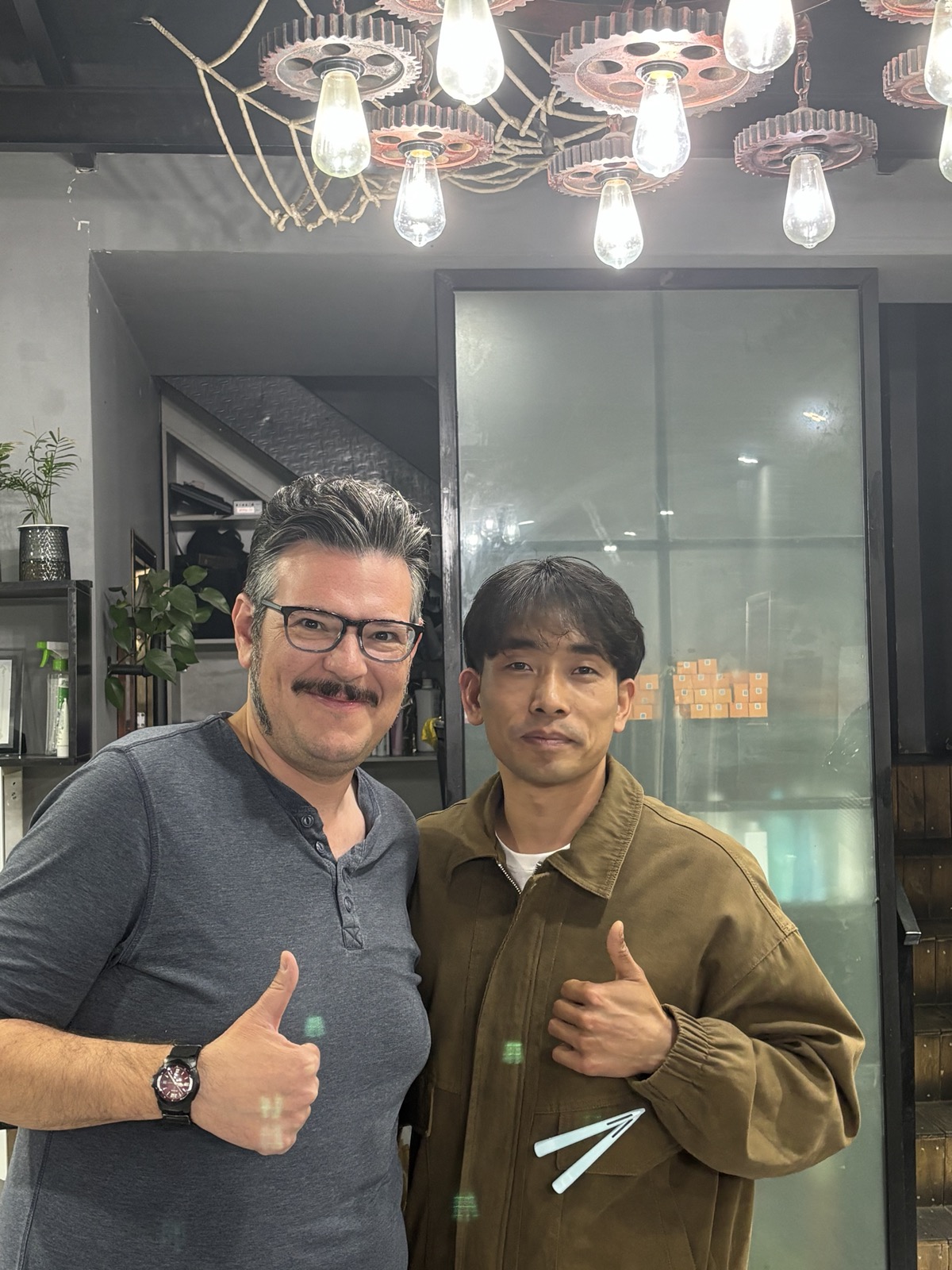
to the everyday people like the security guard in Shanghai who helped us understand we didn’t have to buy train tickets every time, we could use the Alipay app, and took us to another worker to set it up for us and the young man working at Tiger Hill in Suzhou, who took us back to the ticket office where they had told us we couldn’t buy tickets, and had them sell us tickets; there are so many everyday people who helped us when they didn’t have to, and treated us kindly when there was no need to. We thank them all, for allowing us to visit and enjoy their country.
There are things that are more efficient, and that work better, in China than the US, true, but also, we do many things better than they do, and we are the most friendly people of any place I’ve traveled to, for sure, and the US is my home. If anything I’ve learned from these two months, is don’t always believe and judge what we hear and see on the news, or social media, about a place before visiting, as some parts will surprise, others will annoy, but it is the experiences and sharing them with other people, for a day, or a couple hours, or a meal, or in passing, make the most difference while traveling, and in life.
China Posts (click on the picture below to read the posts):
Hong Kong
February 2026
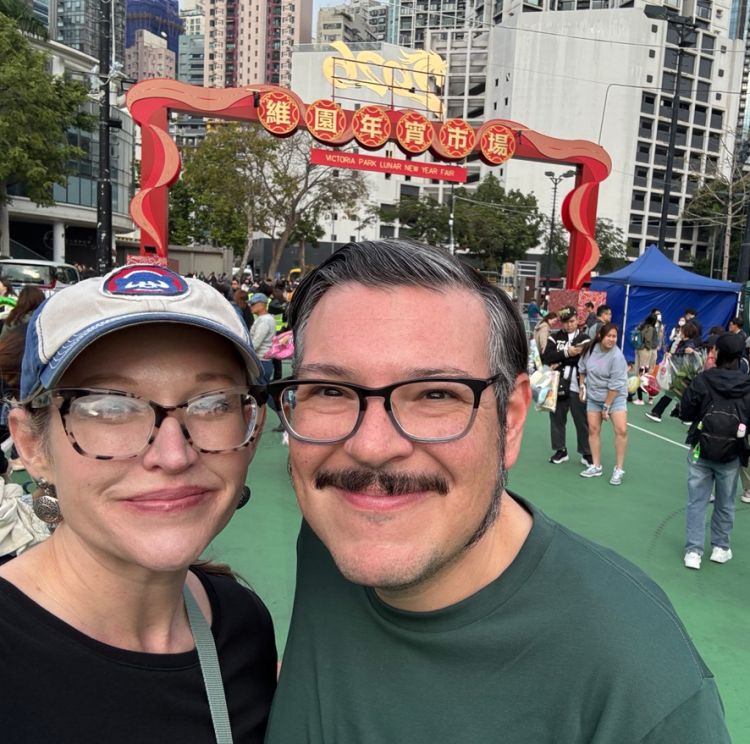
Guangzhou
February 2026
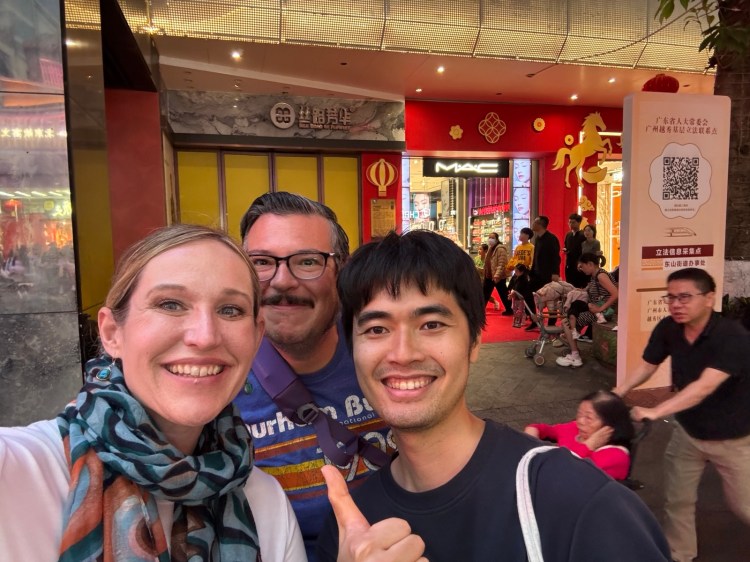
Zhanjiang
February 2026
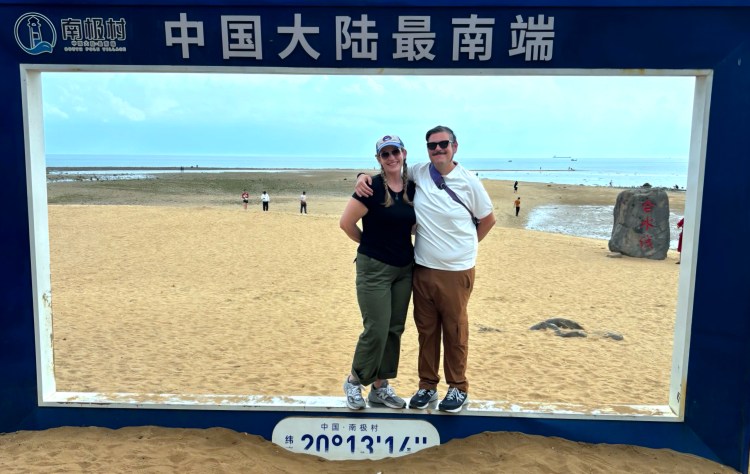
Nanning
March 2026
Kunming
March 2026
Dali
March 2026
Yangshou & Guilin
March & April 2026
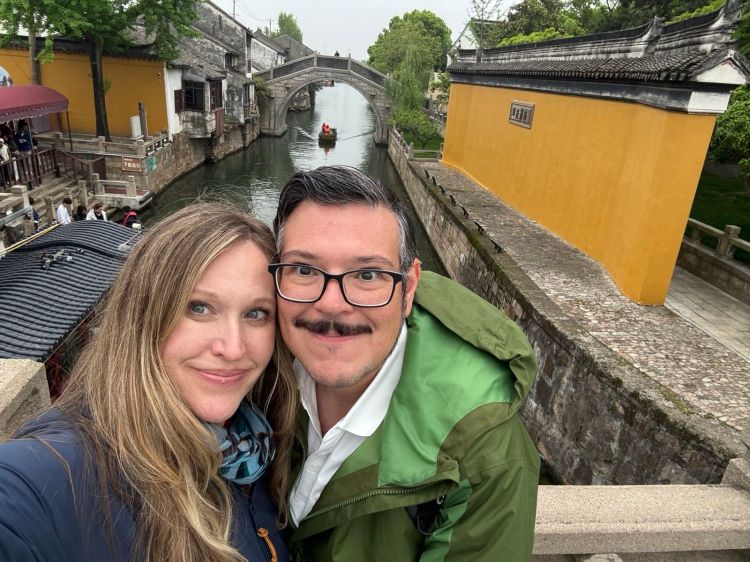
Shanghai & Suzhou
April 2026
Chongqing
March 2026


Great recap – I always enjoy following your and Jessica’s posts!
LikeLike
Thanks! and I appreciate your support and comments, they mean a lot to us
LikeLike