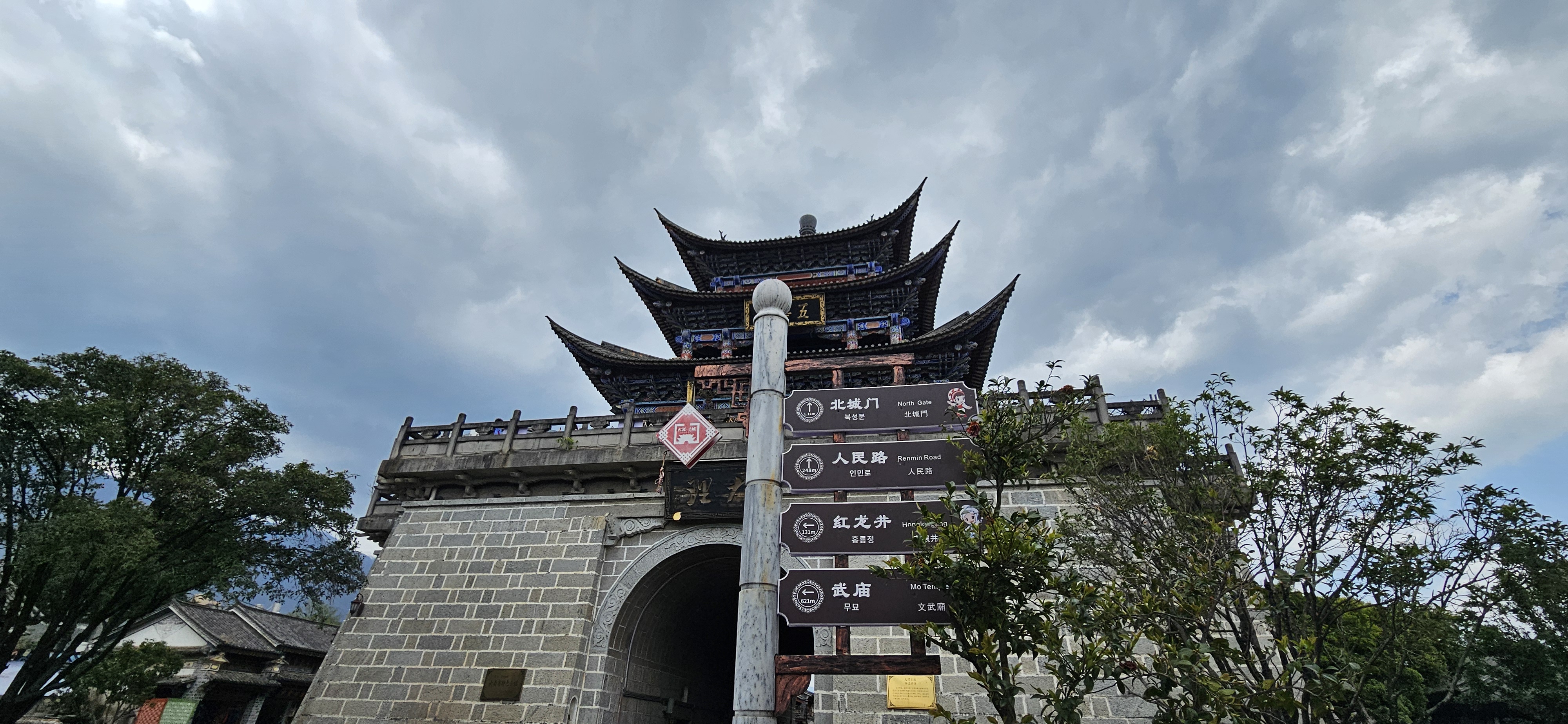
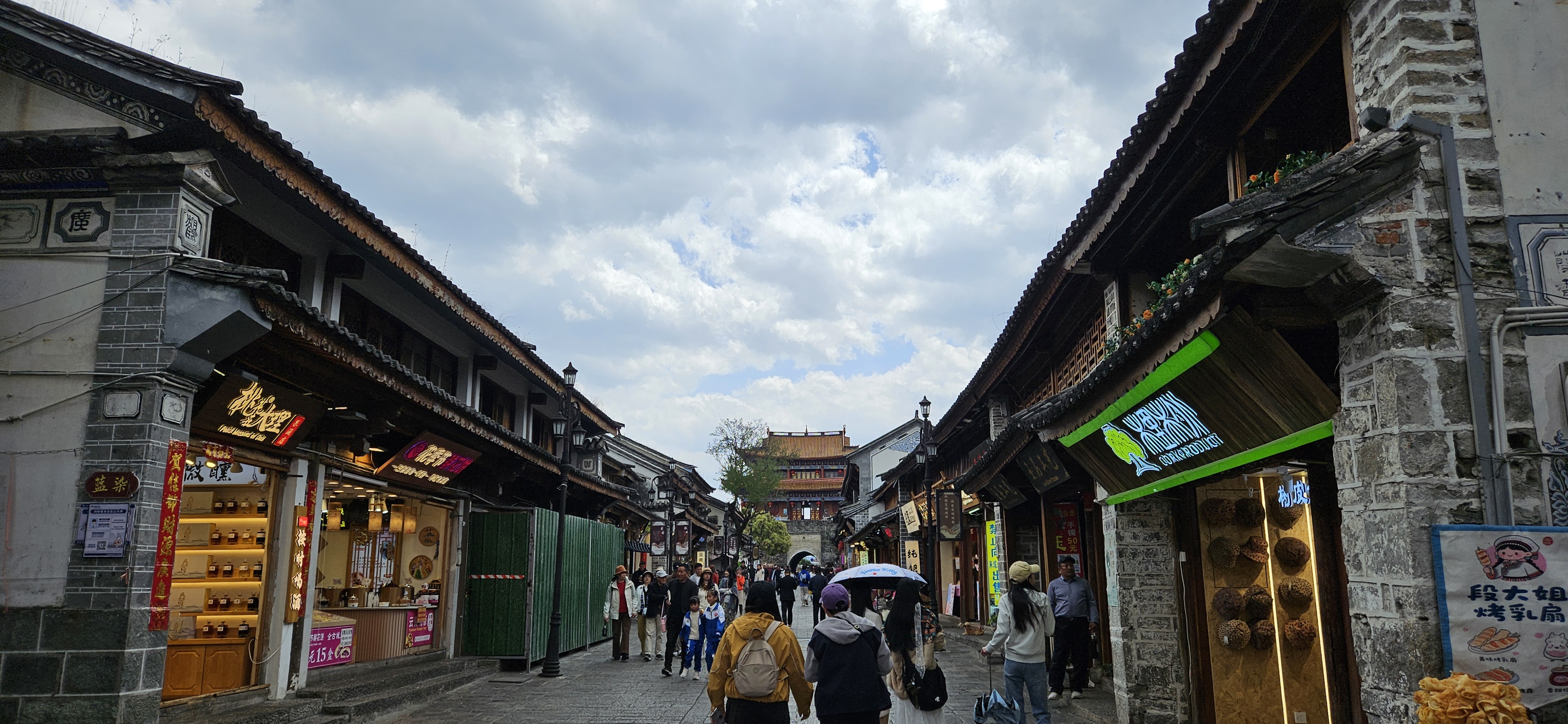
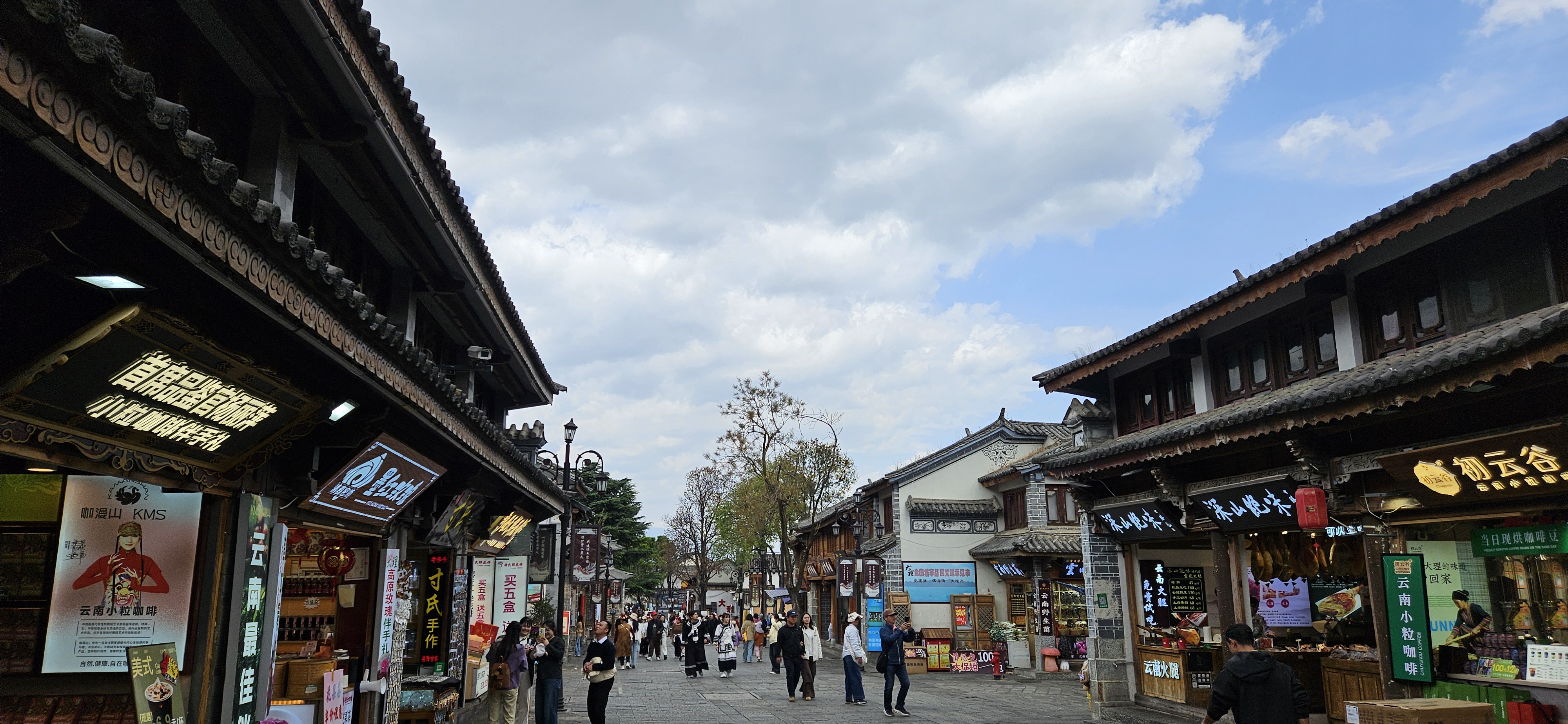
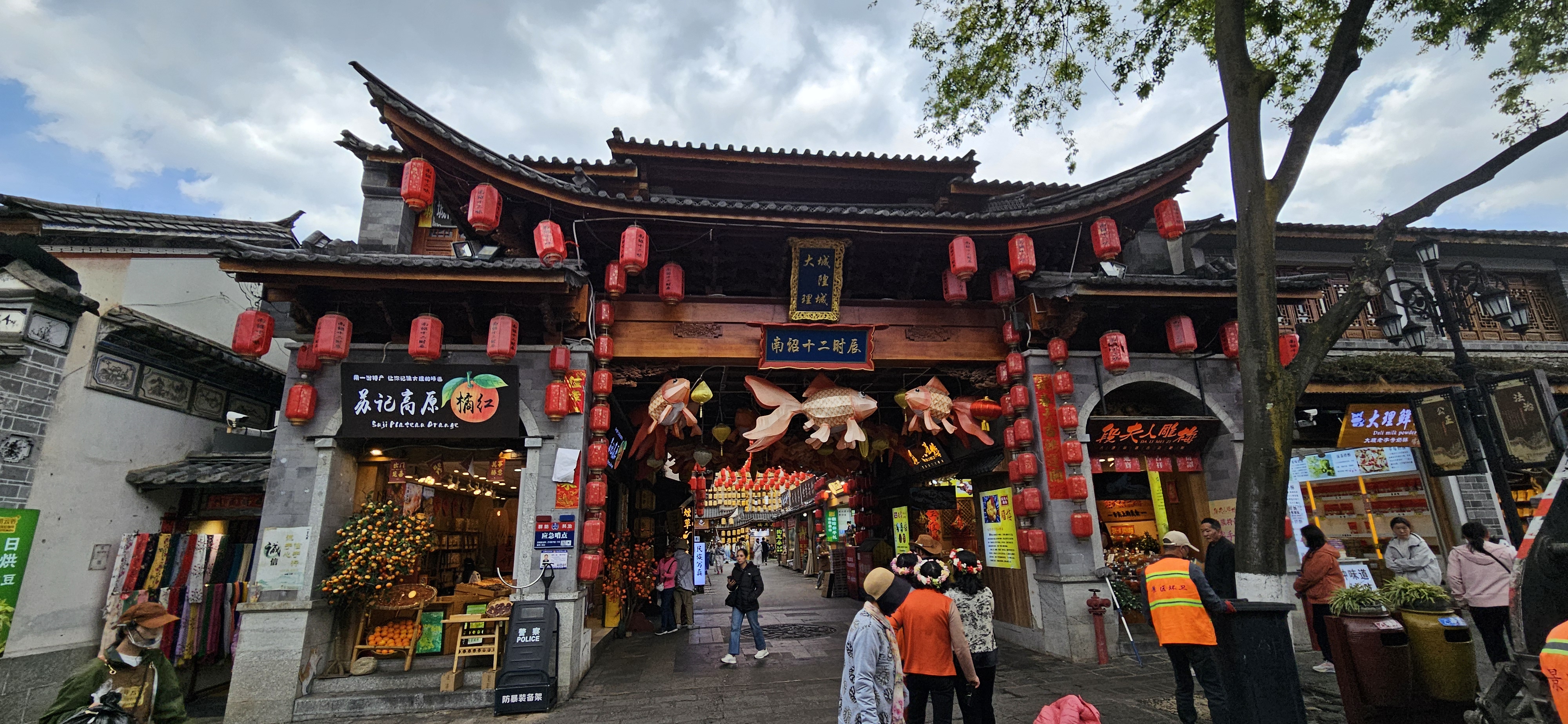
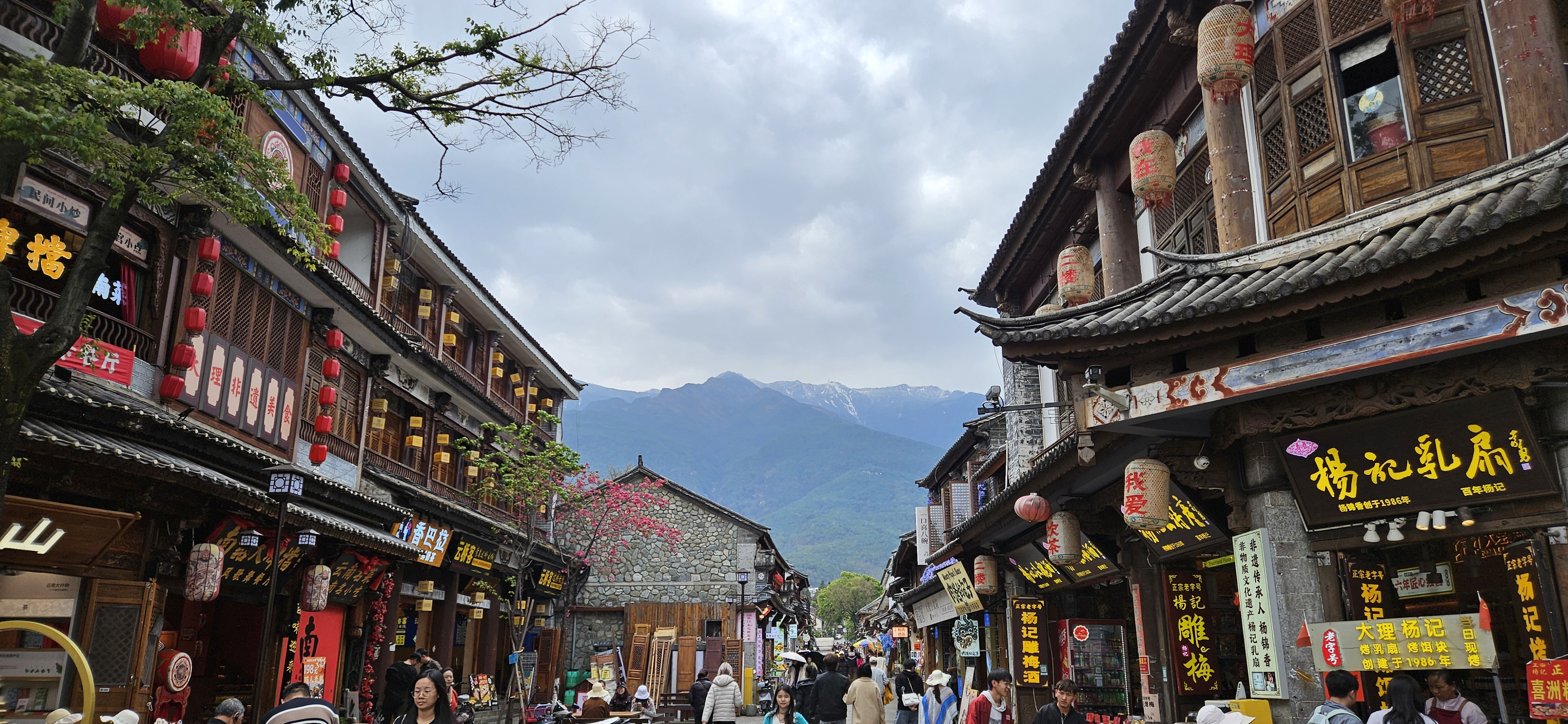
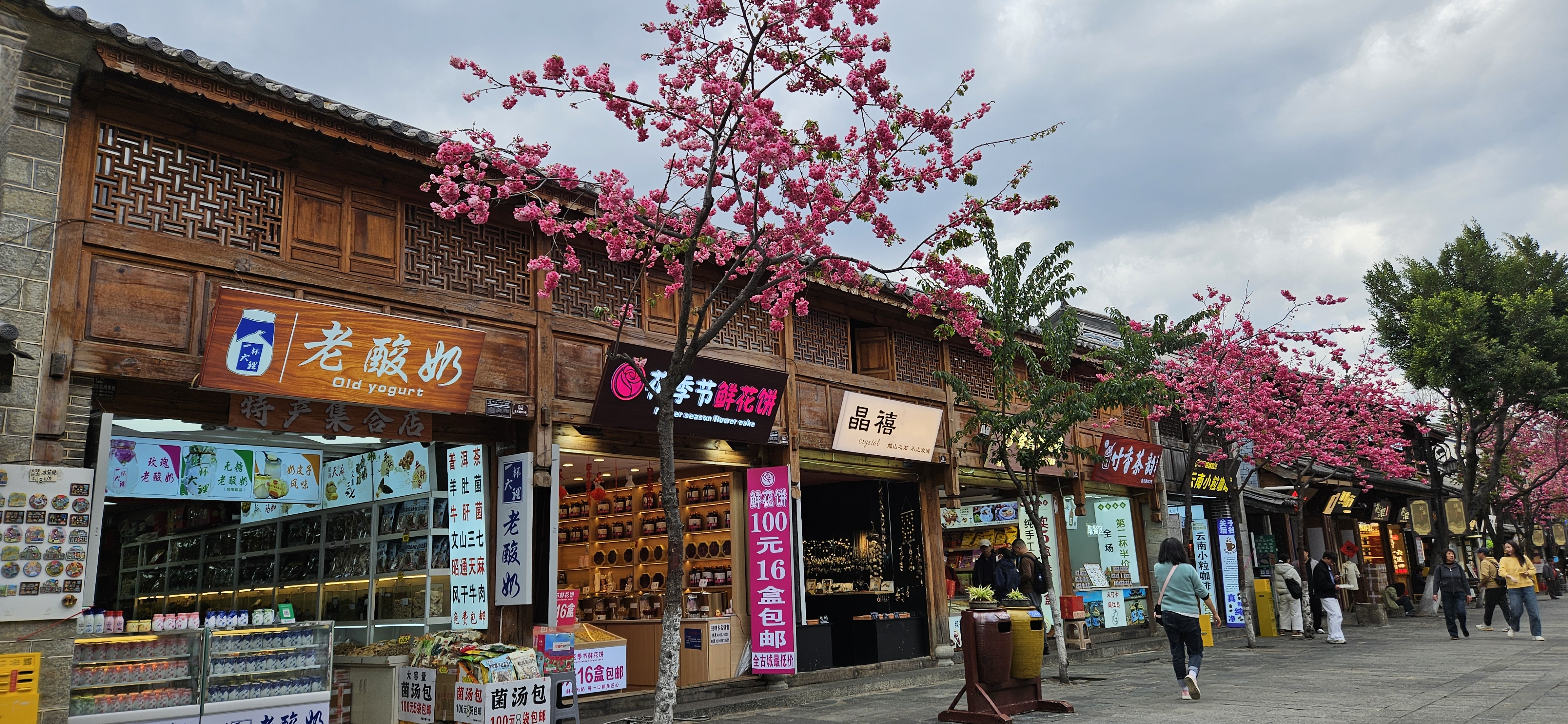
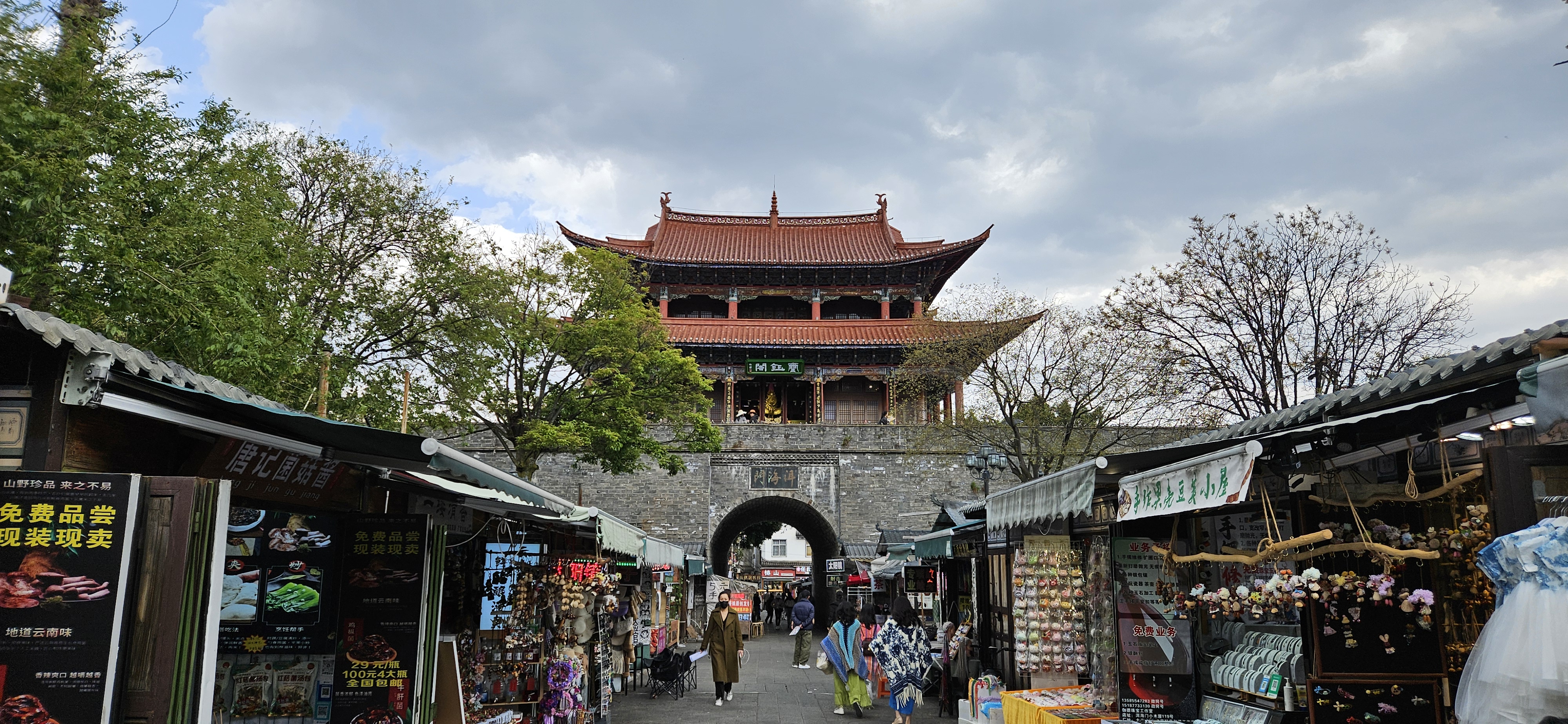
Our first full day in Dali we started at Dali Ancient Town, dating back 500 years. It is quite popular amongst fellow tourists, and the main gate and road were packed with many shops selling touristy items as well as unique Yunnan items. As we entered through the North Gate, we saw the cherry blossoms in full bloom on the street.
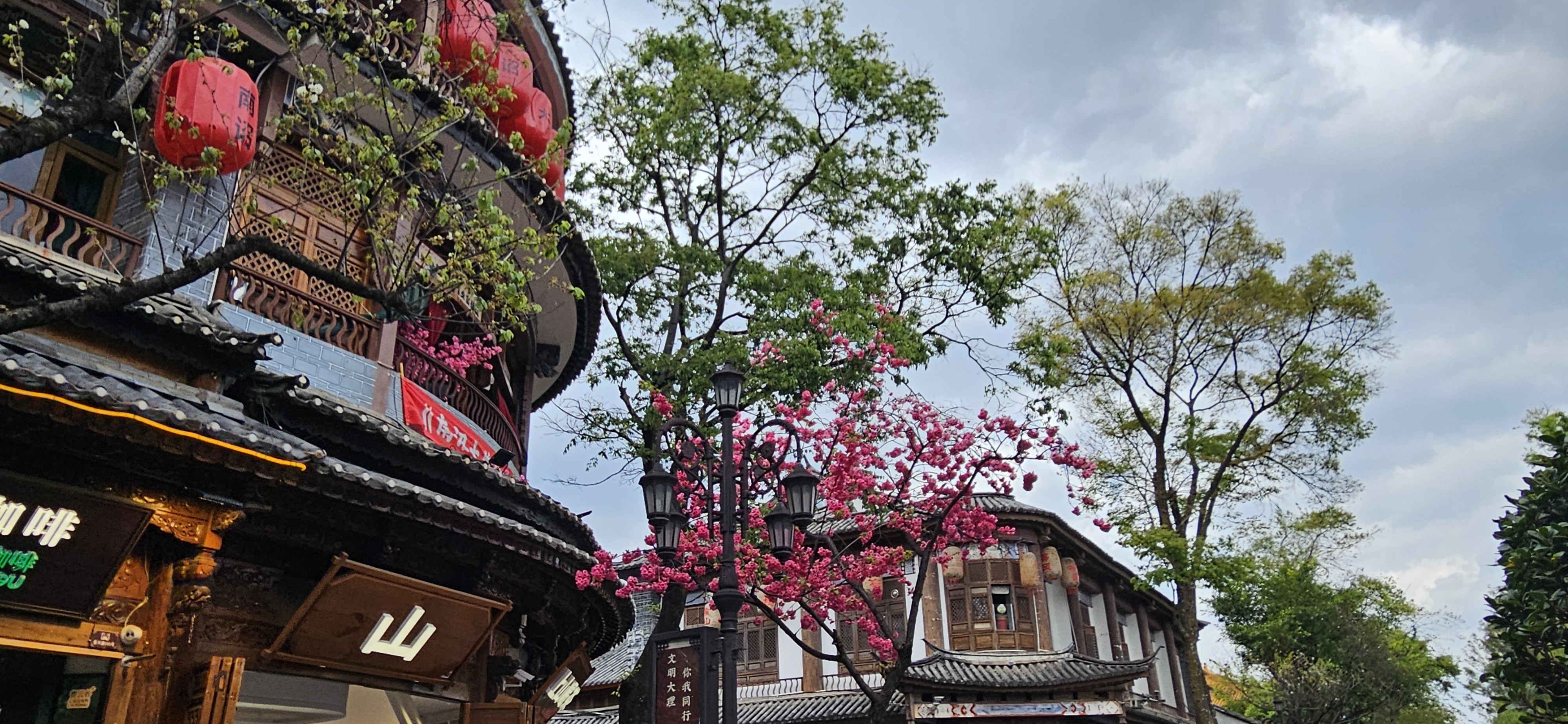
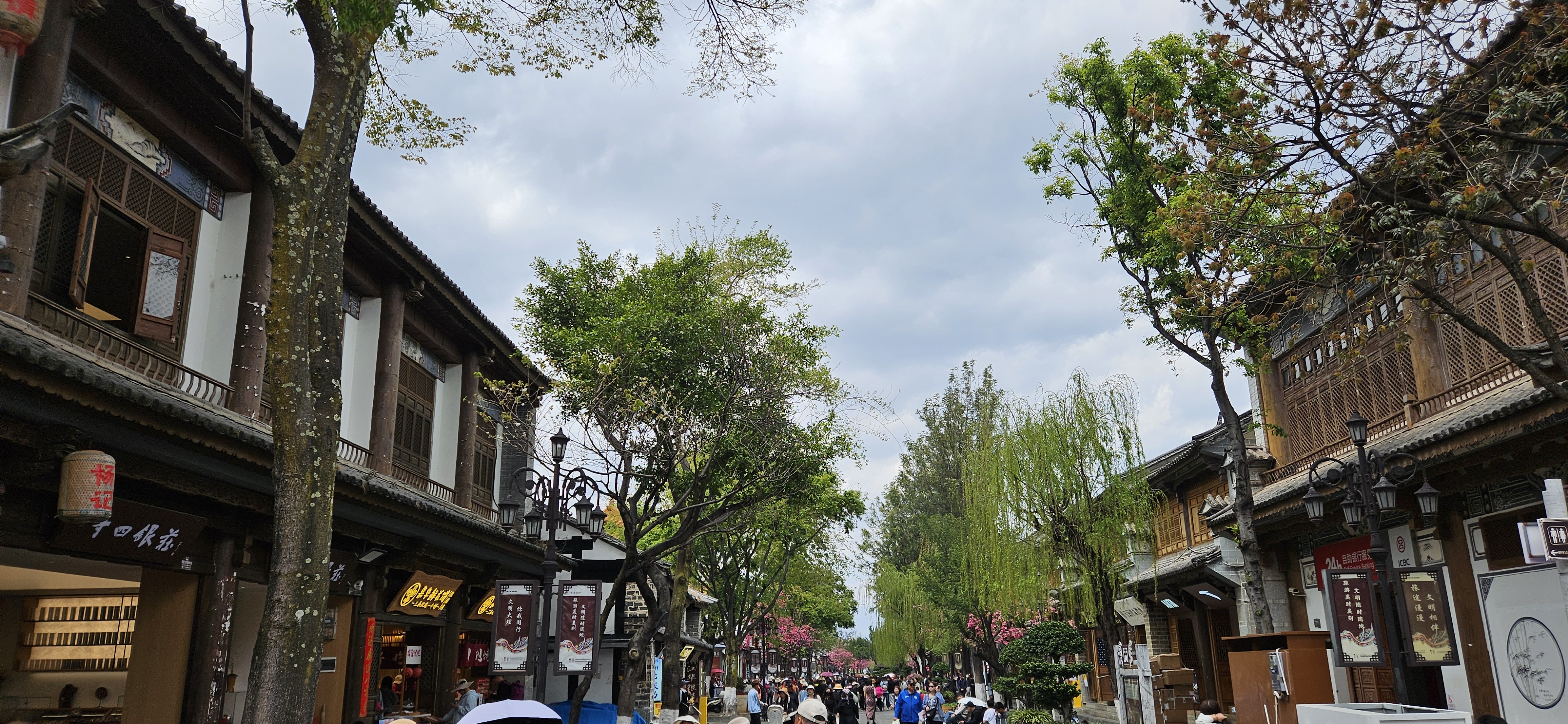
We stopped at the local Temple of Literature, which was pretty quiet and not too impressive except for the Bonsai and cherry blossoms.
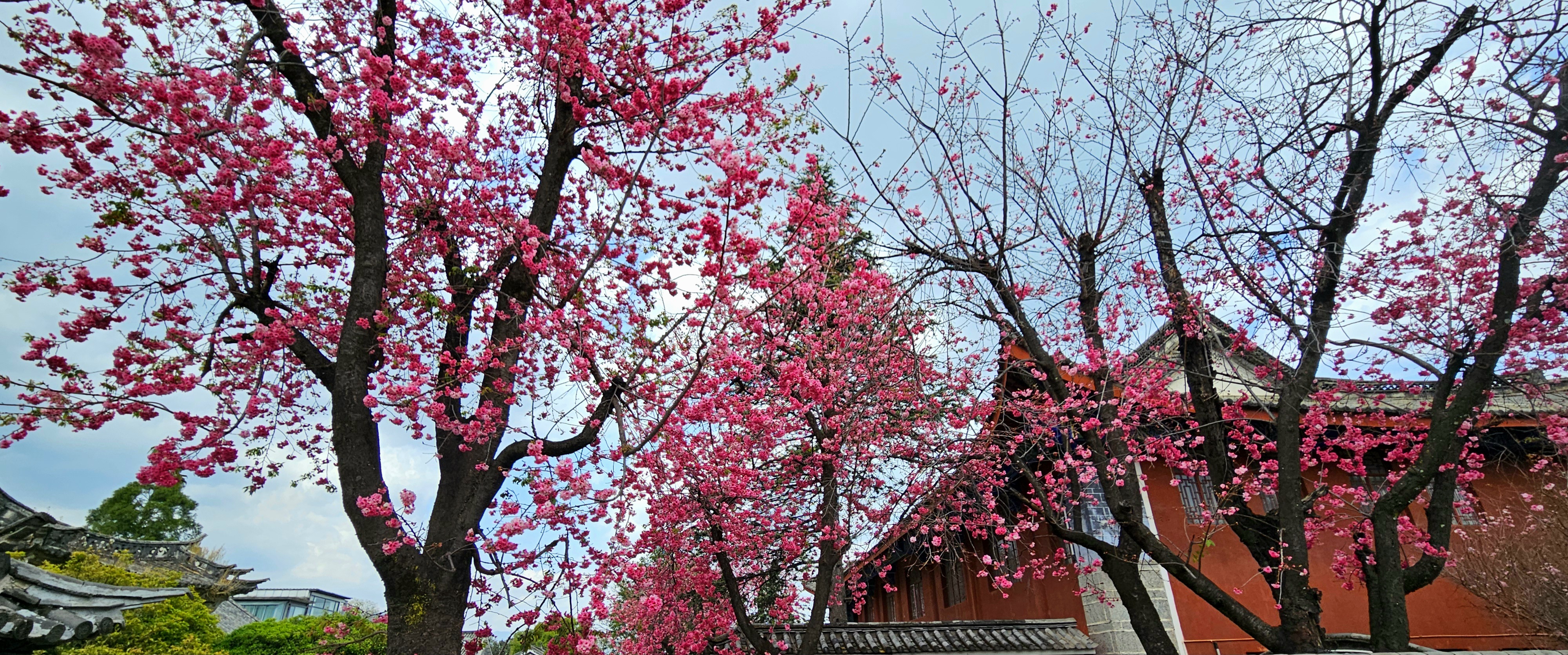
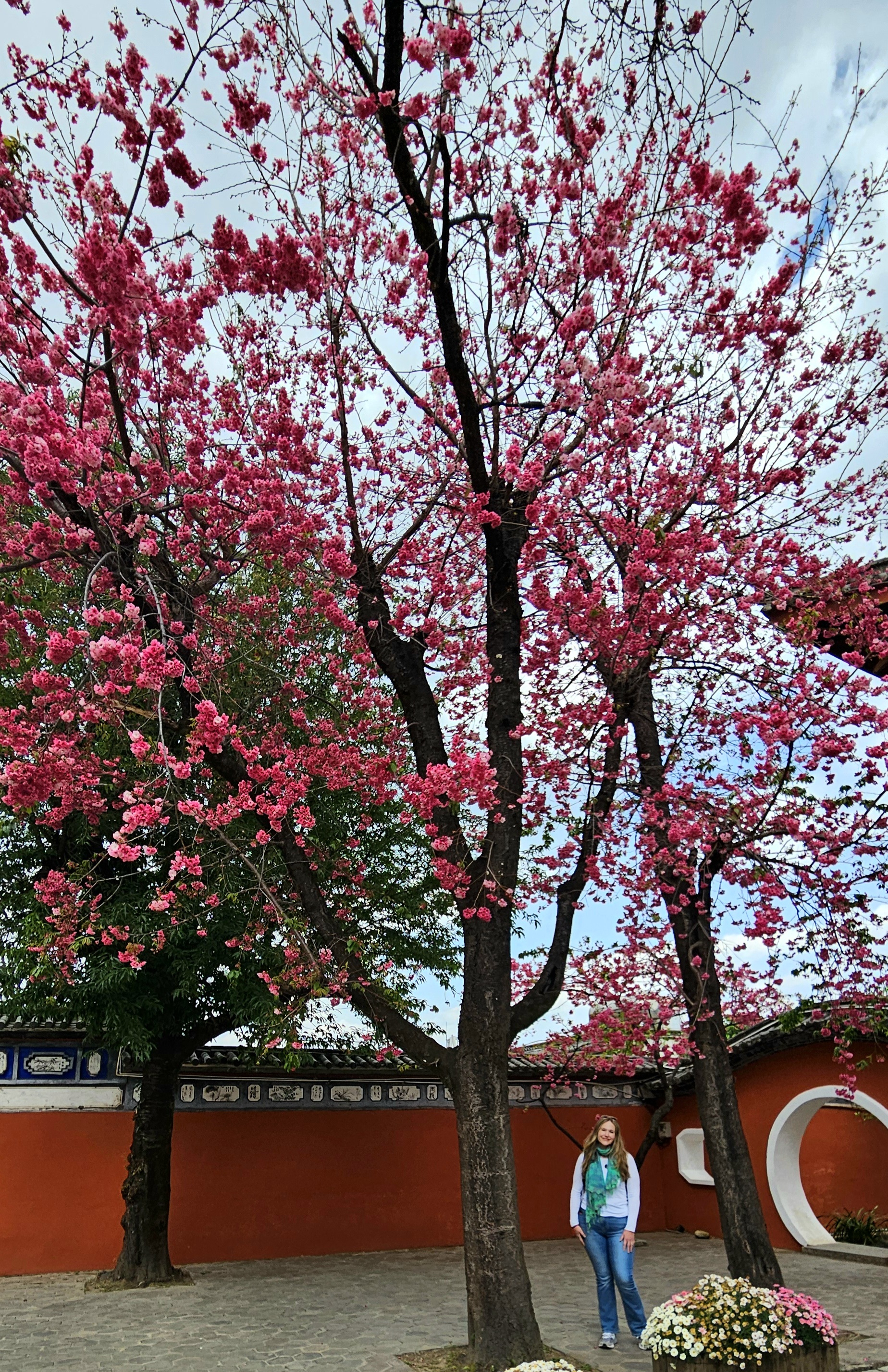
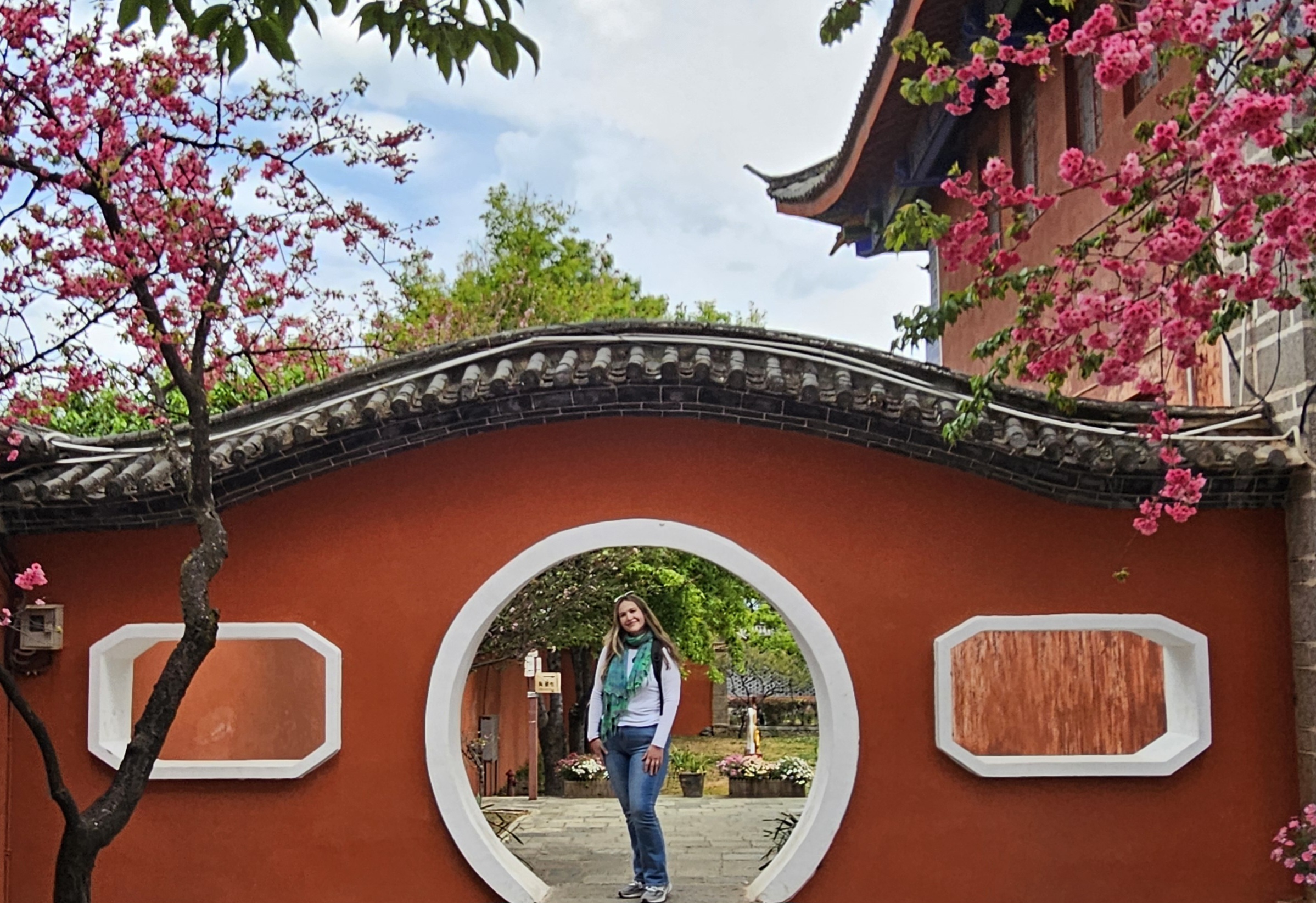
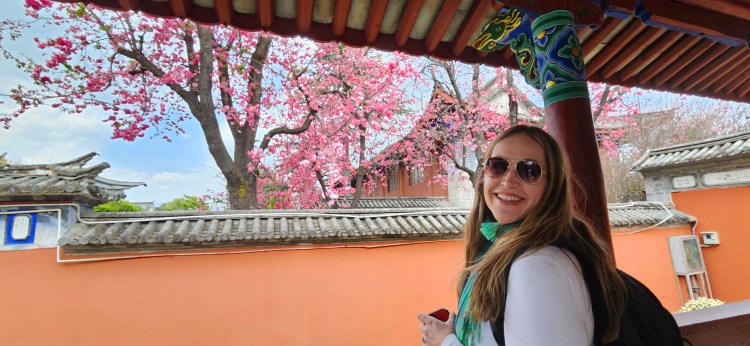
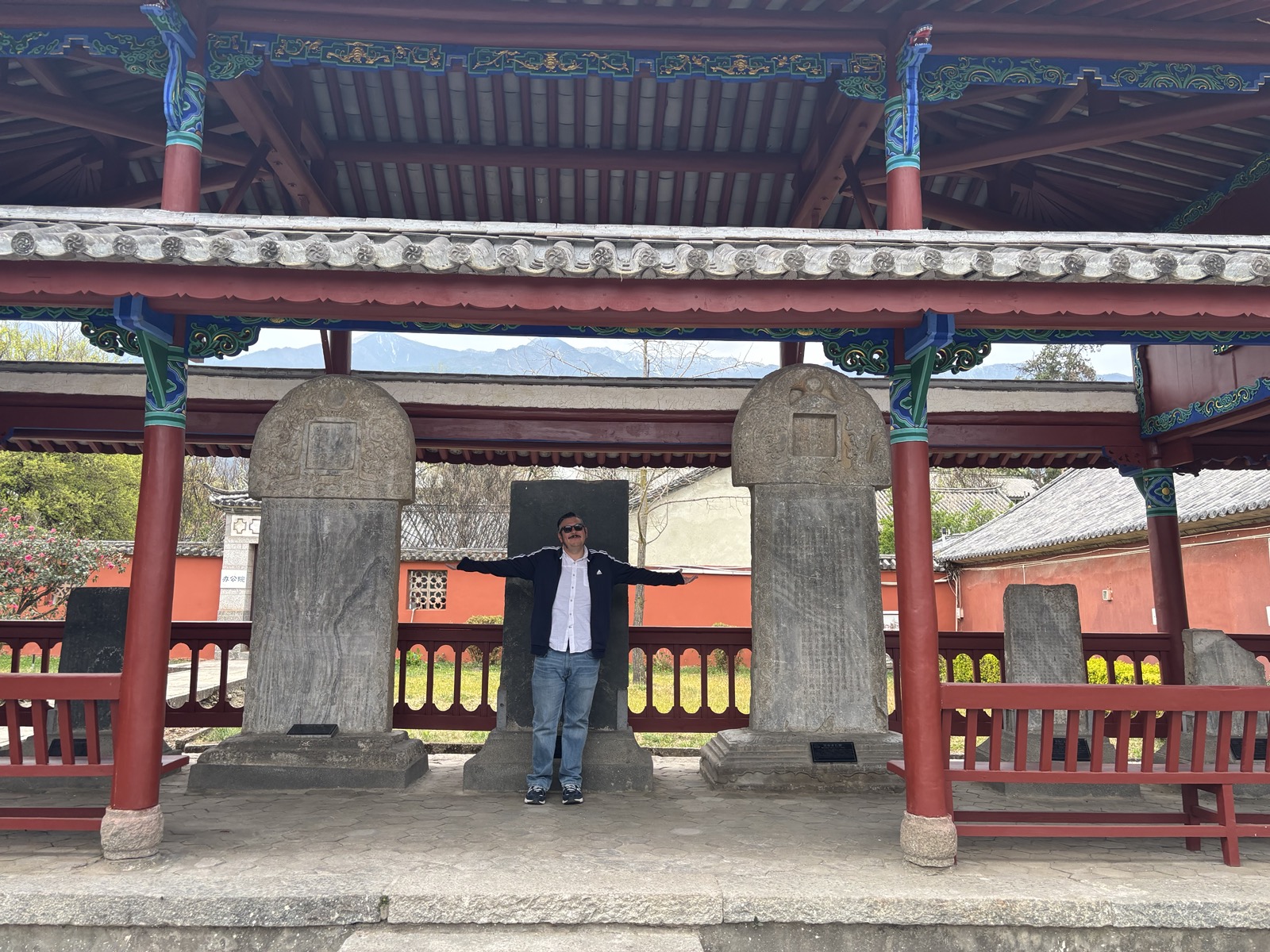
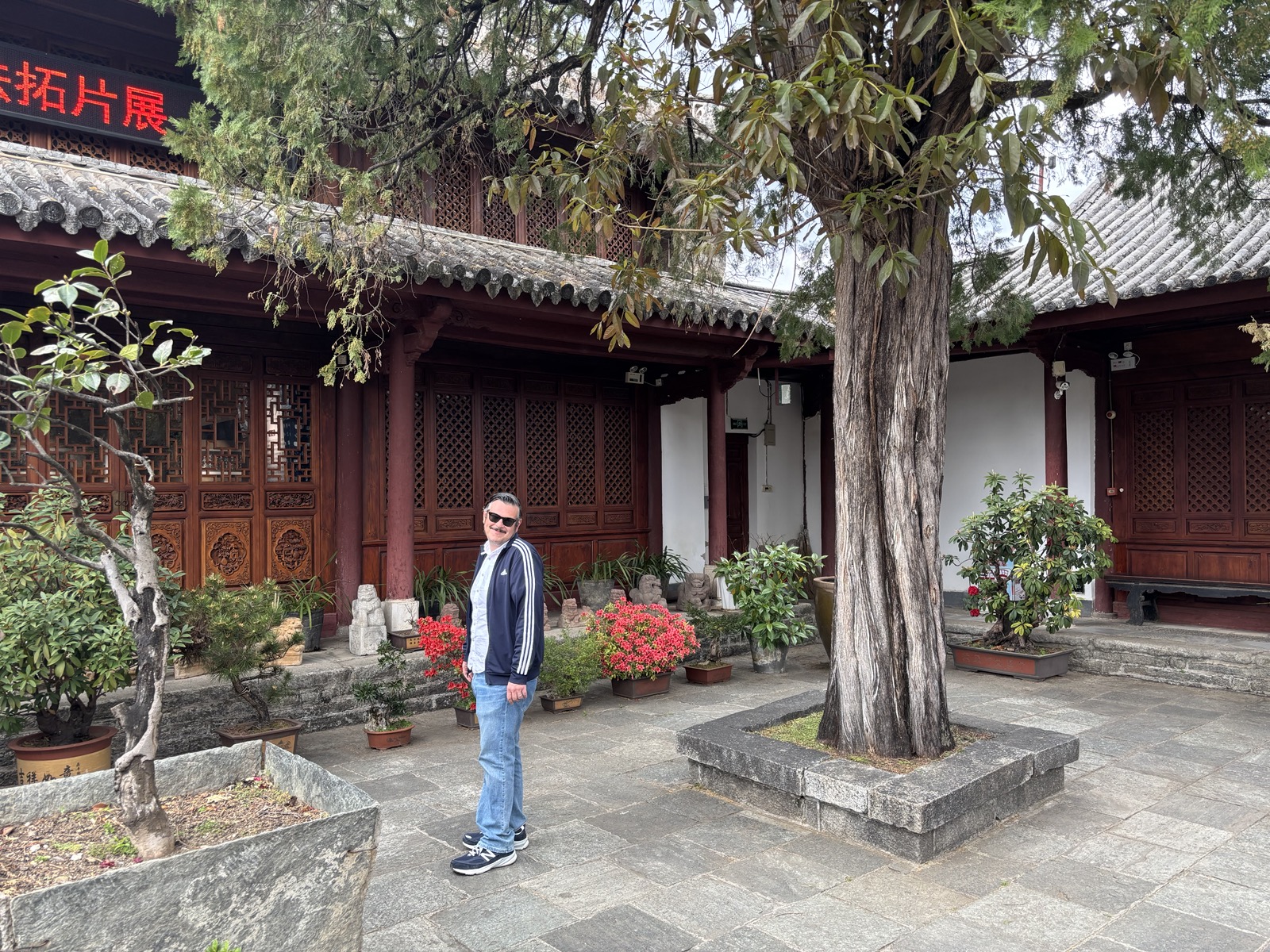
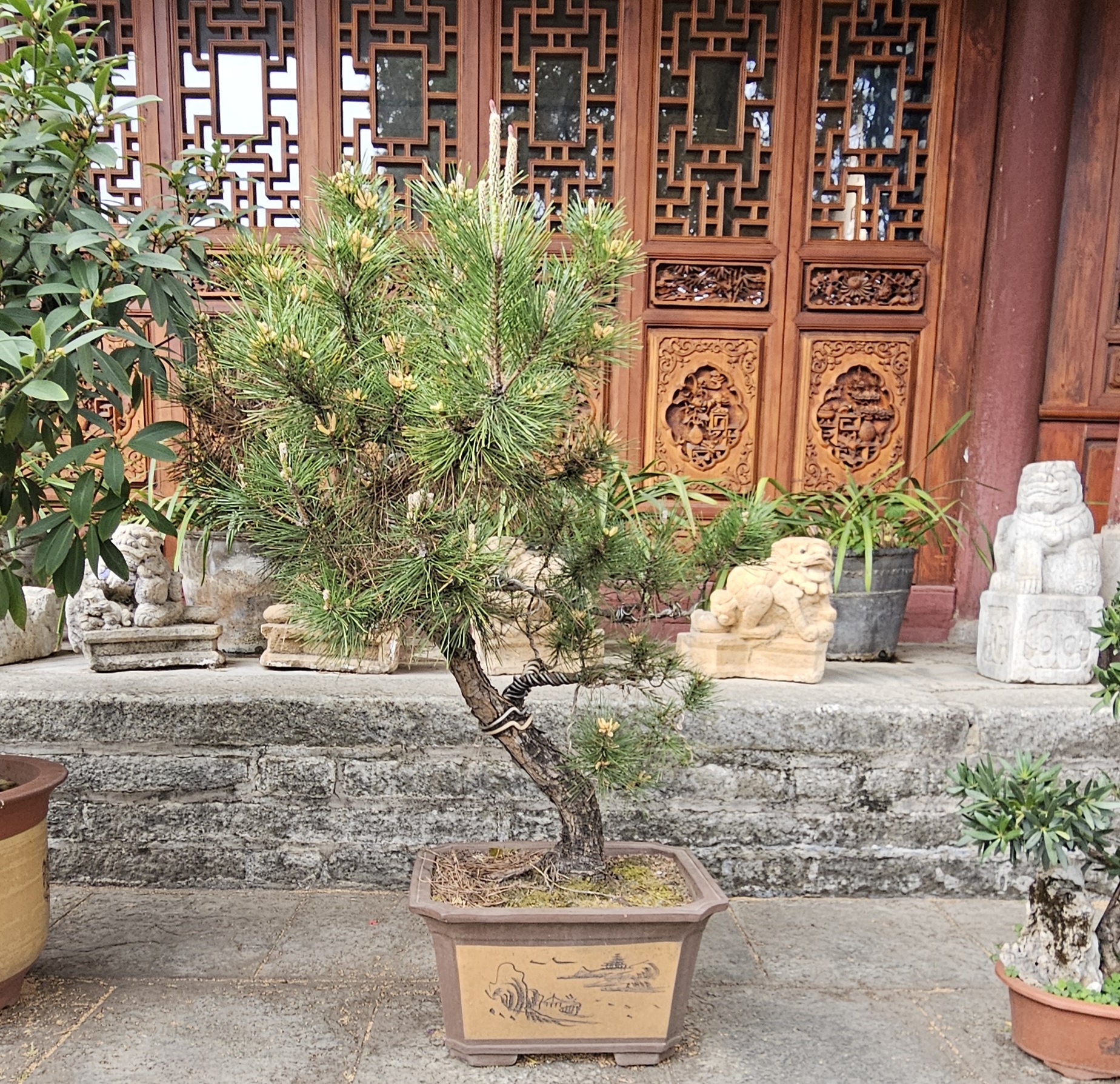
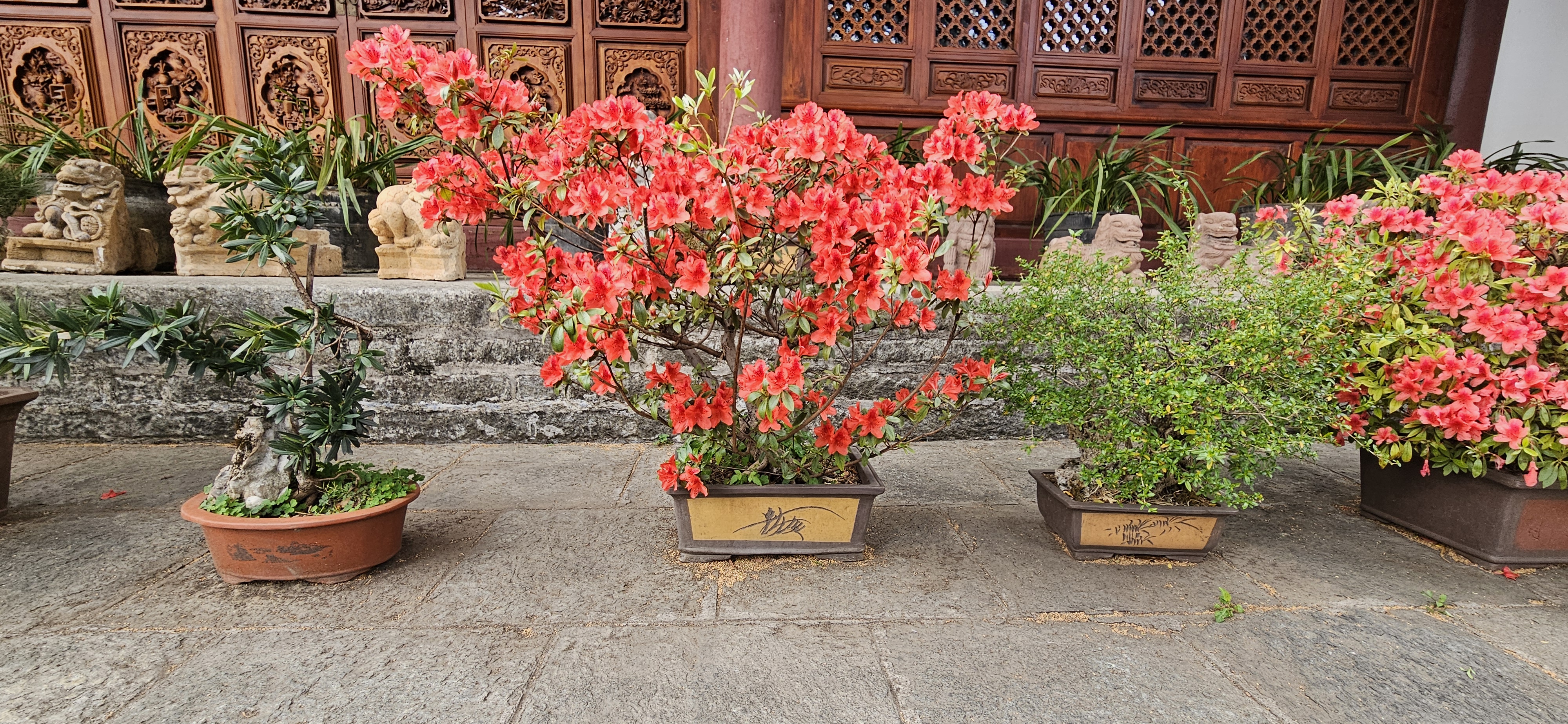
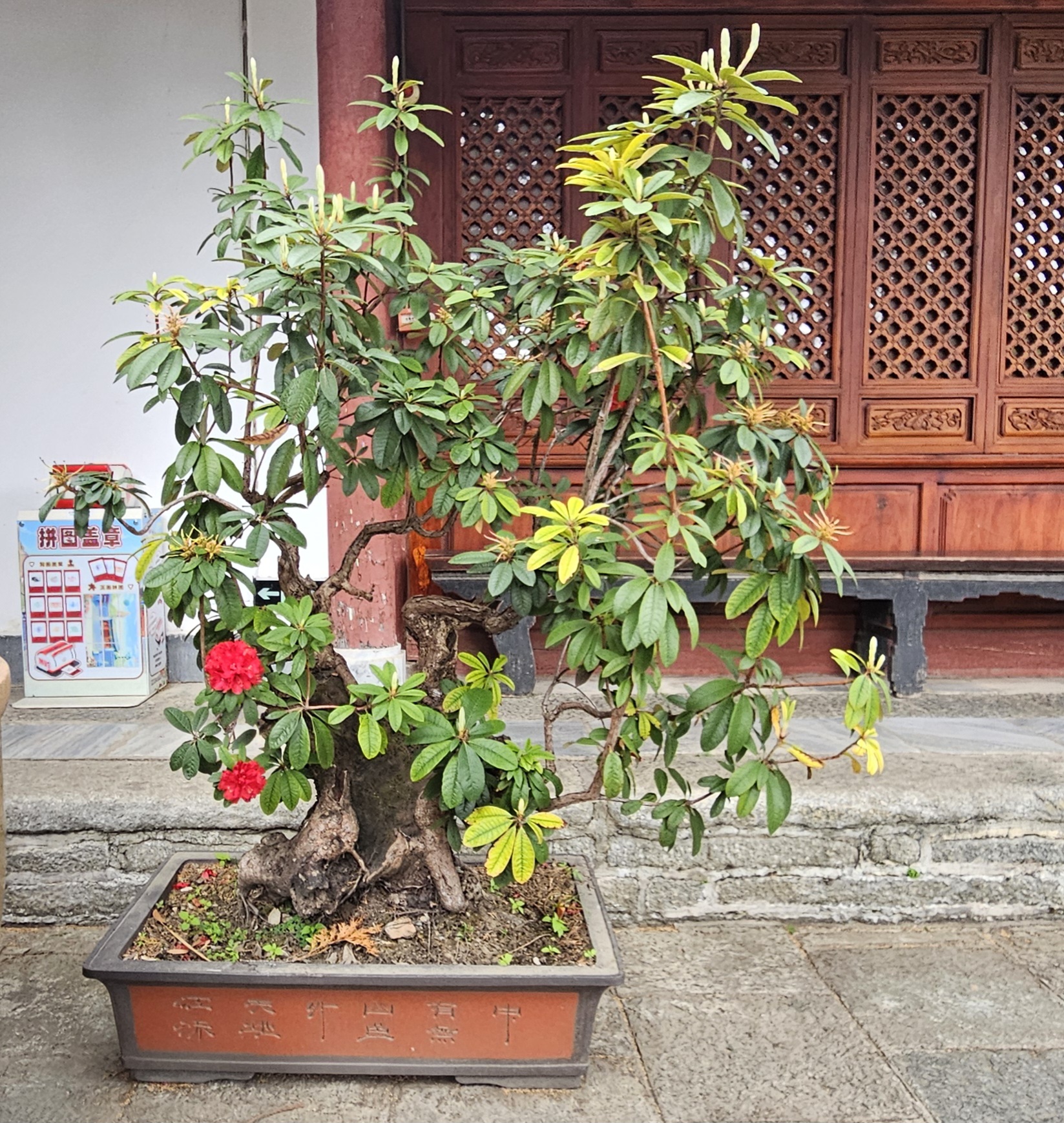
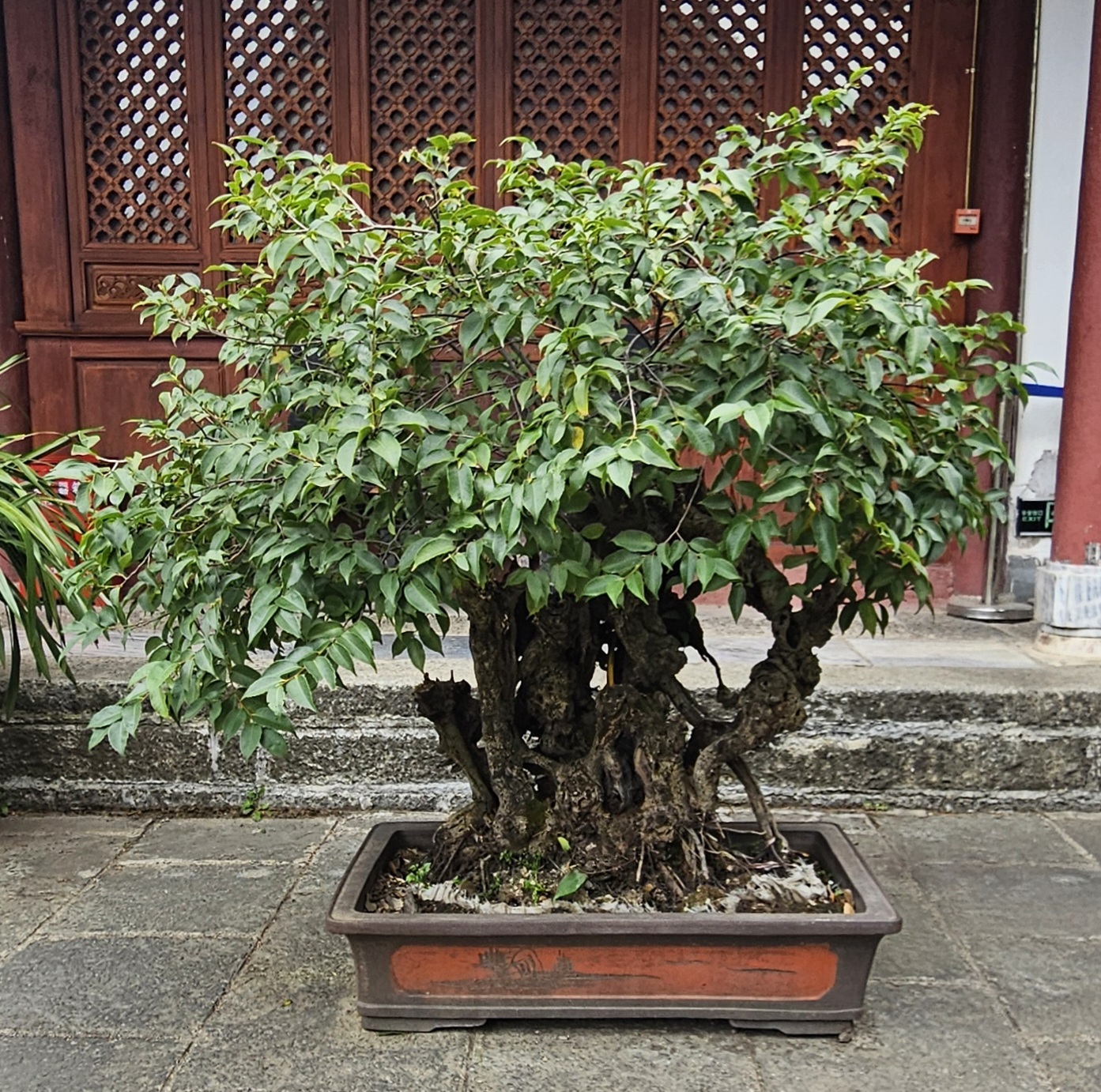
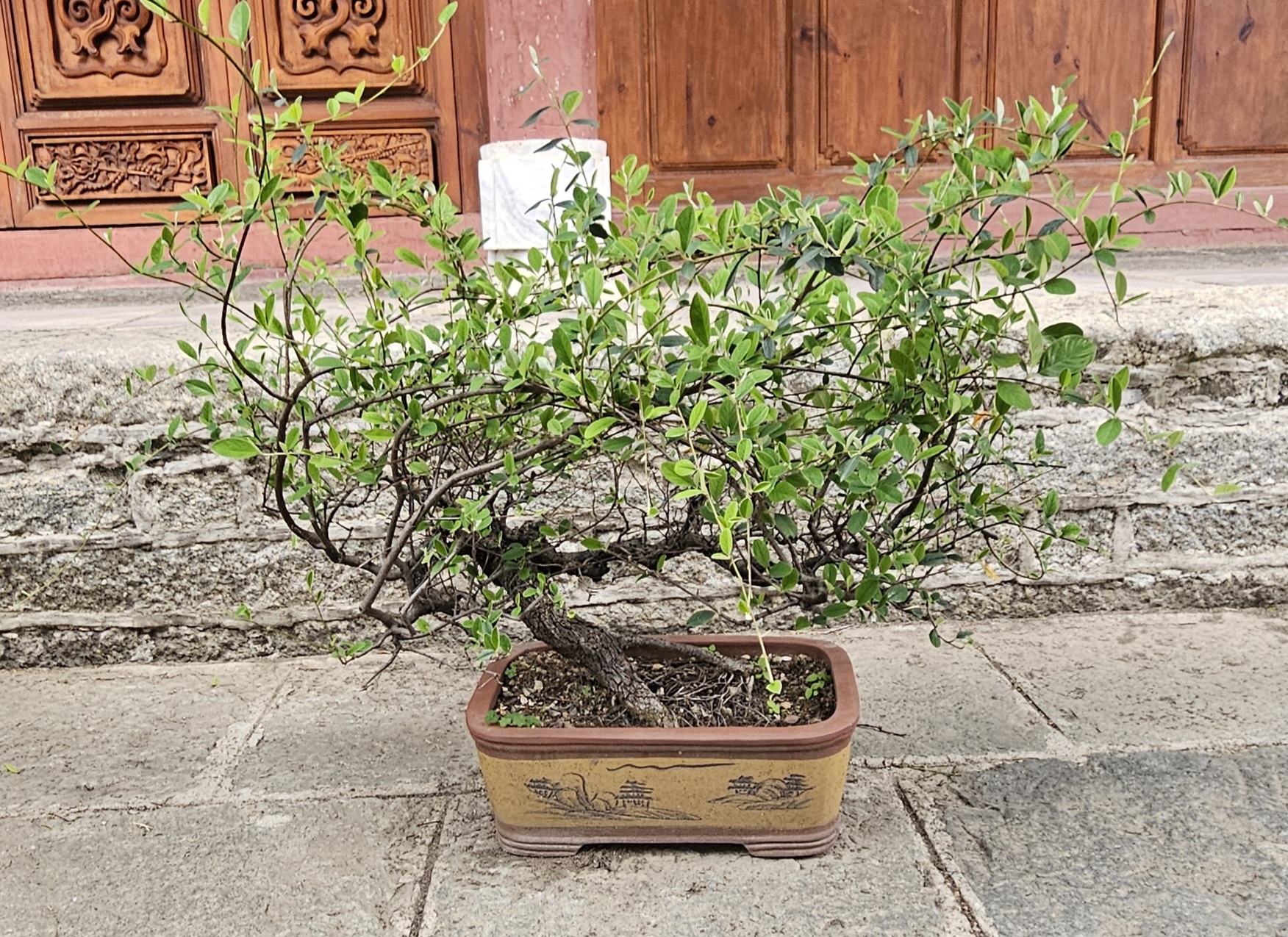
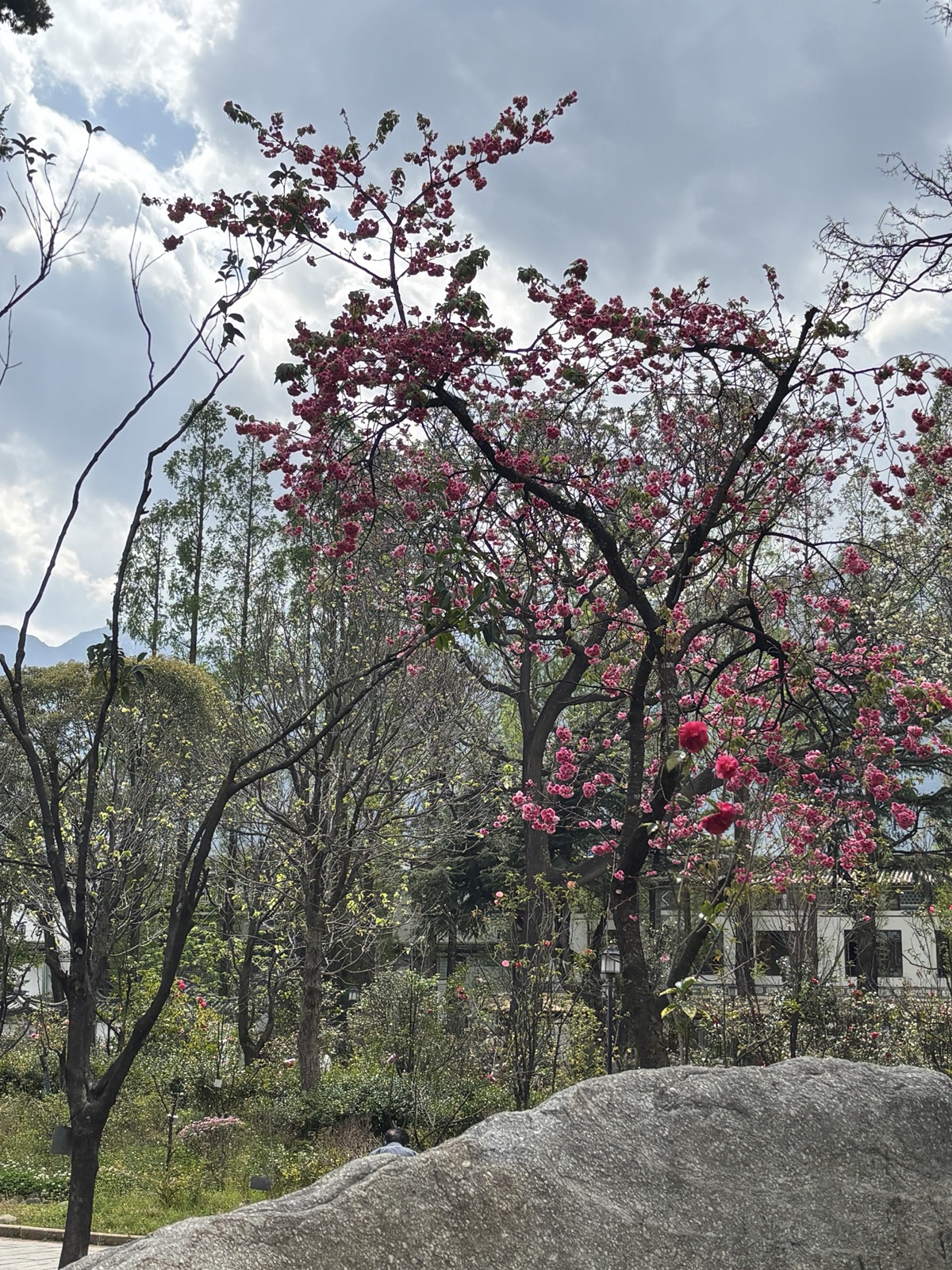
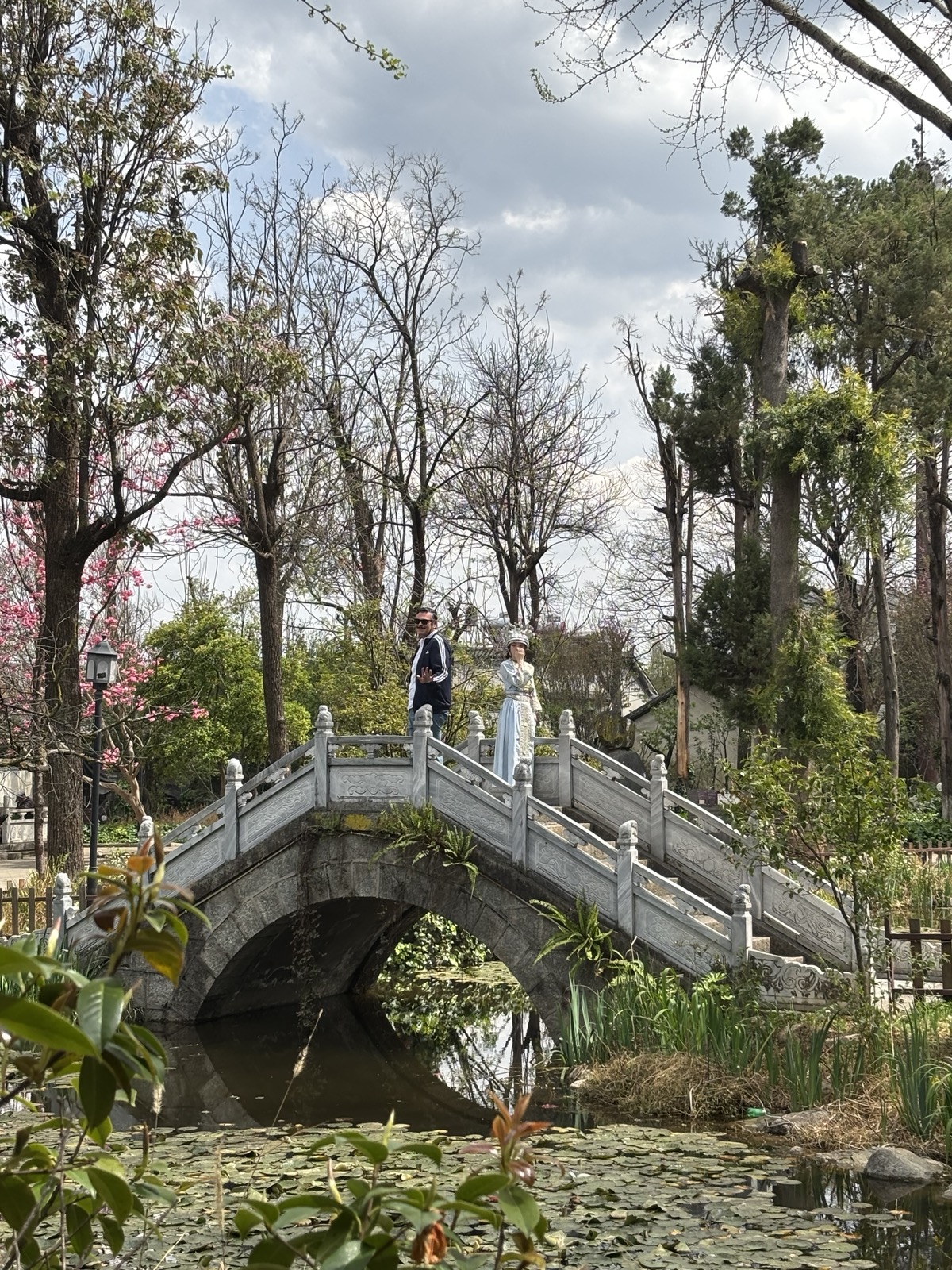
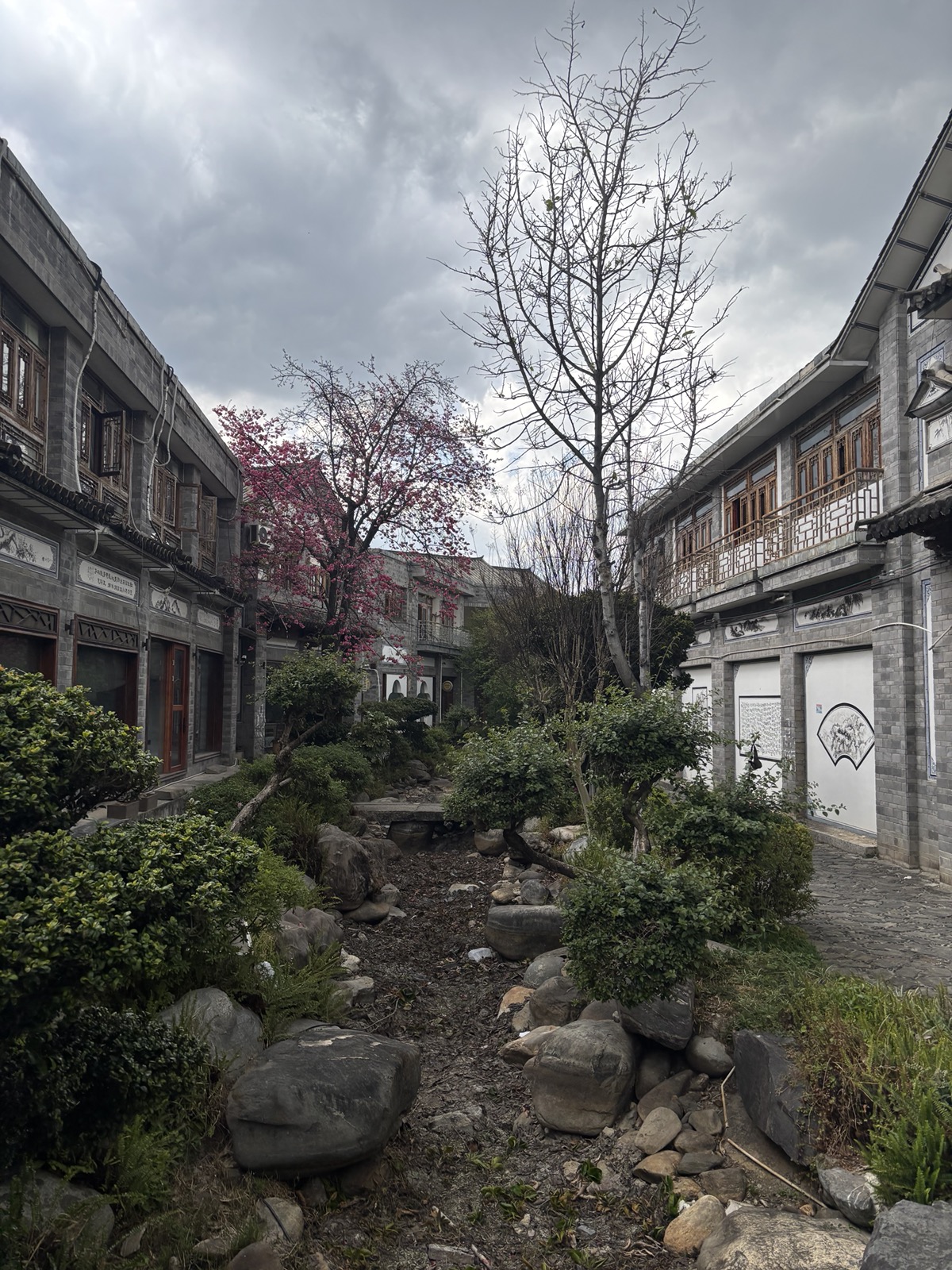
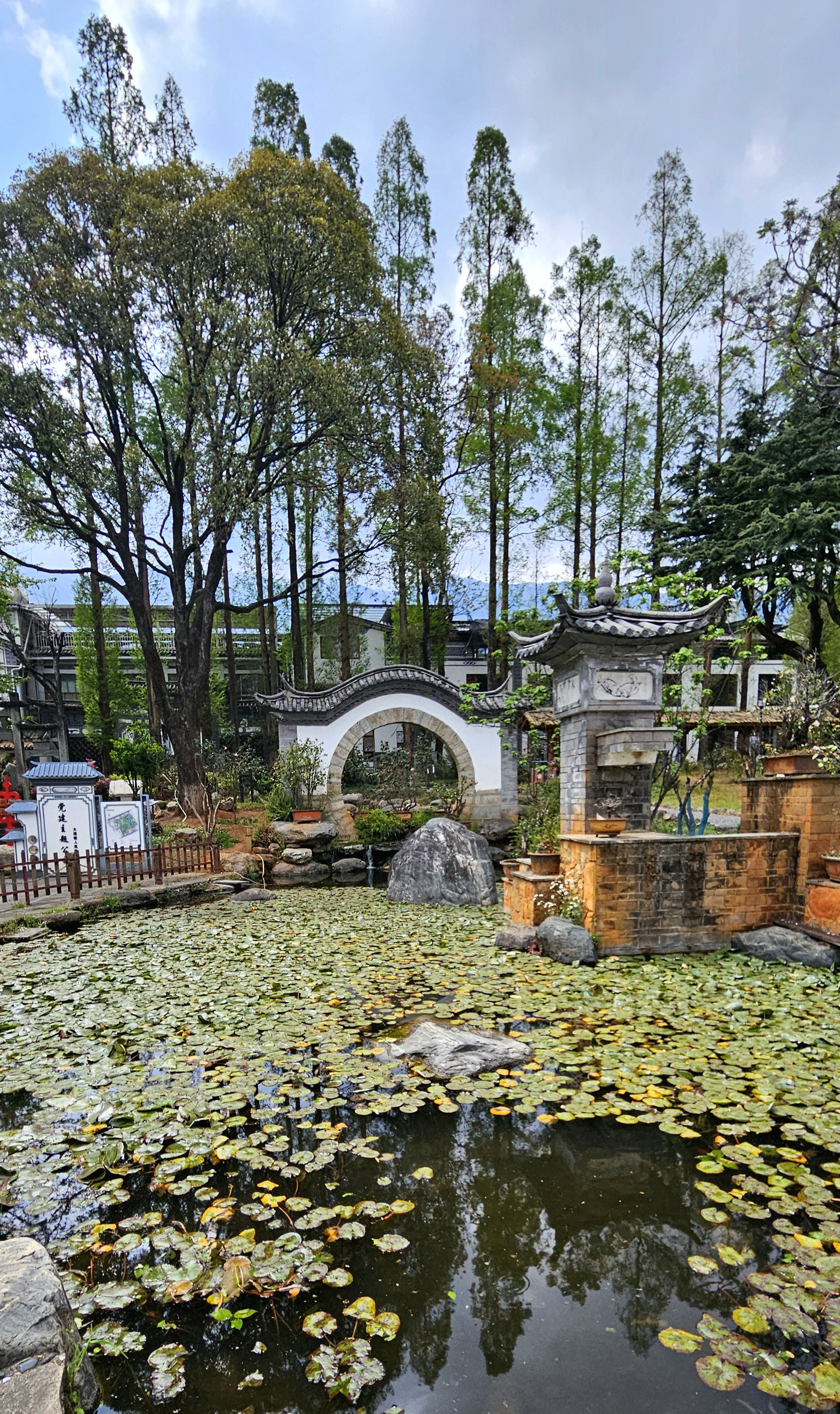
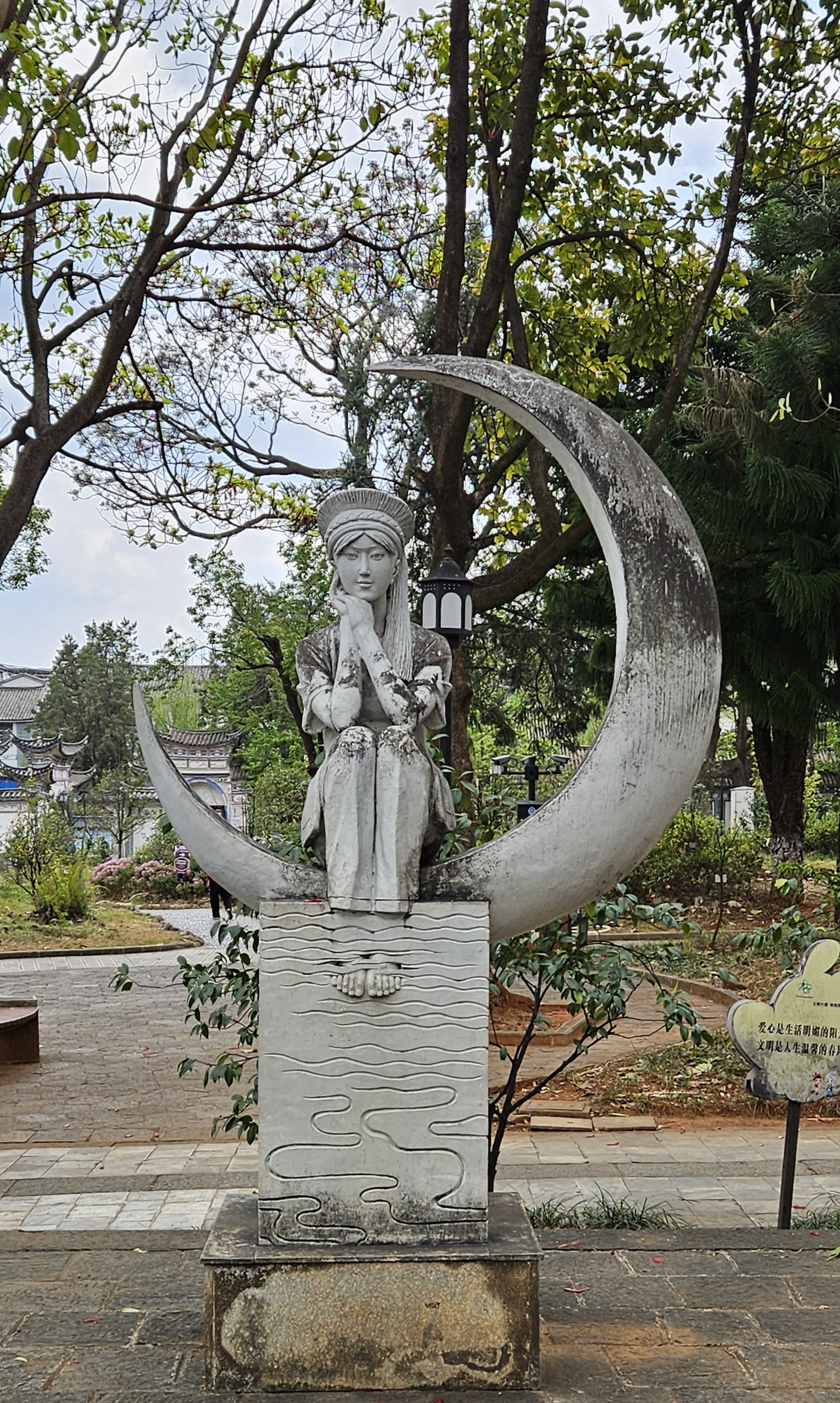
We continued on, looking to get away from the crowds, and found it at the Dali Ancient City Park, or Yu’er Park. We found locals relaxing, kids playing, men playing cards, a peaceful pond and stream and only a couple of photoshoots happening.
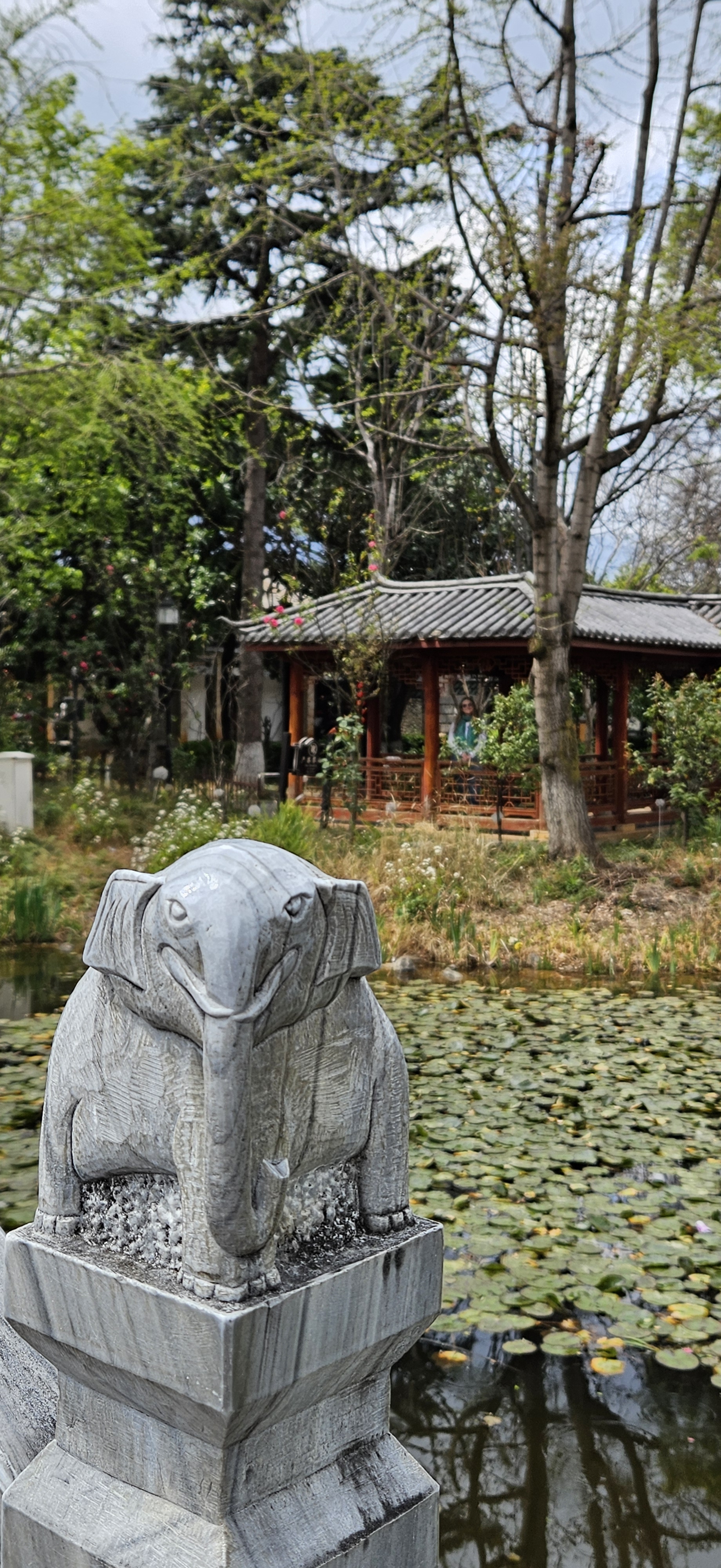
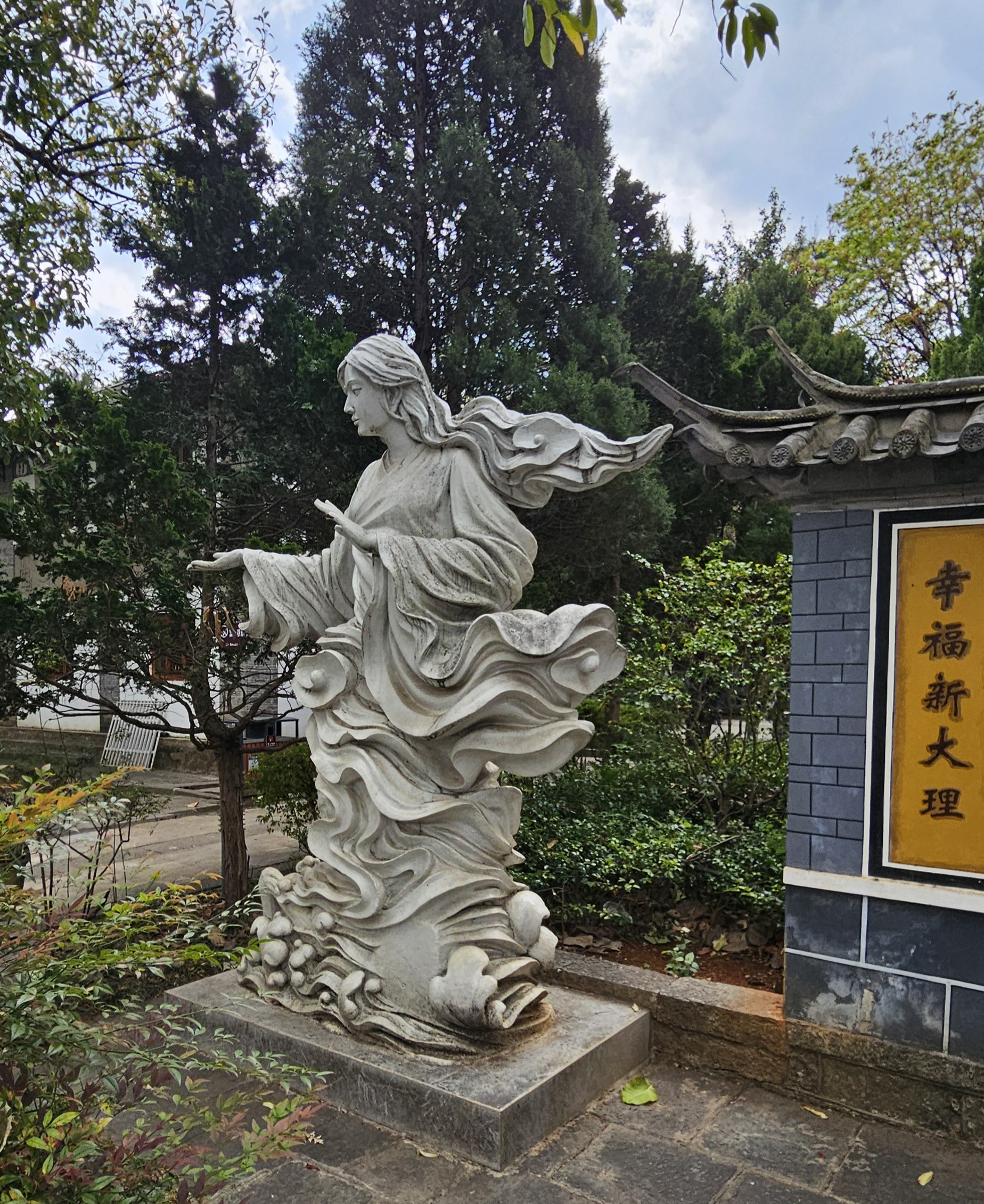
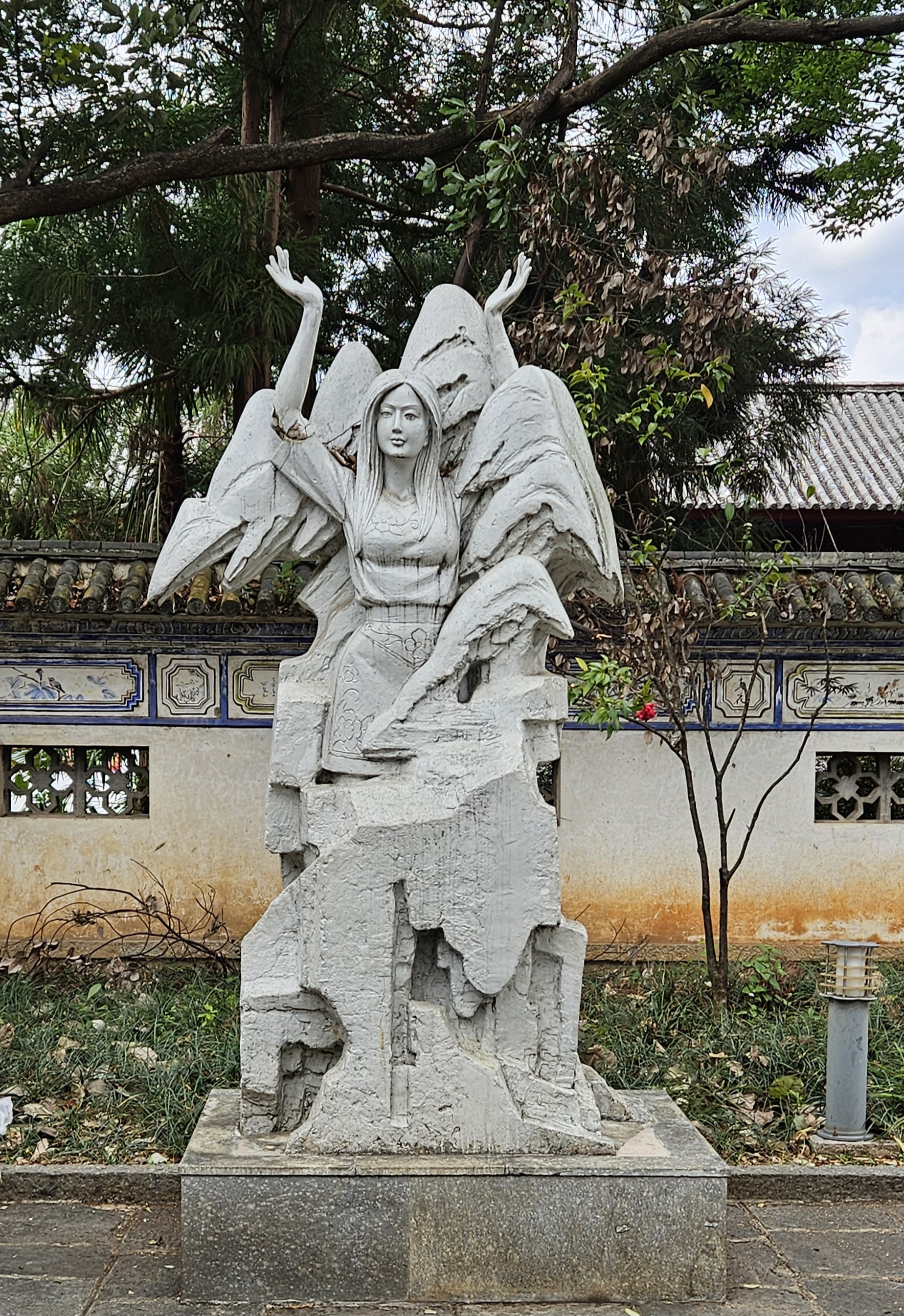
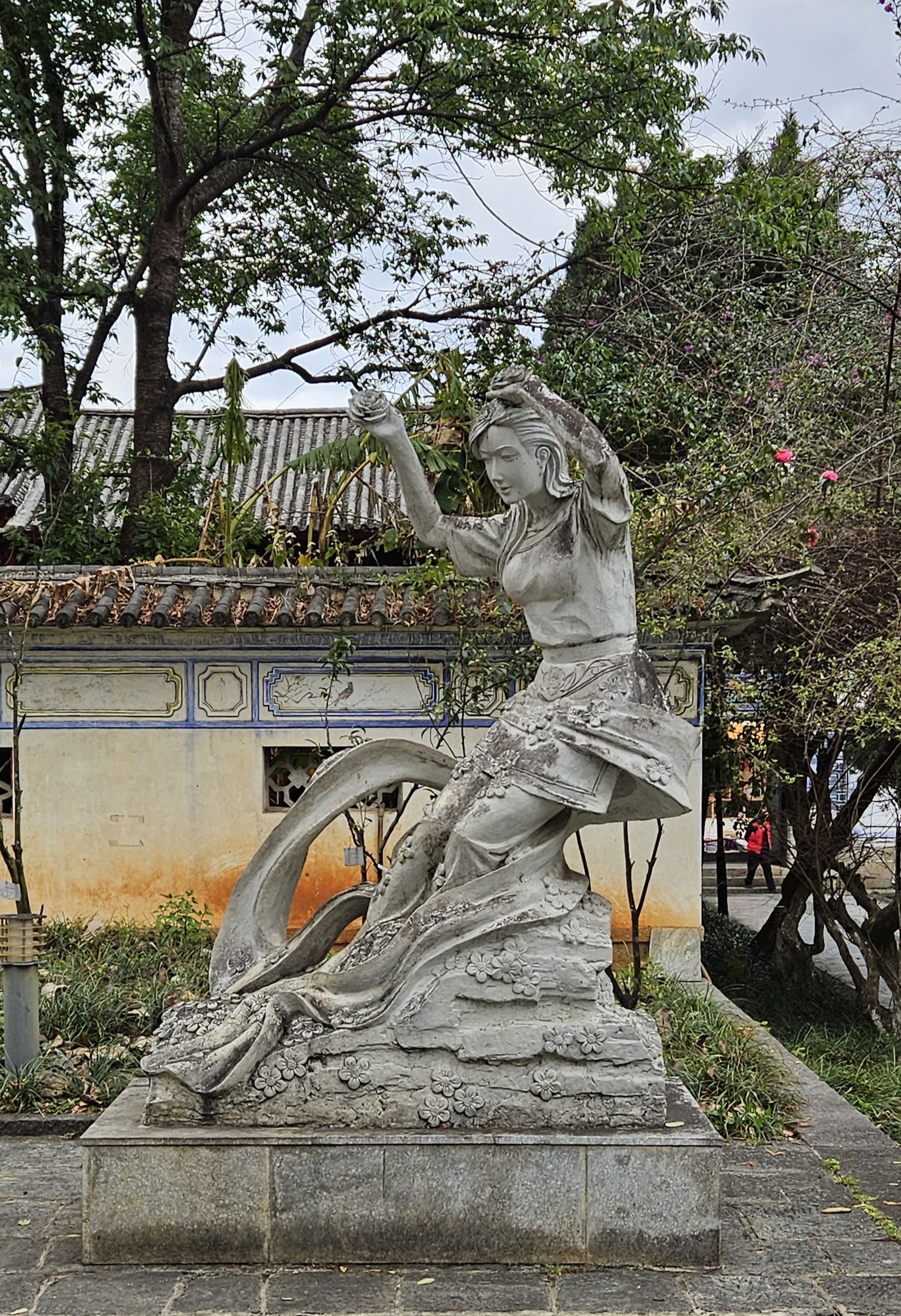
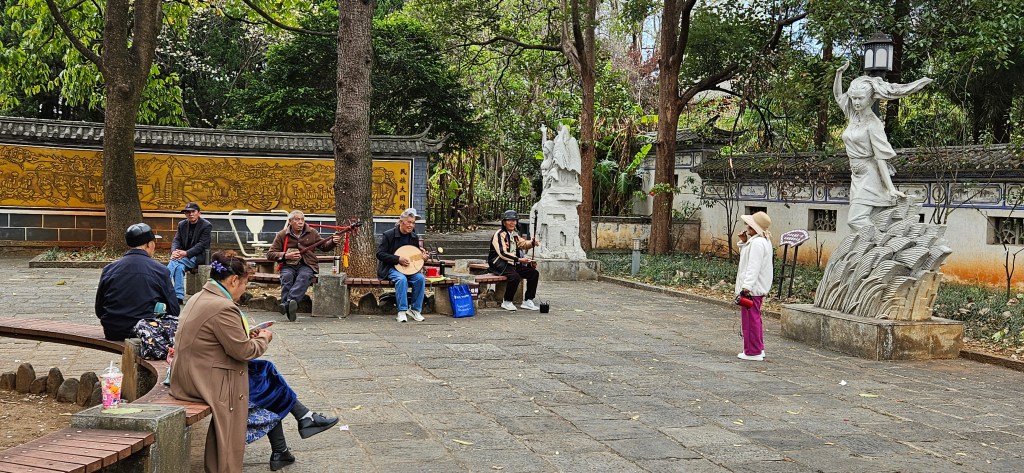
We also passed a square surrounding a massive tree, with four stone women statues on the corners, and some men playing local instruments and a woman singing. We sat and enjoyed for a bit.
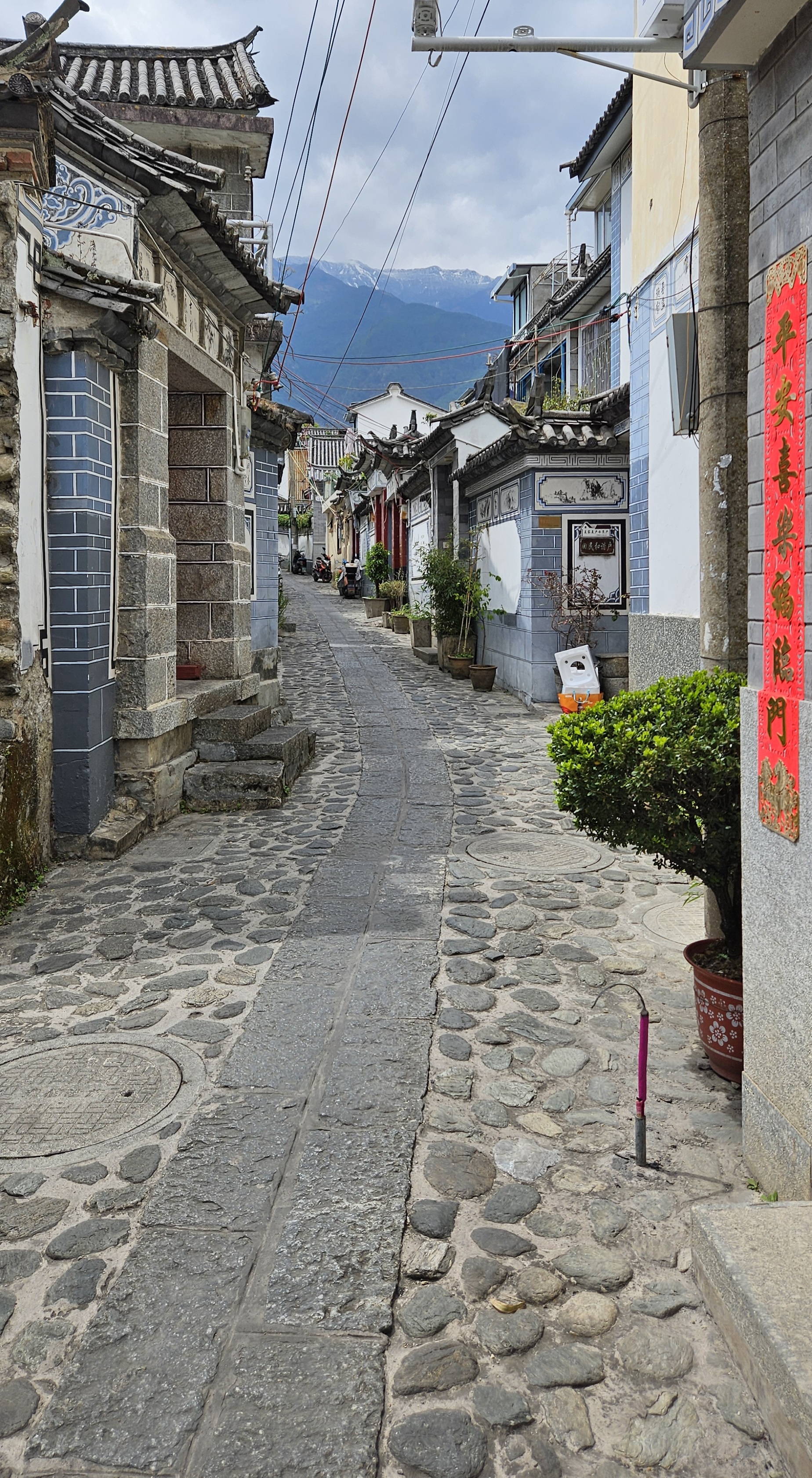
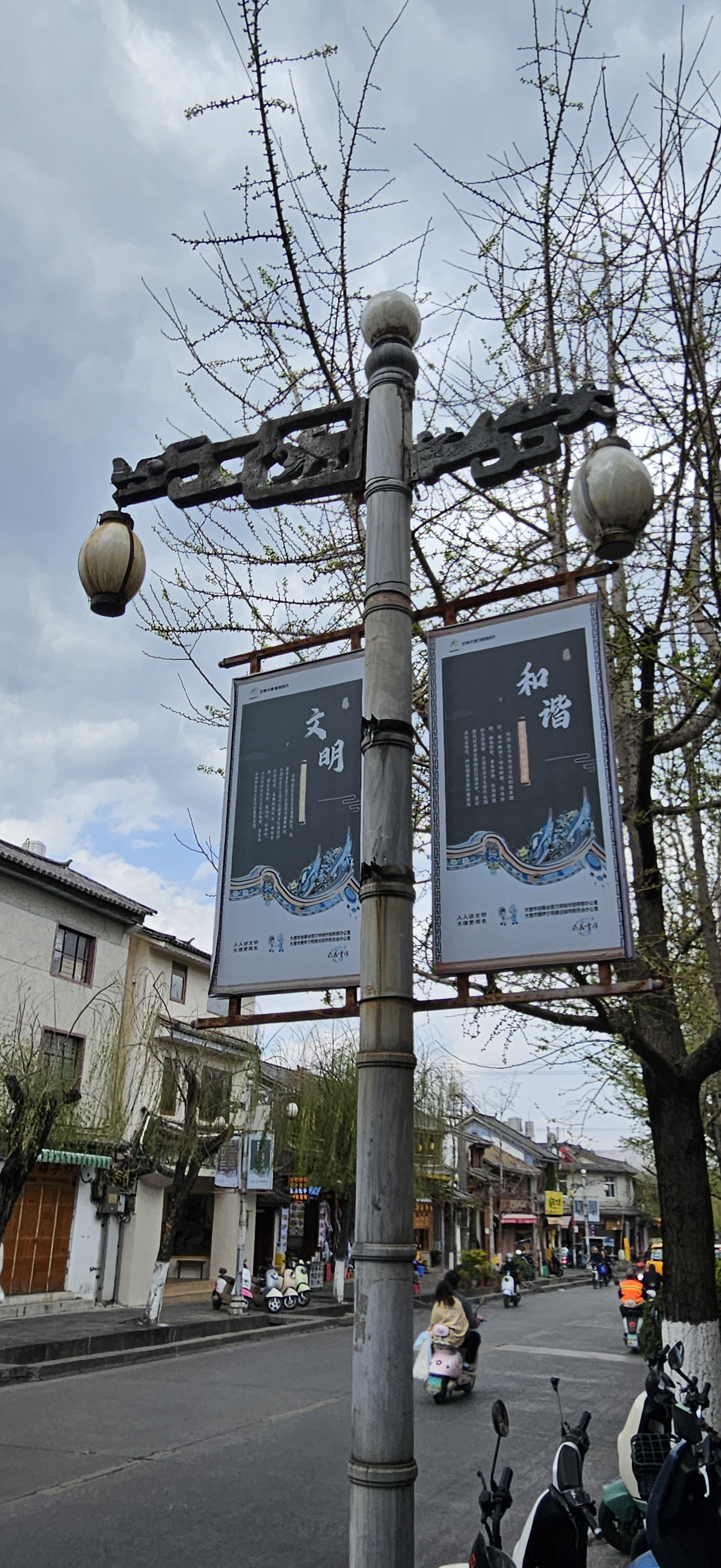
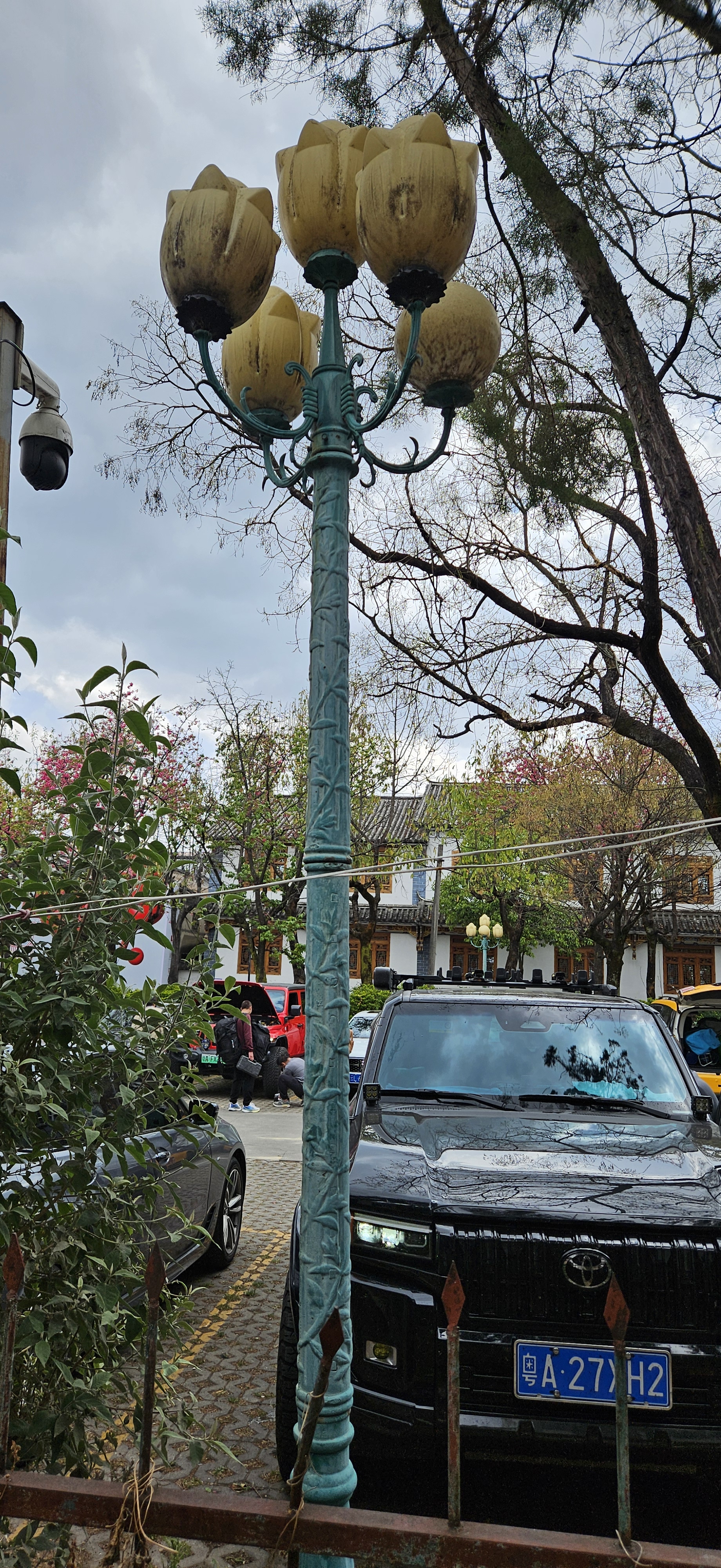
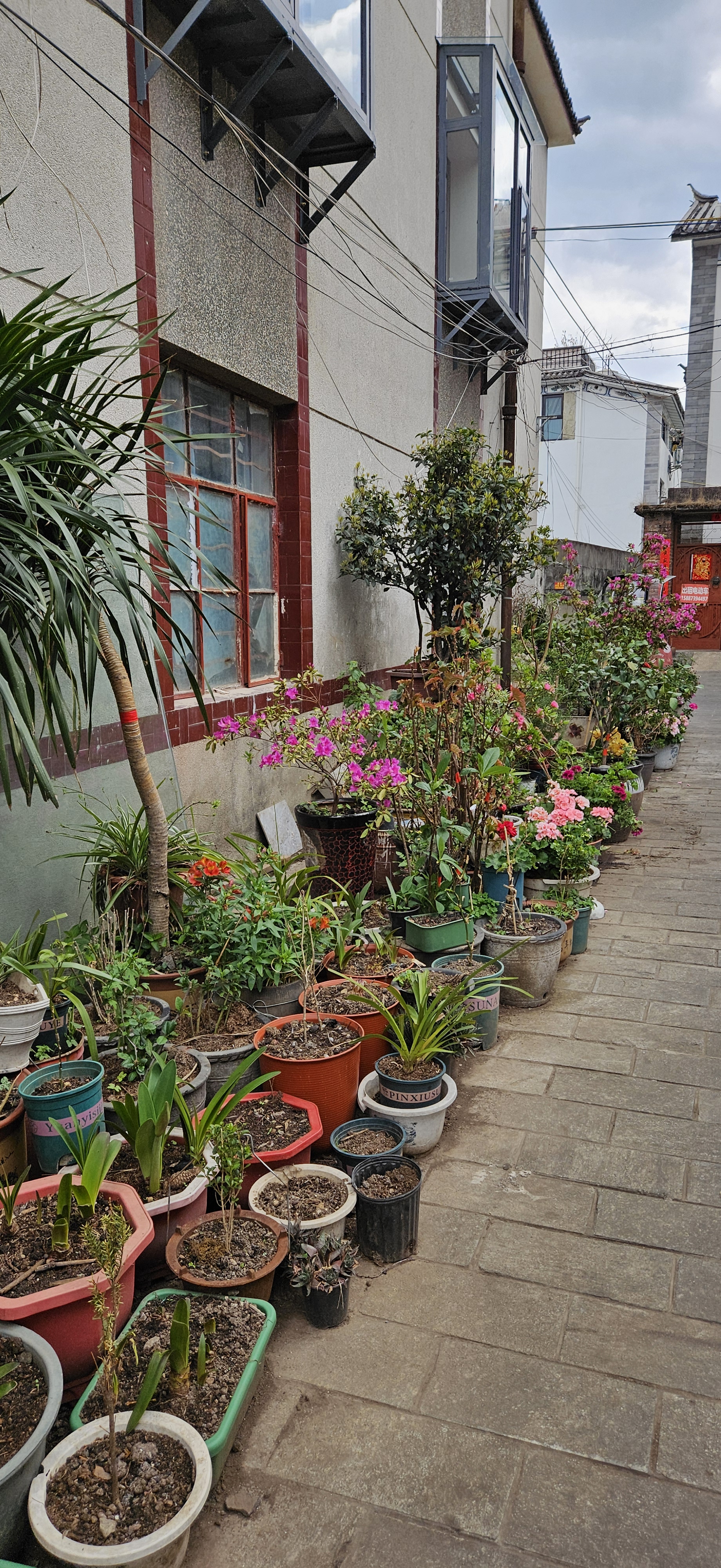
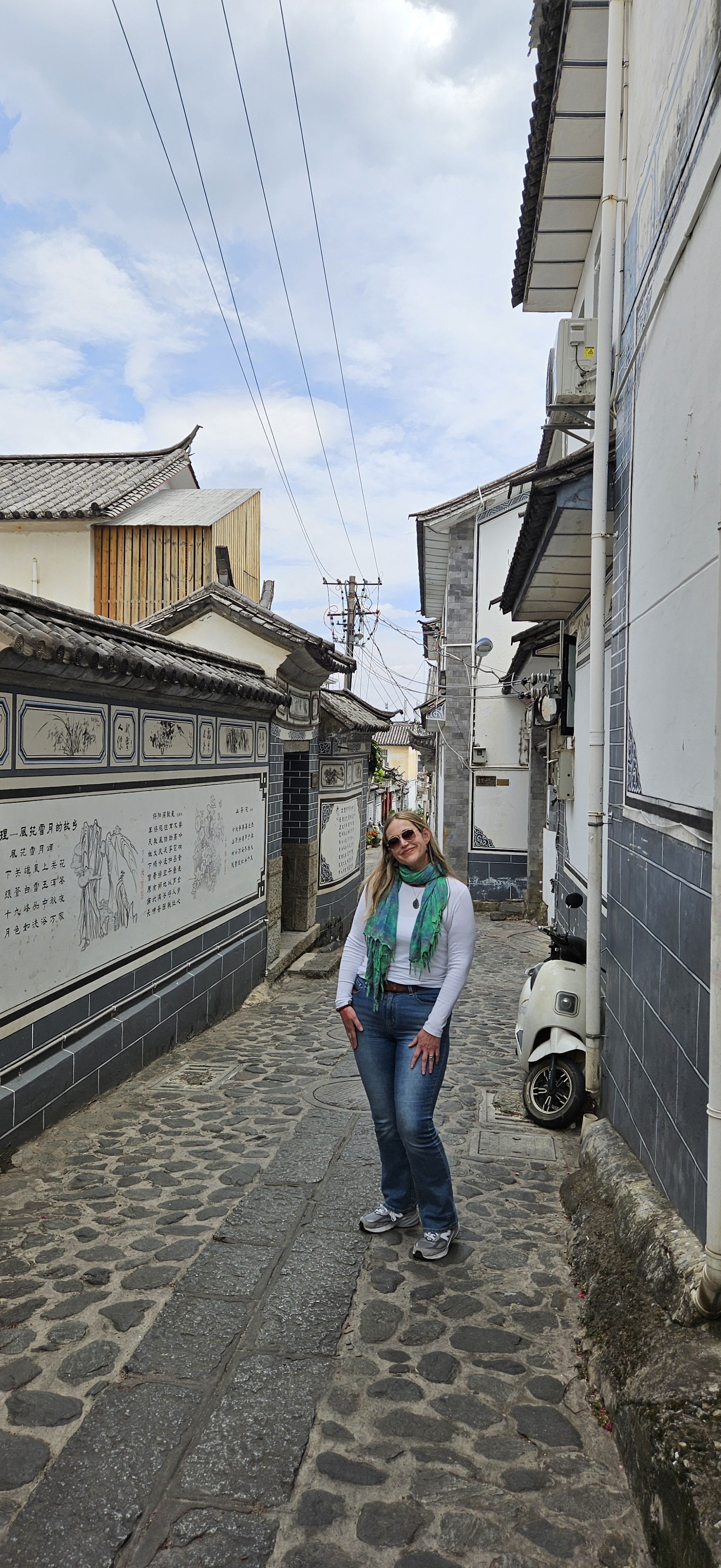
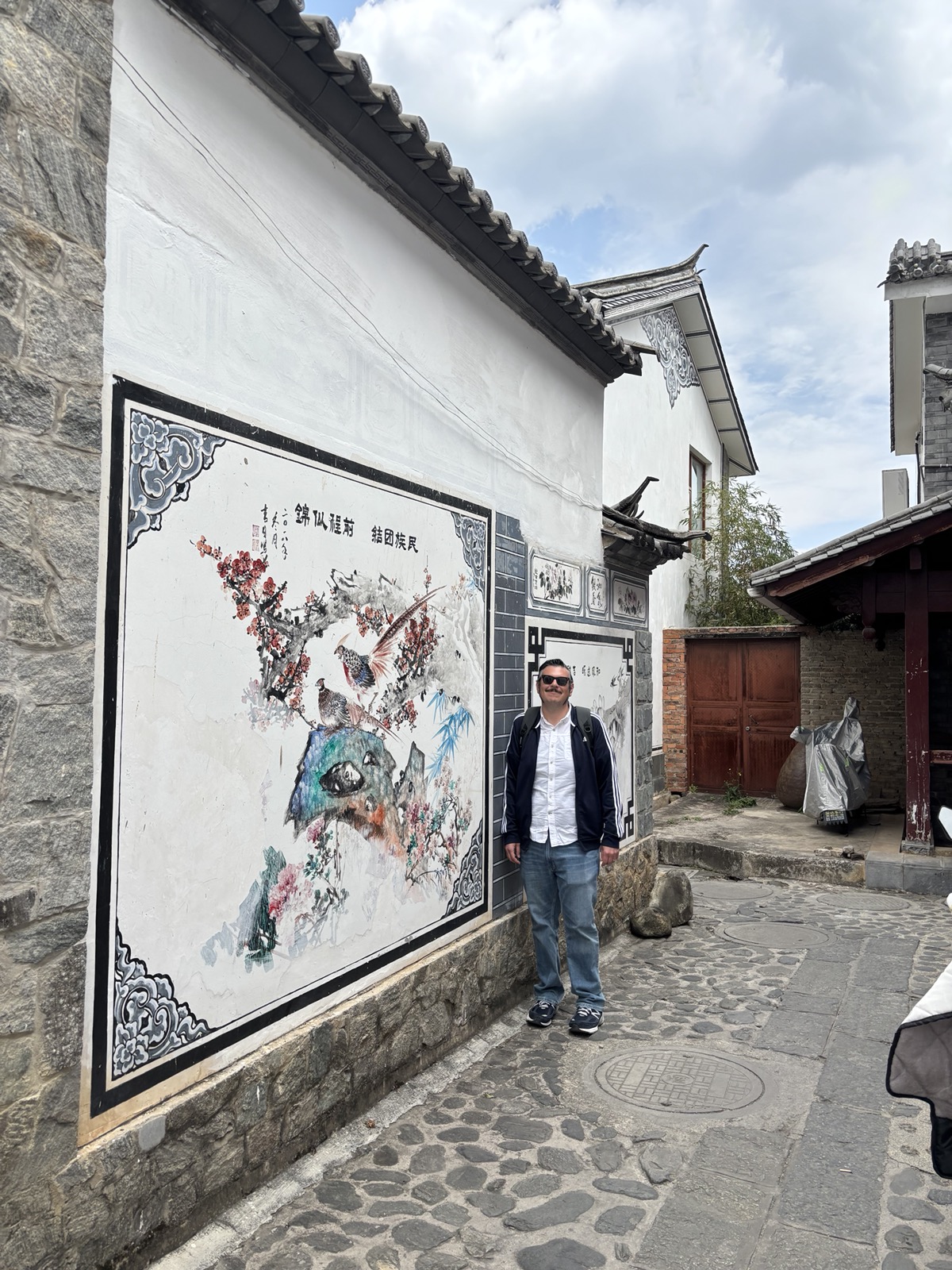
We were a little hungry, so we found some pastries and moved off the main street to an alleyway with a bench to enjoy, passing some cool lampposts along the way.
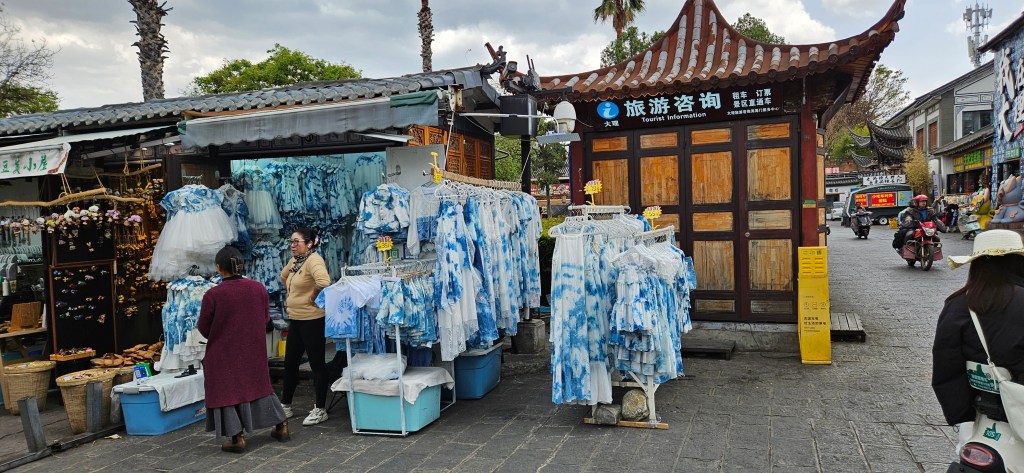
After our snack we headed back to the main Old Town Area, and tie-dye is very popular in Dali, and the white/blue combination is the favorite, and emblematic of the ethnic Bai people of Dali.
We stopped to have a caricature artist make one of us, and she did, with markers, and I must say, it’s a pretty good likeness.

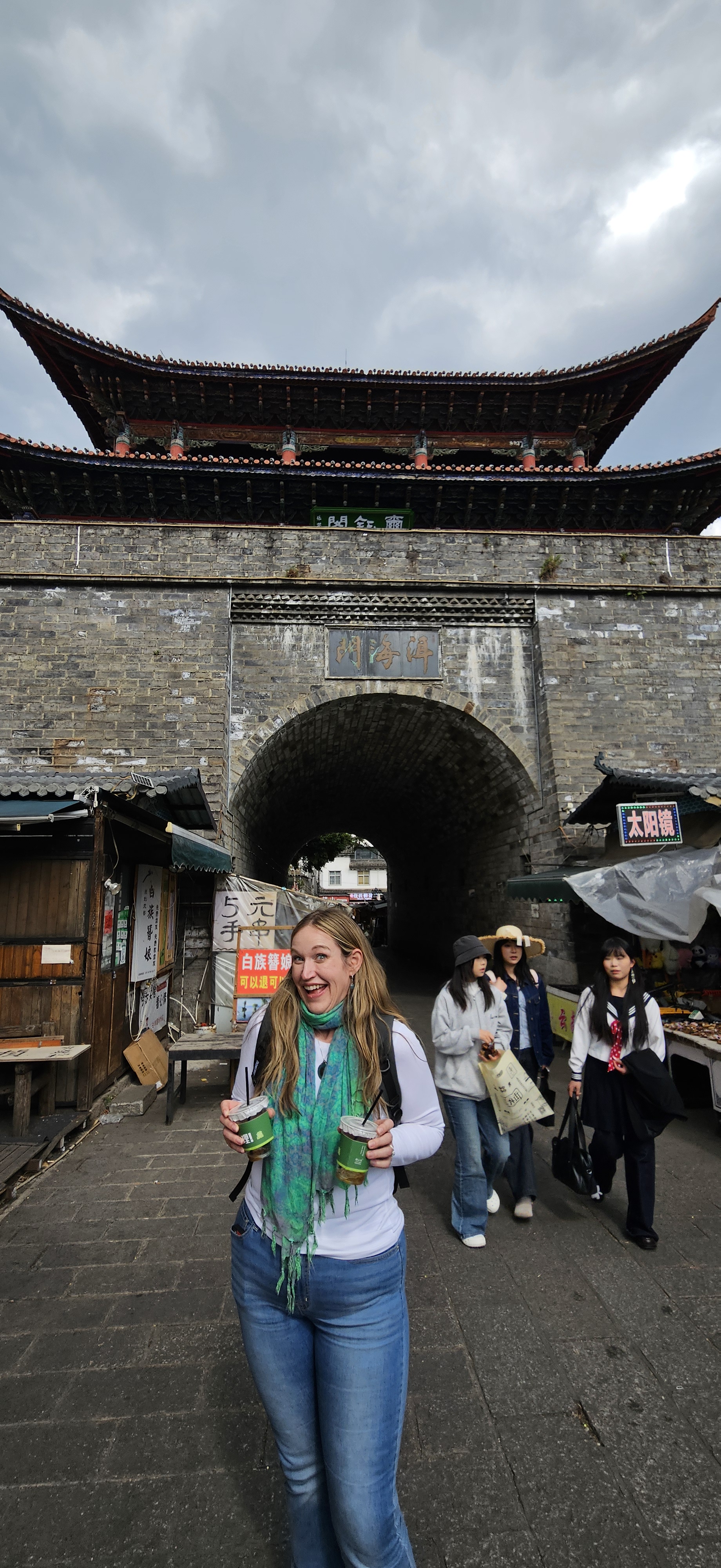
After that we headed toward the exit, under one of the huge gates, with iced teas in tow.
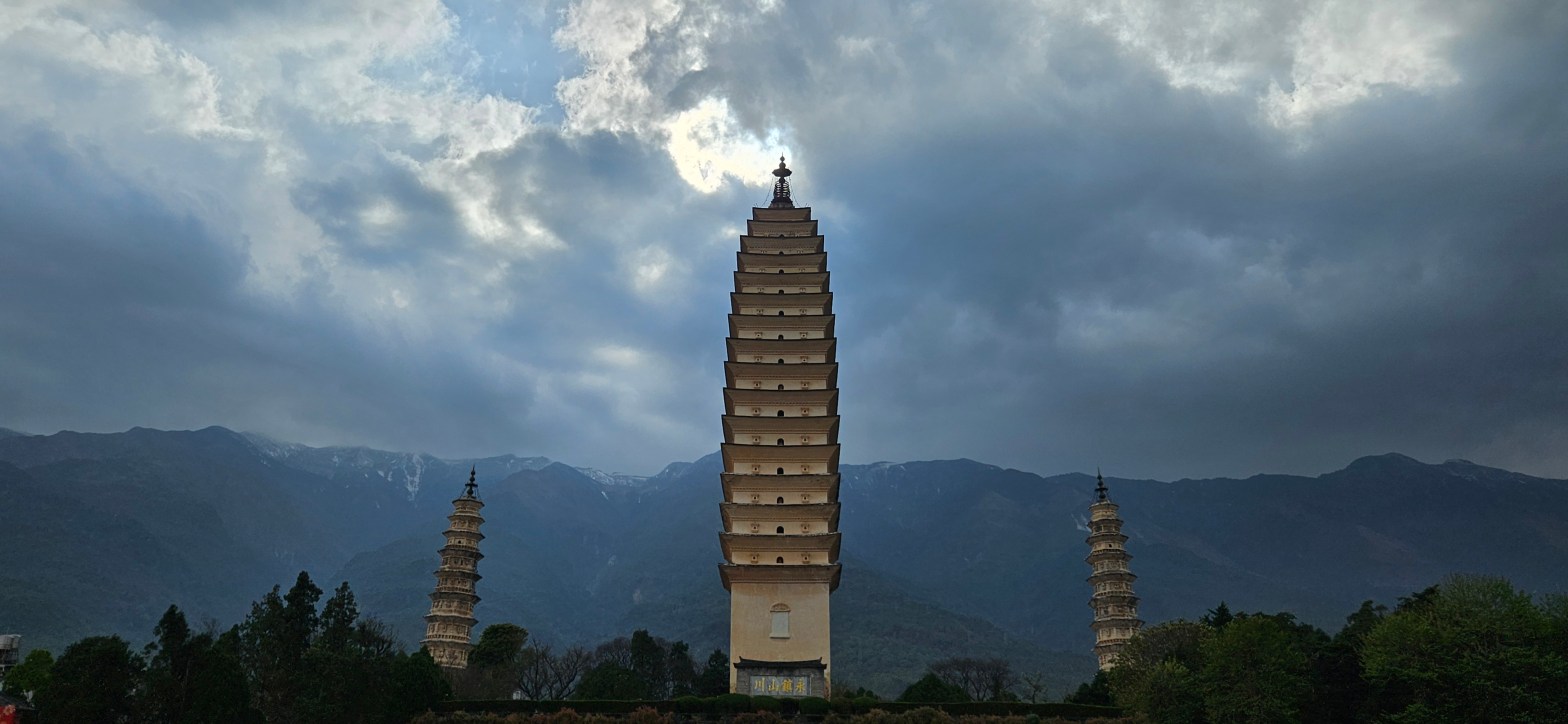
The afternoon was turning to early evening, which gave us just enough time to visit the Three Pagodas, the most famous tourist destination in Dali. We arrived under grey, cloudy skies, and a little drizzle, but that let up quickly. They peaked out over the large red wall.
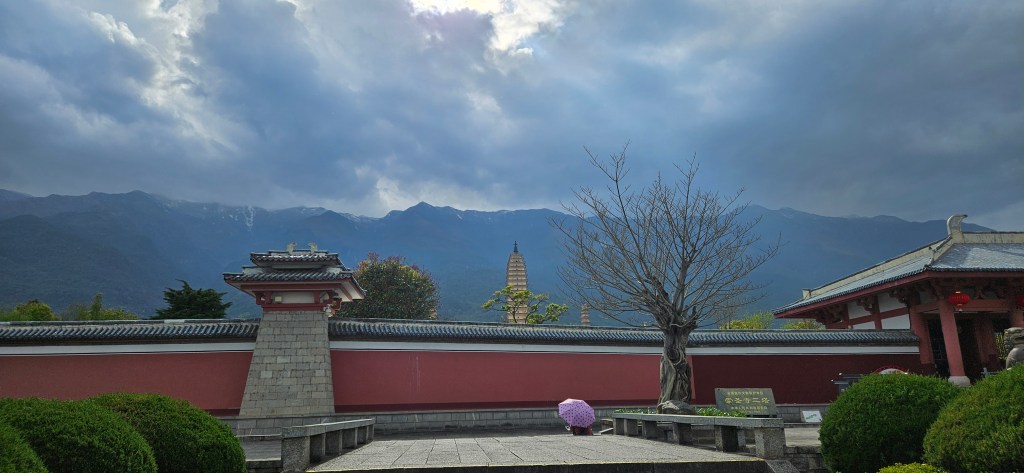
We paid the entrance fee, and were inside. Visiting later in the day yielded a lot less tourists, for sure.
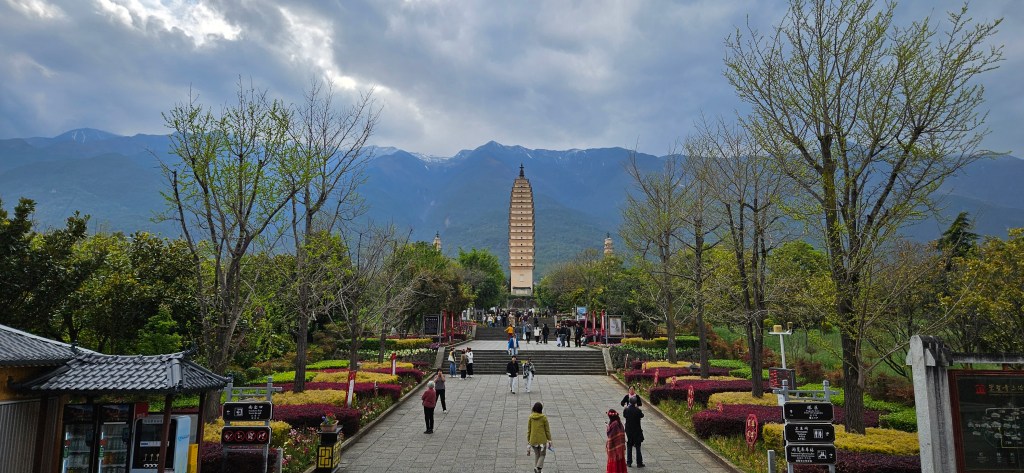
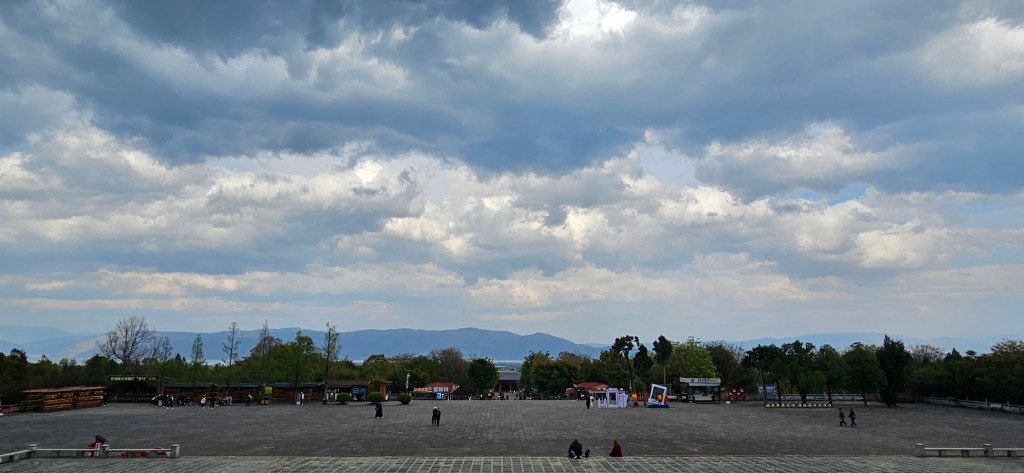
There were vendors around the main square, but as you can tell, not many fellow visitors.
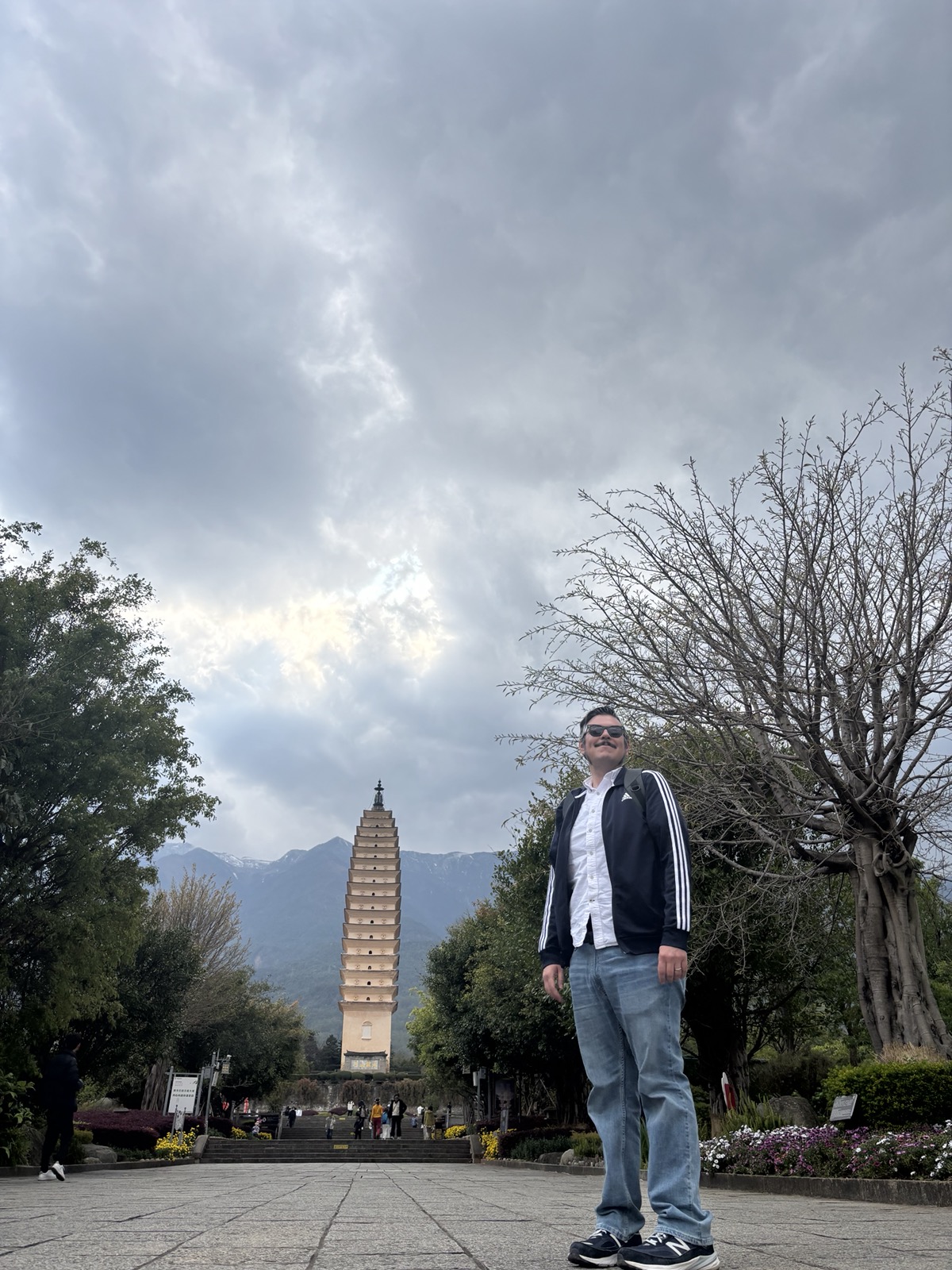
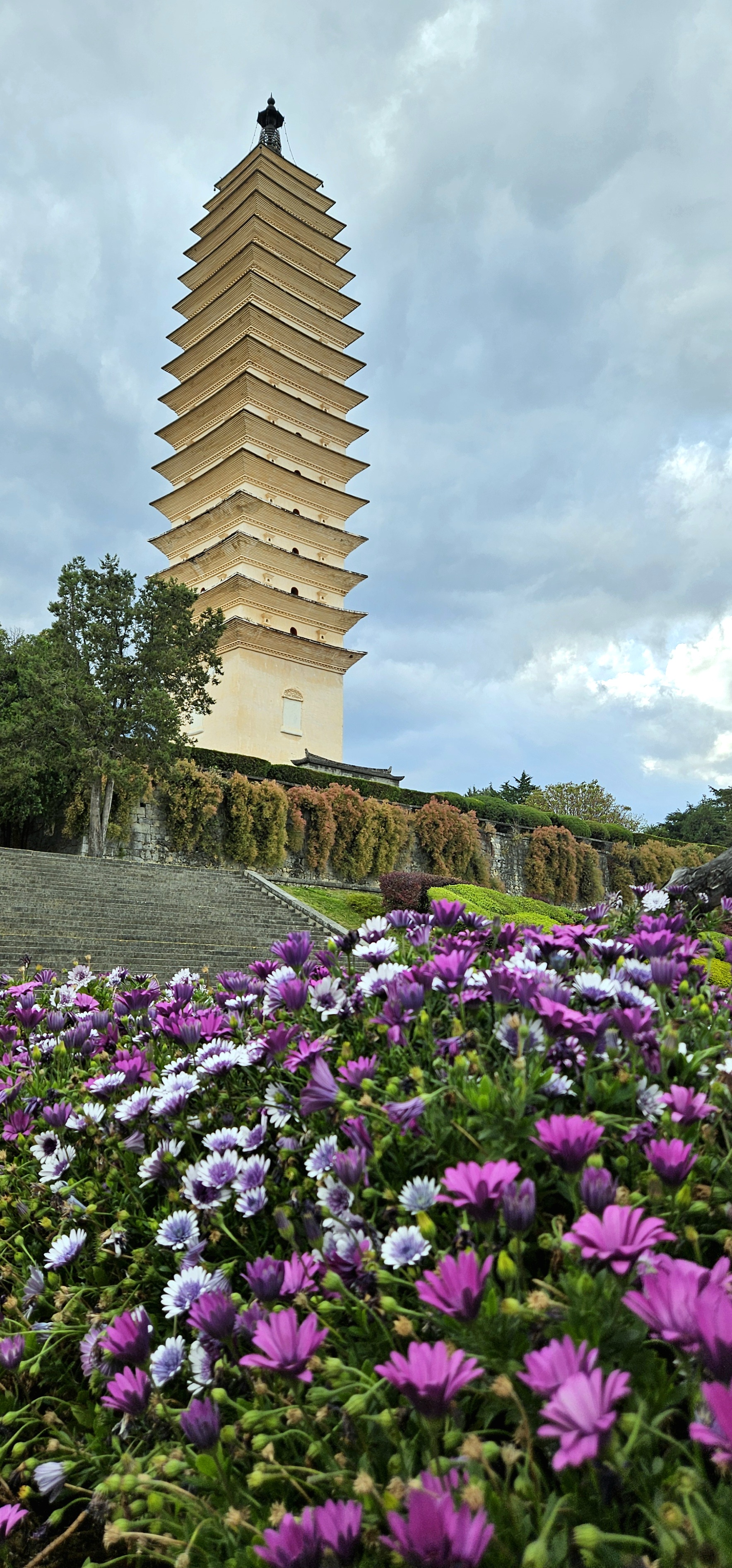
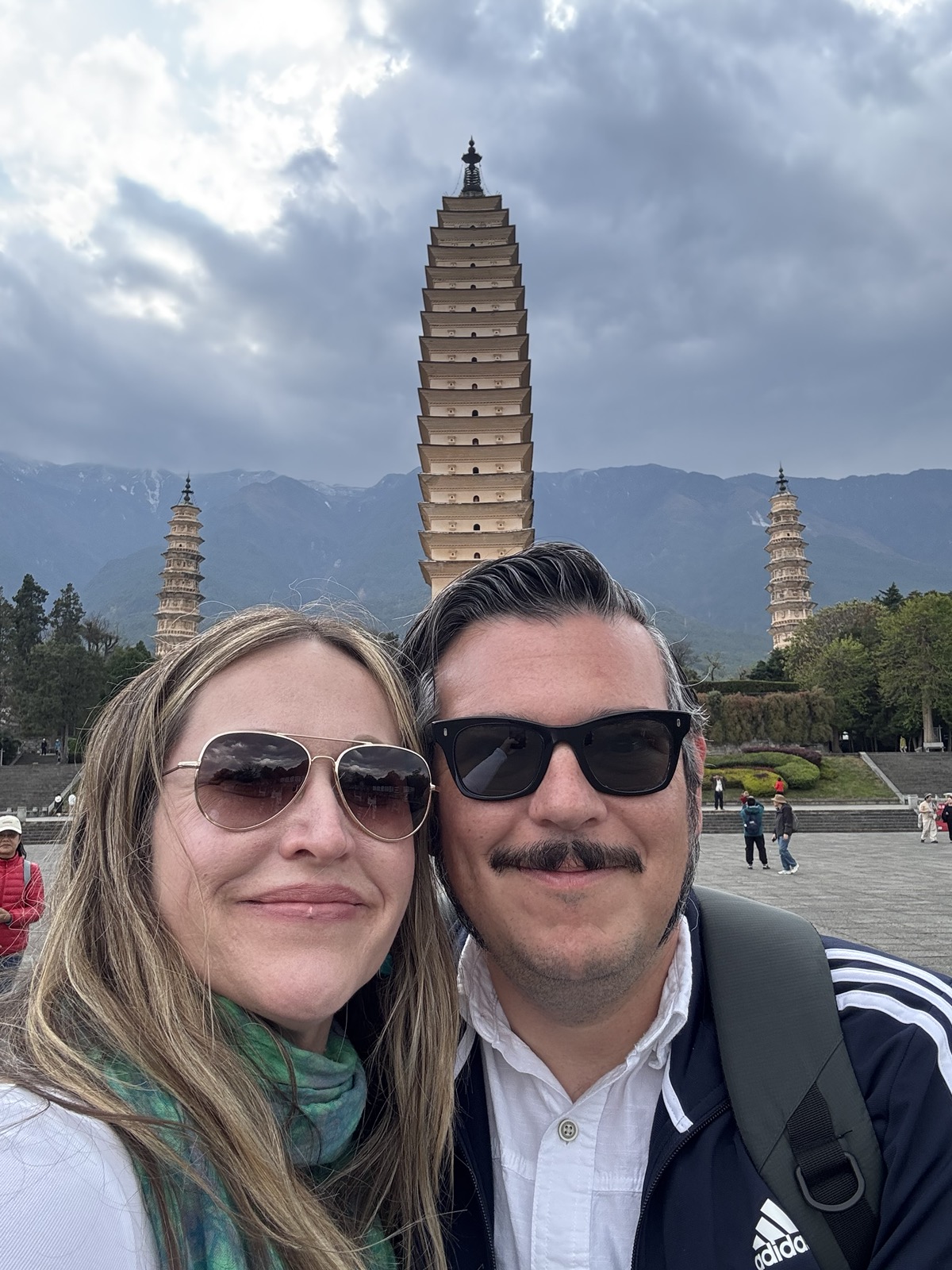
We walked right up to the main Pagoda, known as the Qianxun Pagoda, with the other 2 equal distance behind it. They form an equilateral triangle, and were built in the 9th to 10th centuries, under the Kingdom of Dali (who were later conquered by the Mongols). The Qianxun Pagoda is nearly 230 feet tall (almost 70 meters) and was built 100 years before the other two.
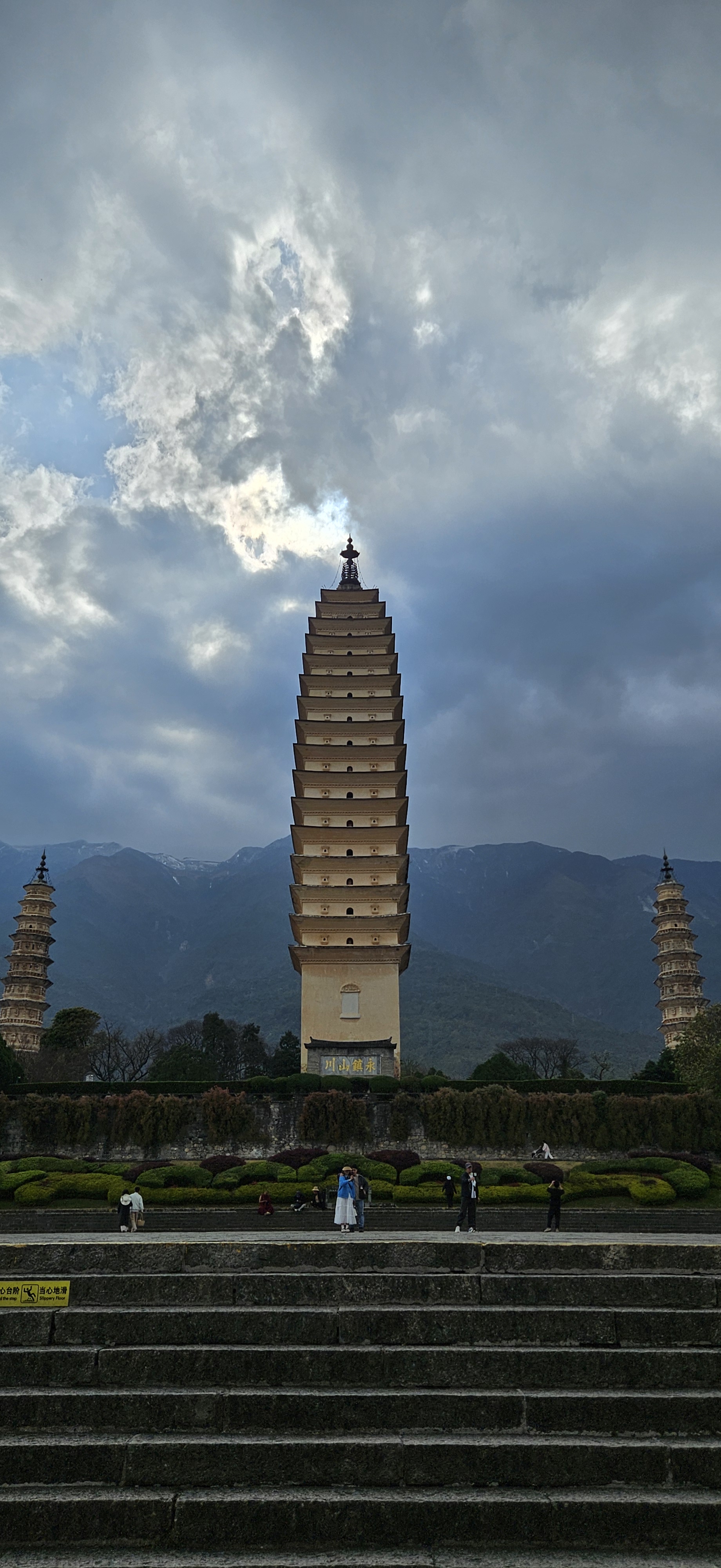
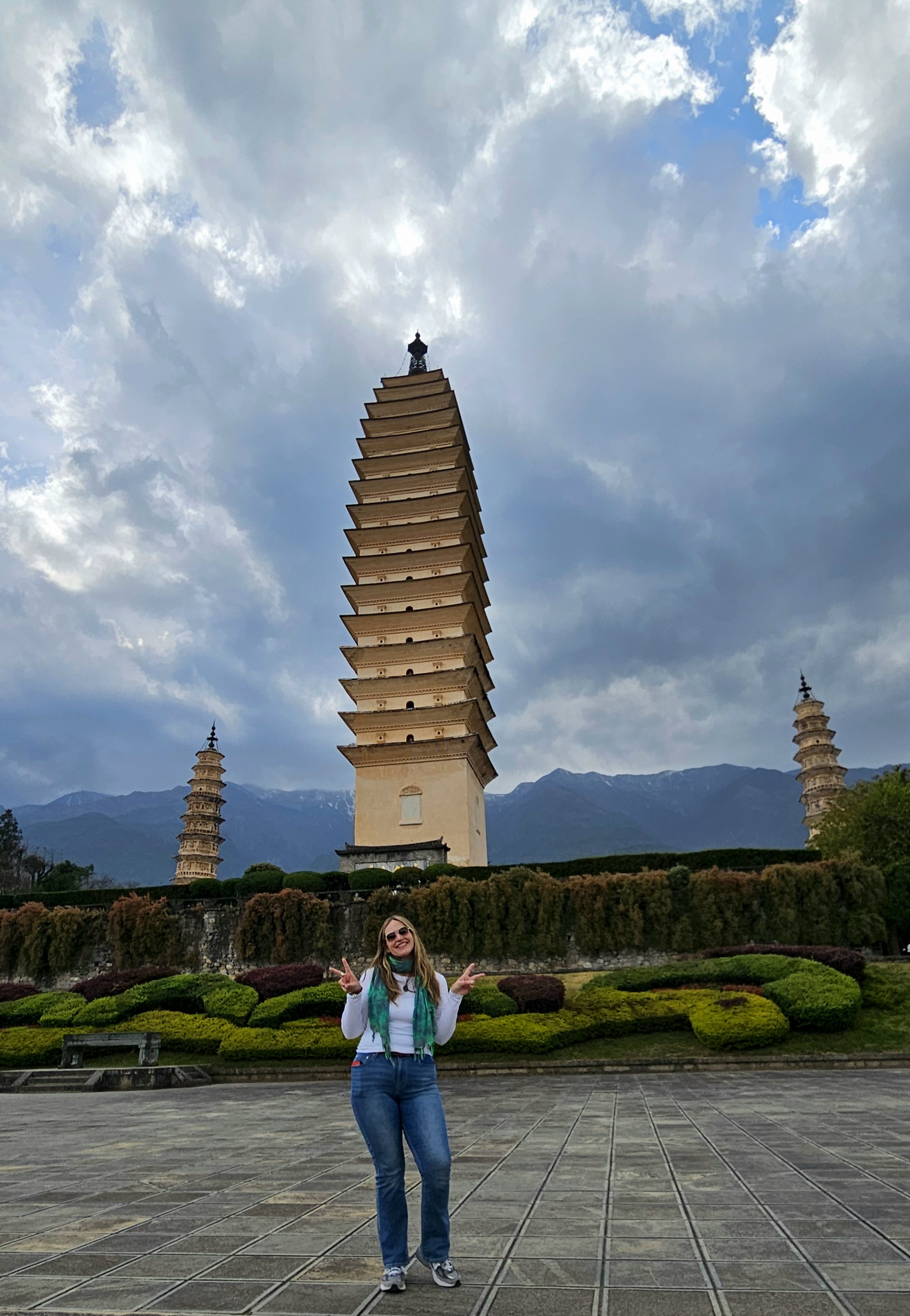
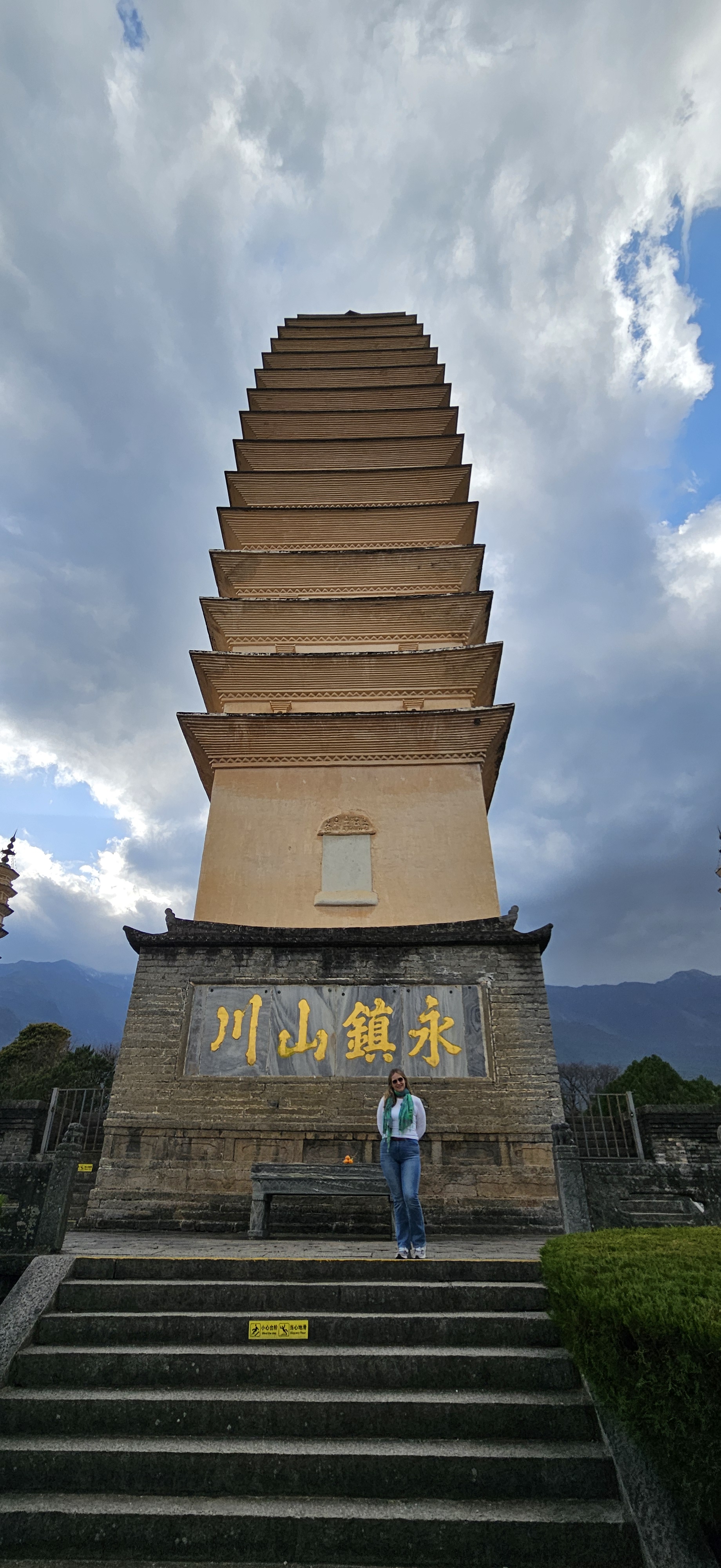
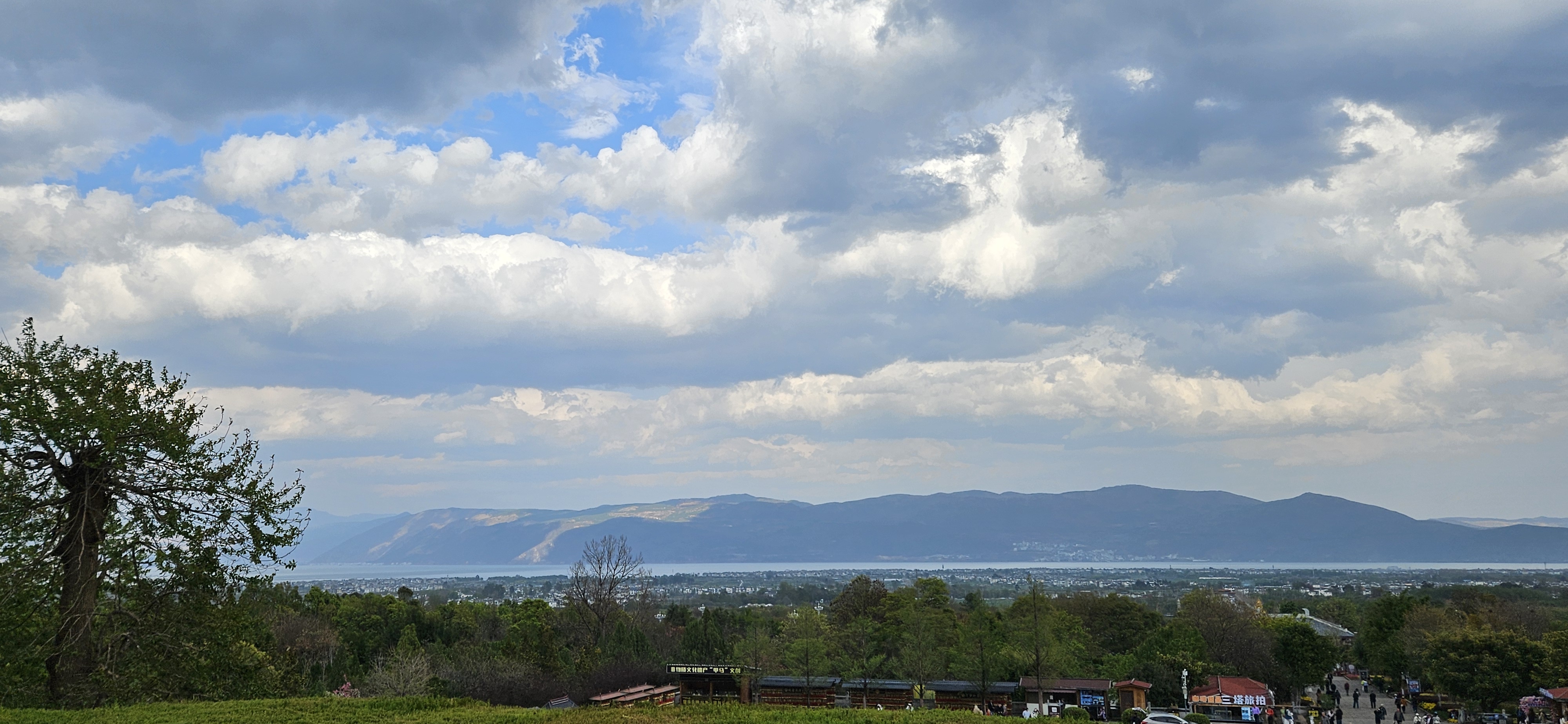
We walked right up to the Qianxun Pagoda and looked up, and the out onto the landscape.
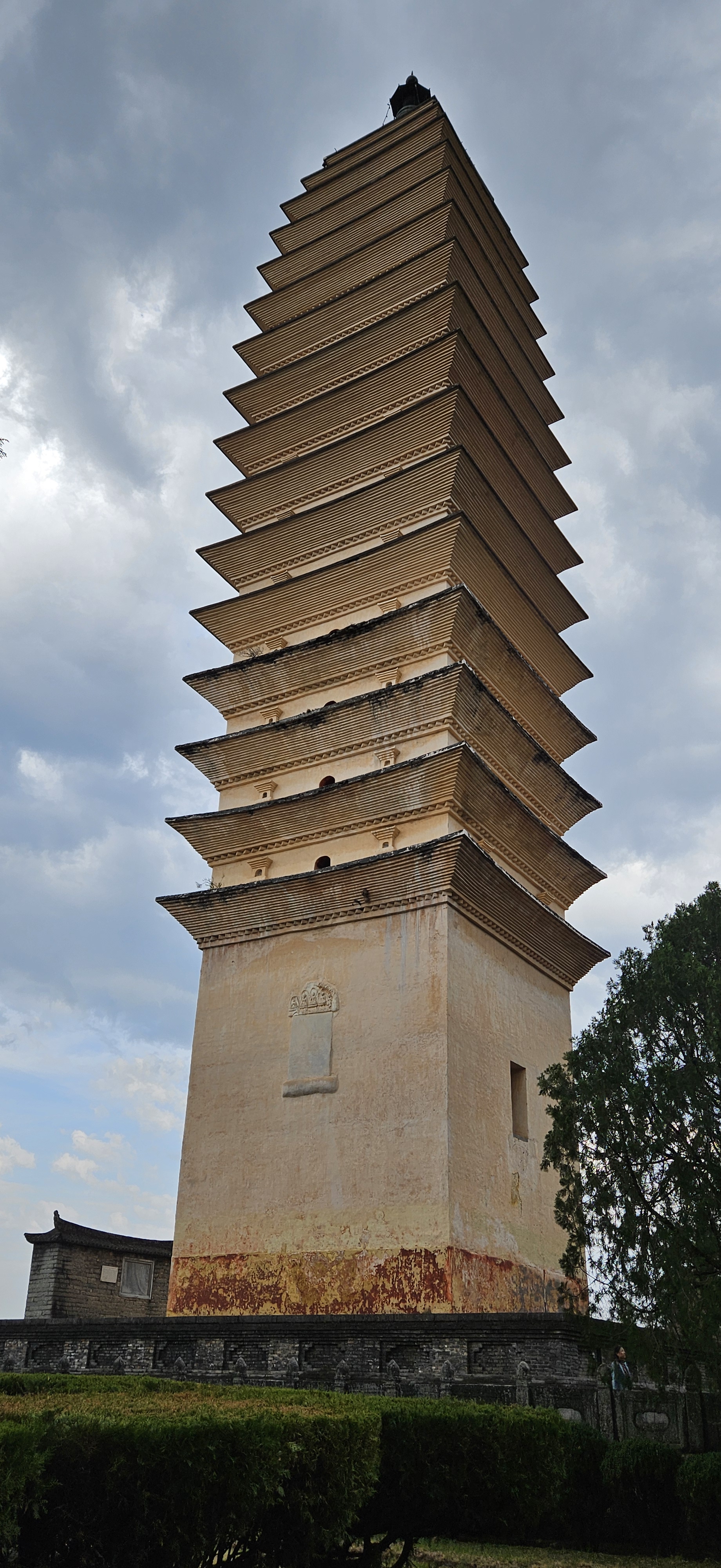
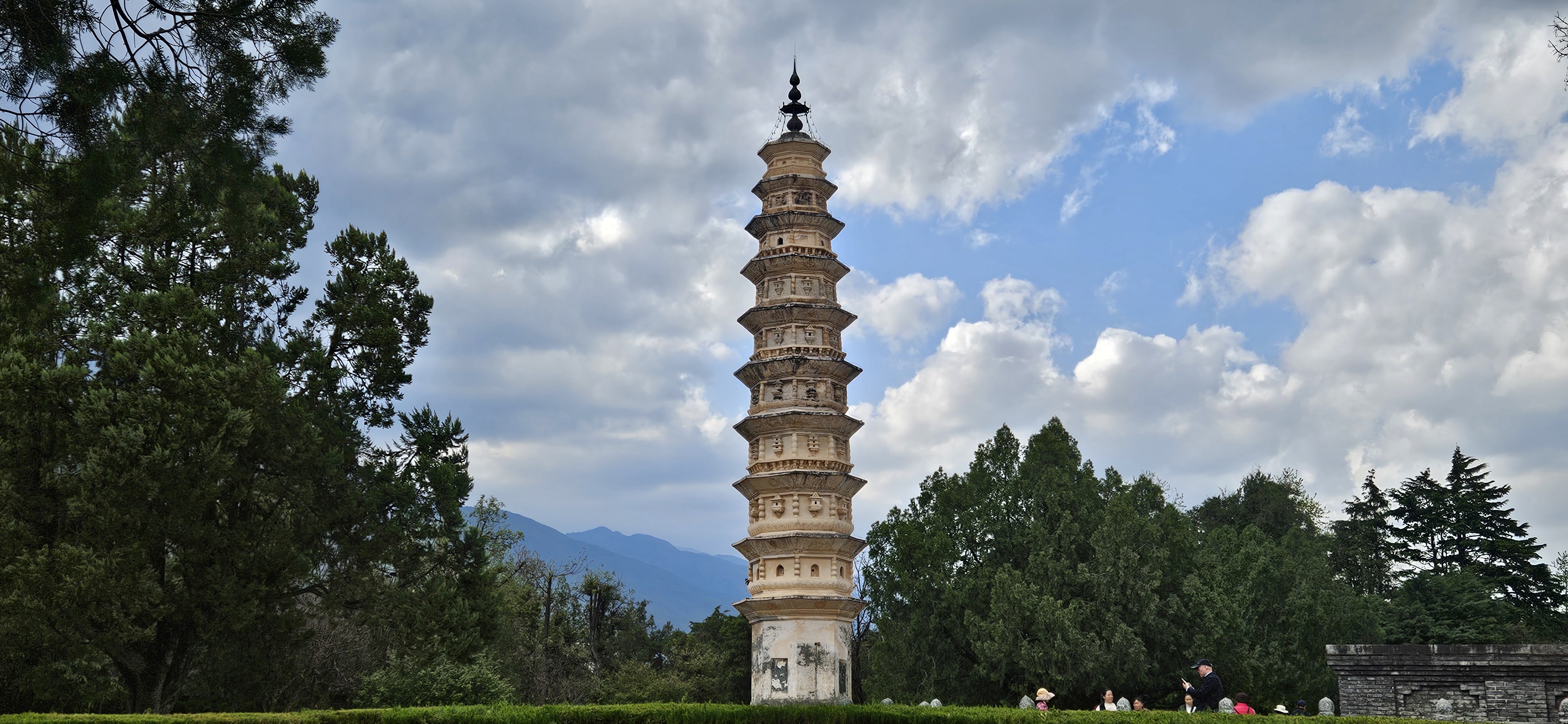
After we visited the two smaller Pagodas, which are twins.
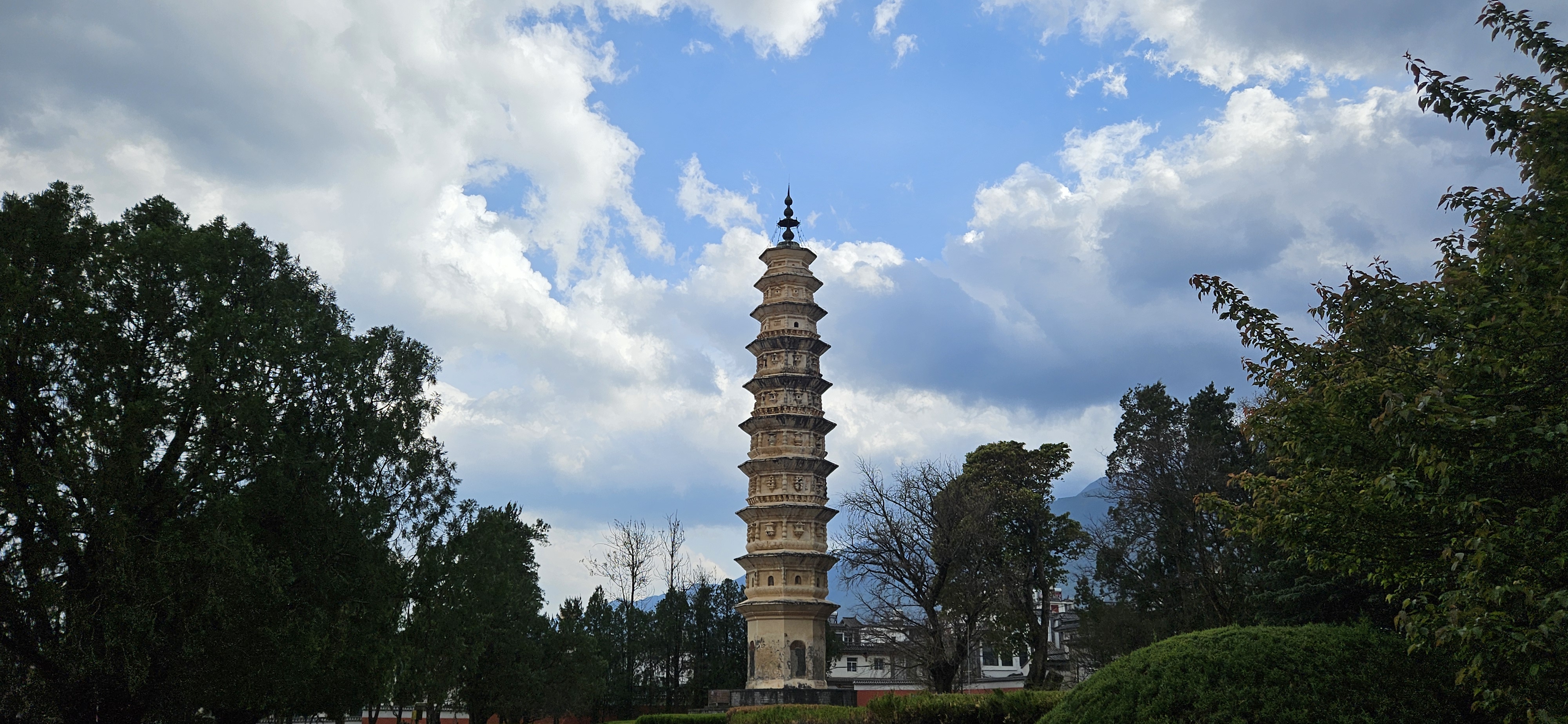
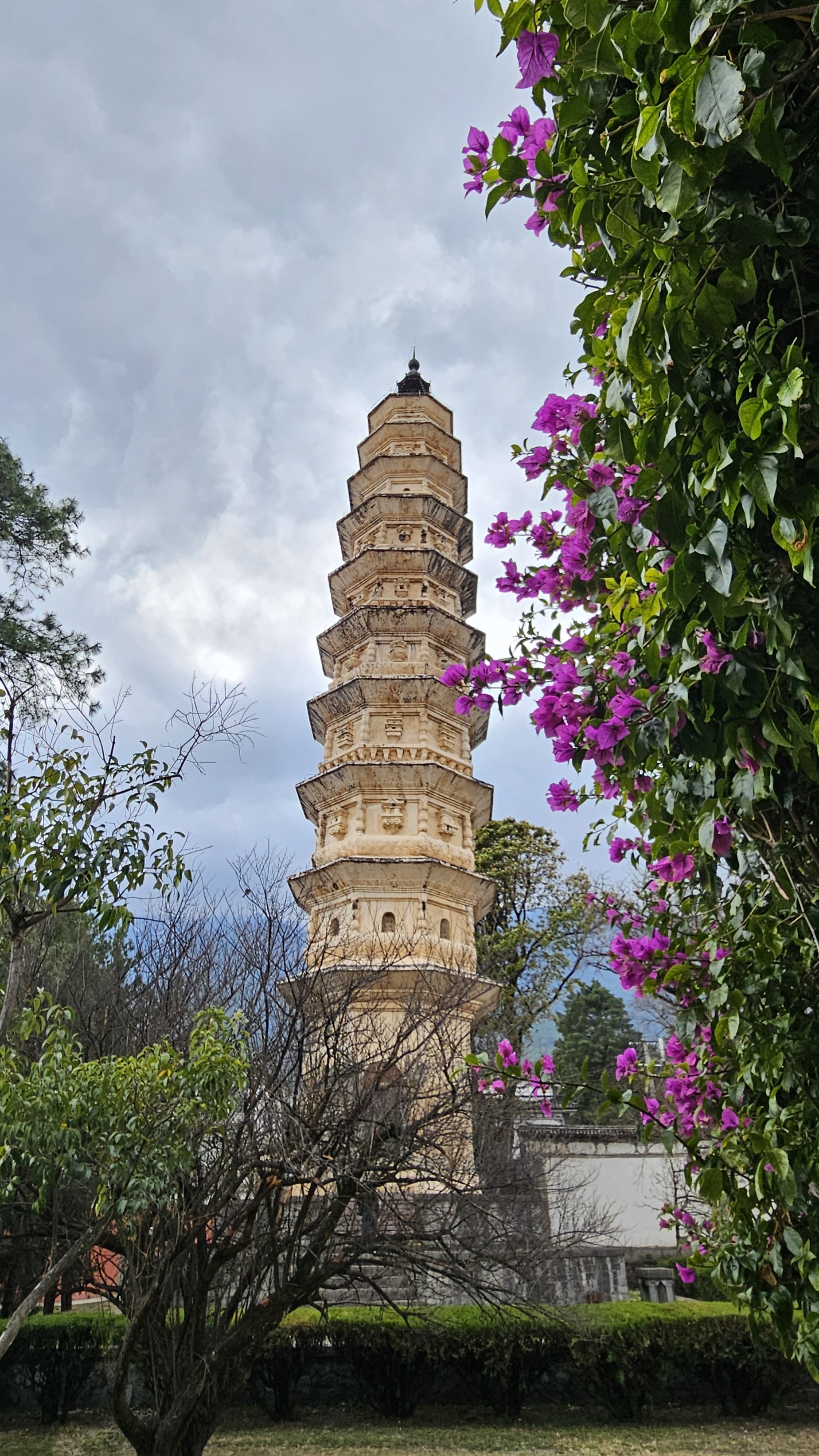
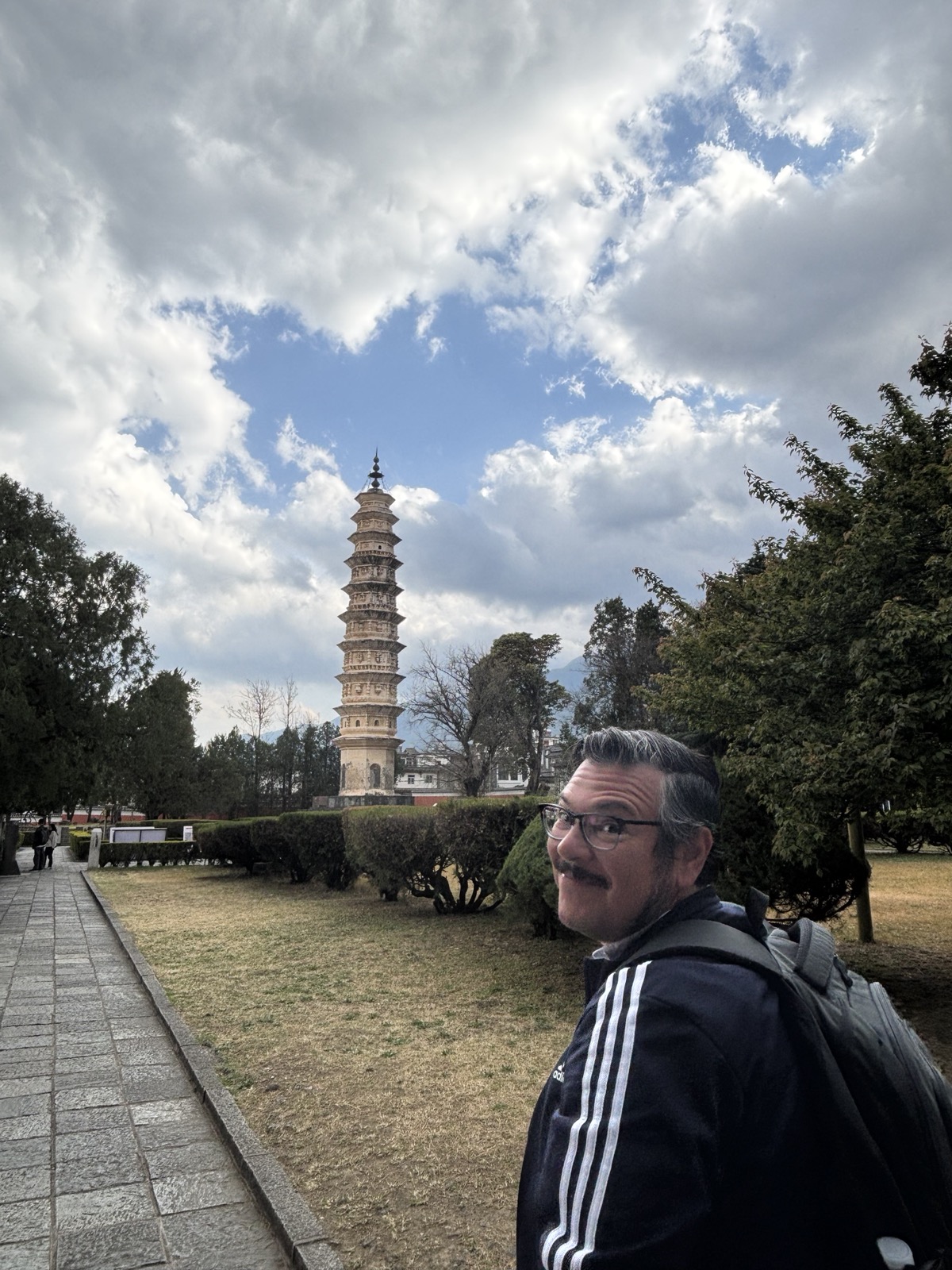
There are temple buildings on the grounds as well, which can take hours to explore. We didn’t have that much time, so we headed to the reflecting pool.
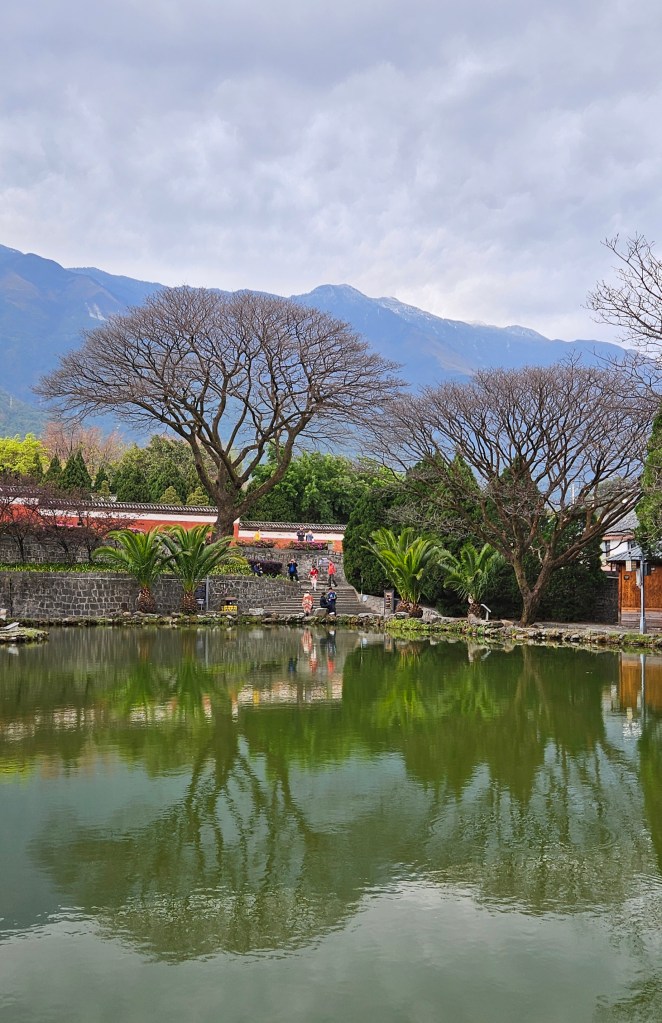
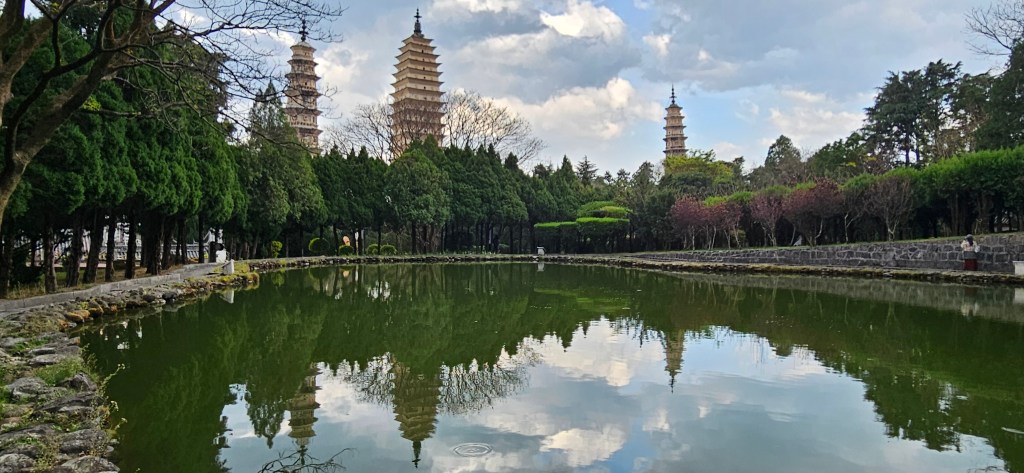
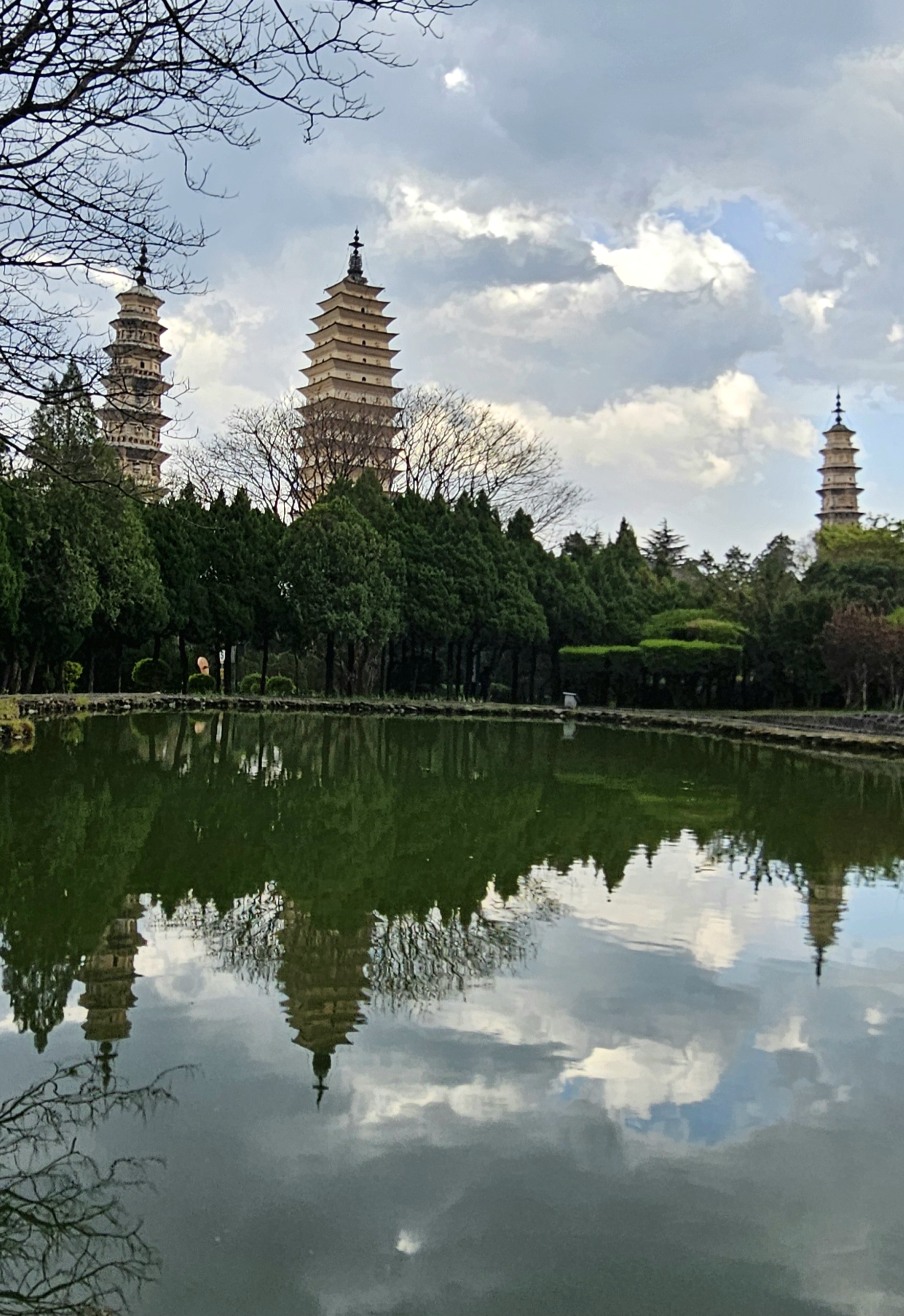
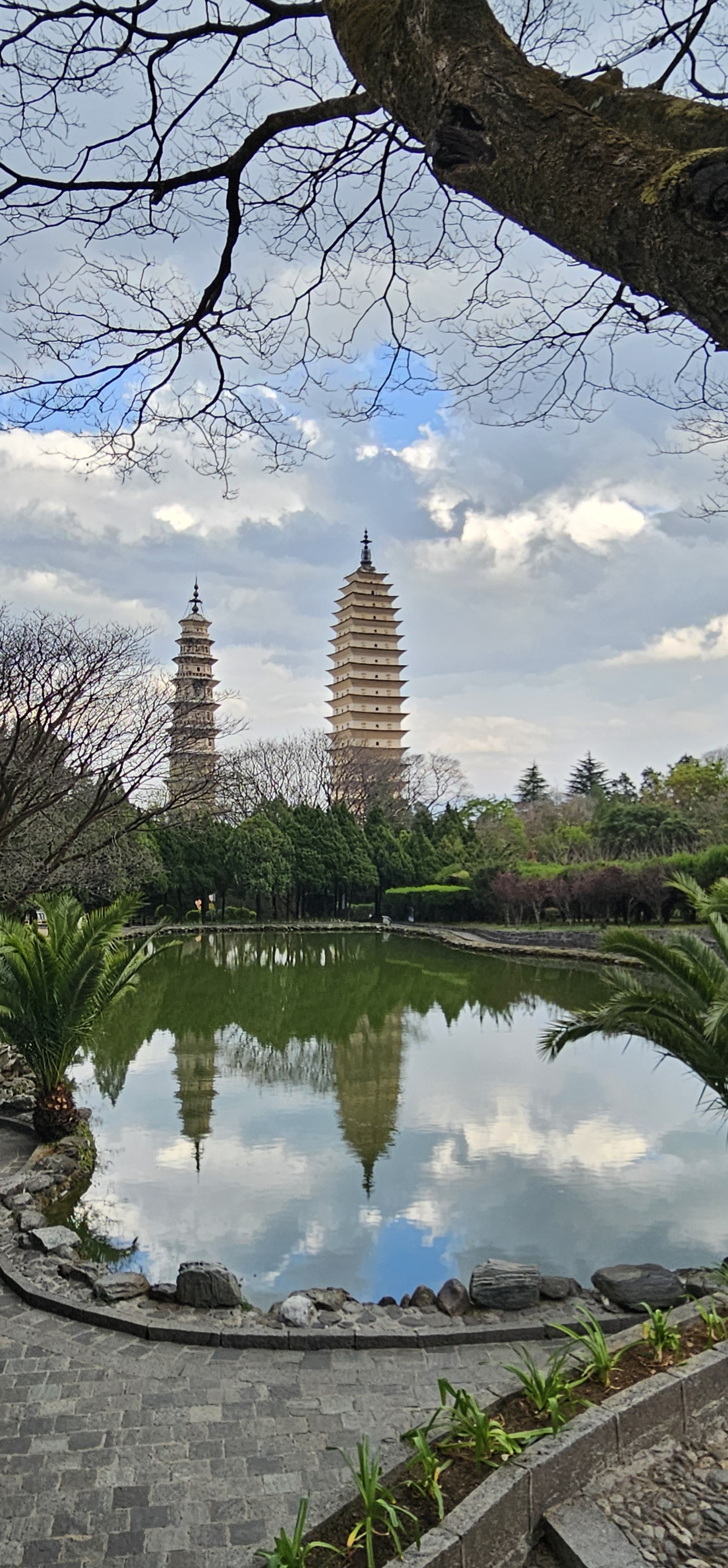
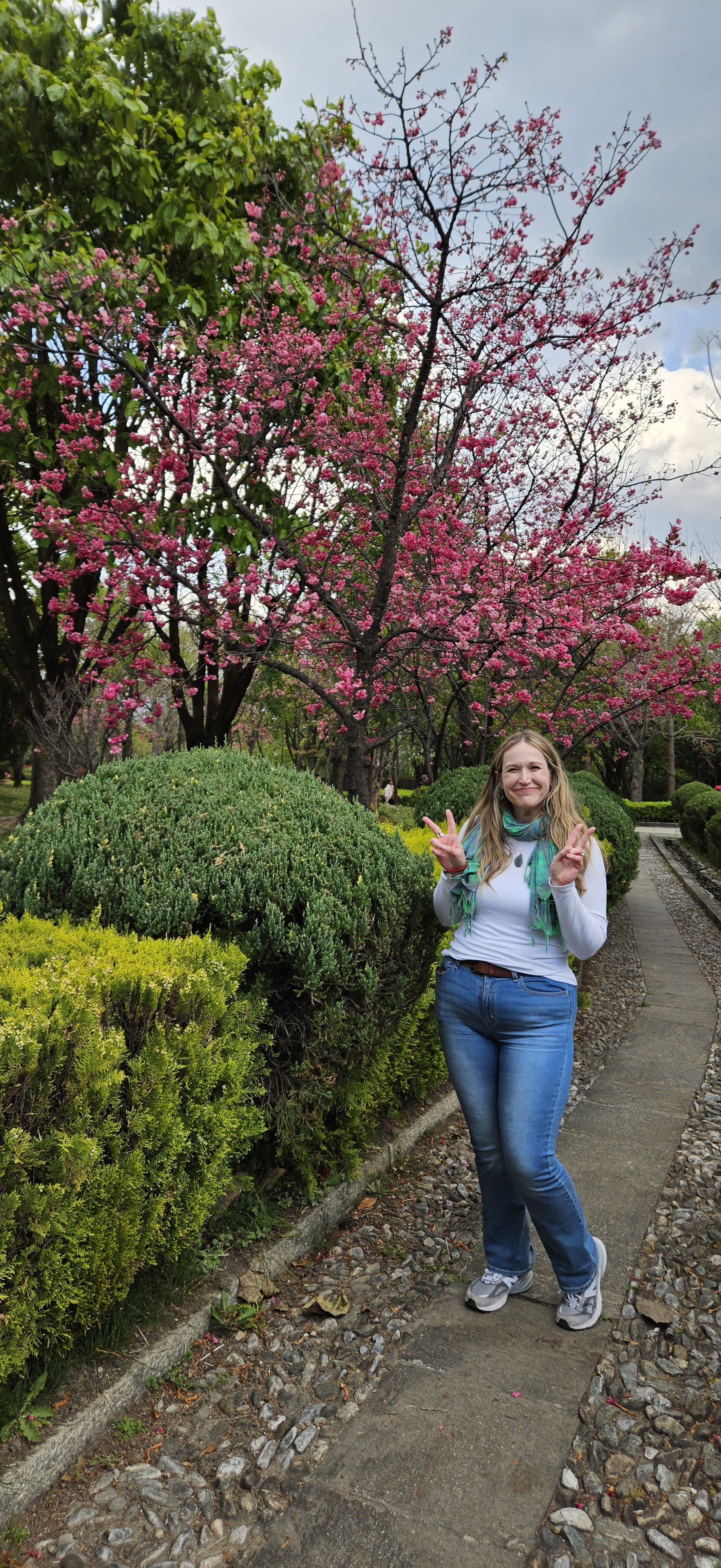
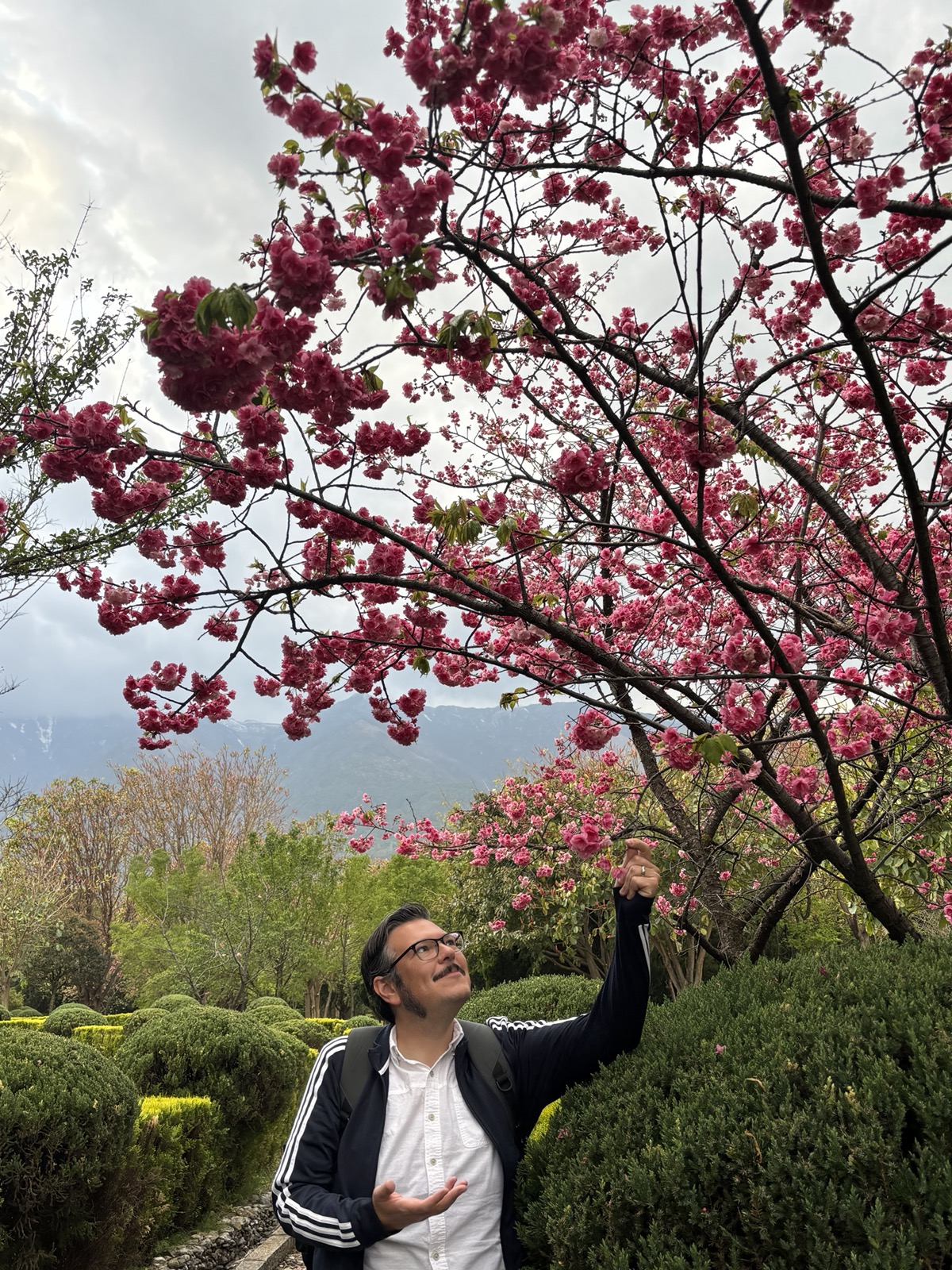
It was nearing closing time, so we headed toward the exit, passing some beautiful bright pink cherry blossoms, and taking in the pagodas one last time.
We had to exit and go past many vendors selling mementos and mini-pagodas and taxi drivers. We wanted to the see the big golden bird statue we had seen in the distance when we first entered the Three Pagodas temple complex. It was a weird bird, to be sure, and reminded us of a Jim Henson-like creation. It is named the Golden Wing Garuda, from Buddhist mythology, is believed to control water spirits.
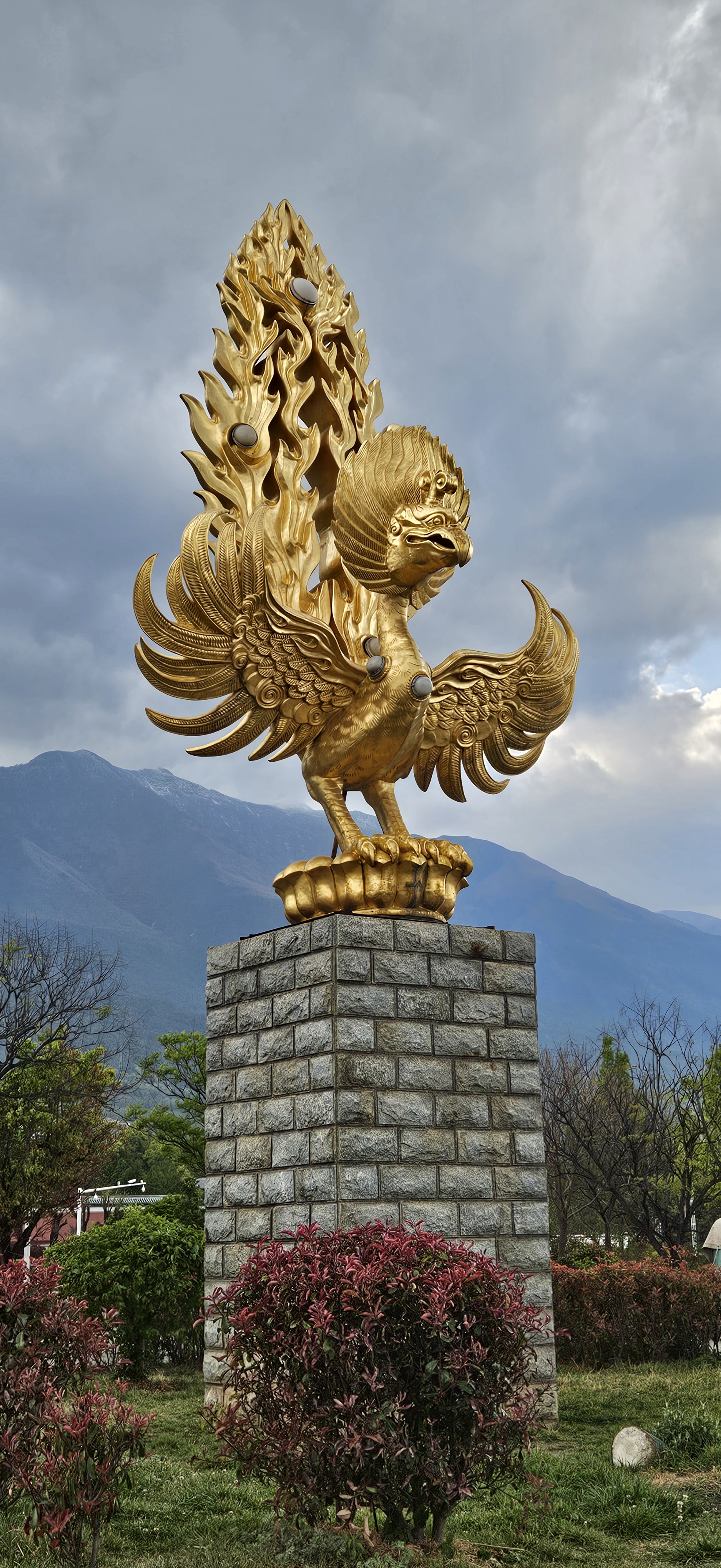
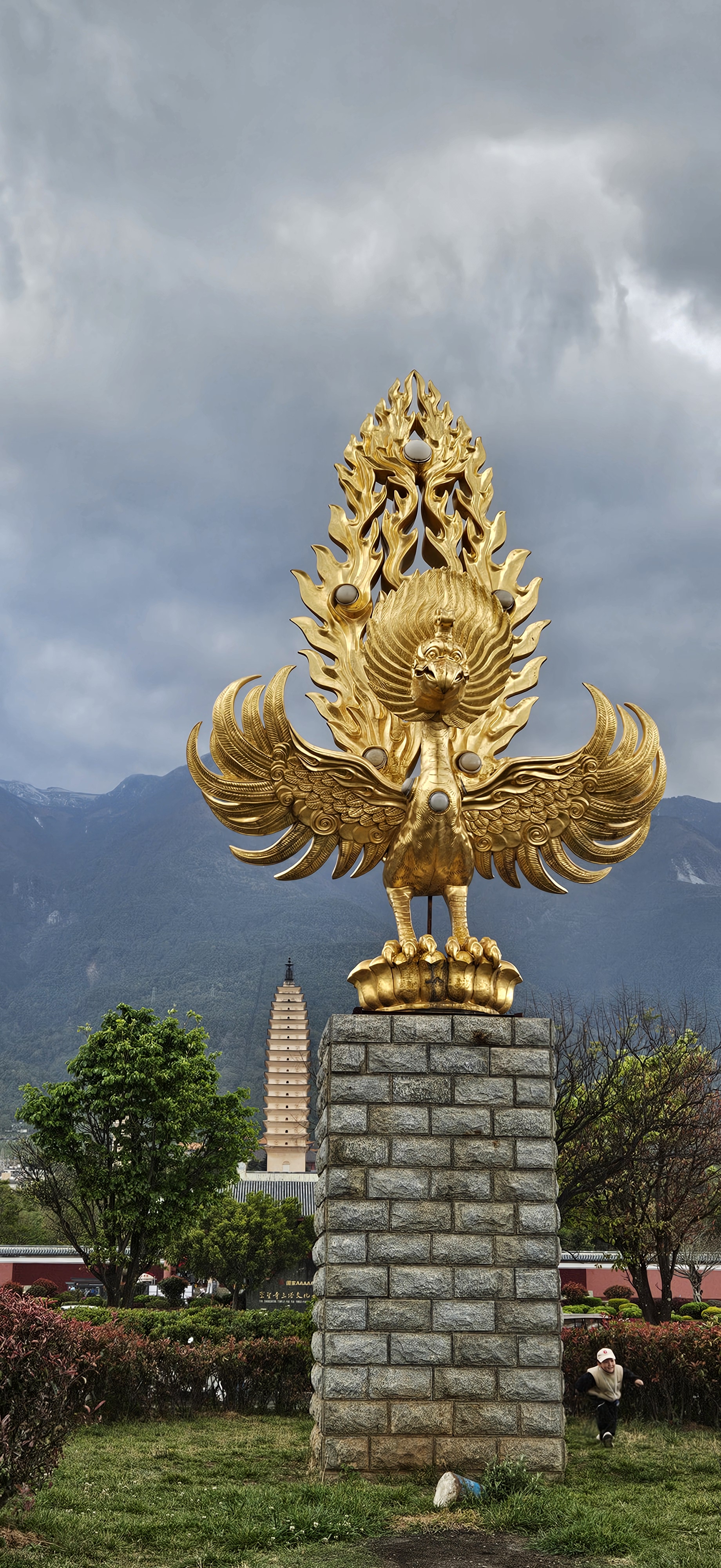
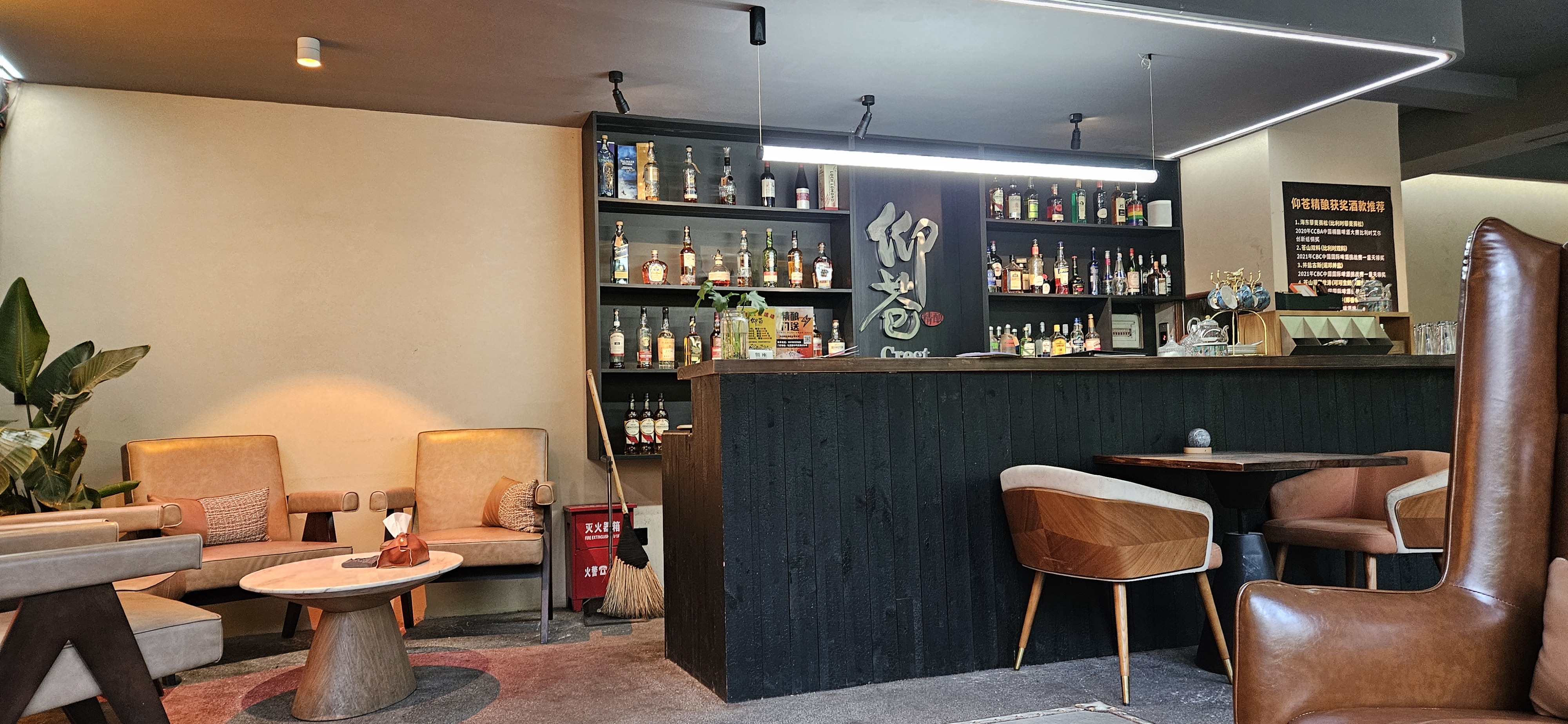
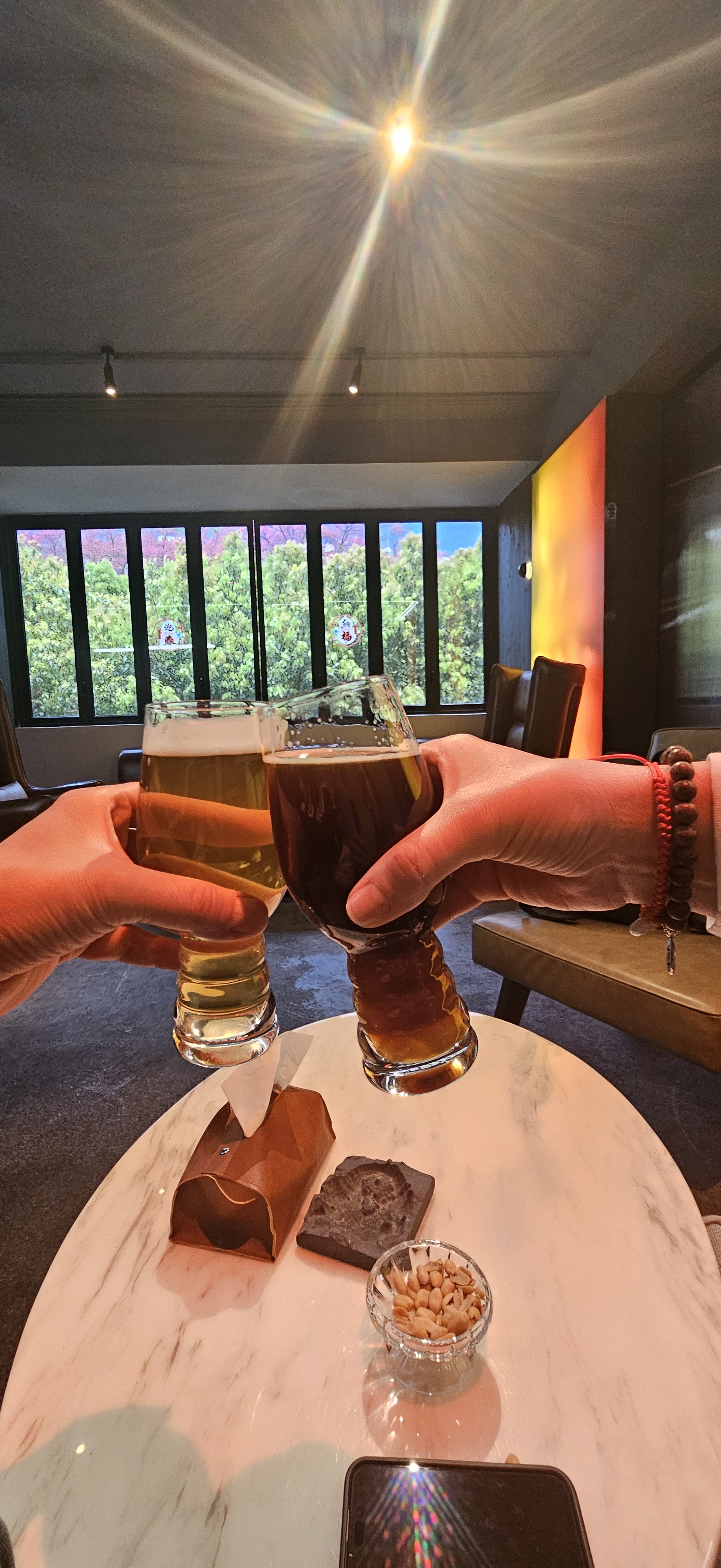
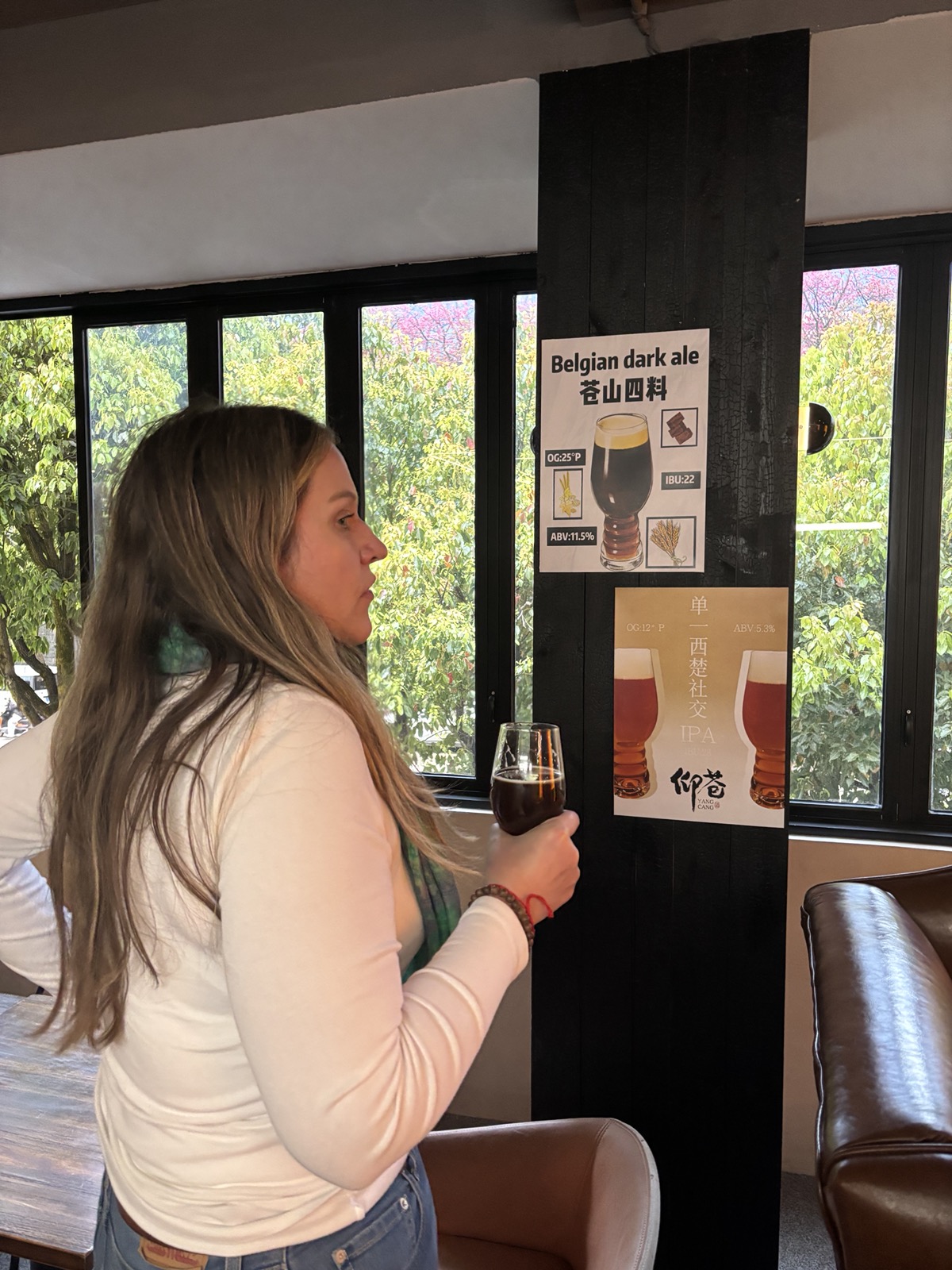
It was certainly something else. We were near Dali University, and where there are college students, there are usually bars. Though in China, bars aren’t that prevalent. A short Didi ride away we arrived at the Yangcang Craft Beer Workshop, and they had a good selection of beers on tap. It must have been too early for the college kids, because we had the whole upstairs of the bar to ourselves, and we enjoyed some good craft beers (another rarity in our China travels).
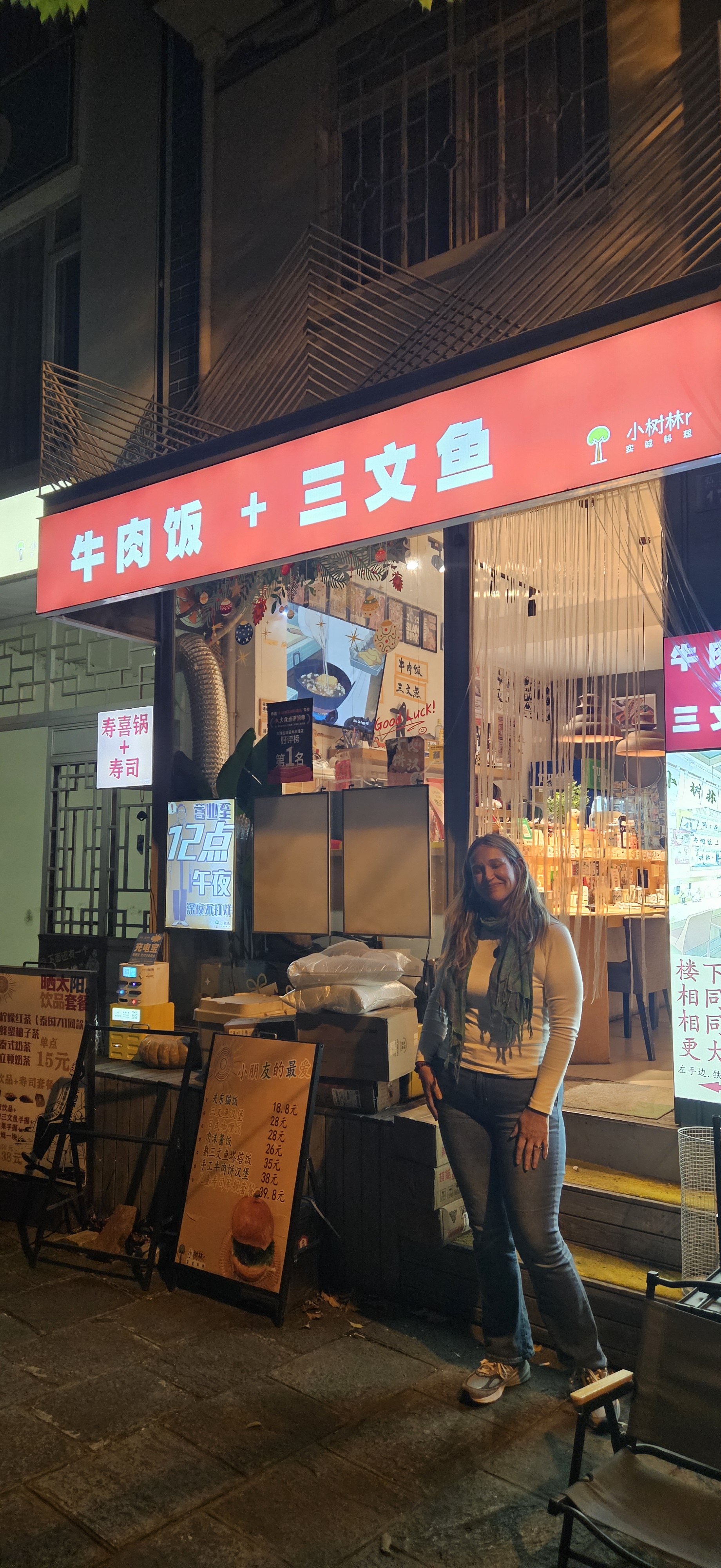
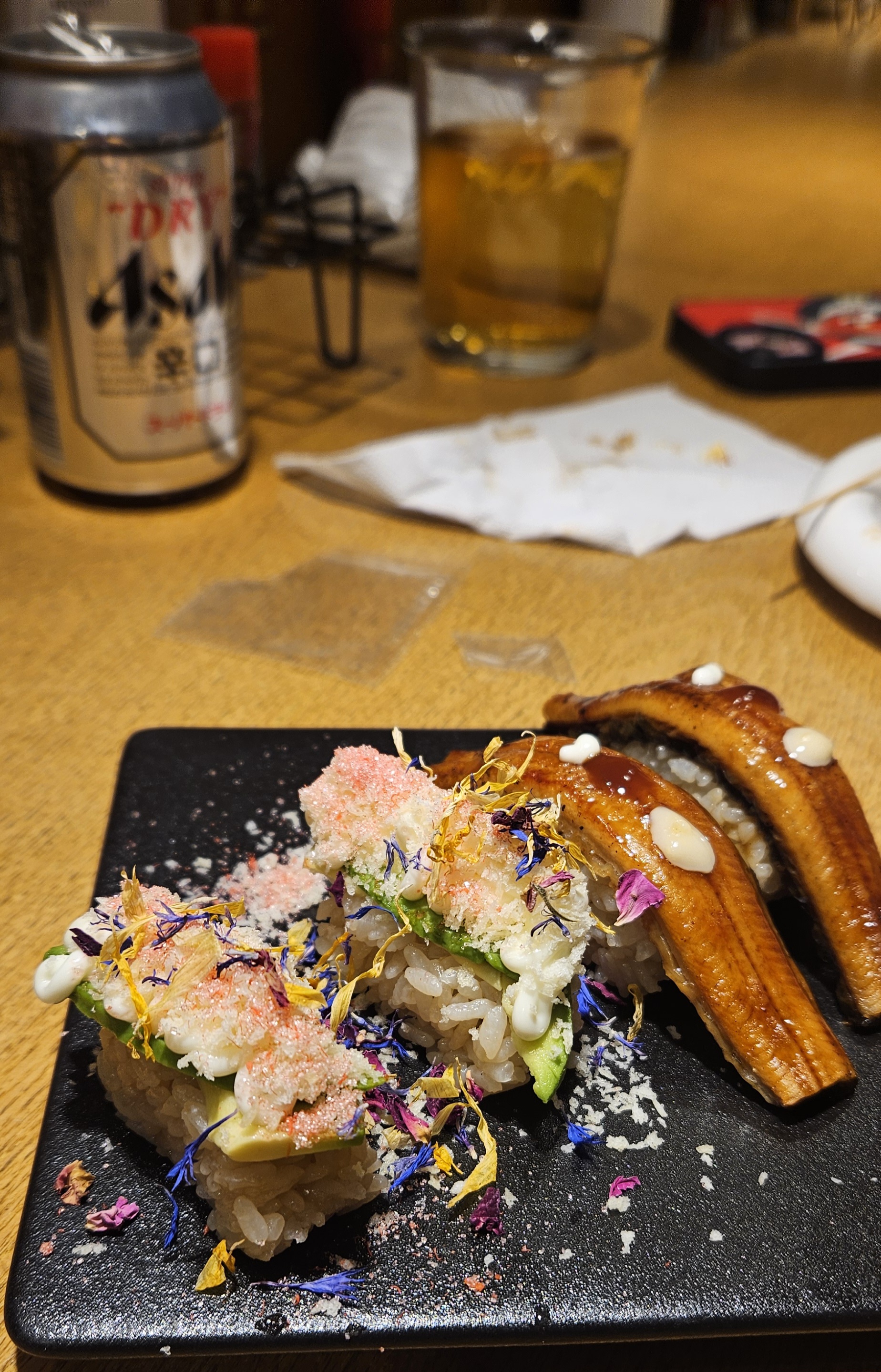
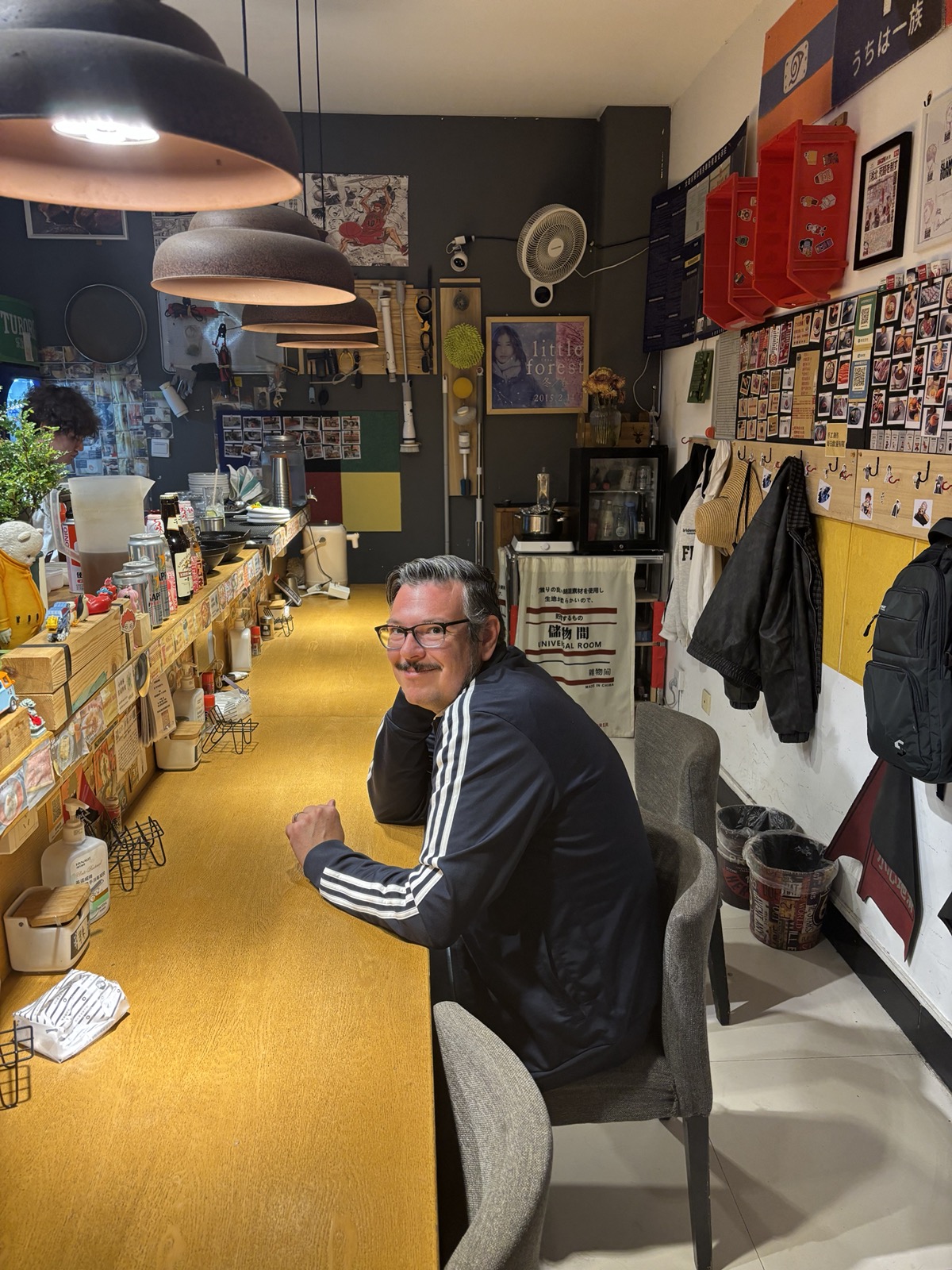
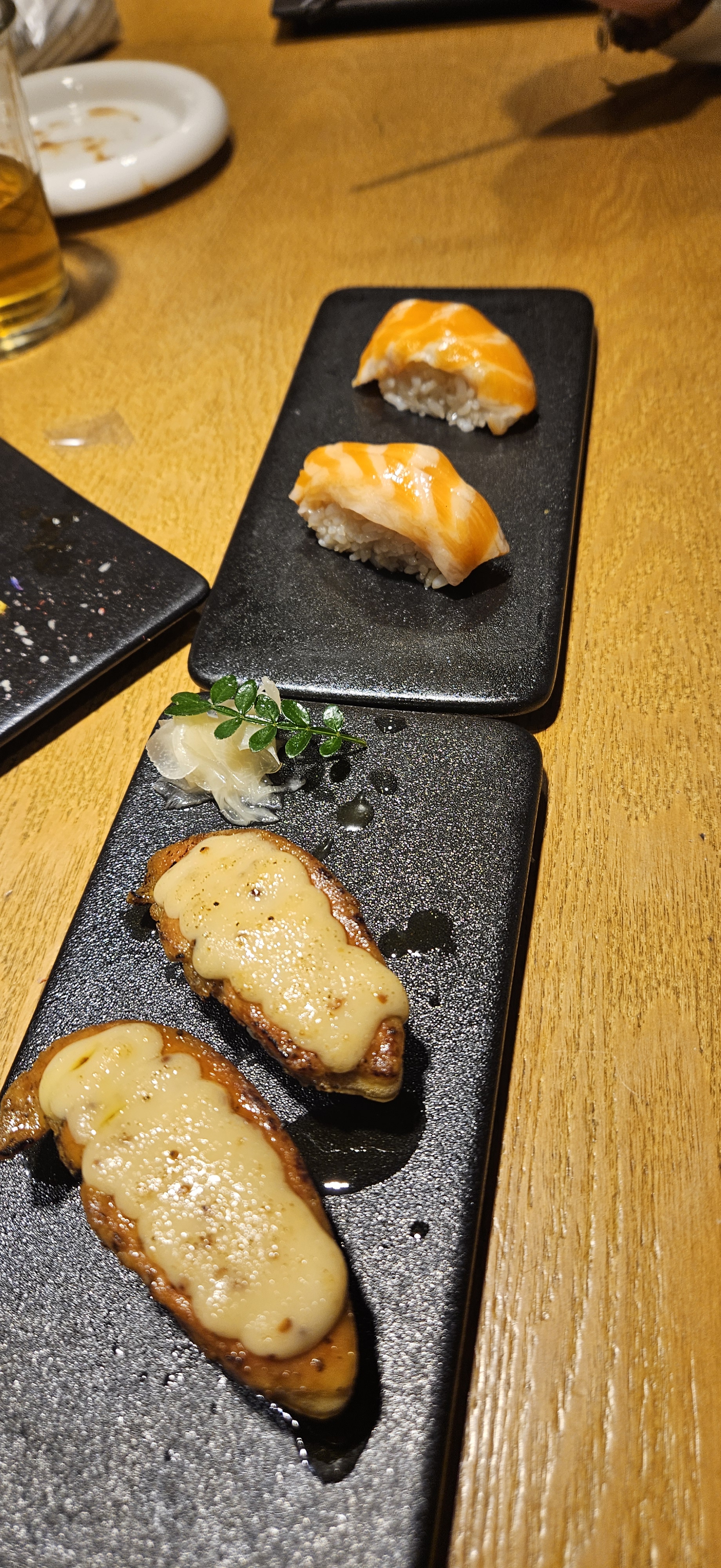
There was a sushi counter right down the street, and we hadn’t had sushi yet in China (which makes some sense, of course) and we had a good dinner.
While looking for another place to go after dinner, we found a place on the map called Chinchin Wine and Jazz Club, and thought, a Jazz club? With Wine? Both also rare in China for us so far. So we had to check it out. It was actually pretty hidden, on a side street of a side street, but we eventually found it.
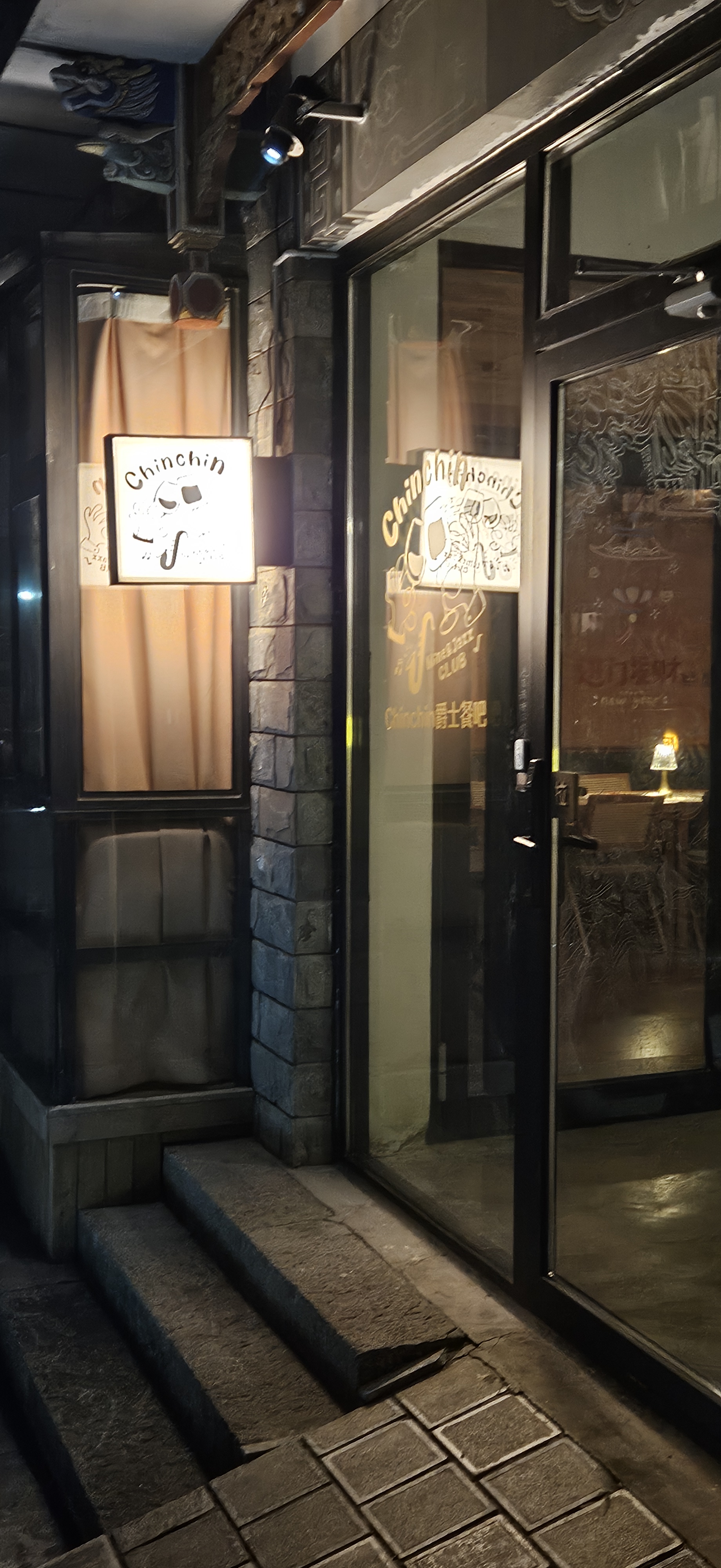
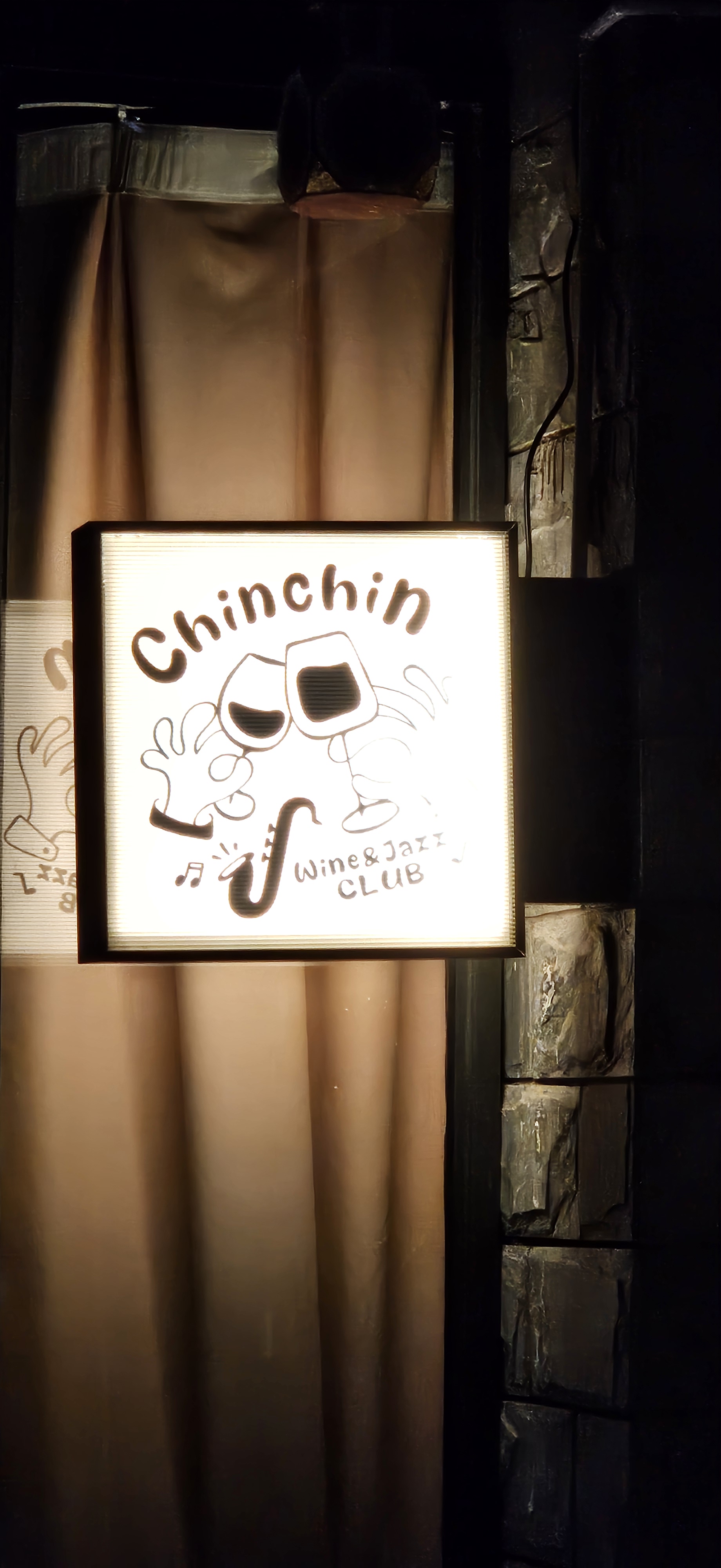
It was empty except for three people at a table having wine, with two being the owners, and the other a jazz musician. They welcomed us in, made us some food, and told us about the bar. When we lived in Spain, it was common to say “chin-chin” instead of “cheers” as we usually say, since that is the sound the glasses make when they contact. Very literal. The owner had studied in France, and they use “chin-chin” there as well.
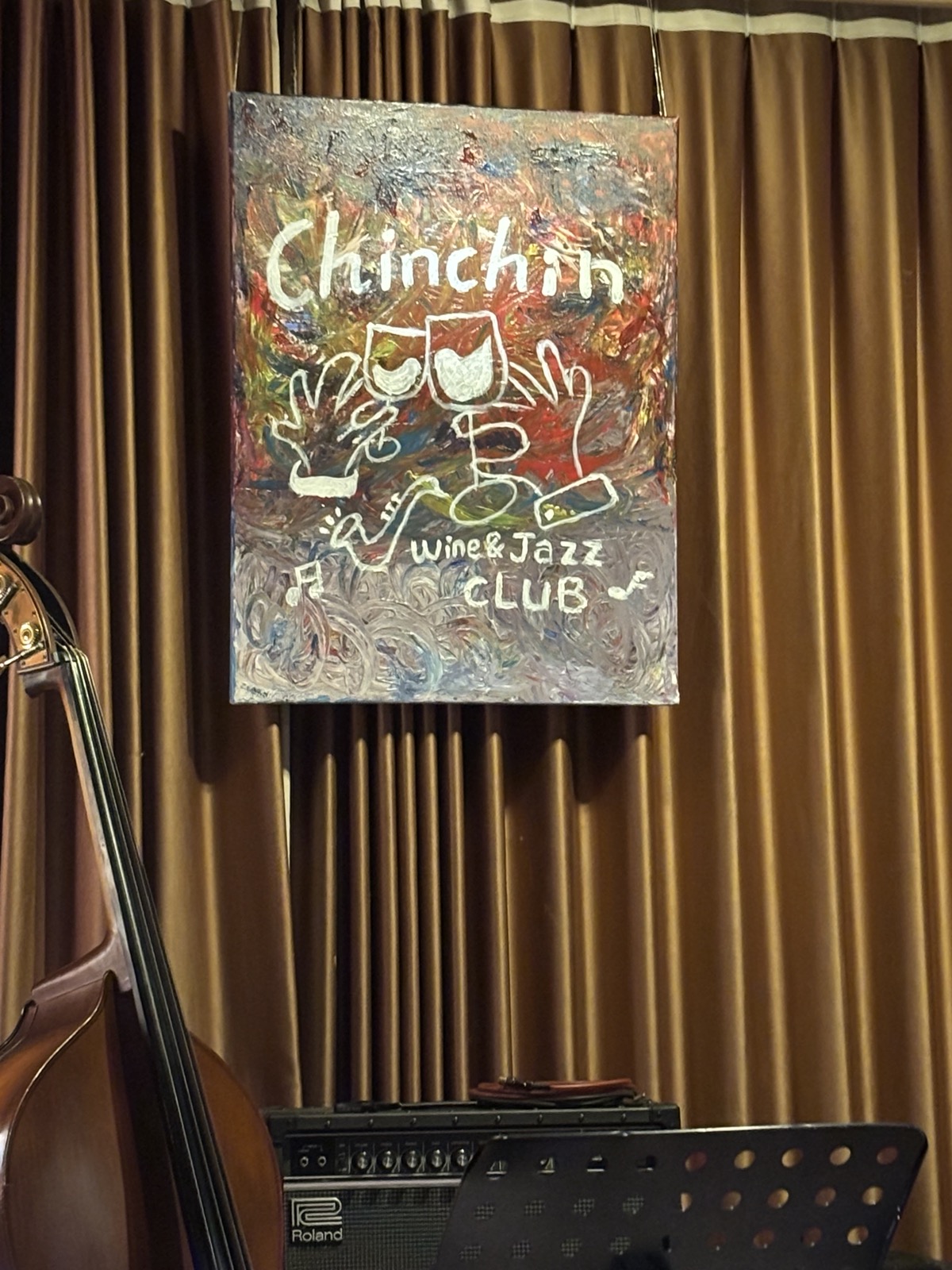
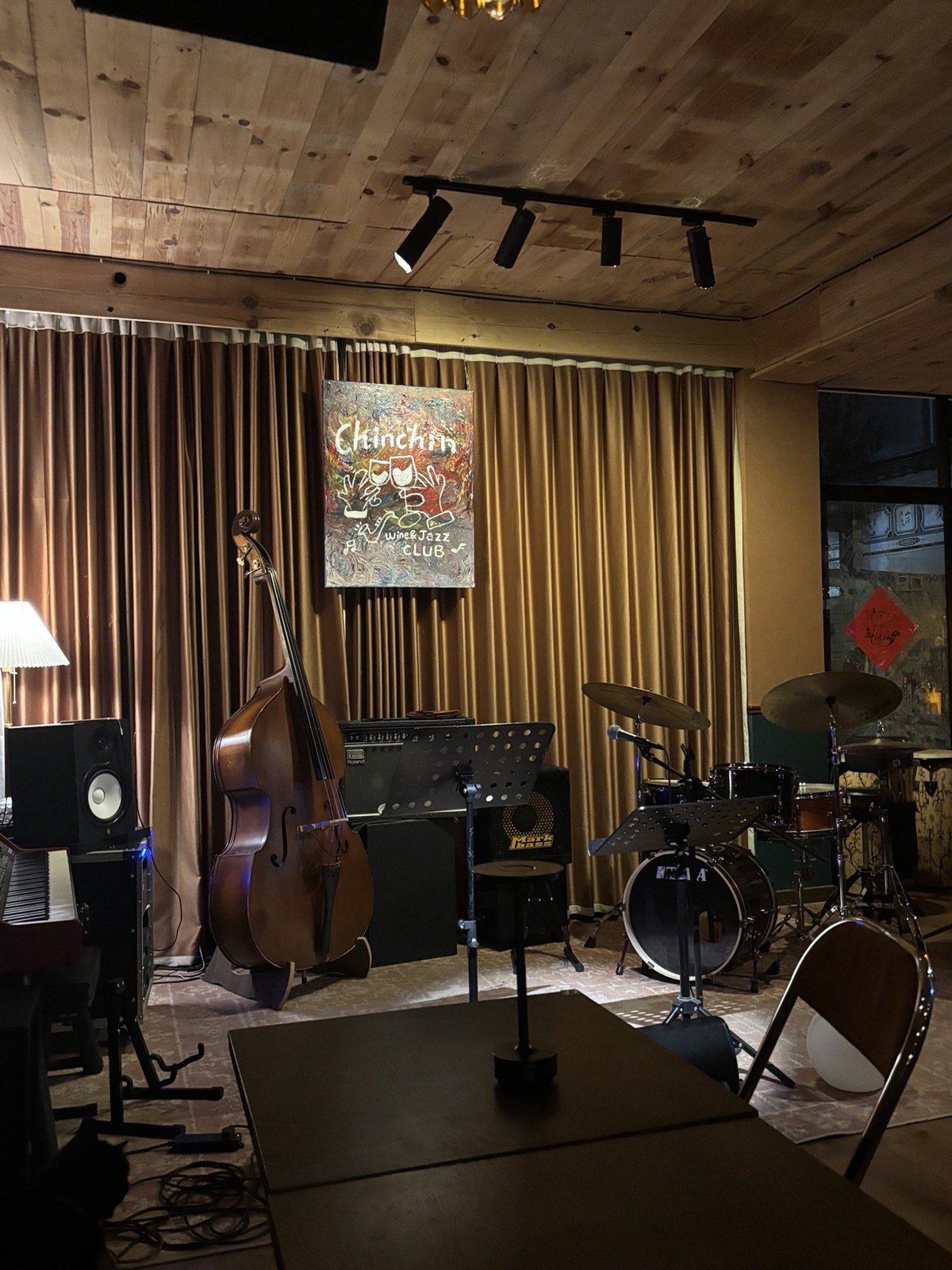
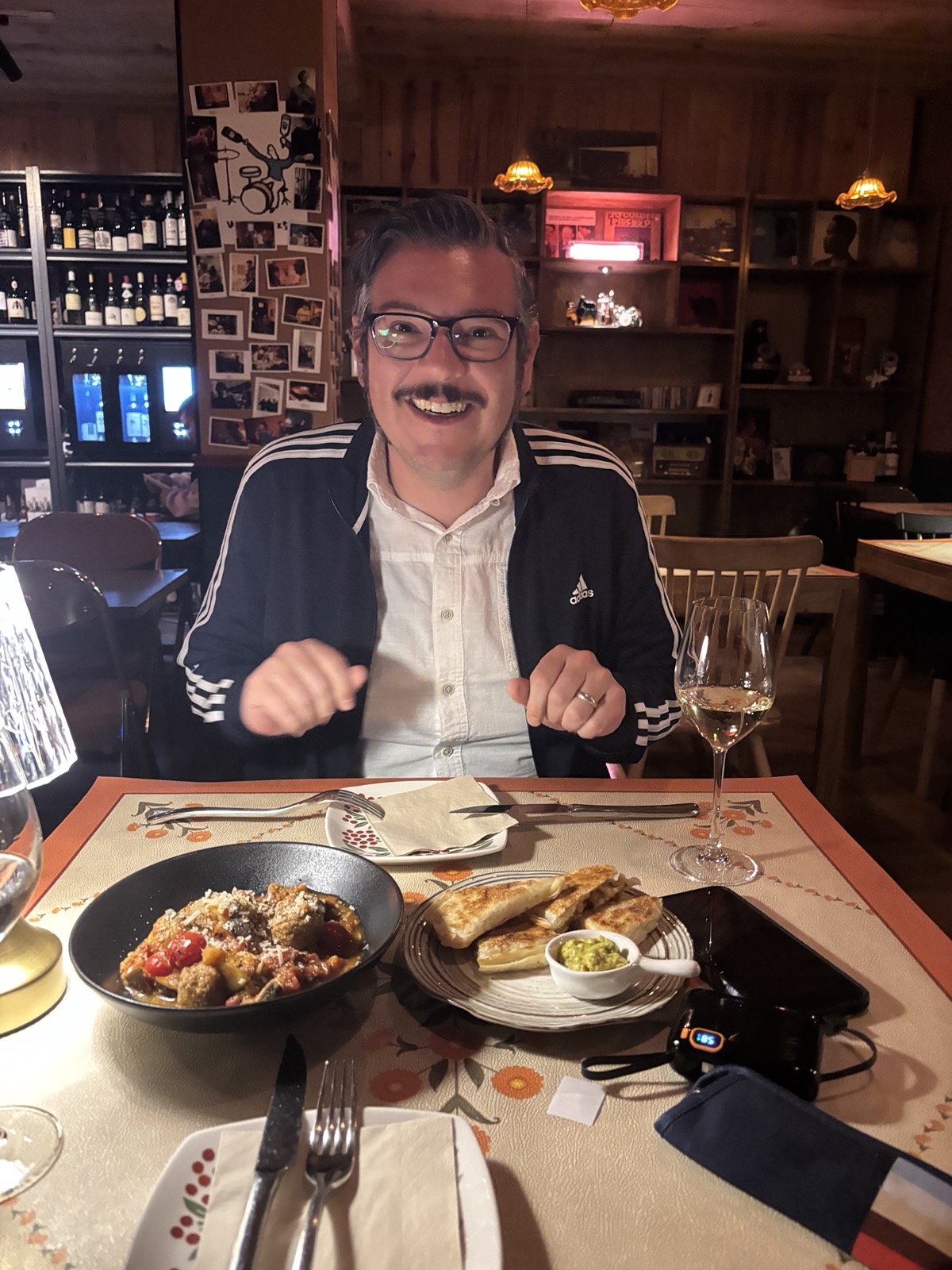
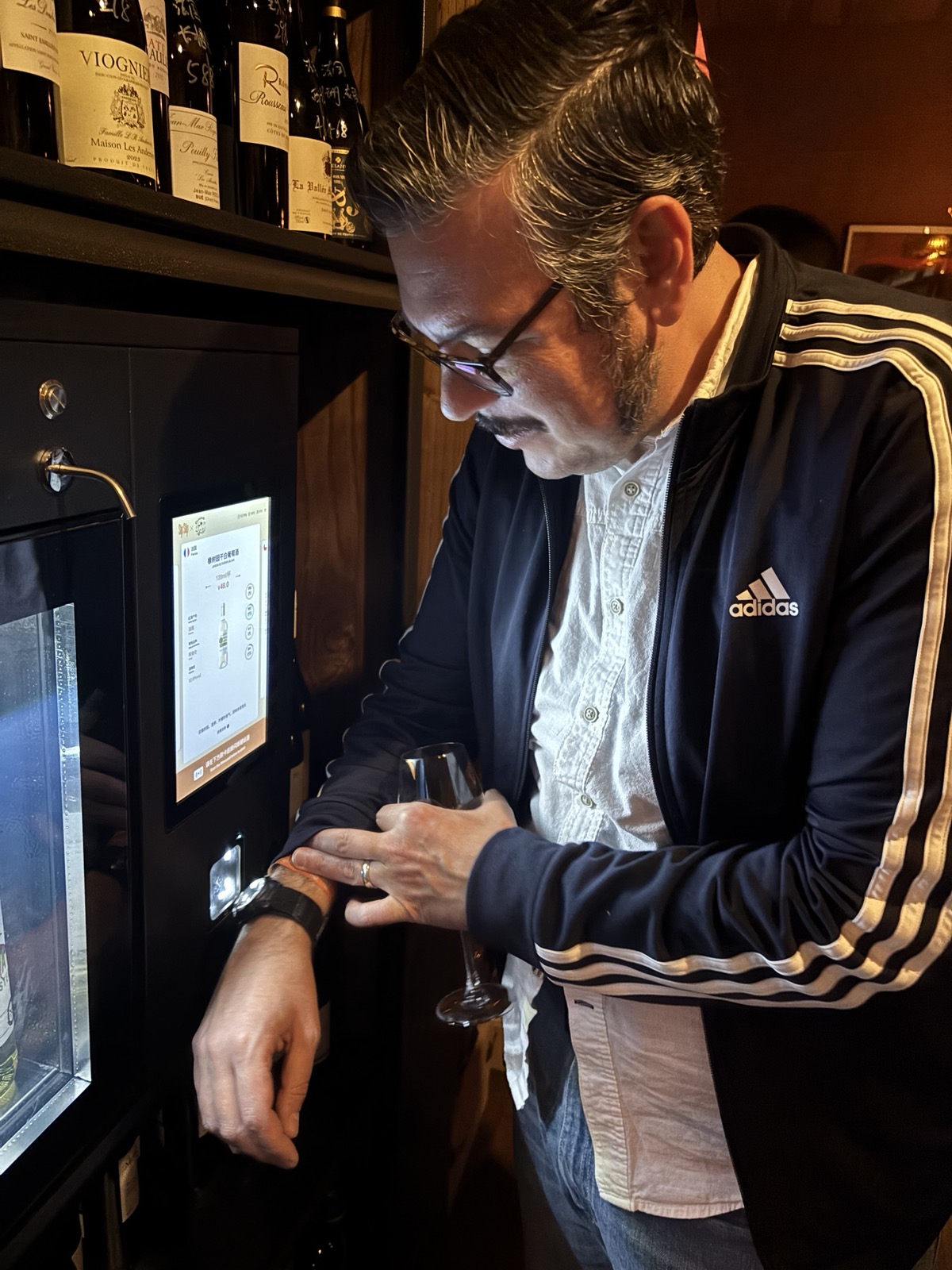
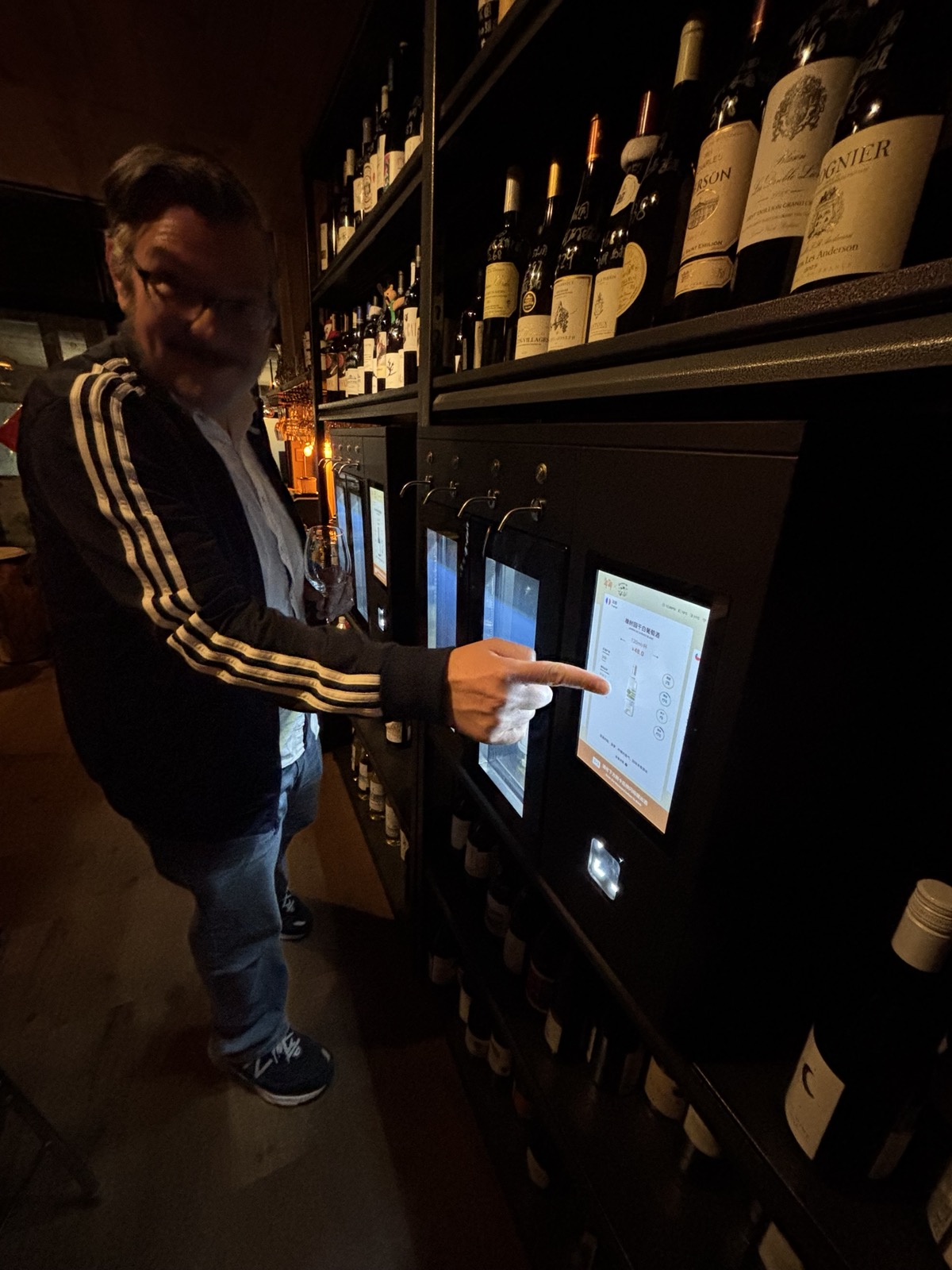
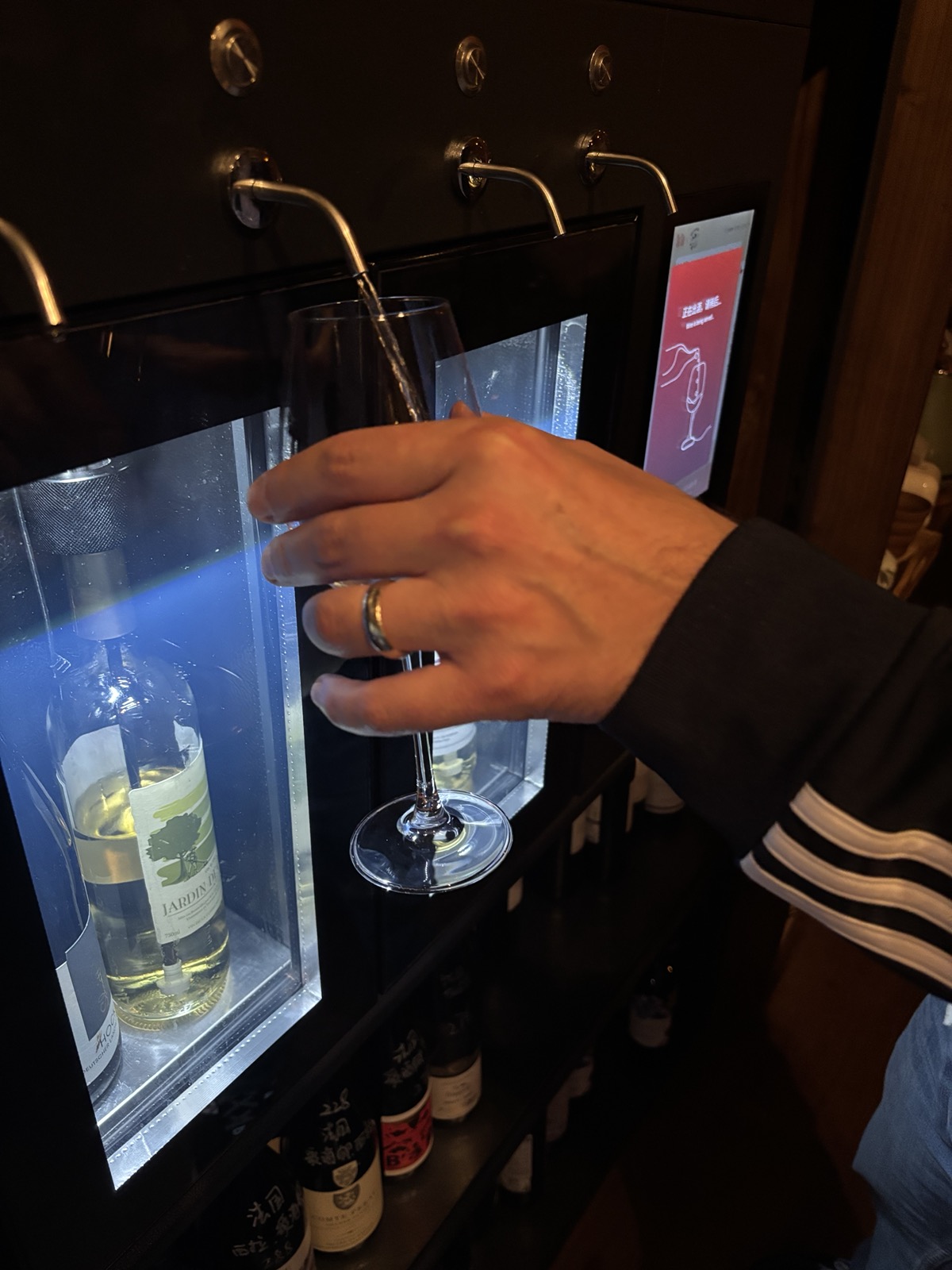
We were a night early for the live jazz, sadly, but they had recently installed a wine machine that came with bracelets. There were 8 wines to try, and all we had to do was put our glass under the dispenser, scan our bracelet, and choose our wine, and viola!
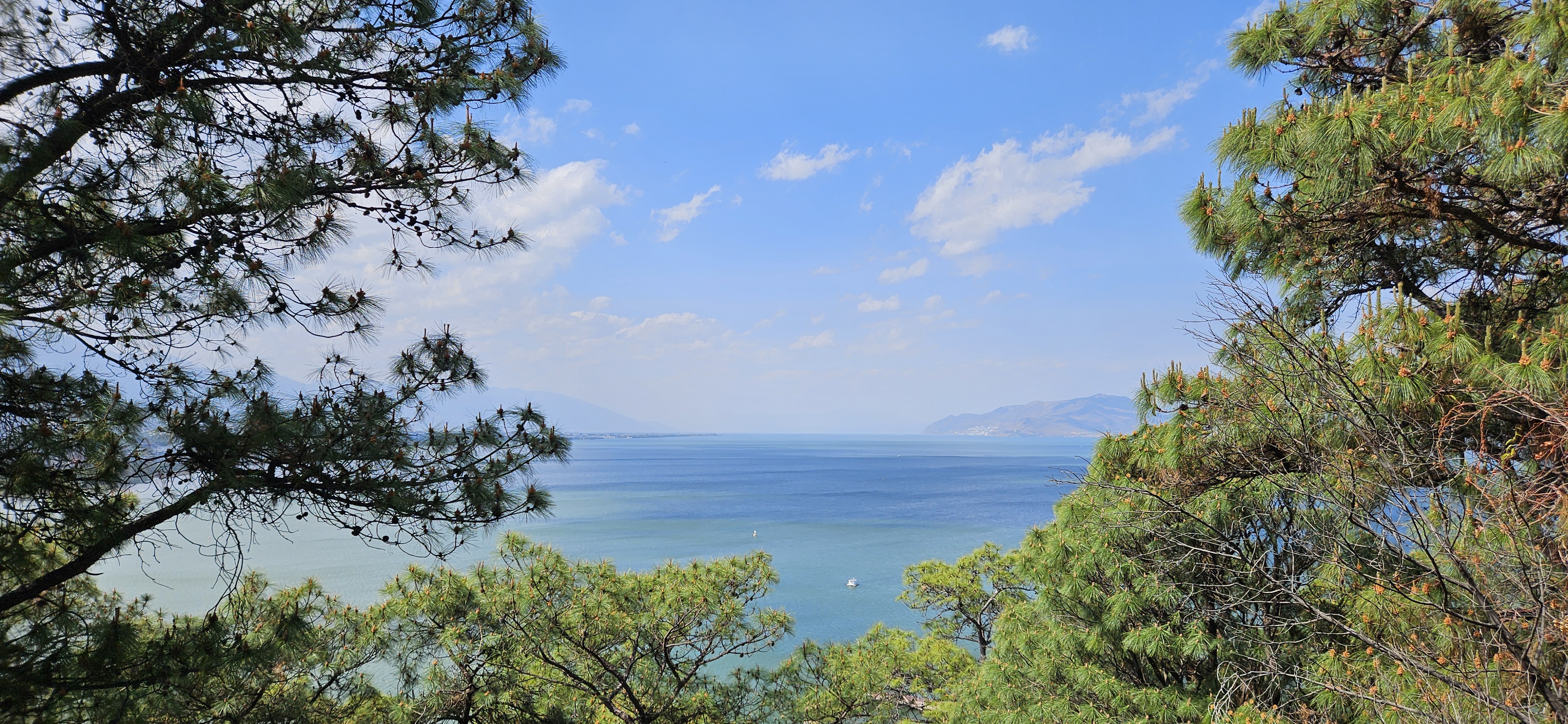
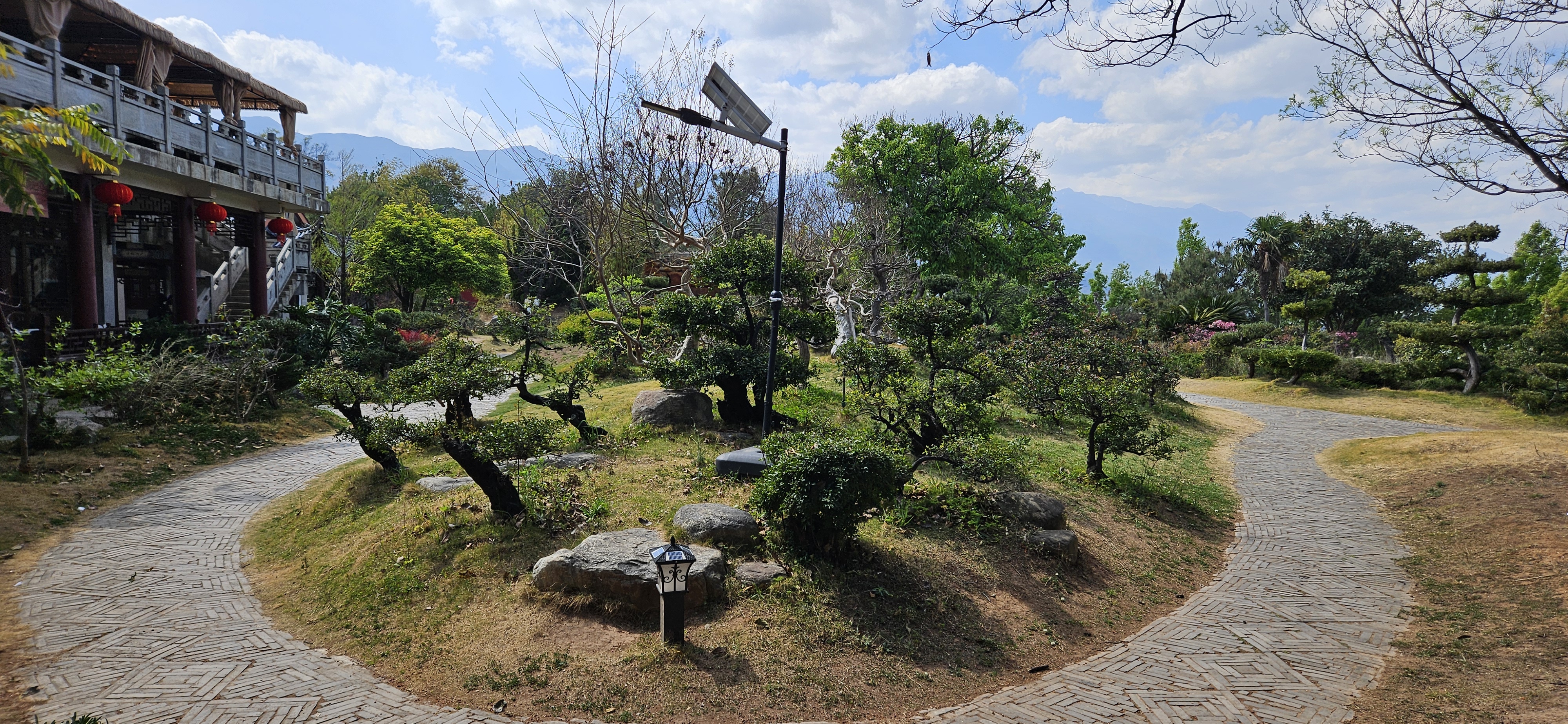
After too many wines, we ordered a didi and were on our way back to the hotel, and much needed night’s rest. We woke up late the next day (of course) and didn’t do too much. We explored Erhai Park, which was located behind our hotel, so only a short walk to the entrance. It provided some good lake views, a living Bonsai garden, and some cool lampposts.
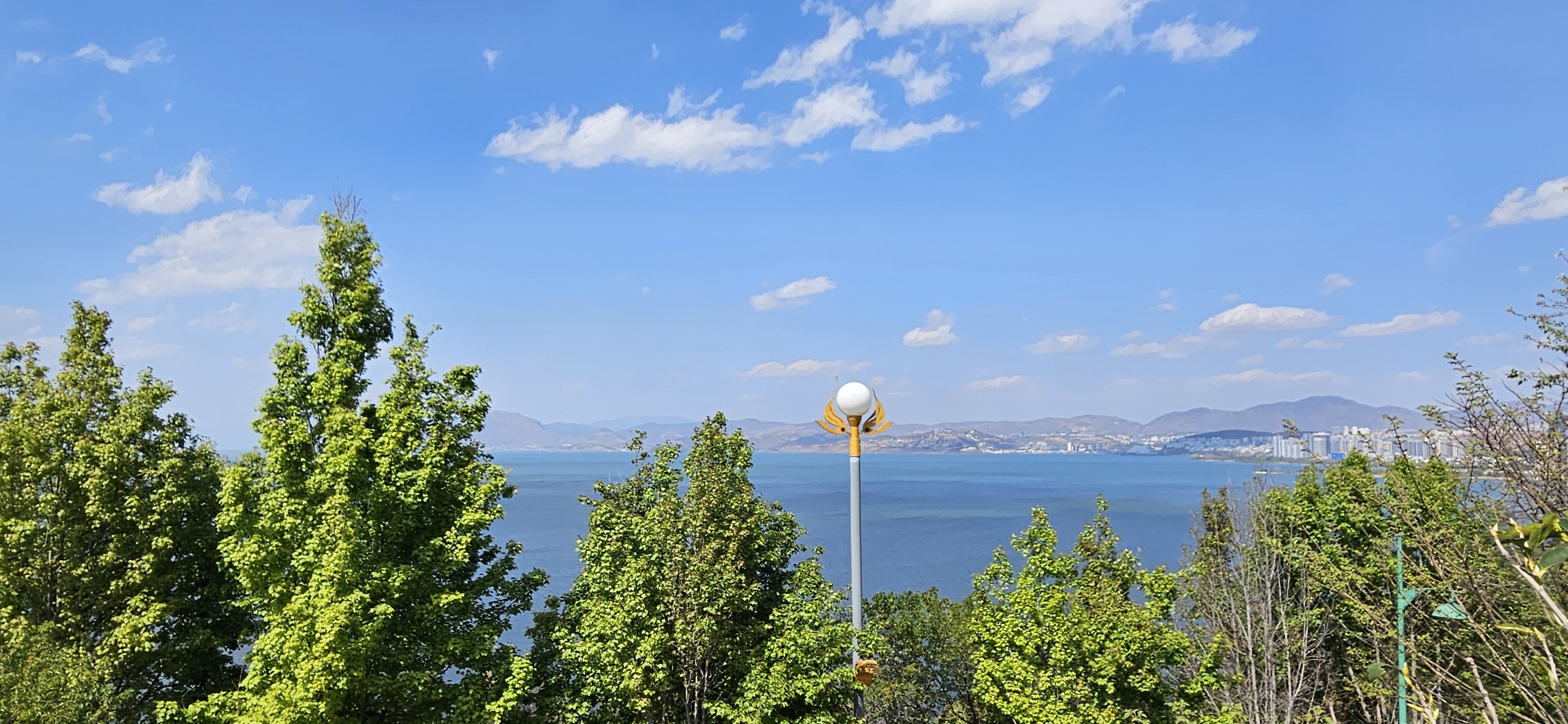
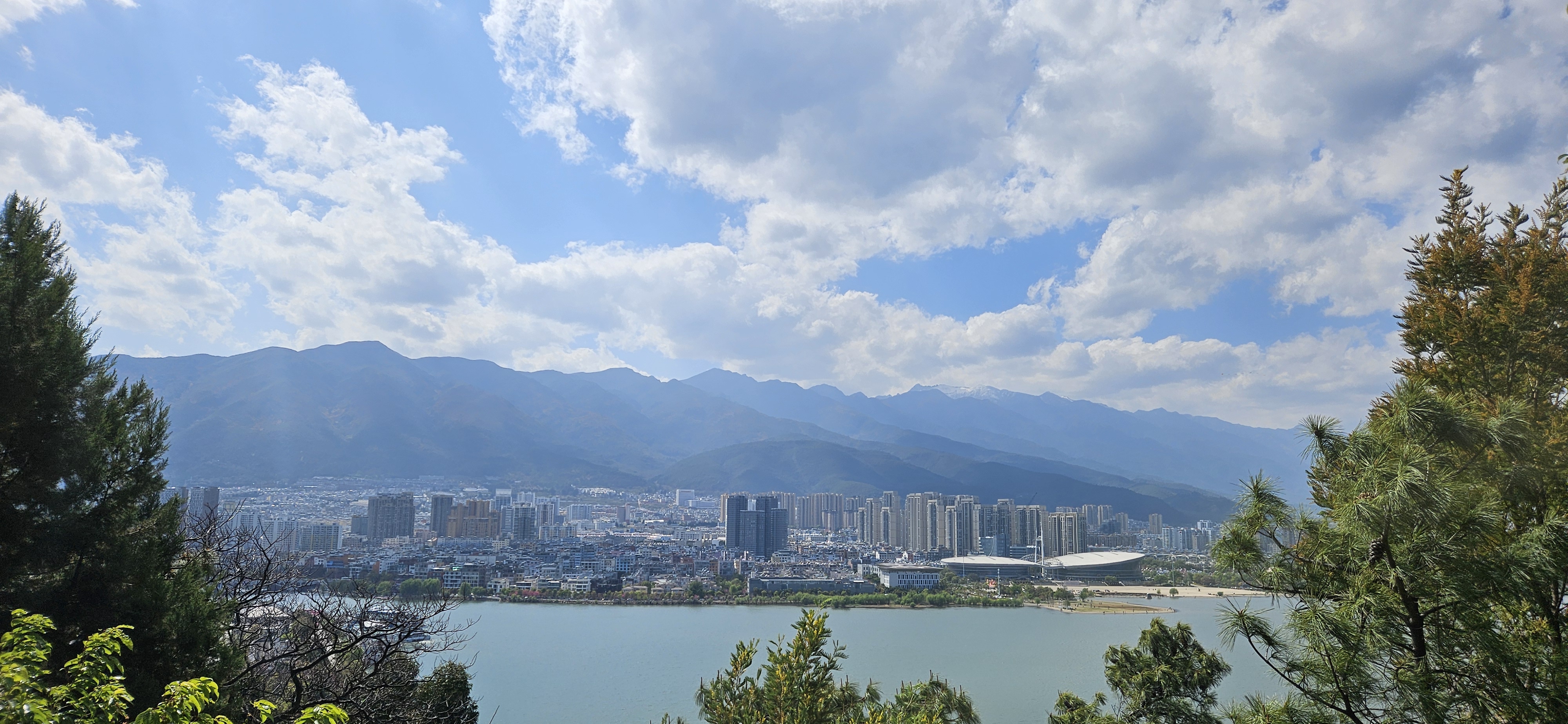
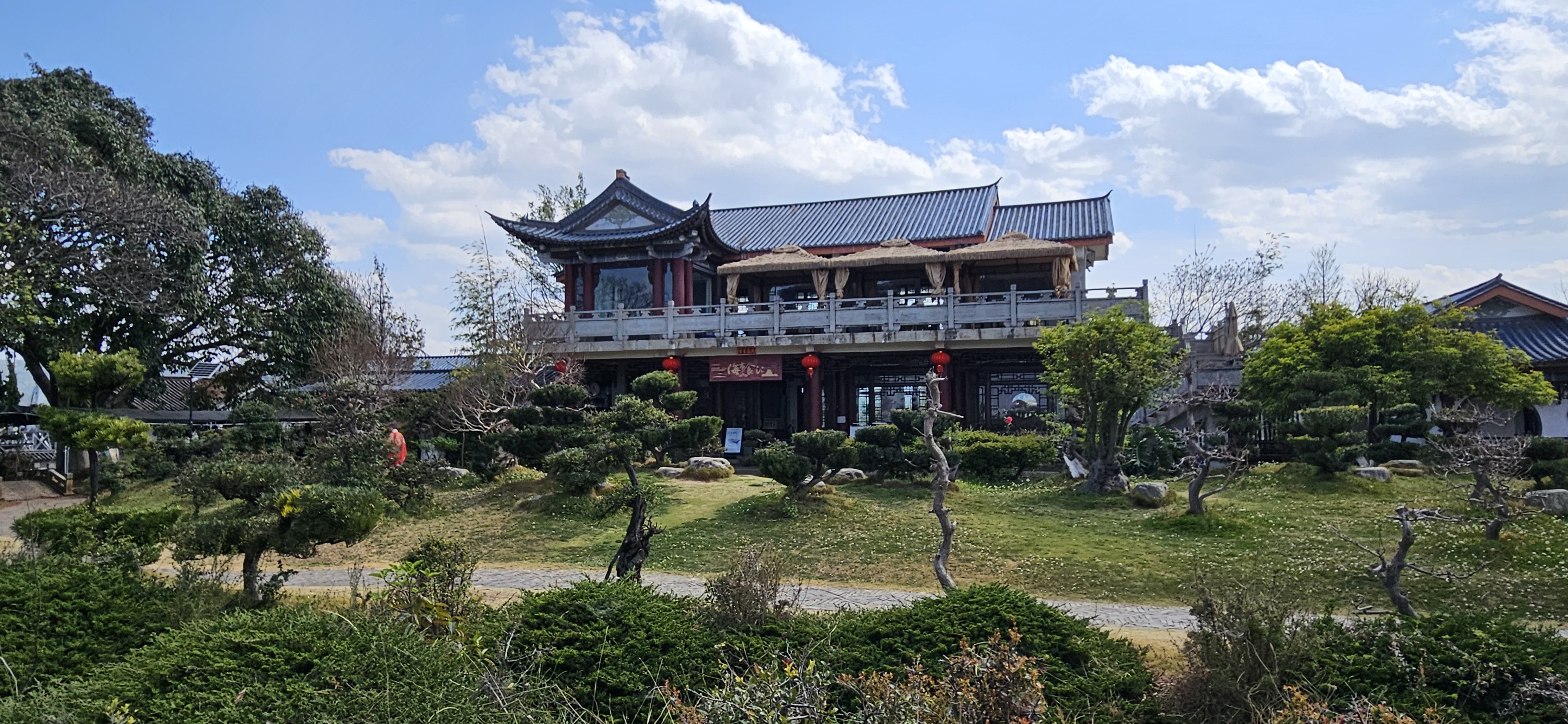
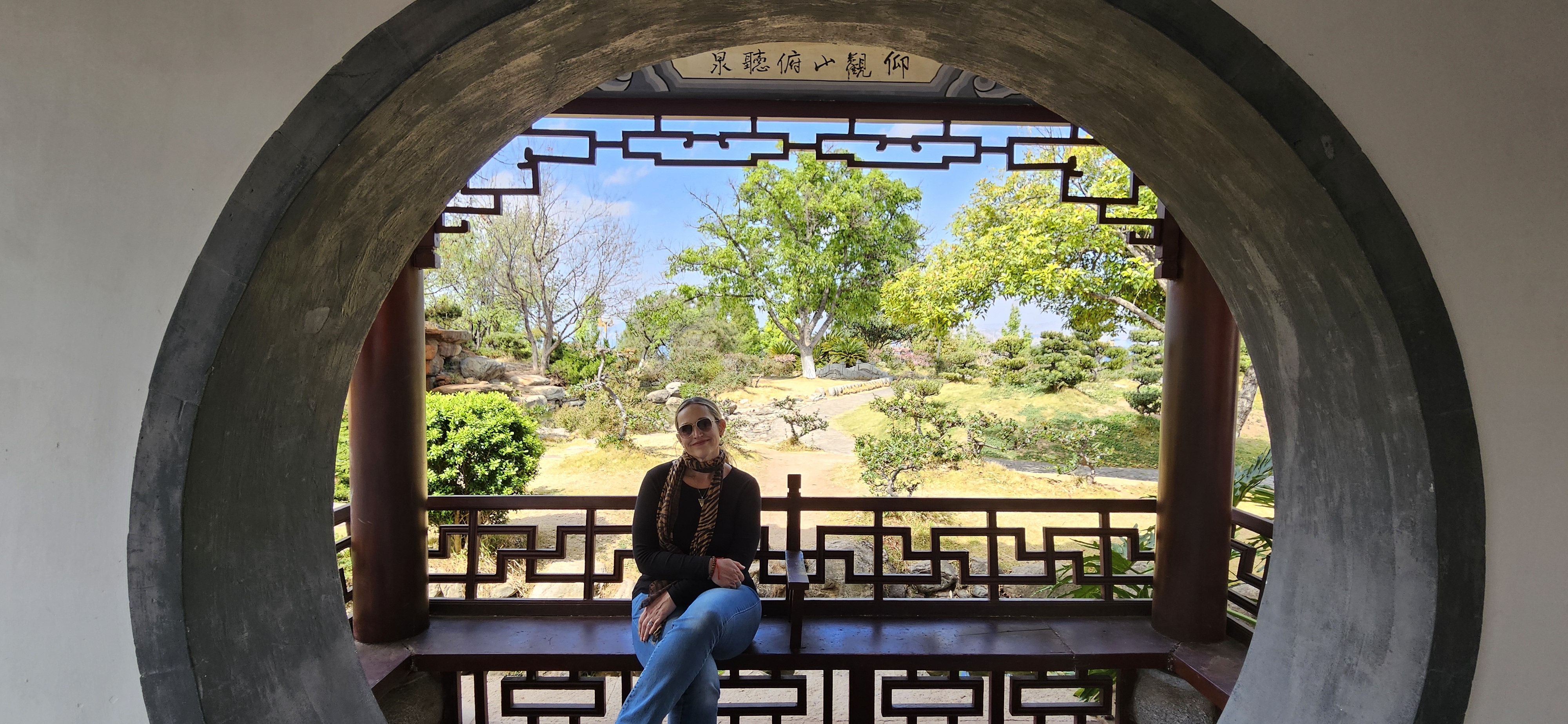
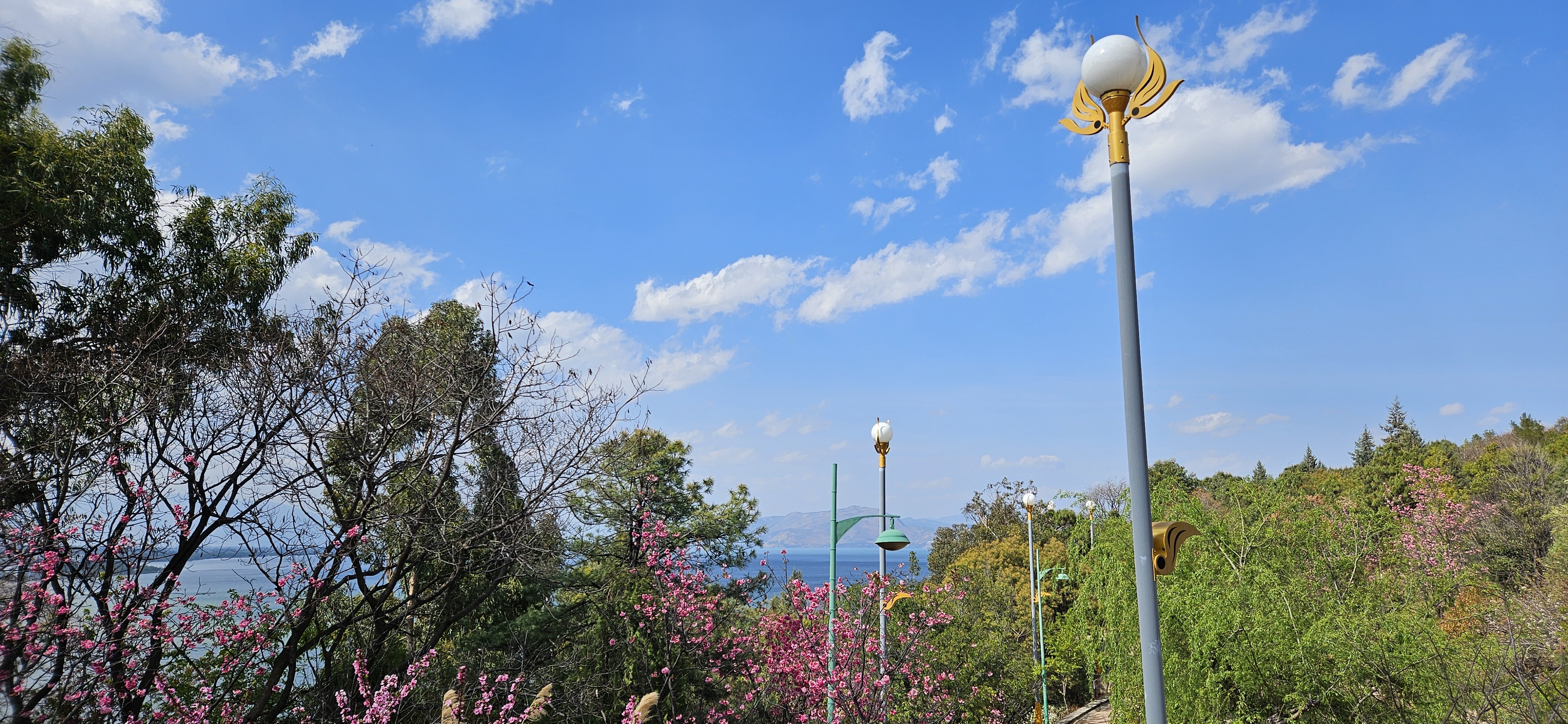
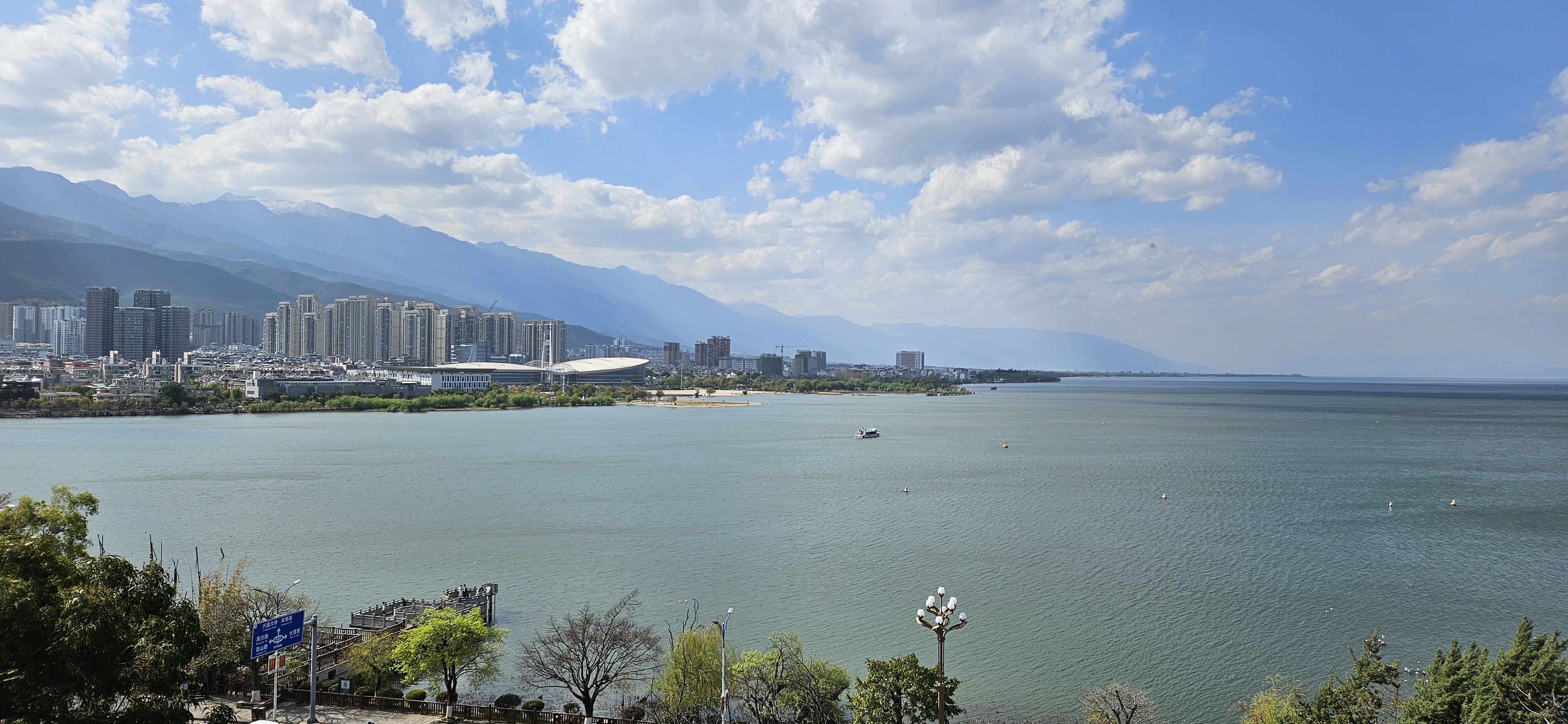
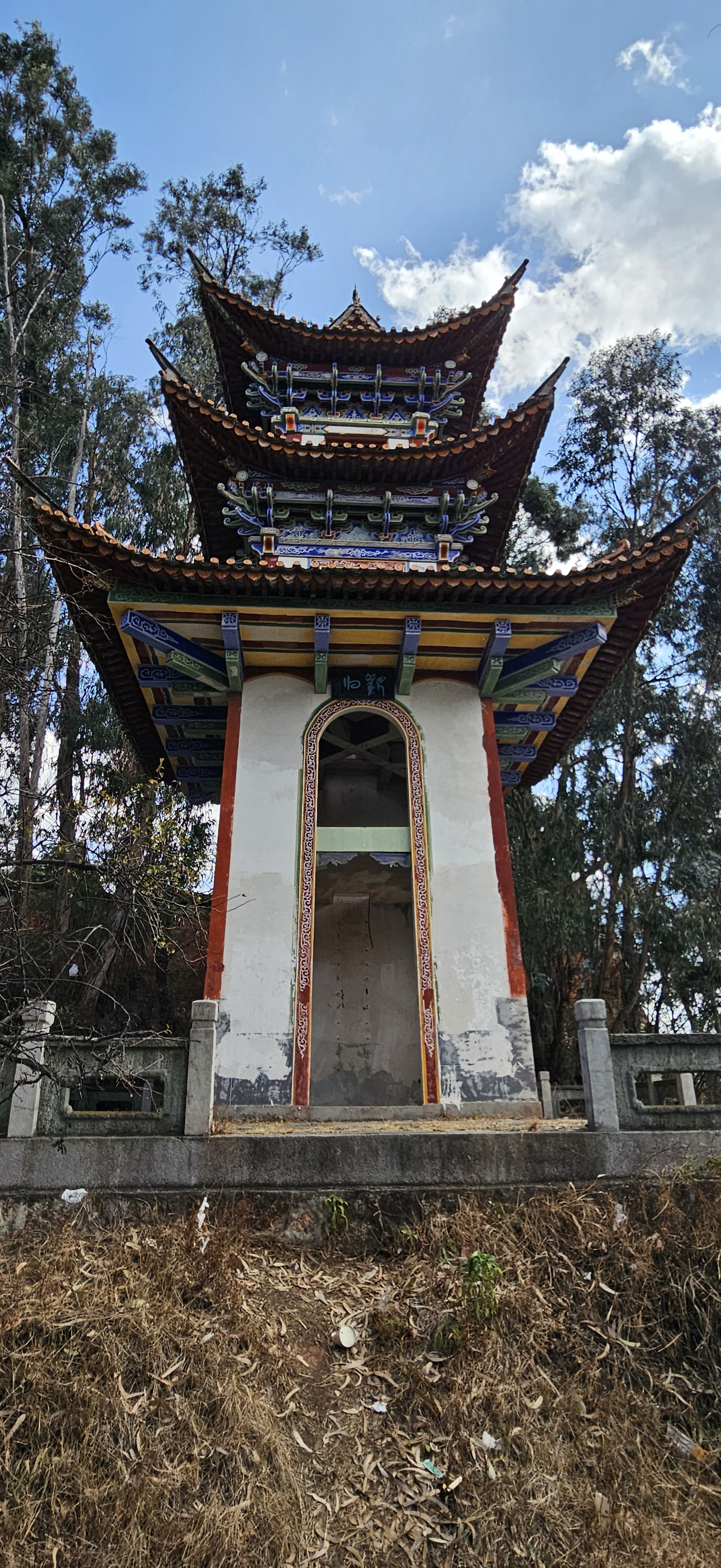
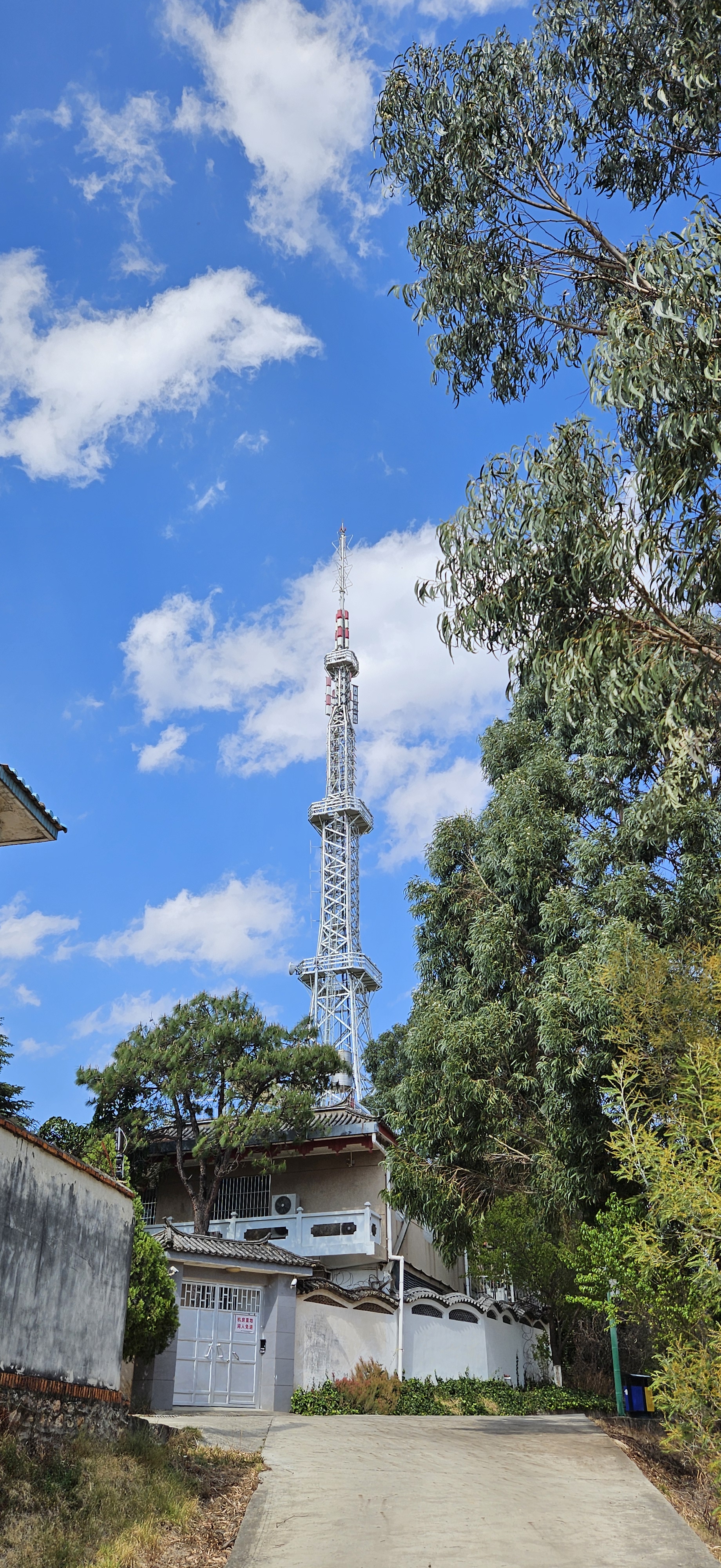
We saw some more cherry blossoms, an abandoned pavilion, and a huge tower that was behind high walls, so we didn’t linger there long.
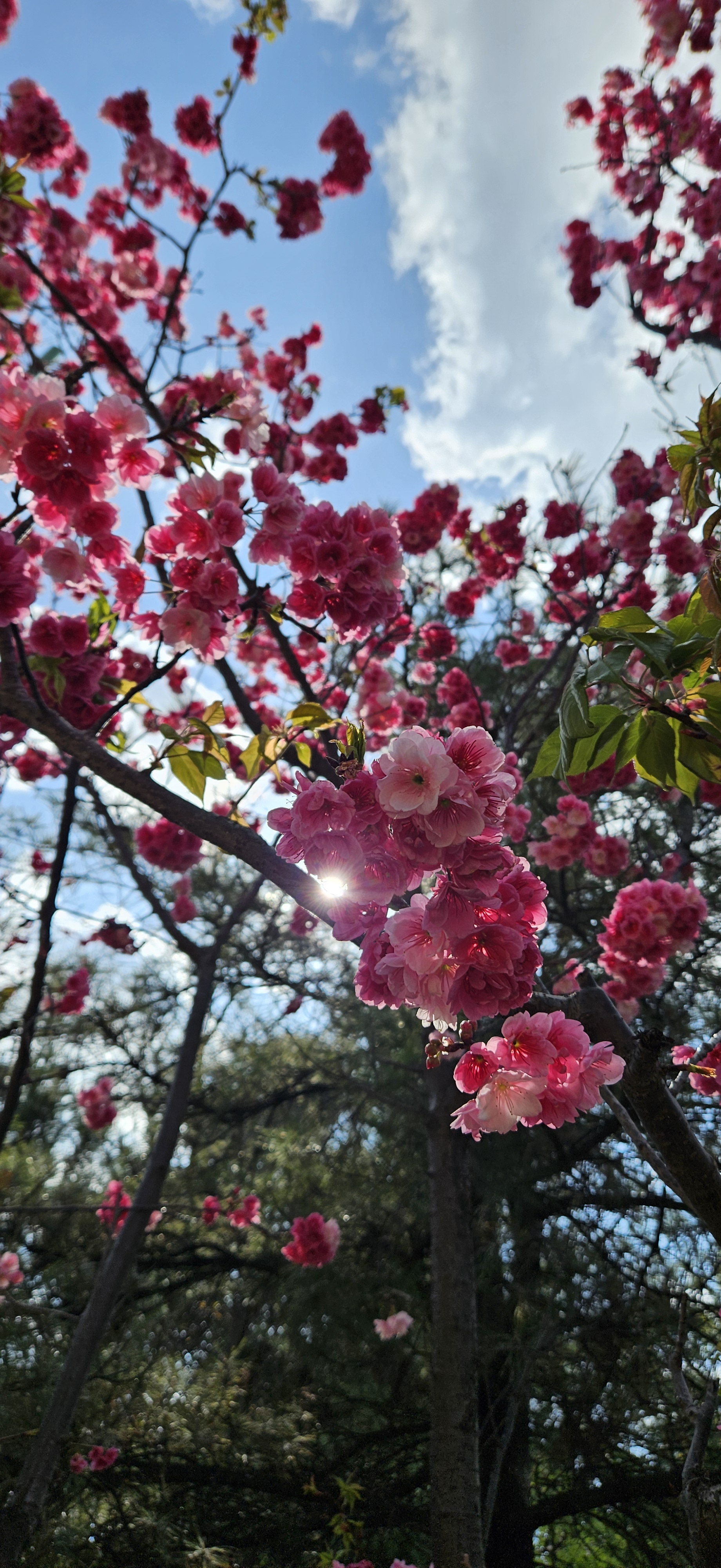
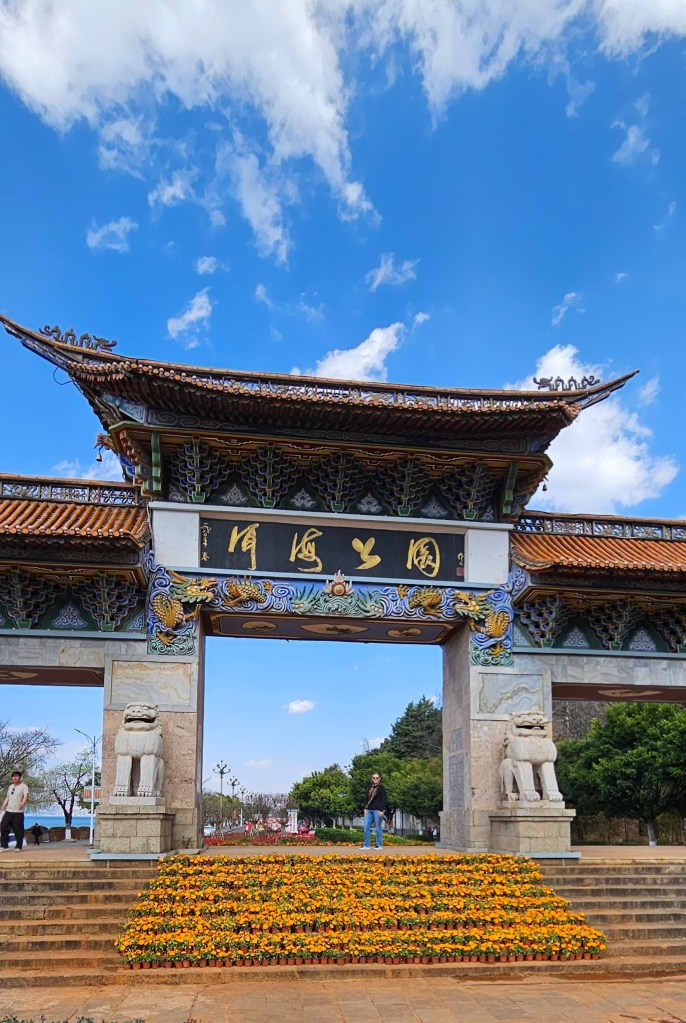
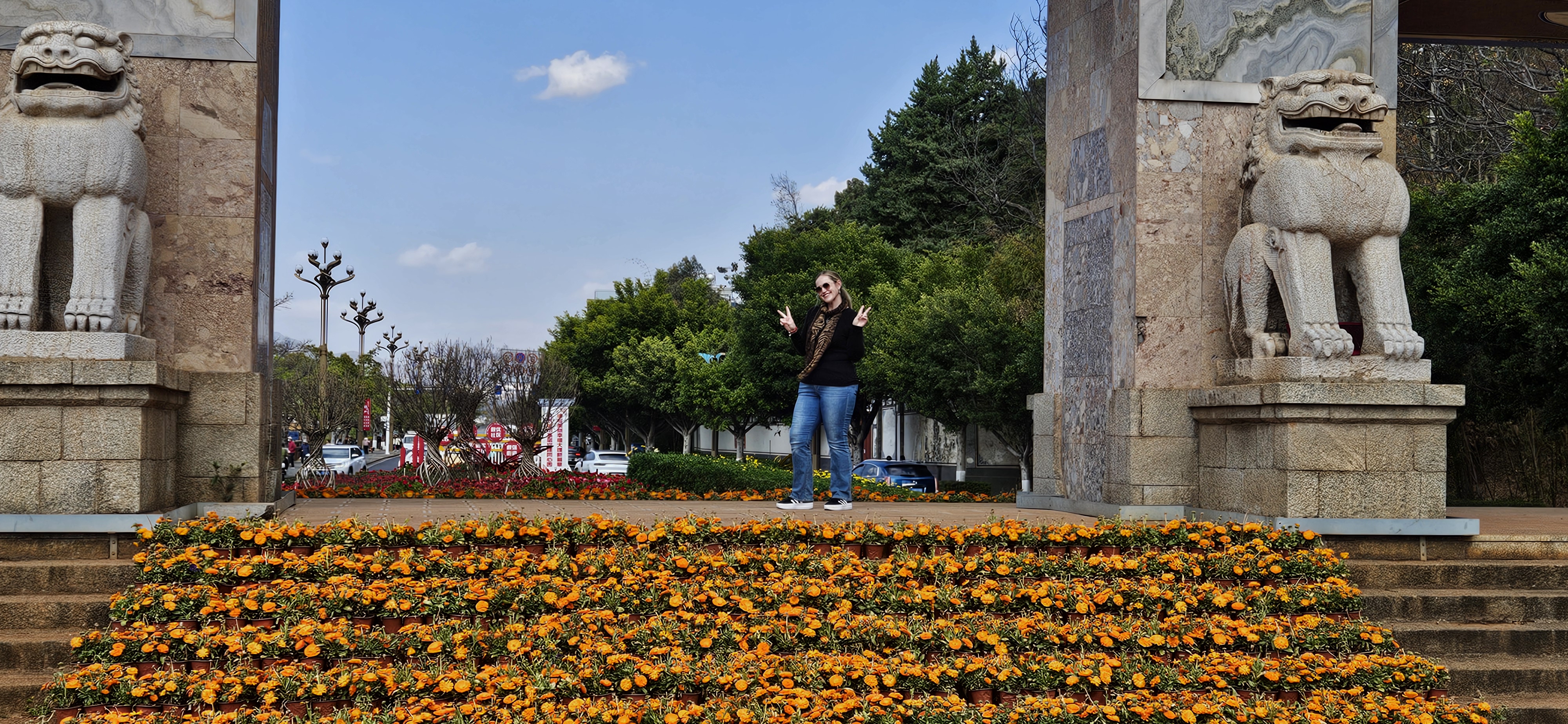
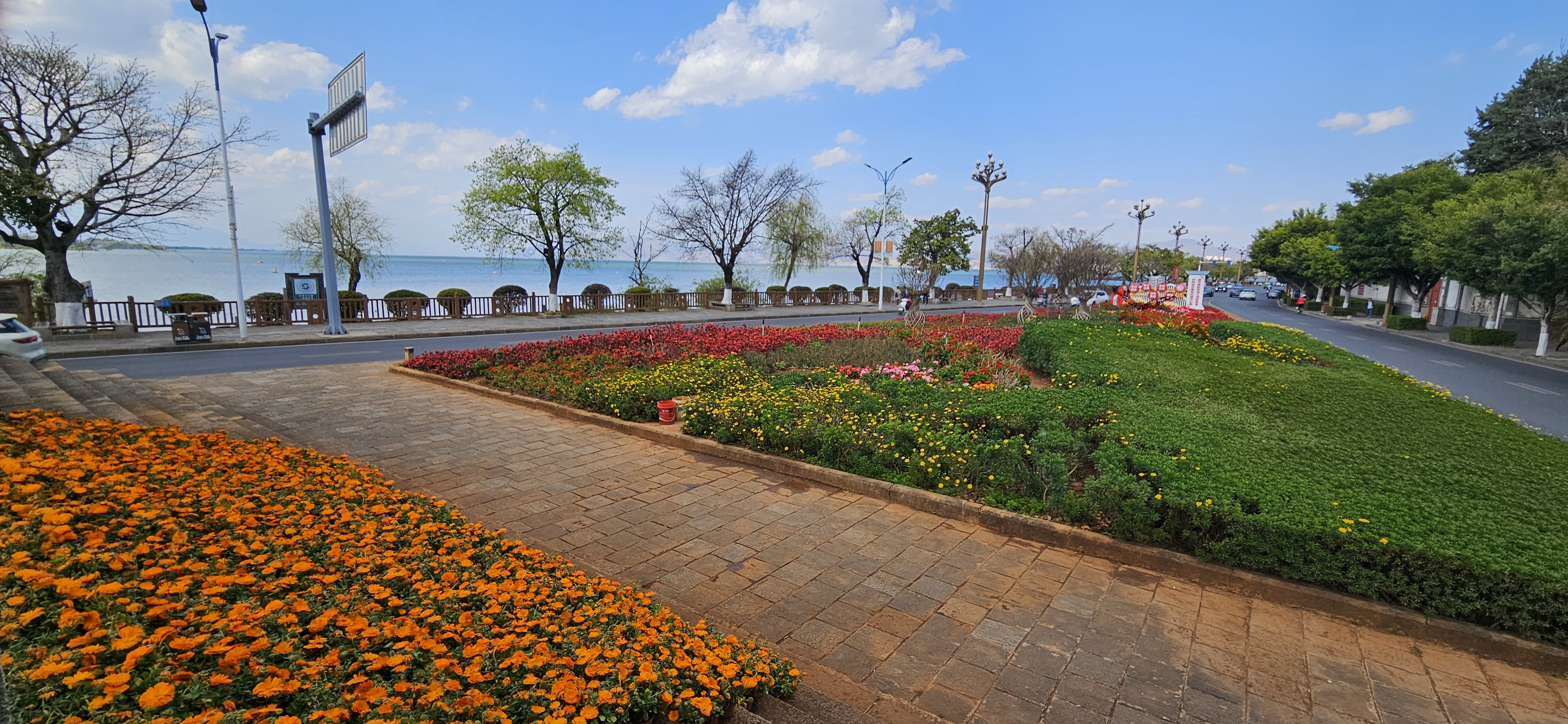
We walked back down the mountain, and took some pictures at the huge arch we had seen the previous night; appreciating the springtime flowers too.
We walked back to the hotel and ate dinner there. We called it an early night, as we had a big day awaiting us, a hike with a guide up Cangshan (Mountain)!
 Phil's WayPastCool
That was definitely an interesting golden statue…it does look like some kind of muppet.
LikeLike
Nailed it! Jessica said a creature from Labyrinth.
LikeLike