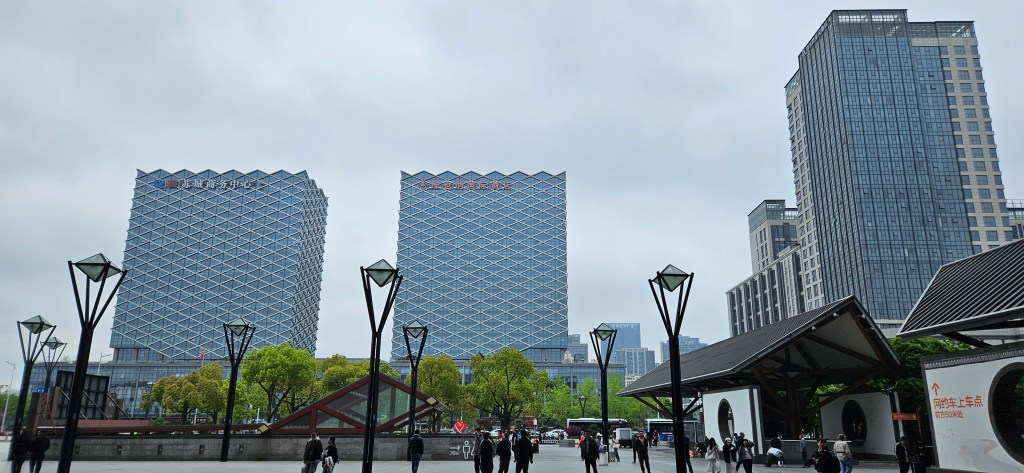
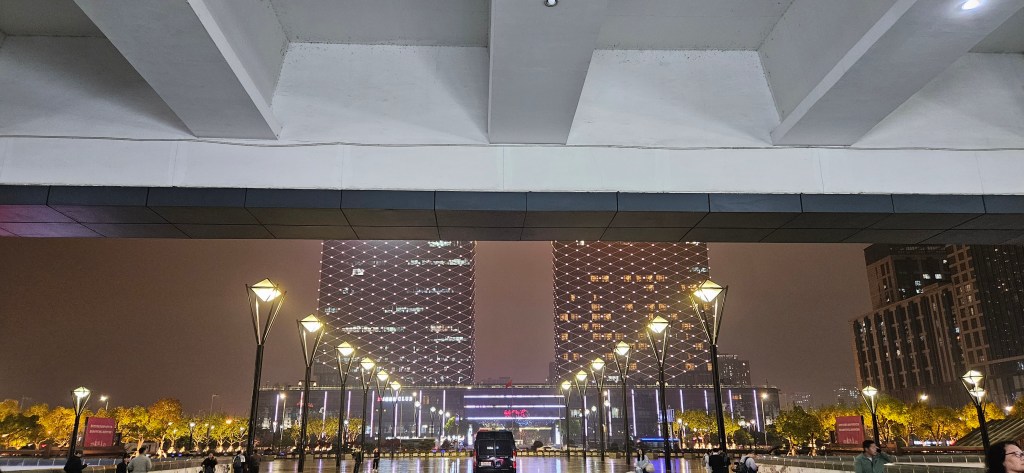
Suzhou, only a 30-minute fast-train ride from Shanghai, is a formidable city in its own right. Founded in 514 BC, it is a five million person city that specializes in manufacturing high end goods and is home to five universities. It is a combination of old and new China, with many ancient areas that retain their original form which were the spots we visited on our day trip. There is also a bustling, more modern area, of which we only saw the train station and tall buildings in the background, but when you only have a day, its better to go old than new, usually. We walked out of the train station into the modern city, with cool lampposts.
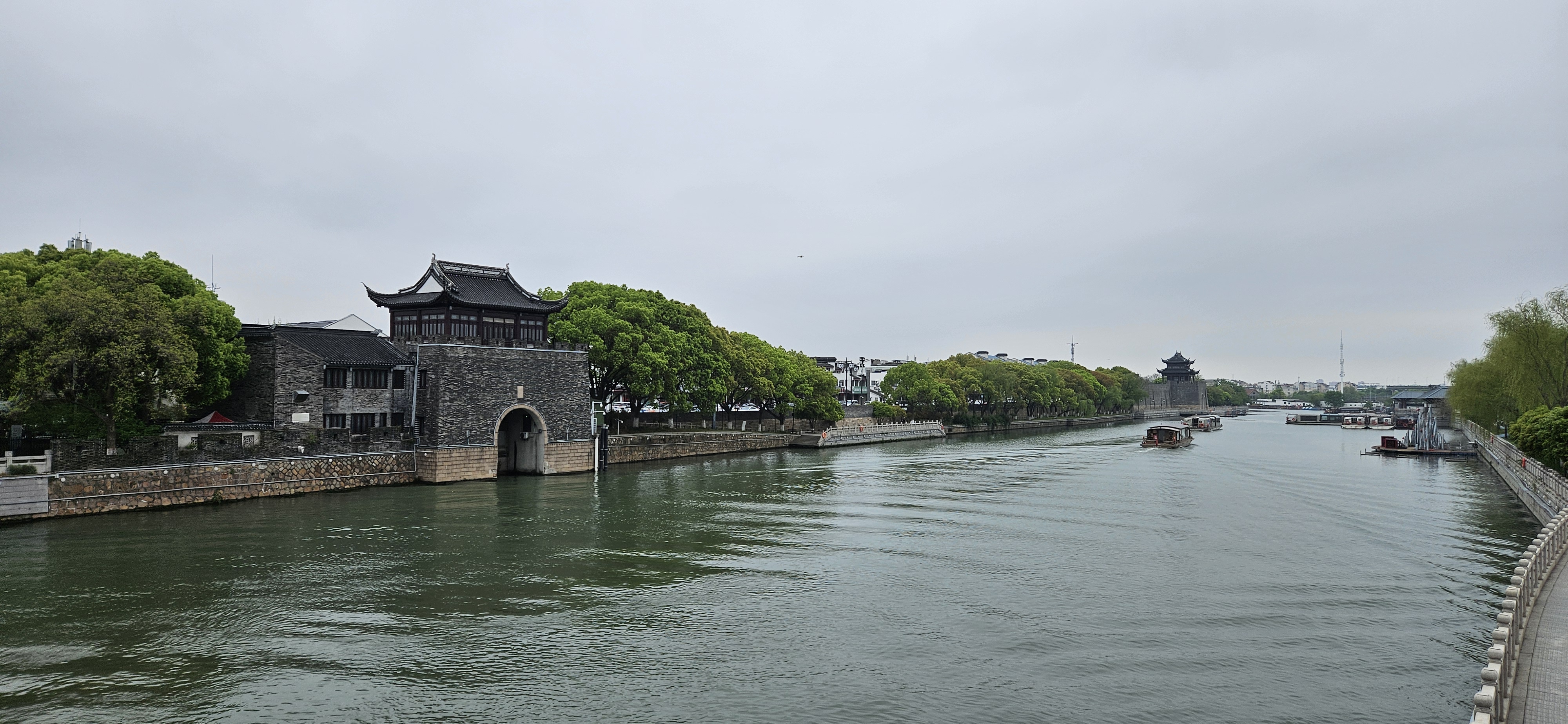
We proceeded under a road, then across a river, into a fancy neighborhood.
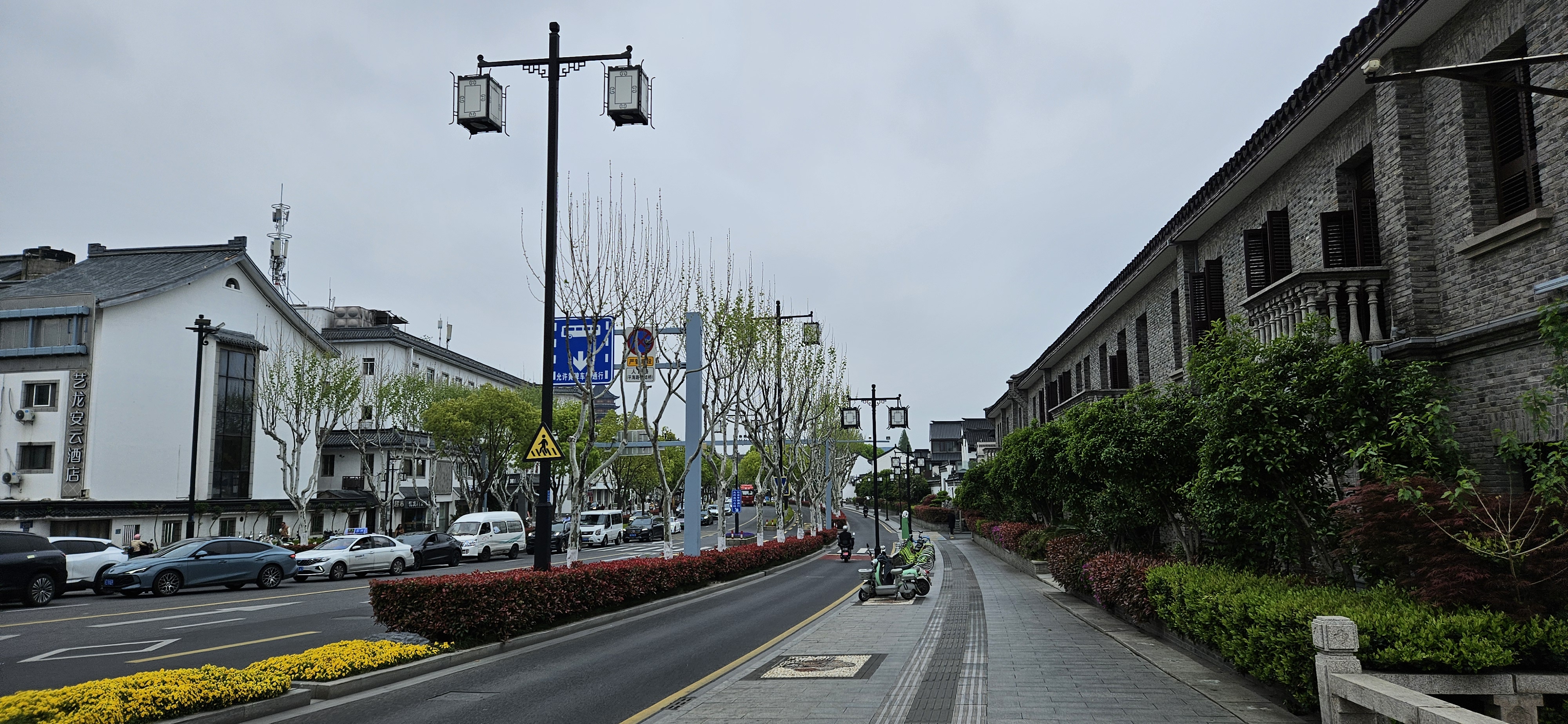
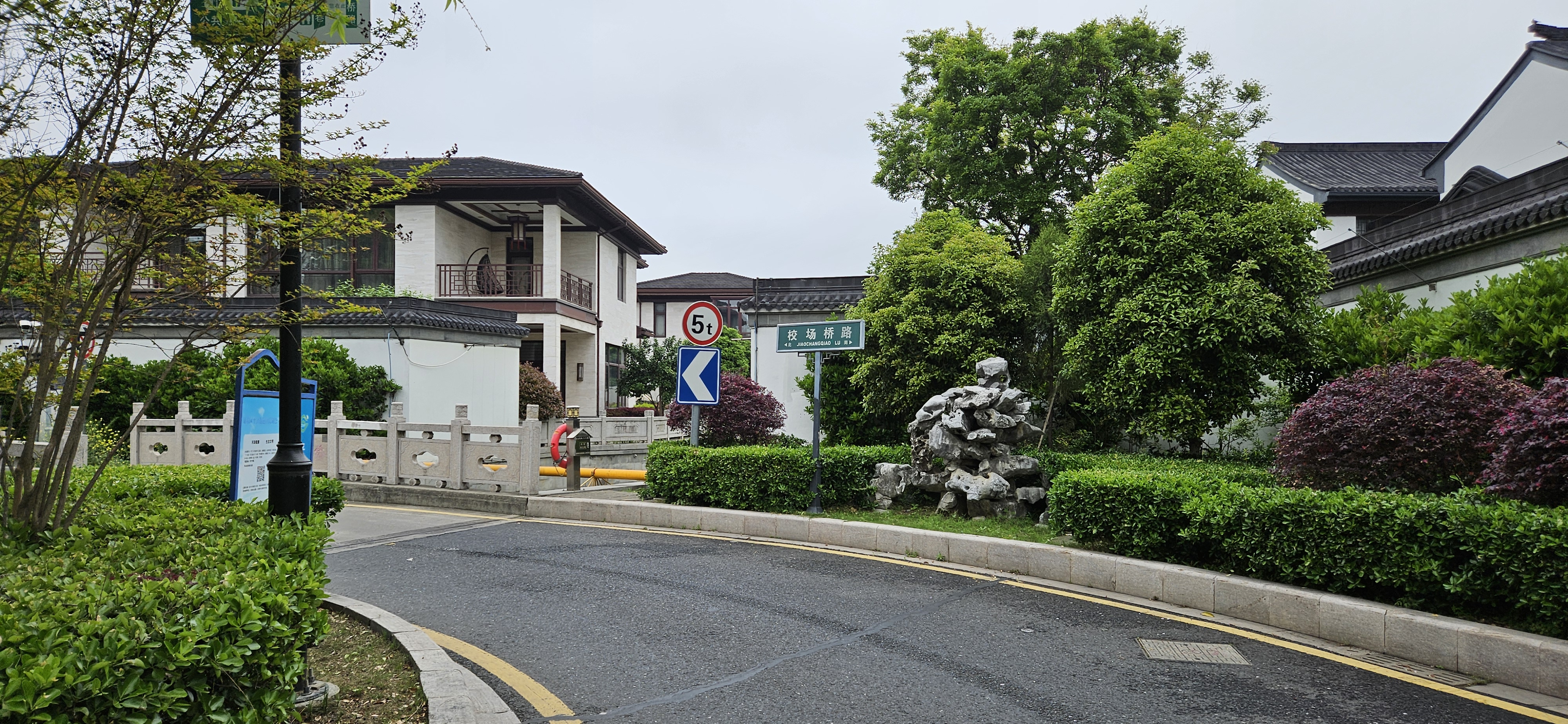
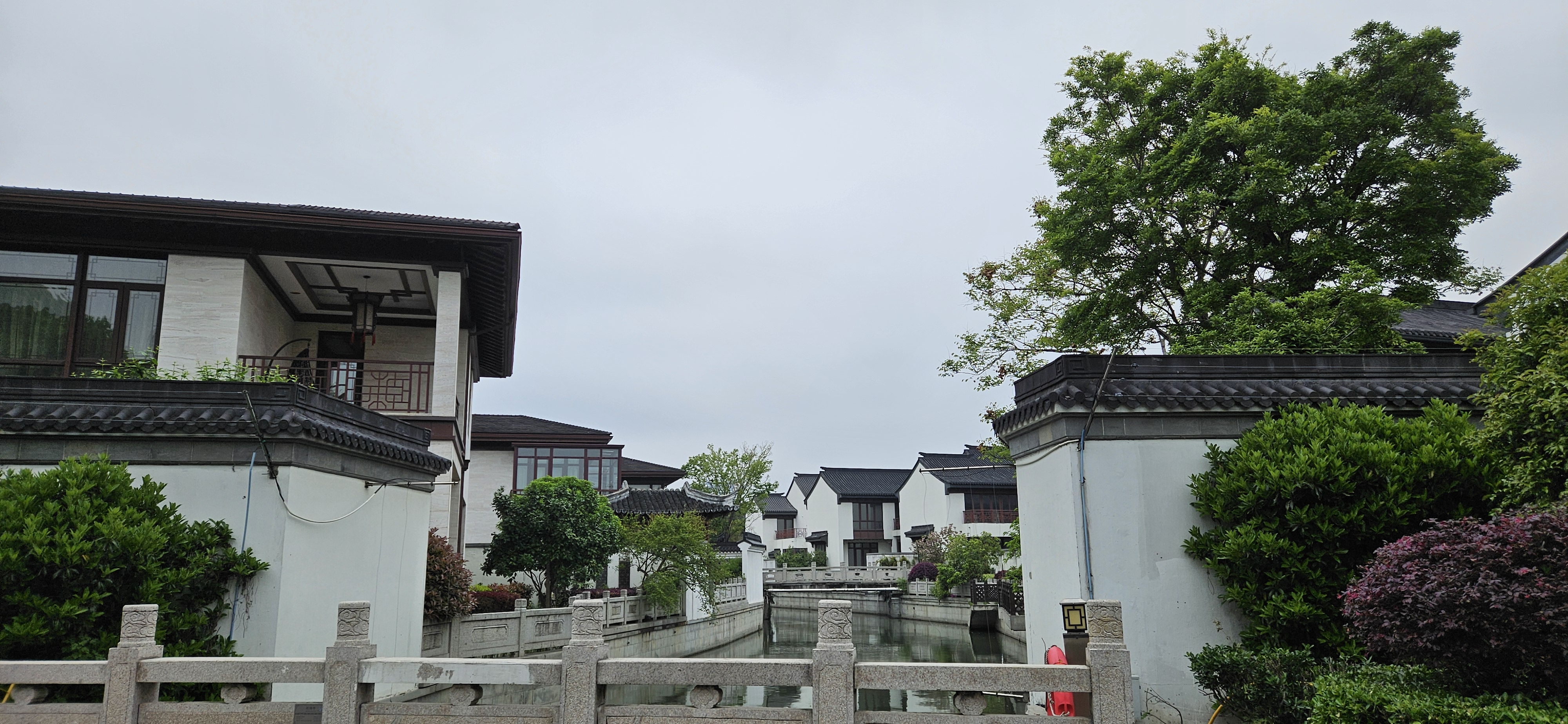
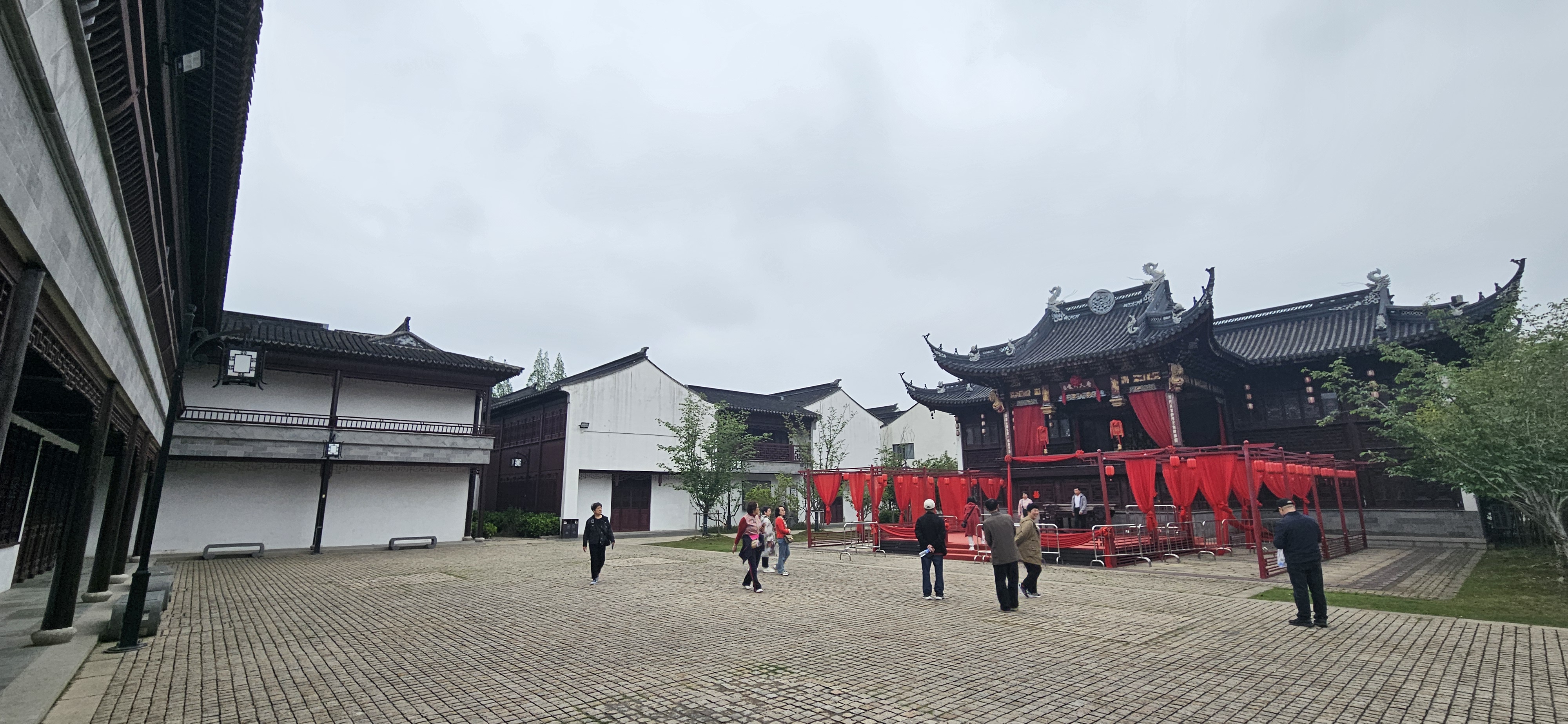
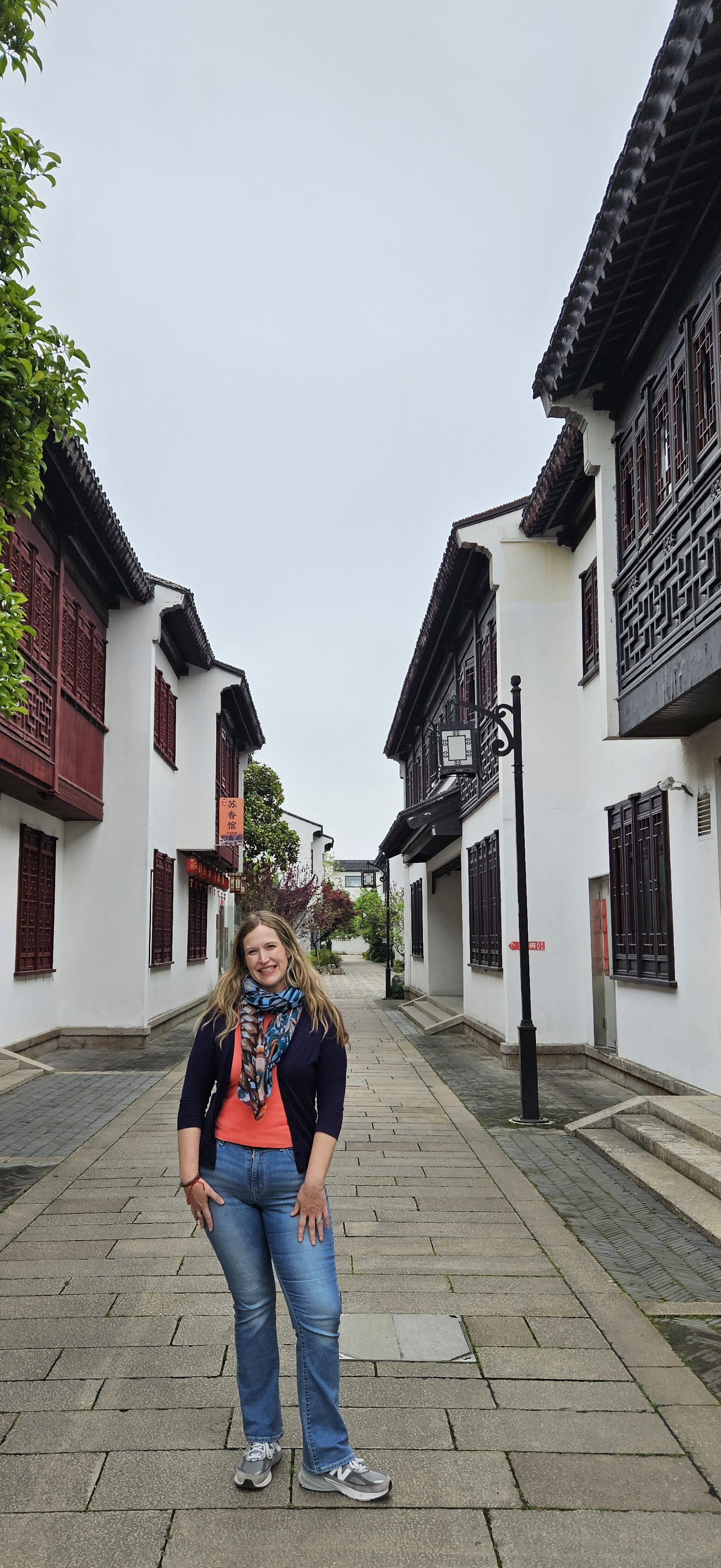
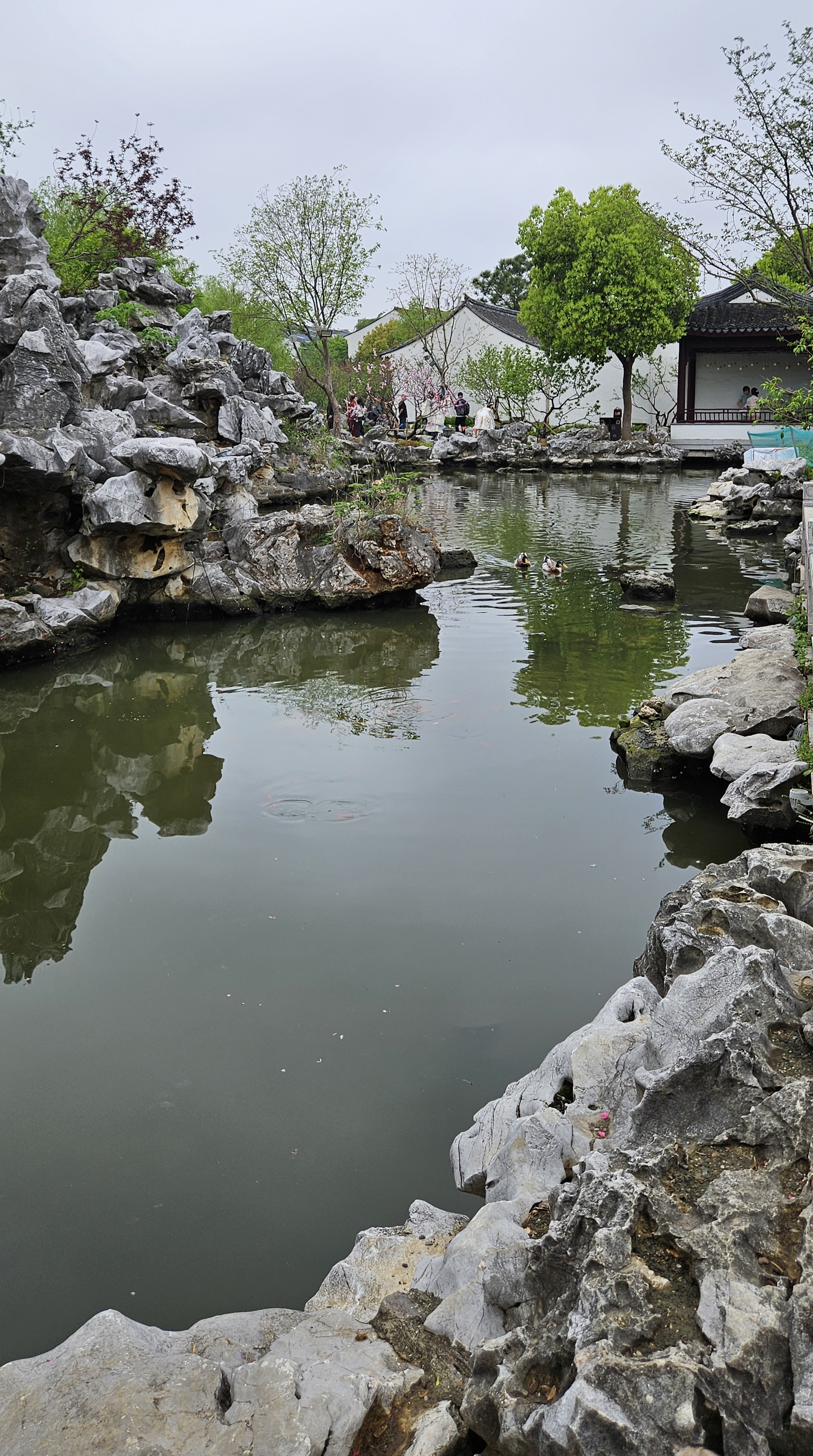
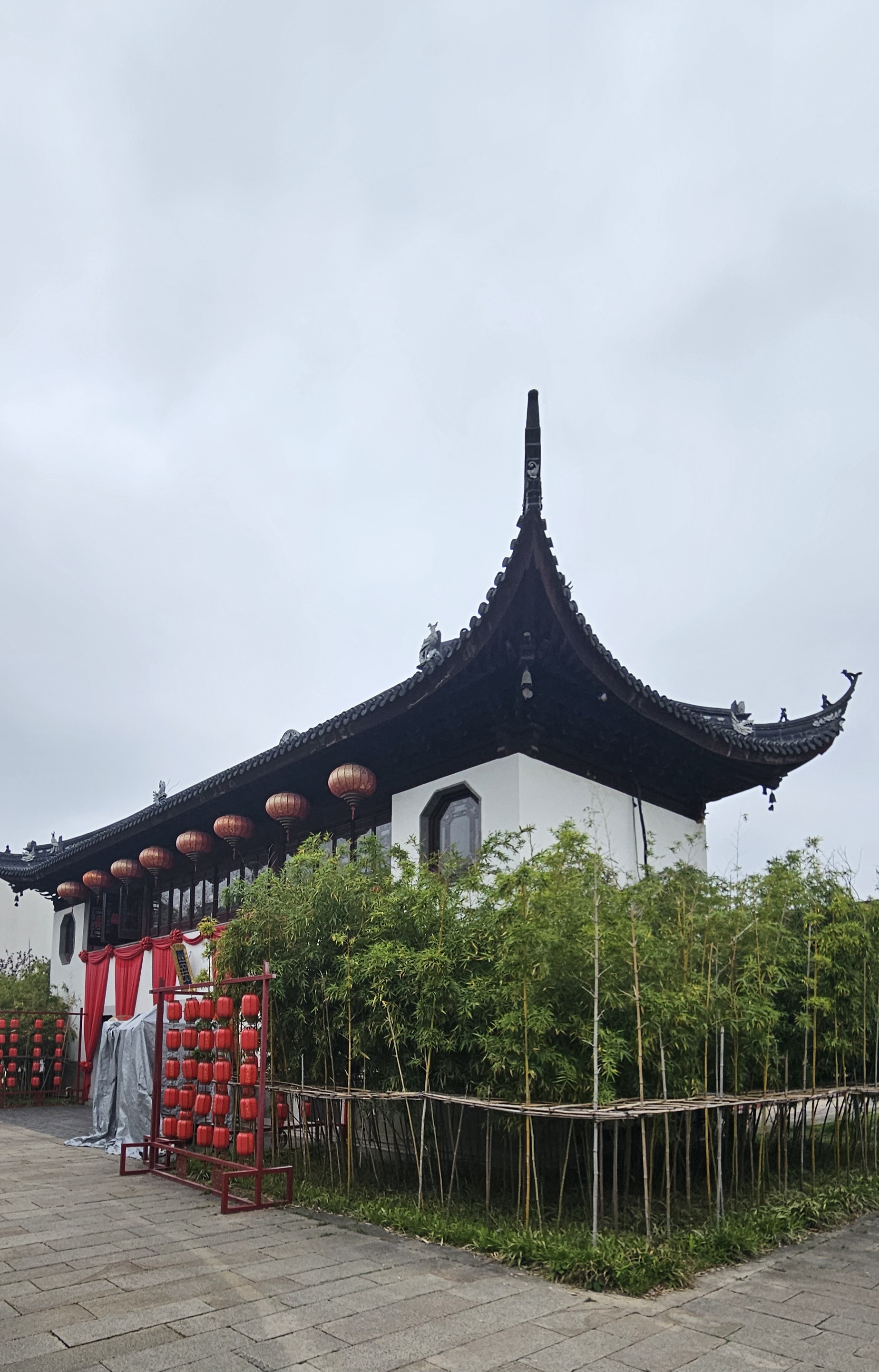
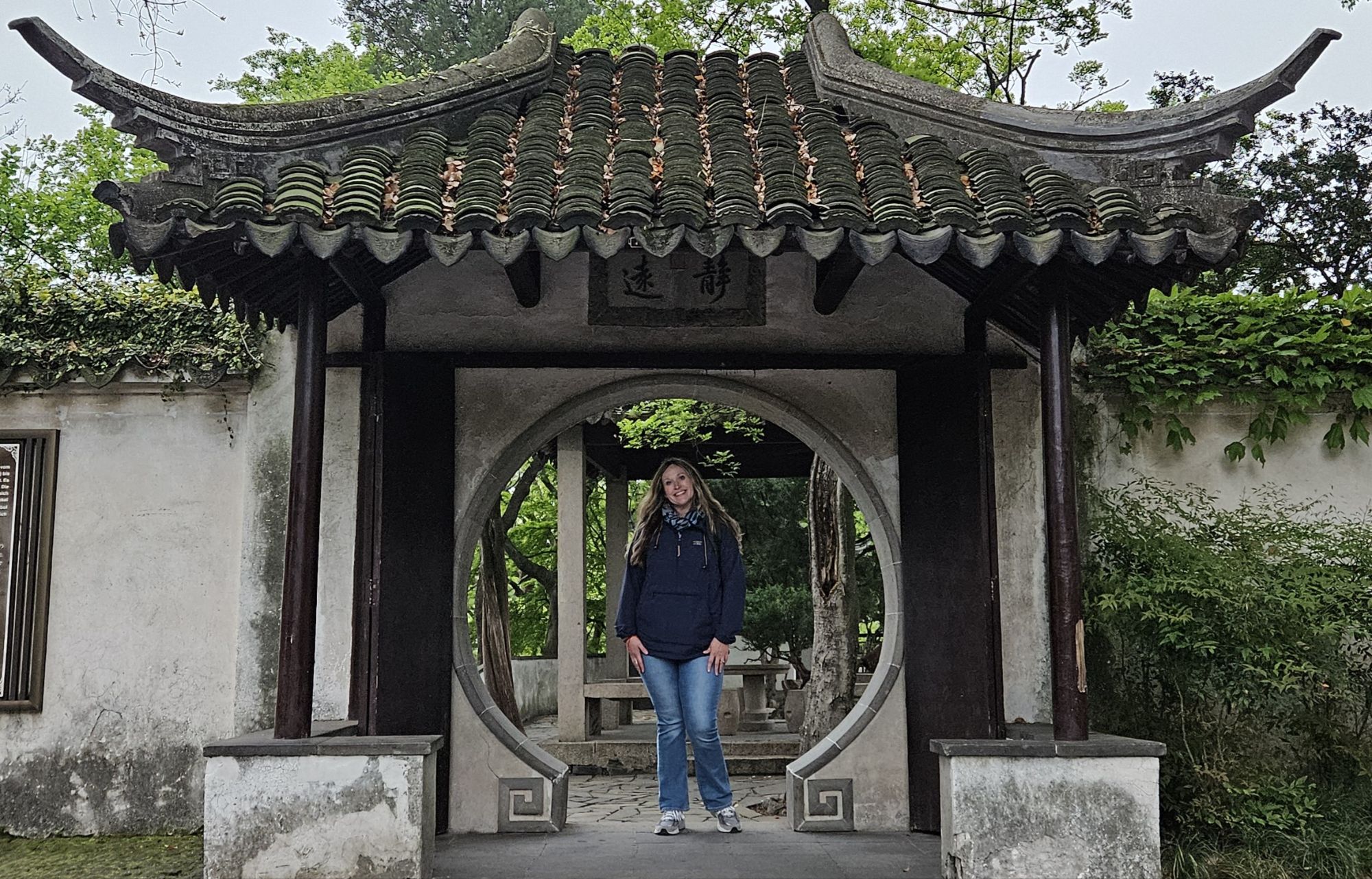
The neighborhood felt more European than Chinese, which was unexpected. Our destination was the Classical Gardens of Suzhou. These gardens are very important to Chinese history, as they were built and added on to over 1,000 years, beginning in the 11th century and finishing in the 19th. The gardens and buildings now span 30 acres and there are cute streets, to walk down and get lost, and many gardens to appreciate. Almost all the buildings are white with dark grey tile roofs, and the contrast is stark.
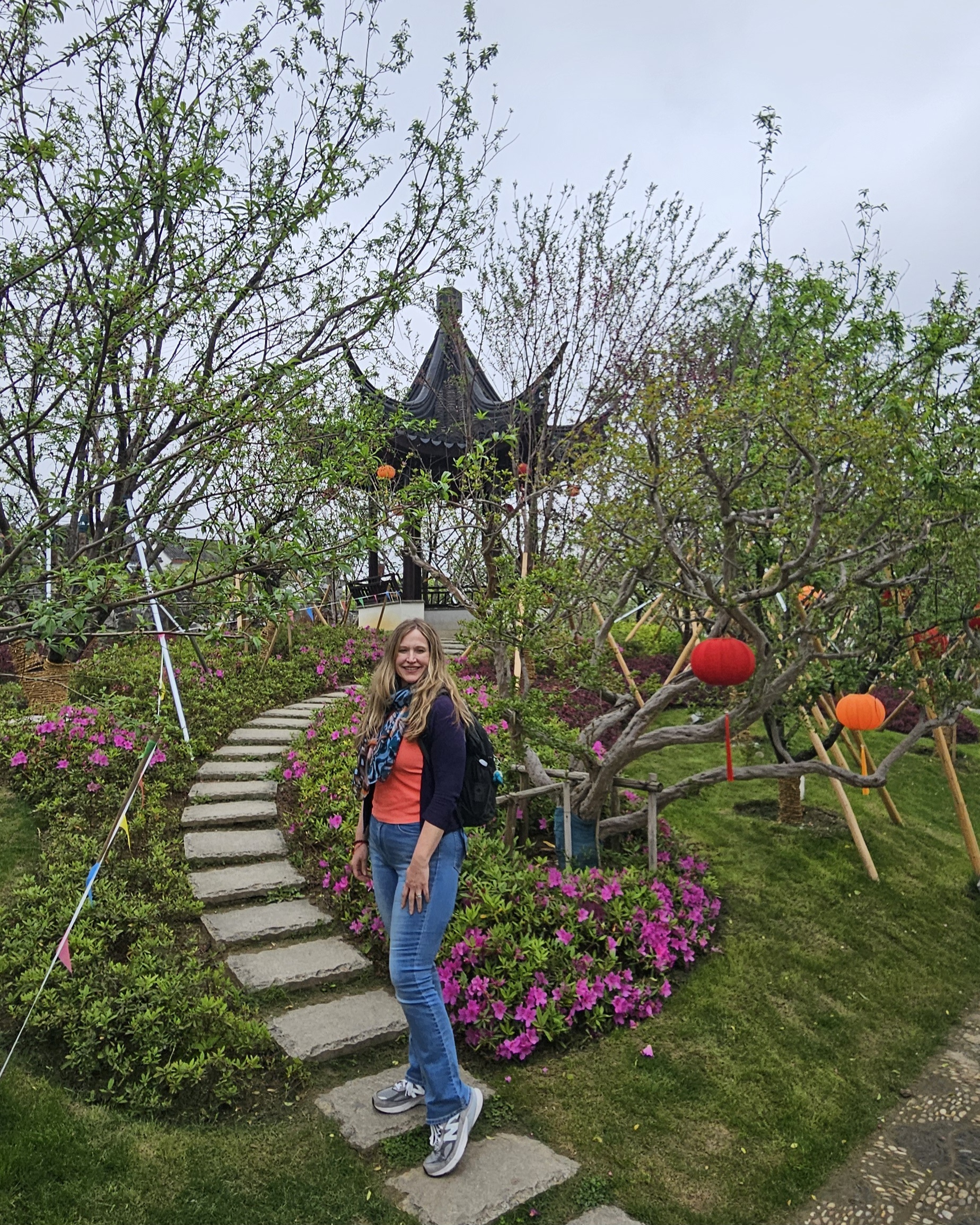
We were not alone, however, as this is a very popular spot for photoshoots. We have seen many photoshoots throughout our time in China, as it is very popular to travel to south China and dress up as one of the many ethnic groups and have a photoshoot at the ancient sites. Many ladies hire a professional (or their boyfriends) to take their pictures.
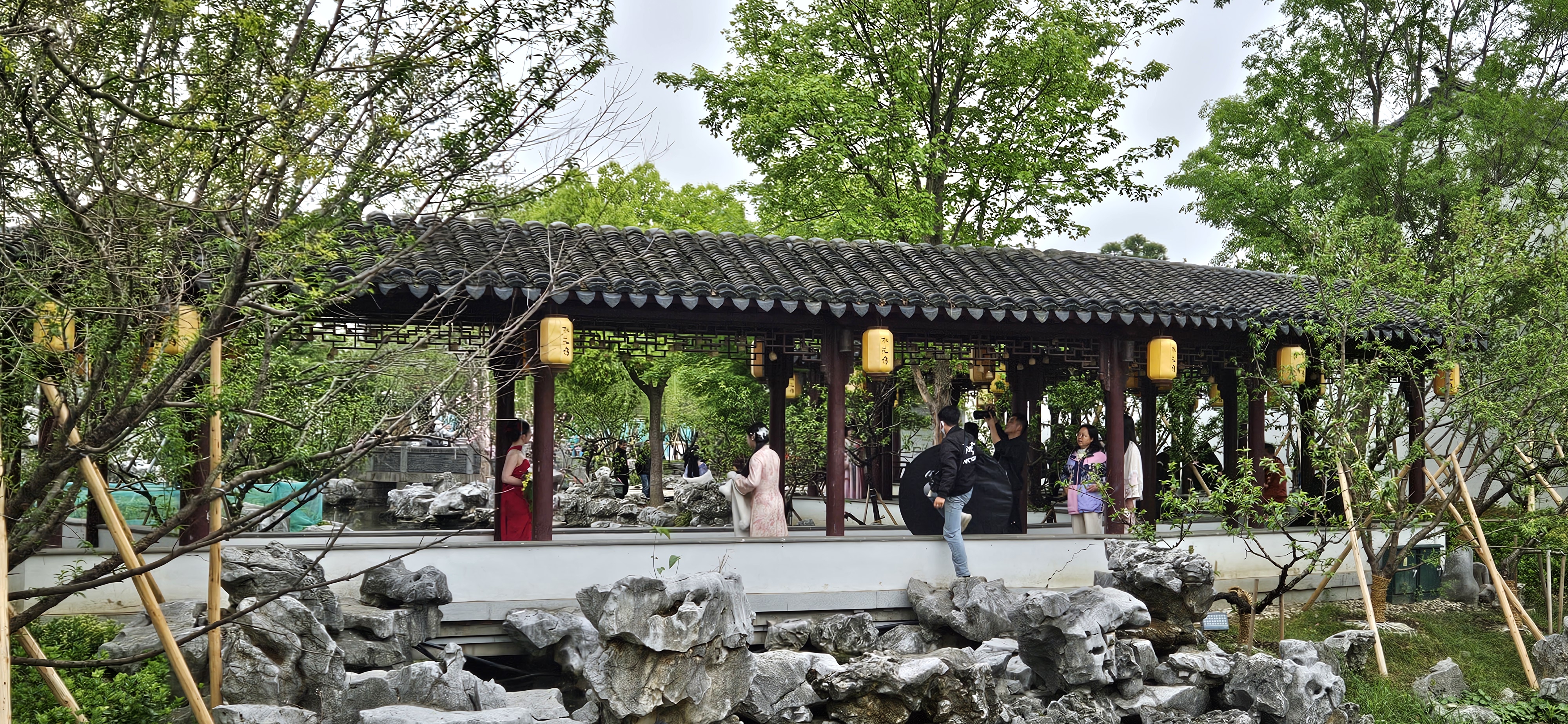
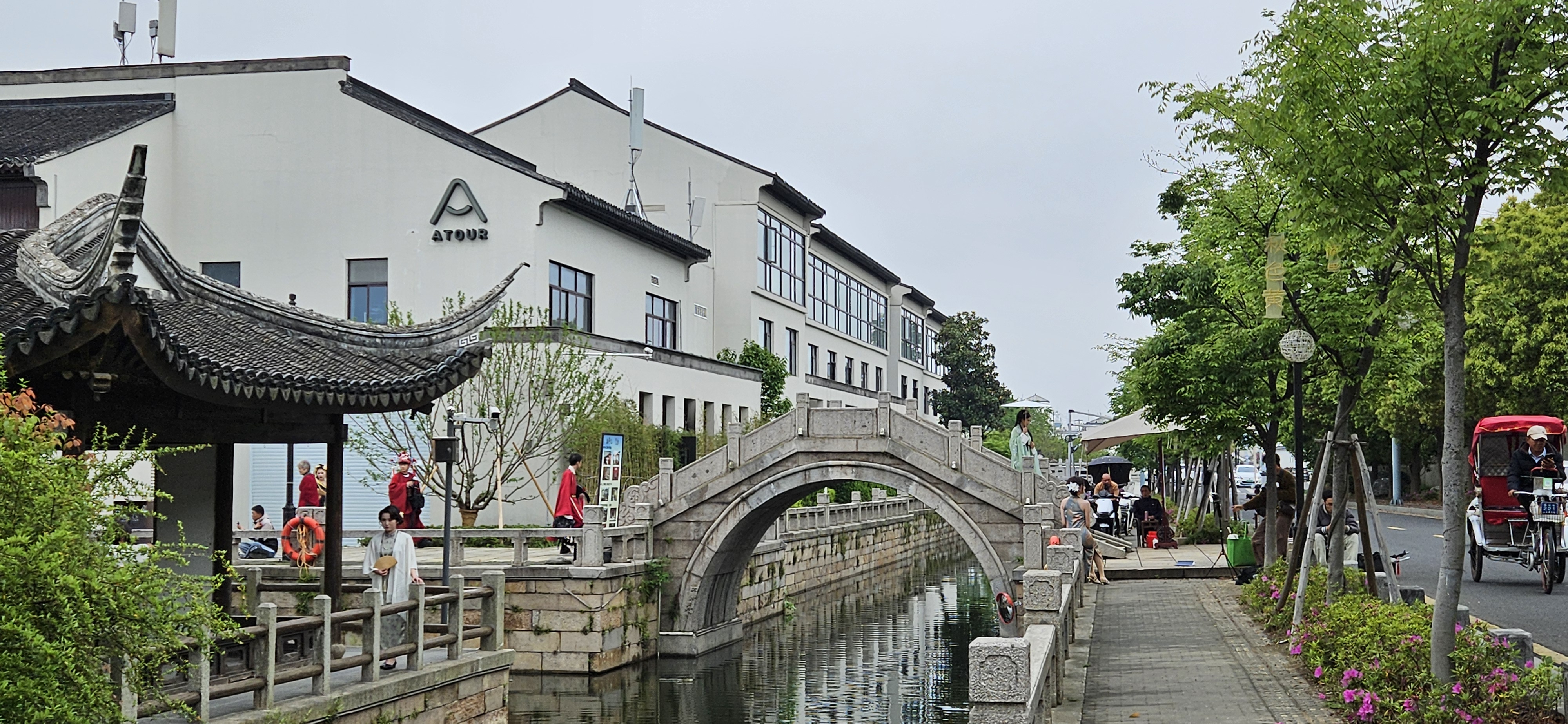
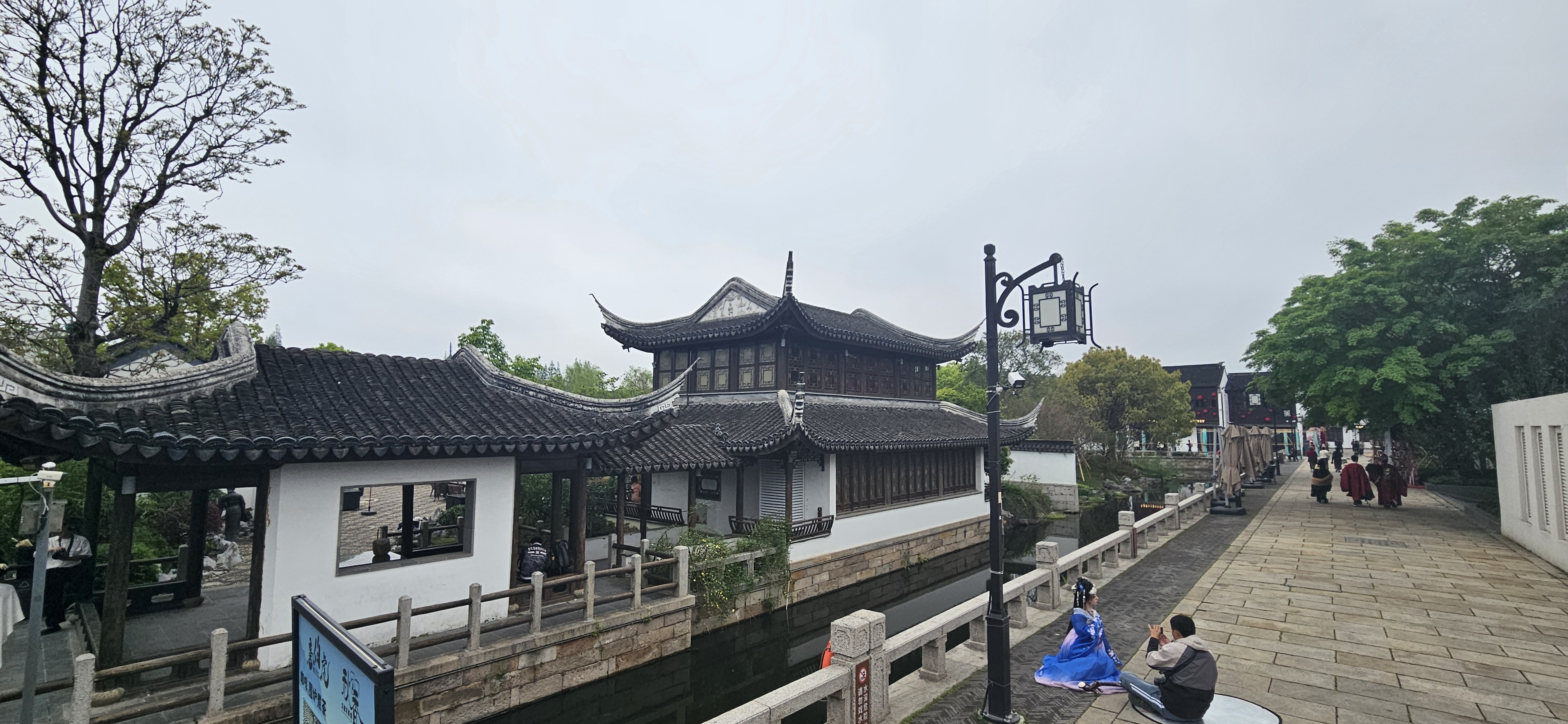
We agreed the backgrounds are beautiful, but there were so many photoshoots going on that day we were almost always passing through one during our time at the Gardens.
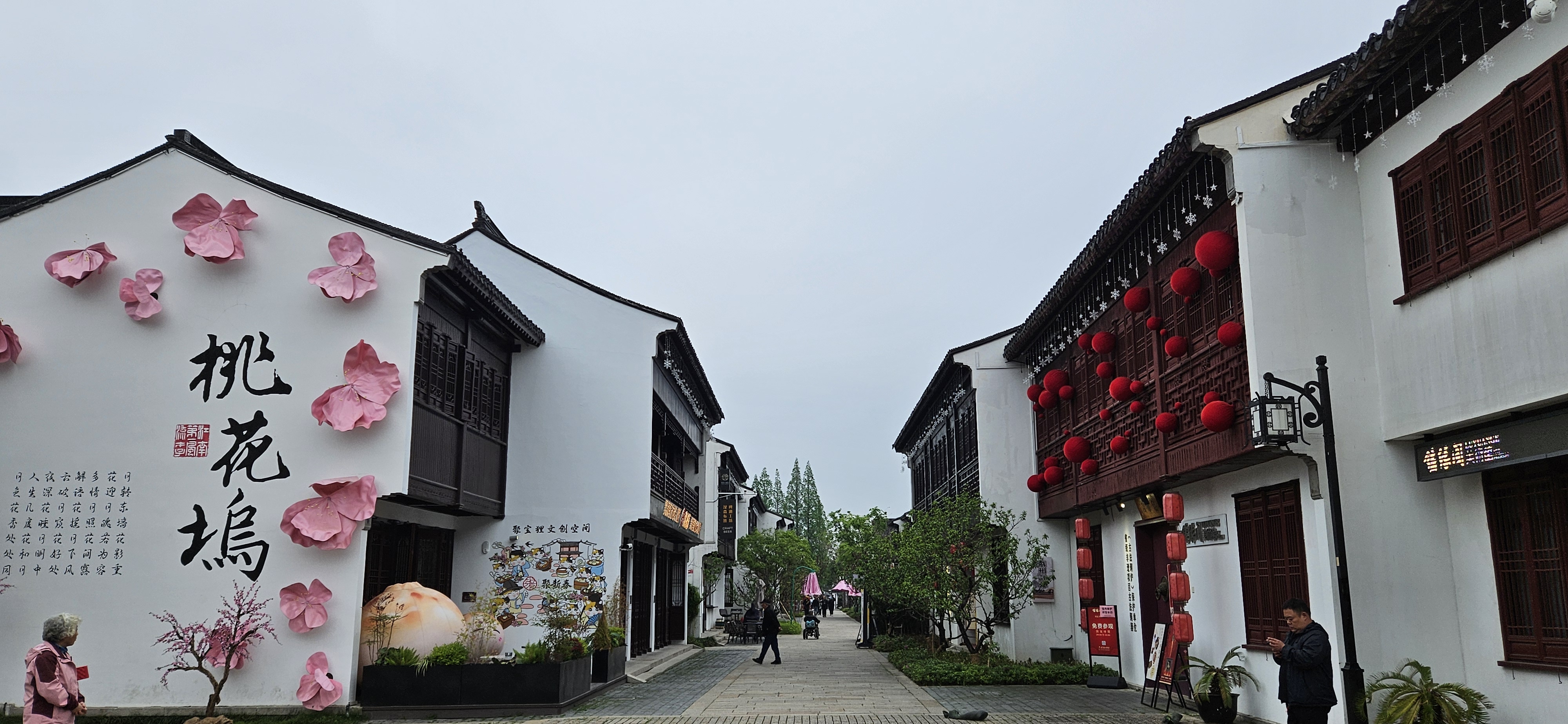
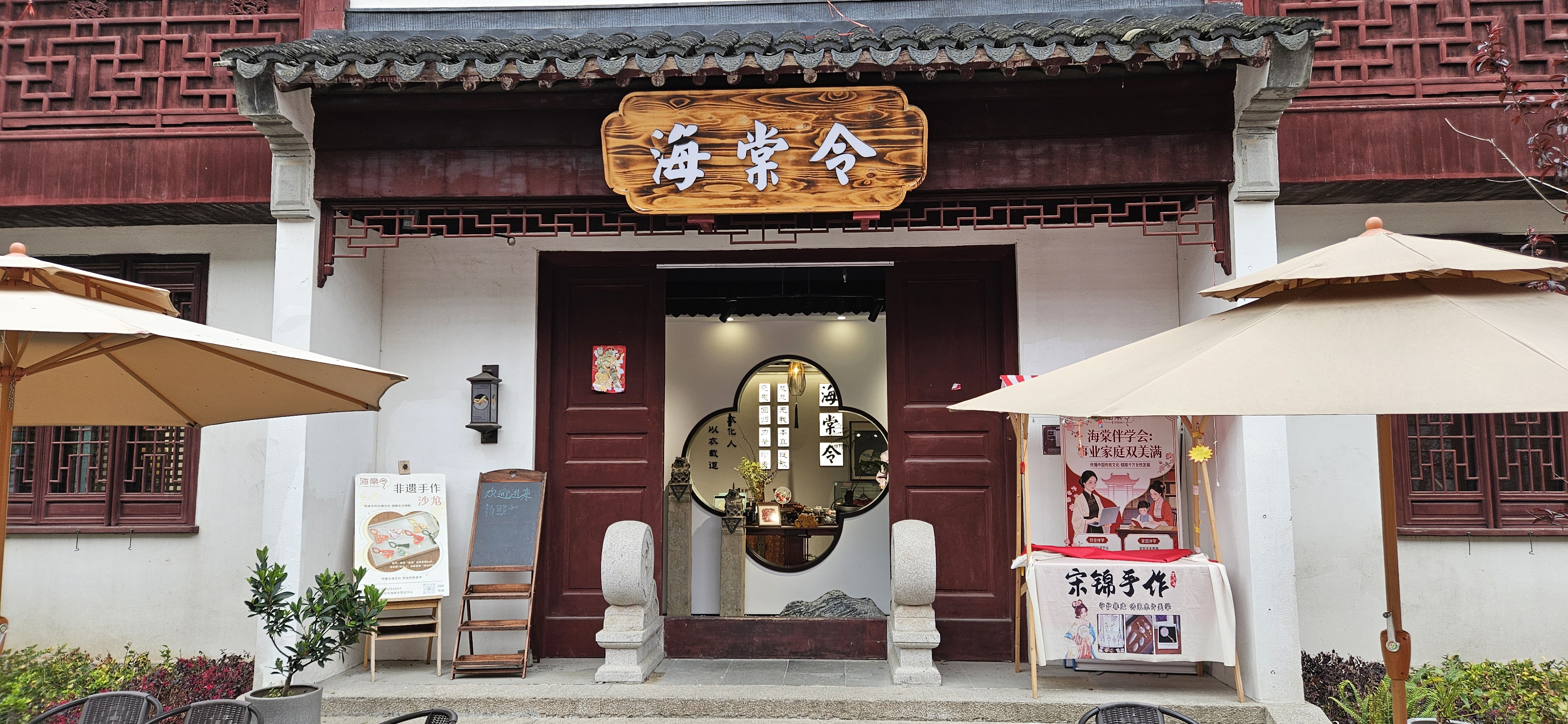
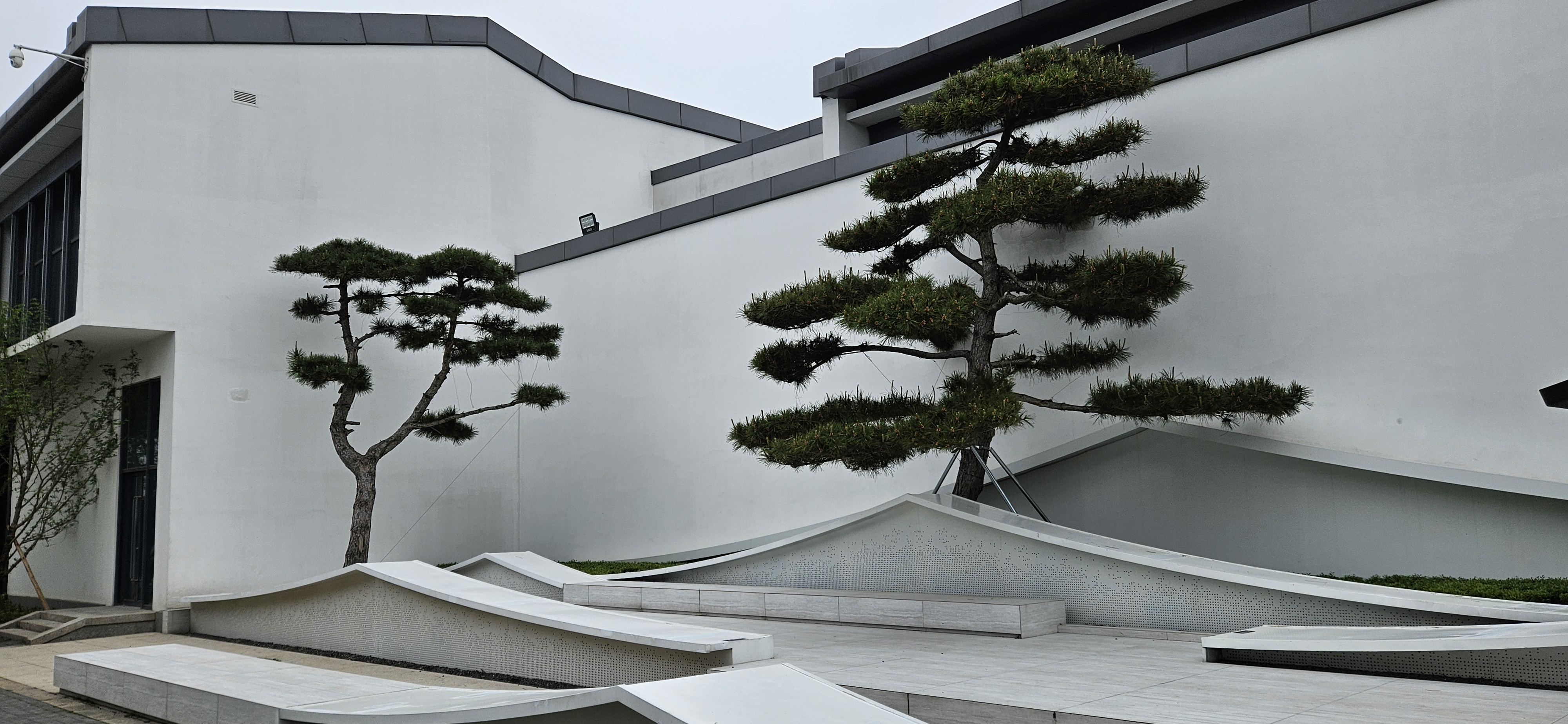
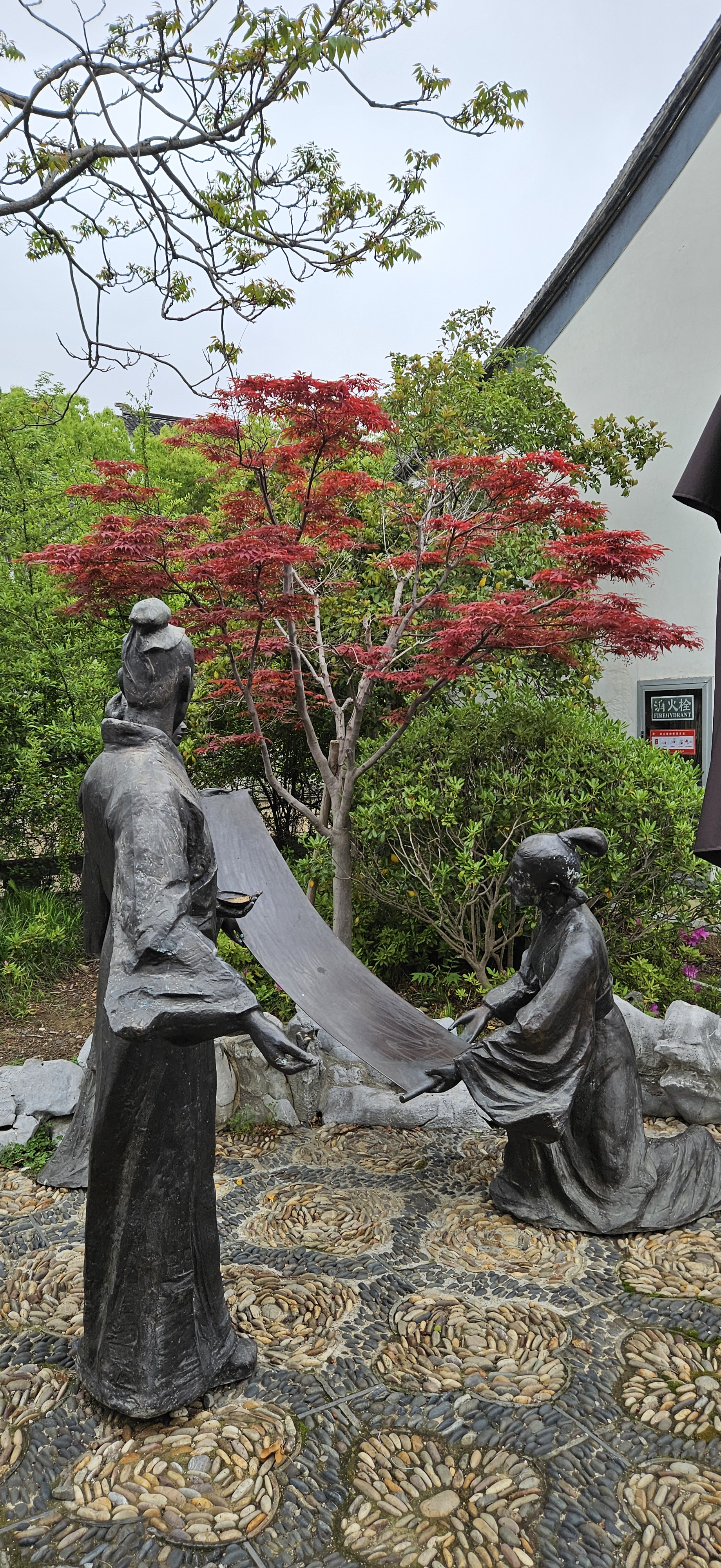
We also found a coffee-shop that served award winning coffee in fun glasses.


There is a also a cool, more recently built temple, that has narrow stairs that can be climbed to the top, so of course, we did.
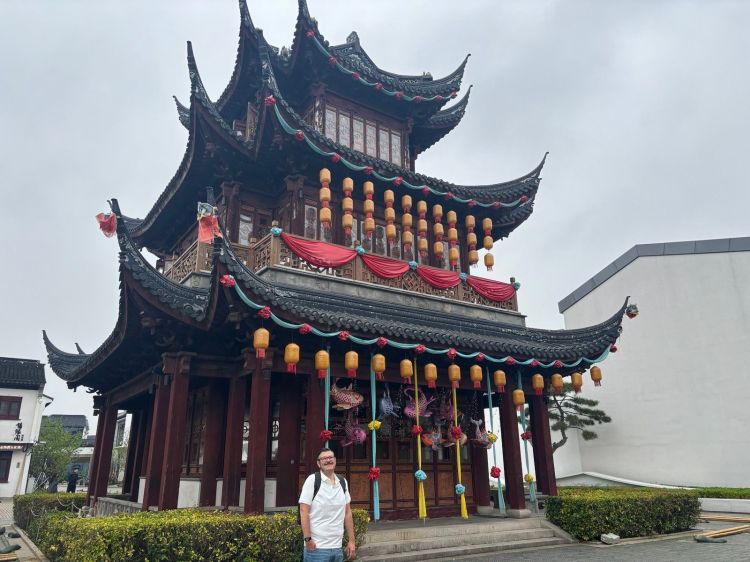
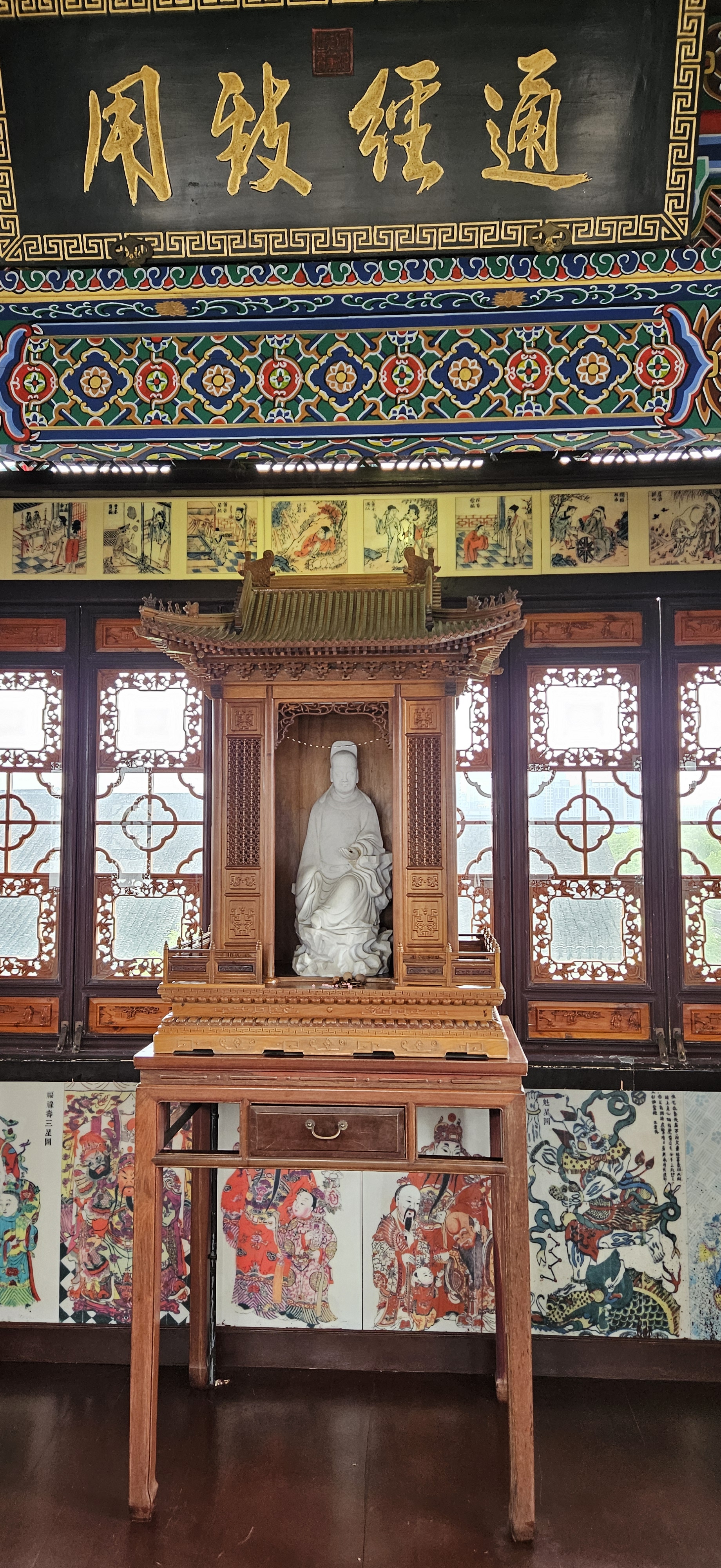
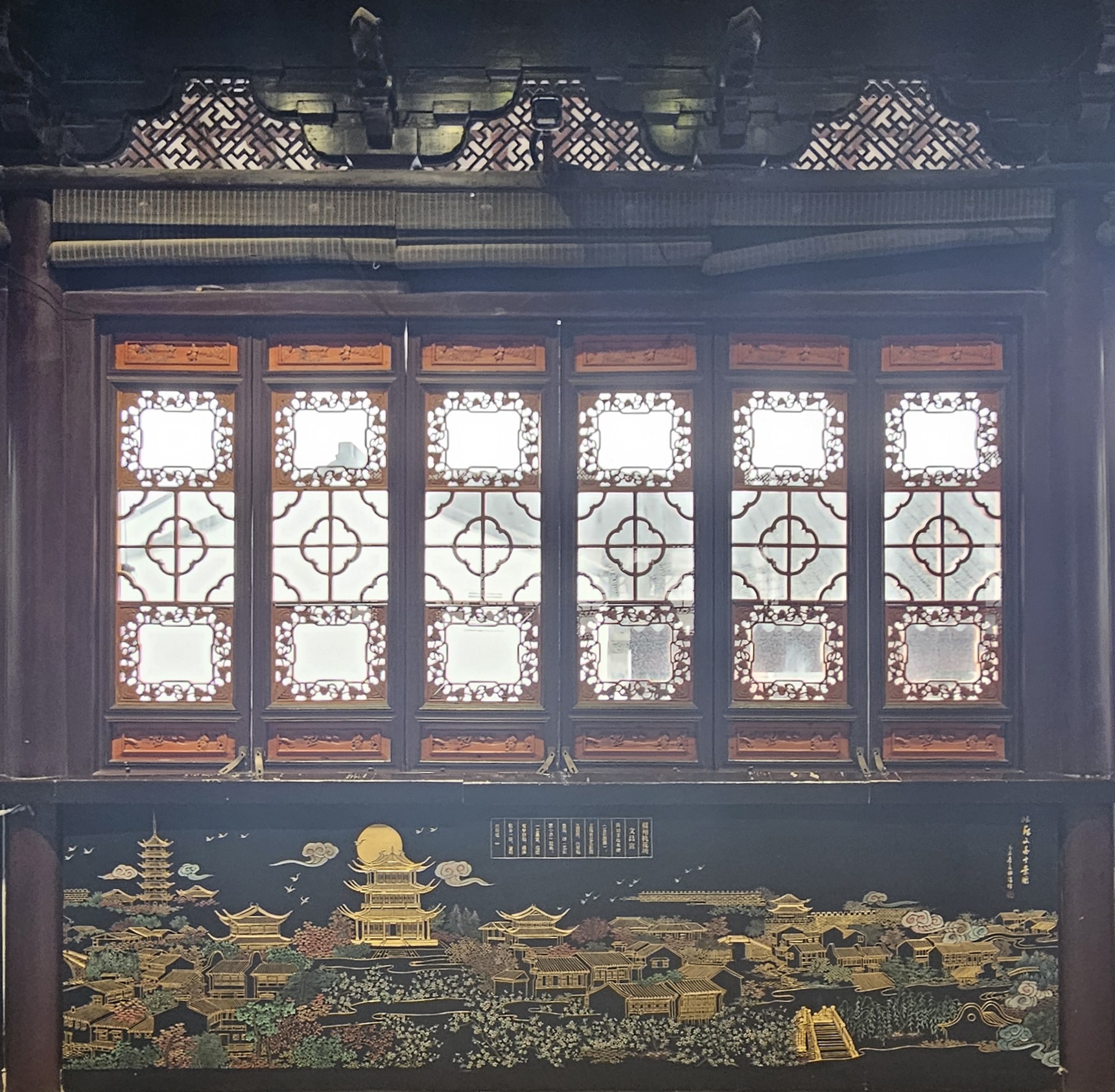
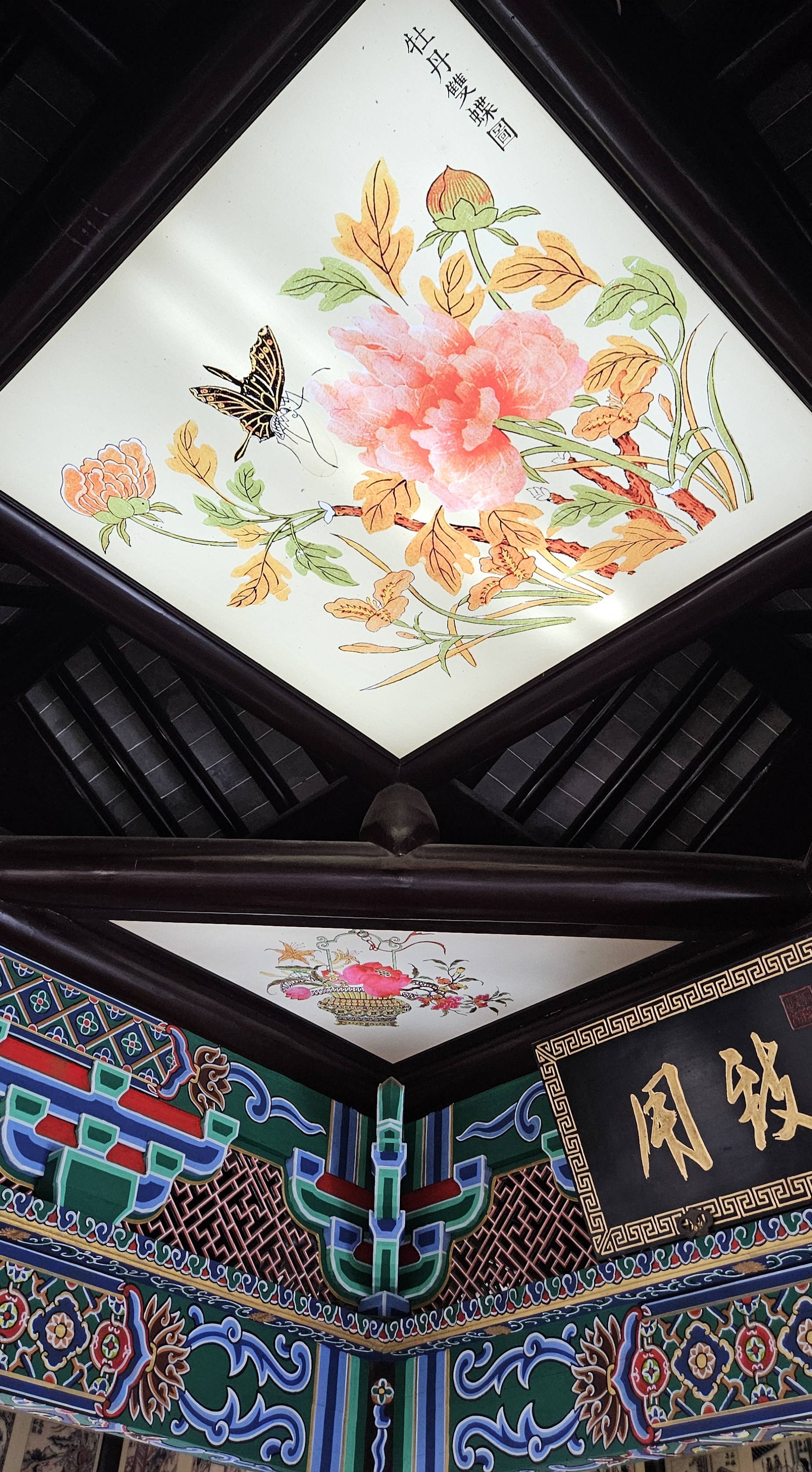
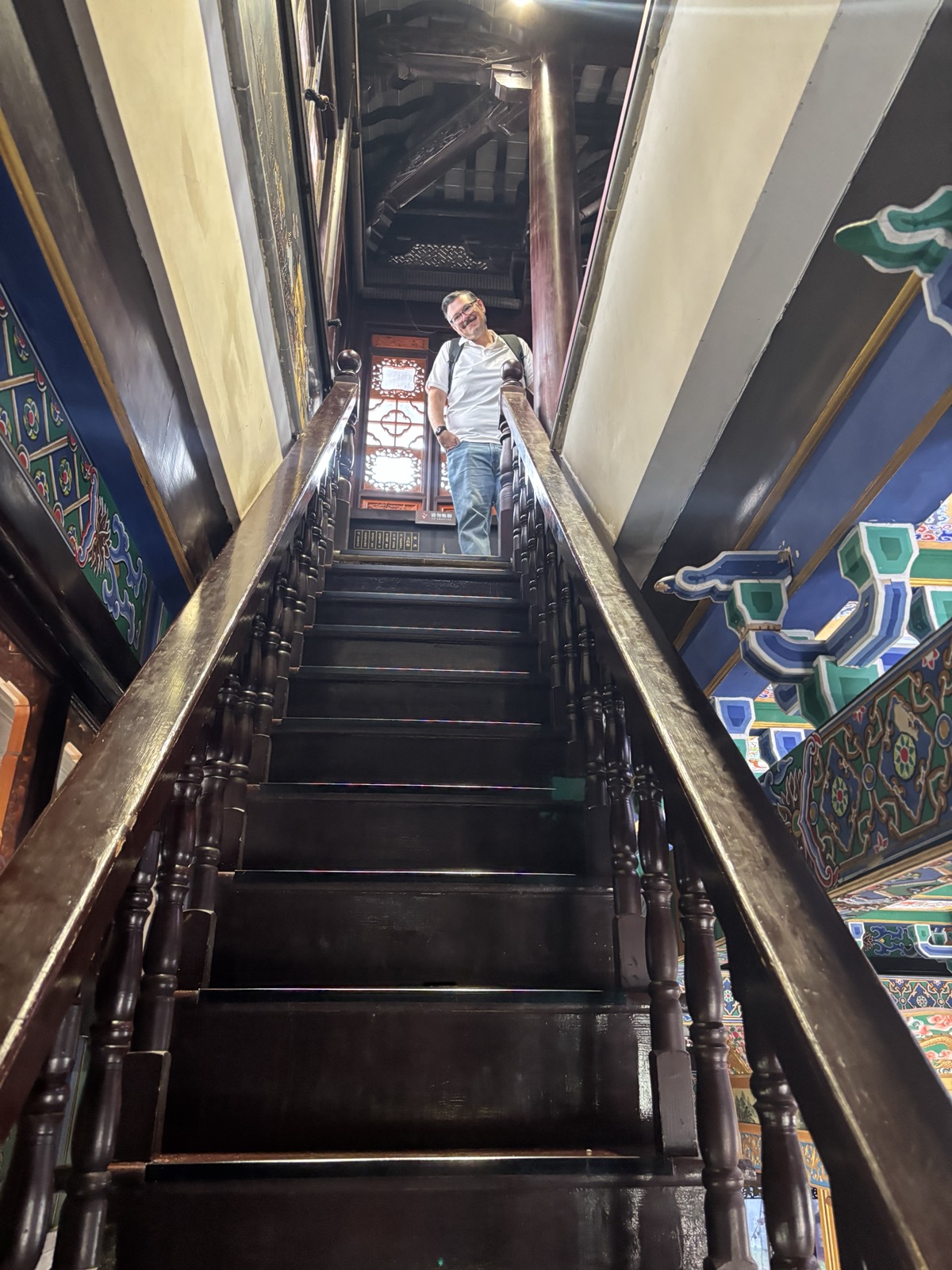
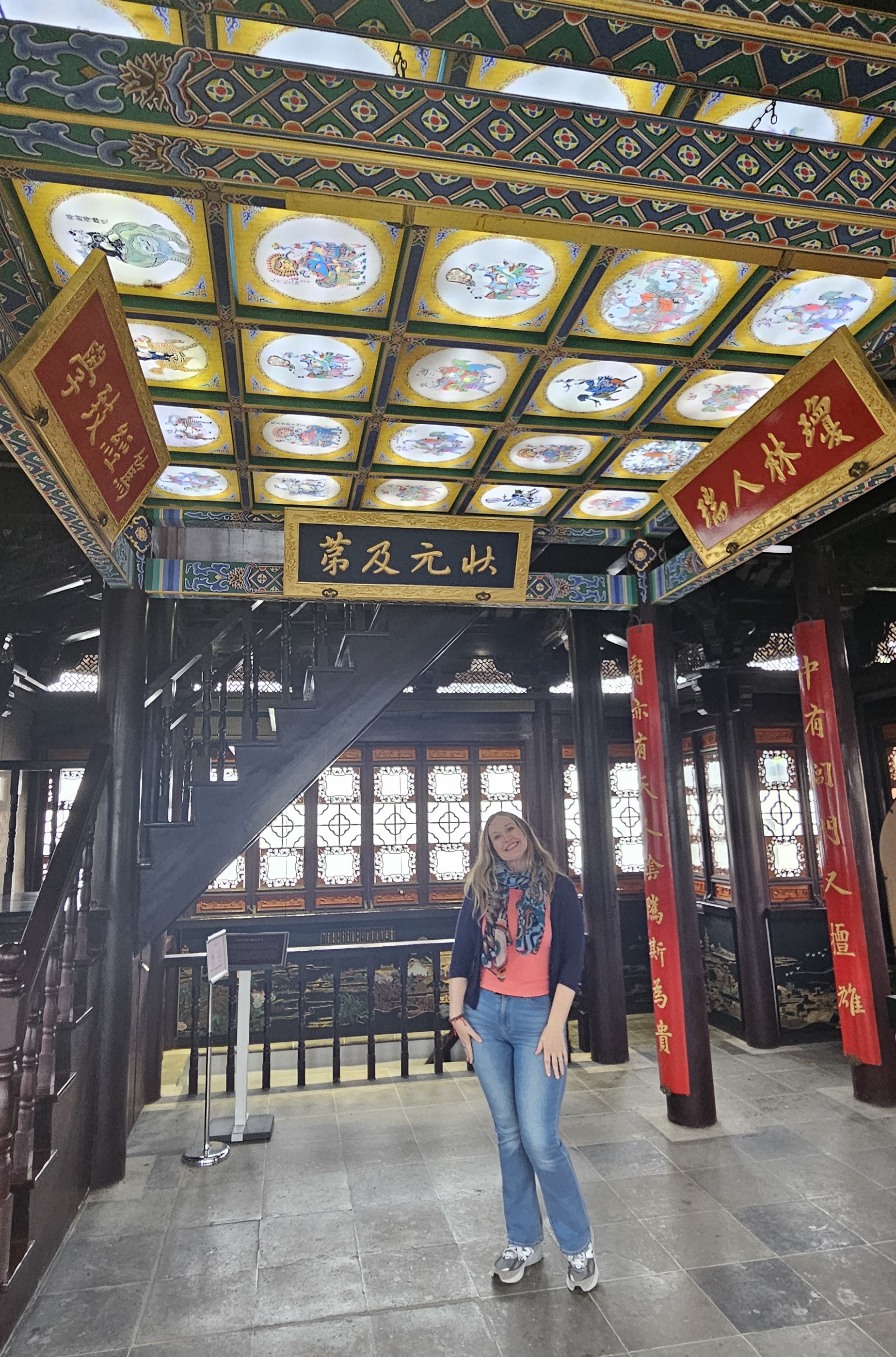
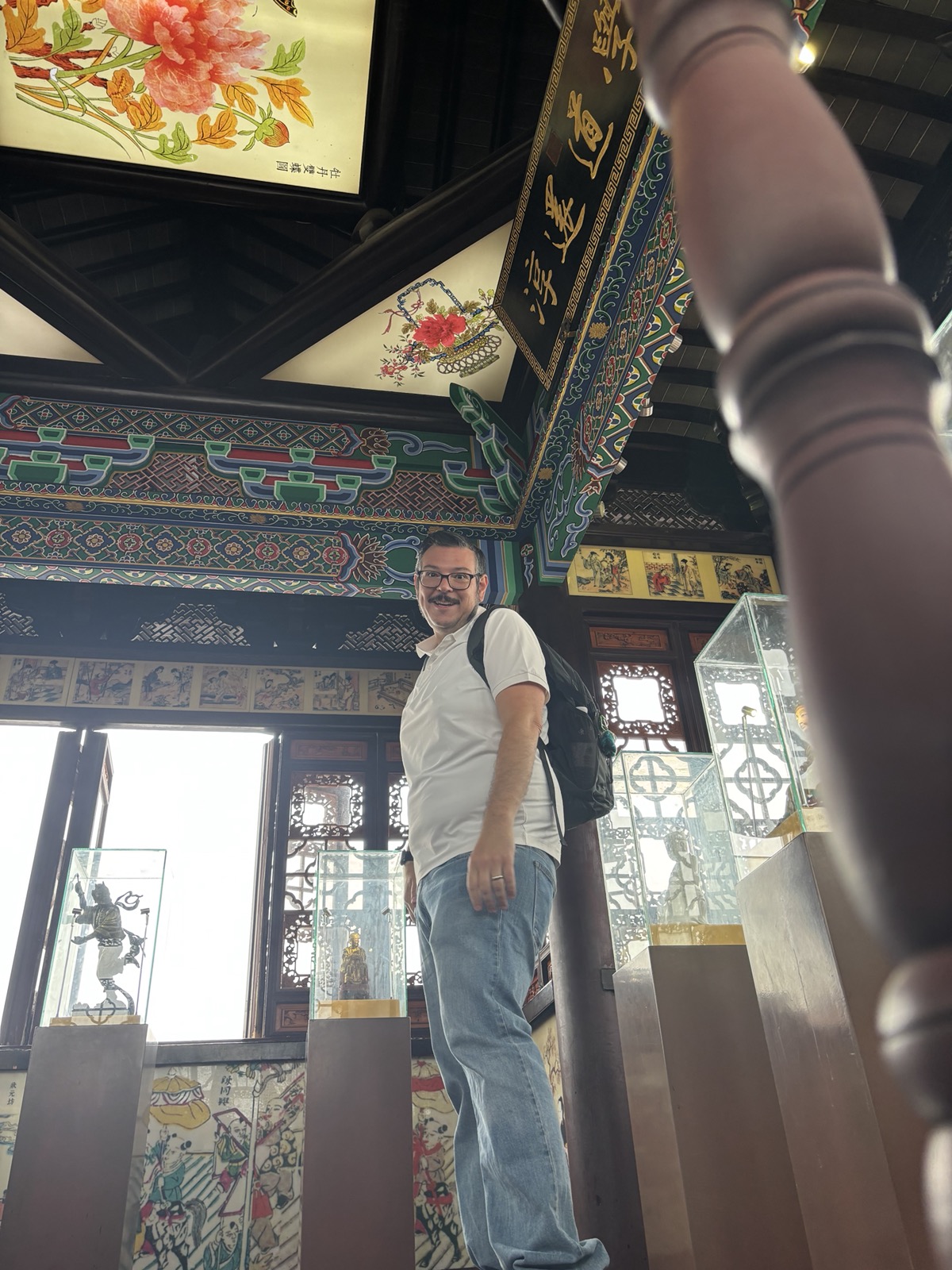
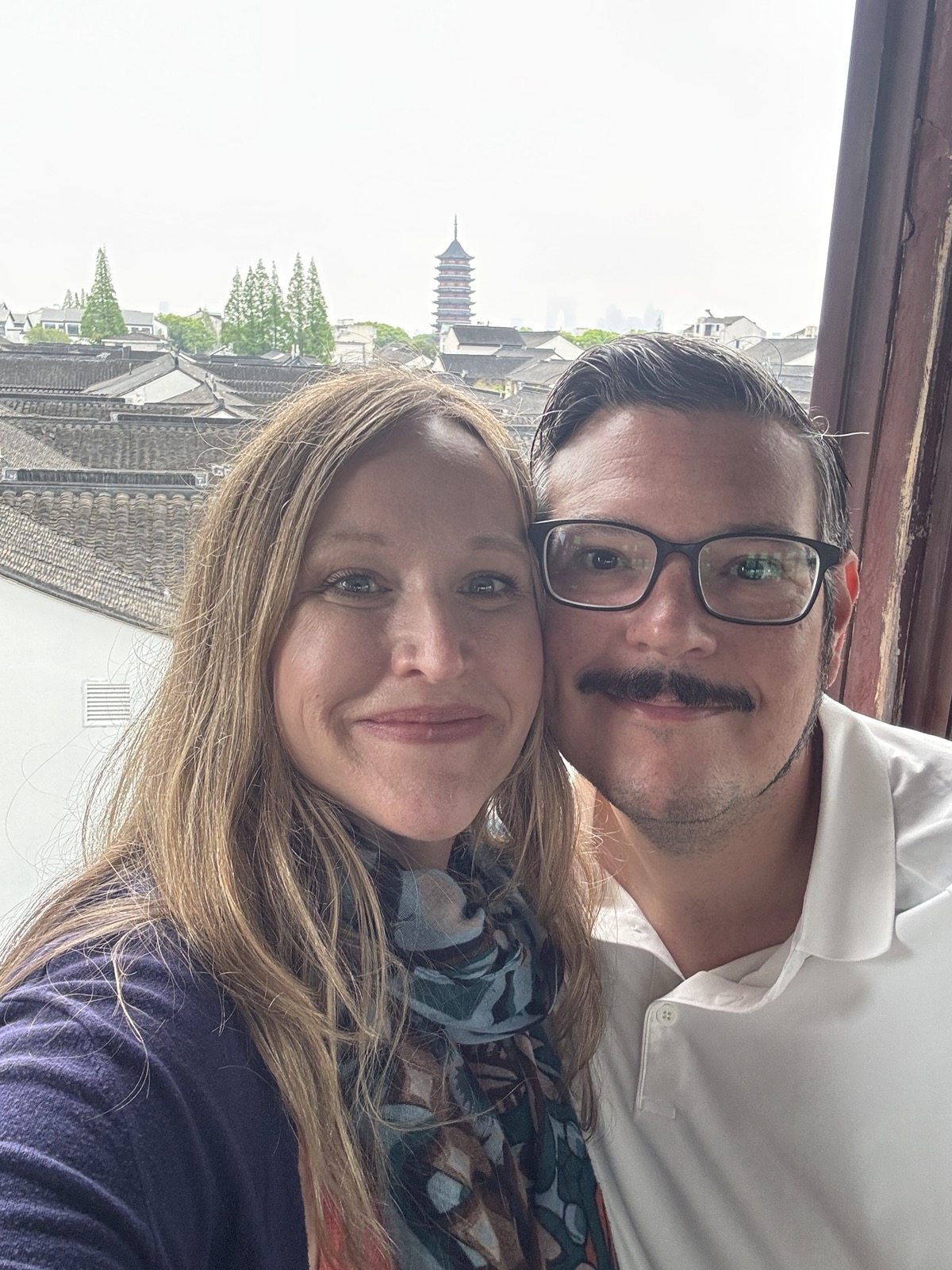
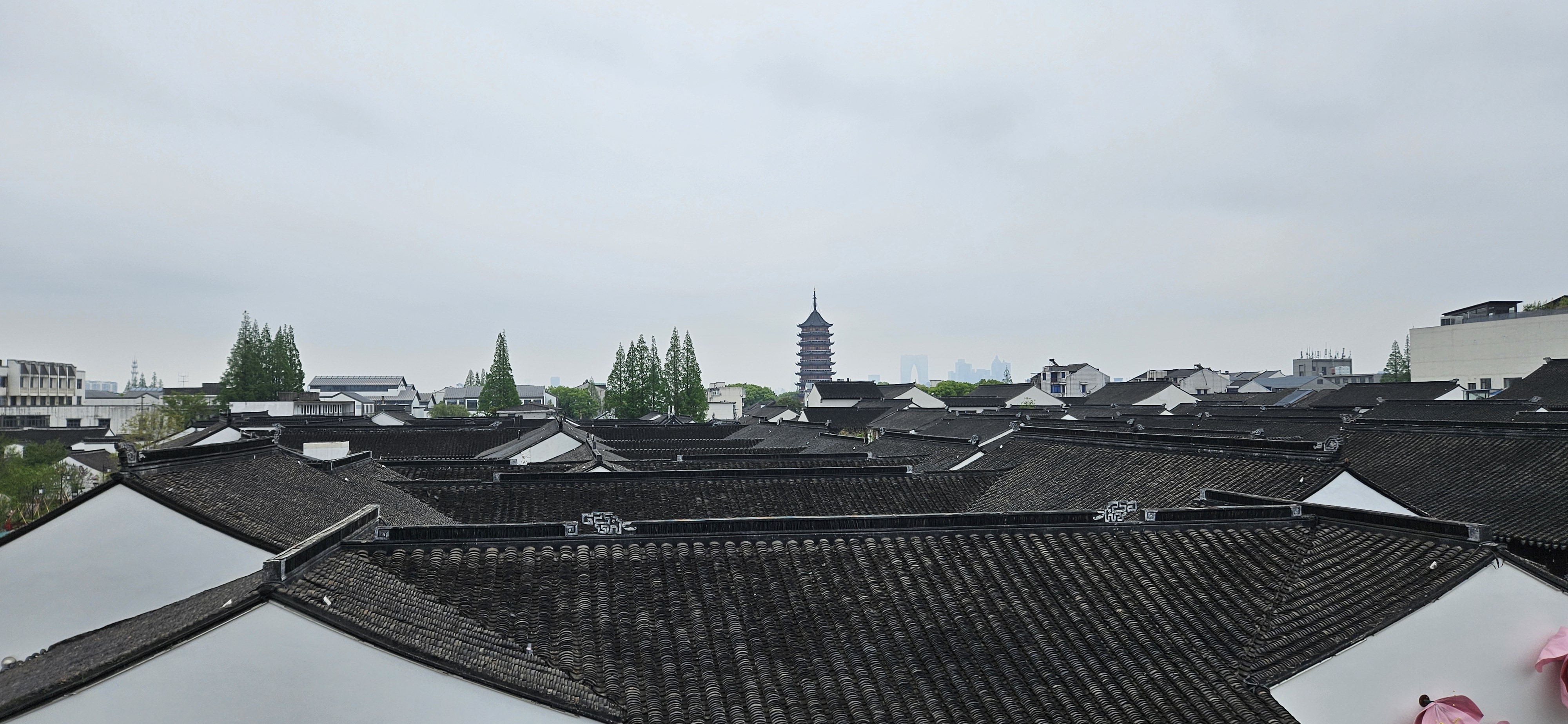
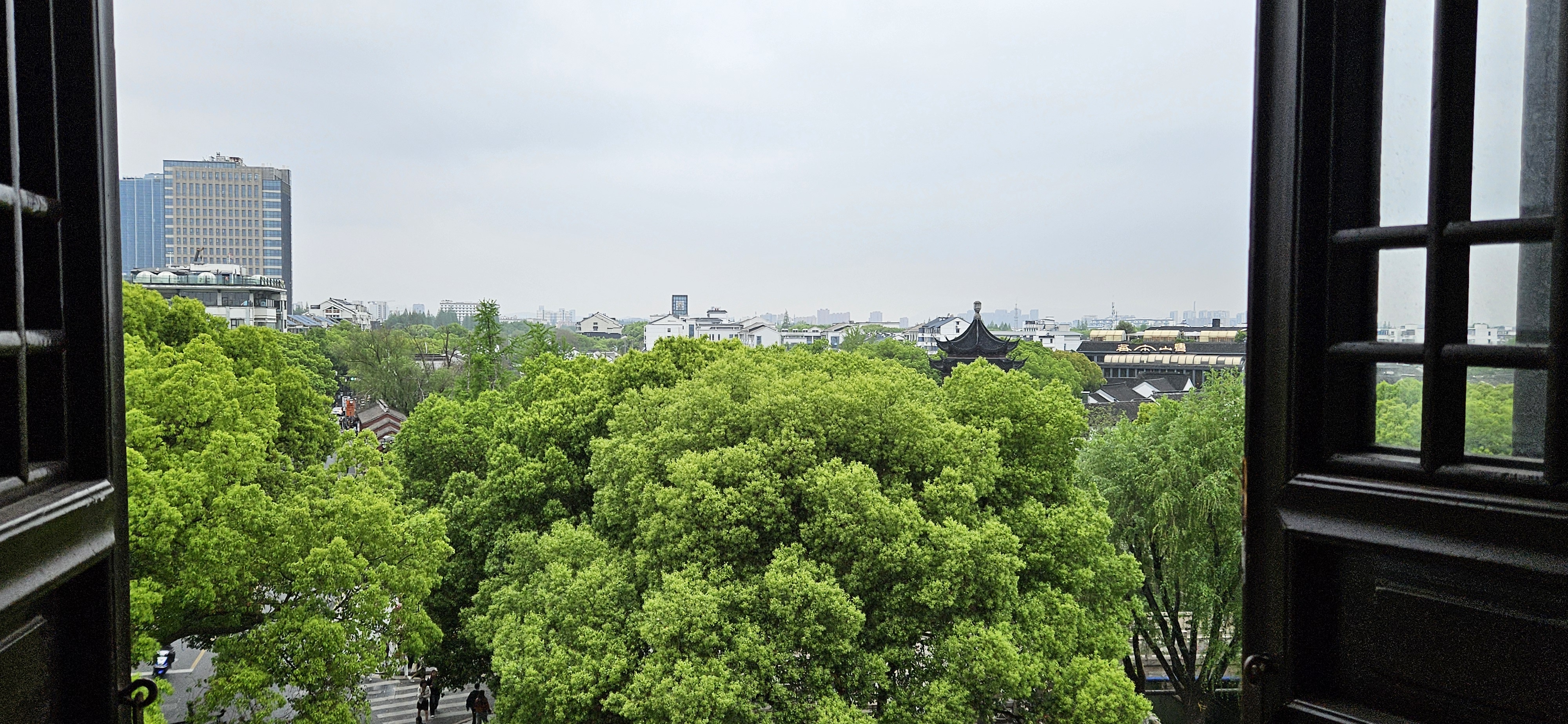
The windows looked out upon the whole old town part of the city, and we could see a very tall pagoda, slightly leaning, in the background.
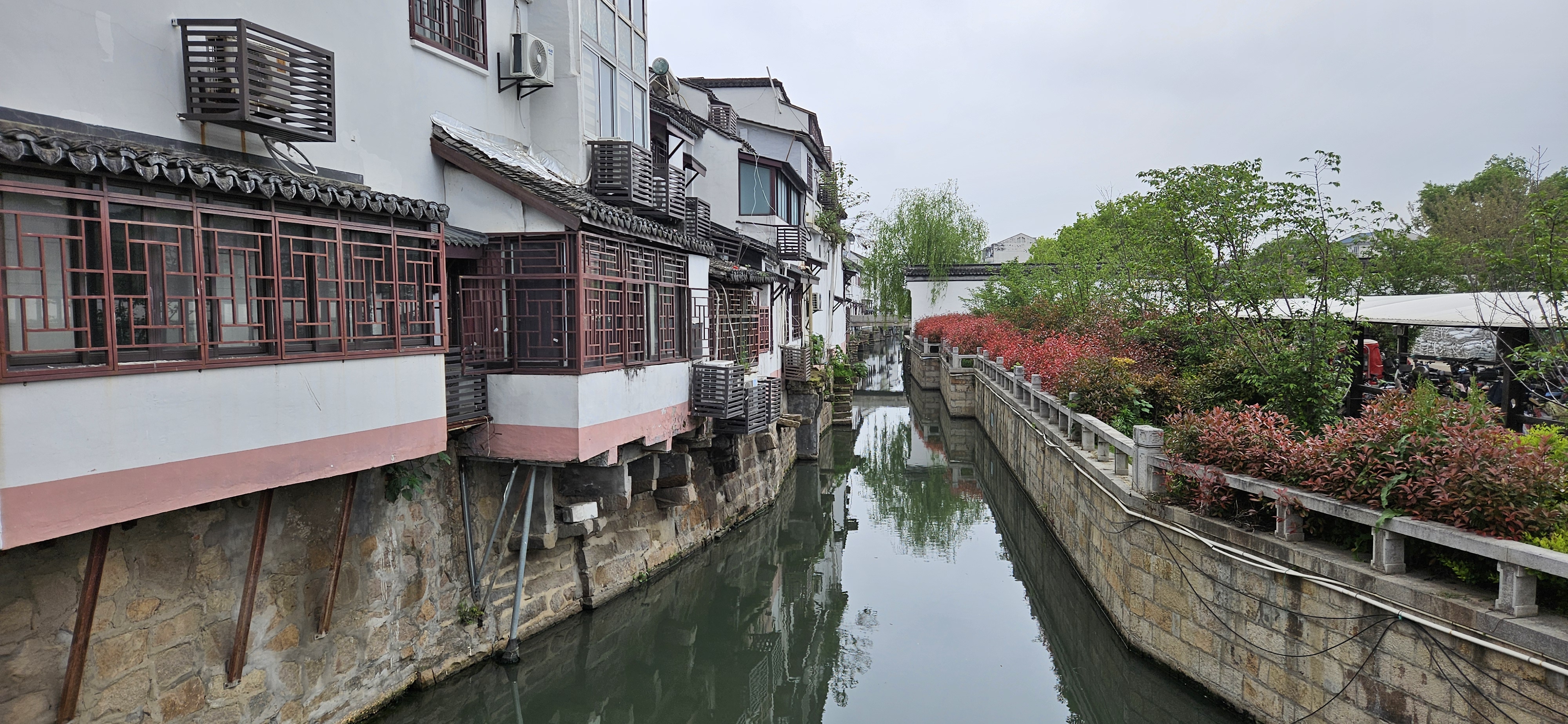
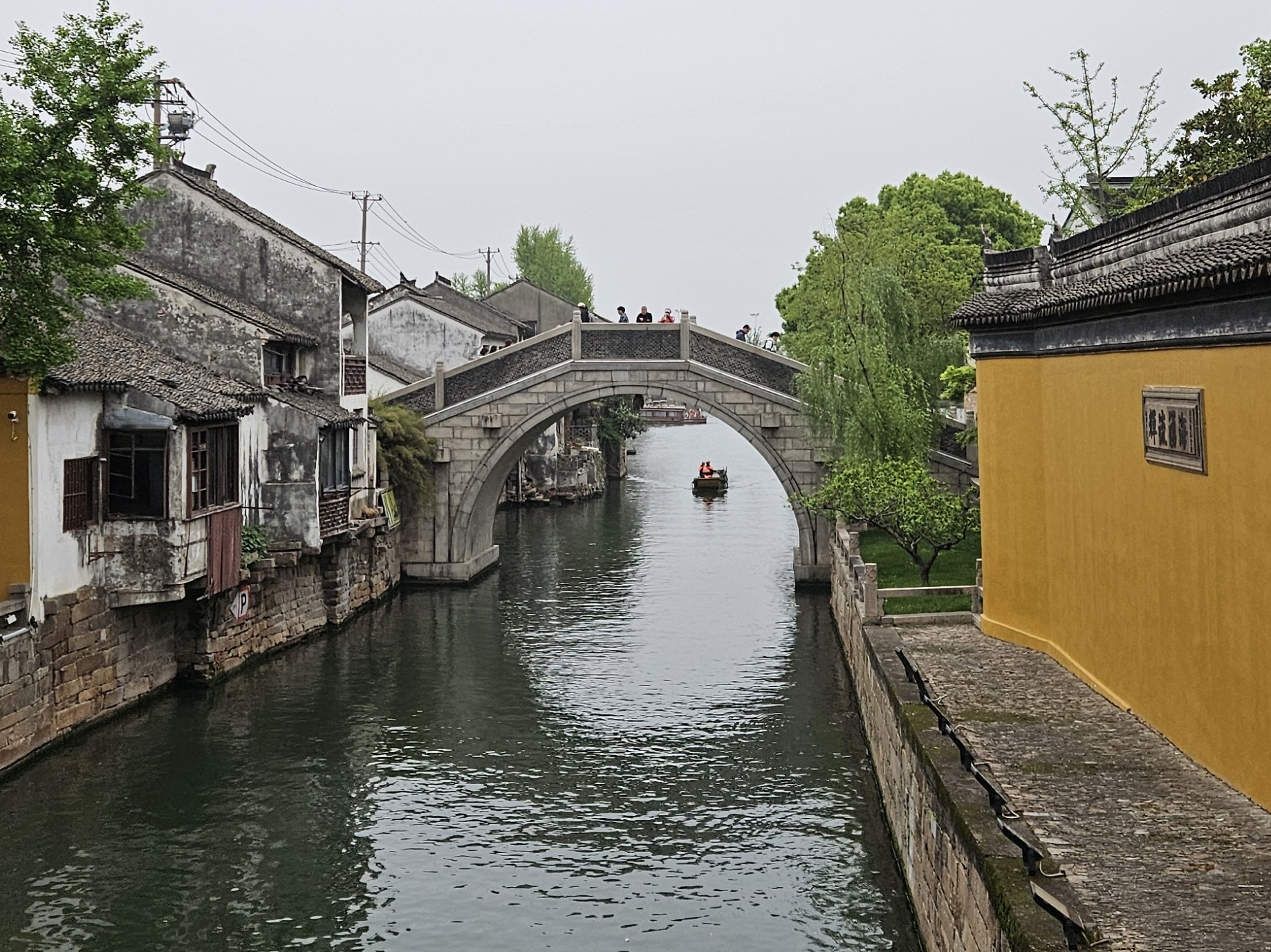
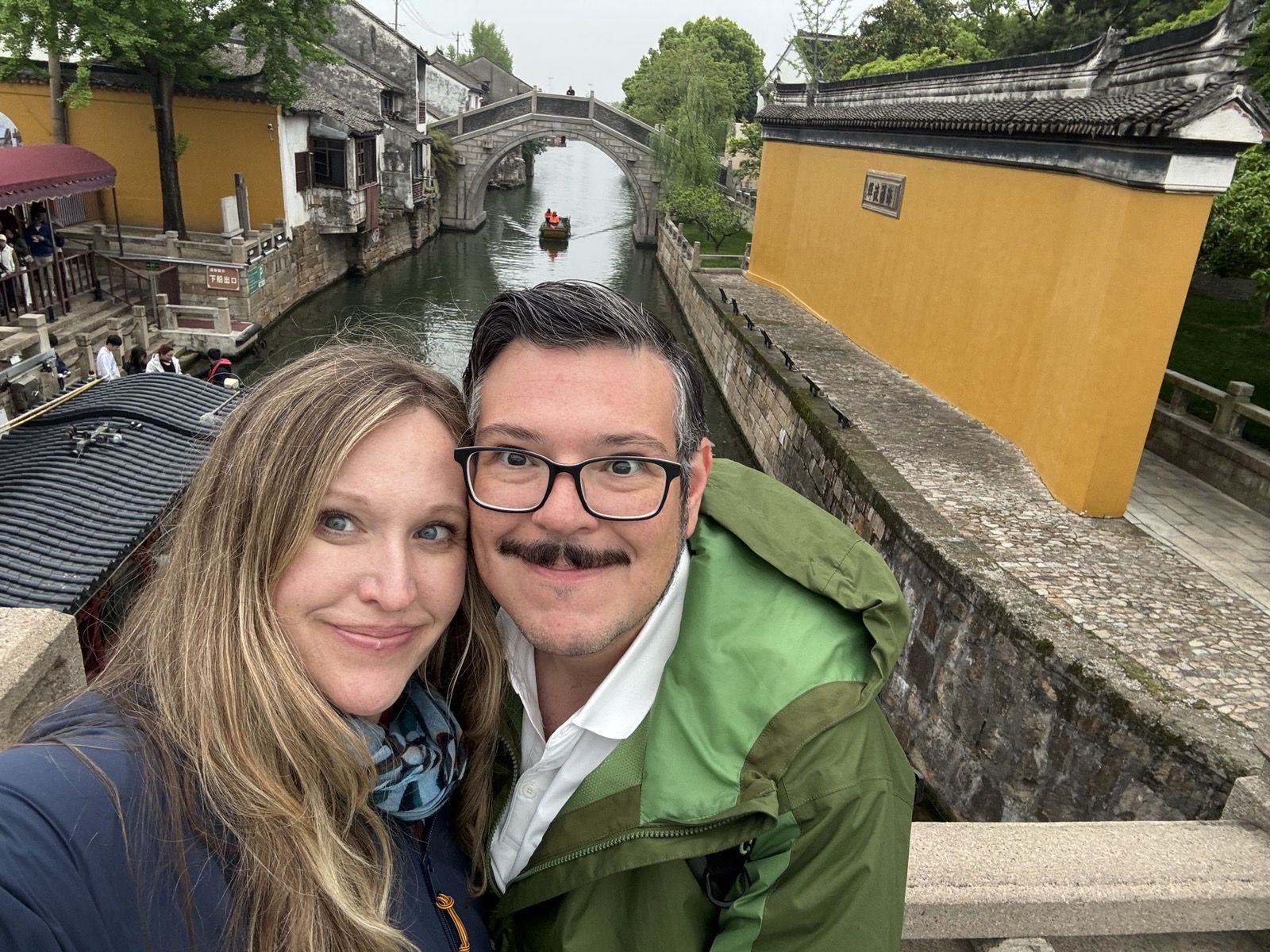
We left the Gardens and proceeded toward Qilishan Tangqiannian Ancient Street, past more white buildings with dark grey tile roofs and streams. More and more people were also heading the same way, as the narrow street became more full of people and motorbikes.
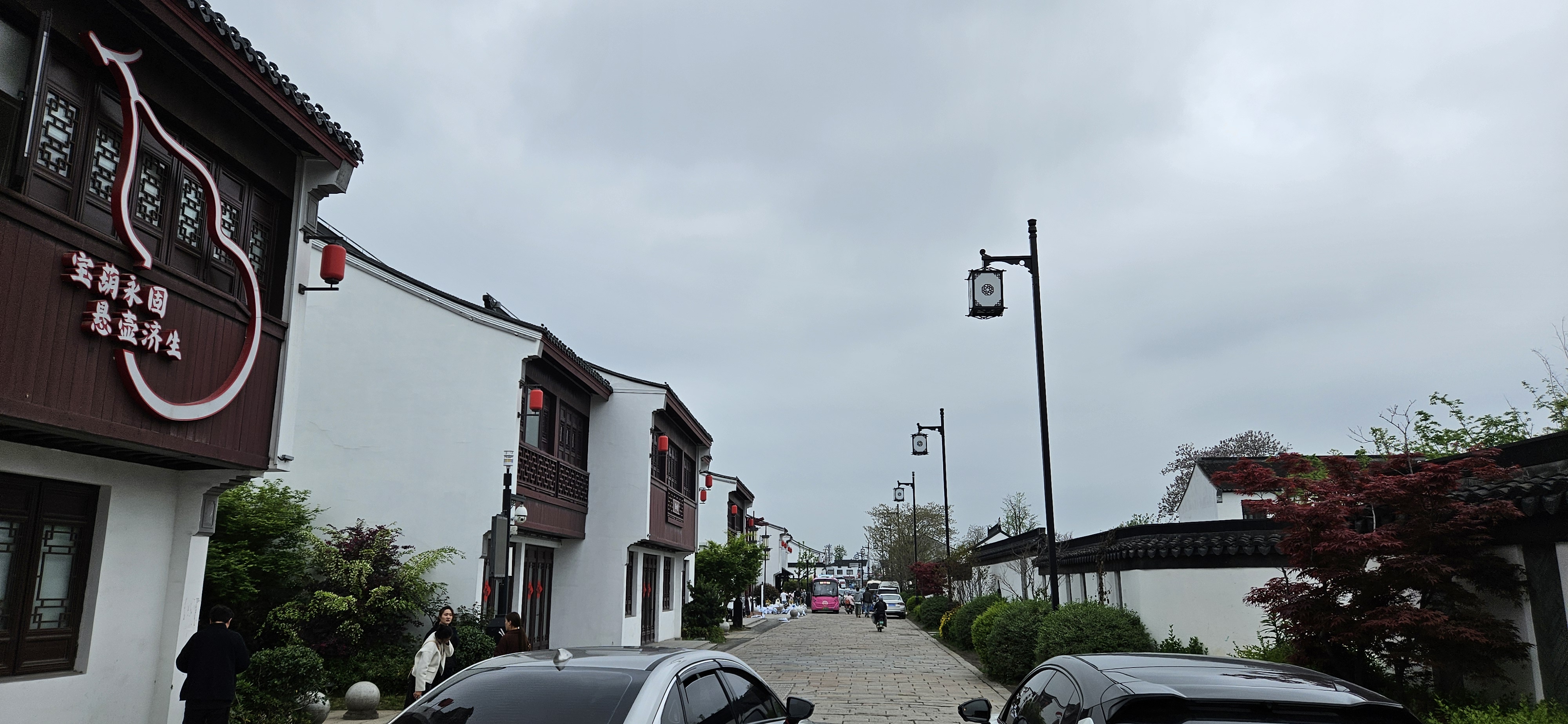
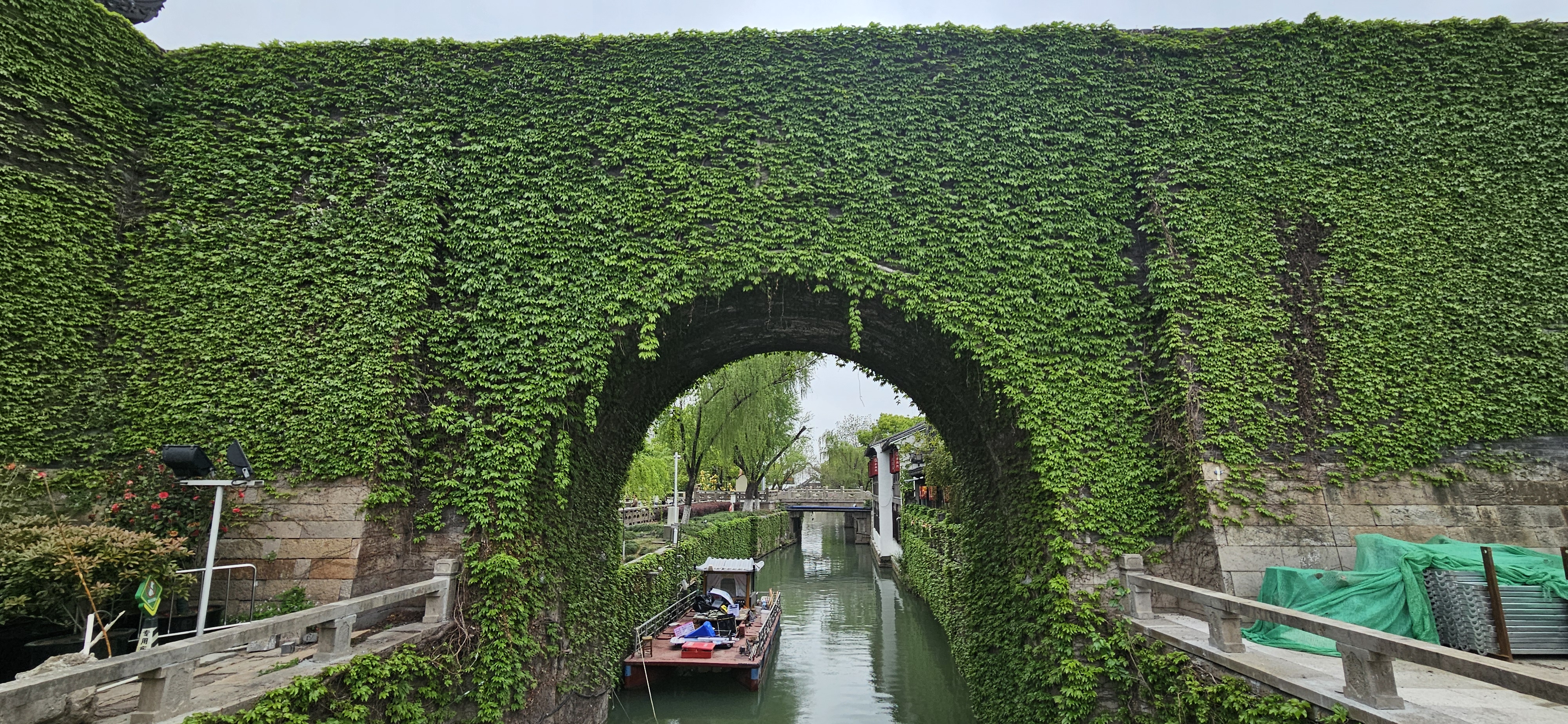
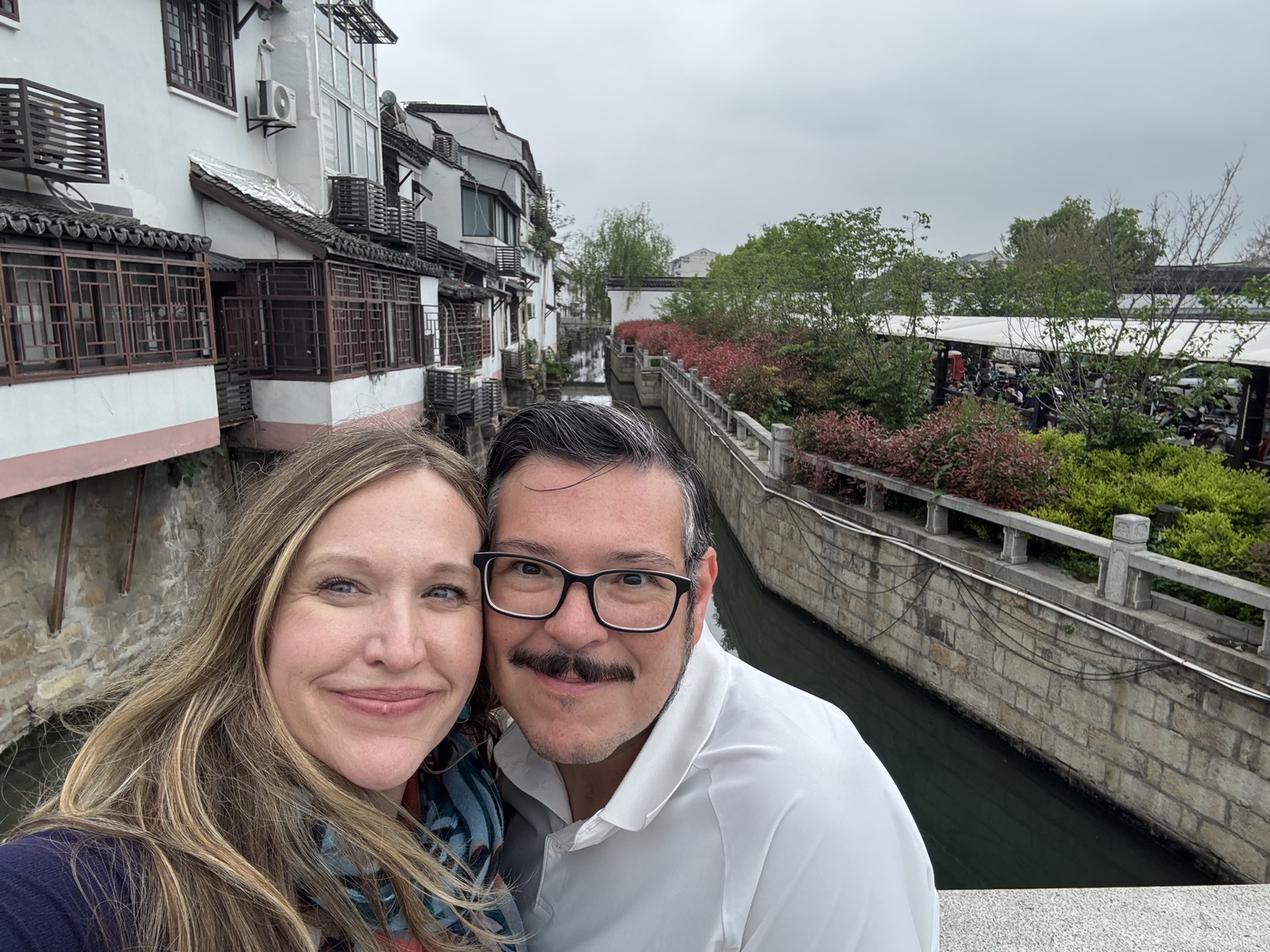
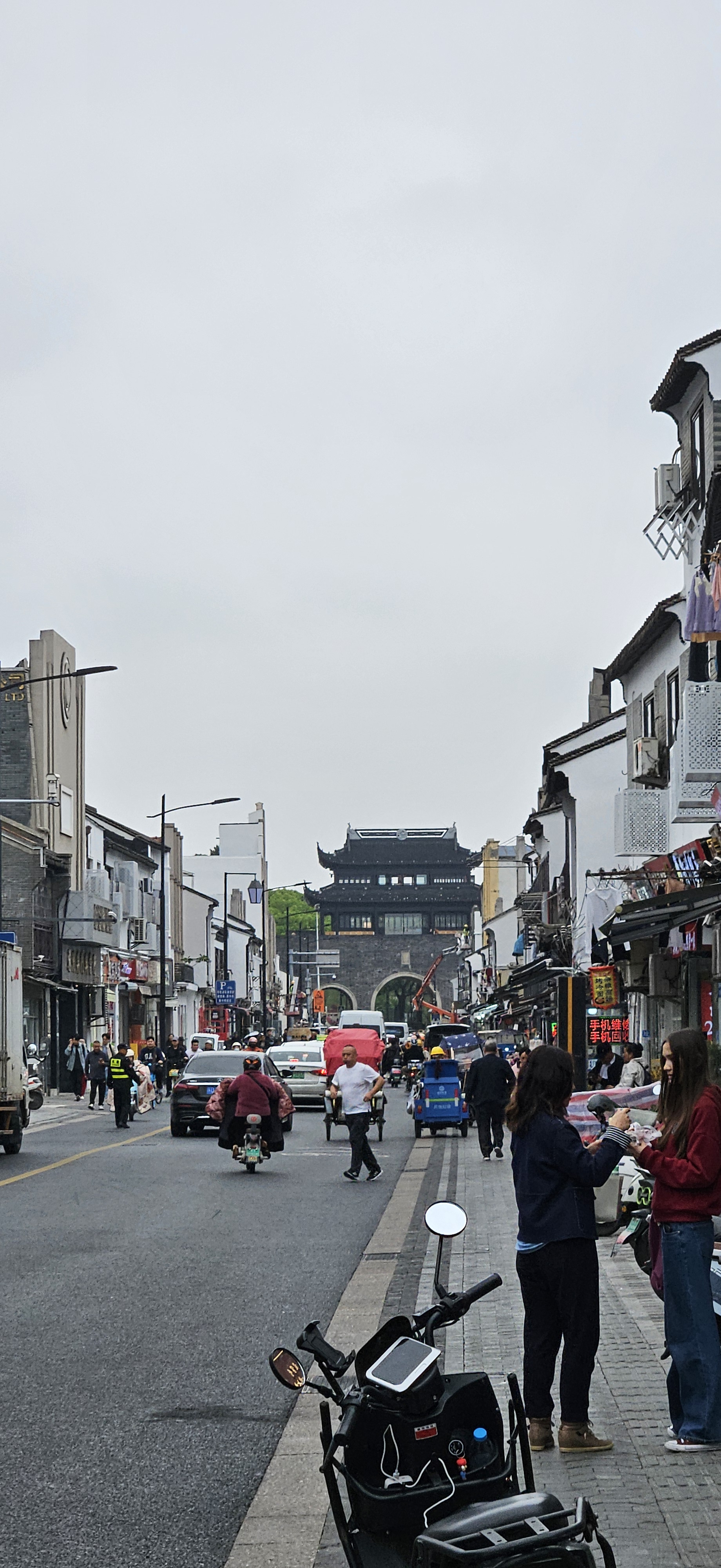
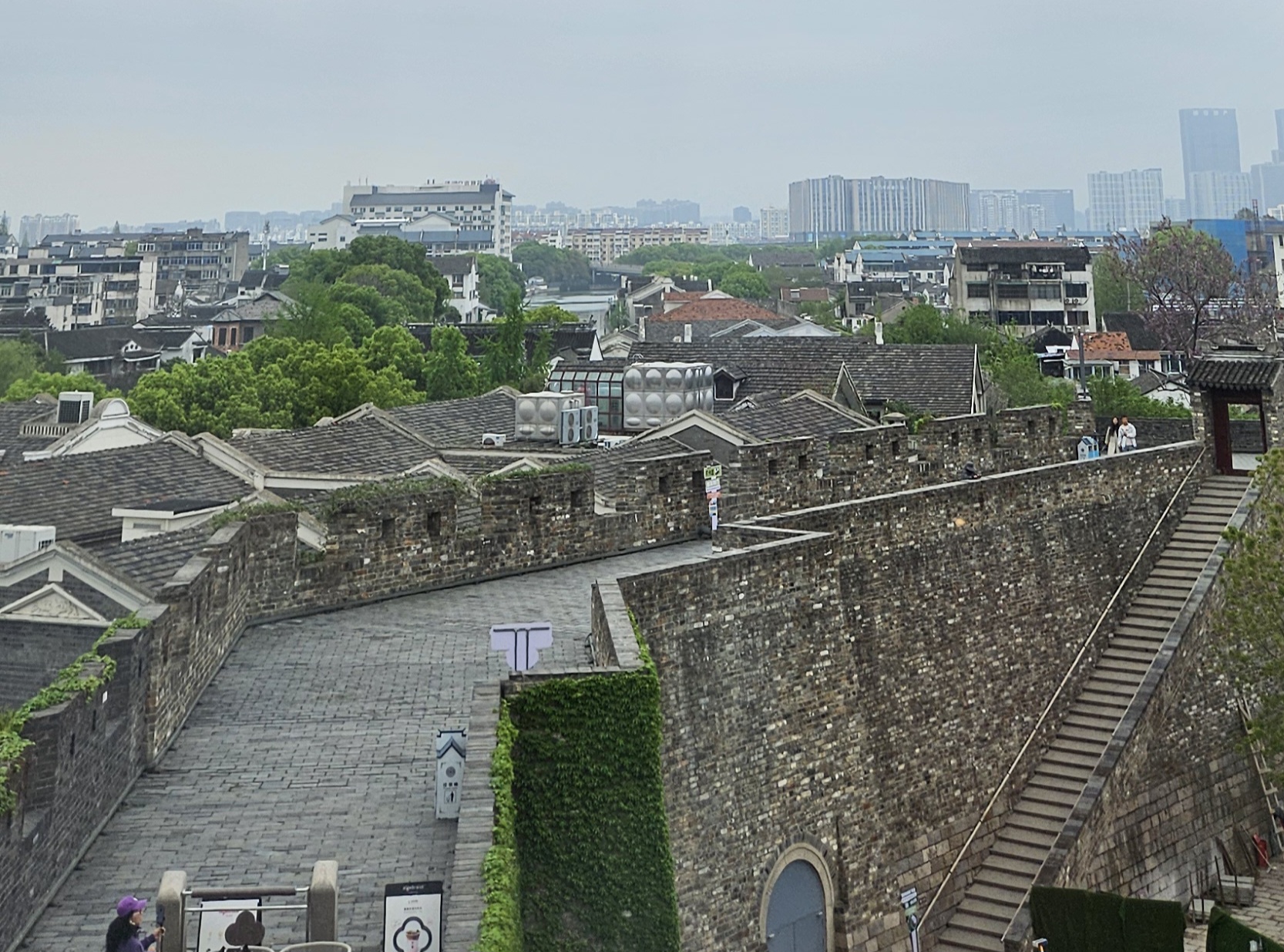
We could see a building on top of a bridge in the distance, and figured that must be something, so up the many stairs we went.
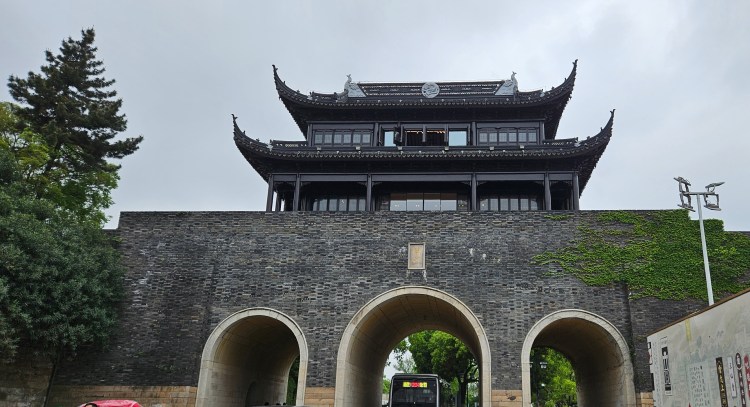
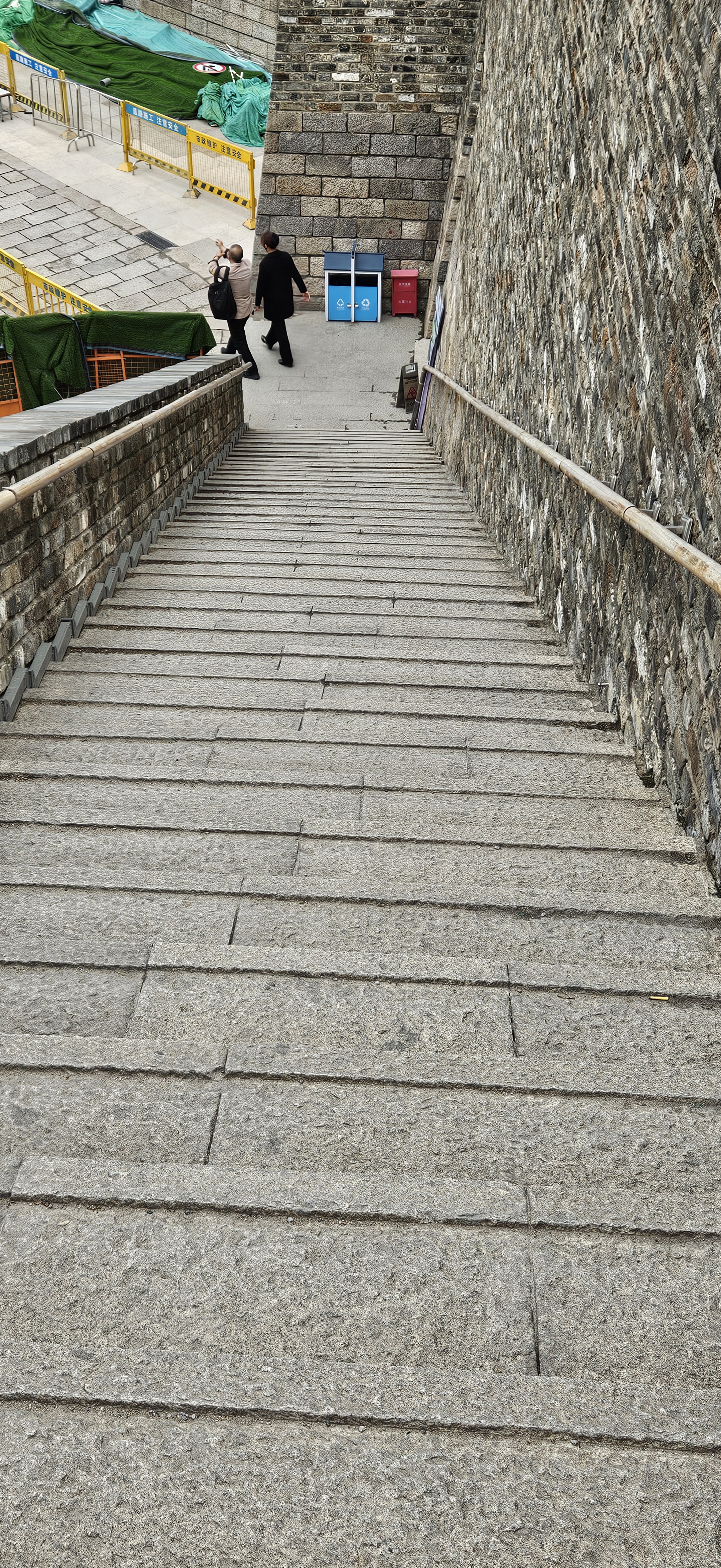
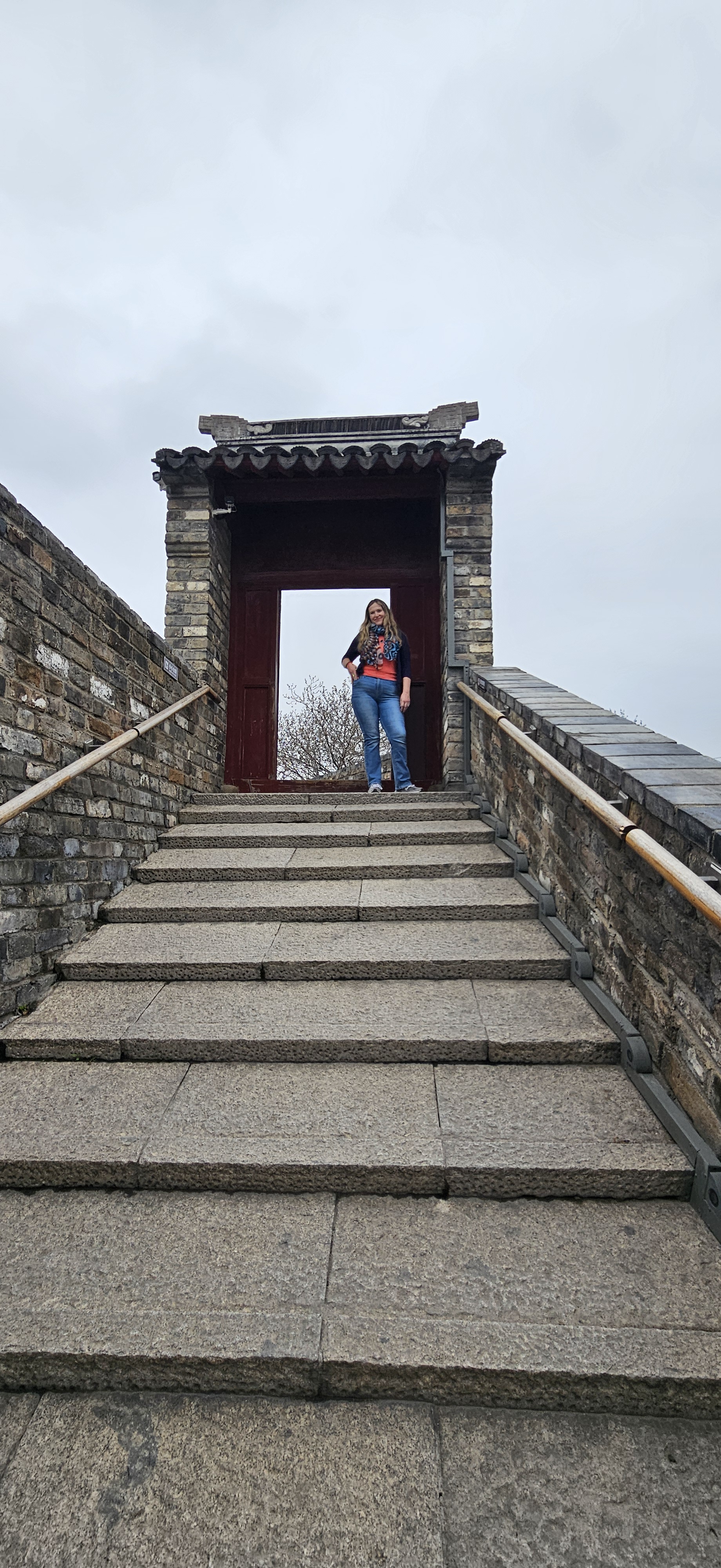
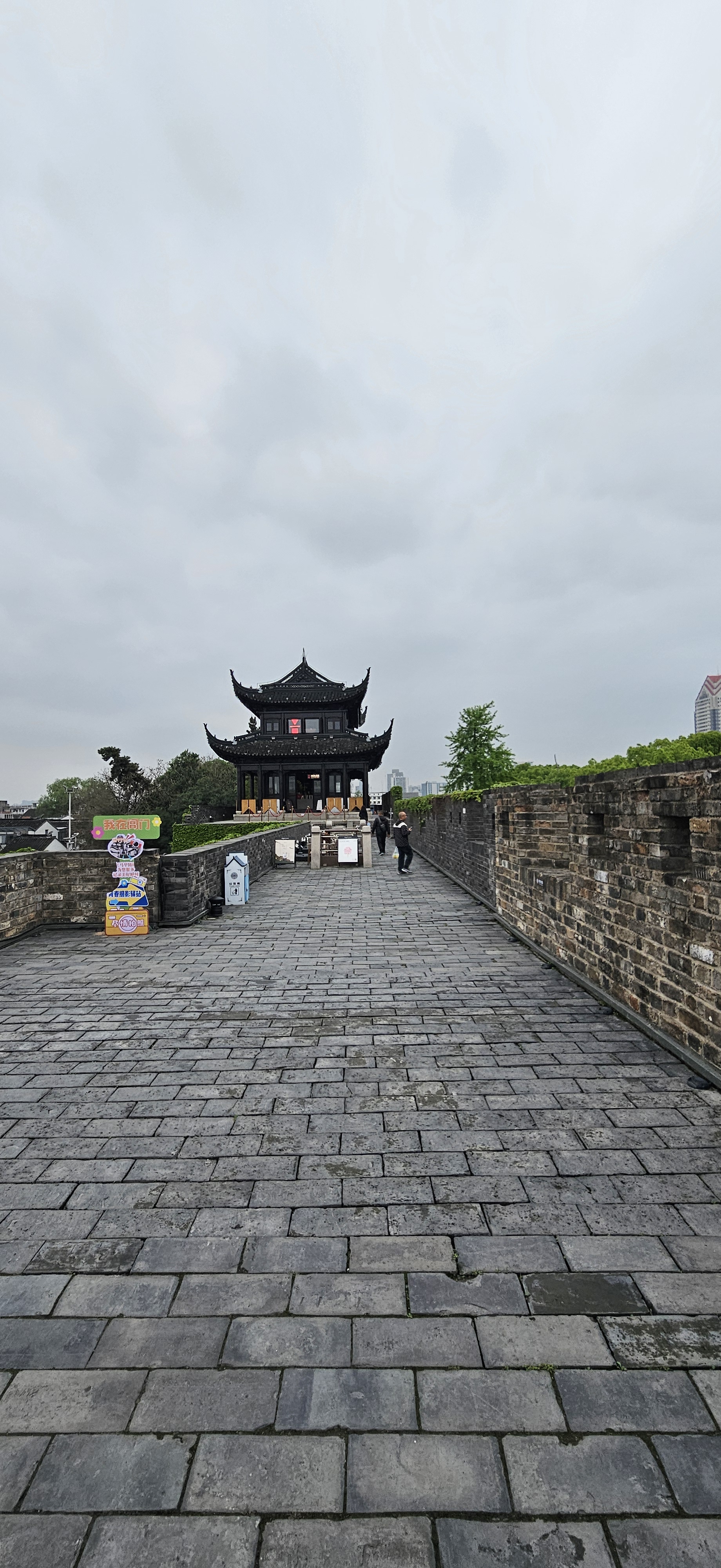
And it was…a coffeeshop, and the building was newer, but built in the style of the ancient ones. Suzhou did a nice job of making the new buildings in the area of the ancient town match the style of the old. It gave us some pretty great views from above, beginning with the street we had walked down to get there. The gate itself was one of the eight original Suzhou entrance gates, and led us into Suzhou ancient town.
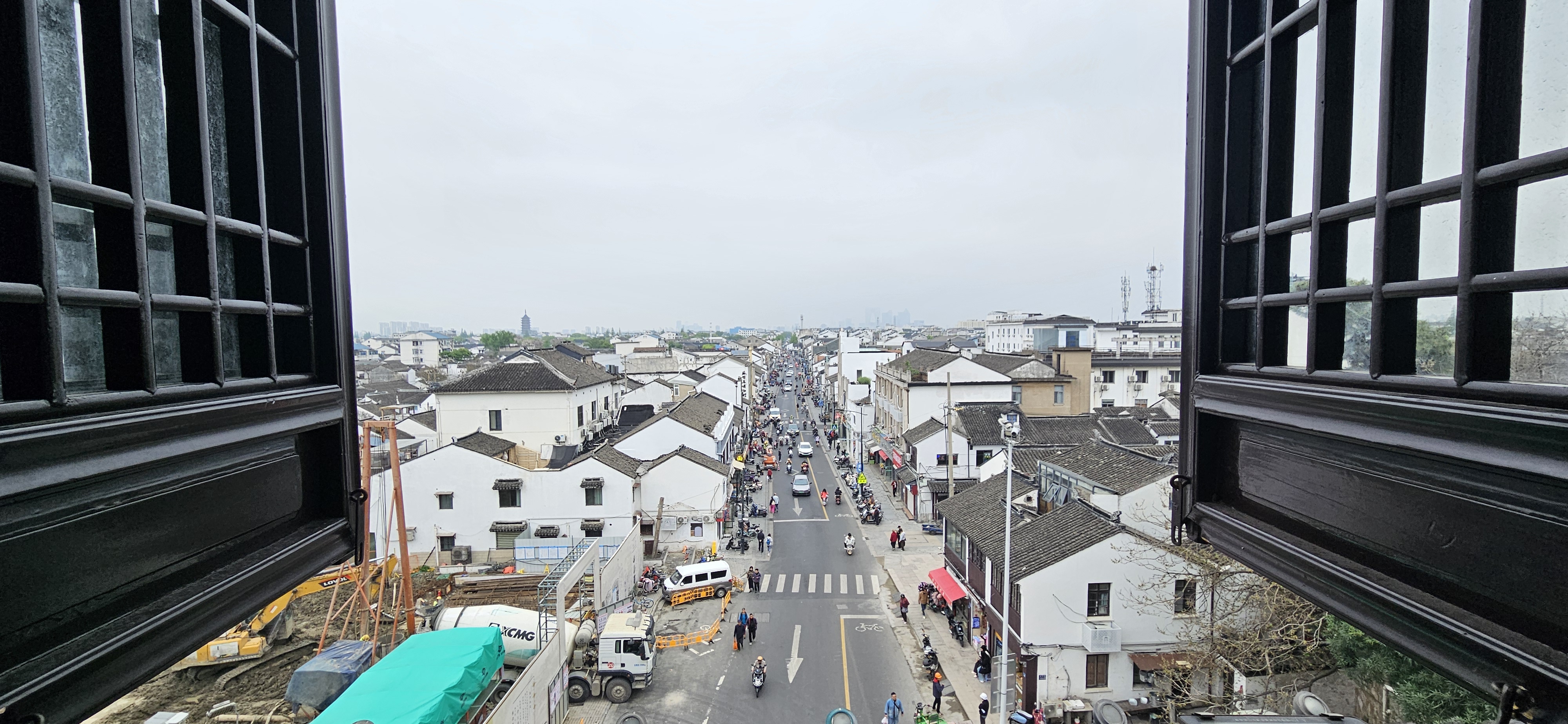
We continued on and found ourselves on the famous Shantang street (which carries on for 7 miles, next to the Shantang canal) and dates back to 852 AD, and is very popular with tourists, as you can see below.
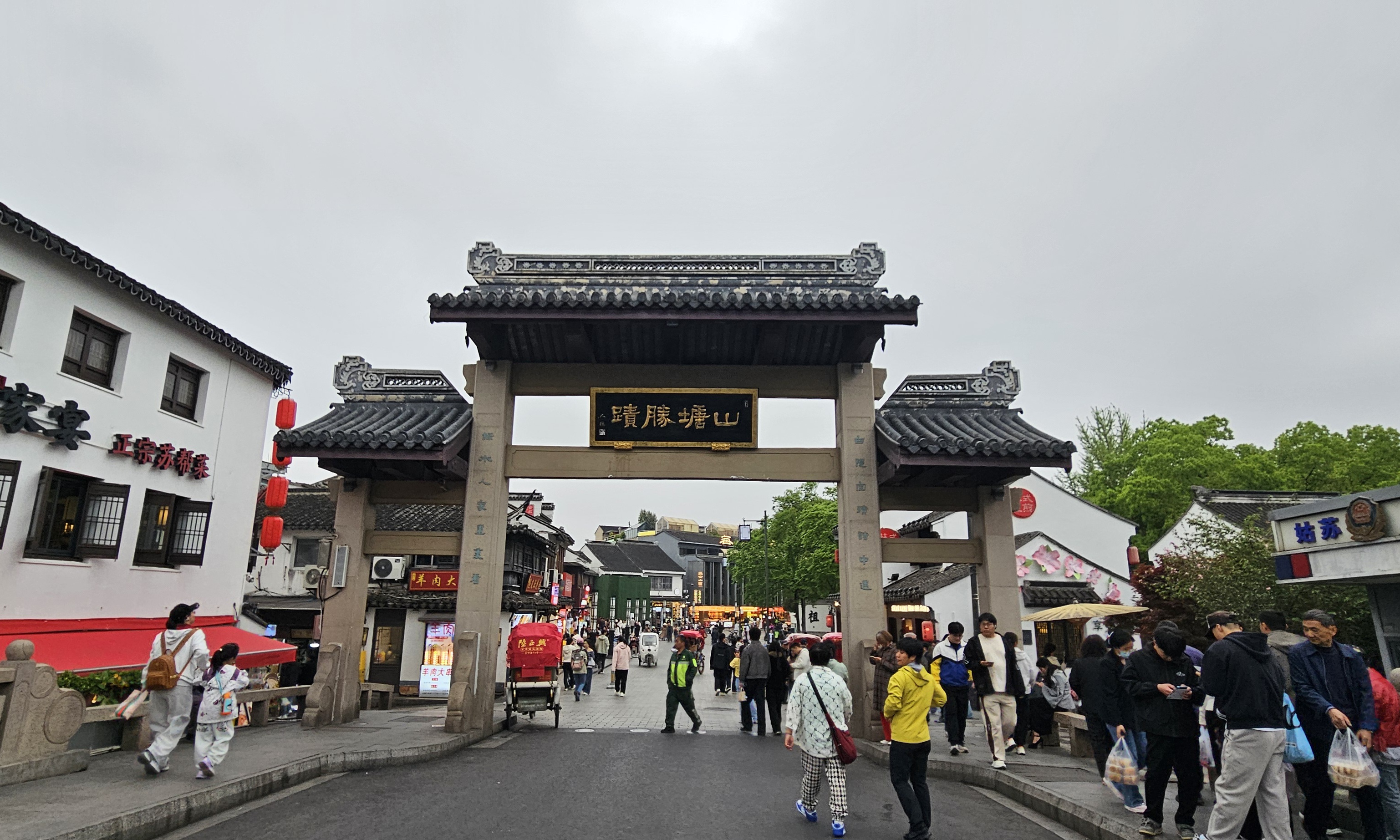
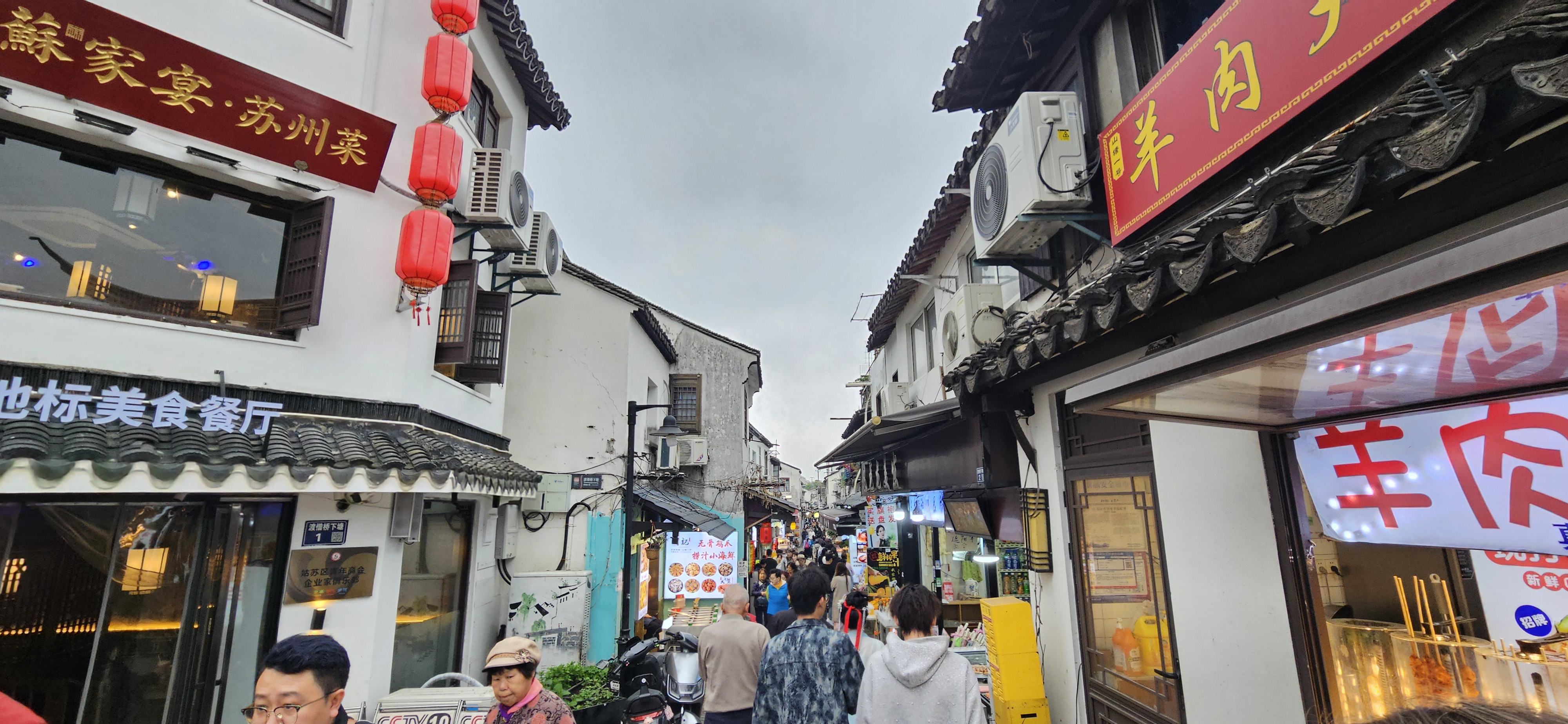
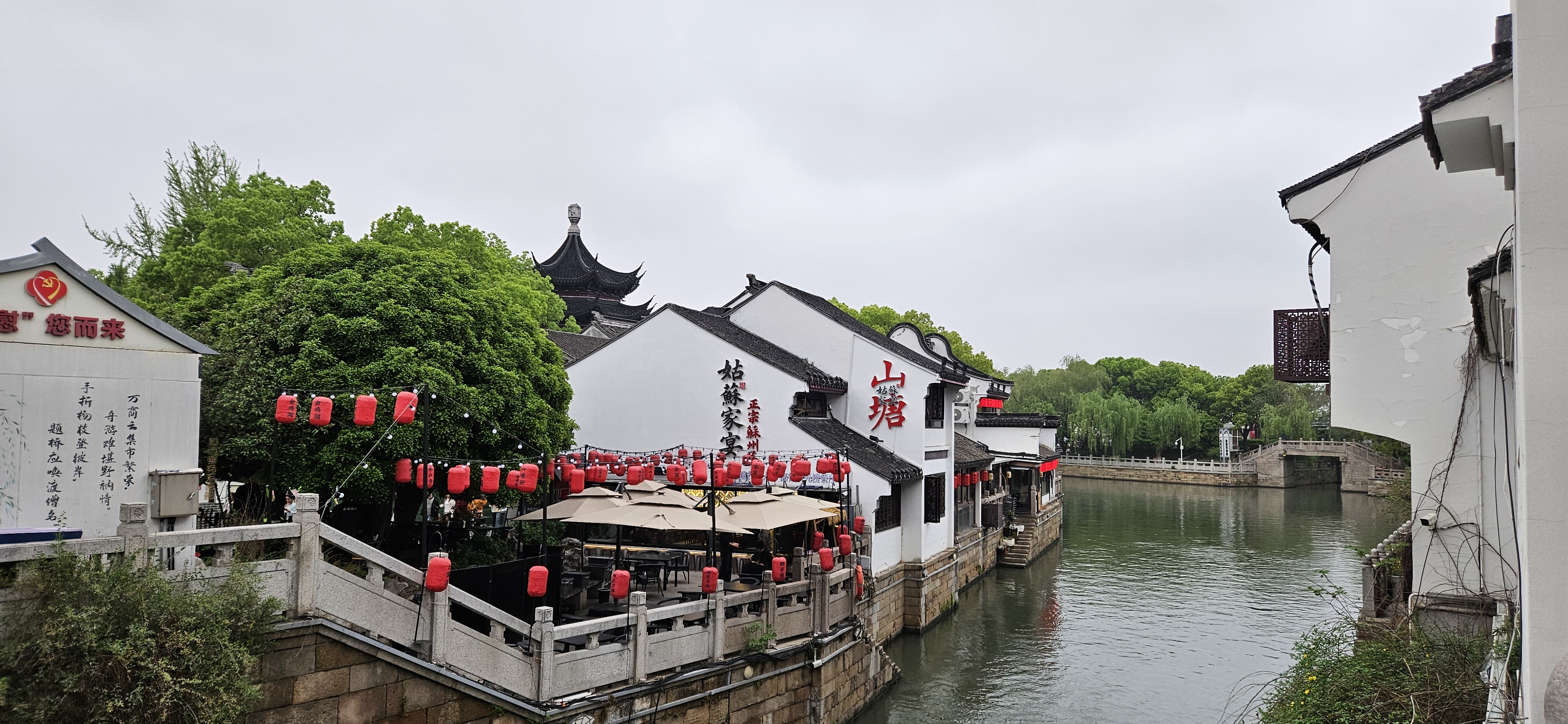
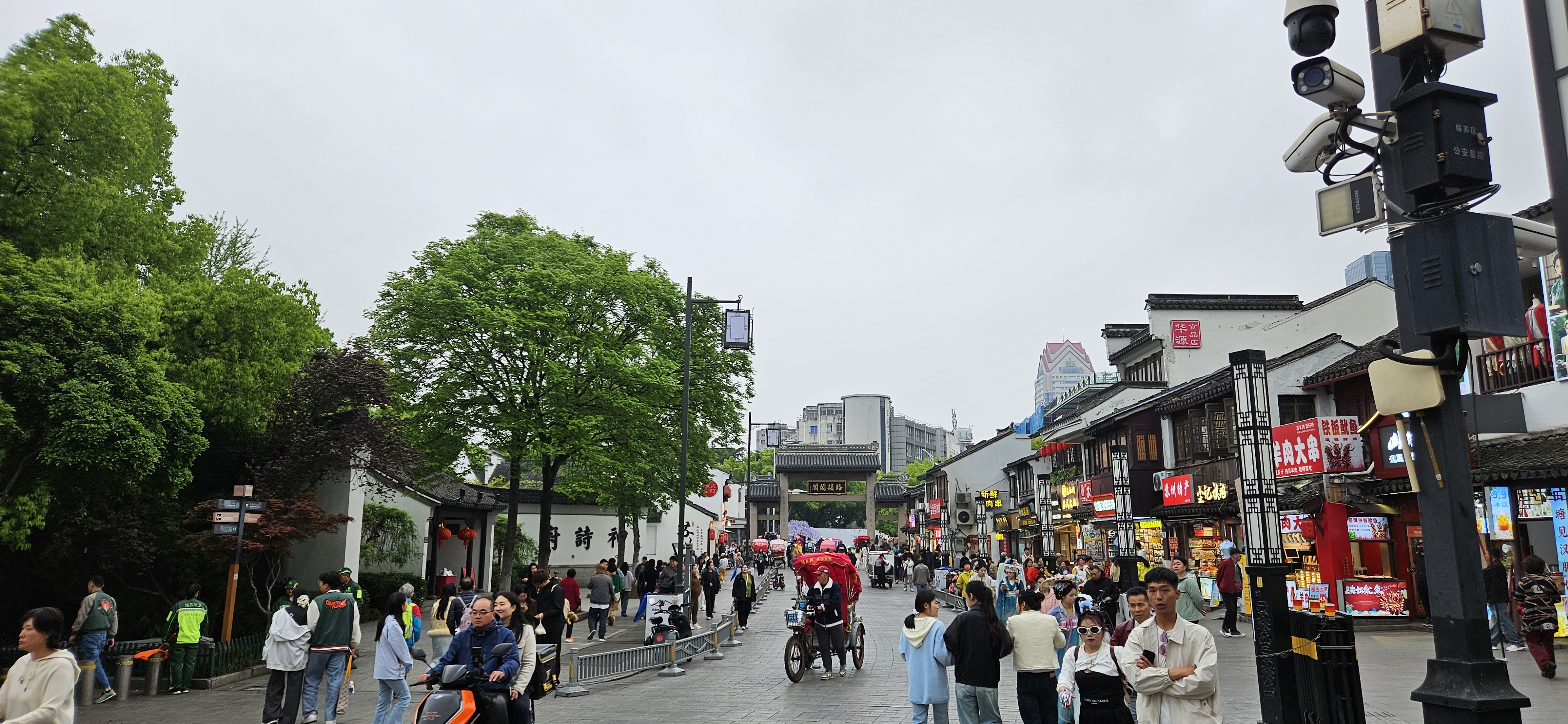
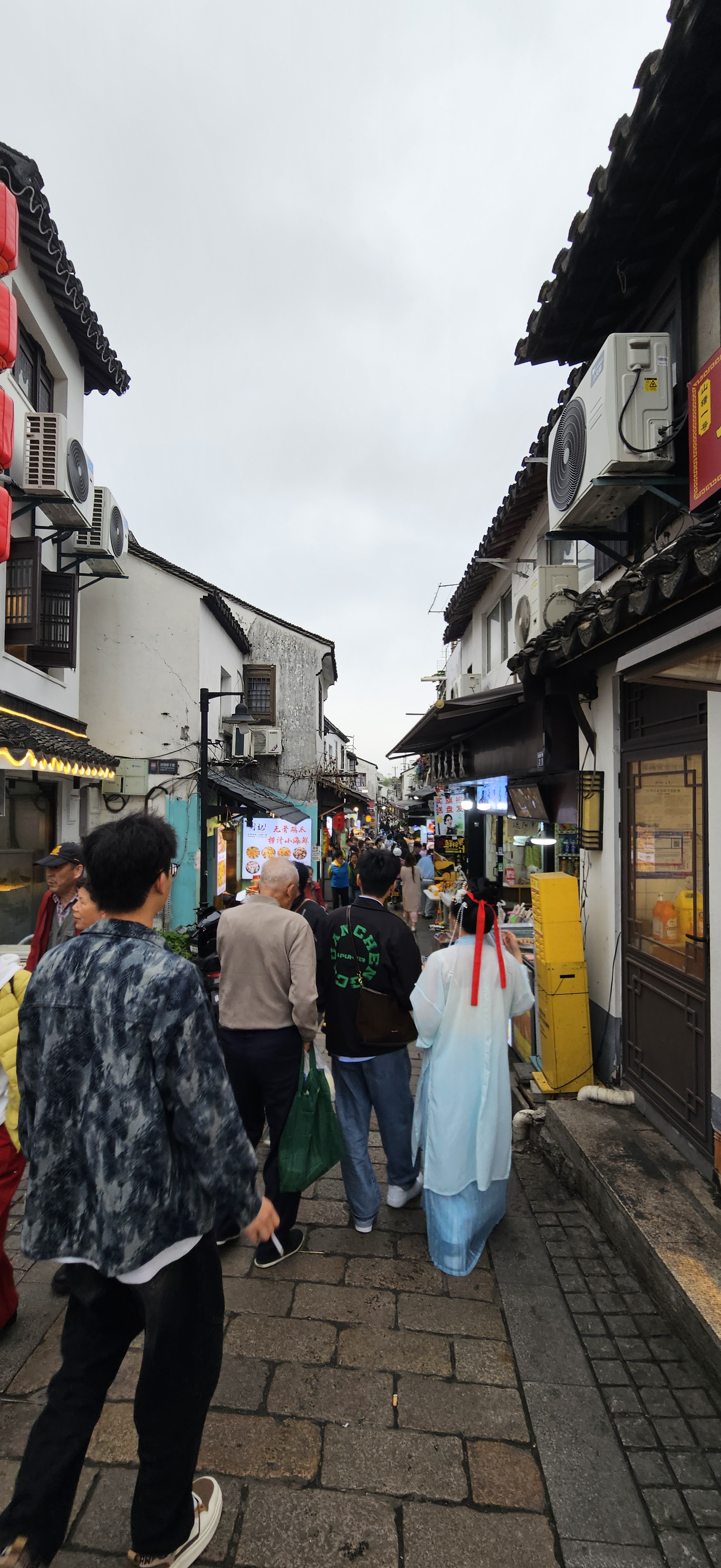
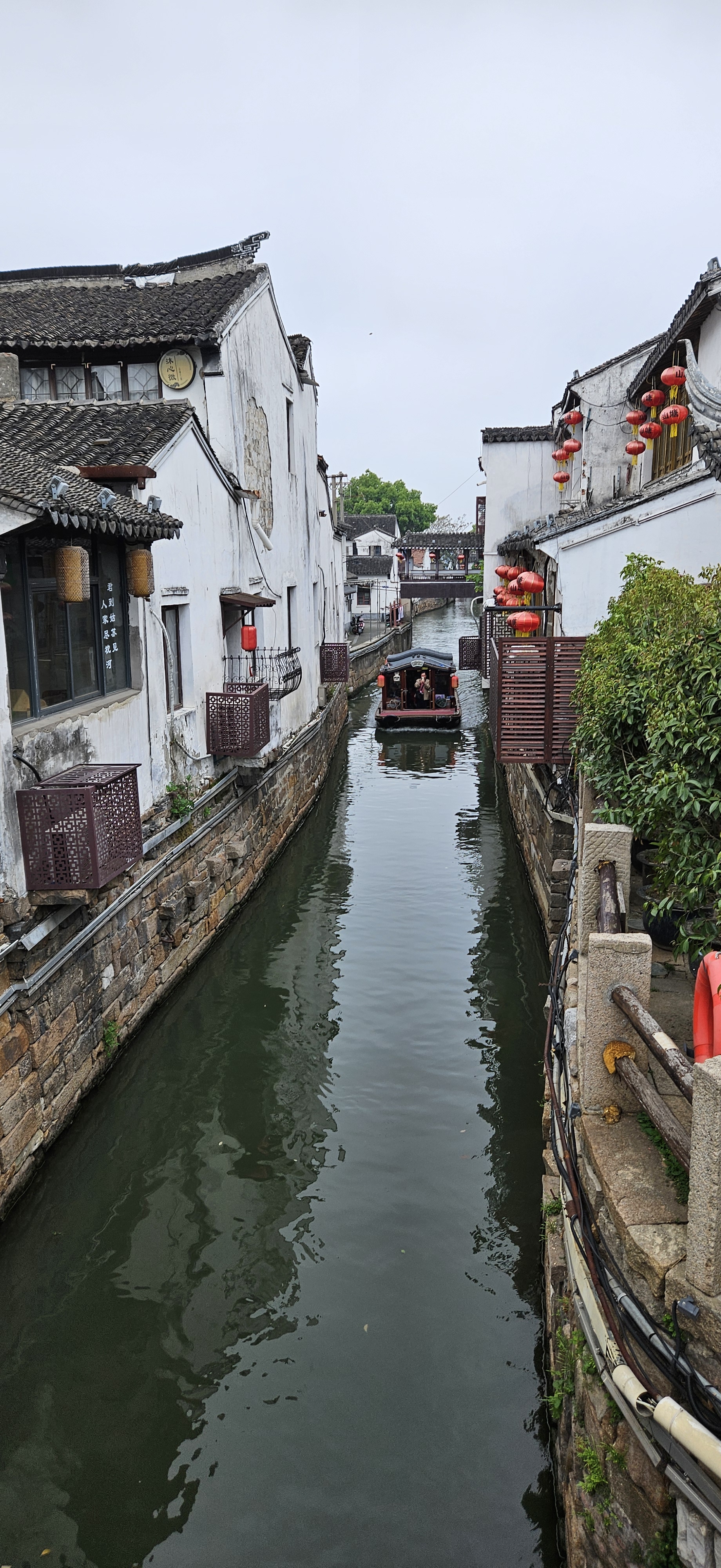
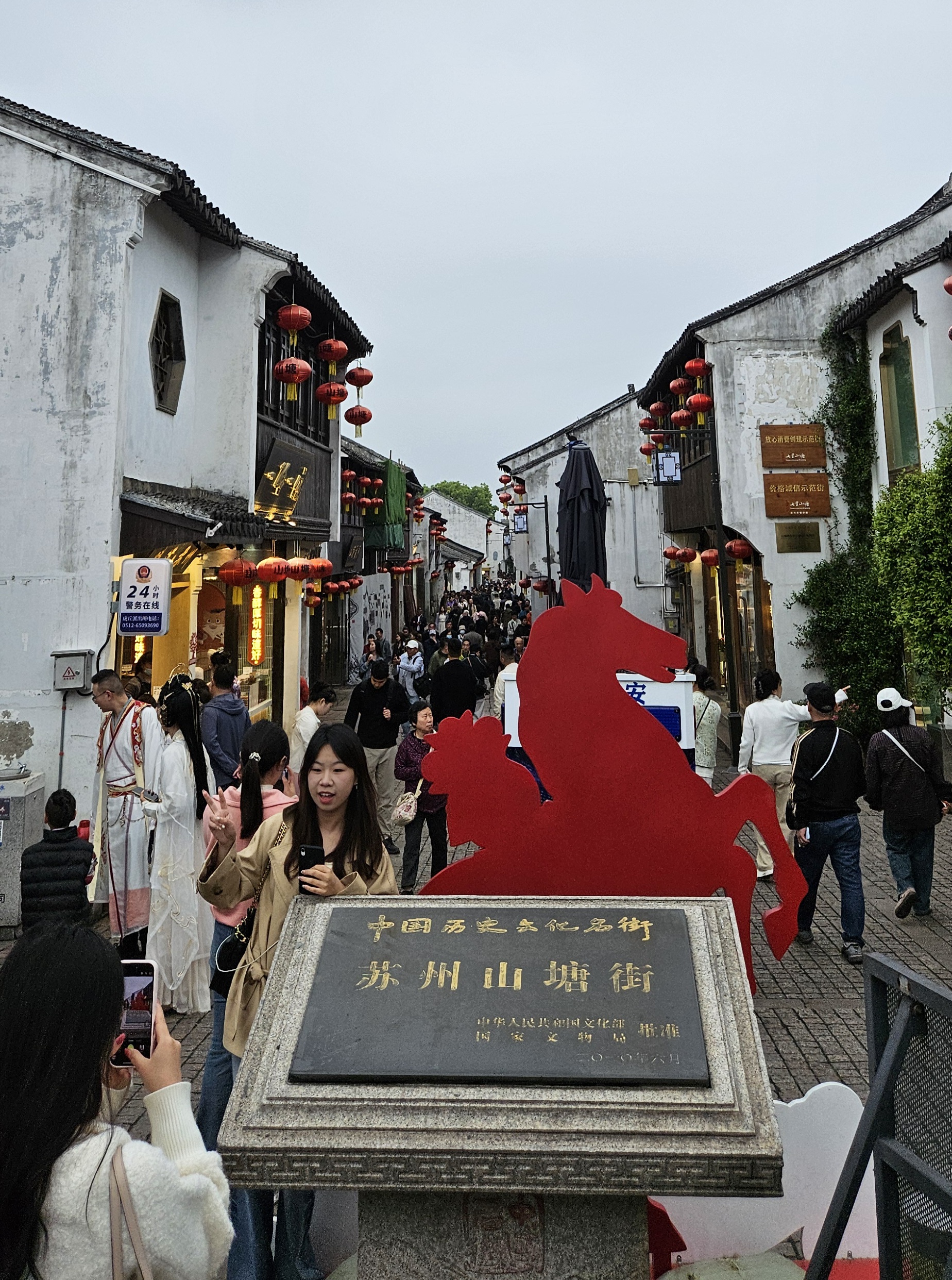
The area was packed, and we looked for a side street or somewhere to get away from the crowds. We followed a narrow street and found a flat bread wrap and some lime tea, that the vendor was very excited to sell to us. We found a nearby bench to enjoy them.
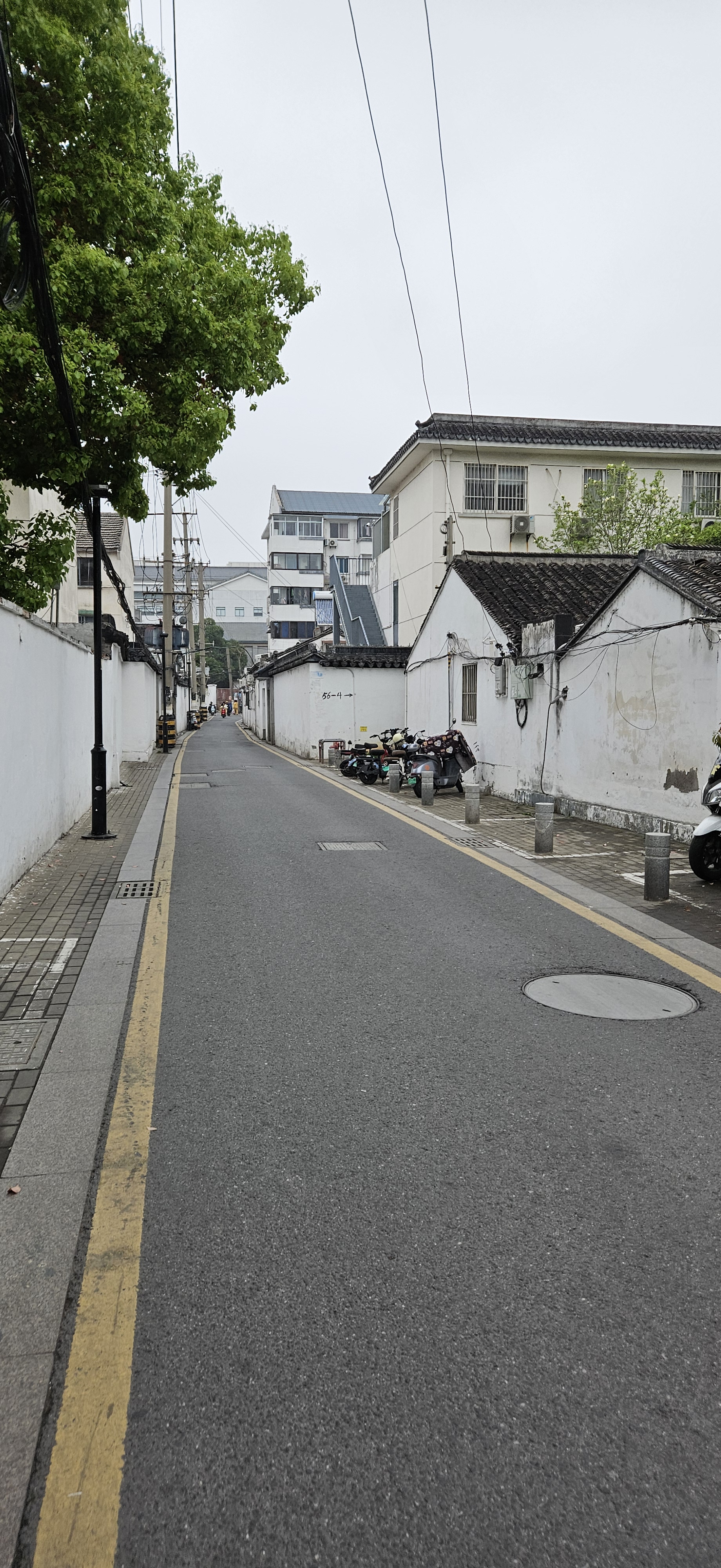
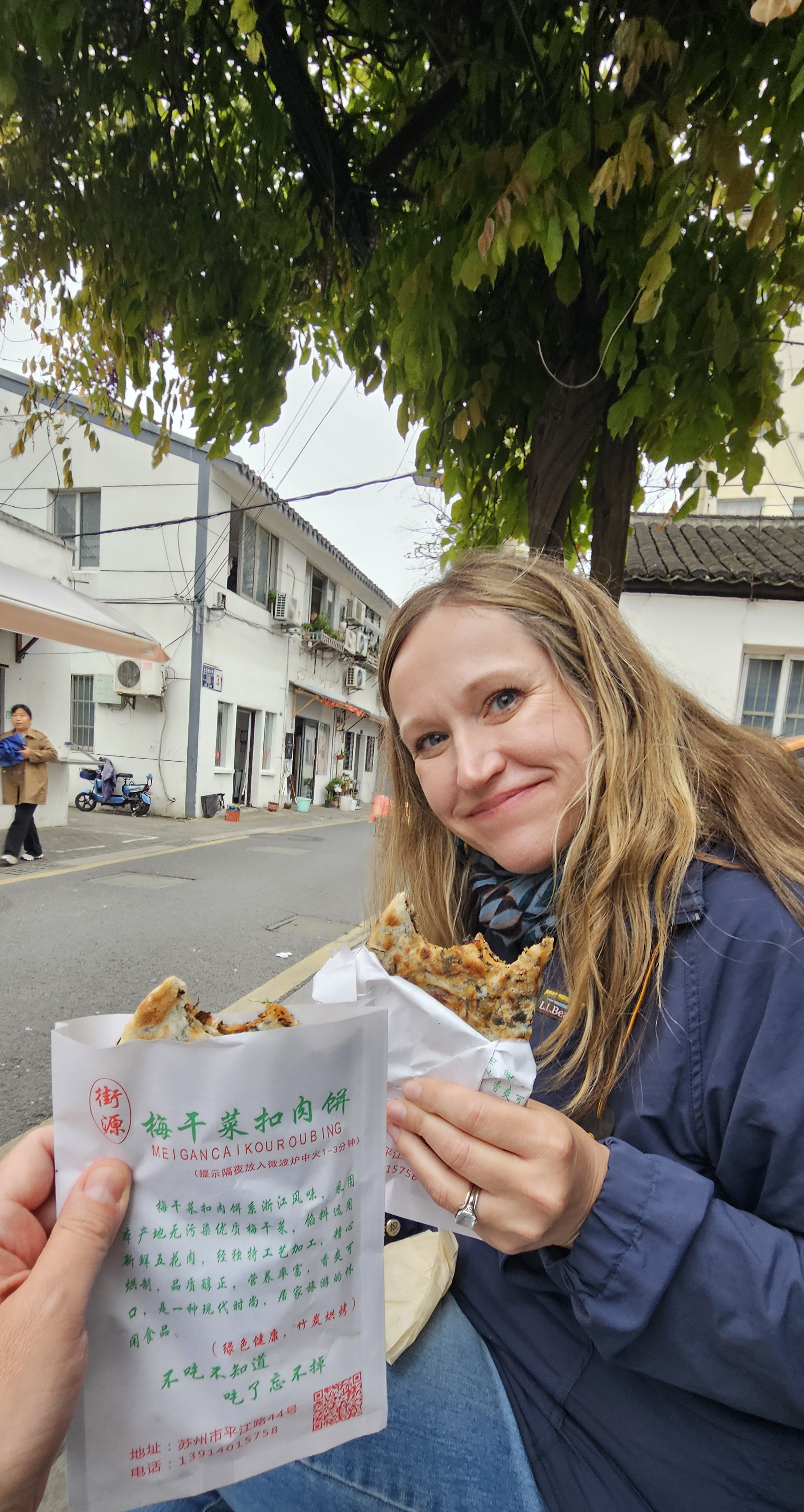
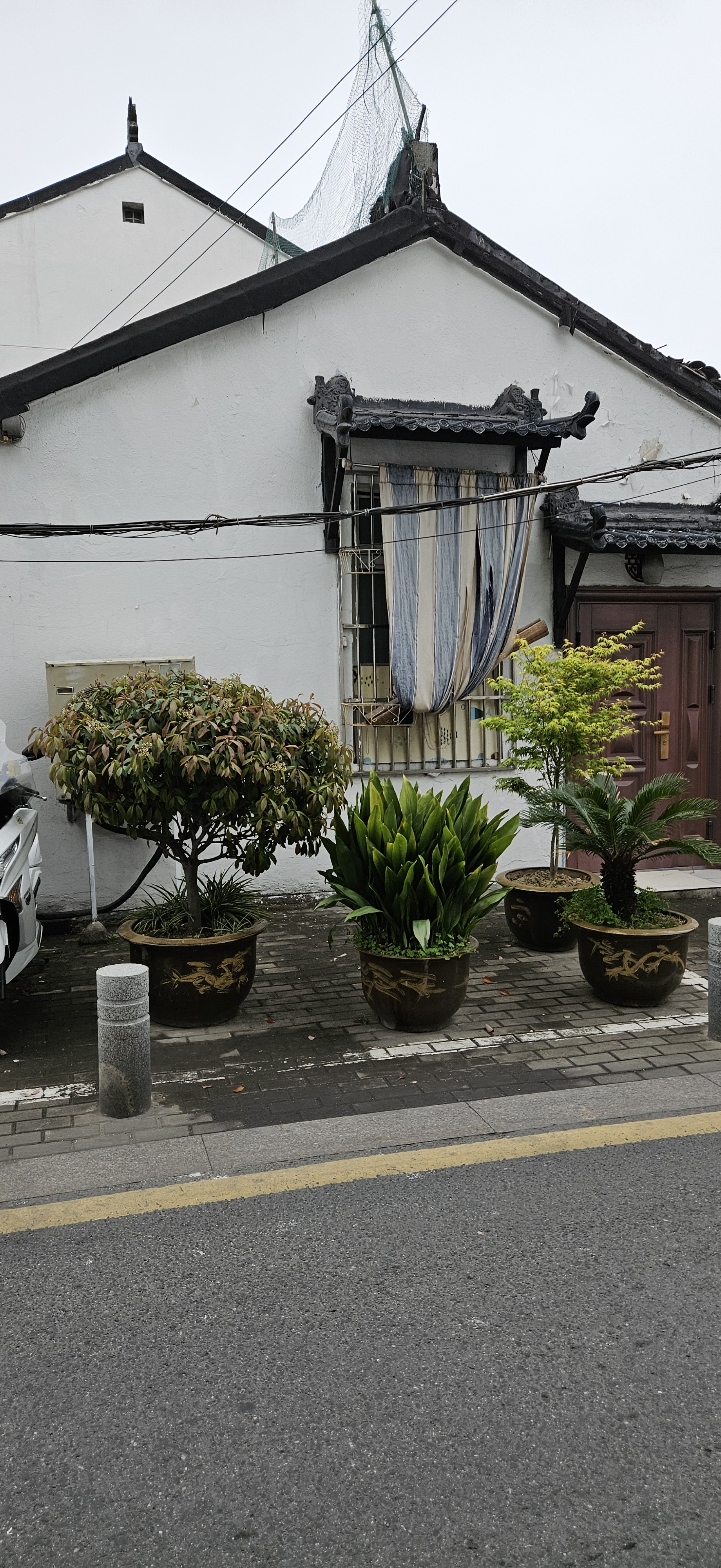
The farther we walked, the less people we saw; and we glimpsed the river and took a detour to enjoy the last of the lime tea and enjoy the quiet in a small pavilion.
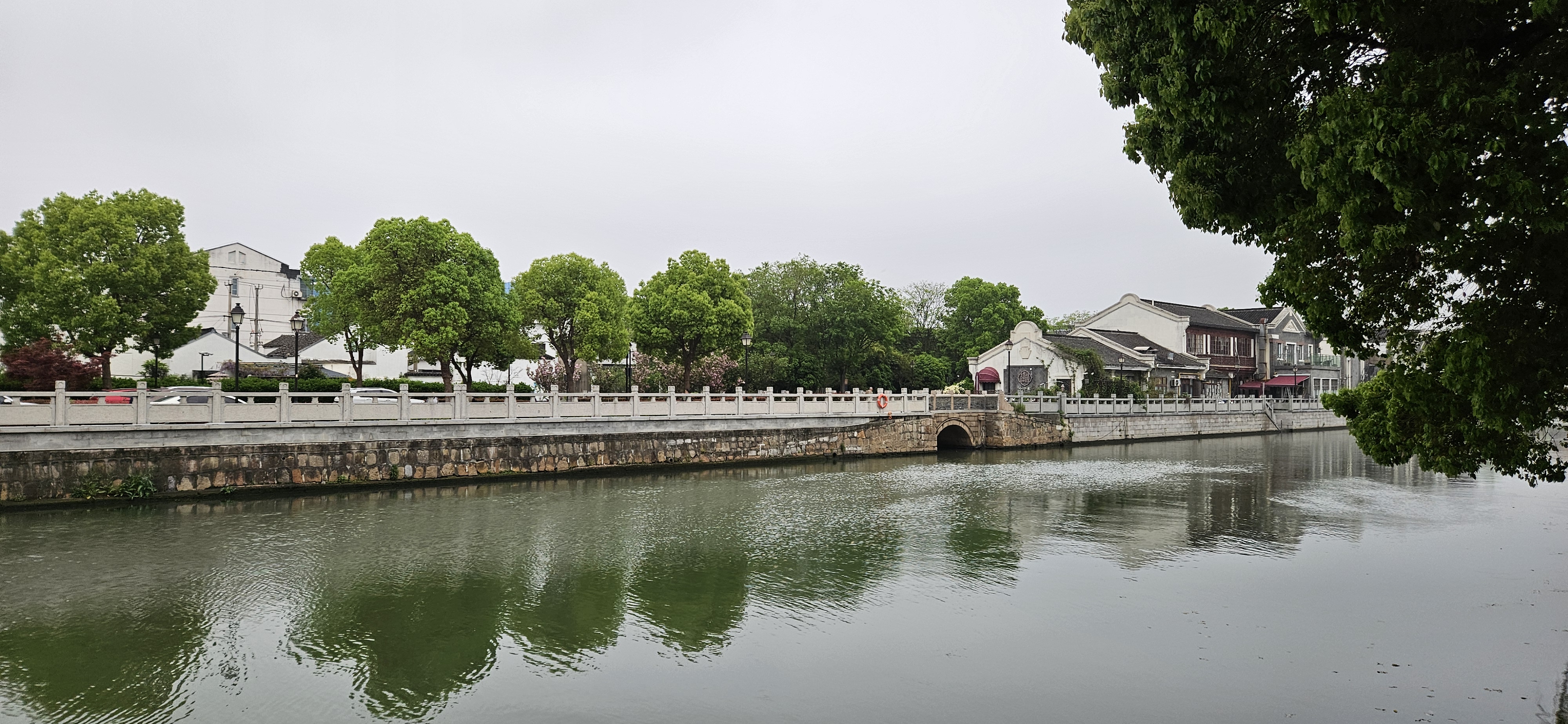
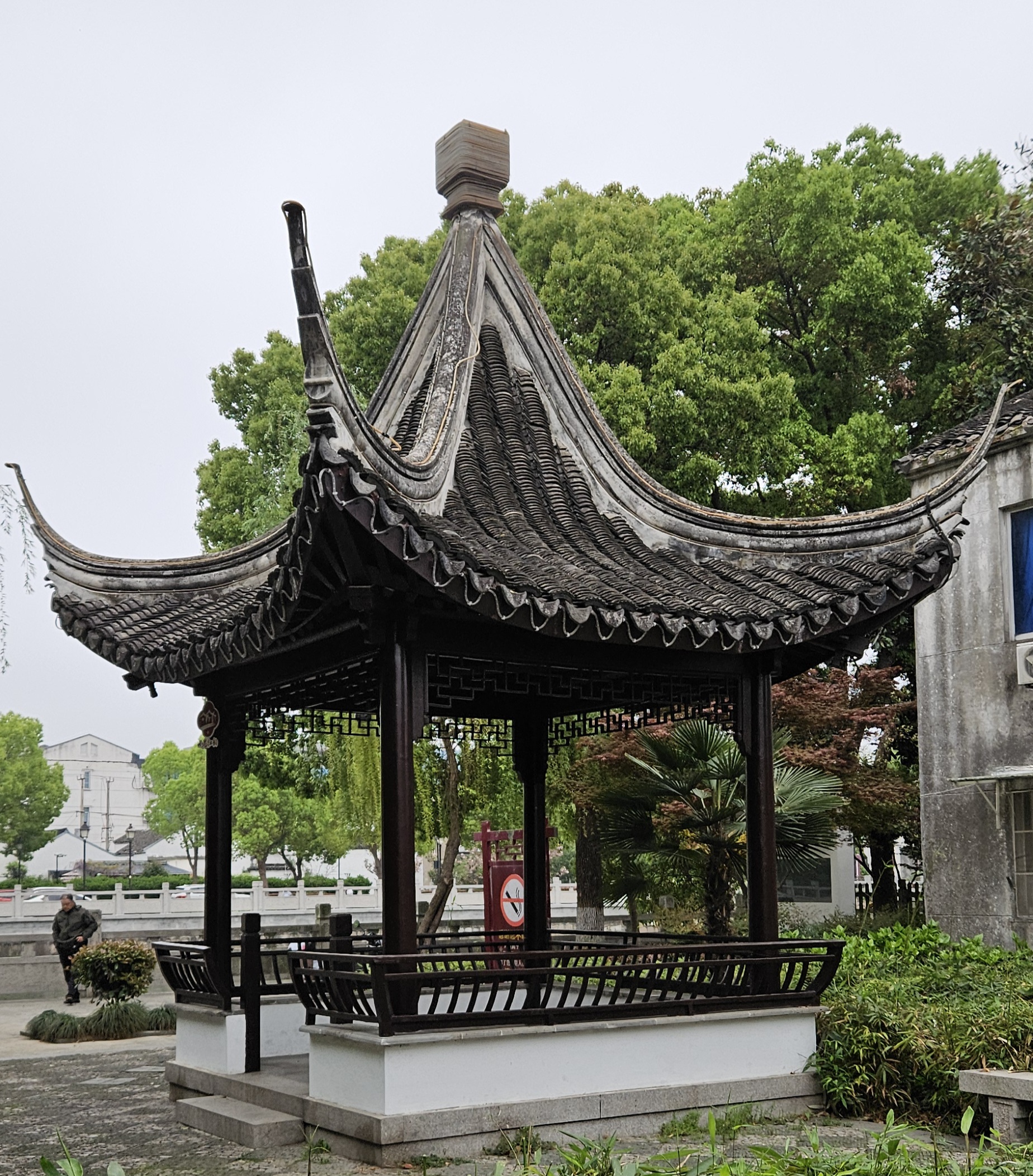
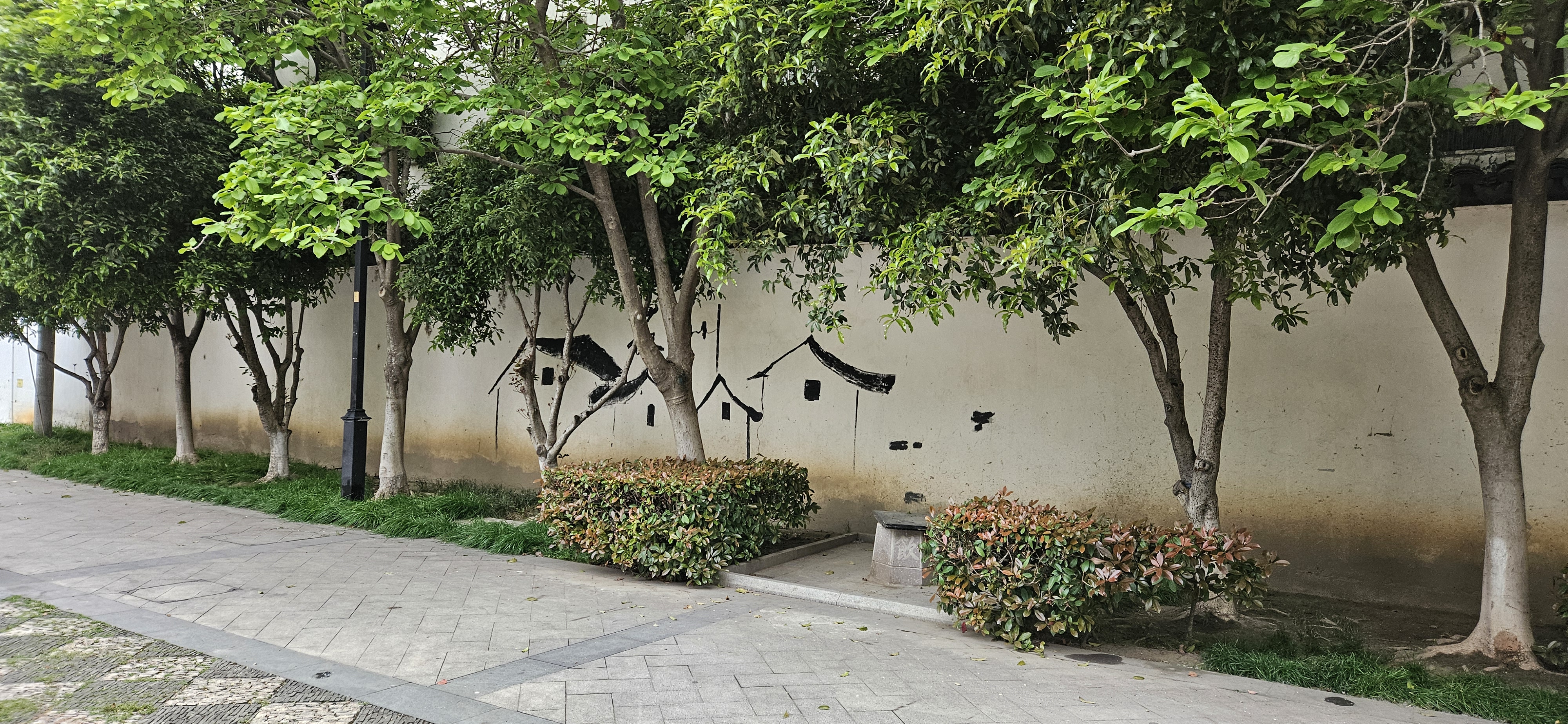
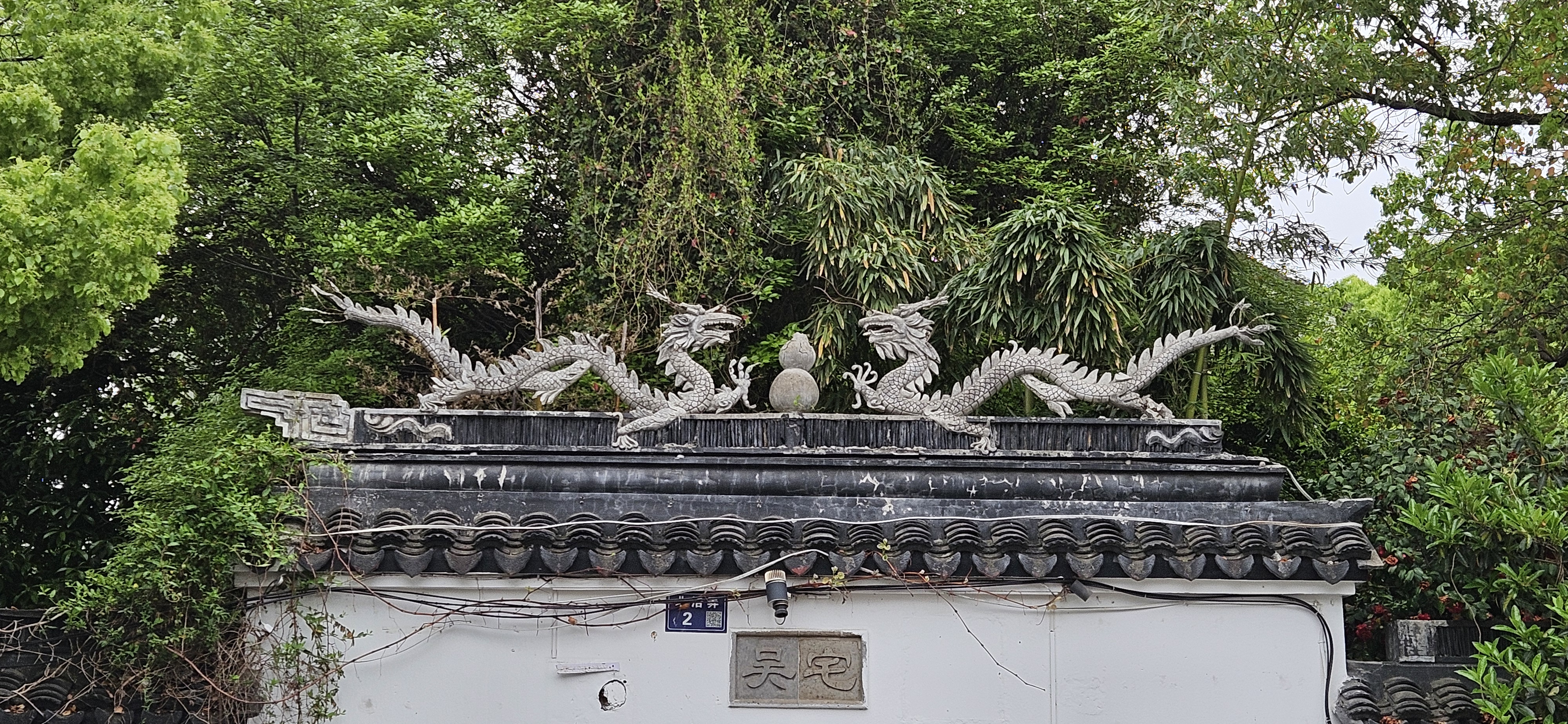
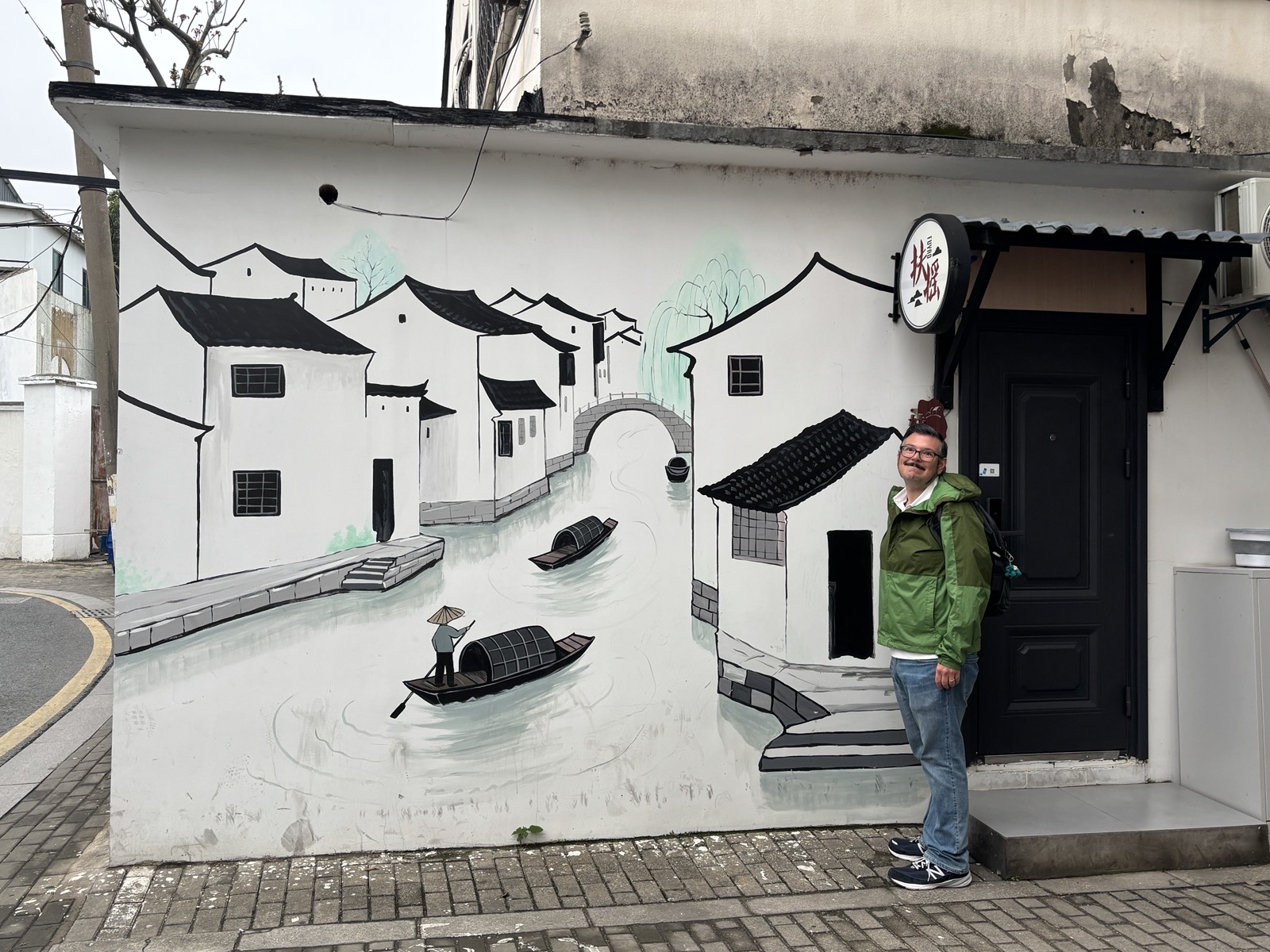
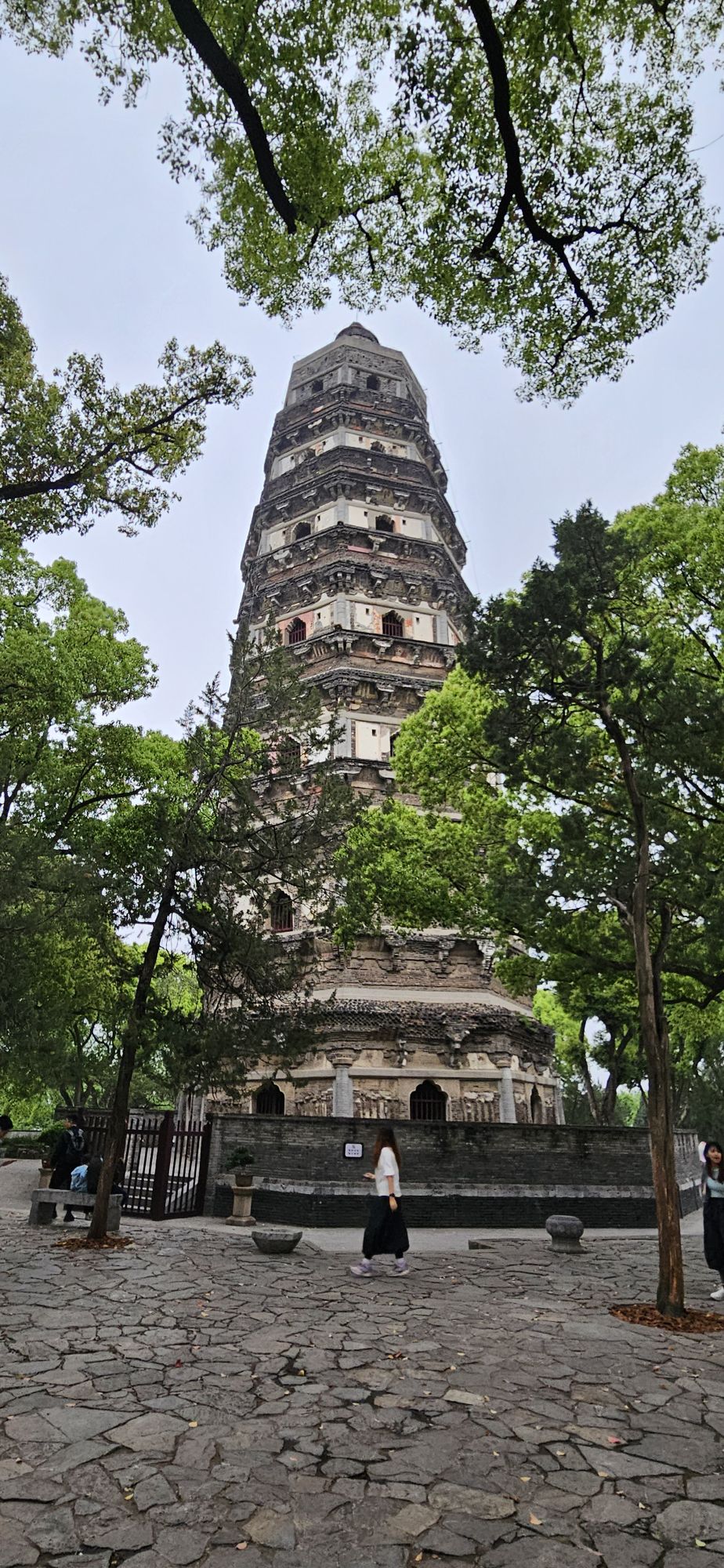
We eventually arrived at a major thoroughfare, and, as it was getting later in the afternoon we headed toward the Tiger Hill Pagoda (also known as the Yunyan Temple Pagoda, and also the Leaning Pagoda of China) that sat atop Tiger Hill, hoping to arrive with enough time to see it.
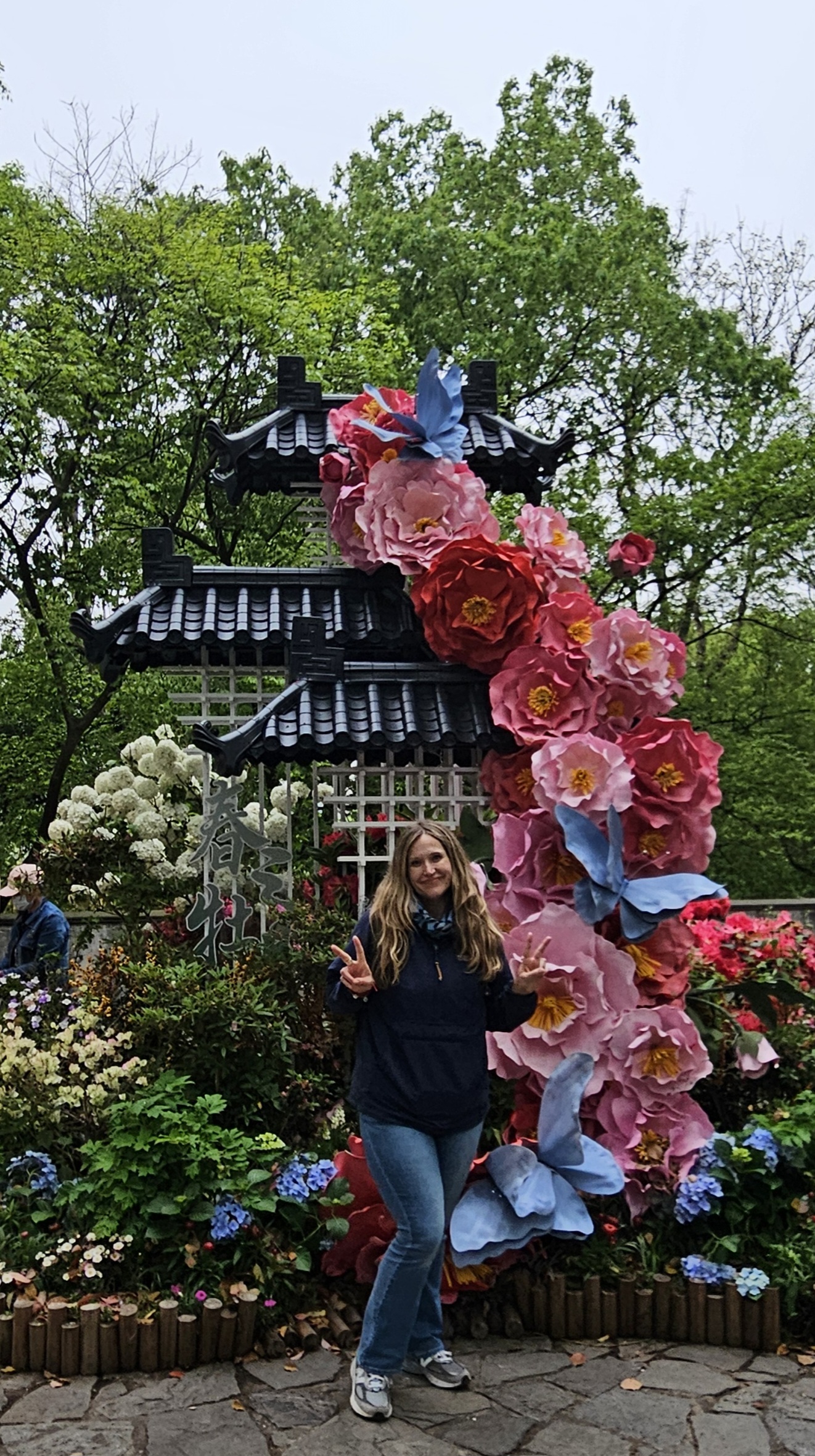
We hopped in a Didi and made it (just barely) to the entrance gate, across another small river, past some pretty flowers that surrounded a bonsai tree, and an installation of a cartoon Chinese woman surrounded by oversized, fake flowers, finally passing under an orange archway and seeing the huge, leaning, pagoda in the distance.
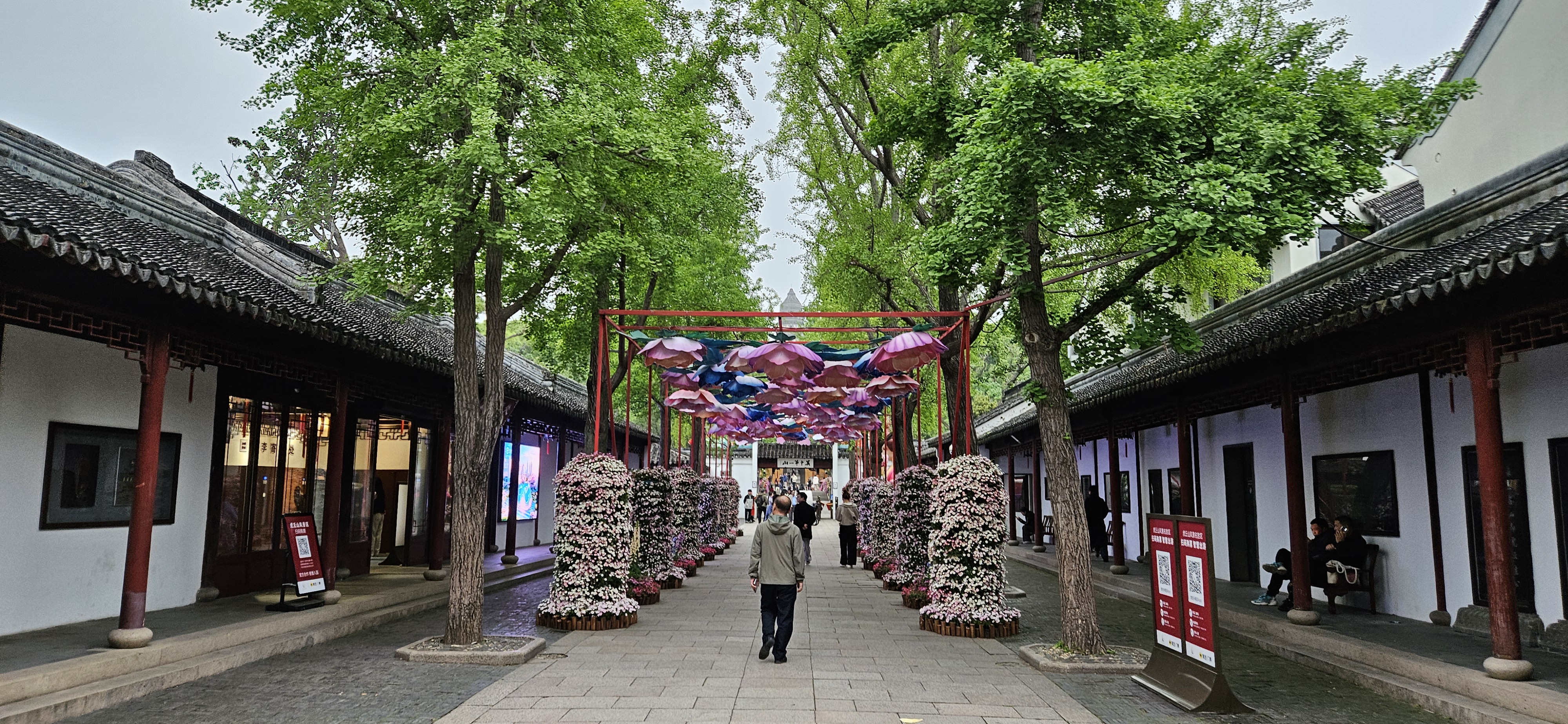
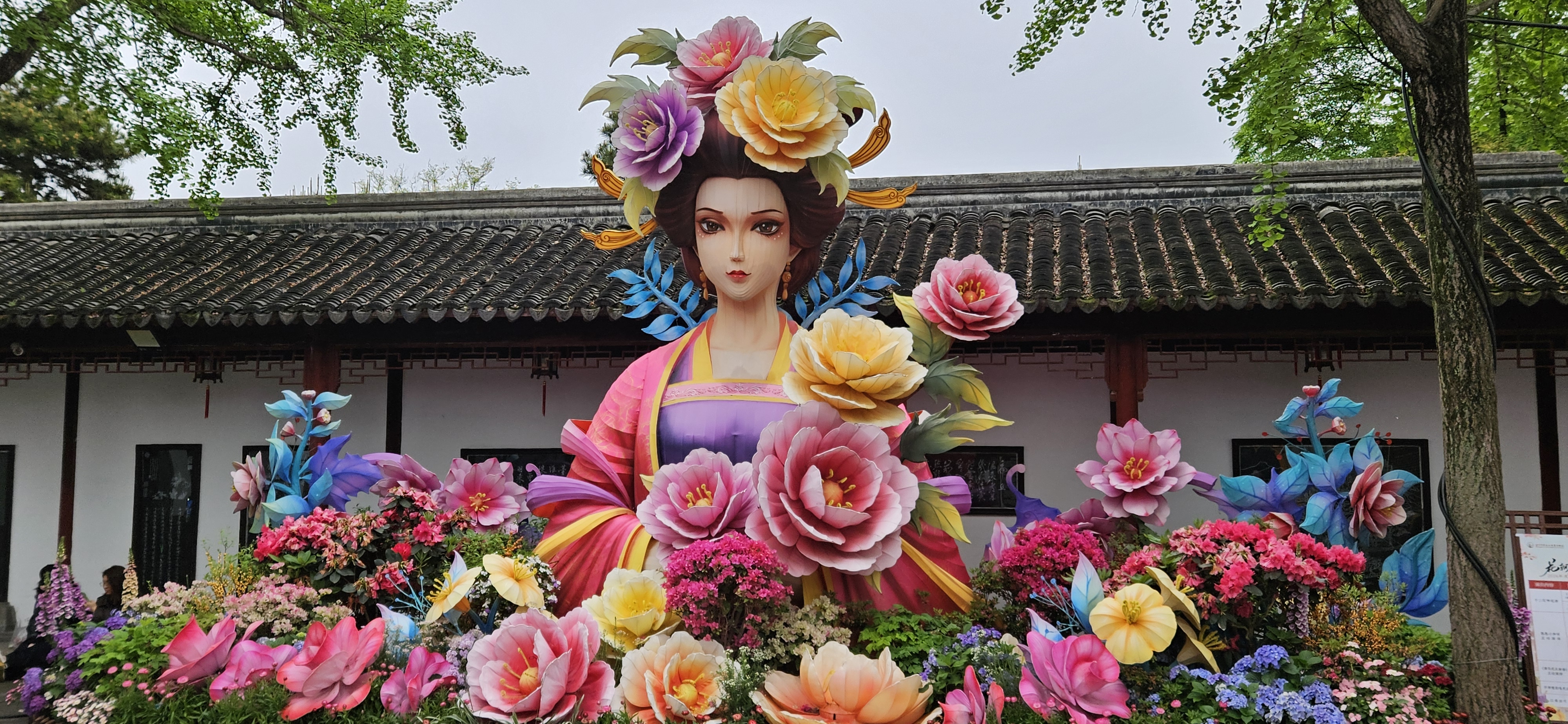
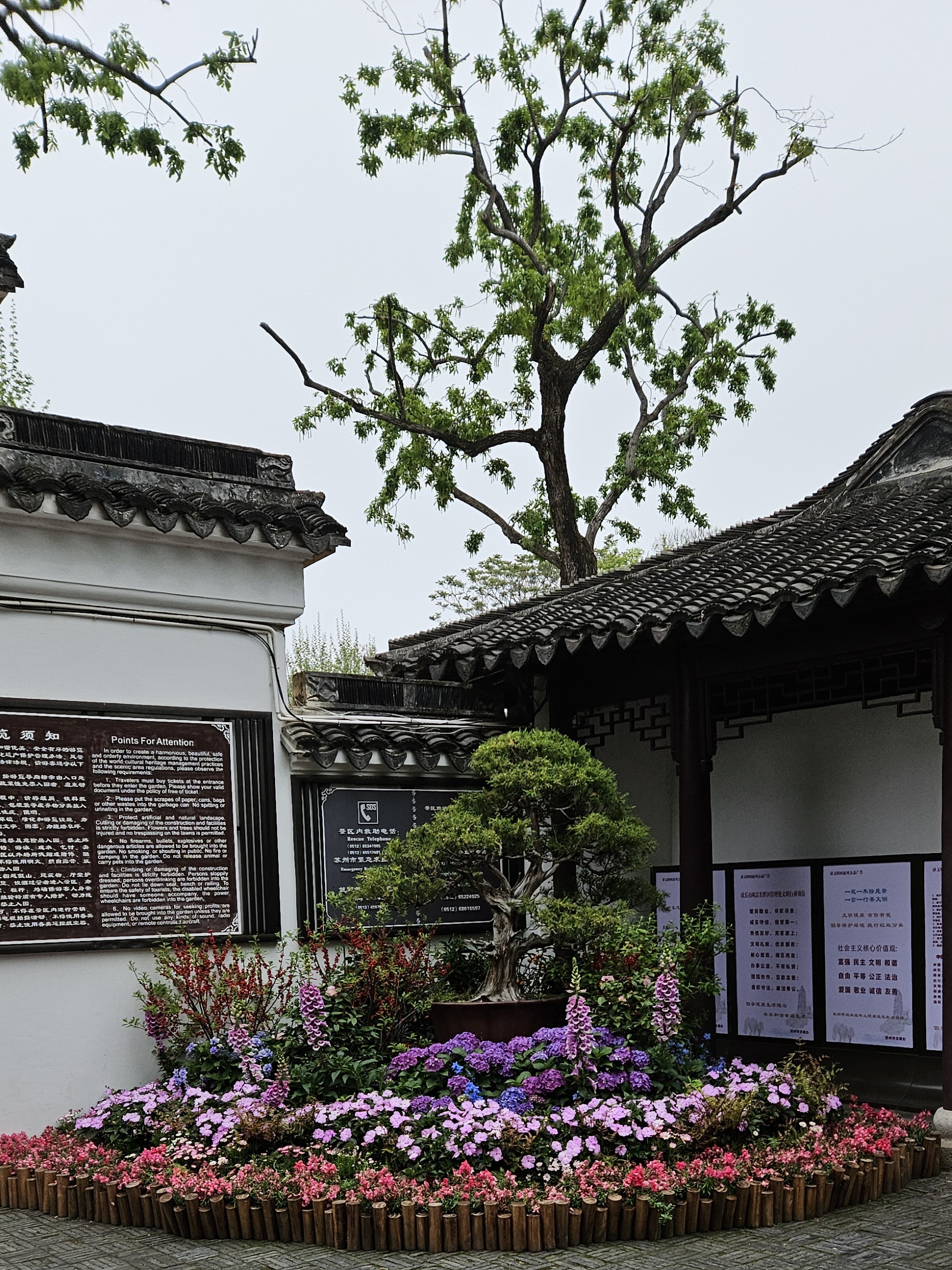
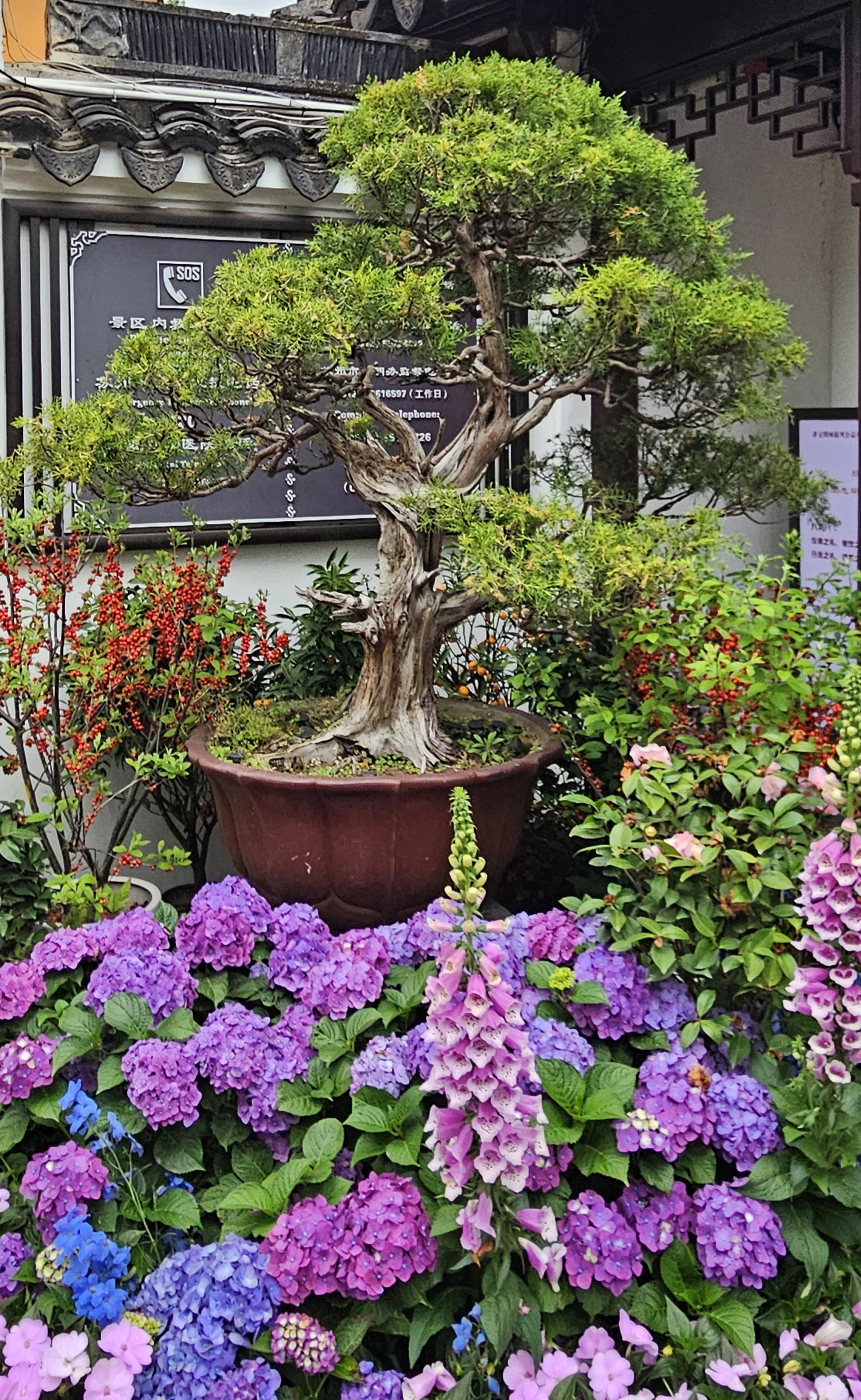
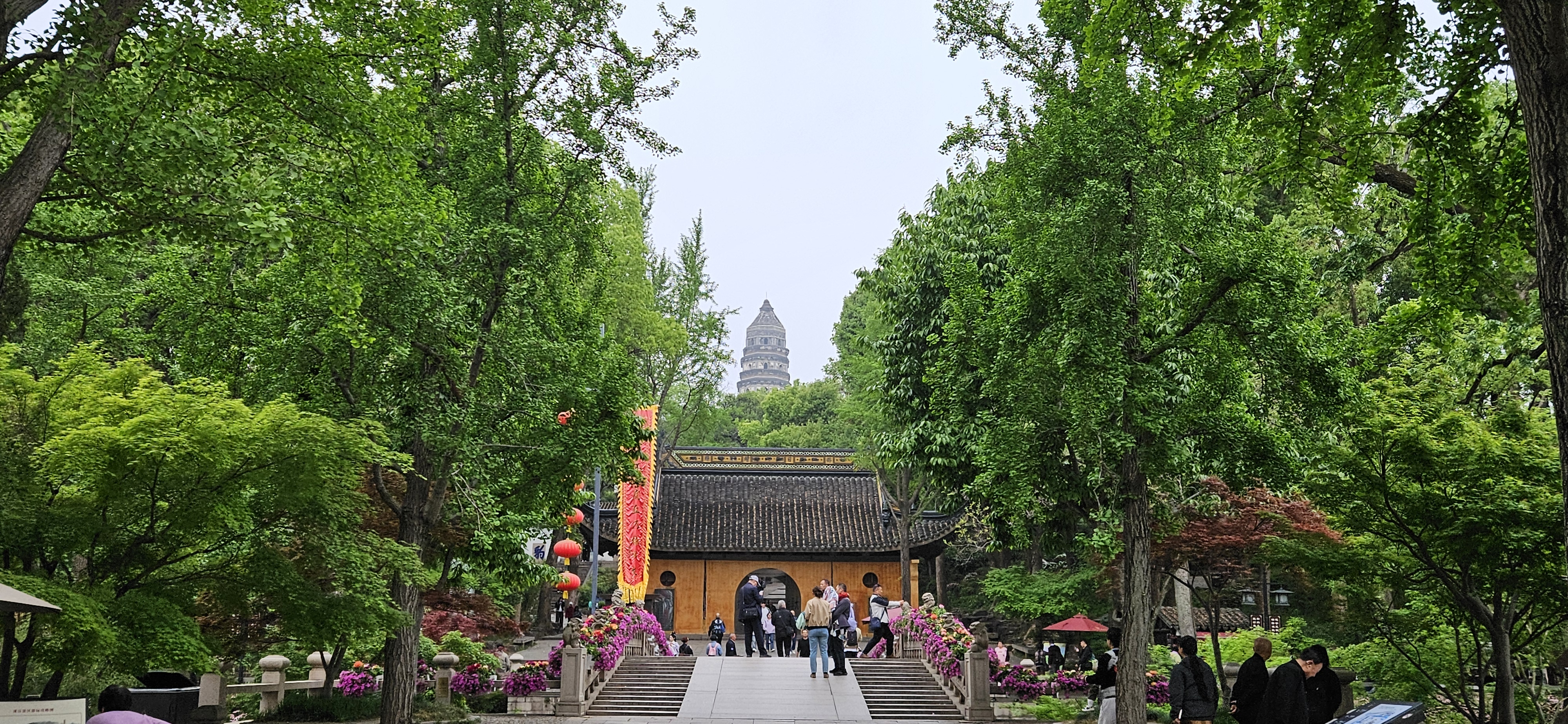
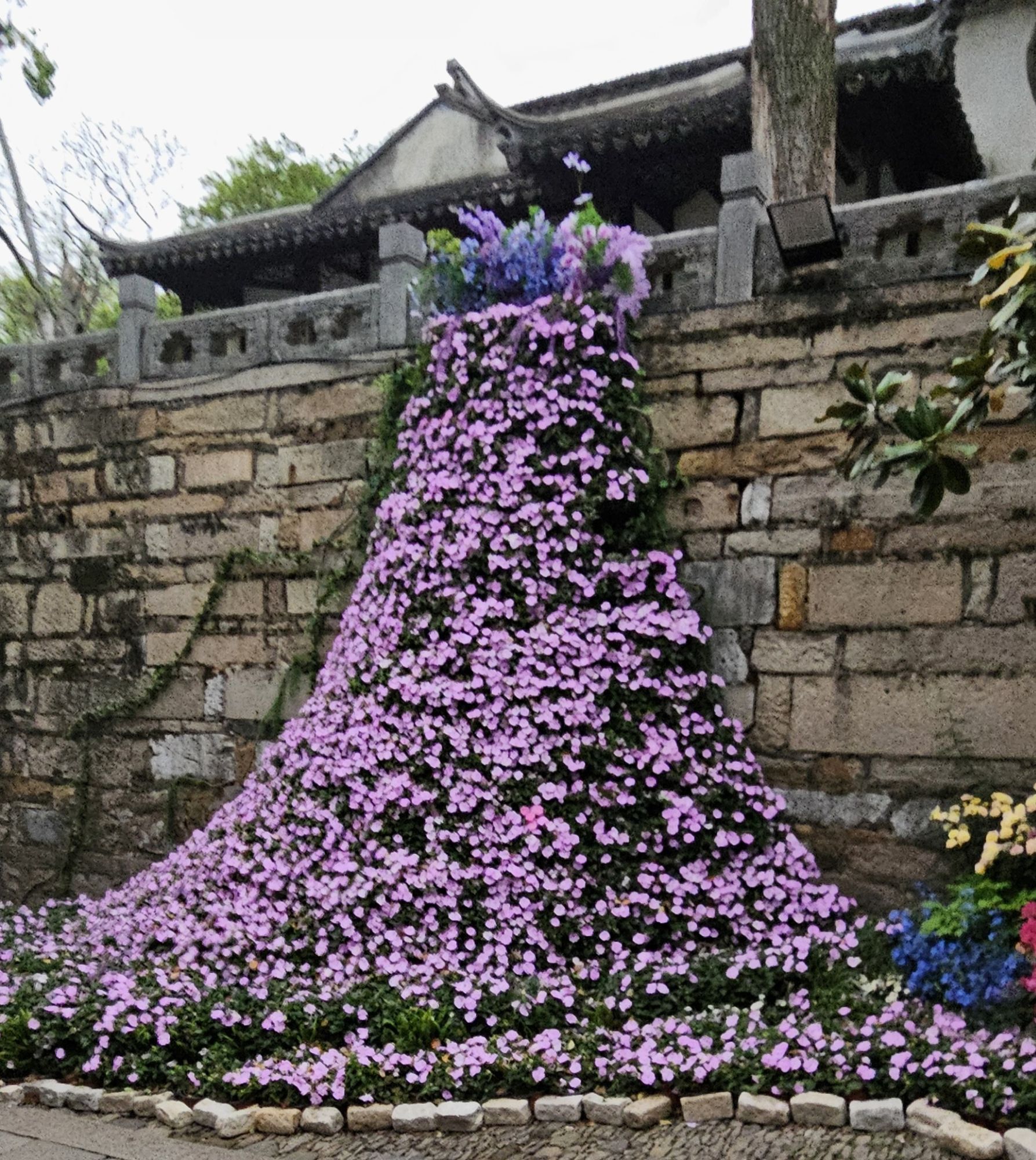
Tiger Hill Park is huge, and once inside, we started down a path, and knew eventually, we would have to head up to see the pagoda. We walked through a lot of greenery and different paths, up many stairs, past pavilions, over streams, crossing a flower bridge, on our way.
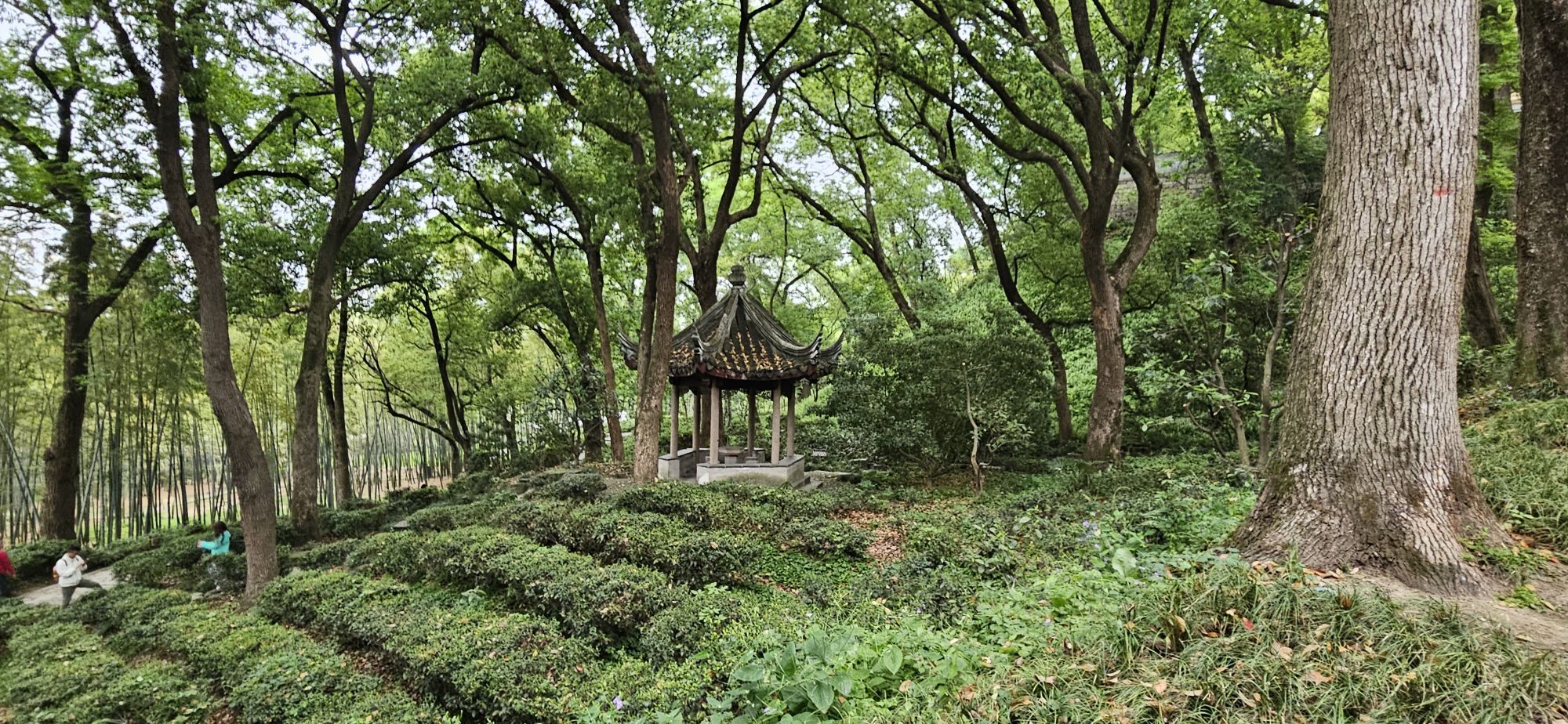
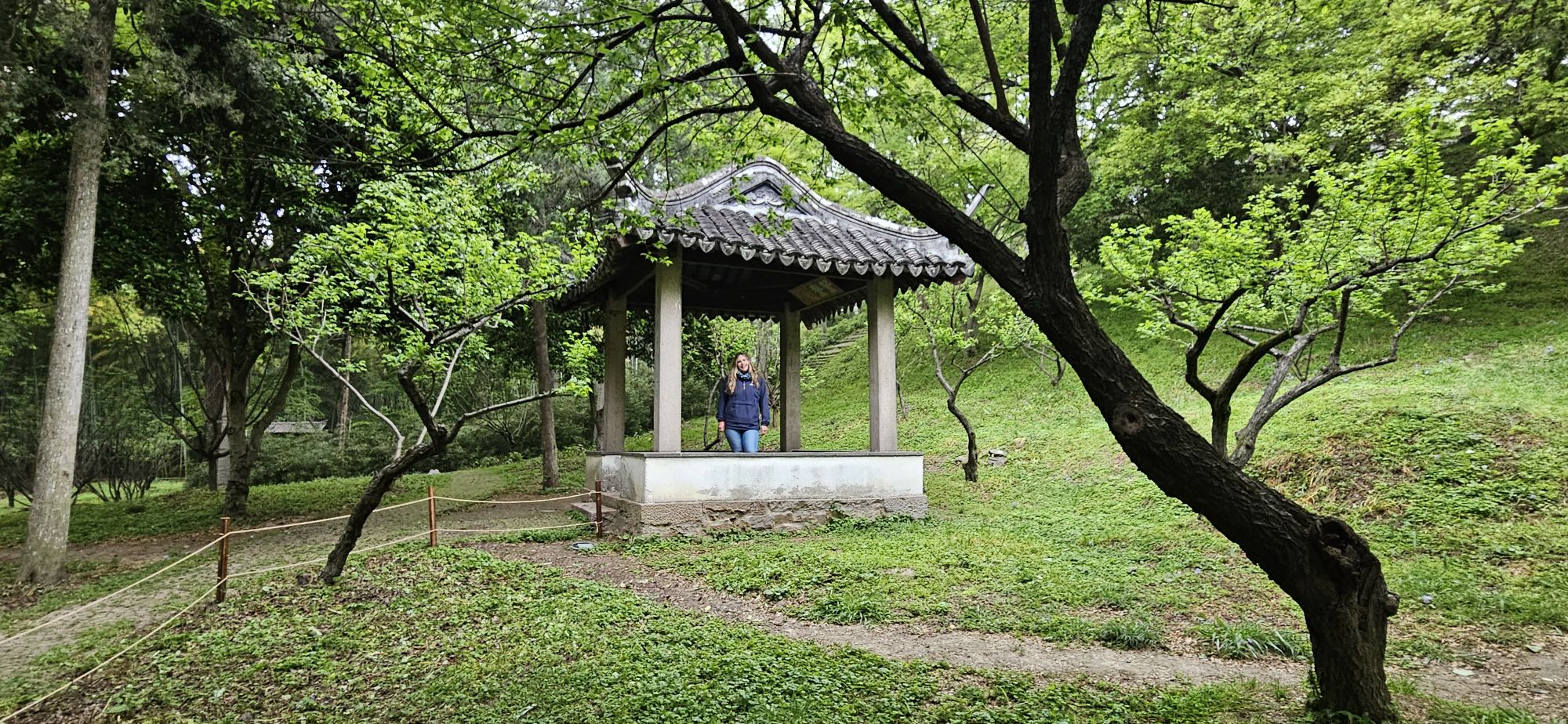
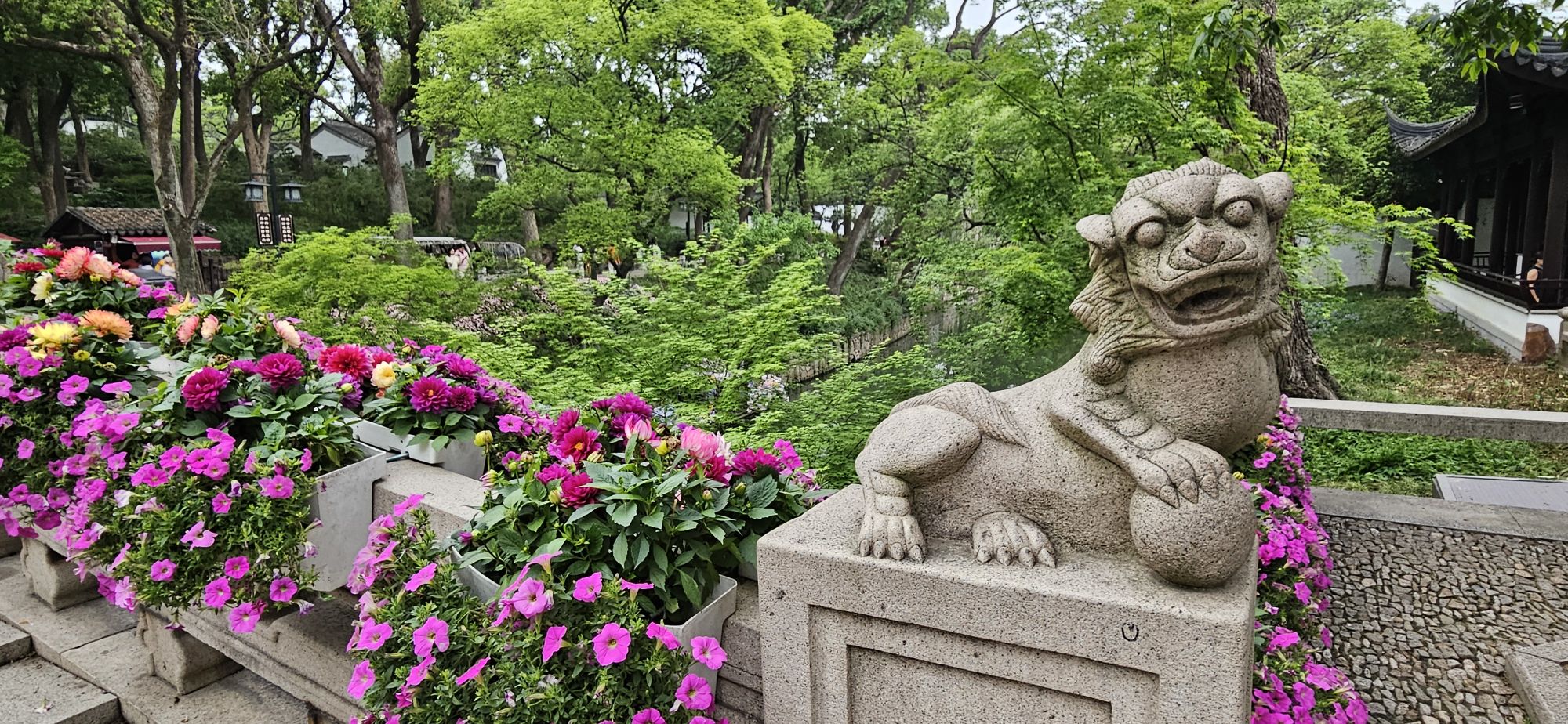
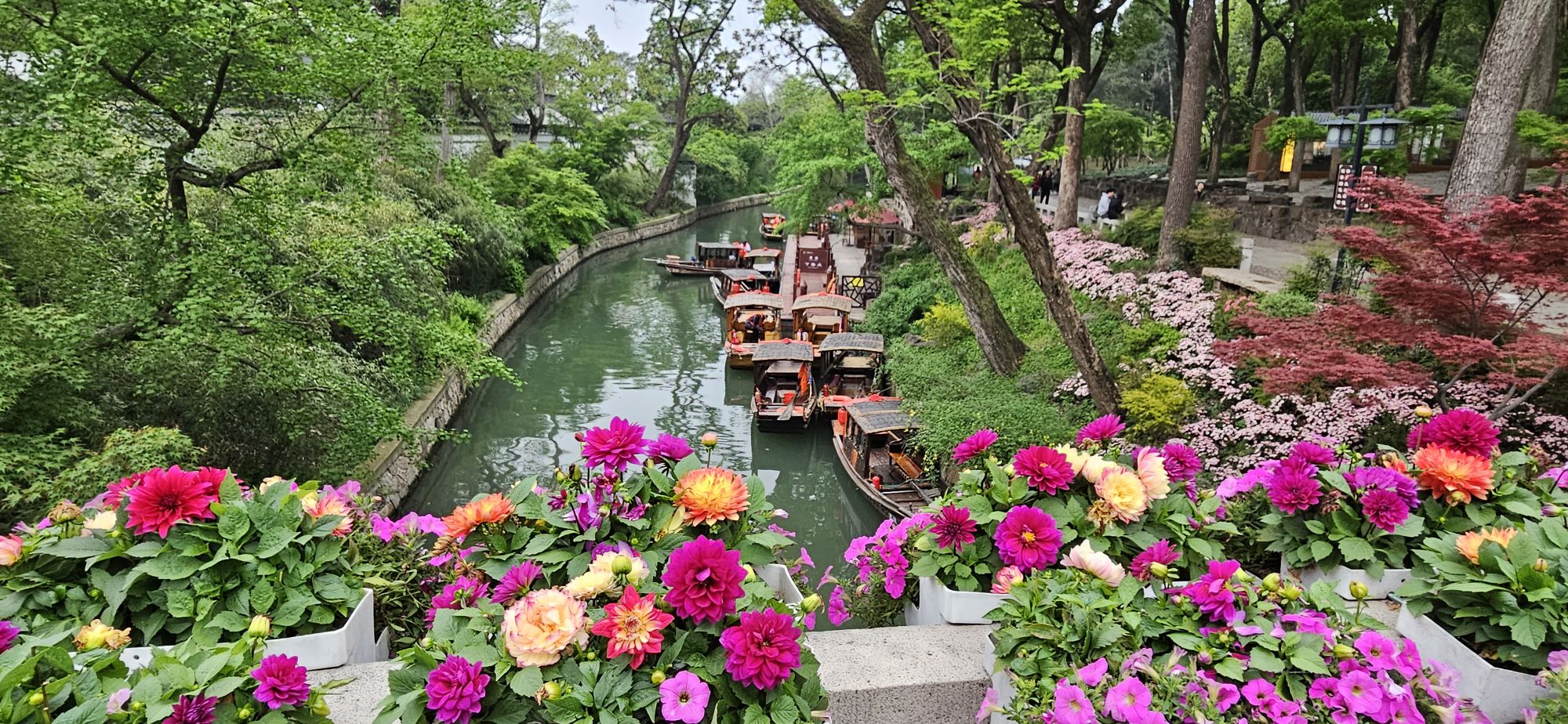
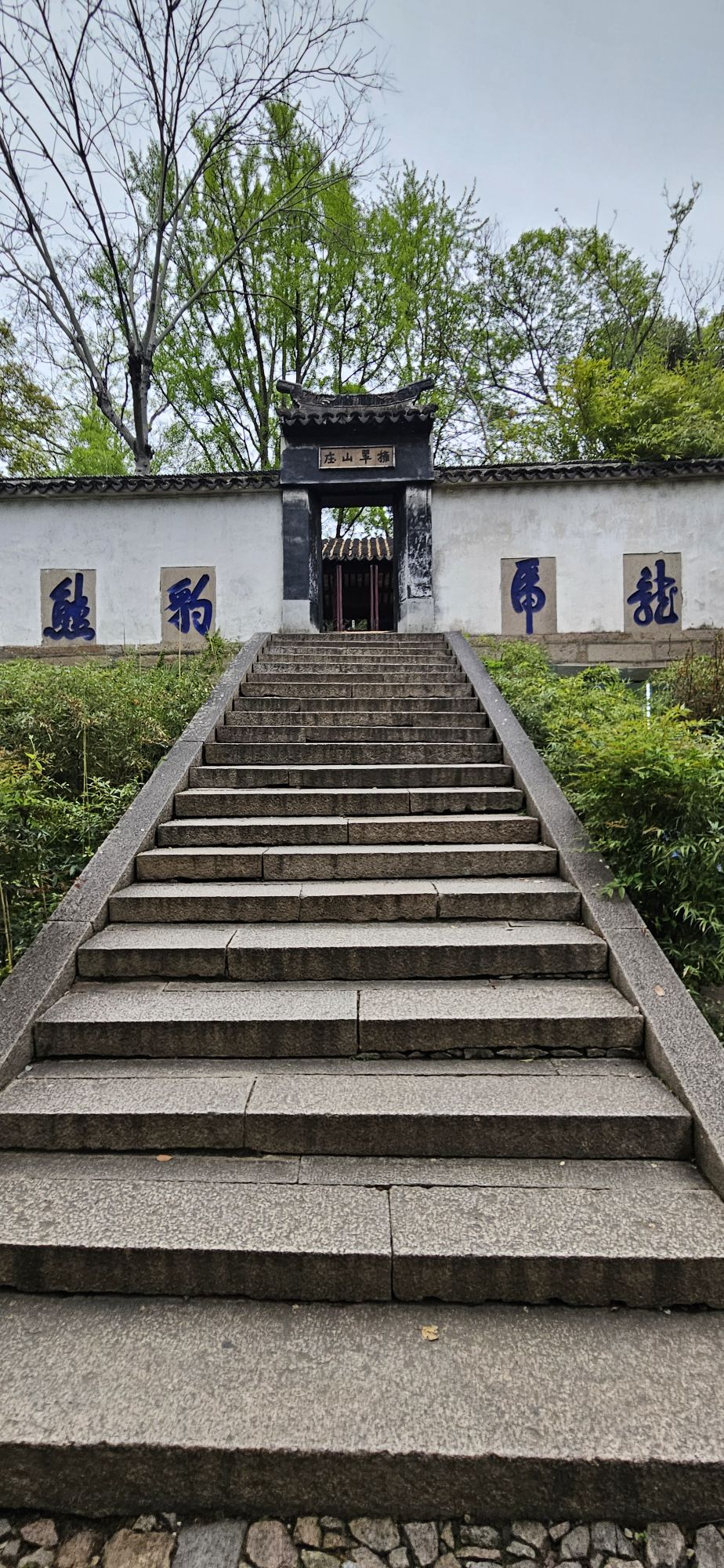
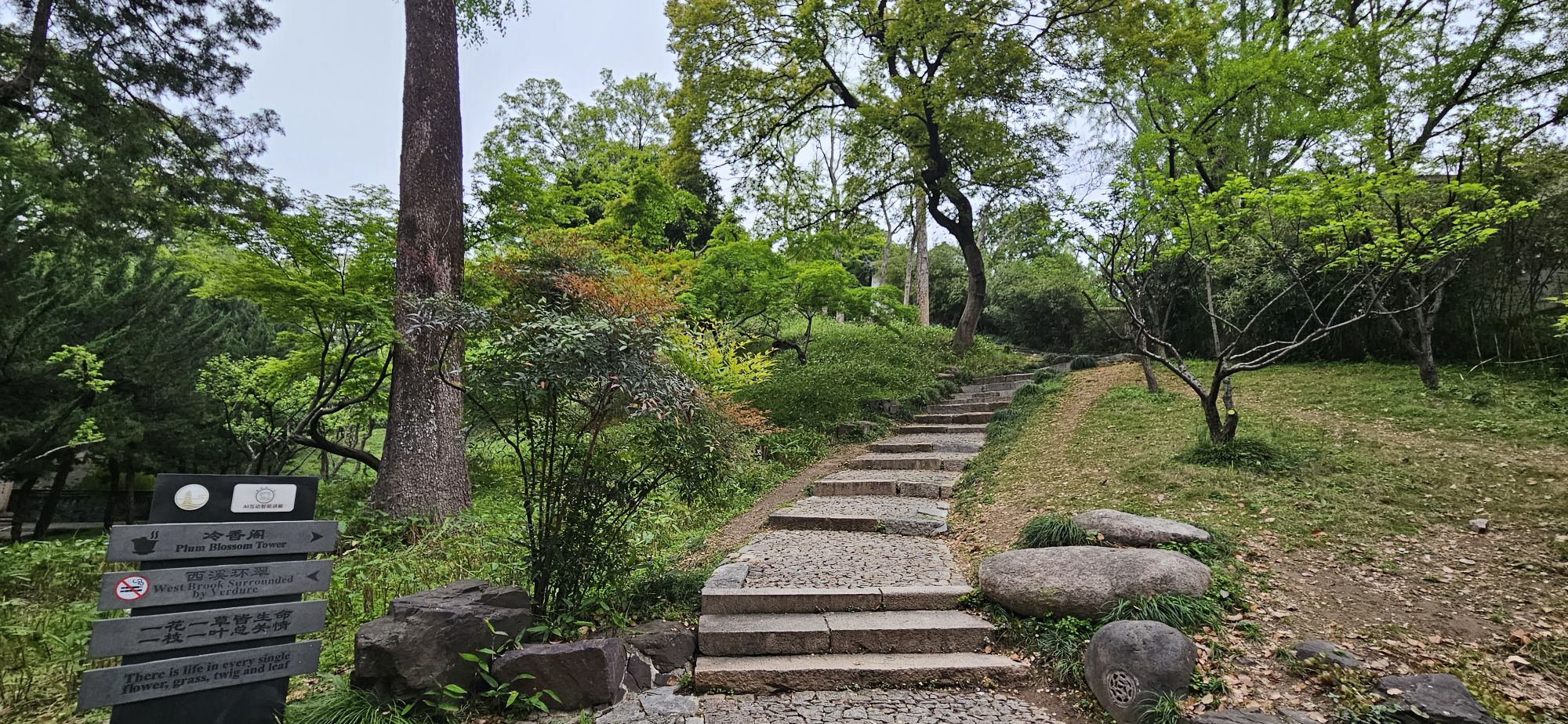
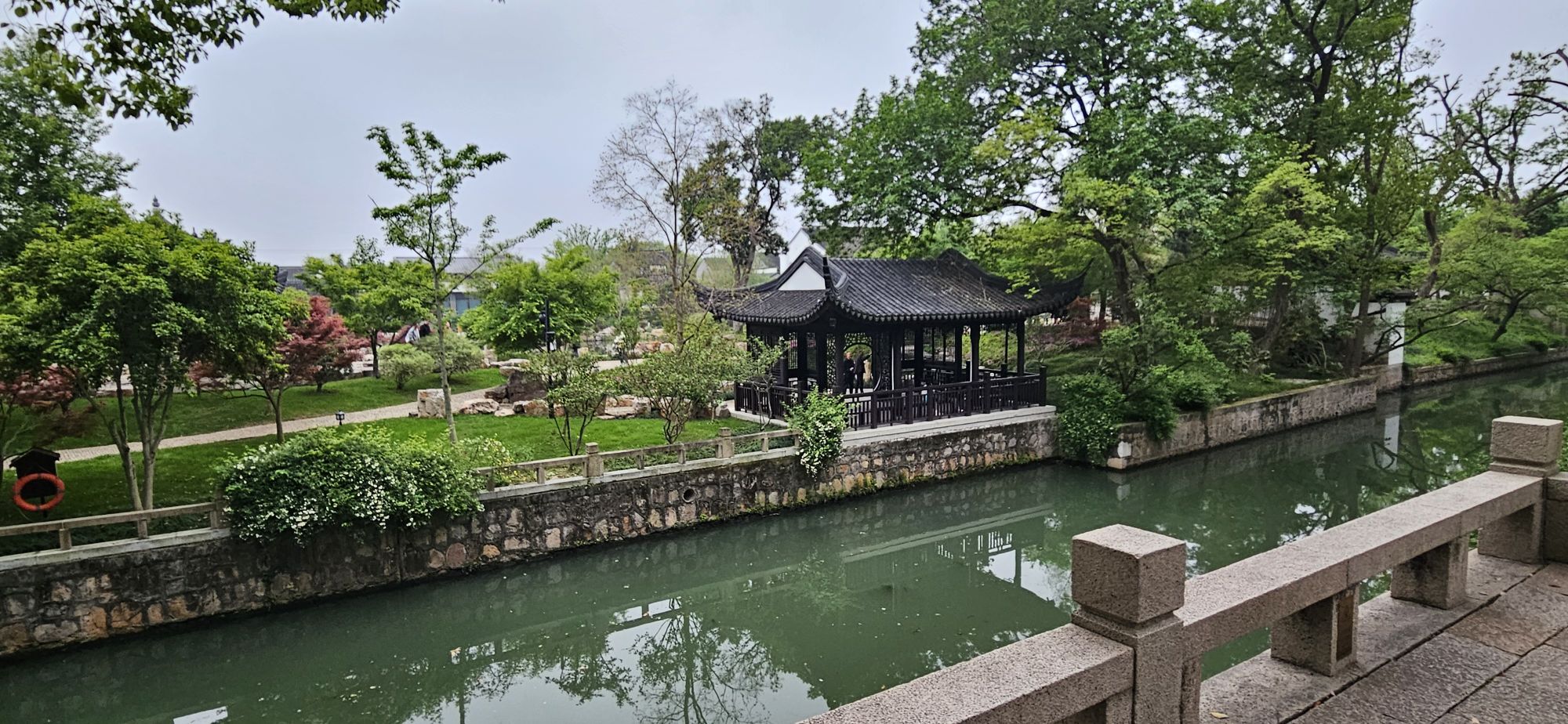
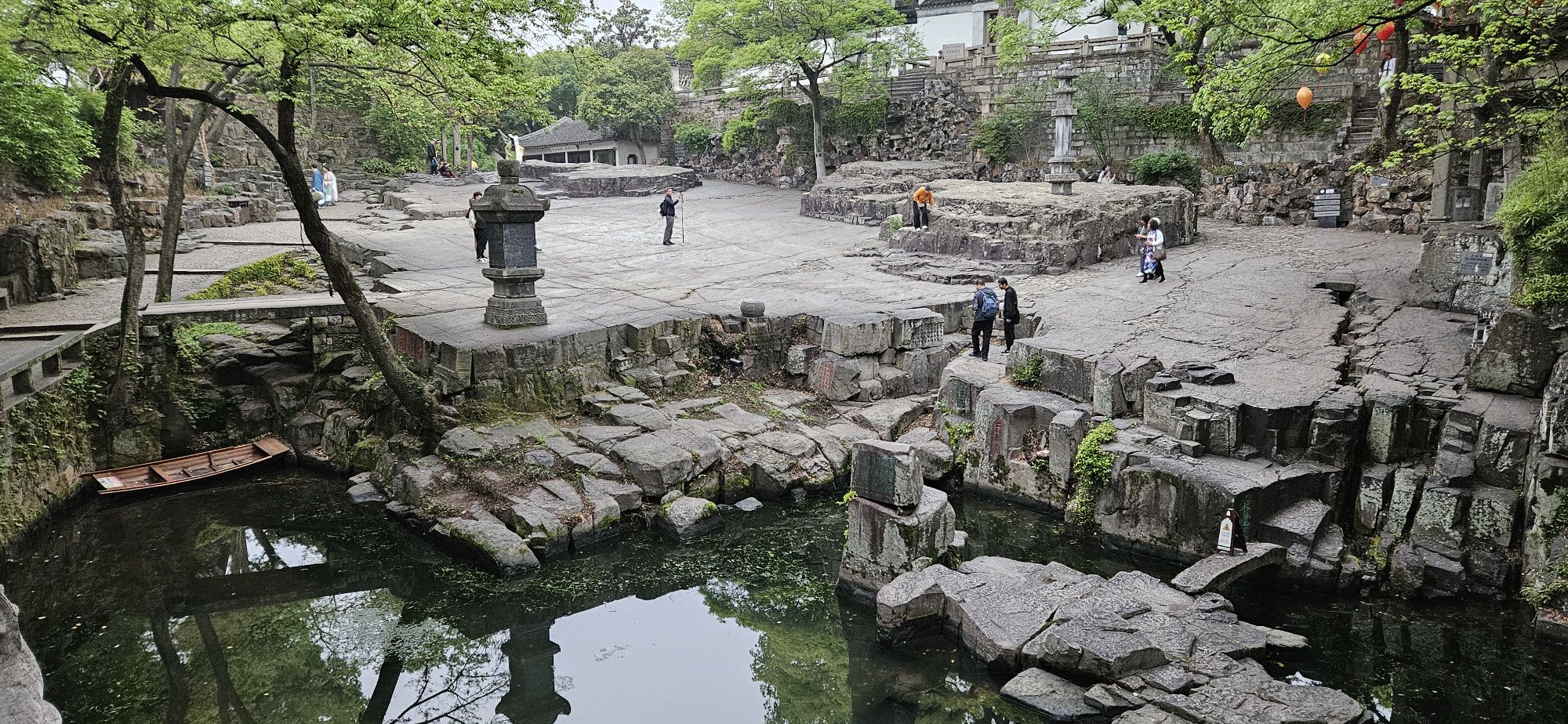
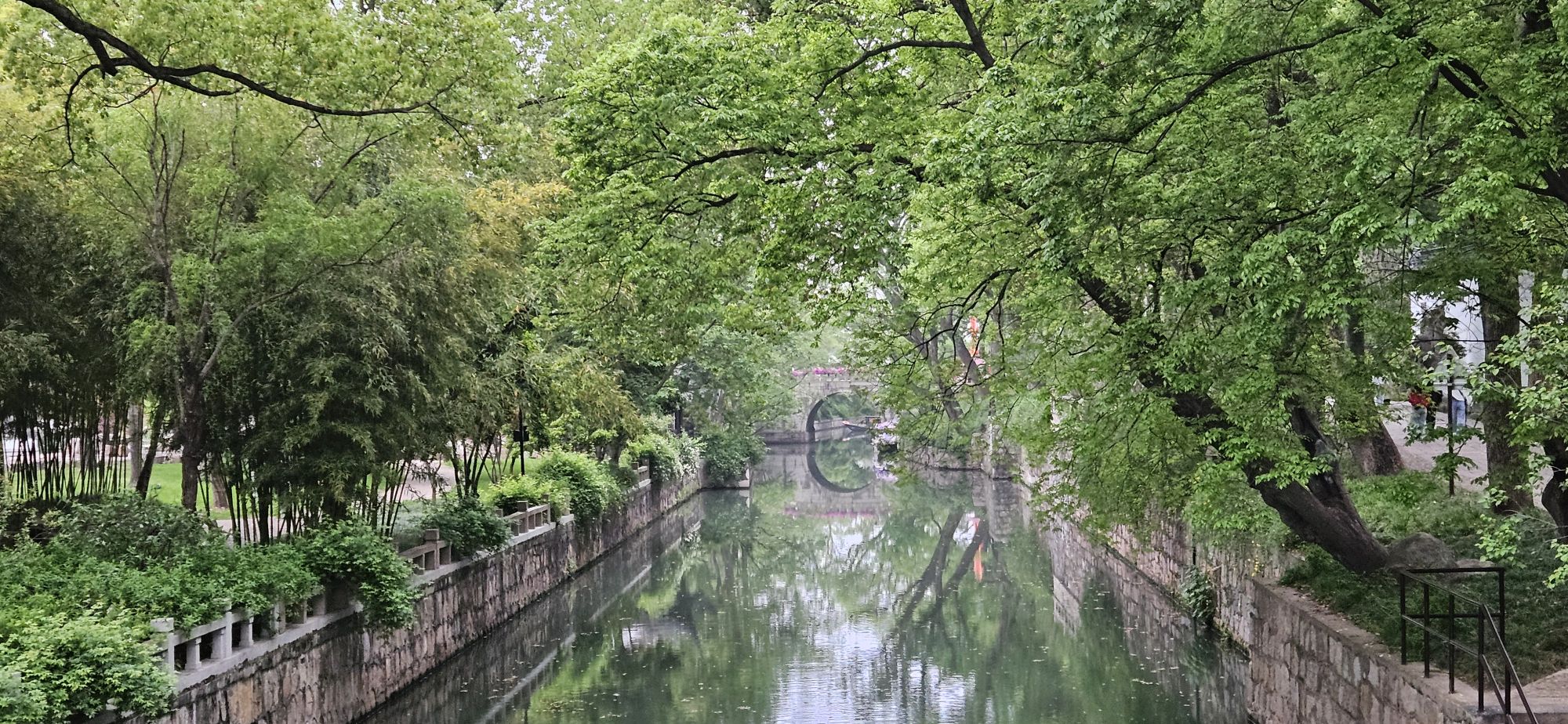
We finally glimpsed the top of the pagoda, that had been lost to us in the woods, and knew we were close.
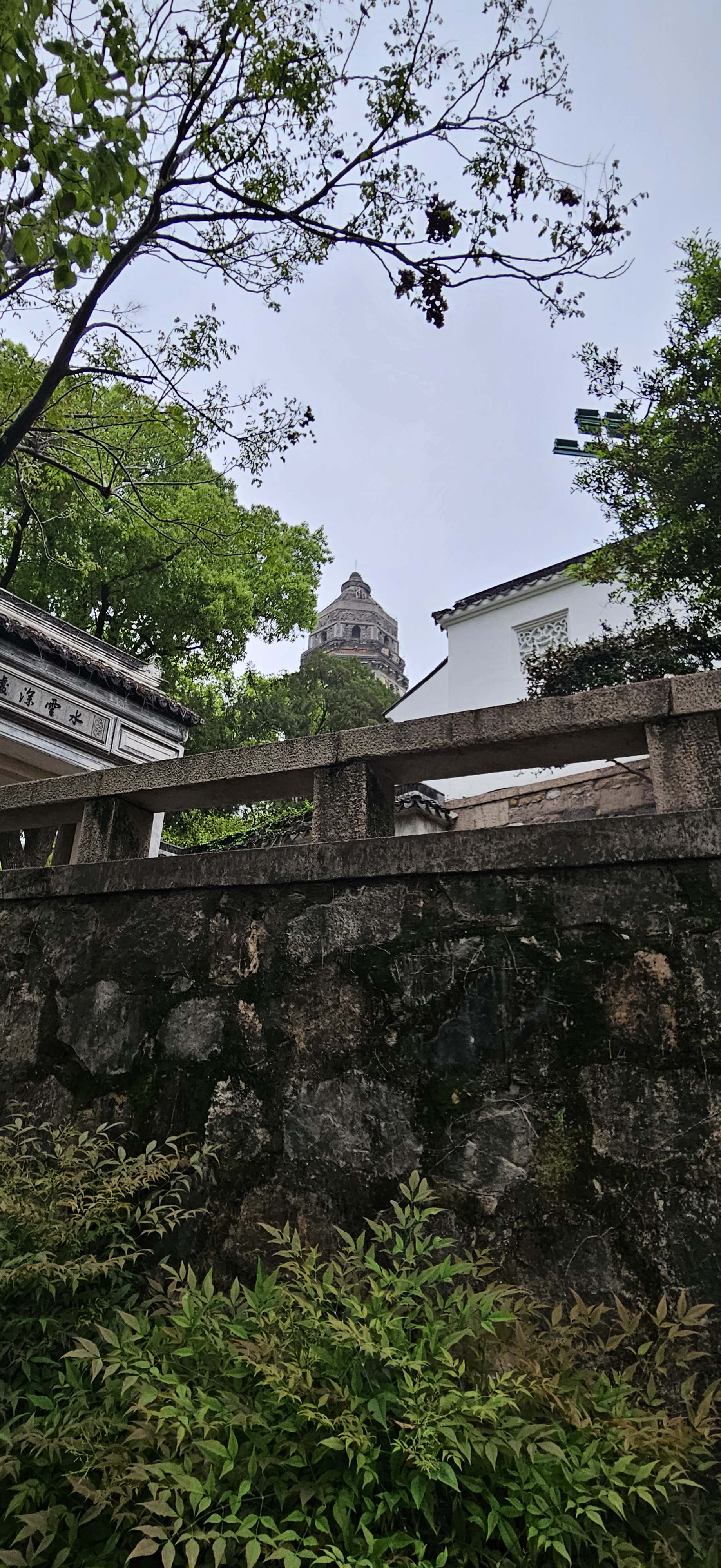
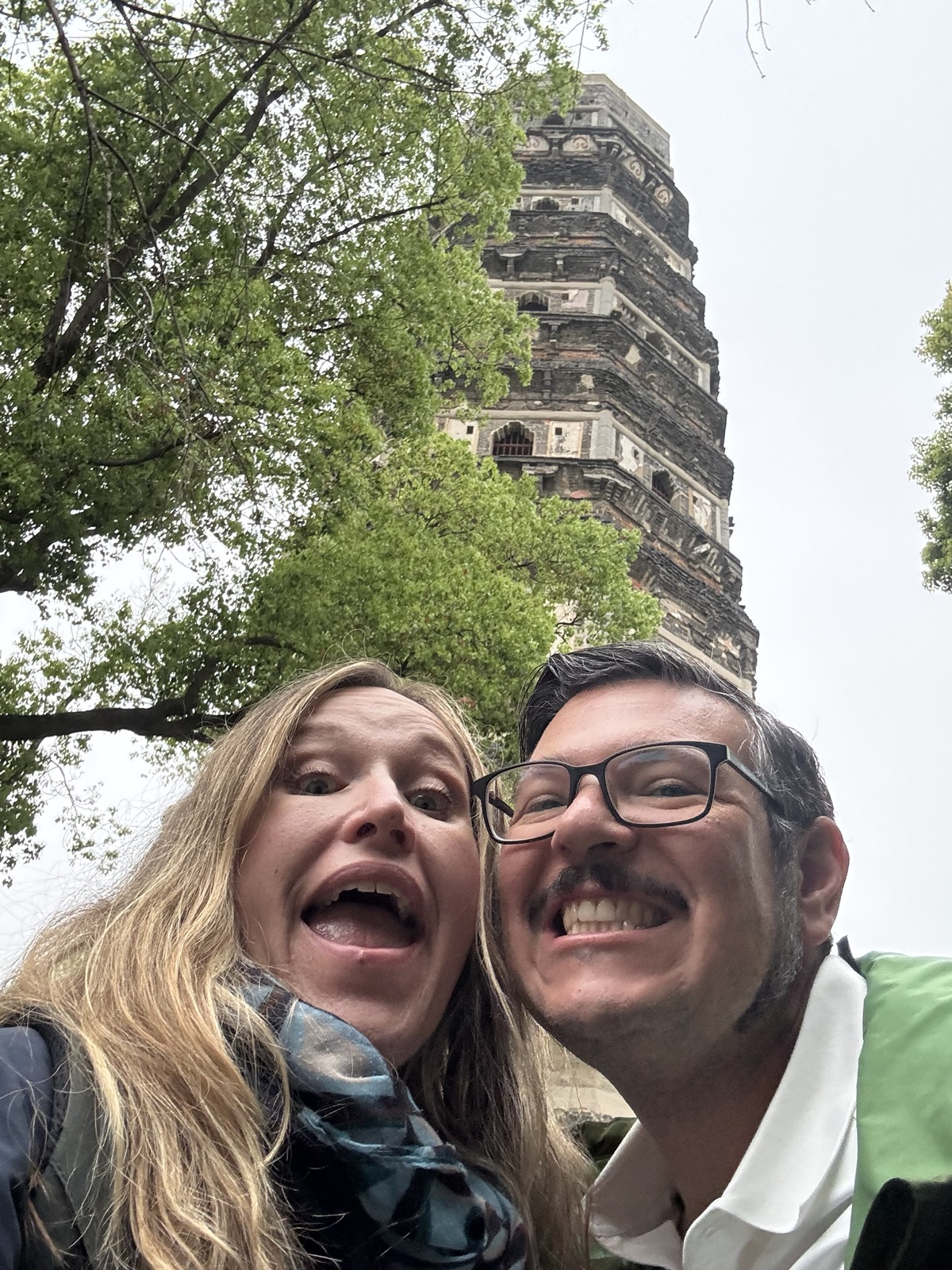
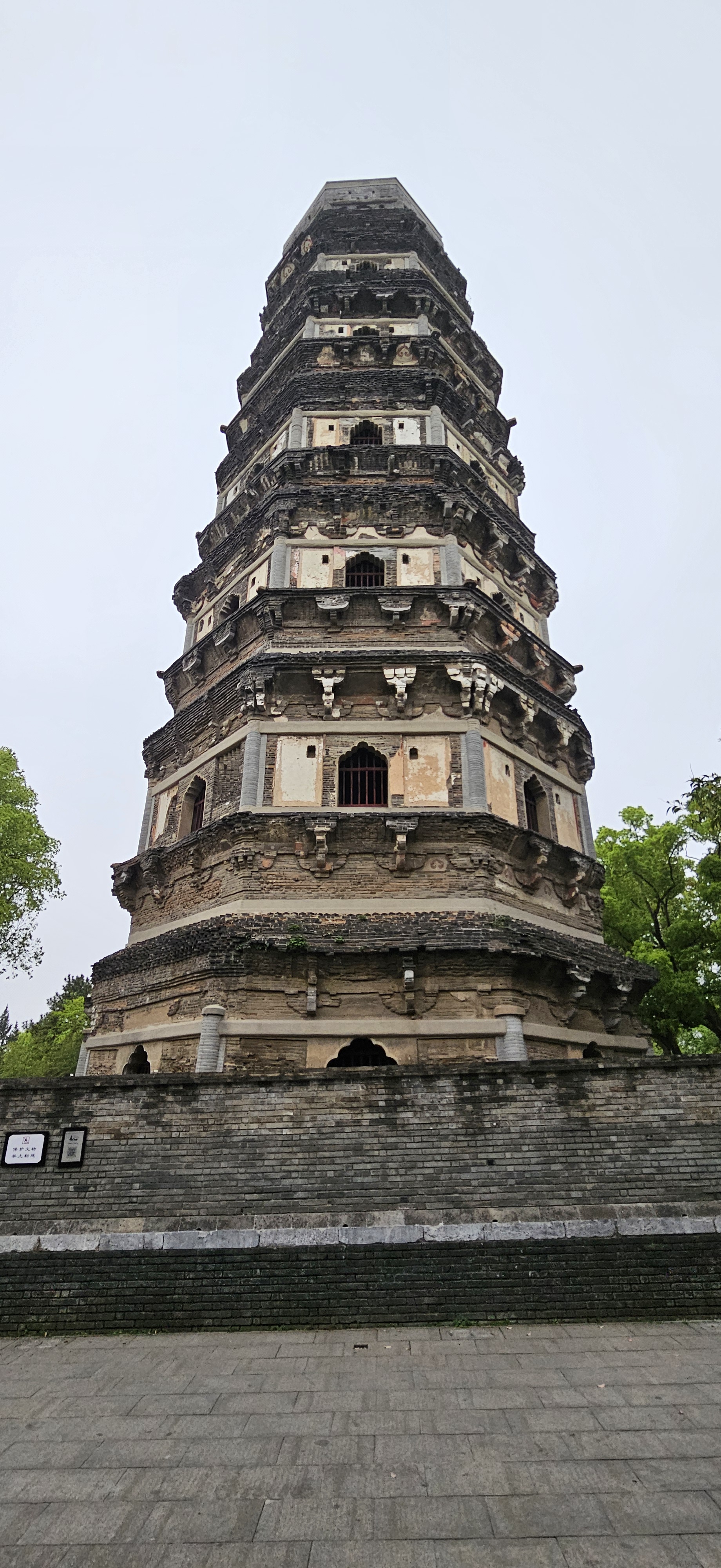
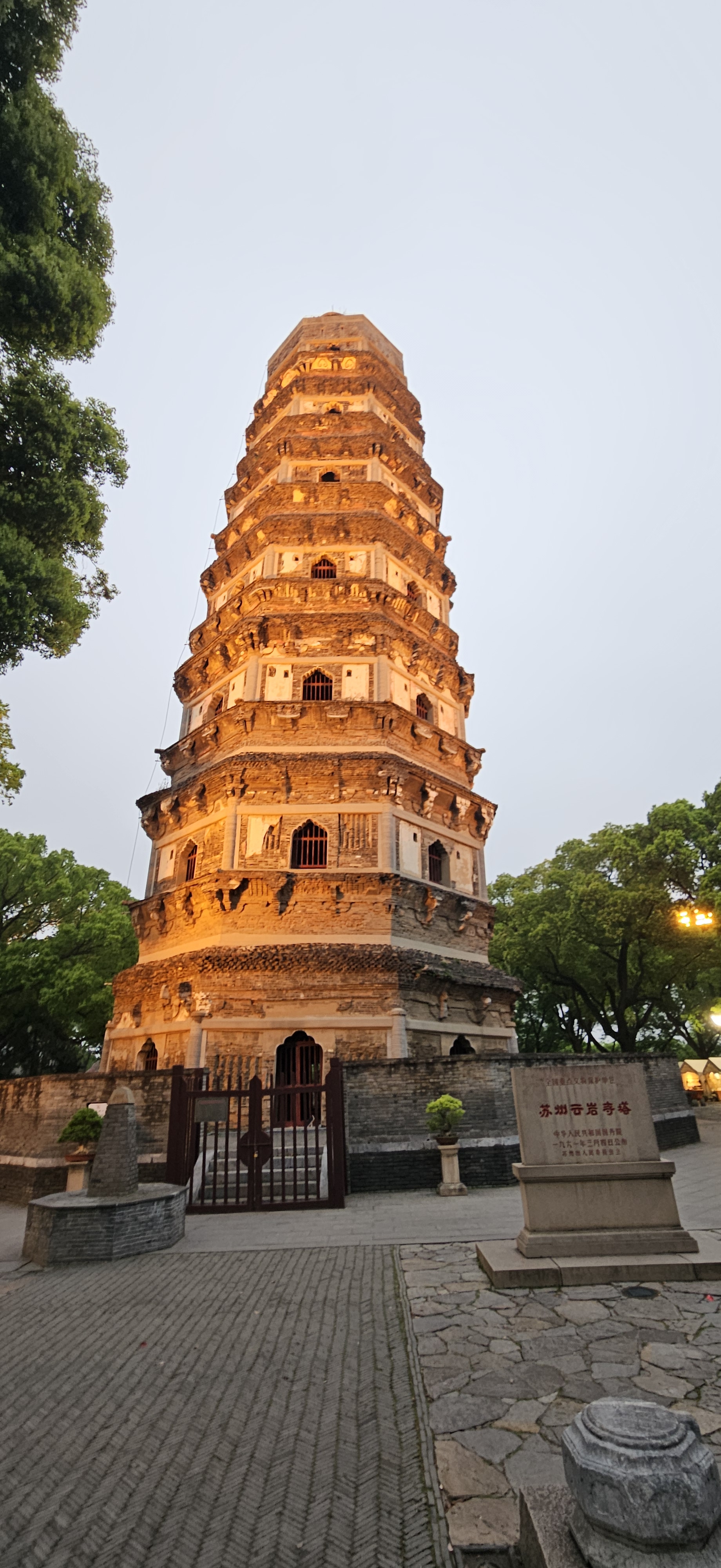
With less than an hour to park close, we made it to the Leaning Pagoda of China. It was originally built in the year 907 AD and completed in 961 AD. The highest levels were added in the 1600s. It is 154 feet tall (54 meters) with 7-stories. People even used to be able to go inside to see the relics, but it has been 50 years since that’s been allowed.
Over time, nature has contributed to its distinctive lean. It is a truly impressive structure, and we were tired from all the steps and twists and turns to reach it, so we rested and appreciated it on a nearby bench. The end of the day was a good time to visit, as there were few fellow tourists.
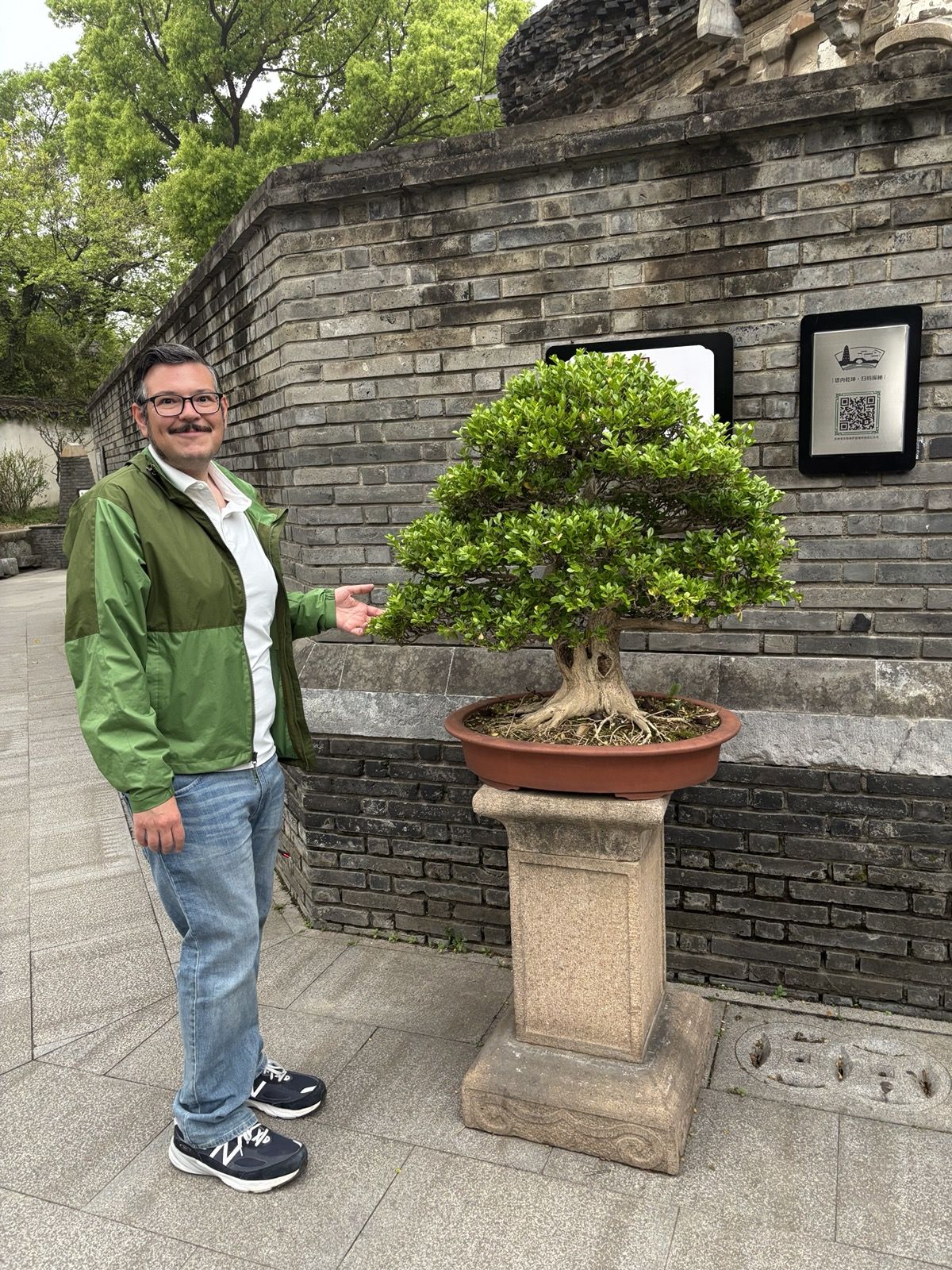
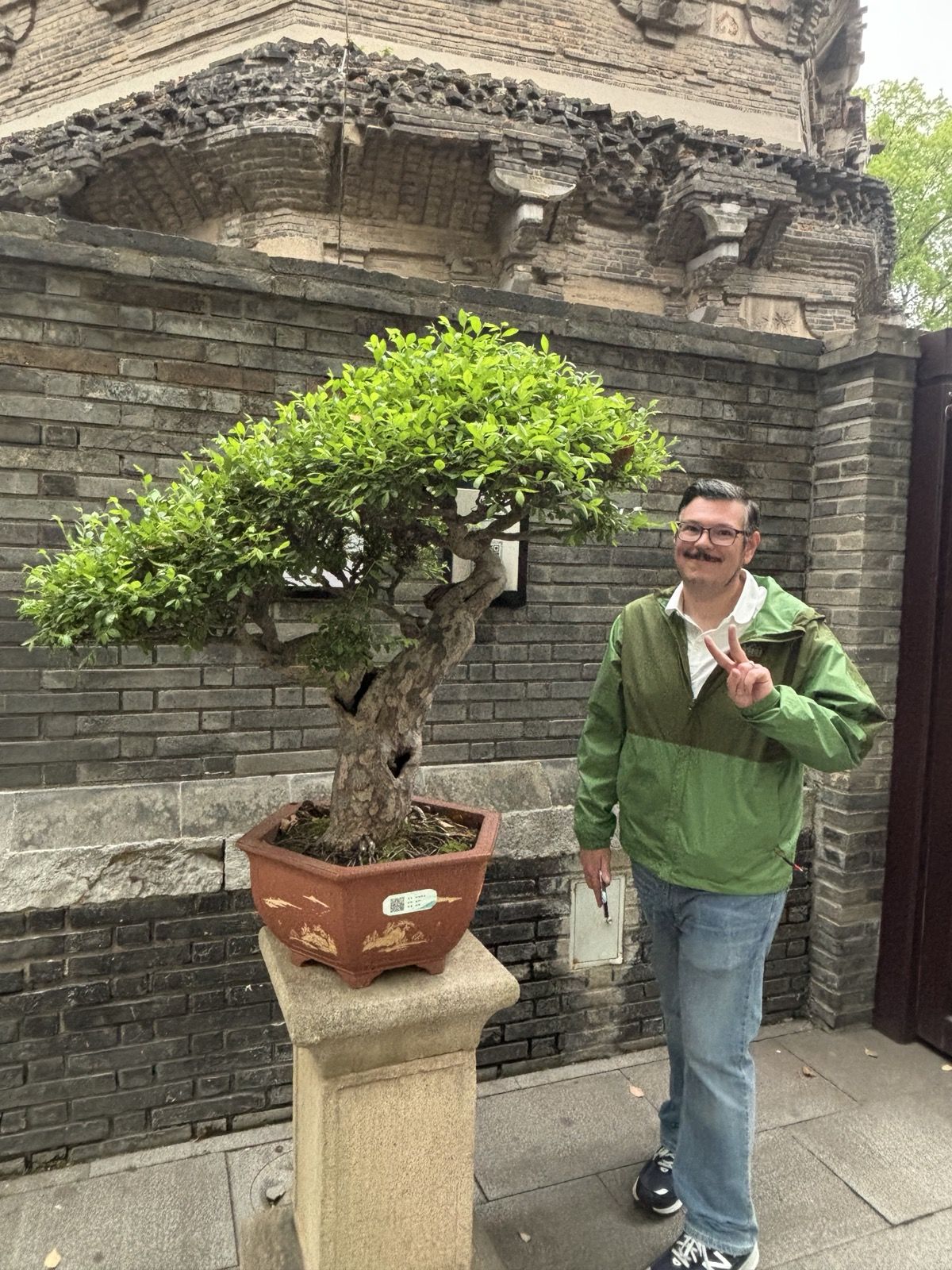
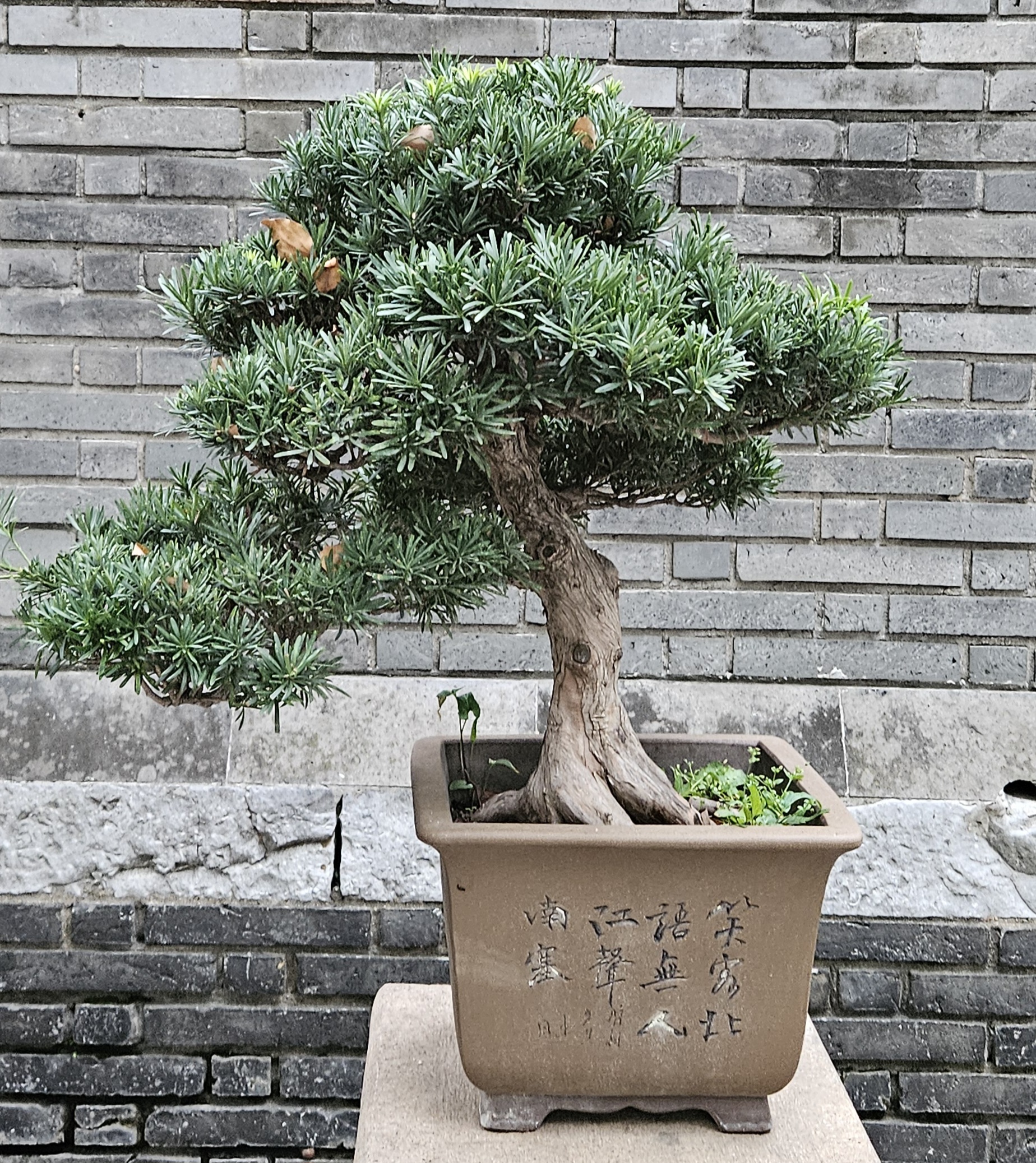
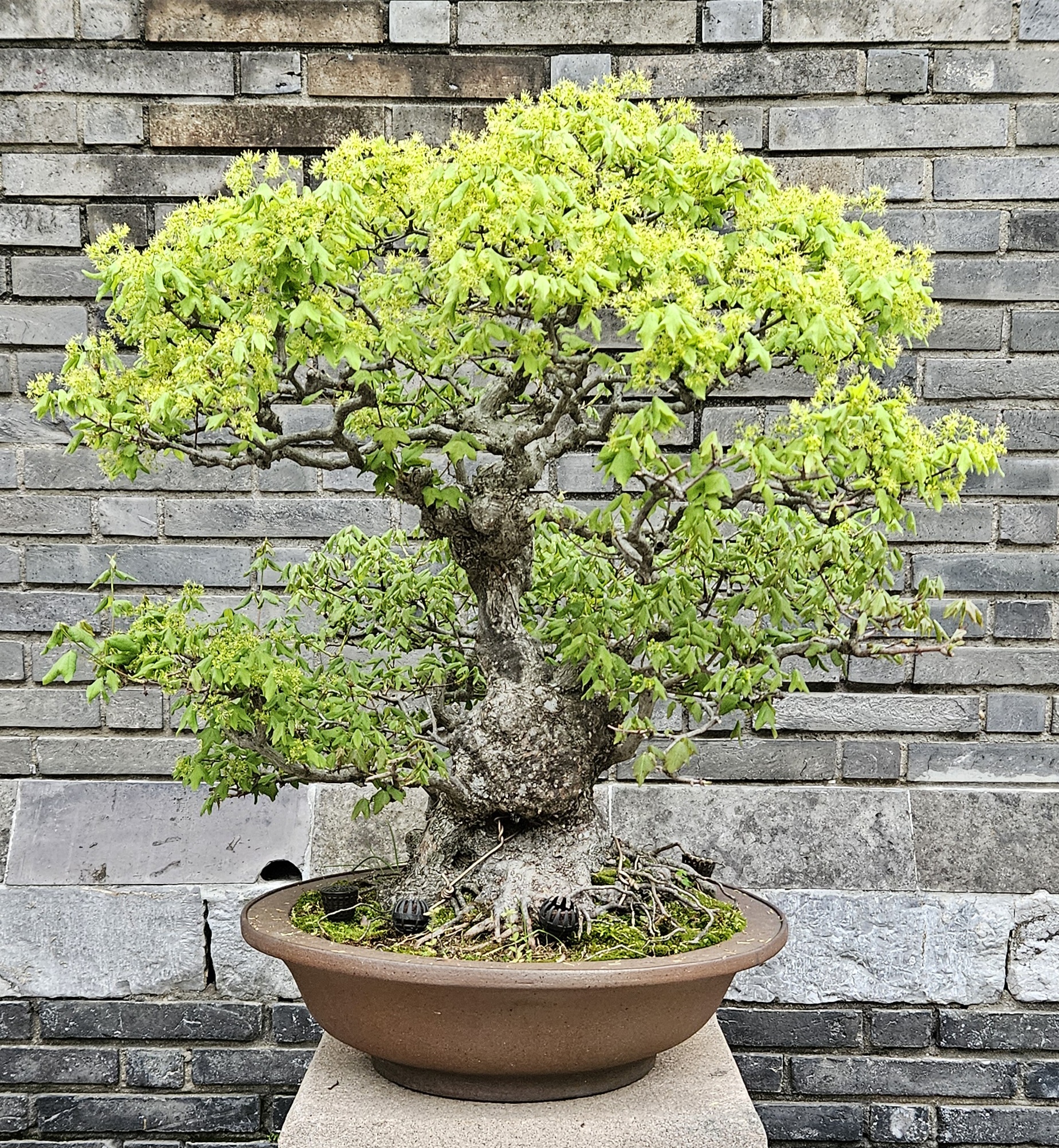
There are also two pairs of 2 bonsai trees on either side, and they are very impressive.
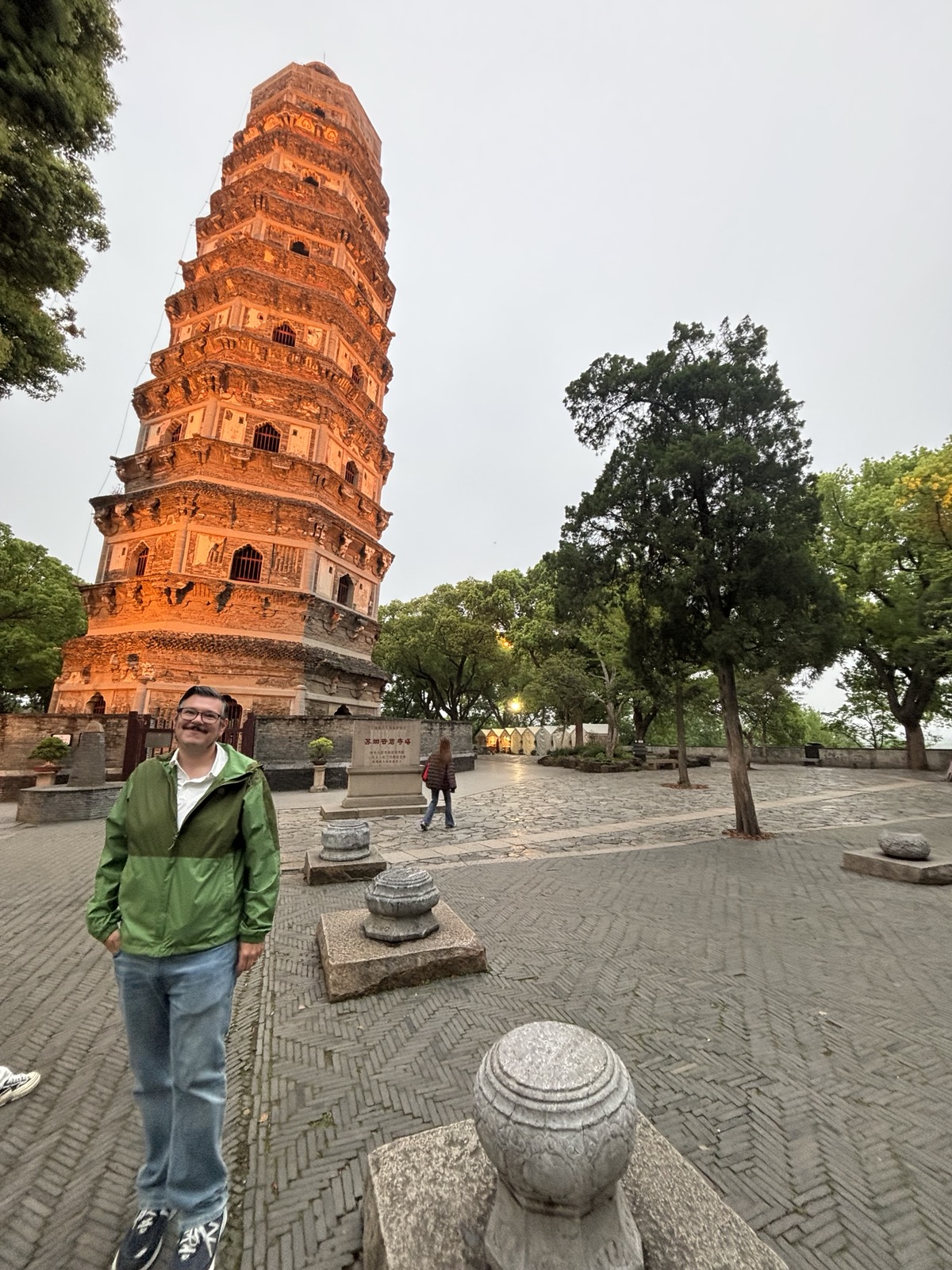
We stayed long enough to see them turn on the lights to illuminate the Pagoda.
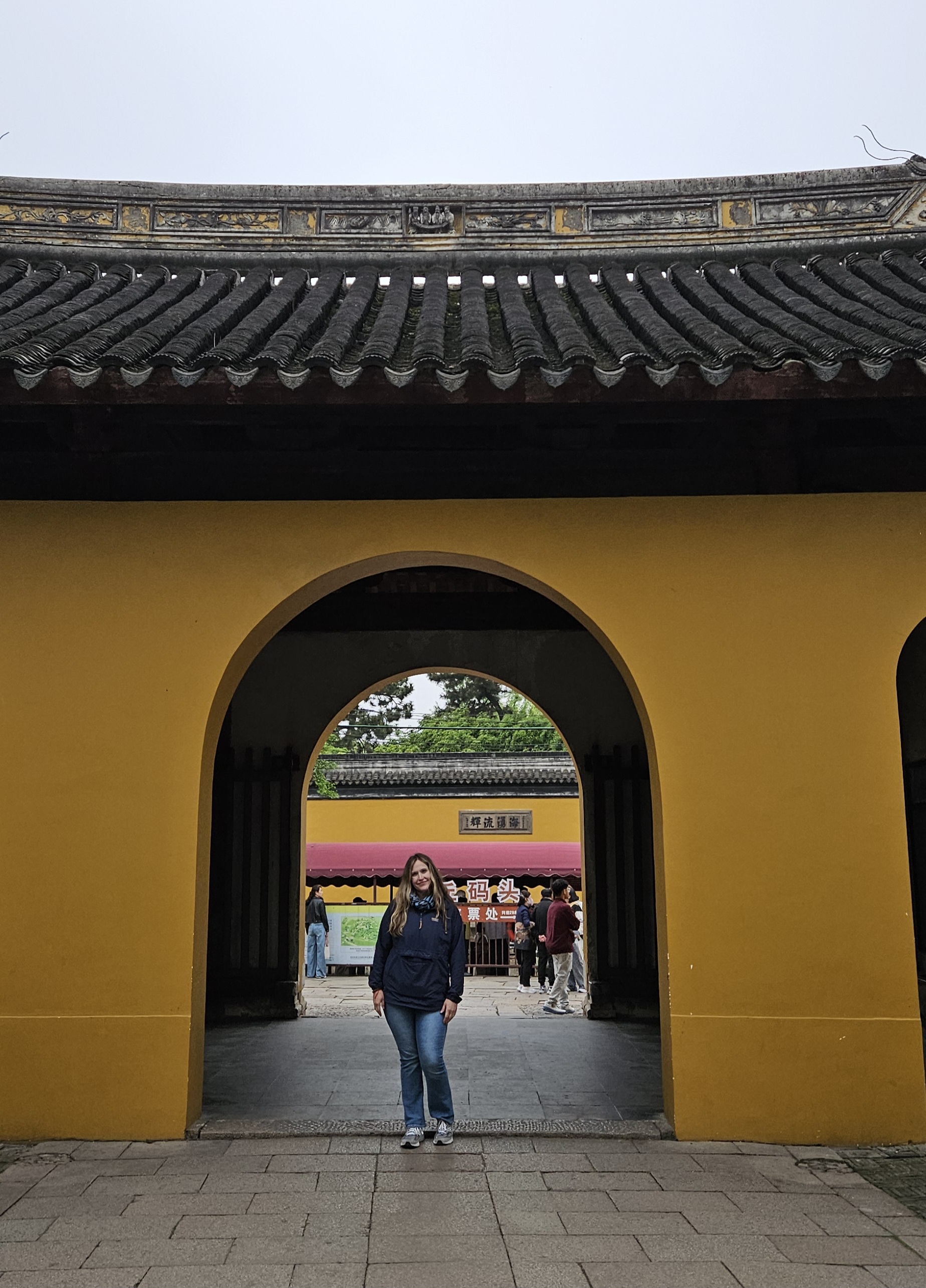
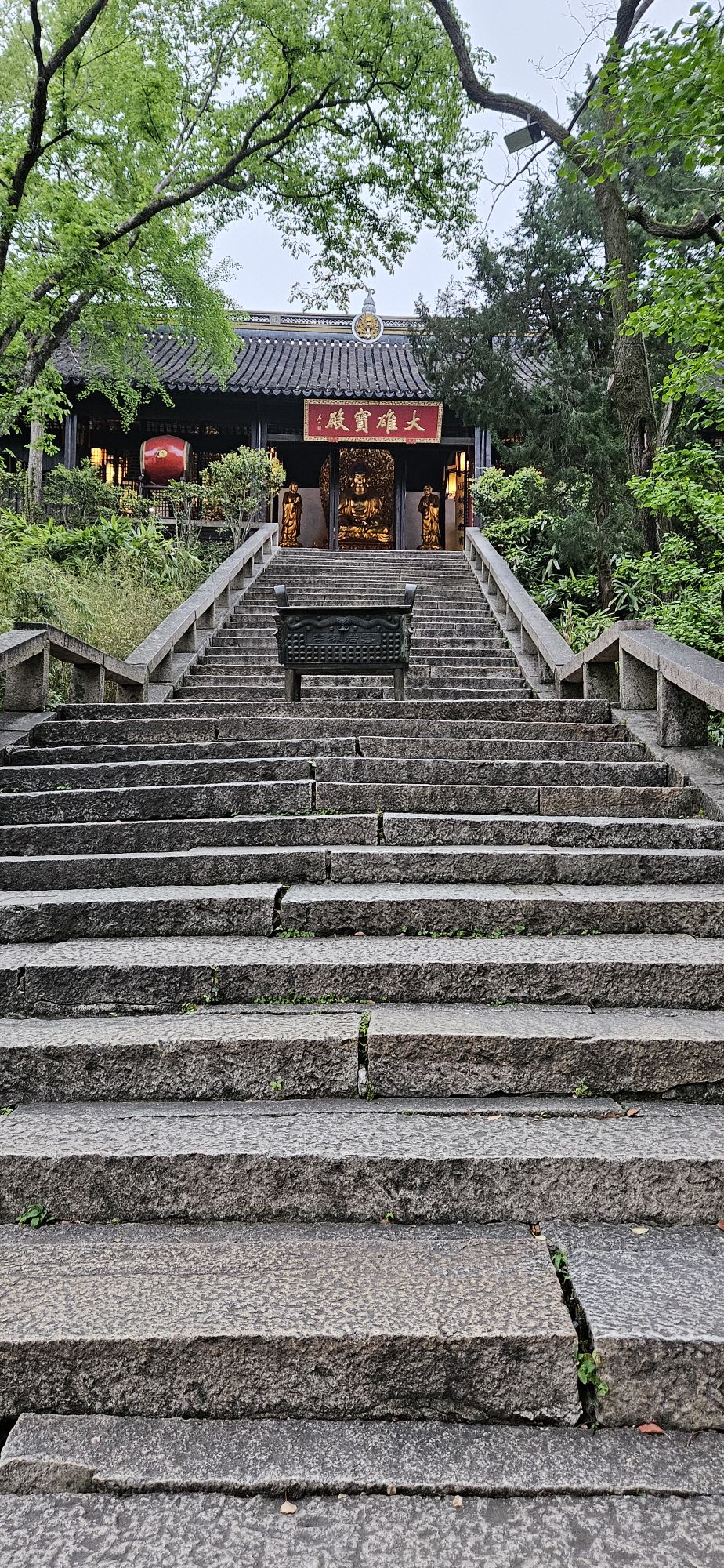
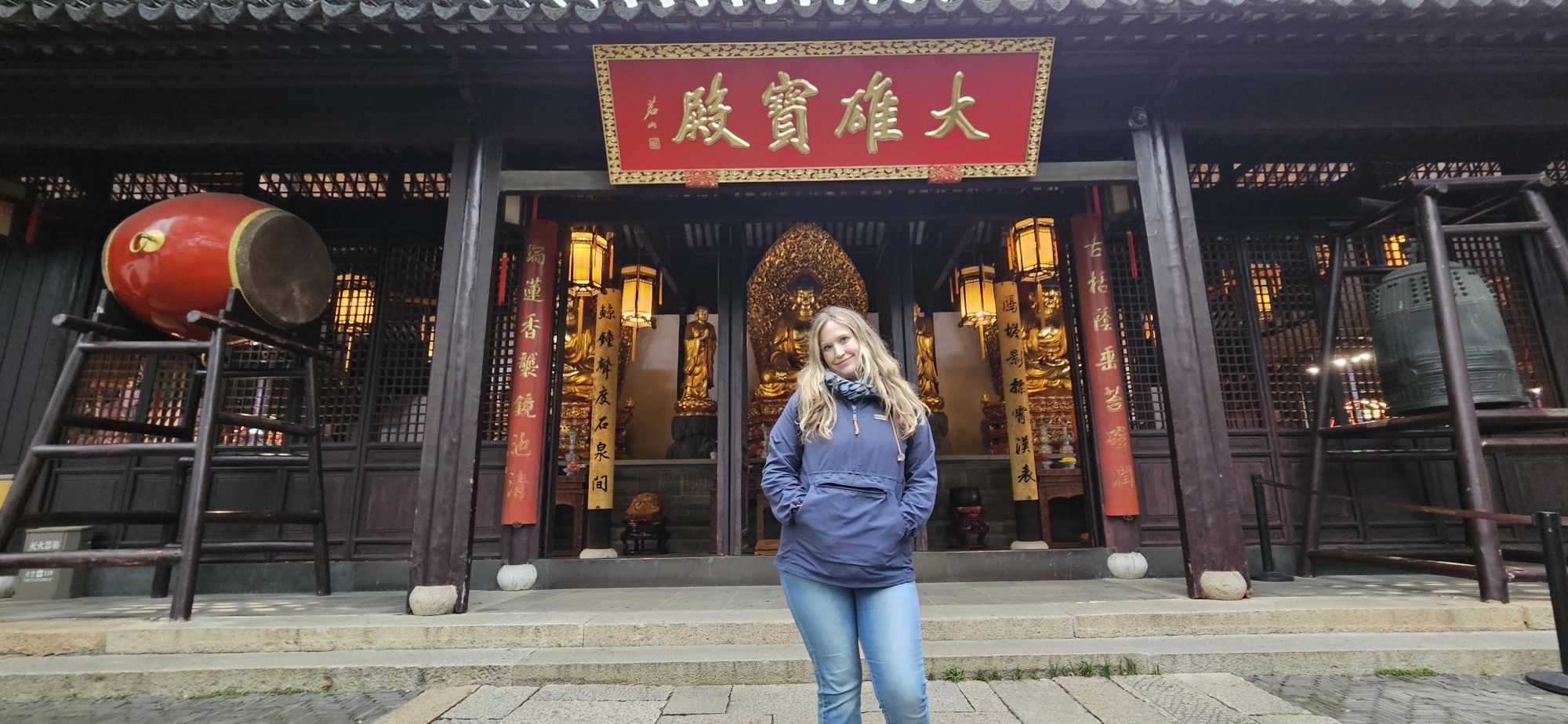
It was nearing closing time so we headed back down, through an archway, past a Buddhist temple, down many stairs, and followed the exit signs.
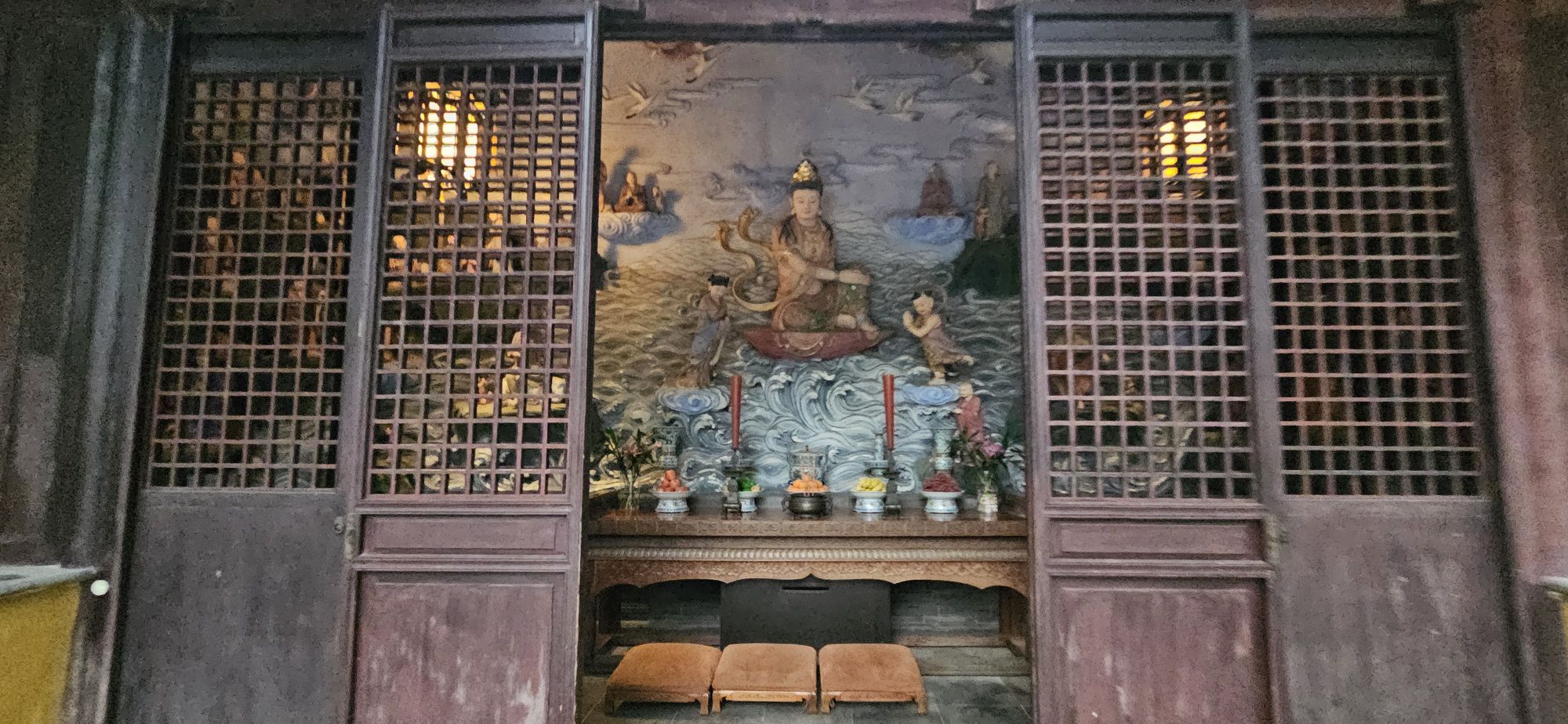
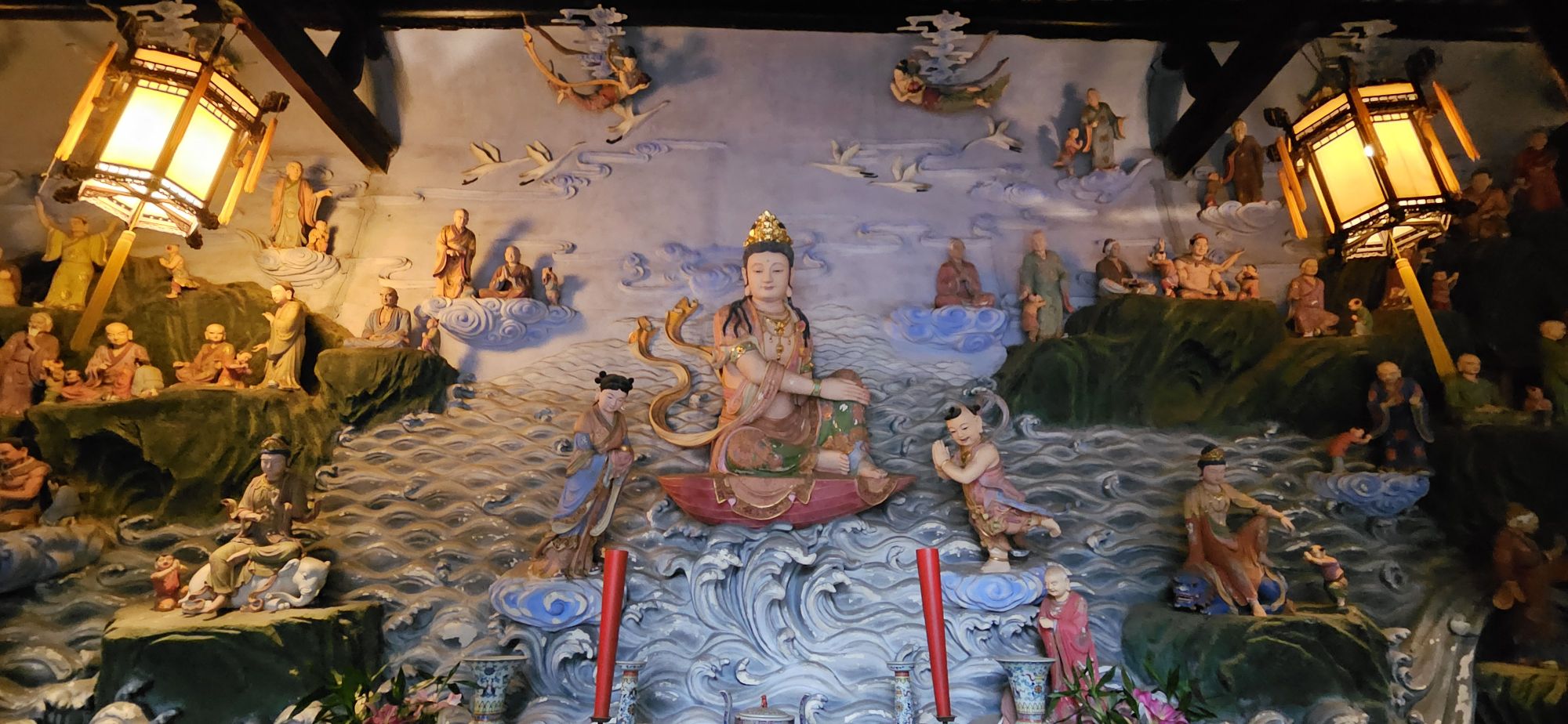
Bonus! The exit was through a part of the park we had not seen, with a ton of bonsai trees!
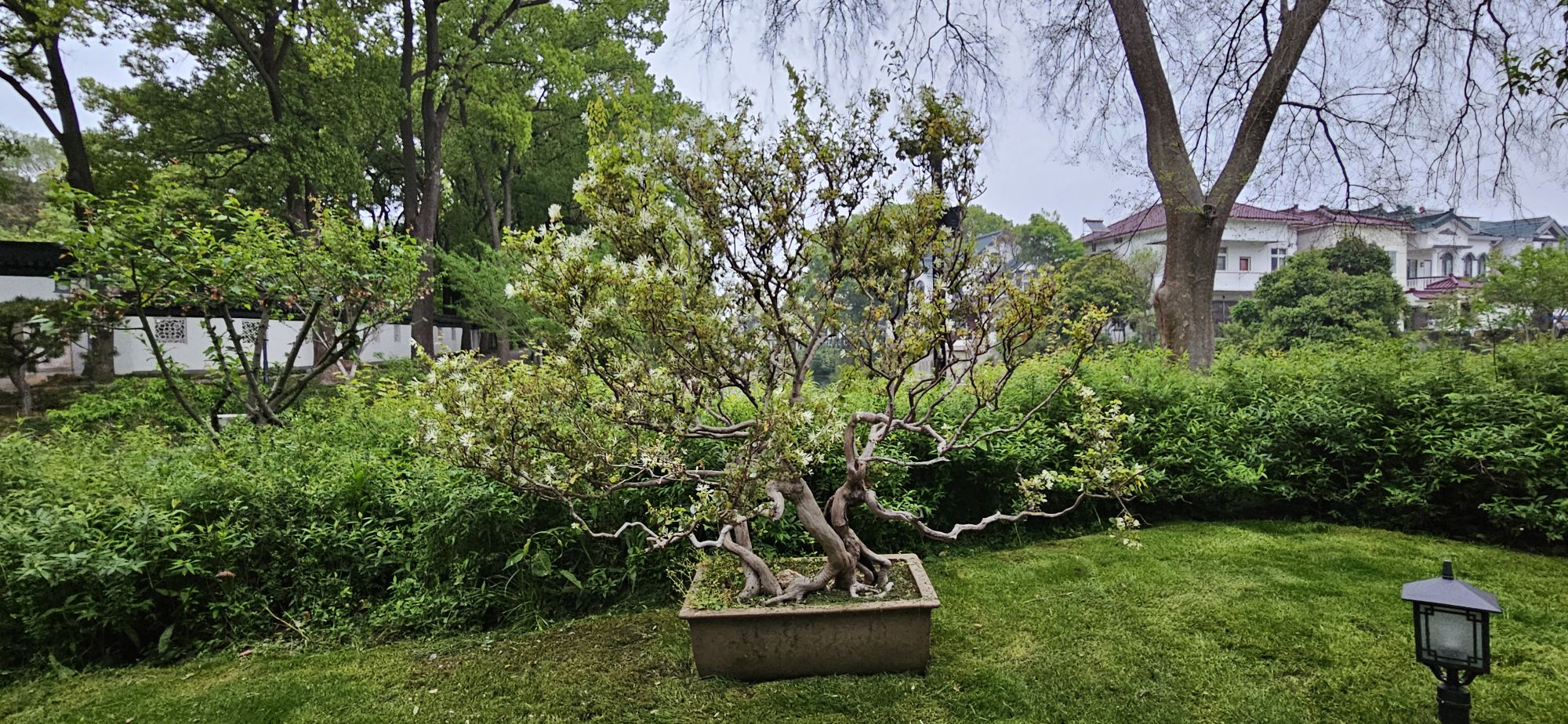
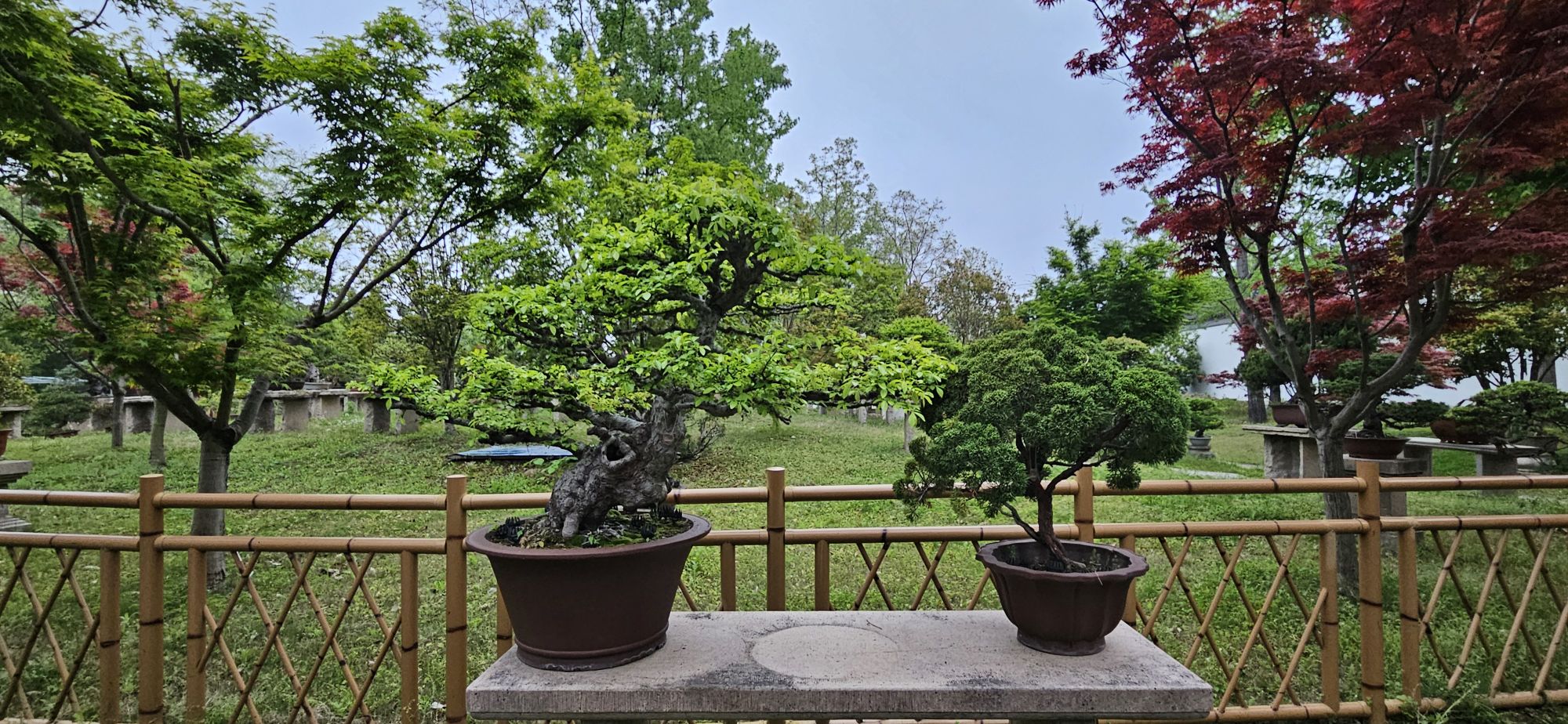
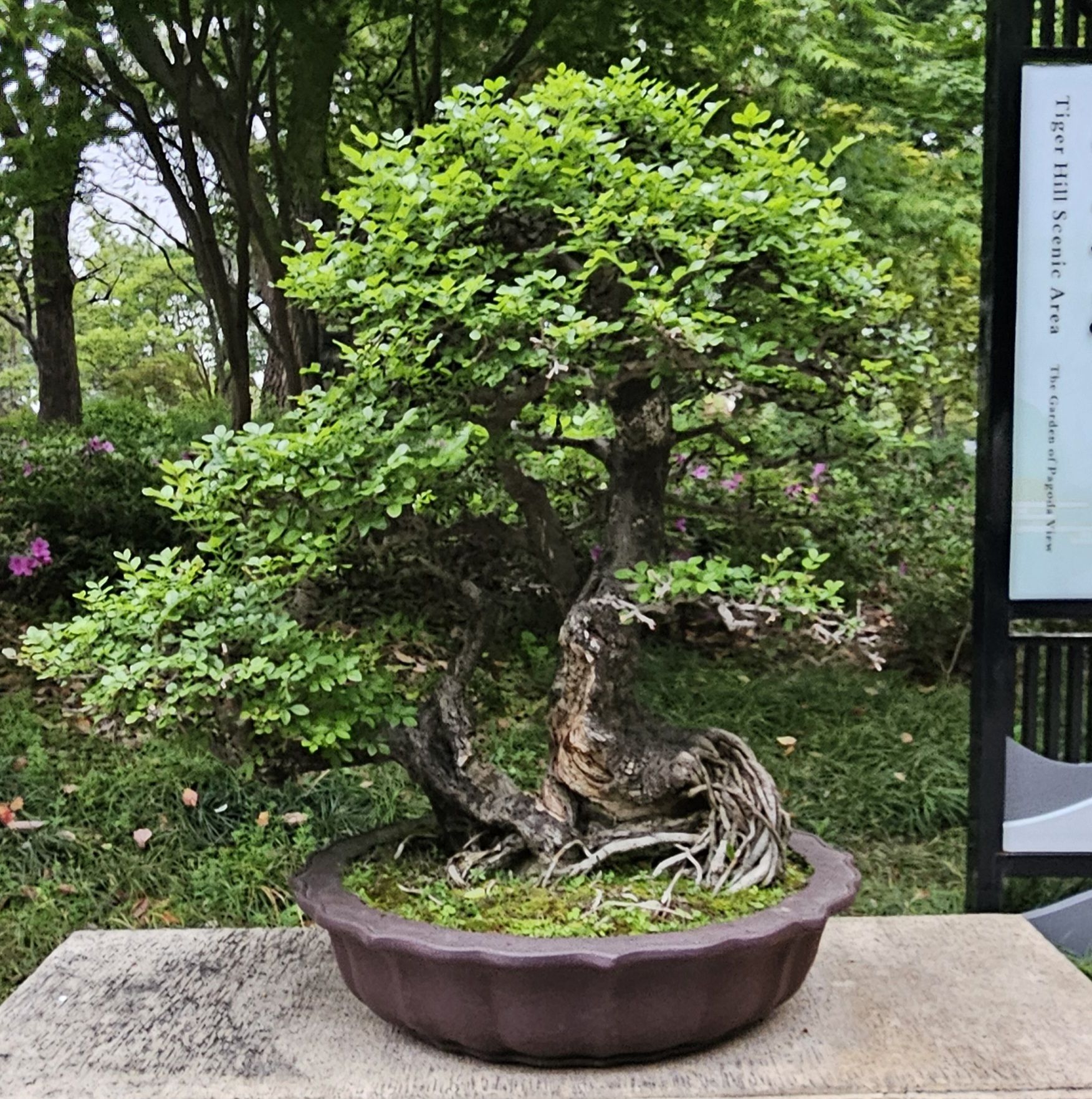
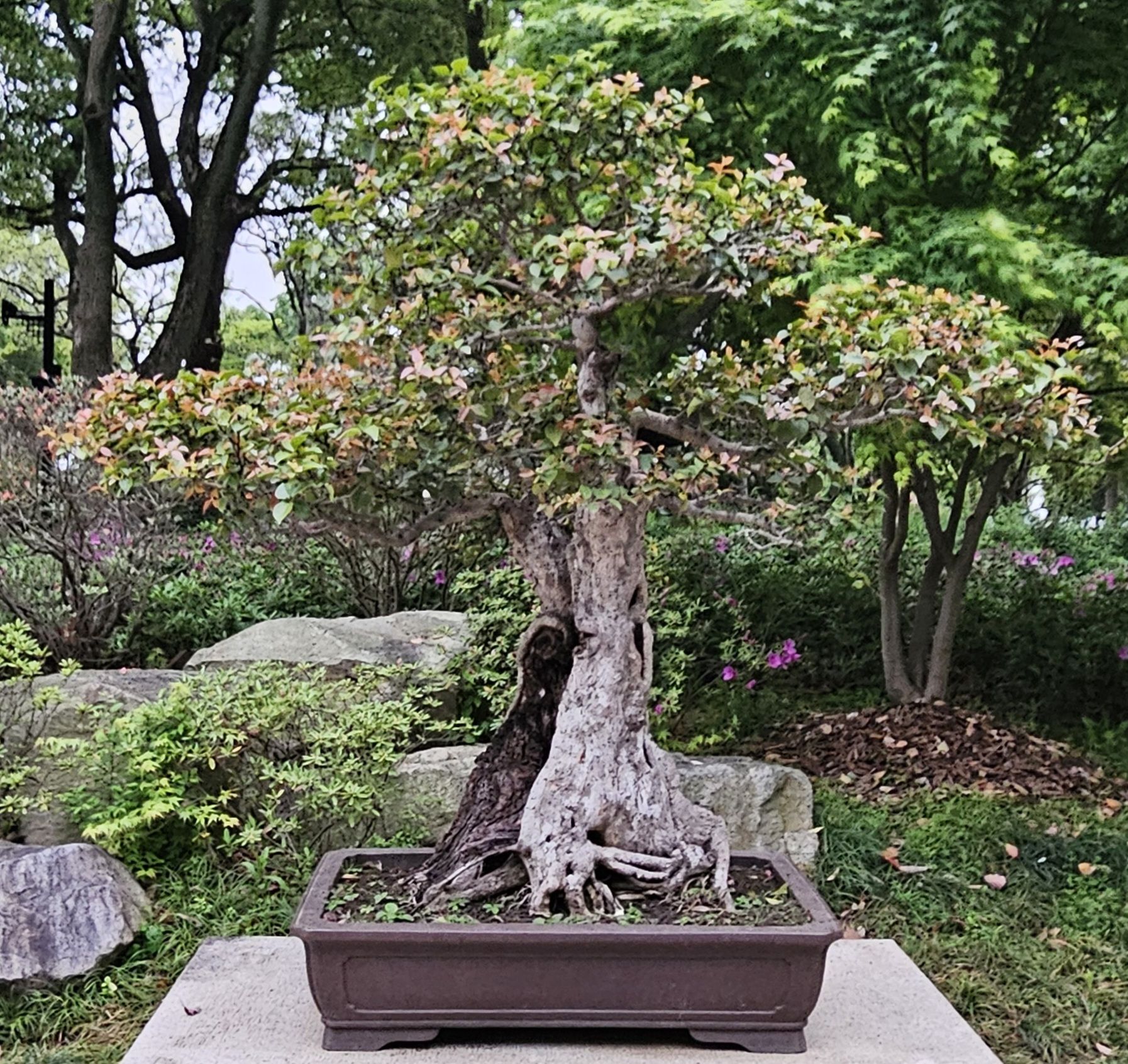
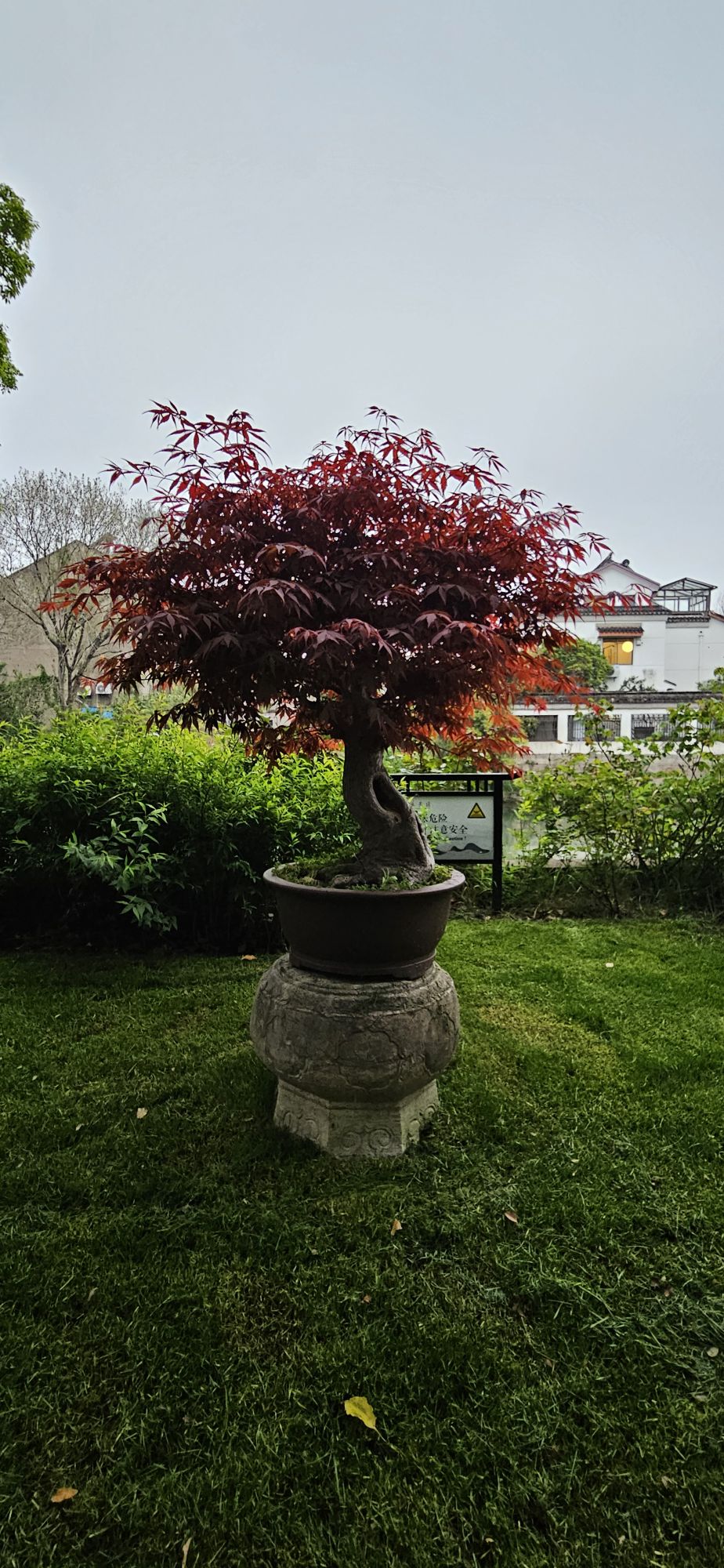
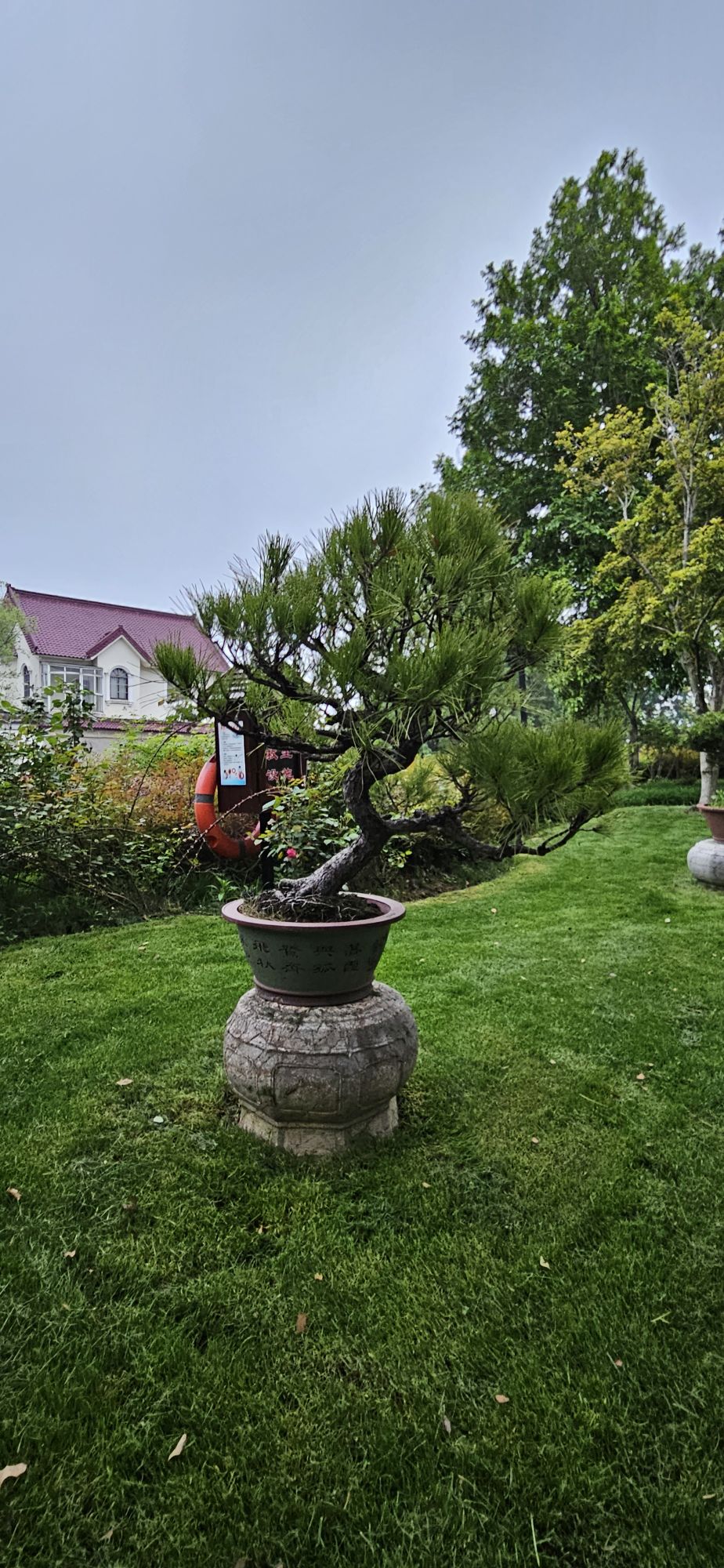
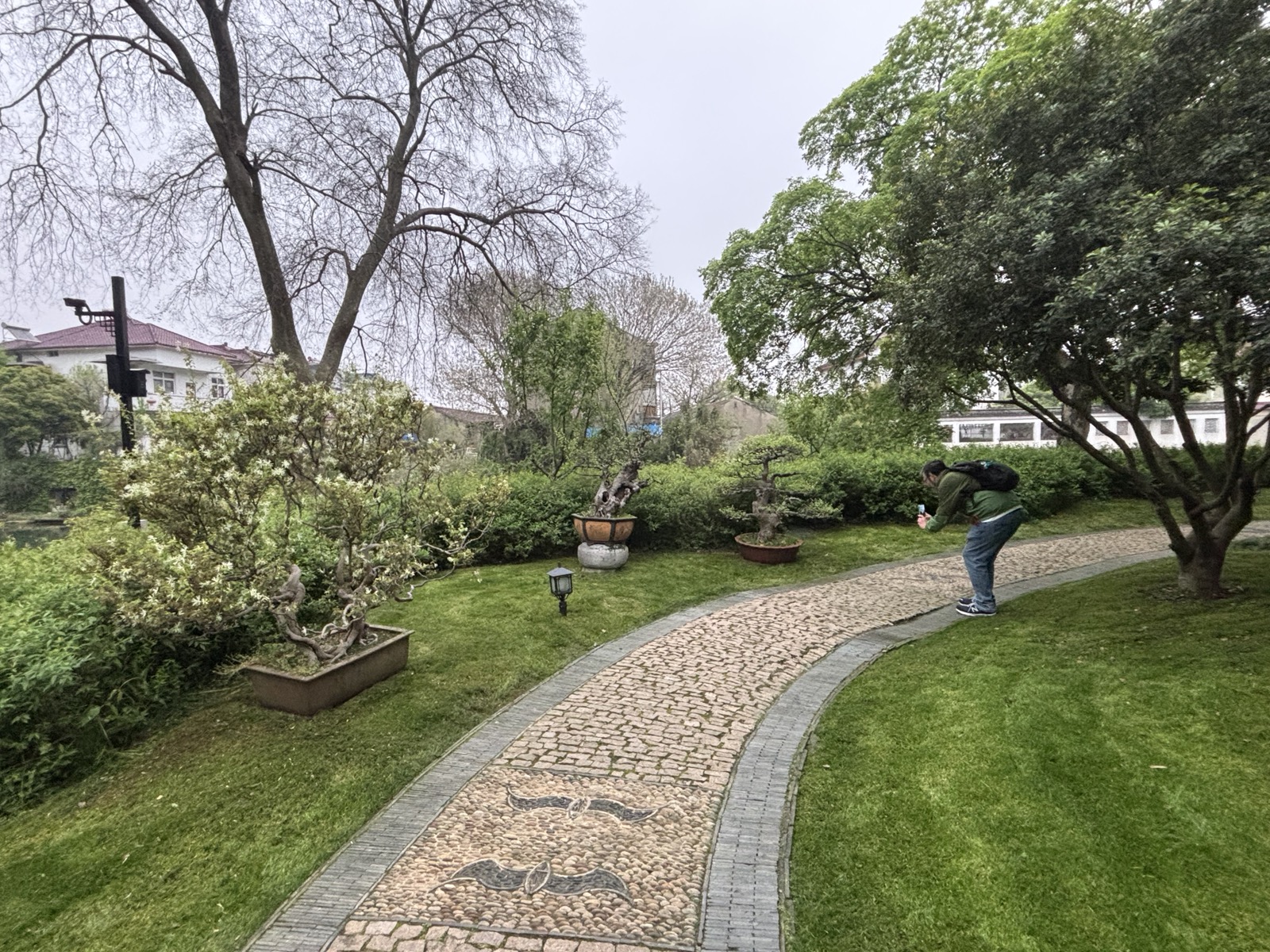
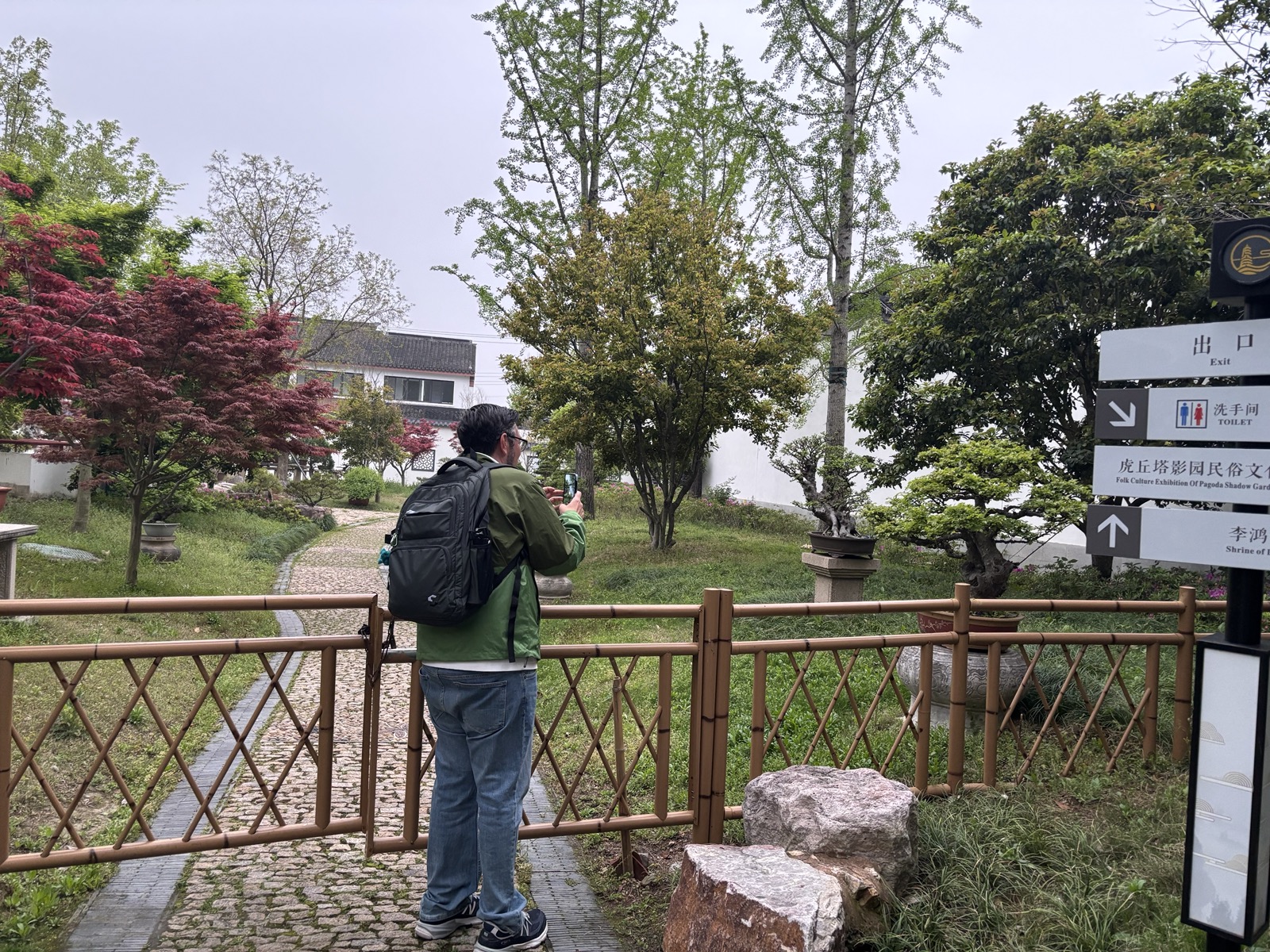
Jessica captured my excitement, but it was closing time, as we heard it loudly over the speakers throughout the park. As good visitors, we followed the signs to the exit…but the exit was closed? Which is kind of weird, to be fair, so we back tracked and finally made it to the exit…but of course, it was the ideal time for ladies having photoshoots (there were several, taking their time it seemed), and we figured we didn’t have to run, but also we didn’t want to be locked in the park.
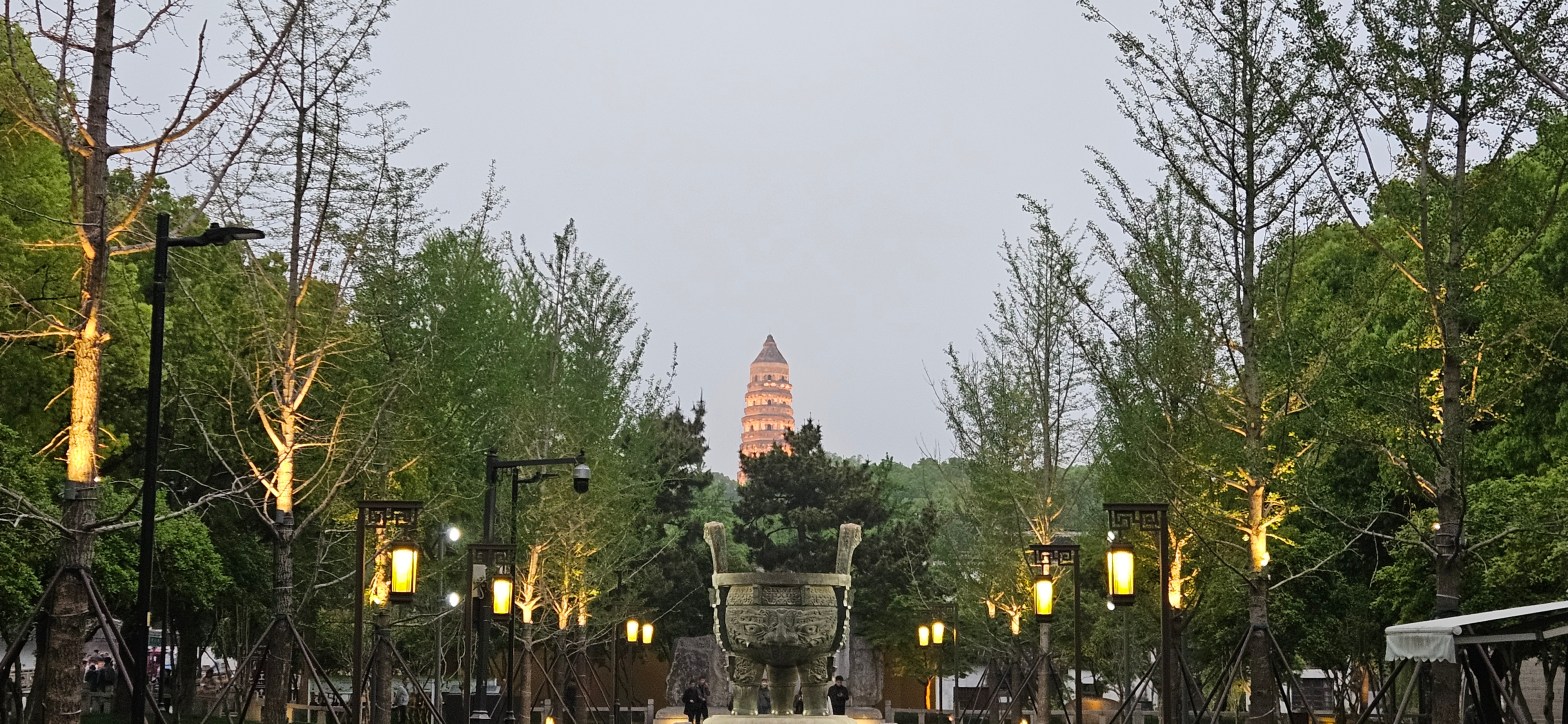
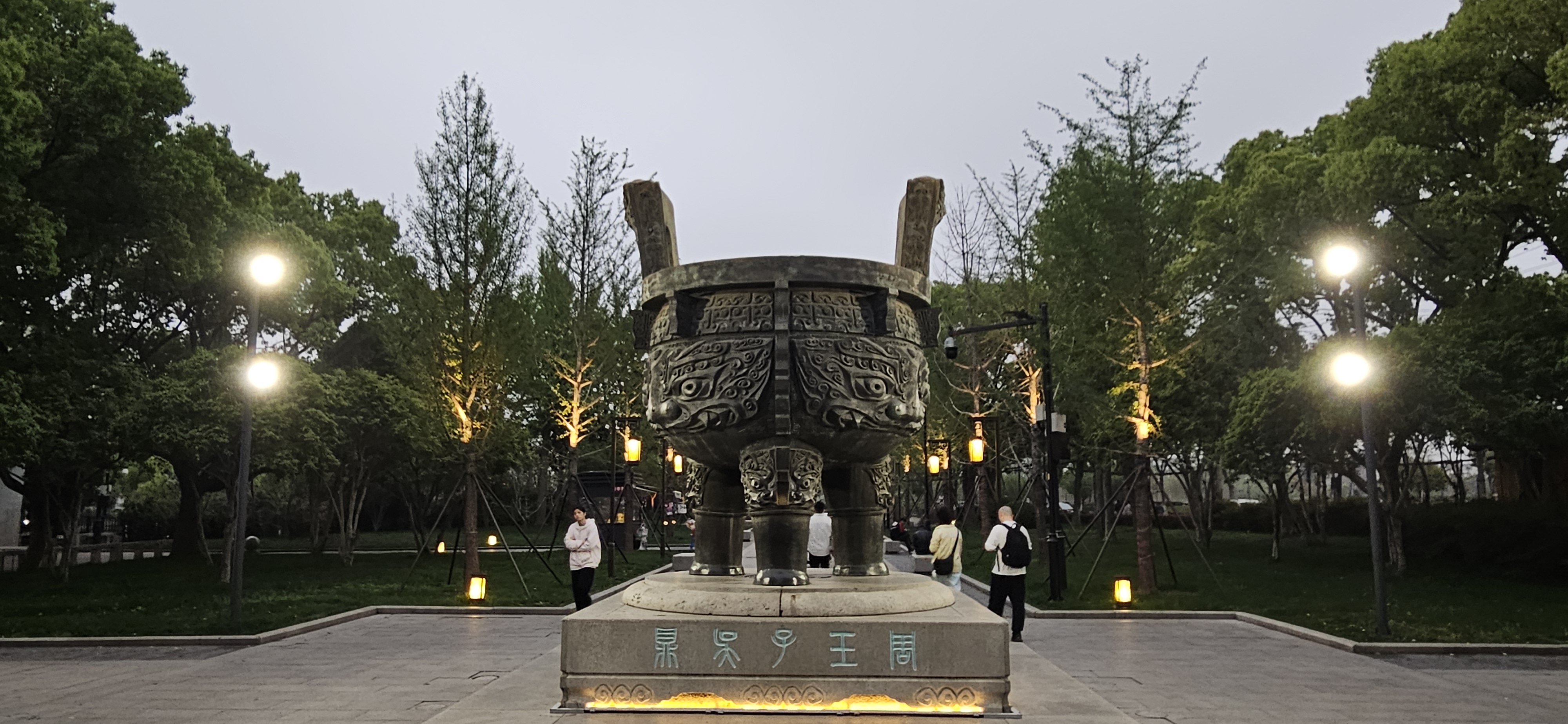
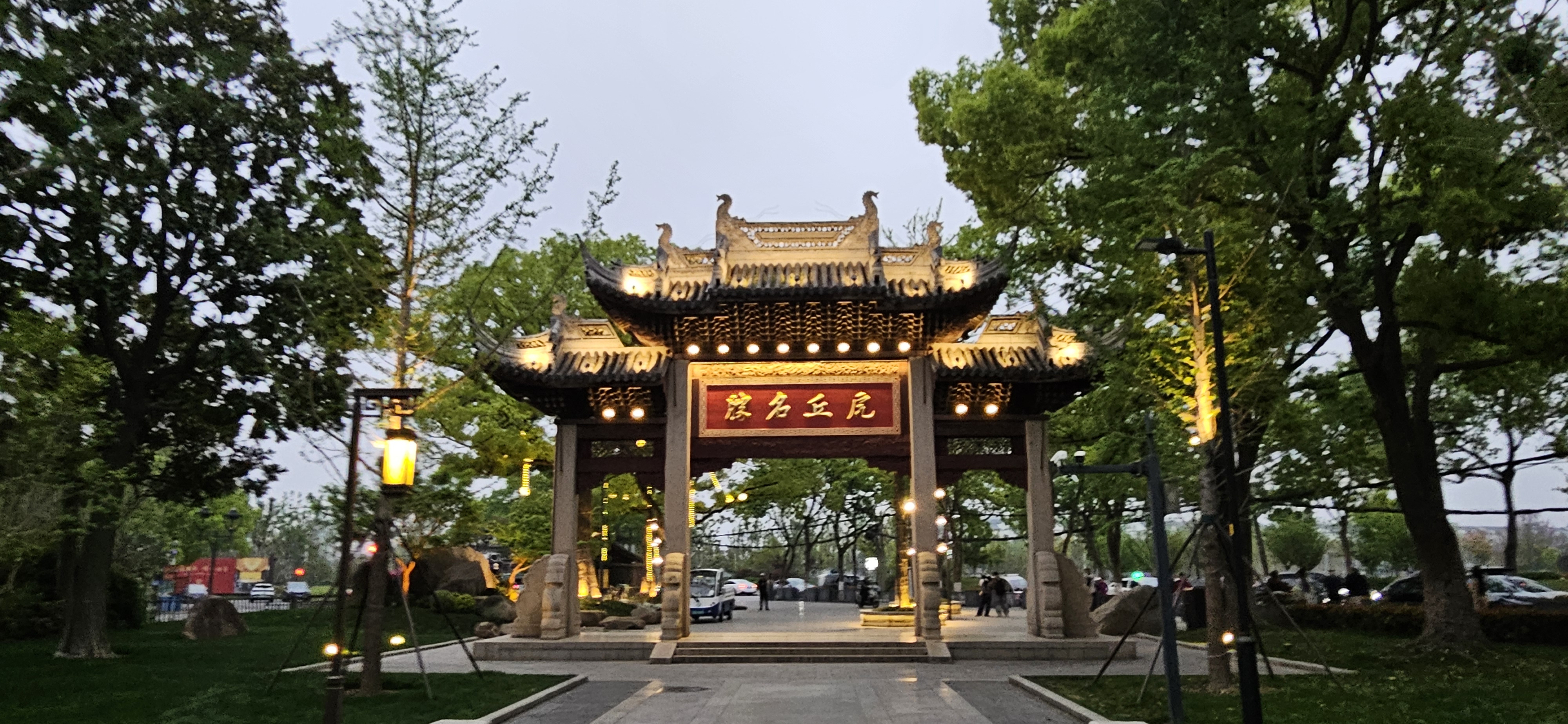
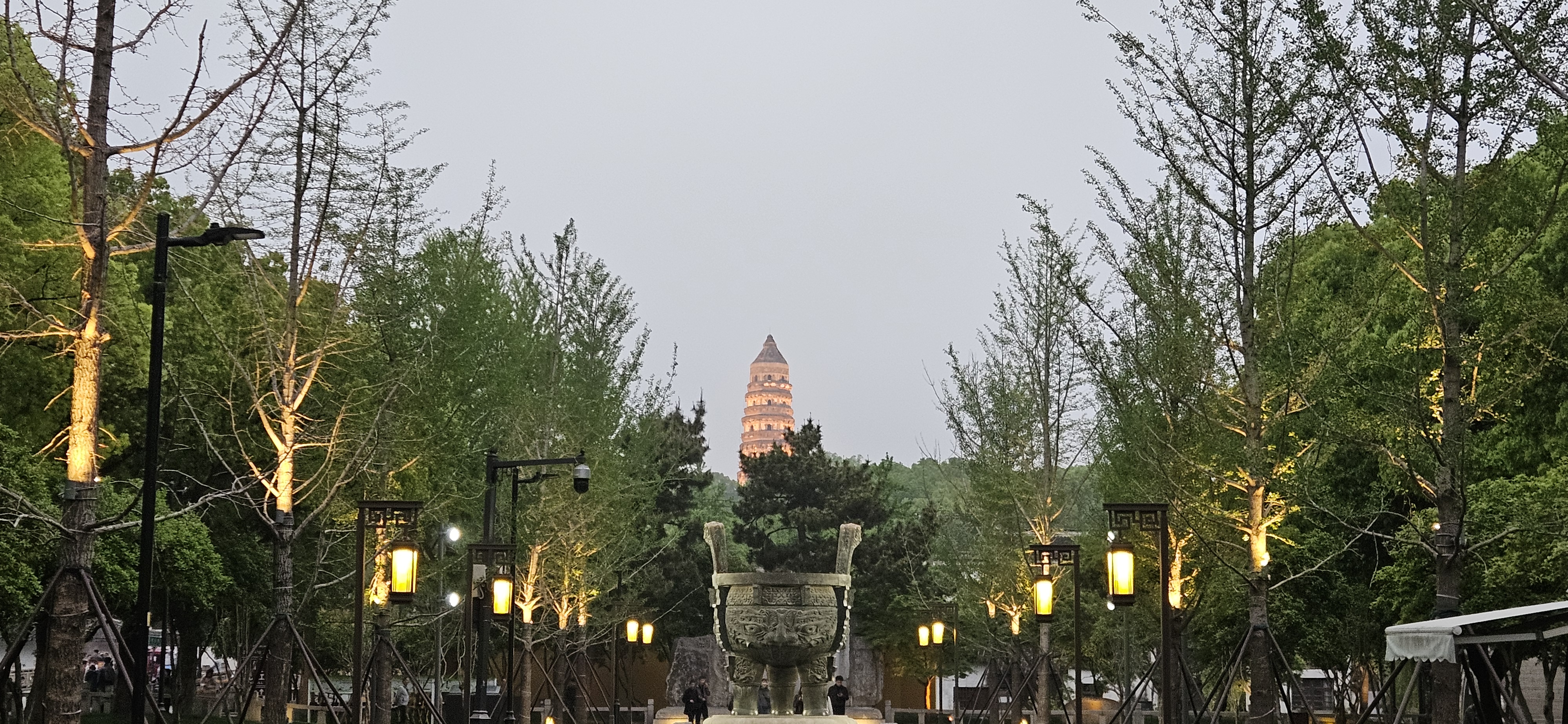
We made it out (phew!) and went past this huge urn, under the gate, with the pagoda shining in the background.
We tried to find a burger place for dinner that was on the map, but it was closed, and the only other restaurants (there were 12) in the food court were Chinese food (crazy, right?), so we headed for the train station, and figured we would eat once we got back to Shanghai. It was a super fun day in Suzhou, and I highly recommend it for a day trip at least, while in Shanghai.


The temples are always interesting to me – they are all similar, but the details are so different.
LikeLike