A friend of ours had asked us how we decide where to go and what to see. Since we have chosen to take a week in each of the cities we have visited, we did some research. First, we looked at a real map, and that is how we planned the route through Southern China; we wanted cities not too far away by train from each other, and ones where the weather would be spring-ish, at worst.
Then, we check out a travel guide, print edition, from the library. It was helpful in providing rough overviews of where we would be visiting, as the historic sites don’t change over time. Next, we watched youtube videos of fellow English-speaking travelers who visited the same places we wanted to visit. There were not many on Kunming, or Nanning and none on Zhanjiang, to be honest.
We know the famous spots and those I could save on the China Map App that is available in English, called Amap (Googlemaps does not work in China, due to the Great Firewall). Though not every place is marked, or named the same as in the guide, which can be annoying. So, after we visit the known places, quite often, I open Amaps and look for a park, or a temple or a museum, and we start our day there, and see where else we find.
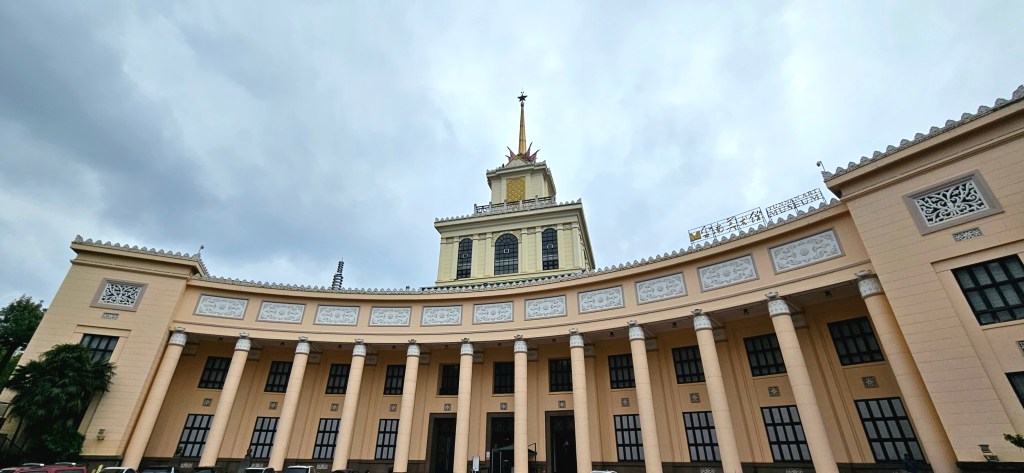
On this day, we found The Yunnan Art Museum. We did not know what we would find there, but figured it was as good a starting point as any. We arrived under dreary skies, so not too bad to be inside for a while. The entrance is certainly impressive.
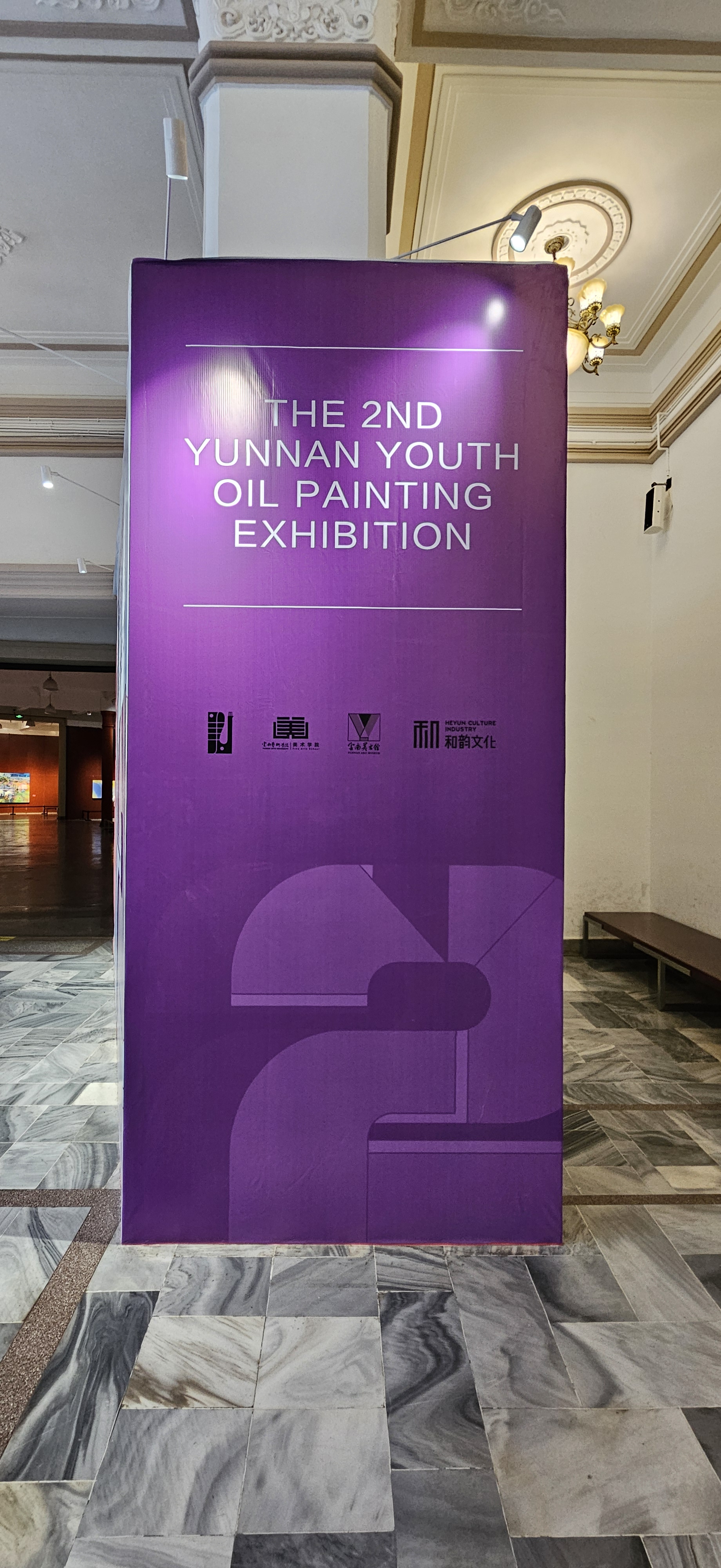
There was no fee and we entered inside. The walls were painted red, and we saw the poster letting us know that the temporary exhibit this time was the 2nd annual Yunnan Youth Oil Painting Exhibition. I love oil paintings, and find that they are becoming rarer and rarer to see in art museums or galleries, as much of art has chosen to use a variety of mixed media as the medium.
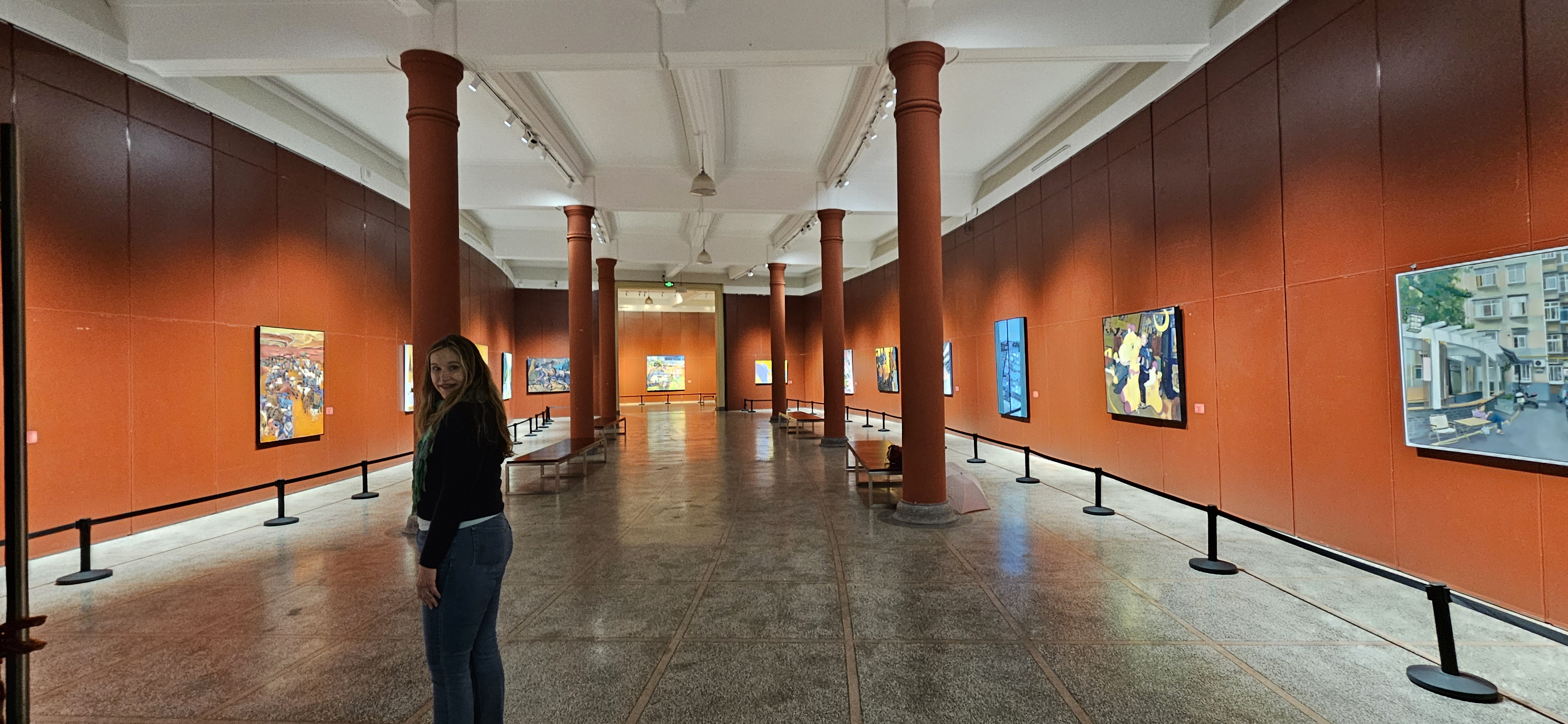
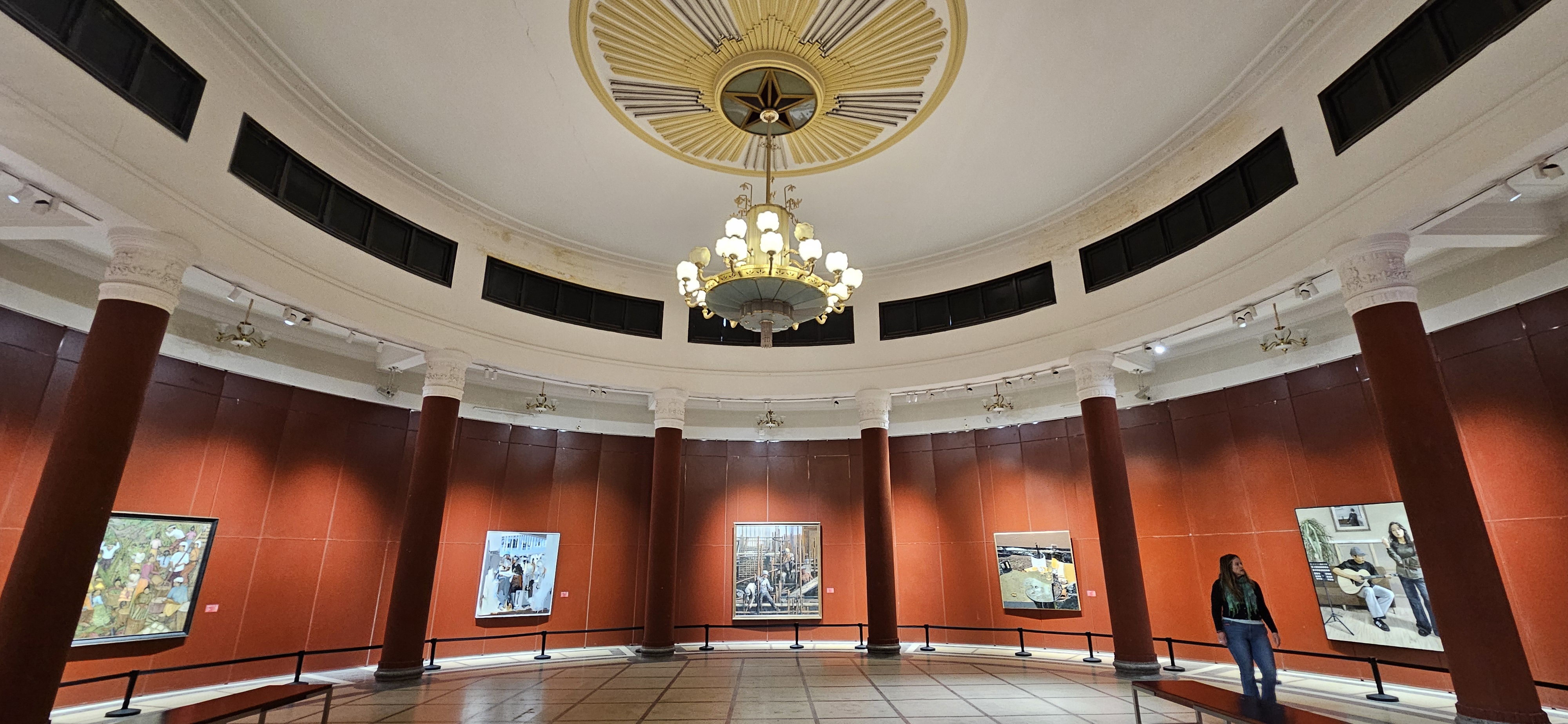
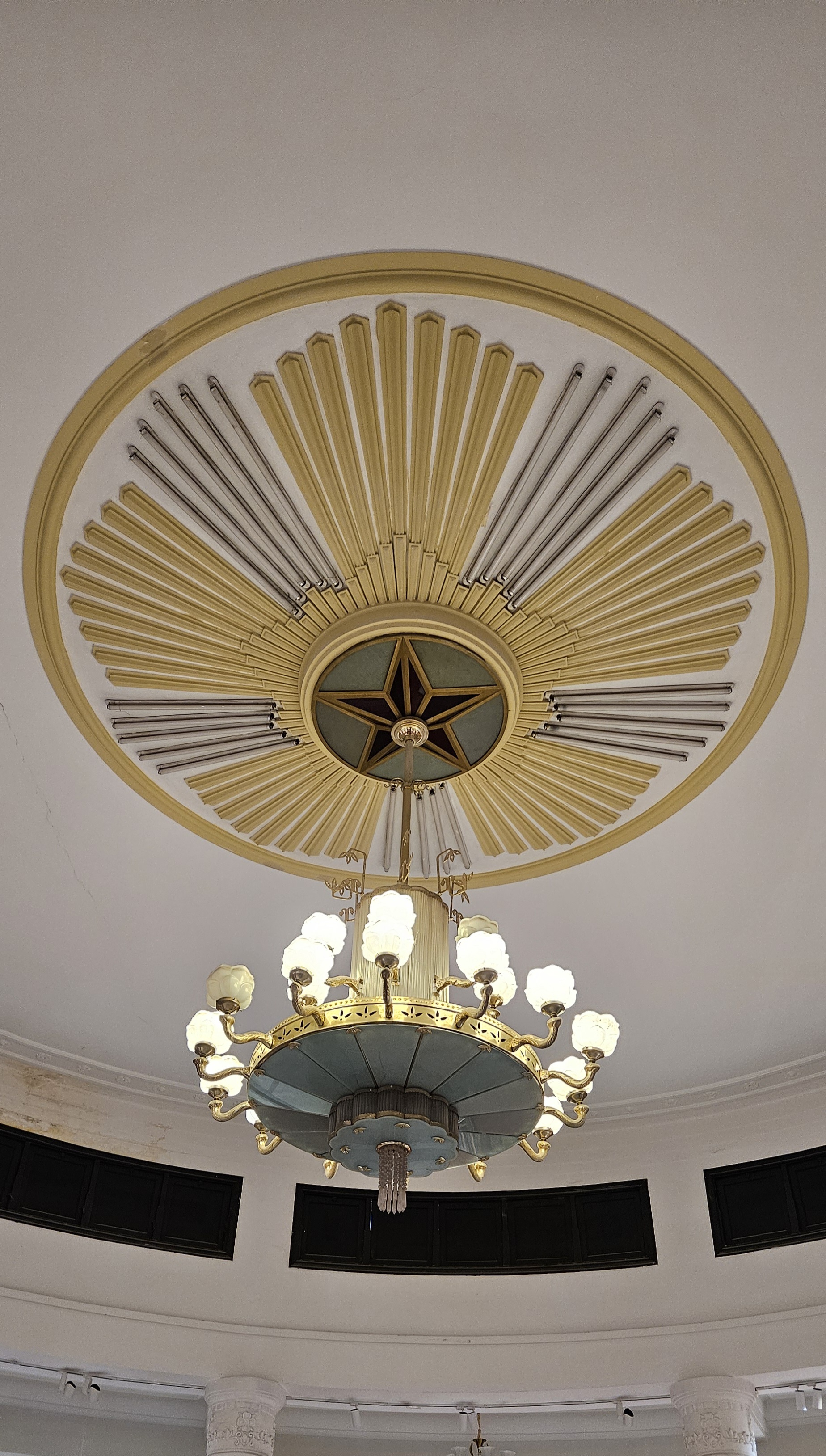
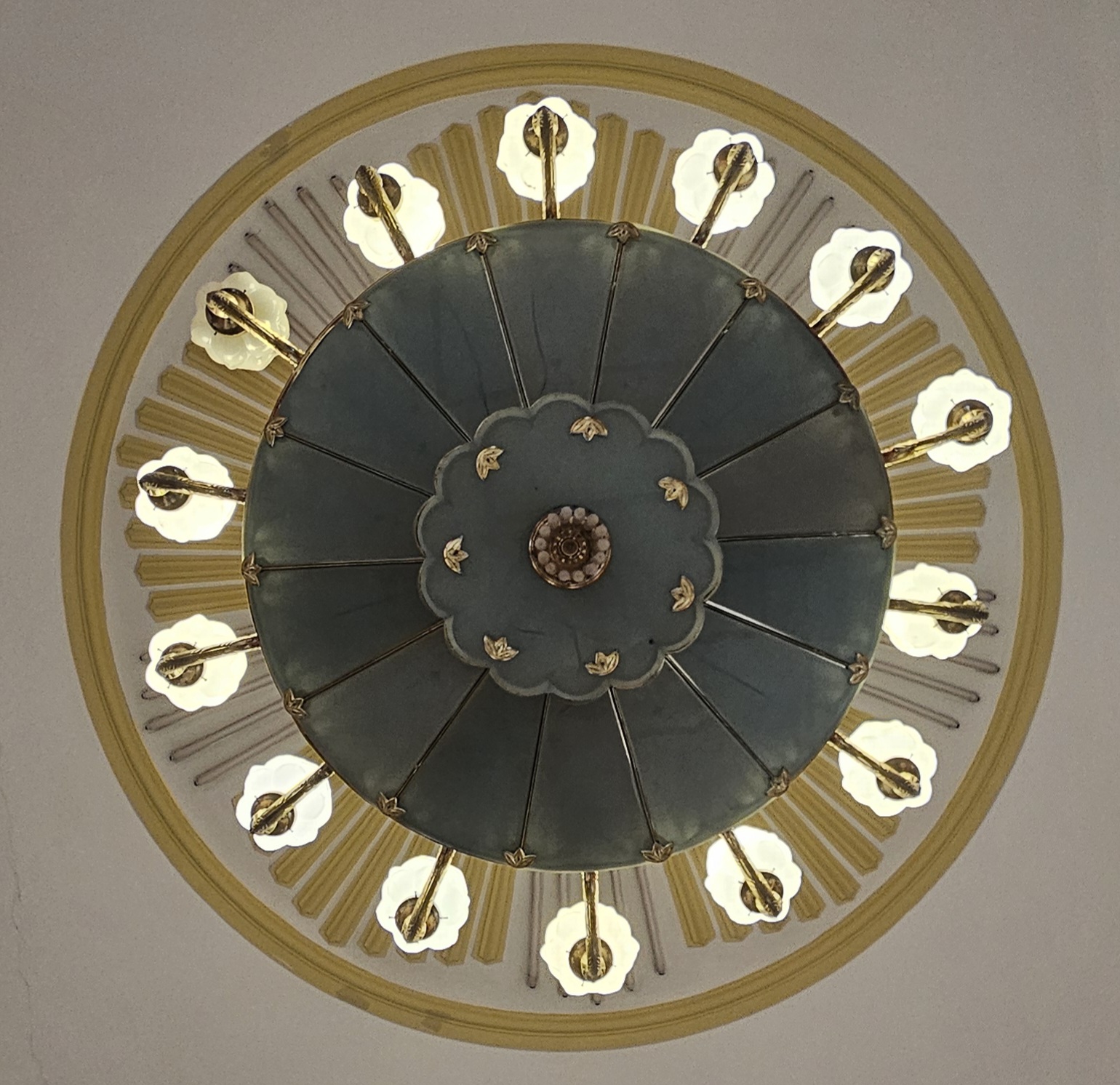
We entered the main rotunda, and the chandelier hanging from the center was impressive in itself.
Many of the student’s art pieces were impressive; and it was obvious that many of them had chosen past painters to emulate; that did not take away from the three floors and seven+ galleries of paintings. Here are some of my favorites:
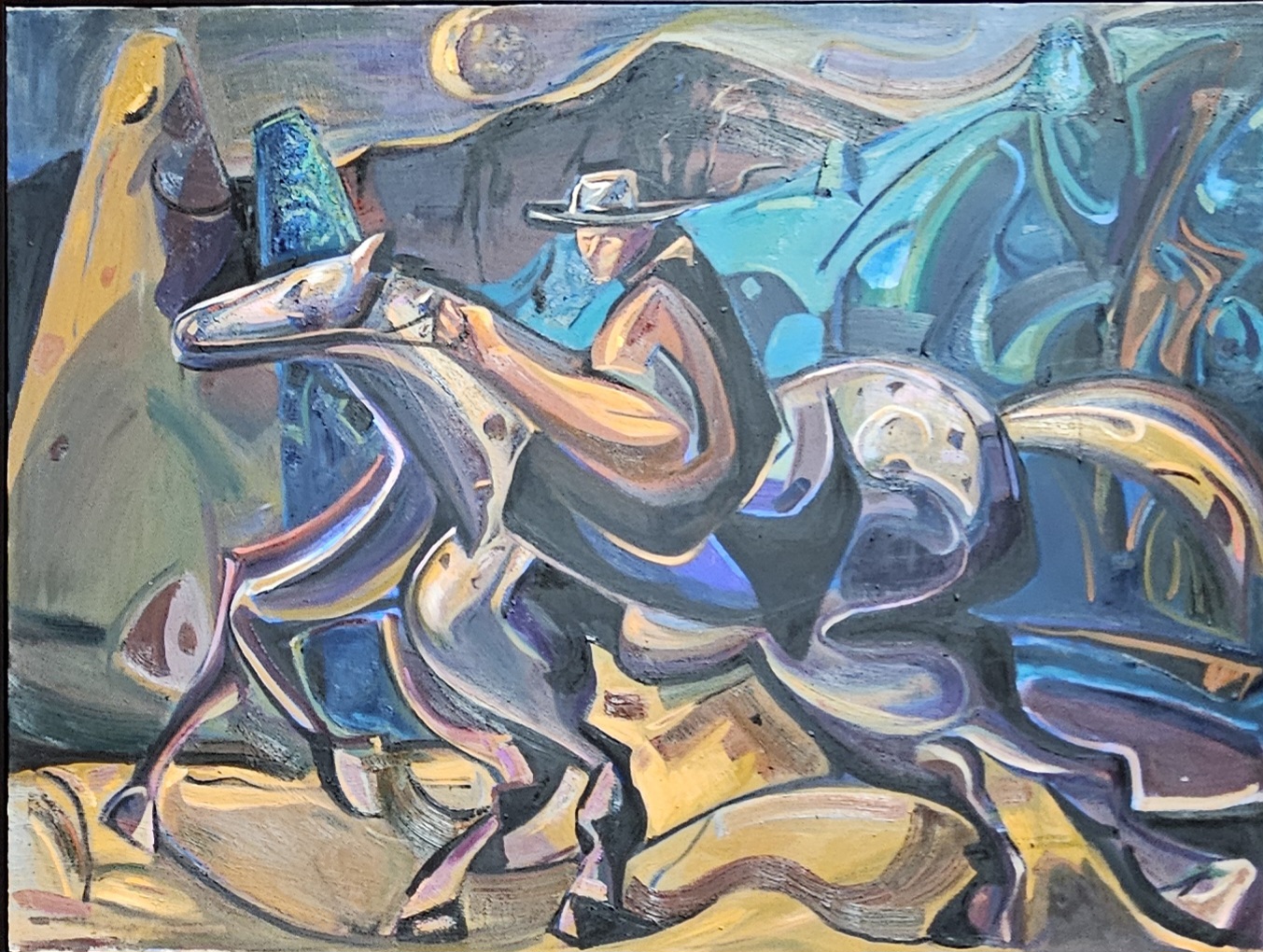
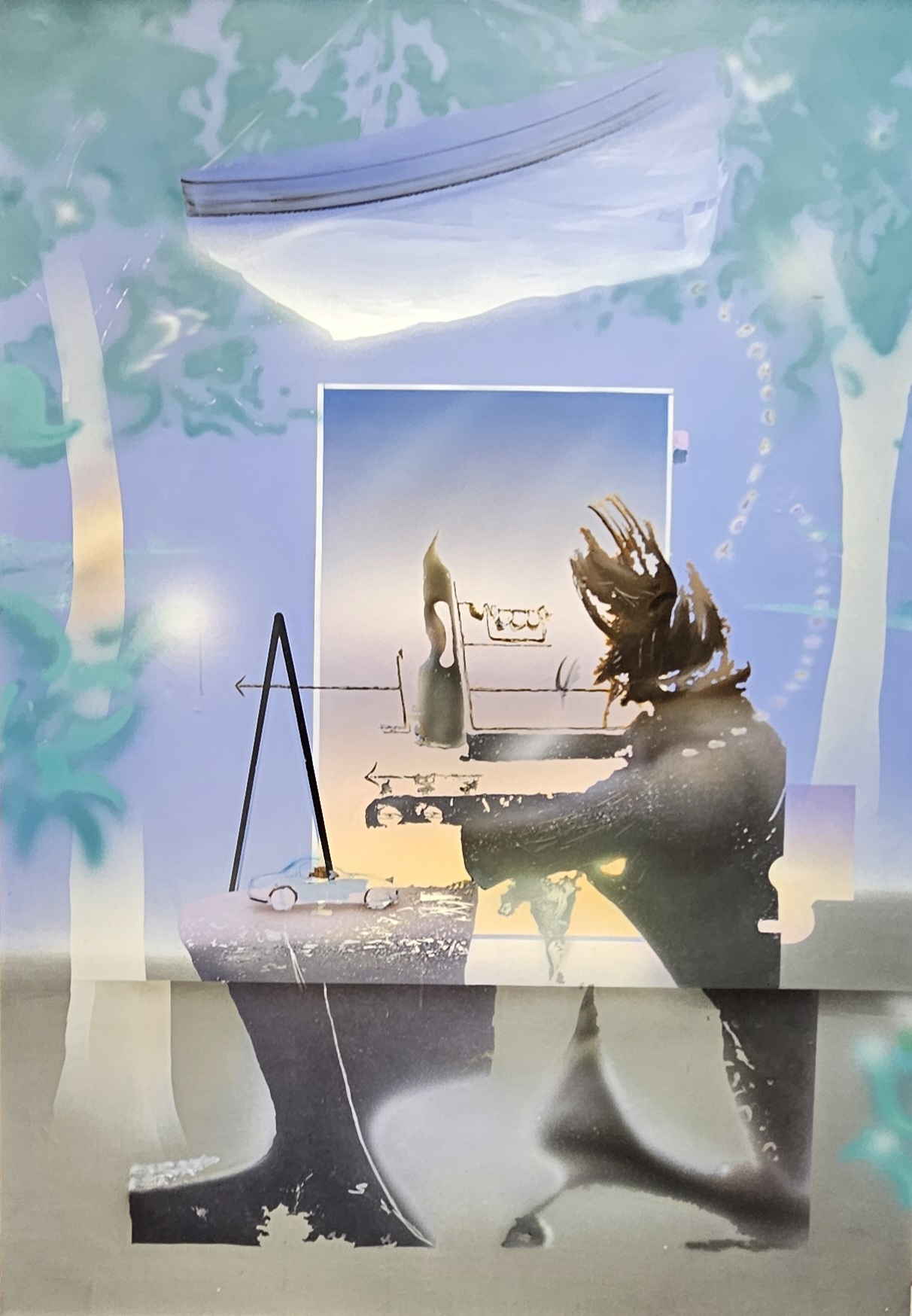
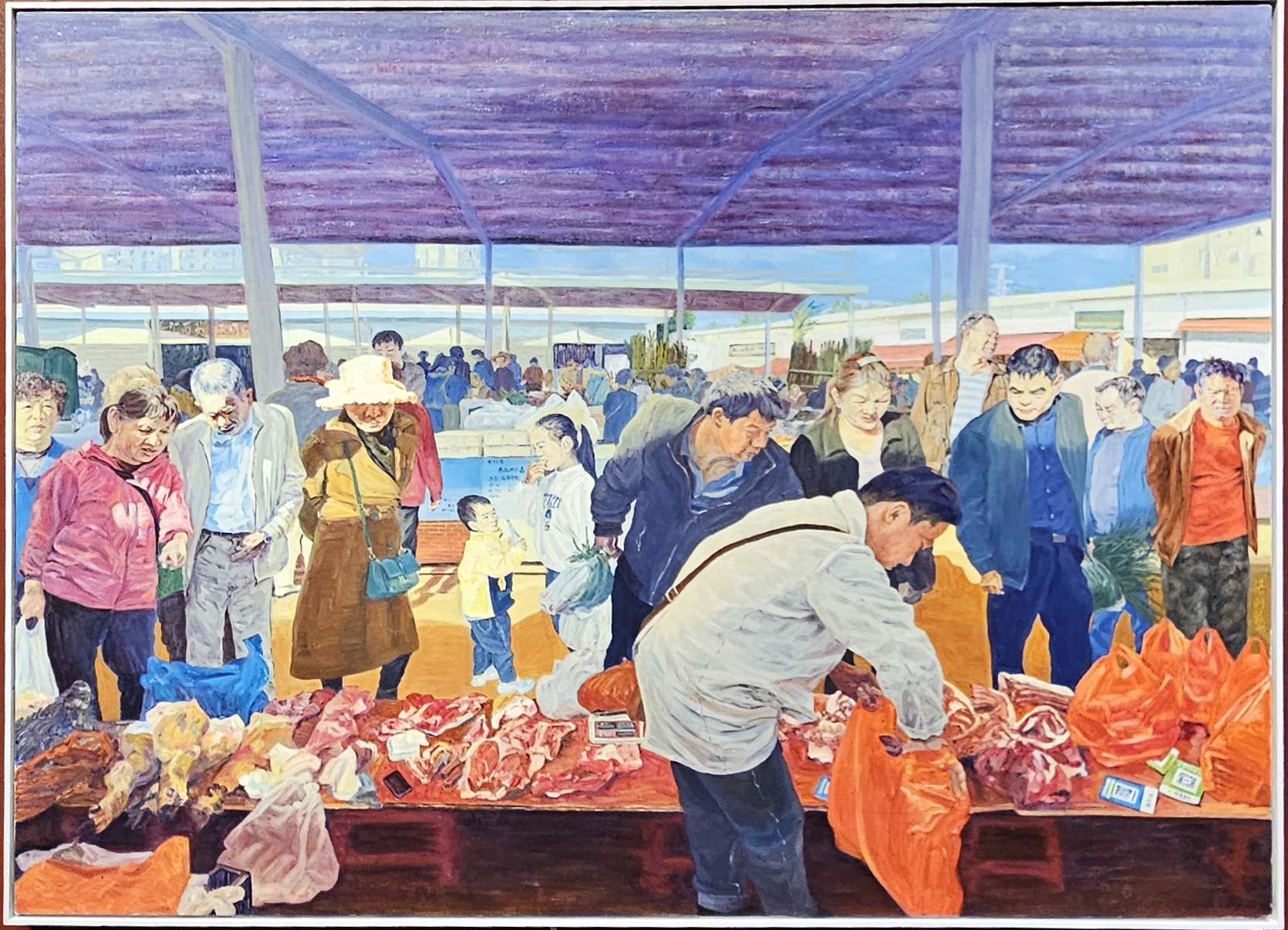
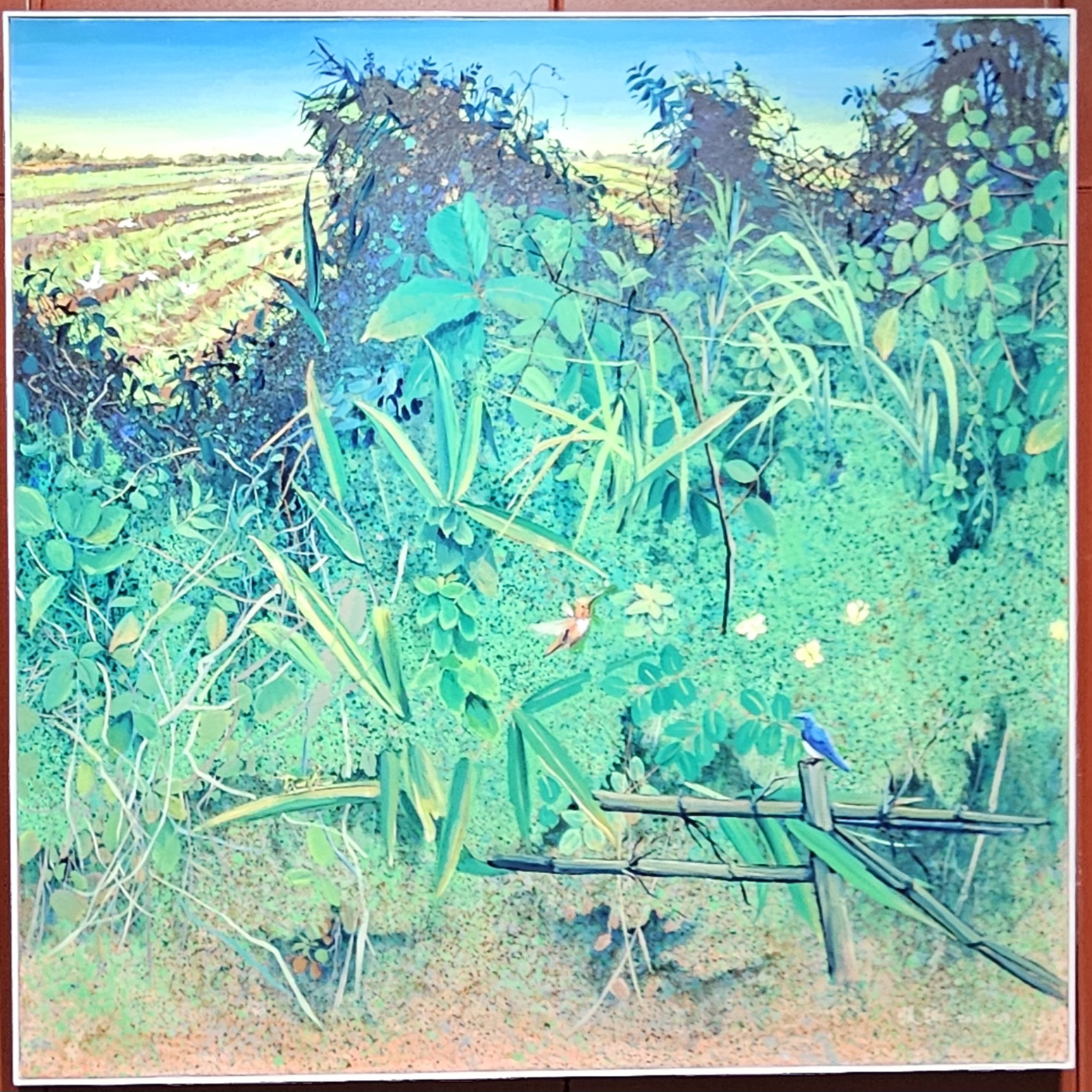
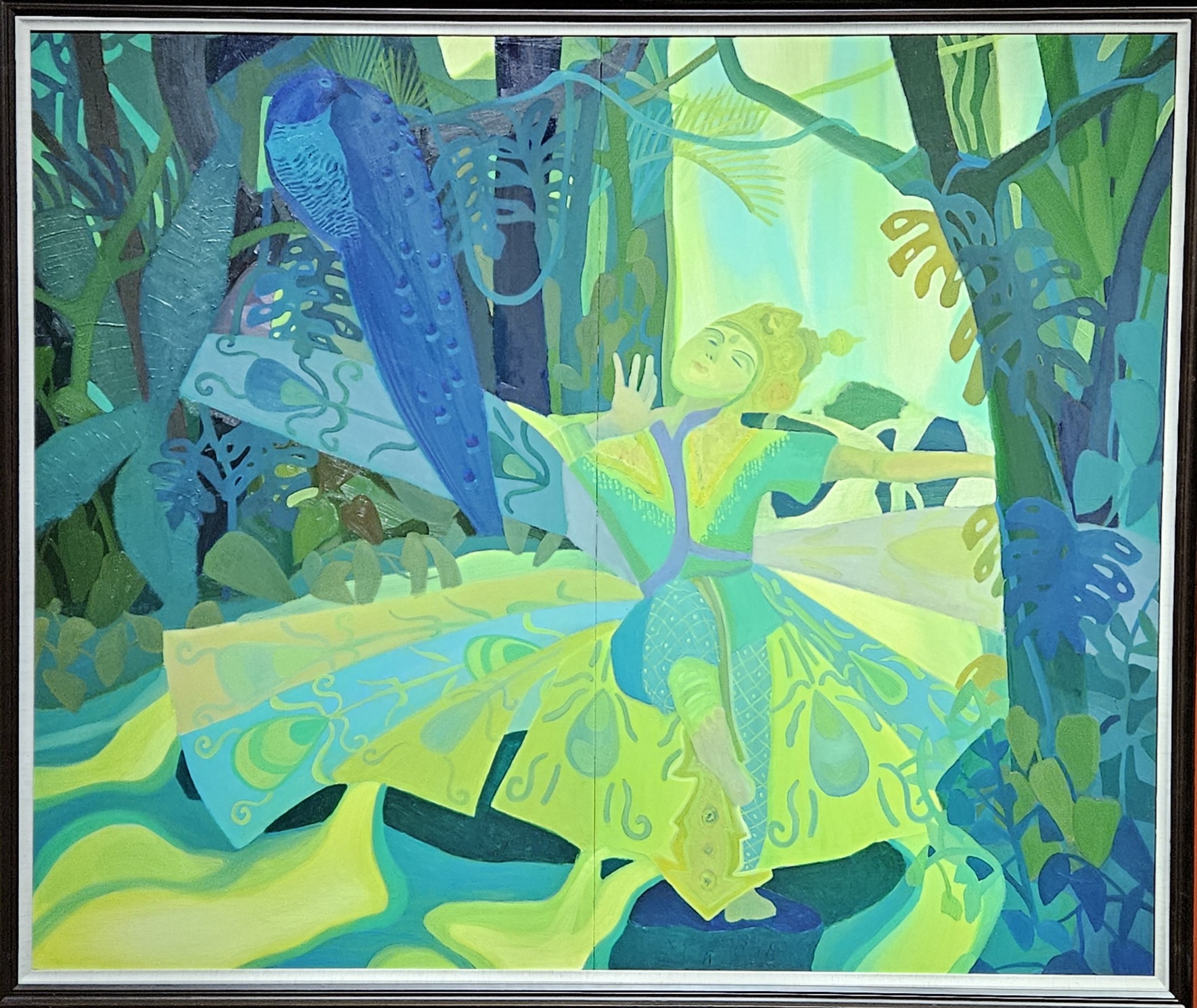
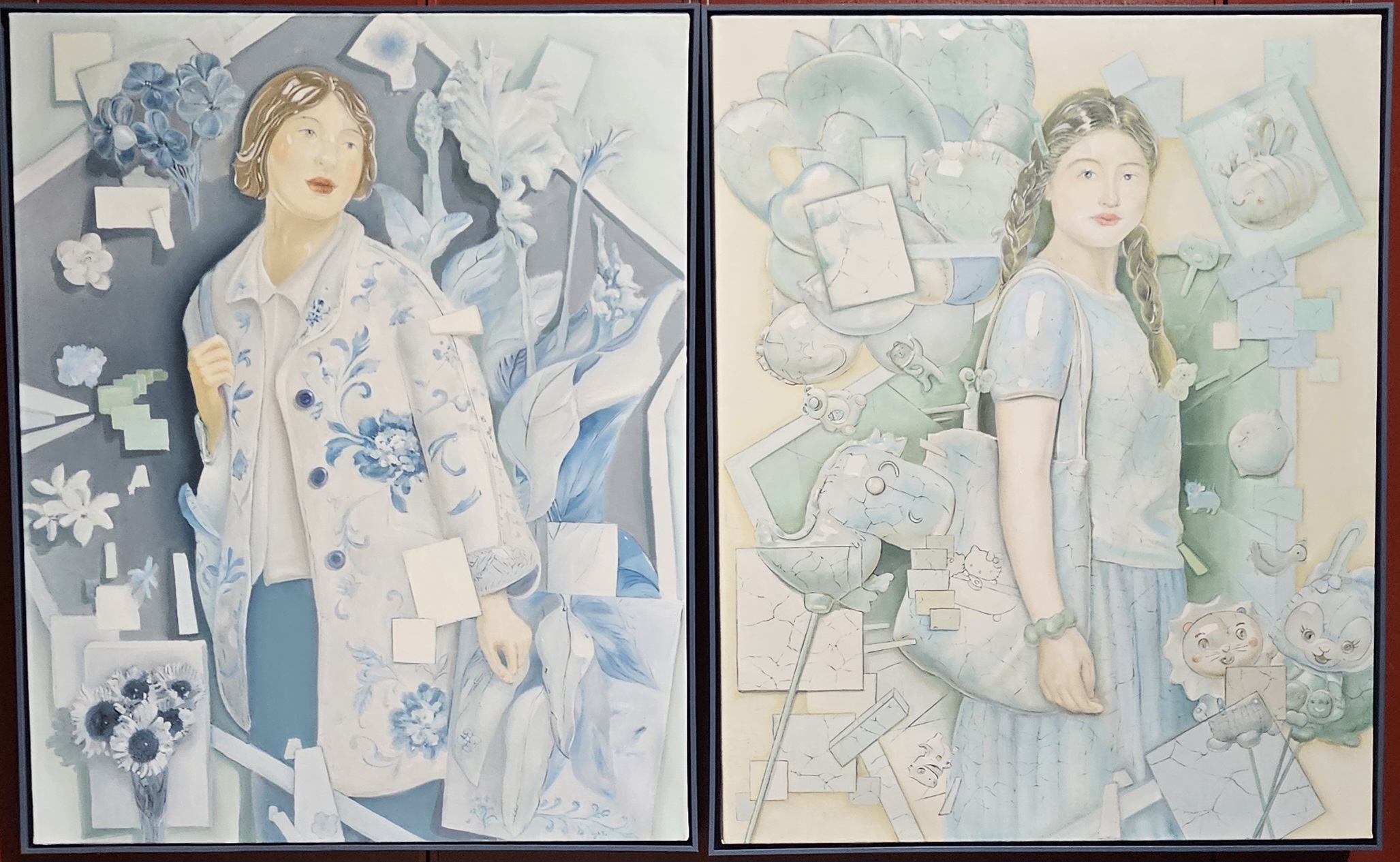
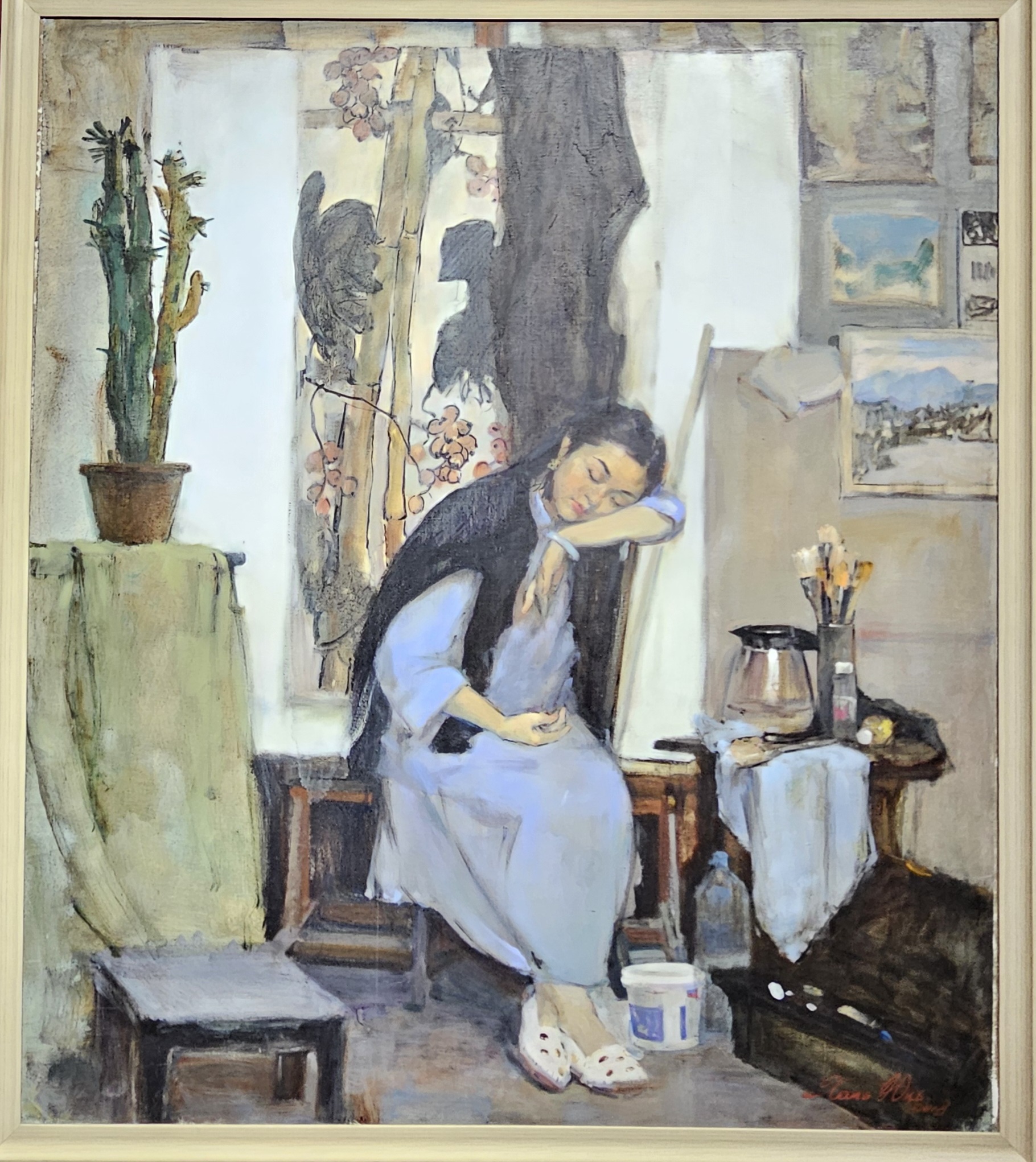
Jessica and I both agreed this was our favorite:
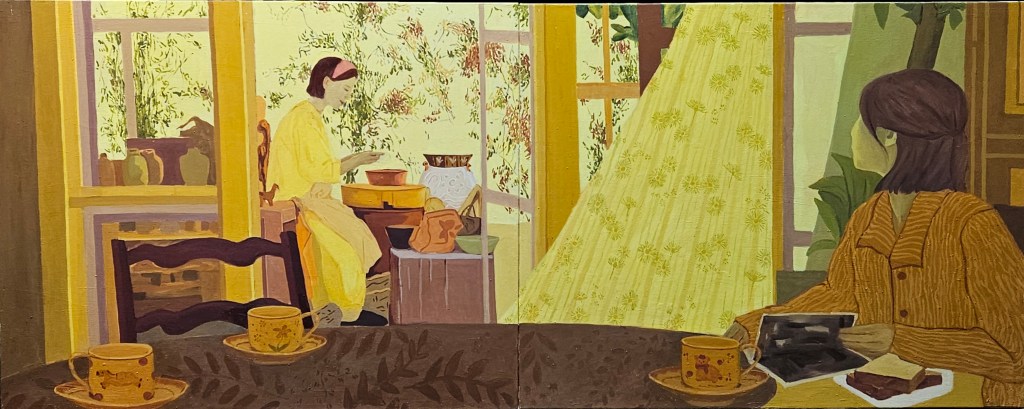
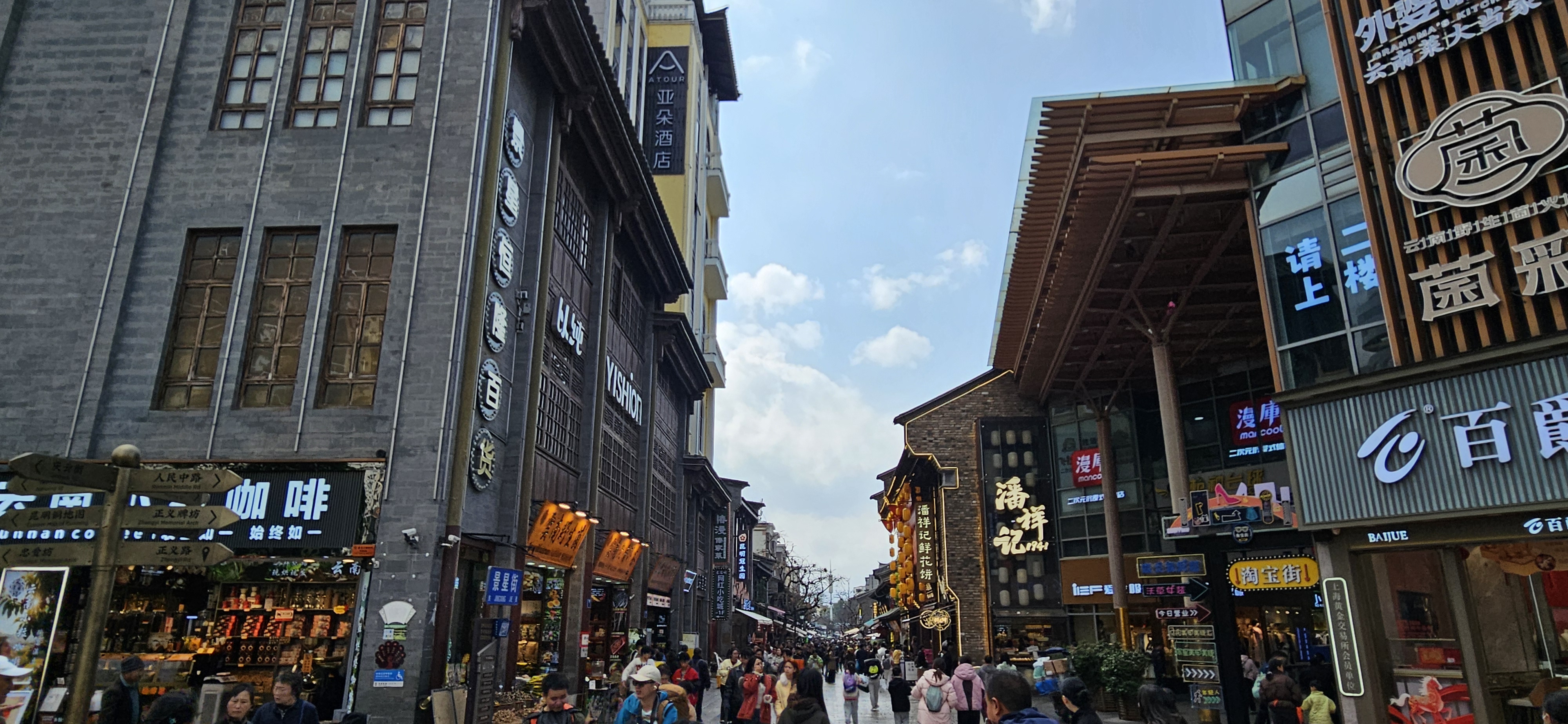
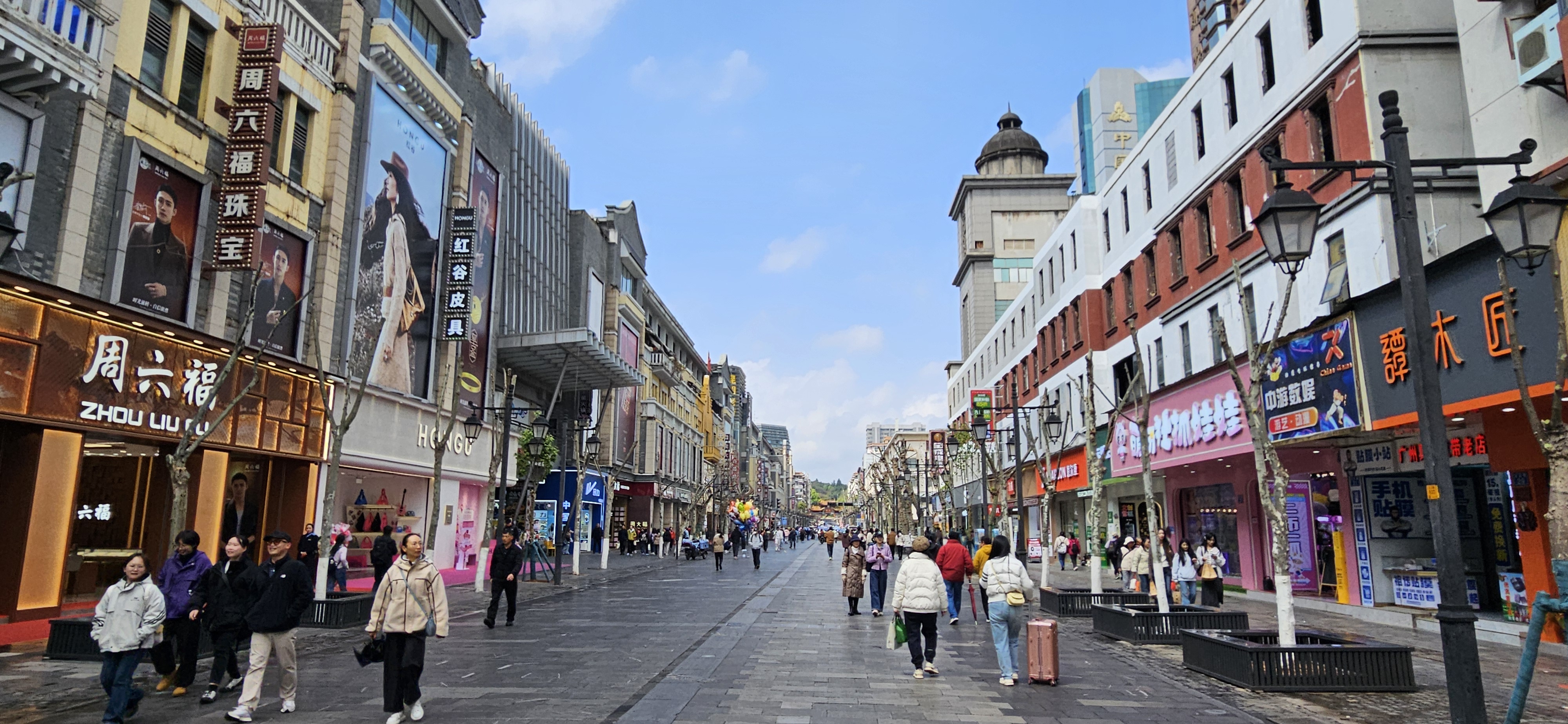
After we left the museum, blue skies parted the the grey clouds, and we wandered some more, finding ourselves on Nanping Pedestrian Street, which fed into Old Street Kunming, a wide thoroughfare with a lot of shopping, food stalls, and electric bikes whizzing by.
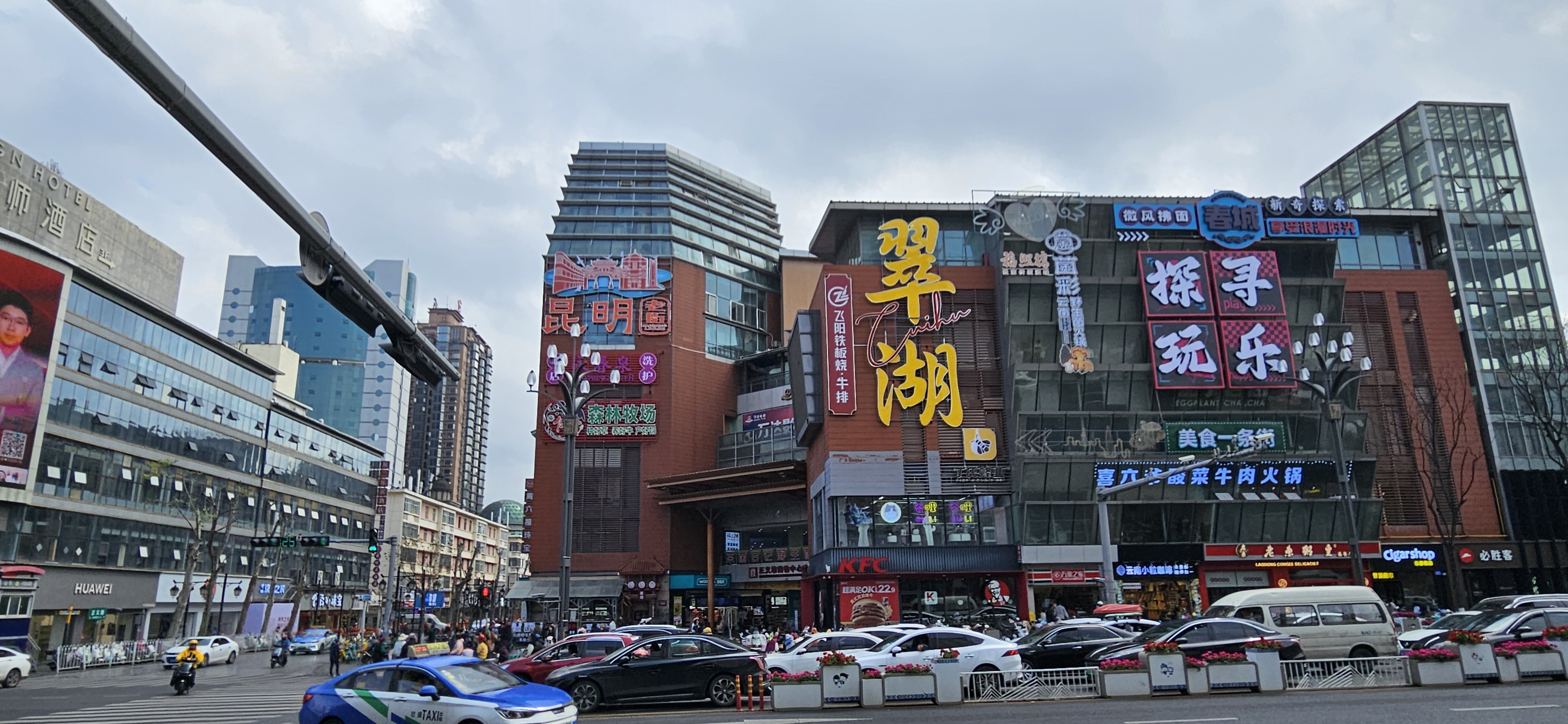
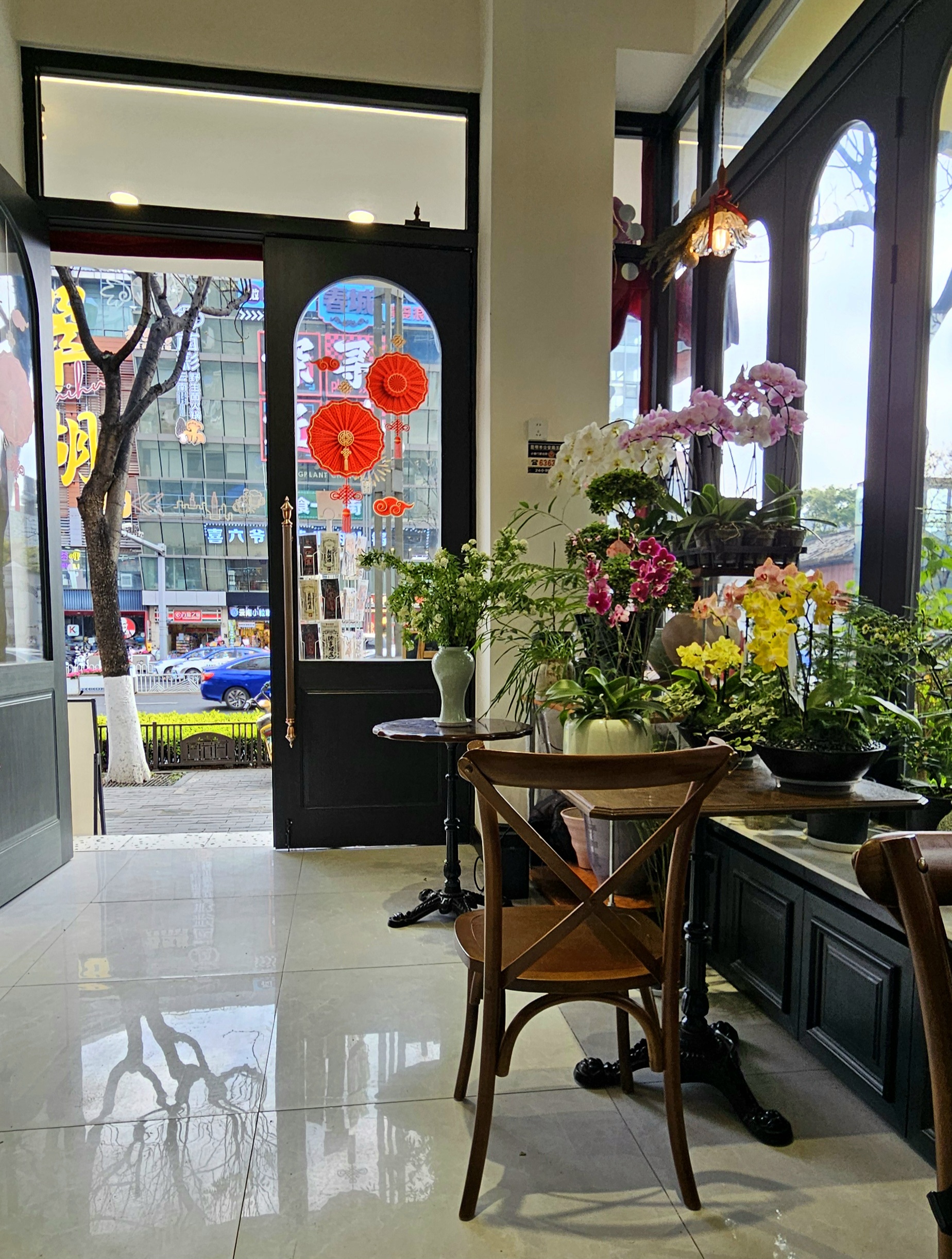
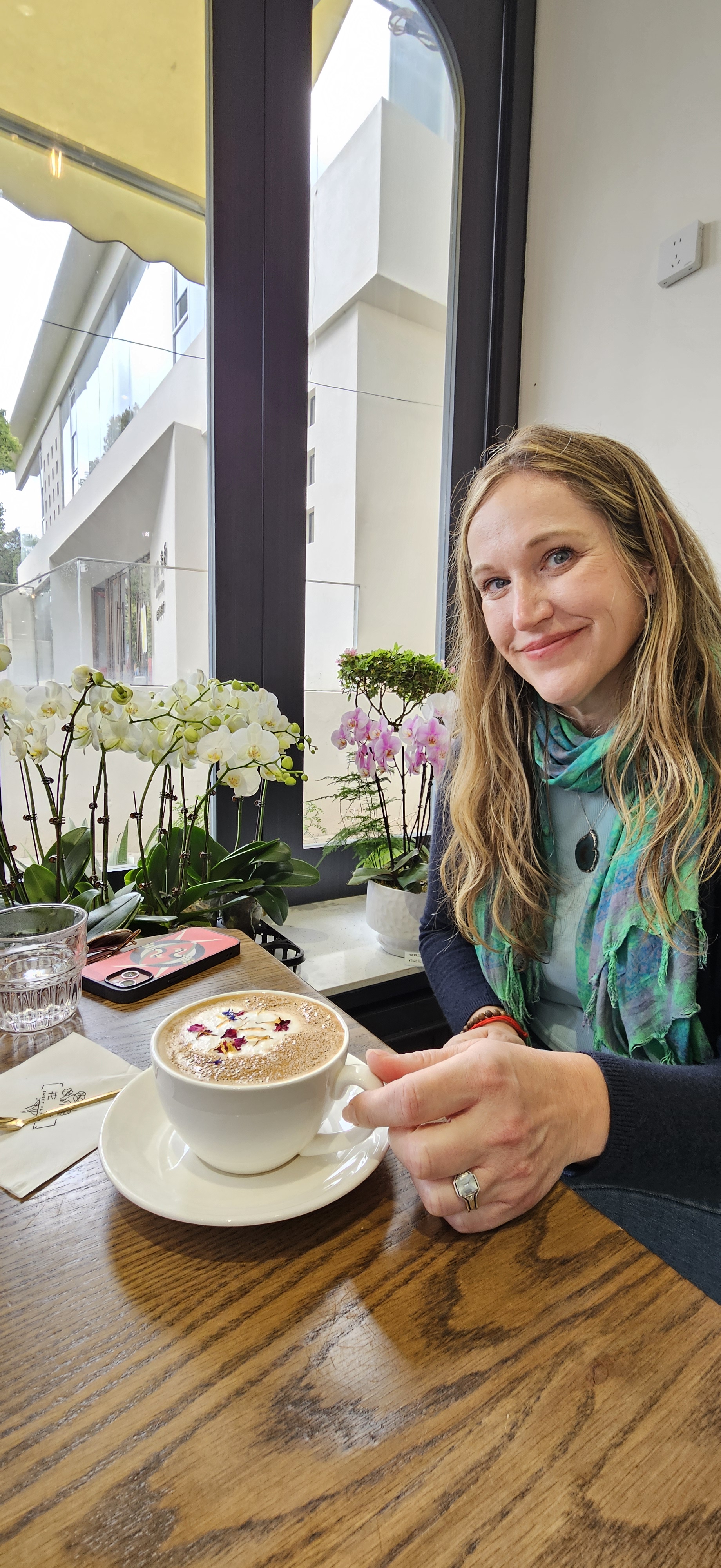
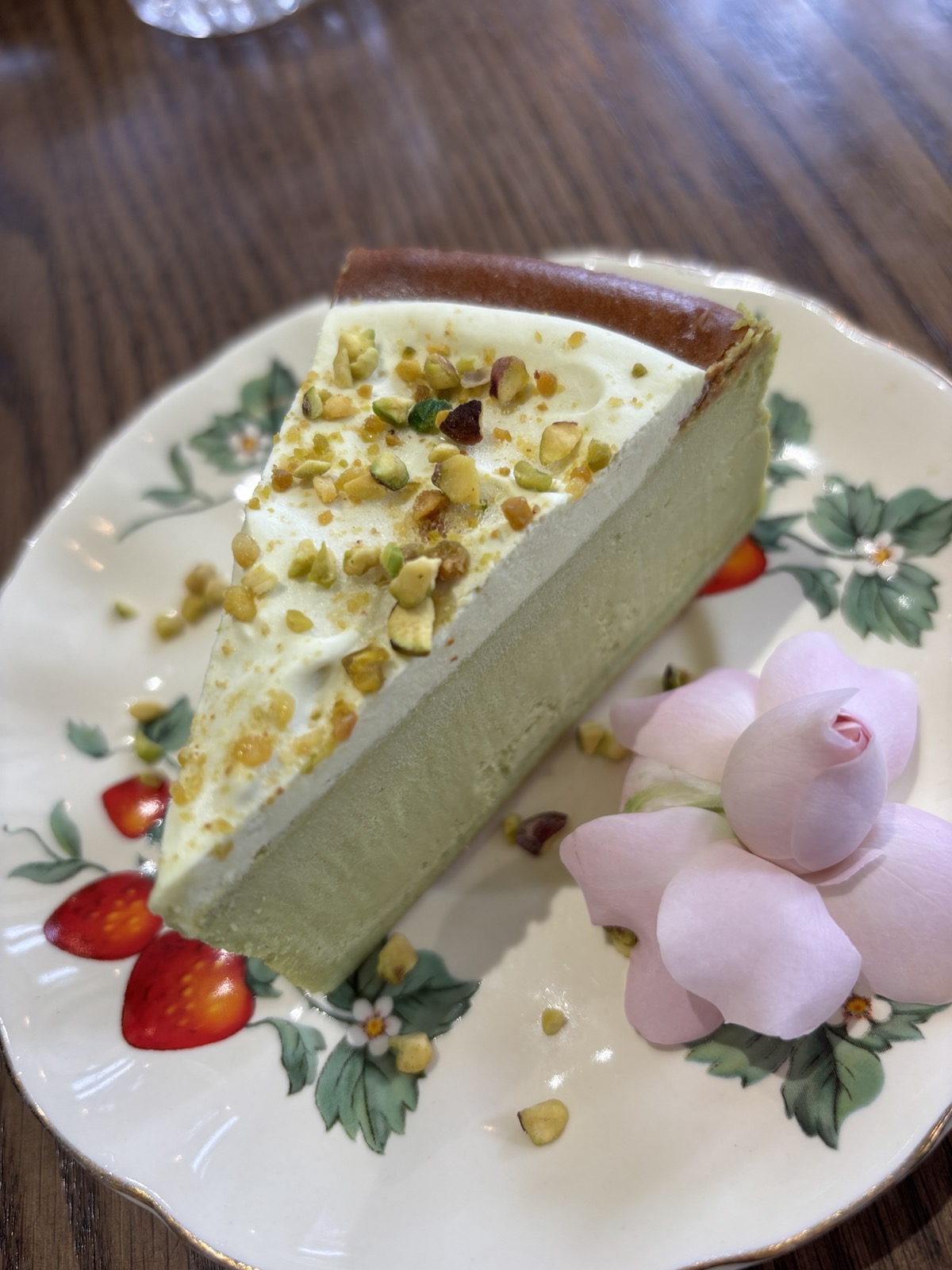
We crossed the main road and found a cute cafe and orchid shop, where we had coffee and shared a couple of afternoon pastries.
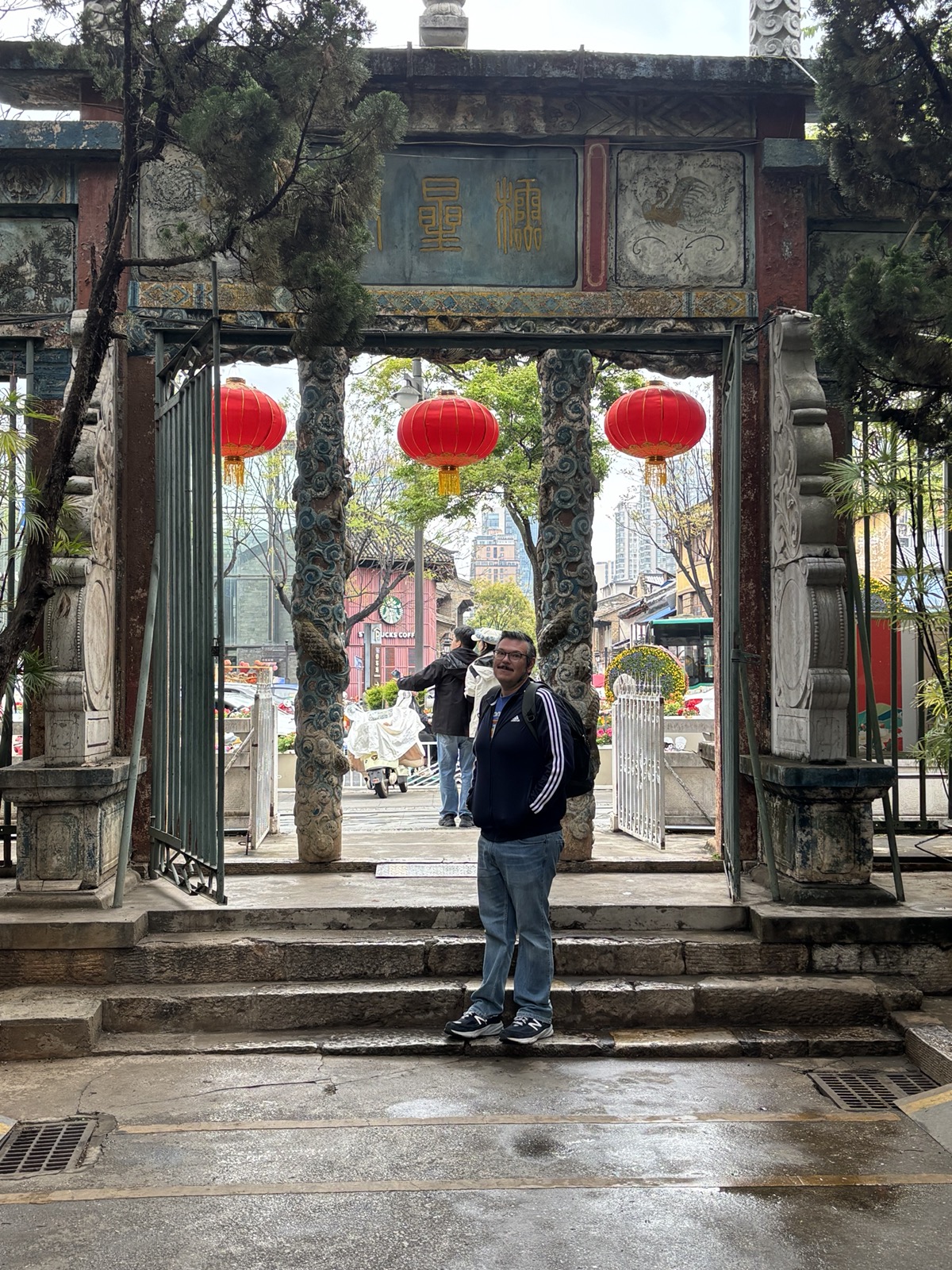
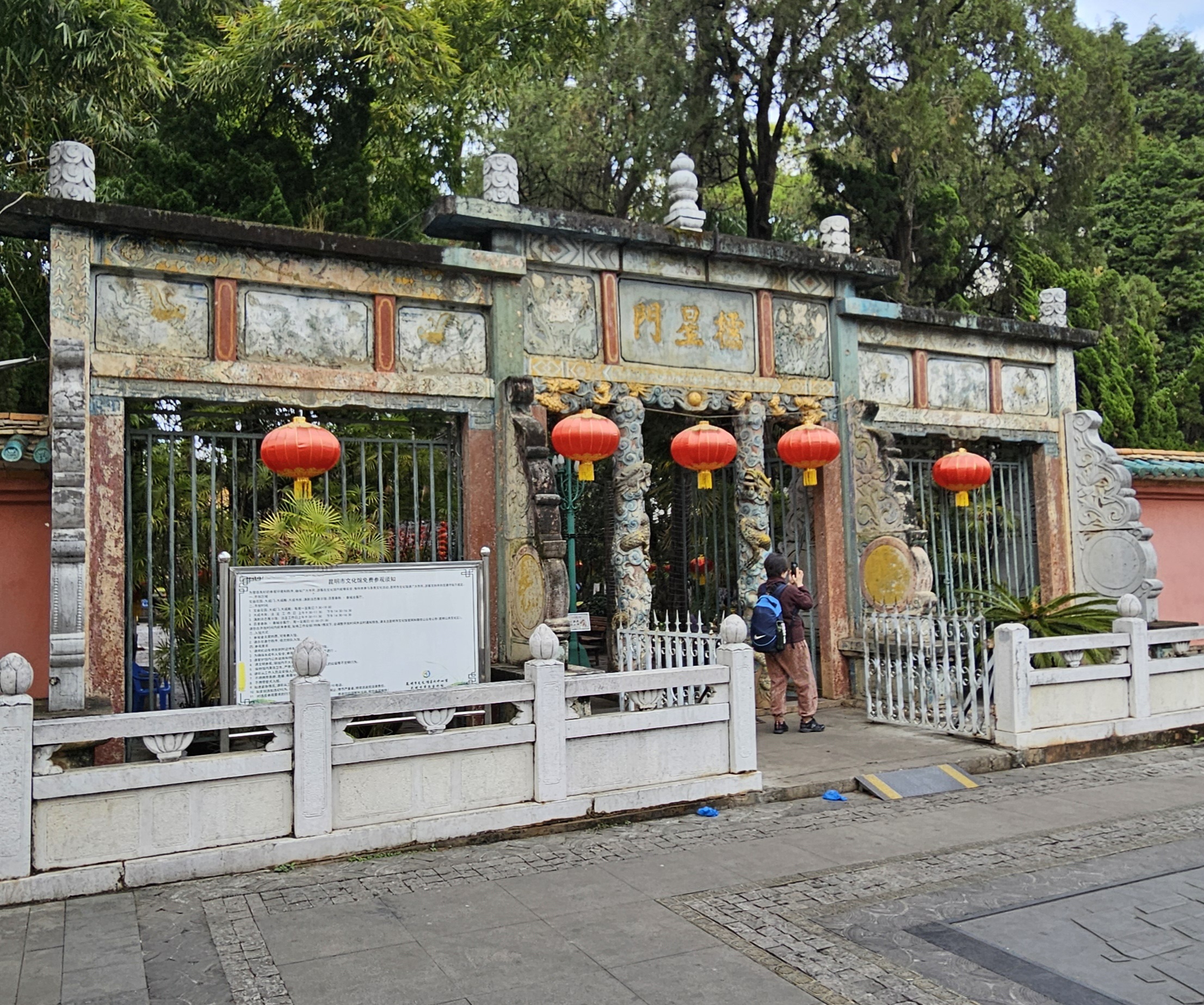
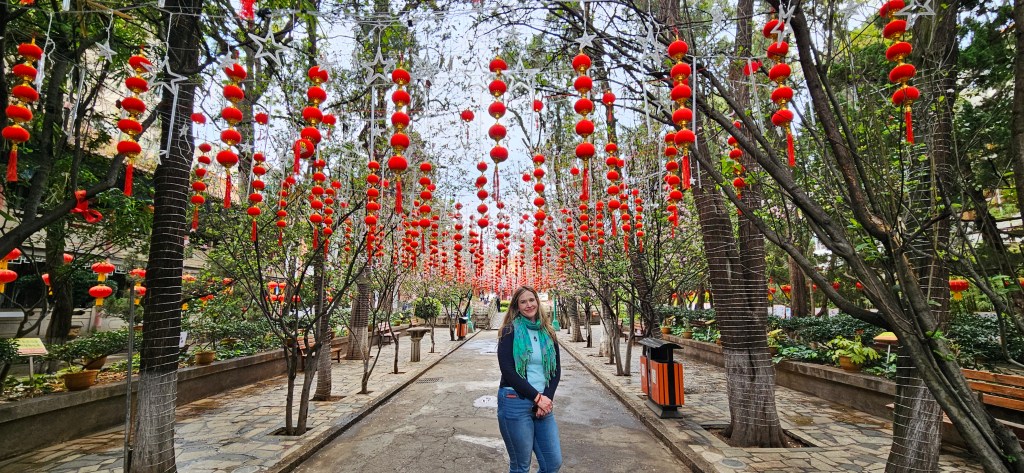
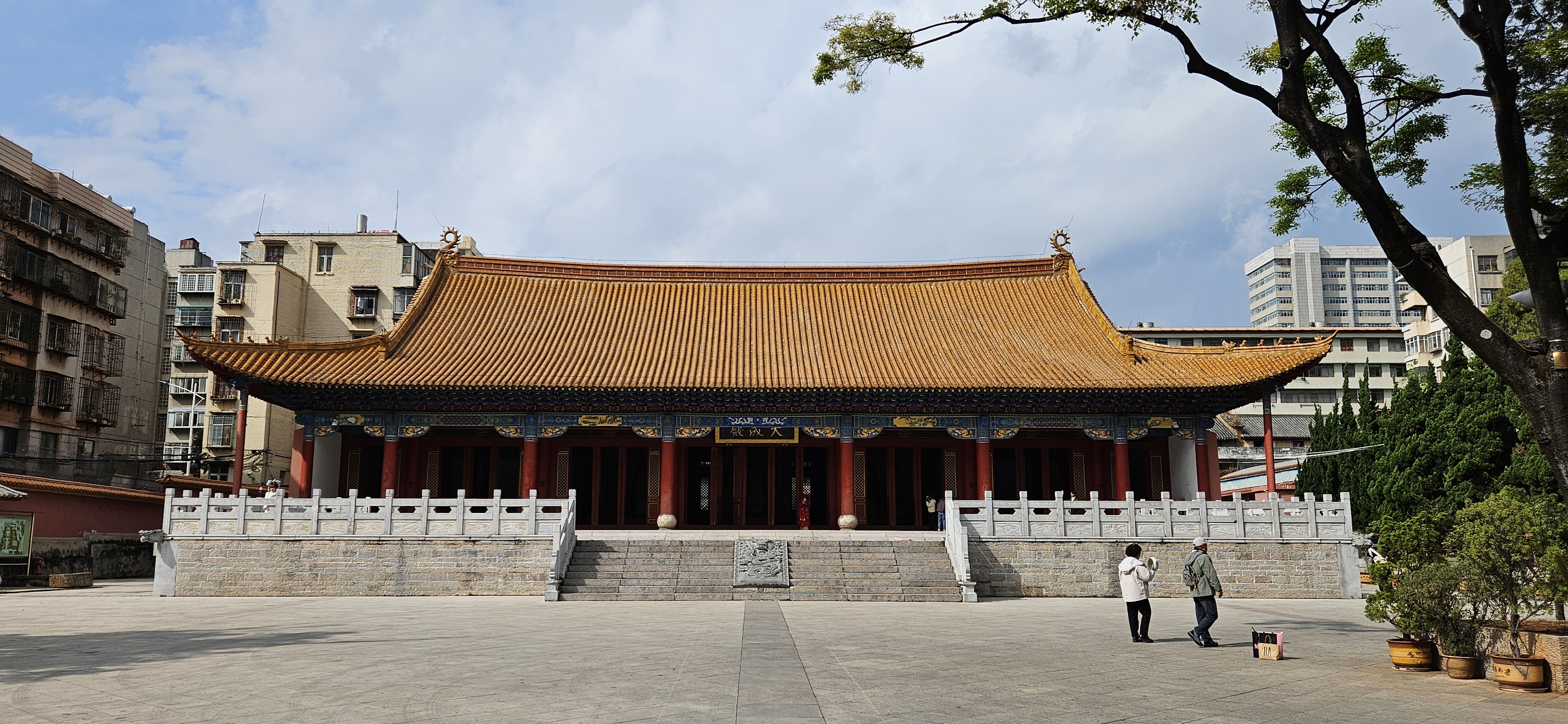
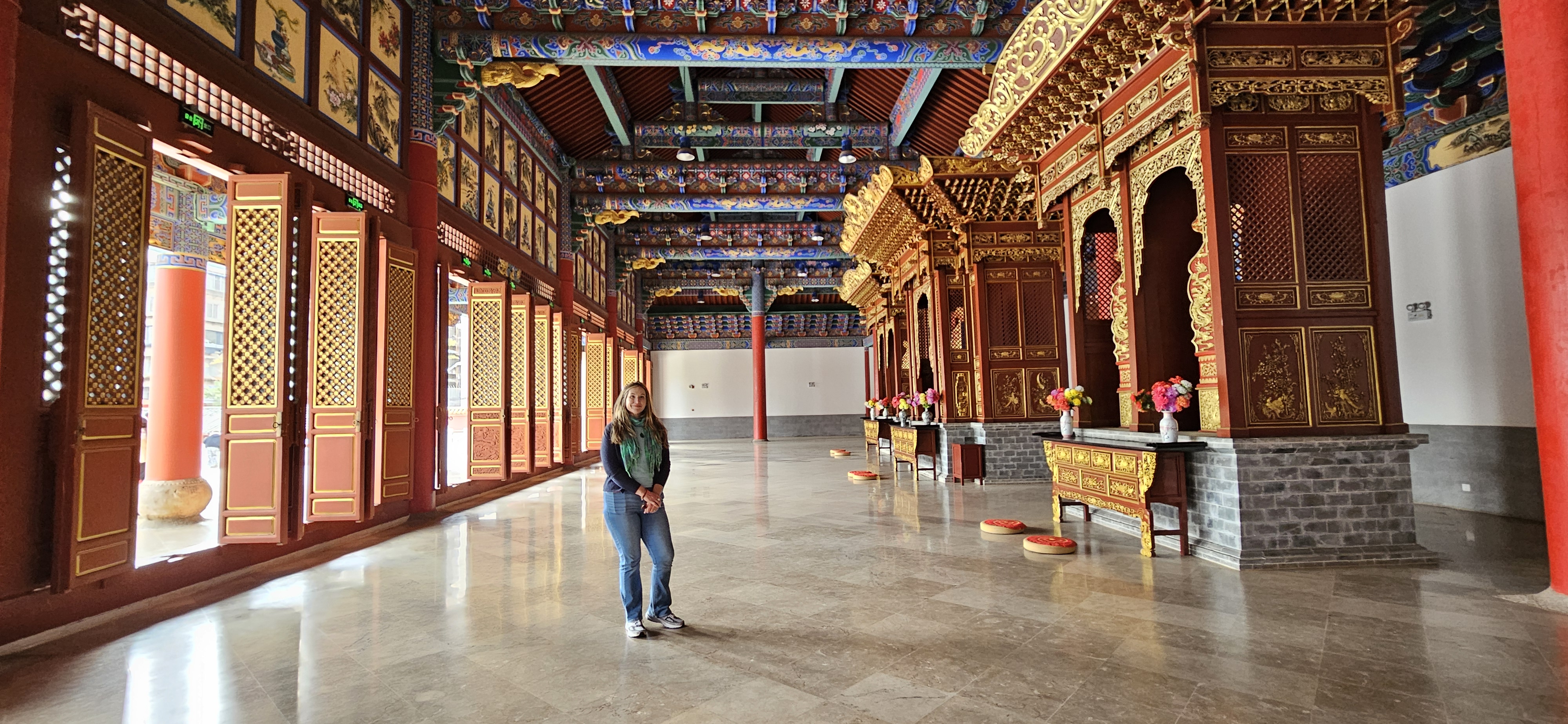
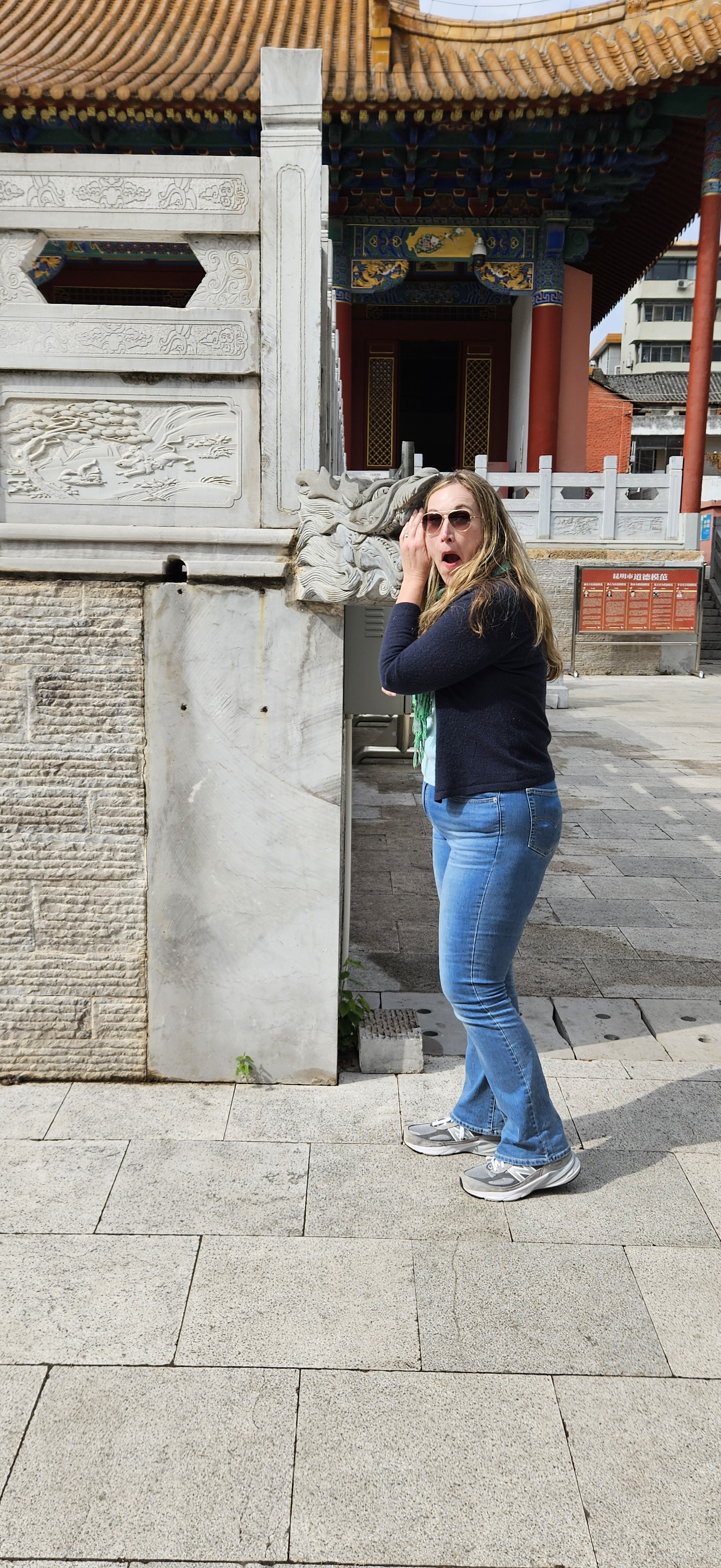
Nearby was a Temple of Literature Lingxing Gate, which was a much larger temple complex dating back to the 1690s. It was bombed during the war with Japan in 1939, and only the Lingxing Stone Pavilion remained; the city of Kunming declared it a cultural relic in 1993. The entrance is very basic, but once inside the red lanterns hanging from Chinese New Year created a welcoming atmosphere.
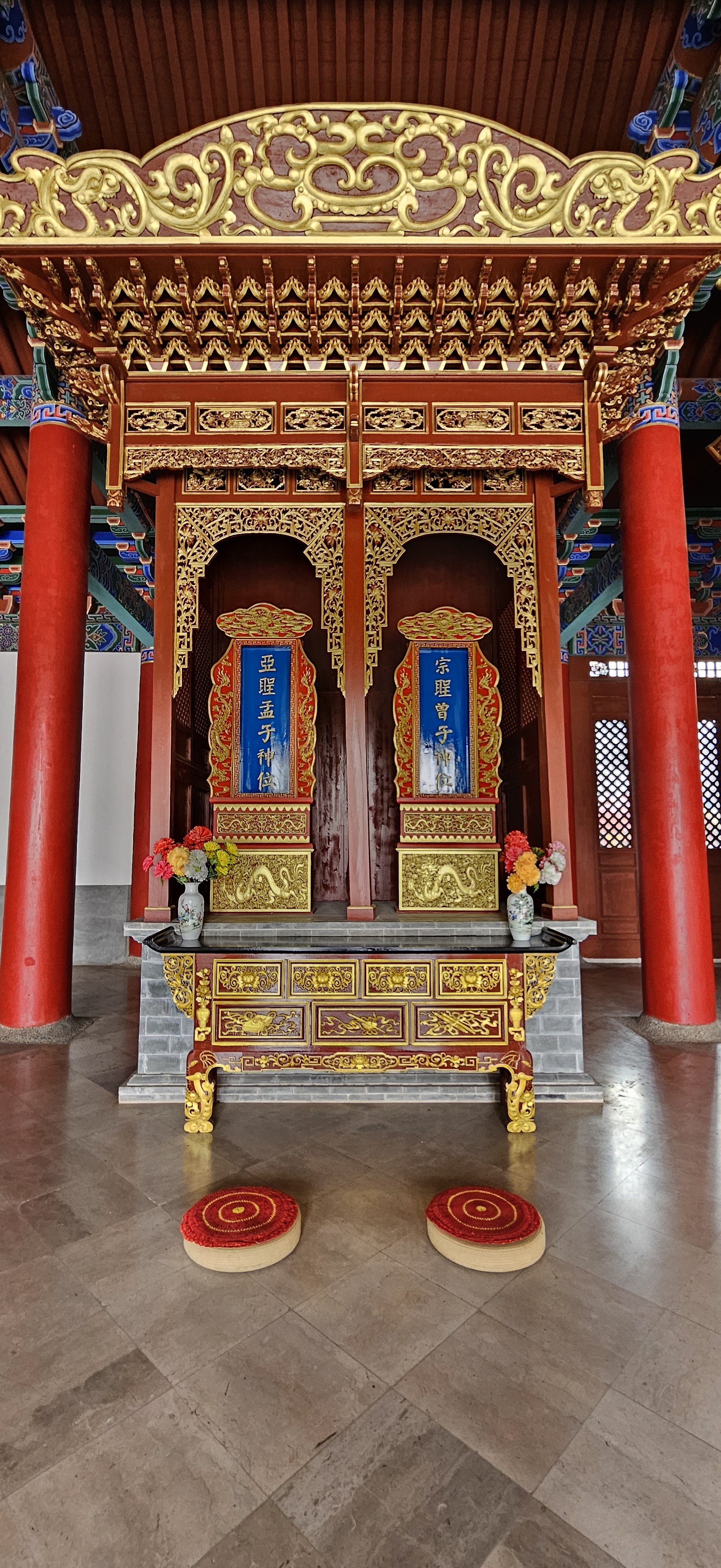
The main building looks like many temples we have seen throughout China, but there are no Buddhas inside; it was quite empty, with only some small shrines with Chinese writing on them.
Of course, there are a few Bonsai trees around the complex, but most were not as well taken care of as these:
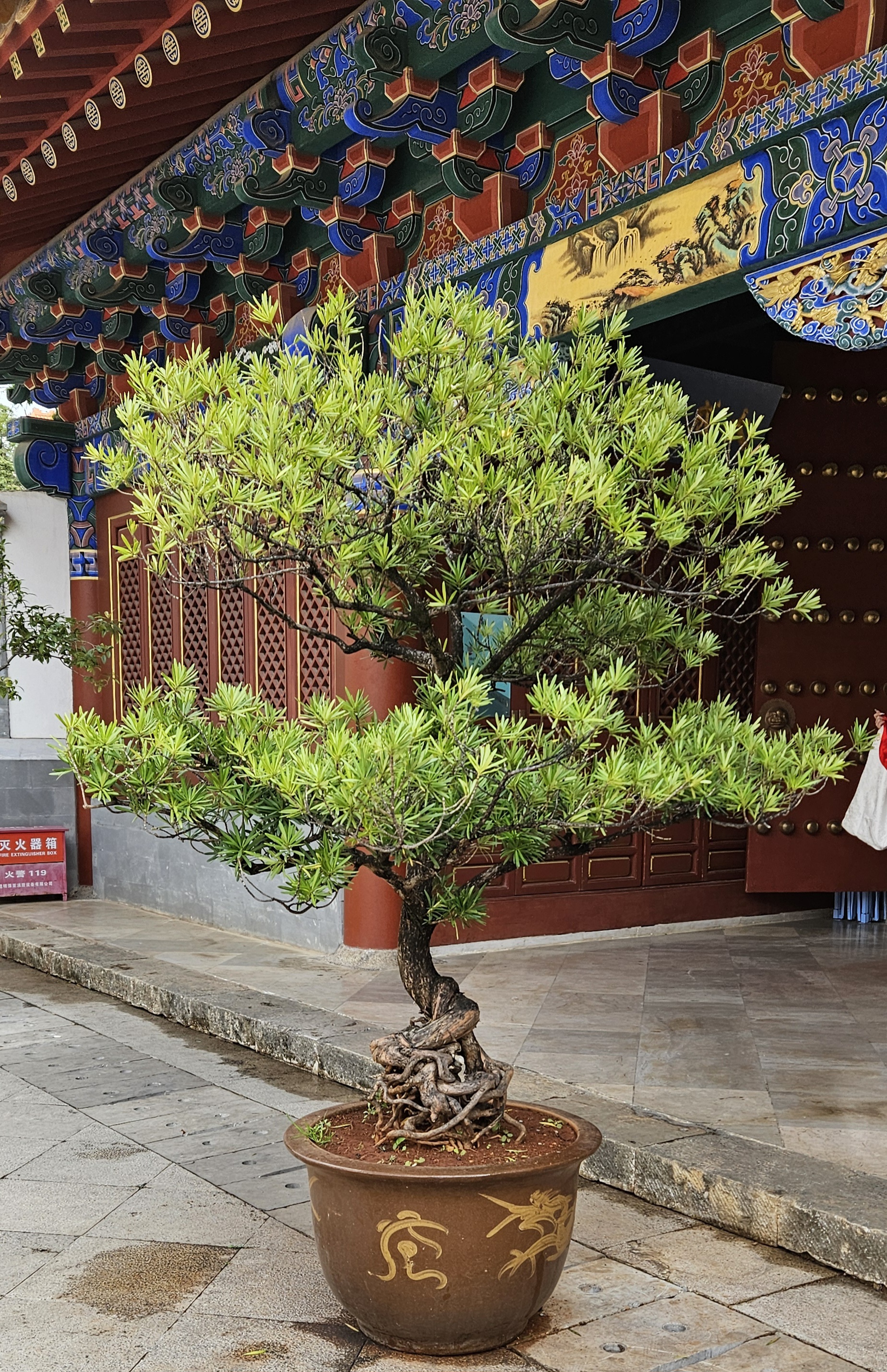
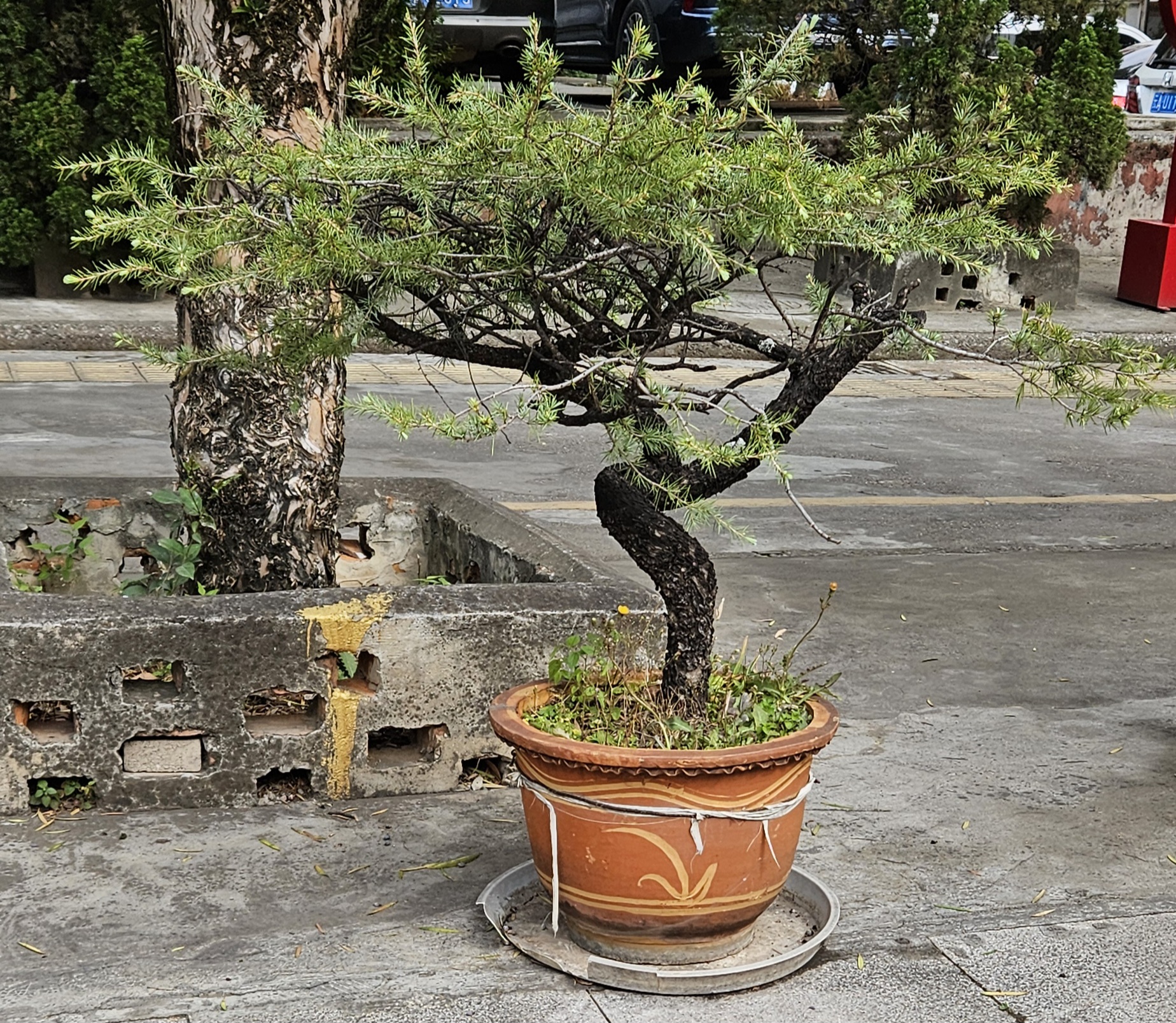
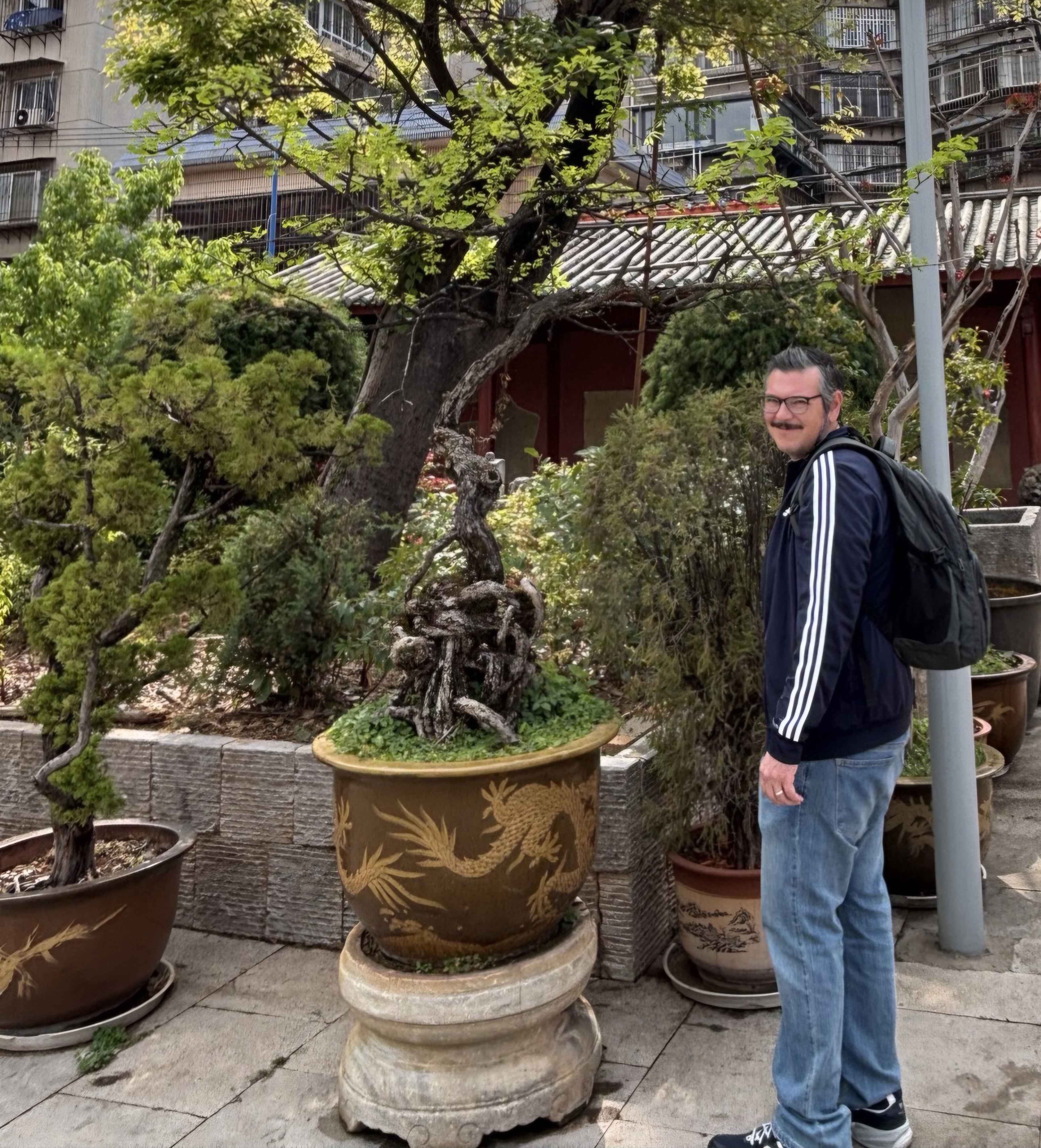
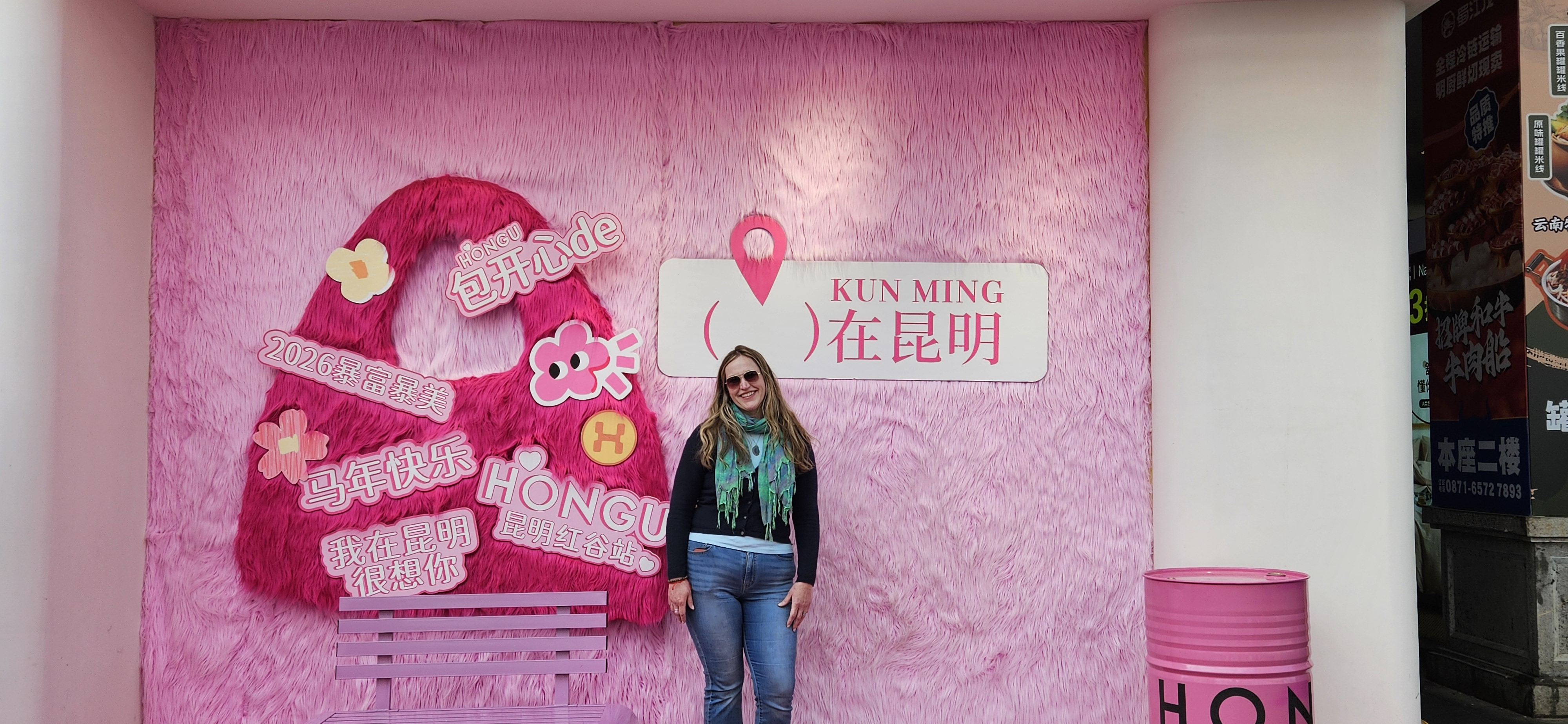
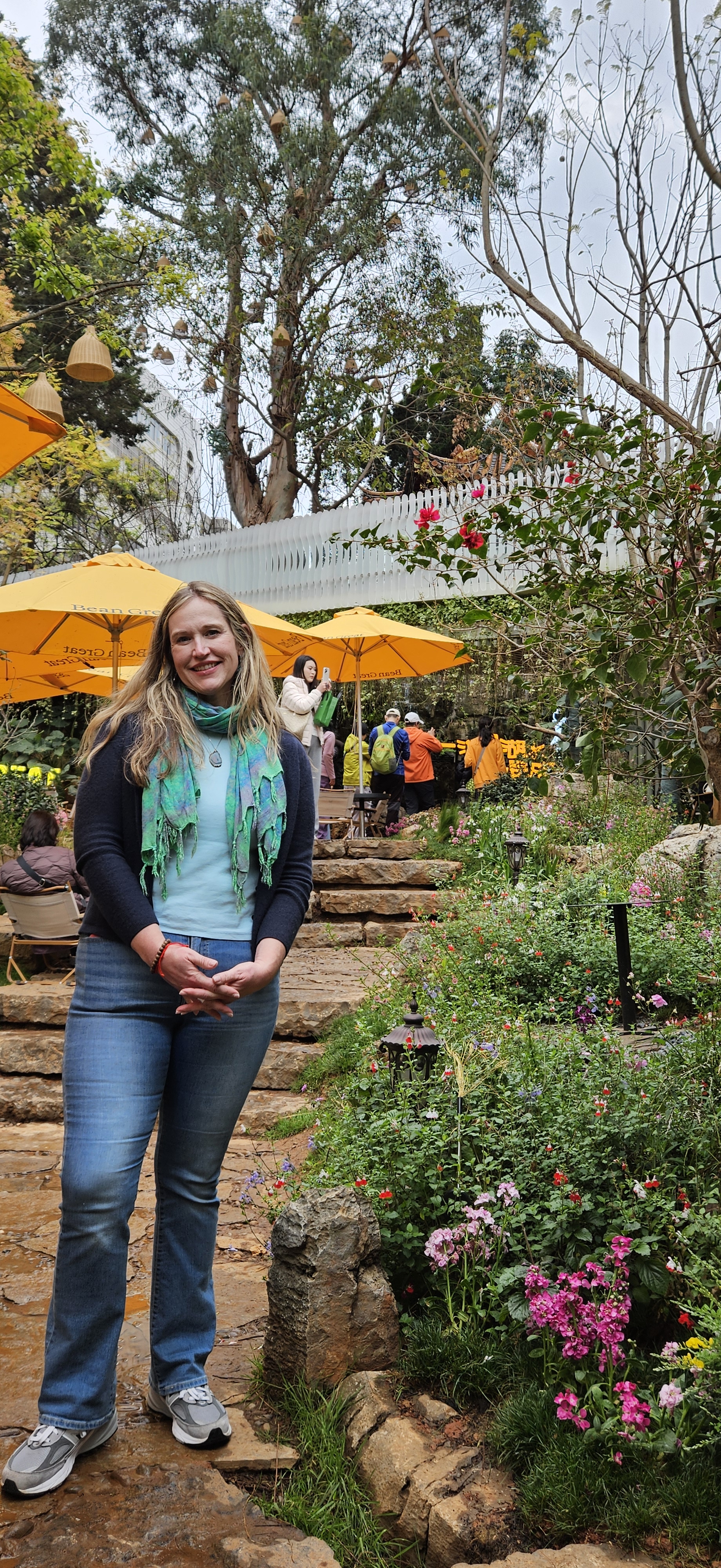
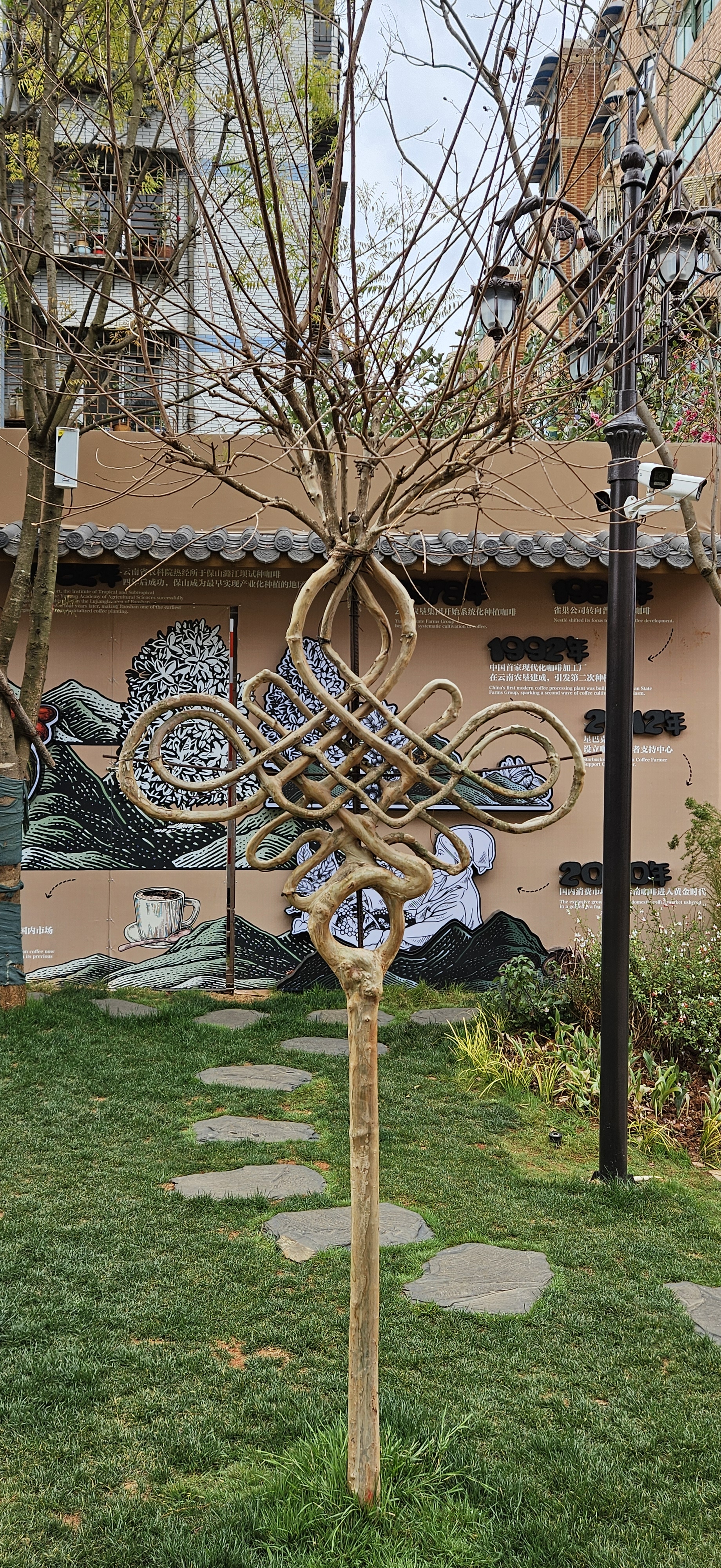
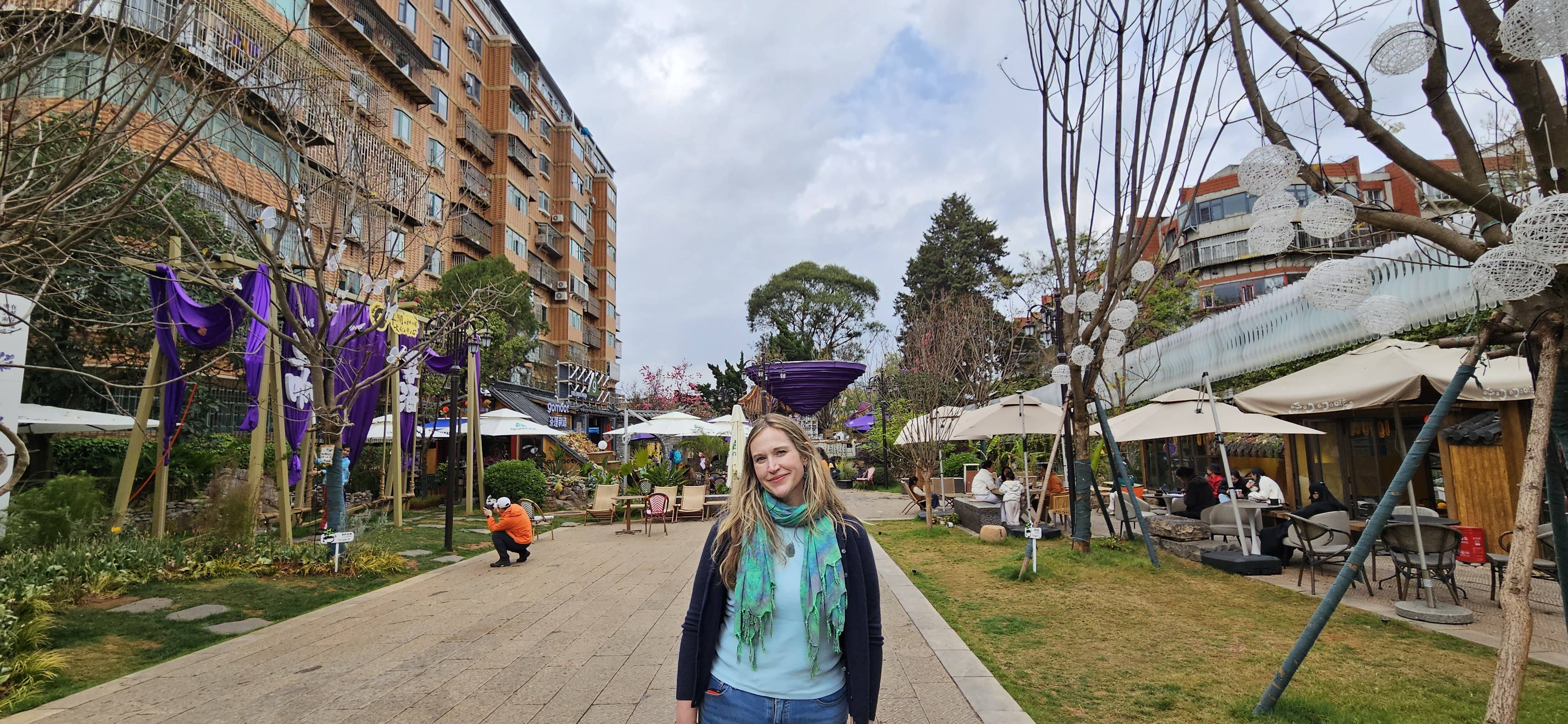
We left the temple and started walking back toward the hotel, making an impromptu stop at Coffee Alley, which was near Green Lake Park. Coffee culture is coming to many Chinese cities, and this area in Kunming was quite popular with Chinese tourists, who were taking pictures throughout. Of course, we had to join them, as the backdrops were pretty cool.
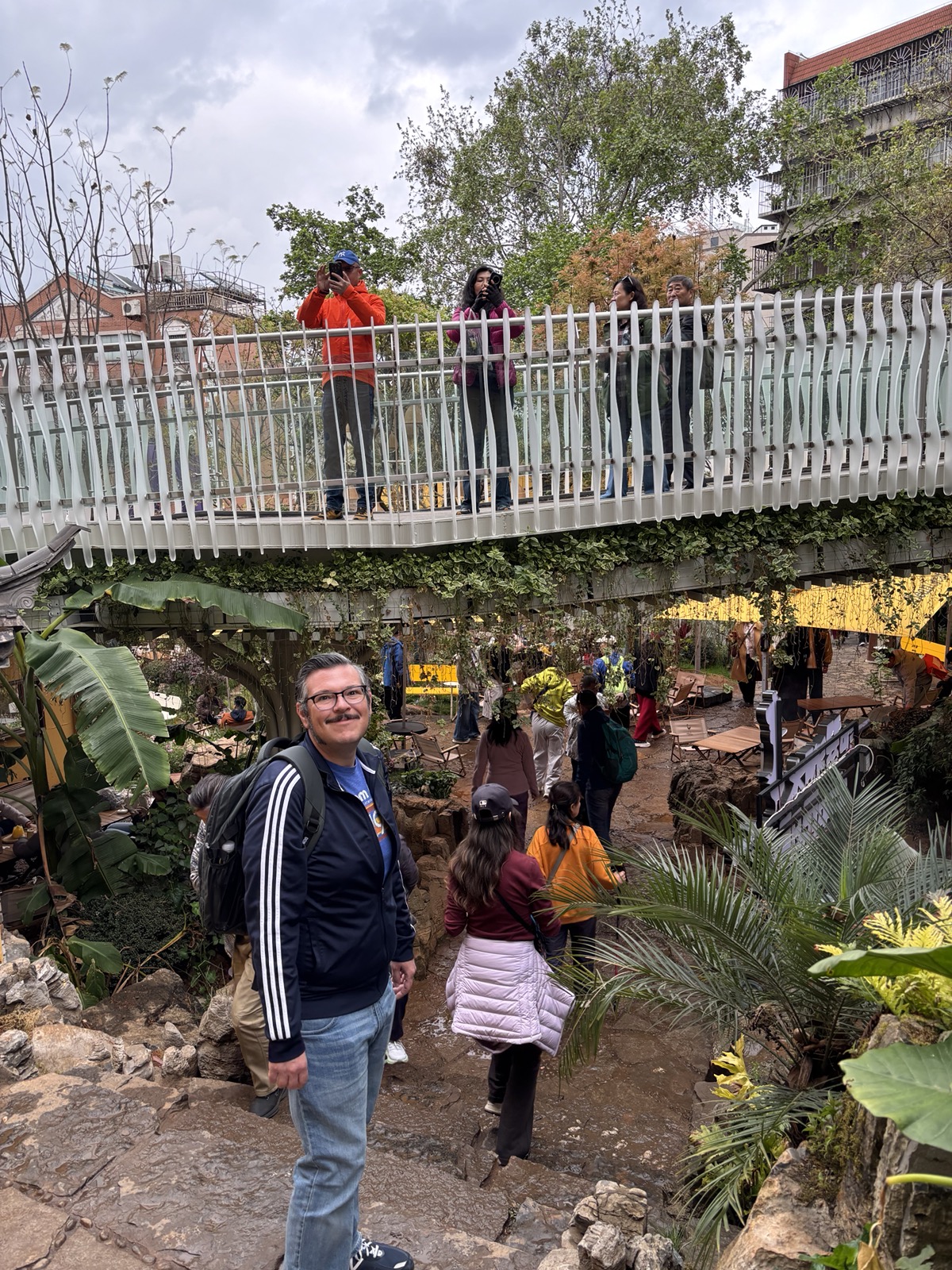
A jam-packed day, and all we had planned was a trip to the Art Museum. More fun around Kunming to come!
 Phil's WayPastCool