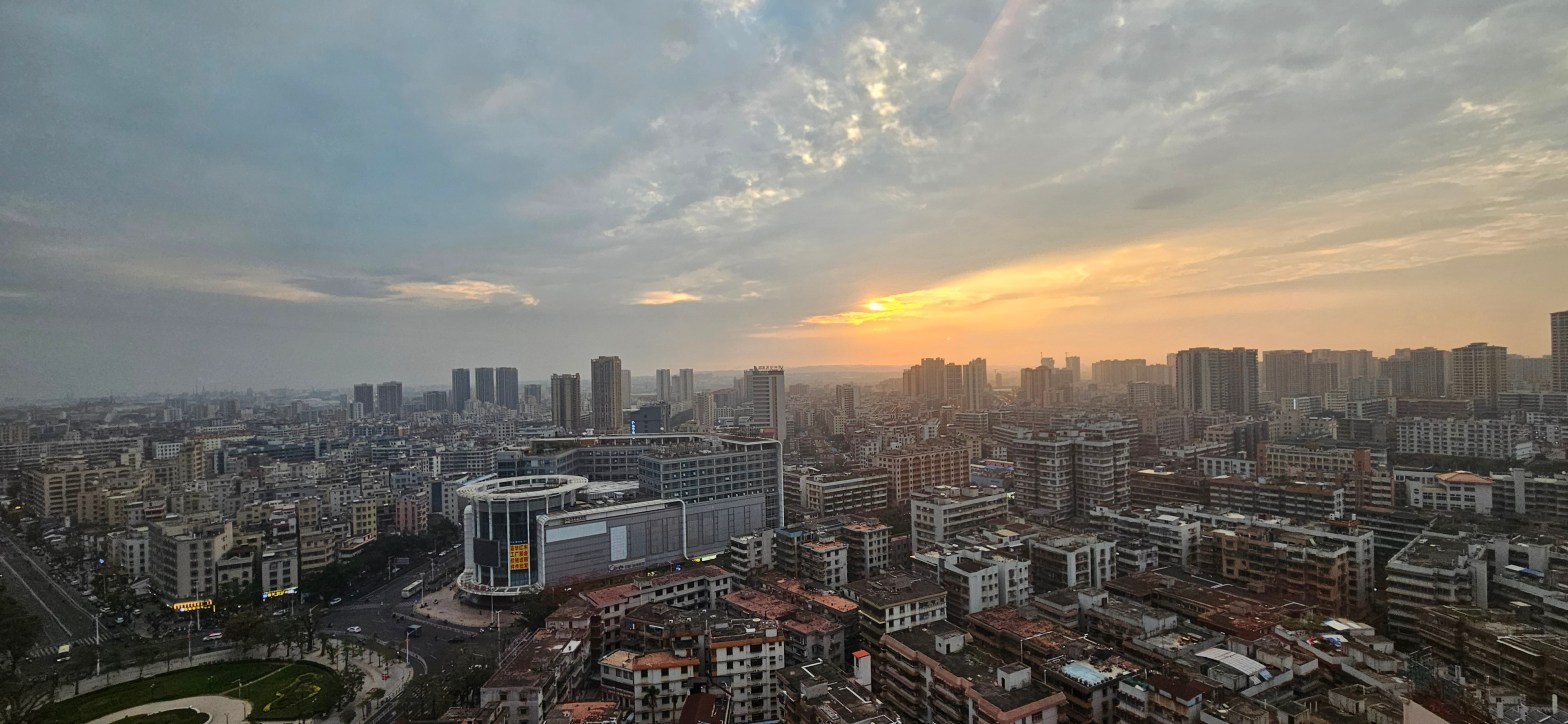
Zhanjiang is a city of 7 million people situated on the southern coast of China, on the South China Sea. It is a port city and was important in the 1899 French Invasion, of which I learned about at the Zhanjiang museum I visited, but wasn’t actually built up until post World War 2; and it looked like very little had been improved upon since. That didn’t stop us from enjoying ourselves while visiting, however.
It took us 3 hours by train from Guangzhou to arrive at the Zhanjiang station. Once we exited the train we followed the directions to the ride share, Didi, pick-up location. On the way, we and our fellow ride share users were called to by some of the more aggressive taxi drivers, but the Didi ride share app is so inexpensive and convenient (works like Uber or Lyft in the US) we haven’t taken a taxi so far in our China travels.
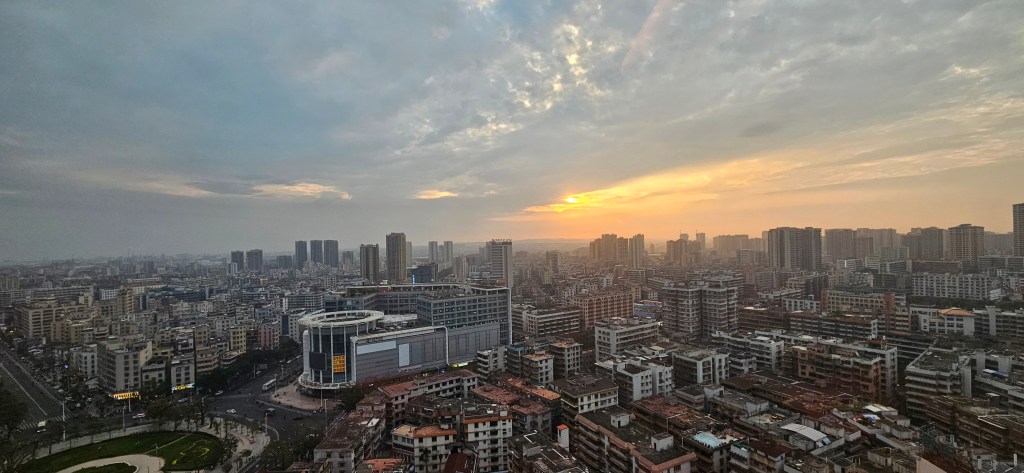
Our hotel was located in the center of the city, with a big appliance store and McDonald’s occupying the lower floors. Our room was on the 23rd floor with a city view, and here is the sky we arrived to out our window:
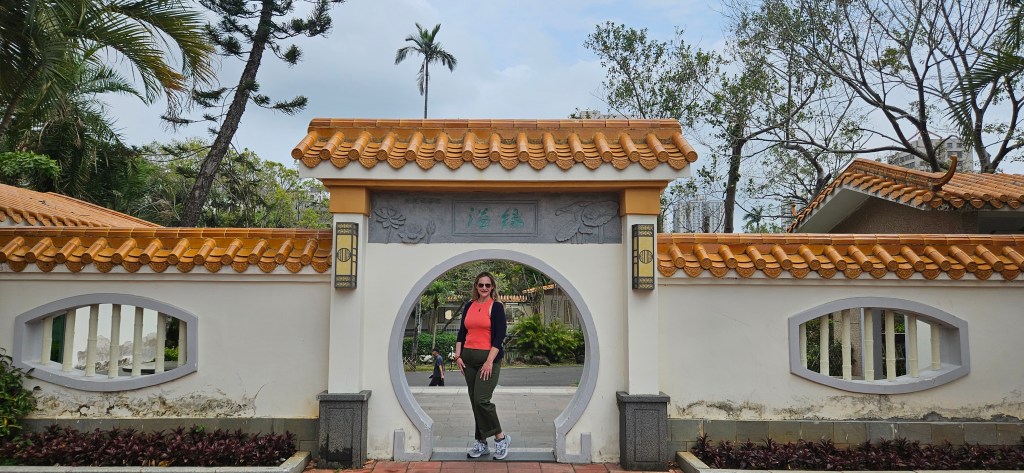
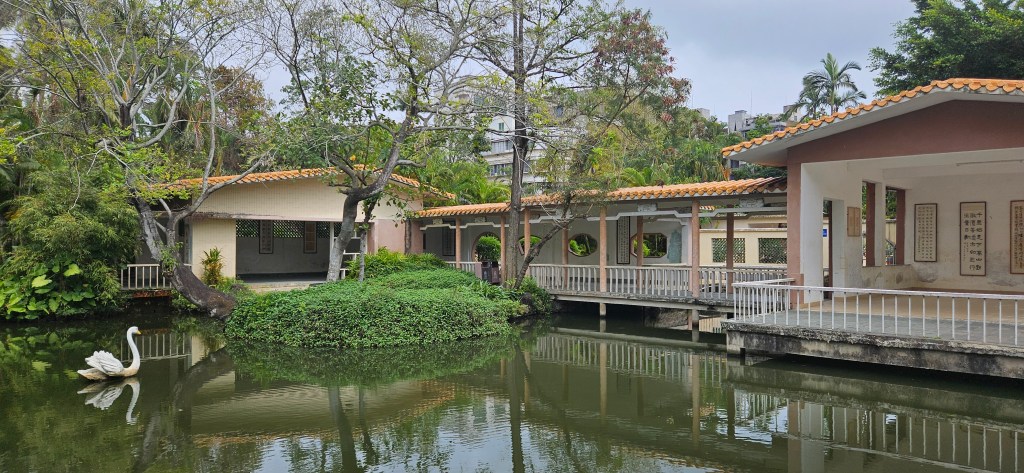
Zhanjiang is not a typical tourist destination, and we ran into only a couple of people who spoke more English than “Hello” and “bye-bye,” including the hotel staff, who we were able to communicate with using our translator apps, which do make things much easier, as does pointing (when it comes to menus and directions, especially). Our first day in a new city on this trip we usually wander around, so that’s what we did; starting at the park directly across the street from the hotel, as we headed toward the waterfront (that’s not a real swan below, btw).
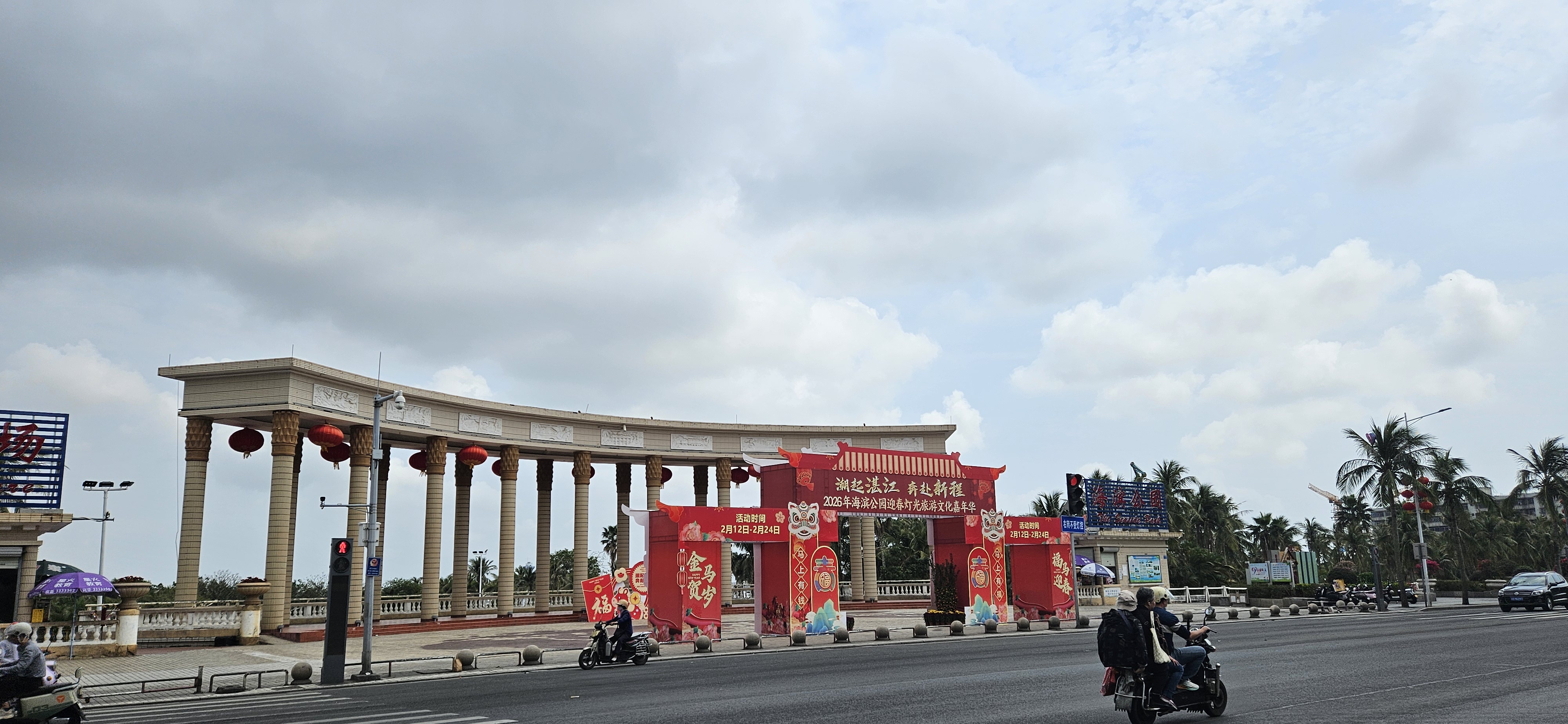
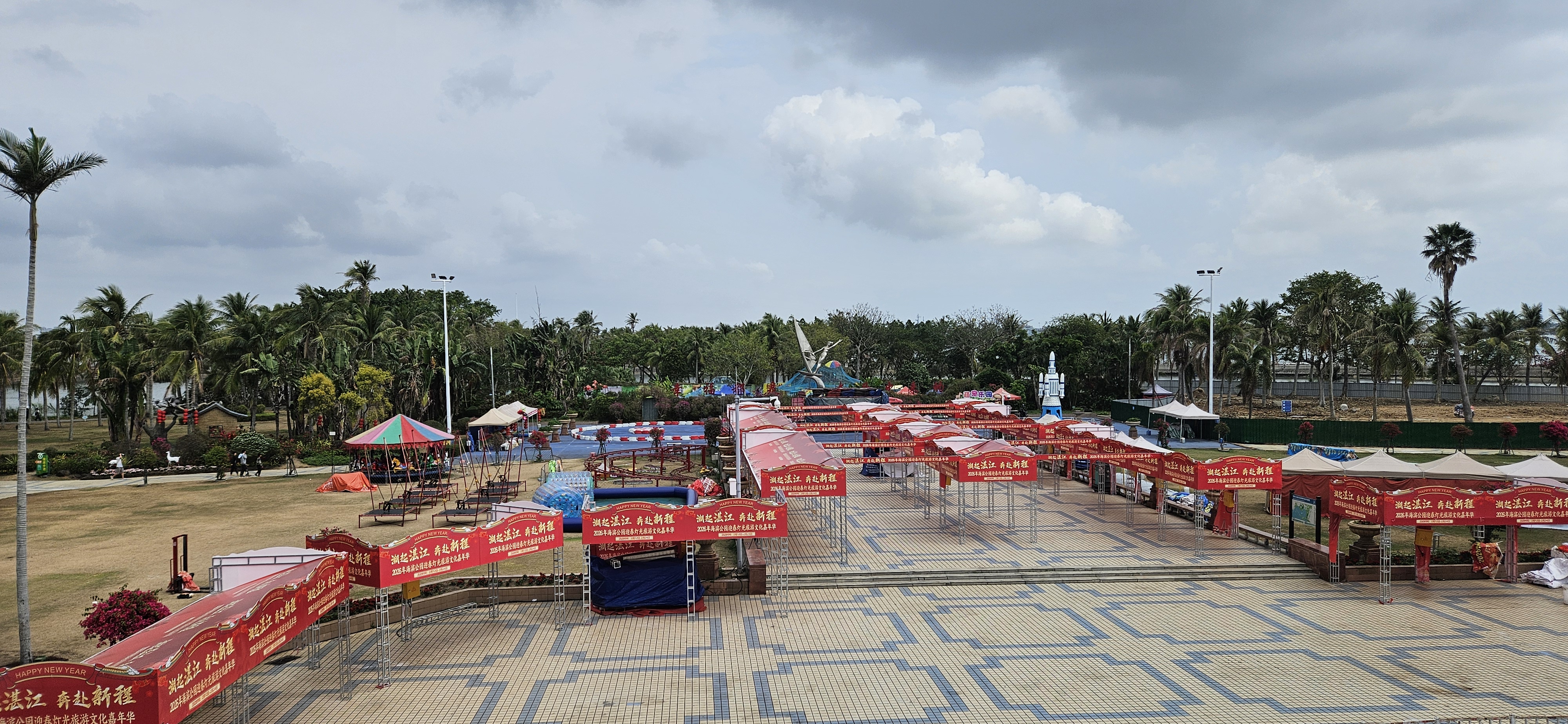
We arrived to the entrance to Seashore Park, and crossed under the columns, but all the vendors, that were set up for Chinese New Year, were already gone and it was being dismantled.
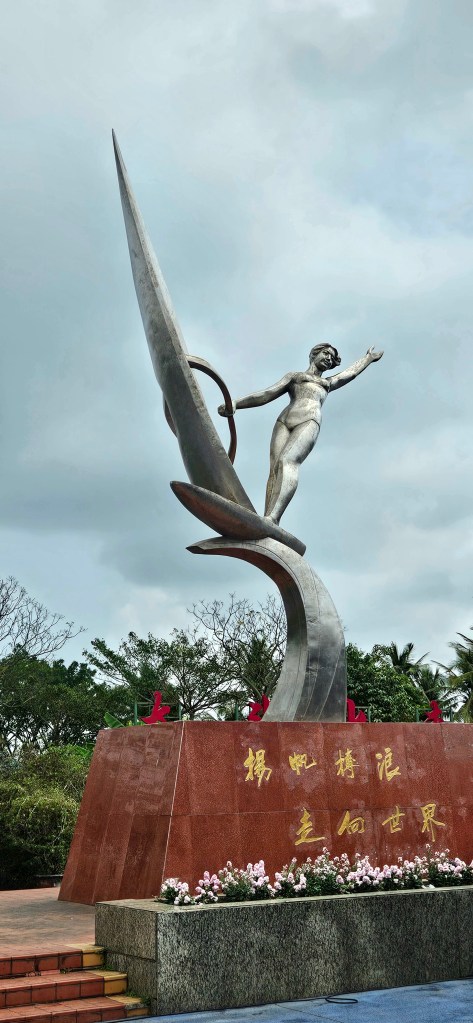
We did enjoy the Silver Surfer (not the comic one):
As we walked through the park, there were many colorful flowers in bloom; and while it was warmer and more humid than we had expected (one of the hottest months on record), we were joined by a few other remaining holiday visitors.
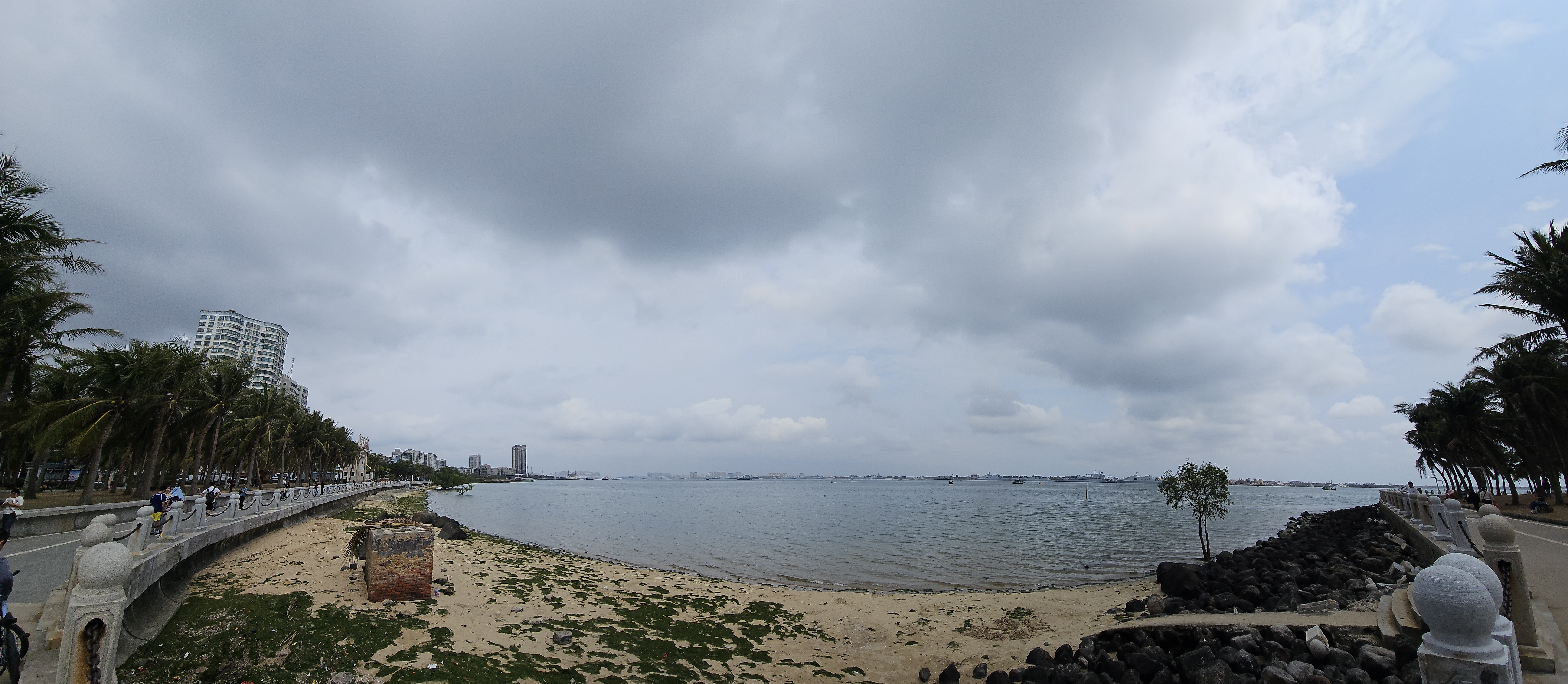
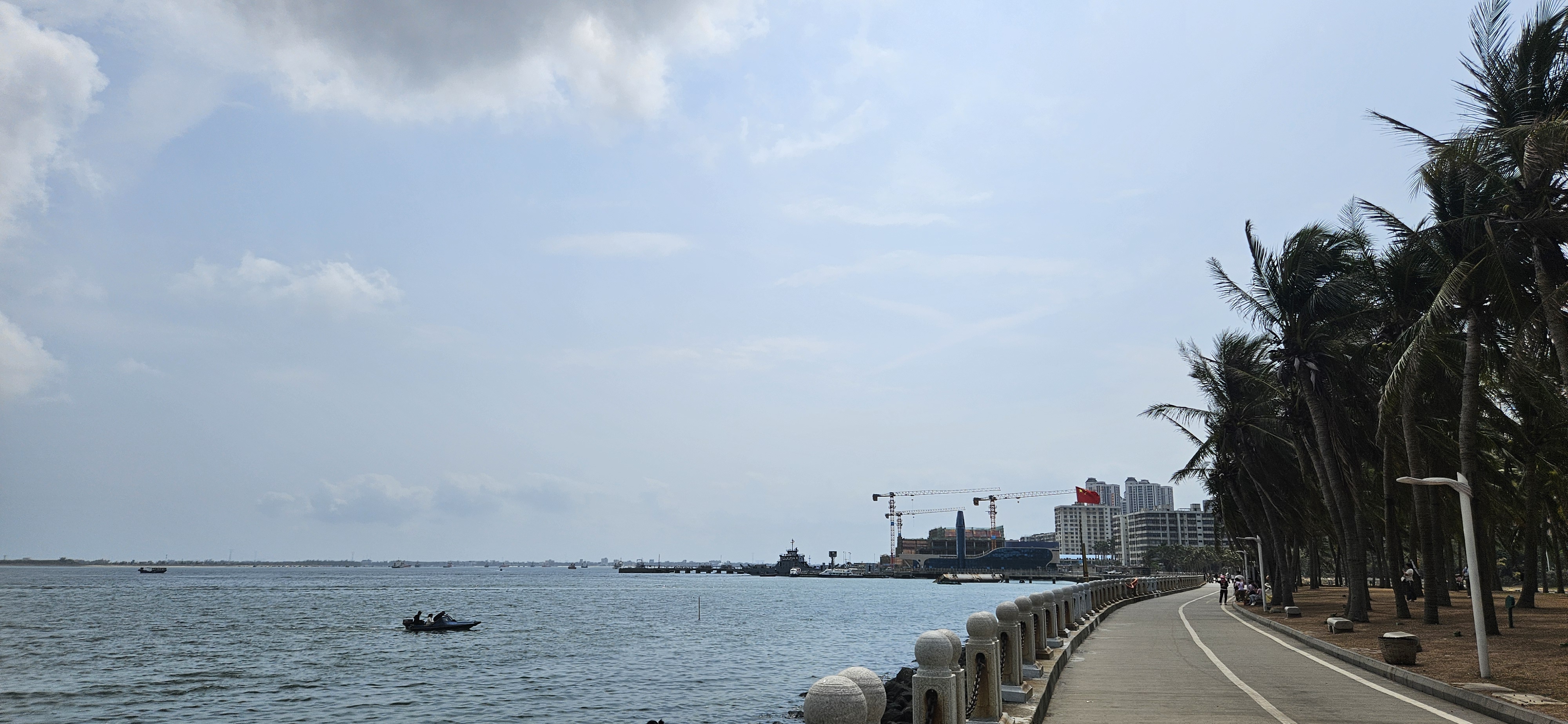
The beach wasn’t for sunning or swimming, but we did see a few guys getting in; there was too much seaweed, and trash, to be honest. So we walked toward the port, and tried to figure out where the boat was going, since we saw many people and motorbikes waiting to board a transit ship. We translated the big sign with the times, but it didn’t make total sense at first:
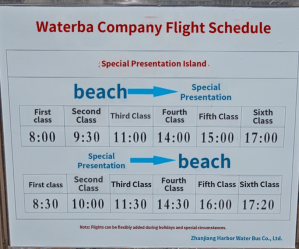
After we neared the ticket booth, a man from Shanghai, visiting his family for the holiday, who spoke some English, told us it was a short boat, for only 5 yuan a person, to Techeng Island (Special Presentation, we determined). He was helping us get tickets but they were sold out, and so we planned to return another day.
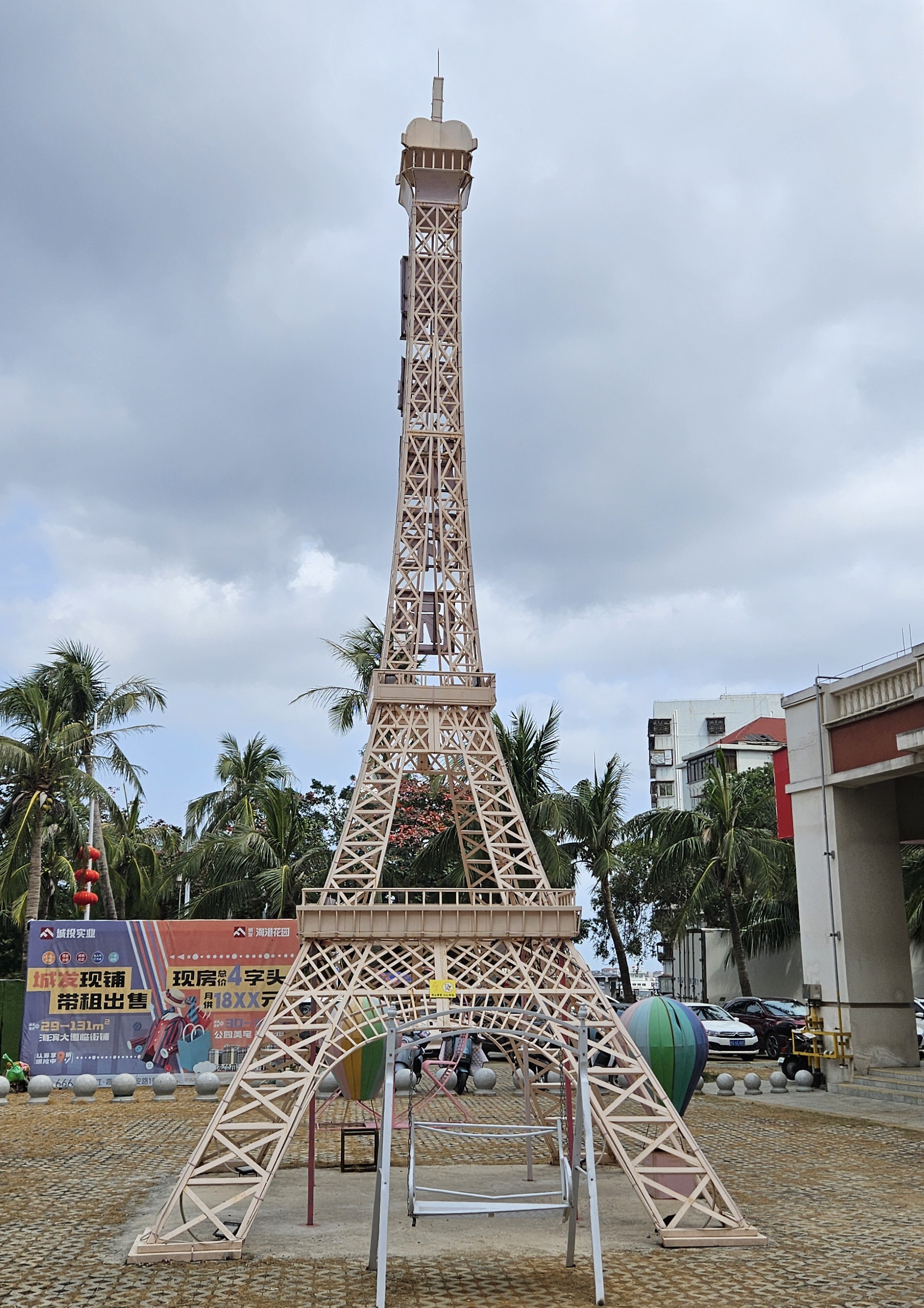
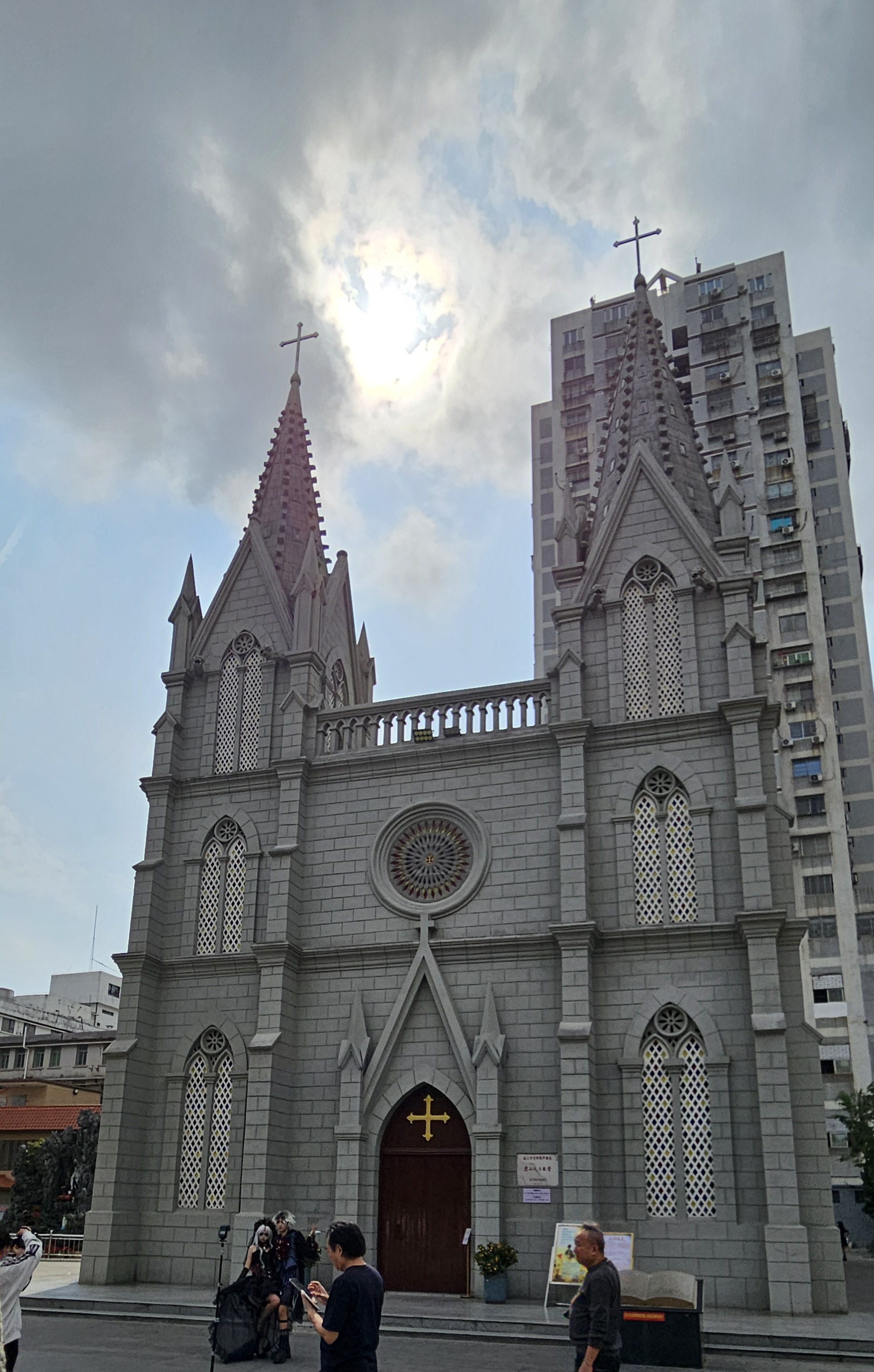
We walked some more around the surrounding area, down a long street where each store only sold dried fish (and there were like 20 of these stores), past a mini Eiffel tower (the first, but not last, we saw around the city) and had coffee drinks across the street from a new-ish looking church (the Xiashan Catholic Church), where a couple of goths were having a photo shoot.
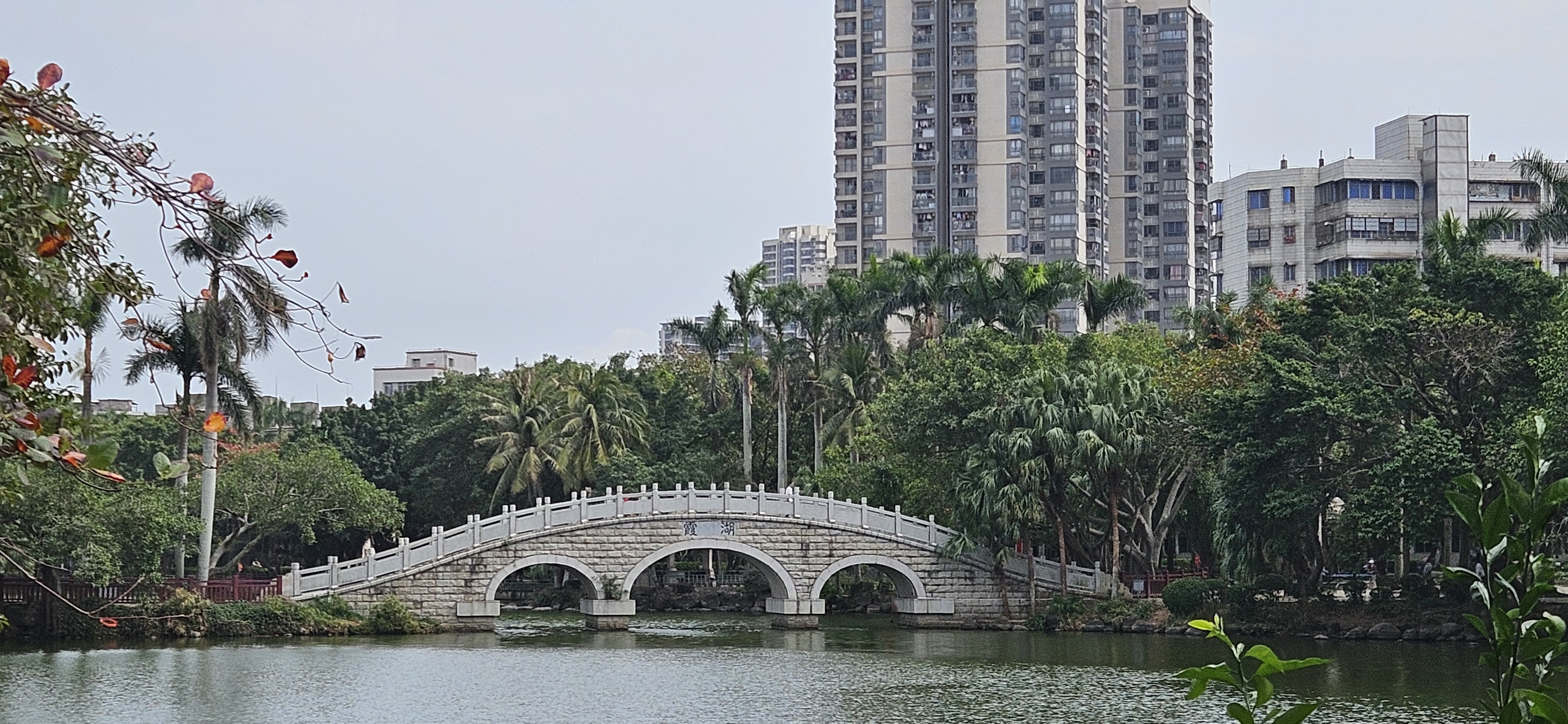
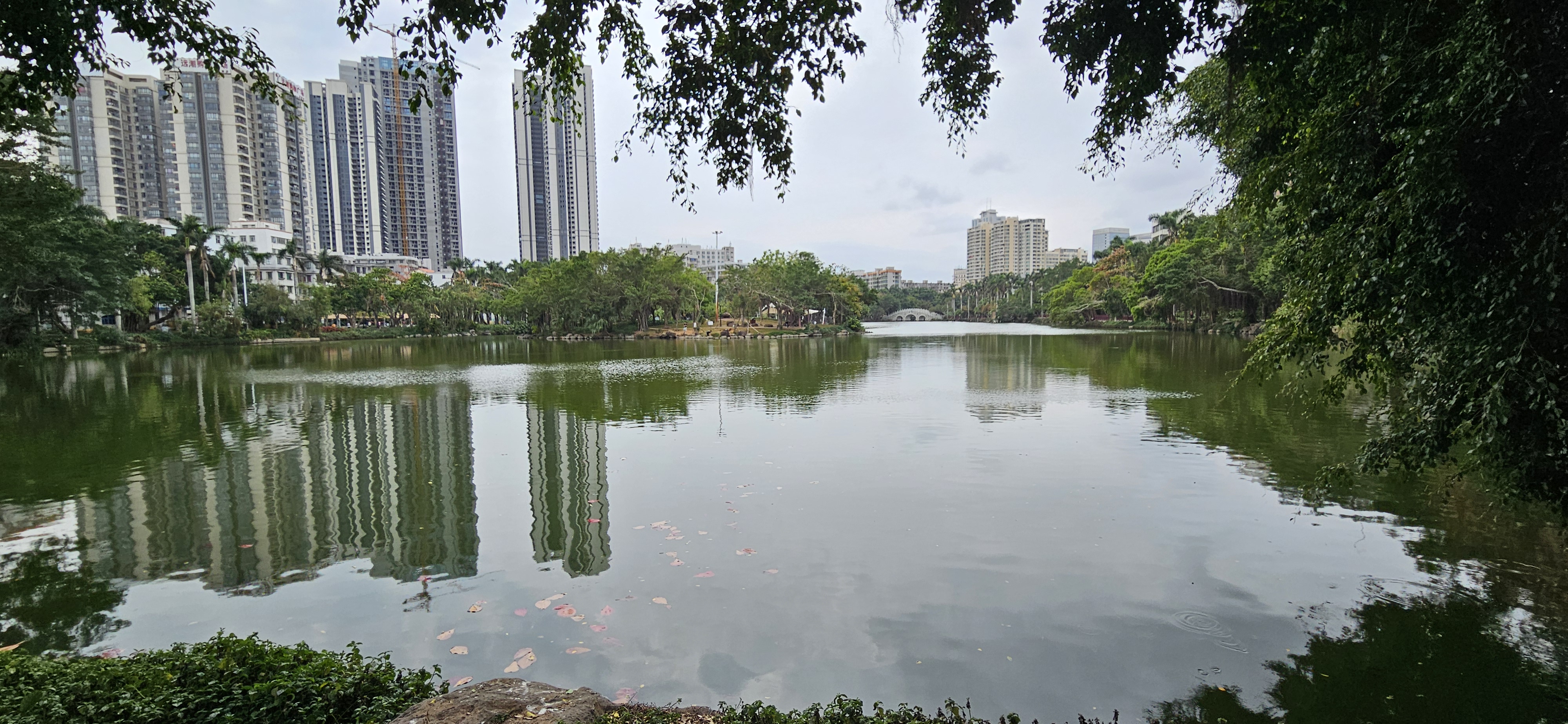
That led us back through Xiashan Park, which surrounded a a small lake, and we passed many, many tables of older people, in groups of four, playing a card game, with onlookers as well as we strolled at a leisurely pace.
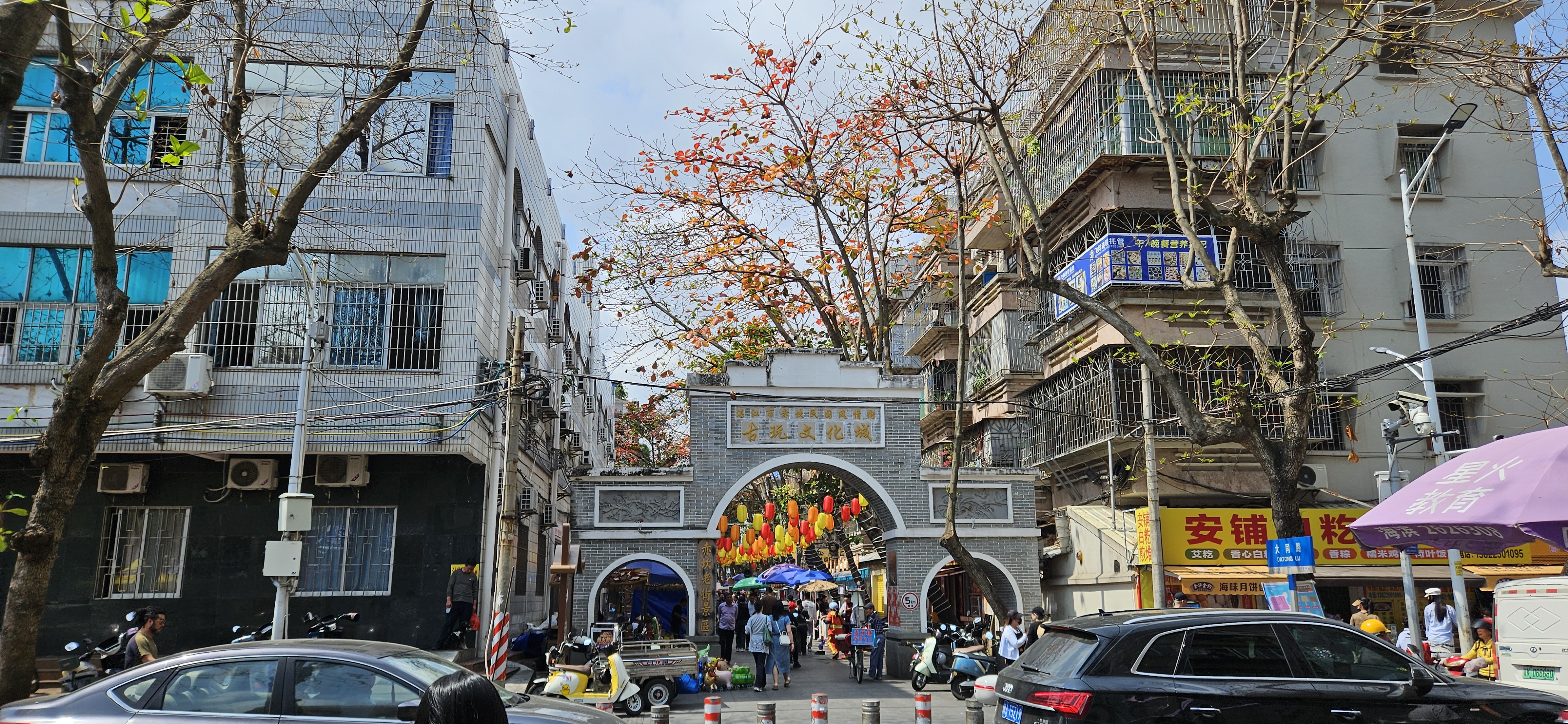
The next day, while Jessica was a bit under the weather, I explored Chikan Old Street, which are a few streets with many vendors and was especially popular when I visited.
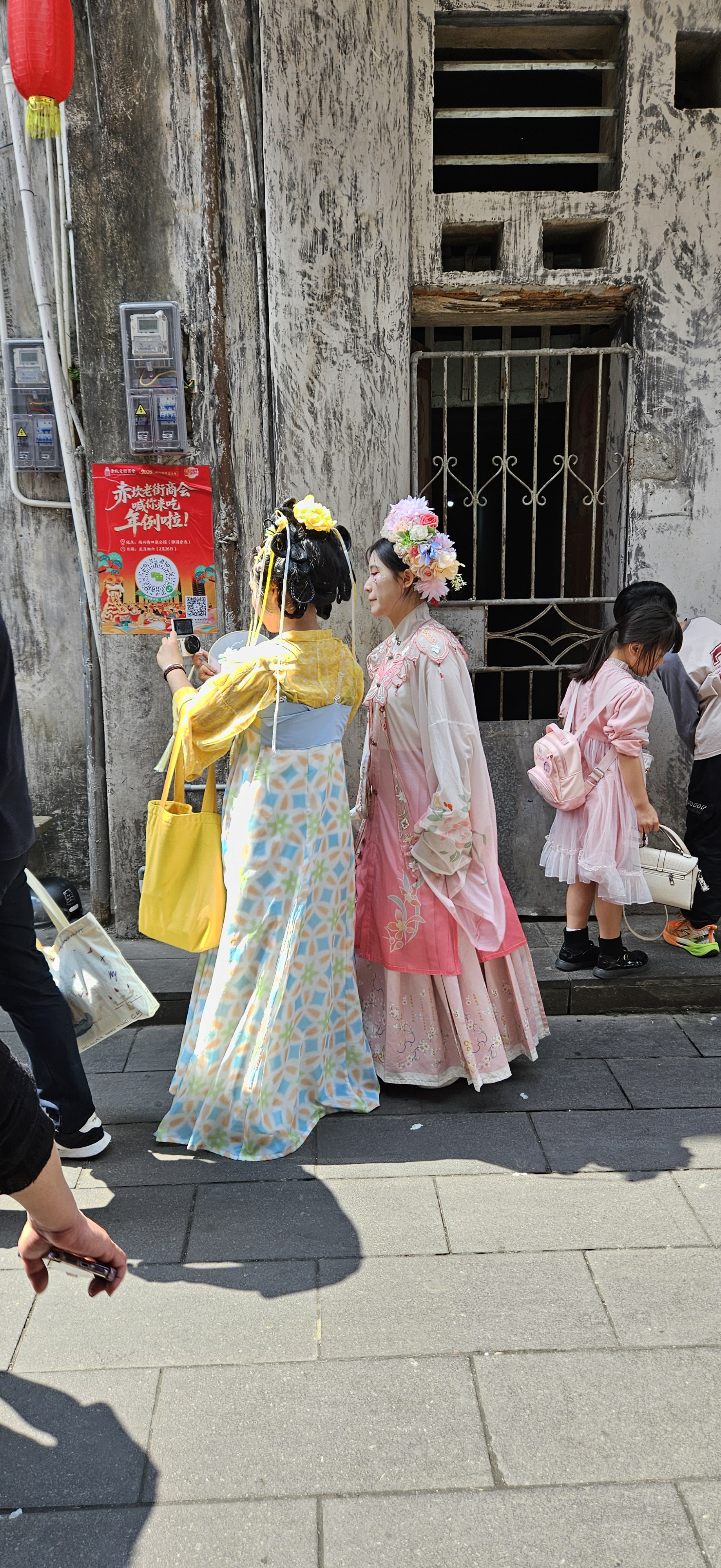
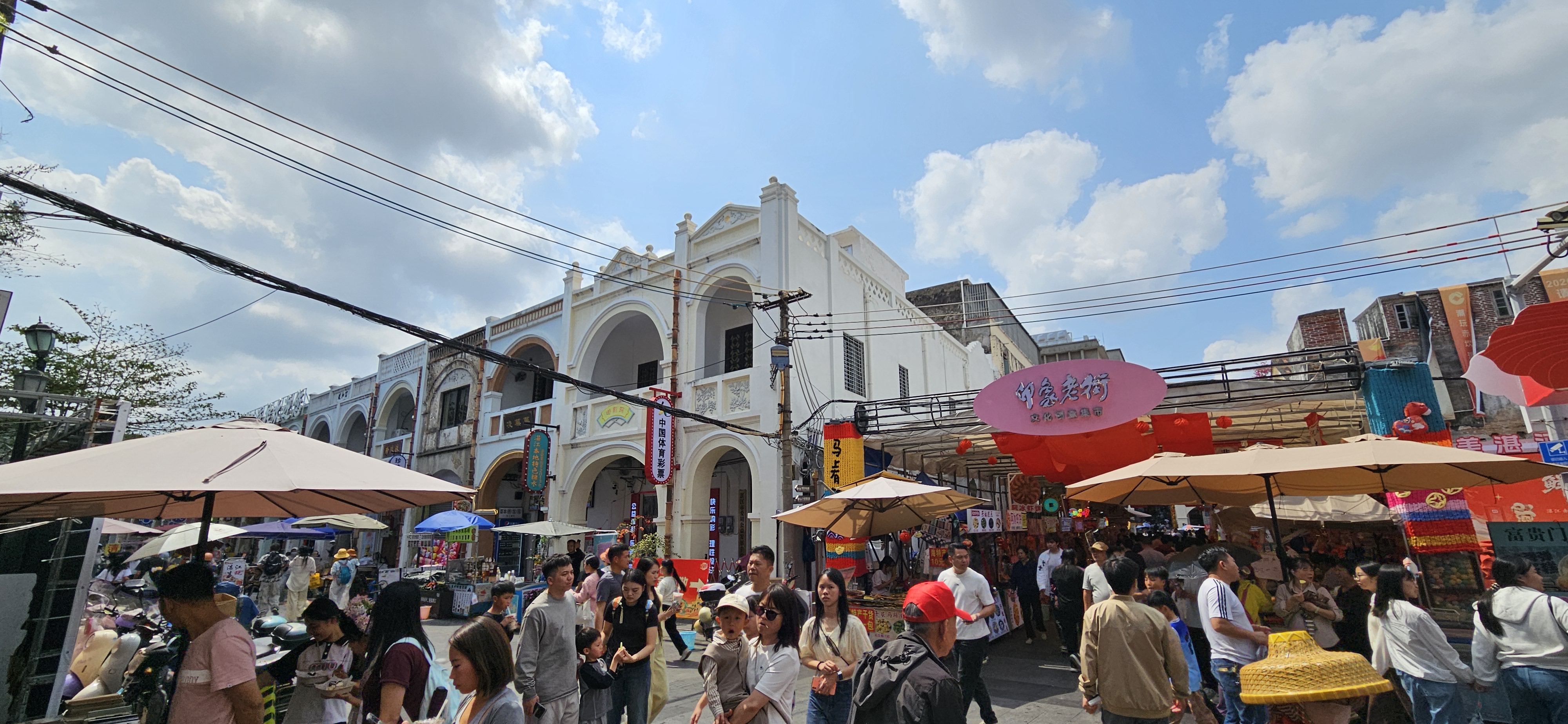
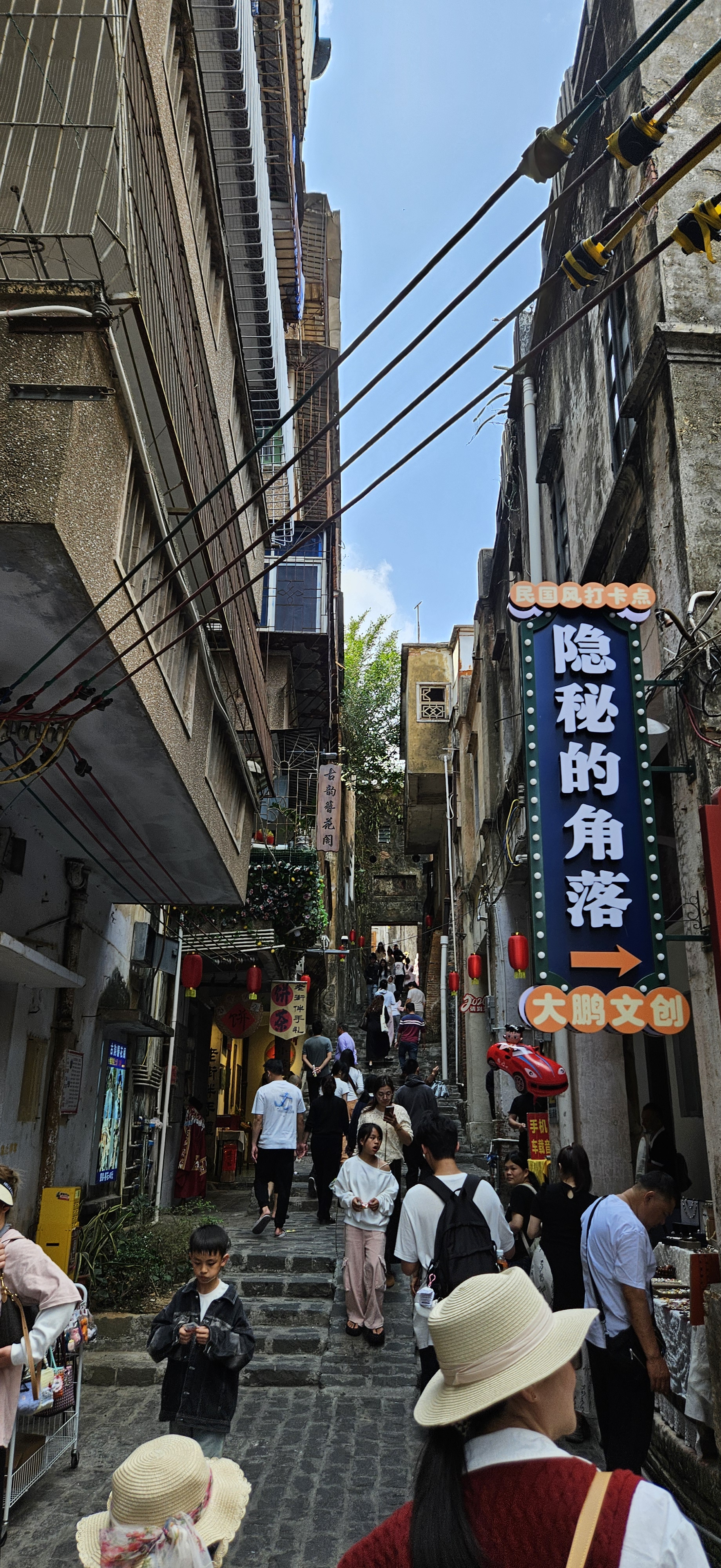
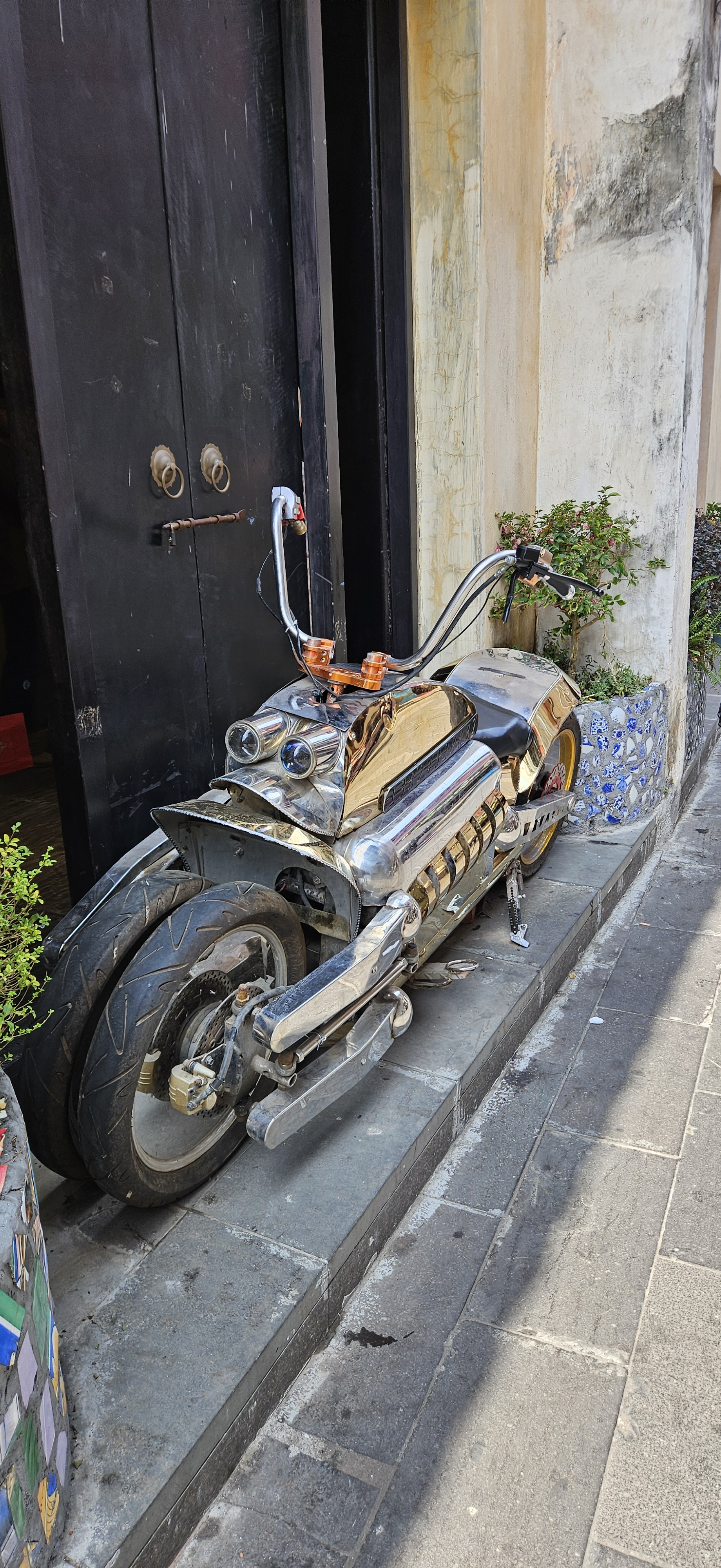
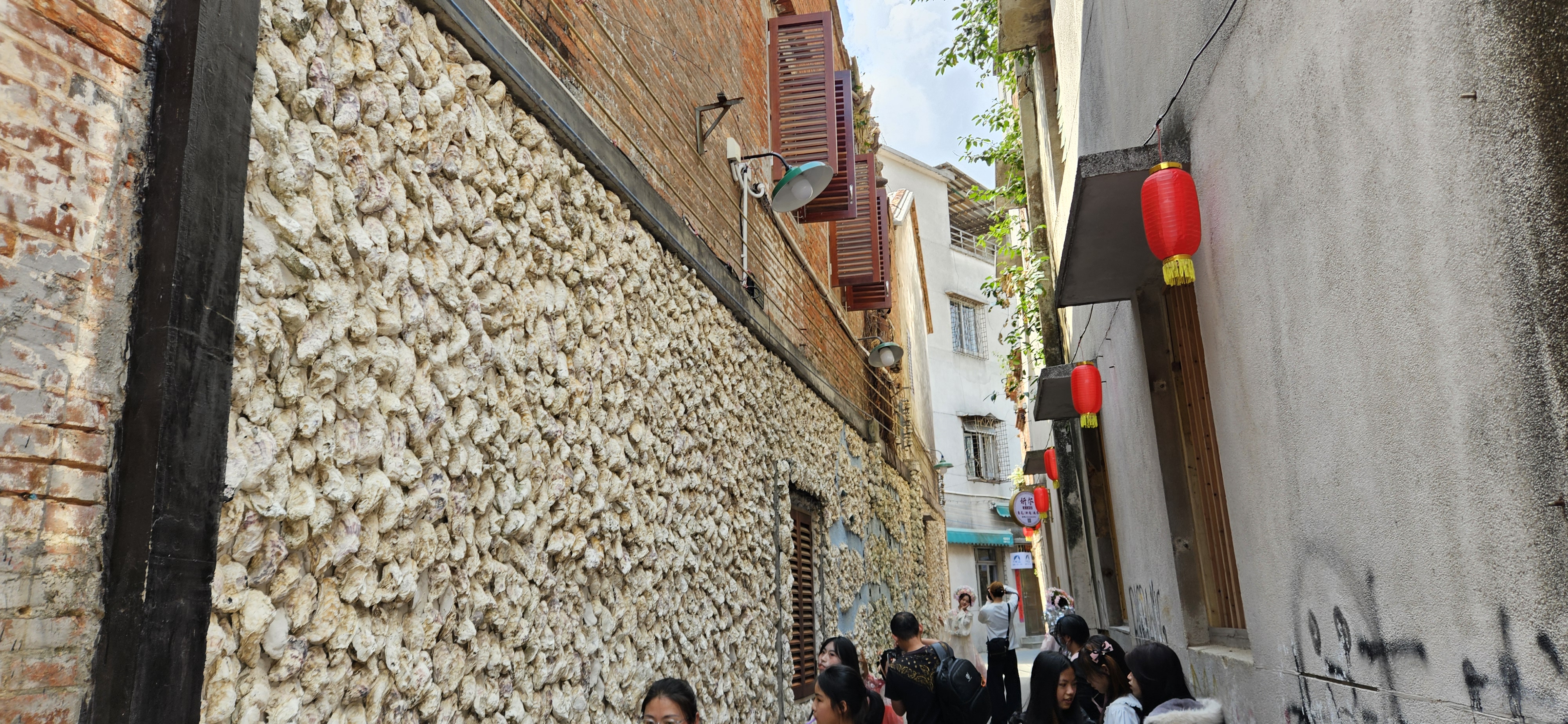
I saw many people taking pictures under a business, and went inside,
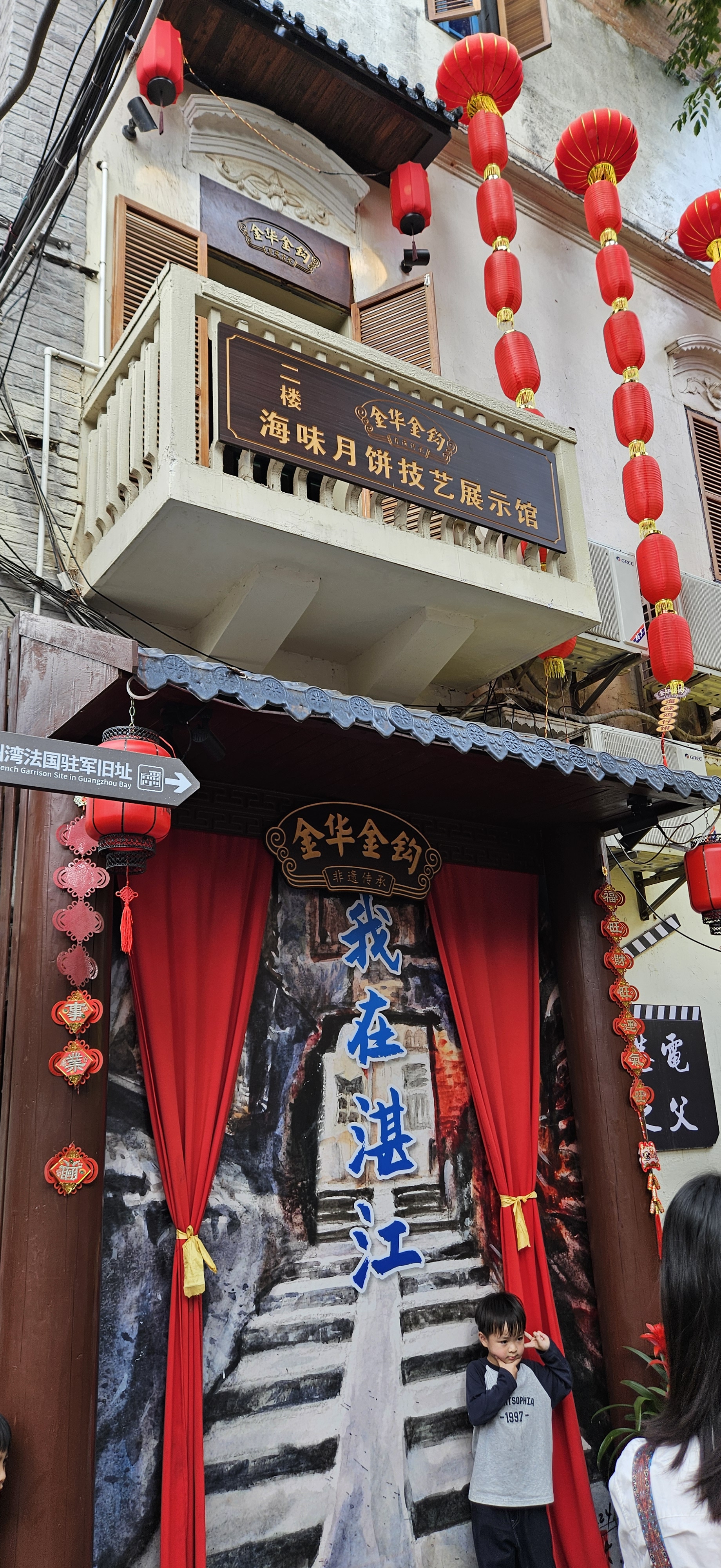
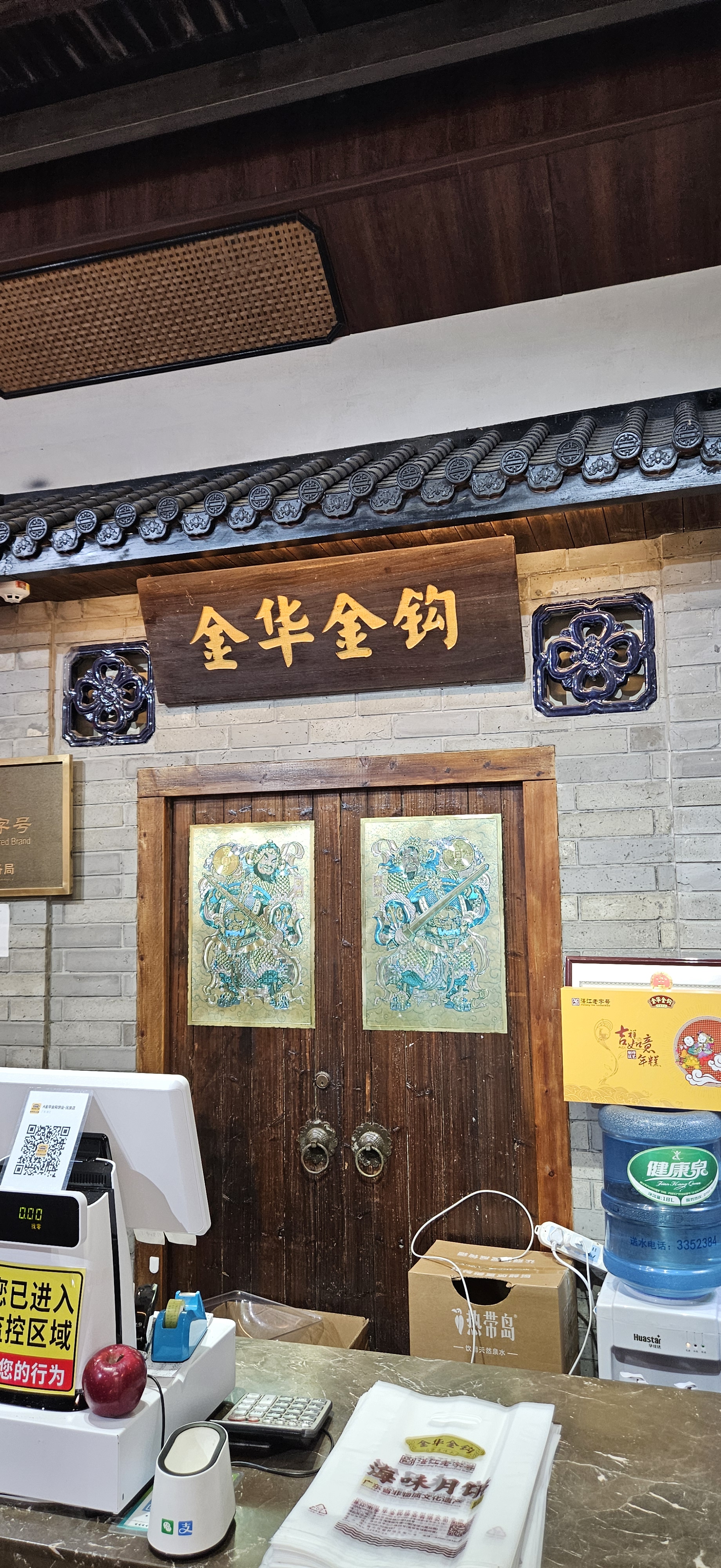
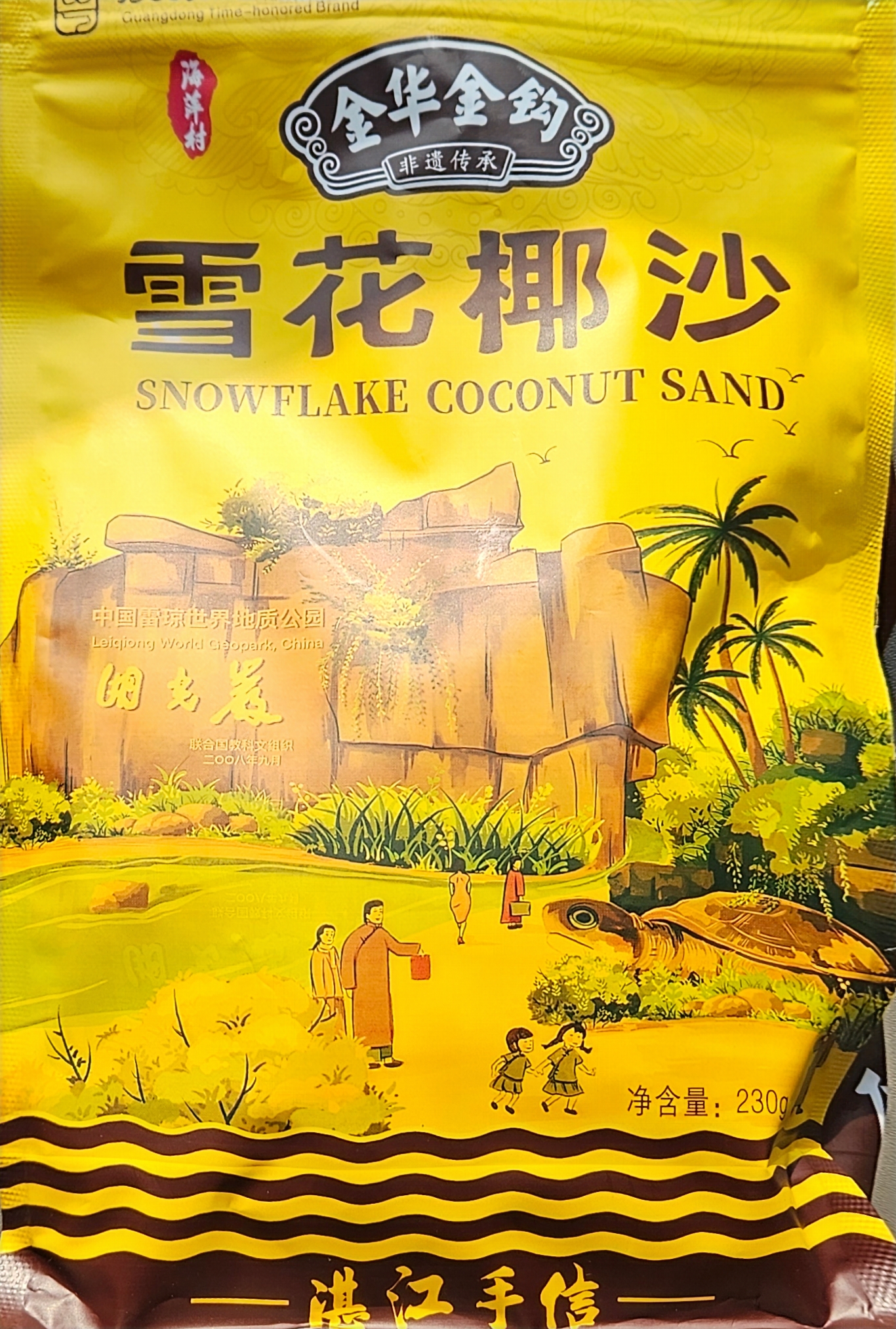
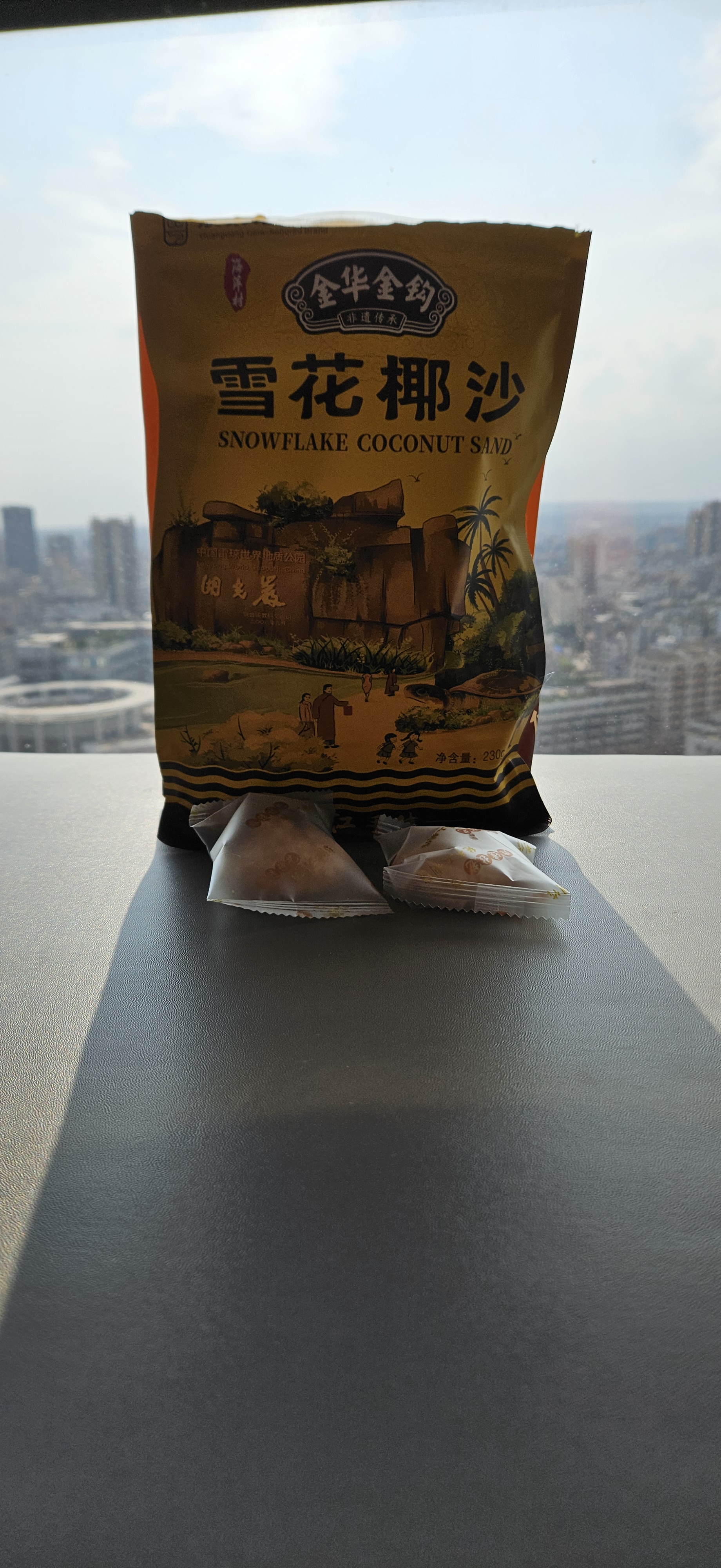
There were some film recording items inside the store, along with many bags of cookies. I translated that the building was known as the Li Minwei Memorial Museum. Li Minwei is known as the father of Hong Kong Cinema. How the cookies connected I was unsure, but when I went inside the worker let me try the different varieties; the chicken flavored ones were the only I didn’t like, but I bought the best coconut cookies (like macaroons) I’ve ever tasted, and even the package calling them “Snowflake Coconut Sand” didn’t deter me.
The day was hot (80s, humid and sunny) and I became a little lost in the tiny streets, which was fun, but eventually I wanted to get inside some A/C, and thought the nearby Zhanjiang Museum would be a good place to cool off. I bought a strawberry ice cream bar (during our time in Zhanjiang we would eat a big breakfast at the hotel, and then have a snack, and since it was hot while we were there, it was more often than not, an ice cream bar. no judgement), another bottle of water, and sat in the near empty courtyard outside the museum, in the shade and ate the very satisfying ice cream bar, as I looked at the museum.
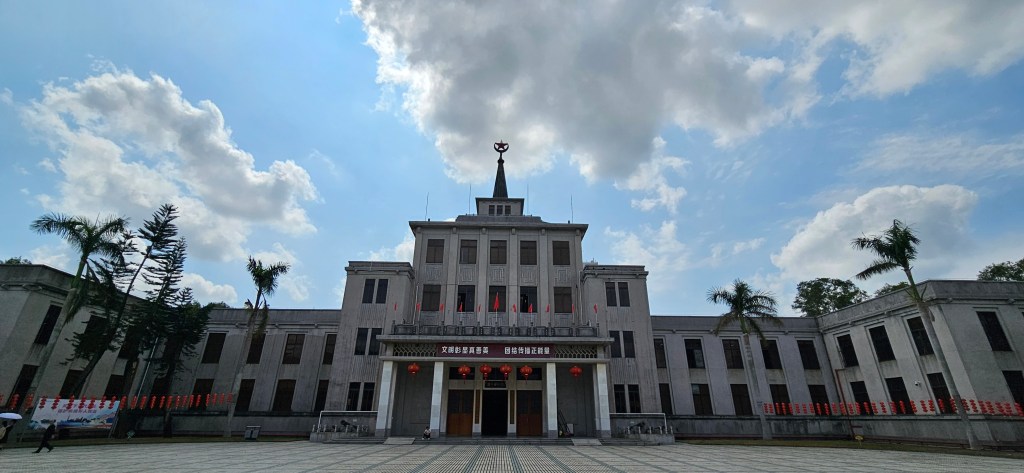
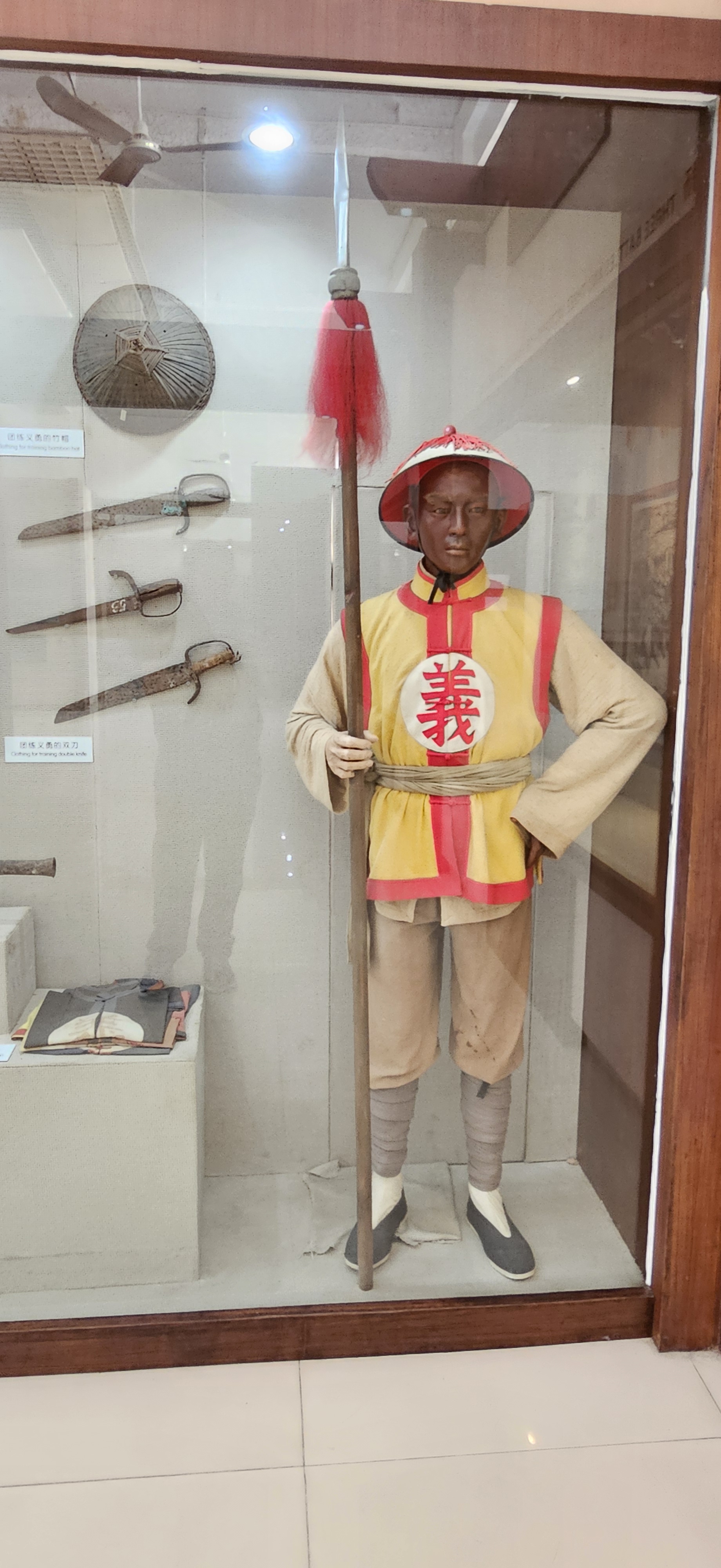
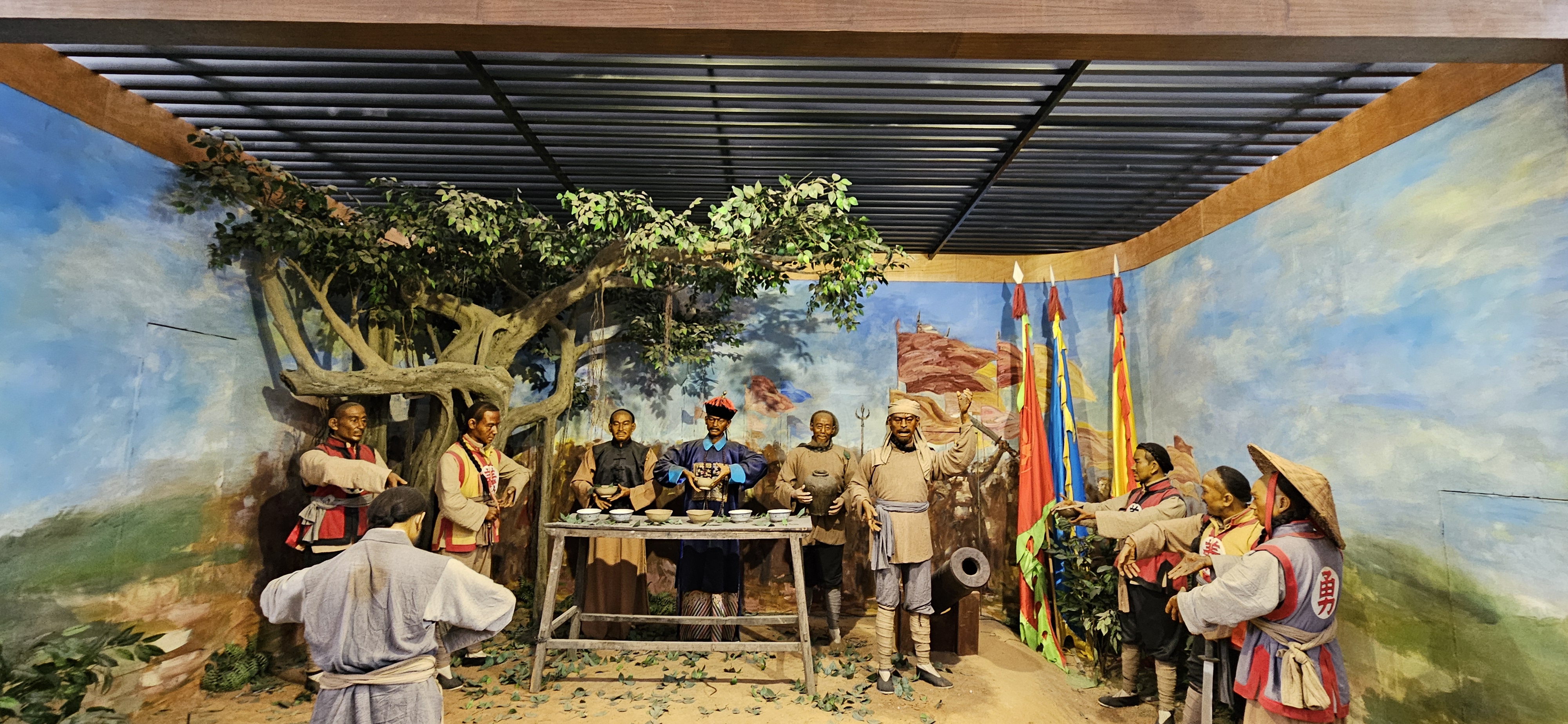
Built in the Soviet Brutalist style, the Chinese New Year Lanterns and Flags added much needed color. The museum was fairly quiet, and the A/C was not on, so I explored one wing, and then another, as I learned about the history of Zhanjiang. The museum pulled no punches in its description of the French Imperialists wanting to set up a base on the Chinese mainland in 1897, where the local peoples fought for nearly two years against the French invaders (and with no support from the ruling Qing dynasty), but the Qing dynasty eventually agreed to lease the land for 100 years to the French, but that was ended following World War 2, and what was formerly known as Guangzhou Bay was renamed Zhanjiang City.
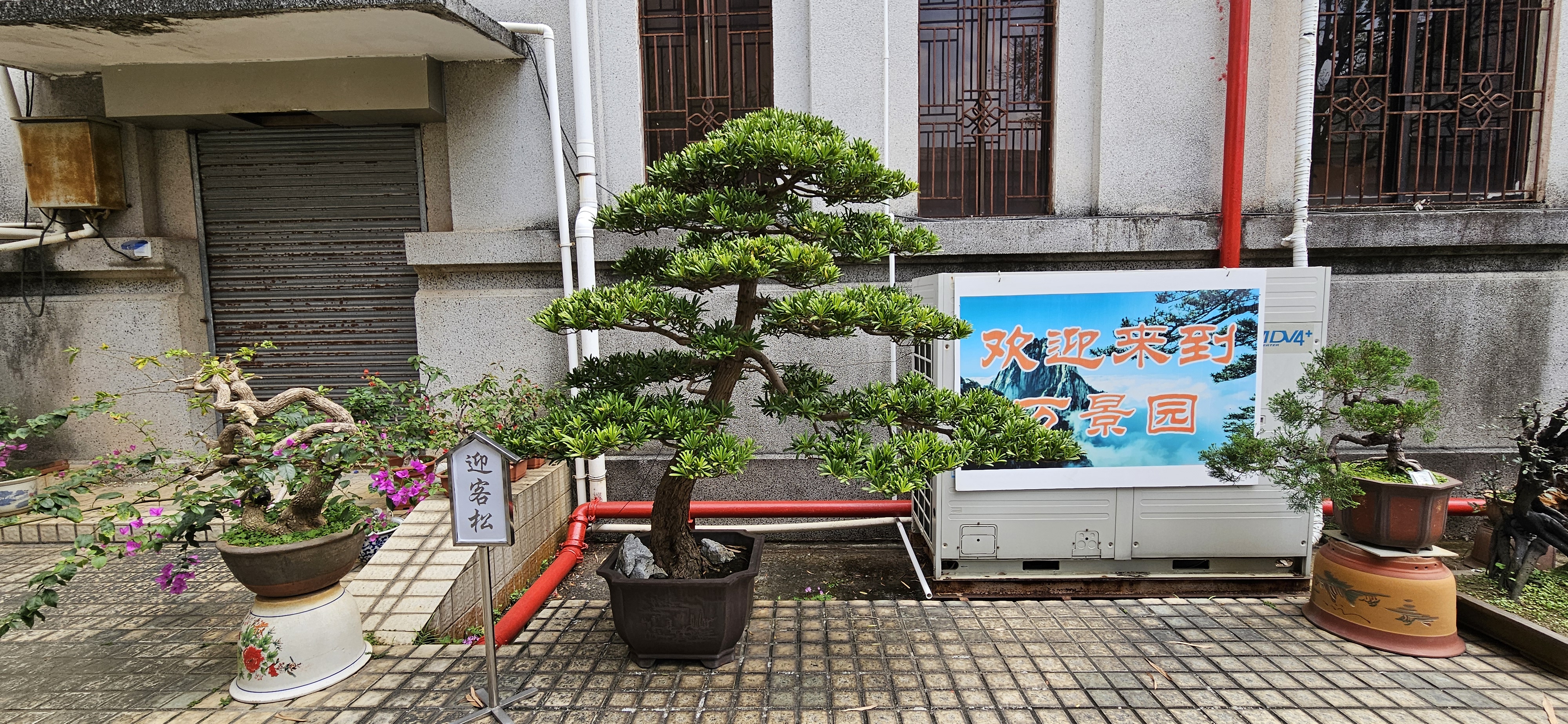
The highlight for me, which I discovered on the way to the restroom (to the right of the tree below) was a large Bonsai Garden.
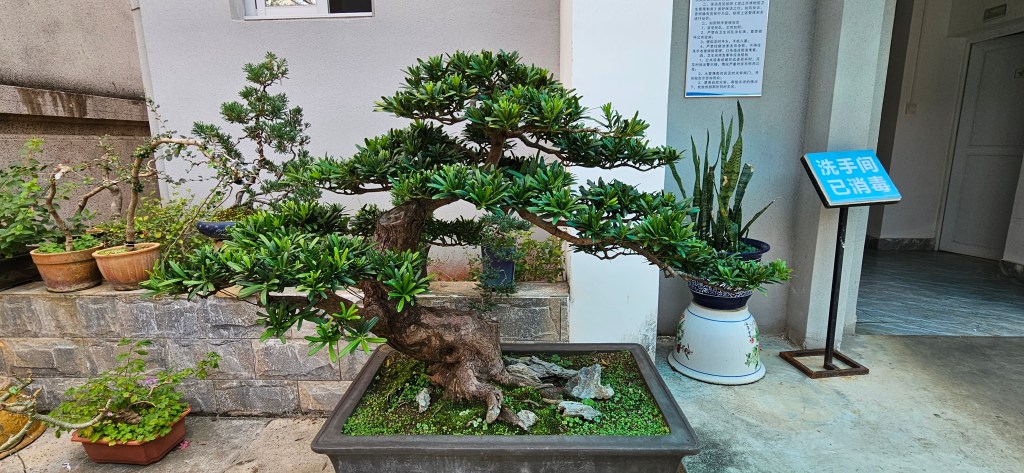
As I talked about in my Hong Kong visit to Nai Lin Garden and around Guangzhou, there are Bonsai trees all over the place, even unexpectedly, and this was so unexpected. I sat in the garden and marveled, taking pictures and video and realizing I couldn’t photograph them all, so took a rest and enjoyed the peacefulness of the garden.
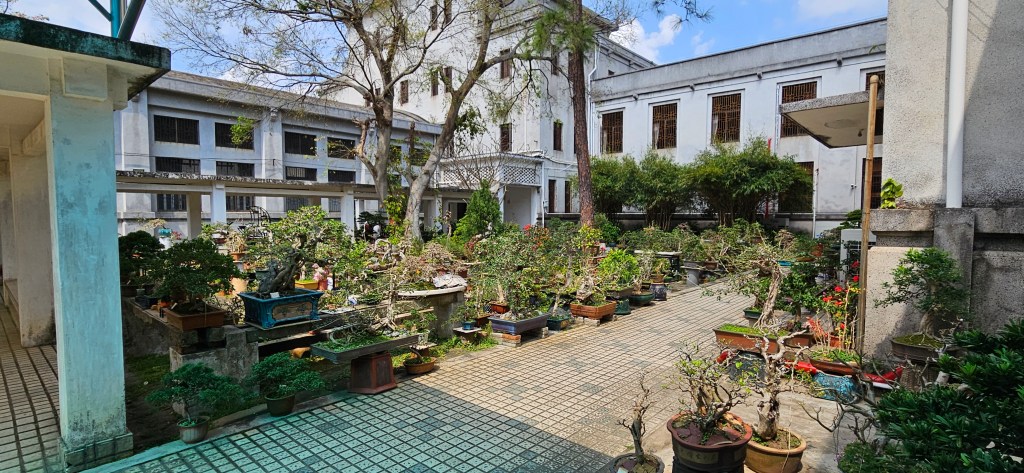
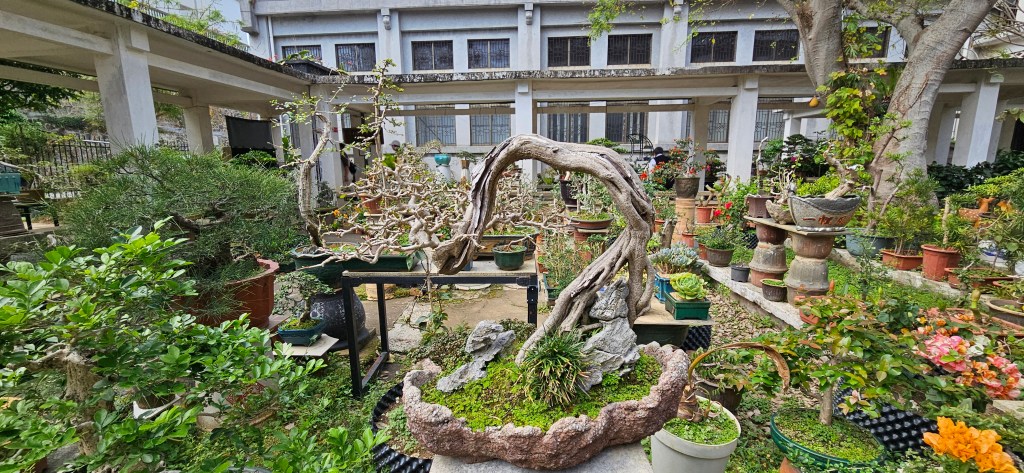
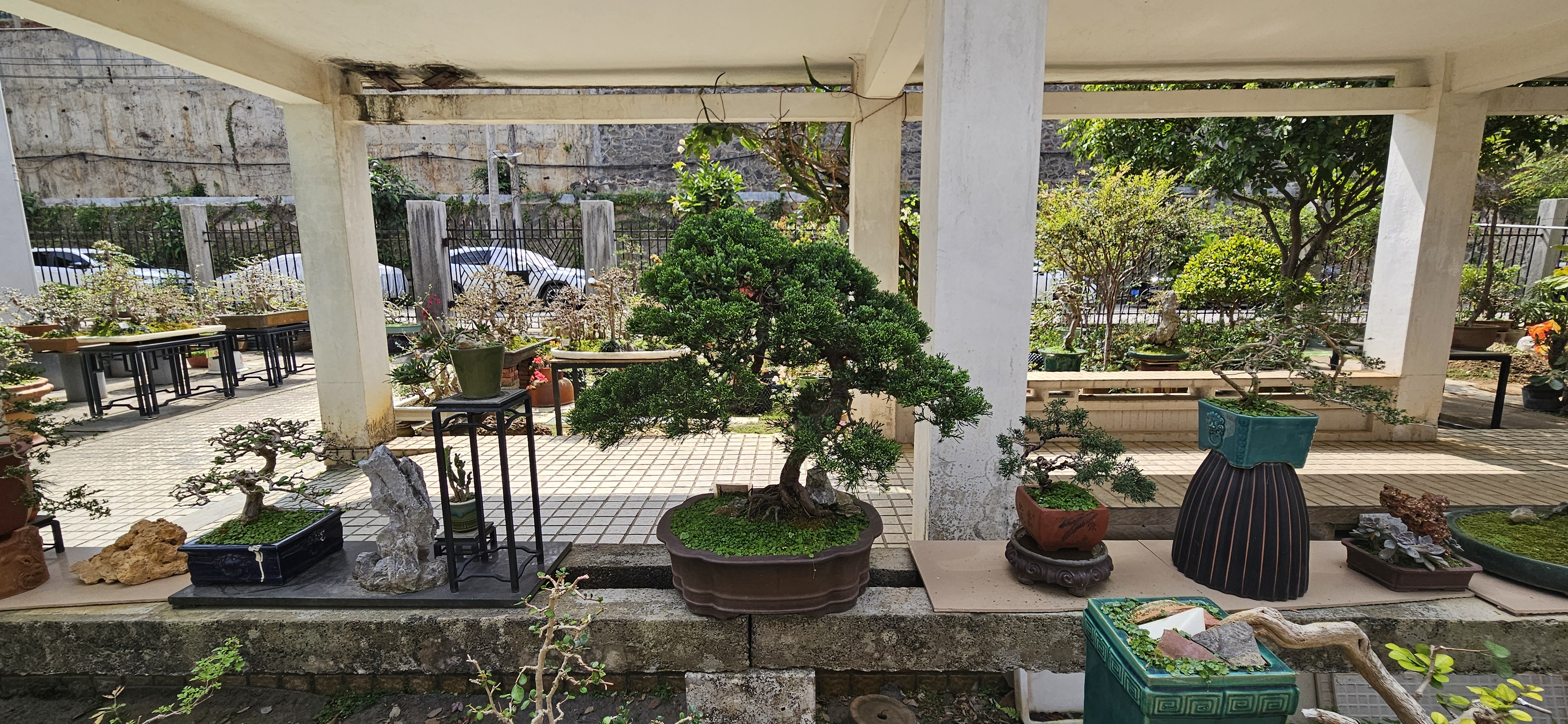
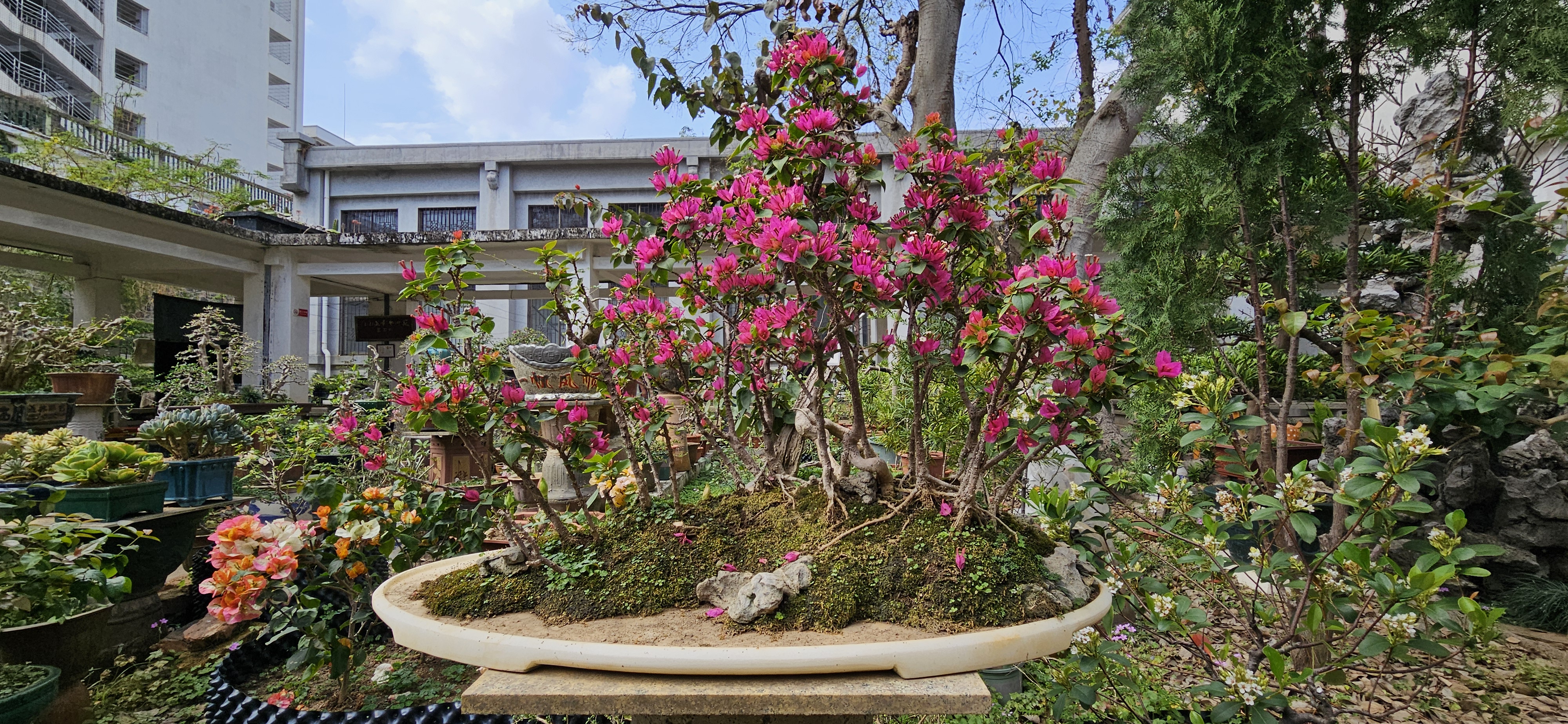
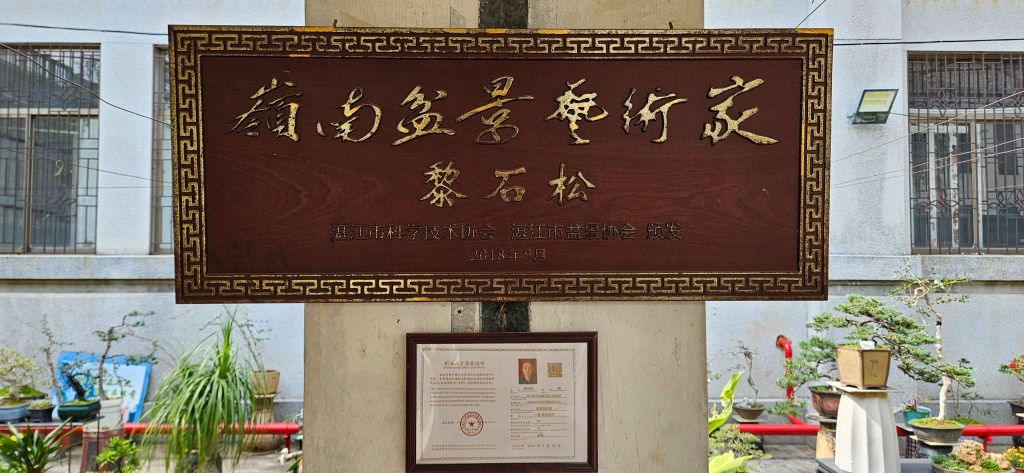
I saw a sign and a framed certificate/diploma-looking document, and translated; there was a Bonsai master who cultivated this garden; though he was not there that day, I felt lucky to be able to appreciate his fine work. (Translators aren’t always perfect; the top of the sign below was translated to “Lingnan Bonsai Electrician”)
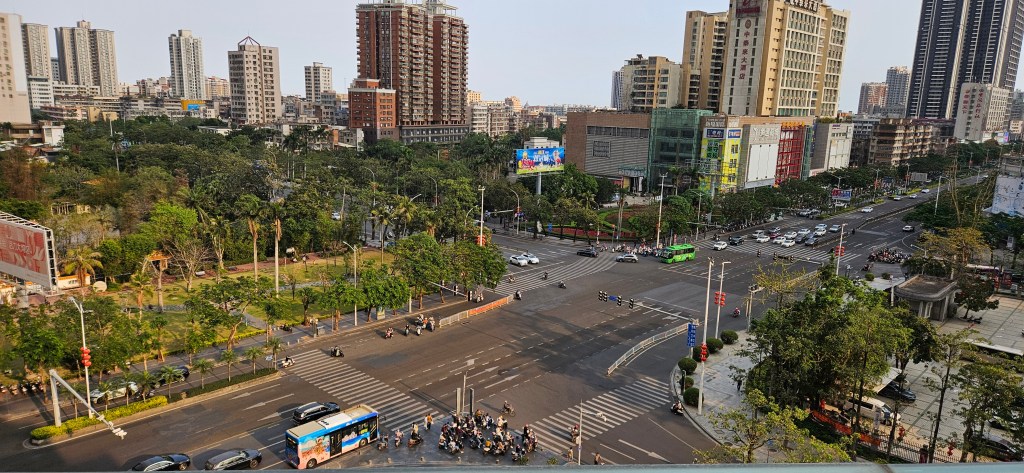
I returned to the hotel, and found there was a large patio that looked down on the street,
and when I went back inside, saw there was a massage spa right next door to the entrance, which I thought was kind of odd, as we were on the 7th floor already (the hotel, like many in China will have businesses or residential in the lower floors), but went inside and inquired, as Jessica and I have been wanting to try a Chinese massage.
The receptionist and masseuse did not speak English, but I made a translated copy and returned later, to get a very relaxing and deep, deep tissue massage; so much so that I returned looking like I fell down some stairs and landed directly on my back, it was so bruised. Jessica followed up the next day with her own bruises, but it was well worth it, as traveling by planes, trains, buses, and cars had wrecked havoc on our bodies.
More interesting times ahead in Zhanjiang, stay tuned!
 Phil's WayPastCool
That bonsai garden is amazing!
LikeLike